11 places to visit, chosen by the Cidade Turismo guide.
Illustrative images. The pictures in this guide are illustrations based on the real place, not photographs, and may differ from it.
To start
The 10 main places Caracas and El Ávila
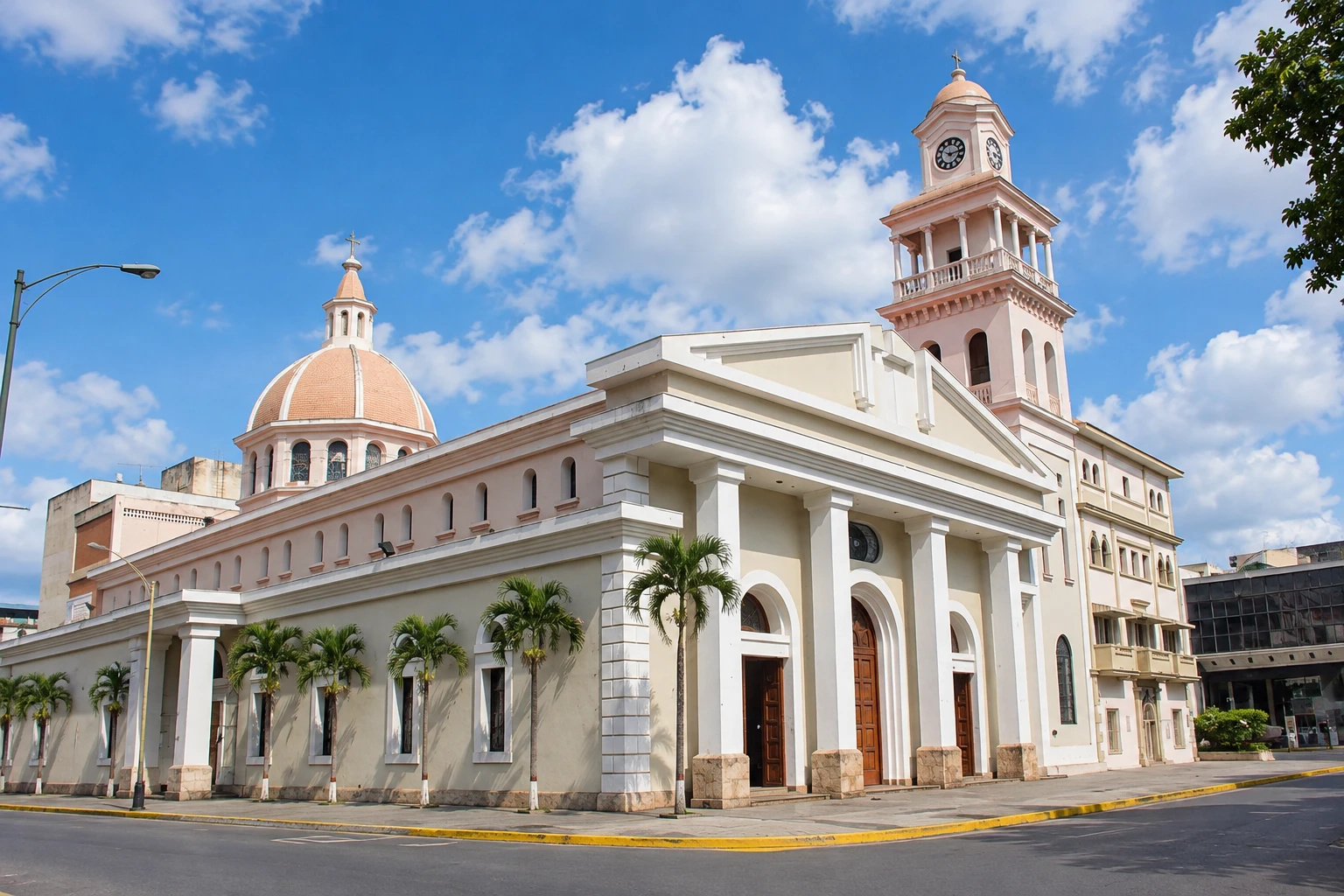
Cathedral of San Felipe Neri · Los TequesThe main church of Los Teques, seat of the diocese, opposite Plaza Bolívar.
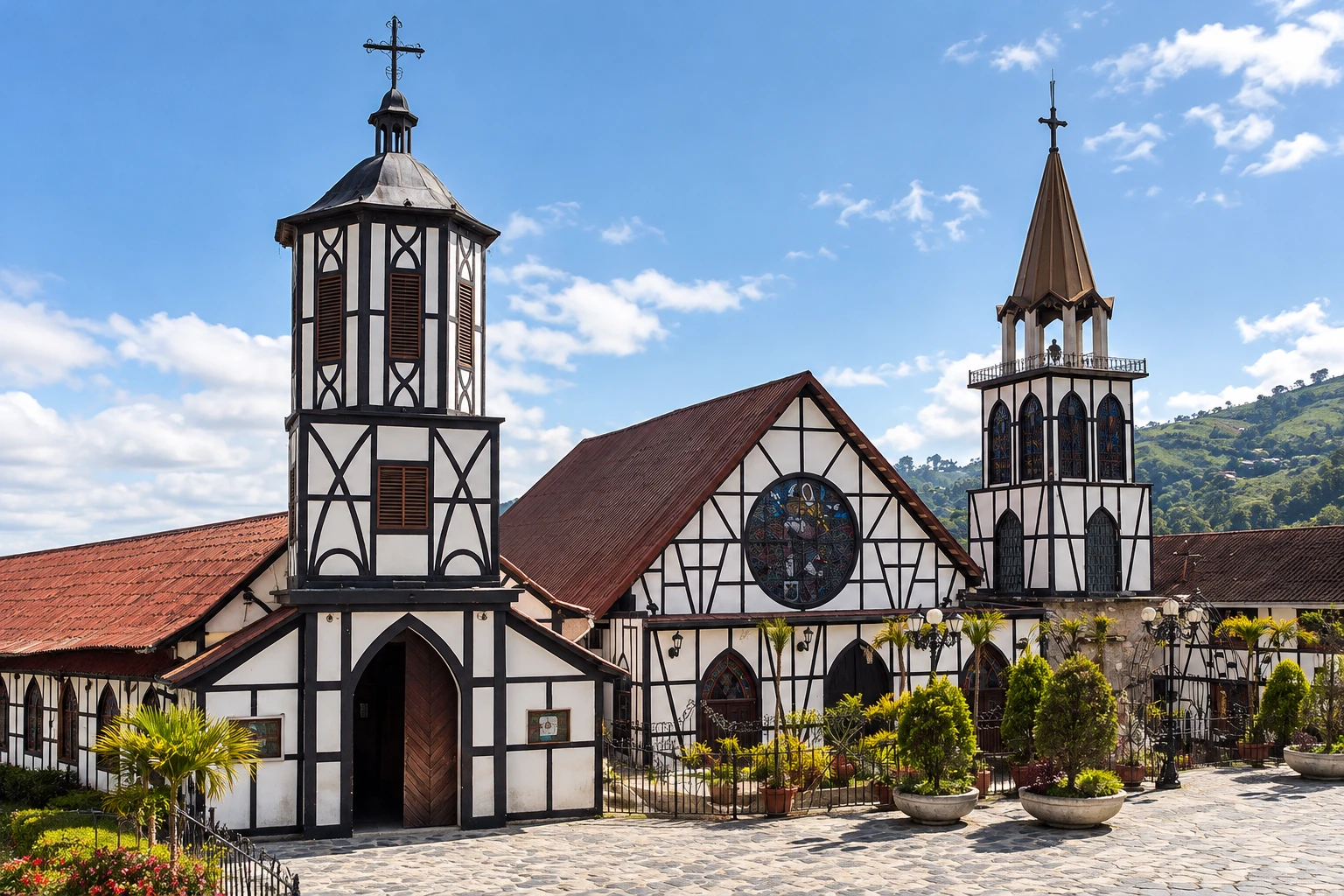
St. Martin of Tours Church · Colonia TovarThe church of Colonia Tovar, in the village center, was built by the colonists in homage to the church of Endingen in Germany, from which some of them came.
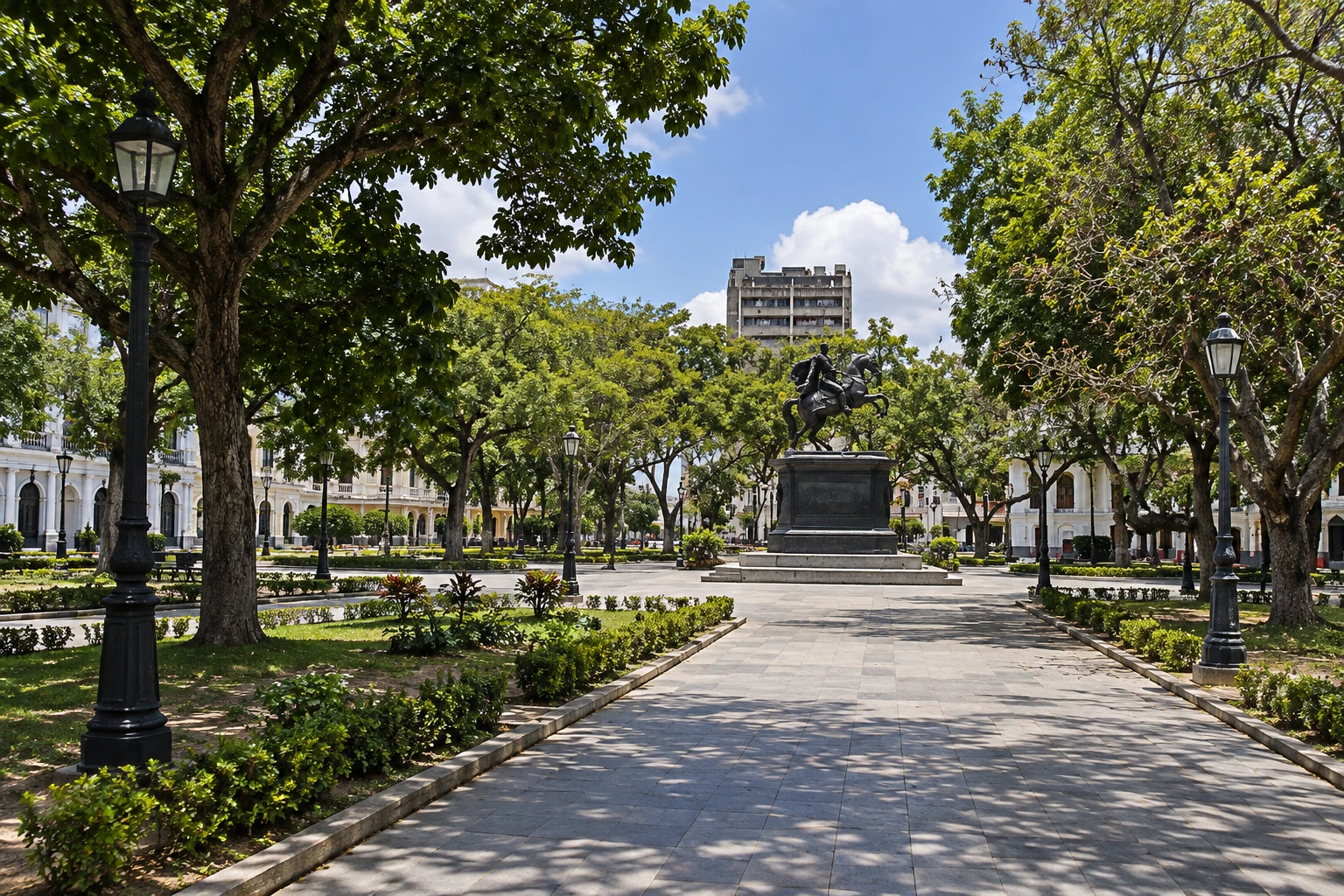
Bolívar Square, Caracas · CaracasThe main square of Caracas since its founding in 1567, featuring Bolívar's equestrian statue from 1874 and the Cathedral, where the Liberator's parents and wife are buried.
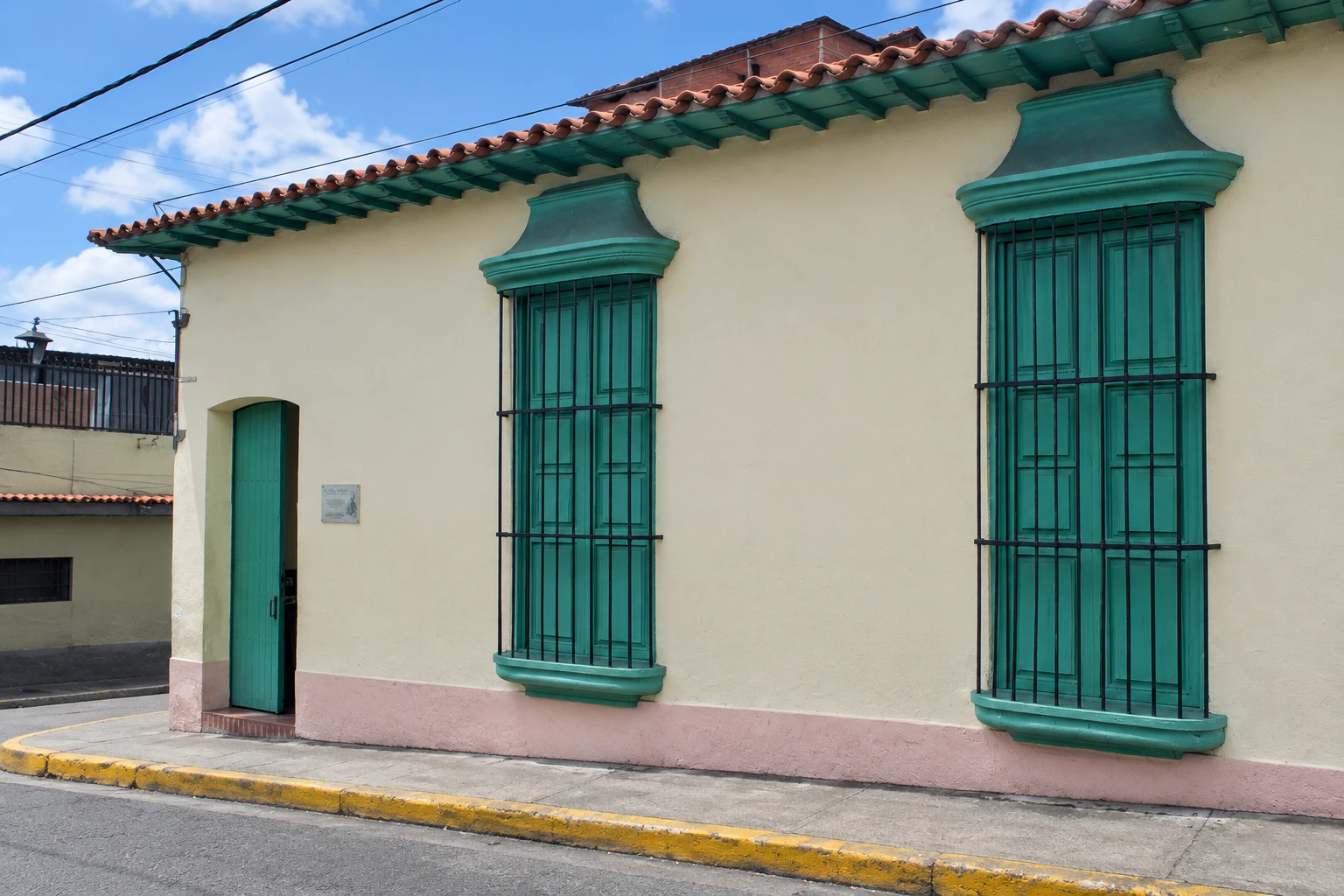
Arturo Michelena House Museum · Los TequesA colonial-style house museum in the center of Los Teques, dedicated to the painter Arturo Michelena, who lived in the city in 1897 seeking the cool mountain climate, and to loc...
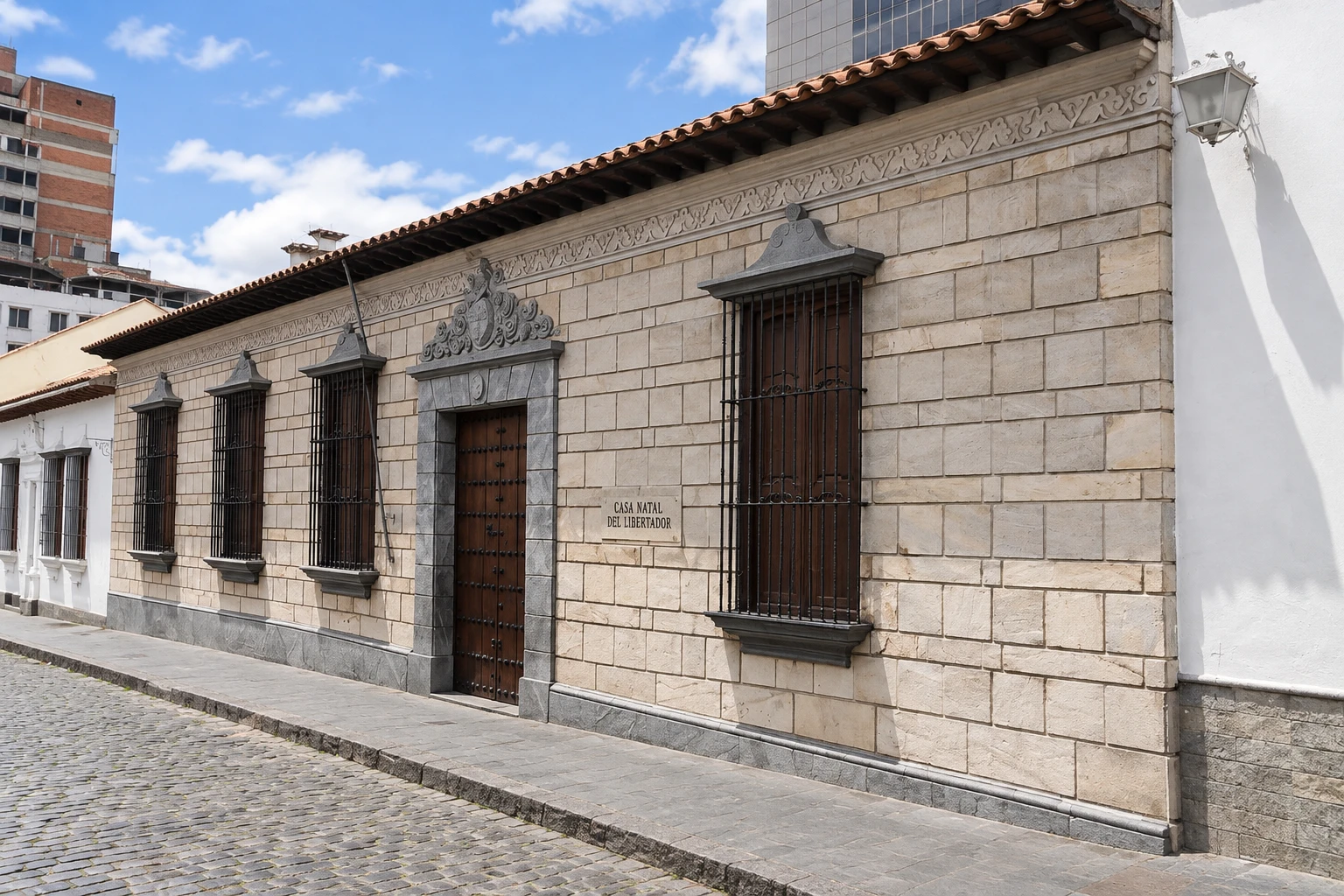
Birthplace of Simón Bolívar · CaracasThe colonial house where Simón Bolívar was born on July 24, 1783, between the intersections of San Jacinto and Traposos.
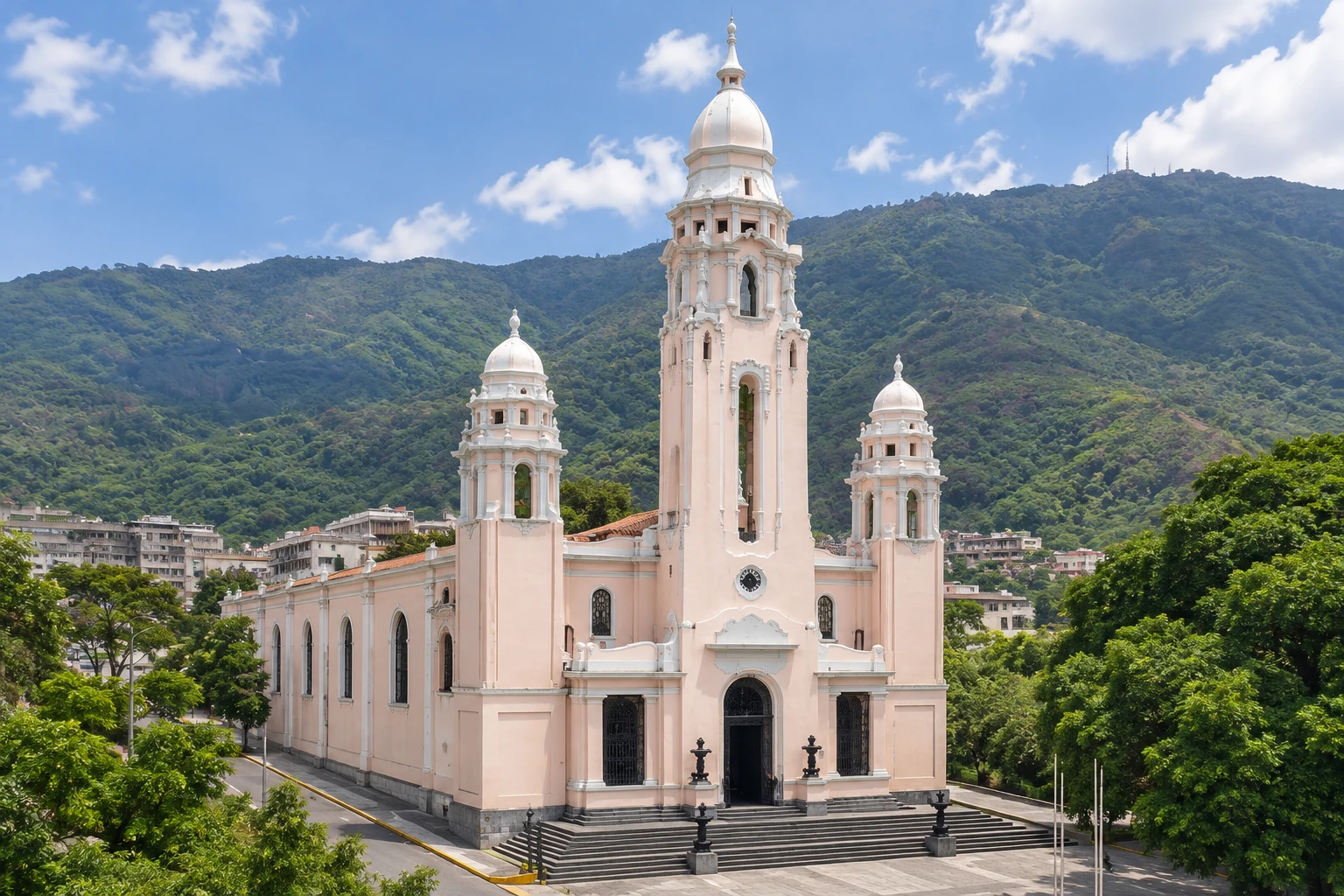
National Pantheon of Venezuela · CaracasThe former church of the Santísima Trinidad, converted into a pantheon in 1874, houses Simón Bolívar's bronze sarcophagus in the central nave, a ceiling painted with scenes from...
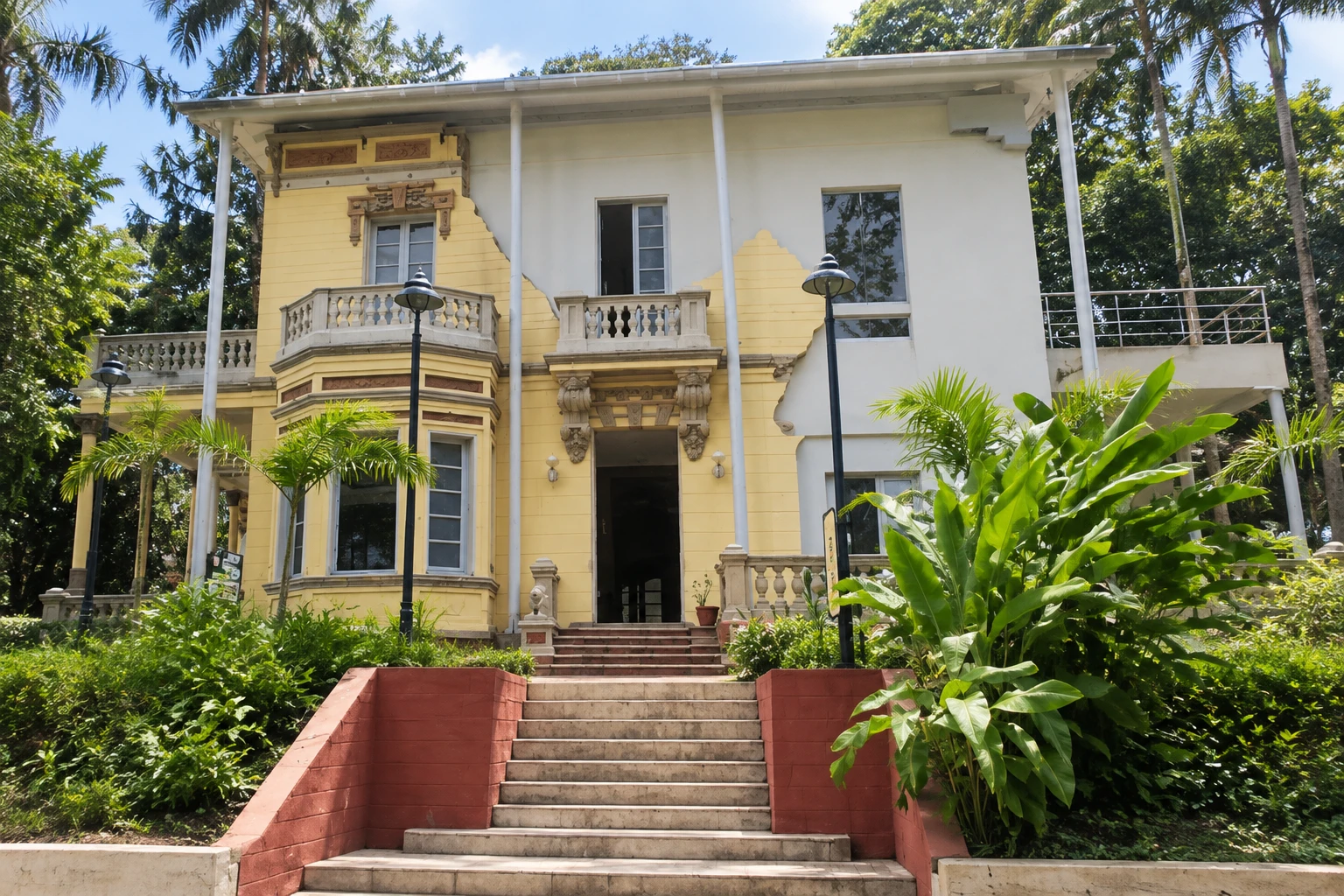
Villa Teola · Los Teques1912 house in downtown Los Teques, with balustrades and a garden, built as a summer residence.
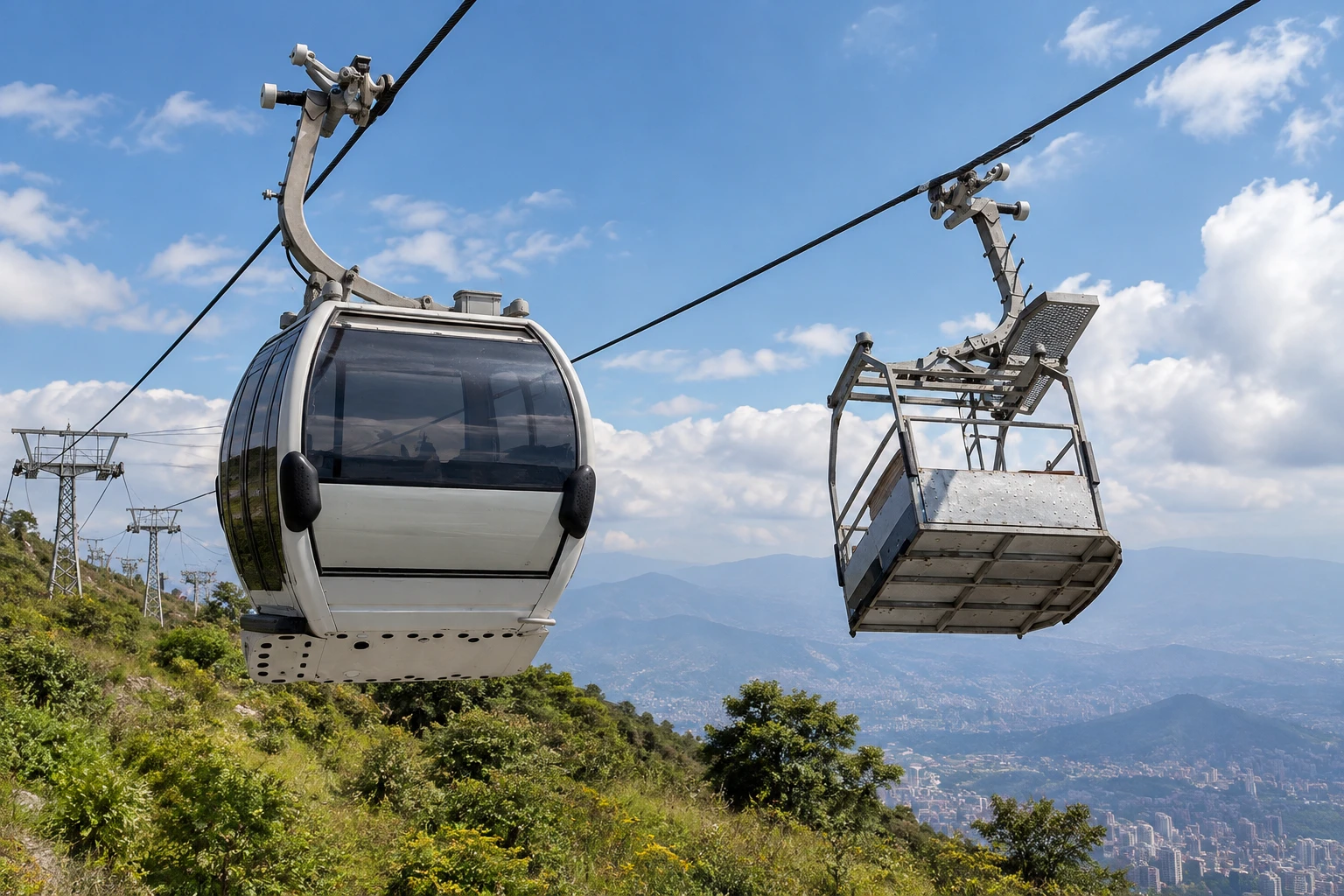
Caracas Cable Car · CaracasThe cable car that rises from the Maripérez neighborhood to the top of the Ávila, over 2,000 meters high, with views of the Caracas valley on one side and the Caribbean Sea on t...
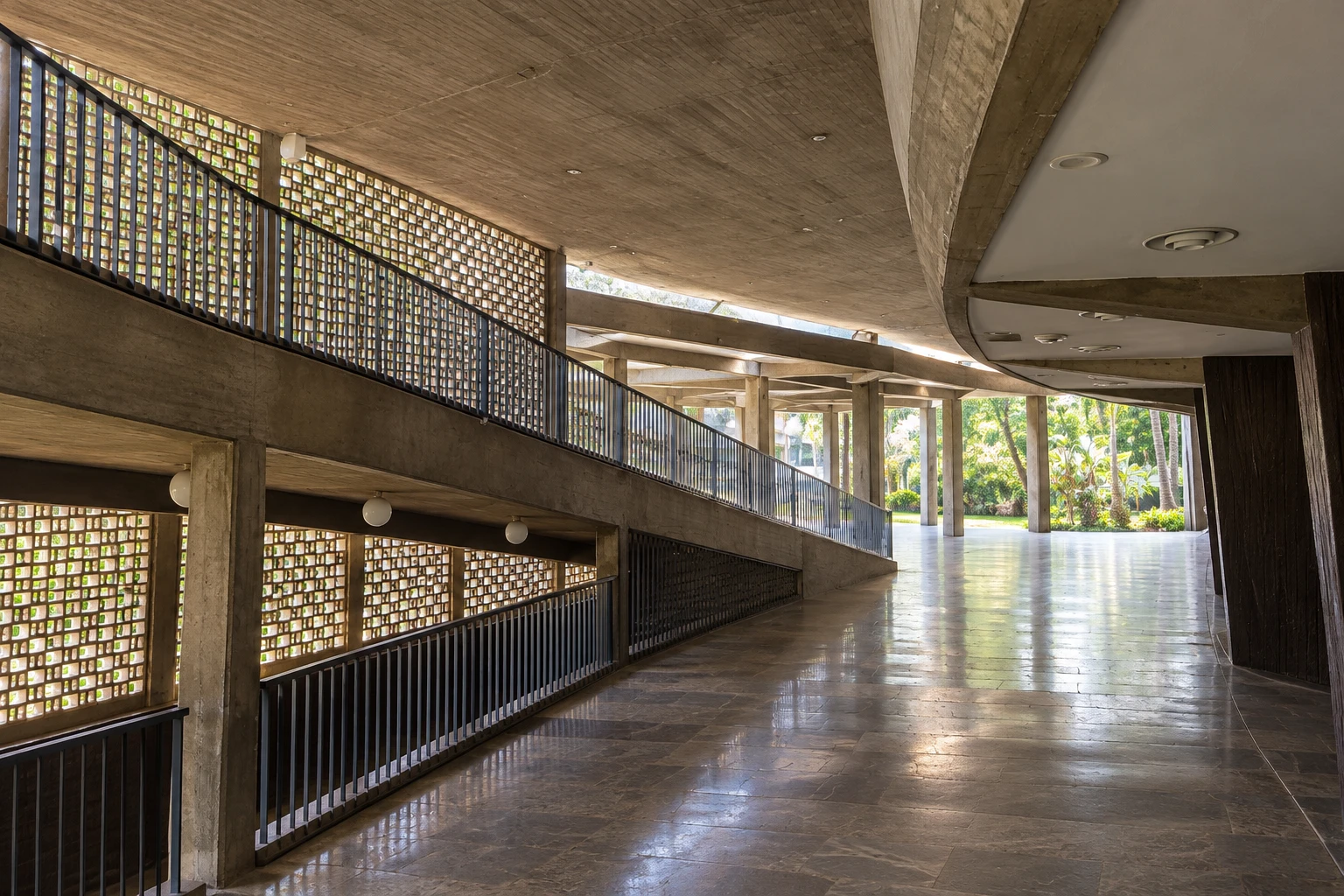
University City of Caracas · CaracasThe campus of the Universidad Central de Venezuela, designed by Carlos Raúl Villanueva and a UNESCO World Heritage Site since 2000, combines modern architecture and art: Alexand...
The main church of Los Teques, seat of the diocese, opposite Plaza Bolívar. The parish was born with the city at the end of the 18th century; the current building began to be raised in 1905 and was inaugurated in 1956.
The church of Colonia Tovar, in the village center, was built by the colonists in homage to the church of Endingen in Germany, from which some of them came. Around it are the history museum, the half-timbered houses and Codazzi street, with craft and sweet shops.
The main square of Caracas since its founding in 1567, featuring Bolívar's equestrian statue from 1874 and the Cathedral, where the Liberator's parents and wife are buried. Around it are the Capilla de Santa Rosa de Lima and the Palacio Municipal.
A colonial-style house museum in the center of Los Teques, dedicated to the painter Arturo Michelena, who lived in the city in 1897 seeking the cool mountain climate, and to local history.
The colonial house where Simón Bolívar was born on July 24, 1783, between the intersections of San Jacinto and Traposos. The courtyards and rooms have murals by Tito Salas depicting the life of the Liberator and family objects.
The former church of the Santísima Trinidad, converted into a pantheon in 1874, houses Simón Bolívar's bronze sarcophagus in the central nave, a ceiling painted with scenes from his life, and the tombs and cenotaphs of other figures in Venezuelan history.
1912 house in downtown Los Teques, with balustrades and a garden, built as a summer residence. Restored, it now operates as a museum and cultural center.
The cable car that rises from the Maripérez neighborhood to the top of the Ávila, over 2,000 meters high, with views of the Caracas valley on one side and the Caribbean Sea on the other. At the top are viewpoints, the Hotel Humboldt and the path to the village of Galipán.
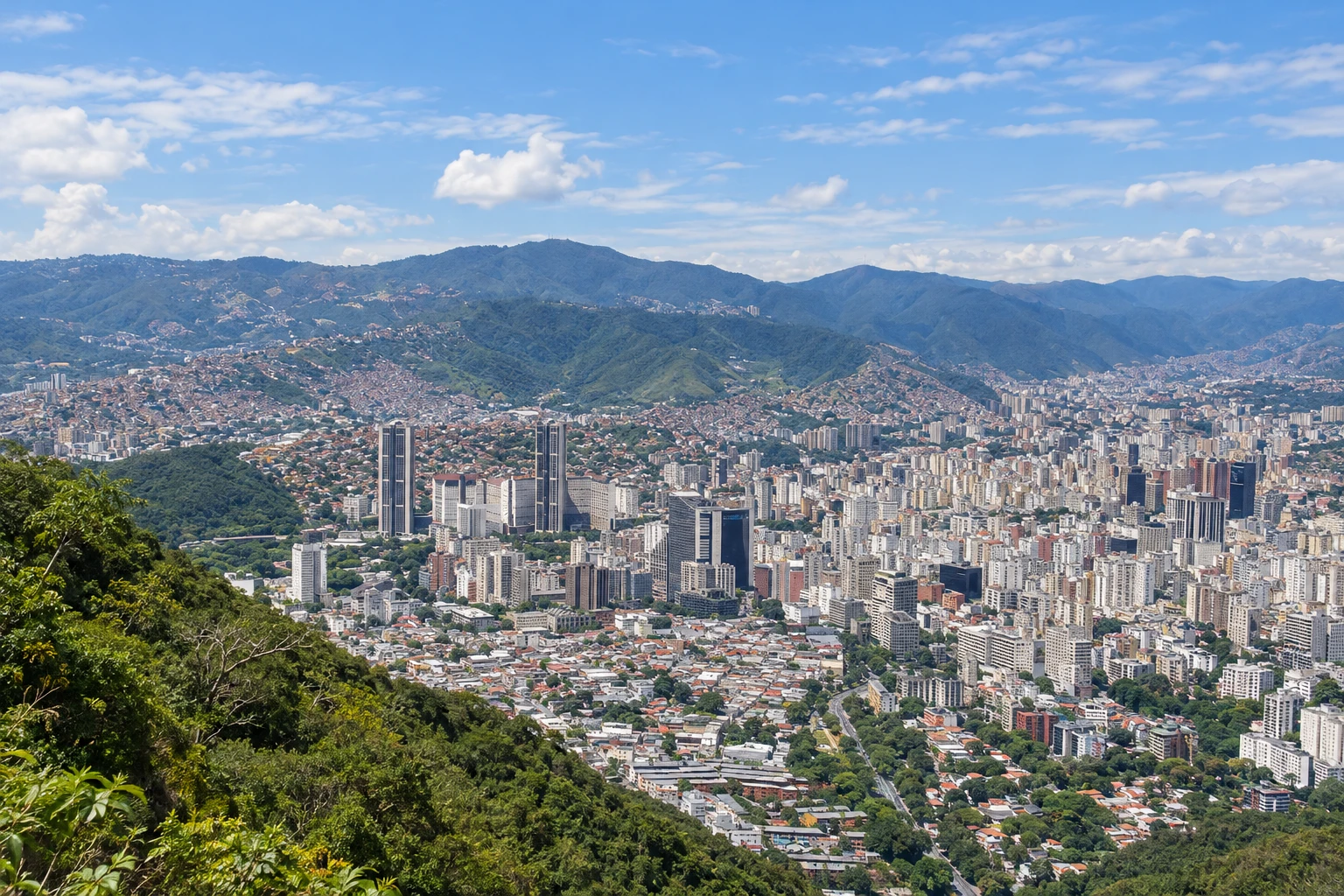
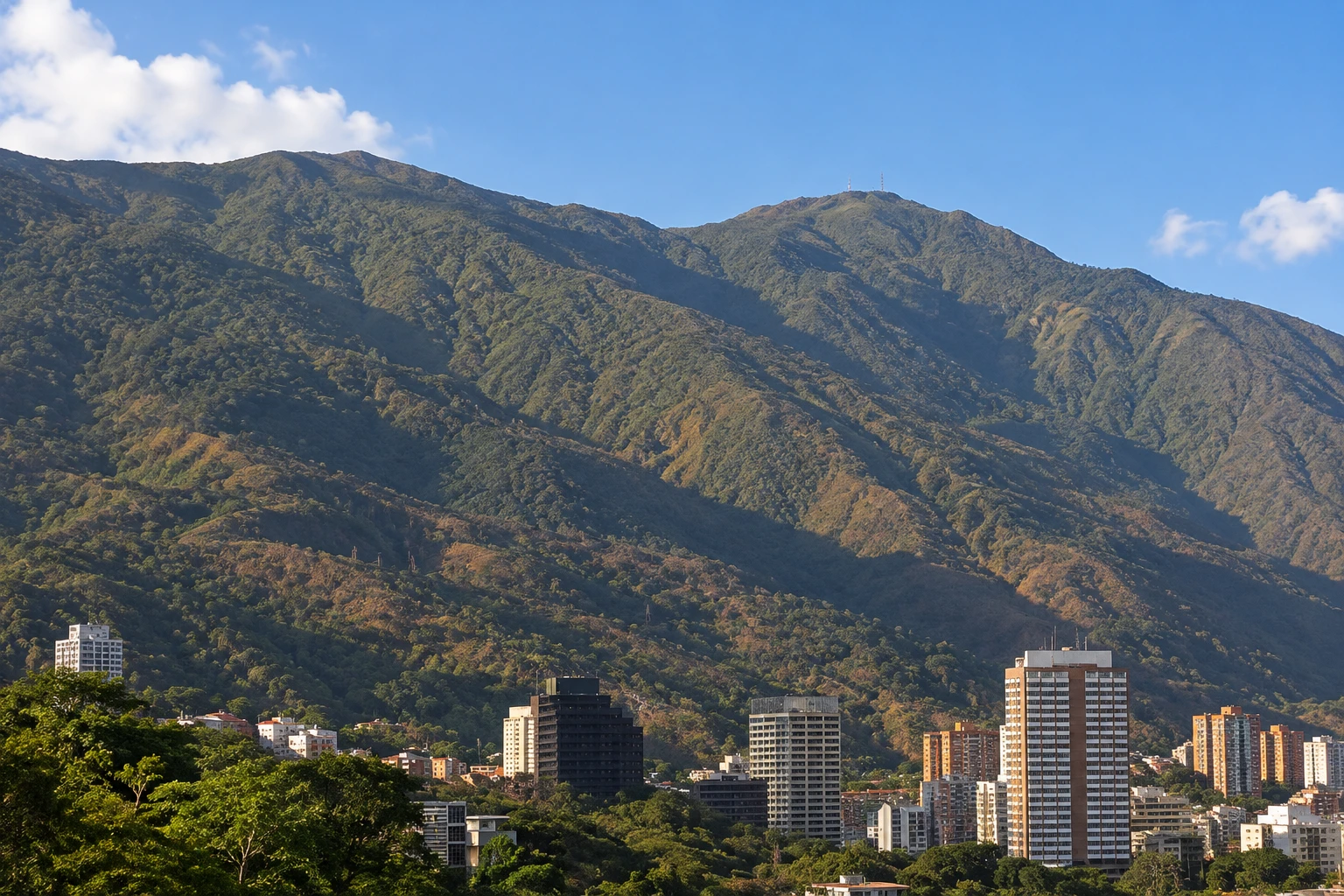
The green mountain range that separates Caracas from the sea, protected as a national park since 1958. Trails start at the northern edge of the city, such as the Sabas Nieves trail, and climb to peaks over 2,000 meters, like the Silla de Caracas.
The campus of the Universidad Central de Venezuela, designed by Carlos Raúl Villanueva and a UNESCO World Heritage Site since 2000, combines modern architecture and art: Alexander Calder's Clouds in the Aula Magna, stained glass by Fernand Léger and works by Vasarely, Arp and Pevsner.
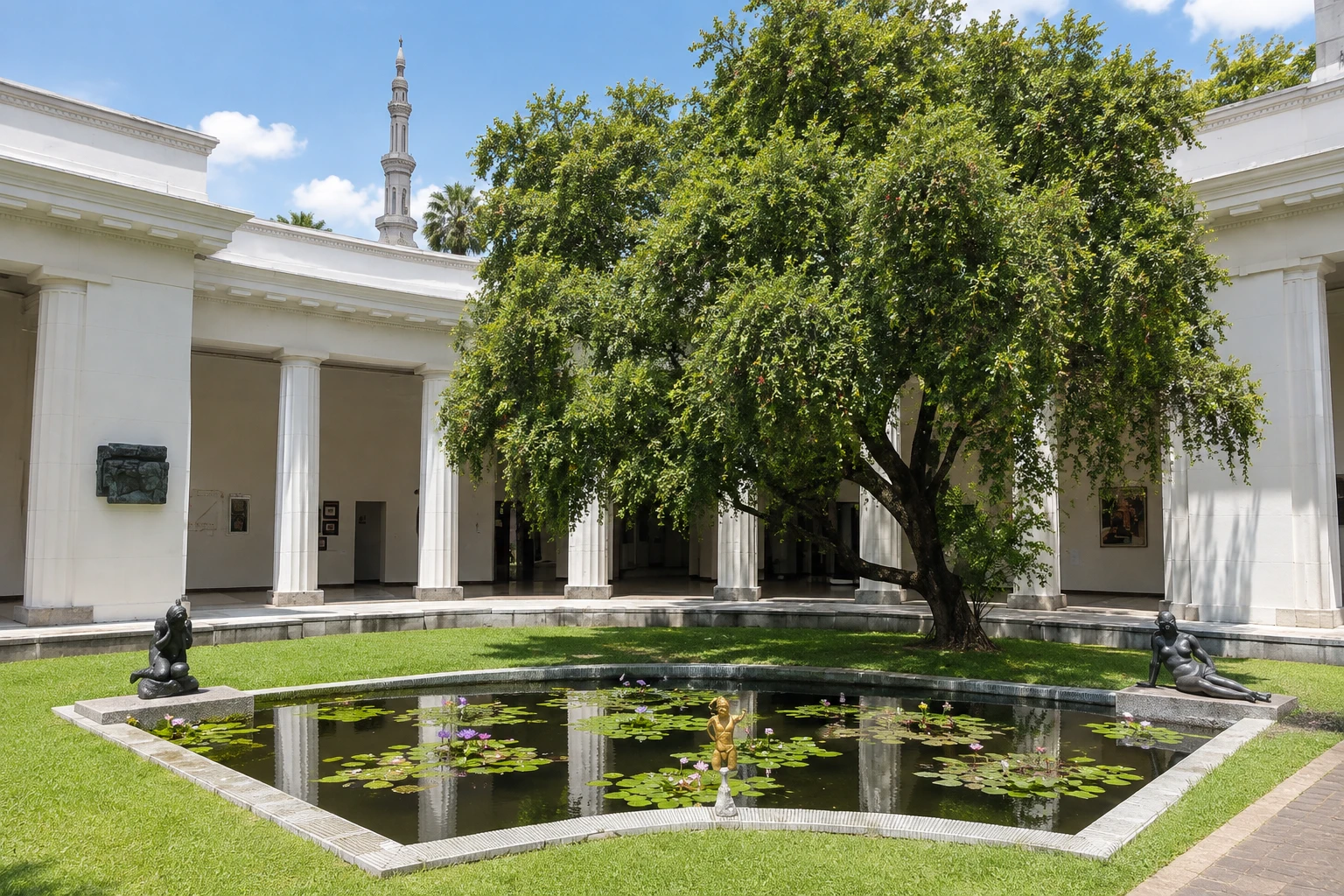
The oldest art museum in Venezuela, founded in 1917, housed in two buildings by Carlos Raúl Villanueva in the Plaza de los Museos, in Los Caobos park: ancient Egyptian art, ceramics, European and Latin American painting, and a sculpture garden.


 Brazil
 Antarctica
 Argentina
 Bolivia
 Chile
 Colombia
 Ecuador
 Falkland Islands (Malvinas)
 French Guiana
 Guyana
 Paraguay
 Peru
 Suriname
 Uruguay
 Albania
 Austria
 Belgium
 Croatia
 Denmark
 Finland
 France
 Germany
 Greece
 Hungary
 Iceland
 Ireland
 Italy
 Luxembourg
 Norway
 Poland
 Portugal
 Slovakia
 Slovenia
 Spain
 Sweden
 Switzerland
 the Czech Republic
 the Netherlands
 the United Kingdom
 Turkey
 Bermuda
 Canada
 Greenland
 Mexico
 Saint Pierre and Miquelon
 the United States
 the Dominican Republic
 Japan
 Egypt
 South Africa
 Australia
 Fiji
 New Zealand
 Papua New Guinea