11 places to visit and 14 tours, chosen by the Cidade Turismo guide.
Updated
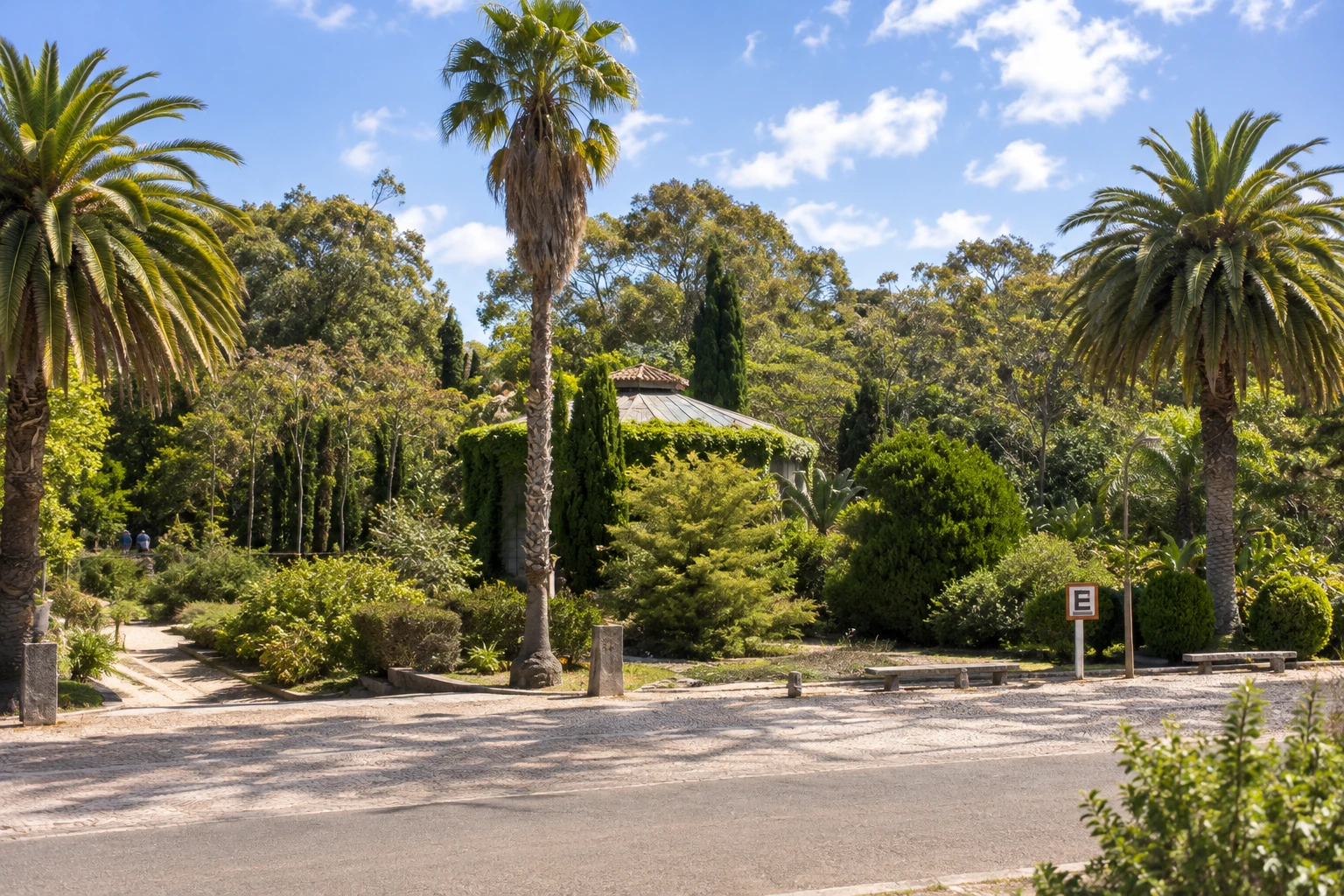
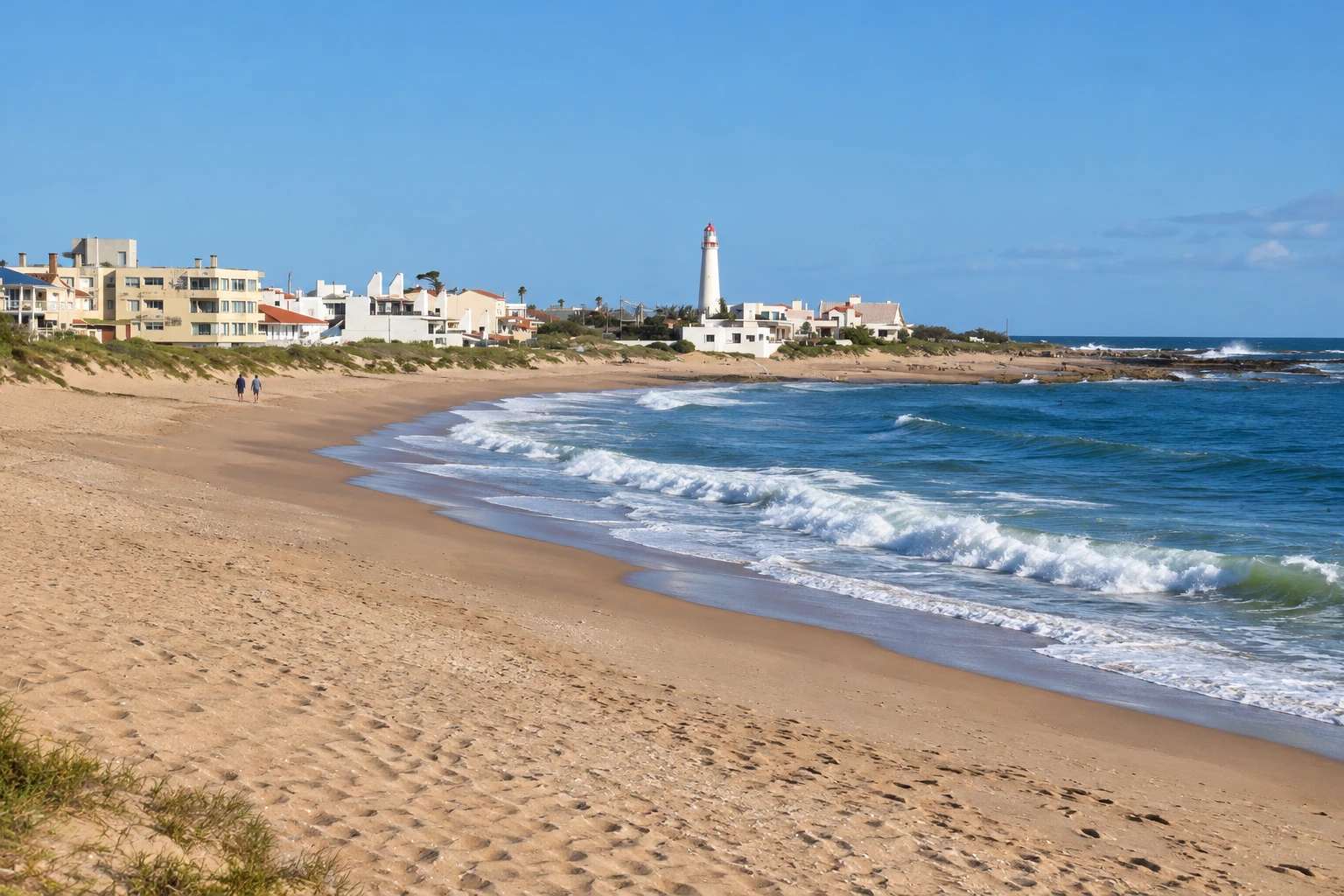
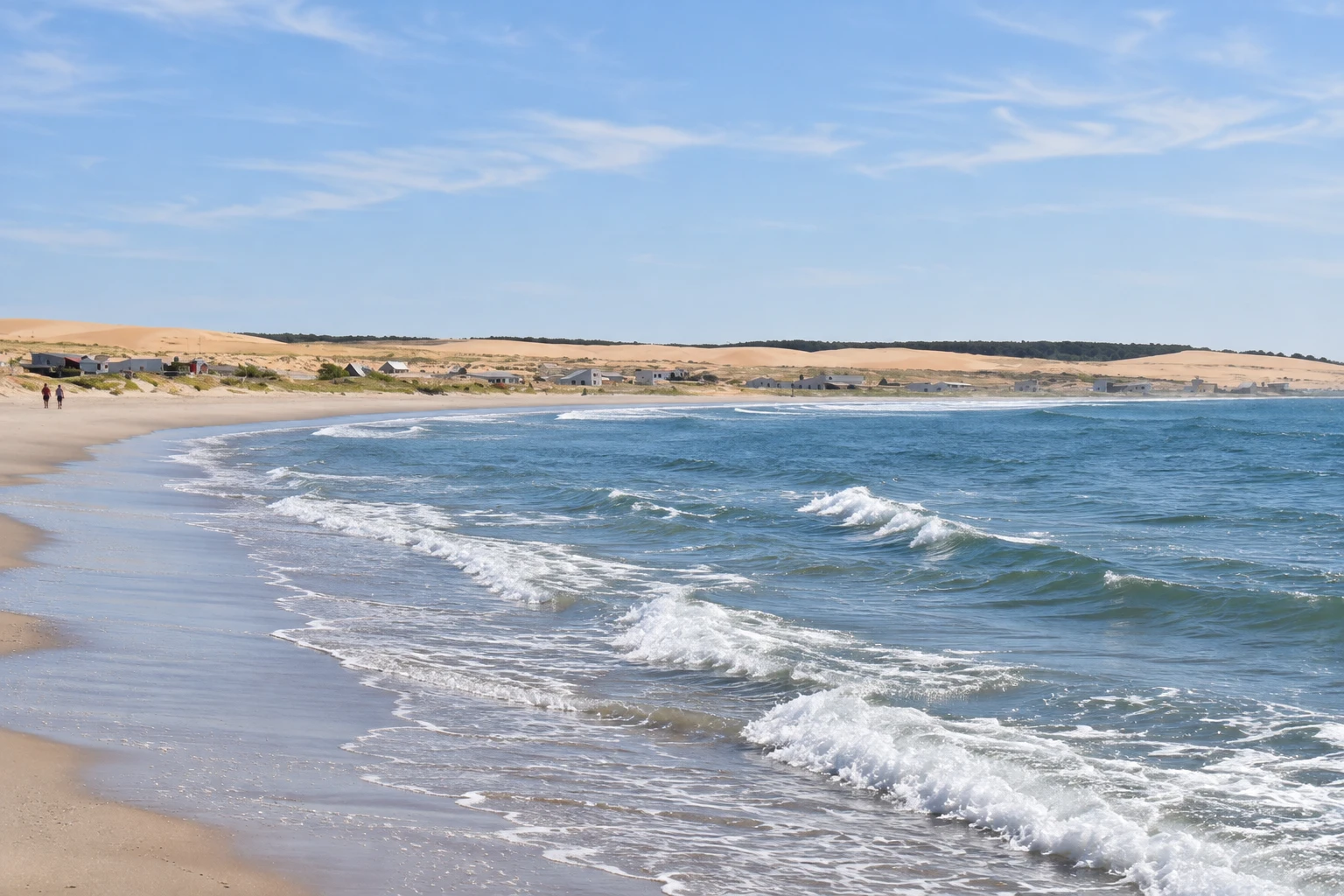
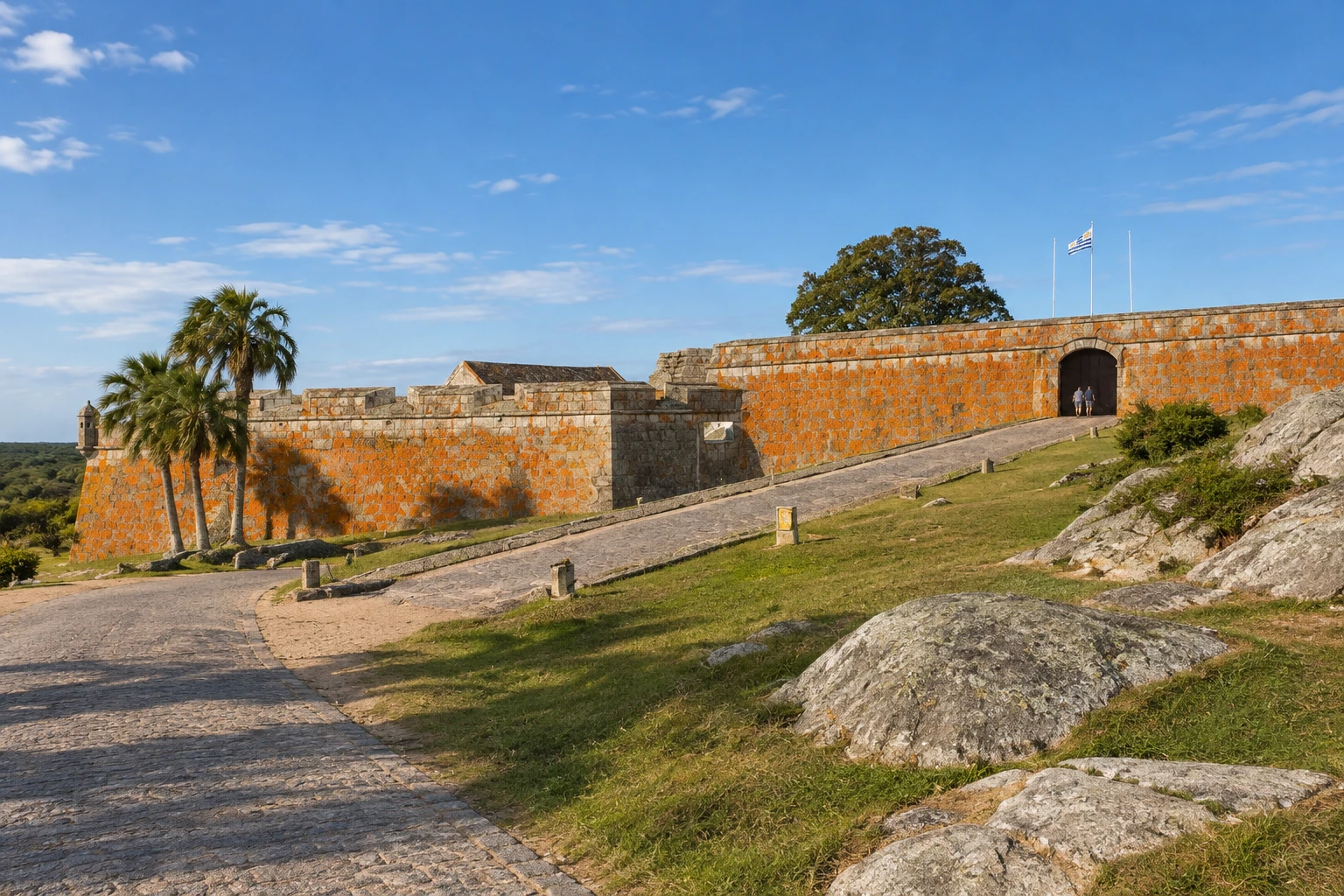
Illustrative images. The pictures in this guide are illustrations based on the real place, not photographs, and may differ from it.
To start
The 10 main places Rocha Coast
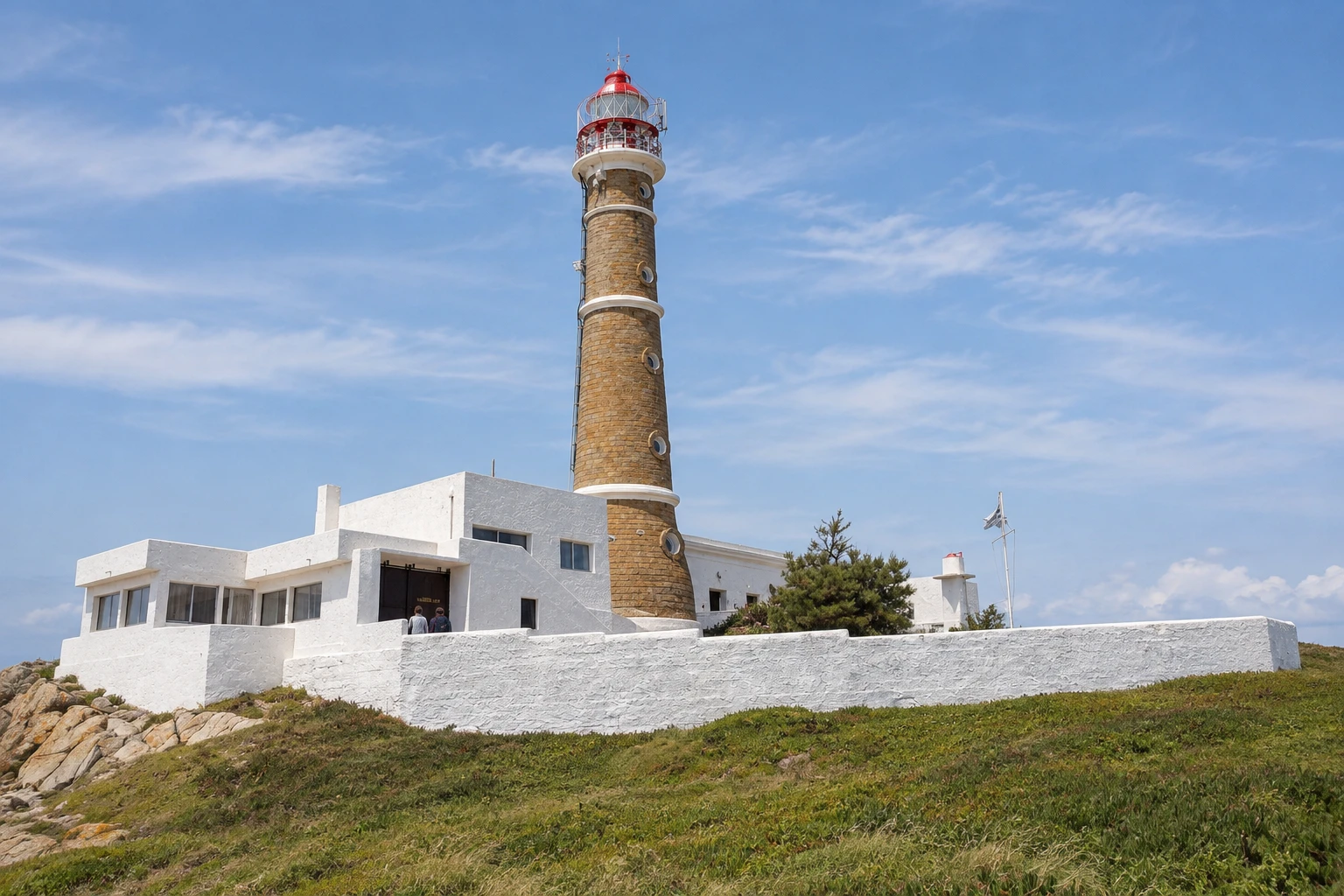
Cabo Polonio Lighthouse · Cabo PolonioStone lighthouse first lit in 1881 on the rocky tip of Cabo Polonio, a National Historic Monument.
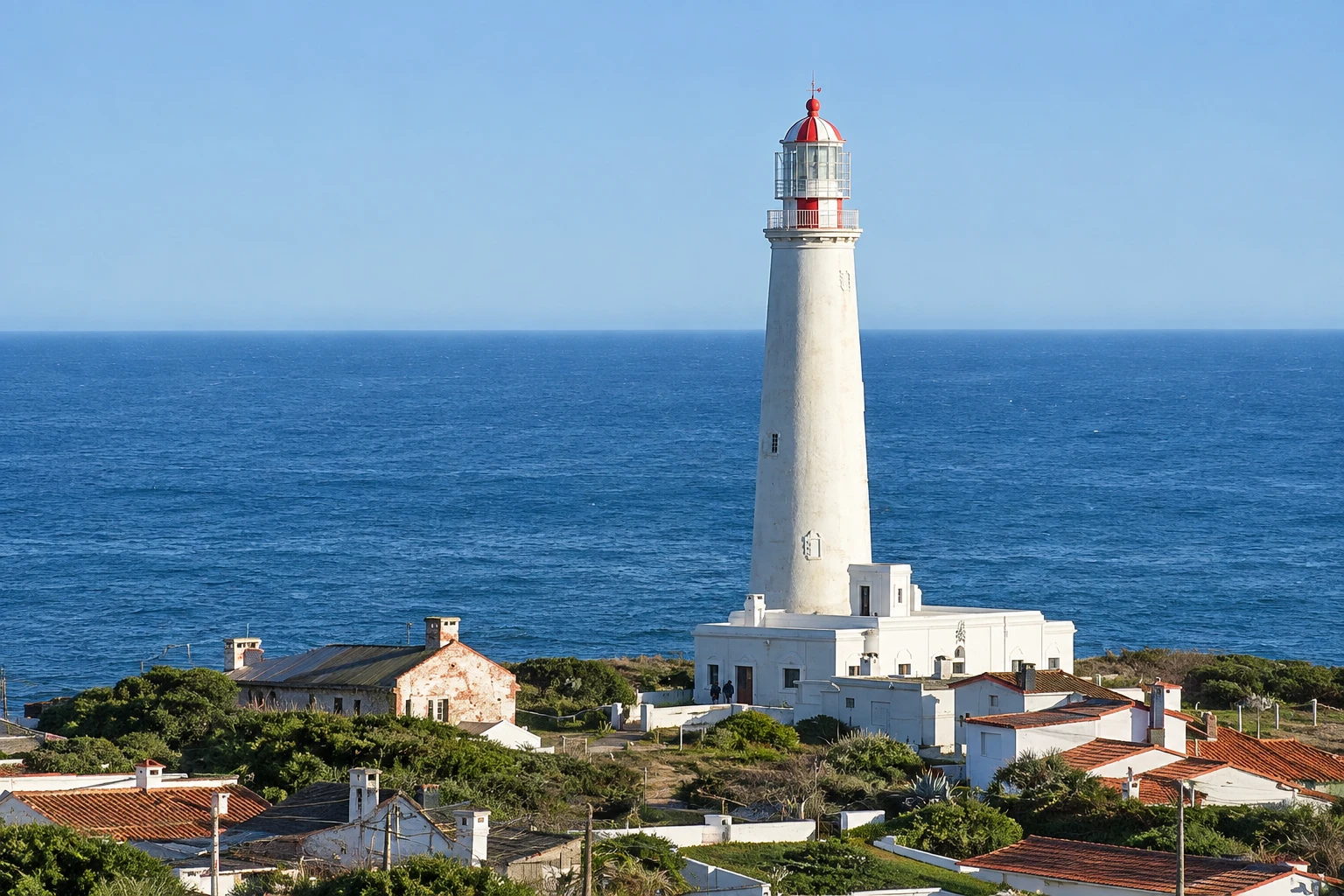
Cabo Santa María Lighthouse · La Paloma30-meter lighthouse lit in 1874 on cabo Santa María, a landmark in the founding of La Paloma.
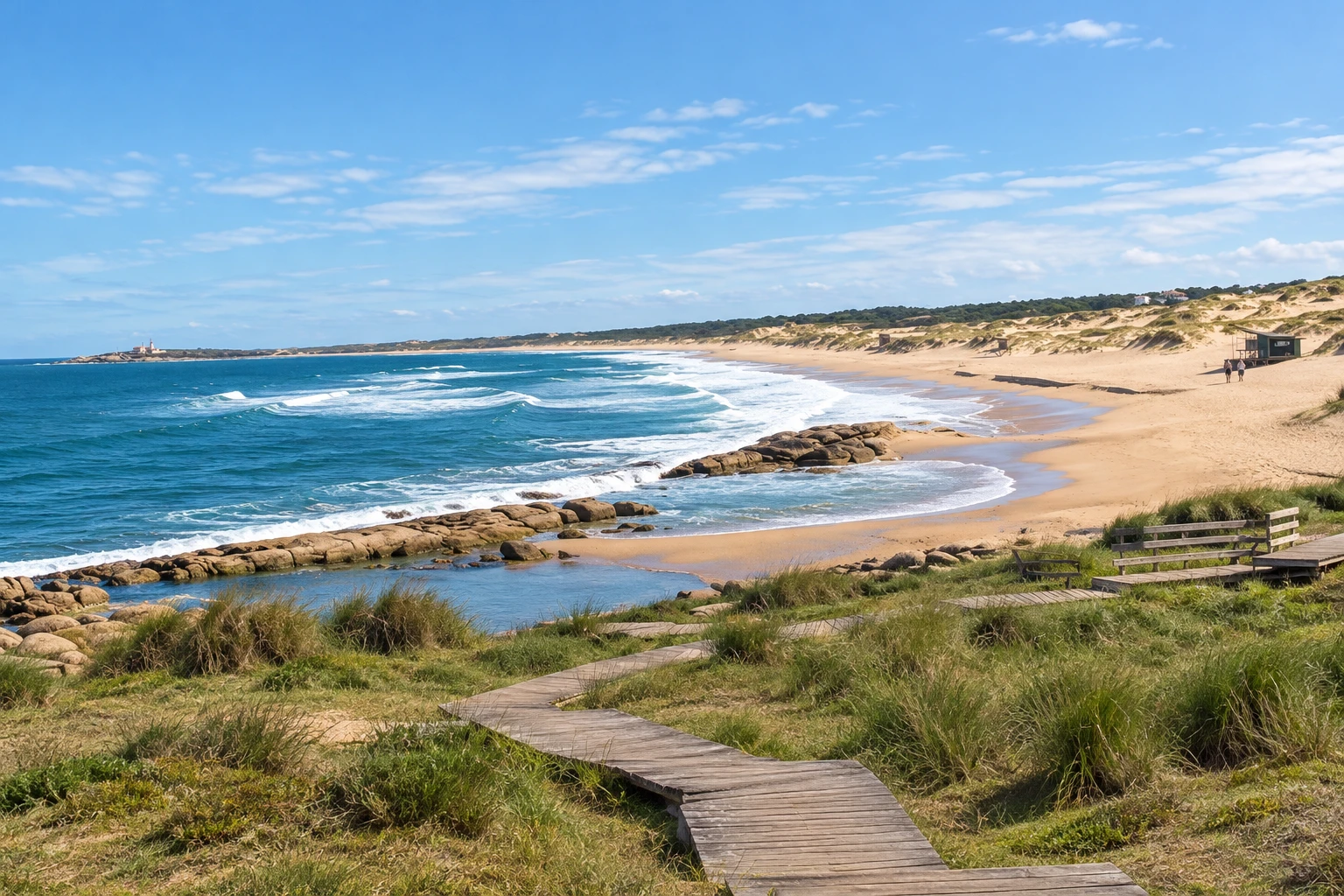
Playa de la Viuda · Punta del DiabloLong beach south of the village of Punta del Diablo, popular with surfers for the waves that form offshore.
Santa Teresa National Park · Punta del DiabloA 3,000-hectare park on Ruta 9, between Punta del Diablo and La Coronilla, with more than 2 million trees, a greenhouse, rose garden, wildlife refuge, camping and four ocean bea...
La Balconada Beach · La PalomaOpen-sea beach west of La Paloma's lighthouse, where locals and tourists often gather late in the afternoon to watch the sun set over the sea and applaud.
Playa de la Calavera · Cabo PolonioBeach north of the cape of Cabo Polonio, back-to-back with Playa Sur.
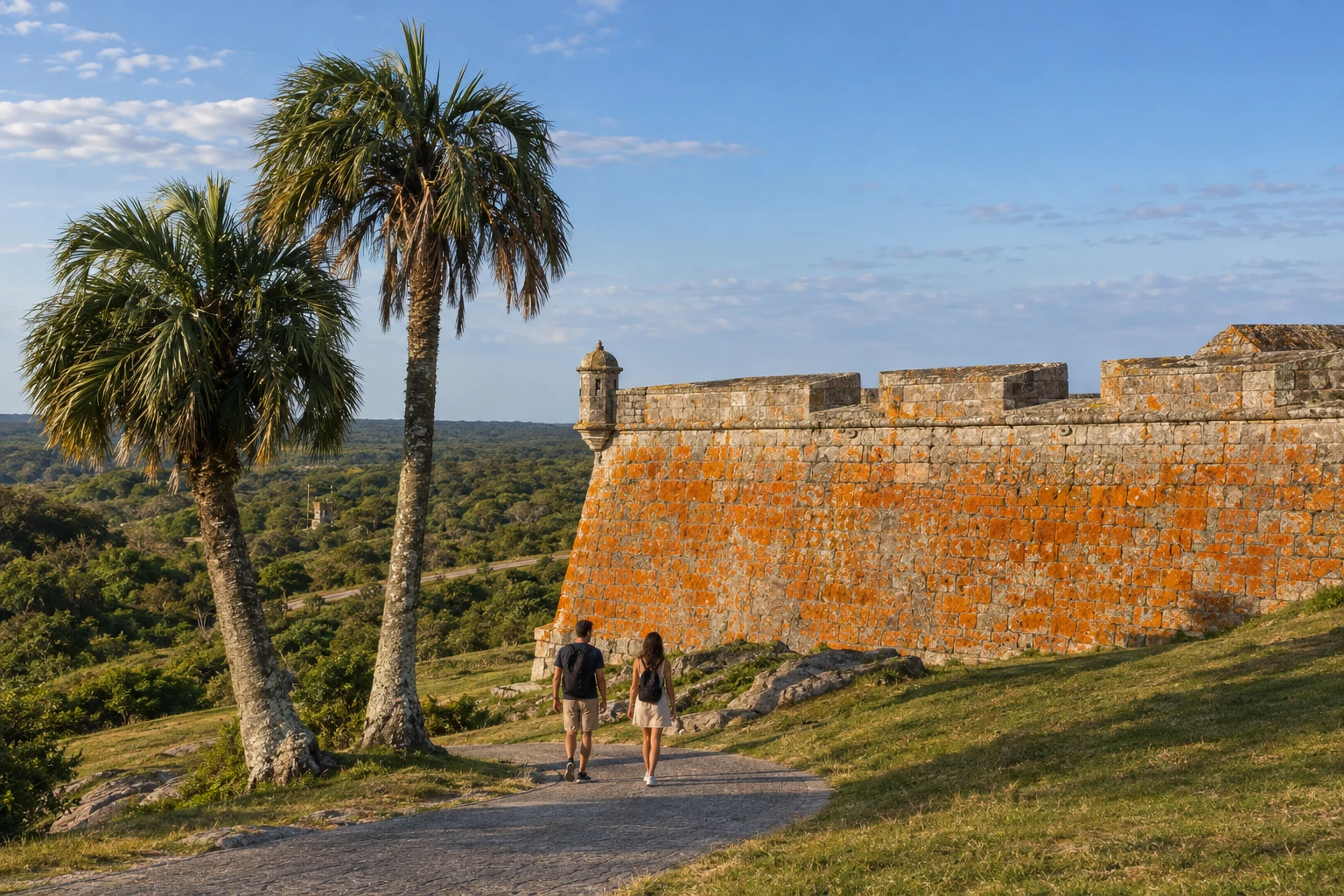
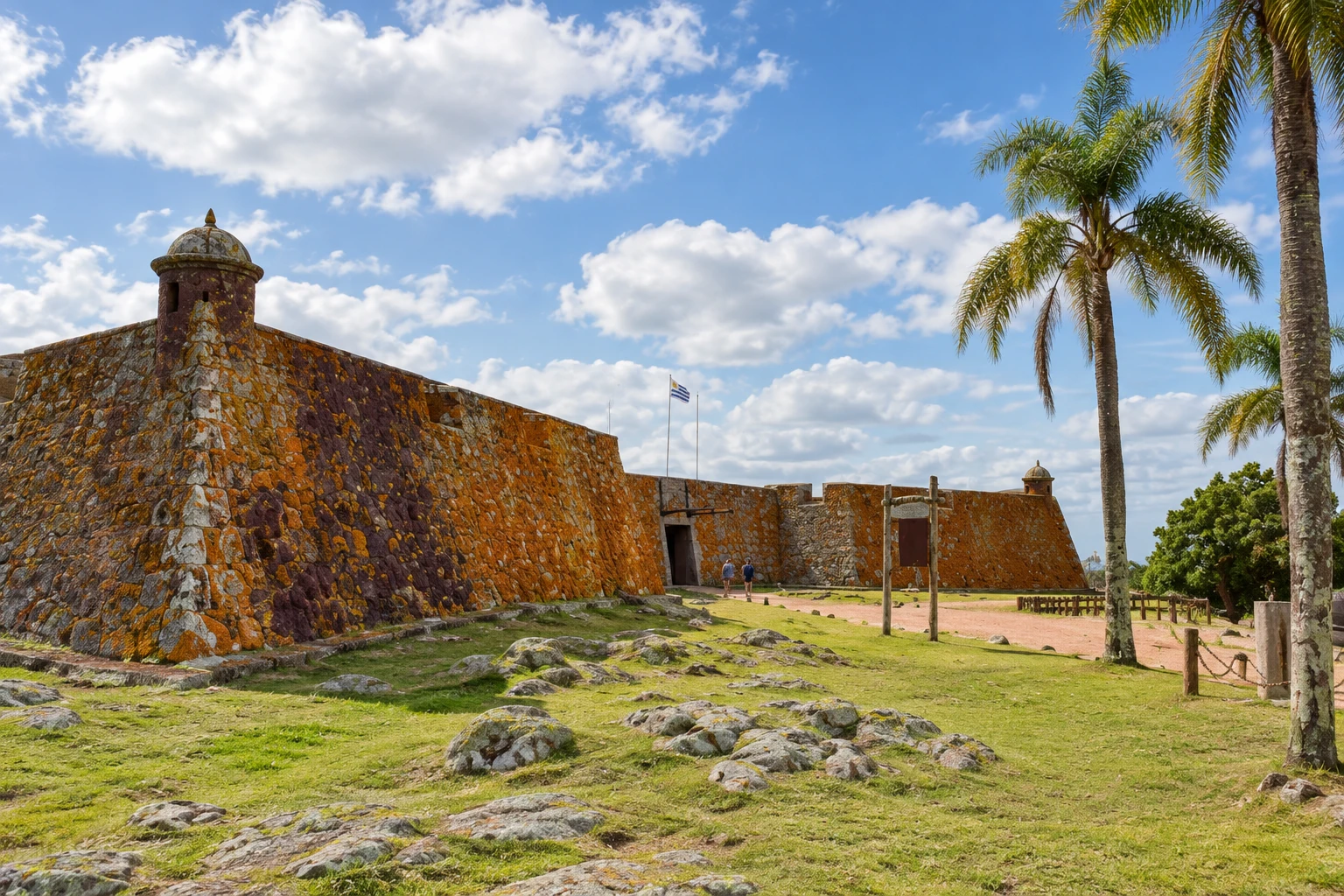
Santa Teresa Fortress · Punta del DiabloStone fortress begun by the Portuguese in 1762 and completed by the Spanish, on a rise beside Ruta 9.
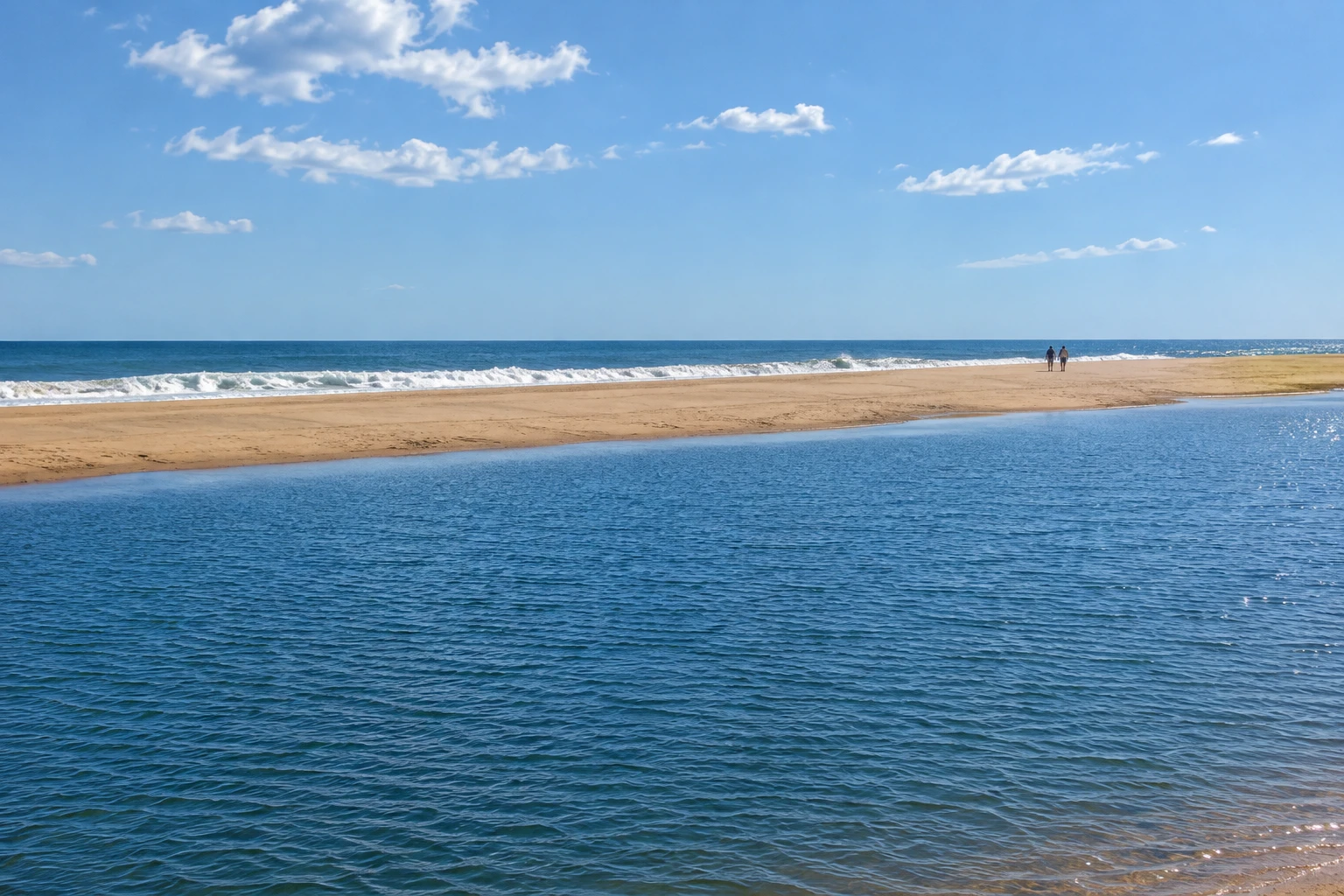
Rocha Lagoon · La PalomaShallow coastal lagoon separated from the sea by a sandbar, a protected area with more than 220 bird species, black-necked swans and flamingos, a few kilometers from La Paloma.
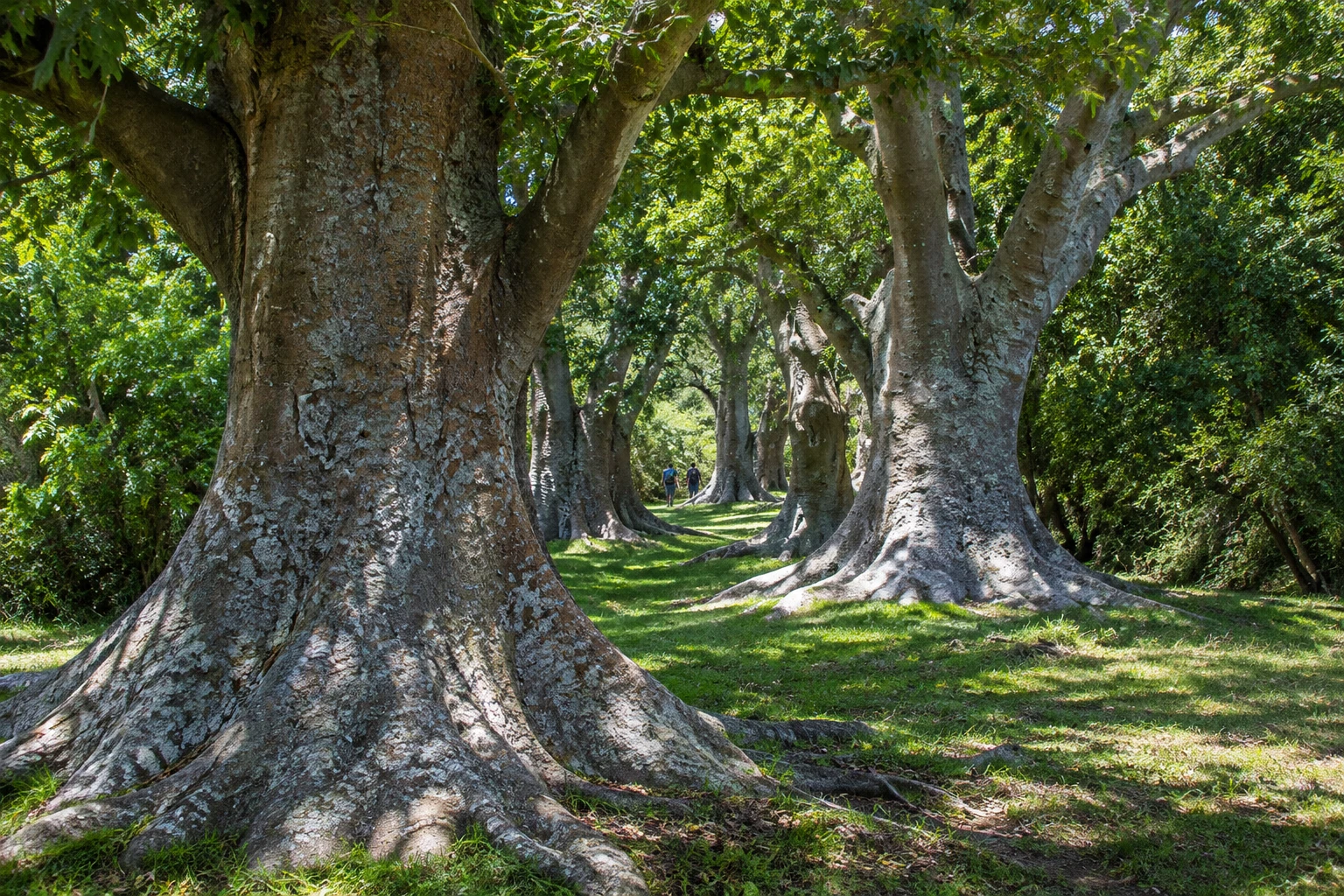
Monte de Ombúes · Cabo PolonioLargest grouping of ombu trees in the Río de la Plata region, along a stretch of about 20 km on the shores of the Laguna de Castillos.
Fort San Miguel · Punta del DiabloColonial fort of pink granite stone atop Cerro de San Miguel, 7 km from Chuí, with a drawbridge and the Military History Museum.
Stone lighthouse first lit in 1881 on the rocky tip of Cabo Polonio, a National Historic Monument. From the top, after 132 steps, you can see the village, the dunes, the Torres islands, and the colony of sea lions.
30-meter lighthouse lit in 1874 on cabo Santa María, a landmark in the founding of La Paloma. A spiral staircase of 143 steps leads to the balcony, with views over the town and the beaches.
Long beach south of the village of Punta del Diablo, popular with surfers for the waves that form offshore. In summer it hosts competitions with athletes from the region.
A 3,000-hectare park on Ruta 9, between Punta del Diablo and La Coronilla, with more than 2 million trees, a greenhouse, rose garden, wildlife refuge, camping and four ocean beaches.
Open-sea beach west of La Paloma's lighthouse, where locals and tourists often gather late in the afternoon to watch the sun set over the sea and applaud.
Beach north of the cape of Cabo Polonio, back-to-back with Playa Sur. It stretches for kilometers between the sea and the moving dunes, heading toward Barra de Valizas.
Stone fortress begun by the Portuguese in 1762 and completed by the Spanish, on a rise beside Ruta 9. Restored in the 20th century, it now operates as a museum within the national park.
Shallow coastal lagoon separated from the sea by a sandbar, a protected area with more than 220 bird species, black-necked swans and flamingos, a few kilometers from La Paloma.
Largest grouping of ombu trees in the Río de la Plata region, along a stretch of about 20 km on the shores of the Laguna de Castillos. The visit is guided, with arrival by boat via the Arroyo Valizas or on foot.
Colonial fort of pink granite stone atop Cerro de San Miguel, 7 km from Chuí, with a drawbridge and the Military History Museum. Next to it, Cerro Picudo has a marked trail to the summit.
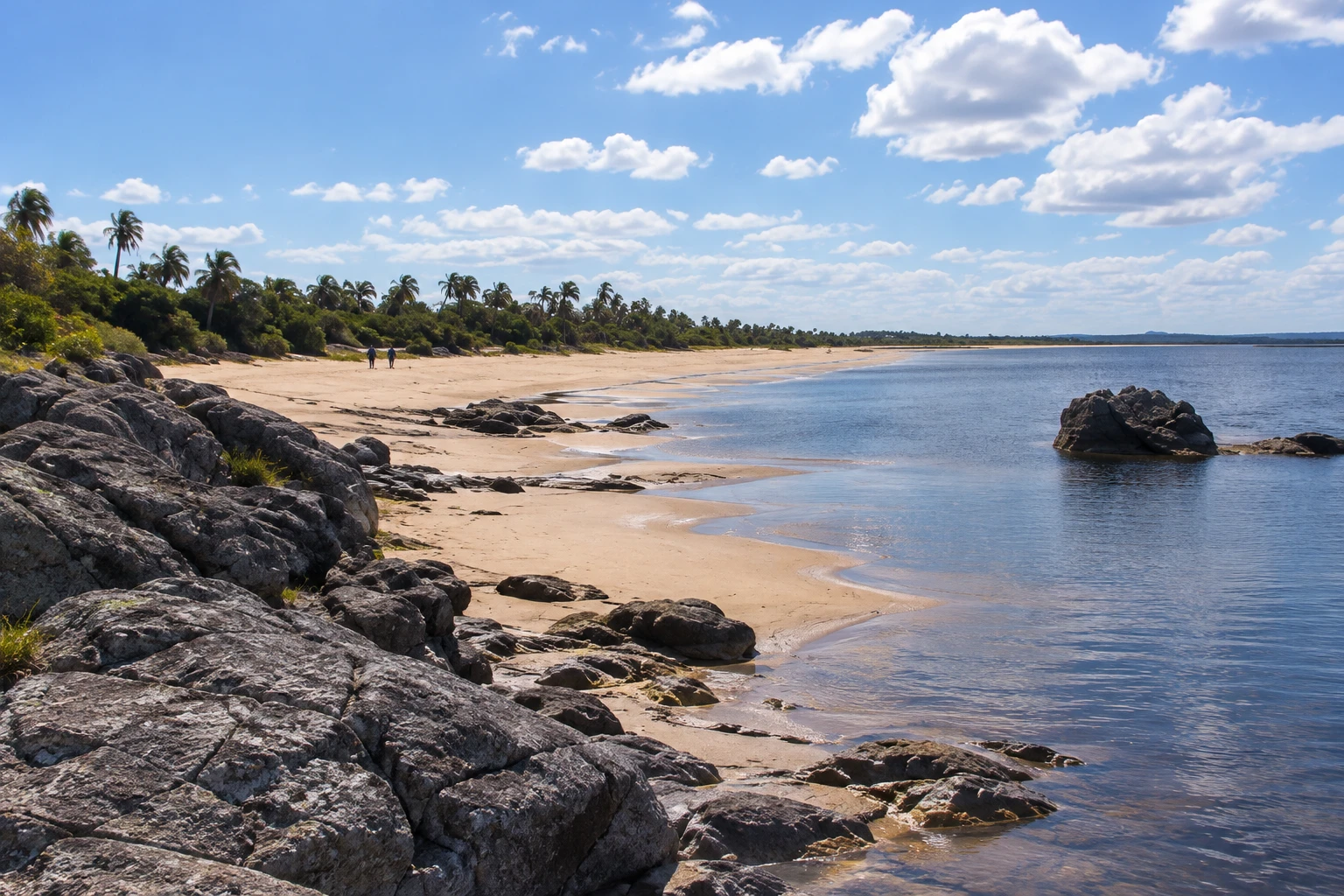
Large dark freshwater lagoon west of the Parque Nacional de Santa Teresa, a protected area with small calm-water beaches, native forest, rocky hills and many birds.
How many days should you set aside to see Rocha Coast?
The guide's itineraries cover 3, 5 and 7 days: 3 days in Punta del Diablo and Cabo Polonio, arriving via Chuí; 5 days in La Paloma and Cabo Polonio, arriving by plane; 7 days along the Rocha coast, from Chuí to La Paloma.
What to do Rocha Coast in one day?
Arrival via Chuí and the village of Punta del Diablo. Cross the border at Chuí and complete immigration procedures to enter Uruguay. Follow Route 9 to Punta del Diablo, 42 km away. In the afternoon, take the Punta del Diablo tour: fishing village and beaches, watch the boats return at Playa de los Pescadores and visit the craft fair in front of the beach.


 Brazil
 Antarctica
 Argentina
 Bolivia
 Chile
 Colombia
 Ecuador
 Falkland Islands (Malvinas)
 French Guiana
 Guyana
 Paraguay
 Peru
 Suriname
 Venezuela
 Austria
 Belgium
 Croatia
 Denmark
 Finland
 France
 Germany
 Greece
 Hungary
 Iceland
 Ireland
 Italy
 Luxembourg
 Norway
 Poland
 Portugal
 Slovakia
 Slovenia
 Spain
 Sweden
 Switzerland
 the Czech Republic
 the Netherlands
 the United Kingdom
 Turkey
 Bermuda
 Canada
 Greenland
 Mexico
 Saint Pierre and Miquelon
 the United States
 the Dominican Republic
 Japan
 Egypt
 South Africa
 Australia
 Fiji
 New Zealand
 Papua New Guinea