8 places to visit, chosen by the Cidade Turismo guide.
Illustrative images. The pictures in this guide are illustrations based on the real place, not photographs, and may differ from it.
To start
The 8 main places Brno and South Moravia
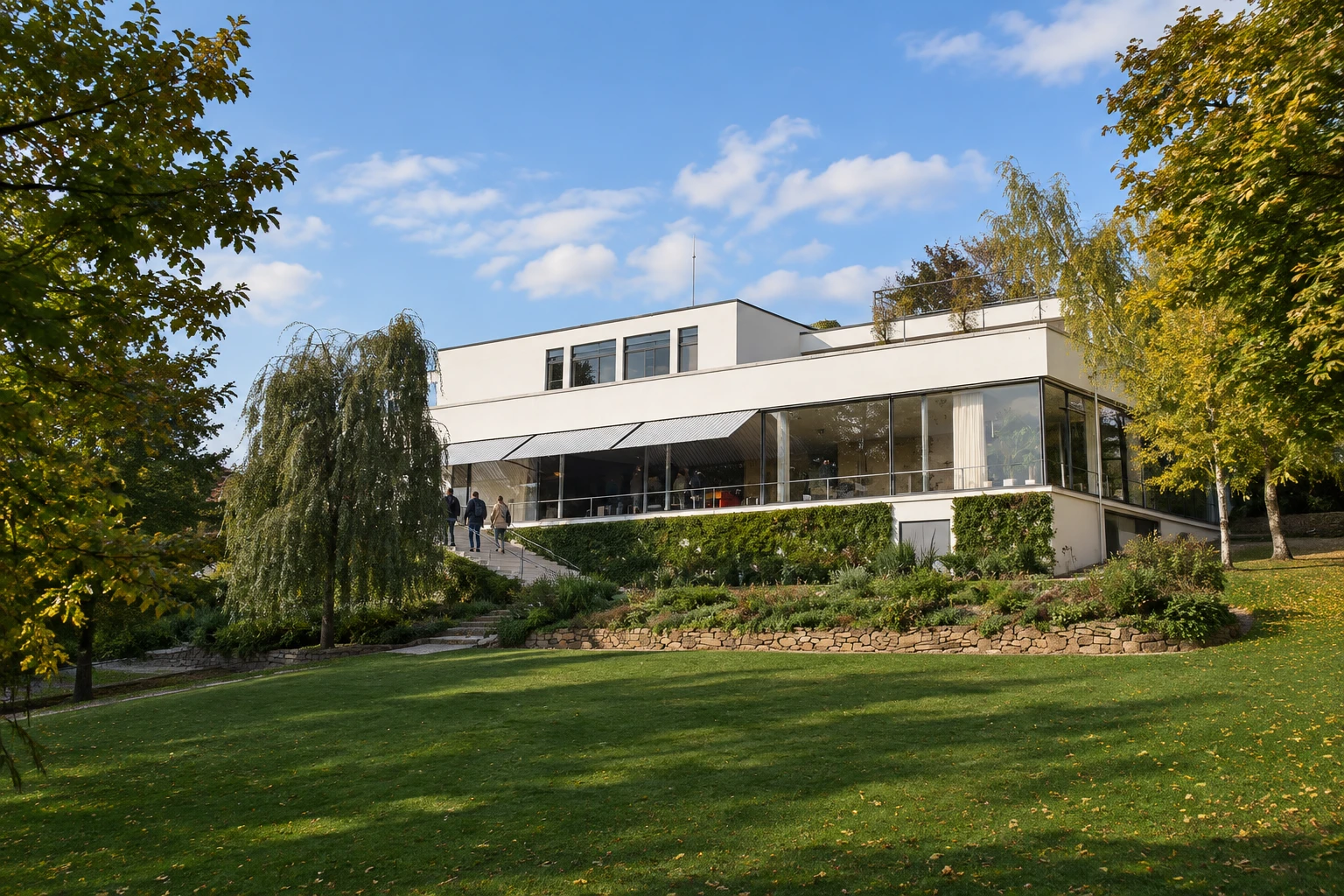
Villa Tugendhat · BrnoVilla Tugendhat sits on a residential slope of Brno.
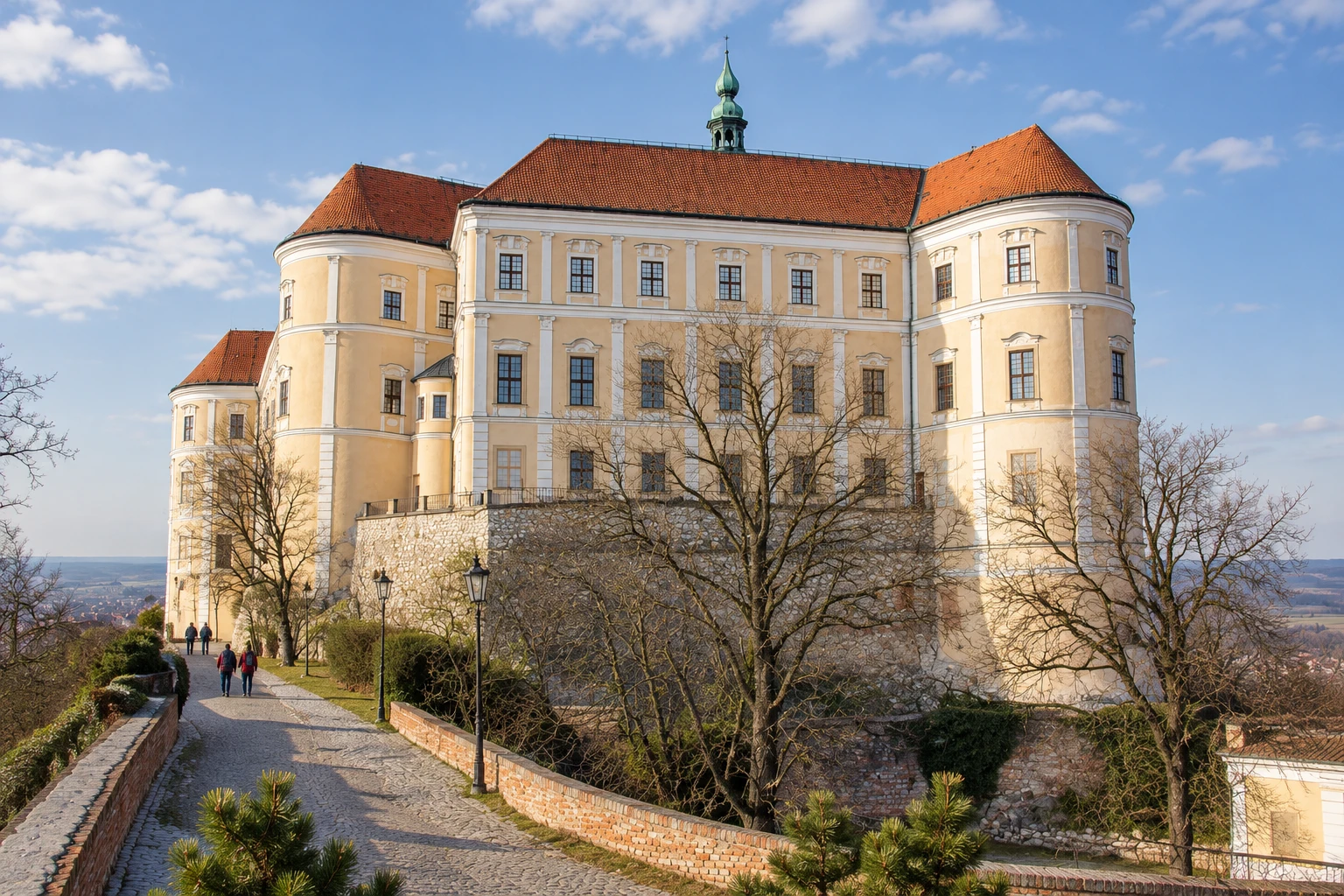
Mikulov Castle · MikulovMikulov Castle sits on a stone rise above the center.
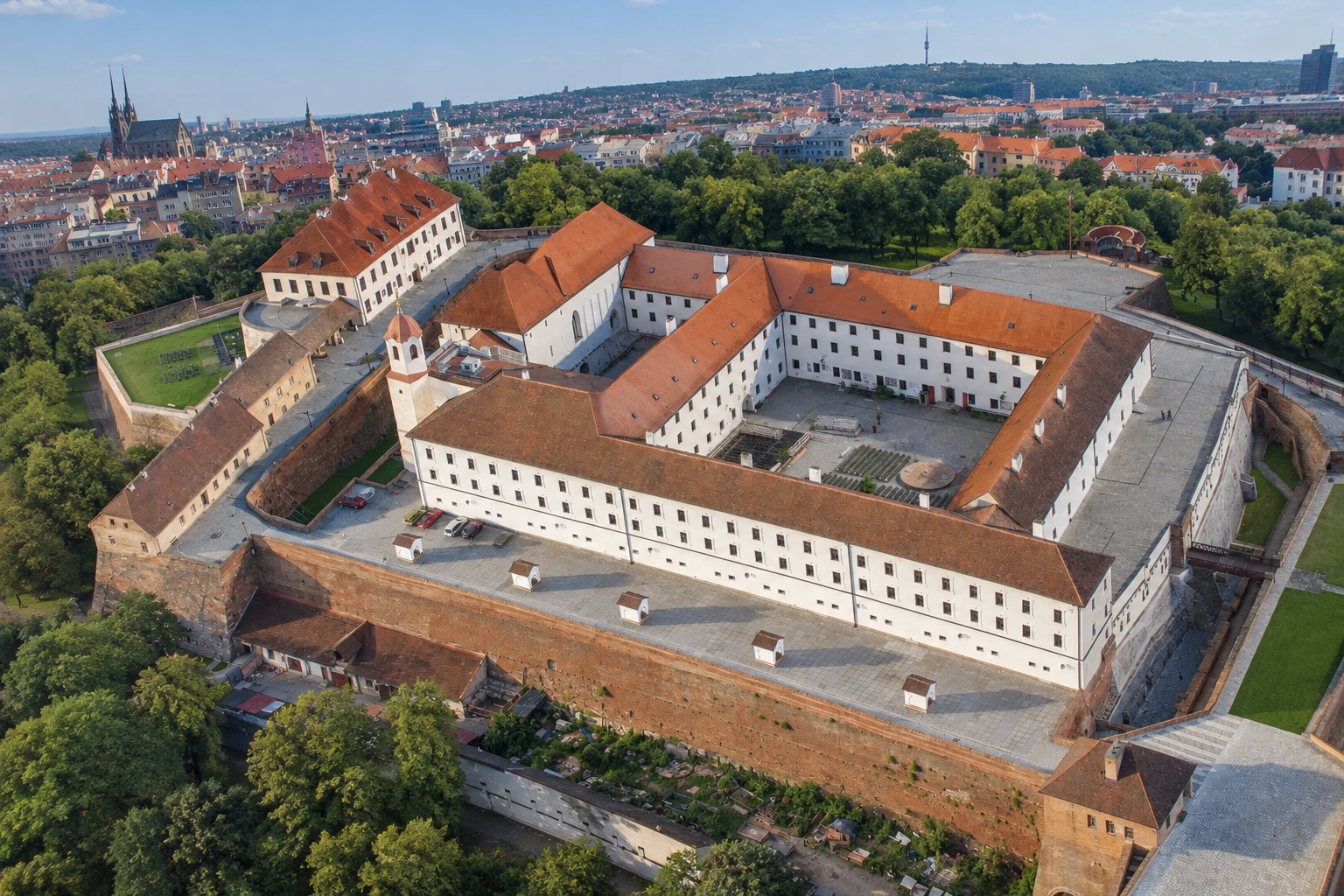
Špilberk Castle · BrnoŠpilberk occupies a hill close to Brno center, surrounded by park paths.
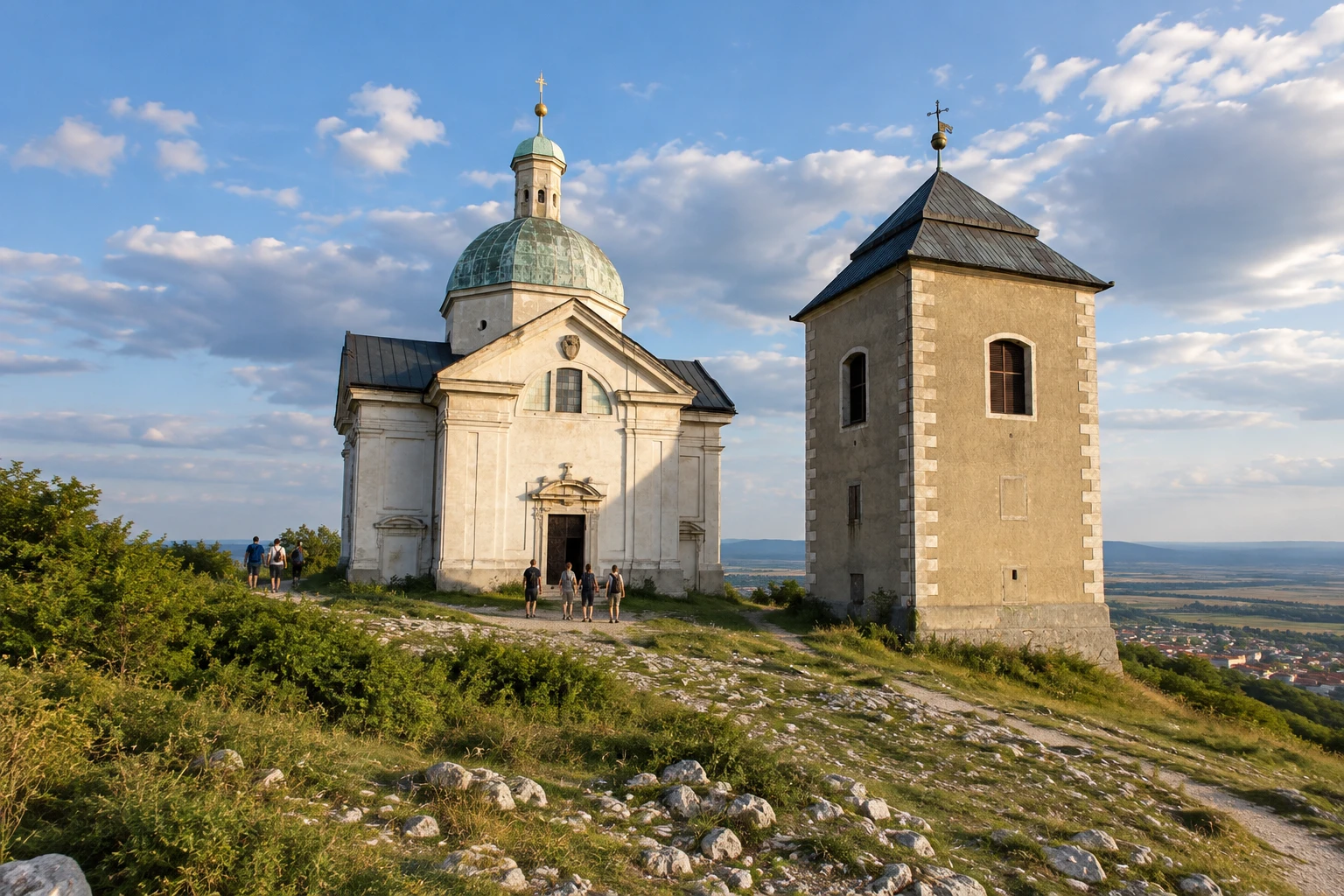
Holy Hill · MikulovSvatý kopeček rises east of Mikulov's center.
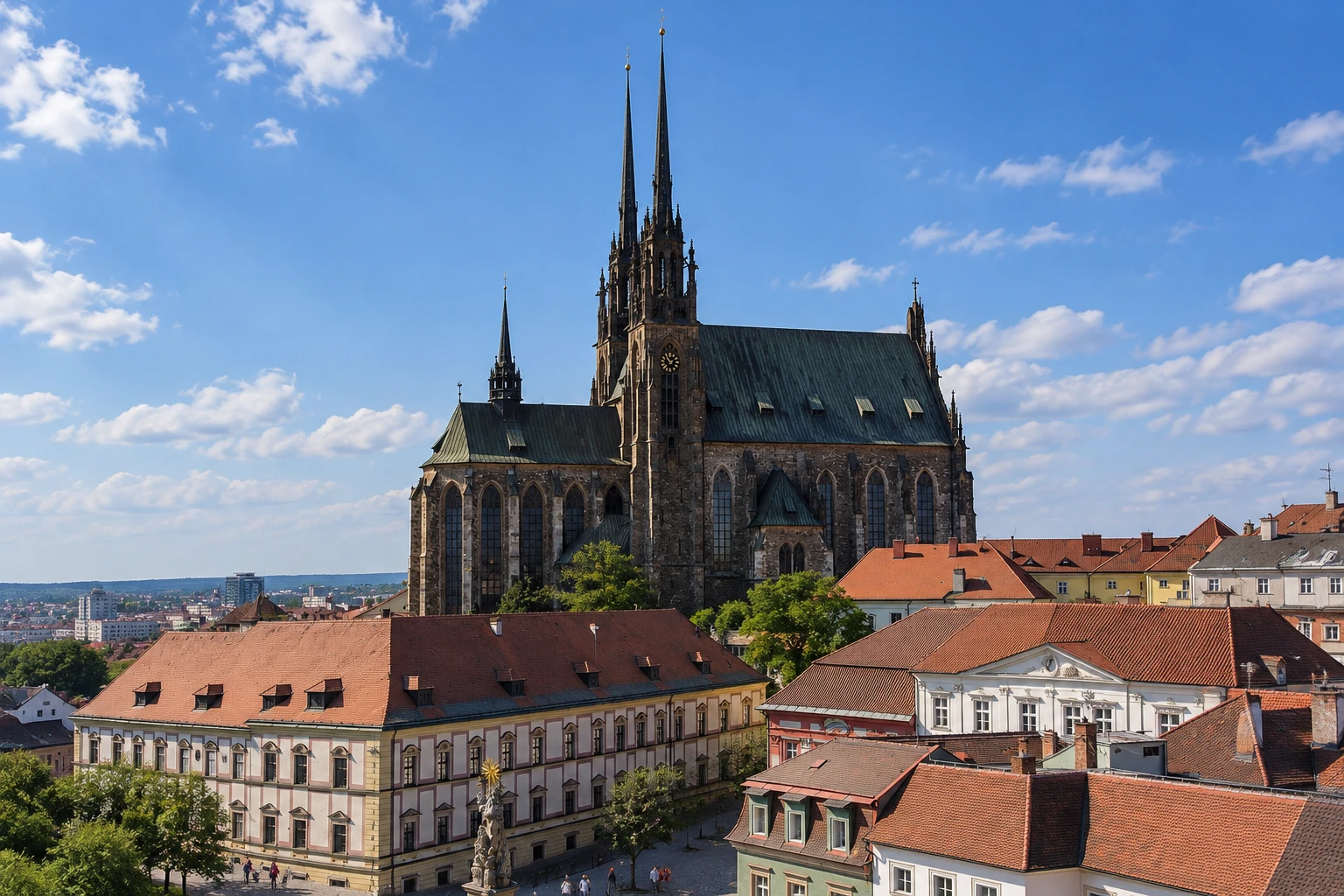
Cathedral of St. Peter and St. Paul · BrnoThe Cathedral of St. Peter and St. Paul rises on the Petrov hill near the centre of Brno. Its pointed towers shape the city’s skyline. A visit makes it possible to relate the re...
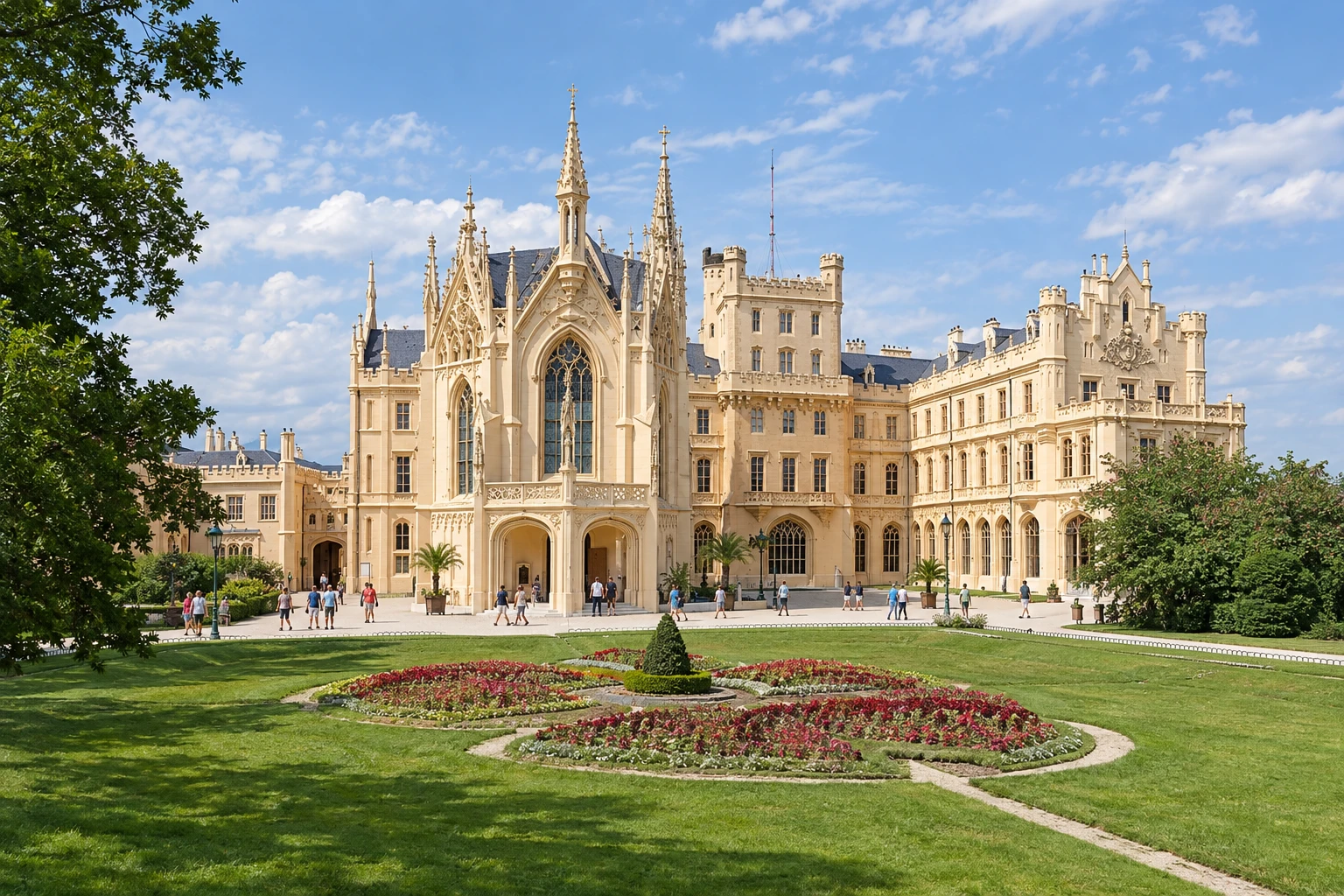
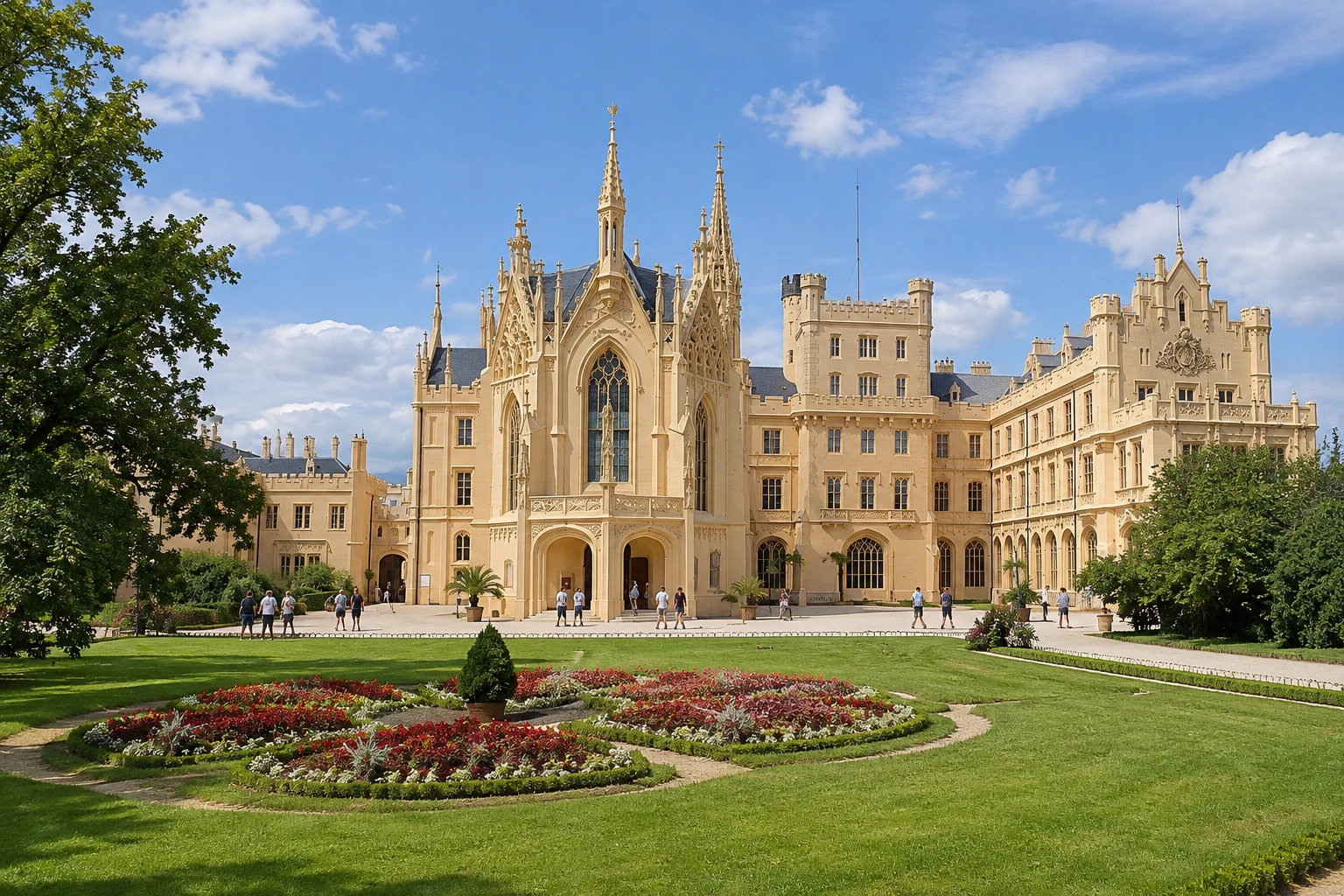
Lednice Castle · MikulovLednice Castle combines neo-Gothic architecture with an extensive park landscape.
Villa Tugendhat sits on a residential slope of Brno. Designed by Ludwig Mies van der Rohe, the house is a landmark of modern architecture and part of the World Heritage. The relationship between interior spaces, glass and the garden explains the interest that goes beyond the discreet appearance seen from the street.
Mikulov Castle sits on a stone rise above the center. Its façades form a landmark in the town's landscape and the surrounding vineyards. The ensemble houses museum spaces that help understand the regional history and the culture of South Moravia.
Špilberk occupies a hill close to Brno center, surrounded by park paths. The old castle brings together courtyards, museum spaces and references to its role as a fortress. The climb also helps to understand the position of the urban core around the elevation.
Svatý kopeček rises east of Mikulov's center. The limestone hill hosts a pilgrimage route and religious buildings at the top, visible from parts of the town. The route adds a walk and a perspective of the castle, the roofs and the rural landscape of South Moravia.
The Cathedral of St. Peter and St. Paul rises on the Petrov hill near the centre of Brno. Its pointed towers shape the city’s skyline. A visit makes it possible to relate the religious building to the surrounding streets and to the terraces that follow the upper part of the historic core.
Lednice Castle combines neo-Gothic architecture with an extensive park landscape. Towers, cut-out elements and pale façades compose the residence, part of the Lednice–Valtice cultural ensemble. The visit does not end in the halls: gardens, water and outdoor routes play a central role.
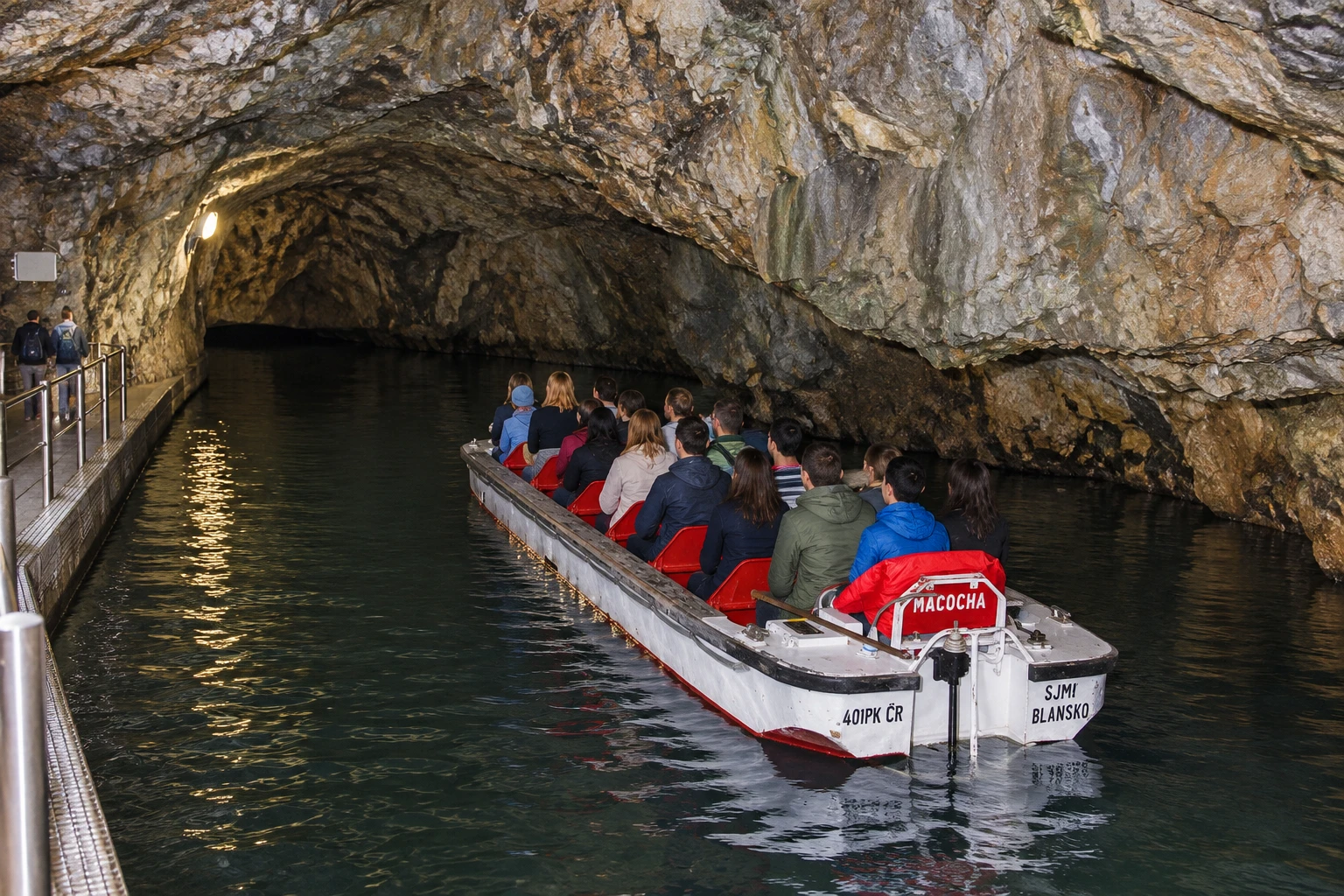
The Punkva Caves are in the Moravian Karst north of Brno. The visit combines underground chambers with the Macocha abyss area and, depending on conditions, a boat section on the subterranean river. The outing requires arranging tickets and transport rather than being an improvised stop between towns.
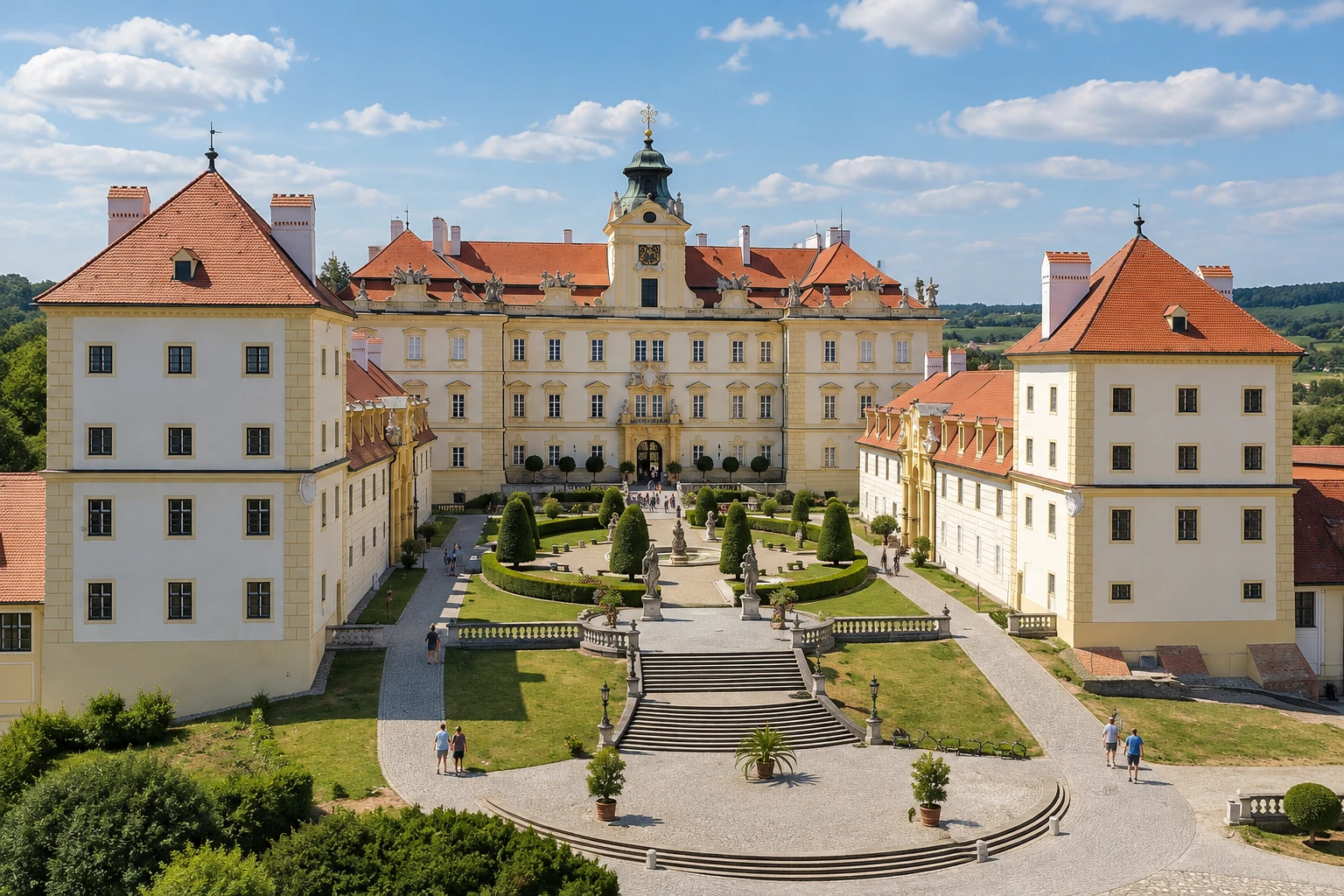
The Valtice palace occupies one of the central references of the Lednice–Valtice cultural landscape. The residence has a baroque language and is organized with courtyards and garden areas. Its scale and siting differ from the neo‑Gothic castle of Lednice, even though they belong to the same regional history.


 Brazil
 Antarctica
 Argentina
 Bolivia
 Chile
 Colombia
 Ecuador
 Falkland Islands (Malvinas)
 French Guiana
 Guyana
 Paraguay
 Peru
 Suriname
 Uruguay
 Venezuela
 Austria
 Belgium
 Croatia
 Denmark
 Finland
 France
 Germany
 Greece
 Hungary
 Iceland
 Ireland
 Italy
 Luxembourg
 Norway
 Poland
 Portugal
 Slovakia
 Slovenia
 Spain
 Sweden
 Switzerland
 the Netherlands
 the United Kingdom
 Turkey
 Bermuda
 Canada
 Greenland
 Mexico
 Saint Pierre and Miquelon
 the United States
 the Dominican Republic
 Japan
 Egypt
 South Africa
 Australia
 Fiji
 New Zealand
 Papua New Guinea