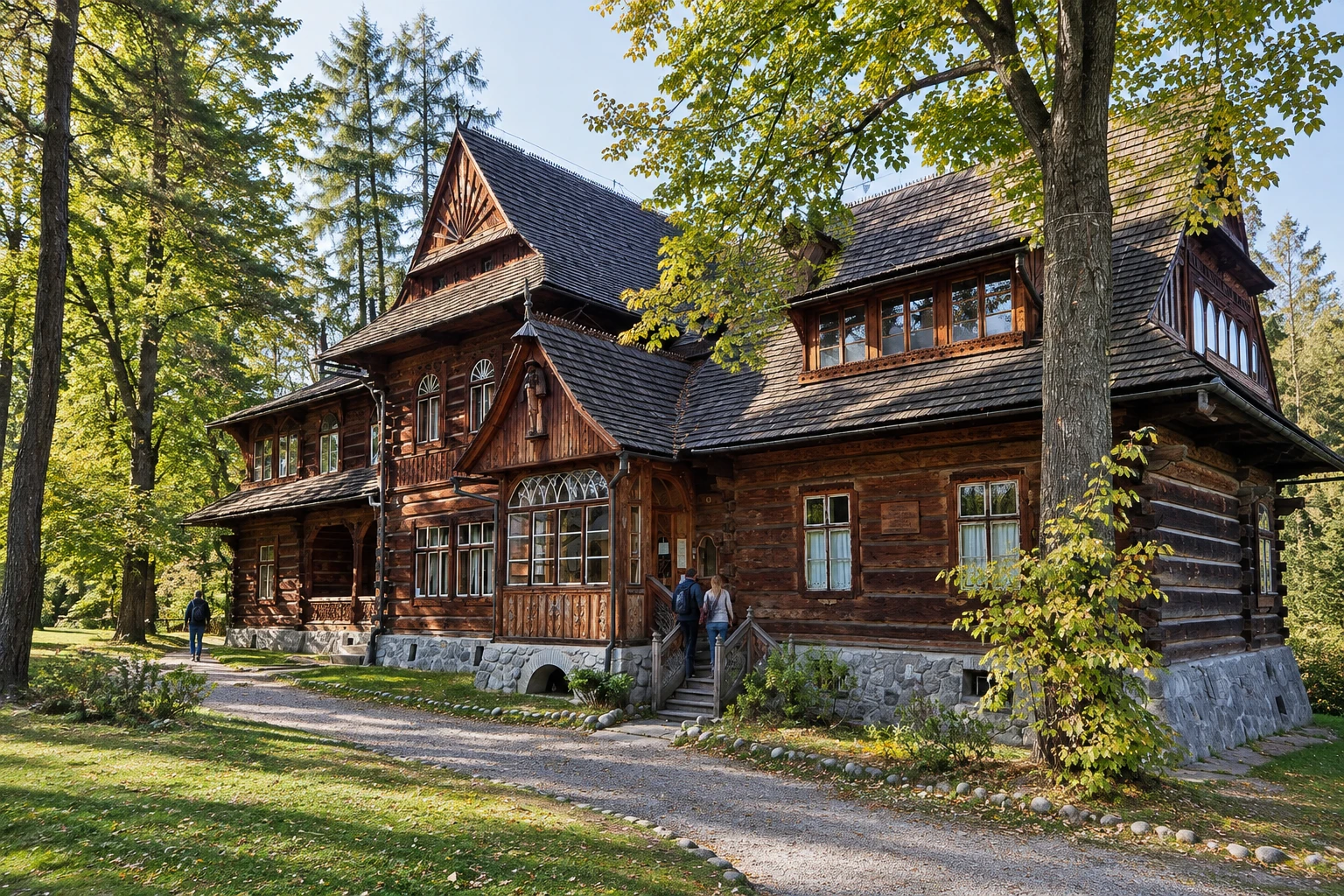
Willa Koliba showcases the Zakopane style in a wooden house associated with the work of Stanisław Witkiewicz. The building allows recognition of roofs, joints and decoration that transformed references of regional architecture into a distinctive residential language.
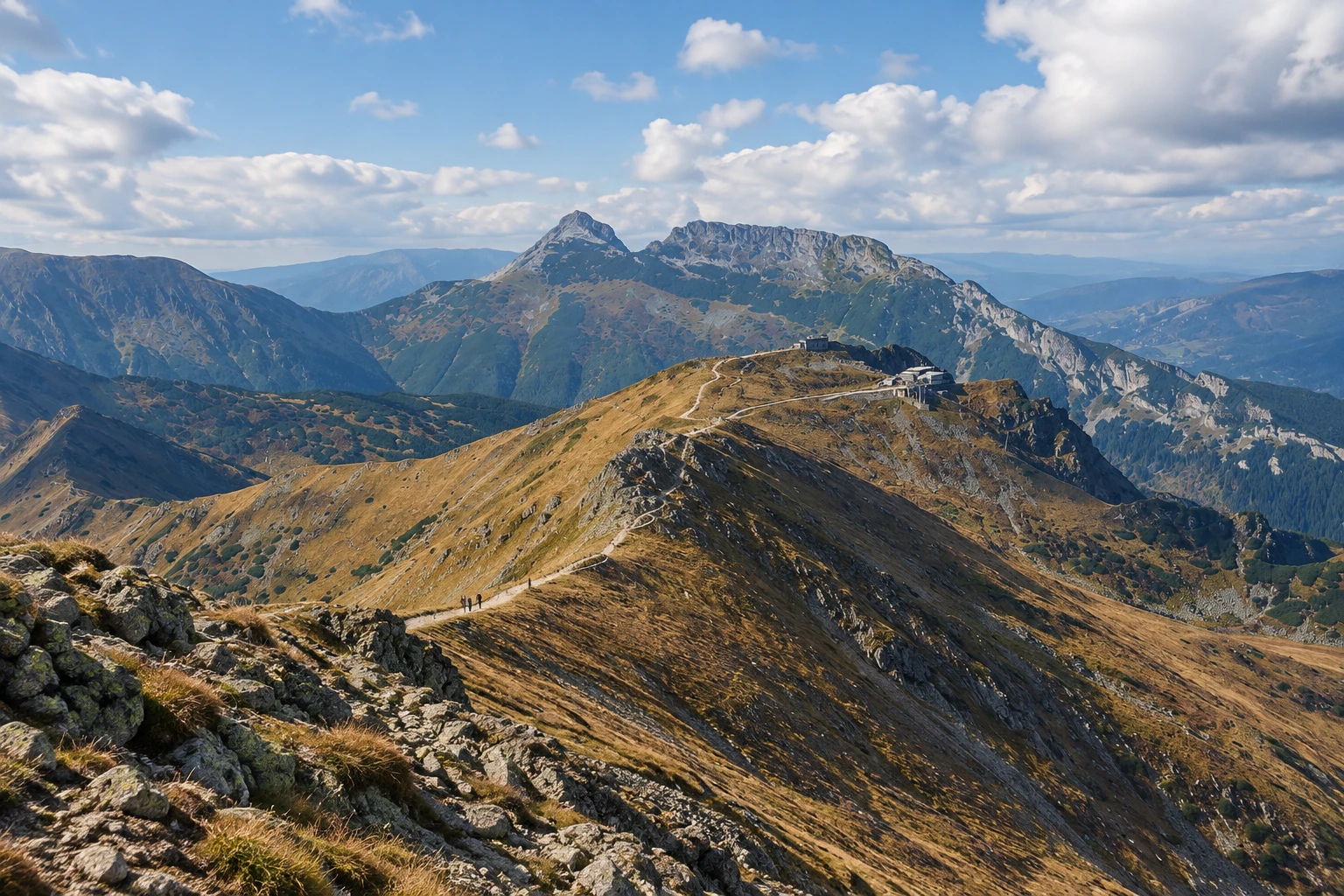
Kasprowy Wierch is a mountain of the Tatras reached from the Kuźnice sector. The summit offers views of the region's ridges and valleys when visibility allows, but the experience depends on mountain conditions, which can differ greatly from Zakopane's streets.
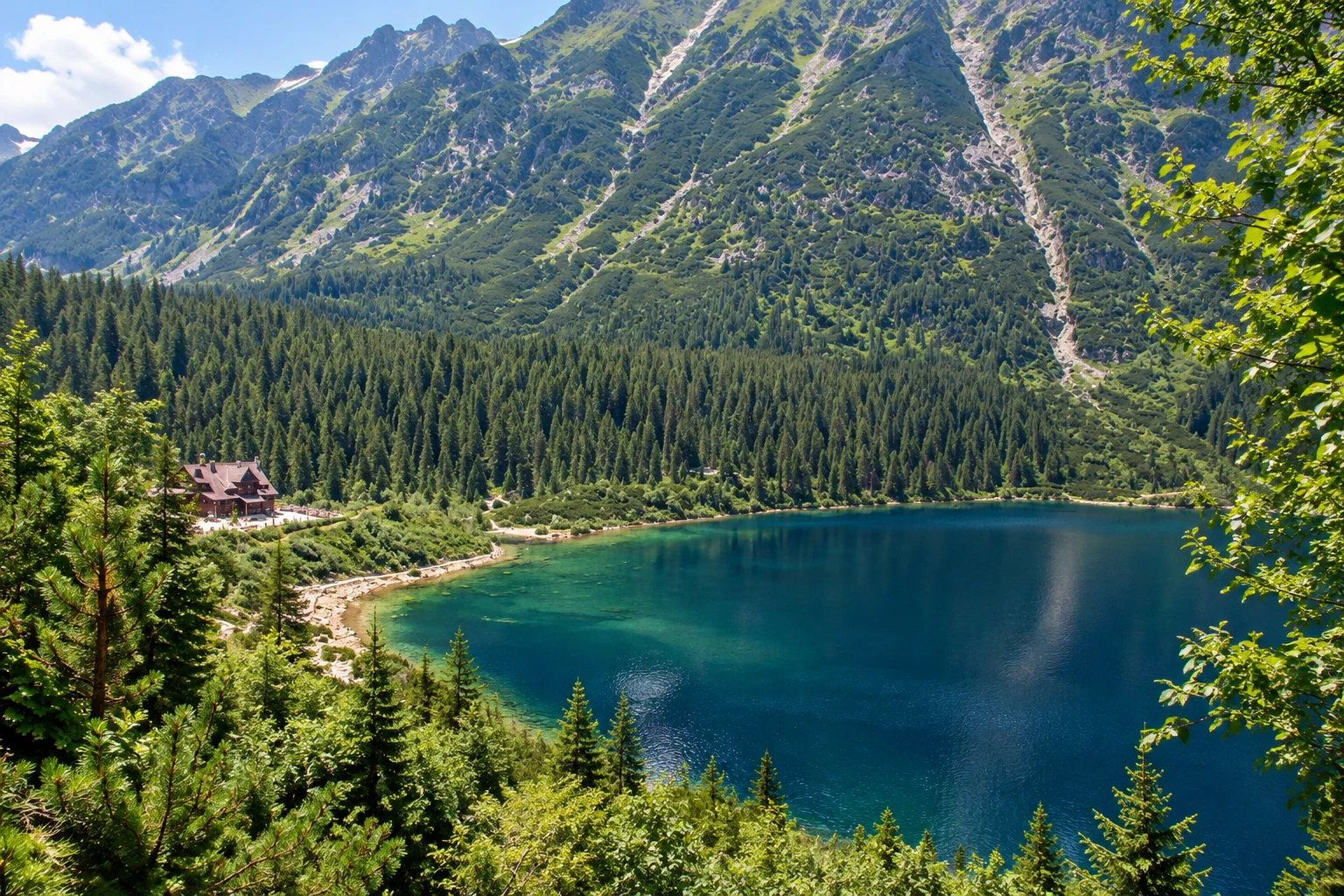
Morskie Oko is a lake surrounded by cliffs and slopes of the Tatras, inside the national park. The usual access requires travel from Zakopane to the trailhead and a long walk, so the visit should not be treated as a roadside viewpoint.
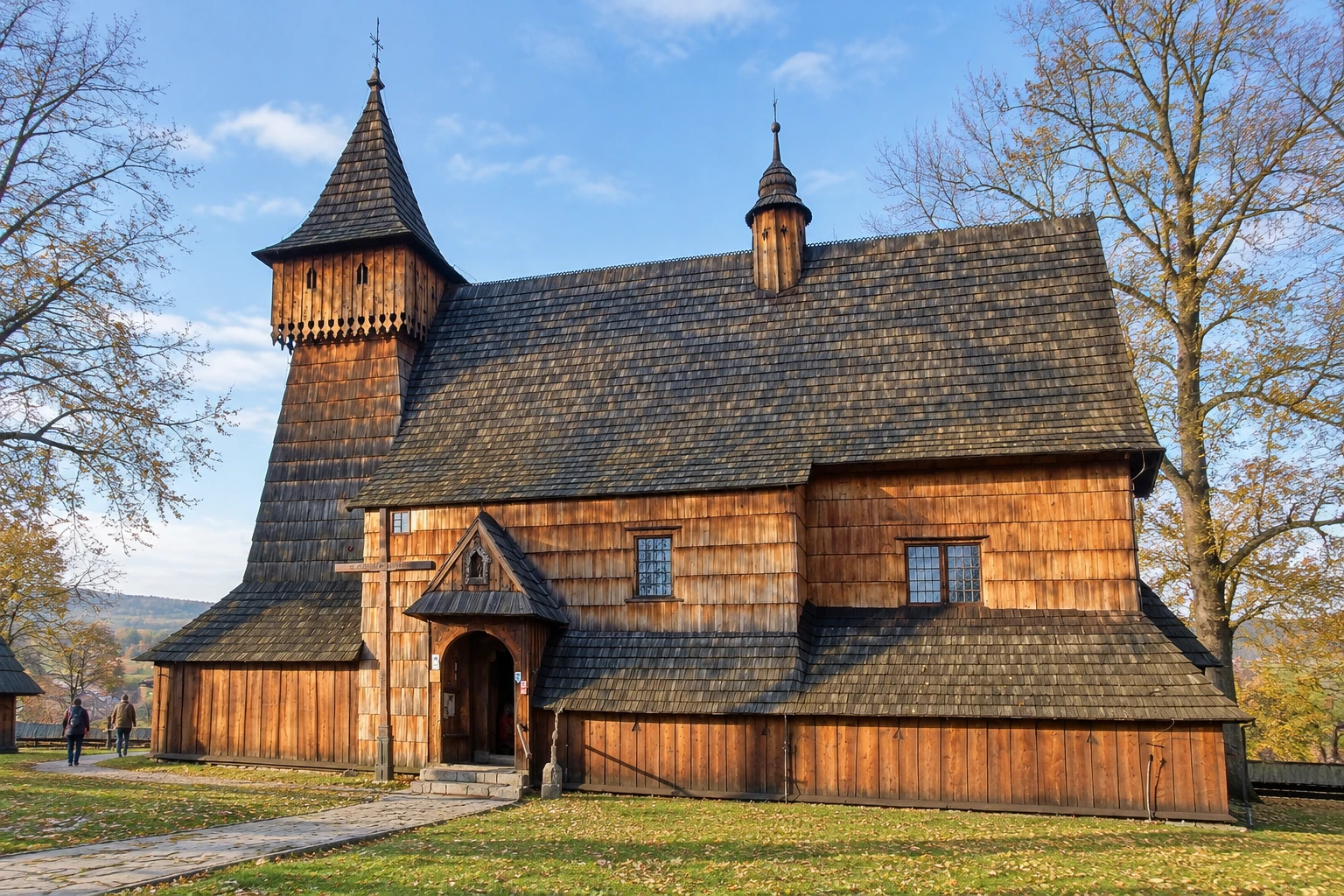
The church of São Miguel Arcanjo is located in Dębno, on the rural circuit north of Zakopane. The wooden building is part of the World Heritage group of churches of southern Little Poland and displays a community-built scale different from that of large urban churches.
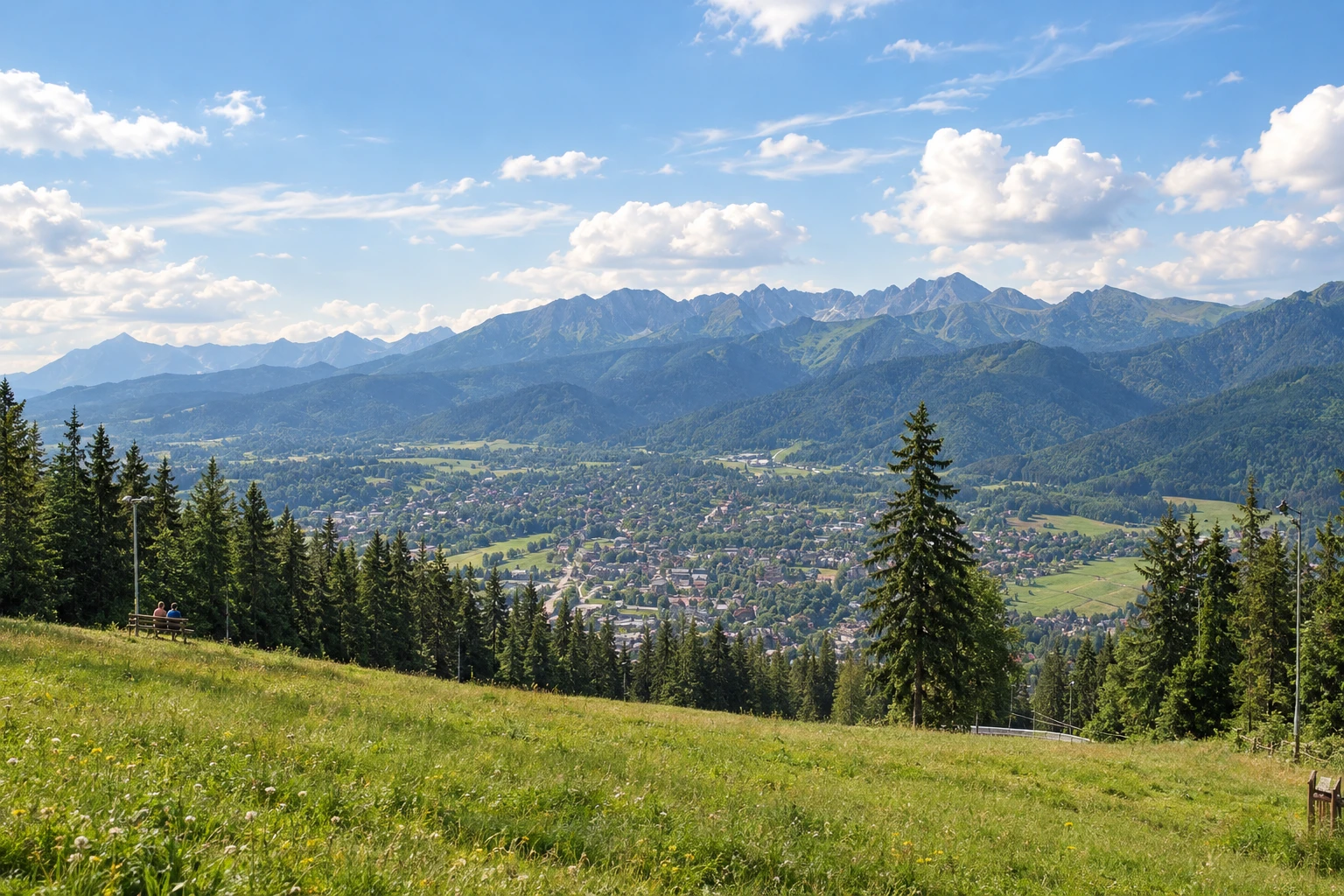
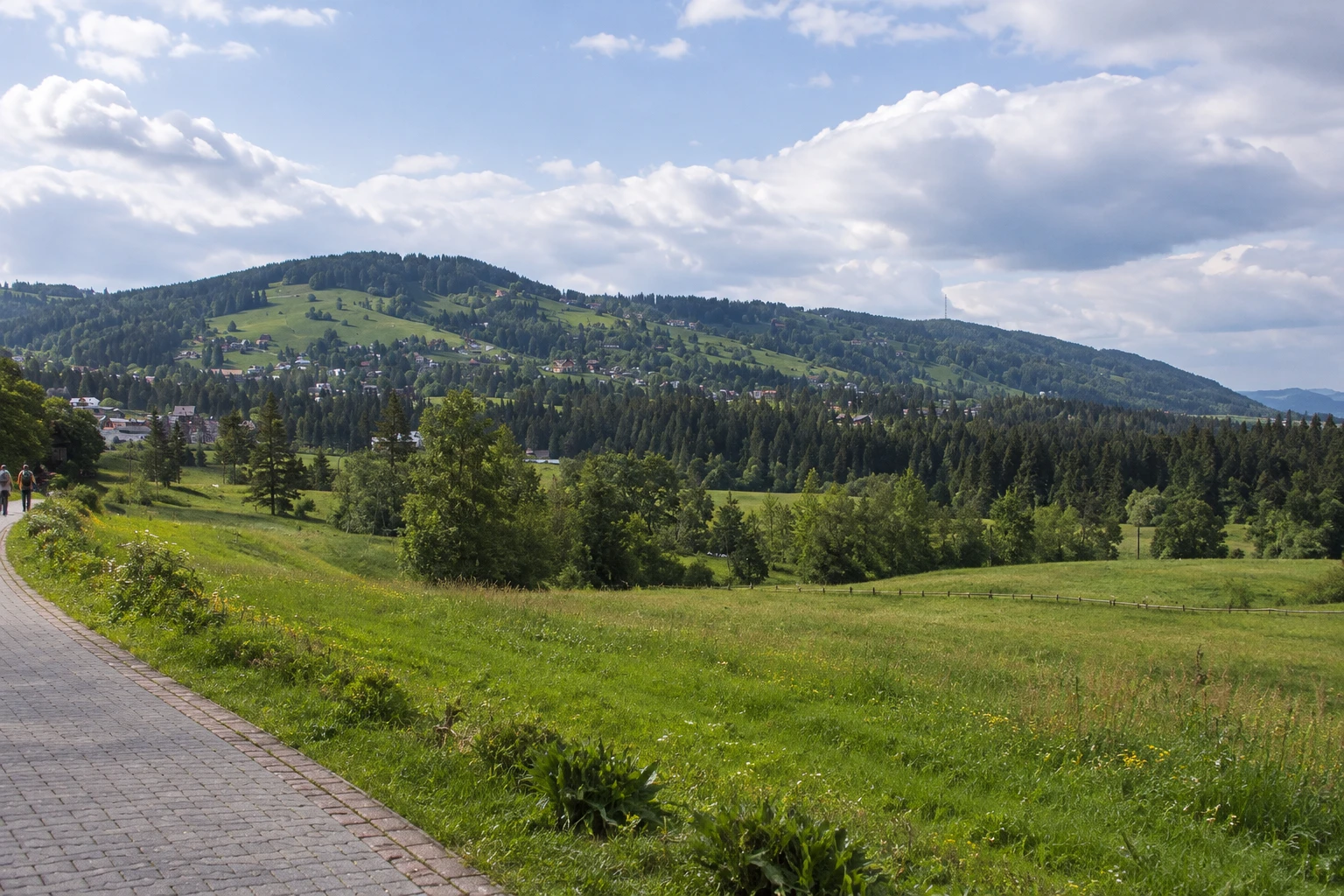
Gubałówka is a rise adjacent to Zakopane that allows views of the town and the Tatra ridgeline when visibility permits. Access by mountain transport departs from the urban sector, creating a program different from long hikes within the national park valleys.
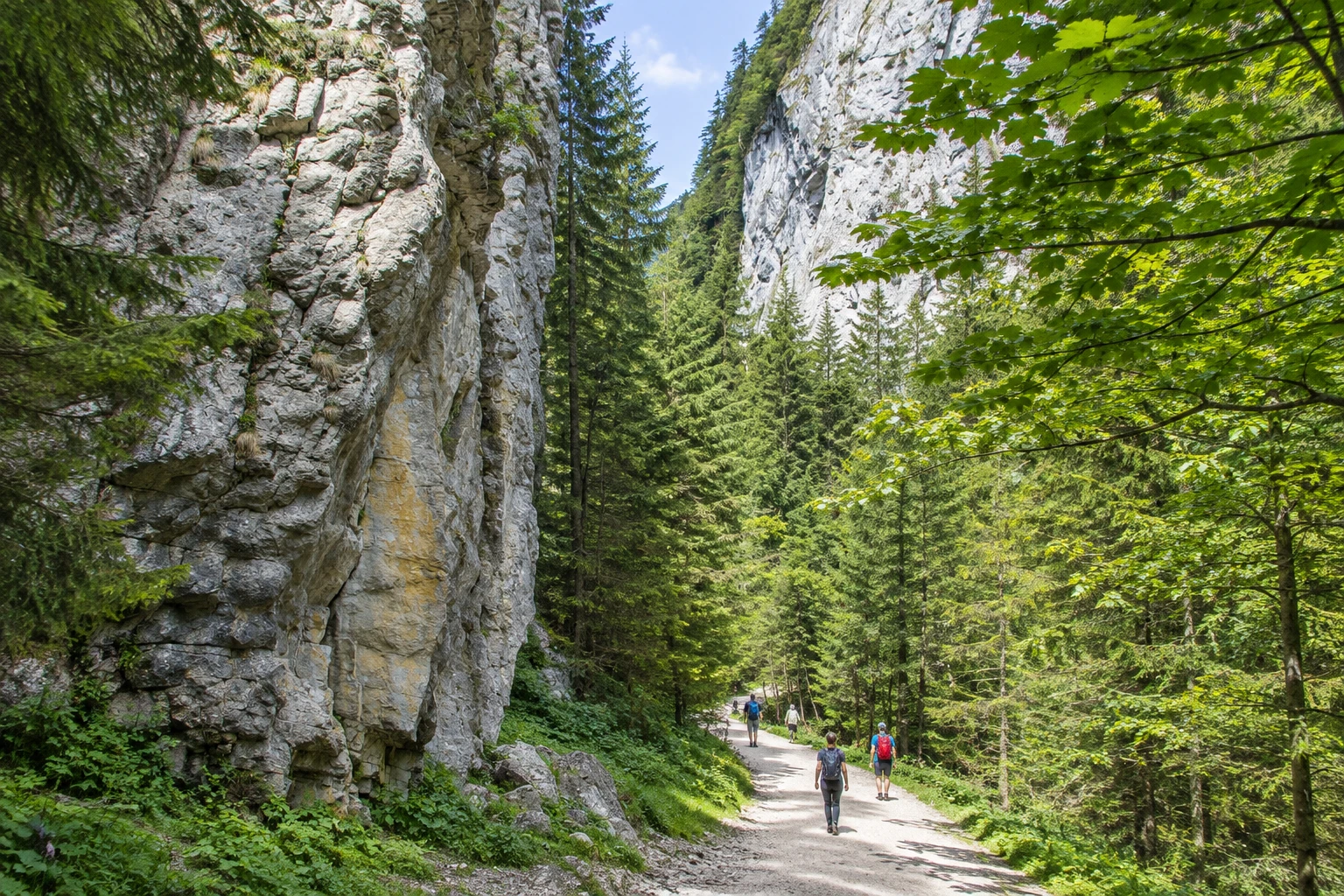
The Kościeliska valley lies in the Western Tatras and offers a walking route among slopes, forest and rock formations. Entering via the Kiry sector requires travel from Zakopane, so the outing should be organized as a standalone nature program.
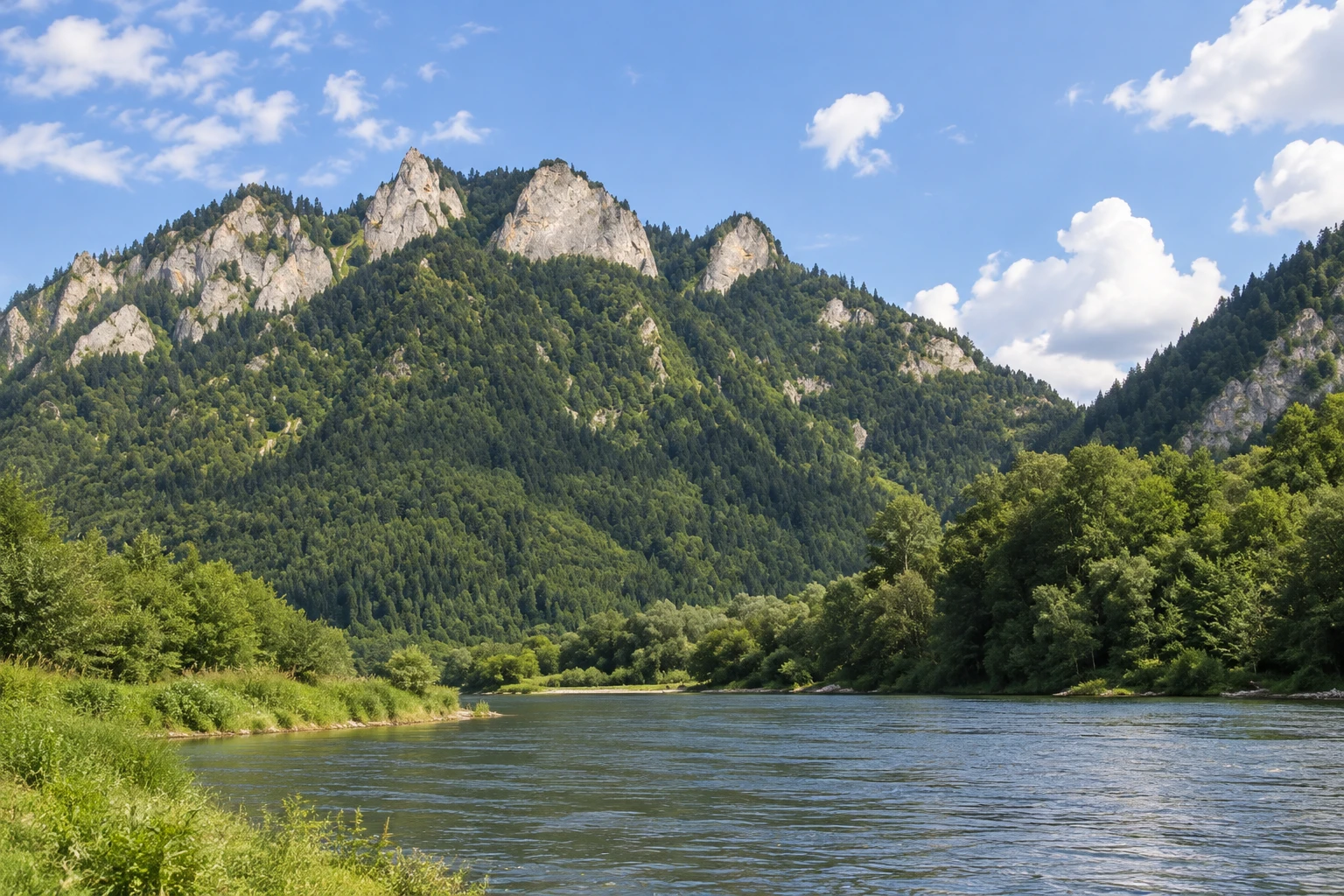
Pieniny National Park protects a landscape of limestone mountains along the Dunajec River, east of Zakopane. The gorge offers a different form of Carpathian relief, distinct from the ridges and high lakes of the Tatras.


 Brazil
 Antarctica
 Argentina
 Bolivia
 Chile
 Colombia
 Ecuador
 Falkland Islands (Malvinas)
 French Guiana
 Guyana
 Paraguay
 Peru
 Suriname
 Uruguay
 Venezuela
 Albania
 Austria
 Belgium
 Croatia
 Denmark
 Finland
 France
 Germany
 Greece
 Hungary
 Iceland
 Ireland
 Italy
 Luxembourg
 Norway
 Portugal
 Slovakia
 Slovenia
 Spain
 Sweden
 Switzerland
 the Czech Republic
 the Netherlands
 the United Kingdom
 Turkey
 Bermuda
 Canada
 Greenland
 Mexico
 Saint Pierre and Miquelon
 the United States
 the Dominican Republic
 Japan
 Egypt
 South Africa
 Australia
 Fiji
 New Zealand
 Papua New Guinea