11 places to visit, chosen by the Cidade Turismo guide.
Illustrative images. The pictures in this guide are illustrations based on the real place, not photographs, and may differ from it.
To start
The 10 main places Wrocław and Lower Silesia
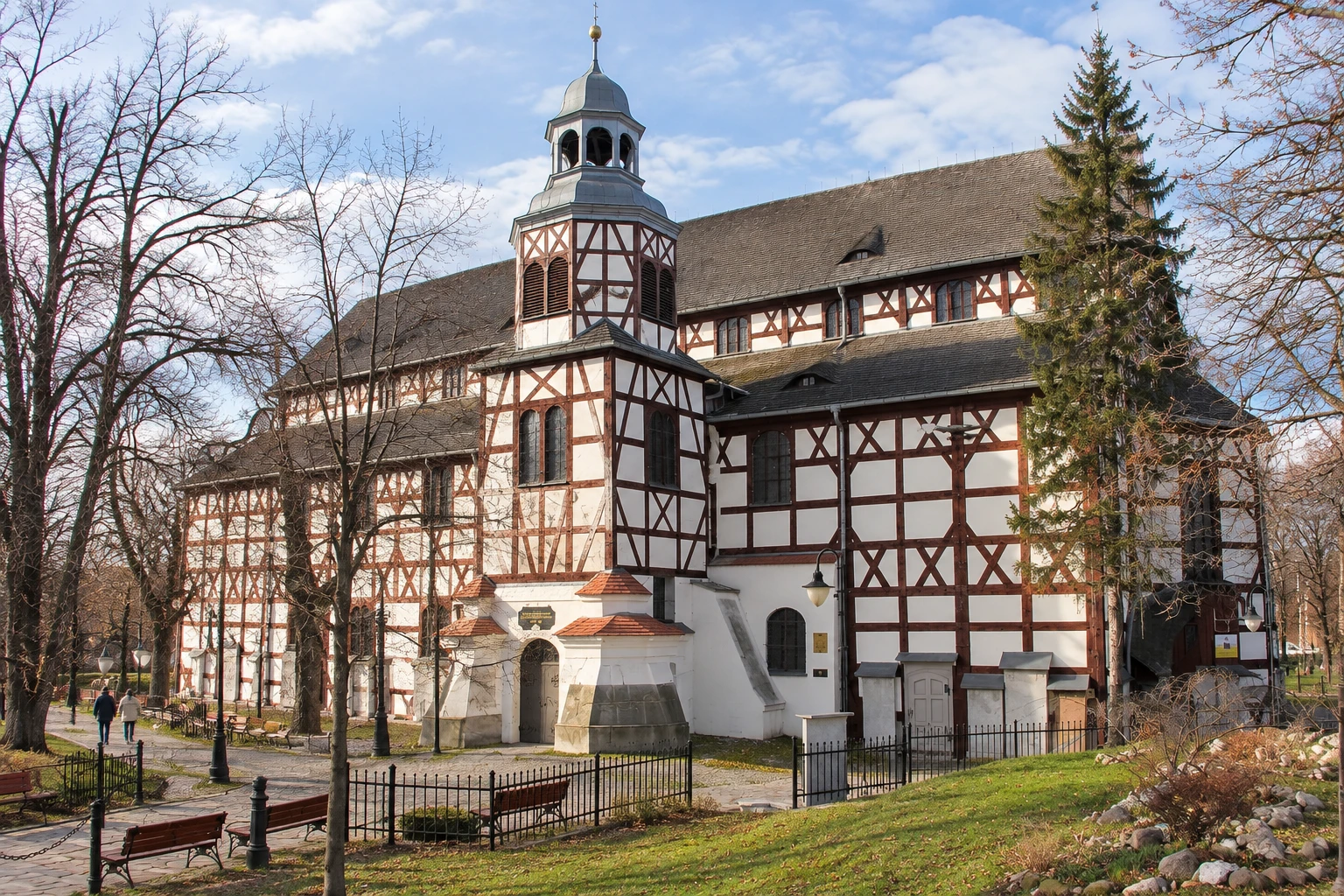
Church of Peace in Jawor · JaworThe Church of Peace in Jawor is part of a group of wooden-structured temples recognized as World Heritage.
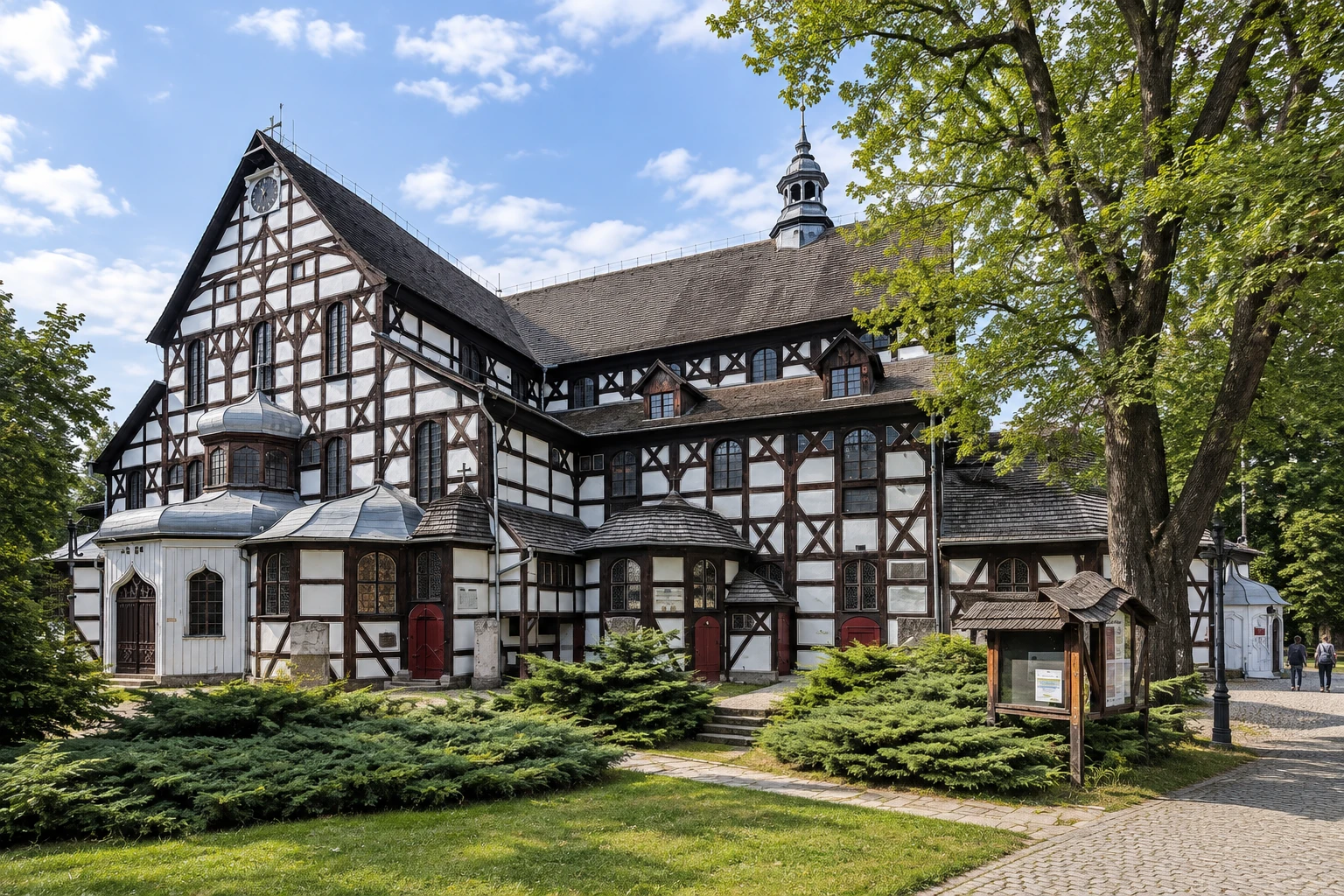
Church of Peace in Świdnica · ŚwidnicaThe Church of Peace in Świdnica features a wooden structure whose external appearance does not foreshadow the full interior decoration.
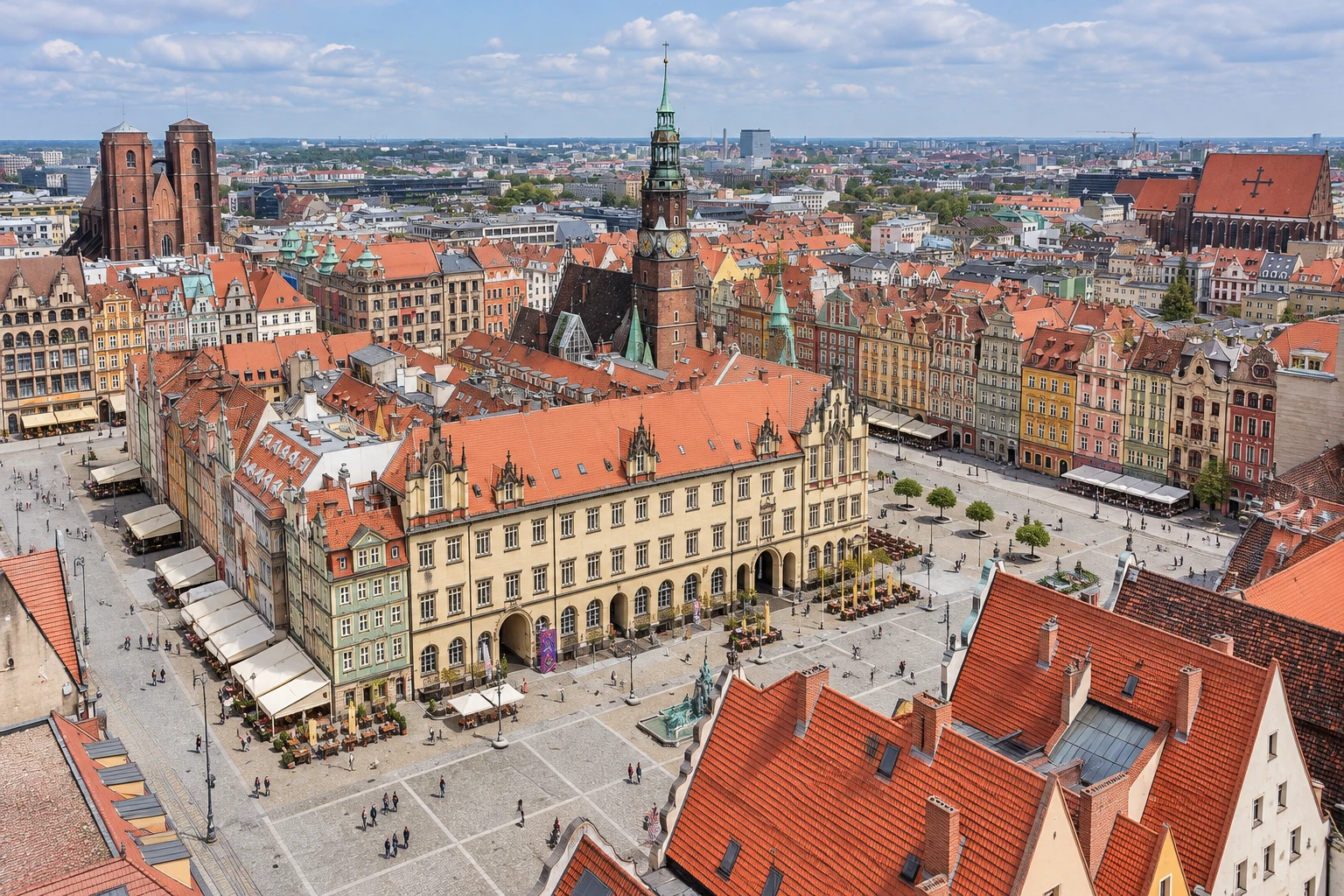
Wrocław Market Square · WrocławThe Rynek of Wrocław structures the old town around the town hall and a set of façades from different periods.
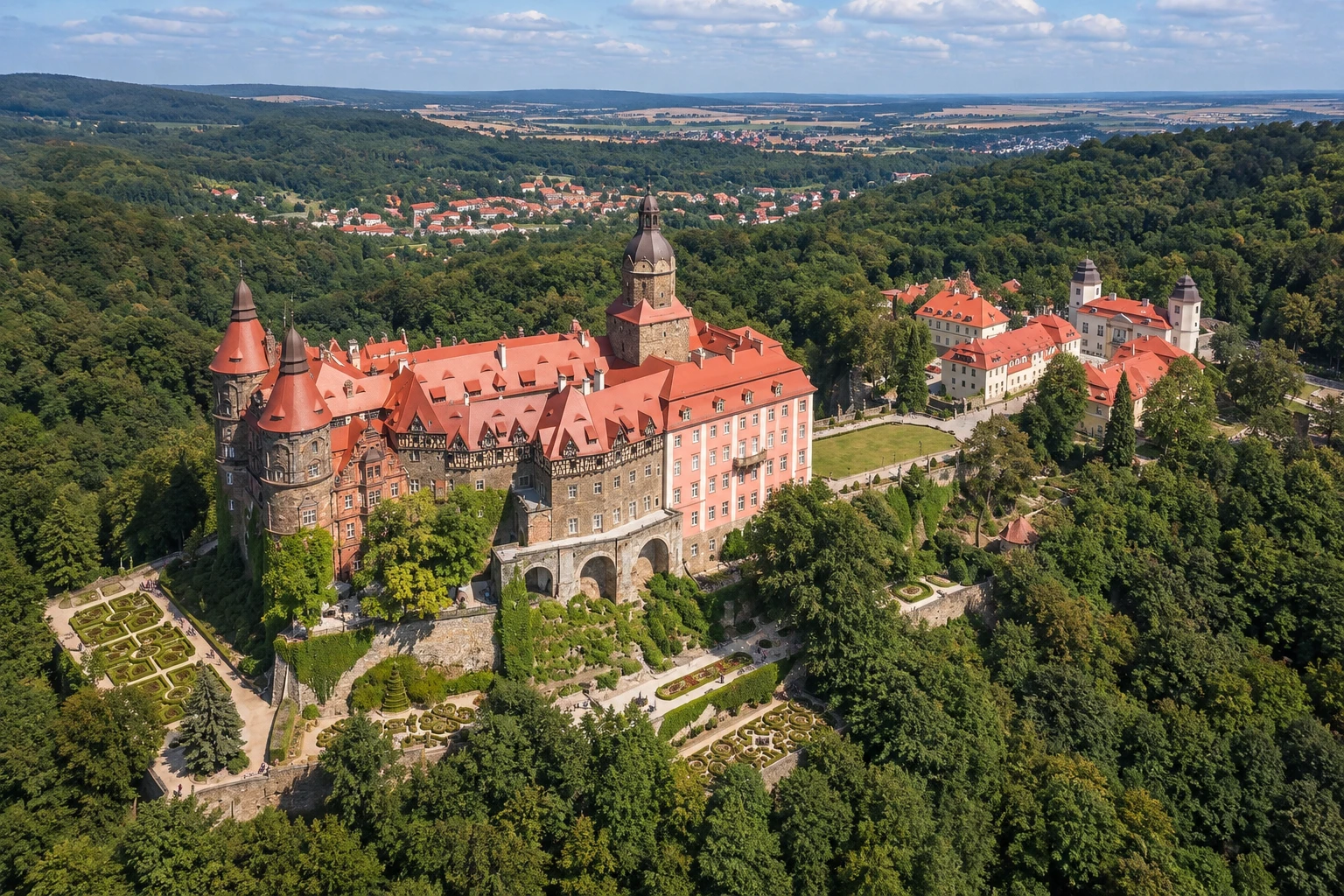
Książ Castle · WałbrzychKsiąż Castle occupies a rise surrounded by woodland within the territory of Wałbrzych.
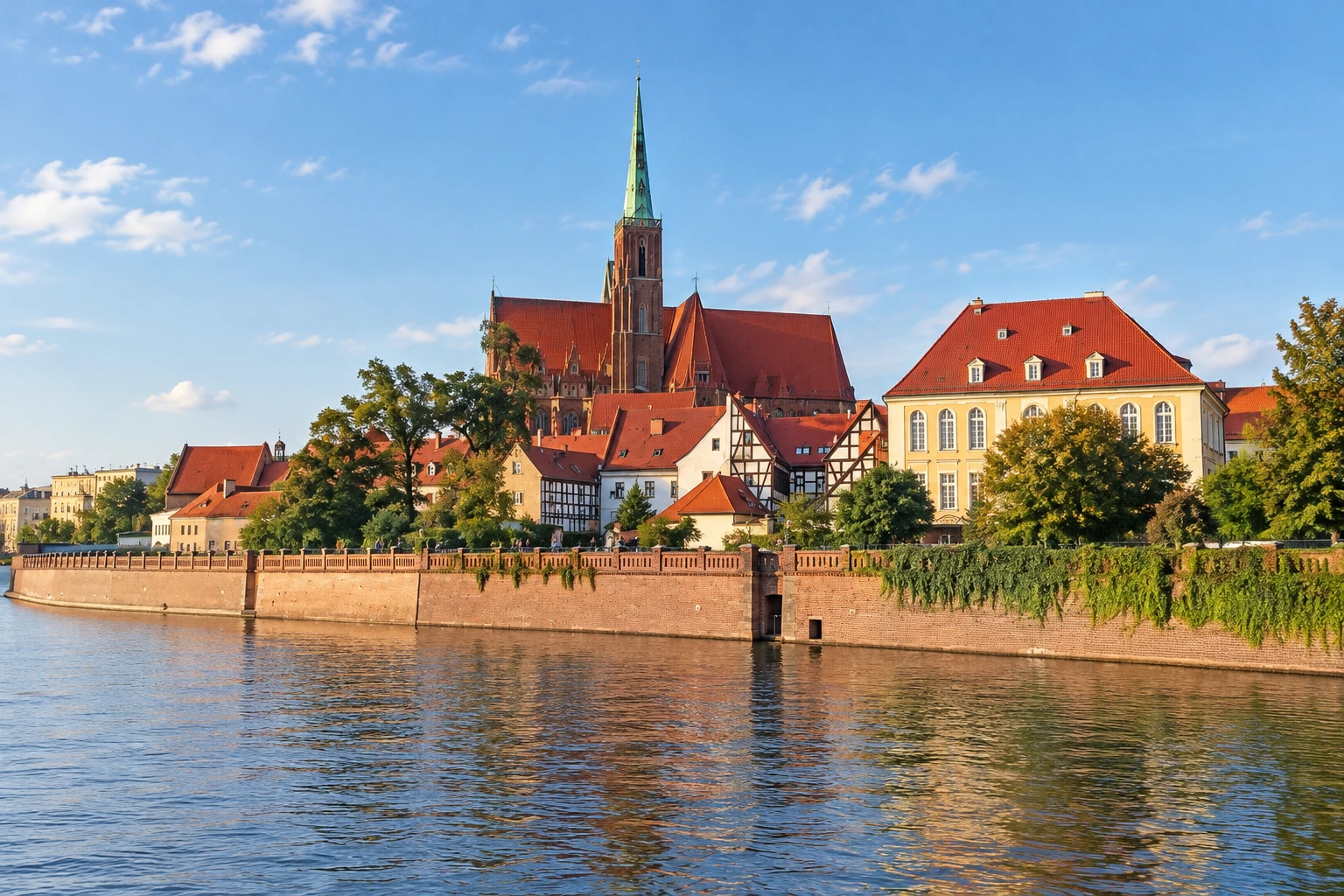
Cathedral Island · WrocławOstrów Tumski brings together churches and streets linked to Wrocław's origins, along the branches of the Oder.
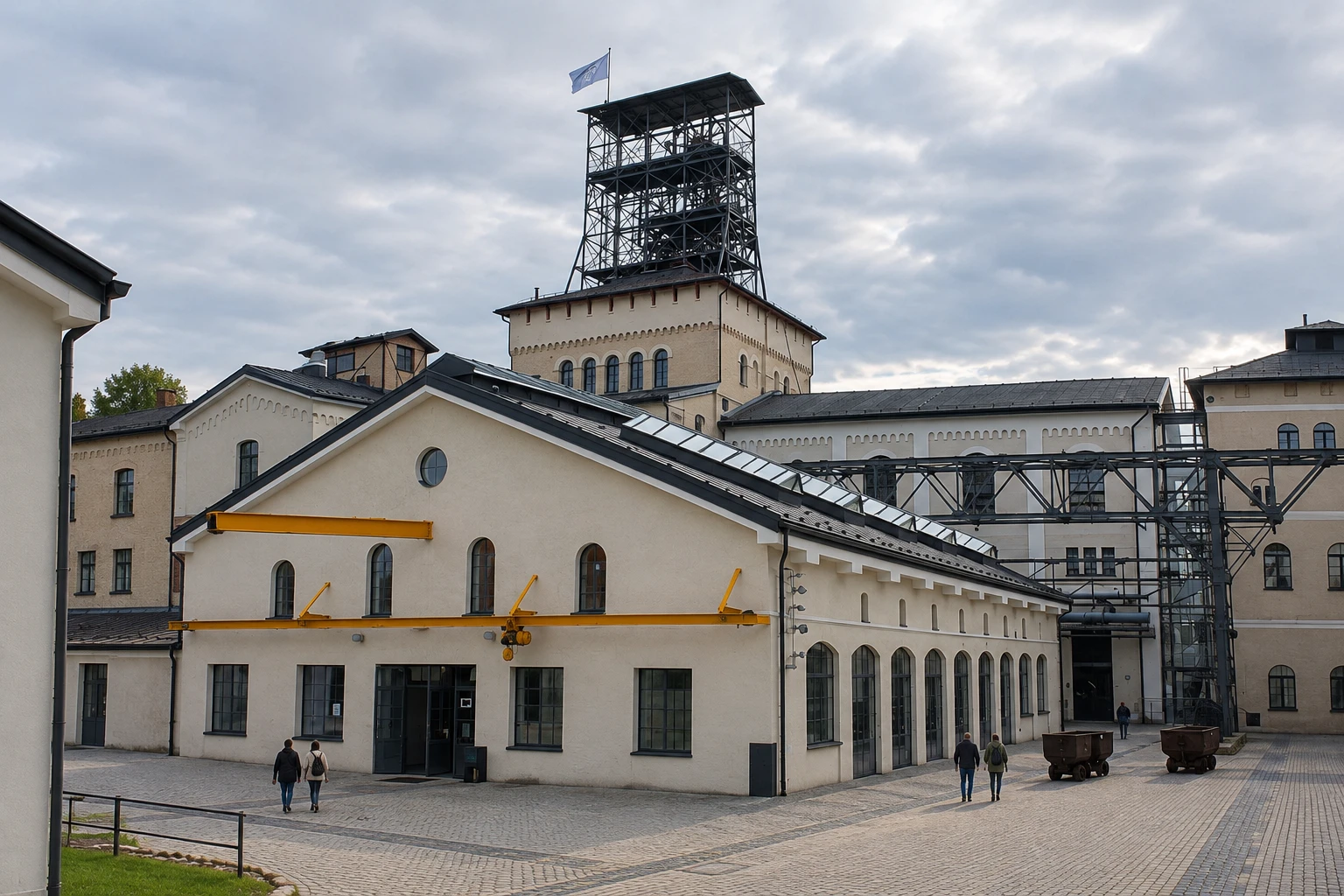
Old Mine · WałbrzychStara Kopalnia occupies the facilities of a former coal mine in Wałbrzych.
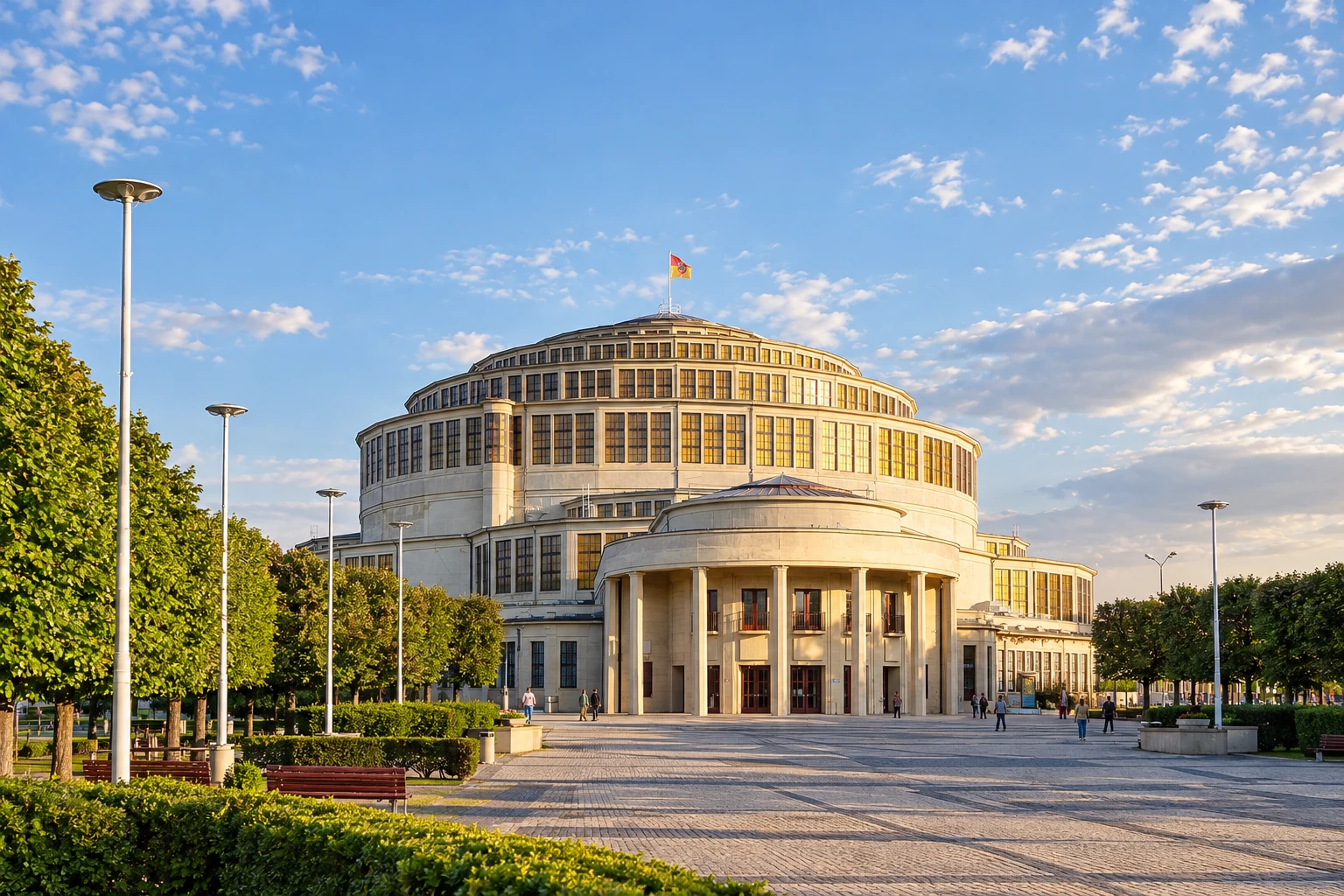
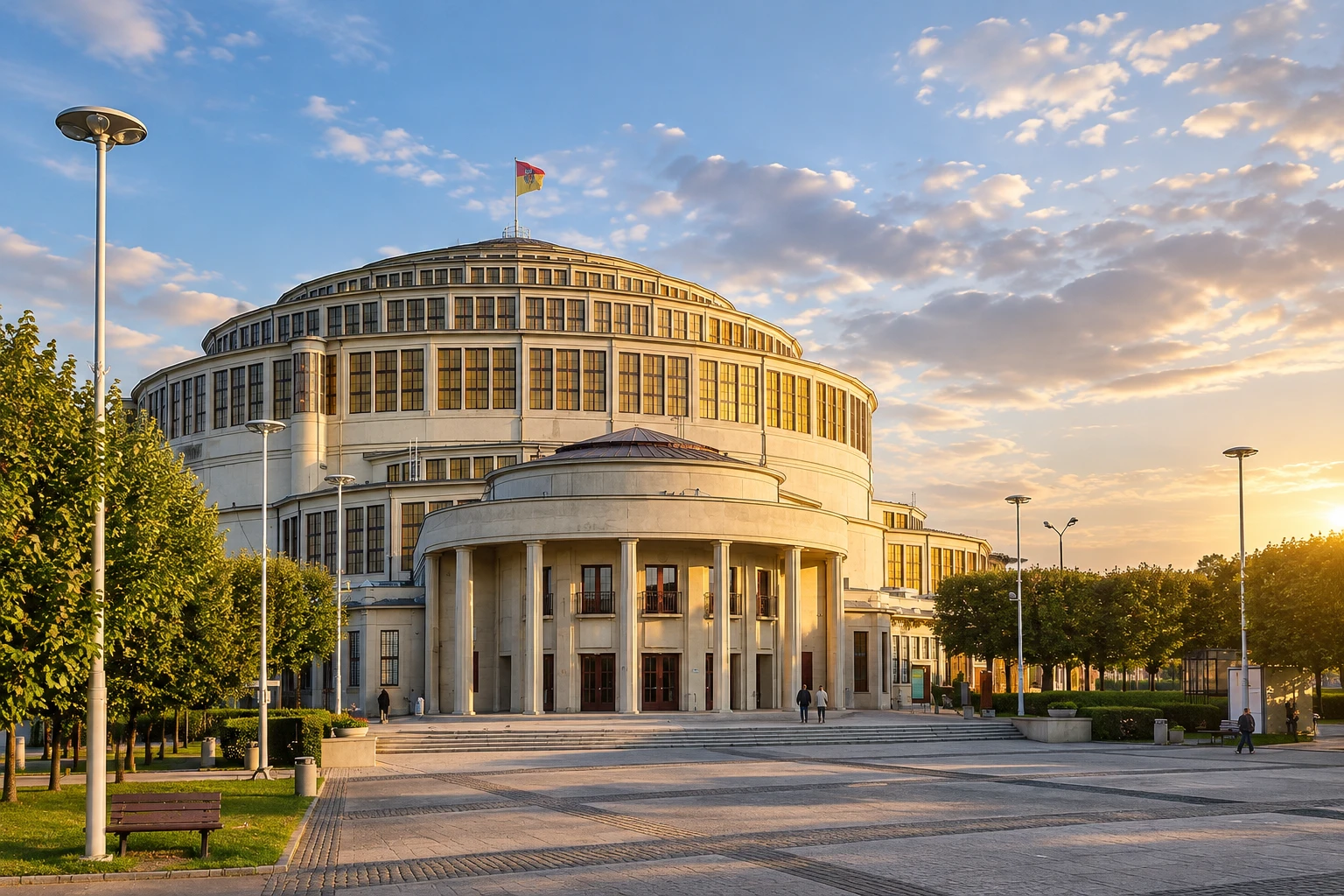
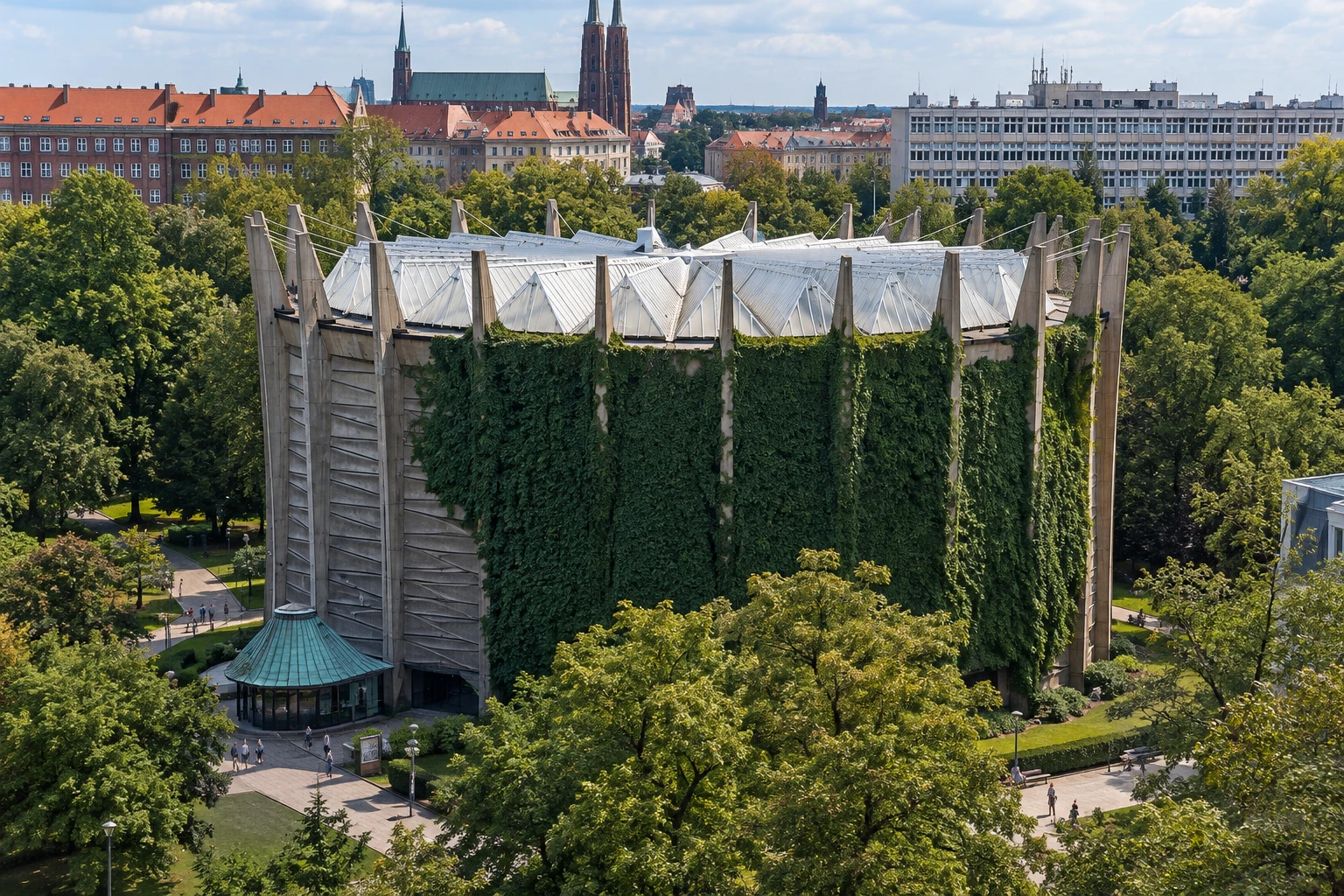
Centennial Hall · WrocławThe Centennial Hall is located east of Wrocław’s center and features a reinforced concrete dome associated with early 20th-century architecture.
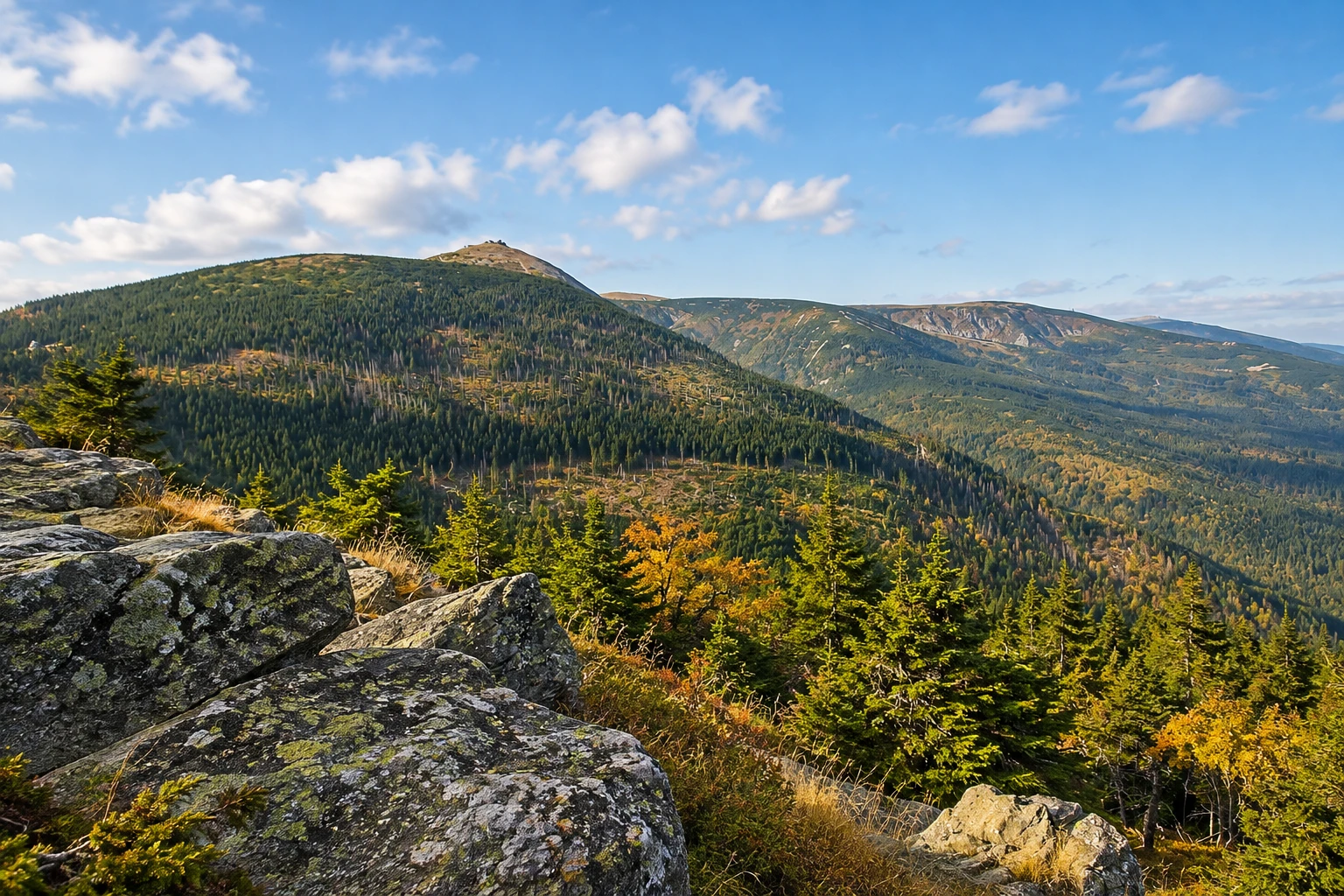
Karkonosze National Park · WałbrzychKarkonosze National Park protects mountains on the southern border of Lower Silesia.
Racławice Panorama Museum · WrocławThe Panorama Racławicka museum displays a panoramic painting in a circular-plan building in Wrocław.
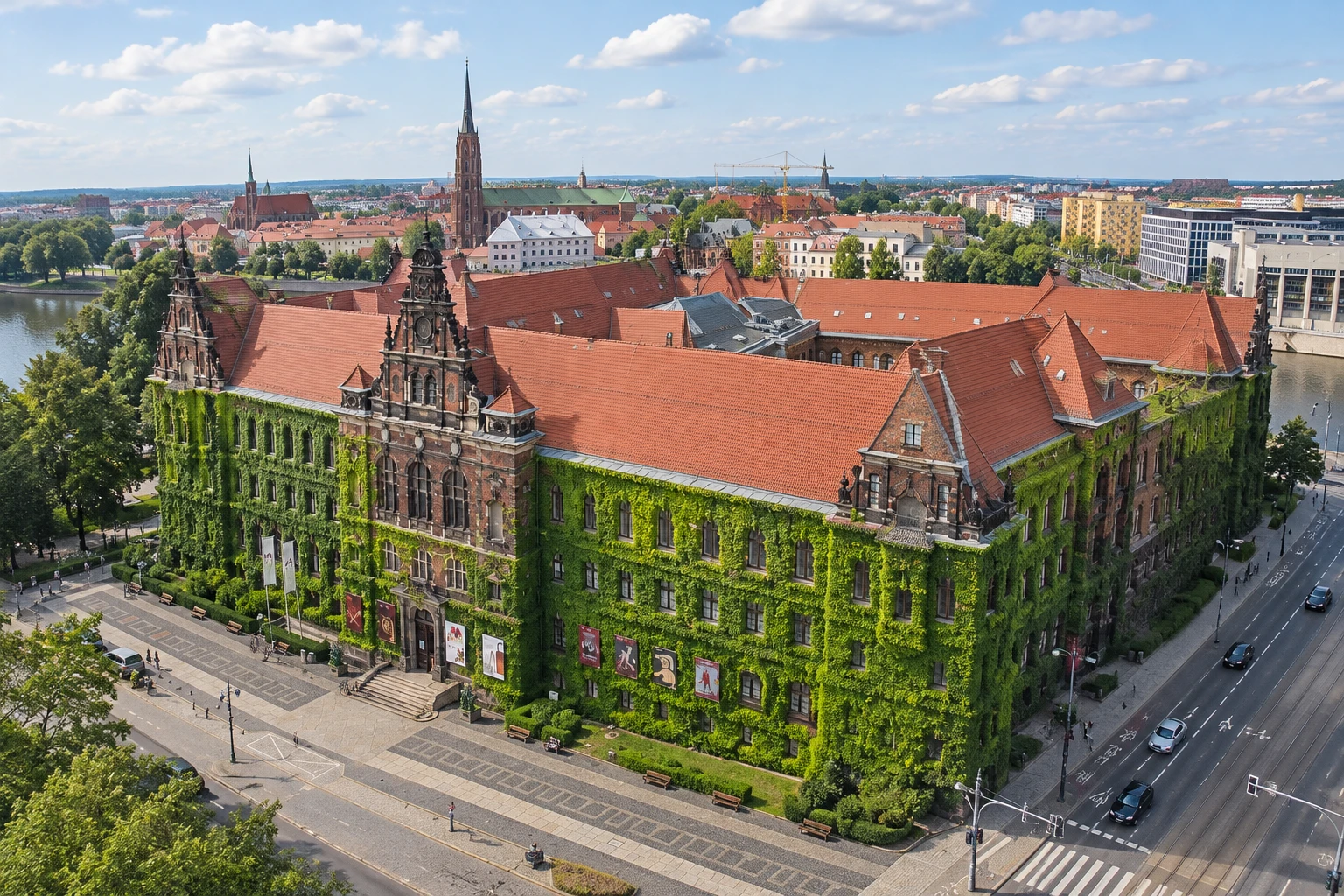
National Museum in Wrocław · WrocławThe National Museum in Wrocław occupies a building by the Oder and brings together art collections related to Silesia and other traditions.
The Church of Peace in Jawor is part of a group of wooden-structured temples recognized as World Heritage. The building preserves an interior of overlapping galleries, where painting, furnishings and the spatial arrangement help to understand its use.
The Church of Peace in Świdnica features a wooden structure whose external appearance does not foreshadow the full interior decoration. The building is part of the World Heritage together with the church in Jawor and retains an arrangement of galleries, pulpit and painted elements.
The Rynek of Wrocław structures the old town around the town hall and a set of façades from different periods. The square serves as a starting point for routes among the shopping streets, the former municipal building and the surrounding passages.
Książ Castle occupies a rise surrounded by woodland within the territory of Wałbrzych. The complex brings together wings and façades from different periods, with a layout that needs to be seen from the outside to understand the relationship between the residence and the terrain.
Ostrów Tumski brings together churches and streets linked to Wrocław's origins, along the branches of the Oder. Although the name refers to an island, the urban configuration has changed over time; the area retains a visual and historical relationship with the water and the bridges.
Stara Kopalnia occupies the facilities of a former coal mine in Wałbrzych. Towers, technical buildings and exhibition spaces allow visitors to observe the scale of the industrial activity and the transformation of a workplace into a cultural and interpretation center.
The Centennial Hall is located east of Wrocław’s center and features a reinforced concrete dome associated with early 20th-century architecture. Max Berg’s work is part of the World Heritage and should be observed both for its external volume and for the space it covers.
Karkonosze National Park protects mountains on the southern border of Lower Silesia. The Karpacz sector allows planning hikes and approaches toward the Śnieżka area, presenting a landscape of ridges, slopes and forest different from the urban complexes of Wałbrzych.
The Panorama Racławicka museum displays a panoramic painting in a circular-plan building in Wrocław. The work surrounds the viewing space and uses a composition that brings the painted image close to scenic elements, creating a visit experience of its own.
The National Museum in Wrocław occupies a building by the Oder and brings together art collections related to Silesia and other traditions. The visit offers a gallery program distinct from the walk through the center’s bridges, squares and churches.
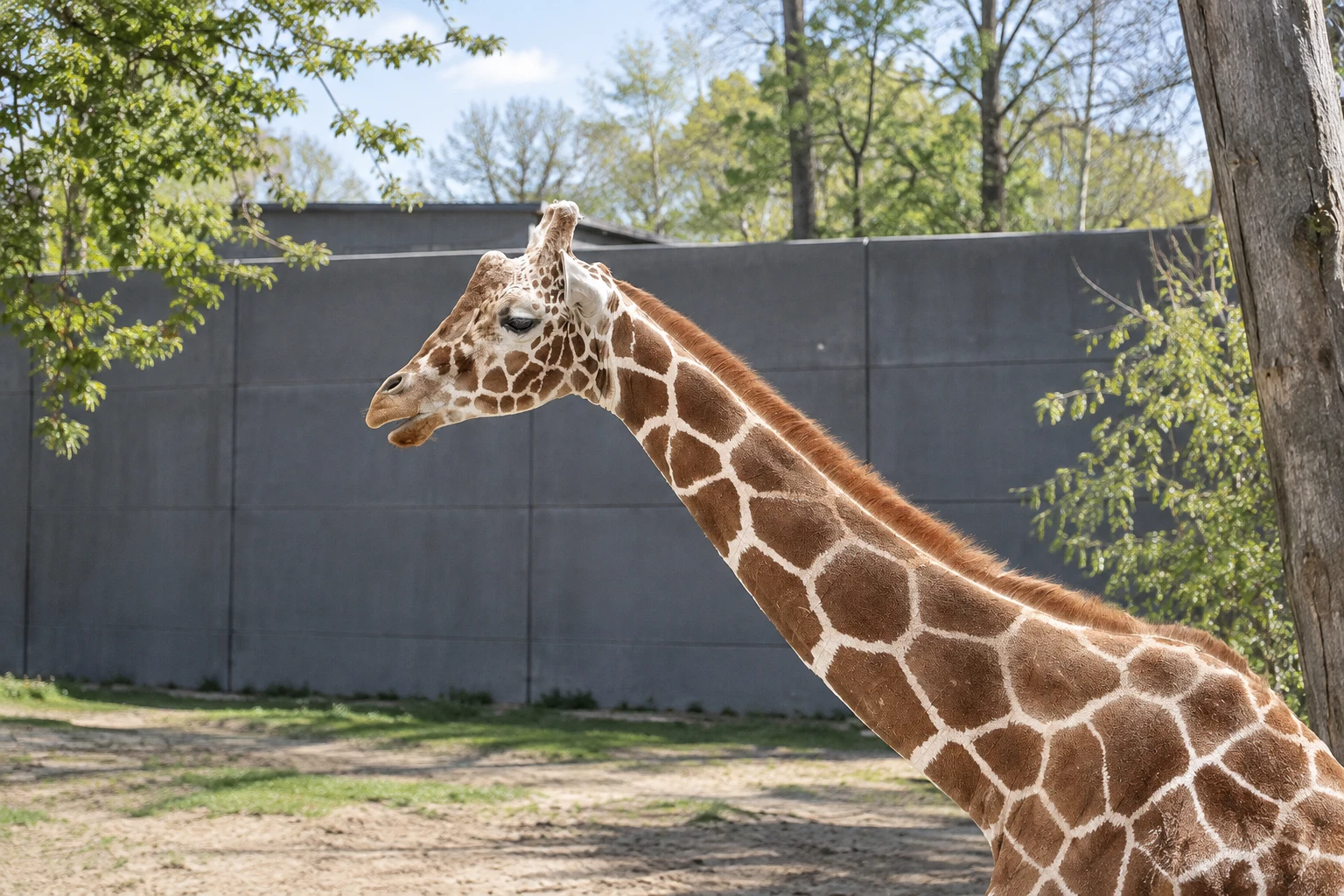
Wrocław Zoo occupies an area east of the center, near the Hala Stulecia complex. The visit combines outdoor areas and pavilions, including the Afrykarium, dedicated to aquatic and terrestrial environments from different African regions.


 Brazil
 Antarctica
 Argentina
 Bolivia
 Chile
 Colombia
 Ecuador
 Falkland Islands (Malvinas)
 French Guiana
 Guyana
 Paraguay
 Peru
 Suriname
 Uruguay
 Venezuela
 Austria
 Belgium
 Croatia
 Denmark
 Finland
 France
 Germany
 Greece
 Hungary
 Iceland
 Ireland
 Italy
 Luxembourg
 Norway
 Portugal
 Slovakia
 Slovenia
 Spain
 Sweden
 Switzerland
 the Czech Republic
 the Netherlands
 the United Kingdom
 Turkey
 Bermuda
 Canada
 Greenland
 Mexico
 Saint Pierre and Miquelon
 the United States
 the Dominican Republic
 Japan
 Egypt
 South Africa
 Australia
 Fiji
 New Zealand
 Papua New Guinea