Egilsstaðir · Iceland · Waterfall
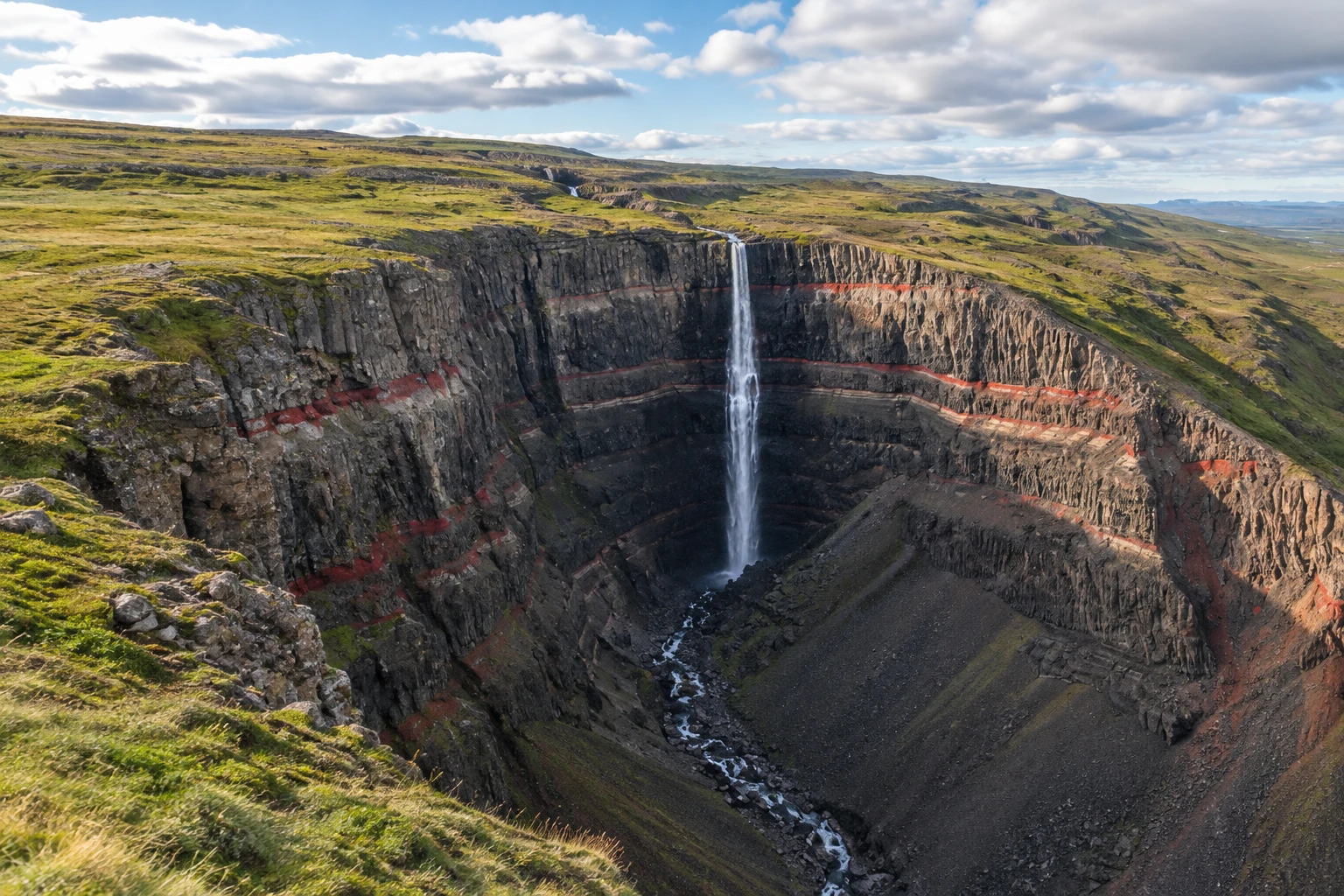
Hengifoss
Waterfall in front of a wall with reddish bands, reached by a trail in the valley of Fljótsdalur.

 Search
 Brazil
 Antarctica
 Argentina
 Bolivia
 Chile
 Colombia
 Ecuador
 Falkland Islands (Malvinas)
 French Guiana
 Guyana
 Paraguay
 Peru
 Suriname
 Uruguay
 Venezuela
 Austria
 Belgium
 Croatia
 Denmark
 Finland
 France
 Germany
 Greece
 HungaryIceland
 Ireland
 Italy
 Luxembourg
 Norway
 Poland
 Portugal
 Slovakia
 Slovenia
 Spain
 Sweden
 Switzerland
 the Czech Republic
 the Netherlands
 the United Kingdom
 Turkey
 Bermuda
 Canada
 Greenland
 Mexico
 Saint Pierre and Miquelon
 the United States
 the Dominican Republic
 JapanTurkey
 Egypt
 South Africa
 Australia
 Fiji
 New Zealand
 Papua New Guinea
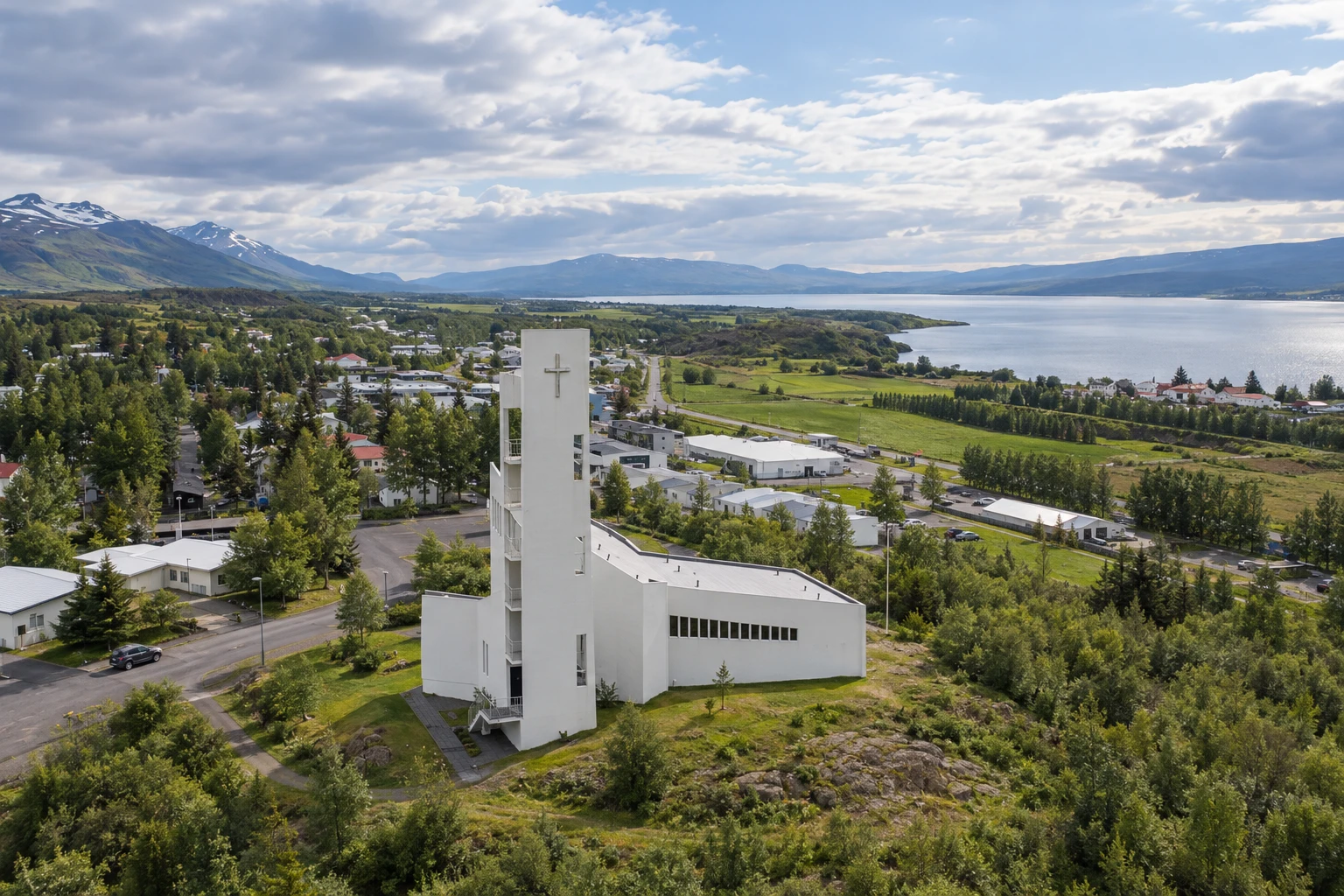
In the photo: Egilsstaðir
Illustrative images. The pictures in this guide are illustrations based on the real place, not photographs, and may differ from it.

The city
Egilsstaðir is a service base in the interior of the East, along the Route 1 corridor. Hengifoss and Hallormsstaðaskógur are in the Lagarfljót valley; Stuðlagil requires its own detour toward Jökuldalur.
There's no accommodation in the guide yet in Egilsstaðir.
Tem hotel, pousada ou casa de temporada aqui? Cadastre a suaThere are no restaurants in the guide yet in Egilsstaðir.
Know a good one? Recommend it to usHotéis e restaurantes da cidade no mapa.
how to get there · how many days · itinerary · questions
The local experience
Waterfall in front of a wall with reddish bands, reached by a trail in the valley of Fljótsdalur.
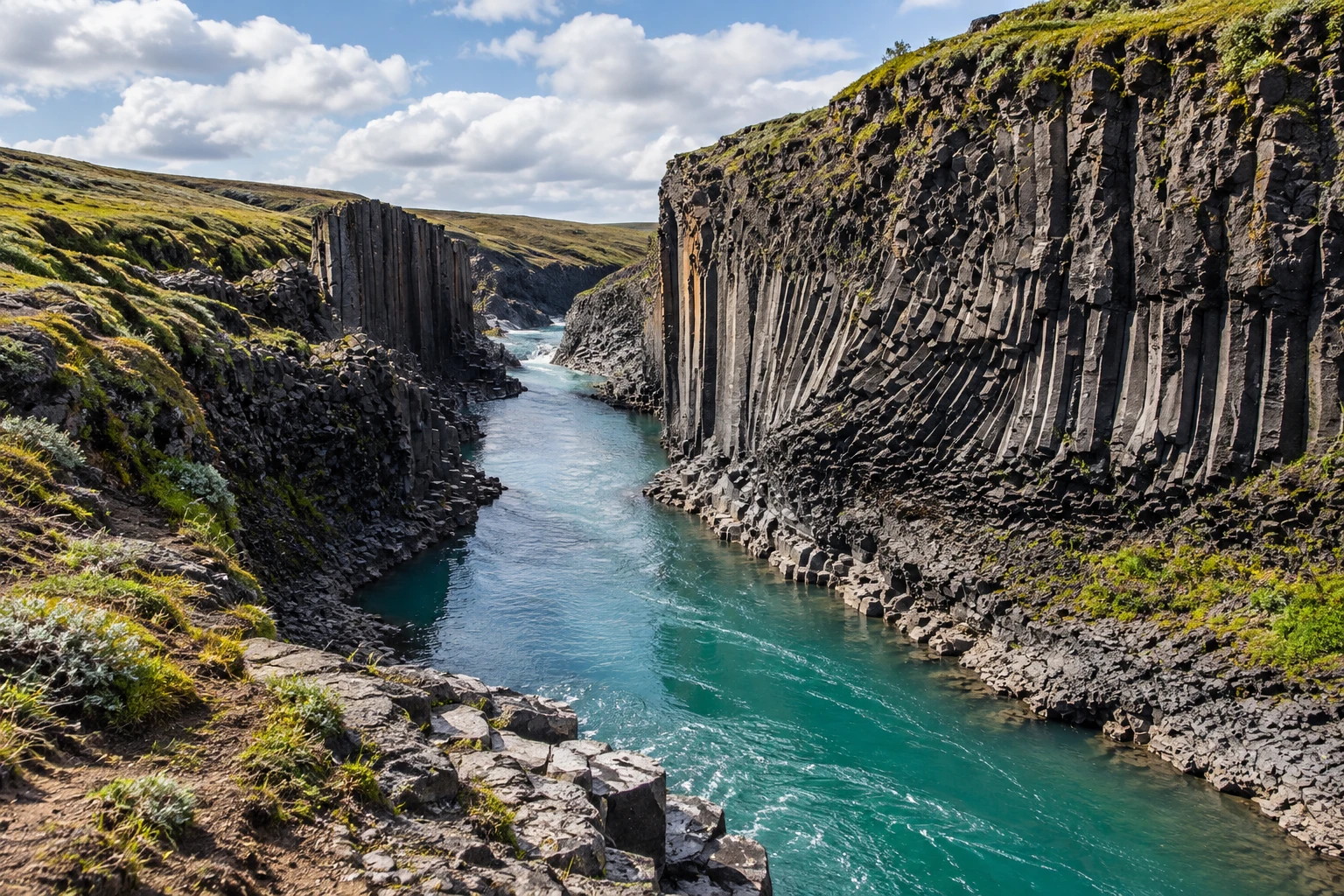
Gorge with walls of basalt columns along the course of the Jökla river.
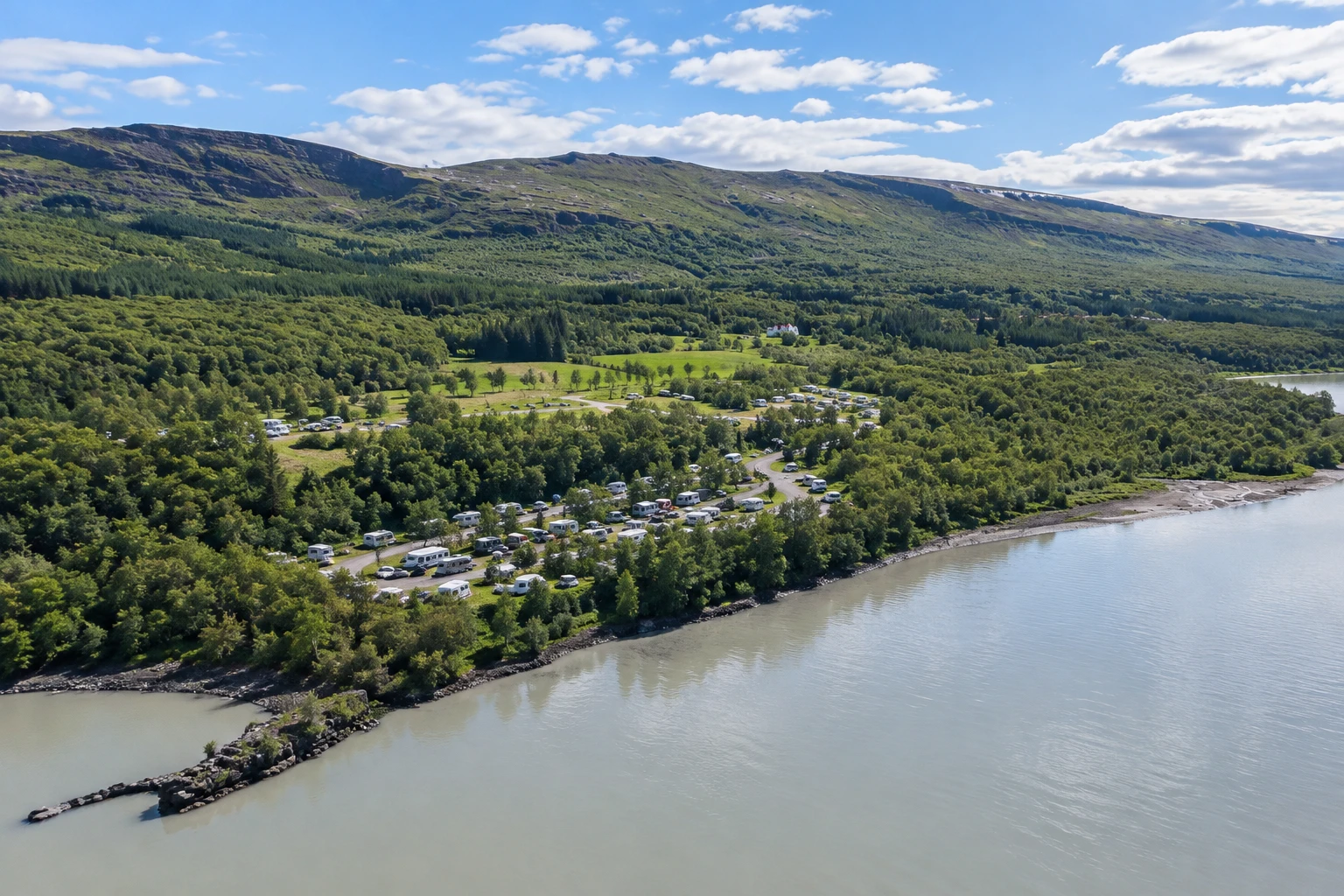
Wooded area beside lake Lagarfljót, with trails and tree collections.
Before you go
Egilsstaðir – Iceland Destination Eastfjords
Connections from Brazil typically include a stopover in another city. Confirm before booking. The town has EGS airport and access via Route 1. Travelers arriving on an international flight need to arrange the domestic connection or onward road travel separately.
Three nights allow splitting the Hengifoss hike, the forest walk and the visit to Stuðlagil.
Between June and August, the long days in Egilsstaðir usually favor hikes, with cool weather. From December to February, cold and short daylight usually reduce routes; the seasons are reversed compared to Brazil.
The seasons shown are the most usual ones; nature doesn't always follow the calendar.
A car or hired transport makes the three valleys served by Egilsstaðir easier to reach; intercity connections do not cover the rural hikes.
Suggested itinerary
Built with the places on this page. No rush: it's paced so you have time to see them.
Set aside the morning for the Hengifoss climb, noting Litlanesfoss along the way.
After returning, choose a short walk in Hallormsstaðaskógur if you have time and inclination.
Finish the Egilsstaðir stage with time margin for transfer to accommodation and local services.
Leave the Stuðlagil circuit for another day and return to Egilsstaðir's services.
Day 1
Set aside the morning for the Hengifoss climb, noting Litlanesfoss along the way.
After returning, choose a short walk in Hallormsstaðaskógur if you have time and inclination.
Finish the Egilsstaðir stage with time margin for transfer to accommodation and local services.
Leave the Stuðlagil circuit for another day and return to Egilsstaðir's services.
Day 2
Choose the Stuðlagil side before leaving Egilsstaðir. Dedicate the visit period to the corresponding route and reserve the return without adding the fjord crossing on the same day.
Continue the basalt route in the valley of Jökuldalur according to the time you have reserved and the available paths, keeping the return transfer to Egilsstaðir in your plan.
End day 2 with time margin for the return, respecting transport already arranged in Egilsstaðir.
Have your meal at the Egilsstaðir base and check the planned transfers after the basalt visit in the valley of Jökuldalur.
Check before you go. Opening hours and days change, and places may close for renovations, holidays or events. This itinerary is a suggestion from Cidade Turismo, not a commitment: plan yours by checking directly with each place you intend to visit.
Before you go
The town has EGS airport and access via Route 1. Travelers arriving on an international flight need to arrange the domestic connection or onward road travel separately.
Three nights allow splitting the Hengifoss hike, the forest walk and the visit to Stuðlagil.
A car or hired transport makes the three valleys served by Egilsstaðir easier to reach; intercity links do not cover the rural hikes.
Between June and August, the long days in Egilsstaðir usually favor hikes, with cool weather. From December to February, cold and short daylight usually reduce routes; the seasons are reversed compared to Brazil.