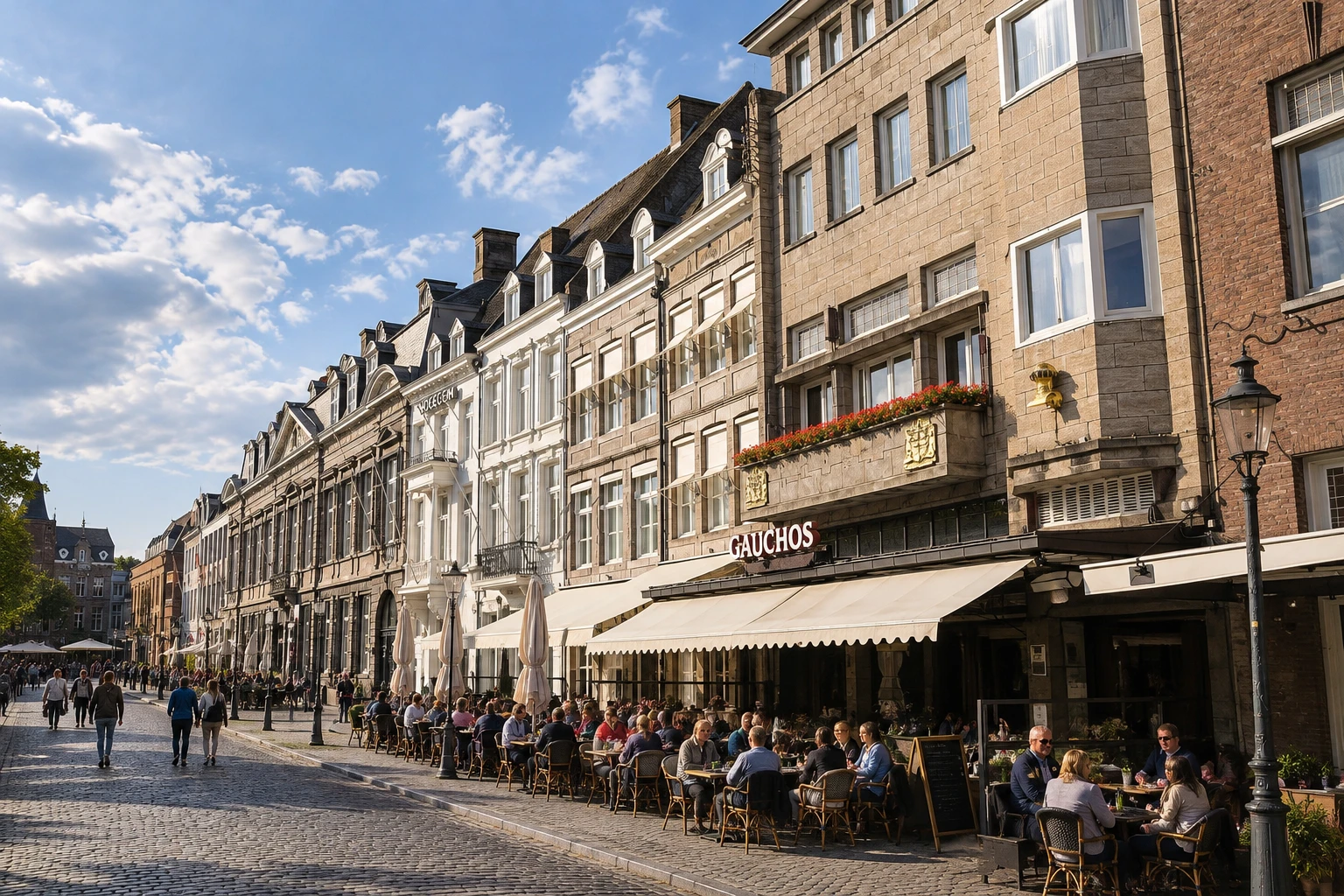
Square
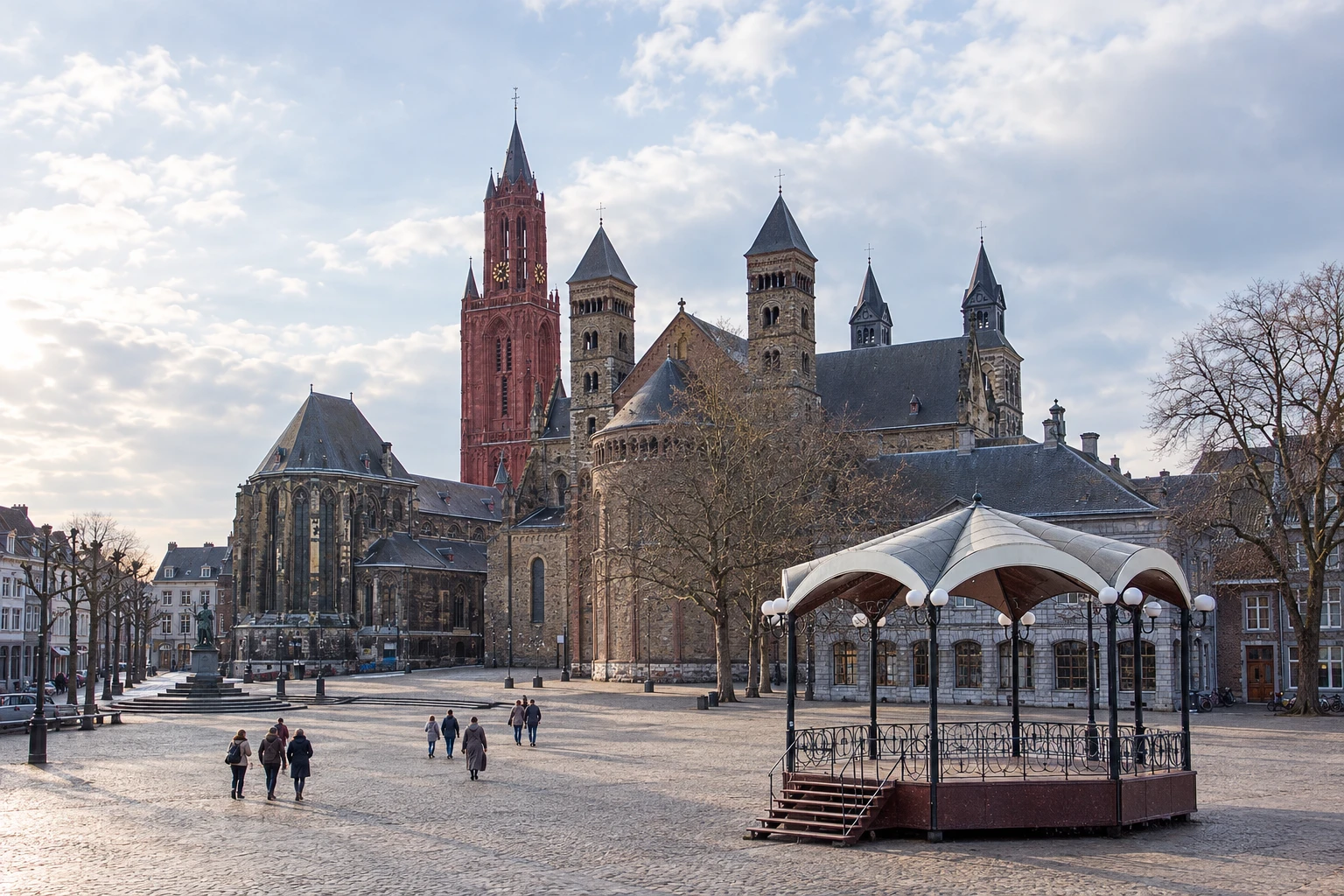
Vrijthof
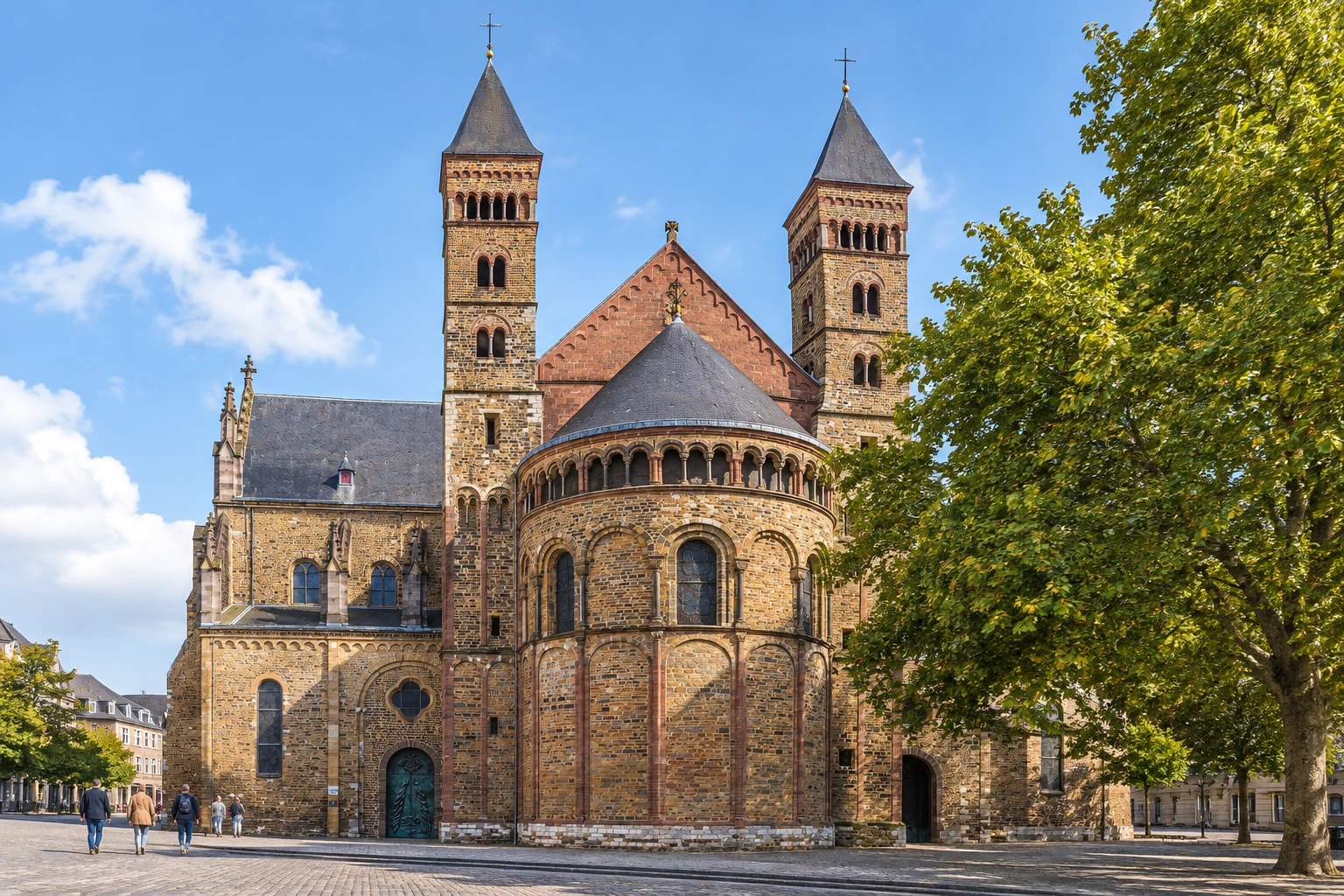
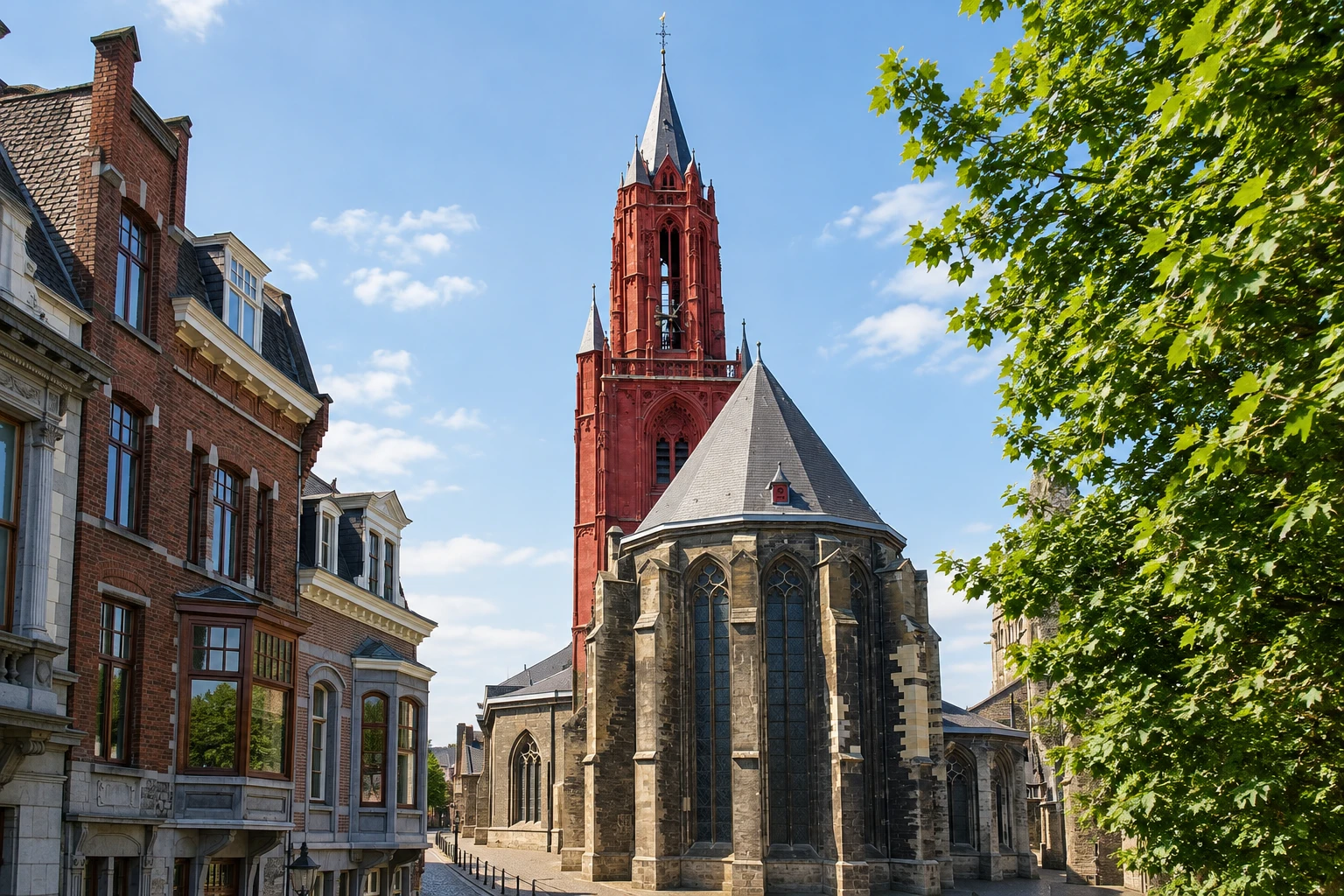
The largest square in Maastricht's center, flanked by the Basiliek van Sint Servaas and the Sint-Janskerk, with outdoor seating and the stage for the city's festivities.

 Search
 Brazil
 Antarctica
 Argentina
 Bolivia
 Chile
 Colombia
 Ecuador
 Falkland Islands (Malvinas)
 French Guiana
 Guyana
 Paraguay
 Peru
 Suriname
 Uruguay
 Venezuela
 Austria
 Belgium
 Croatia
 Denmark
 Finland
 France
 Germany
 Greece
 Hungary
 Iceland
 Ireland
 Italy
 Luxembourg
 Norway
 Poland
 Portugal
 Slovakia
 Slovenia
 Spain
 Sweden
 Switzerland
 the Czech Republicthe Netherlands
 the United Kingdom
 Turkey
 Bermuda
 Canada
 Greenland
 Mexico
 Saint Pierre and Miquelon
 the United States
 the Dominican Republic
 JapanTurkey
 Egypt
 South Africa
 Australia
 Fiji
 New Zealand
 Papua New Guinea
Limburg
16 places to visit Maastricht (the Netherlands), chosen by the Cidade Turismo guide.
Illustrative images. The pictures in this guide are illustrations based on the real place, not photographs, and may differ from it.
To start
One by one
The largest square in Maastricht's center, flanked by the Basiliek van Sint Servaas and the Sint-Janskerk, with outdoor seating and the stage for the city's festivities.
Romanesque basilica from the 11th and 12th centuries, built over the tomb of Saint Servatius and considered the oldest church still standing in the Netherlands. It houses a treasury with medieval reliquaries.
Protestant Gothic church next to the Basiliek van Sint Servaas, with a 79-metre red tower—the tallest in Maastricht—that can be climbed in season.
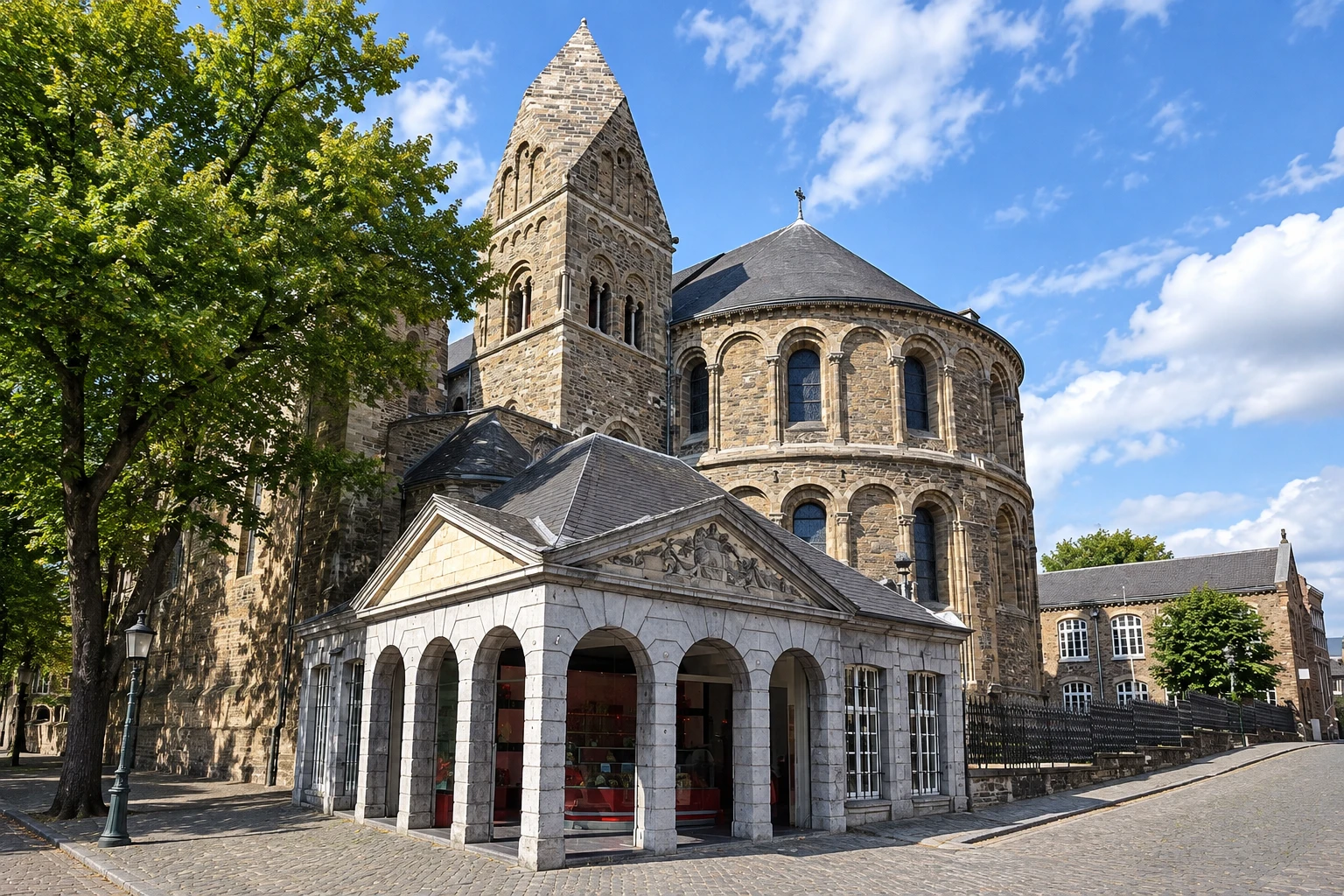
Romanesque basilica in the centre of Maastricht, known for its fortress-like west façade, carved capitals and the chapel of the Sterre der Zee, the Star of the Sea, an image much venerated in the city.
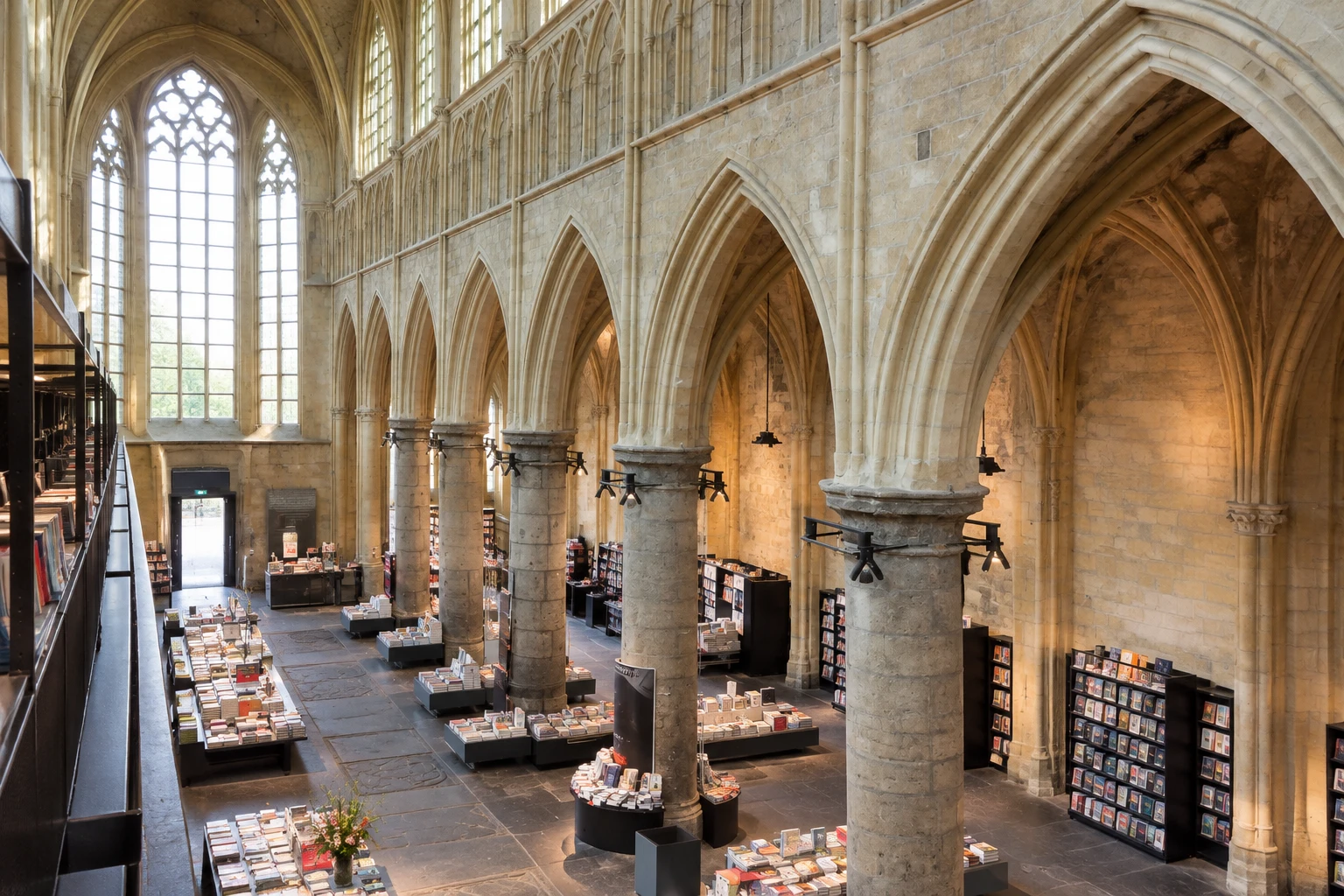
Bookshop housed in a 13th-century Gothic church that belonged to the Dominicans. Multi-level bookshelves occupy the nave and there is a café in the former choir.
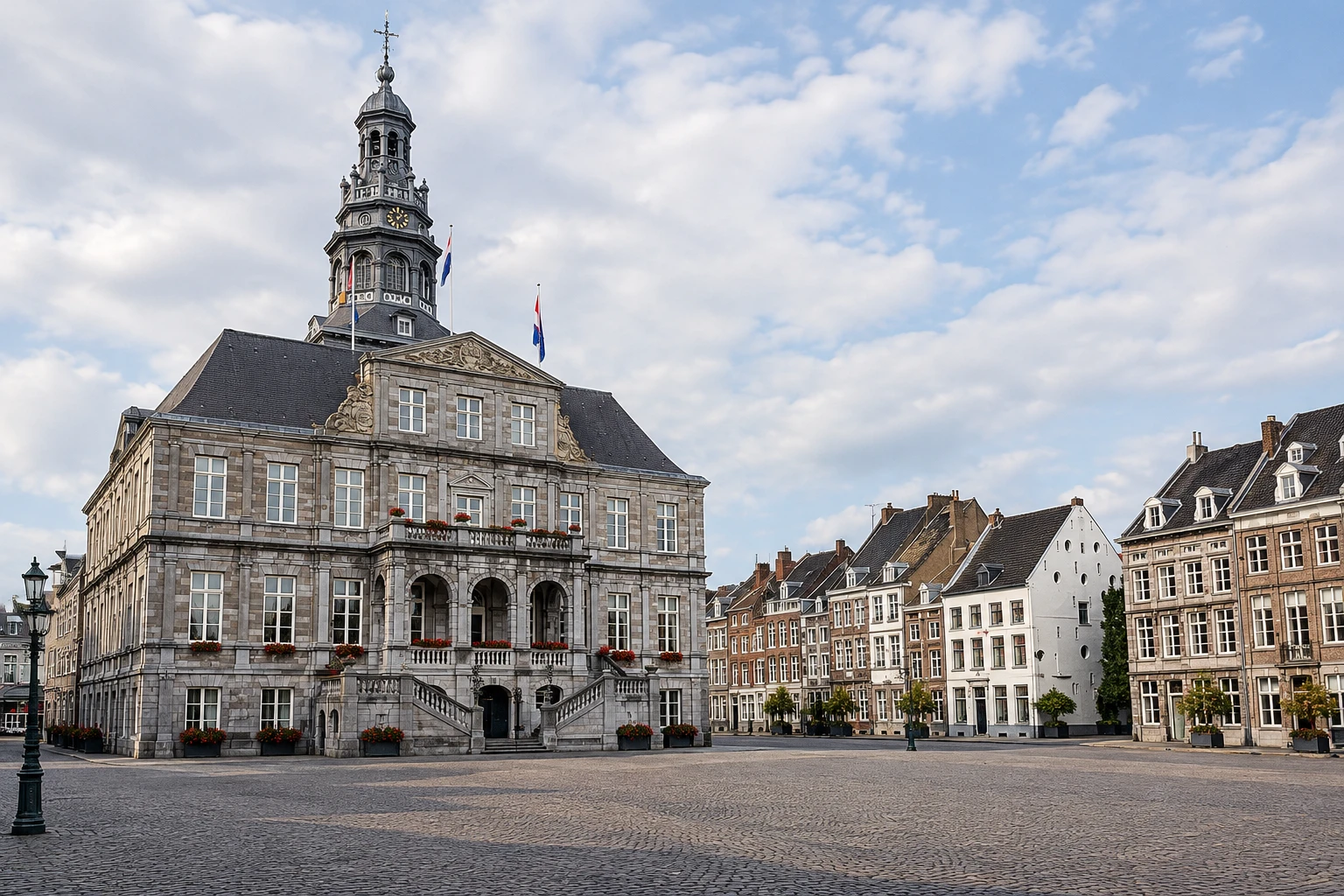
Maastricht's market square, where the Stadhuis is located — the 17th-century town hall designed by Pieter Post — surrounded by cafés and the site of an outdoor market.
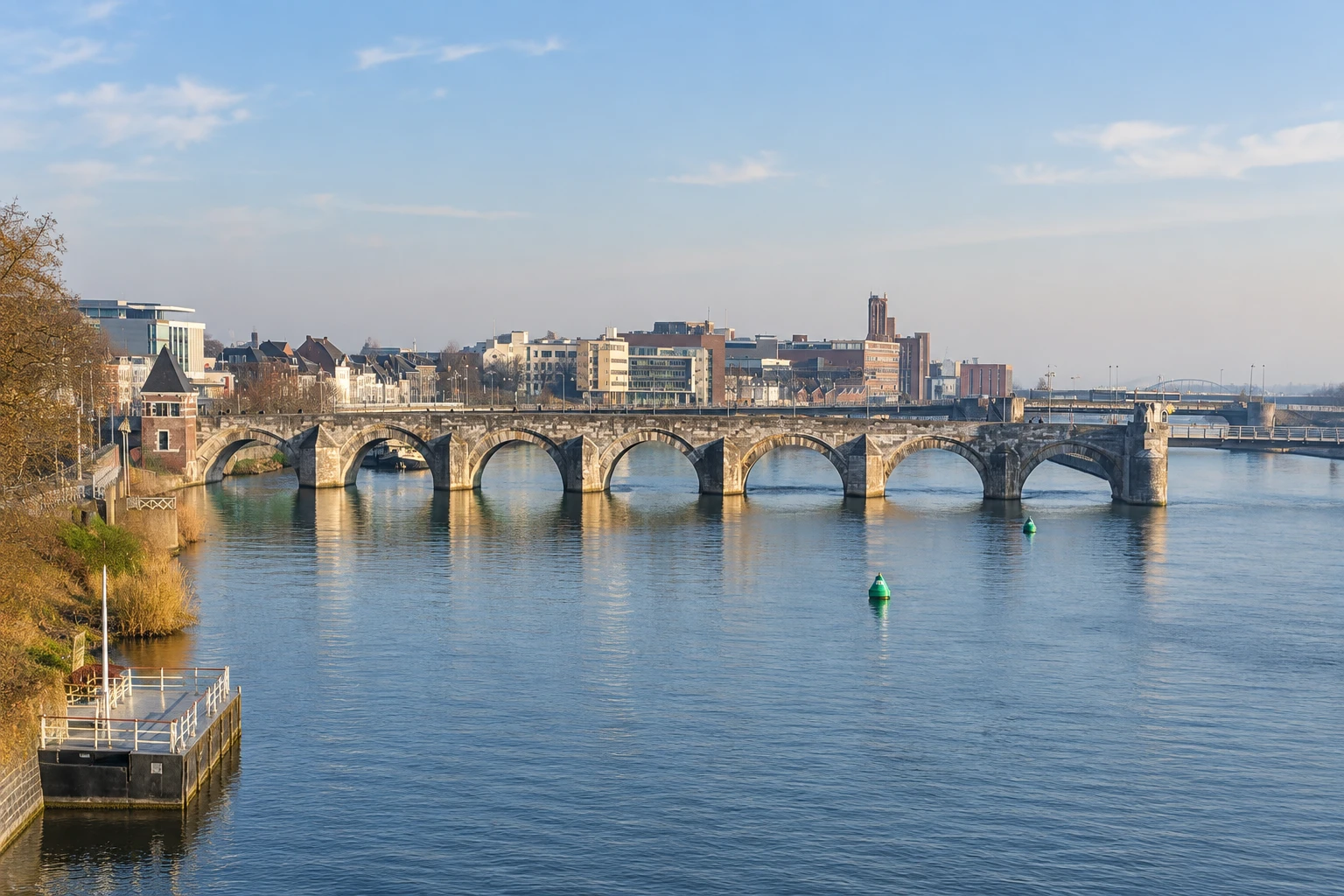
Stone arch bridge over the river Maas, built at the end of the 13th century and considered the oldest bridge in the Netherlands. It links the center to the Wyck neighborhood and the station.
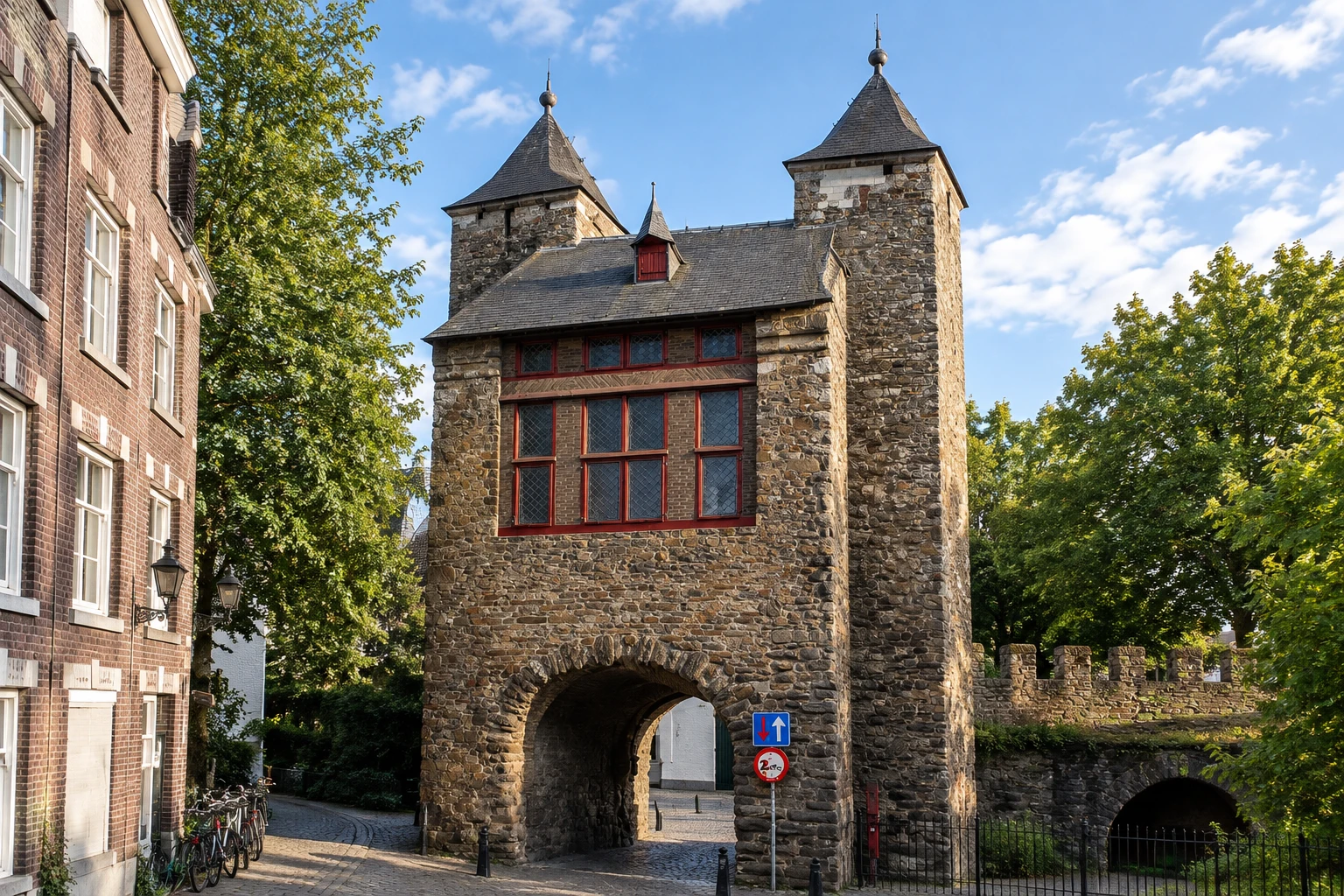
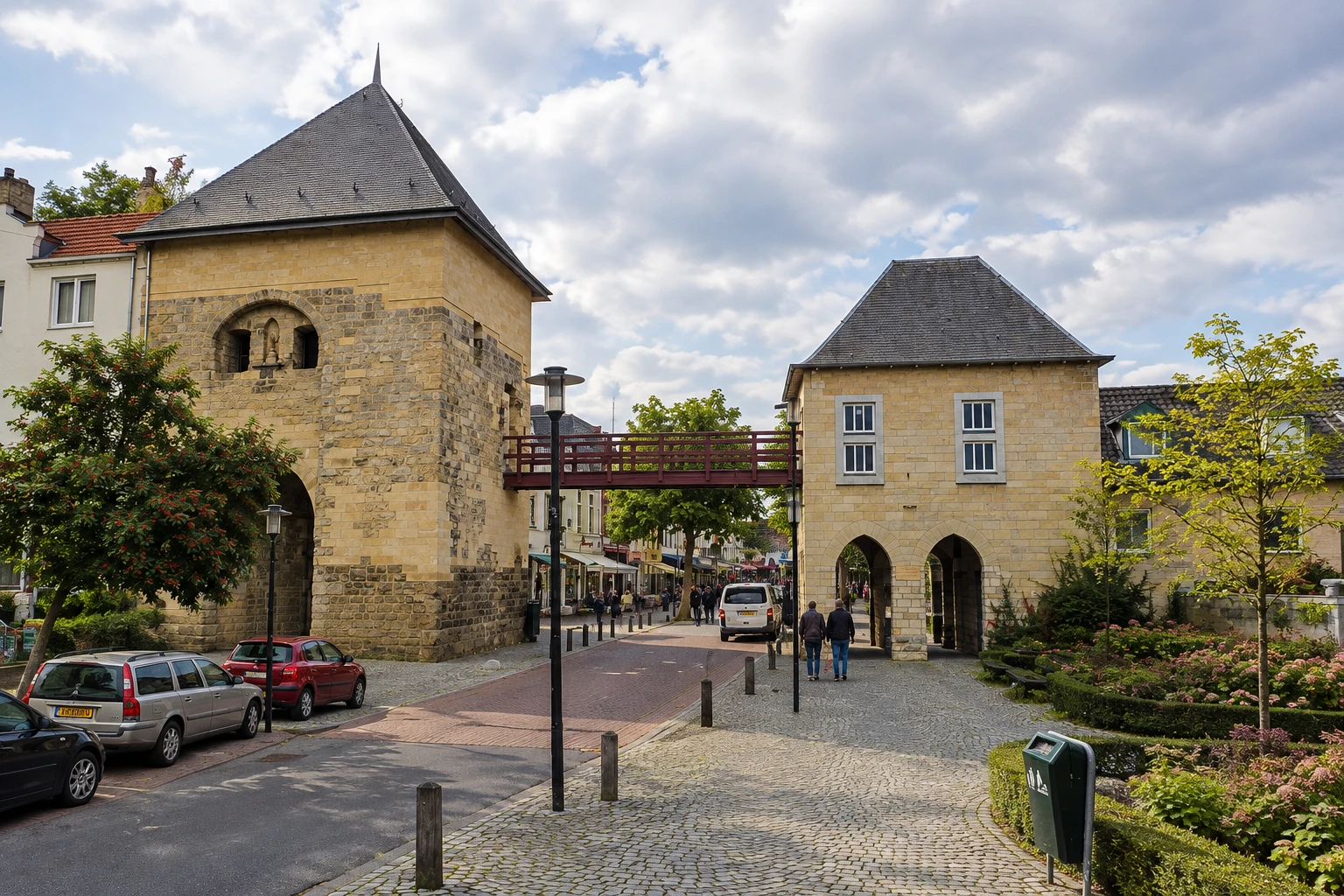
Gate of Maastricht's first wall, dating from around 1230 — the oldest city gate still standing in the Netherlands. It is located in the Jekerkwartier, next to stretches of the city wall.
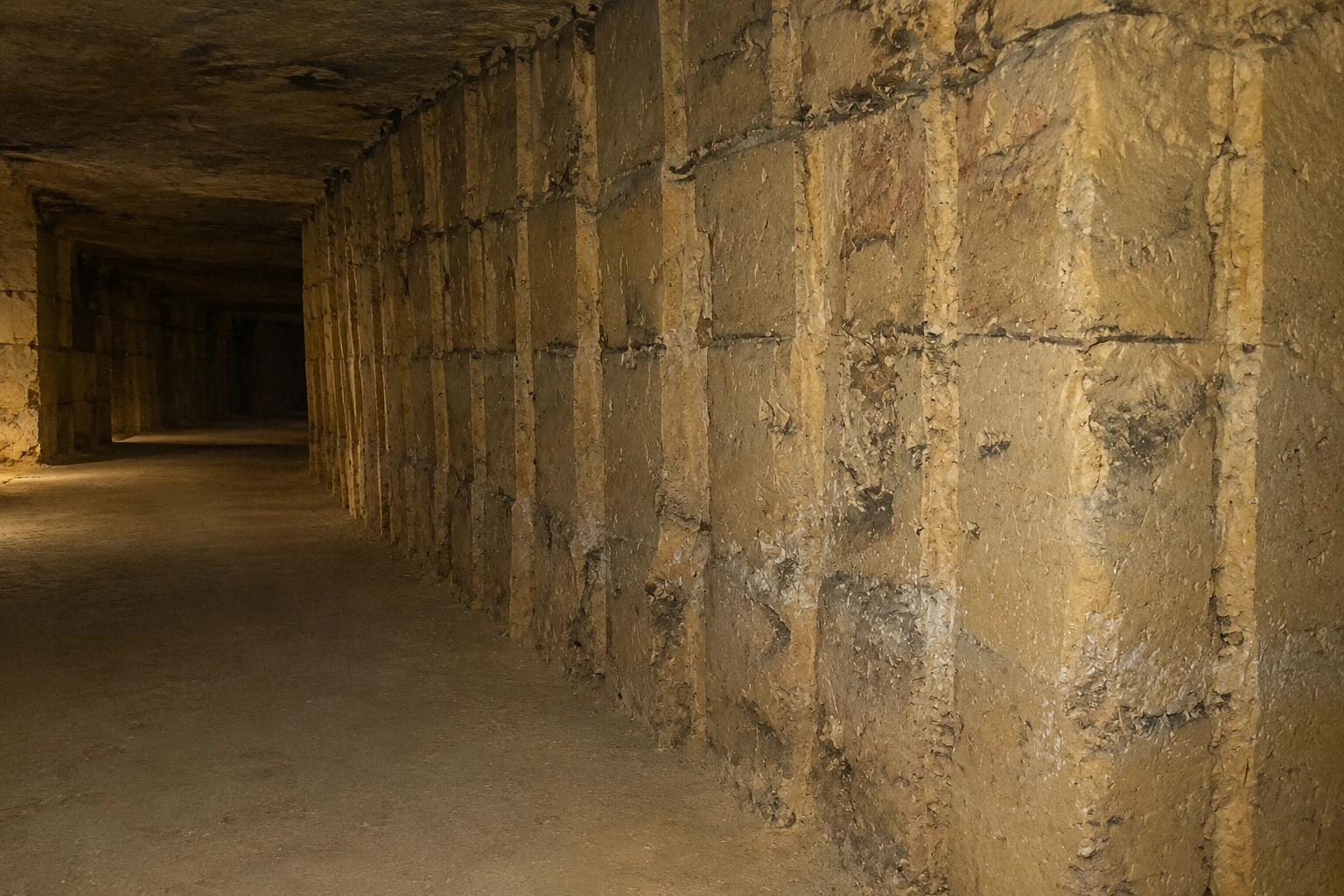
Galleries hand-dug over centuries into the limestone of the Sint-Pietersberg hill, with drawings and inscriptions on the walls. Visits are only with a guide, in the Grotten Noord and Zonneberg systems.
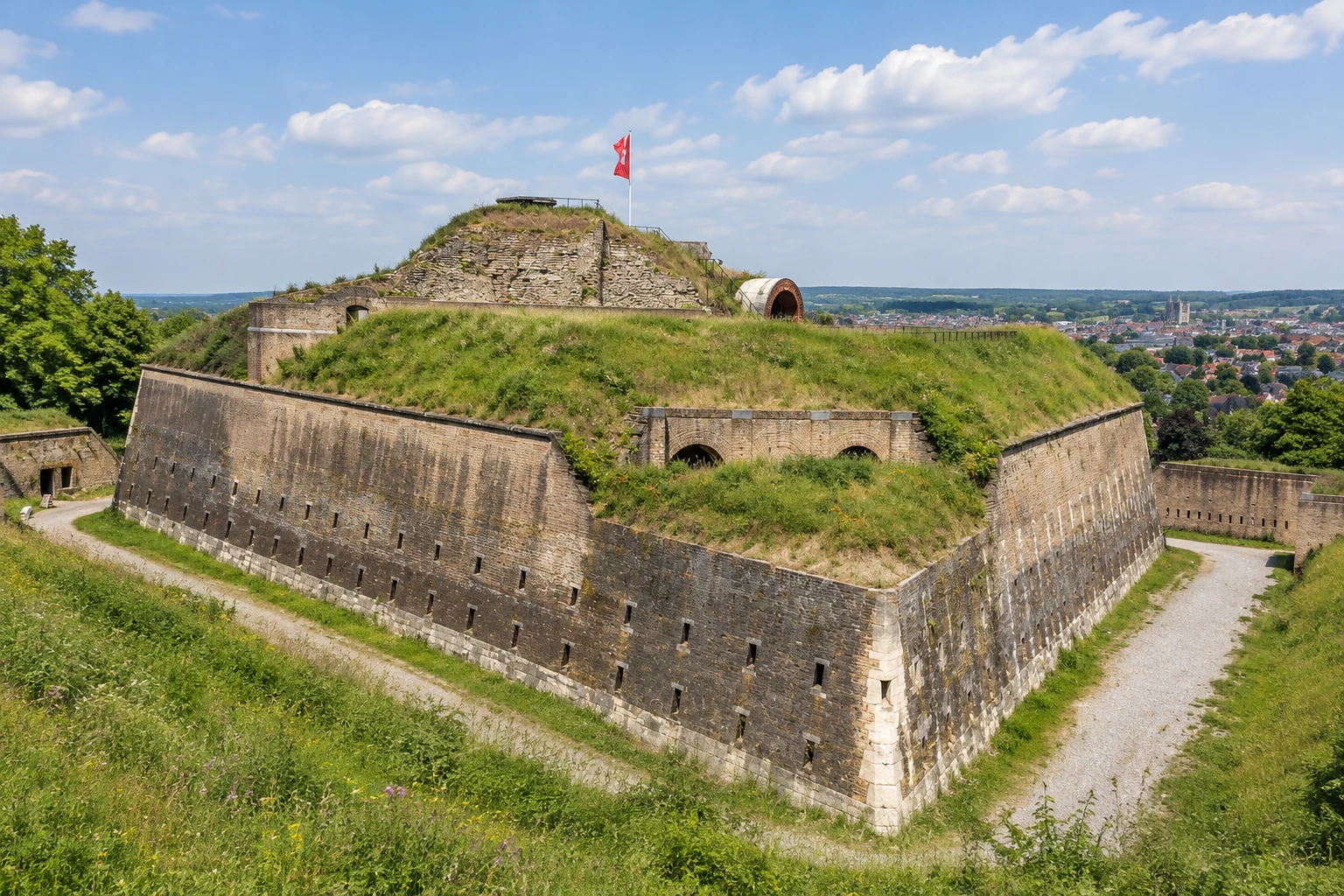
Five‑sided fort built in 1701–1702 into the slope of Sint-Pietersberg to protect the southern approaches to Maastricht, with internal galleries and views over the Maas valley.
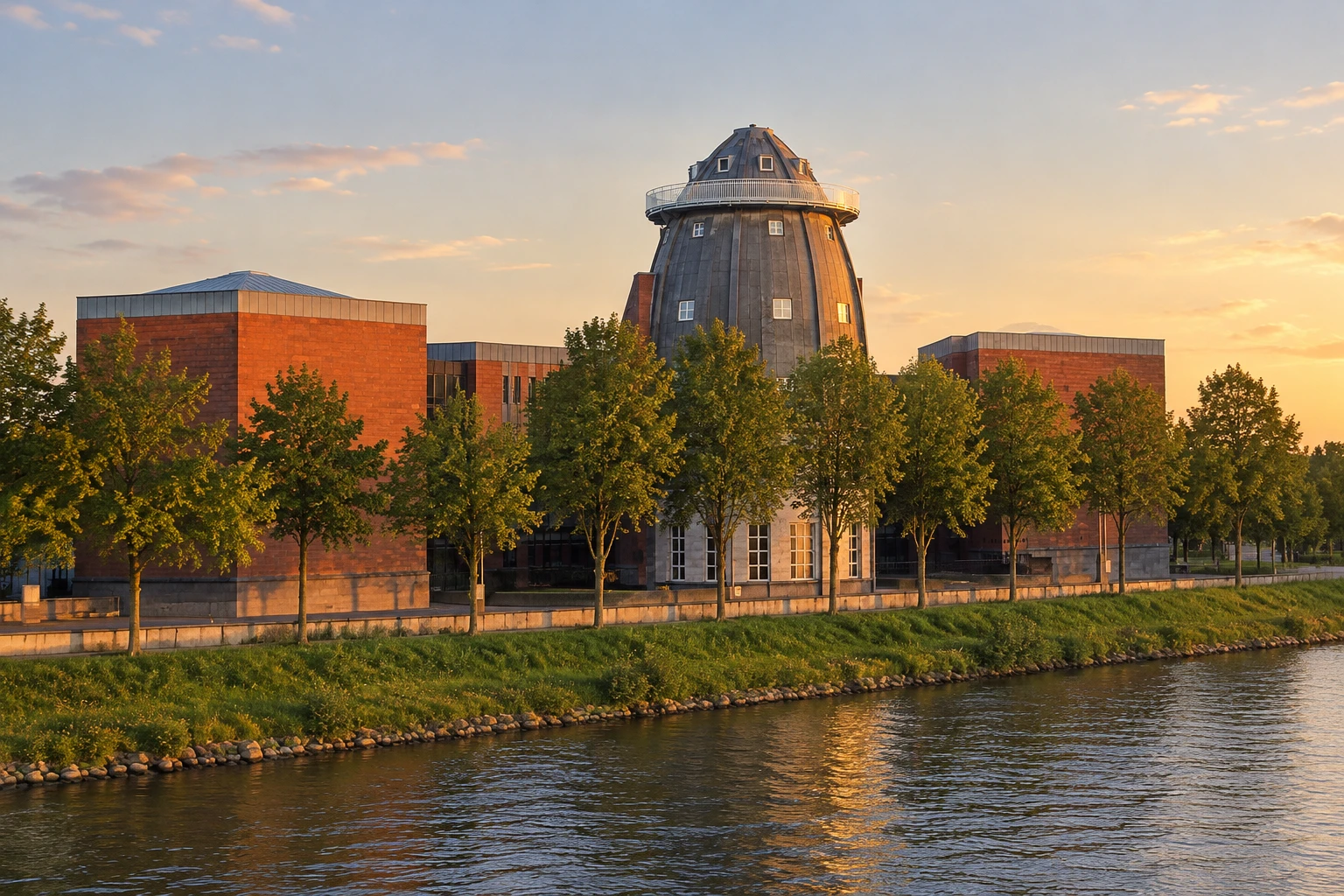
Art museum of Limburg, housed in a 1995 building by architect Aldo Rossi on the banks of the Maas, with exhibitions of contemporary art, medieval sculpture and paintings from the southern Netherlands.
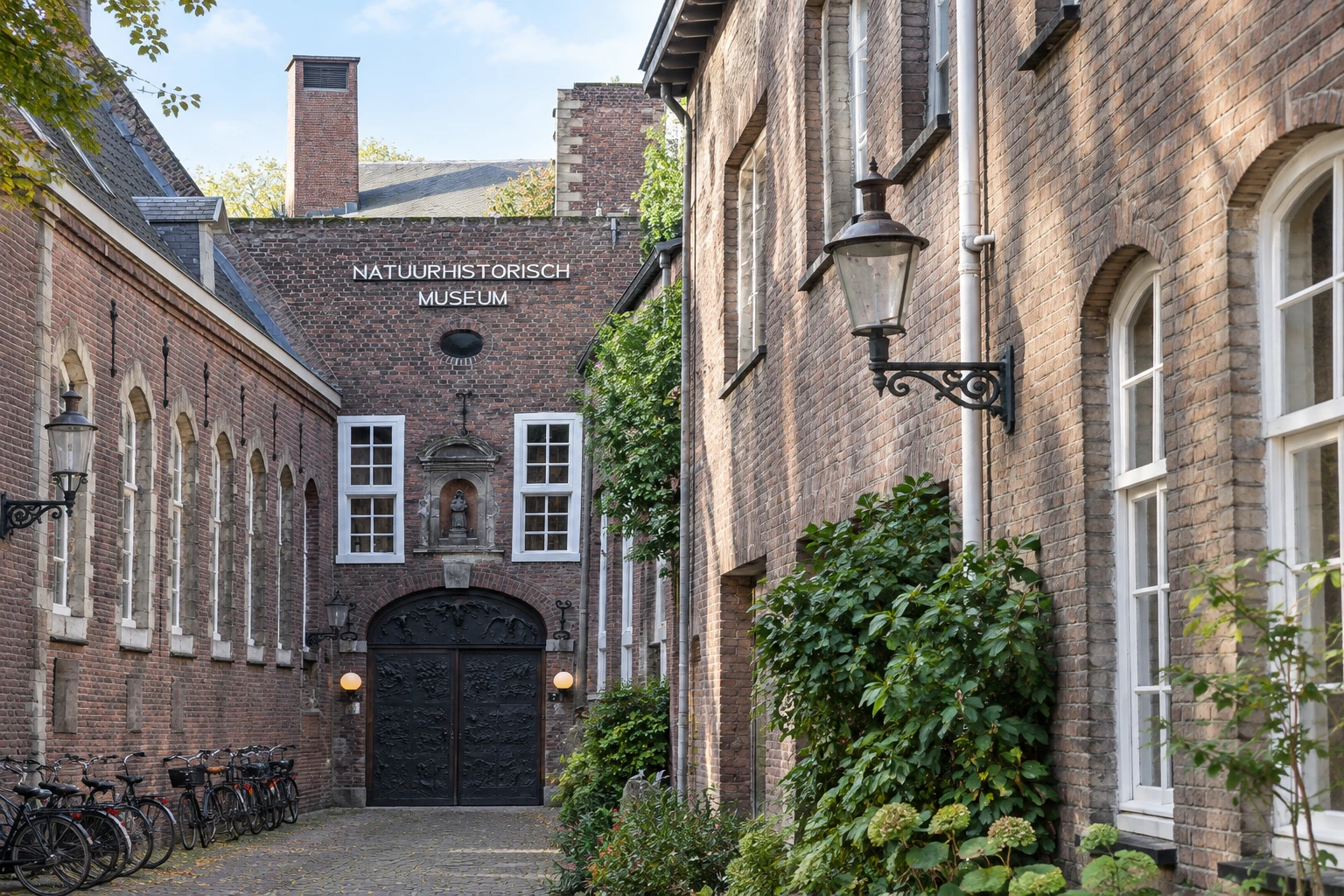
Natural history museum in a former convent in the Jekerkwartier, known for Cretaceous fossils found in the region, including mosasaurs, giant marine reptiles.
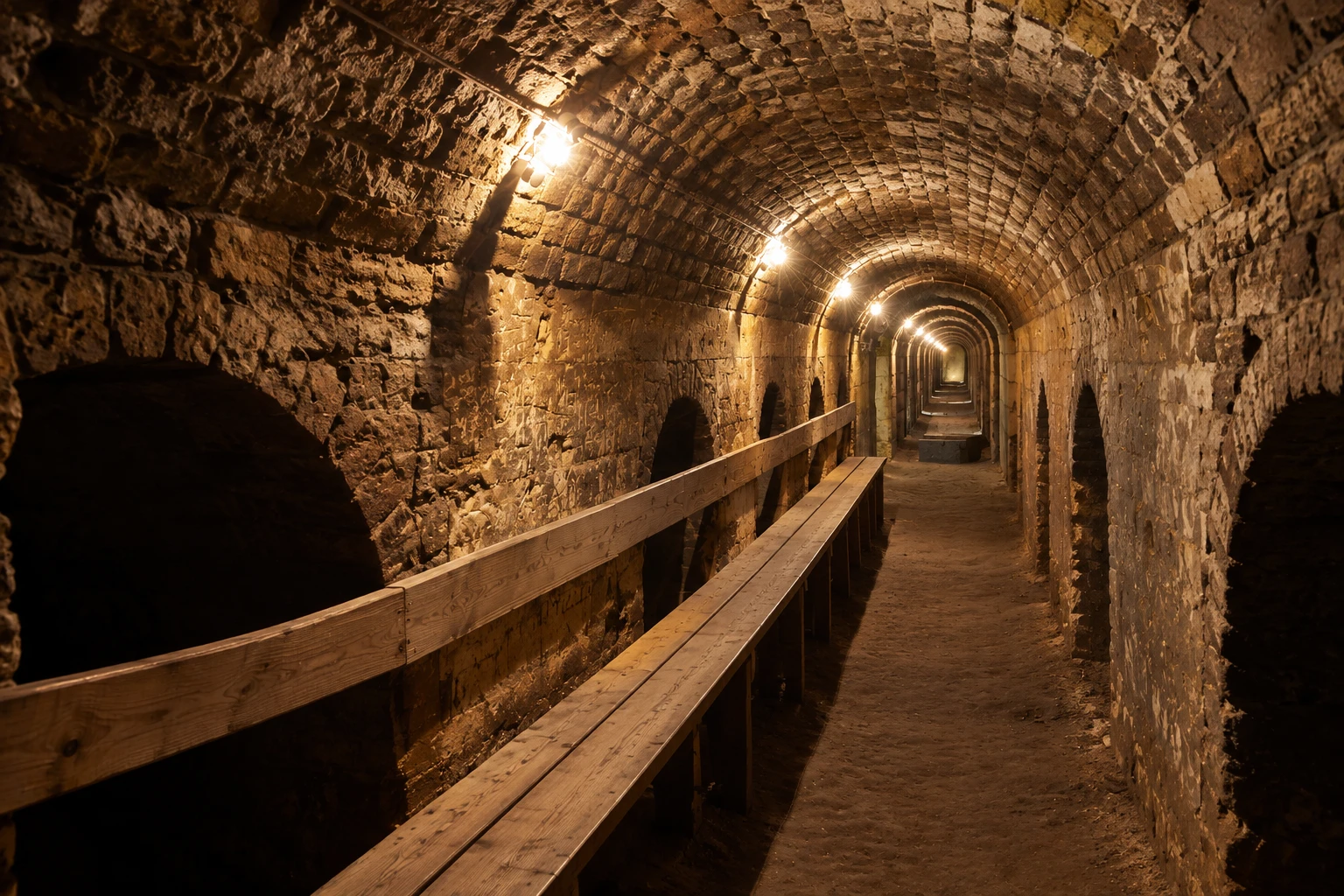
Network of defensive tunnels dug between 1575 and 1825 beneath Maastricht's western side, visited with a guide from Waldeckpark, where remains of the fortifications can be seen.
Small town about 15 km from Maastricht, with the ruins of the Netherlands' only hill castle, caves opened in the limestone, and Christmas markets inside the caves.
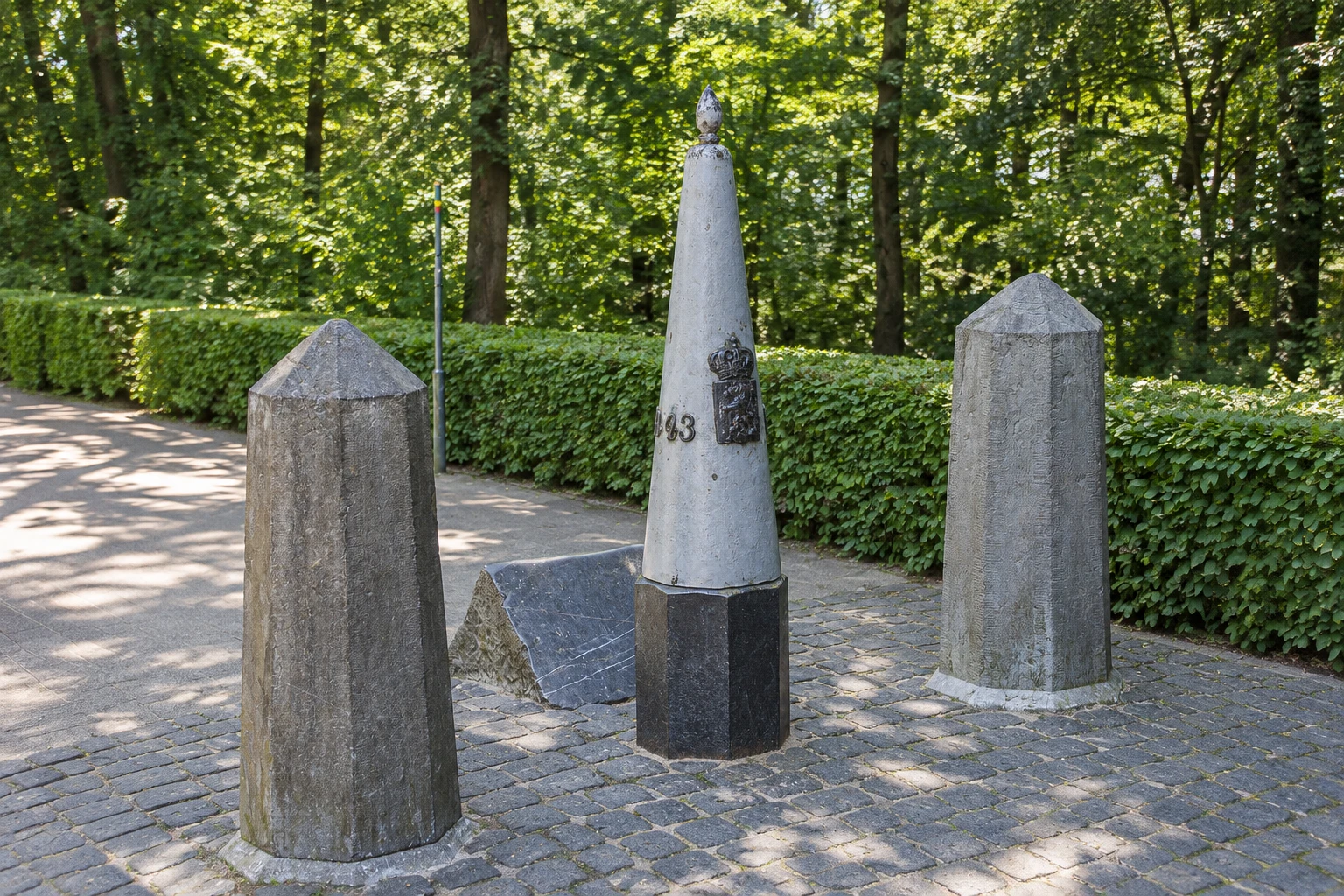
The point where the borders of the Netherlands, Belgium and Germany meet, atop the Vaalserberg, the highest point of continental Netherlands, with observation towers and a maze.
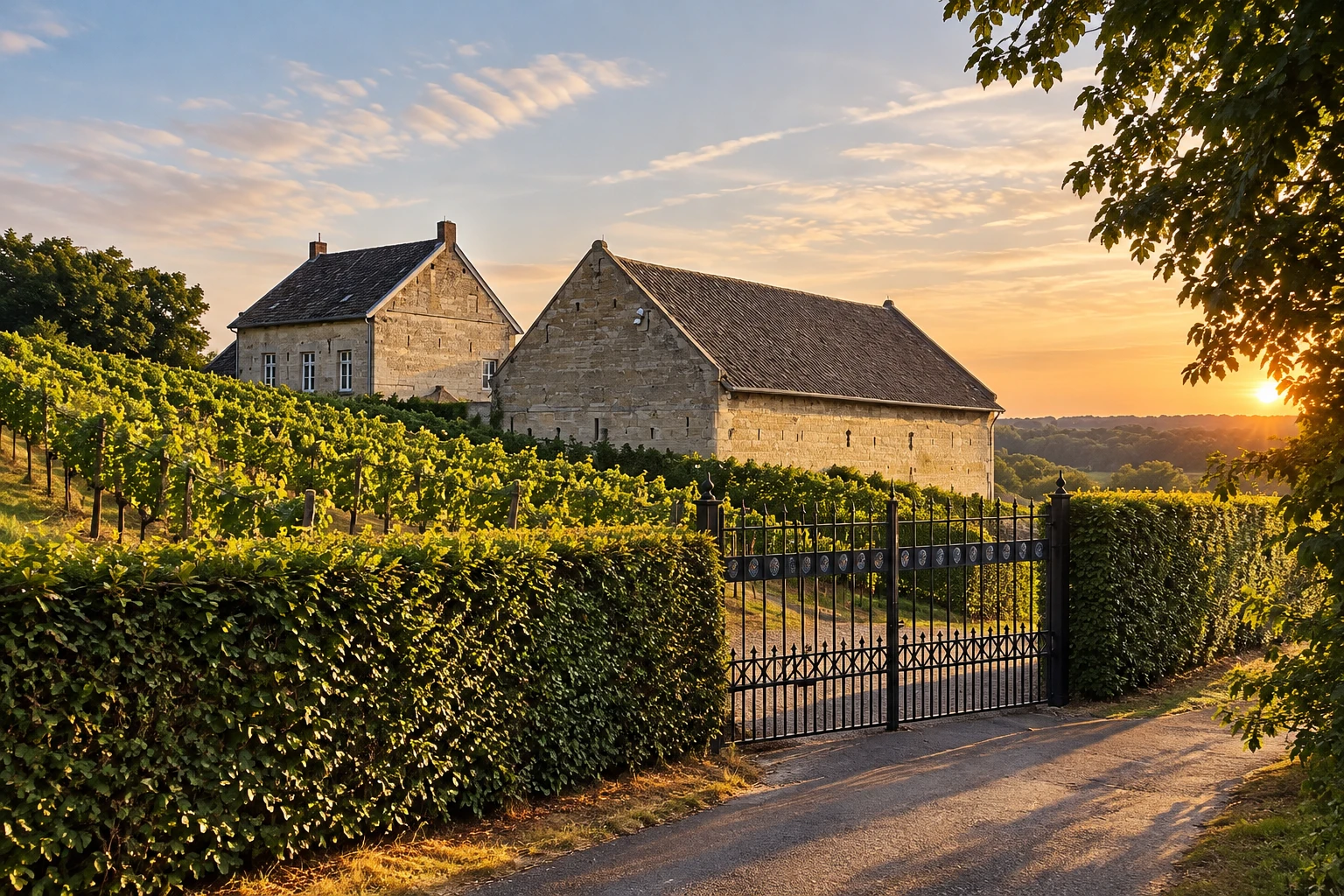
Winery on the slope of the Louwberg hill, south of Maastricht, near the Belgian border. It planted its first vines in 1970 and is considered the oldest active winery in the Netherlands.
To plan