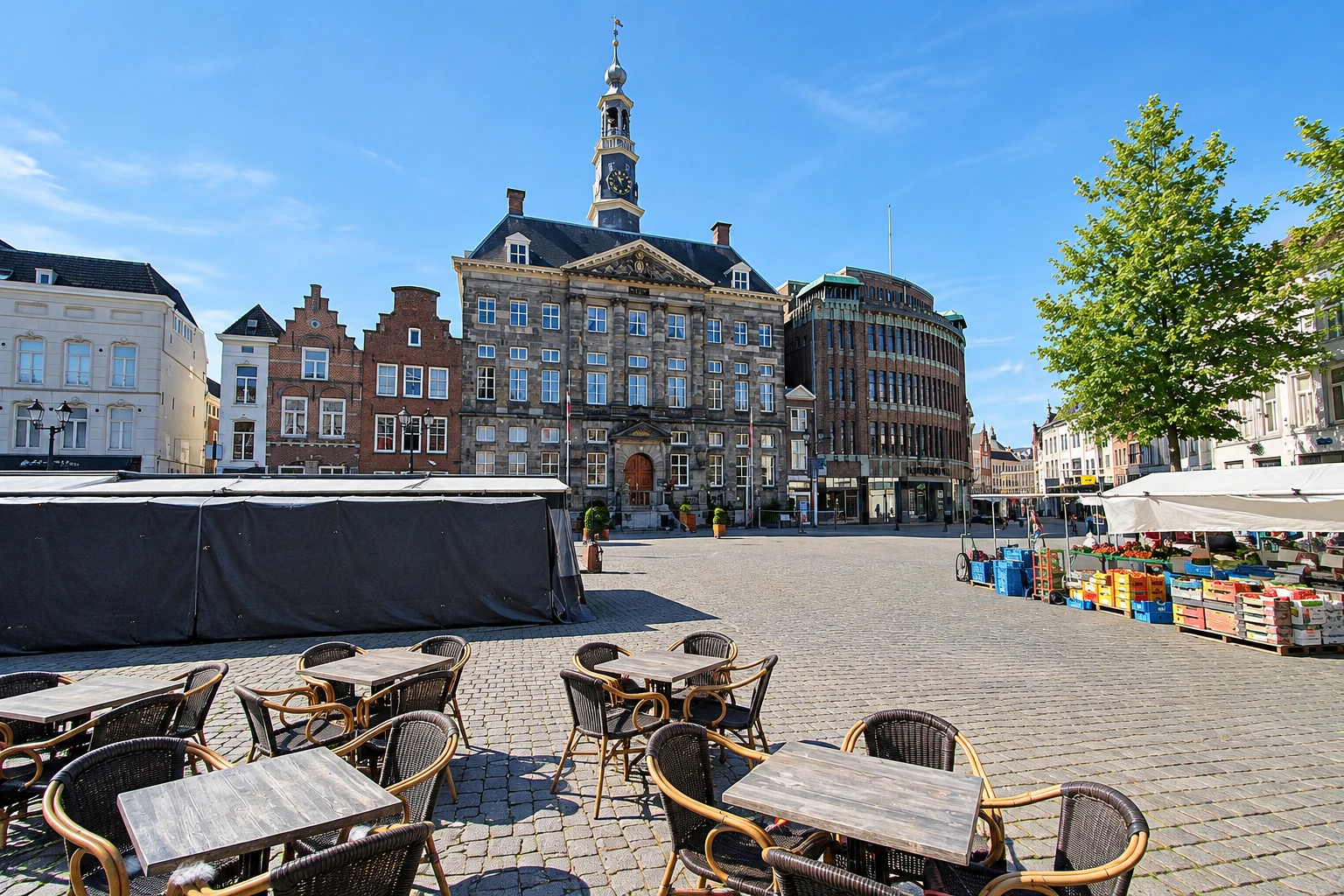
Markt (Den Bosch Market Square)The triangular market square of 's-Hertogenbosch, with the statue of Jheronimus Bosch, the classical-faced town hall and De Moriaan, a brick house considered one of the city’s o...
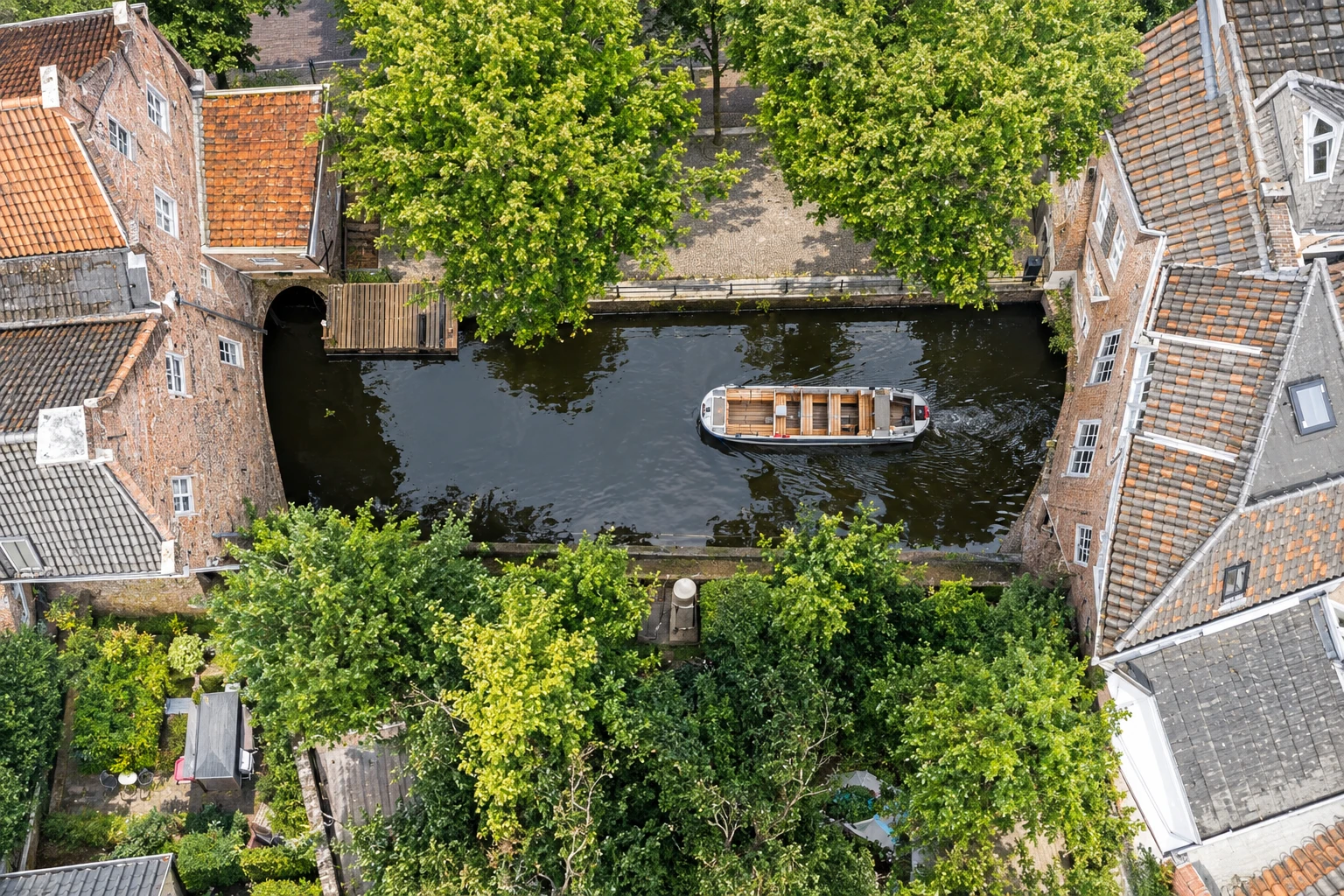
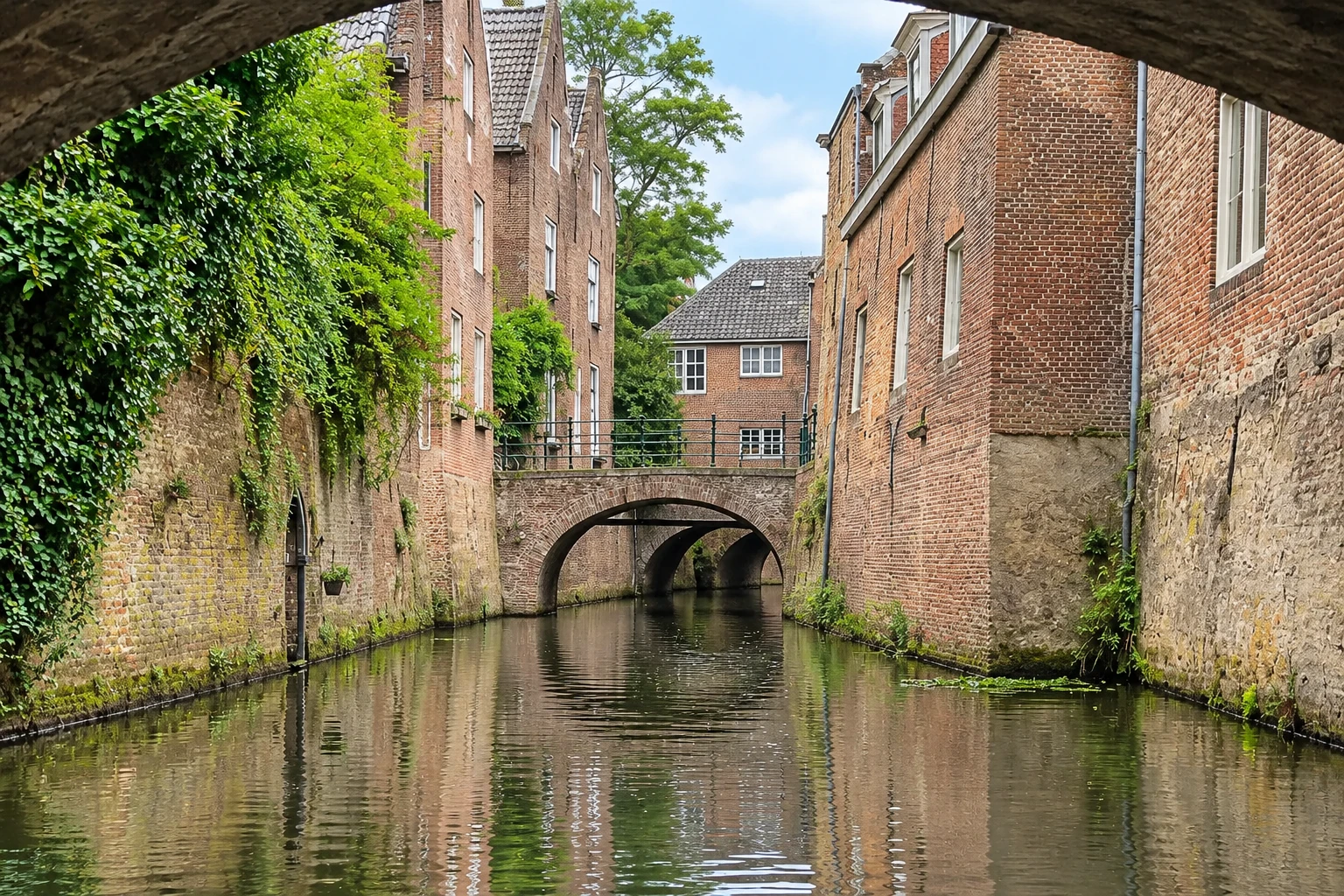
Binnendieze (Den Bosch underground canals)The network of canals that runs beneath houses, streets and squares in 's-Hertogenbosch, formed from branches of the Dommel River.
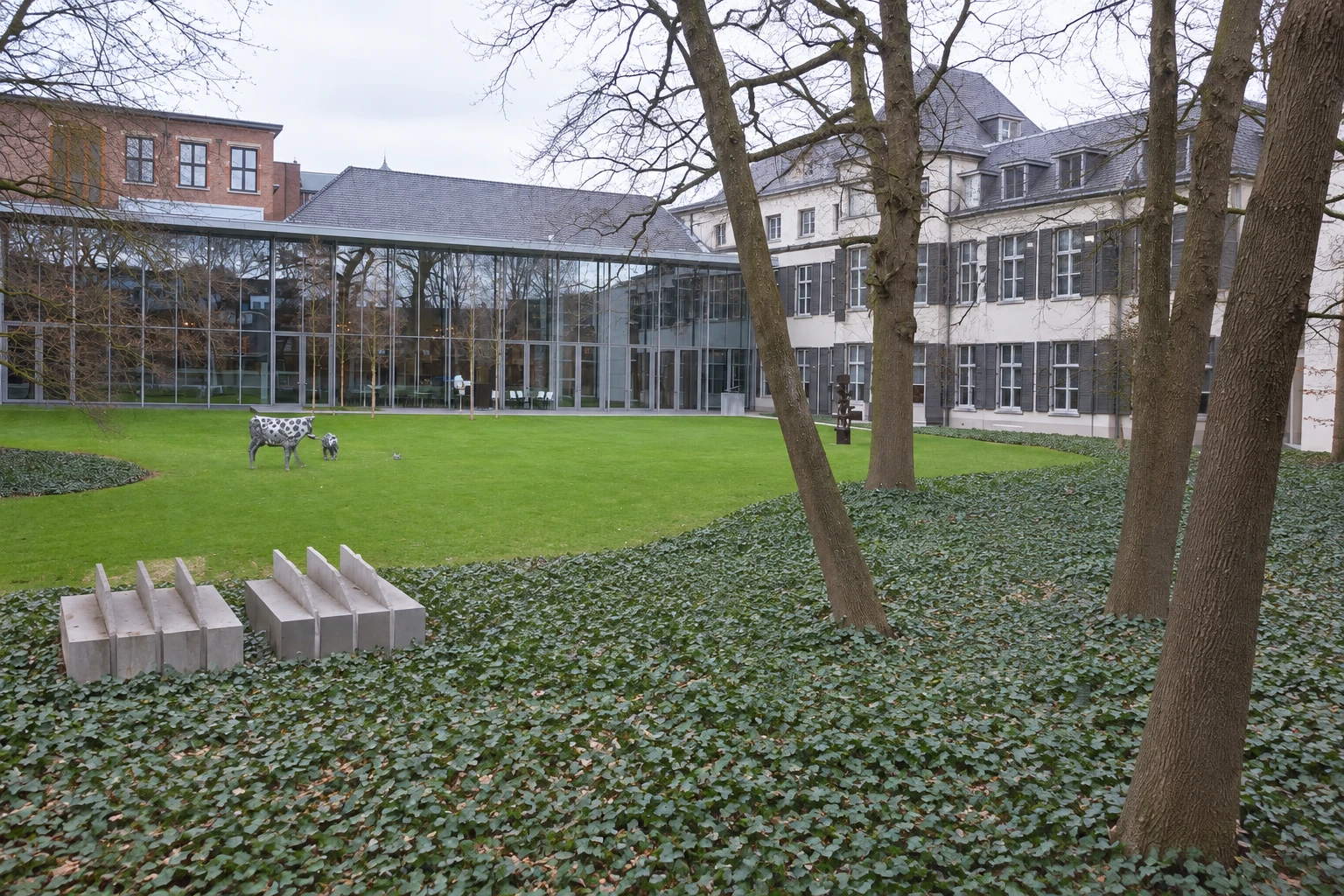
Het Noordbrabants MuseumThe museum of the province of North Brabant, in the former provincial government palace in the museum quarter.
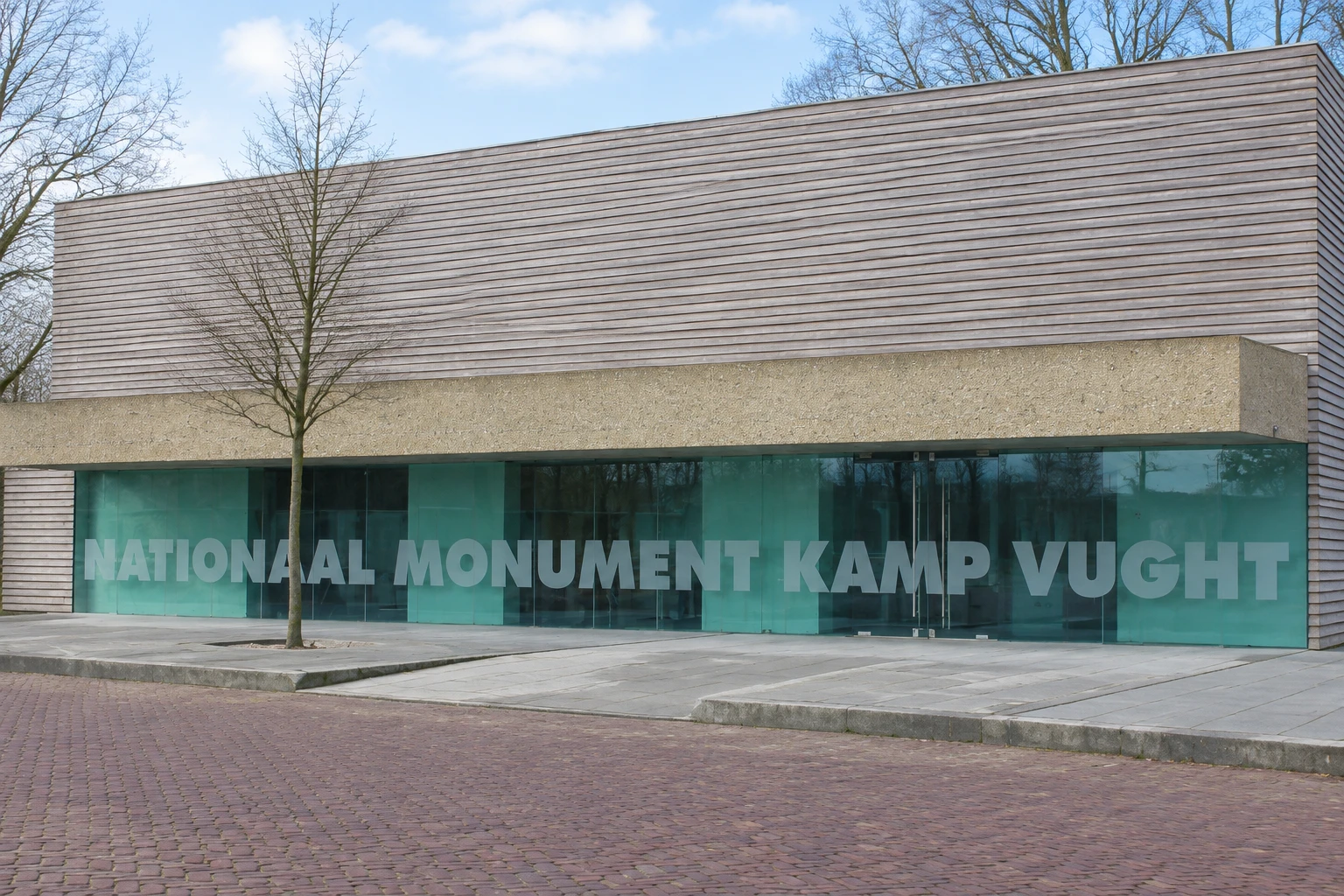
Nationaal Monument Kamp VughtNational memorial on the site of the Herzogenbusch concentration camp, created by the SS in Vught, south of 's-Hertogenbosch, during the German occupation.
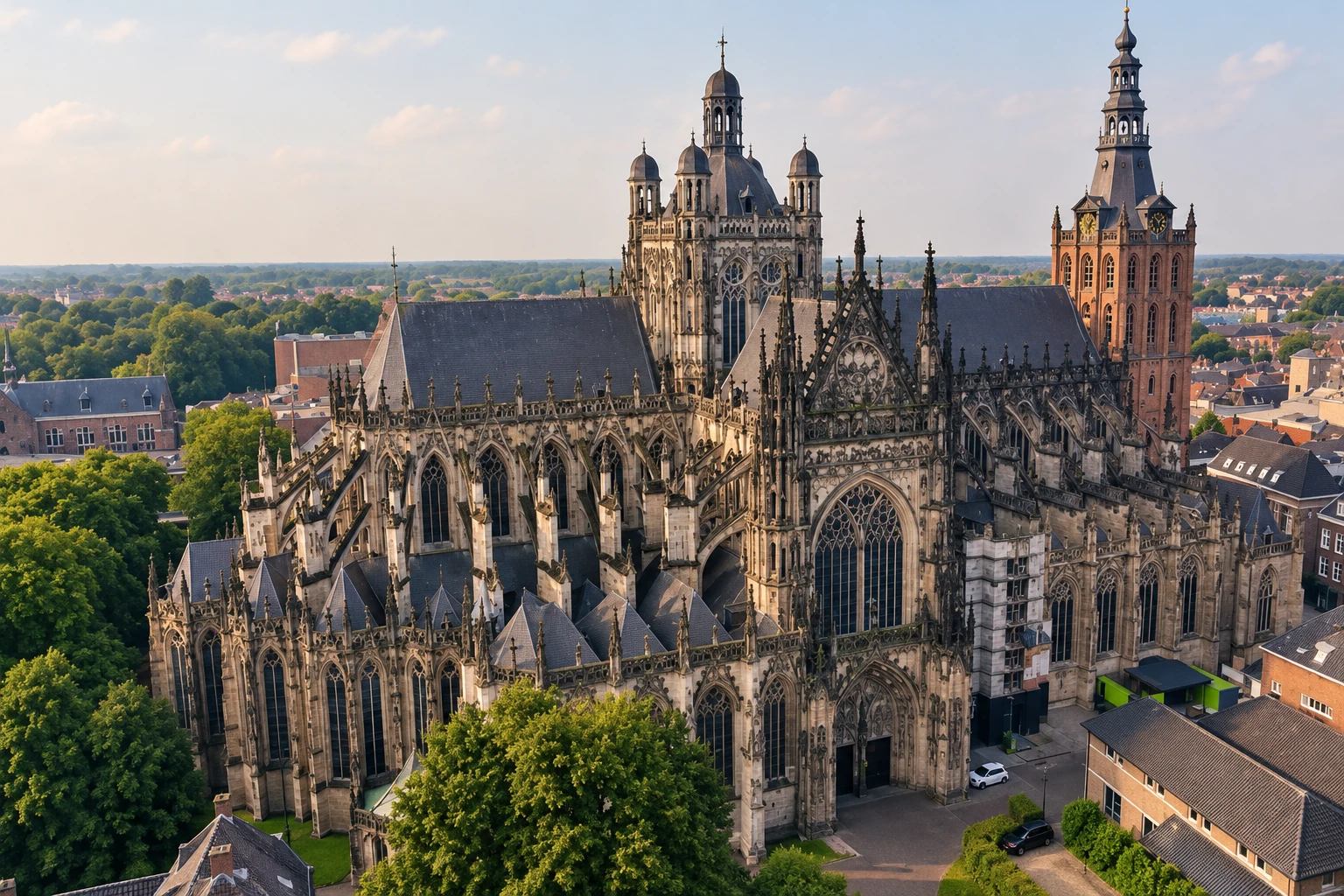
Gothic cathedral of 's-Hertogenbosch, dedicated to St. John, built between the 14th and 16th centuries. The flying buttresses have nearly a hundred carved figures, from musicians to fantastic creatures, and the tower is open to visitors at certain times.
The triangular market square of 's-Hertogenbosch, with the statue of Jheronimus Bosch, the classical-faced town hall and De Moriaan, a brick house considered one of the city’s oldest. On some days of the week it hosts a market.
The network of canals that runs beneath houses, streets and squares in 's-Hertogenbosch, formed from branches of the Dommel River. Low boats with guides travel open and covered sections, passing under bridges and cellars.
The museum of the province of North Brabant, in the former provincial government palace in the museum quarter. It brings together art and history of Brabant, including works by Vincent van Gogh from the period he lived in the province, and hosts temporary exhibitions.
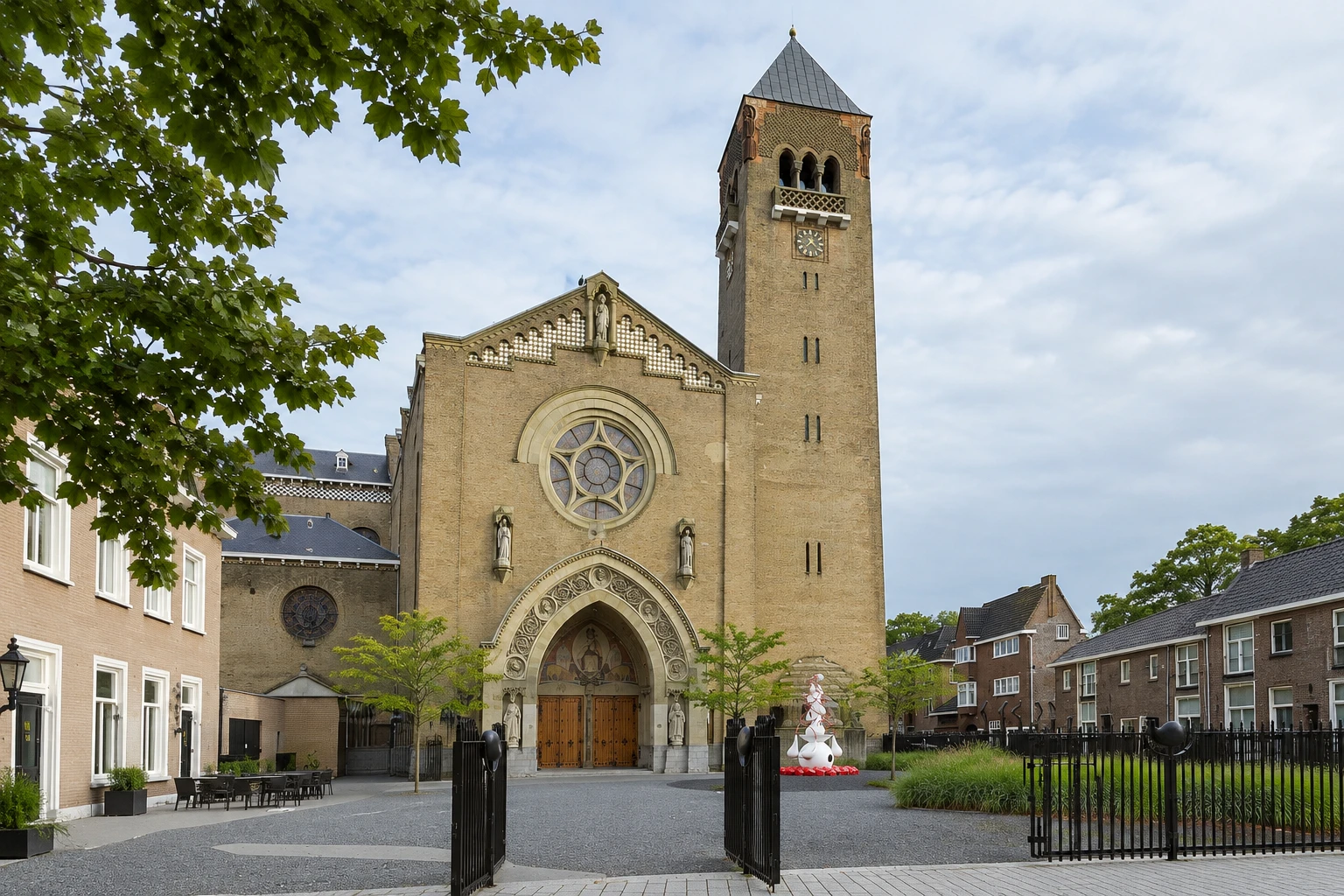
Center dedicated to Jheronimus Bosch in the former St. James’s Church in 's-Hertogenbosch. It displays life-size reproductions of the artist’s paintings—he was born and worked in the city—and has a tower with views over the center.
National memorial on the site of the Herzogenbusch concentration camp, created by the SS in Vught, south of 's-Hertogenbosch, during the German occupation. Exhibitions, a reconstructed barrack and the crematorium remember the prisoners who passed through there.


 Brazil
 Antarctica
 Argentina
 Bolivia
 Chile
 Colombia
 Ecuador
 Falkland Islands (Malvinas)
 French Guiana
 Guyana
 Paraguay
 Peru
 Suriname
 Uruguay
 Venezuela
 Austria
 Belgium
 Croatia
 Denmark
 Finland
 France
 Germany
 Greece
 Hungary
 Iceland
 Ireland
 Italy
 Luxembourg
 Norway
 Poland
 Portugal
 Slovakia
 Slovenia
 Spain
 Sweden
 Switzerland
 the Czech Republic
 the United Kingdom
 Turkey
 Bermuda
 Canada
 Greenland
 Mexico
 Saint Pierre and Miquelon
 the United States
 the Dominican Republic
 Japan
 Egypt
 South Africa
 Australia
 Fiji
 New Zealand
 Papua New Guinea