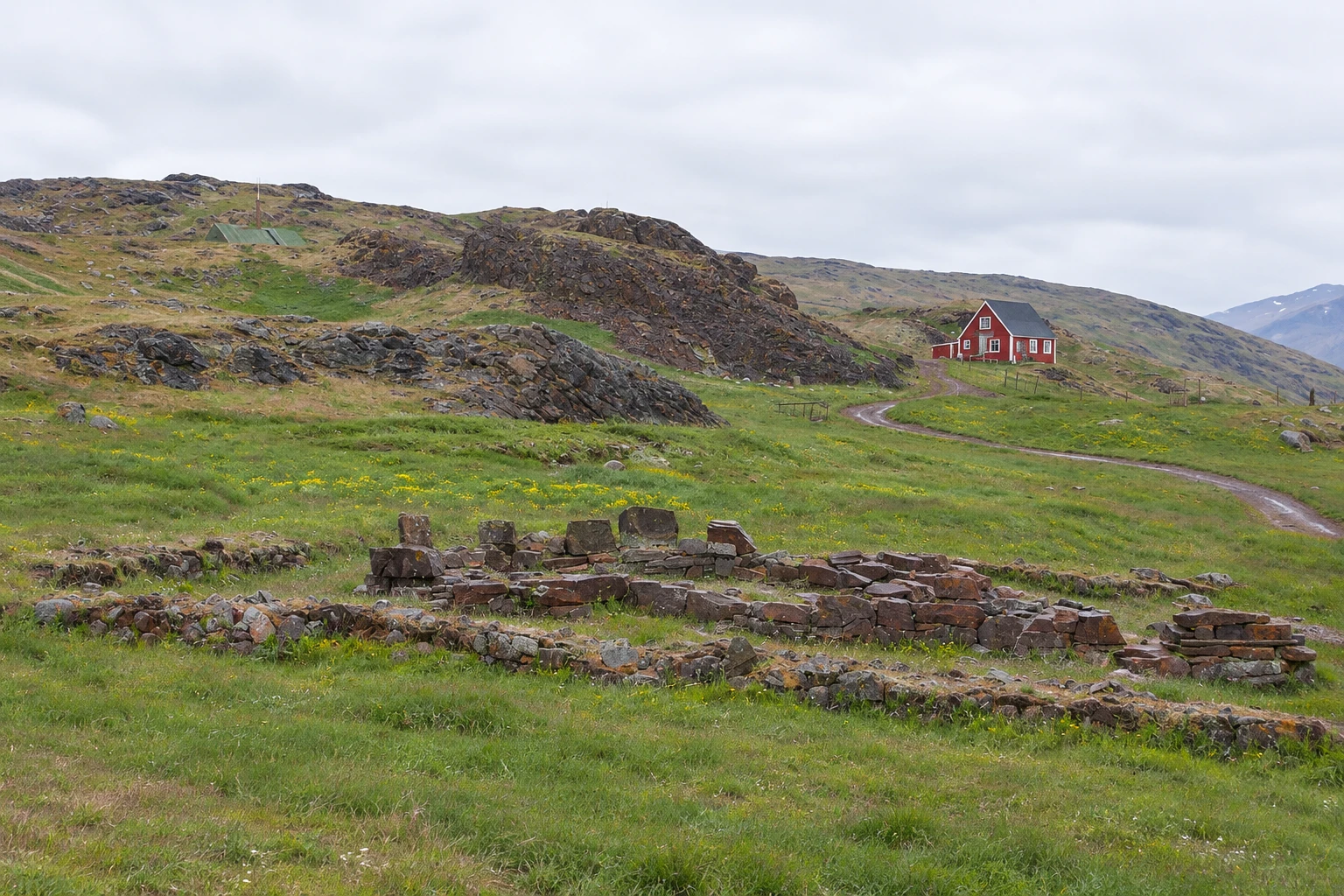
Qassiarsuk · Kujalleq · Archaeological site
Brattahlíð
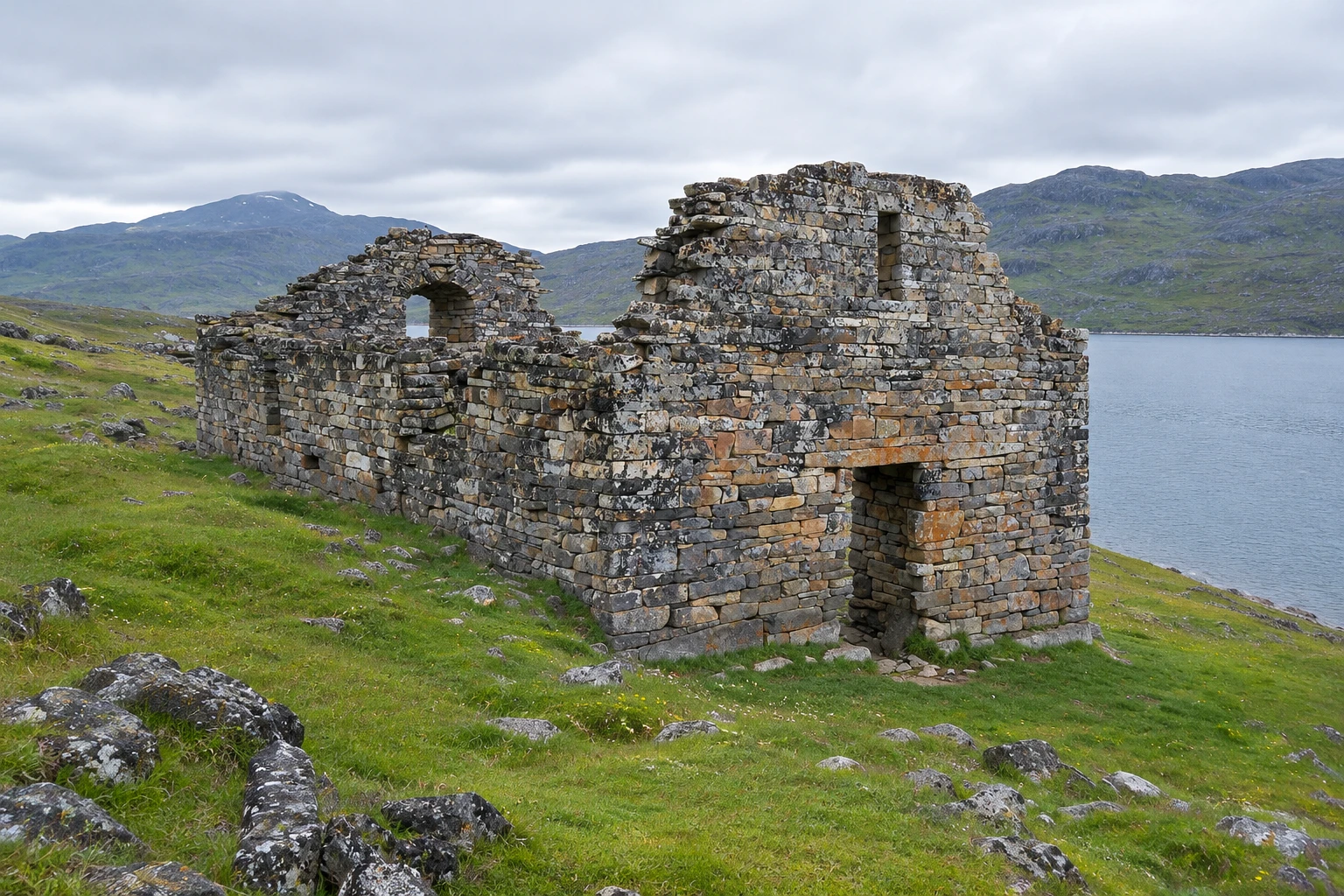
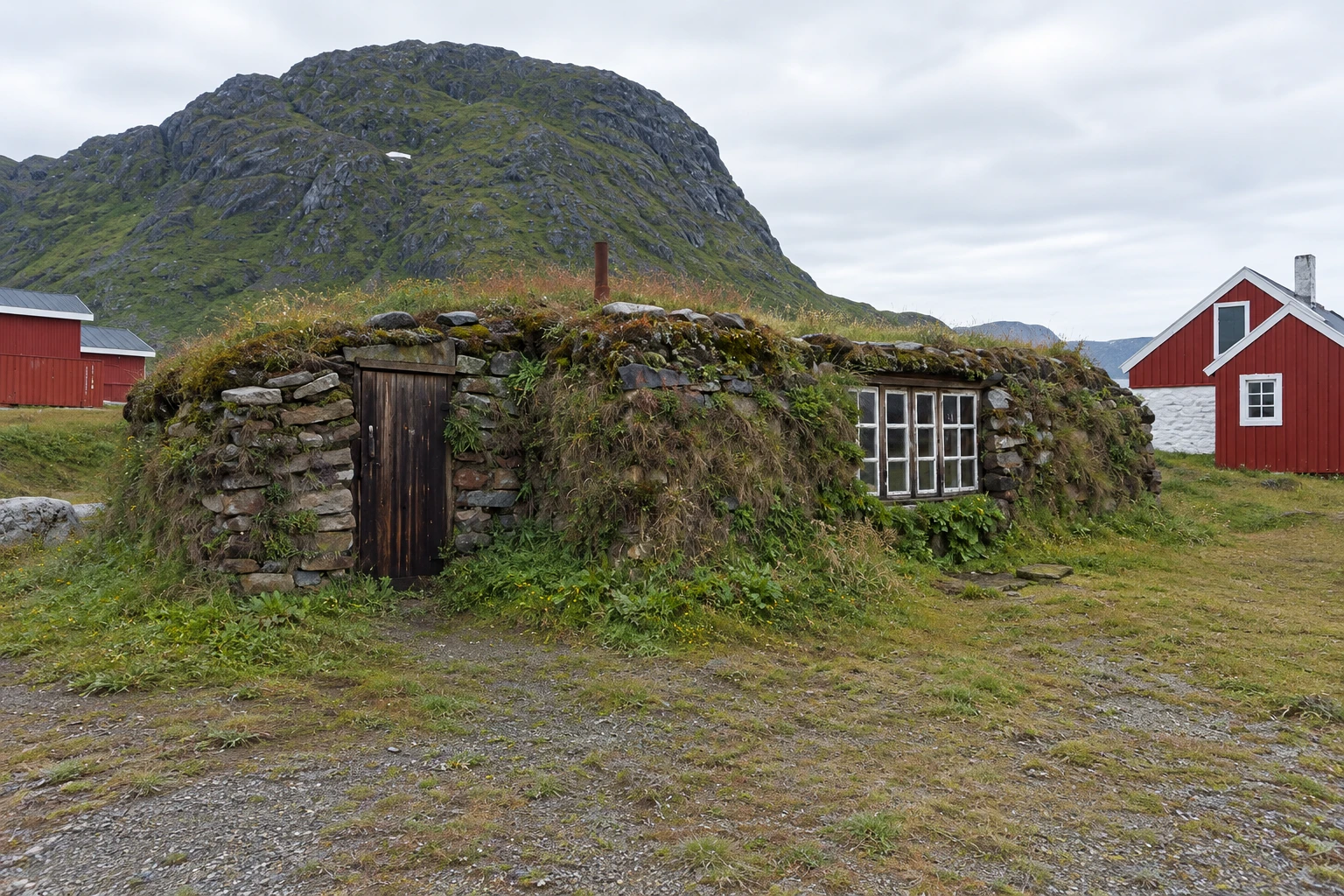
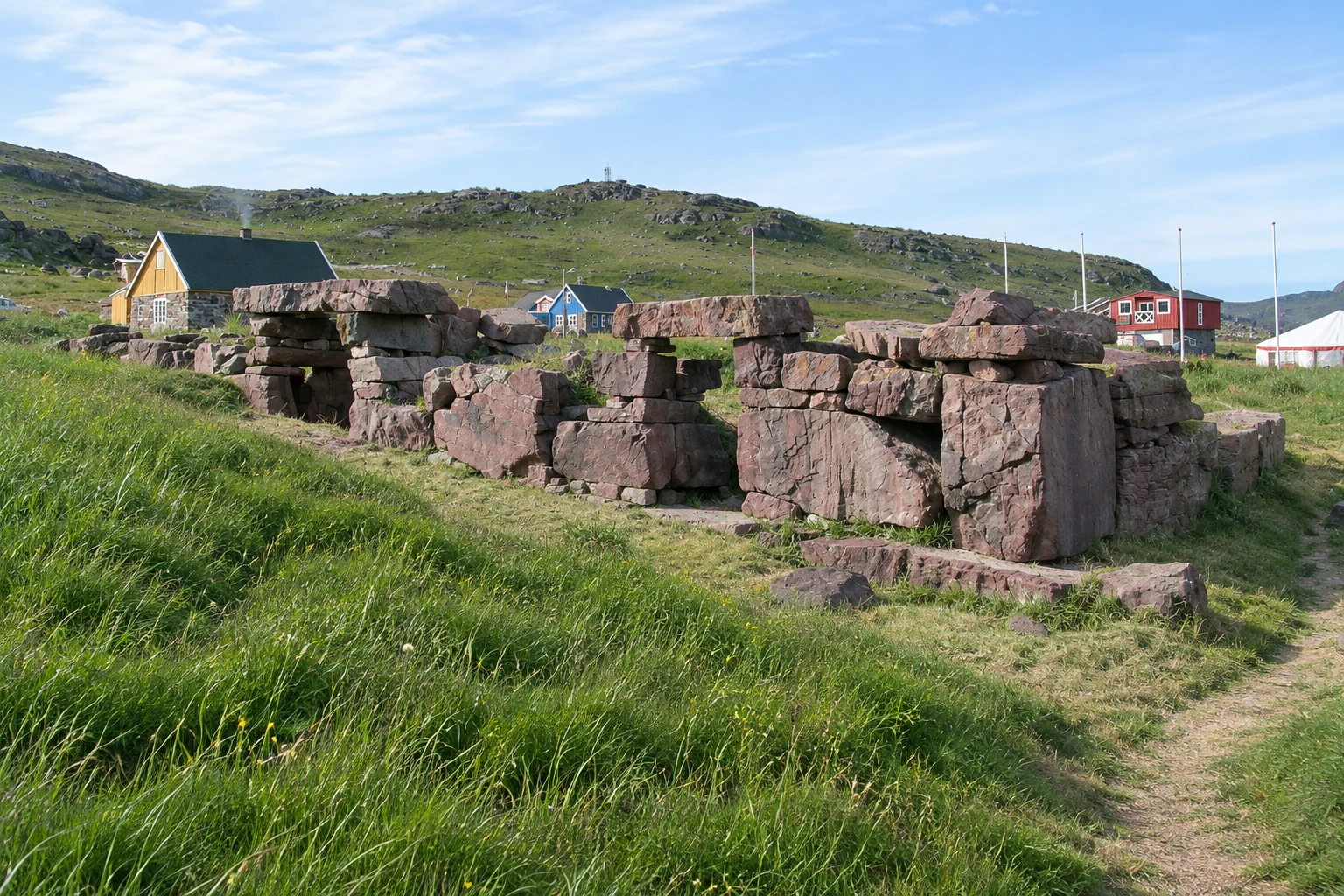
The ruins of Erik the Red’s farm, founded around 985, in Qassiarsuk, with replicas of the Norse longhouse and Tjodhilde’s small church and a statue of Leif Eriksson.

 Search
 Brazil
 Antarctica
 Argentina
 Bolivia
 Chile
 Colombia
 Ecuador
 Falkland Islands (Malvinas)
 French Guiana
 Guyana
 Paraguay
 Peru
 Suriname
 Uruguay
 Venezuela
 Albania
 Austria
 Belgium
 Croatia
 Denmark
 Finland
 France
 Germany
 Greece
 Hungary
 Iceland
 Ireland
 Italy
 Luxembourg
 Norway
 Poland
 Portugal
 Slovakia
 Slovenia
 Spain
 Sweden
 Switzerland
 the Czech Republic
 the Netherlands
 the United Kingdom
 Turkey
 Bermuda
 CanadaGreenland
 Mexico
 Saint Pierre and Miquelon
 the United States
 the Dominican Republic
 JapanTurkey
 Egypt
 South Africa
 Australia
 Fiji
 New Zealand
 Papua New Guinea
Kujalleq
8 places to visit, chosen by the Cidade Turismo guide.
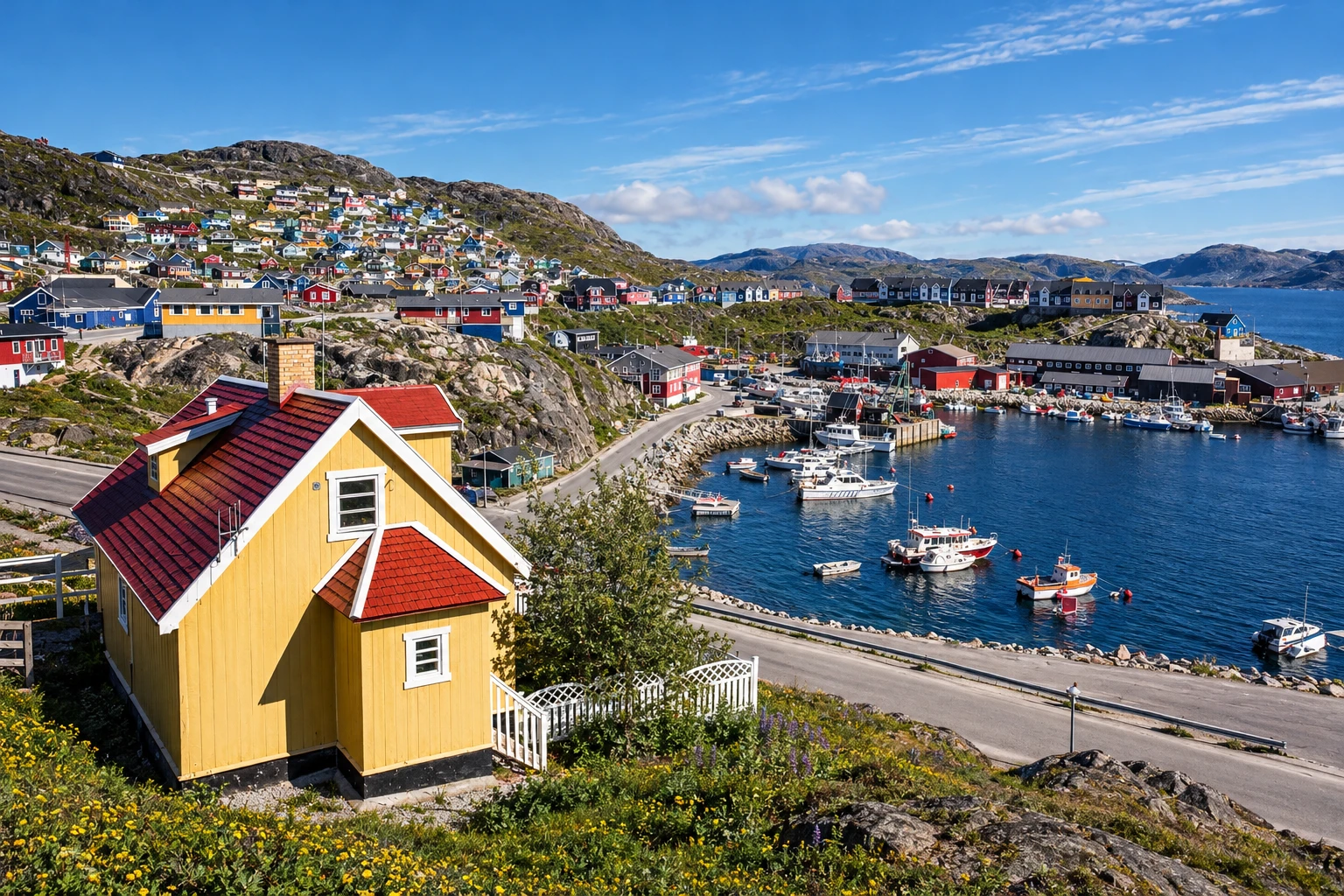
Illustrative images. The pictures in this guide are illustrations based on the real place, not photographs, and may differ from it.
To start
One by one
The ruins of Erik the Red’s farm, founded around 985, in Qassiarsuk, with replicas of the Norse longhouse and Tjodhilde’s small church and a statue of Leif Eriksson.
A stone church of the Norse settlers, with the walls still standing, on the edge of a fjord about 19 km from Qaqortoq. It is the site of the last written record of the Norse in the country, dated 1408.
Museum in the colonial buildings by Narsaq’s old harbor, with an exhibition about the Norse settlers of the south and objects from the town’s history.
The remains of the settlers’ old bishopric, with the cathedral of St. Nicholas, the bishop’s residence and large barns, in the middle of the settlement of Igaliku.
A roughly 4 km dirt path between the Itilleq jetty and Igaliku, across an isthmus between two fjords, with pastures, small lakes and views of the icebergs.
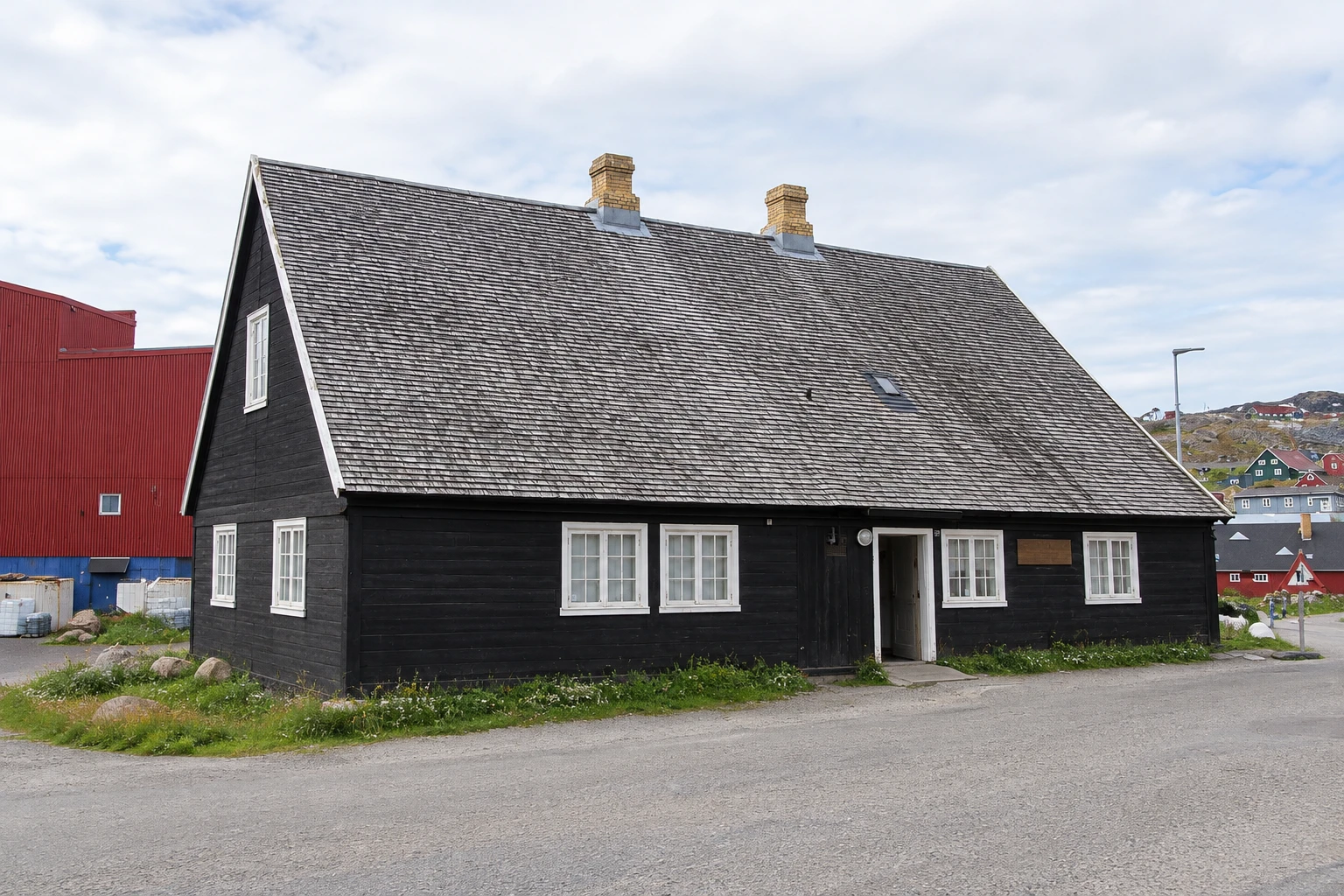
The city museum in an 1804 stone building, the old forge of the colonial harbor. It shows objects from the Norse and Inuit eras, hunting tools and the history of the colony.
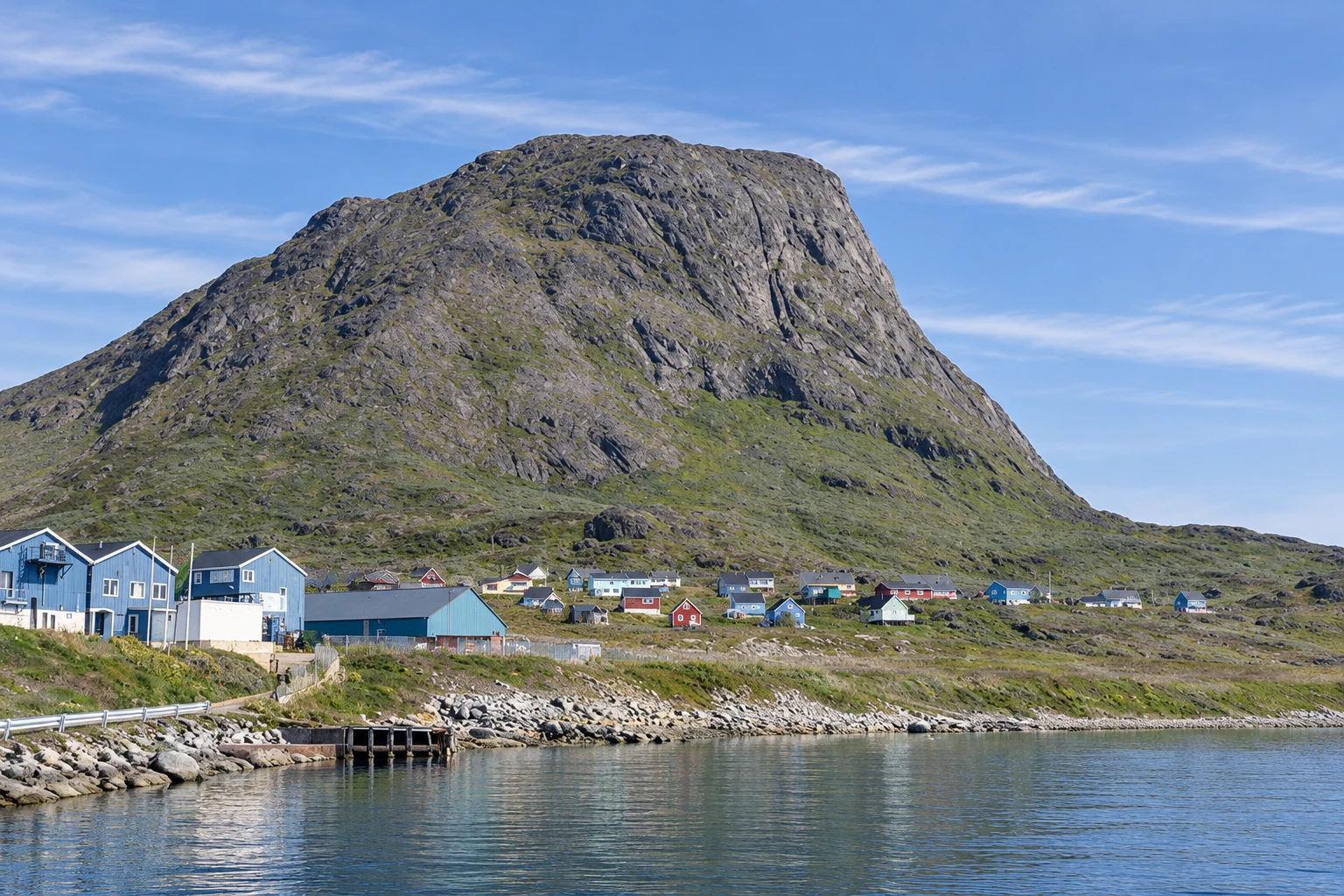
The mountain of about 685 meters behind Narsaq, with a trail to the top and views over the town, the iceberg-filled fjord and, in the distance, the ice cap.
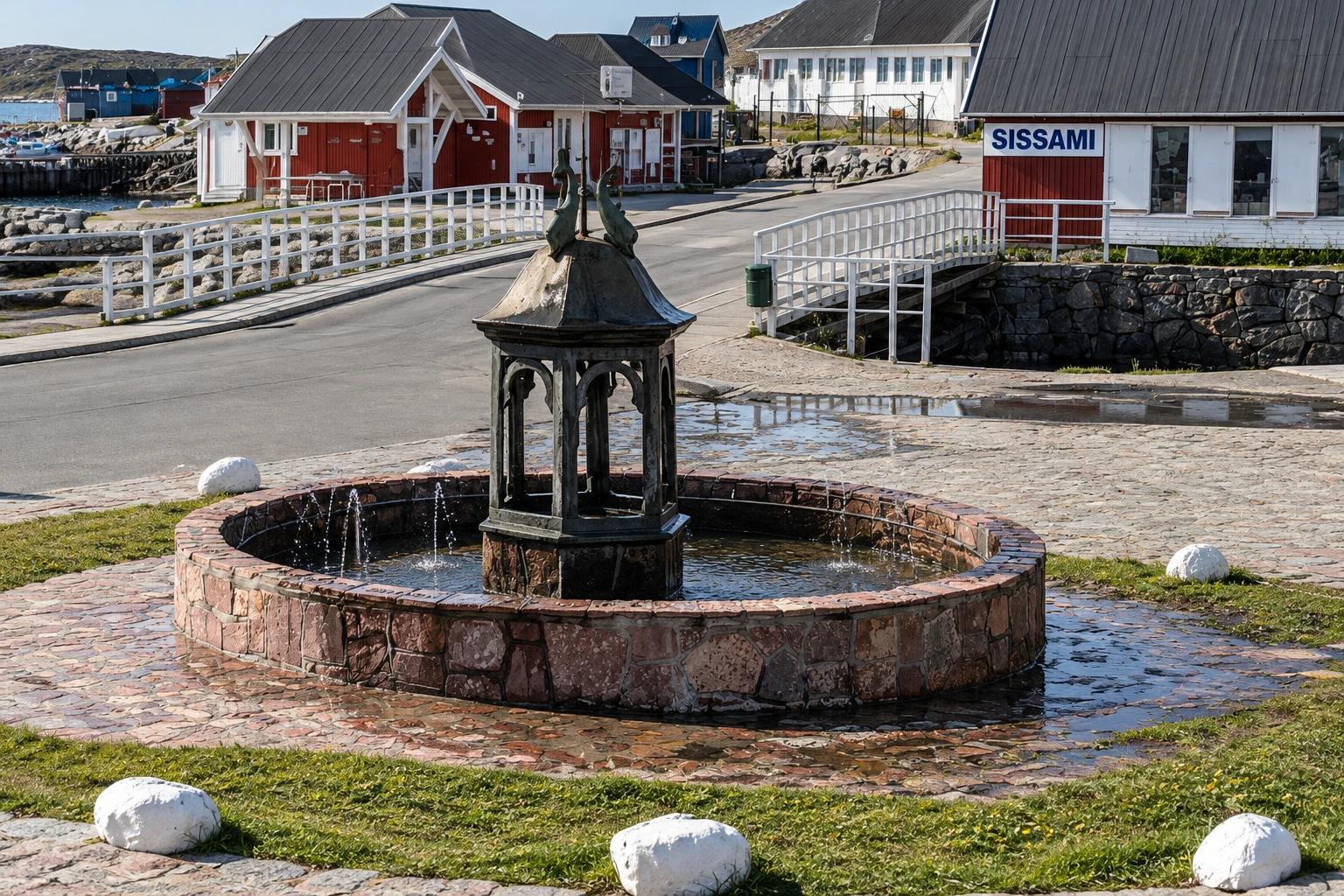
The oldest fountain in Greenland, from 1932, in Qaqortoq’s central square, with bronze whales spouting water. Colonial houses and the red church surround it.
To plan