Nadi and Denarau

Ba

Nadi and Denarau

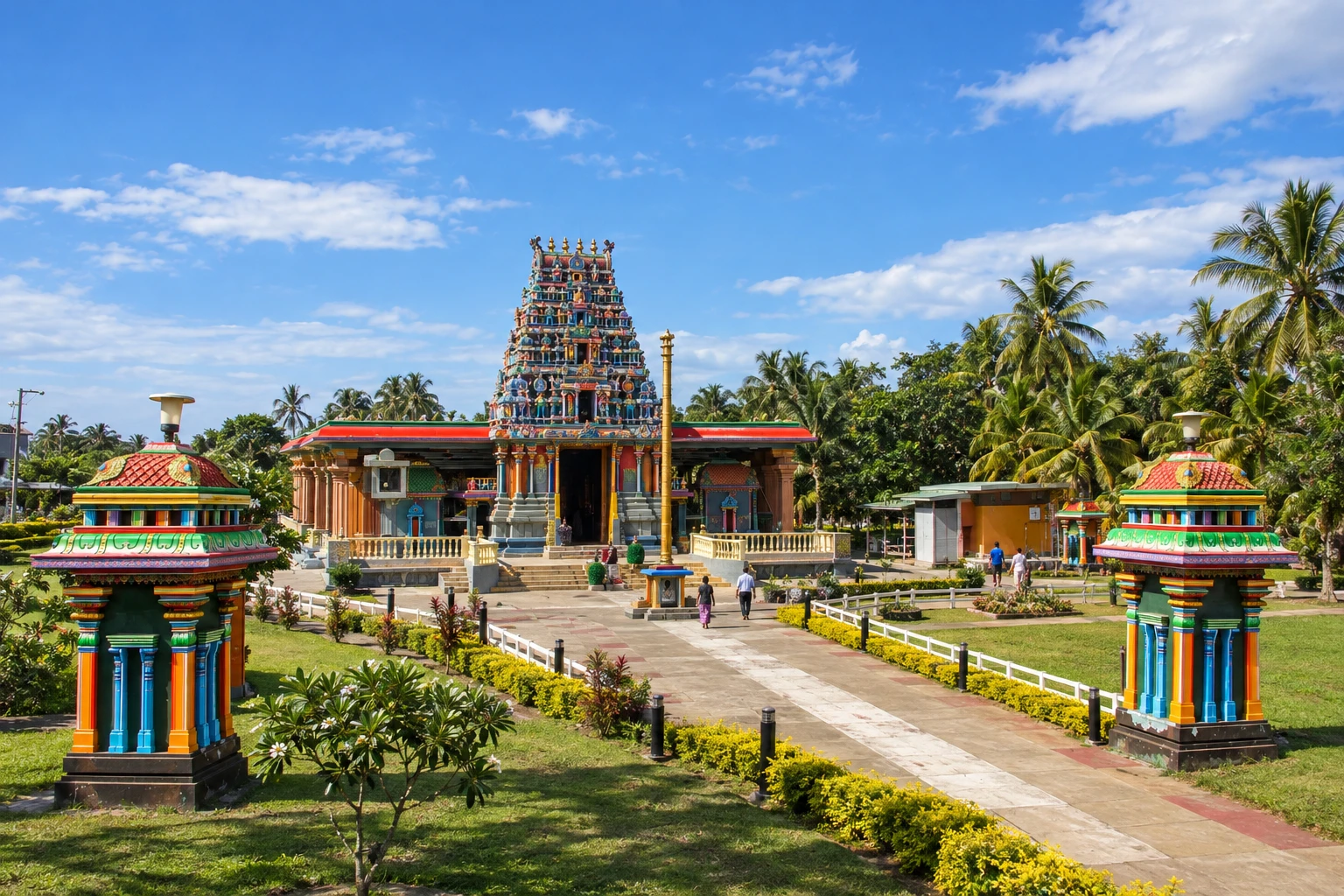
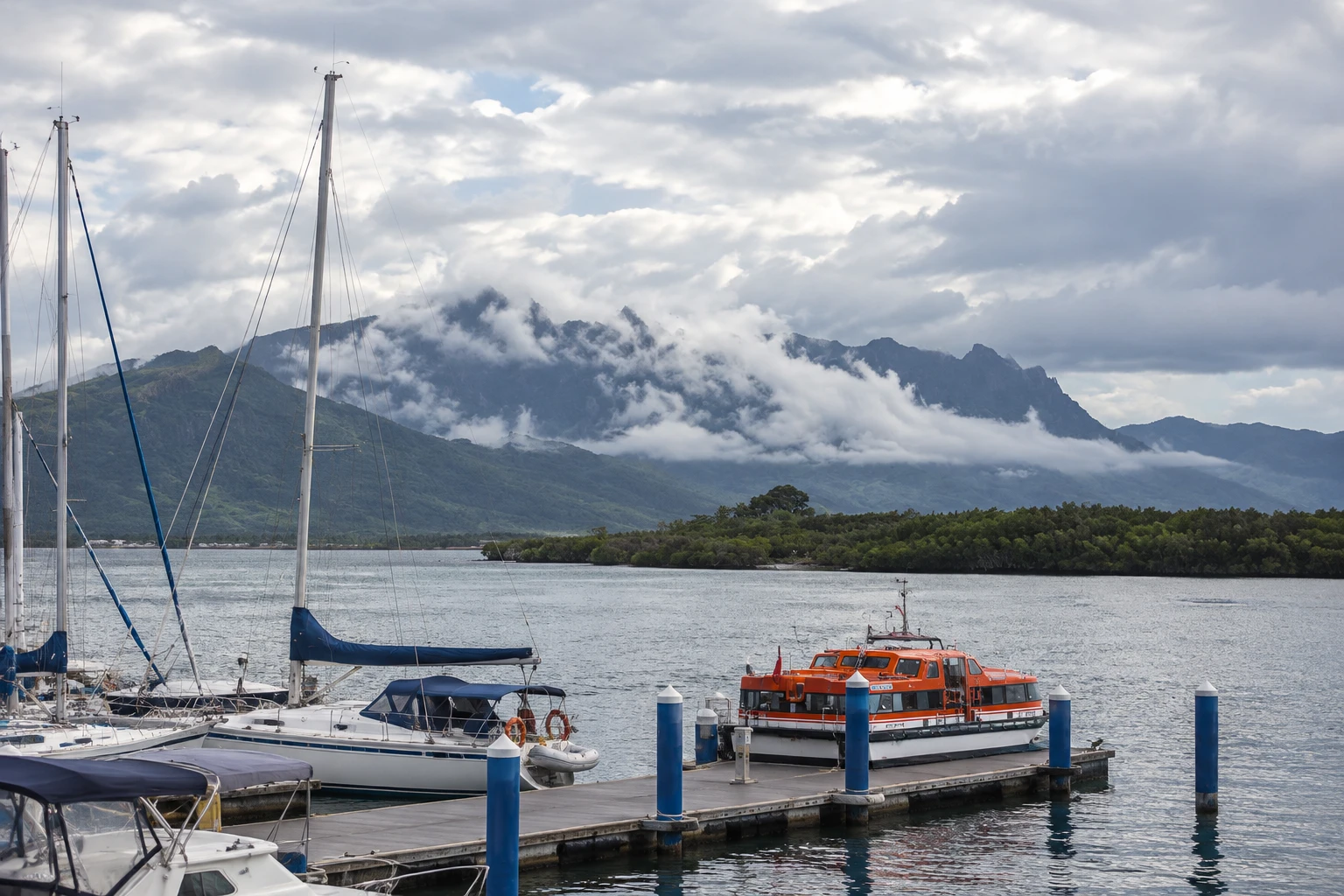
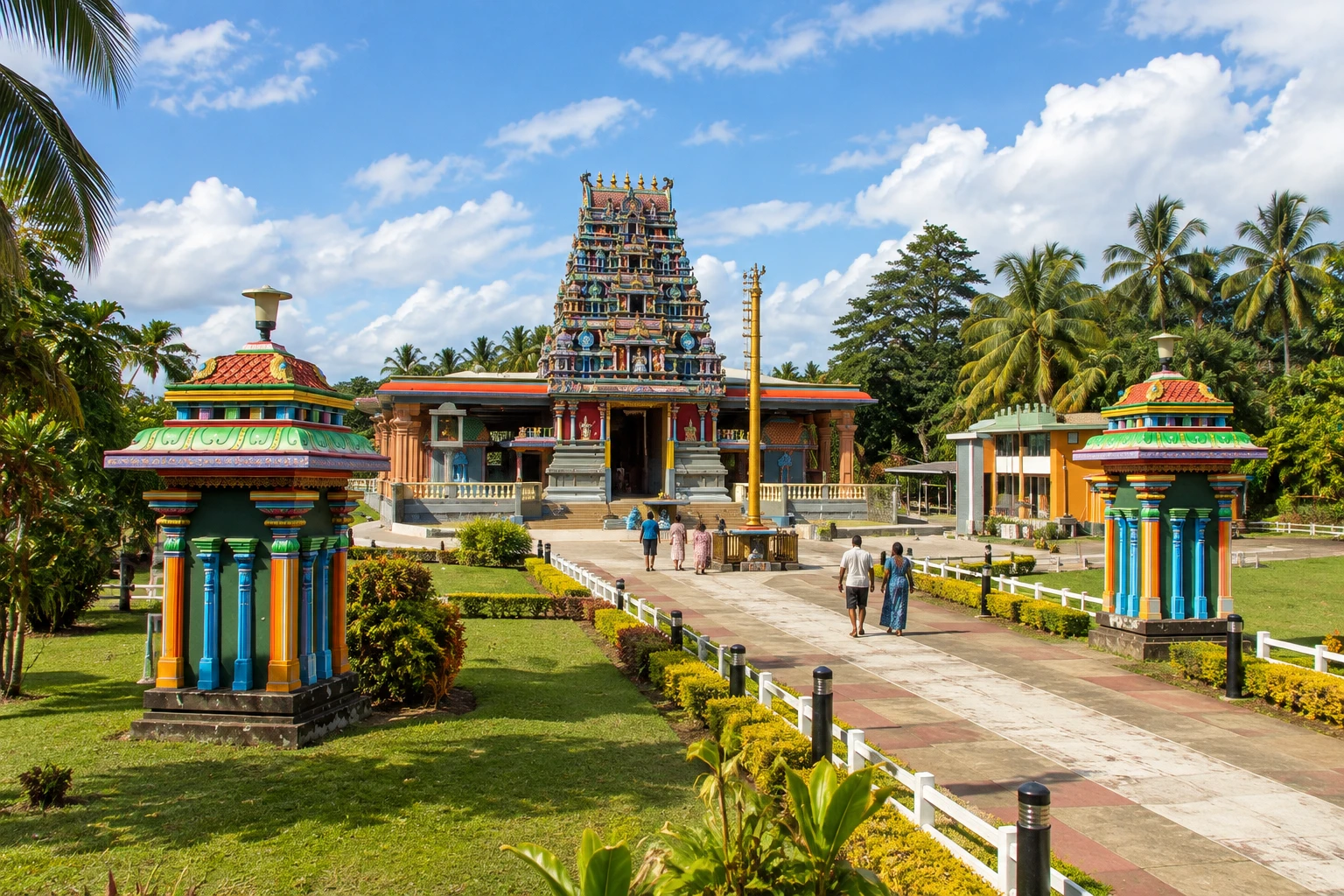
The gateway to Fiji, on the west of Viti Levu: the Hindu temple Sri Siva Subramaniya, the orchid garden, the Sabeto mud pools and the marina where boats depart for the islands.

Nadi, the Coral Coast and the islands

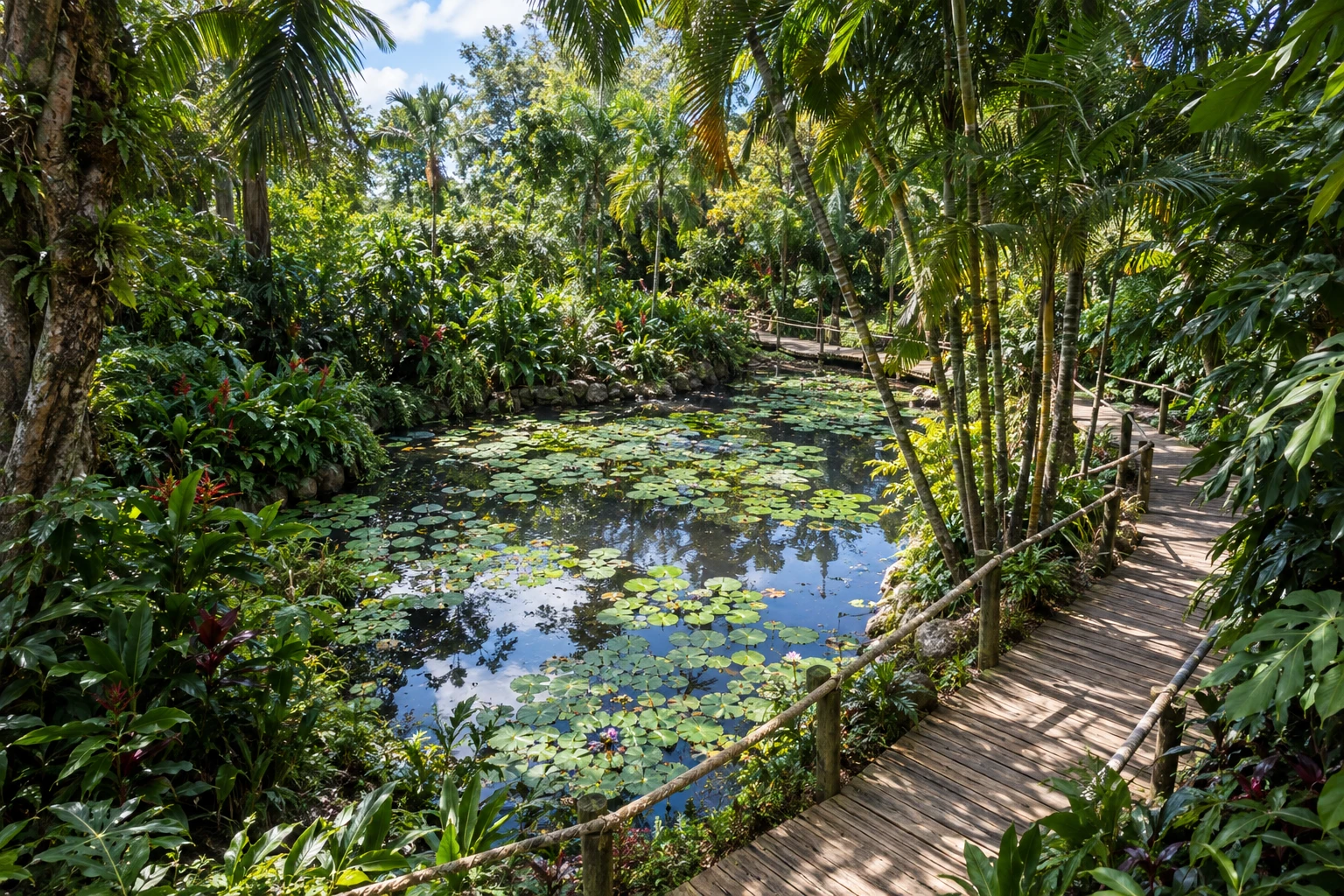
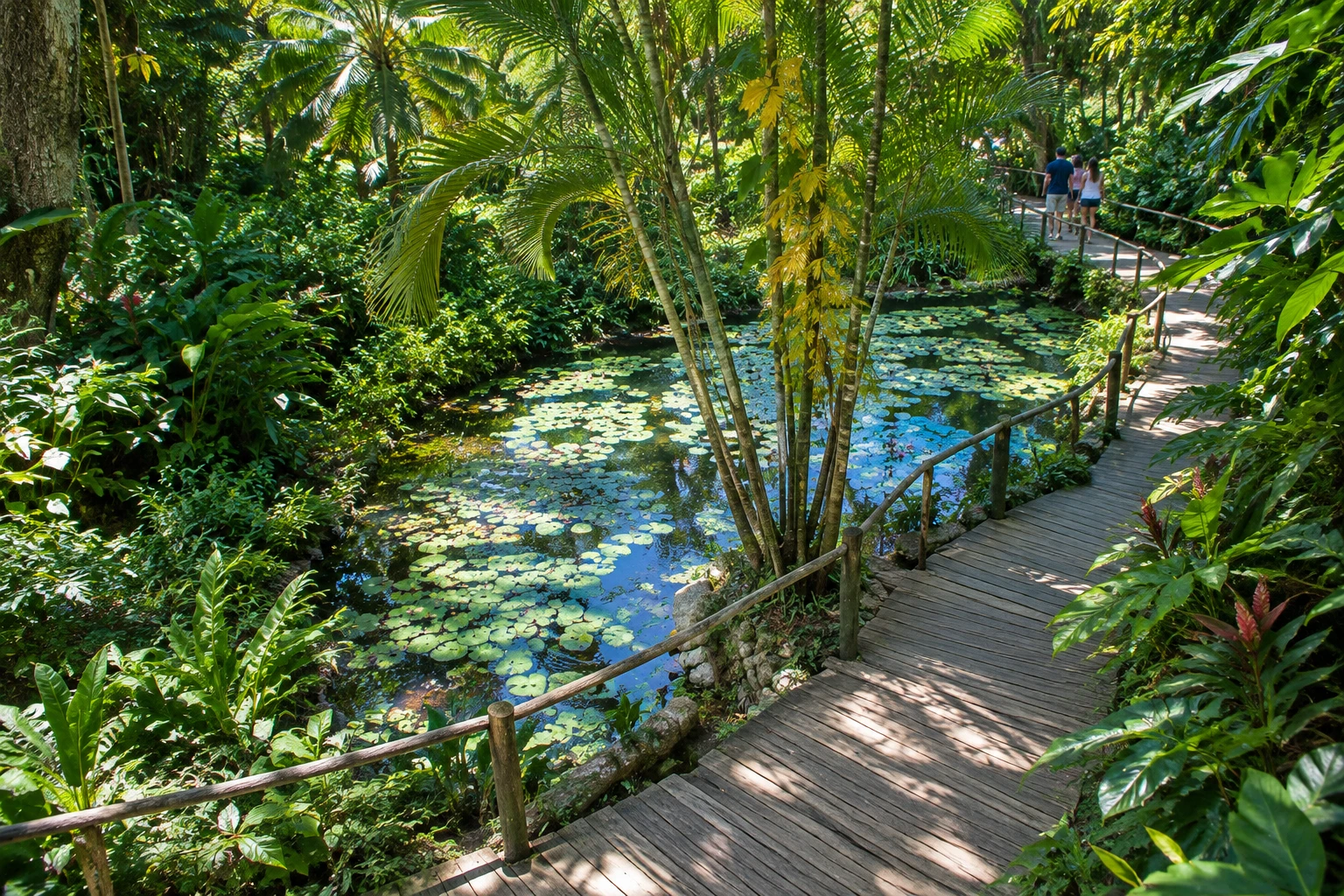
In the photo: Garden of the Sleeping Giant, Nadi

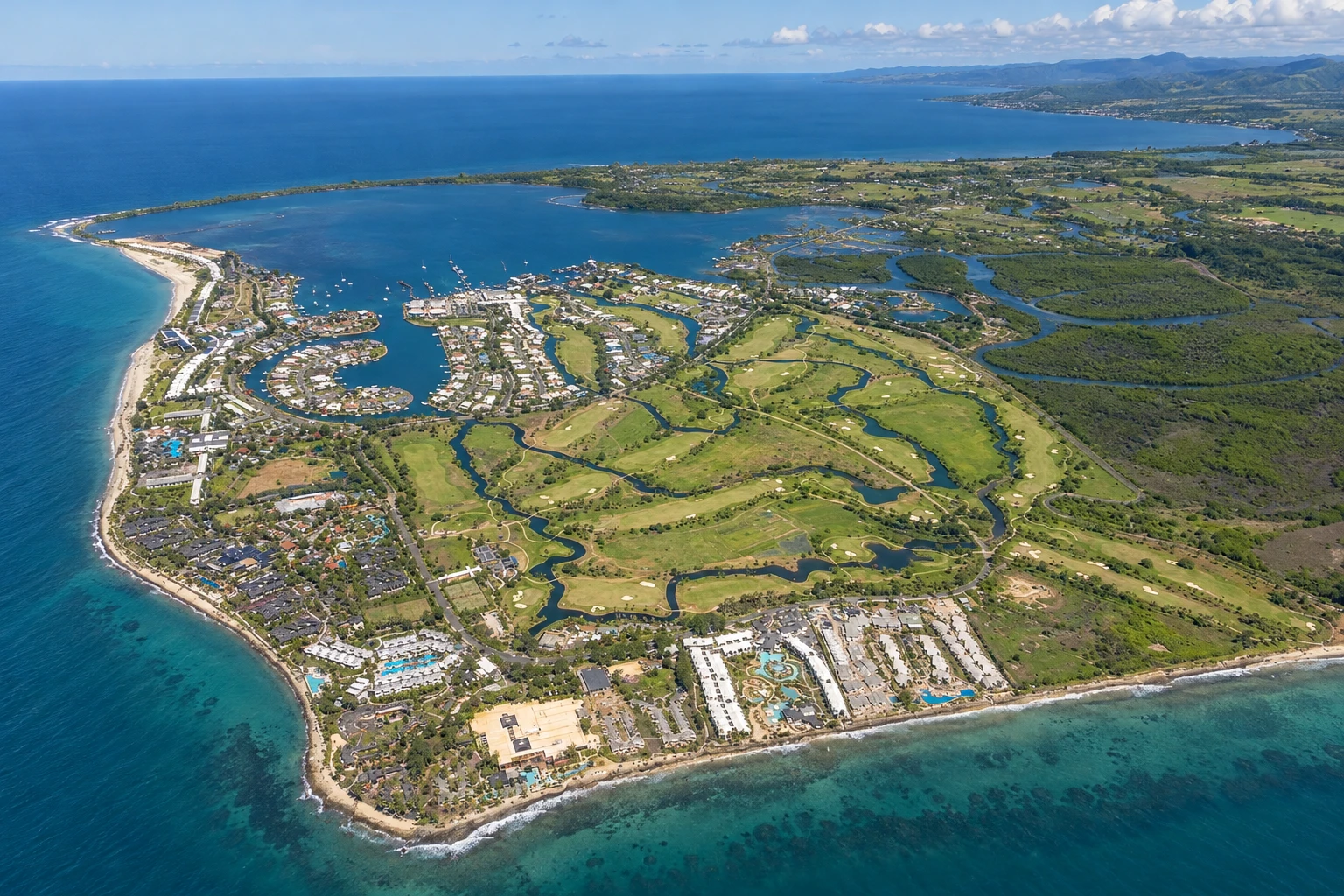
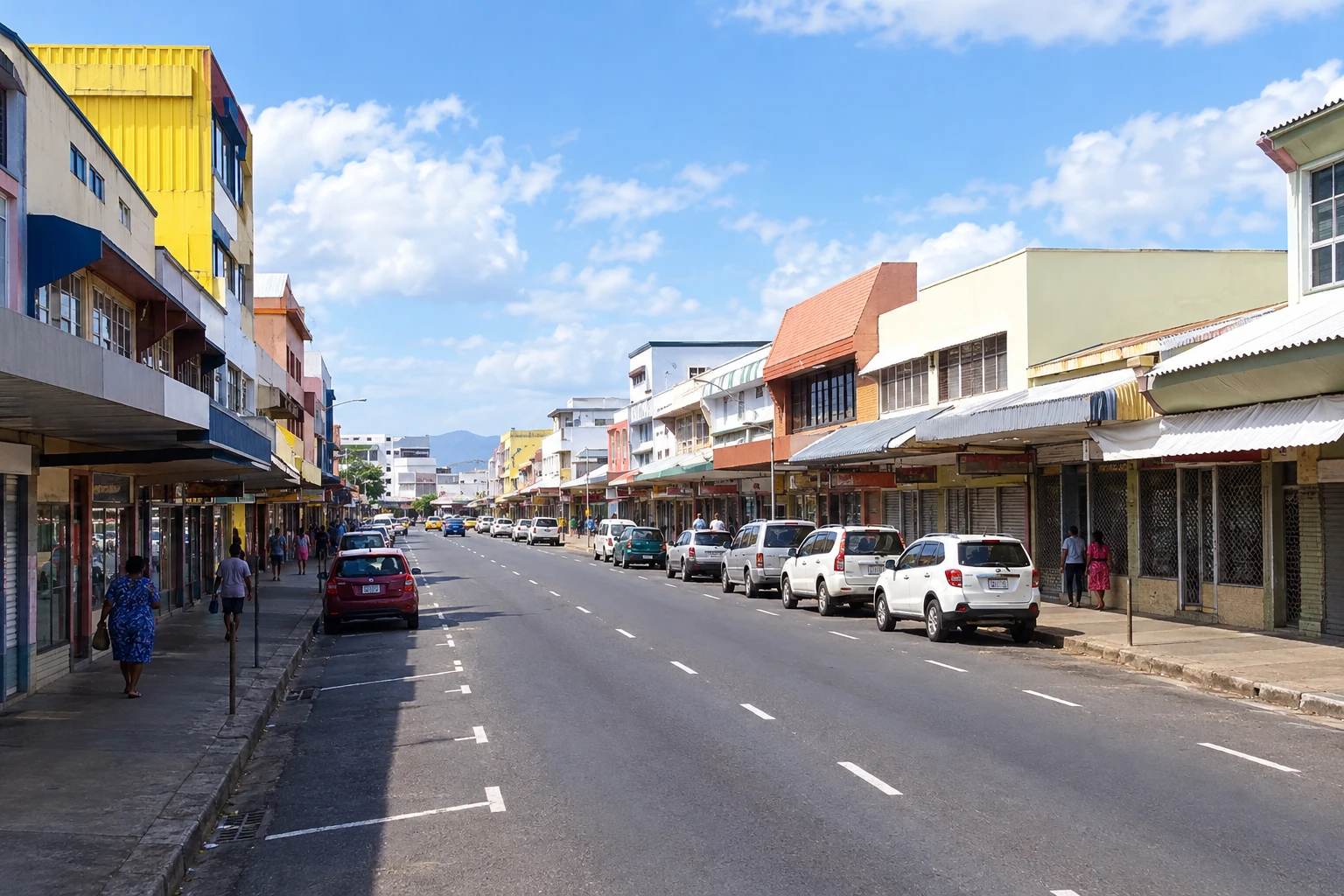
Illustrative images. The pictures in this guide are illustrations based on the real place, not photographs, and may differ from it.

Get it on Google Play

Get to know the place

A region to enjoy
at your own pace.

Nadi is on the west coast of Viti Levu, Fiji’s largest island, and it’s where almost every traveler arrives: Nadi International Airport handles flights from abroad. The town grew among sugarcane fields, and sugarcane still shapes the landscape of the island’s dry side, with narrow tracks that carry the harvest to the mills. The population is largely Indo-Fijian, which shows in the shops along the main street, the curry restaurants and the Sri Siva Subramaniya temple, the largest Hindu temple in the Southern Hemisphere.

A few kilometers away is Denarau, an island connected to the mainland by a short bridge, with resorts, a golf course and the Port Denarau Marina. Regular boats and tours to the Mamanuca and Yasawa Islands depart from there, so many people pass through Denarau on the first and last day of their trip.

In the Sabeto valley to the north are two half-day excursions: the Garden of the Sleeping Giant, with over 2,000 orchid varieties at the foot of the mountain that gives the place its name, and the Sabeto thermal mud pools, run by the village. Further up, Lautoka, Fiji’s second city, depends on sugar and is the base for trails in Koroyanitu Park, in the range visible from Nadi.

For Brazilians, Nadi serves as an arrival and departure base: one or two days are enough for nearby excursions before heading to the islands or the Coral Coast. The 15-hour time difference ahead of Brasília hits on the first day, and the west side of Viti Levu tends to be drier and sunnier than Suva and the east.

This destination brings together 3 cities: Nadi, Denarau, Lautoka.

Share: WhatsApp
Traveler, share your experiences through photos Up to 5 photos of each place you visited.

One destination, many paths

The cities on this trip

Start with one city or combine several in your itinerary.

Where Nadi and Denarau is The star marks the nearest capital, Sigatoka.
SigatokaNadiDenarauLautoka

Boundaries: Pacific Data Hub / geoBoundaries (CC BY 4.0). Adapted by Cidade Turismo.

How to get there: Nadi and Denarau

Aeroporto Internacional de Nadi (NAN), in Namaka · 9 km to Nadi

Connections from Brazil usually include one or more stops in other cities. Check before booking. Nadi International Airport (NAN) is the country’s gateway and is about 9 km from central Nadi. Taxis and transfers go to the town center, Denarau and Lautoka; local buses run along Queens Road.

Suggested arrival point: Nadi

The local experience

Things to do in Nadi and Denarau

See 4 more places in Nadi and Denarau

Before you go

Practical information

A little planning leaves more time to enjoy the journey.

When to go

From May to October, the dry season, days are usually sunny and less humid—good for excursions and for boat travel to the islands. From November to April it’s hotter, rain comes in showers and it’s cyclone season; the west side, where Nadi is, is usually drier than the island’s east.

The seasons shown are the most usual ones; nature doesn't always follow the calendar.

How many days to stay

One day is enough for the temple, Nadi town center and the Sabeto valley with the orchid garden and mud pools. With two days you have time for Lautoka and a hike in Koroyanitu Park. Many people split their stay: one night on arrival, the islands in the middle and a night before the return flight.

Which city to stay in

Denarau hosts the larger resorts and is next to the marina where boats depart for the islands, which is convenient for those arriving or leaving by boat. Nadi town center is practical for shopping, restaurants and buses. Wailoaloa Beach, between the airport and the center, has simpler accommodations and is close to the airport. Lautoka suits those who prefer a real city and mountain trails.

Respect the place

Take your trash with you, follow the signs and support local businesses. In natural areas, follow the visiting guidelines.

Beyond the guide

Your questions

Frequently asked questions about Nadi and Denarau

Is it worth staying a few days in Nadi?

One or two days are worthwhile, preferably on arrival or before the return flight. You can see the Sri Siva Subramaniya temple, the Garden of the Sleeping Giant and the Sabeto mud pools. The rest of the trip is usually on the islands or the Coral Coast.

What’s the difference between staying in Nadi and in Denarau?

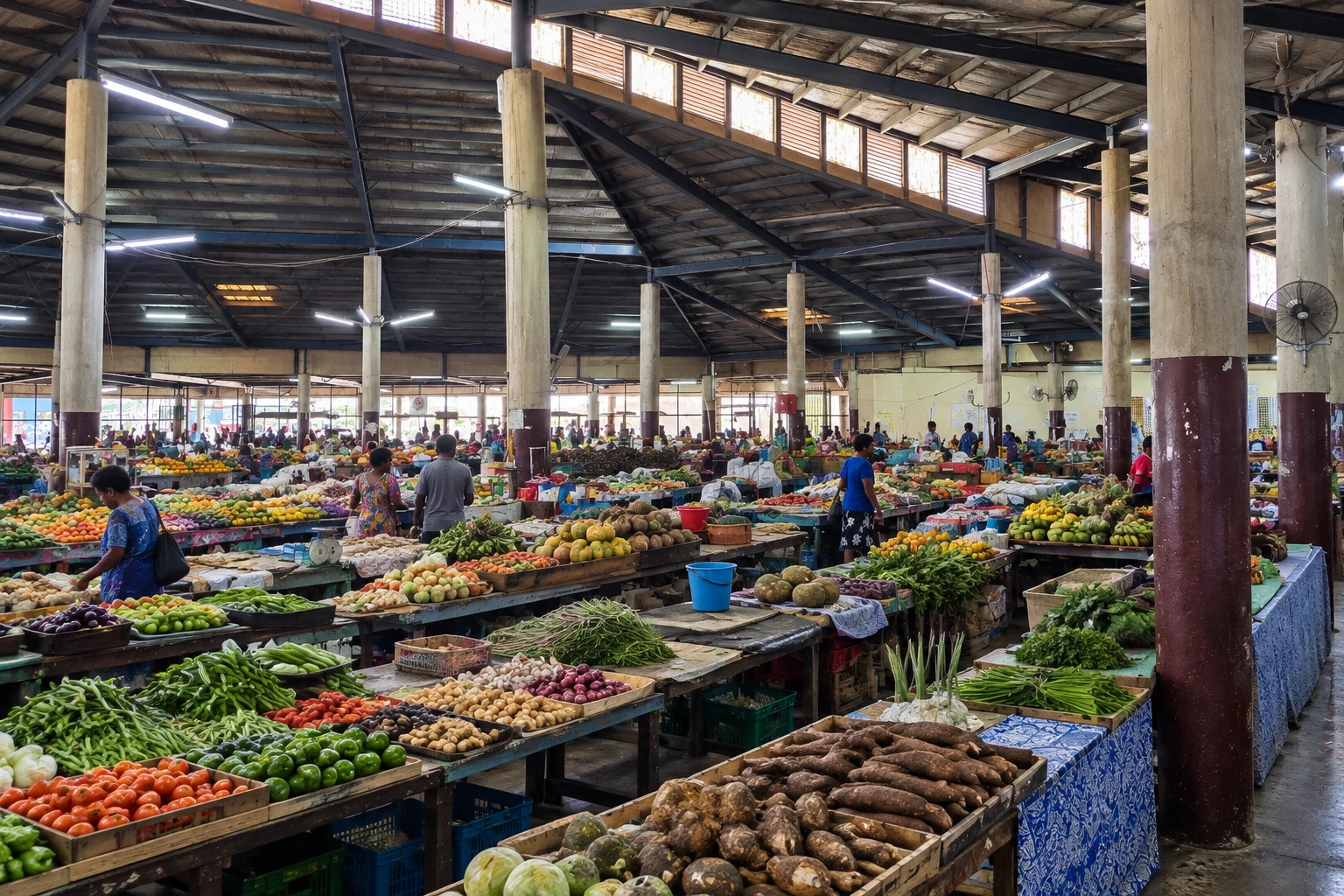
Denarau is a resort island with a golf course and the marina that departs for the Mamanuca and Yasawa. Nadi is the town, with shops, a market, restaurants and buses. Denarau is a few minutes’ drive from central Nadi.

Do I need a car in Nadi?

It’s not necessary. Taxis, transfers and tours with hotel pickup cover the town center, Denarau and the Sabeto valley. A rental car helps for going to Lautoka, the Coral Coast or the interior—remember Fiji drives on the left.

How do you get from Nadi to the islands?

Regular boats and tours depart from Port Denarau Marina in Denarau. For the Mamanucas there are catamarans several times a day; for the Yasawas the Yasawa Flyer services the island route. There are also seaplanes and helicopters from Nadi airport.

Does Nadi have a good beach for swimming?

The beaches in Nadi and Denarau have dark sand and shallow water—more for walking than swimming. Those seeking white sand and clear water usually head to the Mamanuca or Yasawa Islands, or the Coral Coast.

Explore other destinations Search by state and city