Quito and Mindo

Pichincha

Quito and Mindo

The capital of Ecuador at 2,850 meters, among volcanoes: the colonial historic center with its gilded churches, El Panecillo, the TelefériQo, the Mitad del Mundo and, two hours away, the cloud forest of Mindo.

Highlands (Andes)

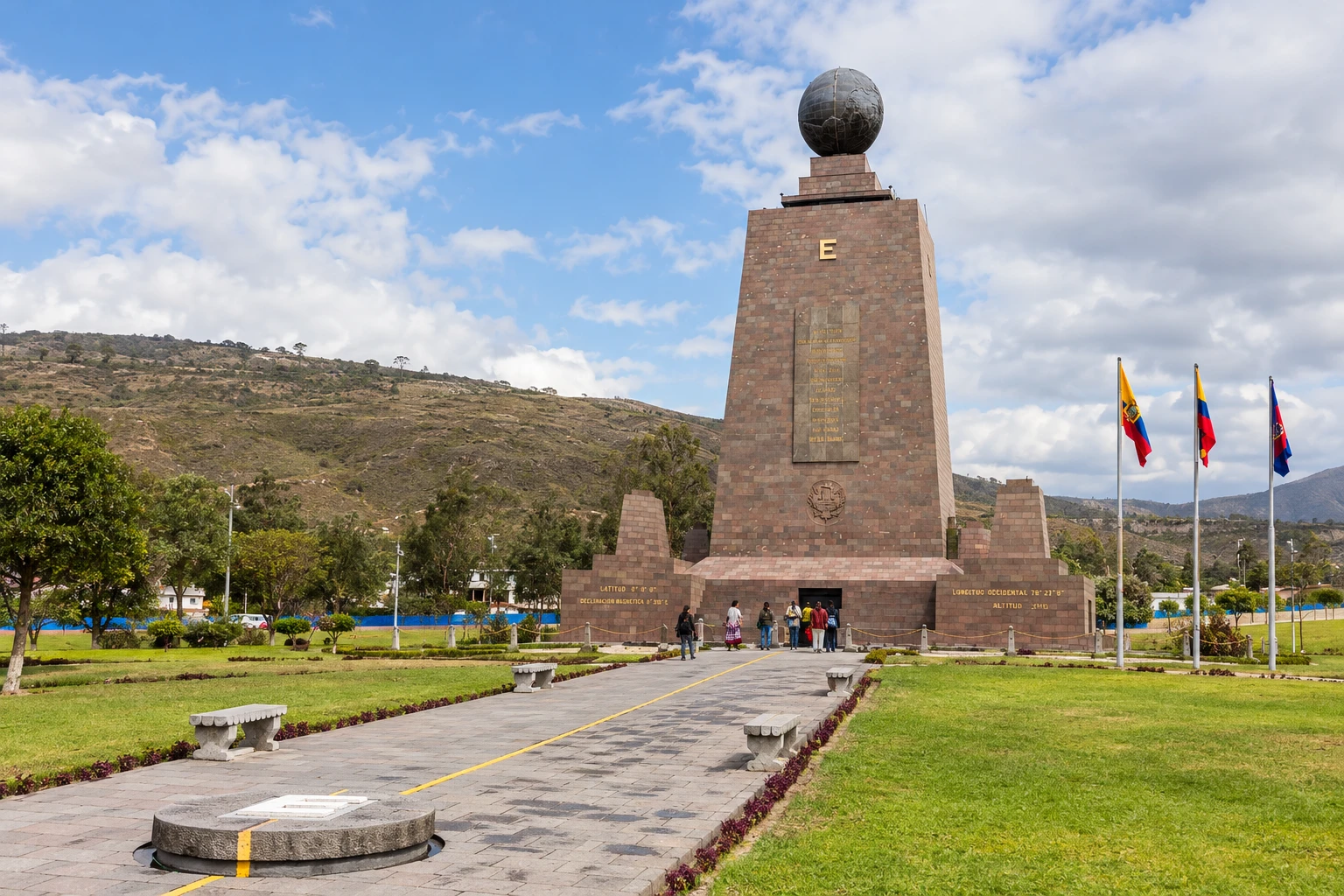
In the photo: Ciudad Mitad del Mundo

Illustrative images. The pictures in this guide are illustrations based on the real place, not photographs, and may differ from it.

Get it on Google Play

Get to know the place

A region to enjoy
at your own pace.

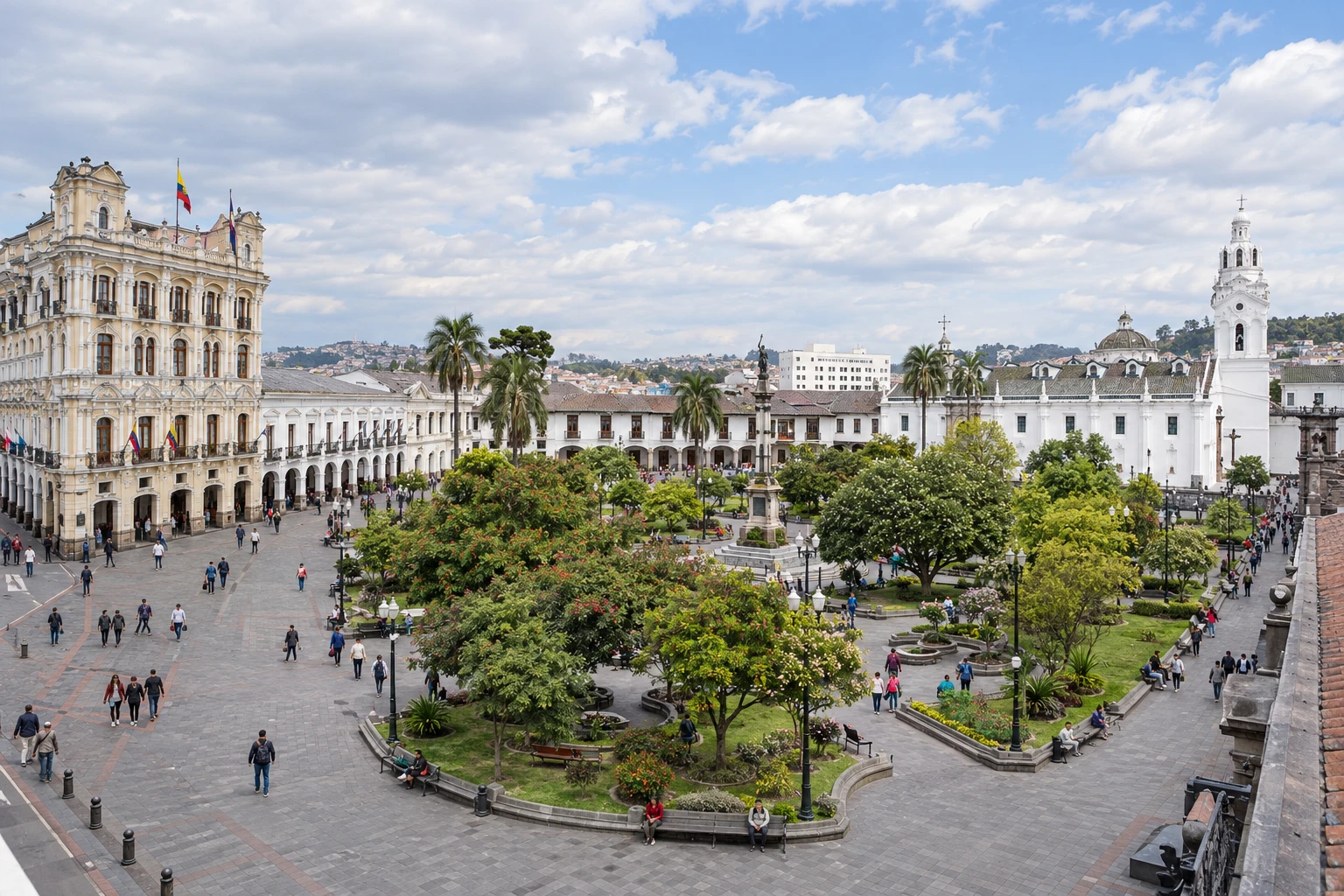
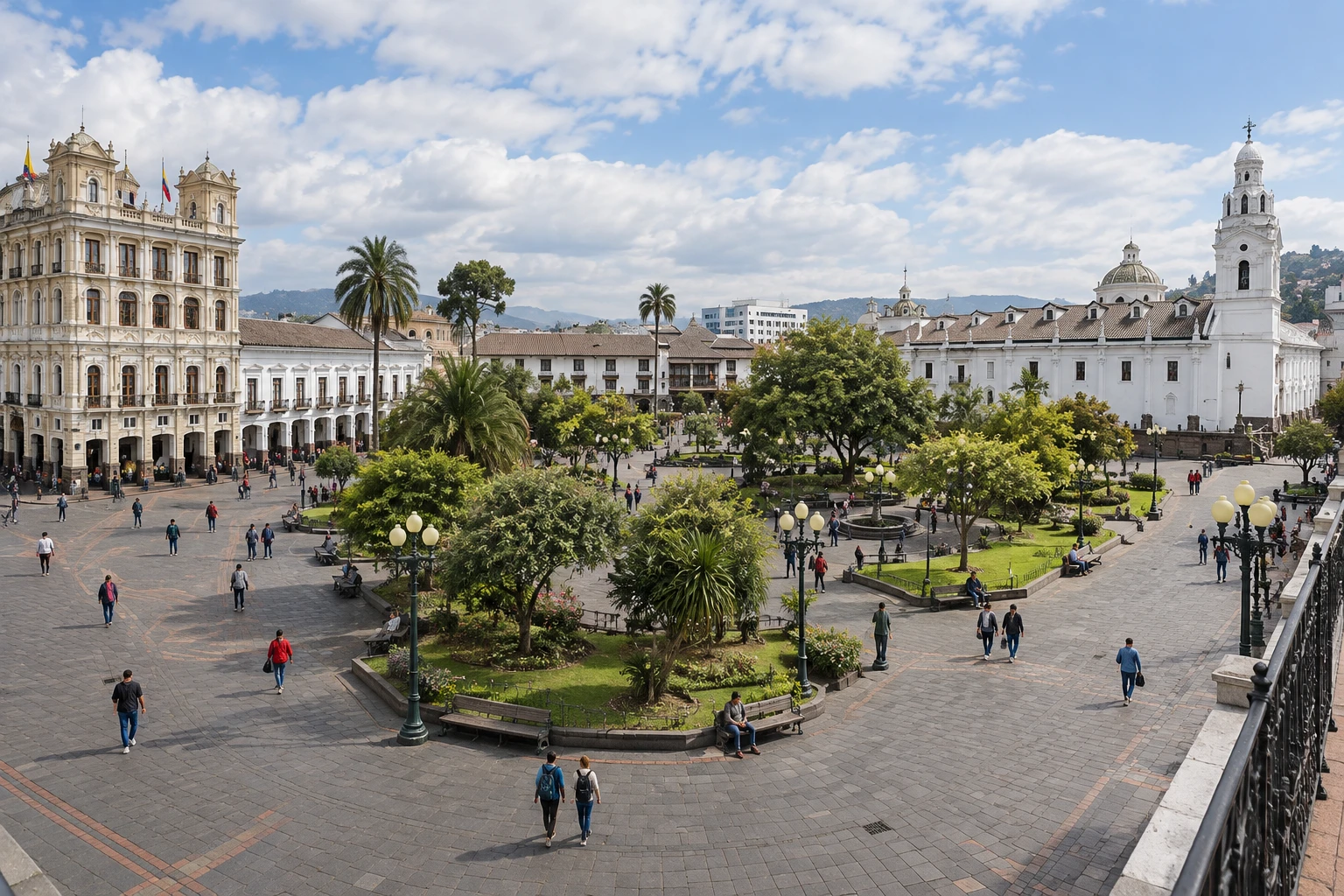
Quito sits in a narrow Andean valley at about 2,850 meters above sea level, at the foot of the Pichincha volcano and a few kilometers from the Equator. It was founded by the Spanish in 1534 on top of an Inca settlement and is the country's capital. The Historic Center, one of the best-preserved colonial ensembles in South America, was among the first sites declared a World Heritage Site by UNESCO, in 1978.

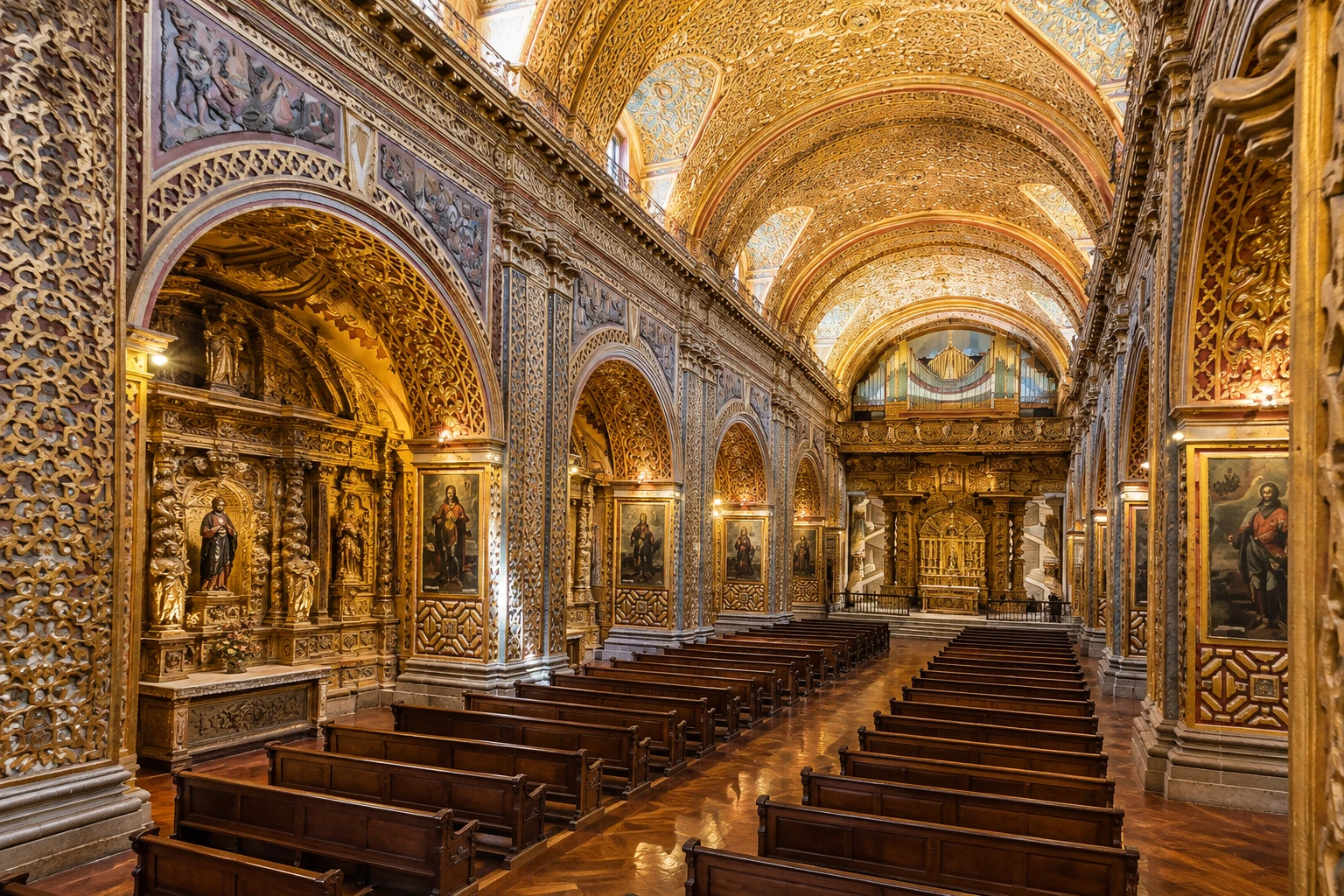
The center brings together plazas, convents and churches from the 16th to the 18th centuries: the Plaza Grande, with the Cathedral and the Palácio de Carondelet; the church of La Compañía de Jesús, whose interior is covered in gold leaf; the San Francisco convent, with its stone square; the colonial street La Ronda; and, above them, the Basílica del Voto Nacional, neo-Gothic, with gargoyles depicting Ecuadorian animals. The aluminum Virgin of El Panecillo watches over the city from a hill to the south, and the TelefériQo climbs the slopes of Pichincha up to nearly 4,000 meters.

About 25 km to the north, Ciudad Mitad del Mundo marks the Equator with a monument and museums, and the Museo Intiñan, nearby, showcases Andean culture and experiments related to the line. The country's currency is the US dollar, and the time zone is two hours behind Brasília.

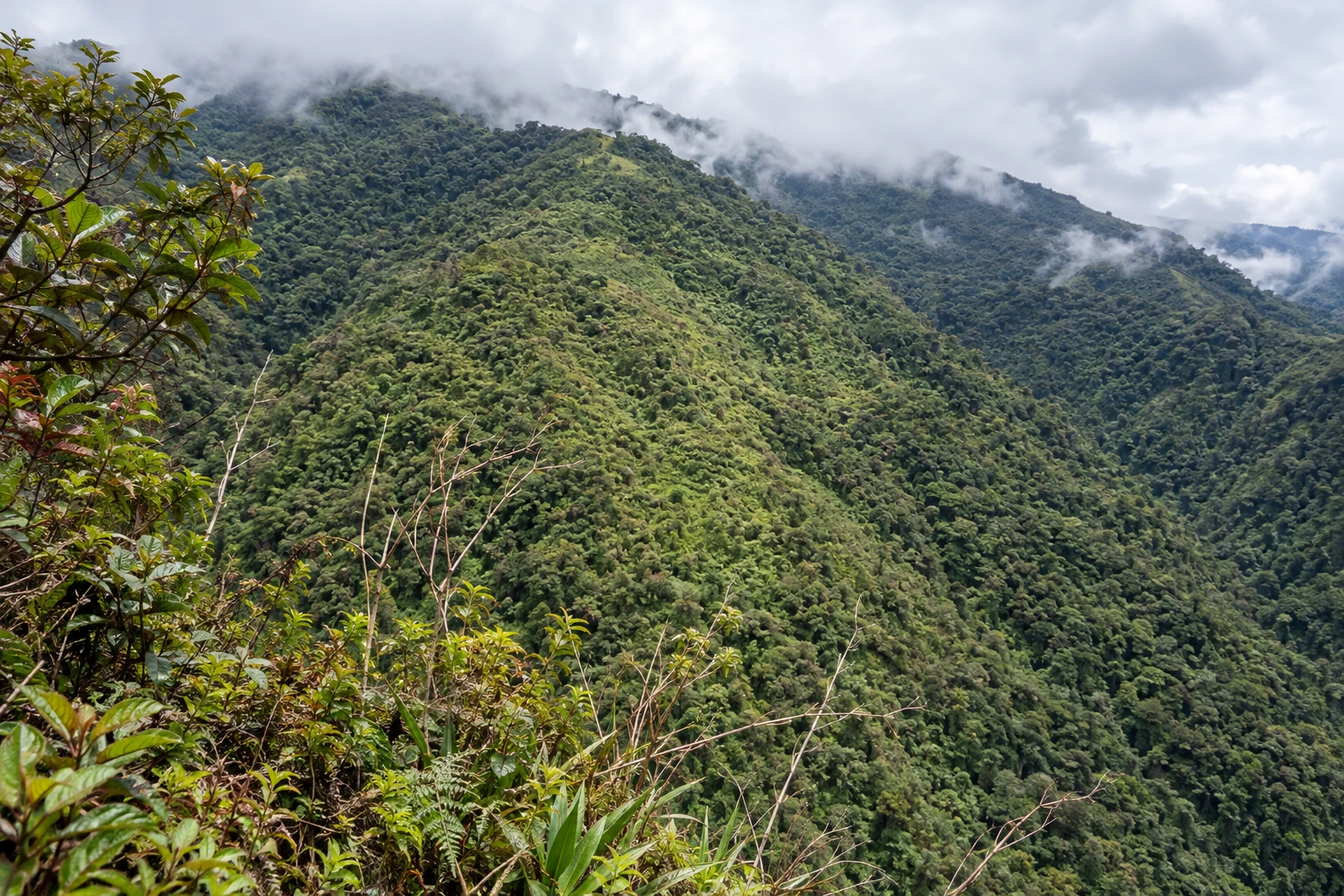
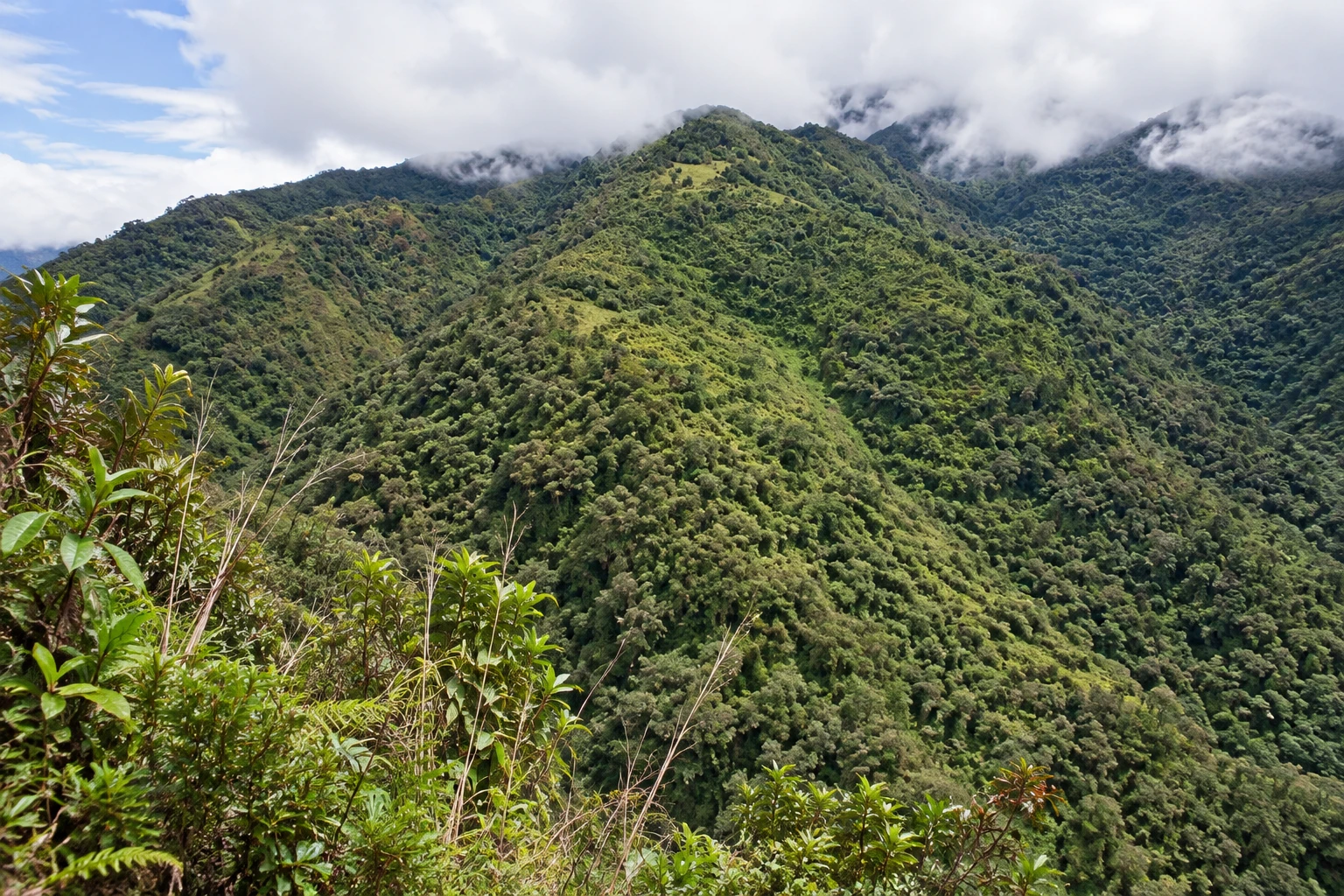
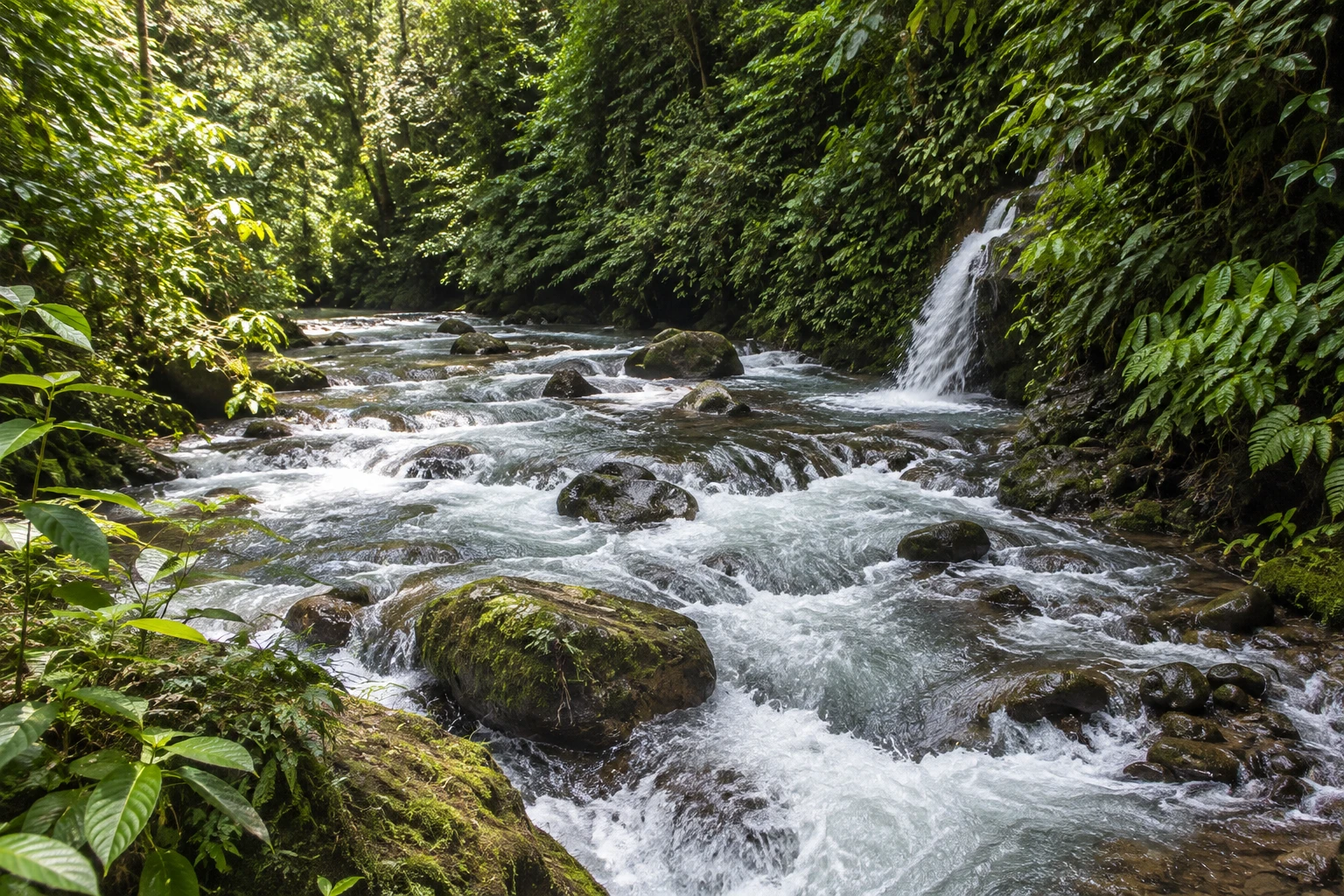
Some two hours northwest, descending the Andes slopes, Mindo lies at 1,250 meters in the middle of the cloud forest. It is a small town of rivers, waterfalls, hummingbirds, butterflies and cacao farms, known for birdwatching. It pairs well with Quito on a three- to five-day trip.

This destination brings together 2 cities: Quito, Mindo.

Share: WhatsApp
Traveler, share your experiences through photos Up to 5 photos of each place you visited.

One destination, many paths

The cities on this trip

Start with one city or combine several in your itinerary.

Where Quito and Mindo is The star marks the capital, Quito.
QuitoMindo

Outlines: Natural Earth (public domain). Adapted by Cidade Turismo.

How to get there: Quito and Mindo

Aeropuerto Internacional Mariscal Sucre (UIO), in Tababela · 40 km to Quito

Connections to and from Brazil may be direct flights or involve a connection, depending on the season and the airline. Confirm before buying. Mariscal Sucre International Airport is in Tababela, about 40 km from central Quito, a 45‑minute to 1h30 taxi ride depending on traffic. Mindo is about 80 km from Quito, with buses departing from the La Ofelia terminal in the north of the city.

Suggested arrival point: Quito

The local experience

Things to do in Quito and Mindo

Quito · Pichincha · Plaza

Independence Square

Quito's central square, also called Plaza de la Independencia, with the monument to the heroes of 1809, the Metropolitan Cathedral, the Palacio de Carondelet (the seat of government), and the archbishop's and municipal palaces.

Explore Independence Square

See 8 more places in Quito and Mindo

Before you go

Practical information

A little planning leaves more time to enjoy the journey.

When to go

In Quito the temperature varies little through the year: mild days and cool nights, with rain more common in the afternoons. From June to September the weather is usually drier and sunnier; from October to May it rains more often, especially from February to April. In Mindo, lower and wetter, it rains year-round, generally in the afternoons, and mornings are usually better for birdwatching.

The seasons shown are the most usual ones; nature doesn't always follow the calendar.

How many days to stay

Three days are enough for the Historic Center, El Panecillo, the TelefériQo and the Mitad del Mundo. With four or five days, you can add one or two nights in Mindo for the forest, waterfalls and birds. Quito is also a base for Otavalo, Cotopaxi and Baños.

Which city to stay in

The Historic Center has hotels in colonial mansions near the churches and La Ronda; at night activity centers on La Ronda and the main squares. La Mariscal and La Floresta, further north, offer hotels, restaurants and bars. González Suárez and La Carolina concentrate more modern hotels. In Mindo, guesthouses and lodges are located in the village and in the surrounding forest.

Respect the place

Take your trash with you, follow the signs and support local businesses. In natural areas, follow the visiting guidelines.

Beyond the guide

Your questions

Frequently asked questions about Quito and Mindo

Does Quito's altitude cause problems?

Quito is about 2,850 meters up, and the TelefériQo rises to nearly 4,000. Many travelers feel the altitude during the first days, with tiredness or shortness of breath. Take it easy on the first day and leave climbs for later; if in doubt, speak with your doctor before traveling.

What is Ecuador's currency?

The US dollar, used throughout the country. Bring small bills: getting change for large notes can be difficult in shops and taxis.

What document does a Brazilian need?

Brazilians can enter Ecuador with a valid passport or with their national ID card in good condition, under Mercosur agreements. Requirements can change: confirm before traveling.

How many days to stay in Quito and Mindo?

Three days for Quito and the Mitad del Mundo; one or two more for Mindo, two hours by road.

Do you need a car in Quito?

No. Use taxis, ride‑hailing apps and the metro, which runs north–south across the city. For Mindo and the Mitad del Mundo, use buses, an organized tour or a driver.

What is Ecuador's time zone?

The mainland is two hours behind Brasília; Galápagos, three hours behind.

Explore other destinations Search by state and city