Otavalo and Imbabura

Imbabura · Pichincha

Otavalo and Imbabura

The province of lakes and volcanoes north of Quito: the indigenous market of Otavalo in the Plaza de los Ponchos, the water-filled crater of Cuicocha, the Peguche waterfall and Cotacachi leather.

Highlands (Andes)

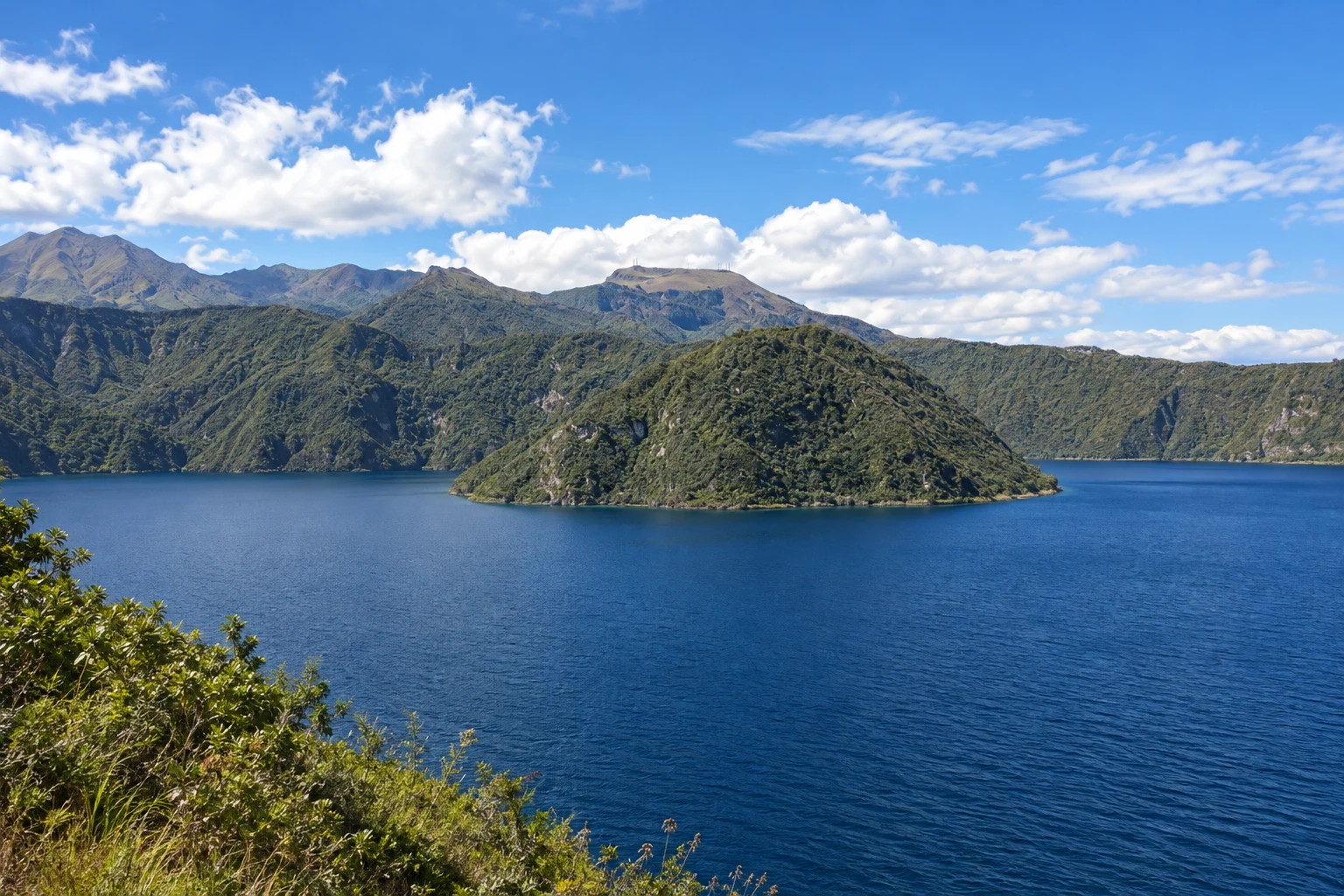
In the photo: Laguna de Cuicocha

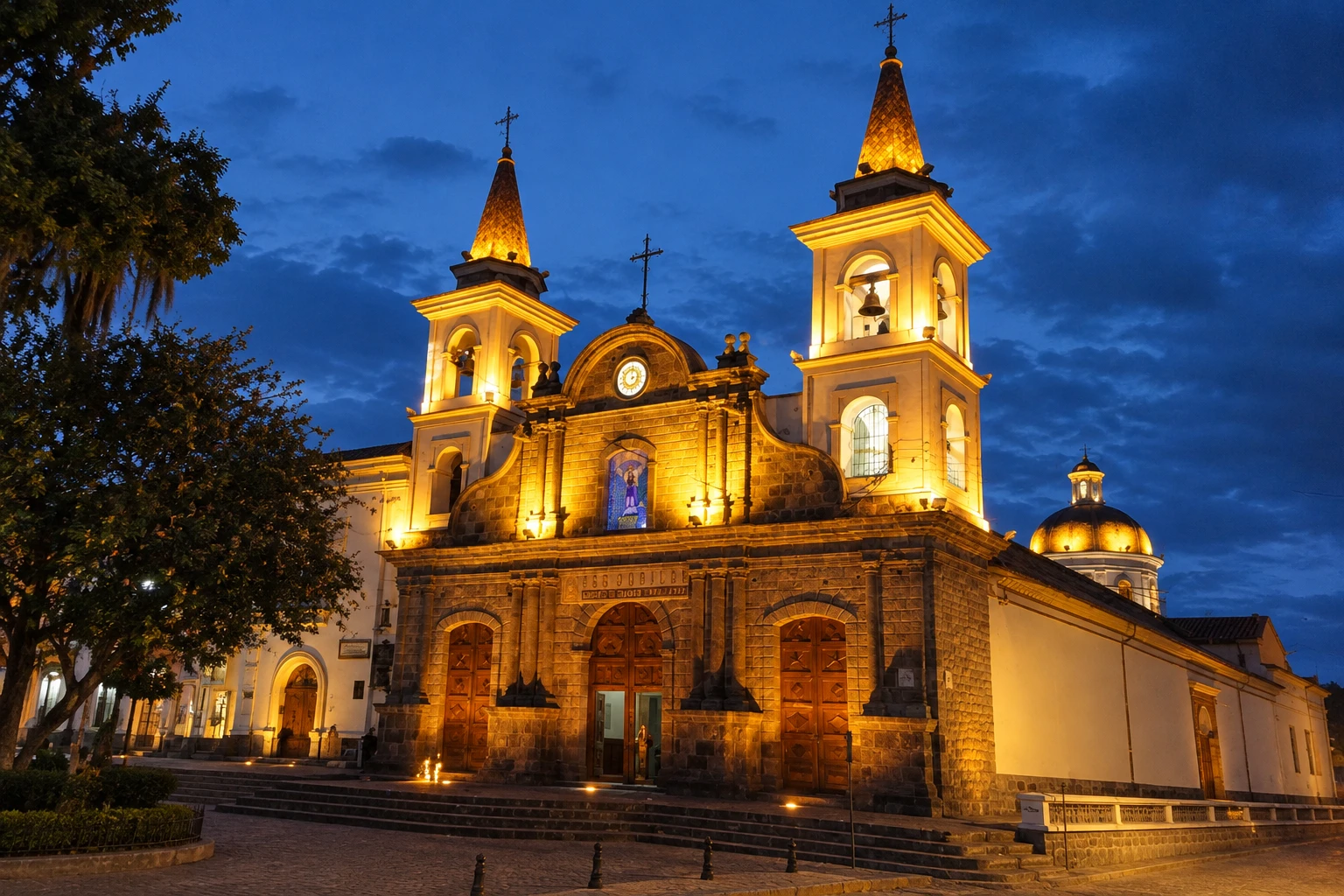
Illustrative images. The pictures in this guide are illustrations based on the real place, not photographs, and may differ from it.

Get it on Google Play

Get to know the place

A region to enjoy
at your own pace.

Imbabura is the Andean province north of Quito, known as the land of lakes. Between the Imbabura and Cotacachi volcanoes there are crater lakes, agricultural valleys and kichwa villages, and the region has been recognized by UNESCO as a Global Geopark. The town of Otavalo, at about 2,550 meters altitude and 110 km from Quito, is the center of the kichwa Otavalo people, known for weaving and trade.

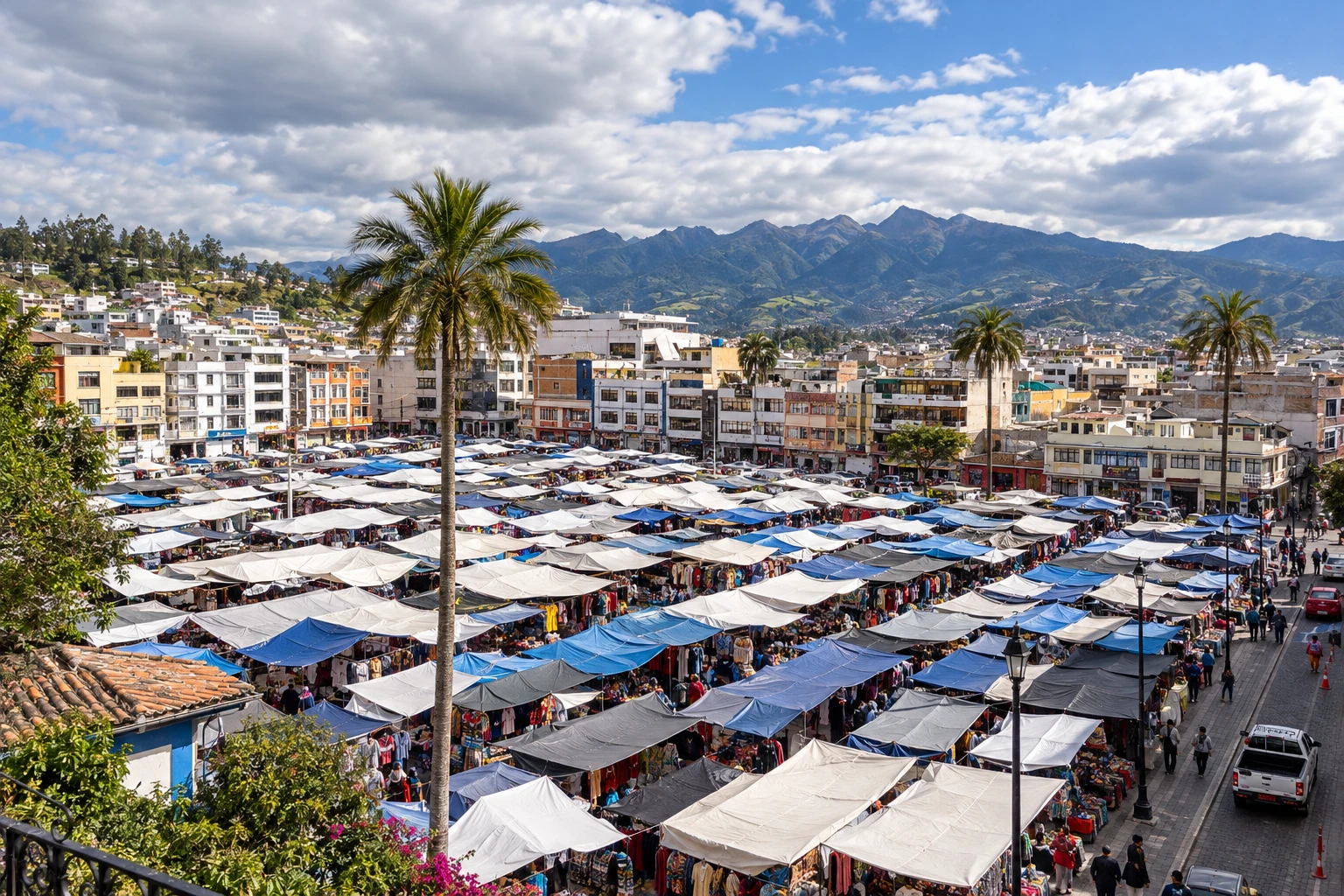
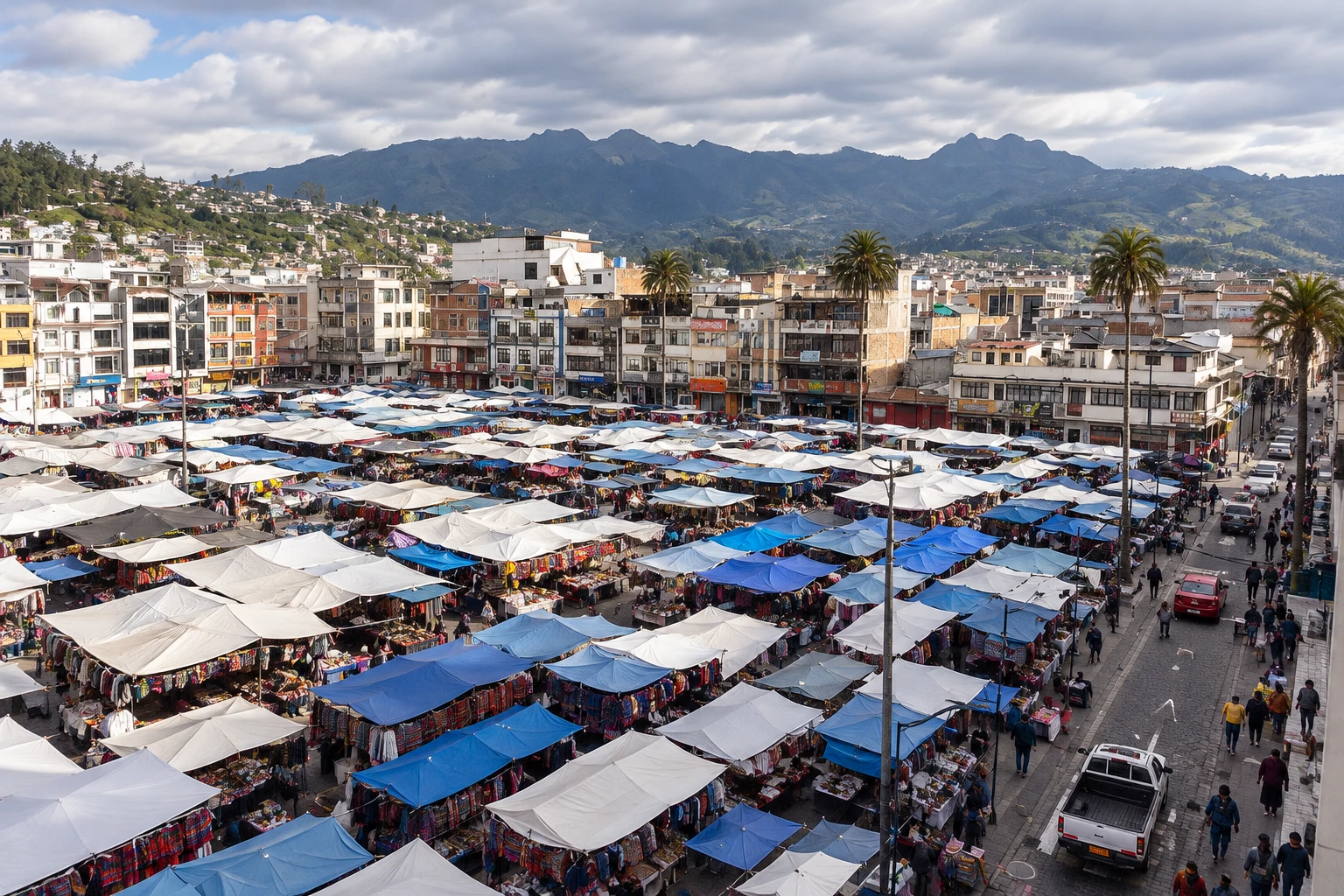
The Otavalo market occupies the Plaza de los Ponchos and the surrounding streets. It operates every day but grows on Saturdays, when stalls take up much of the town center, selling ponchos, rugs, alpaca and sheep wool blankets, embroidery, hats, costume jewelry, musical instruments and handicrafts. The Otavalo people keep traditional dress: men with long braids, hats and ponchos; women with embroidered blouses, golden necklaces and dark skirts.

Around the town are the Cascada de Peguche, in a eucalyptus wood sacred to the communities, the Lago San Pablo at the foot of Imbabura, and, about 15 km away, Cotacachi, a town of leather shops. Above Cotacachi, the Laguna de Cuicocha fills a volcanic crater of about 3 km, with two islands in the middle and a trail along the rim.

The climate is highland: mild days and cold nights, with rain more common in the afternoon. Otavalo works as a day trip from Quito, but one or two nights let you see the market at a relaxed pace and walk around the lakes.

This destination brings together 3 cities: Otavalo, Ibarra, Cayambe.

Share: WhatsApp
Traveler, share your experiences through photos Up to 5 photos of each place you visited.

One destination, many paths

The cities on this trip

Start with one city or combine several in your itinerary.

Where Otavalo and Imbabura is The star marks the capital, Ibarra.
IbarraOtavaloCayambe

Outlines: Natural Earth (public domain). Adapted by Cidade Turismo.

How to get there: Otavalo and Imbabura

Aeropuerto Internacional Mariscal Sucre (UIO), in Quito · 90 km to Otavalo

Connections with Brazil may be direct flights or via a connection, depending on the season and the airline. Confirm before booking. The nearest airport is Mariscal Sucre in Quito, about 90 km from Otavalo. From Quito buses depart from the Carcelén terminal in the north and take about two hours. There are also day tours and private drivers.

Suggested arrival point: Otavalo

The local experience

Things to do in Otavalo and Imbabura

Otavalo · Imbabura · Market

Plaza de los Ponchos

Otavalo's craft market square, with stalls of ponchos, rugs, wool blankets, embroidered items, hats and instruments, which spread through the downtown streets on Saturdays.

Explore Plaza de los Ponchos

Cayambe · Pichincha · Monument

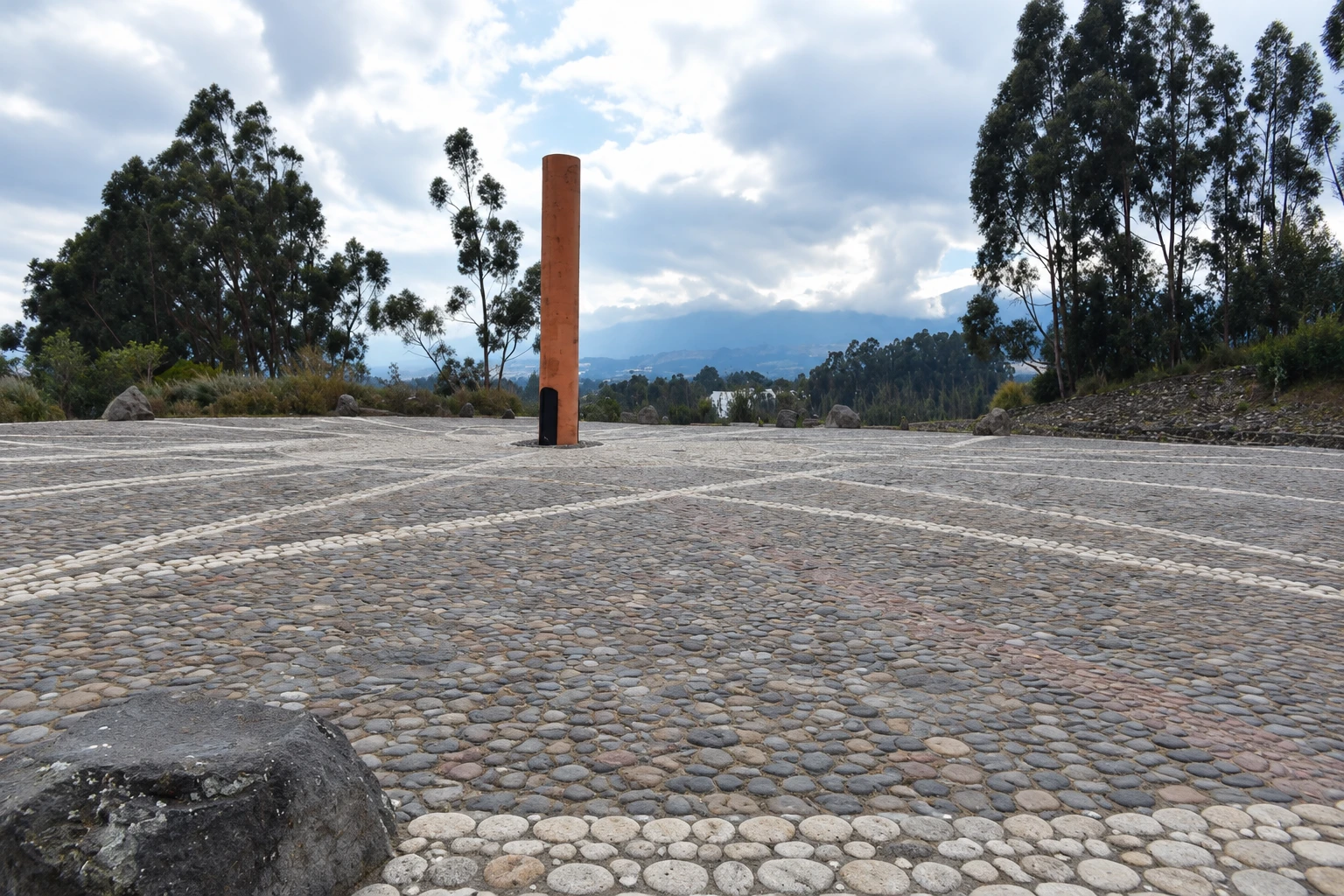
Quitsato Sundial

54‑meter‑diameter sundial built in 2006 on the Equator line south of Cayambe. Guides explain the astronomy and calendar of Andean peoples.

Explore Quitsato Sundial

Ibarra · Imbabura · Church

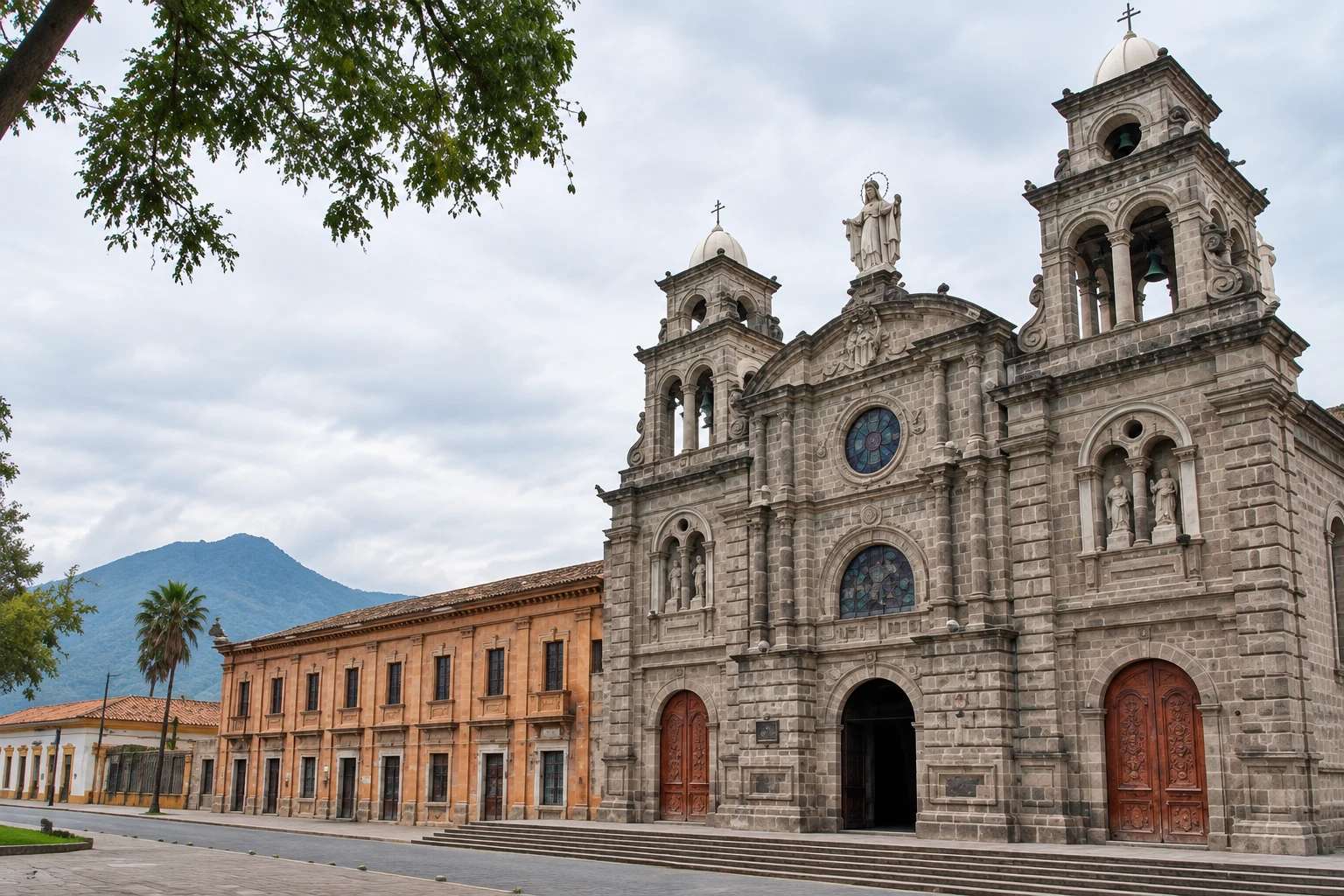
Basilica of La Merced

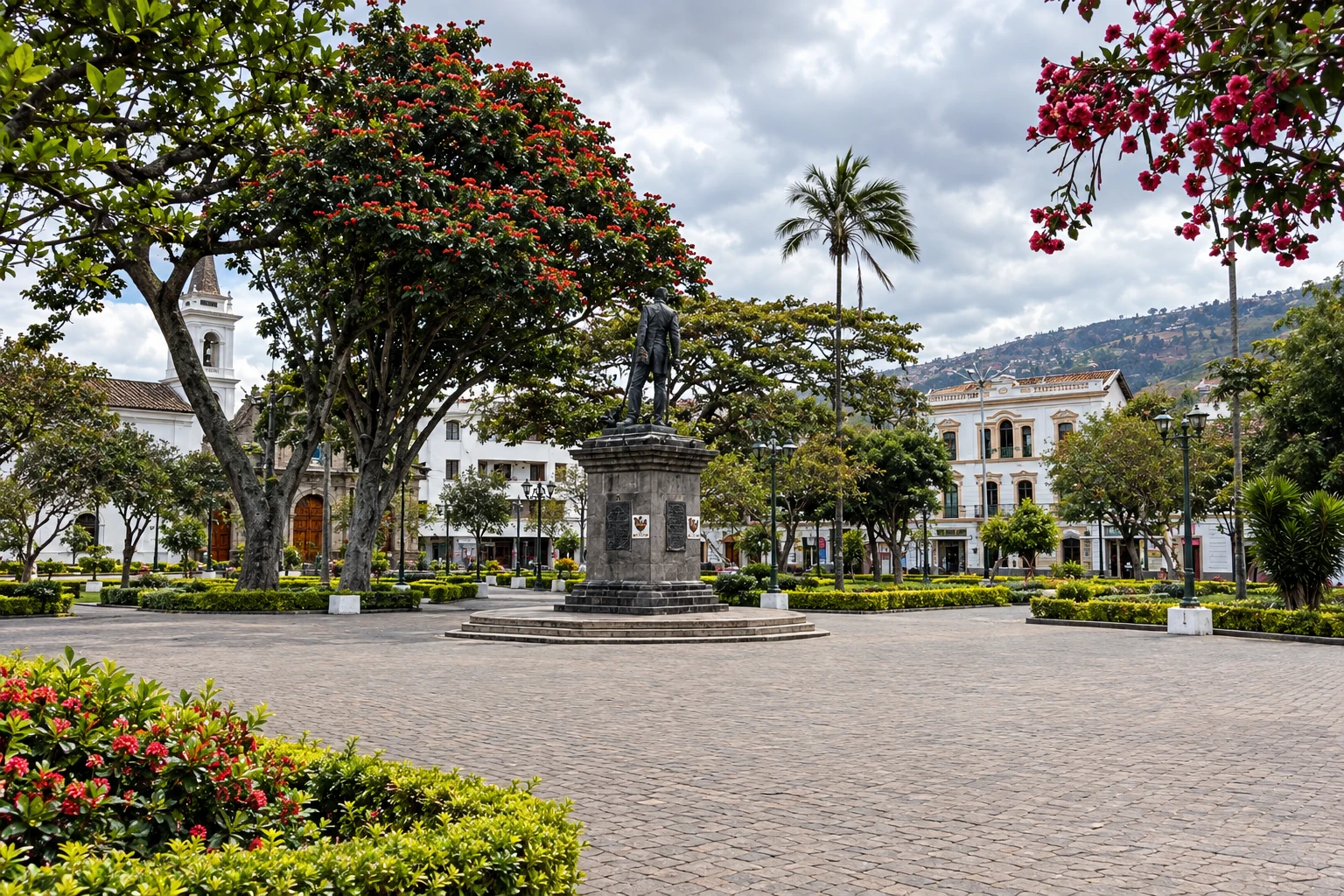
Basilica of gray stone built shortly after the 1868 earthquake, with a large image of the Virgin above and a gilded altar. It stands in Parque La Merced, a few blocks from the center.

Explore Basilica of La Merced

See 7 more places in Otavalo and Imbabura

Before you go

Practical information

A little planning leaves more time to enjoy the journey.

When to go

The temperature changes little: mild days and cold nights year-round. From June to September it usually rains less and the skies are clearer for viewing the volcanoes. In June, the Inti Raymi festival for the solstice fills the communities with music and dance. Saturday is the biggest market day.

The seasons shown are the most usual ones; nature doesn't always follow the calendar.

How many days to stay

One day is enough for the market and the Cascada de Peguche on a day trip from Quito. With one or two nights you can include the Cuicocha trail, Cotacachi and Lago San Pablo. Go on a Saturday for the larger market.

Which city to stay in

Otavalo's center has hotels and guesthouses near the Plaza de los Ponchos. In the surroundings, old estates converted into hotels, the haciendas, sit in the countryside with volcano views. Cotacachi has smaller hotels near its center and the road to Cuicocha.

Respect the place

Take your trash with you, follow the signs and support local businesses. In natural areas, follow the visiting guidelines.

Beyond the guide

Your questions

Frequently asked questions about Otavalo and Imbabura

What's the best day for the Otavalo market?

Saturday, when the stalls take up much of the town center and there is also the livestock fair early in the morning on the outskirts of town. On other days the market operates on a smaller scale at the Plaza de los Ponchos.

Can you go to Otavalo as a day trip from Quito?

Yes. It's about two hours by bus or car. One day allows for the market and Peguche; Cuicocha and Cotacachi need more time.

Do you need a car in Imbabura?

No. Local buses and taxis link Otavalo, Peguche, Cotacachi and Cuicocha. A car gives freedom to reach the lakes and more remote haciendas.

What is the altitude of Otavalo?

About 2,550 meters; Cuicocha exceeds 3,000. Many travelers feel the altitude in the first days; the first day calls for taking it easy.

Can you haggle at the market?

Bargaining is common at the Otavalo market, always politely.

Explore other destinations Search by state and city