14 places to visit, chosen by the Cidade Turismo guide.
Illustrative images. The pictures in this guide are illustrations based on the real place, not photographs, and may differ from it.
To start
The 10 main places Galápagos Islands
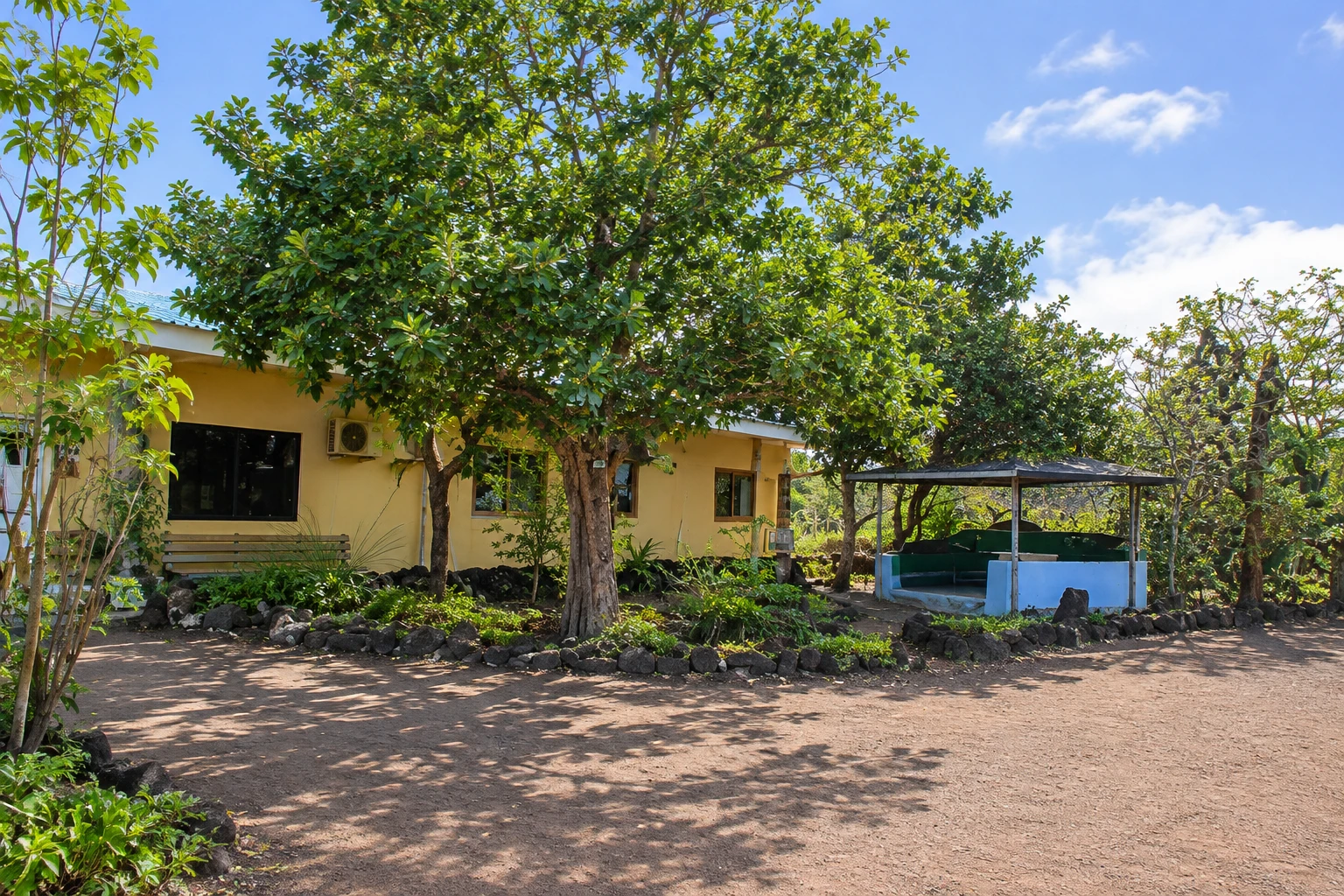
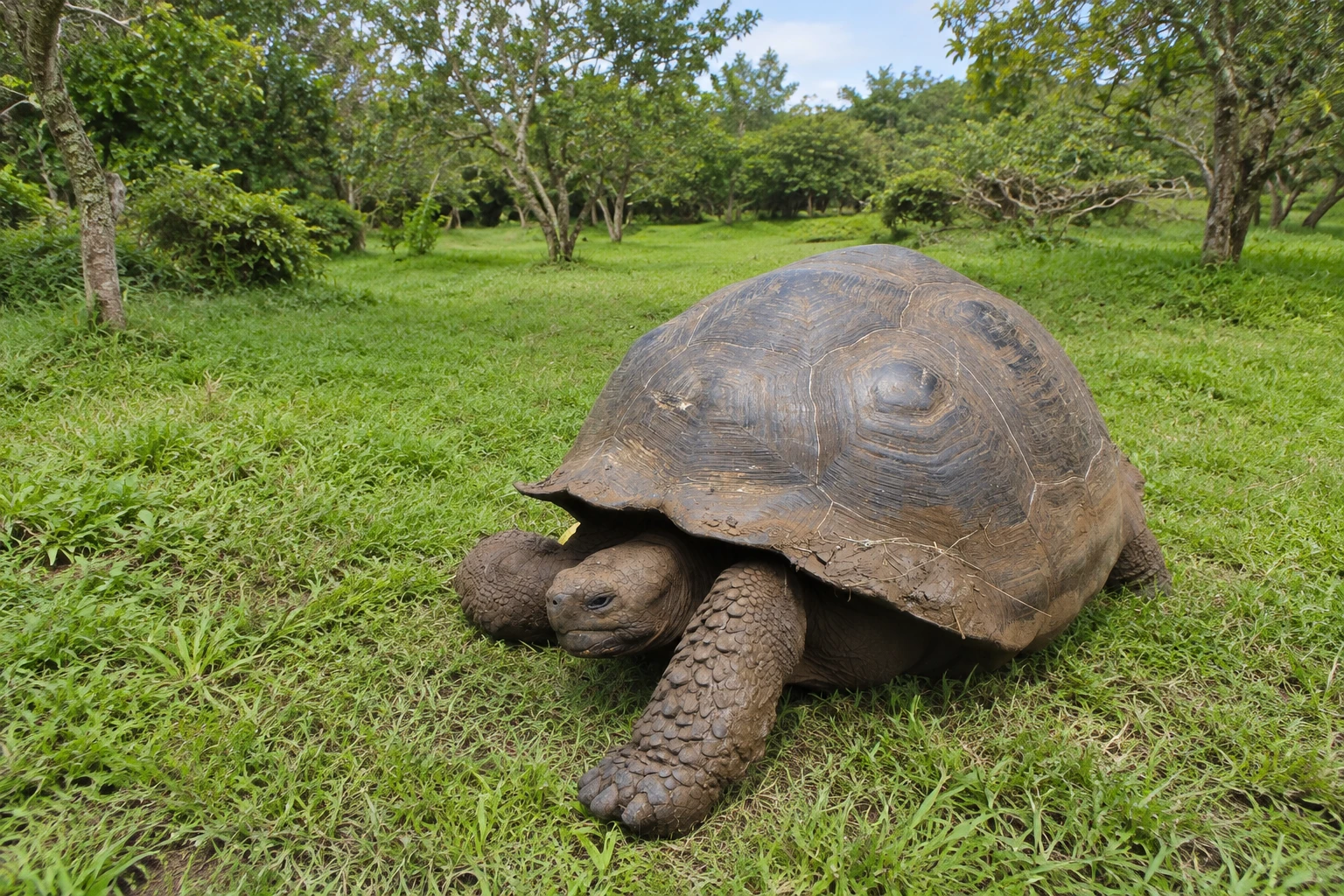
Arnaldo Tupiza Giant Tortoise Breeding Center · Puerto VillamilNational Park center that raises hatchlings of giant tortoises from the southern populations of Isabela, reached by a trail among lagoons with flamingos.
San Cristóbal Interpretation Center · Puerto Baquerizo MorenoThe national park center in Puerto Baquerizo Moreno, which tells the natural and human history of the Galápagos, from volcanic formation to the arrival of Darwin and of settlers.
Charles Darwin Research Station · Puerto AyoraResearch and conservation center in Puerto Ayora, next to the national park's giant tortoise breeding center, with tortoises from several islands, land iguanas and the Solitário...
Frigatebird Hill · Puerto Baquerizo MorenoA hill above the sea near Puerto Baquerizo Moreno, with a frigate bird viewpoint, the statue of Darwin—who landed in the area in 1835—and a cove for snorkeling with turtles and...
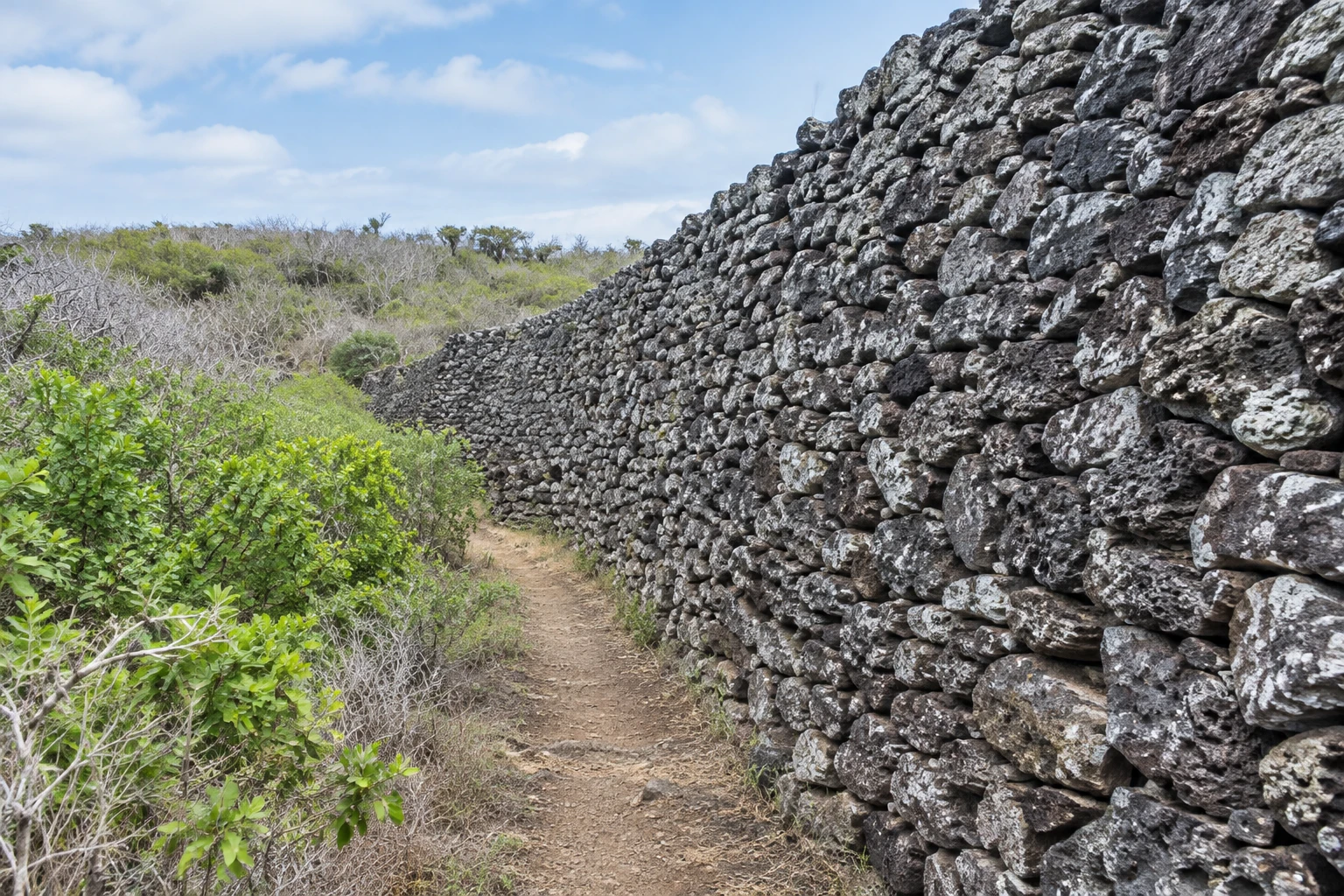
Wall of Tears · Puerto VillamilVolcanic stone wall of about 100 meters built by prisoners of the former Isabela penal colony, about 5 km from the village, at the end of a trail with beaches and viewpoints.
Tortuga Bay · Puerto AyoraLong white-sand beach about 2.5 km from Puerto Ayora, reached by a paved trail through cacti.
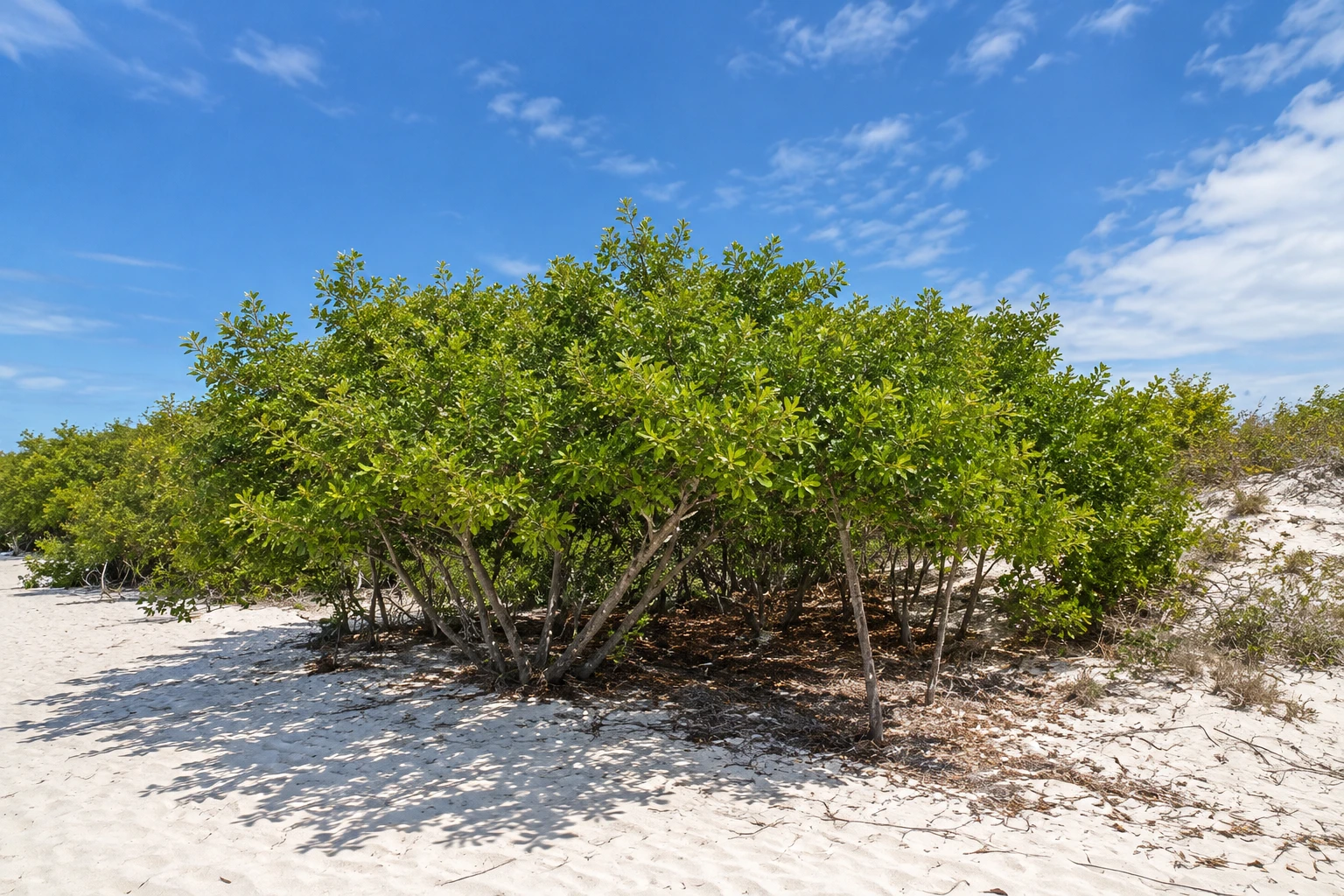
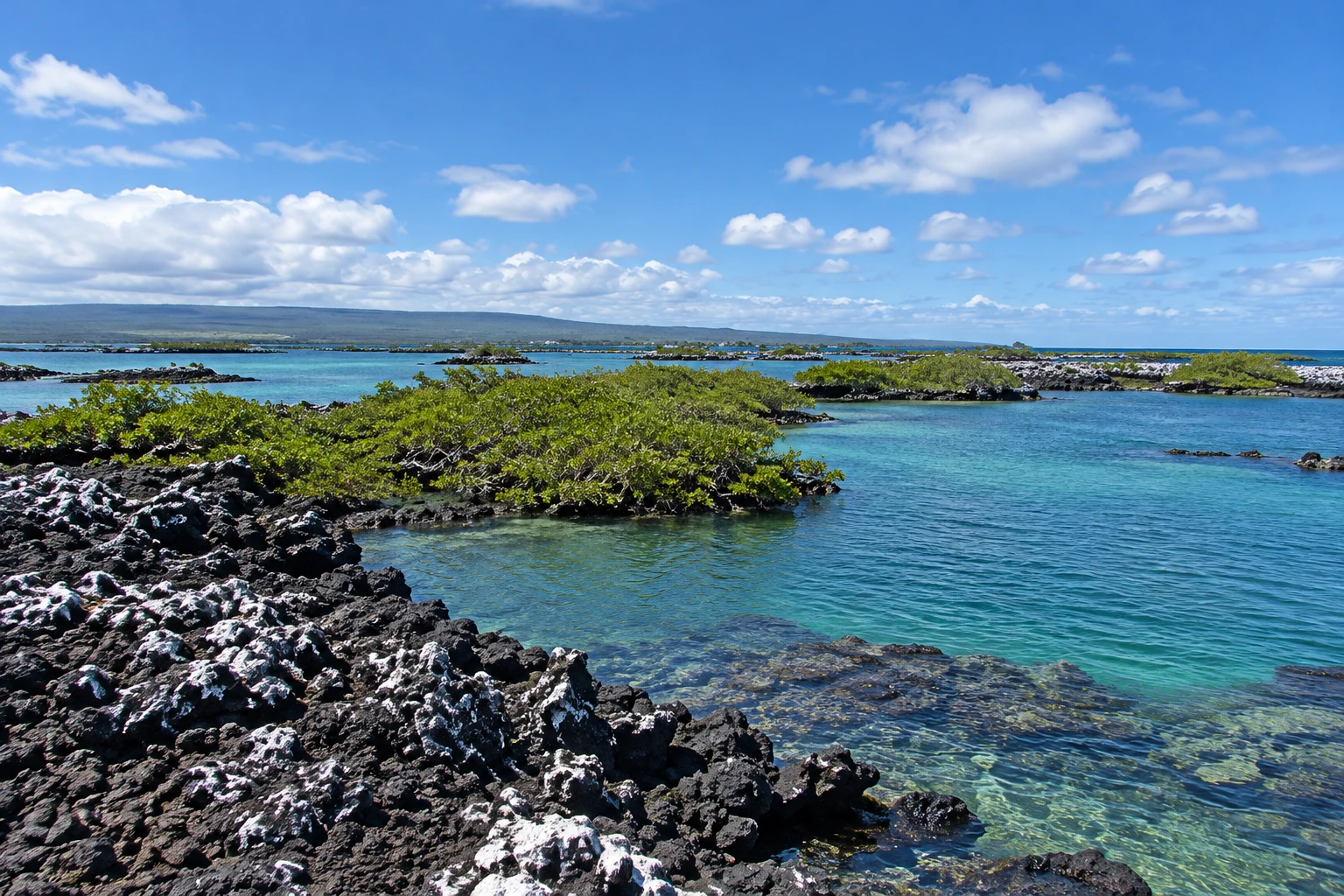
Concha de Perla · Puerto VillamilA calm-water cove among mangroves and lava rocks beside the Puerto Villamil pier, reached by a boardwalk and used for snorkeling with sea lions and fish.
La Lobería · Puerto Baquerizo MorenoBeach and rocky headland south of Puerto Baquerizo Moreno, with a colony of sea lions on the sand, marine iguanas on the rocks and a coastal trail.
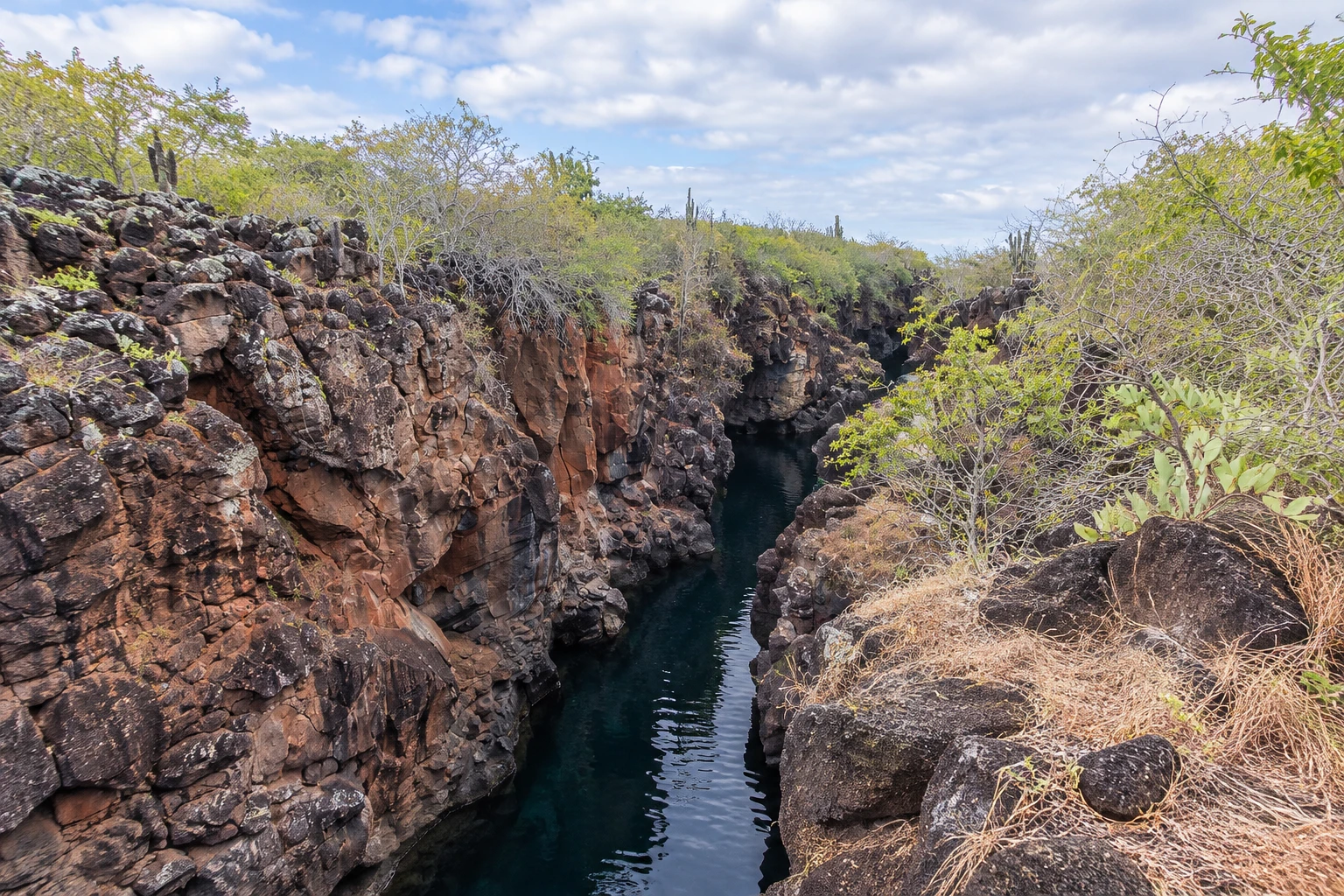
Las Grietas · Puerto AyoraVolcanic fissure between lava cliffs near Puerto Ayora, filled with brackish, crystal-clear water, where people swim and snorkel among the rocks with colorful fish.
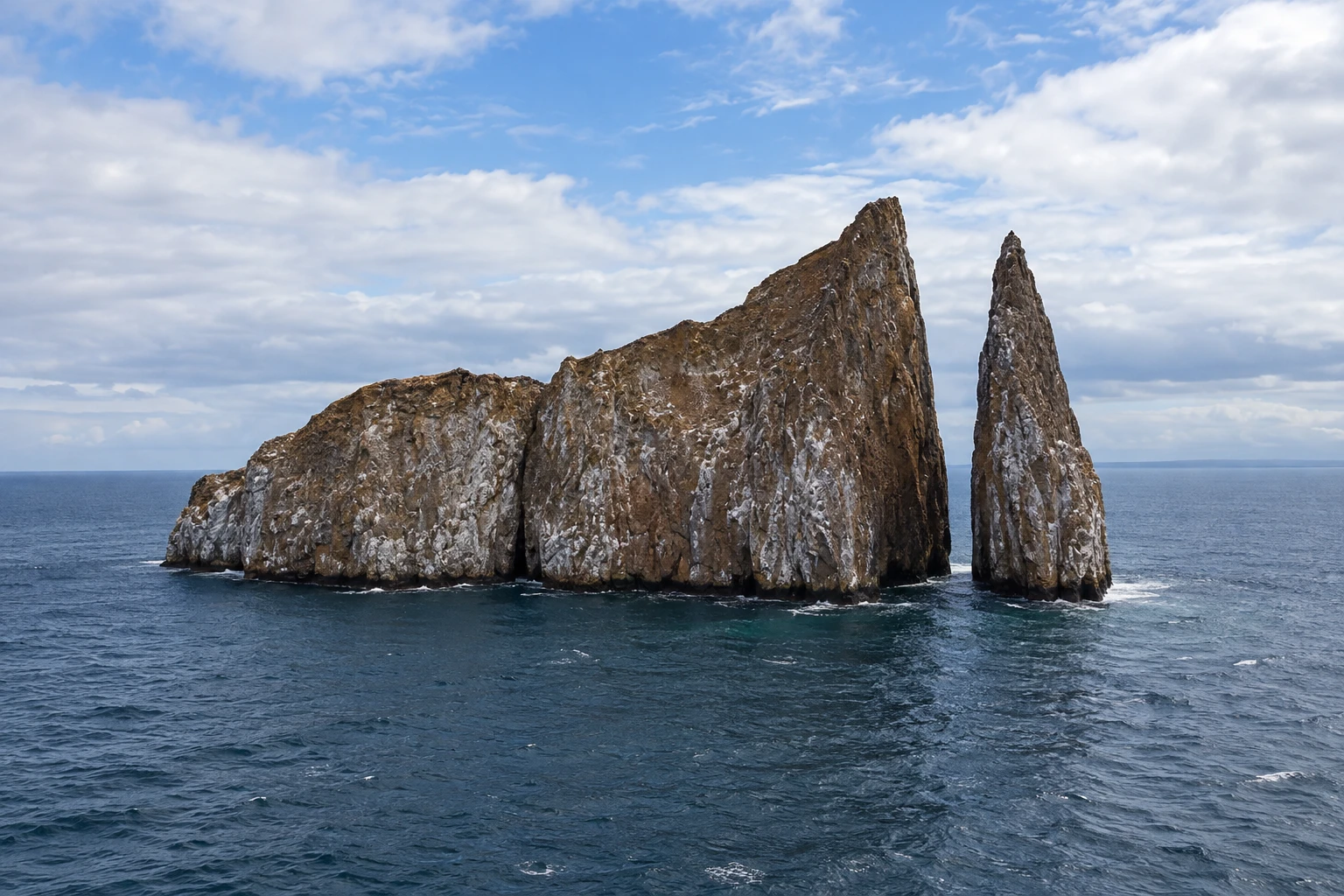
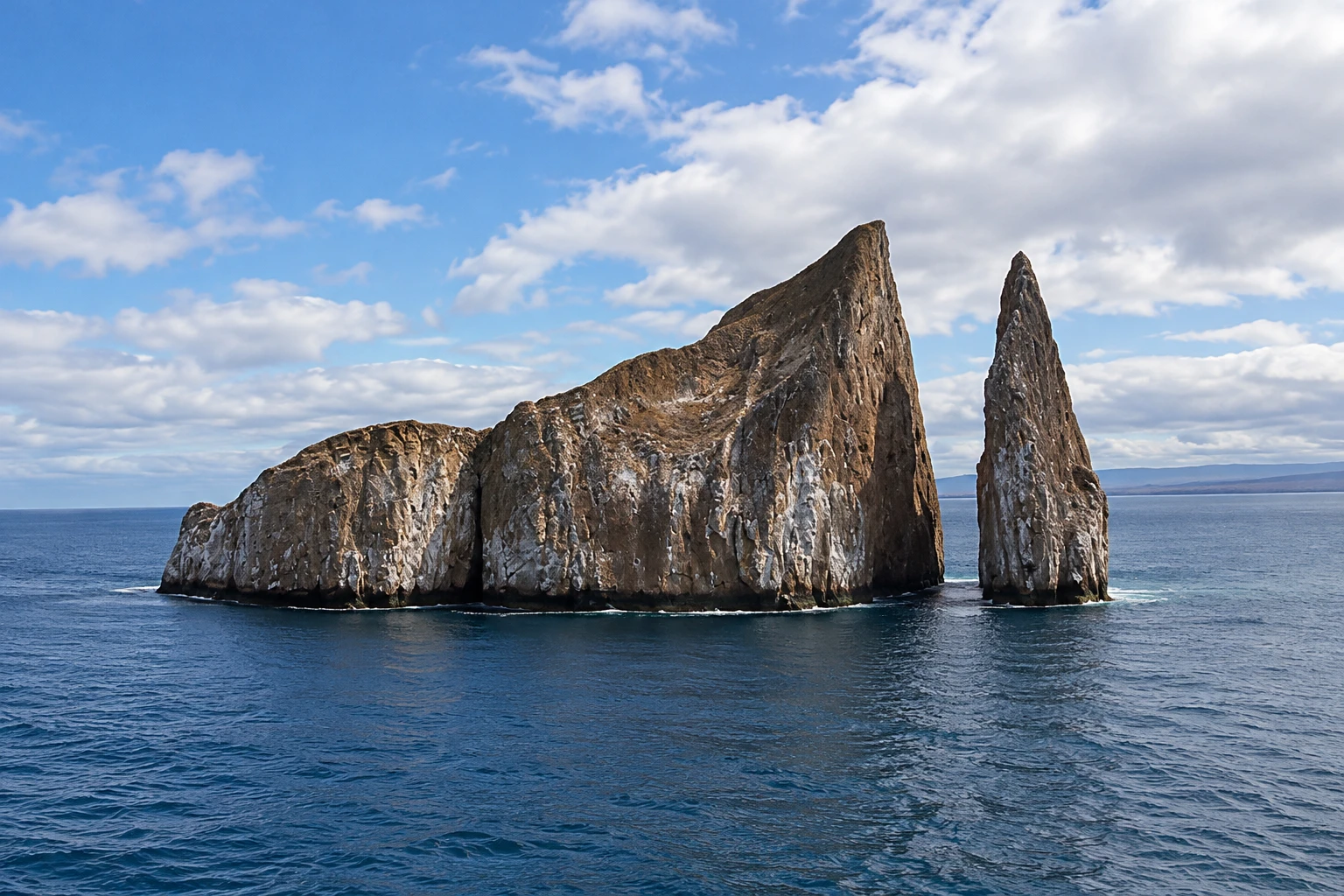
Kicker Rock · Puerto Baquerizo MorenoVolcanic rock about 150 meters high split in two, in the sea northeast of San Cristóbal, known as León Dormido.
National Park center that raises hatchlings of giant tortoises from the southern populations of Isabela, reached by a trail among lagoons with flamingos.
The national park center in Puerto Baquerizo Moreno, which tells the natural and human history of the Galápagos, from volcanic formation to the arrival of Darwin and of settlers. The trails to Tijeretas start there.
Research and conservation center in Puerto Ayora, next to the national park's giant tortoise breeding center, with tortoises from several islands, land iguanas and the Solitário George exhibit room.
A hill above the sea near Puerto Baquerizo Moreno, with a frigate bird viewpoint, the statue of Darwin—who landed in the area in 1835—and a cove for snorkeling with turtles and sea lions.
Volcanic stone wall of about 100 meters built by prisoners of the former Isabela penal colony, about 5 km from the village, at the end of a trail with beaches and viewpoints.
Long white-sand beach about 2.5 km from Puerto Ayora, reached by a paved trail through cacti. Playa Brava has waves and marine iguanas; Playa Mansa, sheltered by mangroves, is the swimming bay.
A calm-water cove among mangroves and lava rocks beside the Puerto Villamil pier, reached by a boardwalk and used for snorkeling with sea lions and fish.
Volcanic fissure between lava cliffs near Puerto Ayora, filled with brackish, crystal-clear water, where people swim and snorkel among the rocks with colorful fish.
Volcanic rock about 150 meters high split in two, in the sea northeast of San Cristóbal, known as León Dormido. Boat trip with snorkeling between the cliffs, with turtles and sharks.
Lava islets off Puerto Villamil, with marine iguanas, boobies and a narrow channel where white-tip reef sharks often rest, visited by boat with a guide.
Reserve in the highlands of Santa Cruz where giant tortoises roam freely among pastures, lagoons and scalesia woodlands, with lava tunnels that can be walked through.
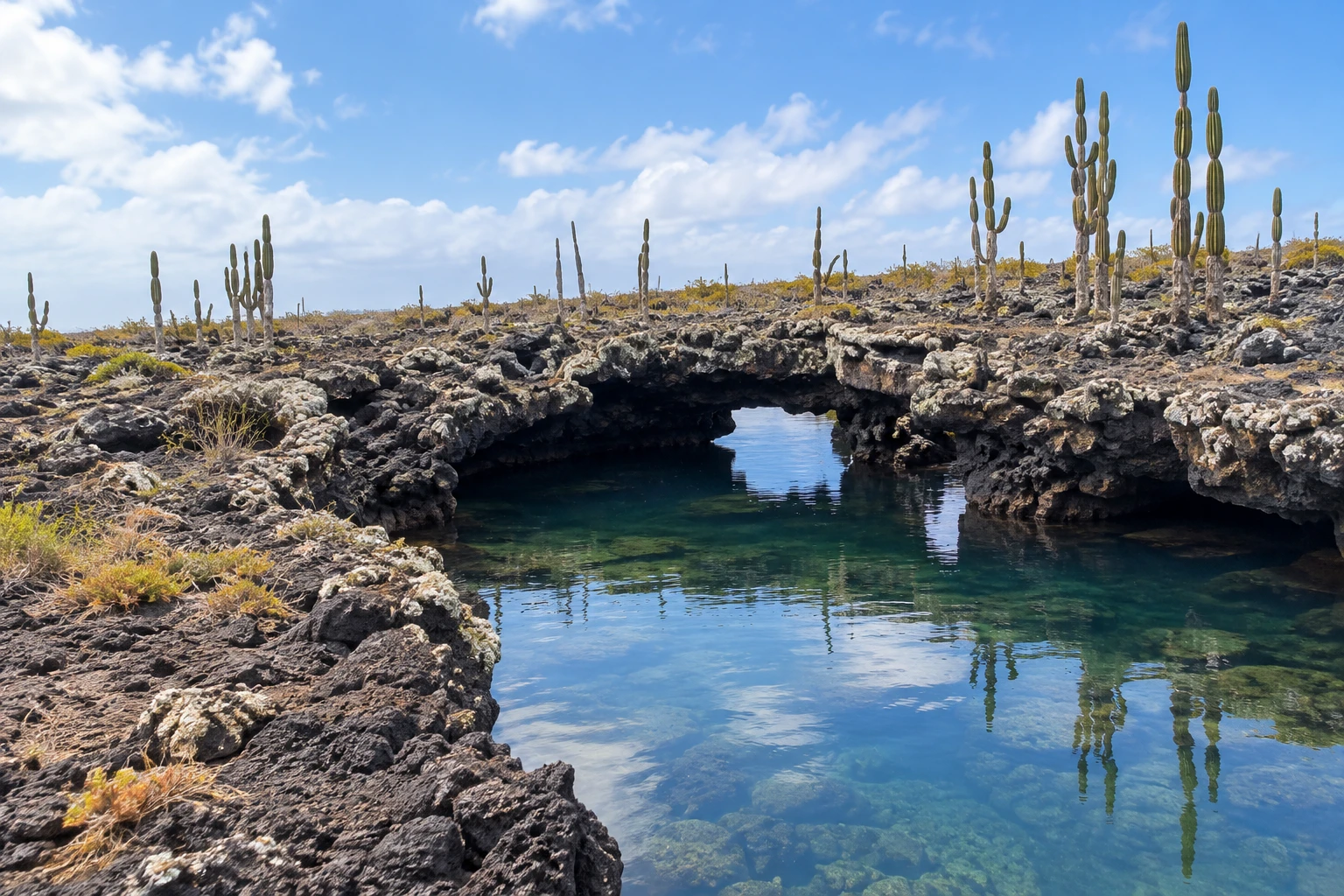
Lava arches and tunnels over the water at Cabo Rosa, on the south coast of Isabela, with blue-footed boobies, sea turtles and sharks, visited by boat with a guide.
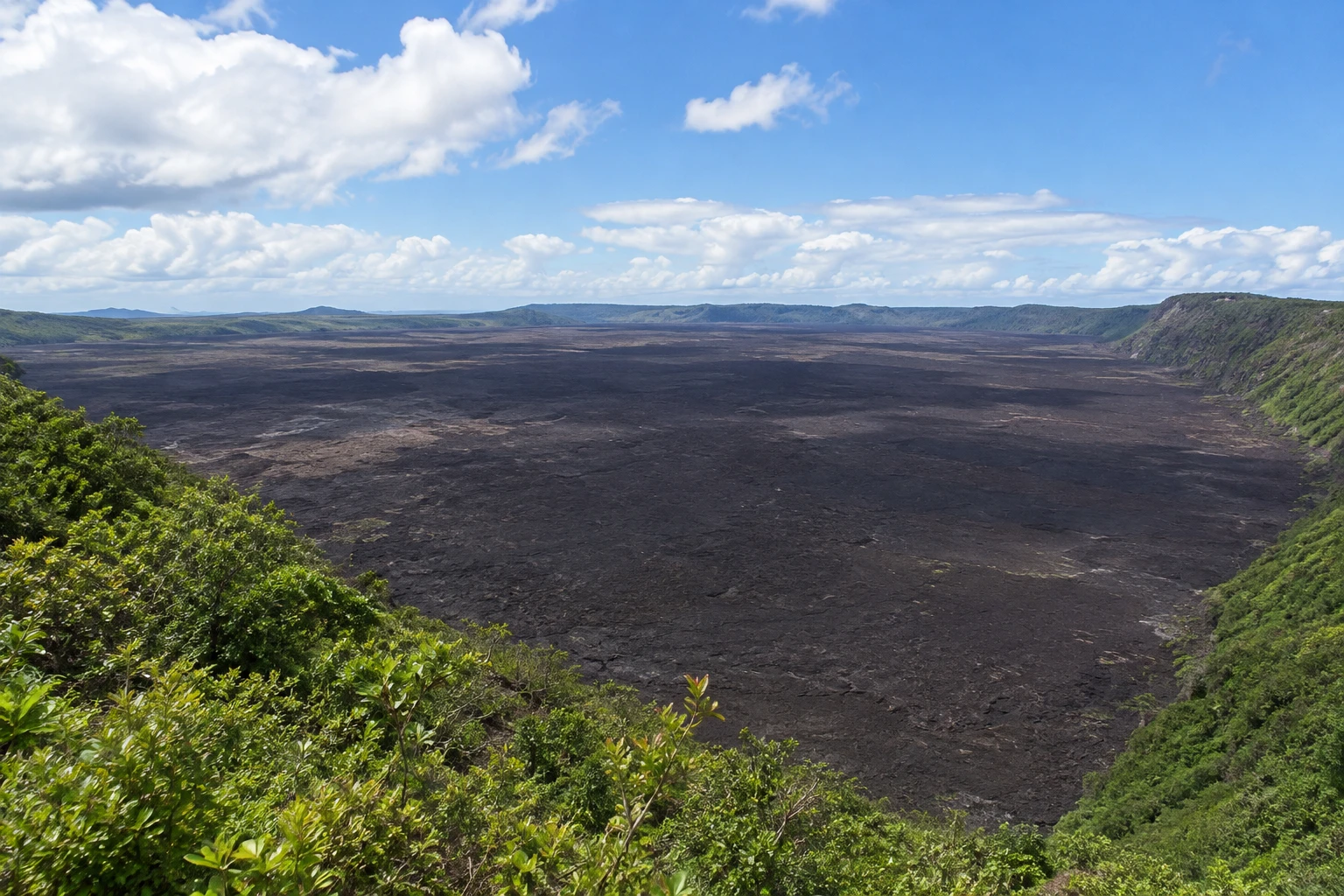
A 1,124-meter shield volcano in the southeast of Isabela, with one of the largest calderas in the Galápagos, visited on a guided walk along the rim and across lava fields.


 Brazil
 Antarctica
 Argentina
 Bolivia
 Chile
 Colombia
 Falkland Islands (Malvinas)
 French Guiana
 Guyana
 Paraguay
 Peru
 Suriname
 Uruguay
 Venezuela
 Austria
 Belgium
 Croatia
 Denmark
 Finland
 France
 Germany
 Greece
 Hungary
 Iceland
 Ireland
 Italy
 Luxembourg
 Norway
 Poland
 Portugal
 Slovakia
 Slovenia
 Spain
 Sweden
 Switzerland
 the Czech Republic
 the Netherlands
 the United Kingdom
 Turkey
 Bermuda
 Canada
 Greenland
 Mexico
 Saint Pierre and Miquelon
 the United States
 the Dominican Republic
 Japan
 Egypt
 South Africa
 Australia
 Fiji
 New Zealand
 Papua New Guinea