Los Roques

Dependências Federais · Venezuela

Los Roques

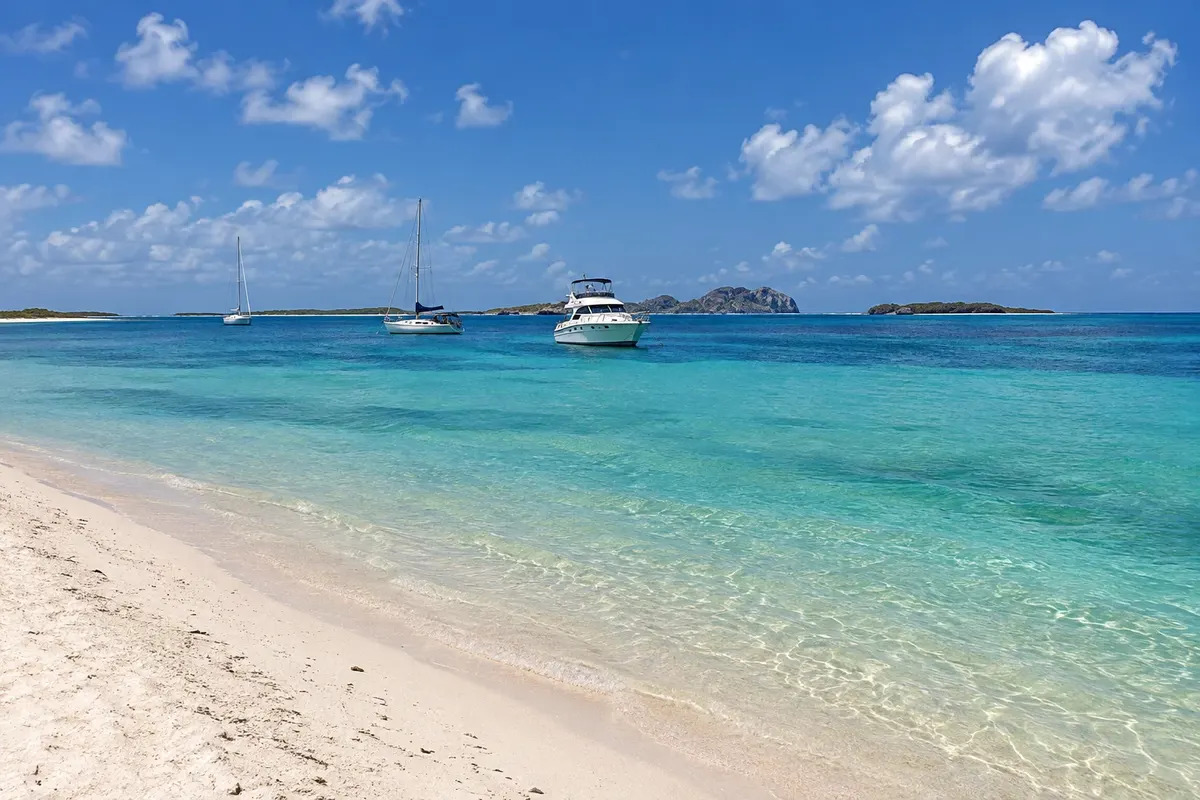
About 50 islands and nearly 300 white-sand cays in the Caribbean, inside a national park: the village of Gran Roque, the farol holandês and the boats to Francisquí, Madrisquí and Cayo de Agua.

Oriente e Ilhas

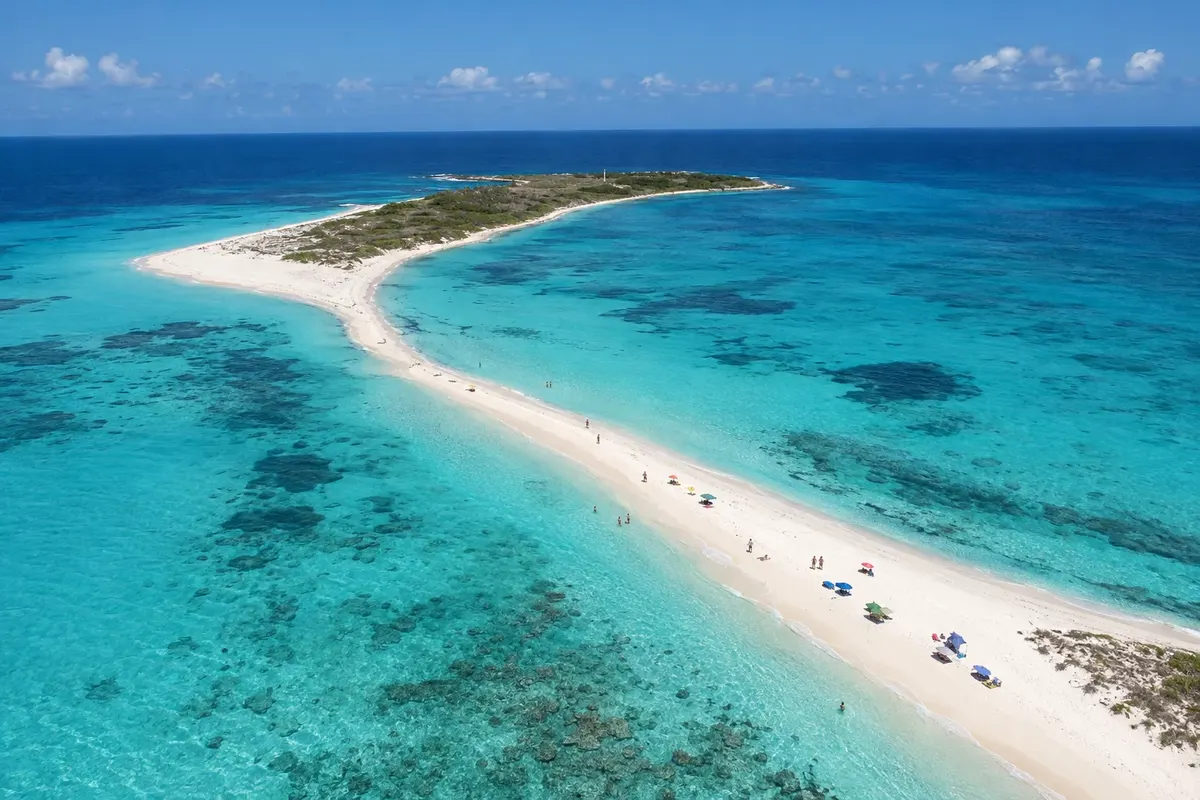
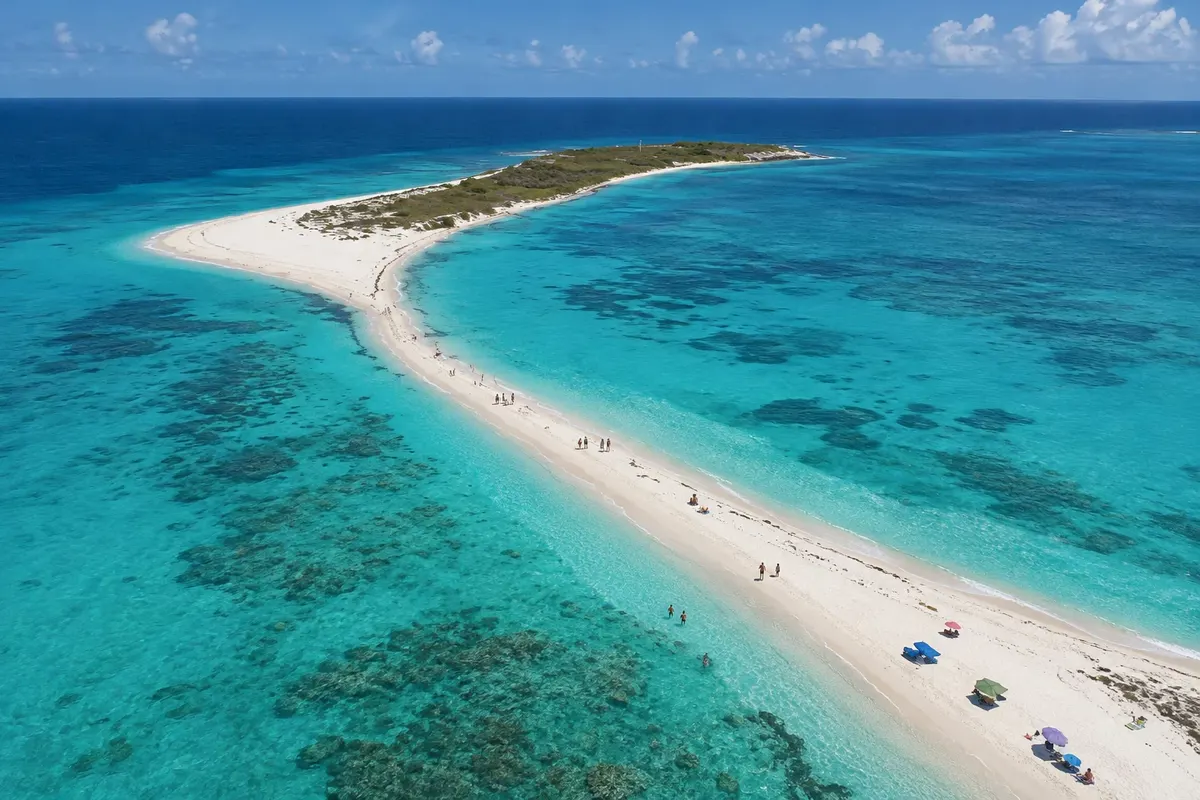
In the photo: Cayo de Agua

Illustrative images. The pictures in this guide are illustrations based on the real place, not photographs, and may differ from it.

Get it on Google Play Send your photos

Get to know the place

A region to enjoy
at your own pace.

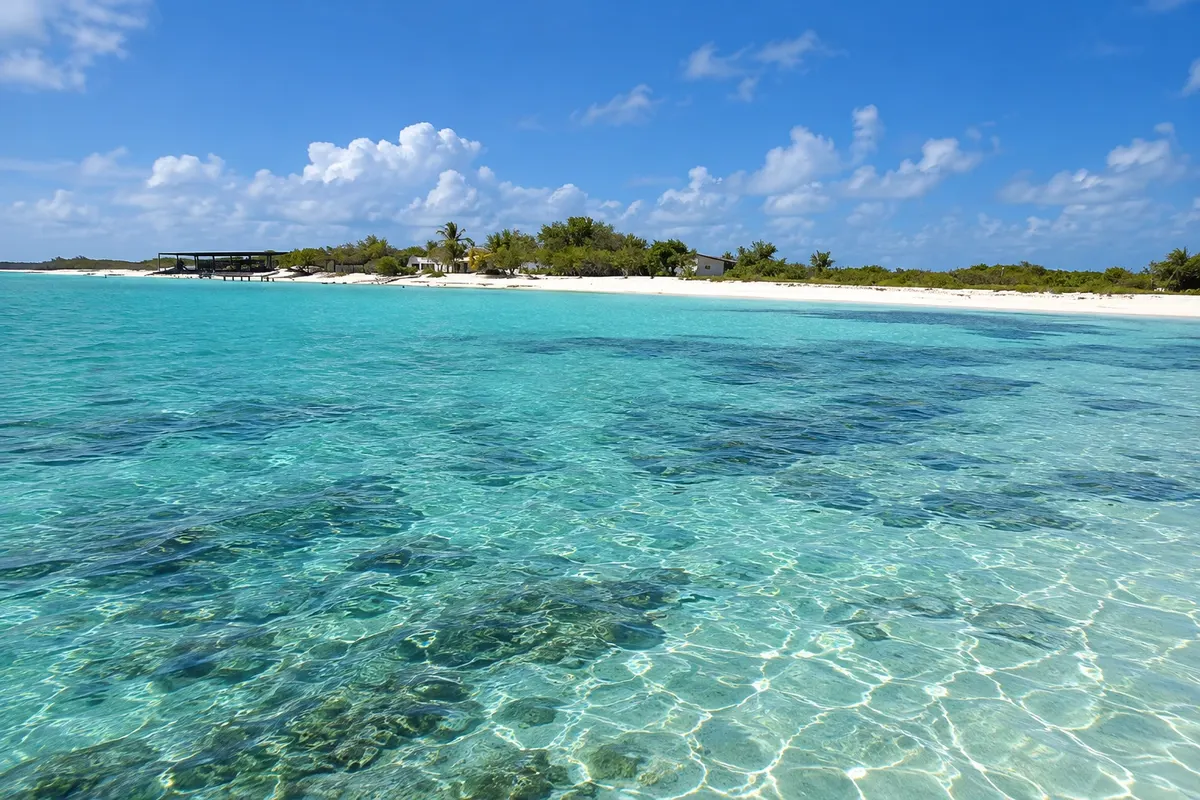
Los Roques is an archipelago in the Caribbean Sea, about 130 km off the coast, north of Caracas, made up of around 50 islands and nearly 300 cays and sandbanks, with coral reefs surrounding a large inner lagoon. Since 1972 it has been a national park, covering more than 220,000 hectares, almost all sea. The shallow water over the white sand gives the archipelago the shades of blue and green already visible from the airplane window.

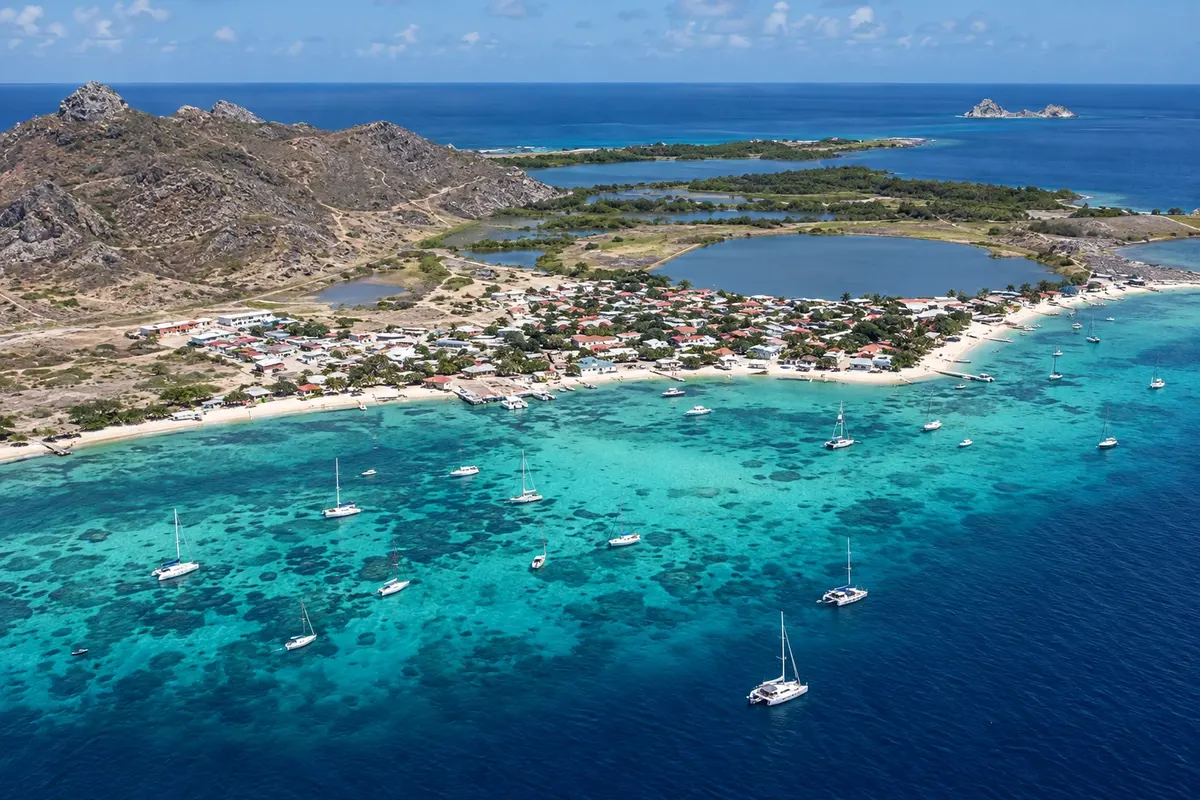
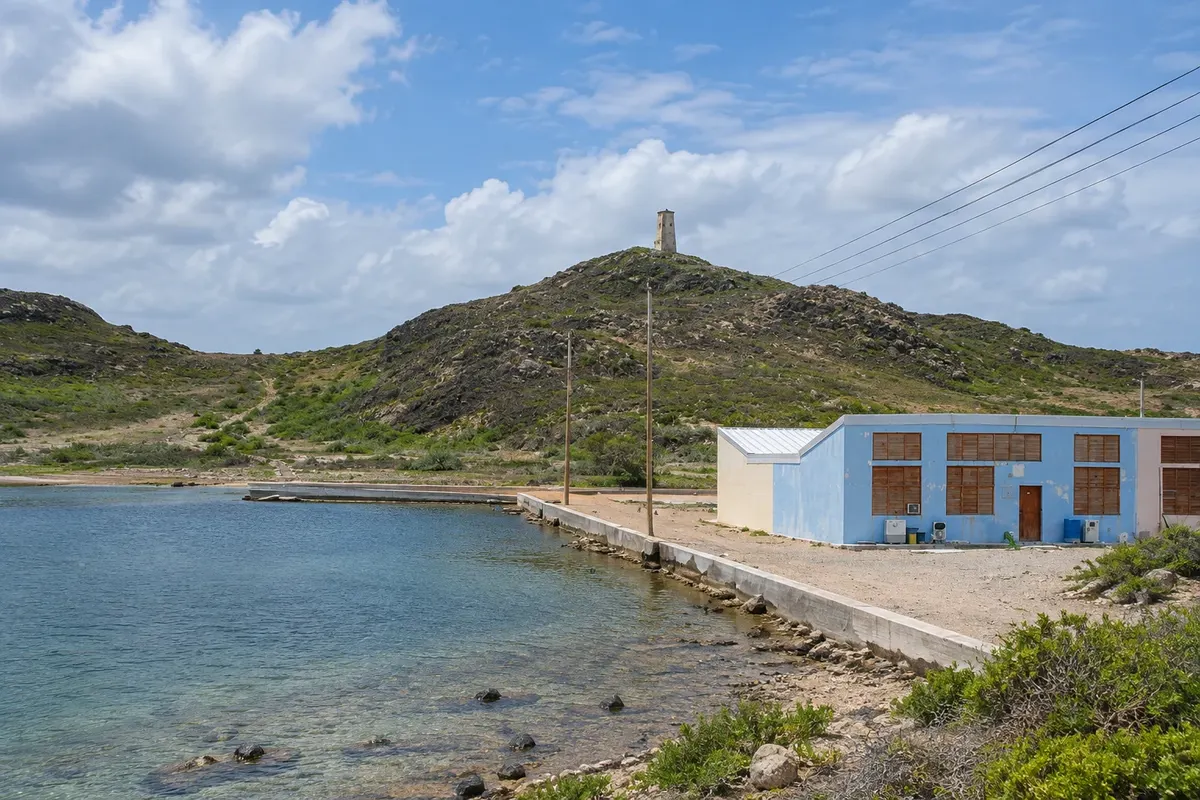
Gran Roque is the only island with a permanent village. It has sandy streets, colorful houses converted into guesthouses, a small square, the runway beside the beach and, on top of the hill, the Faro Holandés, a lighthouse from the late 19th century from where you can see the village and the surrounding cays. There are no cars circulating: everything is done on foot, and trips depart by boat from the village pier.

Boats take visitors to nearby cays, such as Madrisquí, a few minutes away, connected to Cayo Pirata by a sandbar, and Francisquí, a set of three cays with a natural pool protected by the reef. Further away, at about an hour, is Cayo de Agua, with the sand spit that links two cays and is the archipelago's best-known image. Snorkeling on the reefs, fly fishing and kitesurfing round out the days.

There is a national park entrance fee, charged on arrival; check before traveling.

This destination brings together 1 city: Gran Roque.

Share: WhatsApp
Traveler, share your experiences through photos Up to 5 photos of each place you visited.

One destination, many paths

The cities on this trip

Start with one city or combine several in your itinerary.

Where Los Roques is
Gran Roque

Contornos: INE da Venezuela e OCHA, via geoBoundaries (CC BY 3.0 IGO). Adaptação do Cidade Turismo.

How to get there: Los Roques

✈ Aeropuerto de Los Roques (LRV) · 1 km to Gran Roque

Check before buying. Flights to Los Roques depart from Maiquetía, next to Caracas's international airport, in small planes, and take about 40 minutes to the Gran Roque runway. There is a baggage limit on these flights; confirm in advance.

The local experience

Things to do in Los Roques

Faro Holandés
Gran Roque · Dependências Federais · Lighthouse

Faro Holandés

The late-19th-century lighthouse atop the hill of Gran Roque, now decommissioned. The walk up takes less than 30 minutes and gives views over the village, the airstrip and the cayos of Los Roques against the blue sea.

Cayo Madrisquí
Gran Roque · Dependências Federais · Island

Cayo Madrisquí

The cay closest to Gran Roque, a few minutes by boat, with white sand beaches and shallow water. A narrow sandbar connects it to Cayo Pirata, which can be reached on foot.

Cayos Francisquí
Gran Roque · Dependências Federais · Island

Cayos Francisquí

A group of three cayos northeast of Gran Roque, Francisquí de Arriba, del Medio e de Abajo, with white sand beaches, a natural pool protected by the reef and shallow corals for snorkeling.

Cayo de Agua
Gran Roque · Dependências Federais · Island

Cayo de Agua

Cayo at the western end of Los Roques, about an hour by boat from Gran Roque, known for the white sand spit that crosses the shallow water and connects two cayos. The name comes from the island's freshwater wells.

Before you go

Practical information

A little planning leaves more time to enjoy the journey.

When to go

Los Roques has a warm, dry climate year‑round, with temperatures around 28 °C and little rain. From January to May the trade winds usually blow stronger, which appeals to kitesurfers. From July to October the sea is generally calmer for snorkeling and boat trips to more distant cays. Venezuelan holidays, like Carnival and Holy Week, fill the guesthouses.

The seasons shown are the most usual ones; nature doesn't always follow the calendar.

How many days to stay

Three days and two nights are enough to see Gran Roque, climb to the lighthouse and visit two or three cays, such as Madrisquí, Francisquí and Cayo de Agua. With four or five days you'll have time for snorkeling, relaxation and more distant cays.

Which city to stay in

All accommodations are on Gran Roque, the only island with a village. They are guesthouses in colorful houses on sandy streets, almost always with breakfast and dinner included and often with the day's boat trip and lunch on the cay. The seafront guesthouses are near the pier; those in the village center are quieter.

Respect the place

Take your trash with you, follow the signs and support local businesses. In natural areas, follow the visiting guidelines.

Get your questions answered

Frequently asked questions about Los Roques

How do you get to Los Roques?

By small plane from Maiquetía, next to Caracas's international airport, in about 40 minutes. There is a baggage limit on these flights, and many guesthouses sell the flight together with the accommodation.

How many days to stay in Los Roques?

Three days and two nights for the village, the lighthouse and two or three cays. With four or five days you can include the more distant cays and have rest days.

Where are the guesthouses?

All on Gran Roque, the only island with a village. The other cays are visited by boat during the day.

Do I need a car in Los Roques?

No. Gran Roque has no cars circulating: the village is explored on foot along the sandy streets, and the cays are reached by boat.

Is there a fee to enter the national park?

Yes, Los Roques is a national park and charges an entrance fee on arrival. Rules and fees change; check before traveling.

What's the best time to go?

The climate is dry and warm year‑round. From January to May the wind tends to be stronger, good for kitesurfing; from July to October the sea is usually calmer for snorkeling.

Explore other destinations Search by state and city
Back