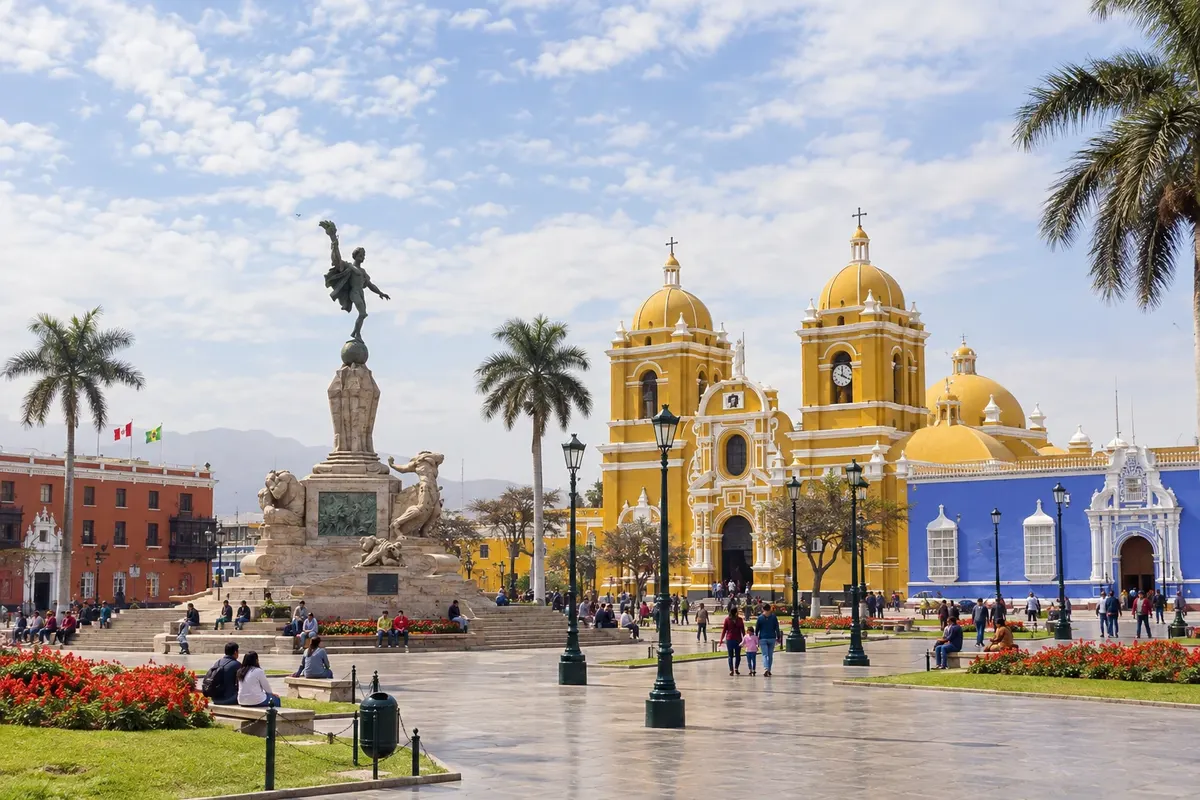
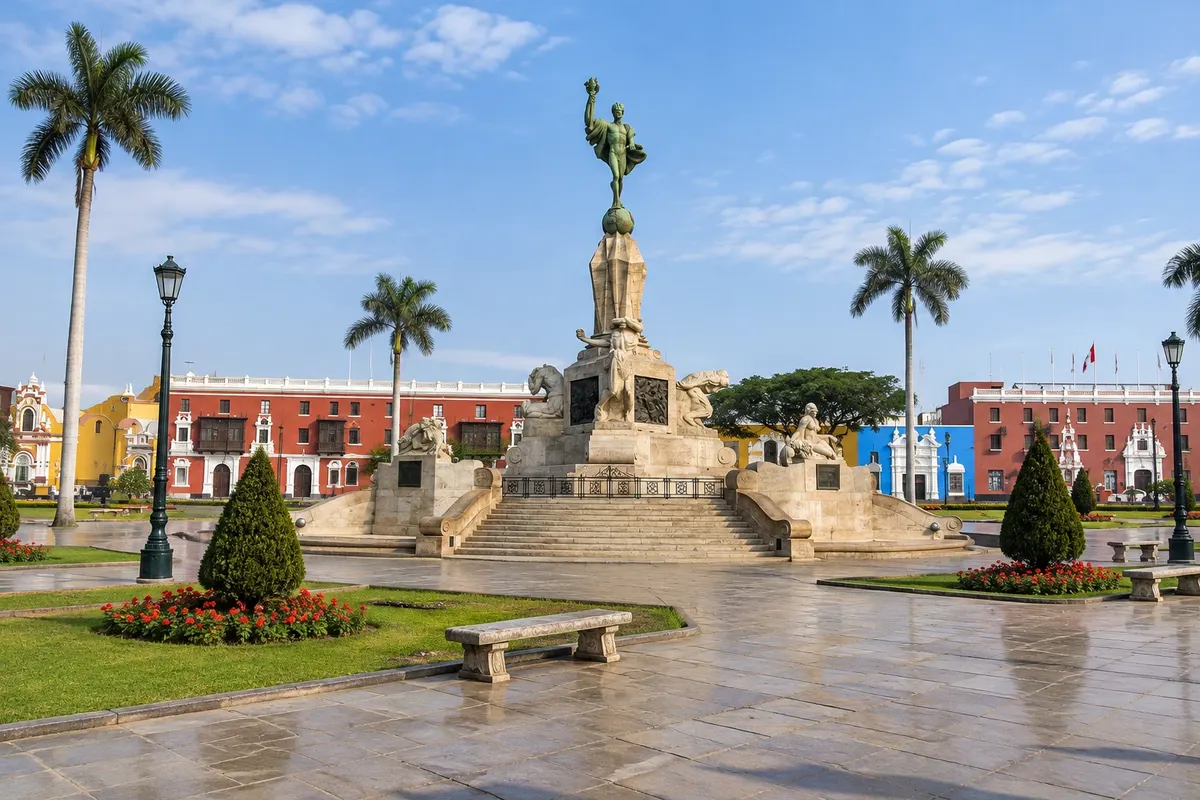
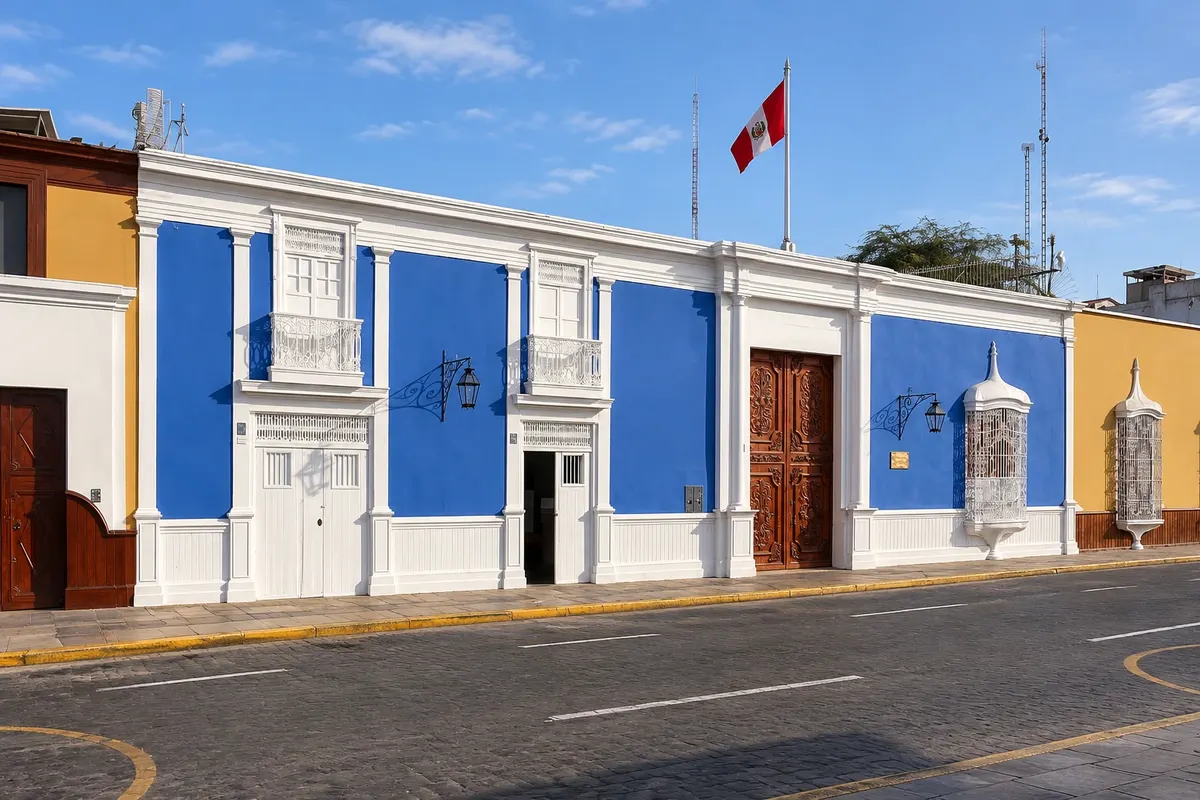
Trujillo lies on the north coast of Peru, in the valley of the Moche River, about 560 km from Lima. It was founded by the Spanish in 1534, near the old chimú capital, and today is the capital of the La Libertad region and one of the country’s largest cities. The historic center around the Plaza de Armas has the Cathedral, churches and colonial mansions with iron grilles on the windows, such as Casa Urquiaga. The city presents itself as the capital of the marinera, the scarf dance of northern Peru, and of the Peruvian paso horse.
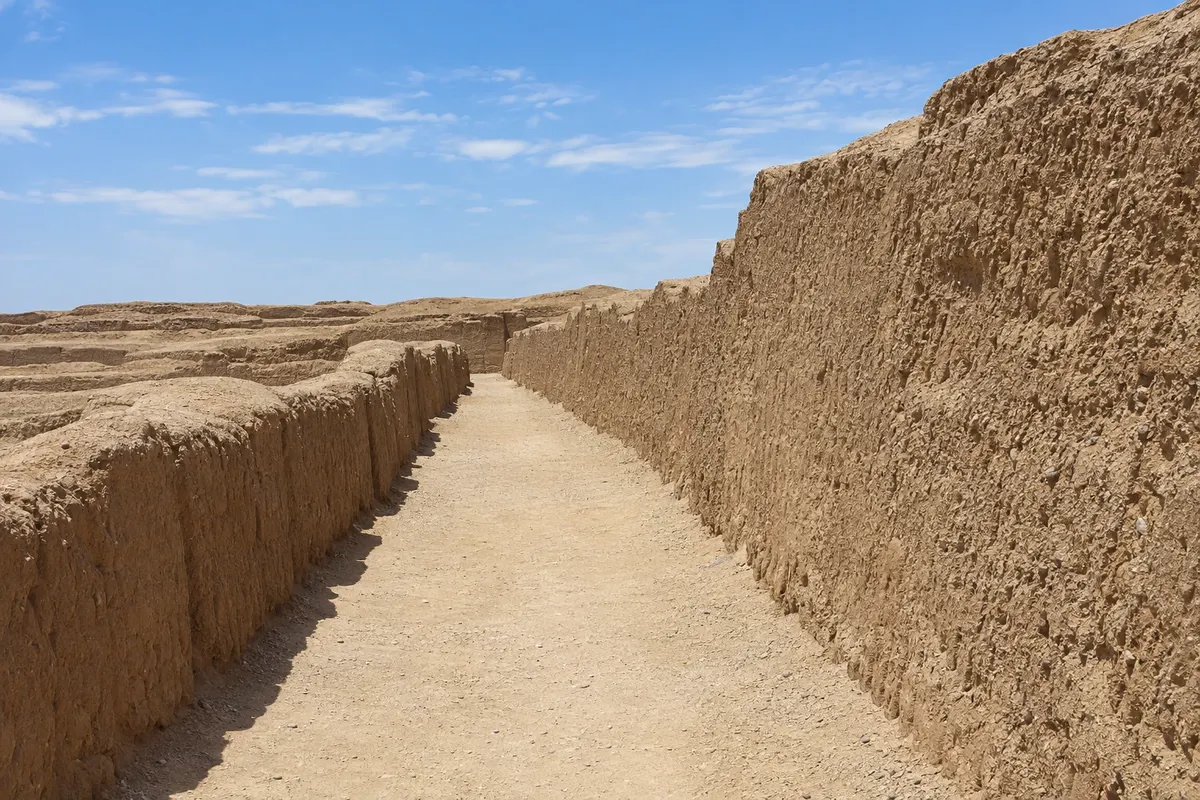
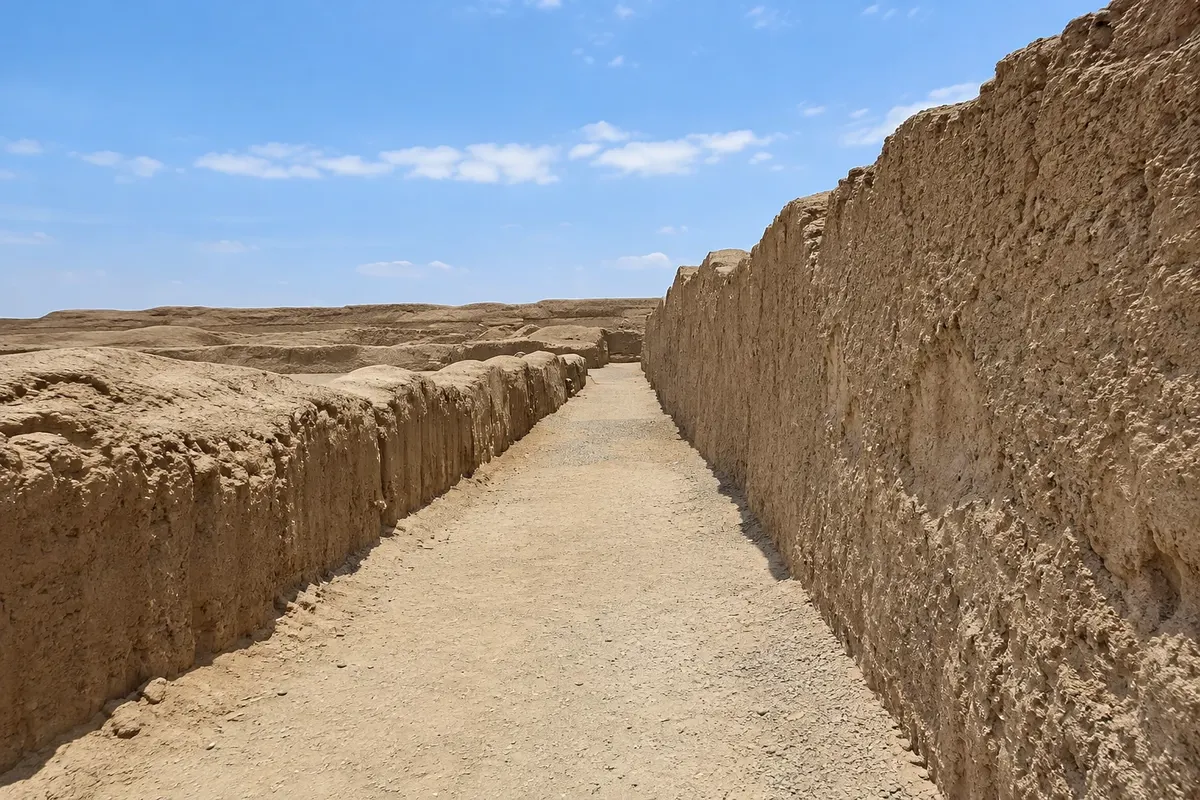
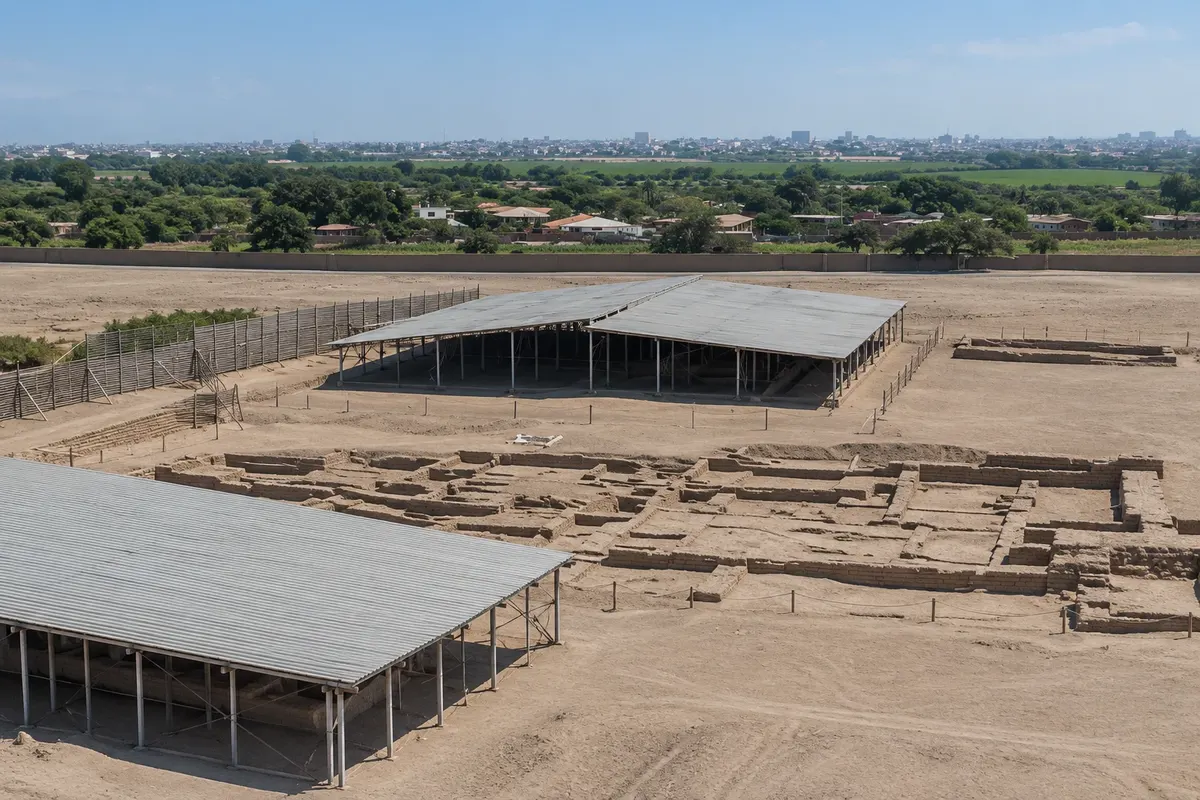
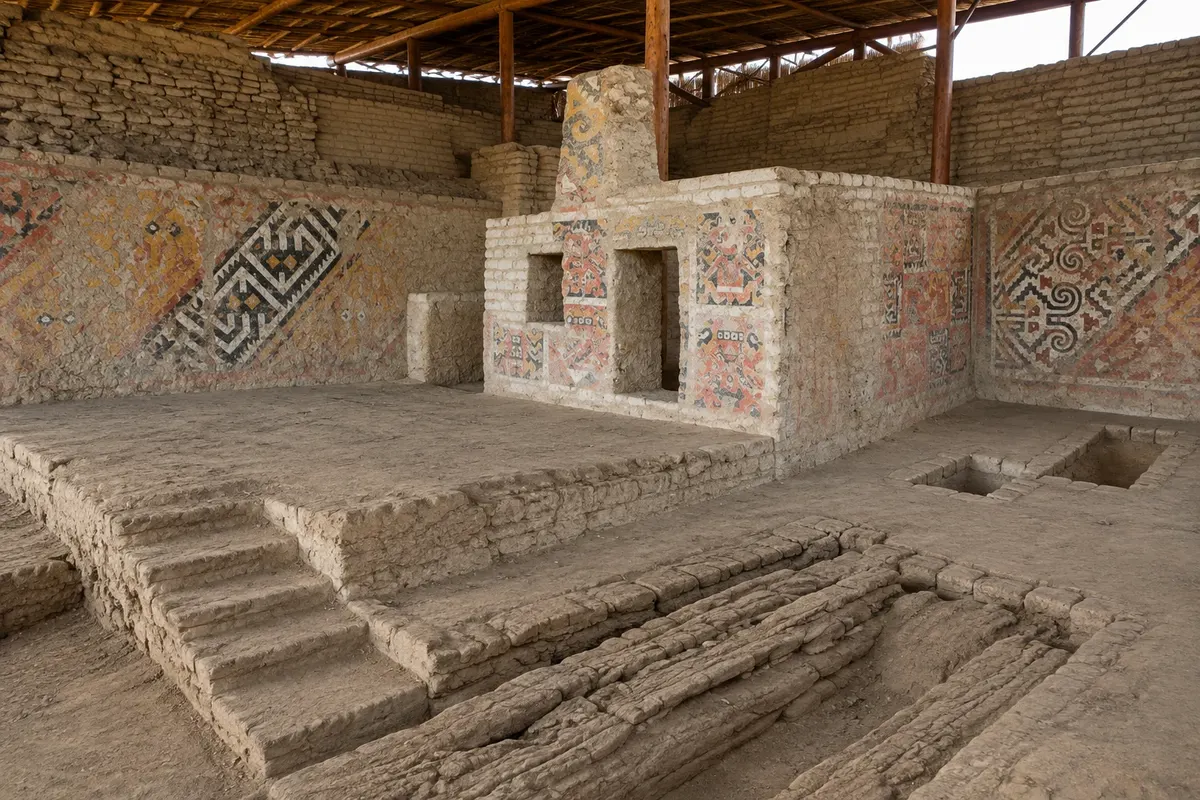
Before the Spanish, the valley was the center of two major cultures. The Moche built, between the 1st and 9th centuries, the Huacas del Sol y de la Luna, adobe pyramids with colorful murals. The chimú later raised Chan Chan, an adobe city of about 20 km², capital of the Chimor kingdom until the Inca conquest in the 15th century, now a UNESCO World Heritage Site. The Huaca Arco Iris, with mud friezes, is also chimú. To the north, in the Chicama valley, the El Brujo complex houses the tomb of the Señora de Cao, a Moche ruler.
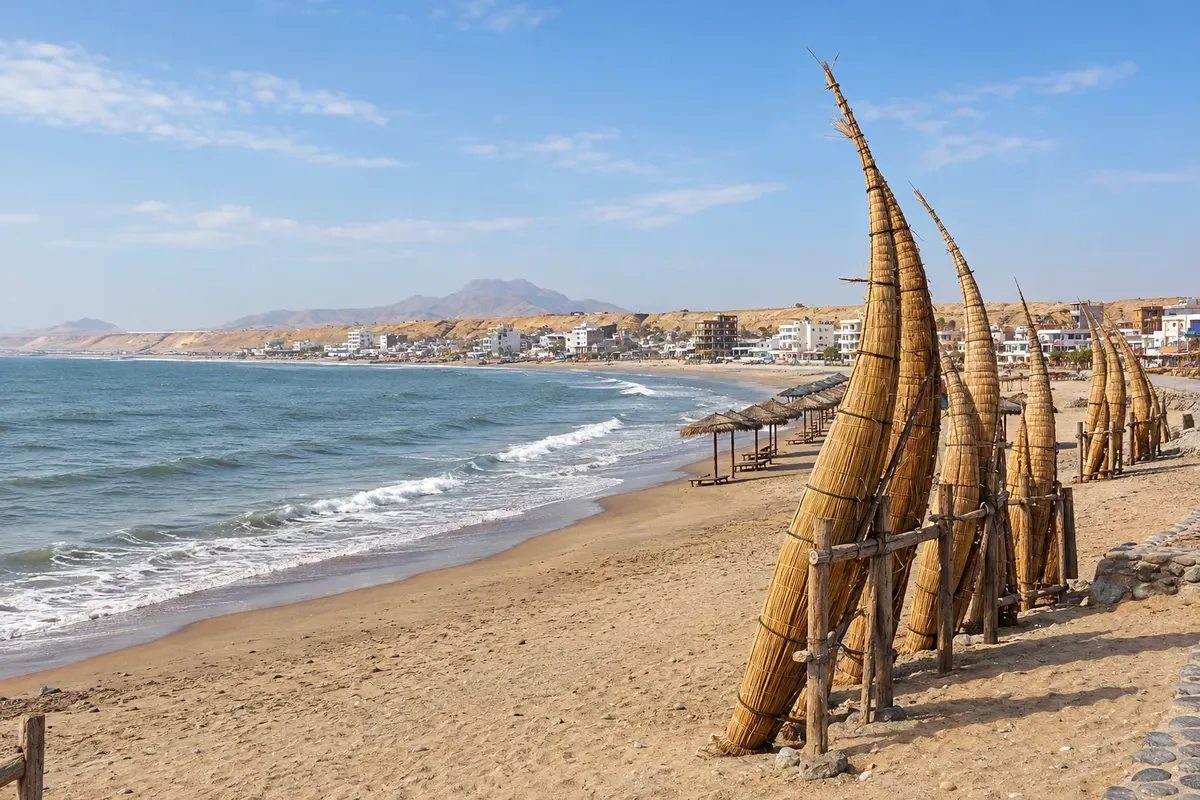
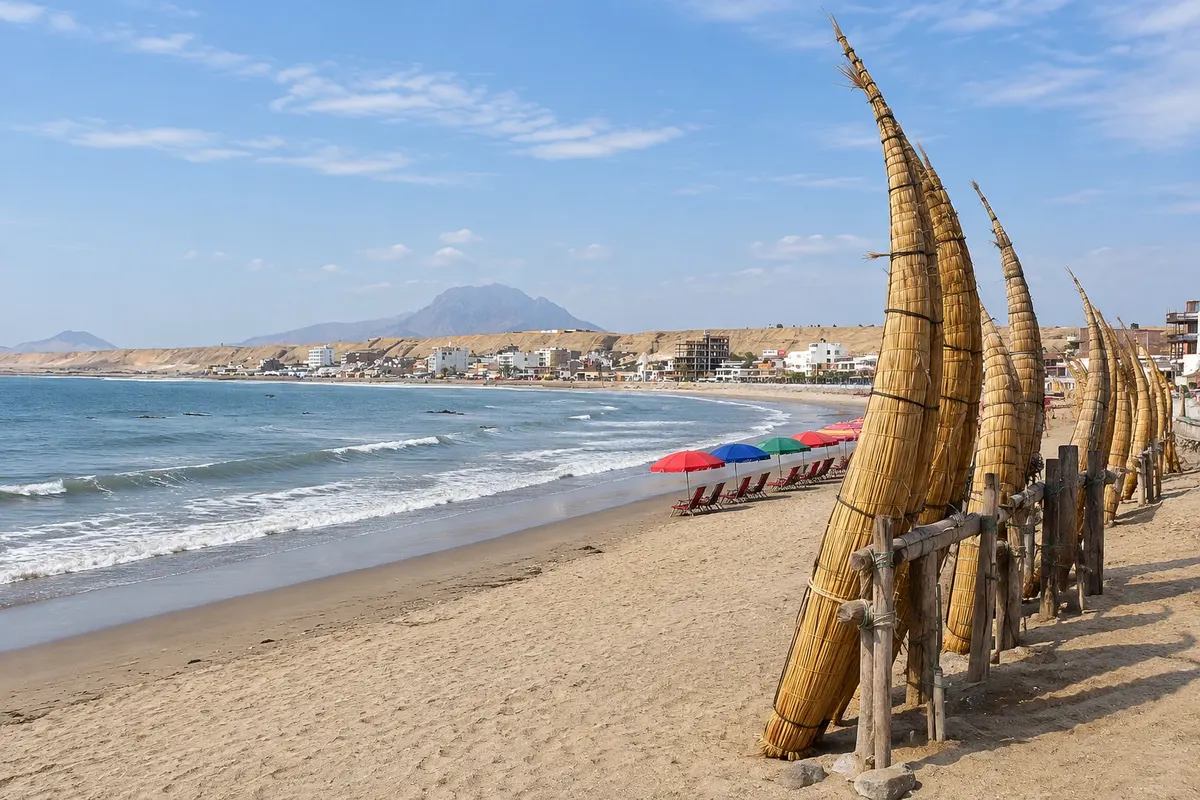
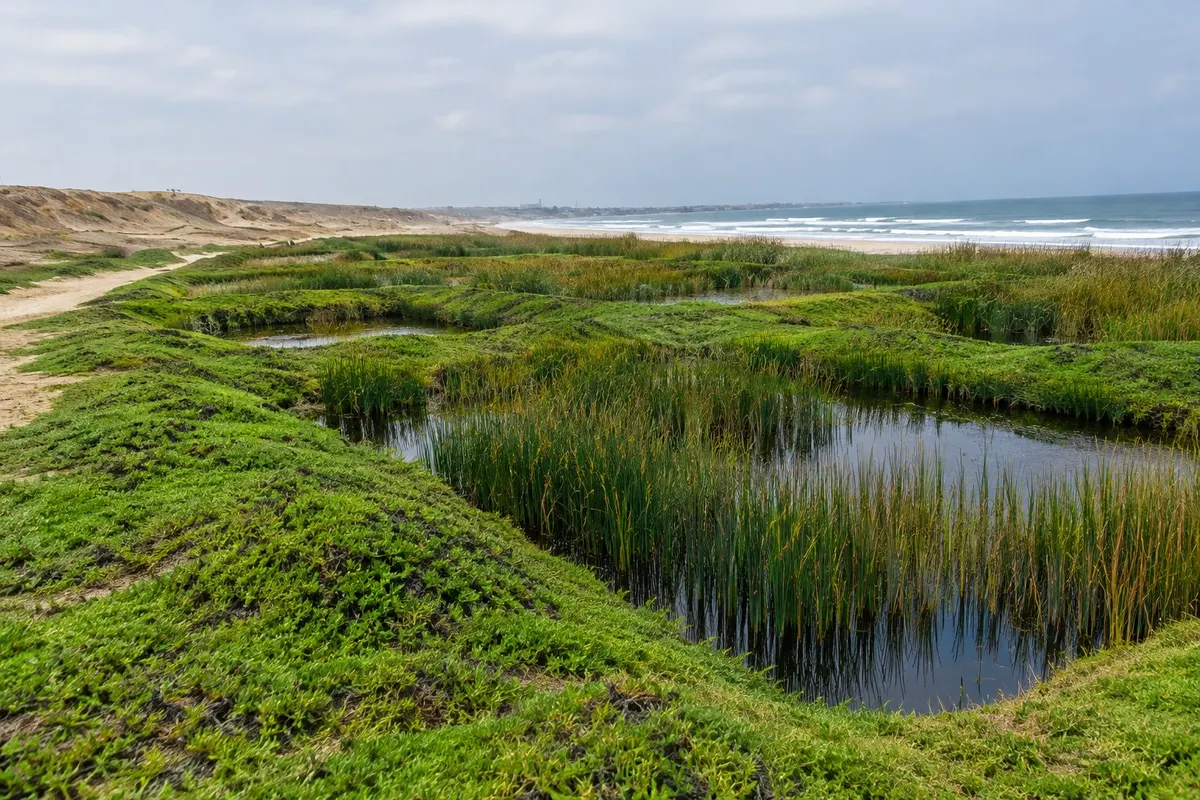
Fourteen kilometers from the center is Huanchaco, the seaside resort that served as Chan Chan’s port. Fishermen still go out to sea in caballitos de totora, reed craft used since the Moche, and the beach is known for its surf waves and for ceviche.
This destination brings together 2 cities: Trujillo, Huanchaco.


 Brazil
 Argentina
 Bolivia
 Chile
Chile Colombia
 Ecuador
 Guyana
 French Guiana
 Falkland Islands (Malvinas)
 Paraguay
 Suriname
 Uruguay
 Venezuela
 Germany
 Belgium
 Spain
Spain France
 Greece
 the Netherlands
 Ireland
 Italy
Italy Luxembourg
 Portugal
 the United Kingdom
 Switzerland