South of Lima, Peru's coast becomes a desert of sand and rock between the Pacific and the Andes, cut by river valleys that descend from the range. In that strip, along the Panamericana Sur road, are three stops many travelers visit in sequence, by bus or car, between Lima and Arequipa: Paracas, Ica and Nazca, all in the department of Ica.
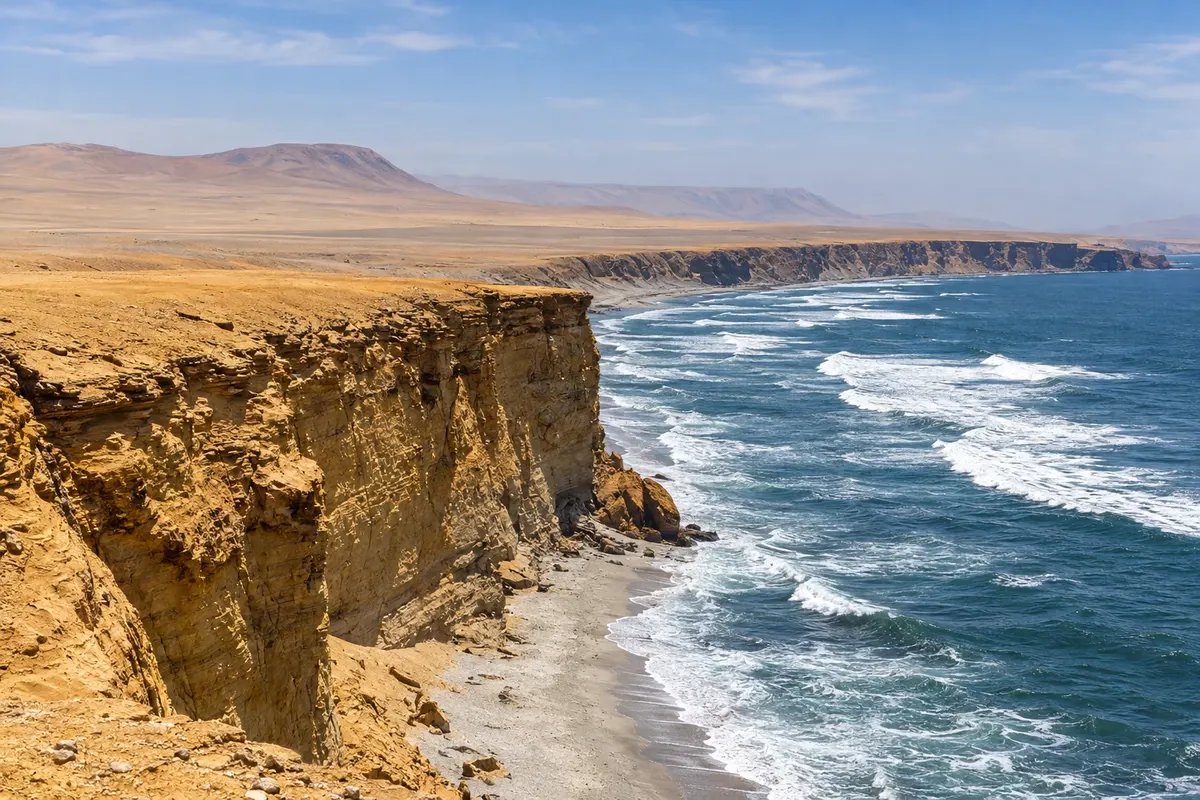
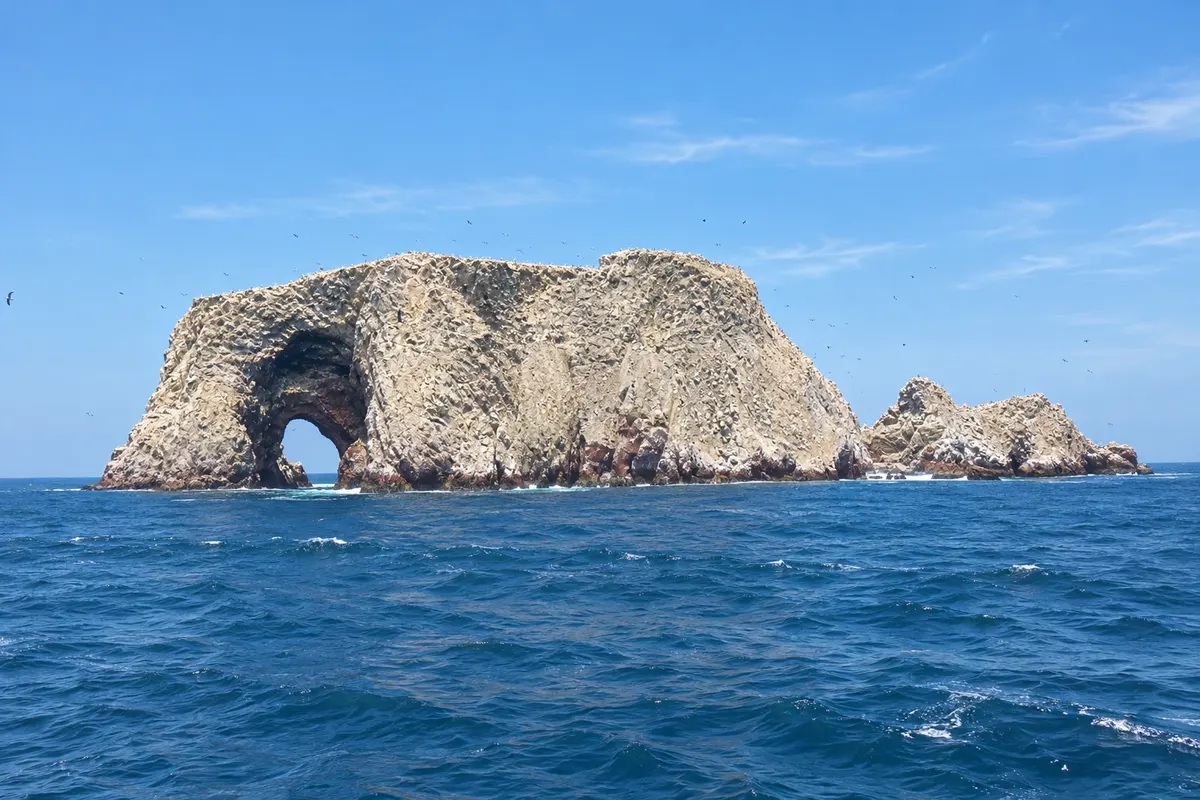
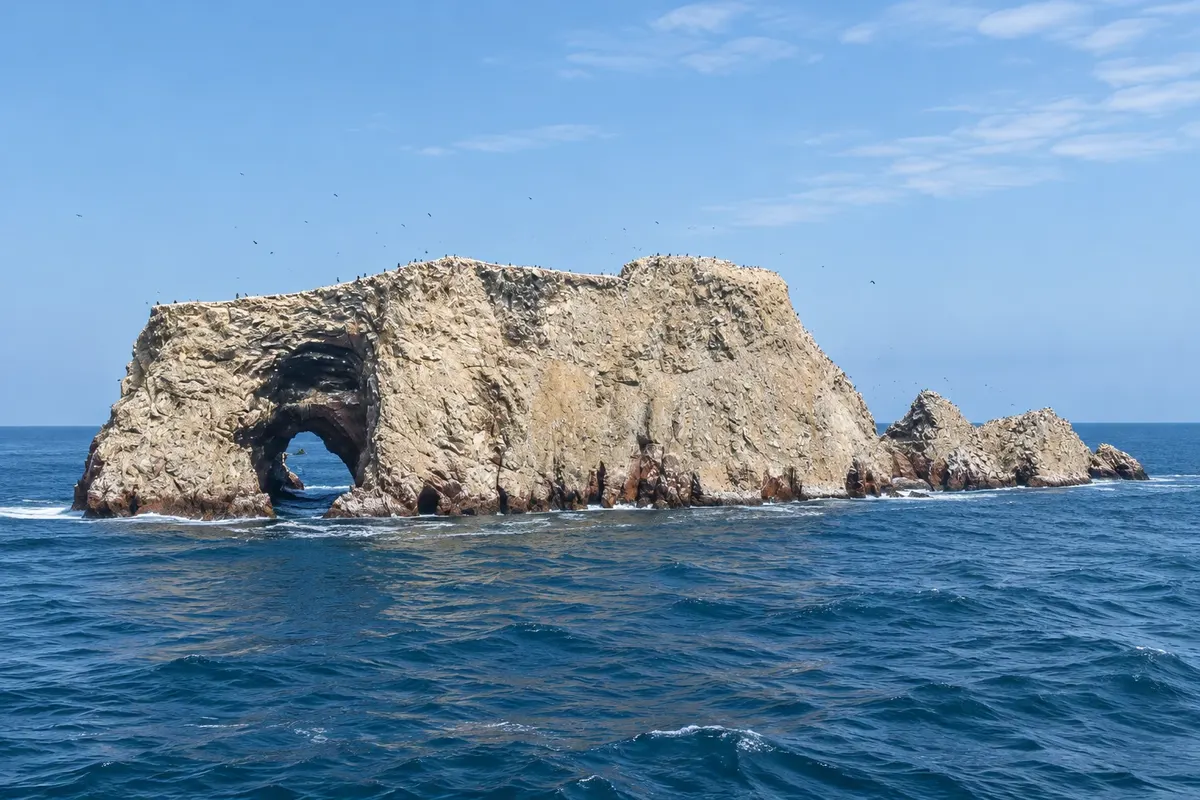
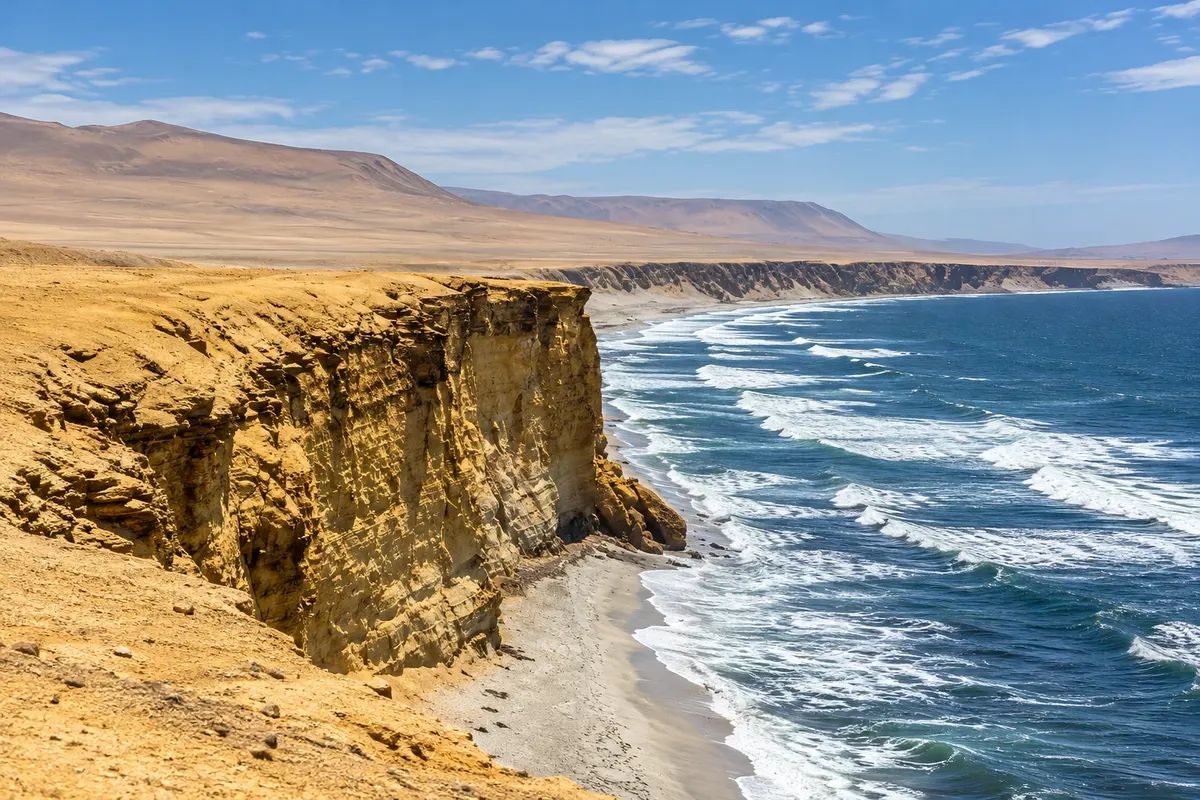
Paracas, about 250 km from Lima, is a fishing village with hotels along the bay, at the entrance to the Reserva Nacional de Paracas, which protects a desert peninsula of cliffs and reddish-sand beaches and a sea rich in fish and birds. Boats depart from there to the Ilhas Ballestas, with colonies of sea lions, Humboldt penguins and seabirds, passing the Candelabro, a geoglyph carved on the slope. The Paracas culture, which lived there more than 2,000 years ago, left embroidered mantles that are among the best-known textiles of ancient America.
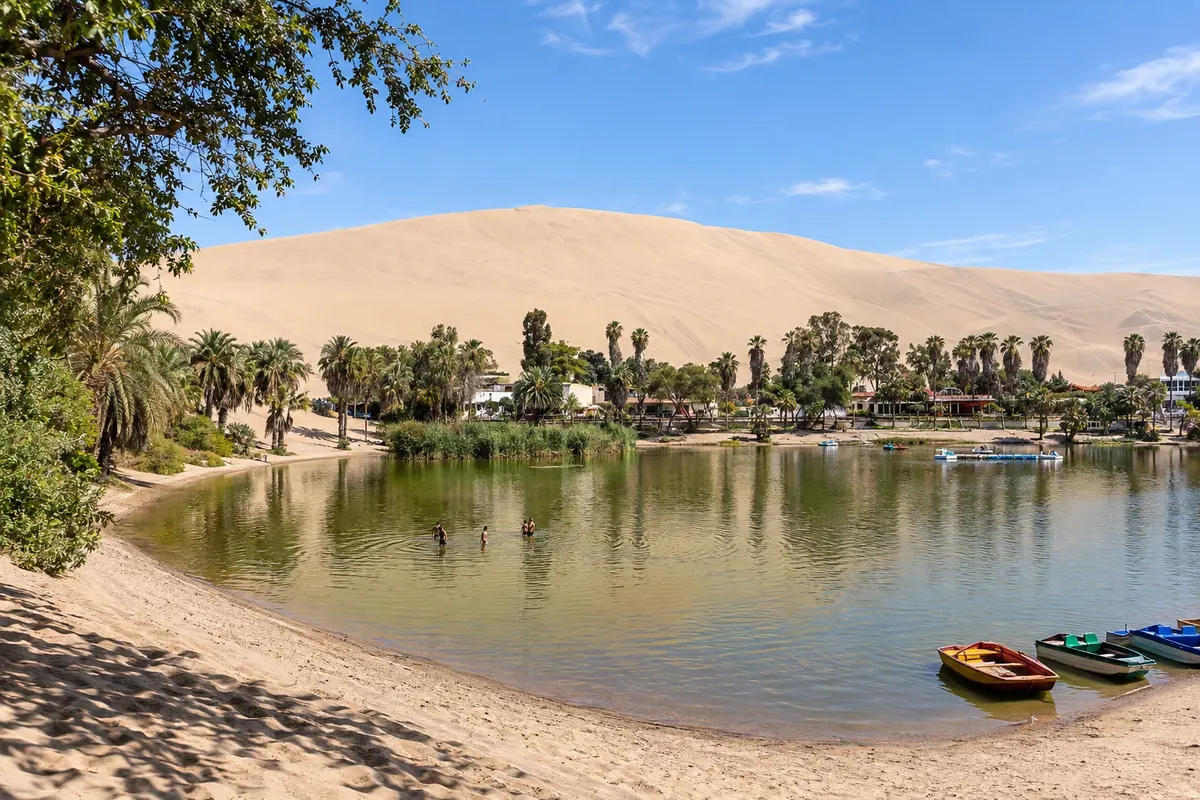
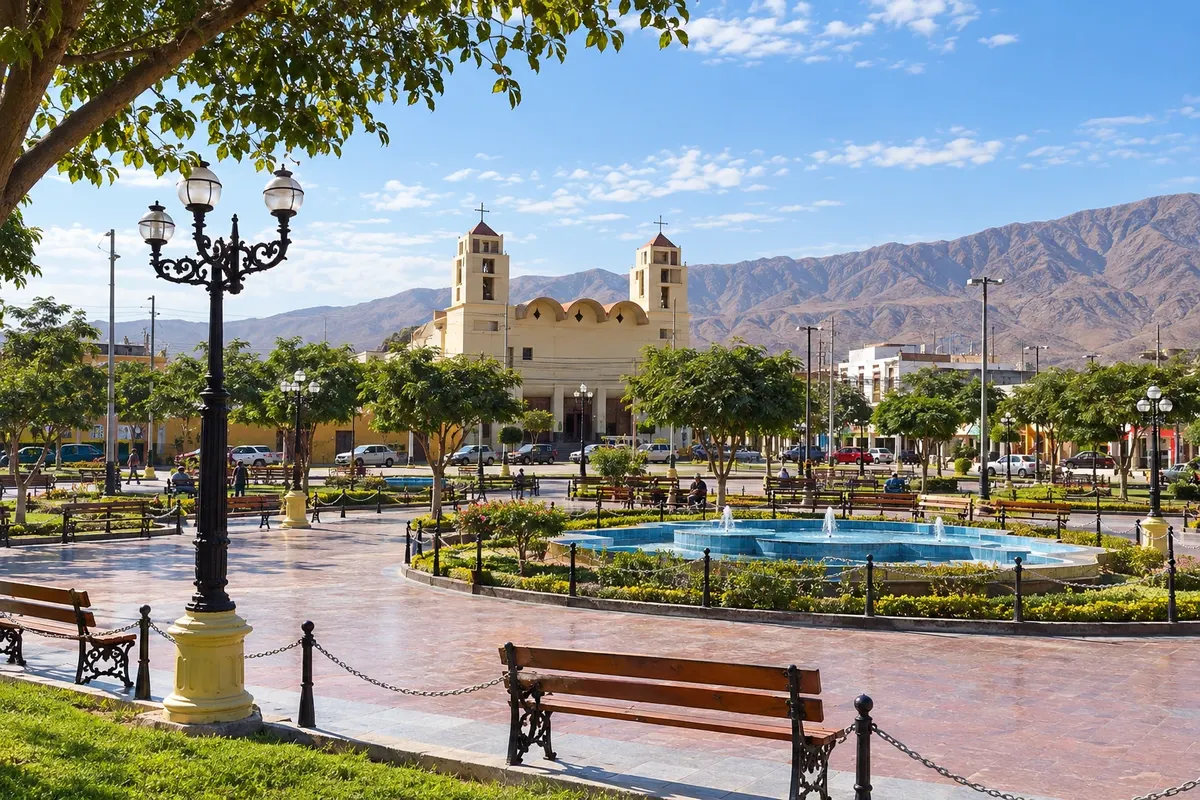
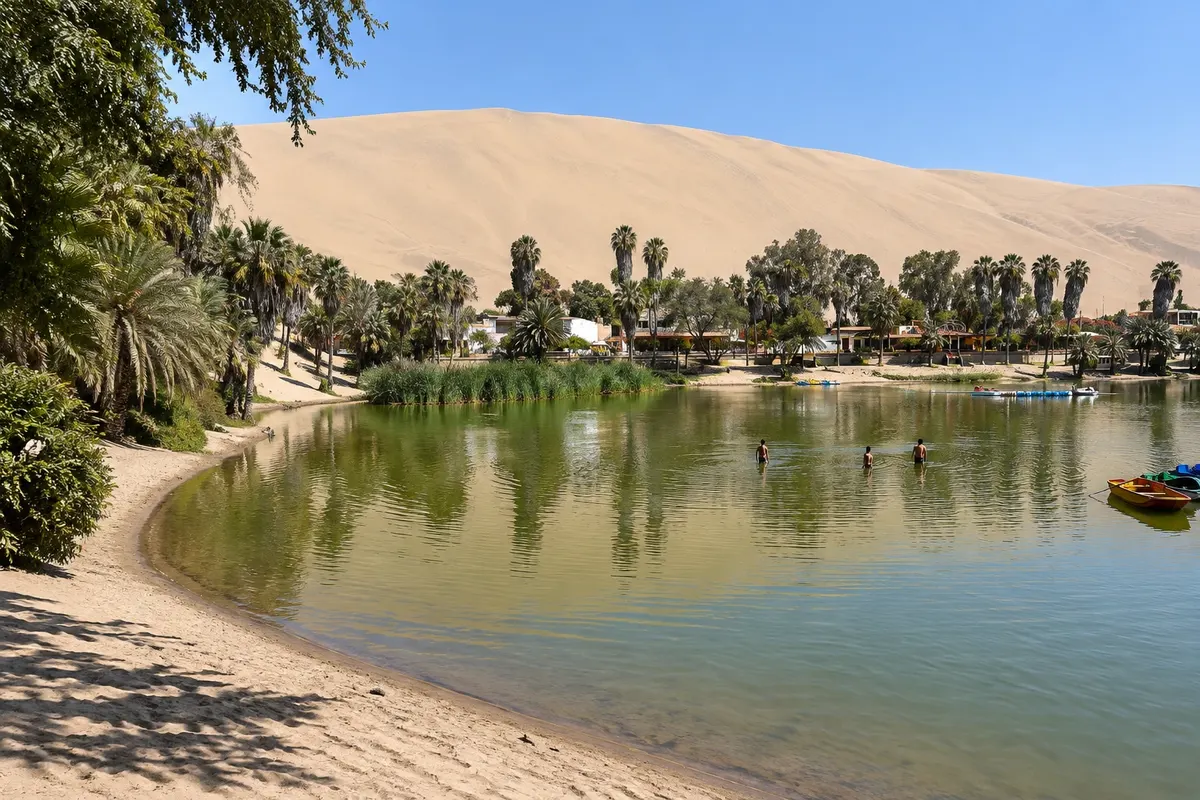
Ica, 75 km from Paracas, is the departmental capital and the center of the valley where Peruvian pisco and wine are produced, in bodegas that welcome visitors. Five km from the center lies Huacachina, an oasis with a lagoon surrounded by high dunes, where buggy rides and sandboarding are popular. The Museo Regional de Ica houses pieces of the Paracas and Nazca cultures.
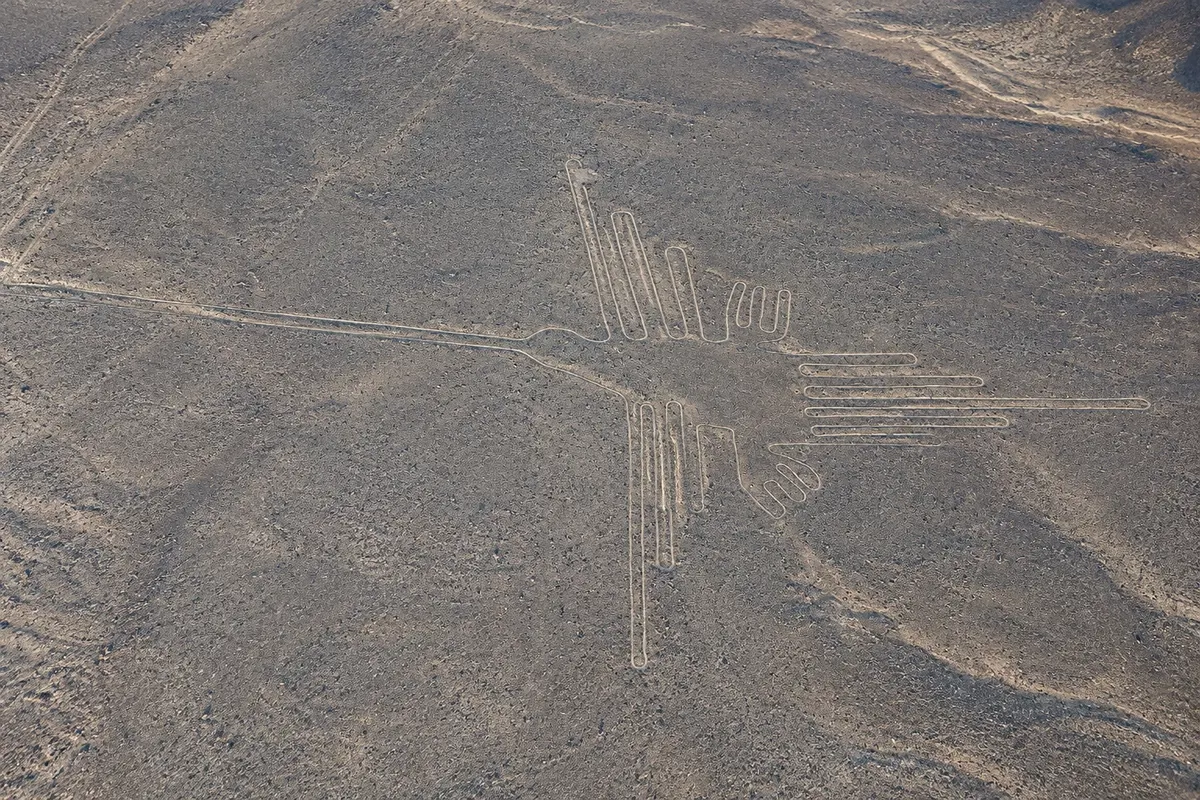
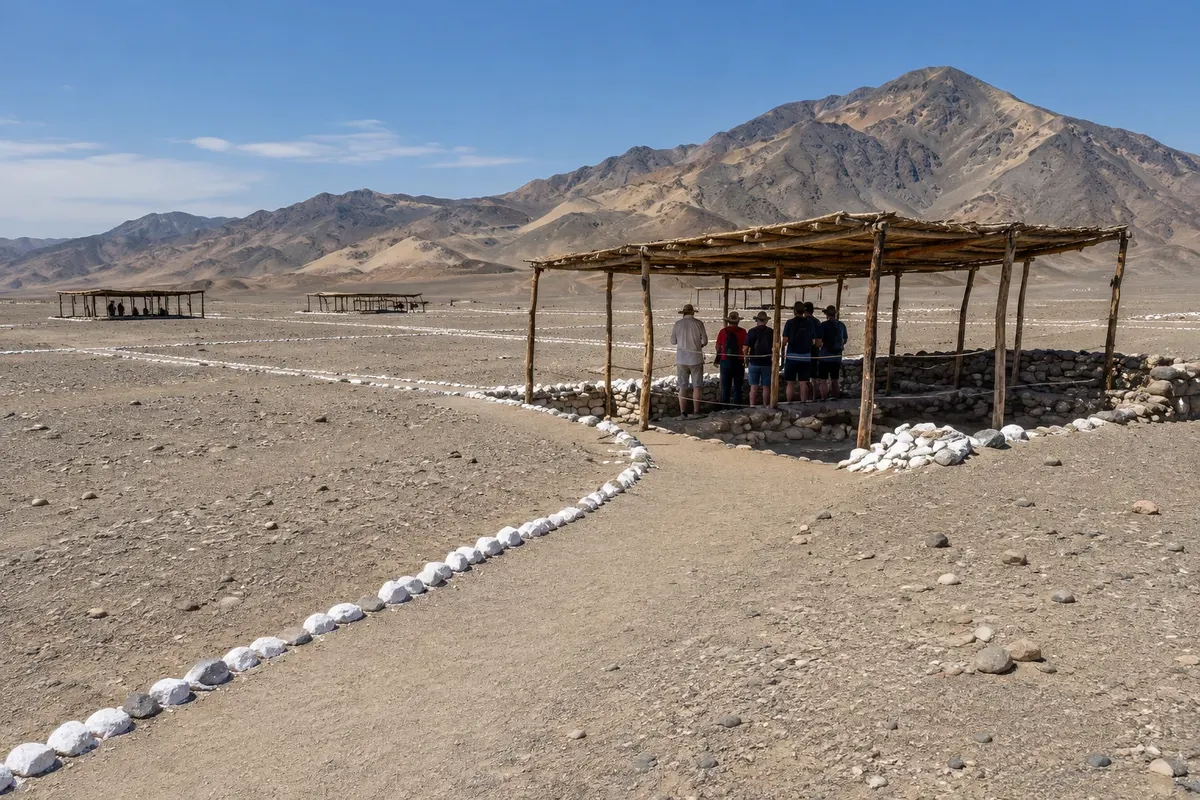
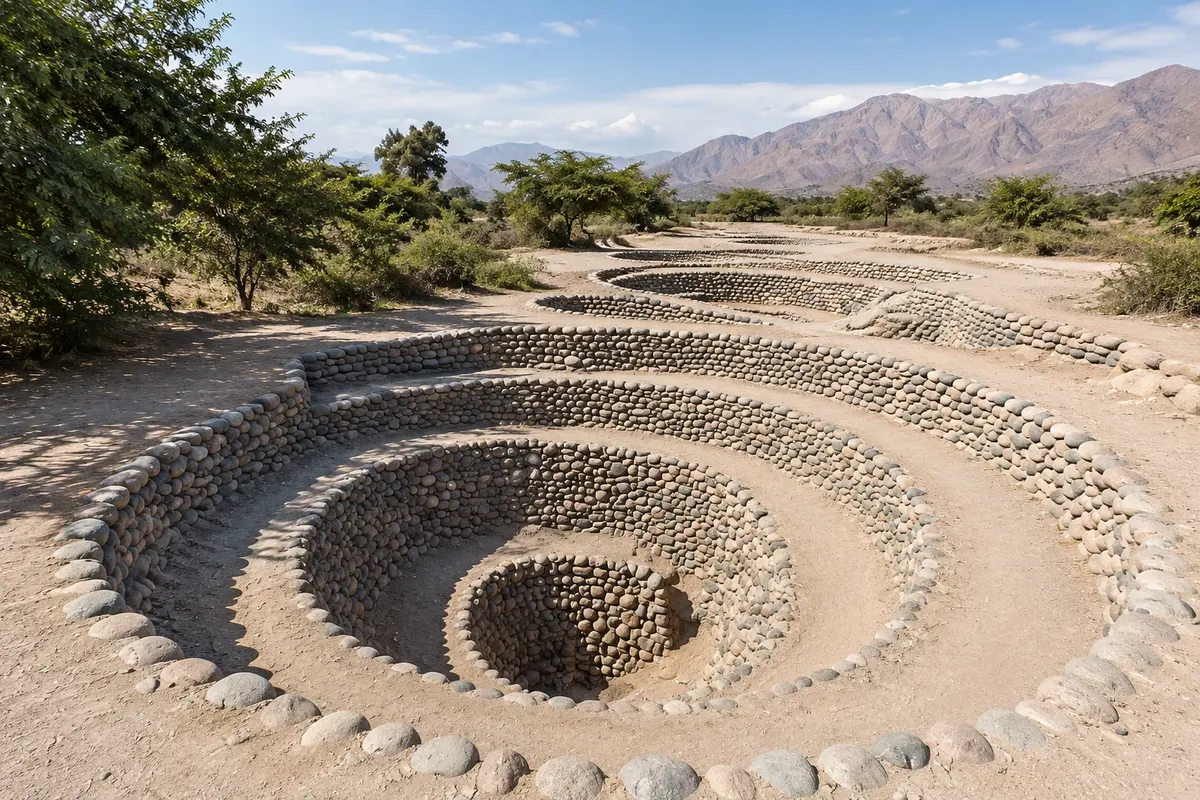
Nazca, about 145 km from Ica, is the base for the Linhas de Nazca, giant figures carved into the desert about 2,000 years ago and a UNESCO World Heritage site, seen from small planes or from viewpoints beside the road. Nearby are the Cemitério de Chauchilla and the aqueducts of Cantalloc.
This destination brings together 3 cities: Paracas, Ica, Nazca.


 Brazil
 Argentina
 Bolivia
 Chile
Chile Colombia
 Ecuador
 Guyana
 French Guiana
 Falkland Islands (Malvinas)
 Paraguay
 Suriname
 Uruguay
 Venezuela
 Germany
 Belgium
 Spain
Spain France
 Greece
 the Netherlands
 Ireland
 Italy
Italy Luxembourg
 Portugal
 the United Kingdom
 Switzerland