Cusco, the Vale Sagrado and Machu Picchu

Cusco · Peru

Cusco, the Vale Sagrado and Machu Picchu

The ancient capital of the Incas in the Andes, at about 3,400 m, the Vale Sagrado of the Urubamba River with Pisac and Ollantaytambo, and the citadel of Machu Picchu among the high jungle mountains.

South

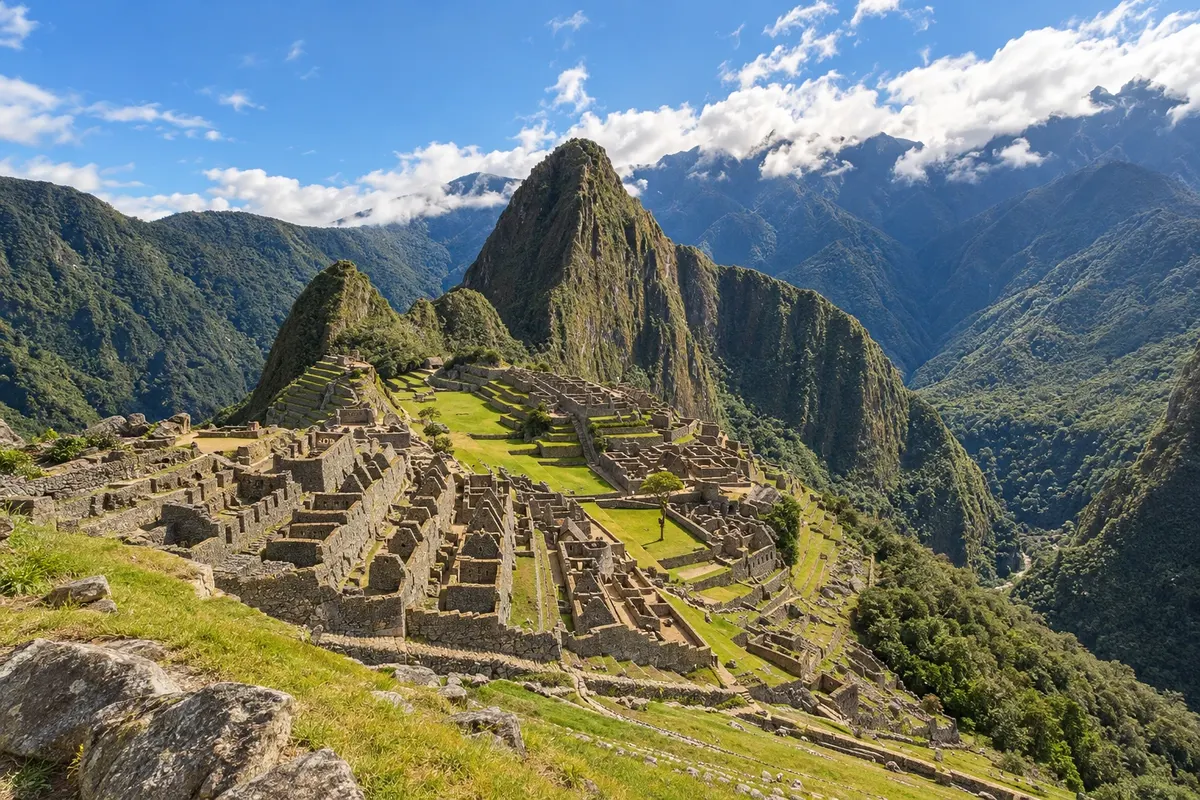
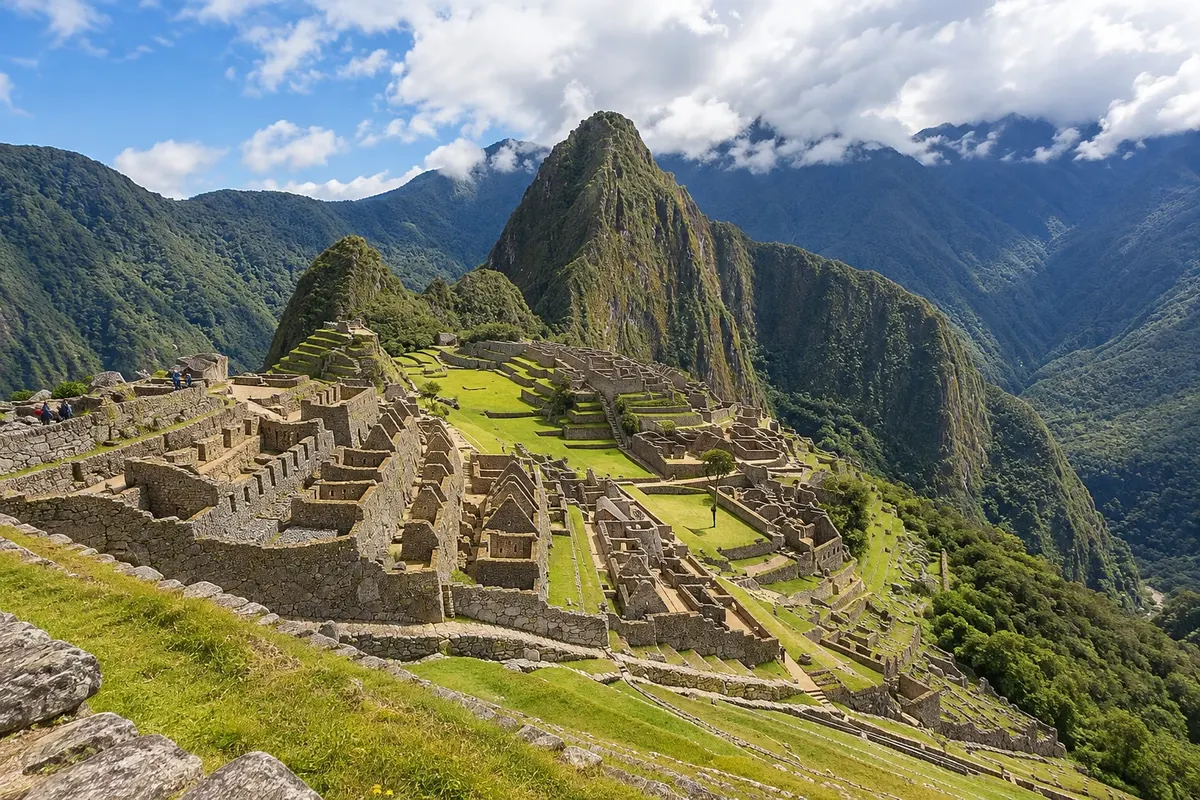
In the photo: Santuario Histórico de Machu Picchu.

Illustrative images. The pictures in this guide are illustrations based on the real place, not photographs, and may differ from it.

Get it on Google Play Send your photos

Get to know the place

A region to enjoy
at your own pace.

Cusco foi a capital do Império Inca, o Tawantinsuyu, que no século 15 se estendia do sul da Colômbia ao centro do Chile. A cidade fica num vale dos Andes do sul do Peru, a cerca de 3.400 metros de altitude, e guarda muros de pedra inca sob igrejas e casarões coloniais construídos pelos espanhóis depois de 1534. O centro histórico é Patrimônio Mundial da UNESCO desde 1983.

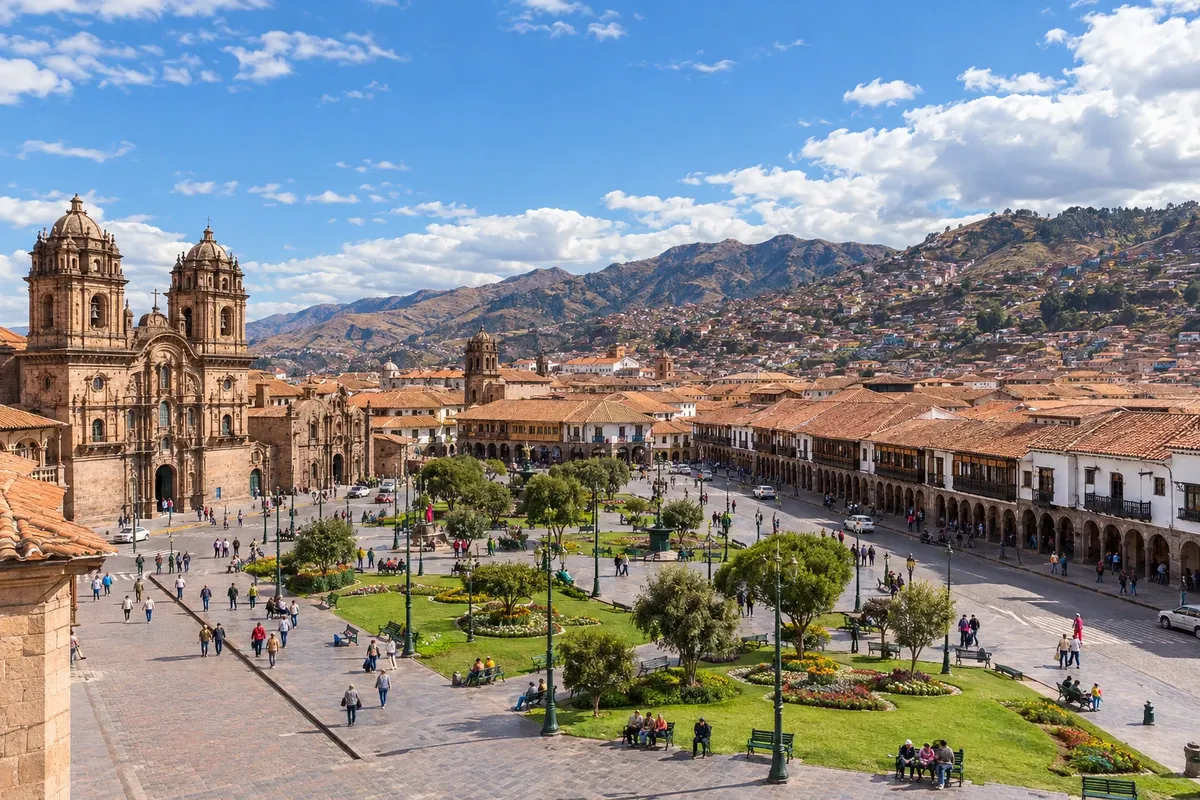
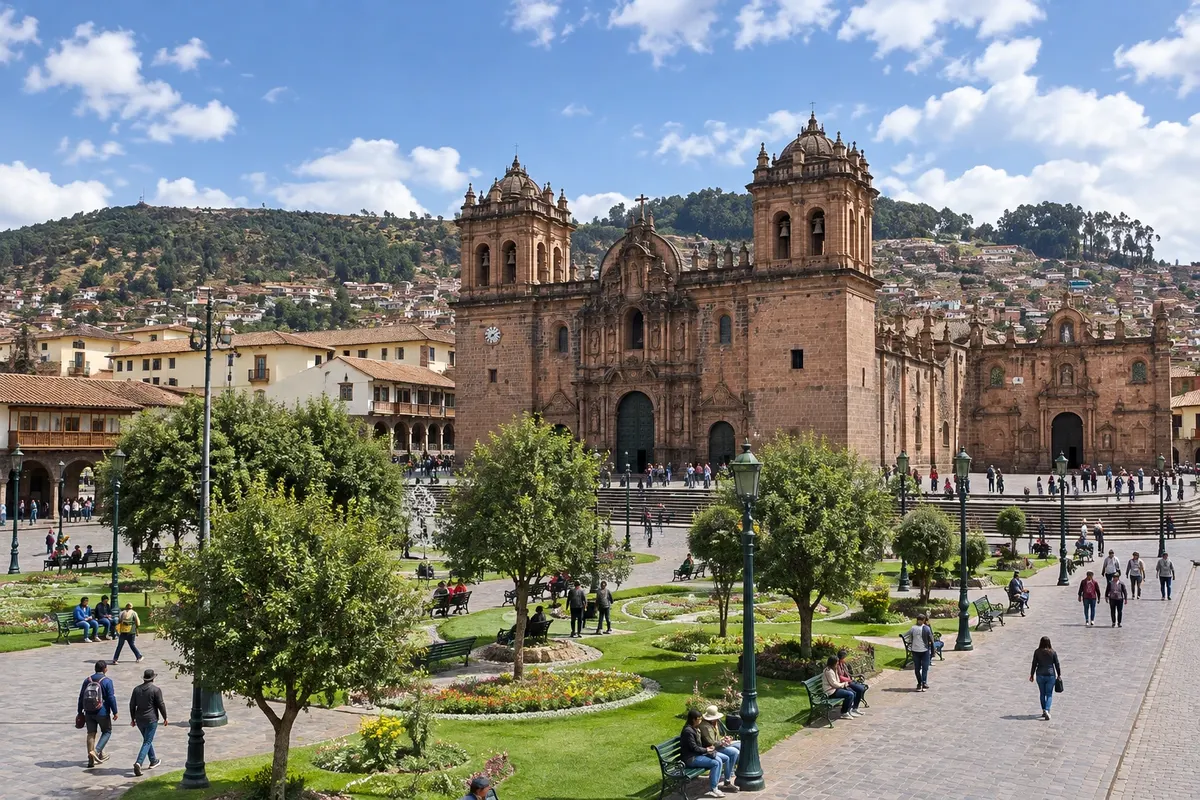
A Plaza de Armas, com a Catedral e a igreja da Compañía, é o ponto de partida. Dali se chega a pé ao Qorikancha, o templo do Sol dos incas, ao bairro de San Blas, ao Mercado de San Pedro e aos museus. No alto da cidade, a fortaleza de Sacsayhuamán tem muros de pedras de mais de 100 toneladas encaixadas sem argamassa. Cusco é também a base para passeios de um dia em grande altitude, como a Vinicunca, a Montanha Colorida, e a Laguna Humantay.

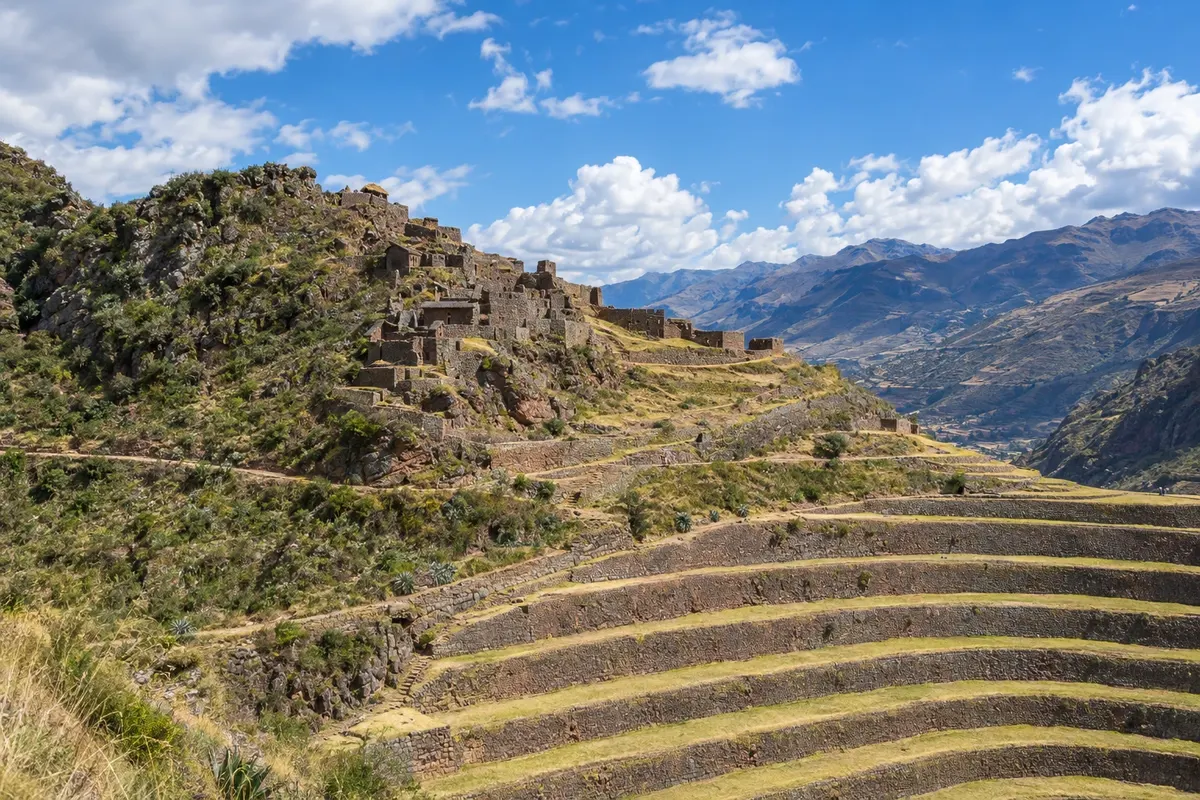
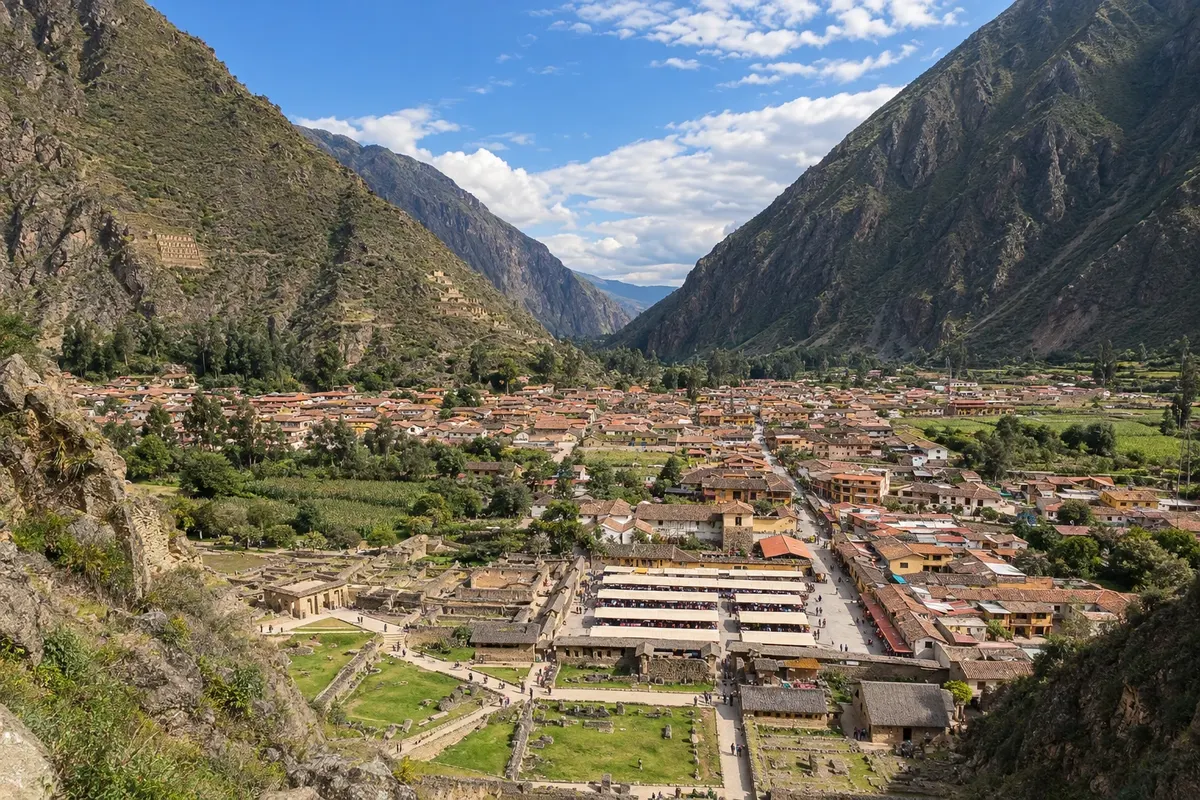
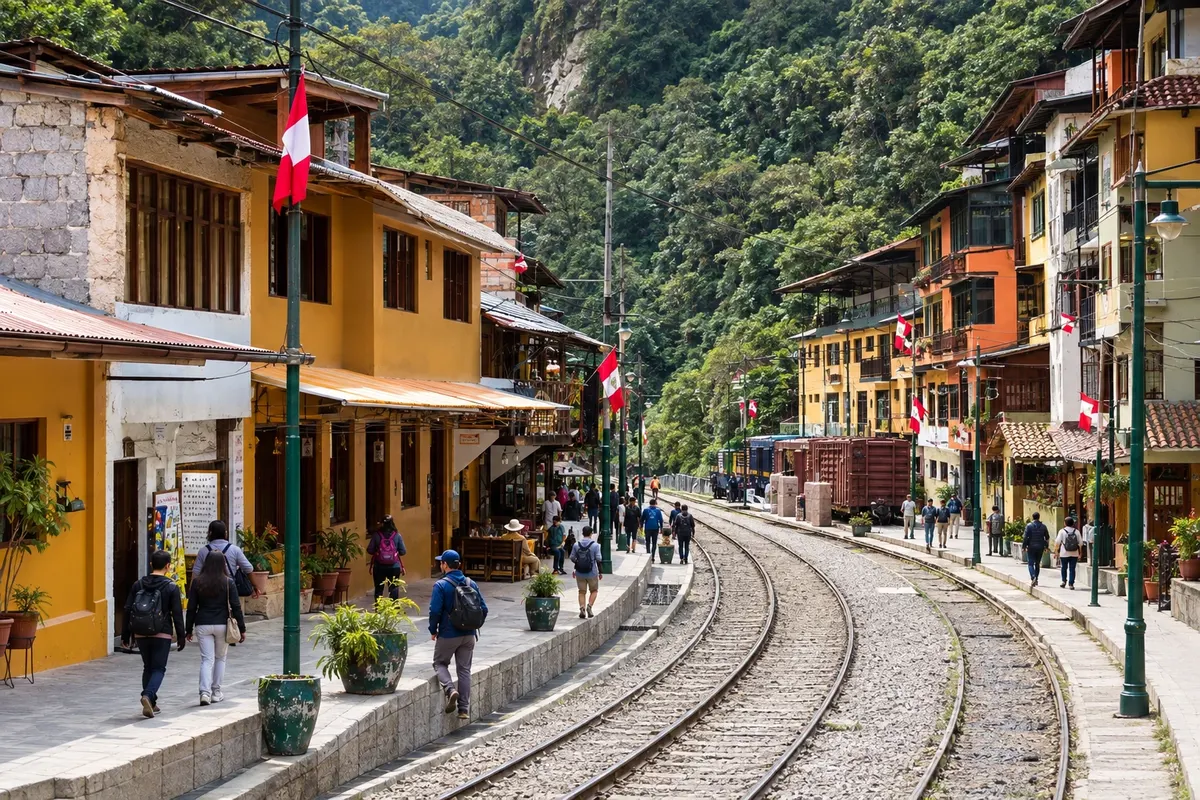
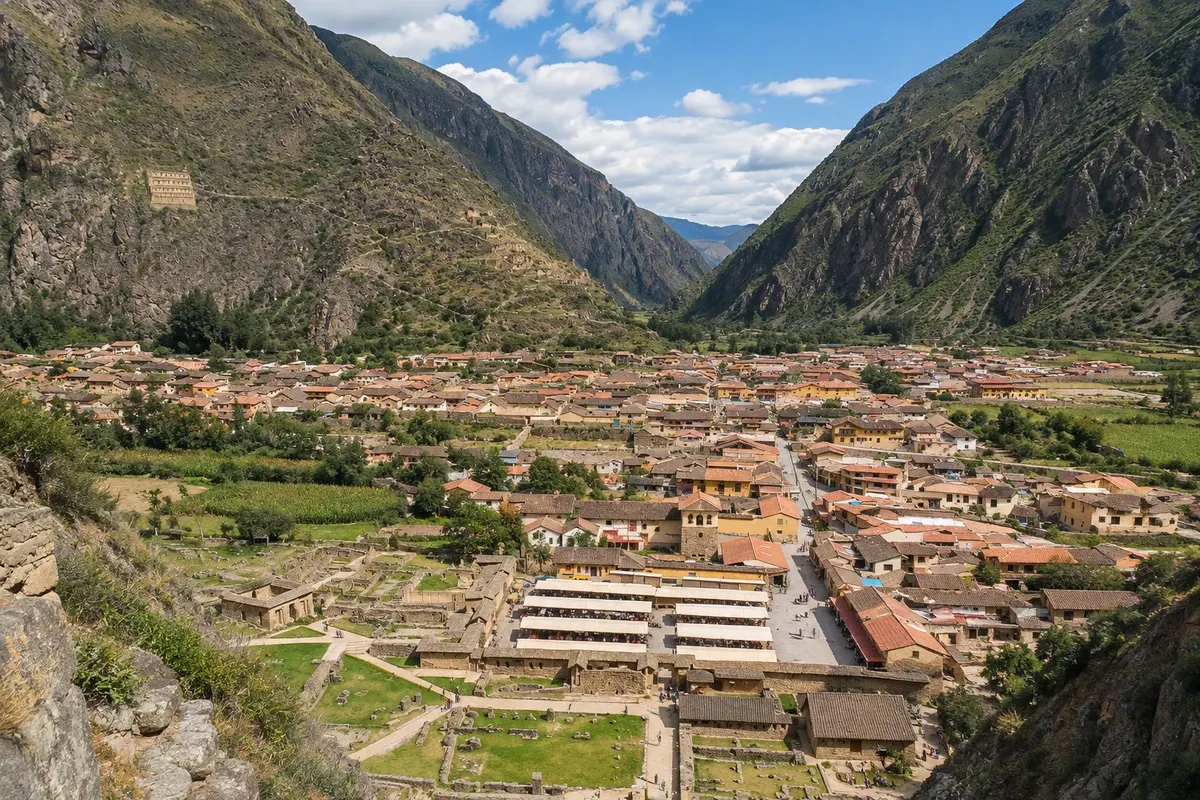
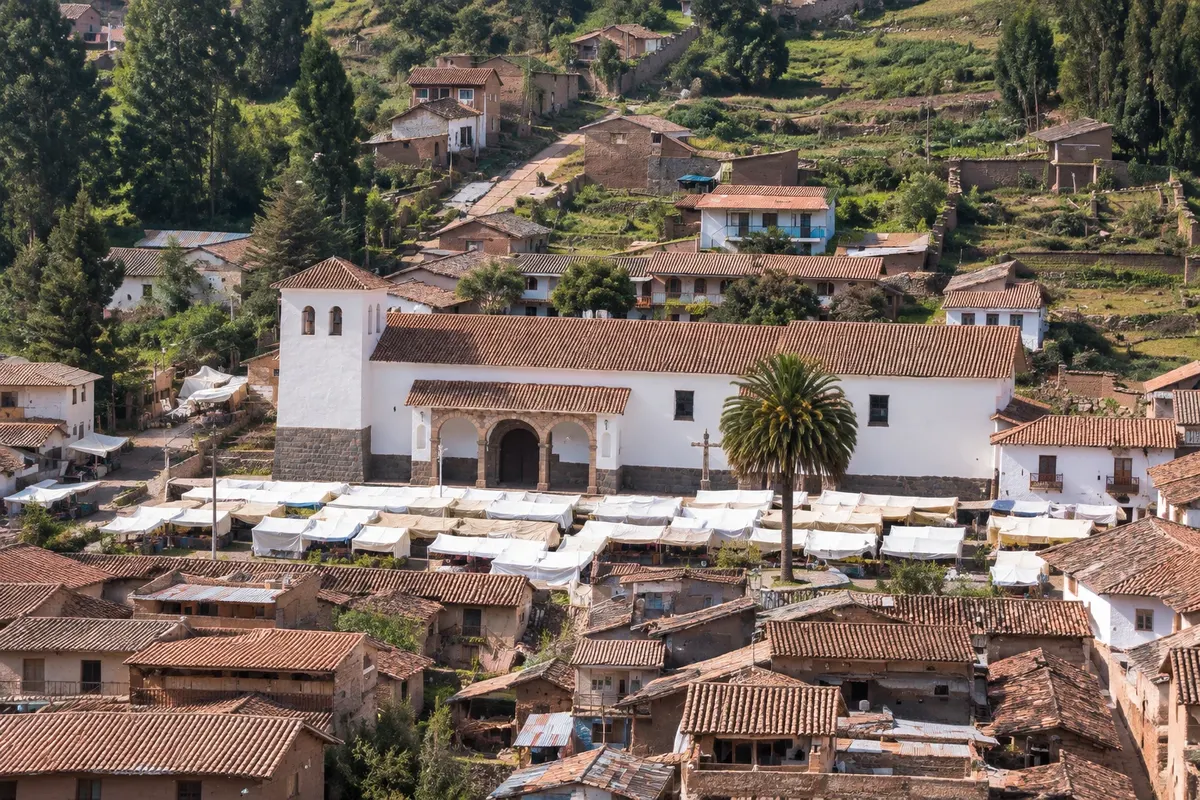
O Vale Sagrado dos Incas, que o rio Urubamba percorre ao norte de Cusco, fica mais baixo, entre 2.800 e 3.000 metros. Em Pisac, o sítio arqueológico ocupa uma montanha de terraços sobre a vila e o mercado. Ollantaytambo é uma vila inca ainda habitada, com a fortaleza sobre os terraços, e fica perto de Moray e das Salineras de Maras. Do vale sai o trem para Aguas Calientes, a vila ao pé de Machu Picchu.

Machu Picchu, a cidadela construída no século 15 numa crista entre montanhas cobertas de mata, é a visita mais procurada do Peru. O ingresso tem dia, horário e circuito, em número limitado, e não há estrada até Aguas Calientes: chega-se de trem ou a pé.

This destination brings together 4 cities: Cusco, Pisac, Ollantaytambo, Aguas Calientes.

Share: WhatsApp
Traveler, share your experiences through photos Up to 5 photos of each place you visited.

One destination, many paths

The cities on this trip

Start with one city or combine several in your itinerary.

Where Cusco, the Vale Sagrado and Machu Picchu is
CuscoPisacOllantaytamboAguas Calientes

Contornos: Natural Earth (domínio público). Adaptação do Cidade Turismo.

How to get there: Cusco, the Vale Sagrado and Machu Picchu

✈ Aeropuerto Internacional Alejandro Velasco Astete (CUZ), in Cusco · 4 km to Cusco

Confirm before booking. The most common route is to fly to Lima and continue to Cusco, about a 1h20 flight. Cusco airport is 4 km from the Plaza de Armas. From the Vale Sagrado to Machu Picchu, trains depart from Ollantaytambo or from Poroy, near Cusco.

Suggested arrival point: Cusco

Cusco
Cusco · Cusco, the Vale Sagrado and Machu Picchu Capital Suggested arrival point

Cusco

Ancient capital of the Incas, Cusco sits at about 3,400 metres in an Andean valley. Colonial churches and manor houses were built on top of Inca stone walls, and the historic centre, a World Heritage site, is walked from the Plaza de Armas: Catedral, Qorikancha, San Blas, the Mercado de San Pedro and, above, Sacsayhuamán. It is the base for the Vale Sagrado, for Machu Picchu and for day trips into the mountains.

The local experience

Things to do in Cusco, the Vale Sagrado and Machu Picchu

Parque Arqueológico de Ollantaytambo
Ollantaytambo · Cusco · Fortress

Parque Arqueológico de Ollantaytambo

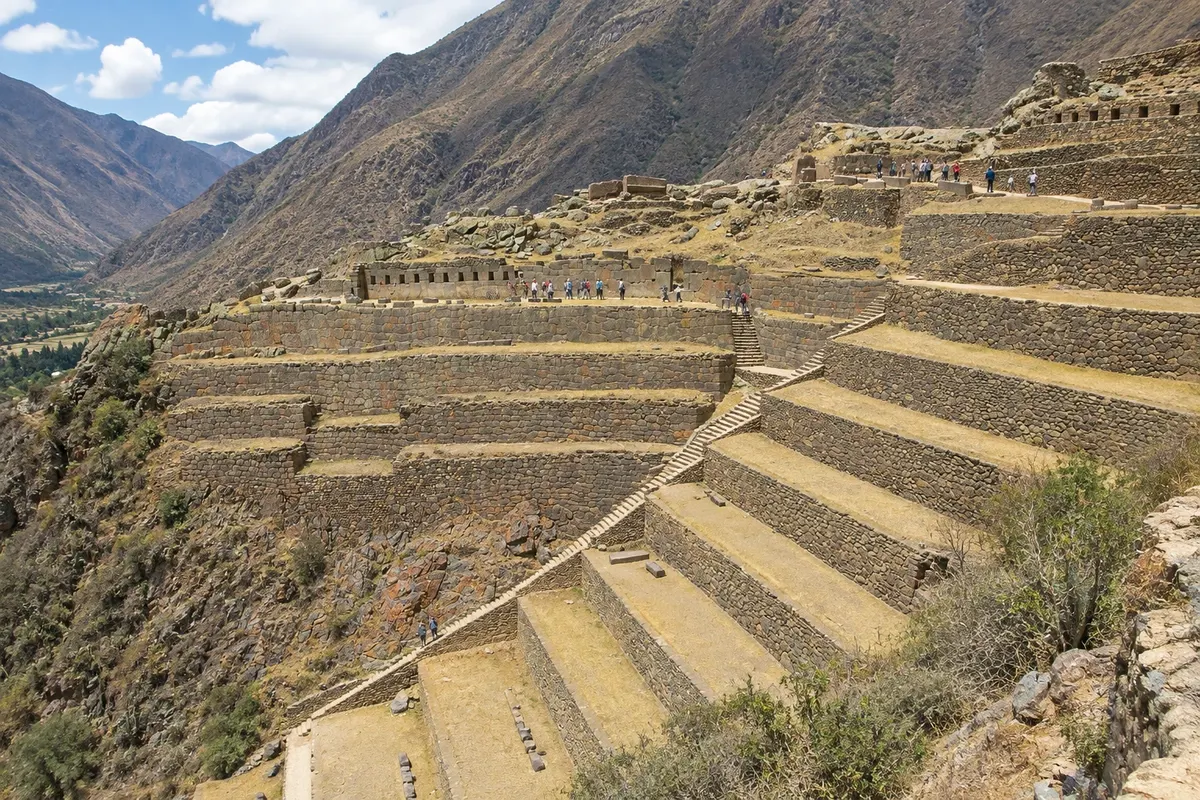
The terraces and the Temple of the Sun above the village, with six pink stone monoliths brought from a quarry on the other side of the river. It was there that Manco Inca resisted the Spanish in 1537.

Parque Arqueológico de Pisac
Pisac · Cusco · Archaeological site

Parque Arqueológico de Pisac

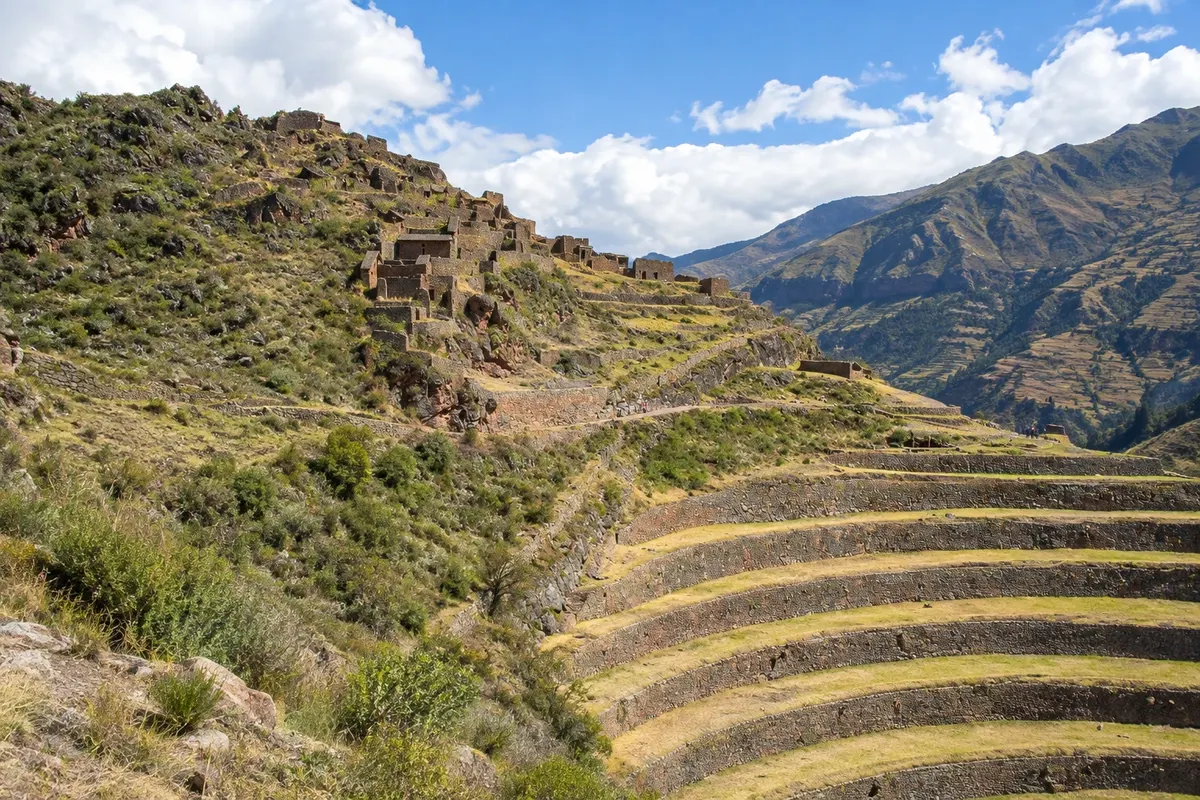
An Inca complex high on the mountain above the village, with curved terraces, the Intihuatana temple of fitted stone, residential neighborhoods and the largest known Inca cemetery, set in the cliffs.

Plaza de Armas del Cusco
Cusco · Cusco · Square

Plaza de Armas del Cusco

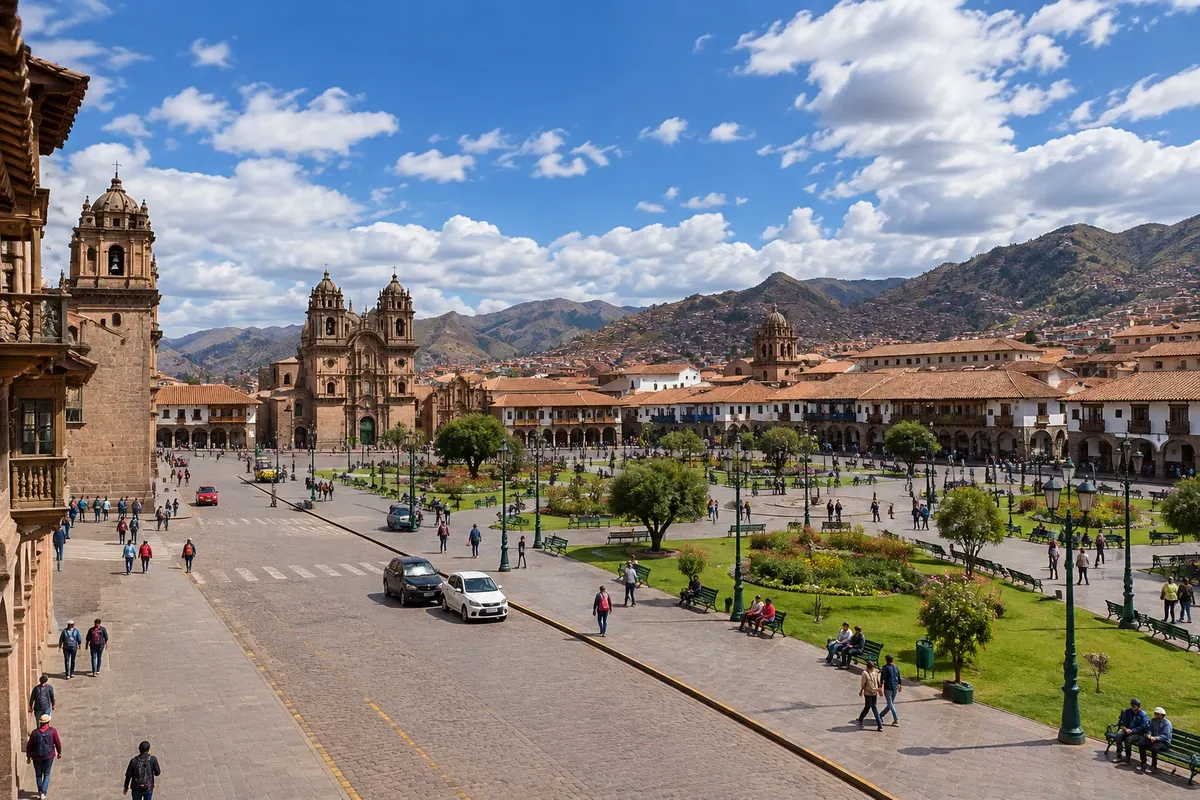
The old Huacaypata of the Incas, the heart of Cusco, with the Catedral, the iglesia de la Compañía de Jesús and manor houses with arcades and wooden balconies around it, and the mountains in the background.

Santuario Histórico de Machu Picchu
Aguas Calientes · Cusco · Archaeological site

Santuario Histórico de Machu Picchu

The 15th-century Inca citadel on a ridge between forested mountains, at about 2,430 m, with temples, plazas, terraces and stone houses. World Heritage since 1983; the ticket has a date, time and circuit.

See 13 more places in Cusco, the Vale Sagrado and Machu Picchu
Catedral del Cusco
Cusco · Cusco · Church

Catedral del Cusco

Cathedral built from 1560 to the mid-17th century on top of an Inca palace, with hundreds of paintings of the Cusco school, the Last Supper featuring a cuy on the plate, and the Christ of the Tremors.

Centro histórico de Ollantaytambo
Ollantaytambo · Cusco · Town

Centro histórico de Ollantaytambo

The best-preserved inhabited Inca village in Peru, with blocks of stone walls, communal courtyards and water channels running through the streets, and the Pinkuylluna storehouses on the hillside.

Mercado de Pisac
Pisac · Cusco · Market

Mercado de Pisac

The plaza market of Pisac, with stalls selling textiles, ceramics, silver and alpaca goods, and the communities’ fair on Sundays, offering potatoes, corn and fruits that are still partly exchanged by barter.

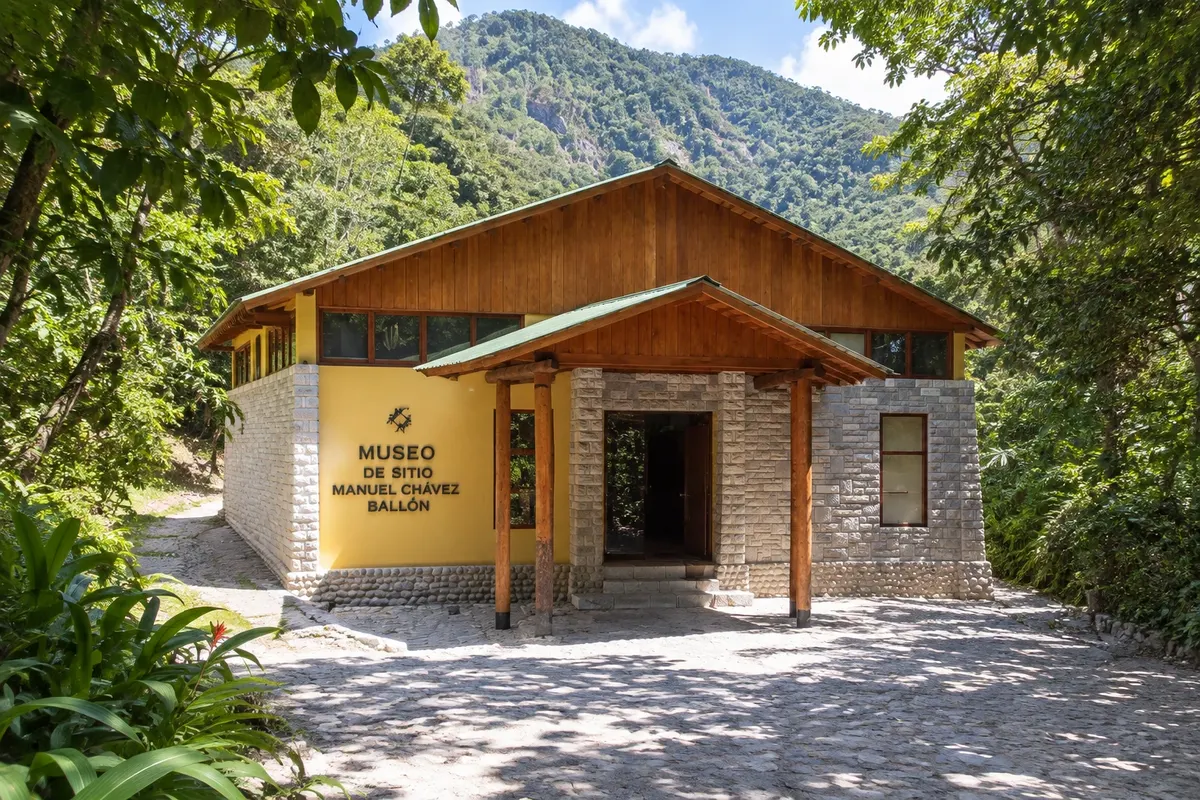
Museo de Sitio Manuel Chávez Ballón
Aguas Calientes · Cusco · Museum

Museo de Sitio Manuel Chávez Ballón

The Machu Picchu site museum, next to Puente Ruinas at the foot of the mountain, with excavation finds, models of the citadel and a botanical garden of high-jungle plants.

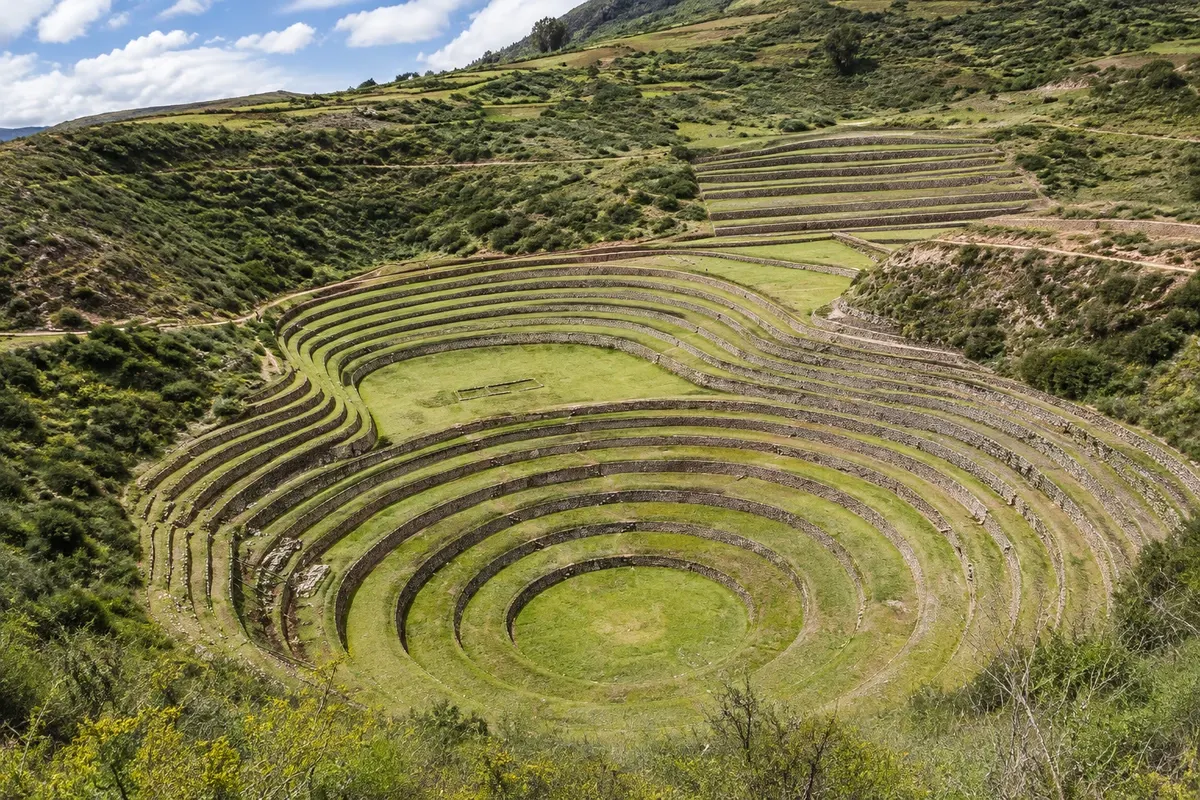
Moray
Ollantaytambo · Cusco · Archaeological site

Moray

Inca terraces in concentric circles within natural depressions of the high plateau, at about 3,500 m, with up to 30 m of depth. The temperature difference between levels suggests an agricultural testing center.

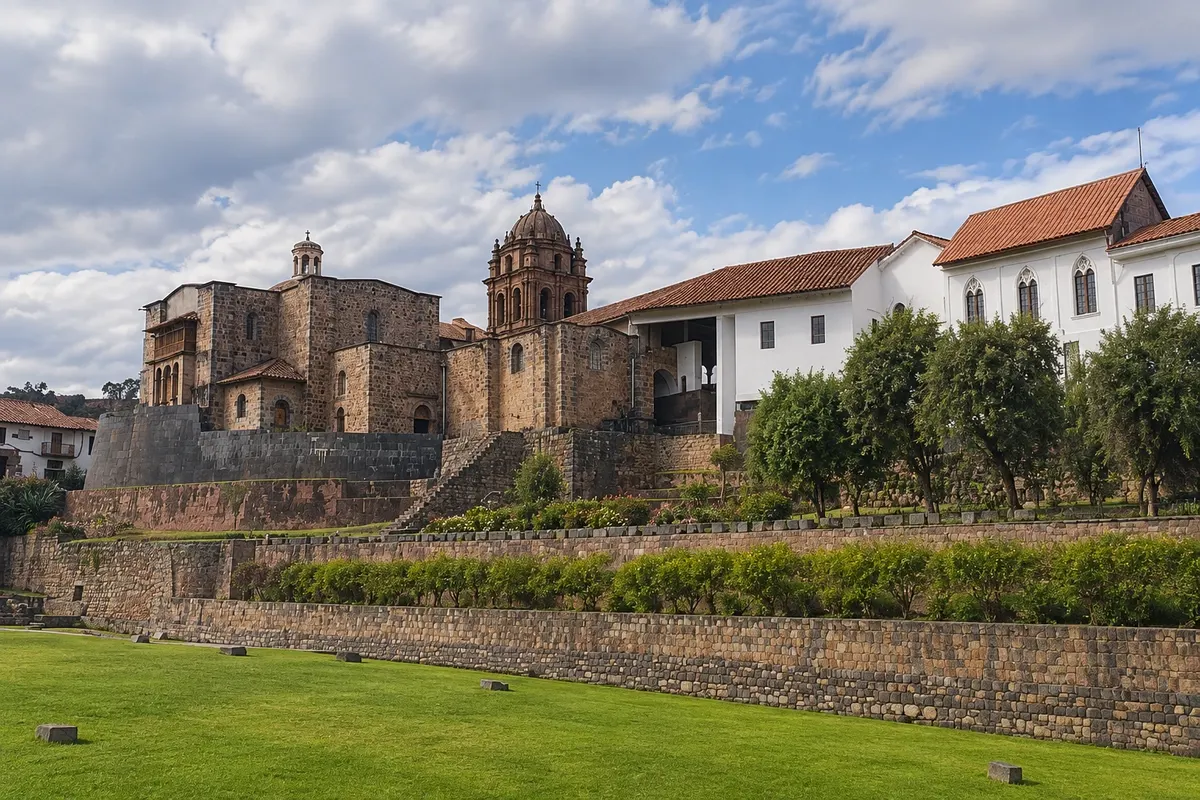
Qorikancha
Cusco · Cusco · Temple

Qorikancha

The Inca Temple of the Sun, once covered in gold during the empire, with fitted stone walls beneath the Dominican convent of Santo Domingo. It has terraced gardens and a site museum.

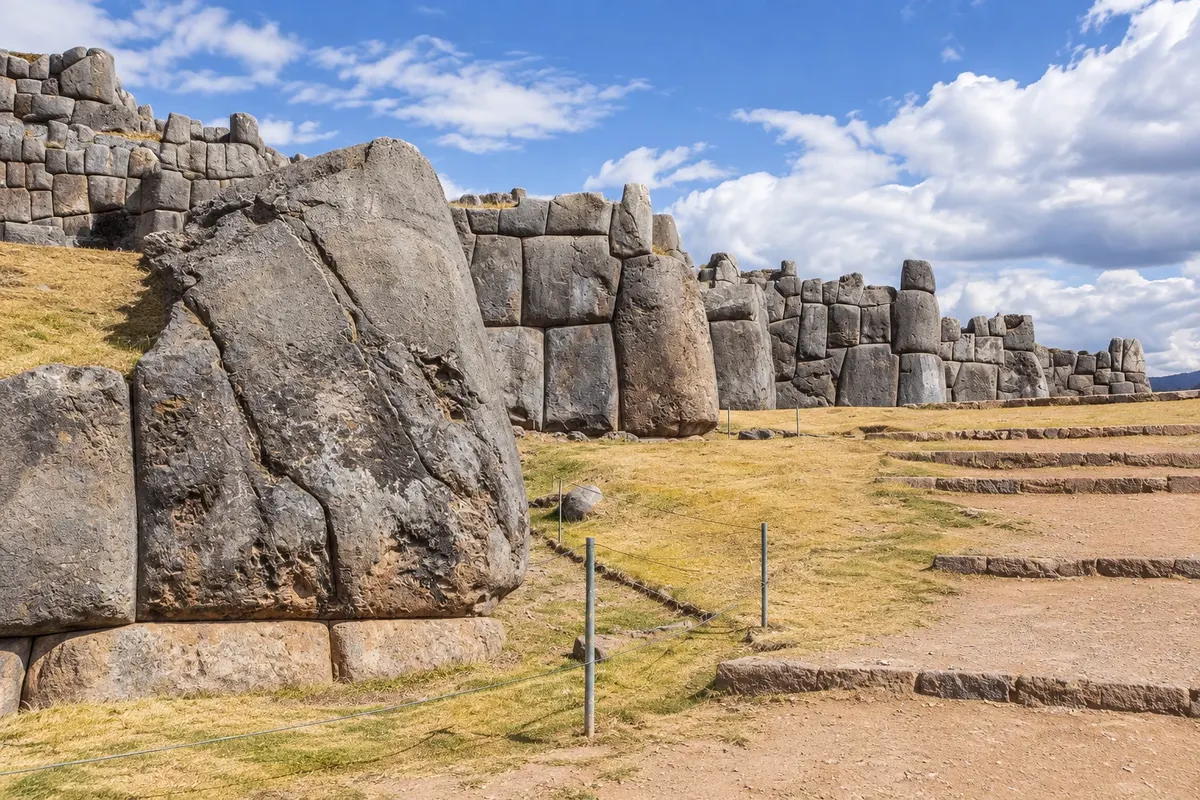
Parque Arqueológico de Sacsayhuamán
Cusco · Cusco · Archaeological site

Parque Arqueológico de Sacsayhuamán

The Inca fortress high above Cusco, at about 3,700 m, with three zigzag walls of stones weighing over 100 tons fitted without mortar and offering a view over the entire city.

Salineras de Maras
Ollantaytambo · Cusco · Landscape

Salineras de Maras

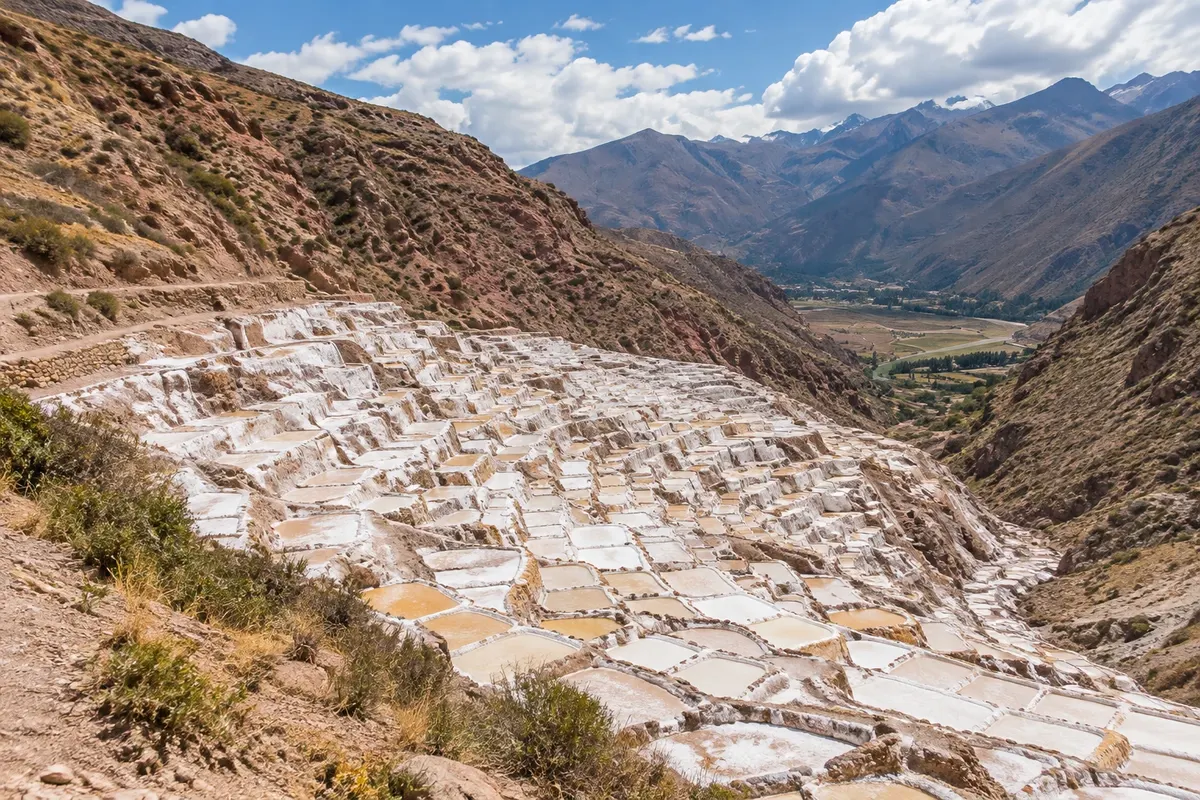
Thousands of salt pools terraced on the slope of a valley near Maras, fed by a saline spring and worked by local families since before the Incas.

Barrio de San Blas
Cusco · Cusco · Neighborhood

Barrio de San Blas

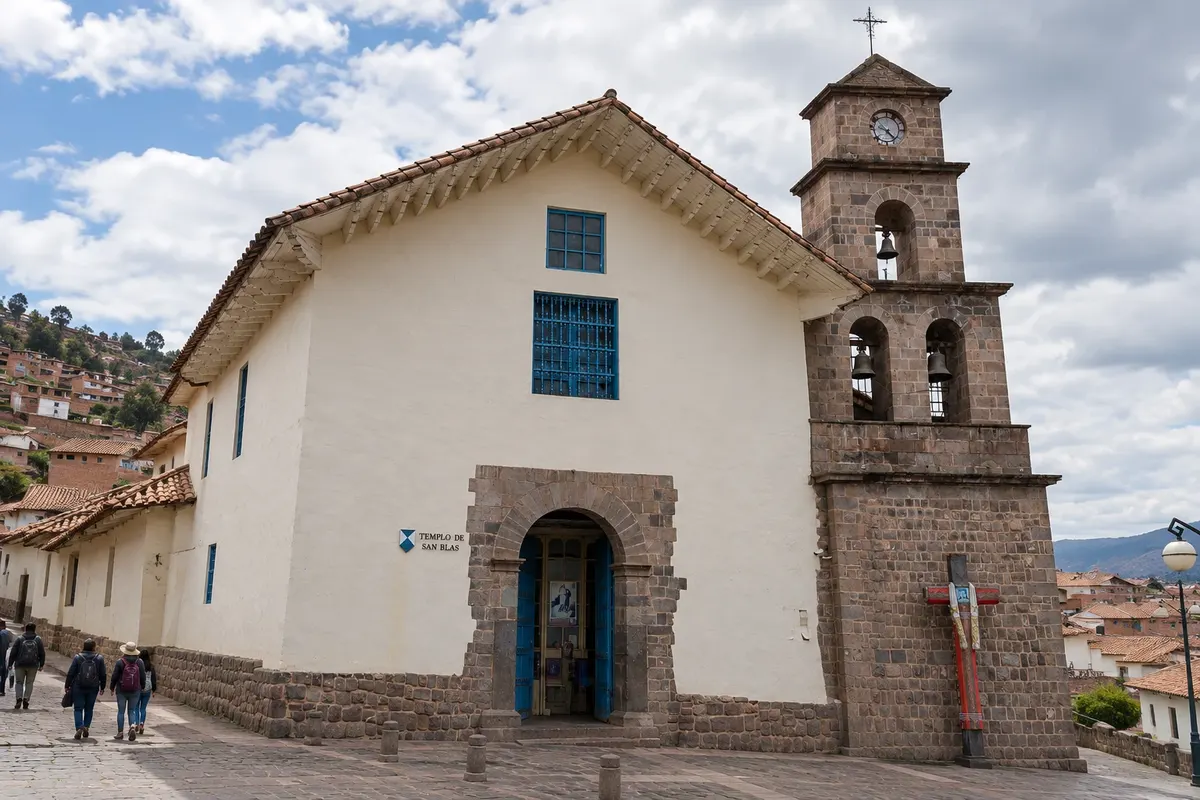
The artisan neighborhood of Cusco, on stone slopes above the Plaza de Armas, with workshops, the church of San Blas and its carved cedar pulpit, and the street Hatun Rumiyoq with the famous 12-angle stone.

Cusco · Cusco · Market

Mercado Central de San Pedro

The central market of Cusco, under an iron structure from the early 20th century, with stalls selling fruits, potatoes, cheeses, breads, juices and Andean cooked lunches.

Museo de Arte Precolombino
Cusco · Cusco · Museum

Museo de Arte Precolombino

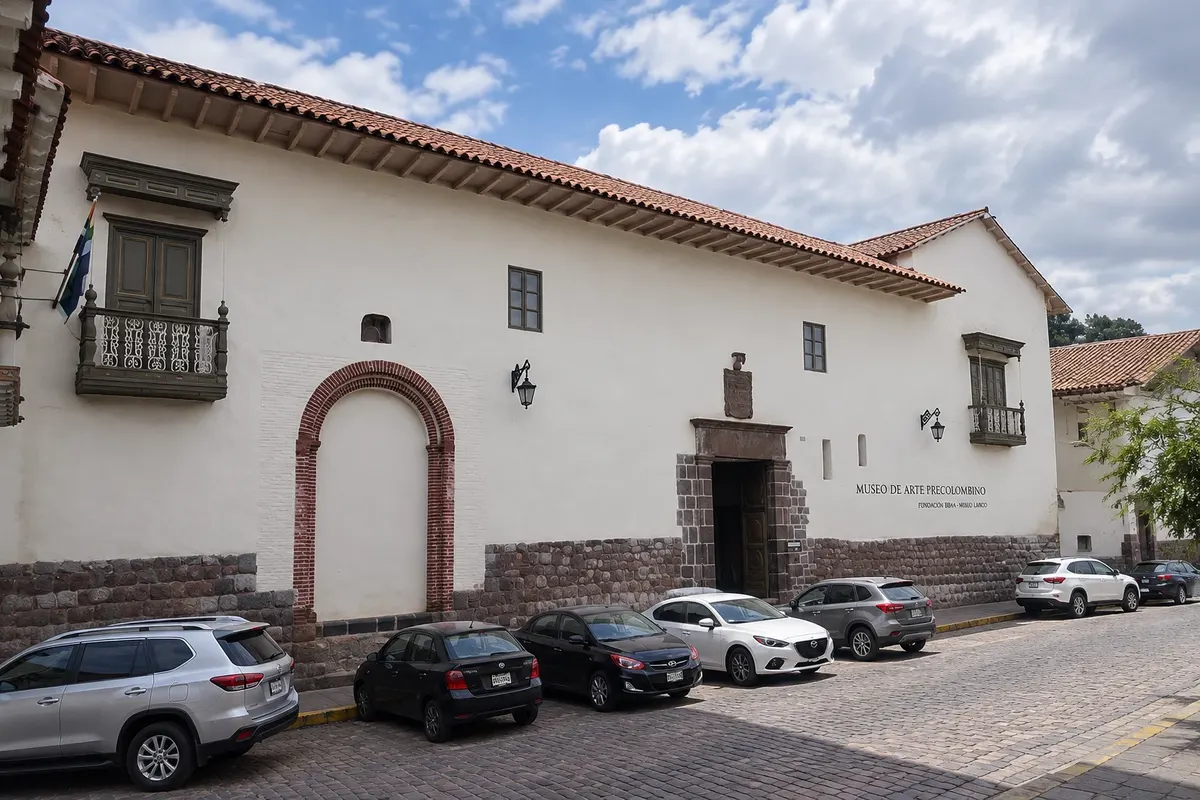
The MAP, in a colonial mansion on the Plazoleta de las Nazarenas, displays about 450 selected pieces from the Museo Larco collection: ceramics, gold, silver and wood from cultures spanning more than three millennia.

Vinicunca
Cusco · Cusco · Mountain

Vinicunca

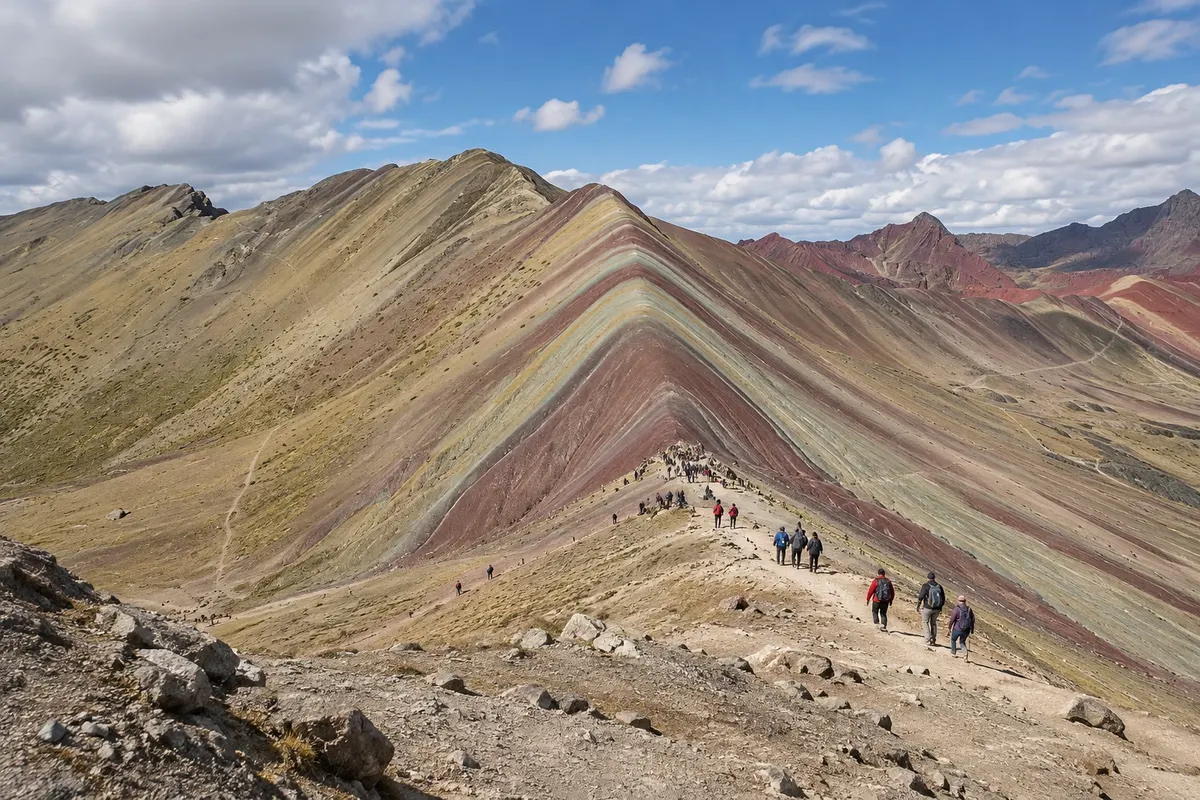
The Montanha Colorida, at 5,036 m, with bands of red, yellow and green minerals, about a 3-hour drive from Cusco. The day tour includes a high-altitude hike.

Laguna Humantay
Cusco · Cusco · Lagoon

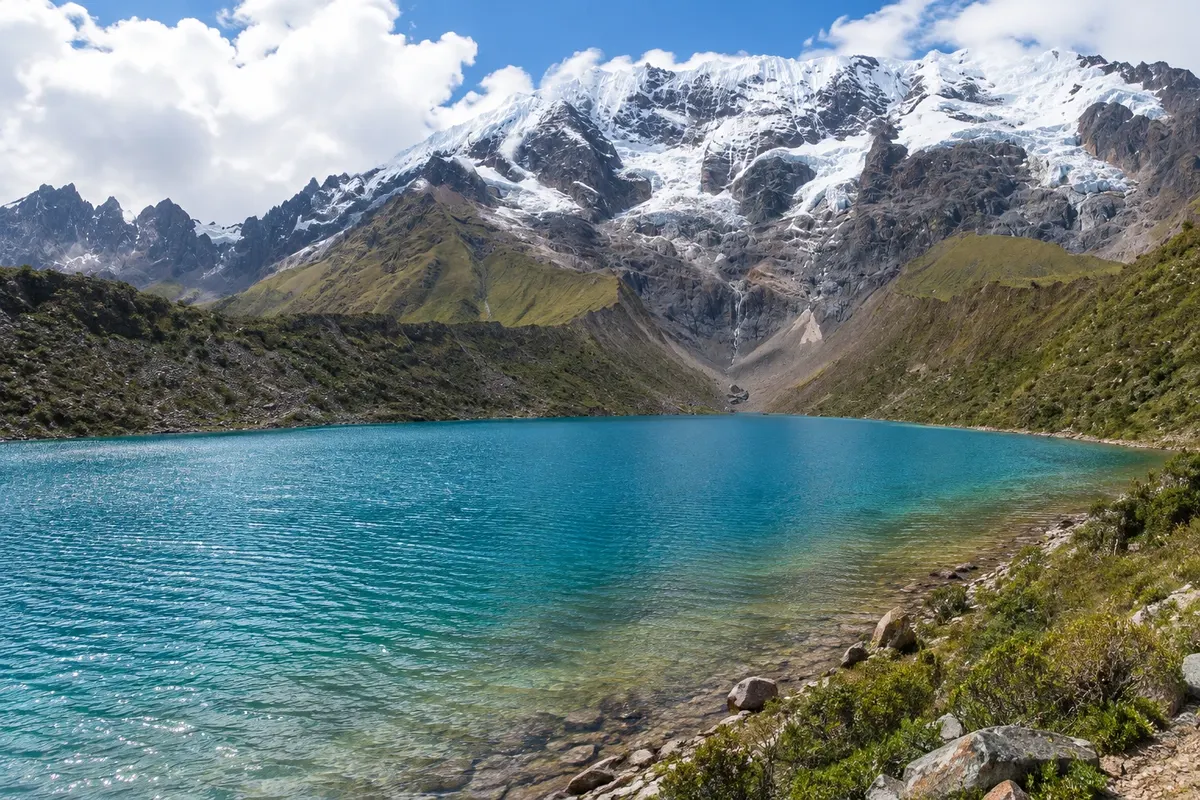
Laguna Humantay

Turquoise-water lagoon at about 4,200 m, at the foot of the Humantay snow peak, in the Vilcabamba range. The day tour leaves Cusco at dawn and includes a hike of about 1½ hours.

Before you go

Practical information

A little planning leaves more time to enjoy the journey.

When to go

The dry season usually runs from May to September, with clear skies by day and cold nights near freezing. Rain typically concentrates from December to March, with rainy afternoons and muddy trails; the Trilha Inca usually closes in February for maintenance. April, October and November fall between the two.

The seasons shown are the most usual ones; nature doesn't always follow the calendar.

How many days to stay

Five to seven days. Two in Cusco, taking it easy the first day because of the altitude; one or two in the Vale Sagrado, covering Pisac, Ollantaytambo, Moray and Maras; and one or two for Machu Picchu, with an overnight in Aguas Calientes. Those planning to visit Vinicunca or Humantay should add an extra day for each, after spending a few days at altitude.

Which city to stay in

In Cusco, the historic center around the Plaza de Armas and the uphill neighborhood of San Blas concentrate hotels and guesthouses in old mansions; the San Pedro neighborhood, near the market, is more basic. In the Vale Sagrado, Urubamba and Ollantaytambo are the most used bases, lower than Cusco, and Pisac has guesthouses near the market. In Aguas Calientes hotels line the river and the train tracks, a few minutes from the bus to Machu Picchu.

Respect the place

Take your trash with you, follow the signs and support local businesses. In natural areas, follow the visiting guidelines.

Get your questions answered

Frequently asked questions about Cusco, the Vale Sagrado and Machu Picchu

How to deal with altitude in Cusco?

Cusco sits at about 3,400 meters, and many travelers feel the effects of altitude in the first days, with fatigue, shortness of breath or headache. One option is to ascend gradually, starting in the Vale Sagrado, which is lower, and leaving Cusco for later. On the first day, take it easy and avoid strenuous outings. Consult your doctor before traveling.

How to buy the Machu Picchu ticket?

The ticket has a specific date, entry time and circuit, in limited numbers, and sells out in advance during the dry season. Buy ahead and confirm rules on the official channel. Huayna Picchu and Montaña Machu Picchu require separate tickets.

Can you reach Machu Picchu by car?

There is no road to Aguas Calientes, the village at the foot of Machu Picchu. You reach it by train from Cusco (Poroy station) or from Ollantaytambo, or on foot via the Trilha Inca or by walking along the tracks. From the village to the sanctuary you go up by bus or on foot.

What is the best time to go to Cusco and Machu Picchu?

The dry season, usually from May to September, has clearer skies and is the most sought-after. From December to March it usually rains in the afternoons. April, October and November have less crowding and variable weather.

Do I need an agency for the Trilha Inca?

Yes. The Trilha Inca can only be done with an authorized agency, with limited spots that sell out months in advance. It typically closes in February for maintenance; confirm before planning.

Do I need a car in the Vale Sagrado?

It is not necessary. Taxis, vans and buses connect Cusco with Pisac, Urubamba and Ollantaytambo, and agencies sell day tours in the valley. A car with a driver gives more freedom to combine Moray, Maras and Chinchero.

Explore other destinations Search by state and city
Back