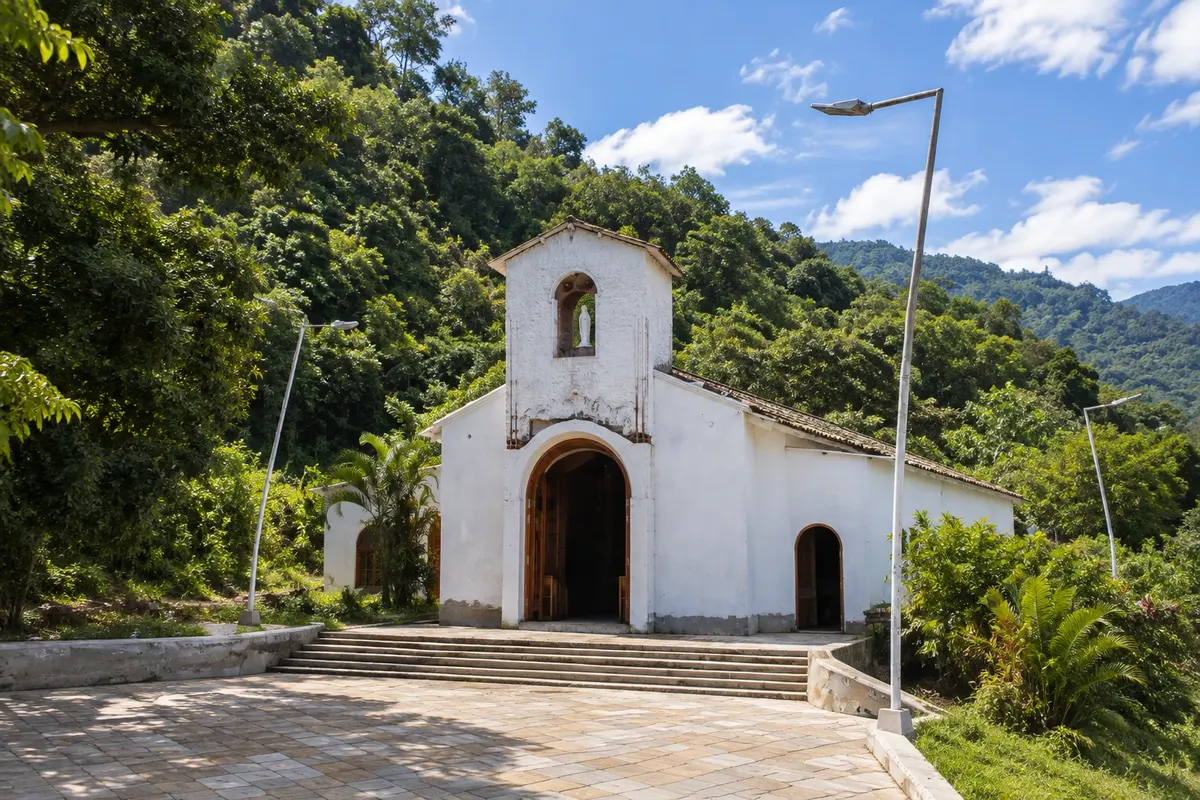
Santa Marta was founded in 1525 by Rodrigo de Bastidas and is the oldest continuously inhabited city in Colombia. It lies in a Caribbean bay at the foot of the Sierra Nevada de Santa Marta, an isolated mountain range that rises from sea level to over 5,700 meters in less than 50 km. That combination gives the region beaches, tropical forests, rivers flowing down from the mountains and mountain settlements a few kilometers apart.
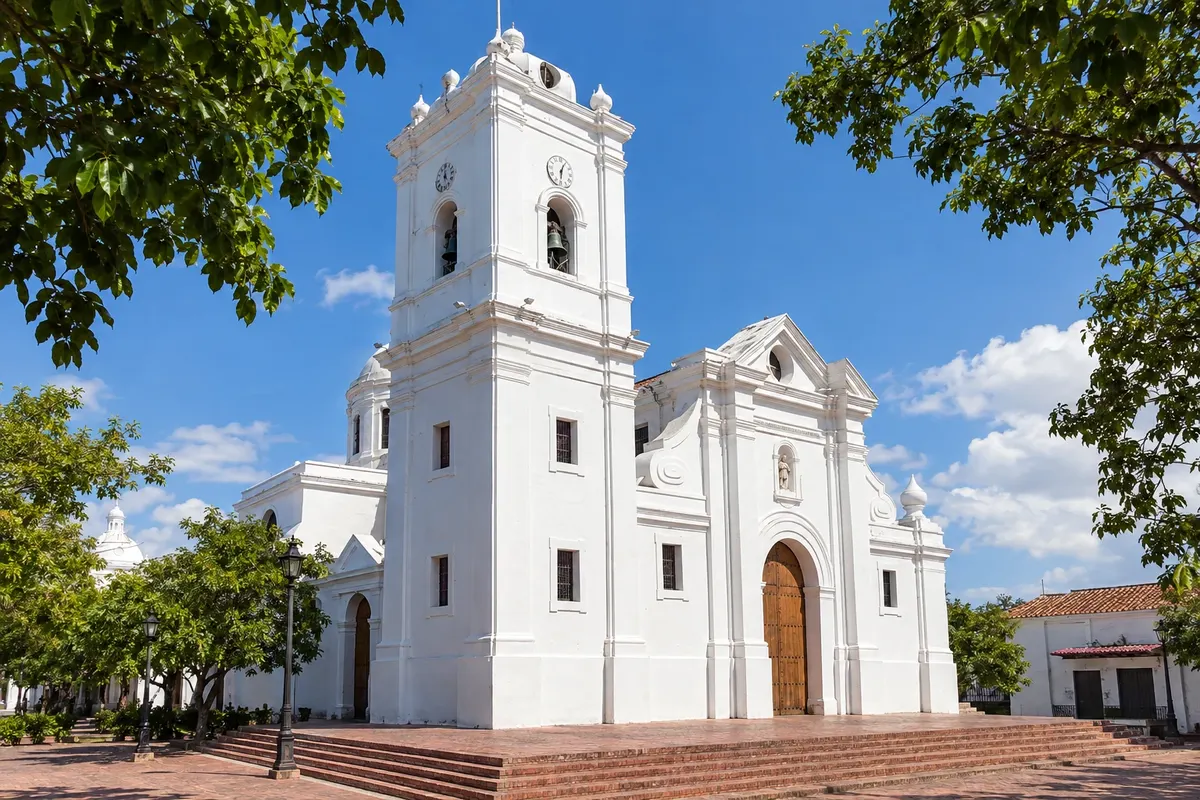
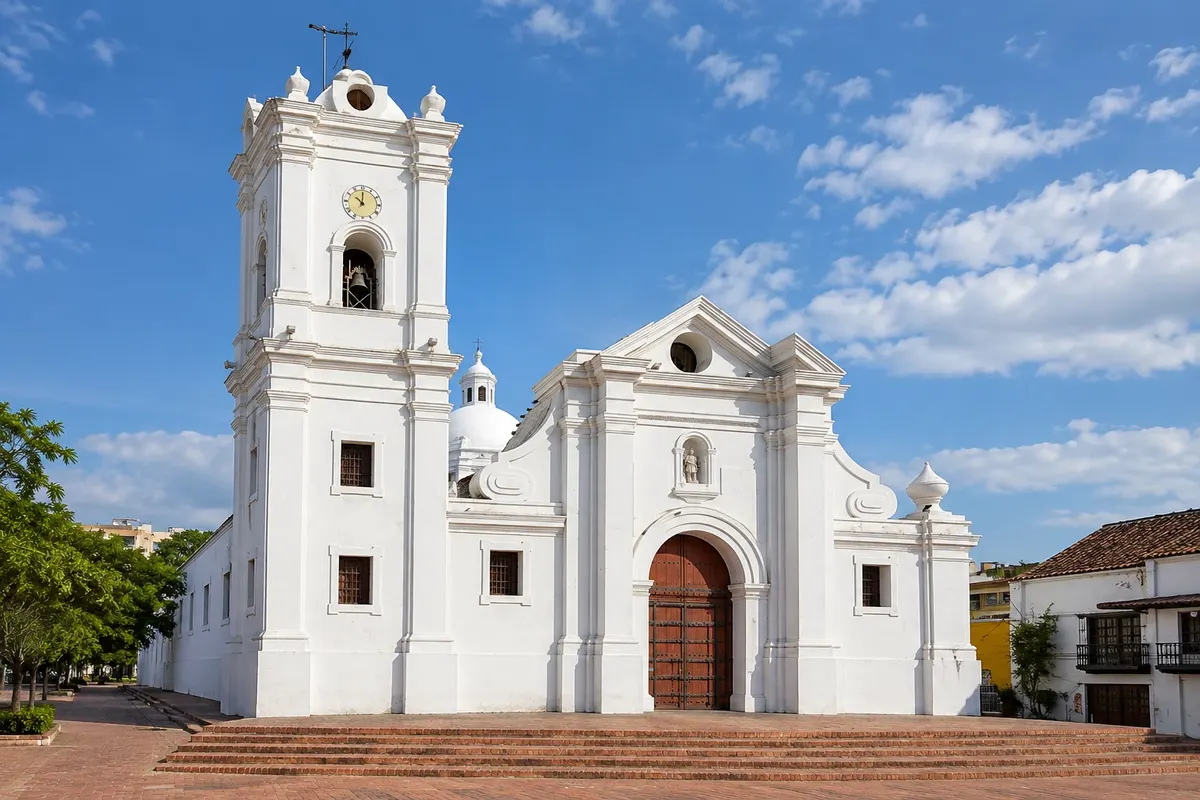
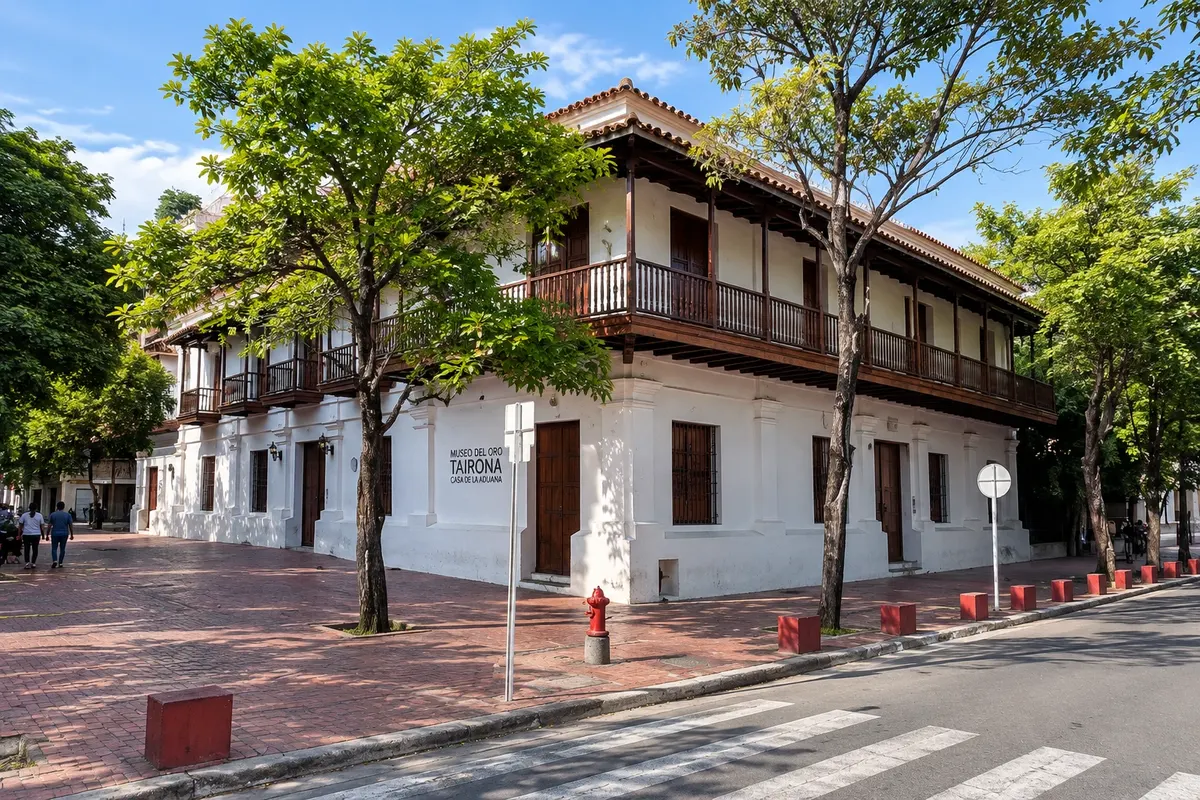
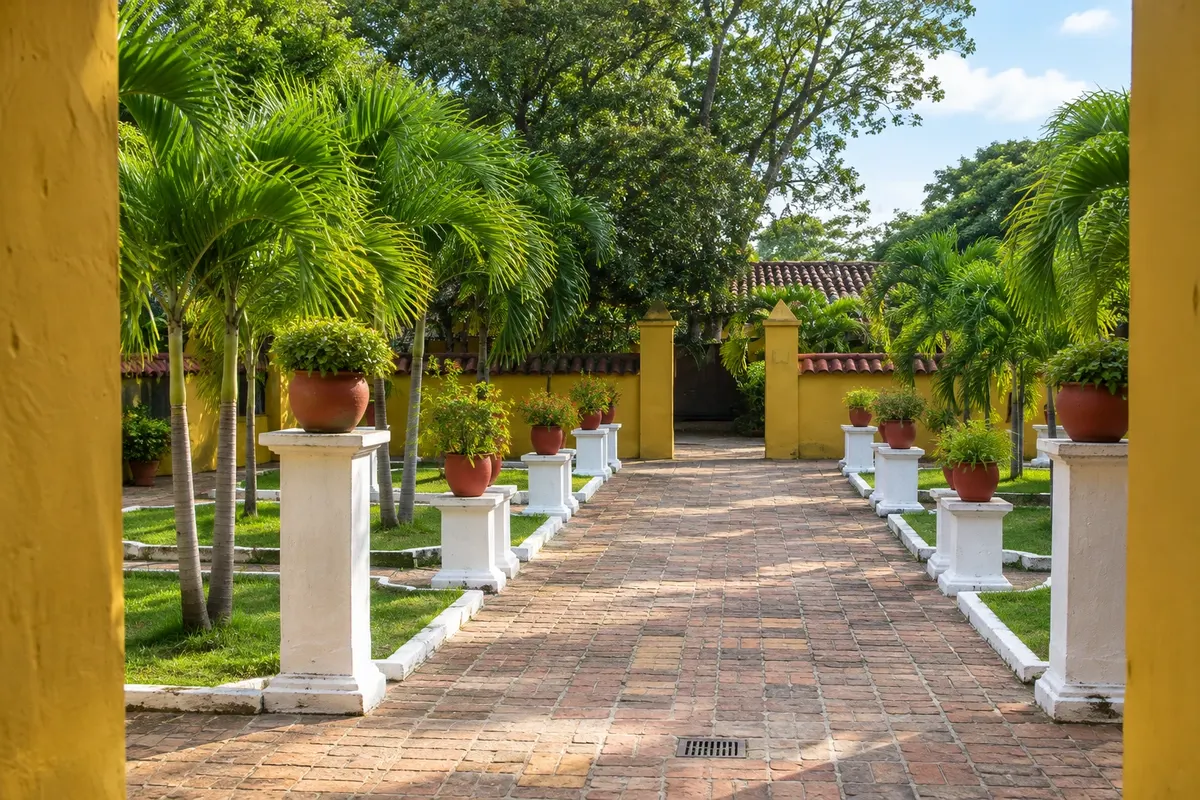
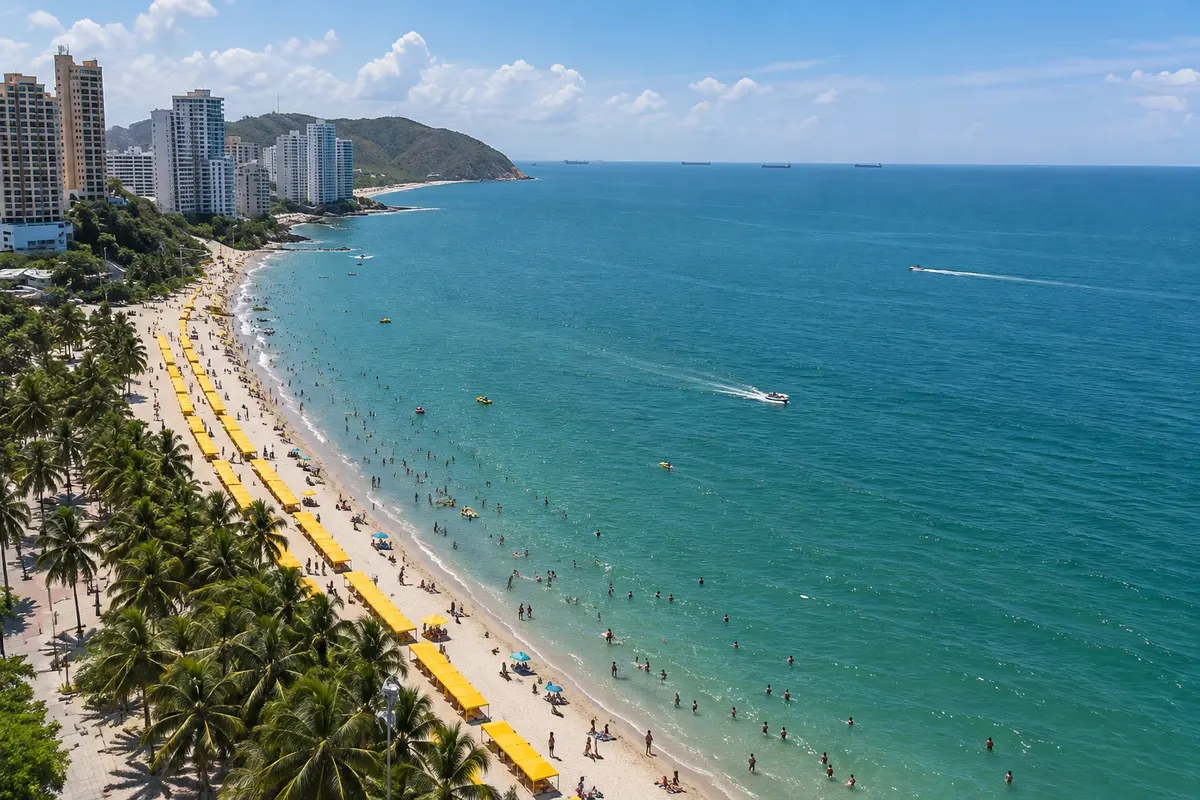
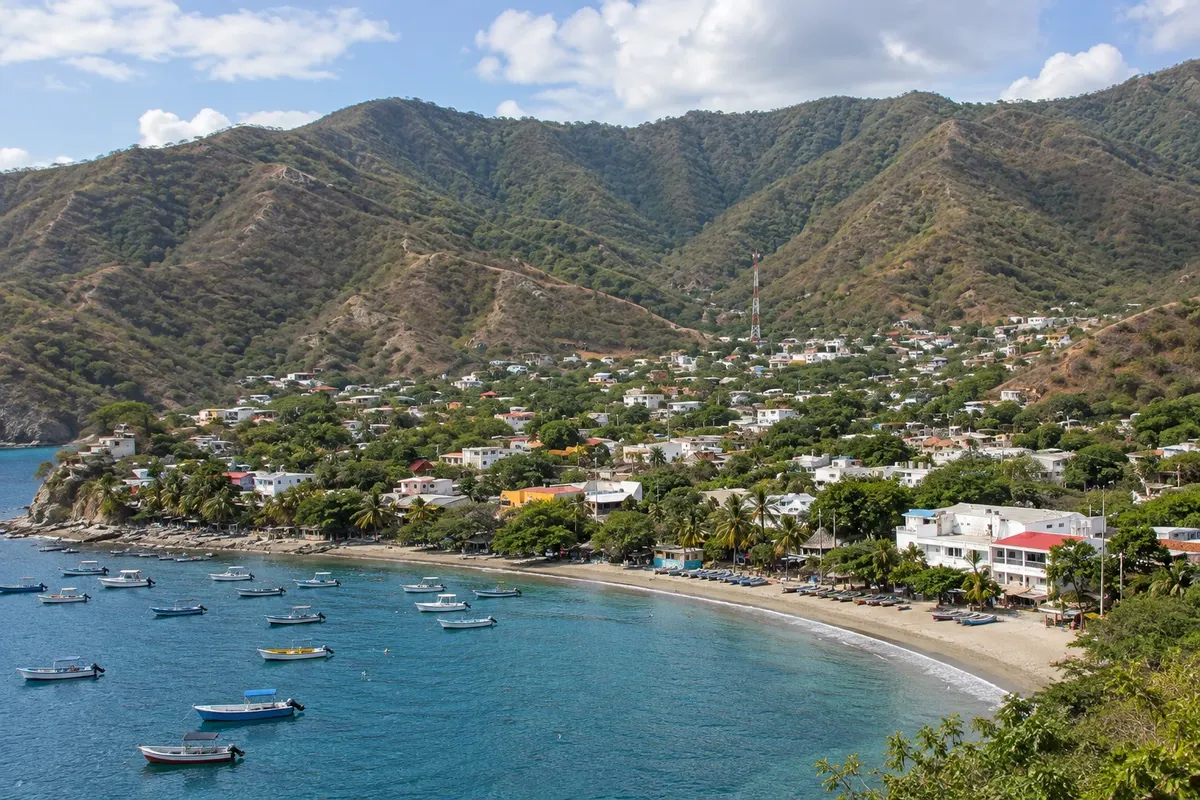
The historic center, near the sea, has the Cathedral, where the founder is buried, the Parque de Bolívar, the Casa de la Aduana, which houses the Museo del Oro Tairona, and the bay malecón, lively at late afternoon. About 5 km away is the Quinta de San Pedro Alejandrino, the estate where Simón Bolívar died in 1830, now a museum and garden. To the south, El Rodadero is the beachfront neighborhood with apartment hotels, and to the north, behind the hill, Taganga is a fishing village and a diving center.
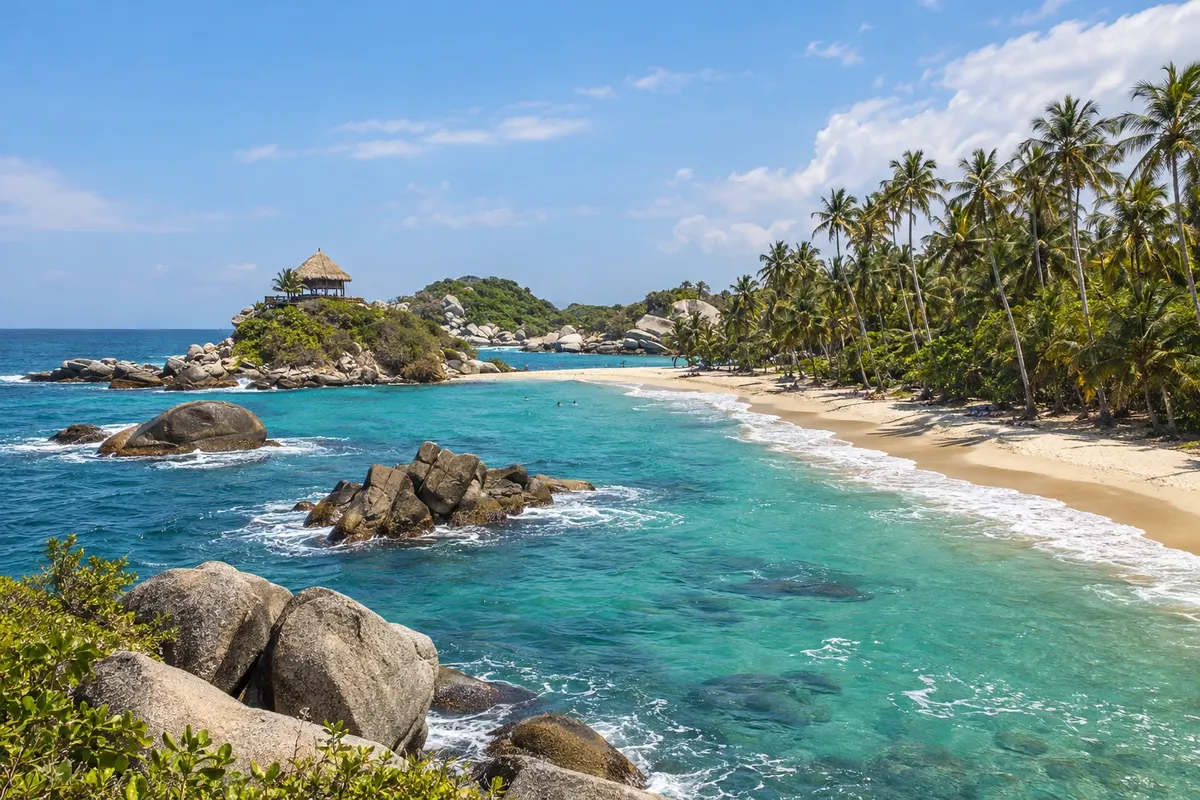
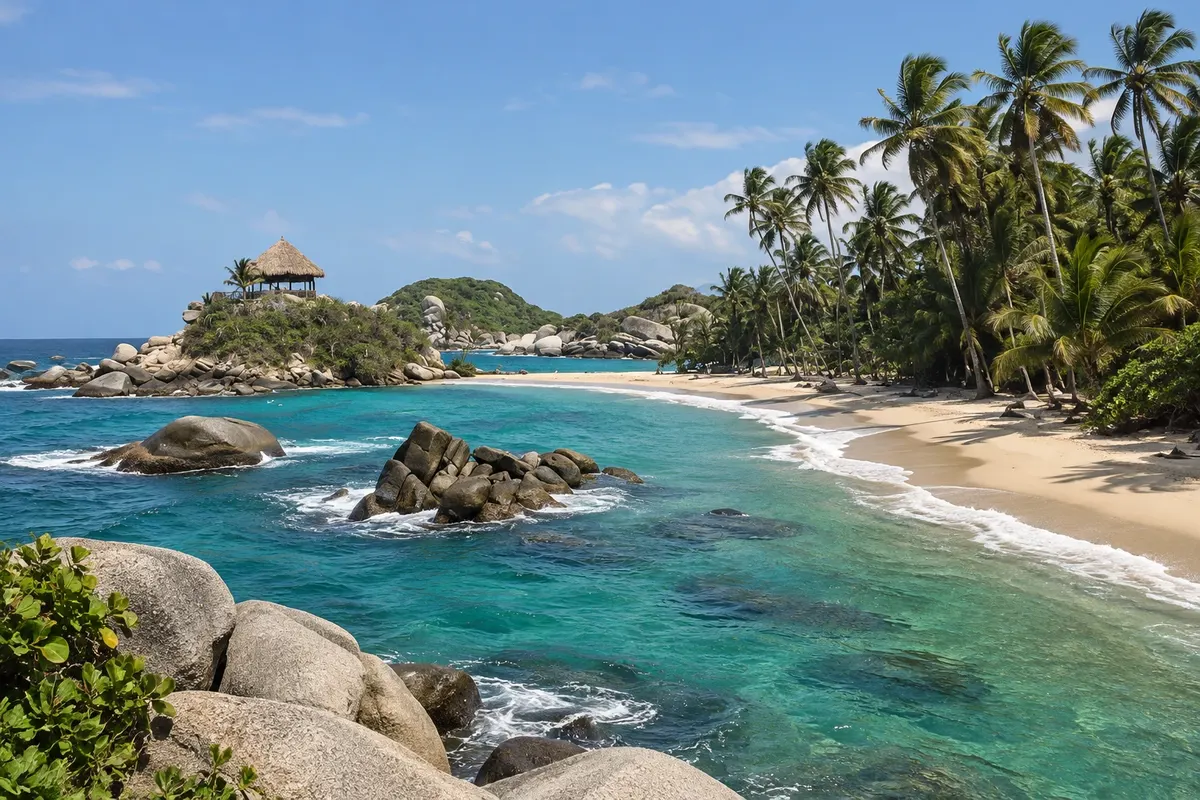
The Parque Nacional Natural Tayrona, roughly 35 km to the east, protects a coastline of coves with golden sand, rounded rocks and forest that reaches the beach. It is sacred territory for the indigenous peoples of the Sierra Nevada — kogui, arhuaco, wiwa and kankuamo — and it often closes several times a year for nature’s rest: check before you go. In the mountains, Minca, at about 650 meters altitude, has cafés, waterfalls and birdwatching, and from the area departs the multi-day trail to the Ciudad Perdida, an ancient tairona city in the middle of the forest.
The climate is warm year-round. For some areas, such as Parque Tayrona, yellow fever vaccination is commonly recommended or required; check before you travel.
This destination brings together 1 city: Santa Marta.


 Brazil
 Argentina
 Bolivia
 Chile
Chile Ecuador
 Guyana
 French Guiana
 Falkland Islands (Malvinas)
 Paraguay
 Peru
Peru Suriname
 Uruguay
 Venezuela
 Germany
 Belgium
 Spain
Spain France
 Greece
 the Netherlands
 Ireland
 Italy
Italy Luxembourg
 Portugal
 the United Kingdom
 Switzerland