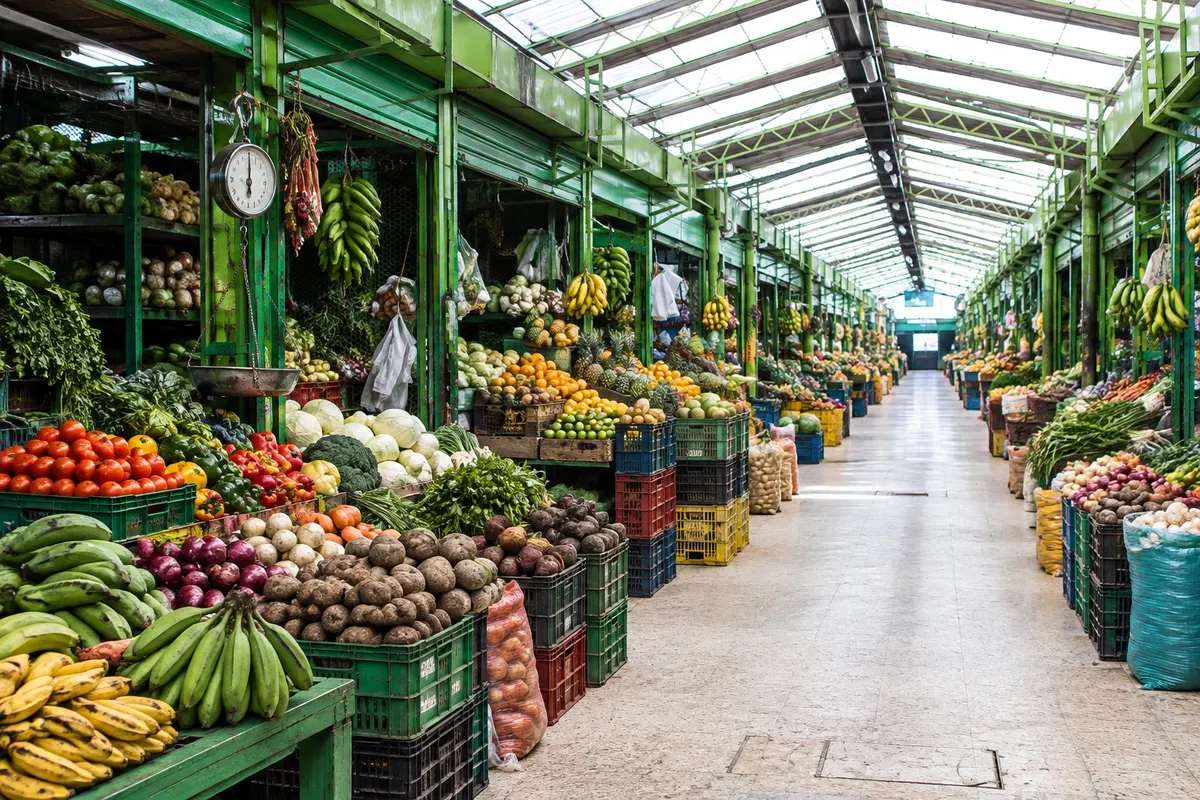
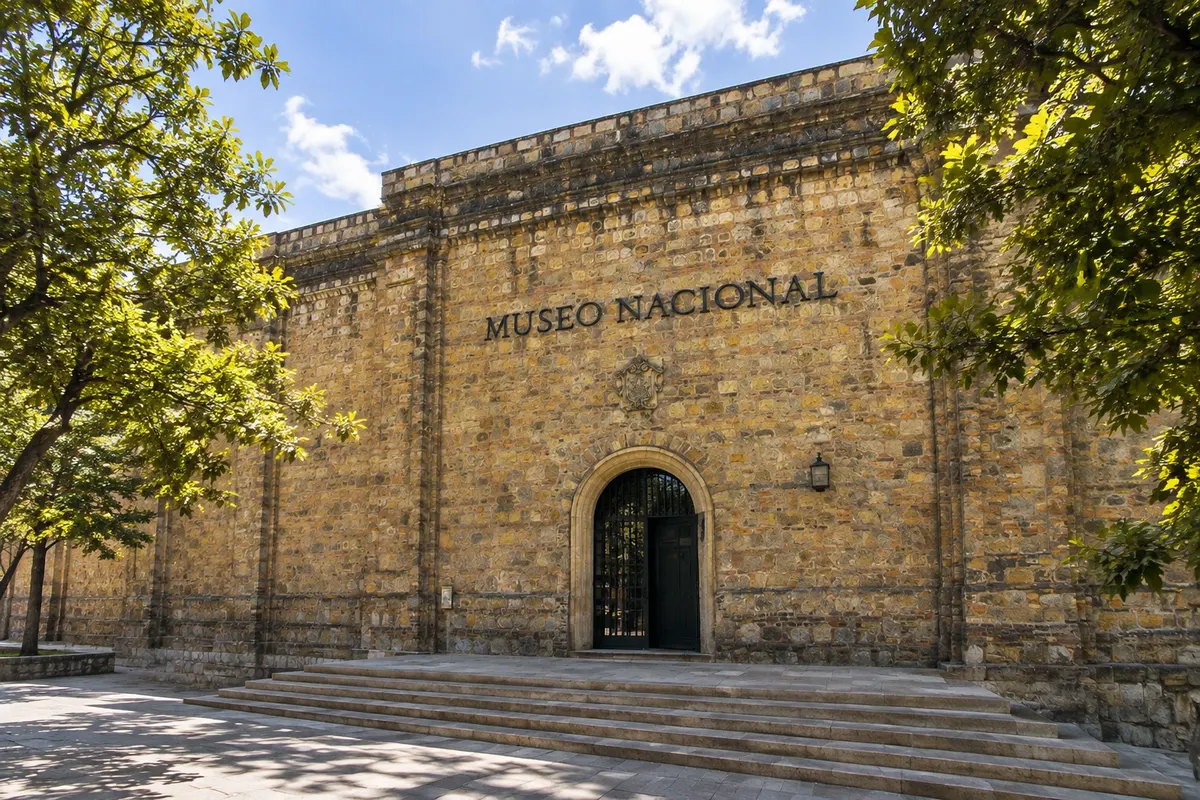
Bogotá sits on an Andean plateau about 2,600 meters high, tucked against the eastern hills. It was founded in 1538 by the Spaniards on muísca territory and today is the capital of Colombia, with more than 7 million inhabitants. Being near the Equator and at high altitude, the city is cool year-round: days are usually mild and nights cold.
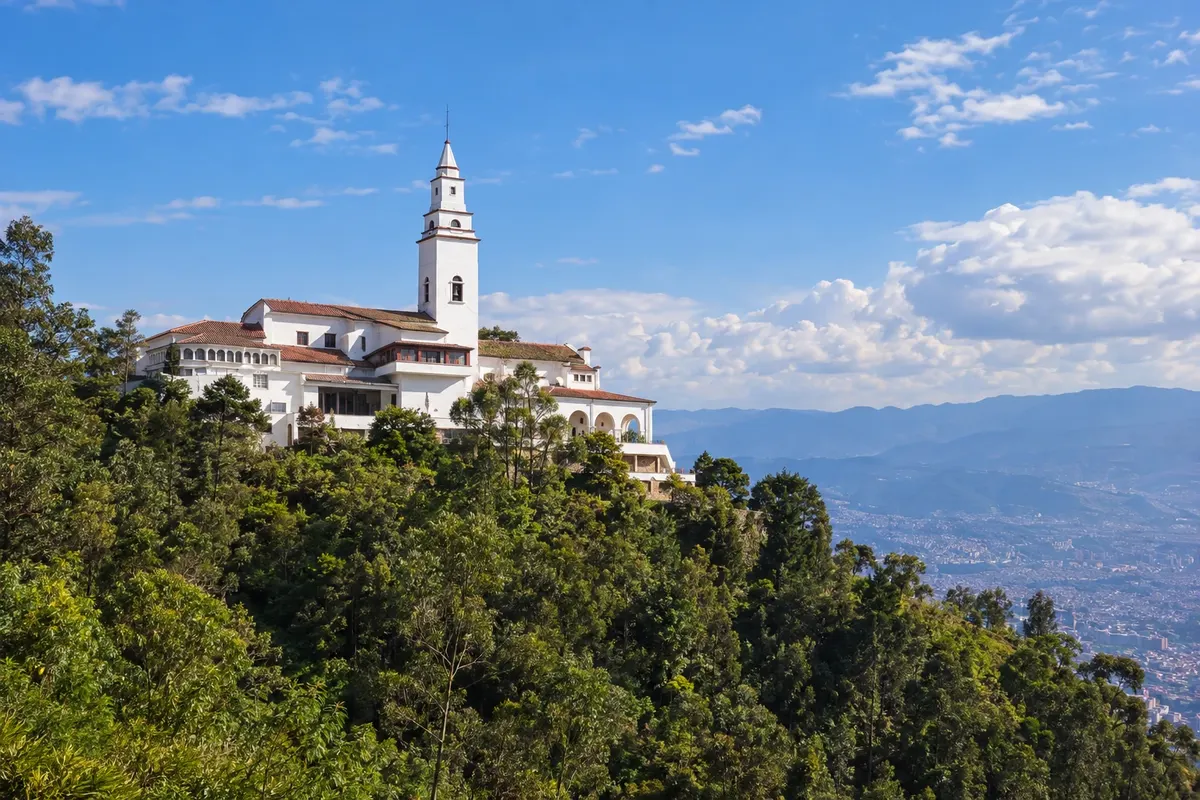
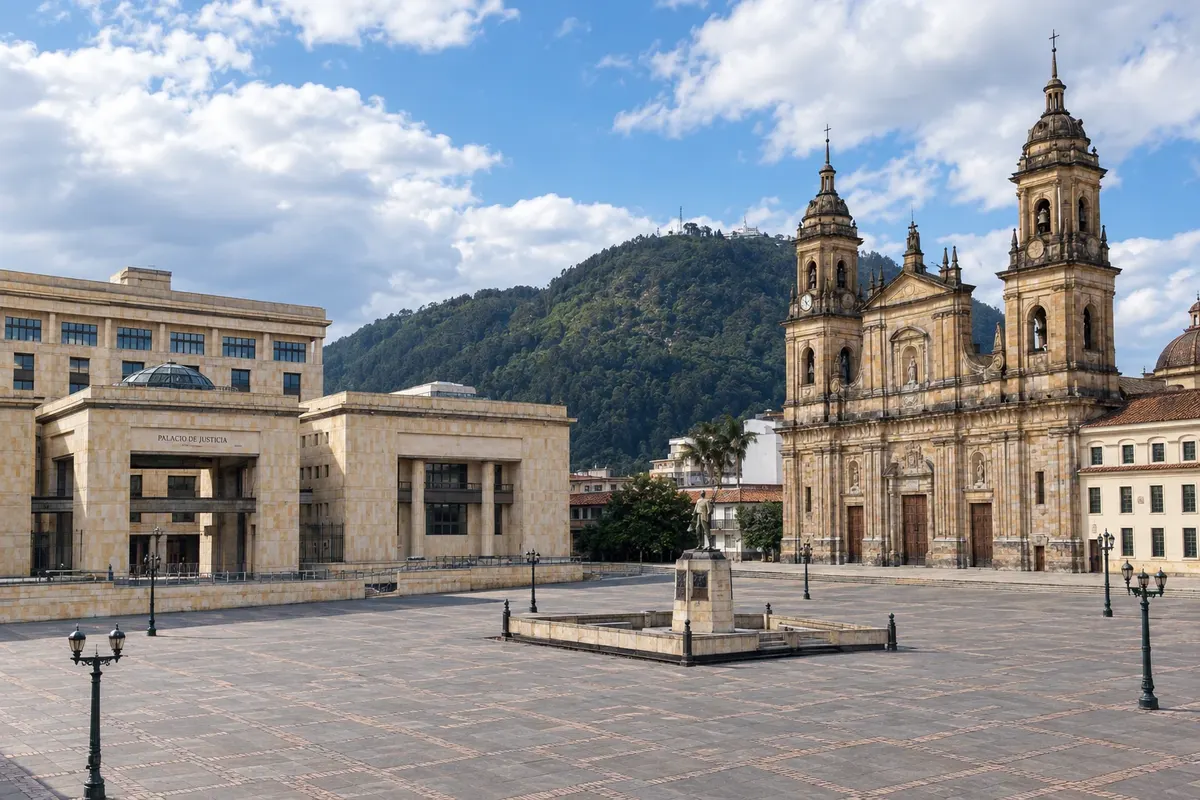
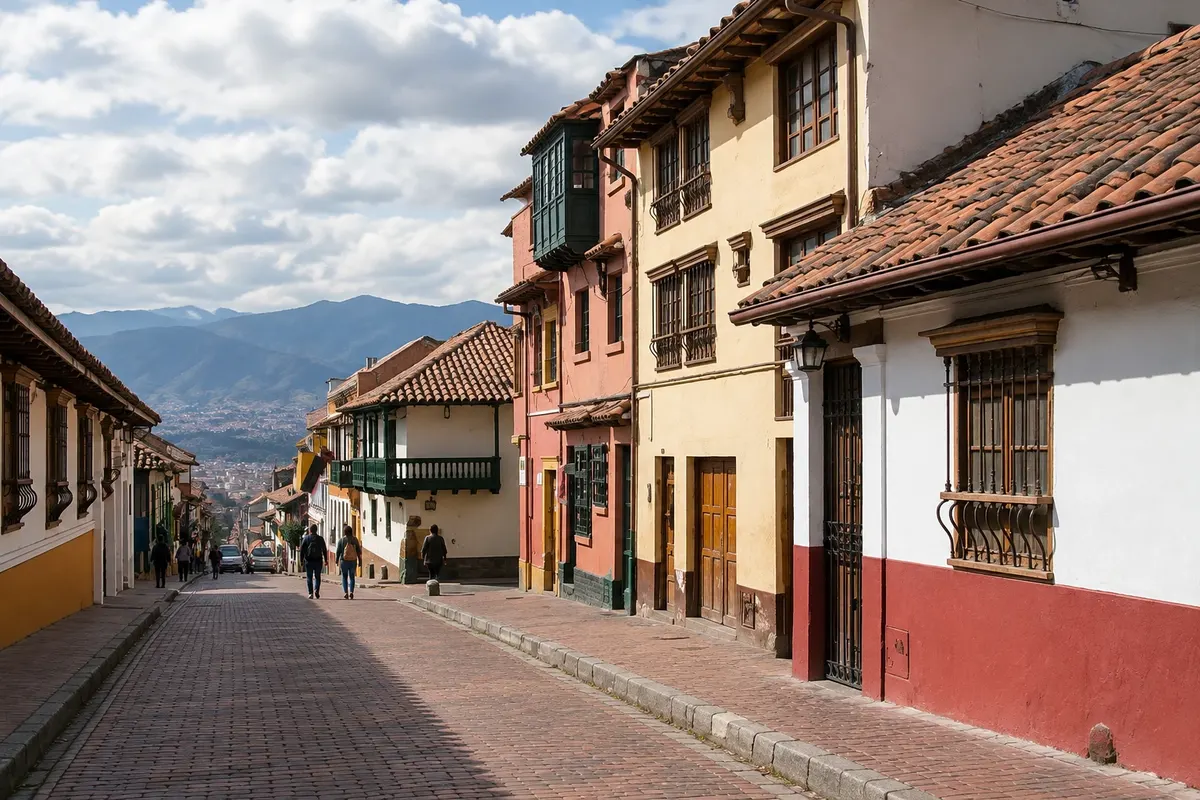
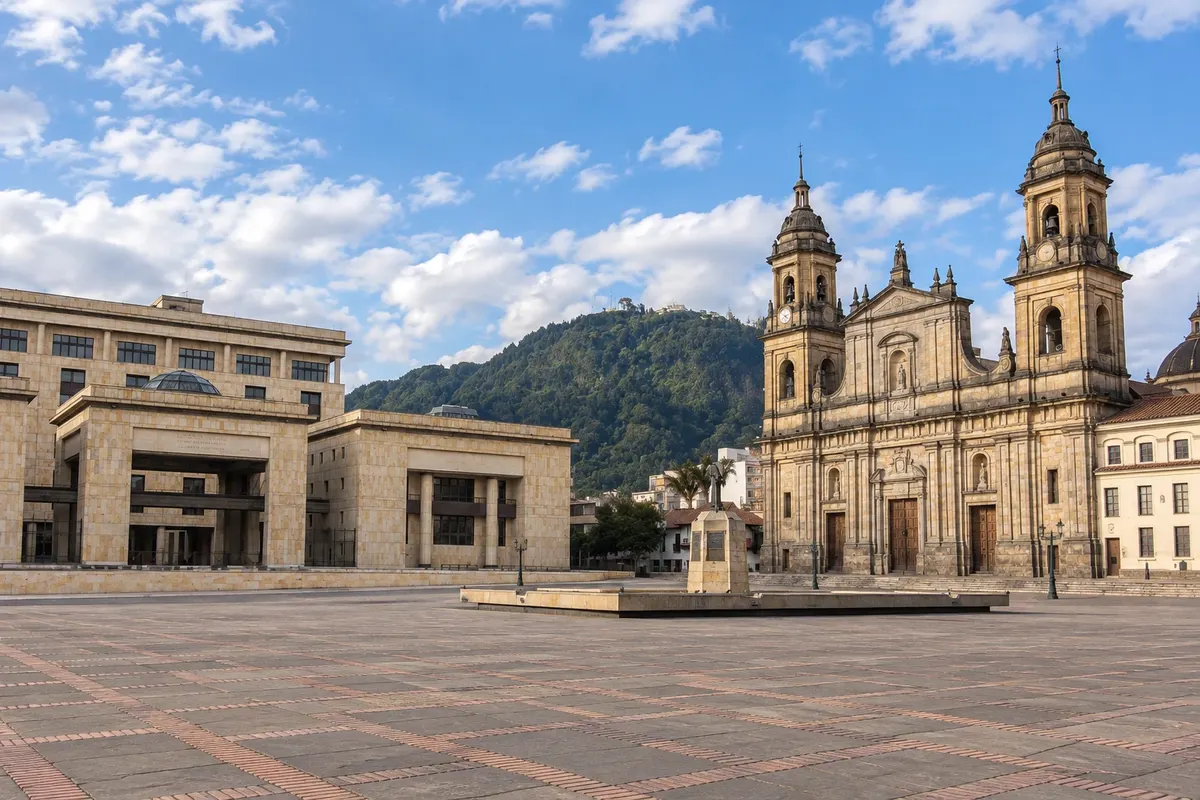
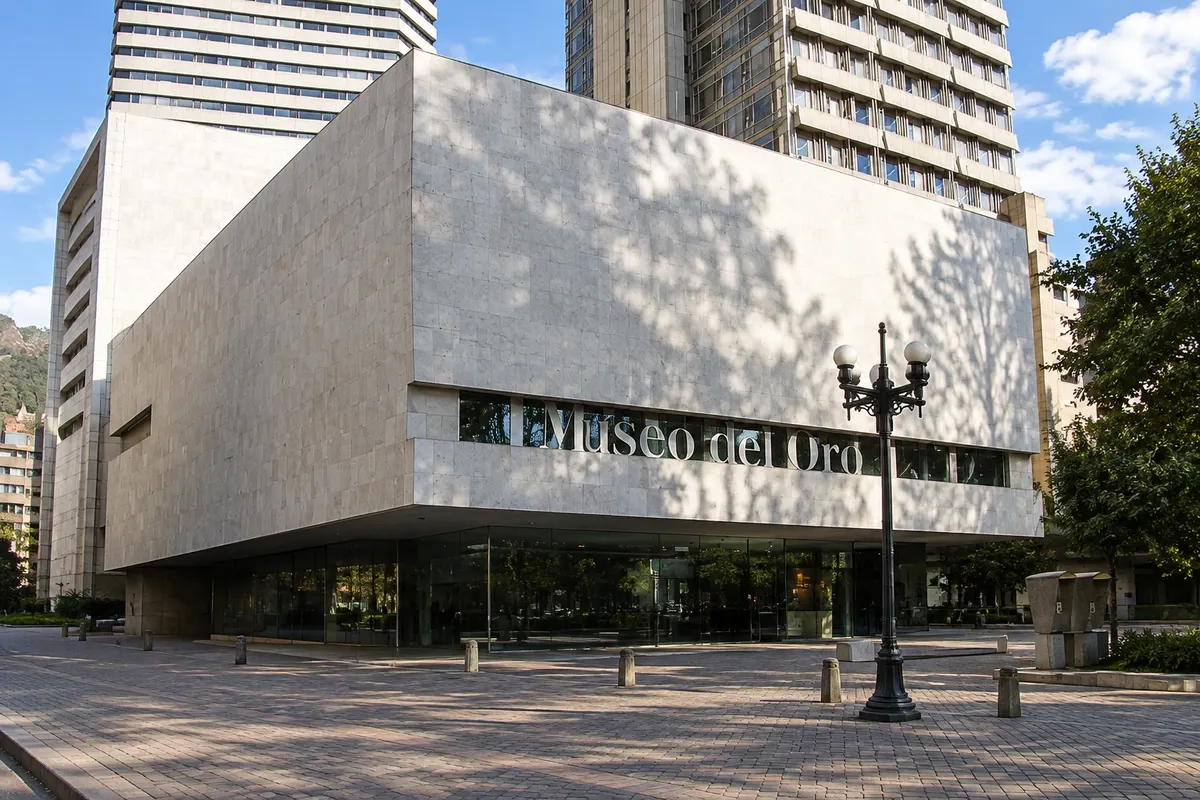
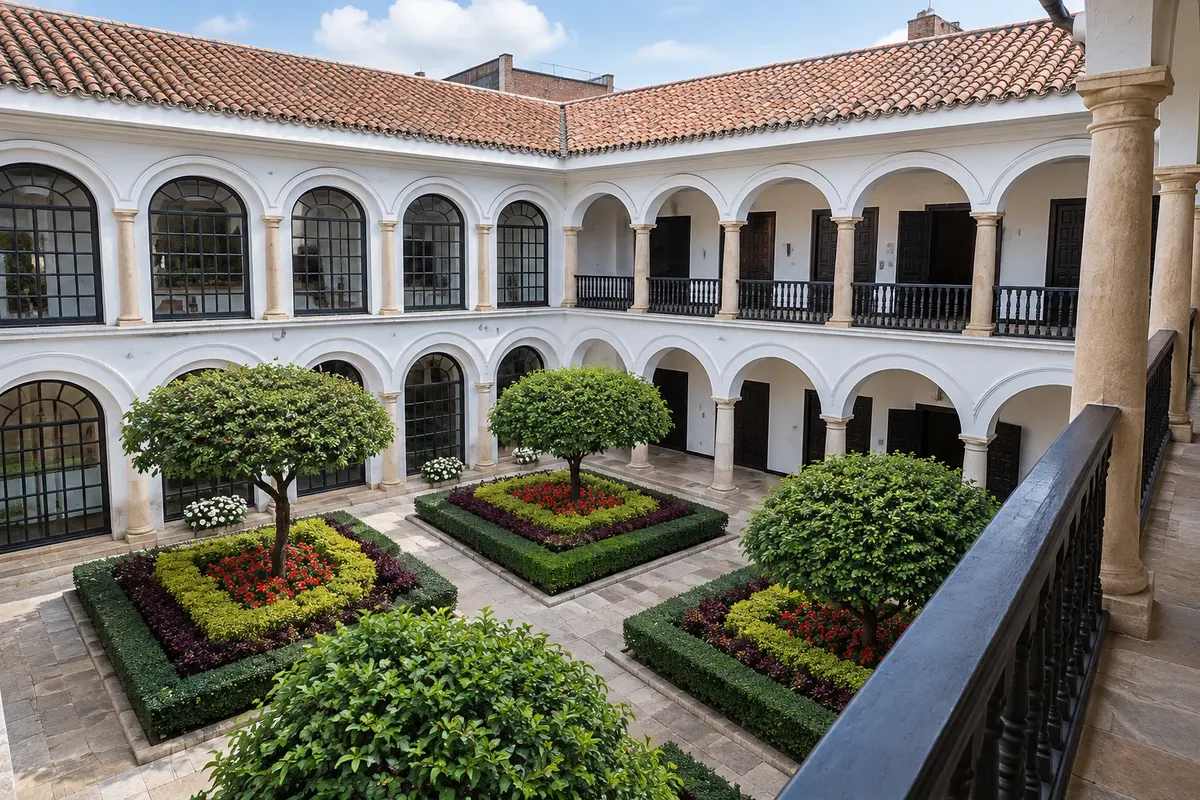
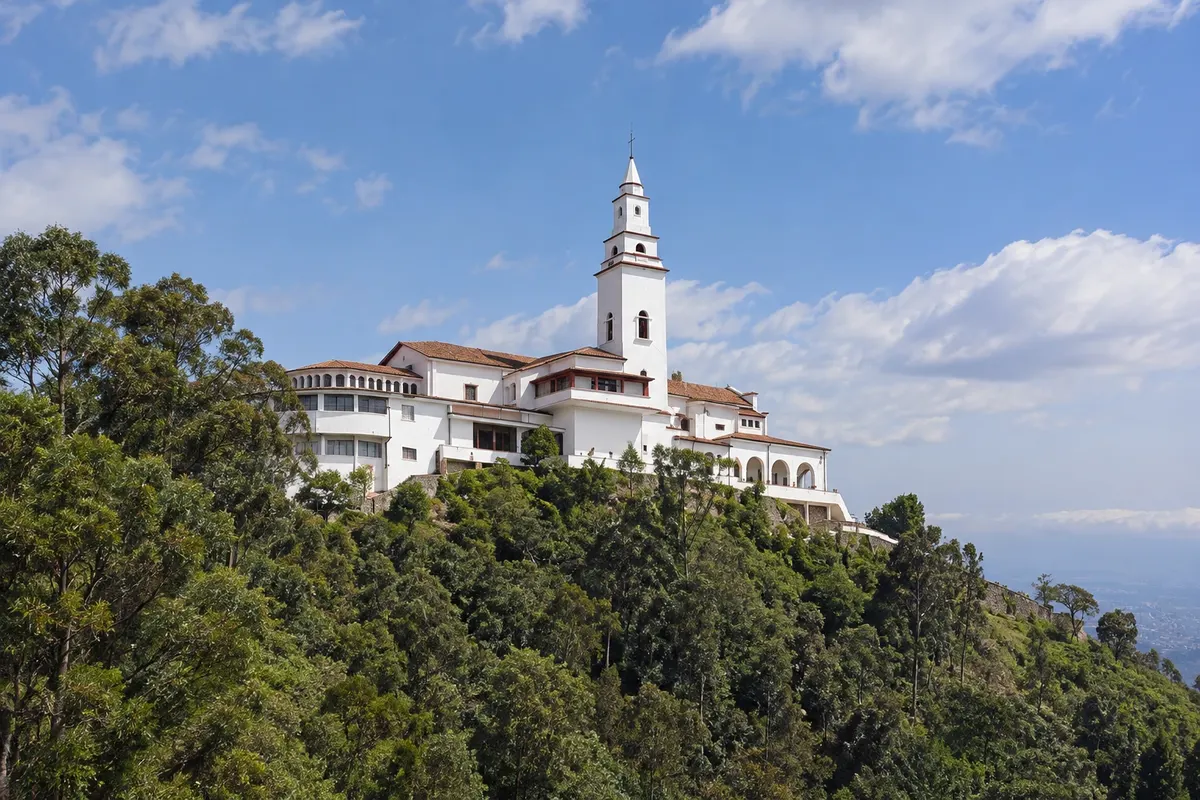
The historic center is La Candelaria, the colonial neighborhood of steep streets, wooden balcony houses and graffiti-covered walls, where you find the Chorro de Quevedo, pointed out as the founding spot, and the Plaza de Bolívar, with the Catedral Primada and the Capitolio. Nearby are the Banco de la República museums: the Museo del Oro, with tens of thousands of pre-Hispanic goldsmithing pieces, and the Museo Botero, with the collection donated by the painter from Medellín. Above all, the cerro de Monserrate, at 3,152 meters, houses the sanctuary and offers views of the whole plain.
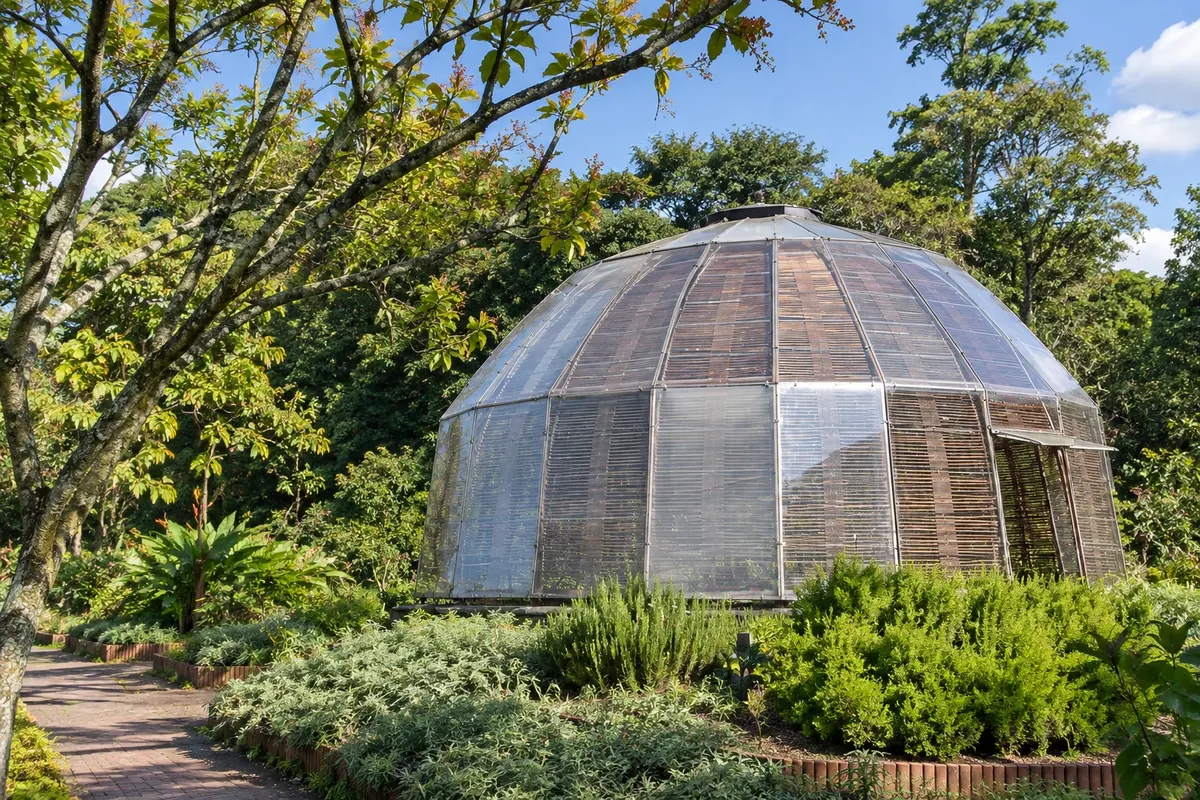
Outside the center, Bogotá shows a different face. To the north, Usaquén preserves the plaza of an old settlement and an antiques and handicrafts fair on Sundays. The Jardín Botánico José Celestino Mutis gathers the flora of the Colombian Andes, from cloud forest to páramo. On Sundays and holidays, the Ciclovía closes avenues for cyclists and pedestrians.
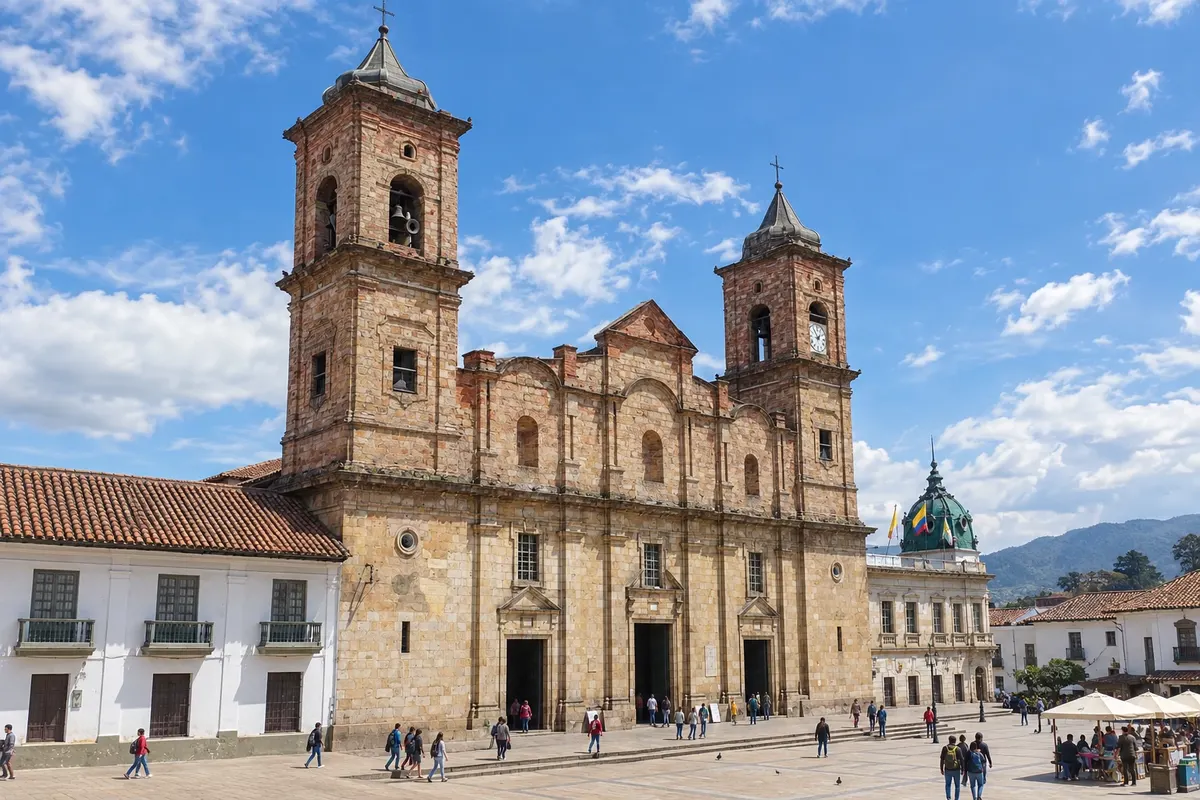
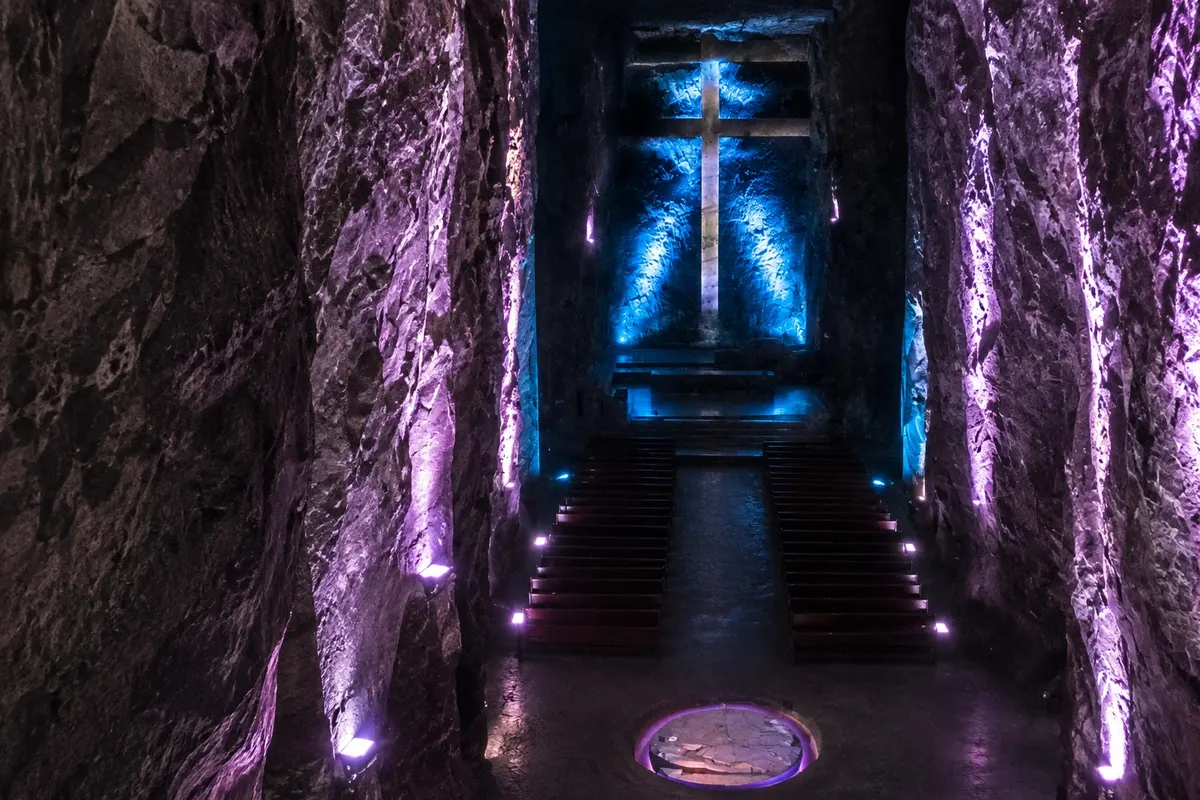
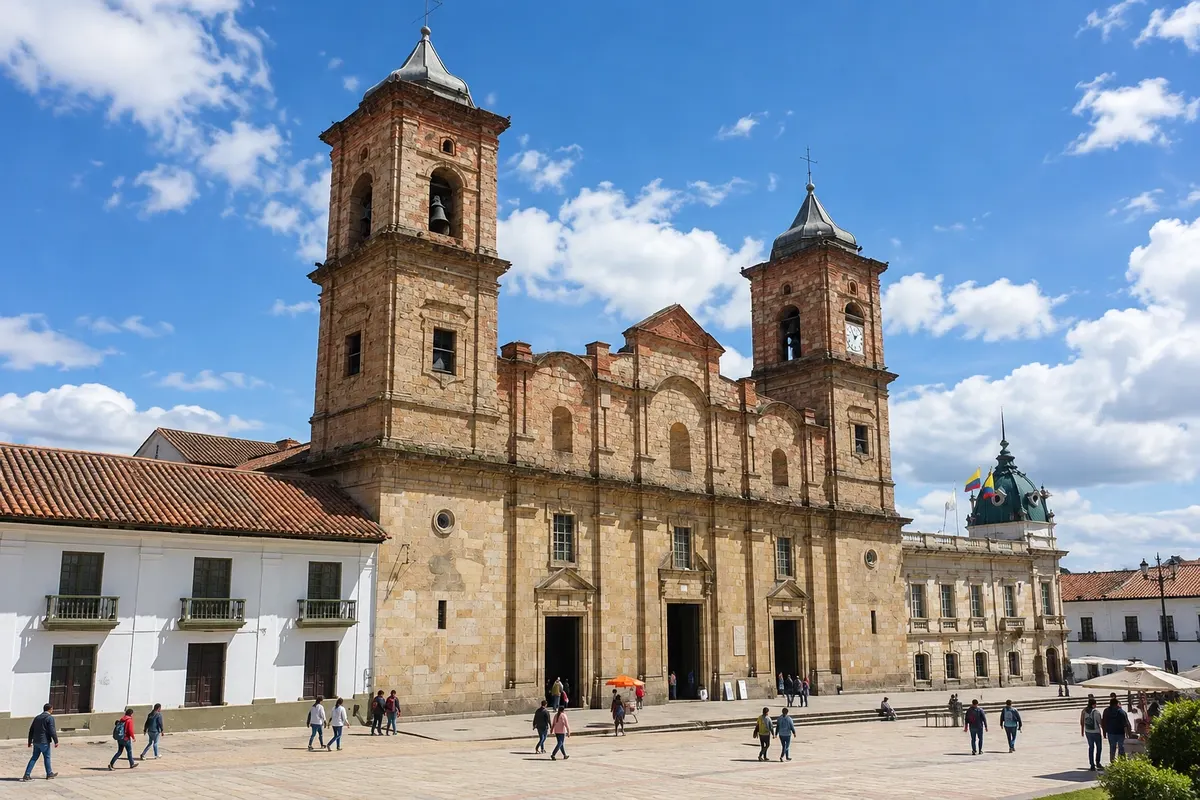
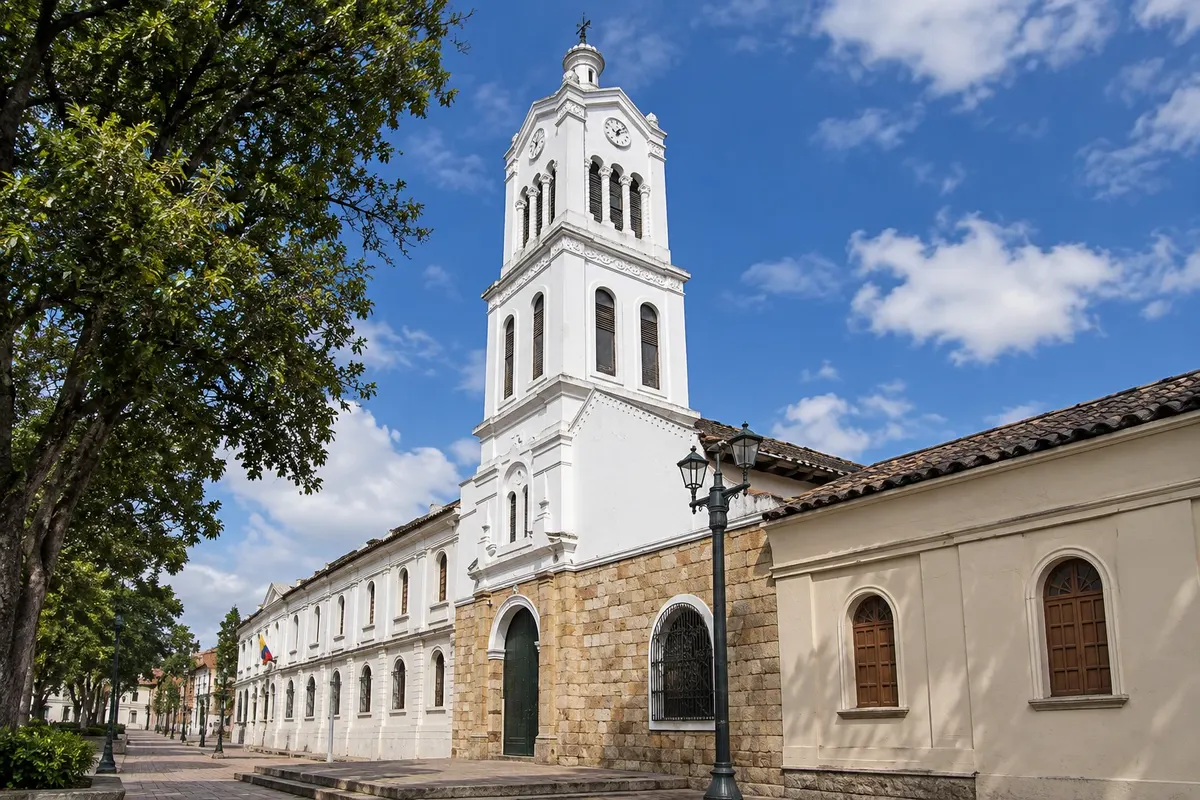
About 50 km to the north, Zipaquirá has the Catedral de Sal, a church carved 180 meters below the surface in an active salt mine, and a colonial center around the Plaza de los Comuneros. It can be done as a day trip. From that same area departs the excursion to the Laguna de Guatavita, the muísca sacred lagoon tied to the legend of El Dorado.
This destination brings together 2 cities: Bogotá, Zipaquirá.


 Brazil
 Argentina
 Bolivia
 Chile
Chile Ecuador
 Guyana
 French Guiana
 Falkland Islands (Malvinas)
 Paraguay
 Peru
Peru Suriname
 Uruguay
 Venezuela
 Germany
 Belgium
 Spain
Spain France
 Greece
 the Netherlands
 Ireland
 Italy
Italy Luxembourg
 Portugal
 the United Kingdom
 Switzerland