

 Brazil
 Chile
Chile Colombia
 Peru
Peru Uruguay
 Germany
 Belgium
 Spain
Spain France
 Greece
 the Netherlands
 Ireland
 Italy
Italy Portugal
 the United Kingdom
 Switzerland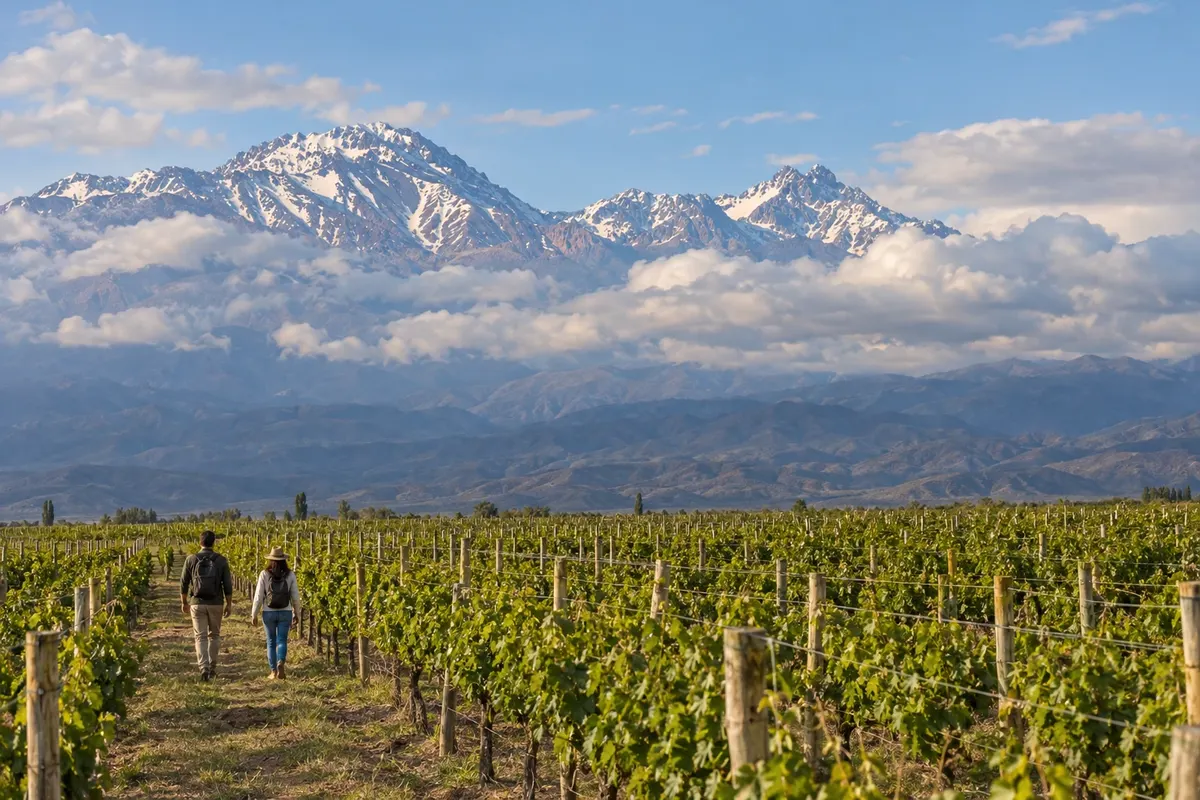
Route · Mendoza
Mendoza Wine Routes
From the capital to the wine areas of Maipú and Luján de Cuyo and to the three municipalities of the Valle de Uco.
In the photo: Vineyards of the Valle de Uco
Illustrative images. The pictures in this guide are illustrations based on the real place, not photographs, and may differ from it.

The route
What the Mendoza Wine Routes is
The Mendoza Wine Routes bring together different producing areas. The capital is located north of Maipú and Luján de Cuyo, in the Primera Zona; the Valle de Uco stretches further south. Mendoza receives flights at MDZ airport and concentrates accommodation and services for winery visits.
Tupungato, Tunuyán and San Carlos make up the valley, with urban centers separate from the vineyard districts. RN 40 links the regional area; RP 86, RP 89 and other connections lead to the visiting sectors. Visits to properties include local accesses in addition to the road corridors.
Andeluna and Atamisque, in Tupungato, and Zuccardi Valle de Uco, in San Carlos, welcome visitors to learn about wine production. Reservations, transfers and tasting schedules guide the day. The production routes and the mountain-range landscape have a different pace than the capital's urban tours.
The map
6 cities along the way
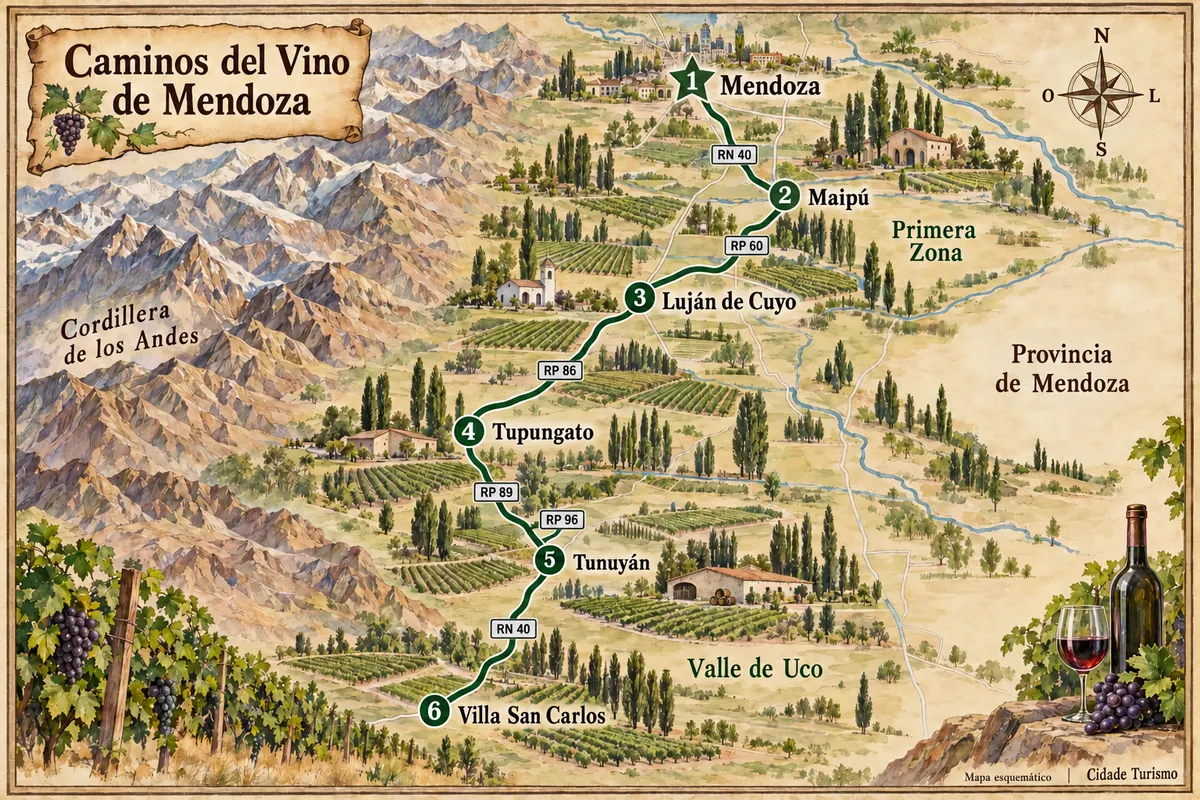
Fuente: Instituto Geográfico Nacional de la República Argentina (IGN), contornos de 2019. Adaptação do Cidade Turismo.
The journey
City by city
Distances and times are approximate: check before you set off.
-
 1 · Mendoza
Mendoza
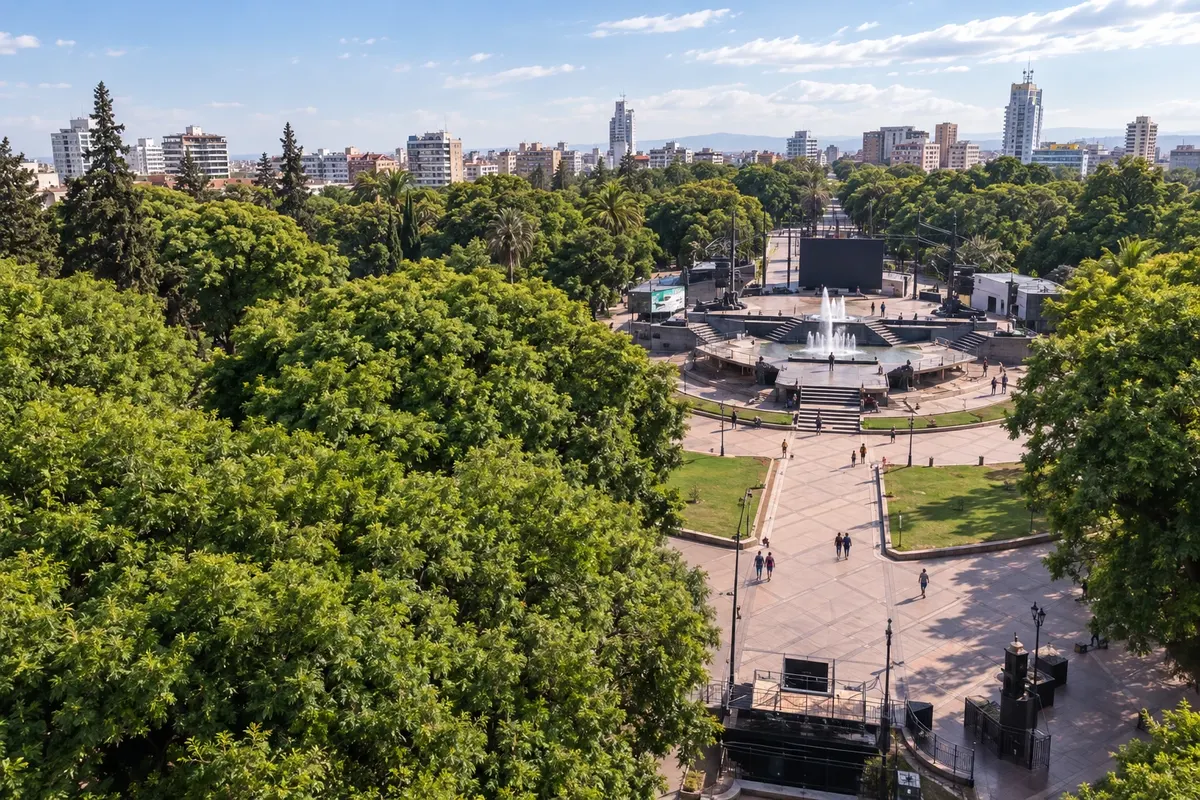
Mendoza is the provincial capital and the arrival base via MDZ airport. The central plazas and Parque General San Martín are part of the city walks. The city concentrates accommodation, receptive agencies and transfers to the production areas to the south.
→ Maipú about 15 km Urban accesses from Gran Mendoza to Maipú use the RN 40 corridor and the connection via RP 60. The route moves from the urban grid to winery areas; the final access depends on the chosen reservation.
-
 2 · Mendoza
Maipú
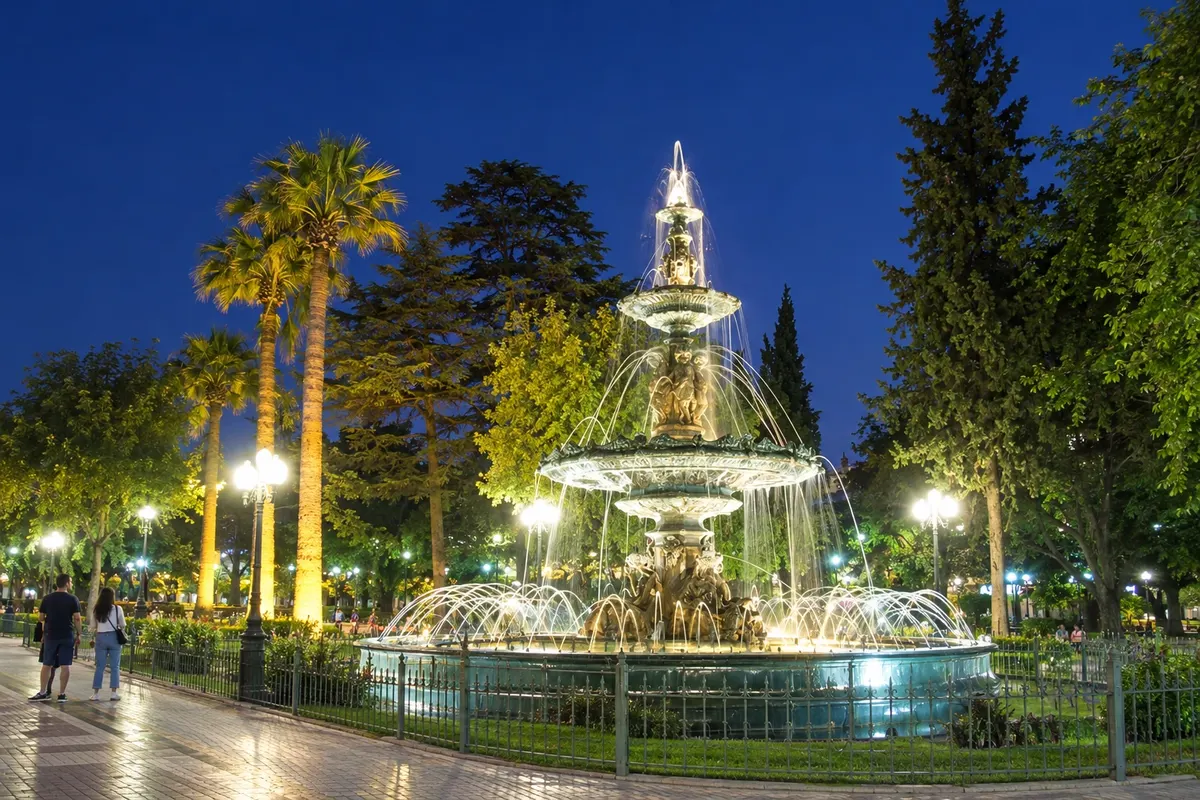
Maipú belongs to the Primera Zona and has wine and olive-oil production in the districts near the urban core. The Museo Nacional del Vino y la Vendimia preserves part of that history. Coquimbito and Cruz de Piedra contextualize the winery routes, linked by roads and local streets.
→ Luján de Cuyo RP 60 westbound until the RN 40 corridor, with a link to the seat of Luján de Cuyo. The districts of Coquimbito and Perdriel have their own accesses, not forming a single visit road.
-
 3 · Mendoza
Luján de Cuyo
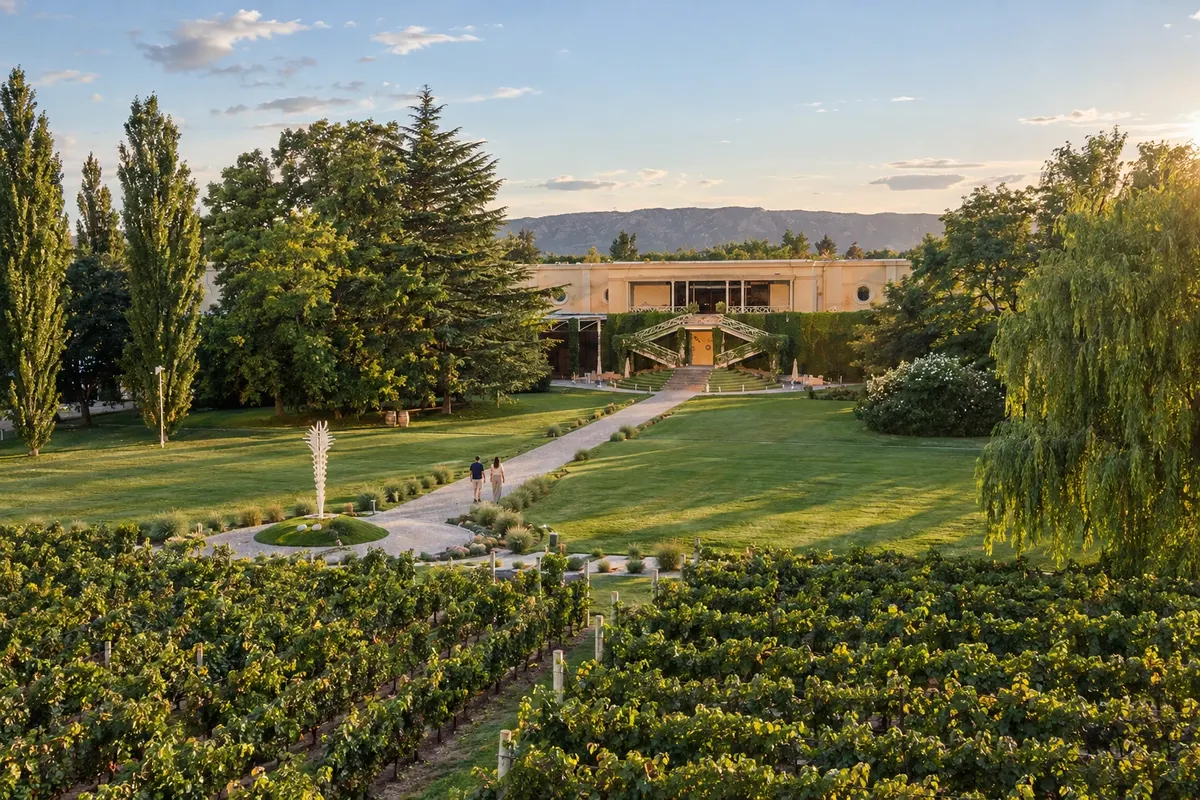
Luján de Cuyo brings together producing areas tied to the Mendoza River and the Malbec variety. Chacras de Coria, Agrelo and Perdriel play different roles in a visit: service core and vineyard districts. Continuing along RN 40 leads to the Los Cerrillos access toward Tupungato.
→ Tupungato RN 40 southbound to Ugarteche and RP 86, Los Cerrillos, for Tupungato. The paved corridor shifts from the Gran Mendoza areas to the relief of the northern Valle de Uco, with access to San José.
-
 4 · Mendoza
Tupungato
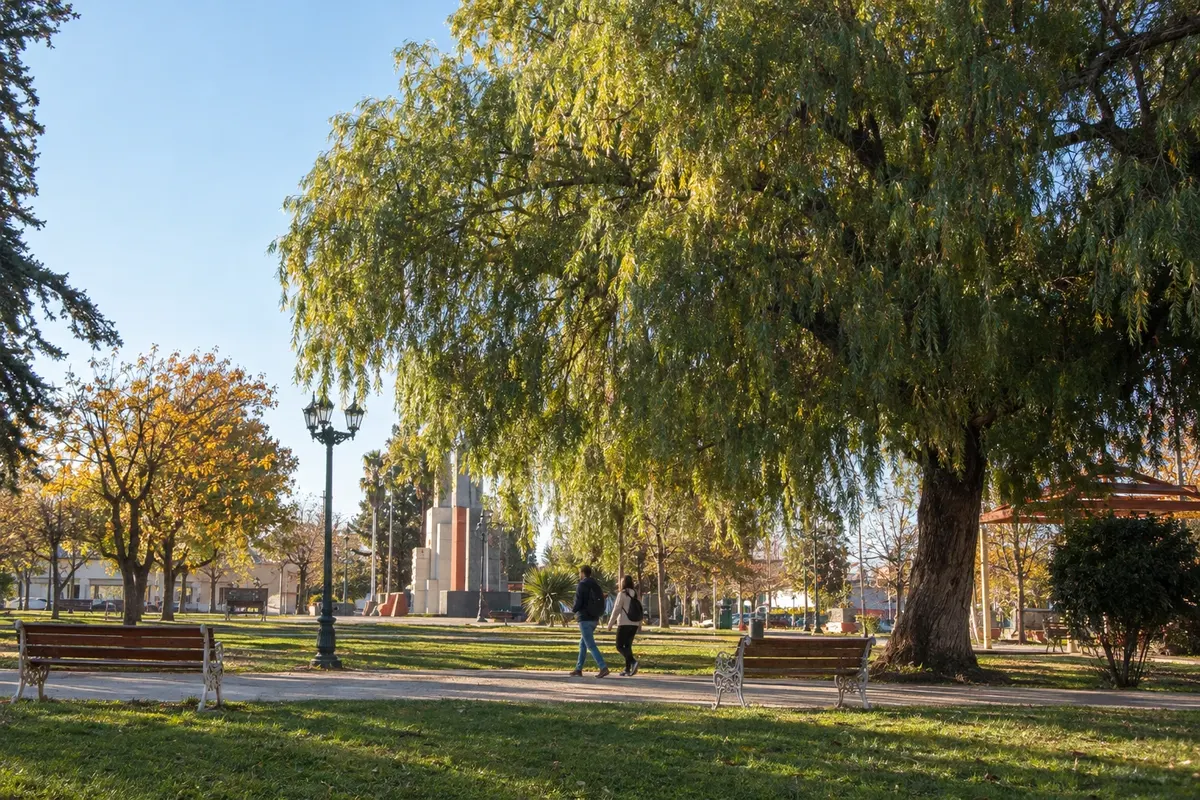
Tupungato occupies the northern sector of the Valle de Uco, with high-altitude vineyards near the Cordón del Plata. The wineries Andeluna, in Gualtallary, and Atamisque, in San José, offer visits by reservation. RP 86 links this stage to Gran Mendoza and RP 89 runs along part of the production corridor.
→ Tunuyán RP 89 corridor between vineyard areas; link via RP 96, El Álamo, paved, to RN 40 and the seat of Tunuyán. Accesses to properties are defined by the reservations.
-
 5 · Mendoza
Tunuyán
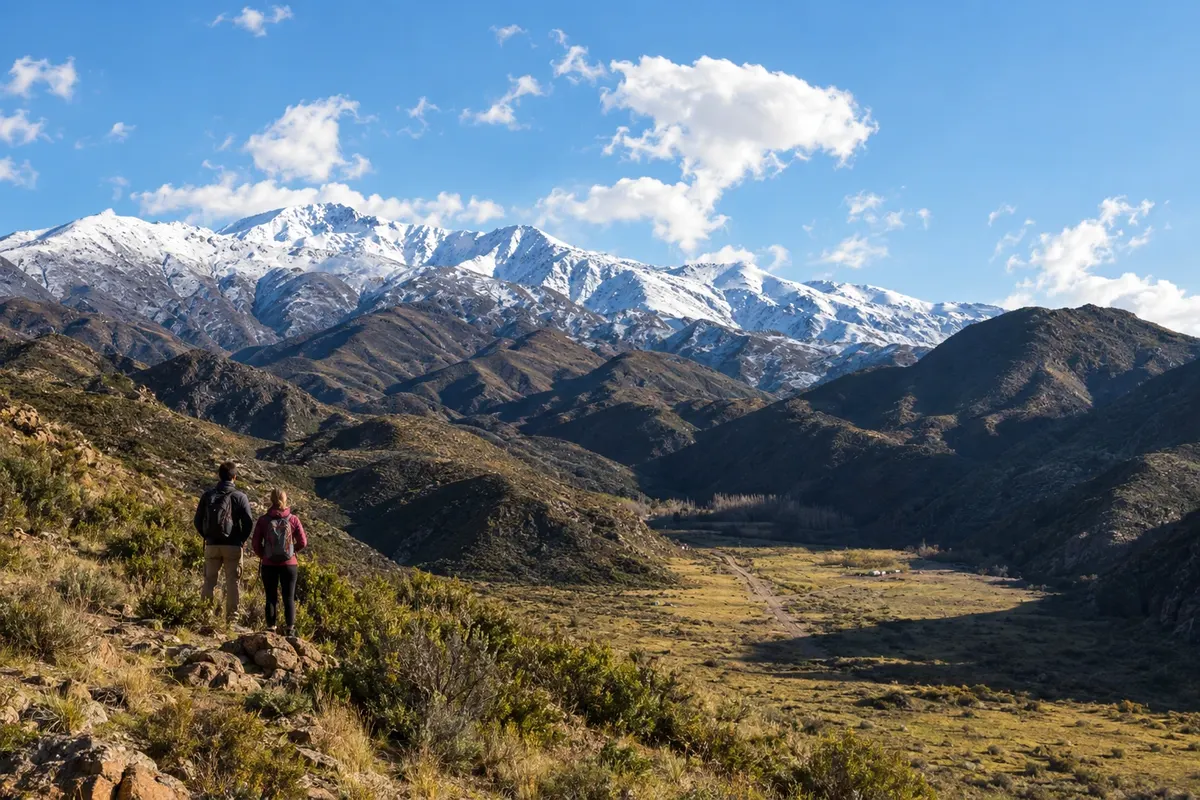
Tunuyán sits at the center of the Valle de Uco and distributes its vineyards across areas such as Los Chacayes and Vista Flores. The town offers services distinct from the rural properties near the mountain range. The RP 89 corridor and accesses via RN 40 connect this stage to Tupungato and the southern valley.
→ San Carlos RN 40 southbound and local access to Villa San Carlos. La Consulta and Paraje Altamira require departures to the west of the axis; the RP 92 corridor connects areas of Tunuyán to the wineries of San Carlos.
-
 6 · Mendoza
San Carlos
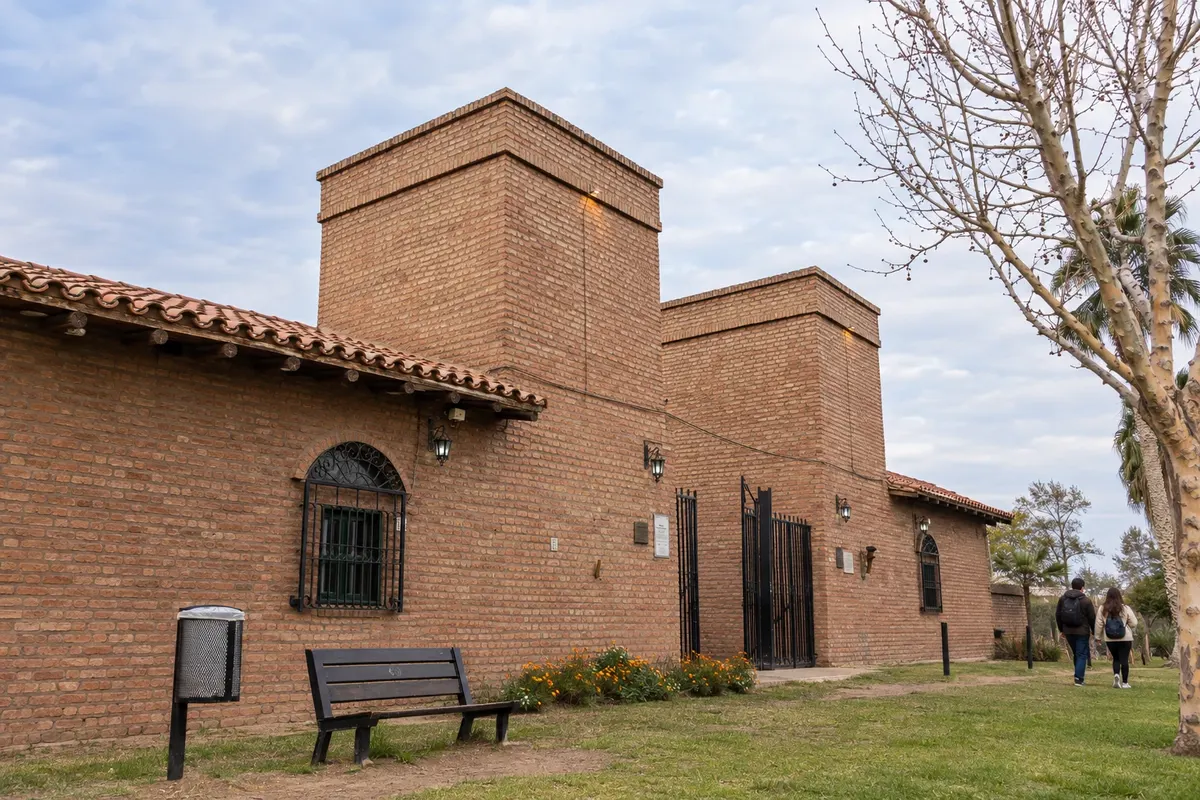
Villa San Carlos is the seat of the San Carlos department, in the southern sector of the Valle de Uco. La Consulta and Paraje Altamira are localities in the same department. The Bodega Zuccardi Valle de Uco, in Altamira, receives guided visits at its Finca Piedra Infinita.
How many days
Five to seven days allow you to split time among Maipú, Luján de Cuyo and the Valle de Uco, staying overnight in two bases. Leave gaps between winery visits and don't measure success by the number of bookings. For a shorter trip, choose an area close to the capital and one part of the valley.
Best time to go
The harvest typically takes place from February to April. From September to November temperatures are usually milder for field routes. Between December and February the heat calls for breaks; June to August nights tend to be cold, especially in the Valle de Uco. Visits do not depend on witnessing the harvest.
The seasons shown are the most usual ones; nature doesn't always follow the calendar.
How to travel it
Divide Maipú, Luján and the Valle de Uco by days or bases. Use RN 40 and the accesses indicated in your reservations; RP 86 and RP 89 connect sectors of the valley. Use a driver or transfer on tasting days. Check requirements for driving with a Brazilian driver's license before traveling.
Who it's for
For those who want to learn about wine production, winery architecture and vineyard landscapes, with time for scheduled visits and road stages.
Your questions
Frequently asked questions about the Mendoza Wine Routes
Do I need to visit all the wine areas on the same trip?
You can split the itinerary into shorter trips. Maipú and Luján are close to Gran Mendoza; Tupungato, Tunuyán and San Carlos make up the Valle de Uco stage.
Can I drive between tastings?
Use a transfer, driver or other transport to return from tastings. Reservations may be in rural areas separated by stretches of road.
Is the Valle de Uco a city?
It is a region made up of Tupungato, Tunuyán and San Carlos. The urban centers and the rural districts have different accesses, and the location of the reservation guides accommodation choices.
Do winery visits require a reservation?
Check the experience and reservation requirements with each establishment. The guided tour, the tasting and a meal may have different modalities.
When does the harvest usually take place?
The season is usually concentrated between February and April. The harvest calendar and the activities offered vary between properties; confirm the visit you intend to make.
Is it better to stay overnight in the capital or in the Valle de Uco?
The capital serves as a base for the nearby areas. Staying in the valley reduces return travel when you have consecutive-day visits in Tupungato, Tunuyán or San Carlos.