11 lugares para conhecer, escolhidos pelo guia Cidade Turismo.
Illustrative images. The pictures in this guide are illustrations based on the real place, not photographs, and may differ from it.
Para começar
Os 10 principais lugares Split and Brač
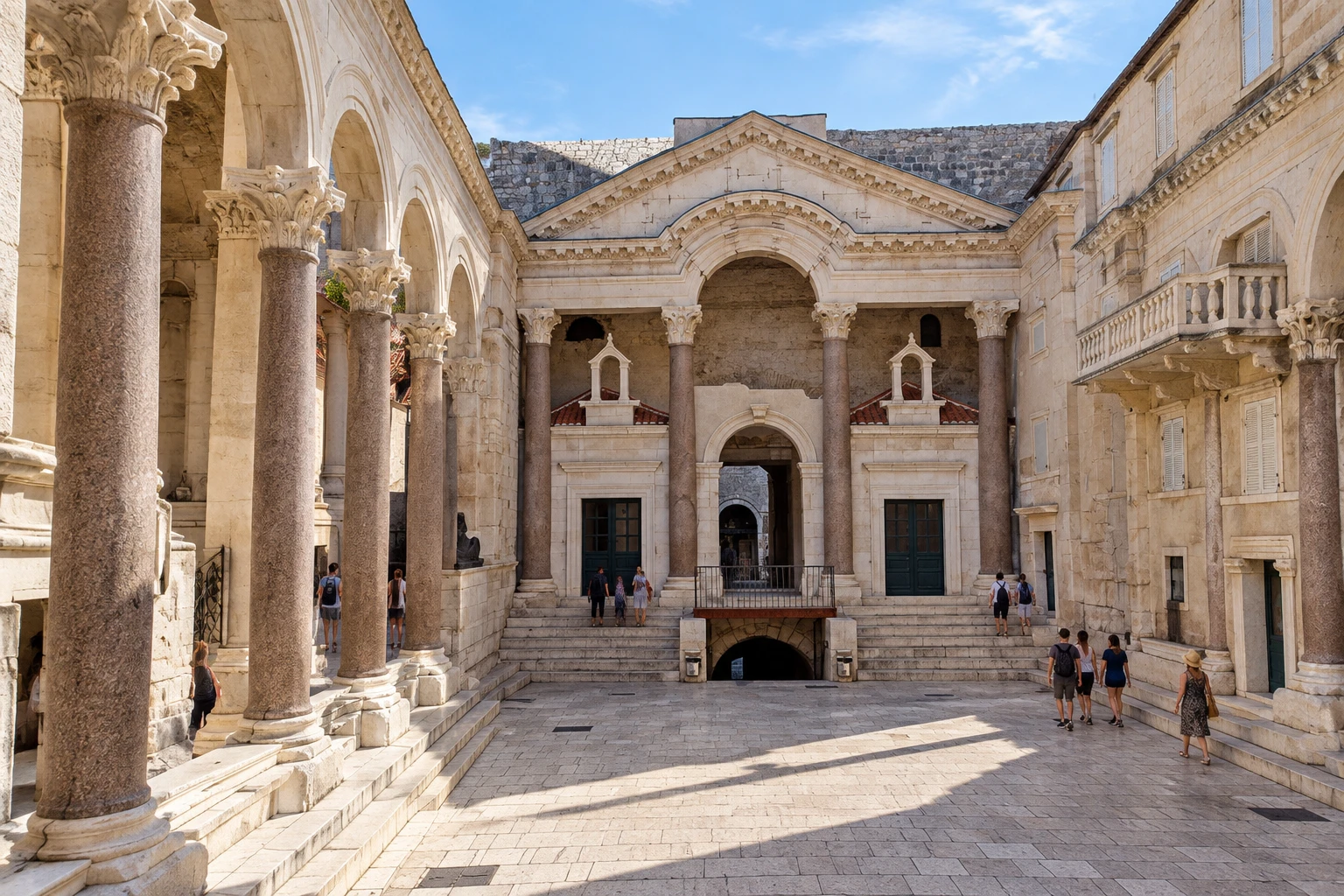
Diocletian's Palace · SplitThe Dioklecijanova palača forms the old core of Split.
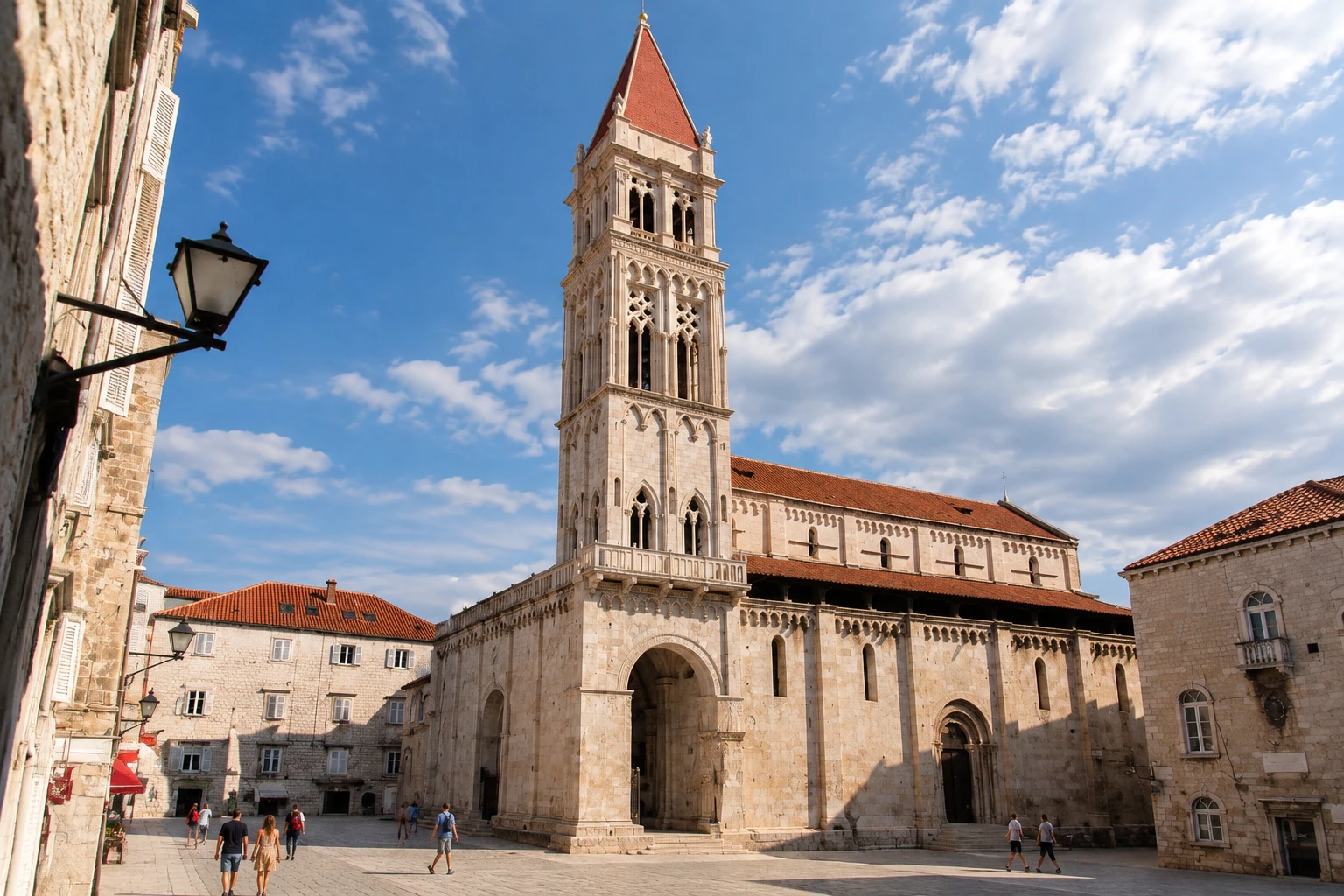
Cathedral of St. Lawrence · TrogirThe Katedrala sv. Lovre stands in Trogir’s historic centre on a small island linked by bridges to the mainland. The building brings together Romanesque, Gothic and later phases....
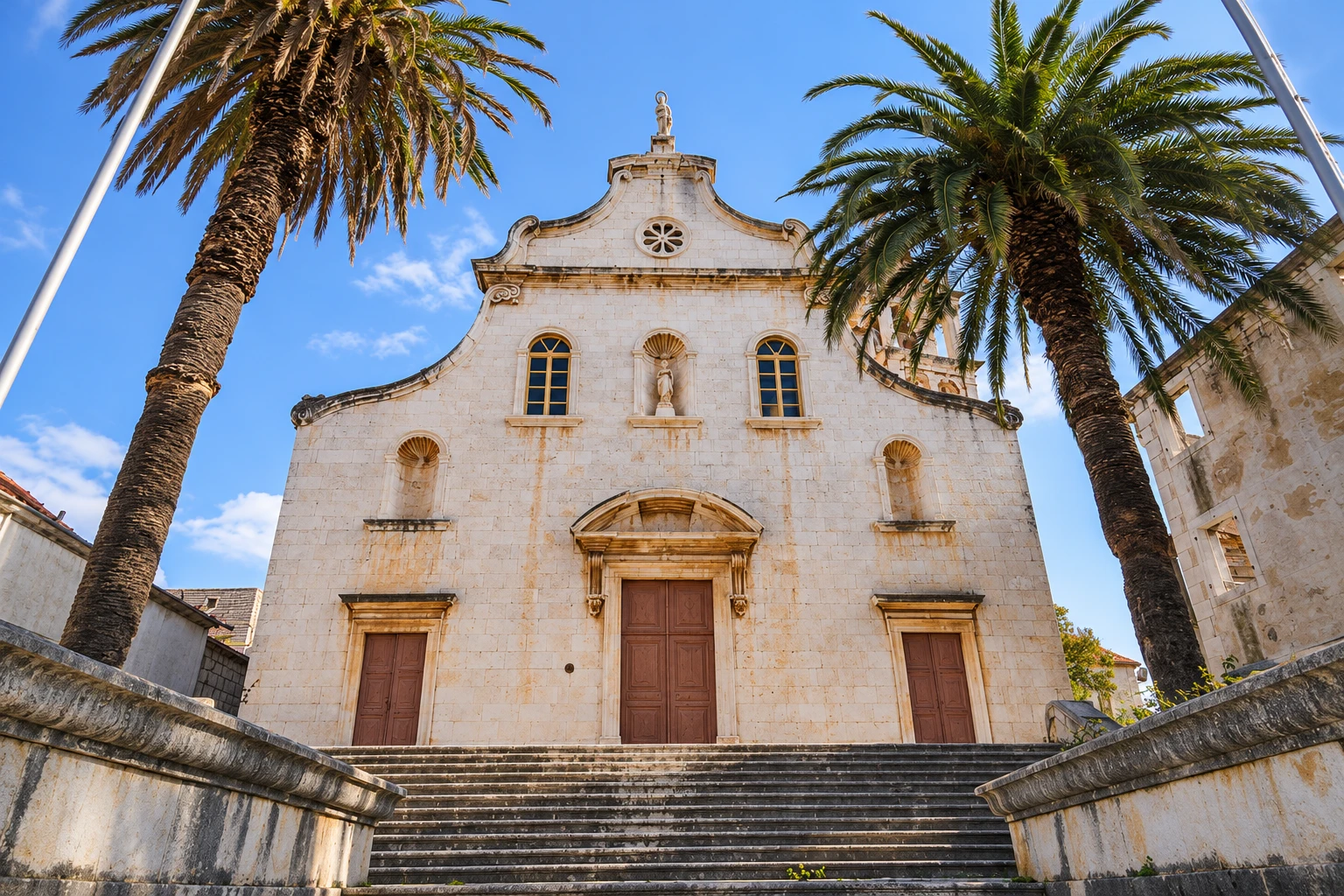
Themed Trail · MilnaA public route along Milna’s waterfront linking the Baroque church stairway, the old navigation-related houses and the Pantera shipyard area.
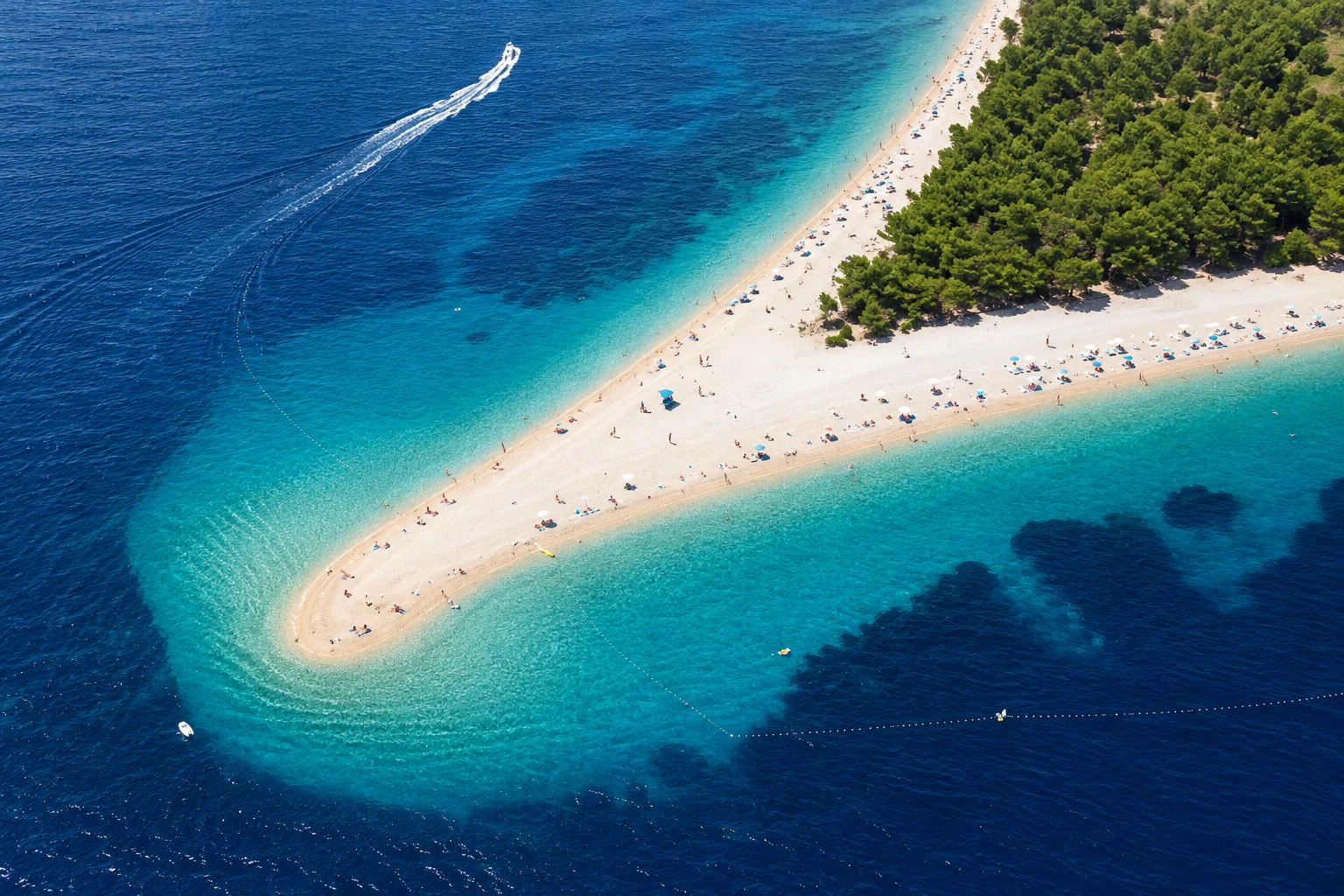
Zlatni Rat · BolZlatni rat is the pebble spit that juts into the sea west of Bol’s centre on the island of Brač.
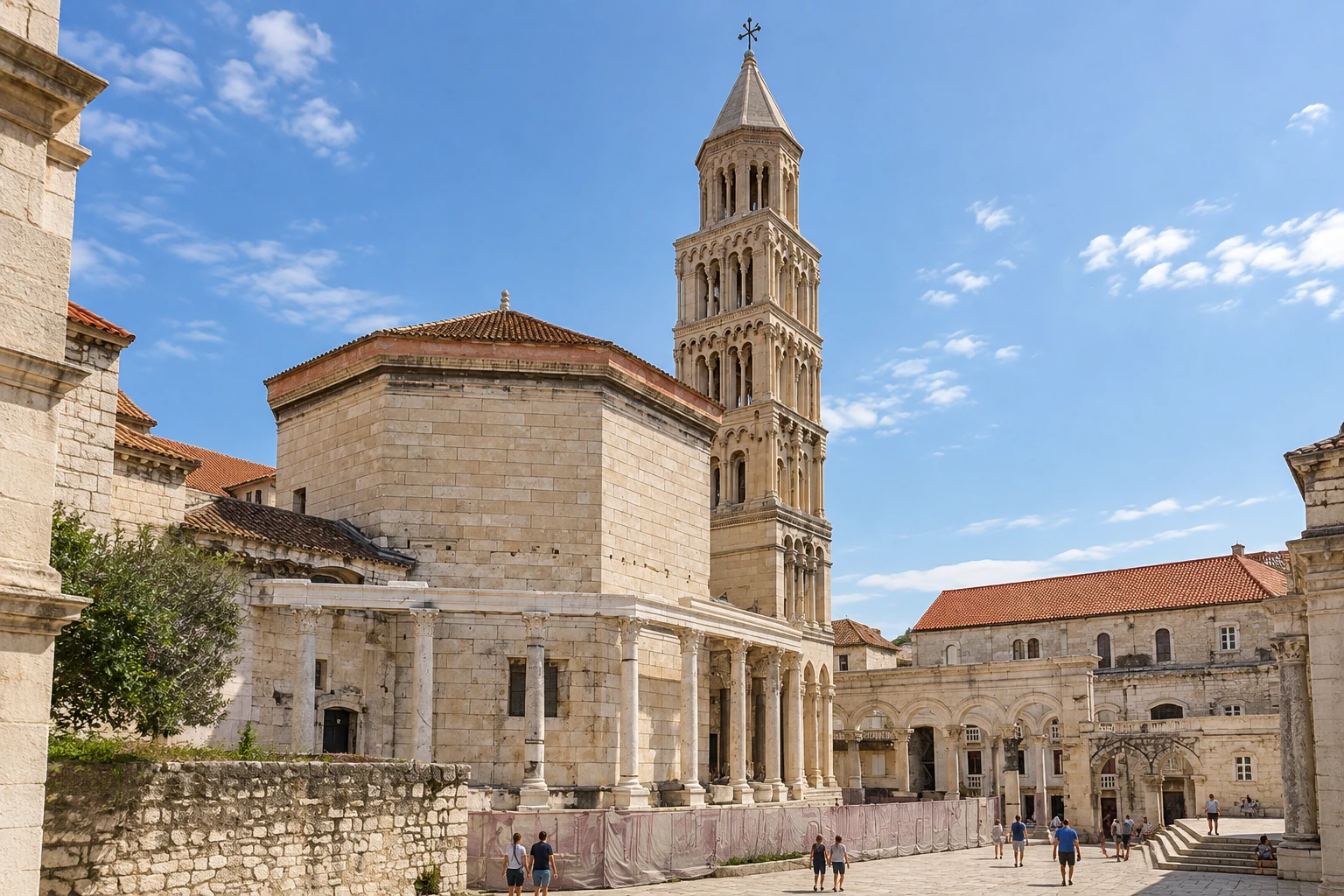
Cathedral of Saint Domnius · SplitThe Katedrala sv. Dujma occupies the former mausoleum of Diocletian, inside the palace of Split. The change of use preserved a Roman structure at the center of a religious compl...
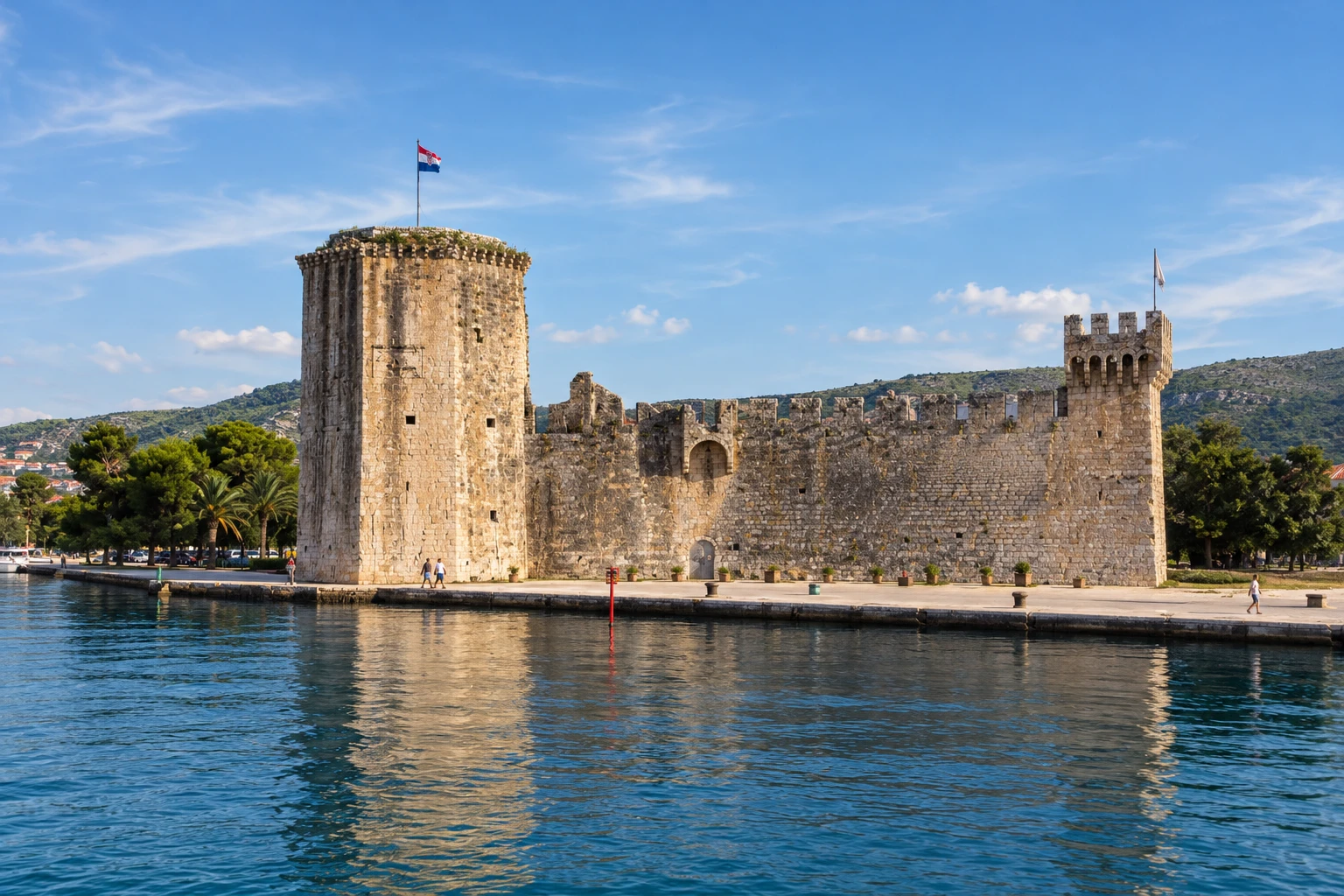
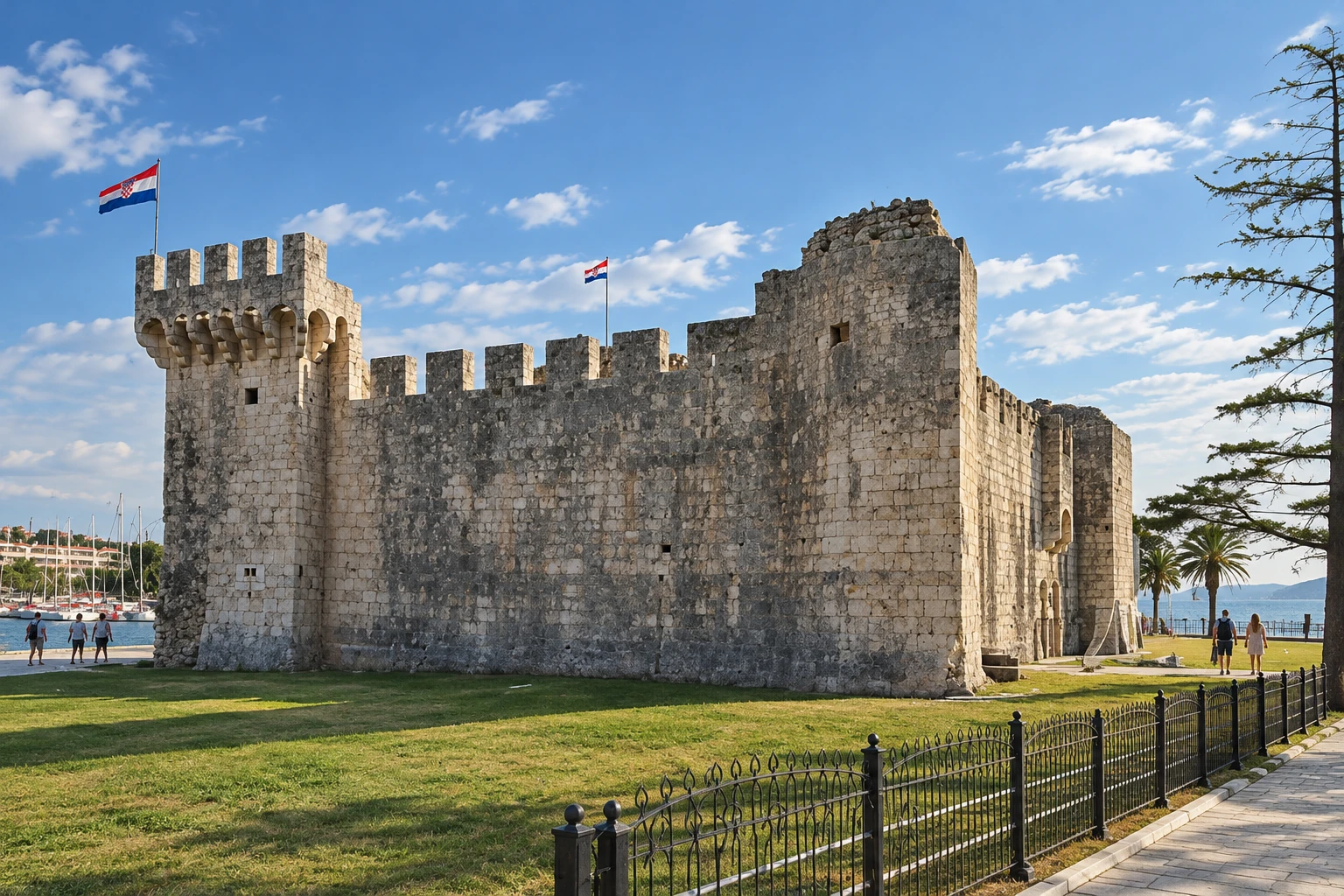
Kamerlengo Castle · TrogirThe Kula Kamerlengo occupies the edge of Trogir’s historic core by the water.
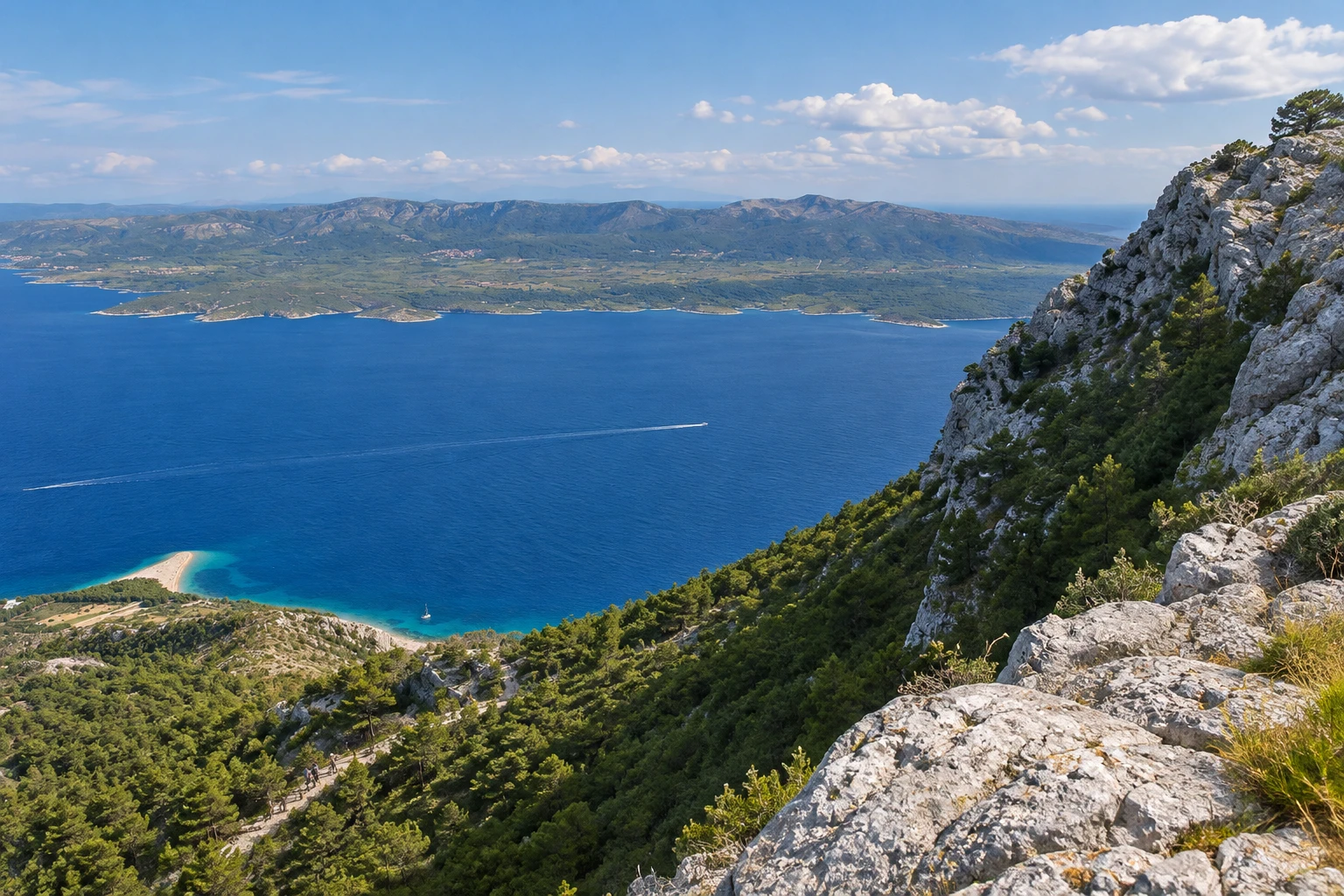
Vidova Gora · BolVidova gora is a rise on the island of Brač above the coast of Bol.
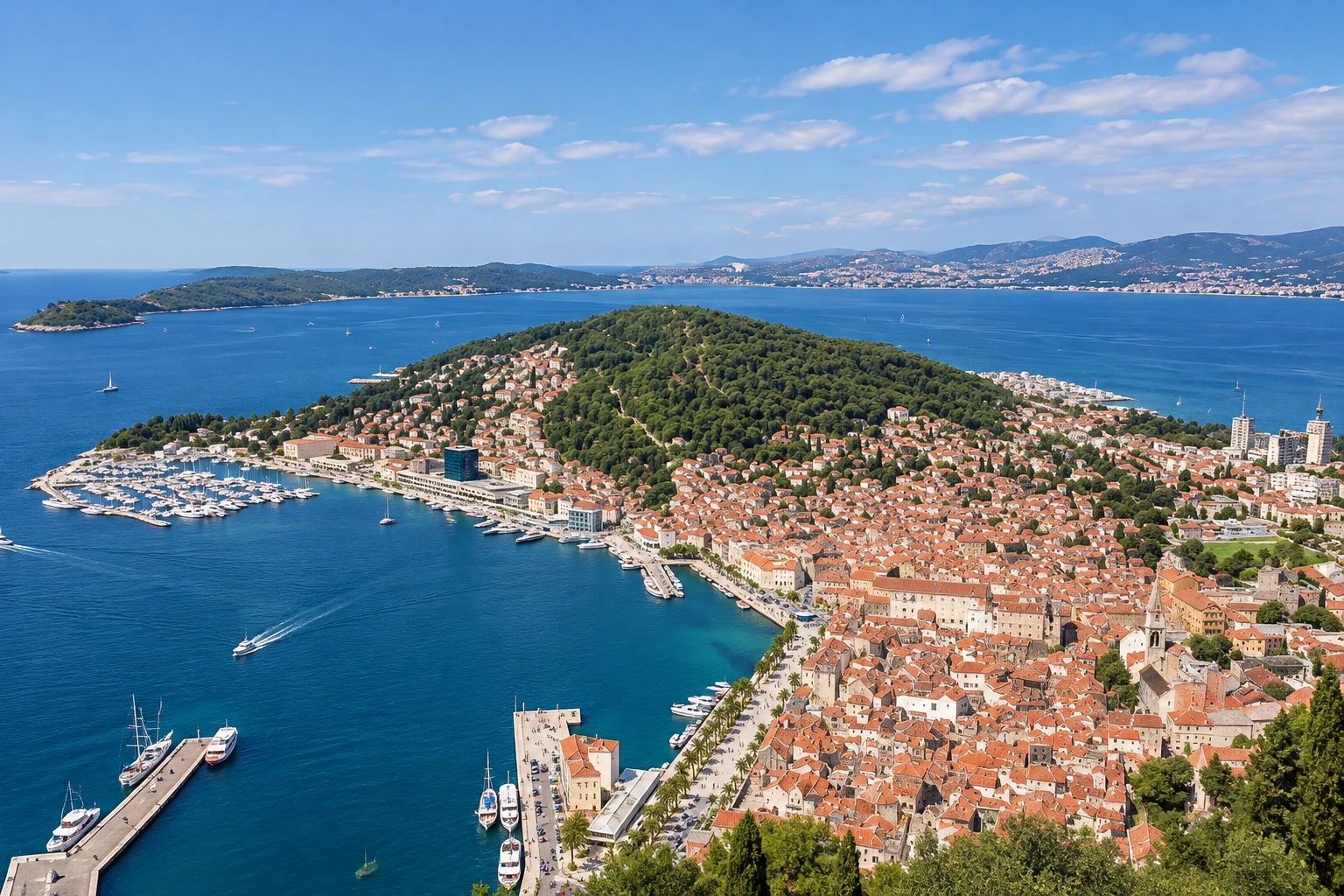
Marjan Forest Park · SplitPark šuma Marjan occupies a wooded peninsula to the west of Split’s center.
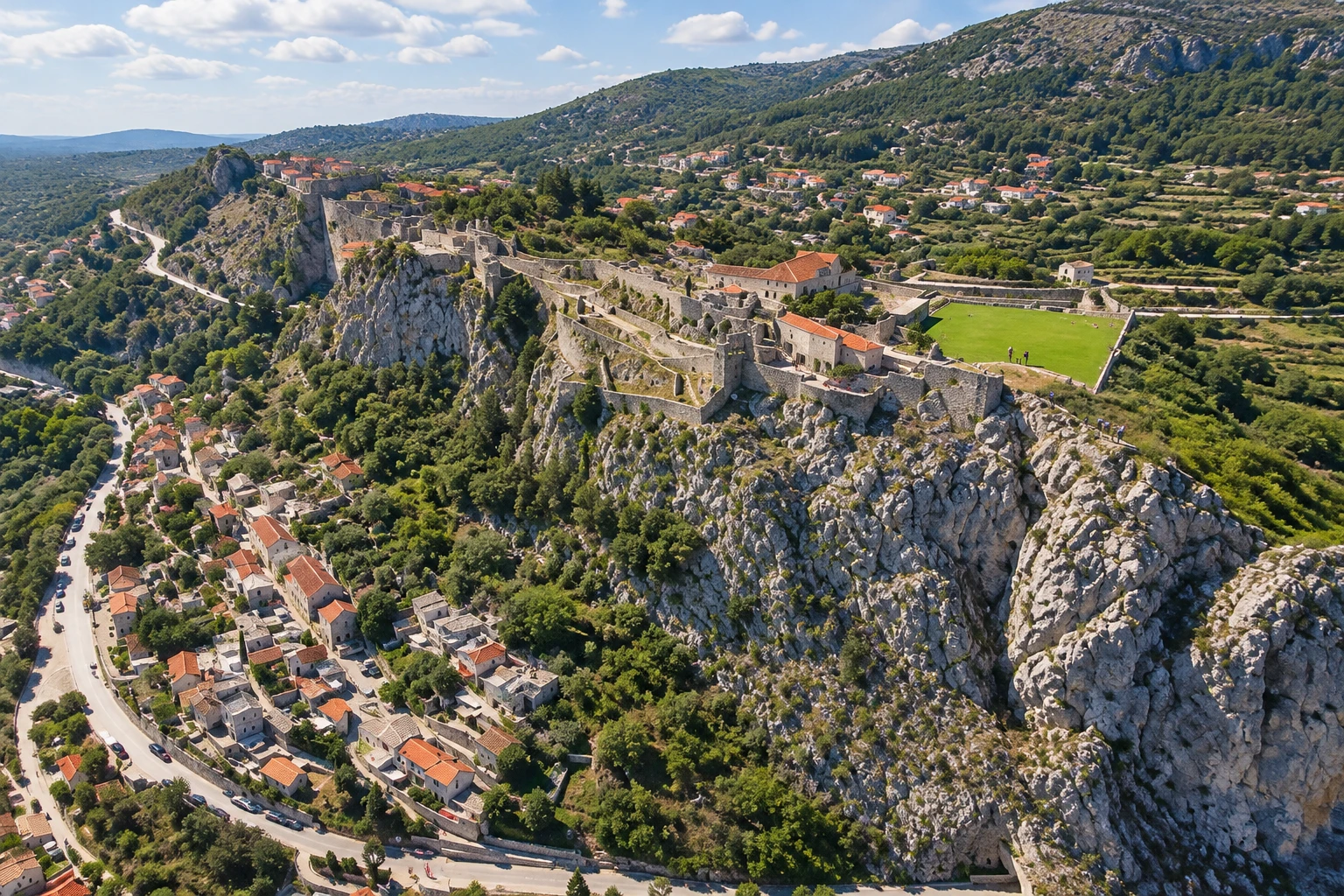
Klis Fortress · SplitTvrđava Klis follows a rocky ridge inland near Split.
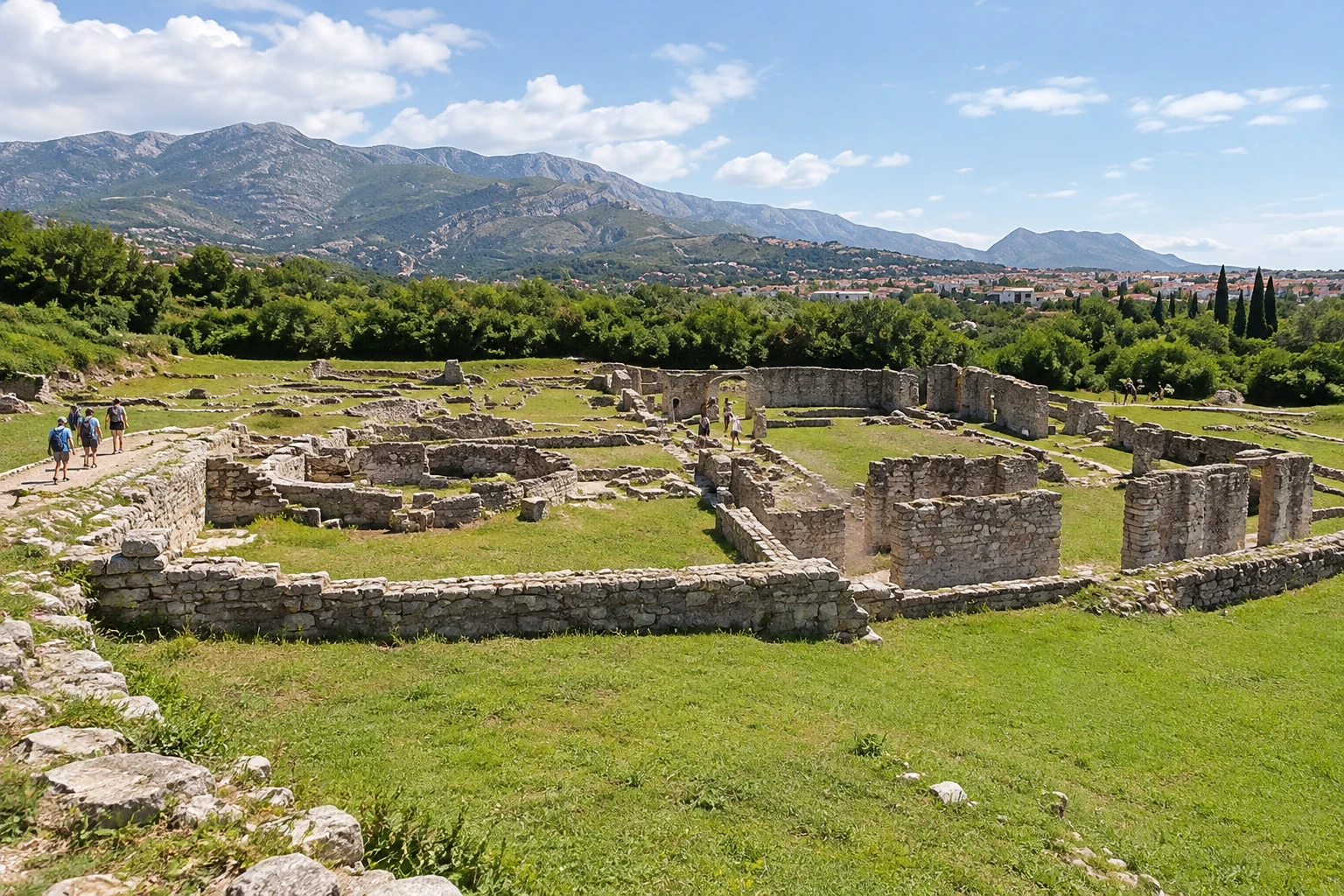
Salona · SplitSalona is the archaeological site of the Roman city located in Solin, in the surroundings of Split.
The Dioklecijanova palača forms the old core of Split. The Roman palace was incorporated into the city: streets, passages and later-period buildings occupy the original structure. The visit takes place between public spaces and sections with separate entrances, rather than following a single circuit of rooms.
The Katedrala sv. Lovre stands in Trogir’s historic centre on a small island linked by bridges to the mainland. The building brings together Romanesque, Gothic and later phases. The sculpted portal is one of the features that justify dedicating a visit to the church.
Zlatni rat is the pebble spit that juts into the sea west of Bol’s centre on the island of Brač. Its shape results from wave and current action, so the tip can change form. The well‑known aerial image does not correspond to the angle seen by someone walking on the beach.
The Katedrala sv. Dujma occupies the former mausoleum of Diocletian, inside the palace of Split. The change of use preserved a Roman structure at the center of a religious complex. The cathedral can be perceived both by its ancient volume and by the elements added over time.
The Kula Kamerlengo occupies the edge of Trogir’s historic core by the water. The stone enclosure features walls and towers that contrast with the narrow streets and the cathedral square. The visit reveals the island town’s relationship with its maritime approaches.
Vidova gora is a rise on the island of Brač above the coast of Bol. From the top, the landscape relates the island, the sea and the Zlatni rat spit, which appears at a smaller scale. The visit helps explain why the beach’s shape is more recognisable from elevated views.
Park šuma Marjan occupies a wooded peninsula to the west of Split’s center. The tree-covered area contrasts with the dense streets of the palace and offers views of the city and sea from a different elevation. The outing can be a short climb to a viewpoint or a longer walk along the park’s trails.
Tvrđava Klis follows a rocky ridge inland near Split. Its elongated form adapts to the terrain, with walls and enclosures laid out on different levels. The location helps to understand the link between inland routes and the plain that reaches the sea.
Salona is the archaeological site of the Roman city located in Solin, in the surroundings of Split. The ruins occupy an open area that allows you to perceive the extent of an ancient urban centre outside the walls of Diocletian’s Palace. It is a different experience from walking through a lived-in neighbourhood.
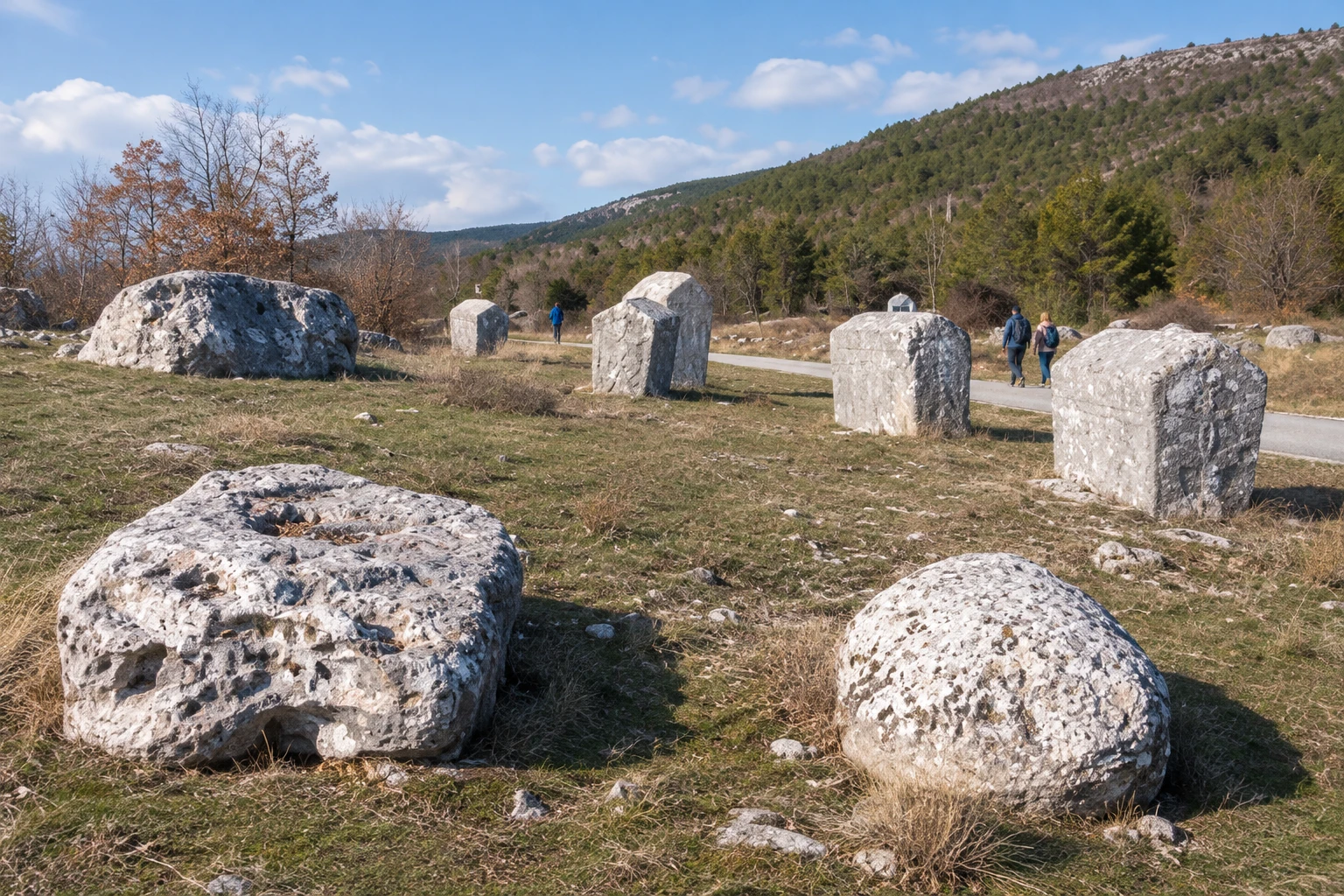
Velika i Mala Crljivica brings together funerary areas with stećci, the medieval stone monuments found in parts of the Balkans. The site is located in the Cista Velika region, inland from Split-Dalmatia, and is part of a world heritage composed of components in different countries.


 Brazil
 Antarctica
 Argentina
 Bolivia
 Chile
 Colombia
 Ecuador
 Falkland Islands (Malvinas)
 French Guiana
 Guyana
 Paraguay
 Peru
 Suriname
 Uruguay
 Venezuela
 Austria
 Belgium
 Denmark
 Finland
 France
 Germany
 Greece
 Hungary
 Iceland
 Ireland
 Italy
 Luxembourg
 Norway
 Poland
 Portugal
 Slovakia
 Slovenia
 Spain
 Sweden
 Switzerland
 the Czech Republic
 the Netherlands
 the United Kingdom
 Turkey
 Bermuda
 Canada
 Greenland
 Mexico
 Saint Pierre and Miquelon
 the United States
 the Dominican Republic
 Japan
 Egypt
 South Africa
 Australia
 Fiji
 New Zealand
 Papua New Guinea