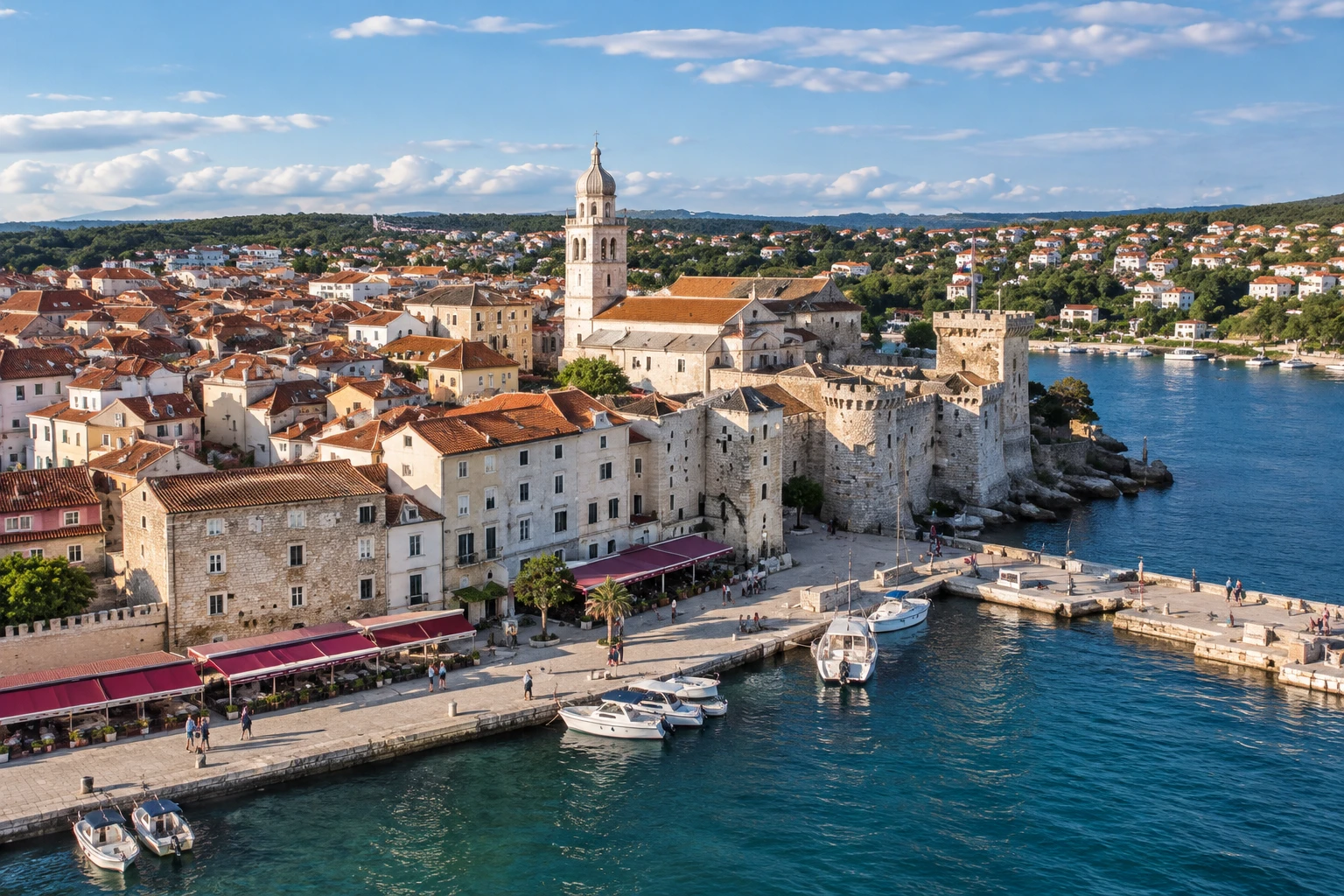
The Frankopanski kaštel is located in the town of Krk, by the sea and Kamplin square. The fortification includes walls and towers that reveal the historic core’s defense. Its position allows combining the visit with the town streets and the waterfront without using a car between stages.
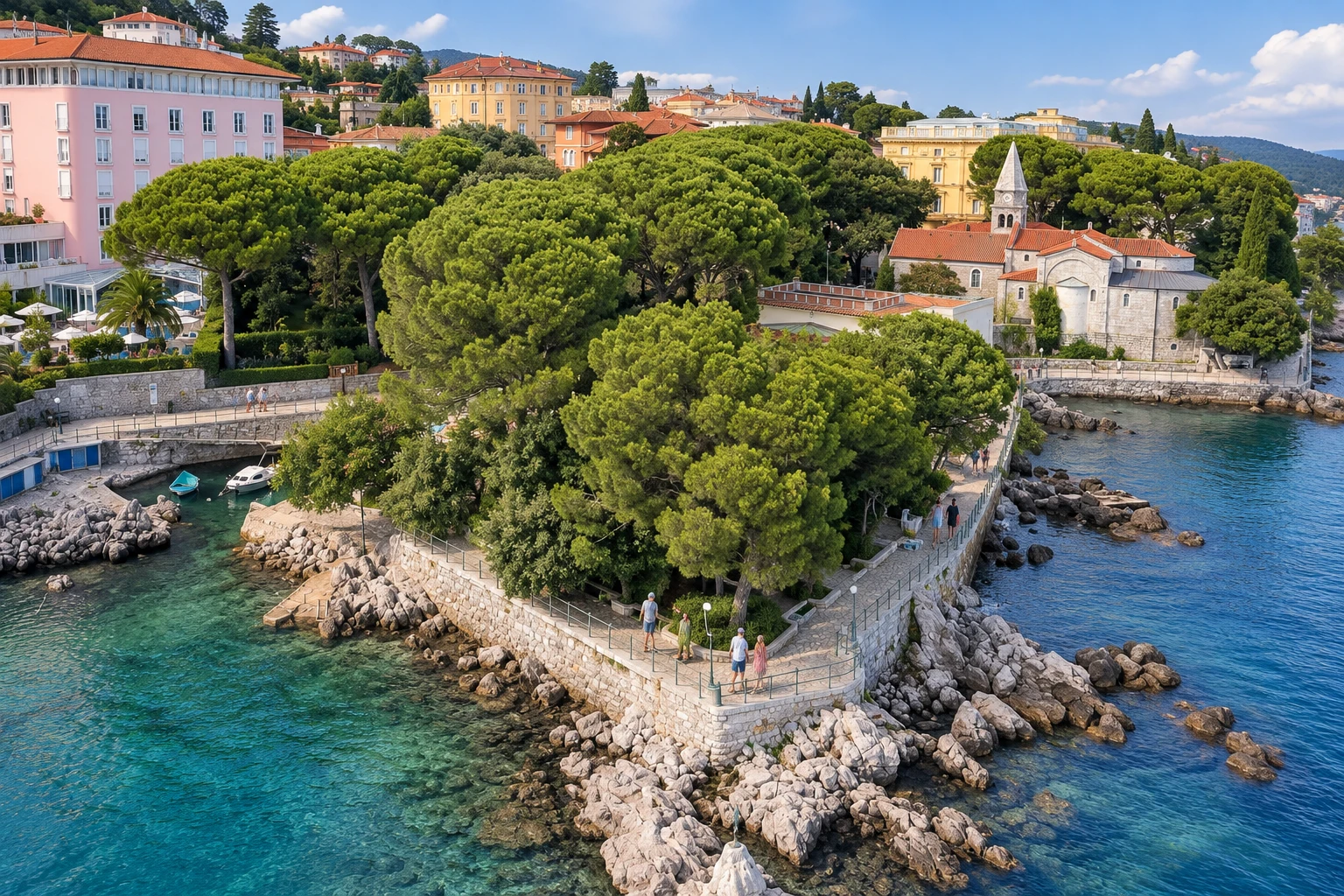
The Lungomare is the seaside promenade that connects coastal localities of Opatija, between Volosko and Lovran. The path follows coves, walls, stairs and tree-lined sections. You don't need to walk the entire length to understand the town's relationship with the Adriatic.
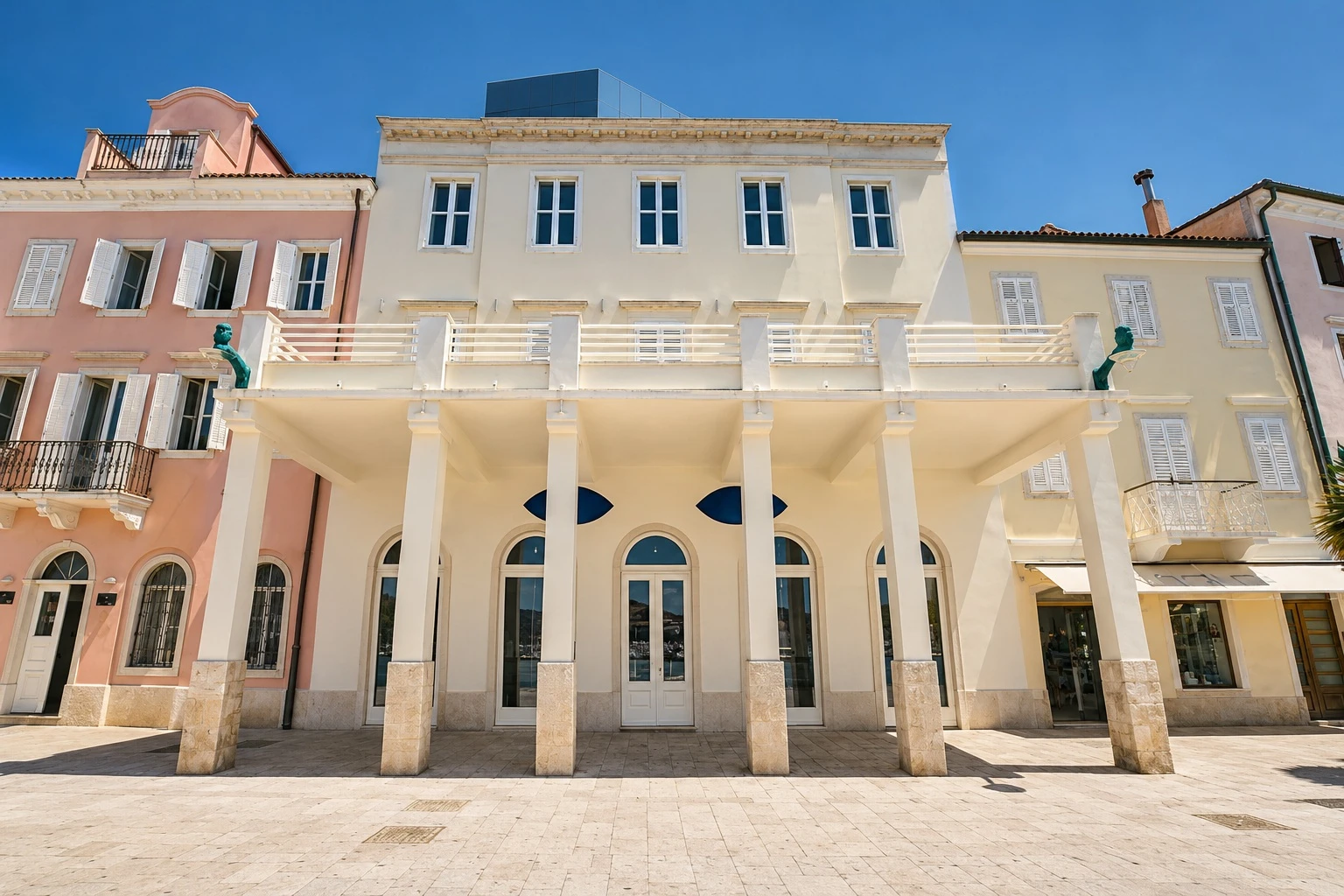
A museum dedicated to the ancient bronze statue recovered from the waters near Lošinj. The exhibits take you through Kvarner Palace on the Mali Lošinj waterfront and tell the story of the statue’s discovery and conservation.
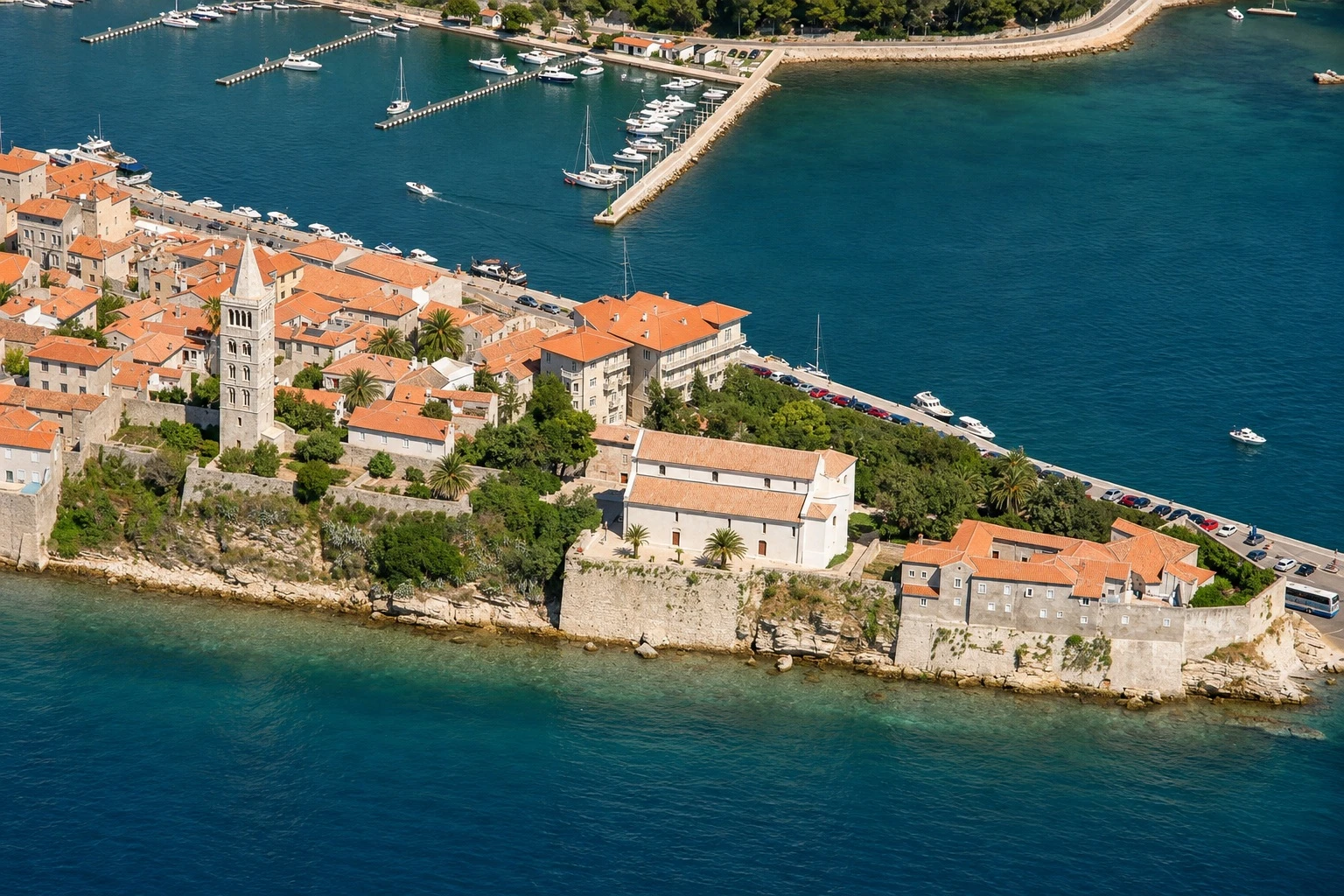
The old town sits at the tip of Rab’s peninsula. Its stone-paved streets lead past squares, town walls, and four bell towers, including the one belonging to the former cathedral.
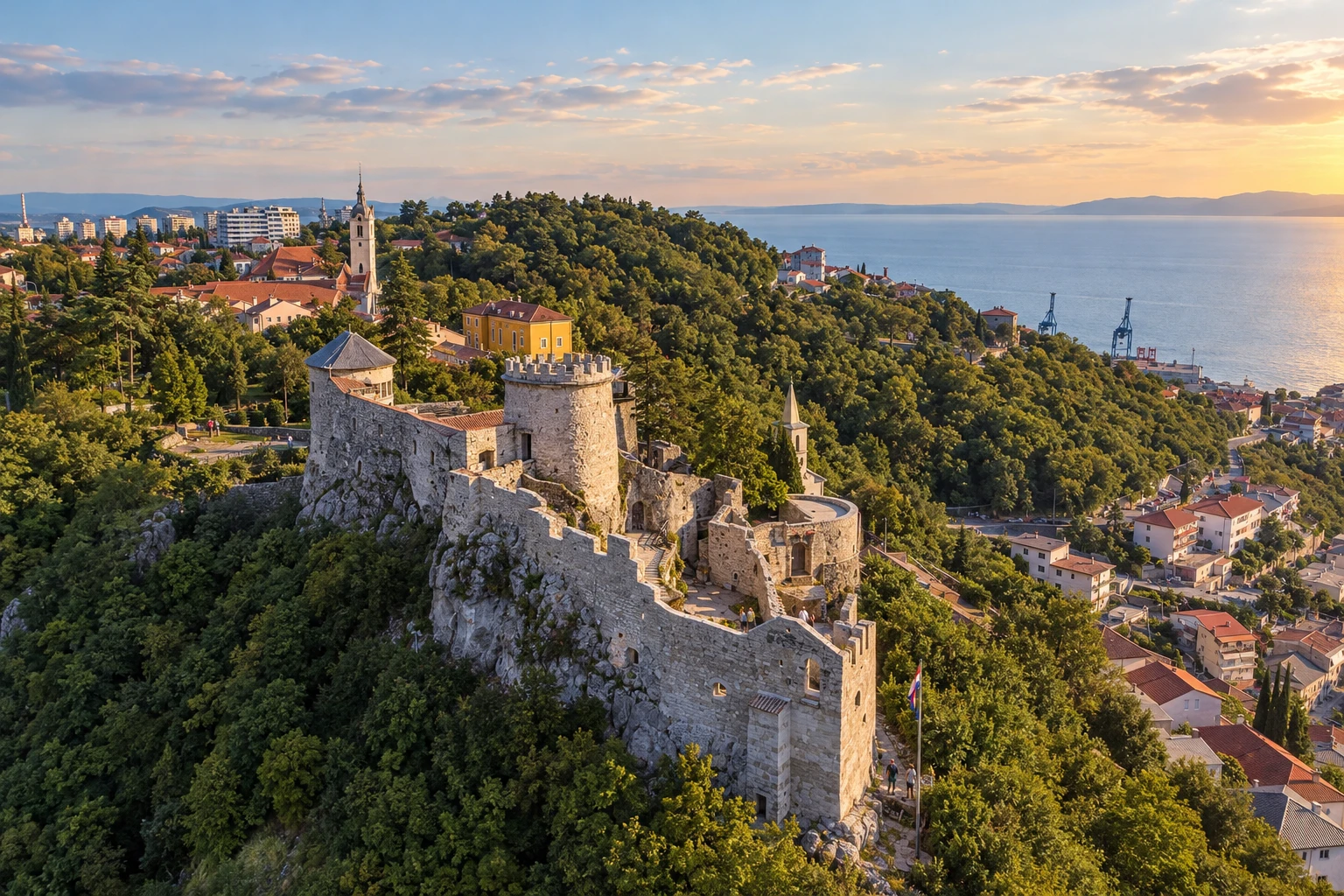
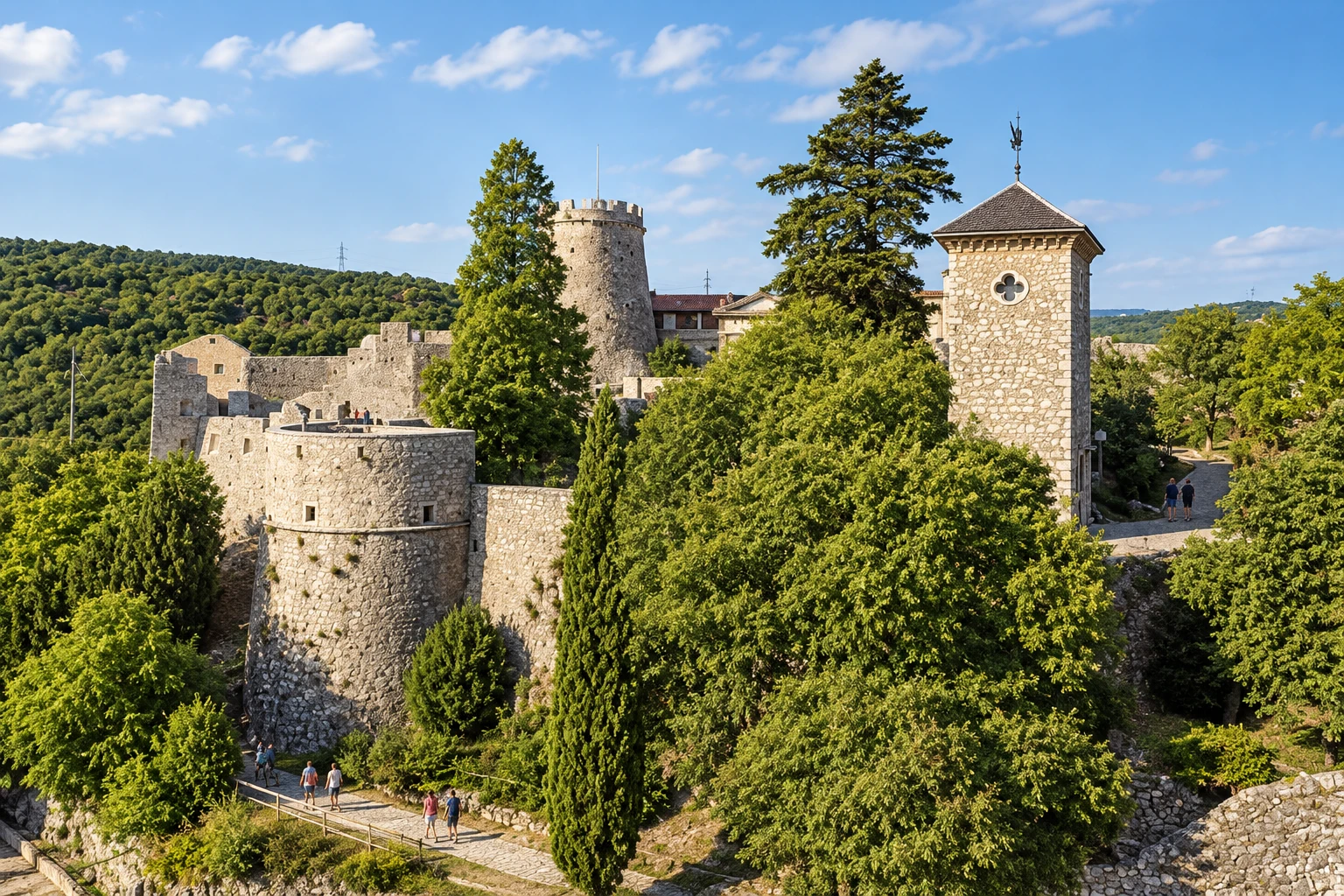
Trsatska gradina occupies a rise above Rijeka, with views over the city and the Bay of Kvarner. The fortification helps to recognize the relationship between the Rječina river valley, inland routes and the port. The visit combines the castle's structures with observation of the urban landscape.
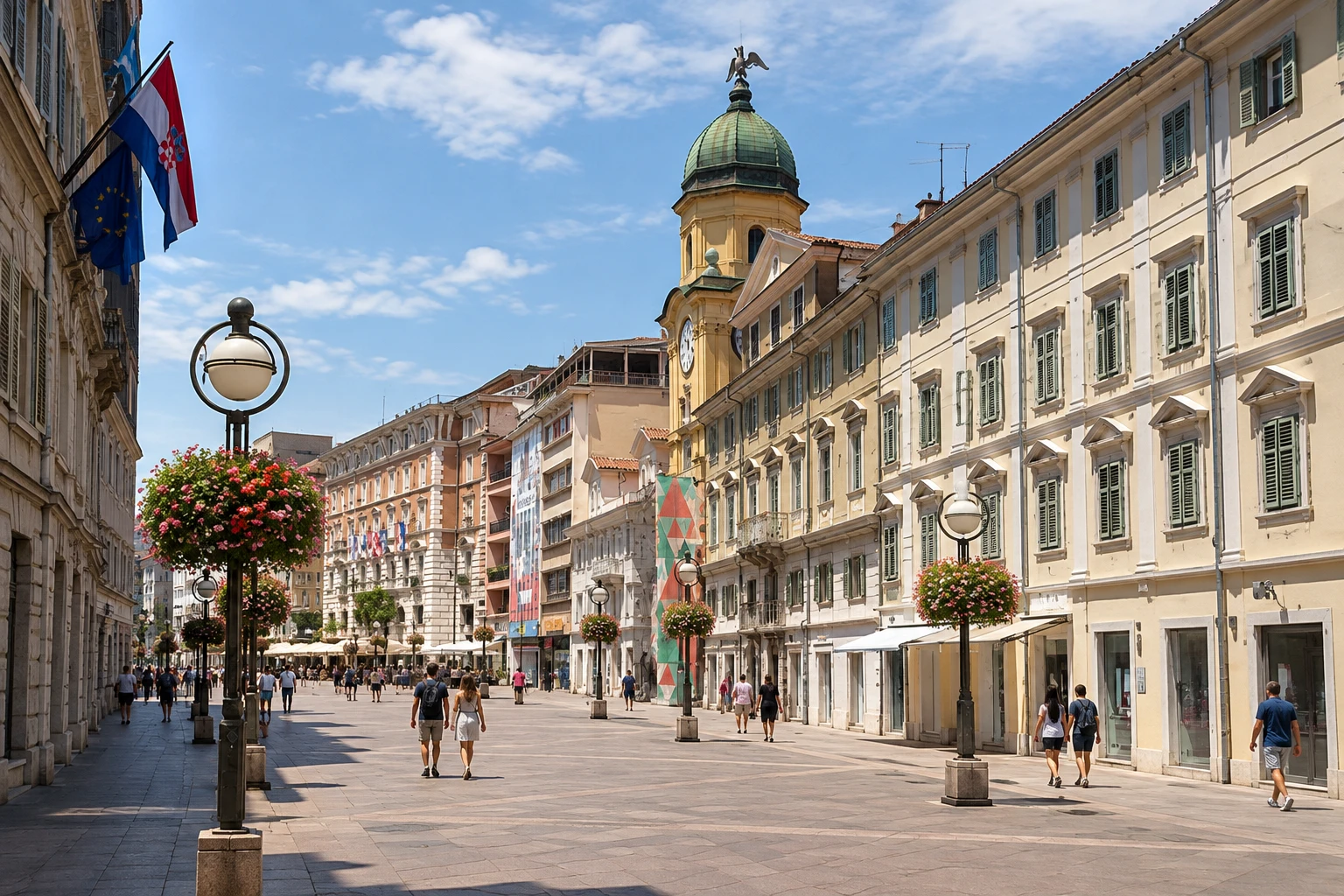
The Korzo is the pedestrian spine of Rijeka's center. The street follows the city near the port, with historic facades, cafés and passages into the neighboring blocks. The interest of the walk lies in the urban ensemble and the relationship between daily circulation and architecture.
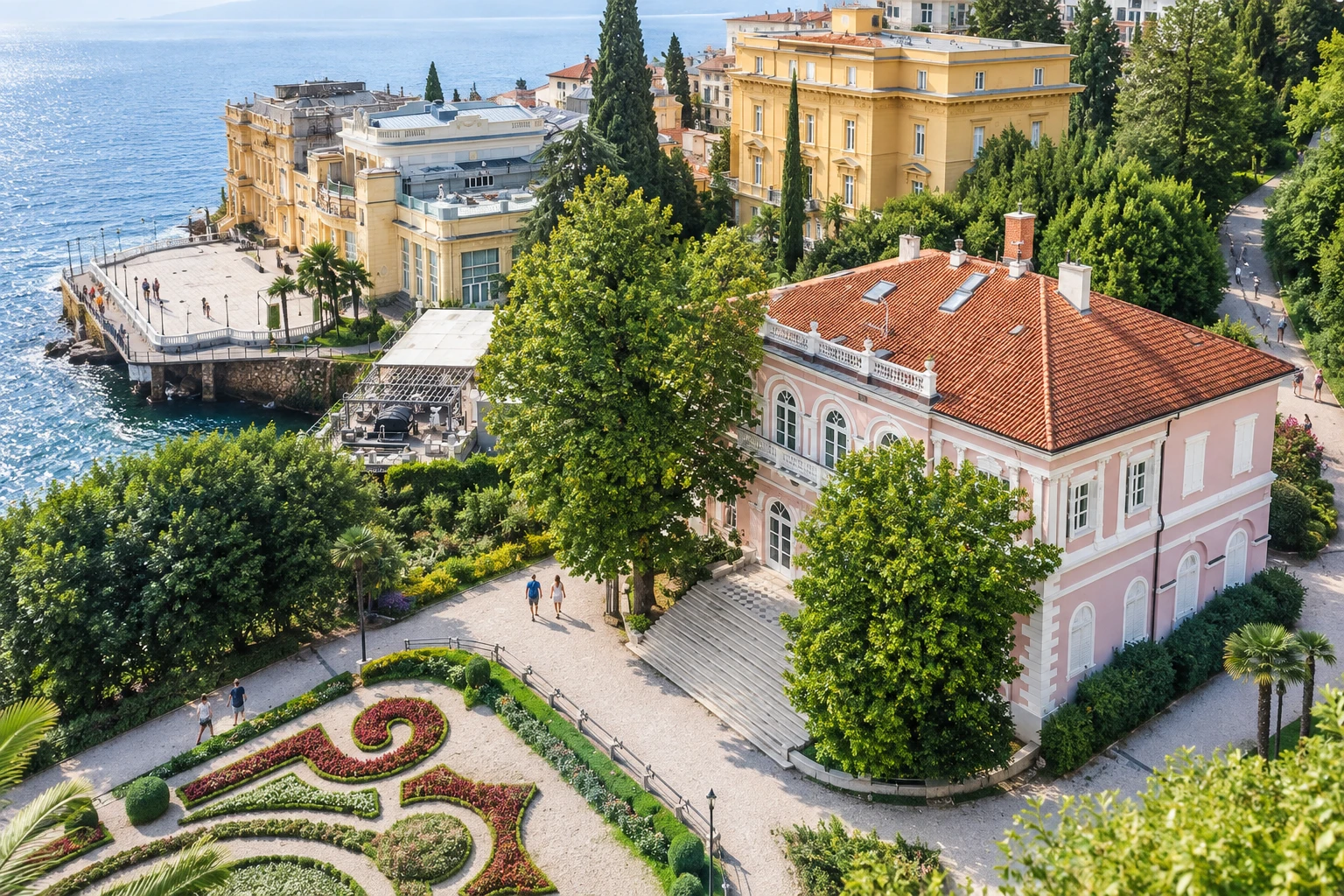
Park Angiolina forms a garden area in the center of Opatija, close to the waterfront. Vegetation and paths surround the villa that gives the complex its name. Visiting helps understand how gardens and leisure buildings contributed to the formation of this coastal town.
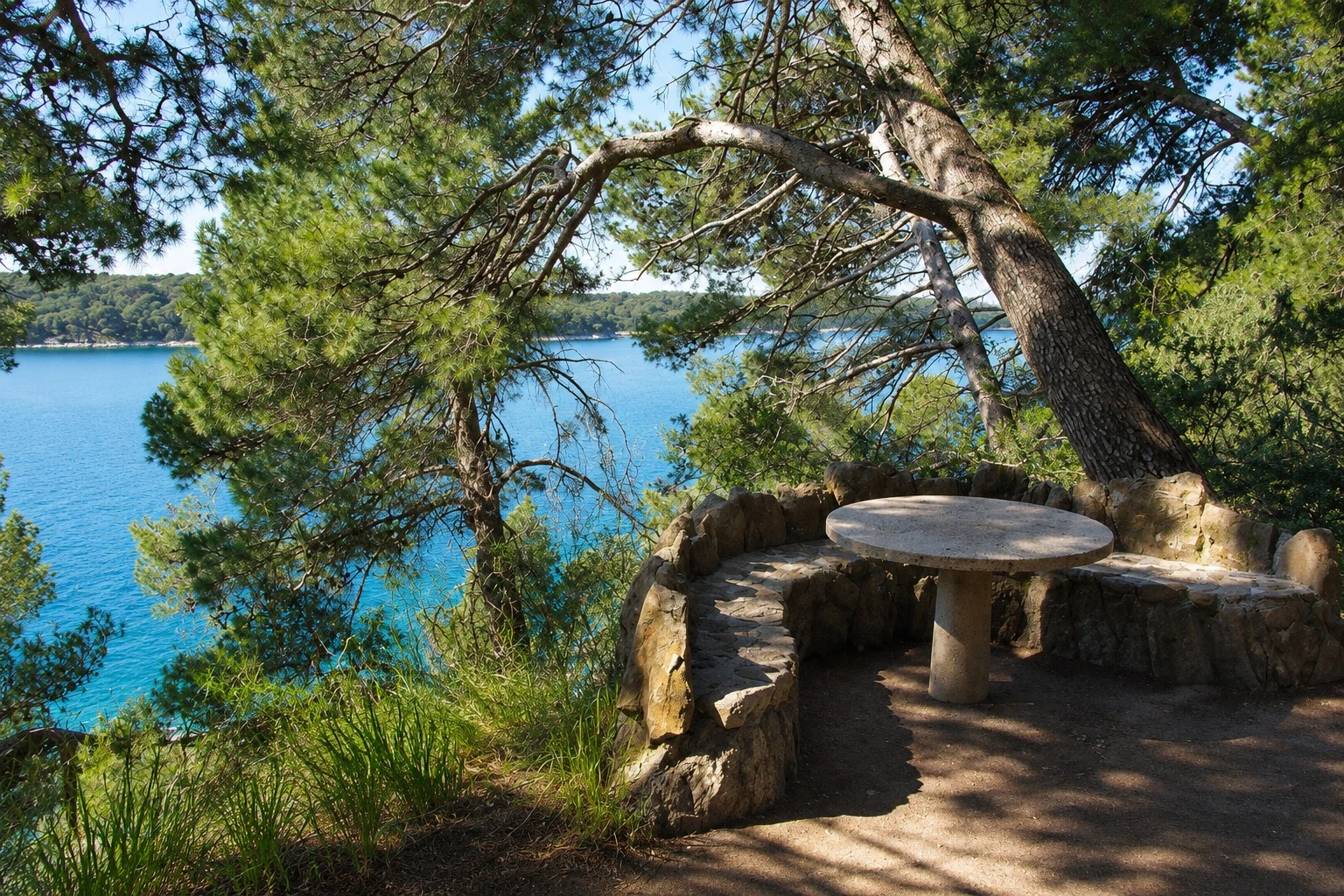
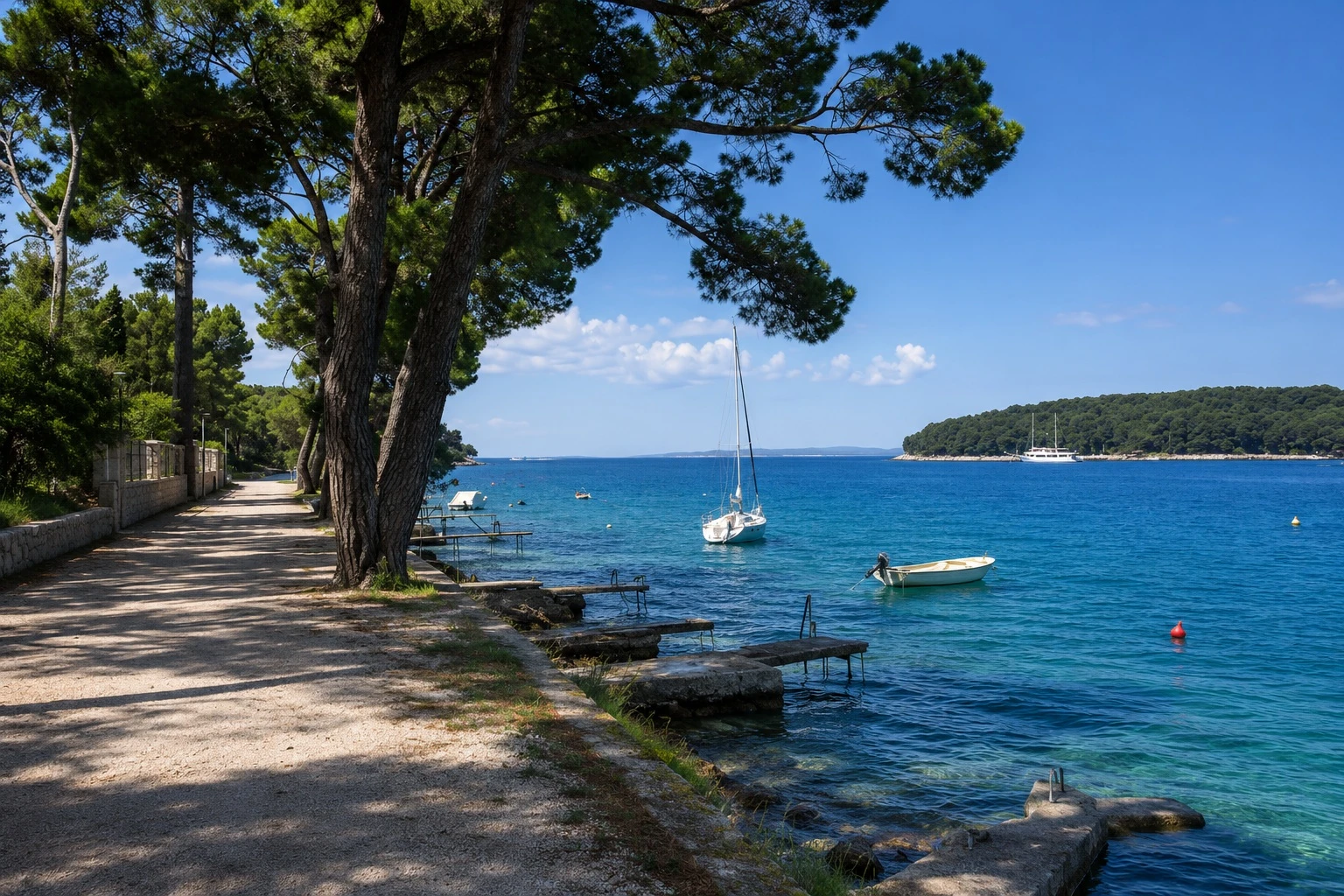
A forest park on Čikat Bay, southwest of the center of Mali Lošinj. Paths run along the shore and among the pines, which people began planting in the late 19th century.


 Brazil
 Antarctica
 Argentina
 Bolivia
 Chile
 Colombia
 Ecuador
 Falkland Islands (Malvinas)
 French Guiana
 Guyana
 Paraguay
 Peru
 Suriname
 Uruguay
 Venezuela
 Austria
 Belgium
 Denmark
 Finland
 France
 Germany
 Greece
 Hungary
 Iceland
 Ireland
 Italy
 Luxembourg
 Norway
 Poland
 Portugal
 Slovakia
 Slovenia
 Spain
 Sweden
 Switzerland
 the Czech Republic
 the Netherlands
 the United Kingdom
 Turkey
 Bermuda
 Canada
 Greenland
 Mexico
 Saint Pierre and Miquelon
 the United States
 the Dominican Republic
 Japan
 Egypt
 South Africa
 Australia
 Fiji
 New Zealand
 Papua New Guinea