Janjina · Dubrovnik-Neretva · Church
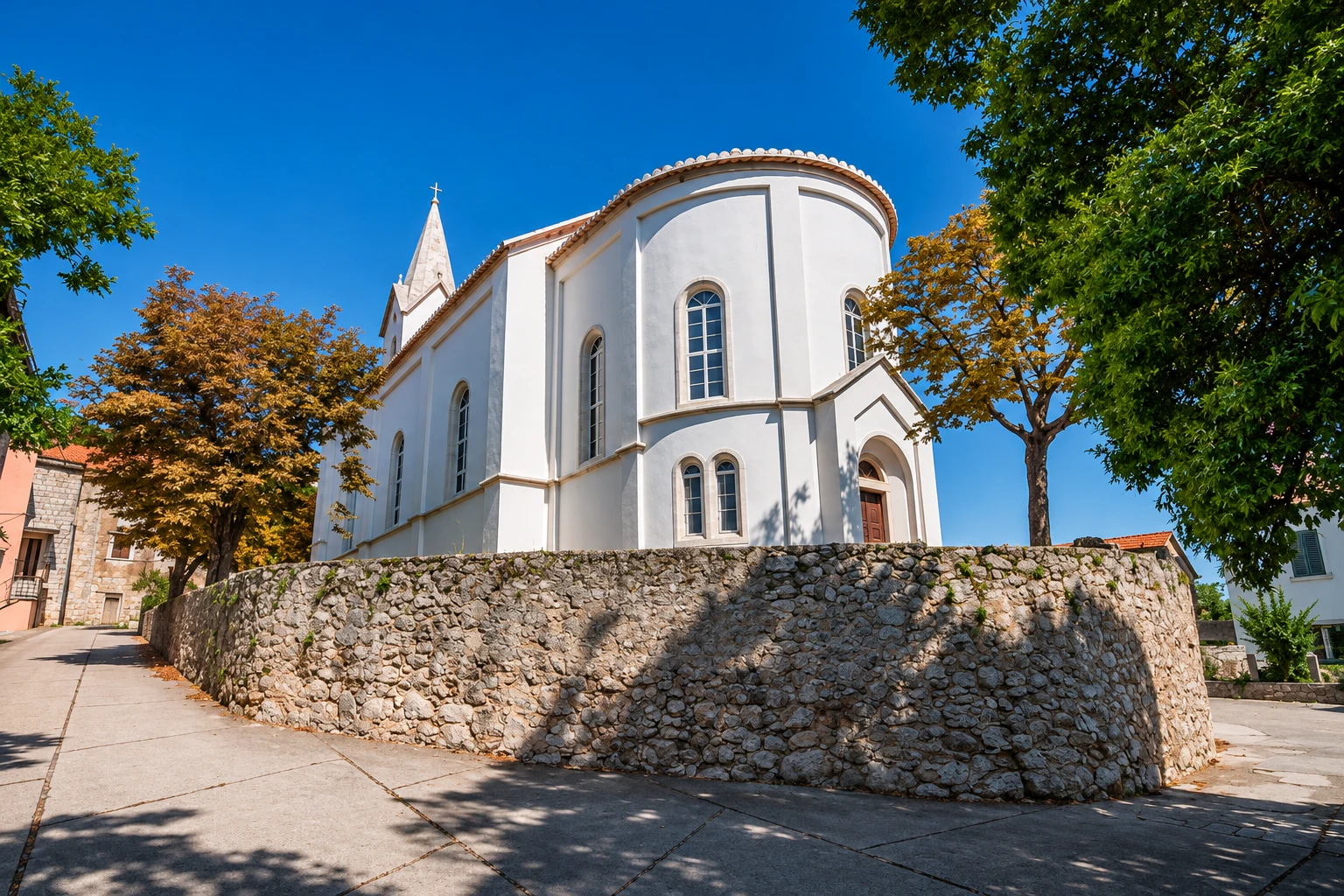
Church of St. Blaise
The parish church of Janjina, from the 19th century. The tower with its clock rises above the houses and the stone portal faces the lower part of the slope.

 Search
 Brazil
 Antarctica
 Argentina
 Bolivia
 Chile
 Colombia
 Ecuador
 Falkland Islands (Malvinas)
 French Guiana
 Guyana
 Paraguay
 Peru
 Suriname
 Uruguay
 Venezuela
 Austria
 BelgiumCroatia
 Denmark
 Finland
 France
 Germany
 Greece
 Hungary
 Iceland
 Ireland
 Italy
 Luxembourg
 Norway
 Poland
 Portugal
 Slovakia
 Slovenia
 Spain
 Sweden
 Switzerland
 the Czech Republic
 the Netherlands
 the United Kingdom
 Turkey
 Bermuda
 Canada
 Greenland
 Mexico
 Saint Pierre and Miquelon
 the United States
 the Dominican Republic
 JapanTurkey
 Egypt
 South Africa
 Australia
 Fiji
 New Zealand
 Papua New Guinea
Dubrovnik-Neretva
9 places to visit, chosen by the Cidade Turismo guide.
Illustrative images. The pictures in this guide are illustrations based on the real place, not photographs, and may differ from it.
To start
One by one
The parish church of Janjina, from the 19th century. The tower with its clock rises above the houses and the stone portal faces the lower part of the slope.
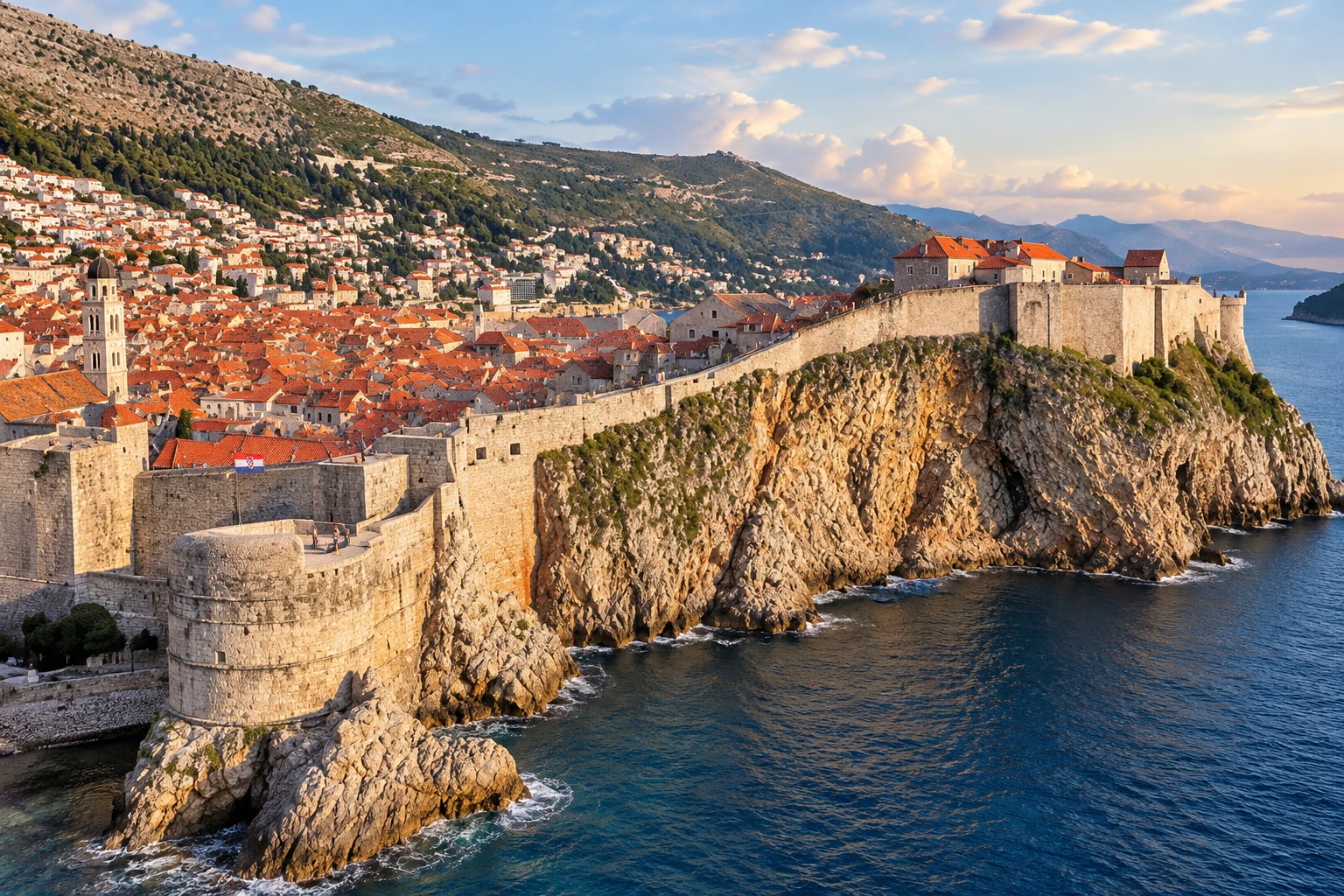
The Dubrovačke gradske zidine encircle Dubrovnik’s old core, between the landward side and the stretches facing the Adriatic. Walking the defenses links roofs, streets, towers and the harbor. The walk requires a separate ticket and is not the same as merely strolling the city streets.
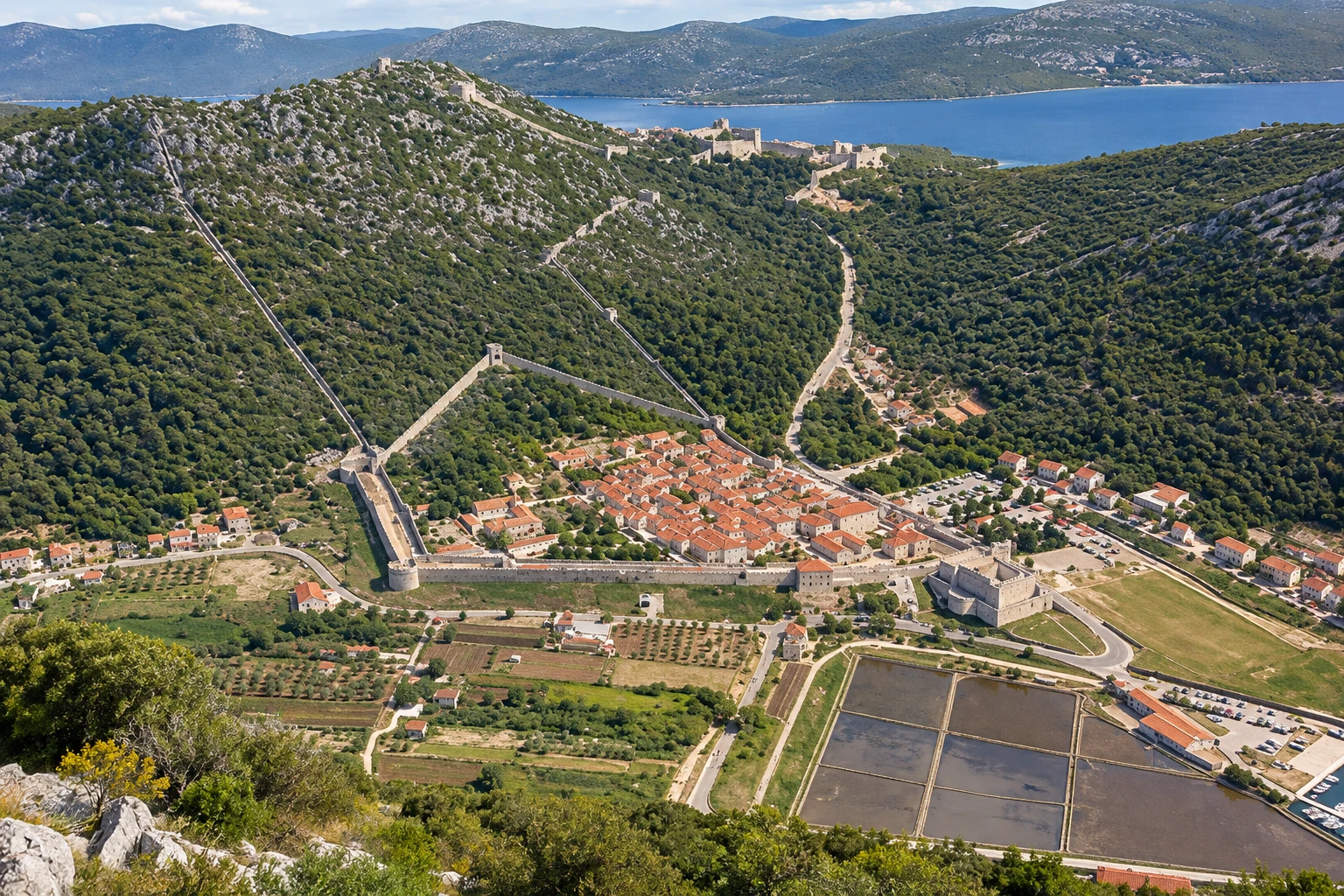
The Stonske zidine run along the slope between Ston and Mali Ston on the Pelješac peninsula. The system comprises walls, towers and enclosures spread across terrain that rises from the settlements. The visit allows you to perceive the relationship between the defenses and the salt-pans landscape.
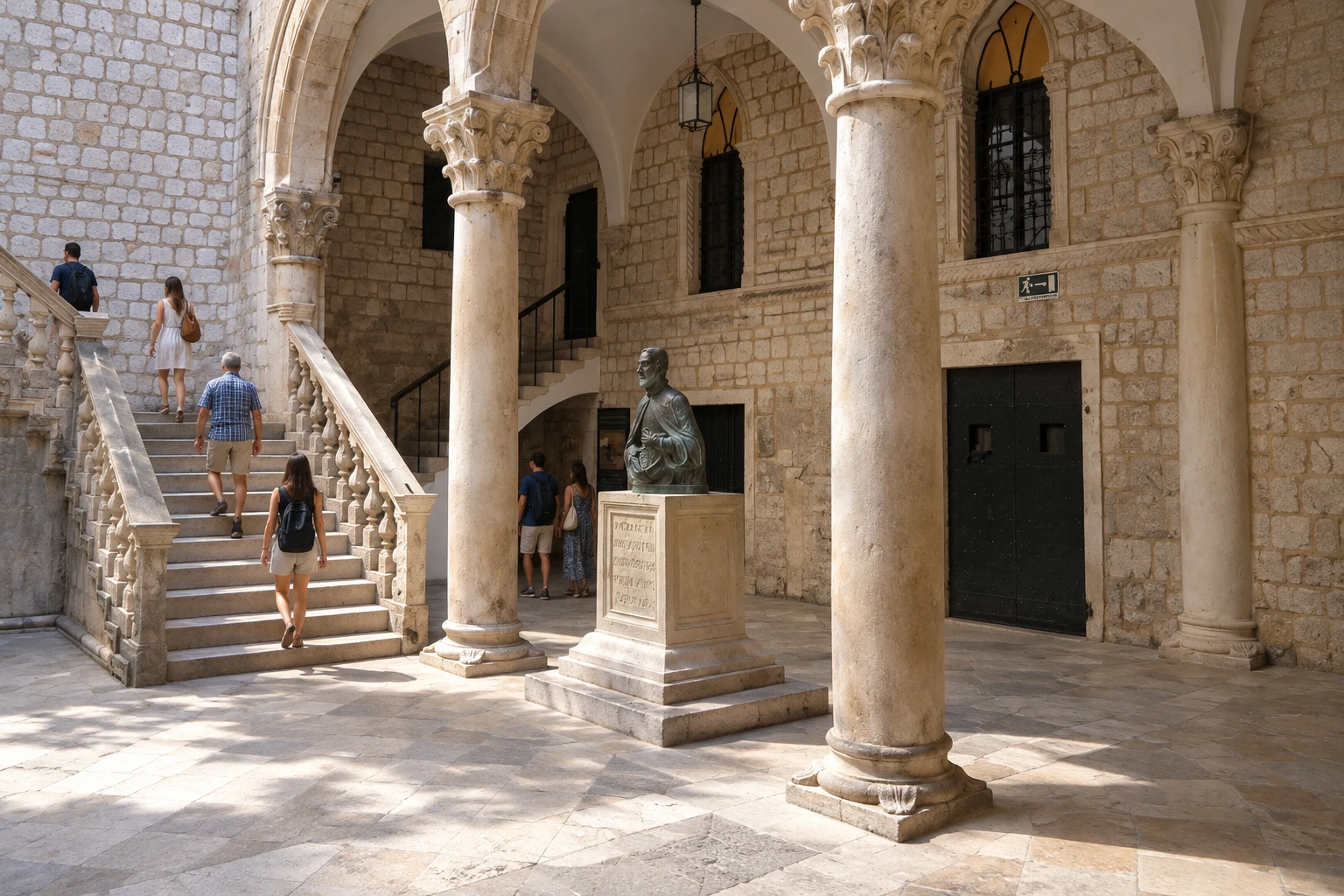
Knežev dvor is located in Dubrovnik’s old town and houses the Museum of Cultural History. The palace combines Gothic and Renaissance elements, with a street-facing portico and an internal atrium. The visit brings together architecture and objects related to the city’s historical life.
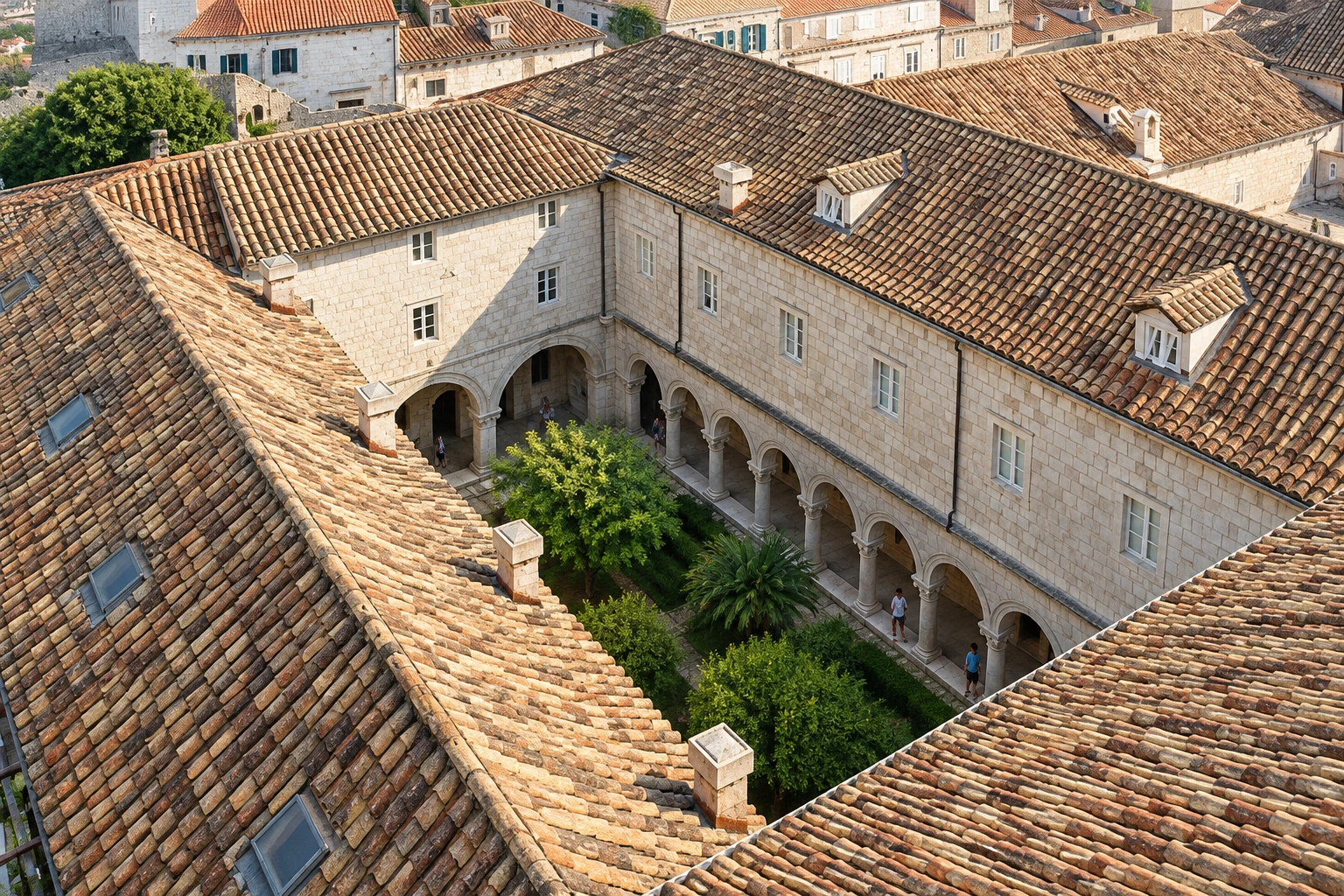
The Franjevački samostan Male braće is located by the western entrance to Dubrovnik’s old town. The Franciscan complex offers an indoor visit break near the city’s busiest streets. The cloister is a highlight of the monastery’s architecture and can be seen through its arches and carved elements.
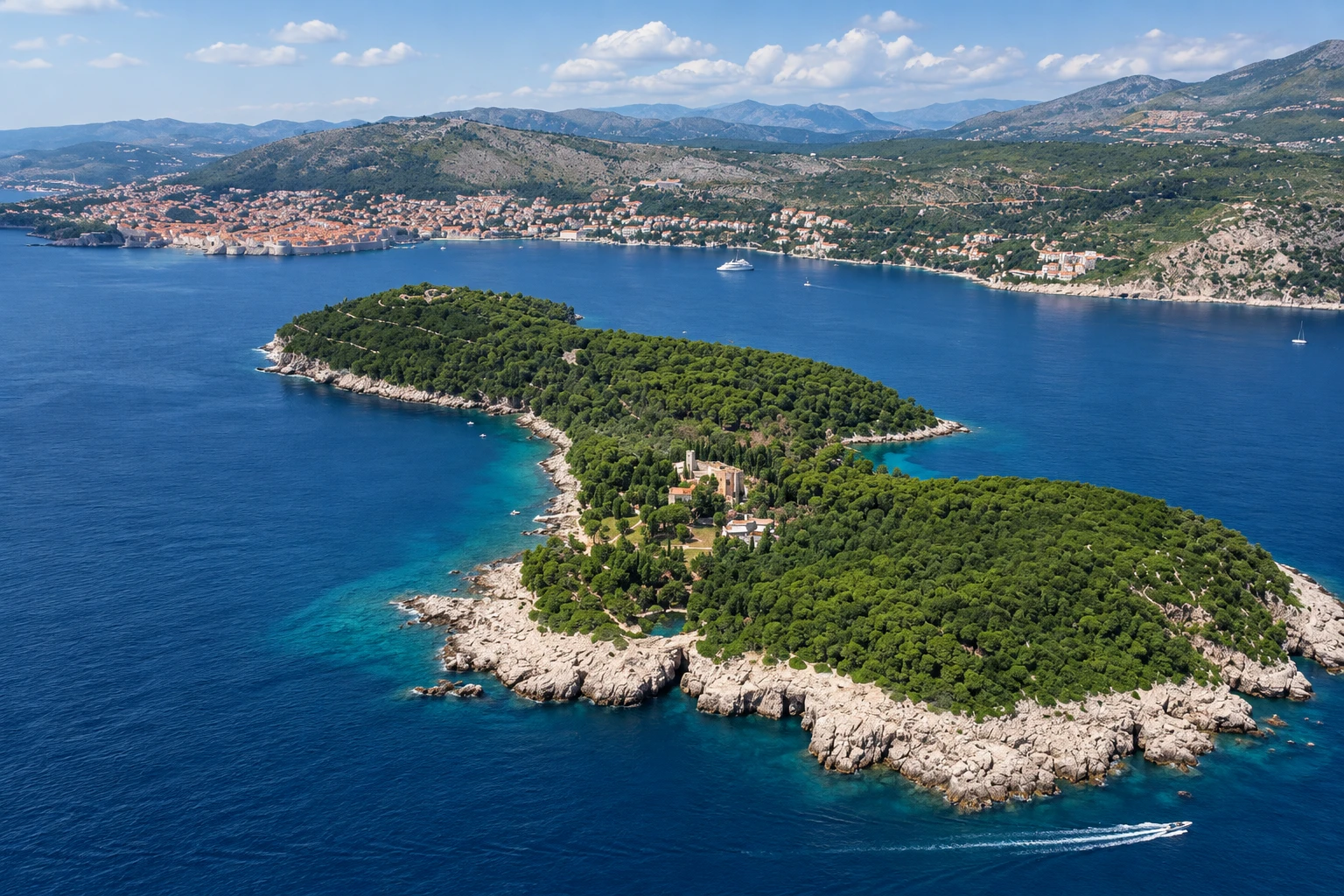
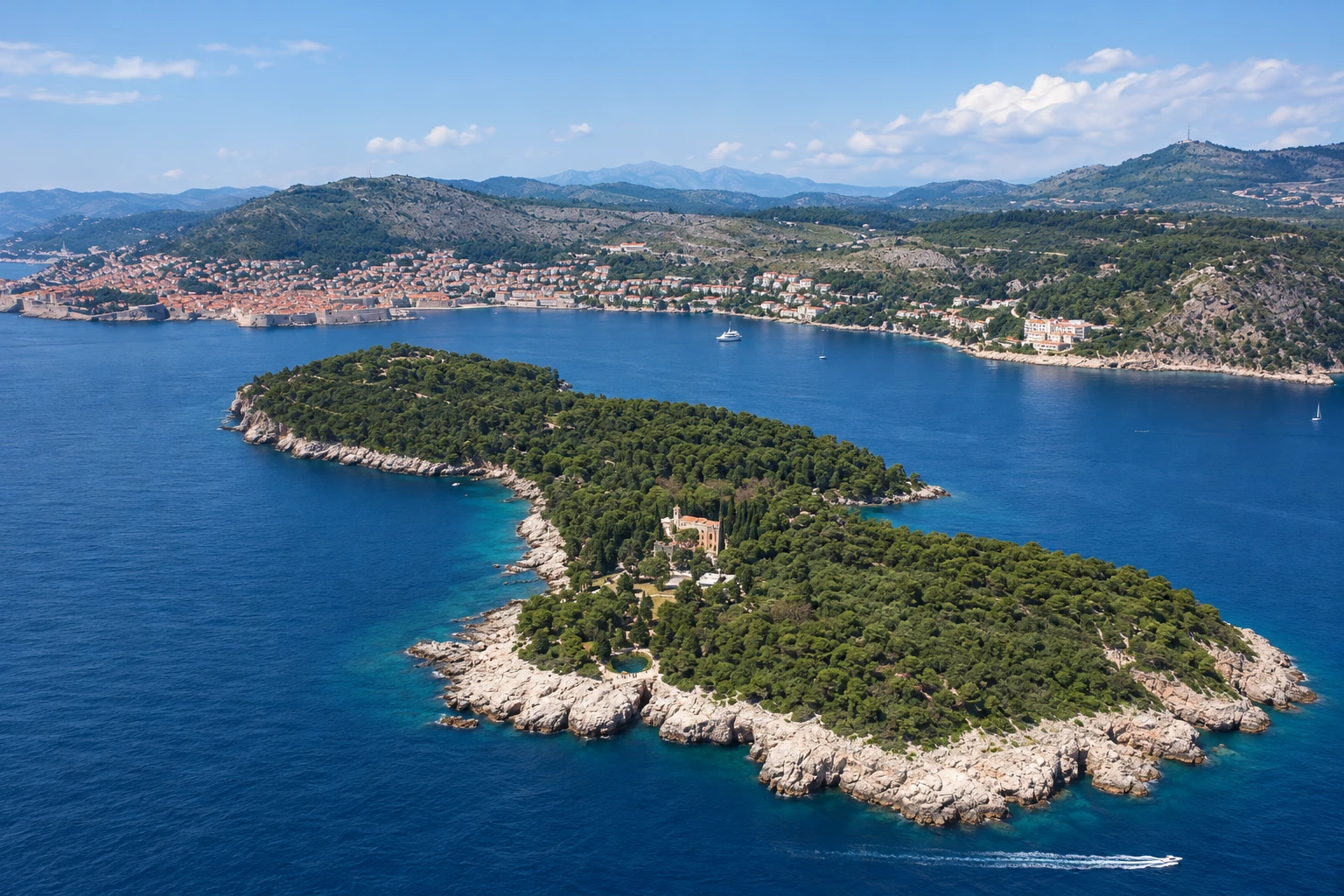
Lokrum is the island opposite Dubrovnik’s old town, separated from the city by a short crossing. The visit combines paths through a protected area, vegetation and historic structures. Visual proximity does not mean land access: authorised sea transport is required.
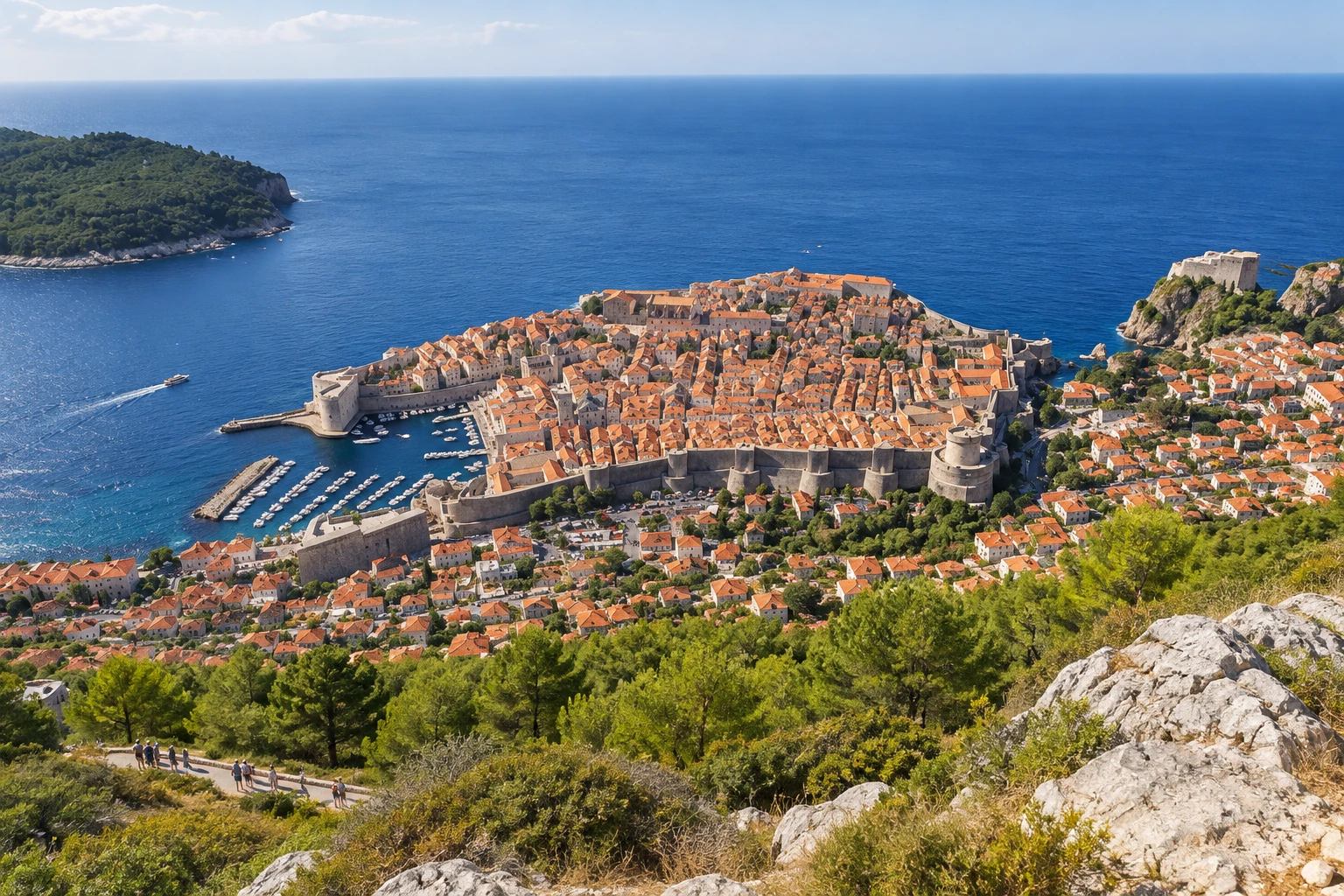
Srđ is the hill above Dubrovnik that allows views of the walled old town and its relation to the sea. The old city lies below, while Lokrum and other stretches of coastline come into view depending on weather conditions. The landscape helps to understand the topography that surrounds the urban base.
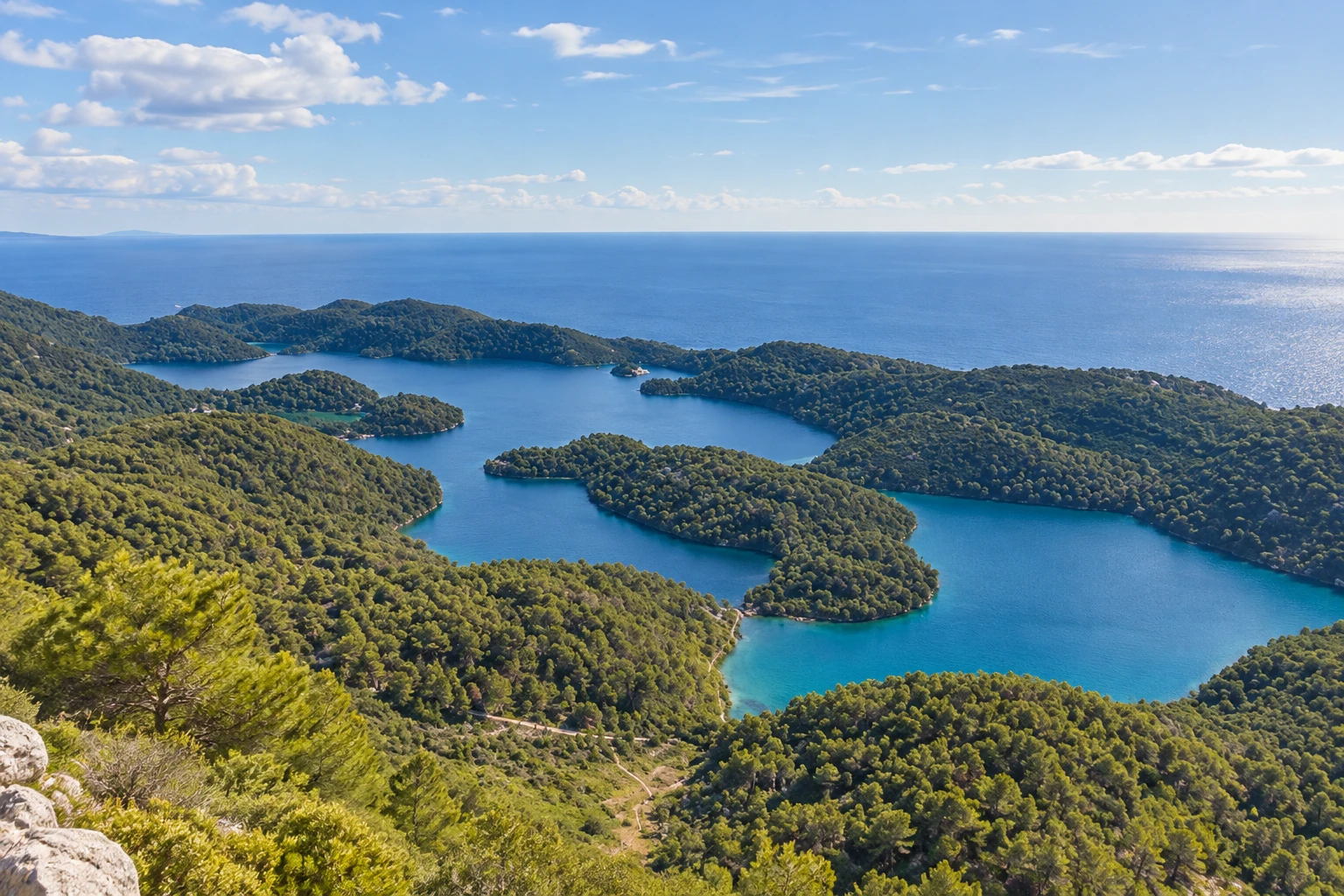
The Nacionalni park Mljet occupies the northwest part of the island of Mljet. The landscape combines forested areas and two deep saltwater coves known as the Great and Small lakes. Visiting requires arriving on the island and continuing to the park sector with arranged transport.
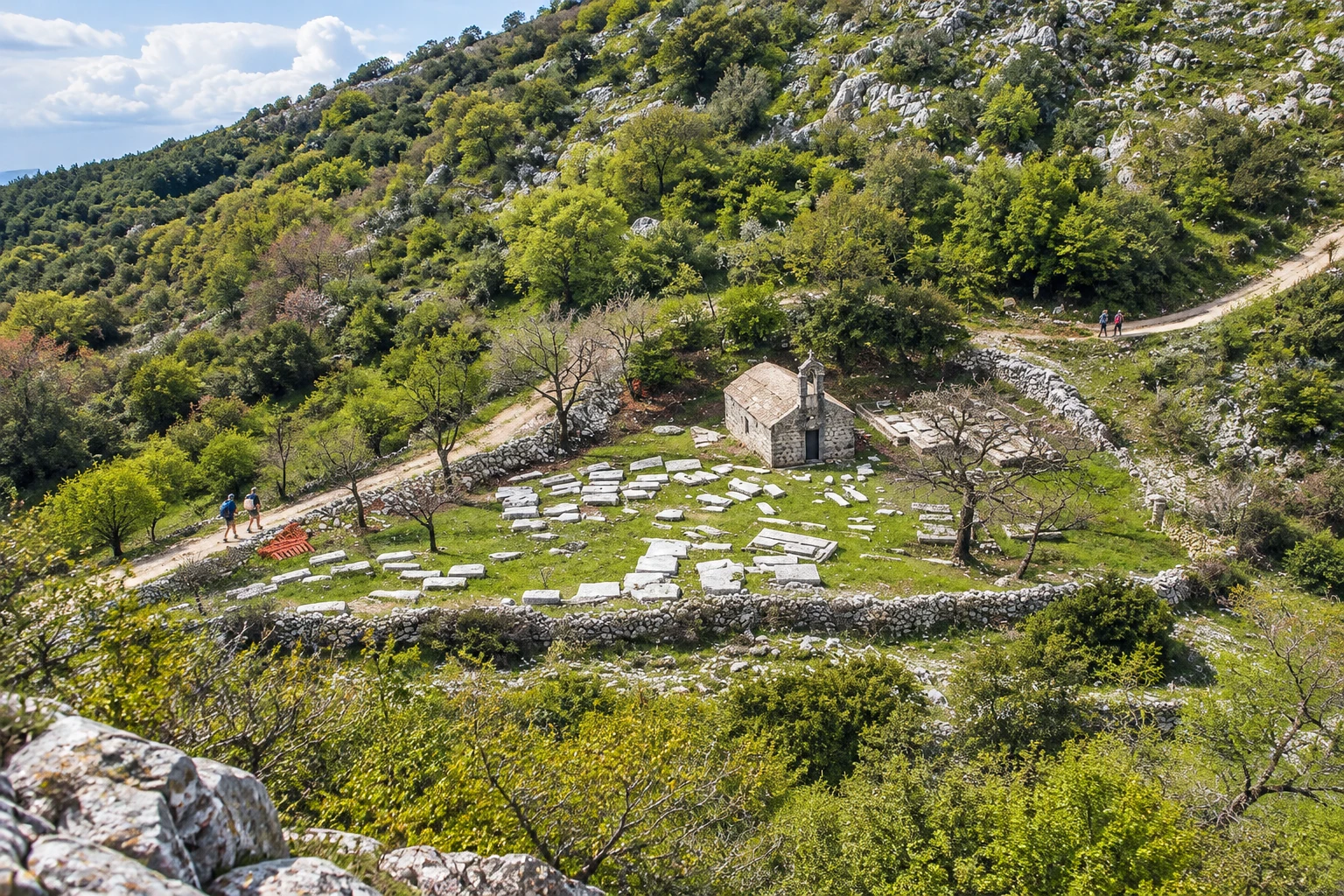
The Sveta Barbara ensemble in Dubravka brings together a church and a necropolis of stećci in the Konavle region. The stone funerary monuments are part of a world heritage shared by sites across the Balkans. It is an inland visit, outside the walled streets of Dubrovnik.
To plan