Colombian Coffee Region

Risaralda · Quindío · Caldas

Colombian Coffee Region

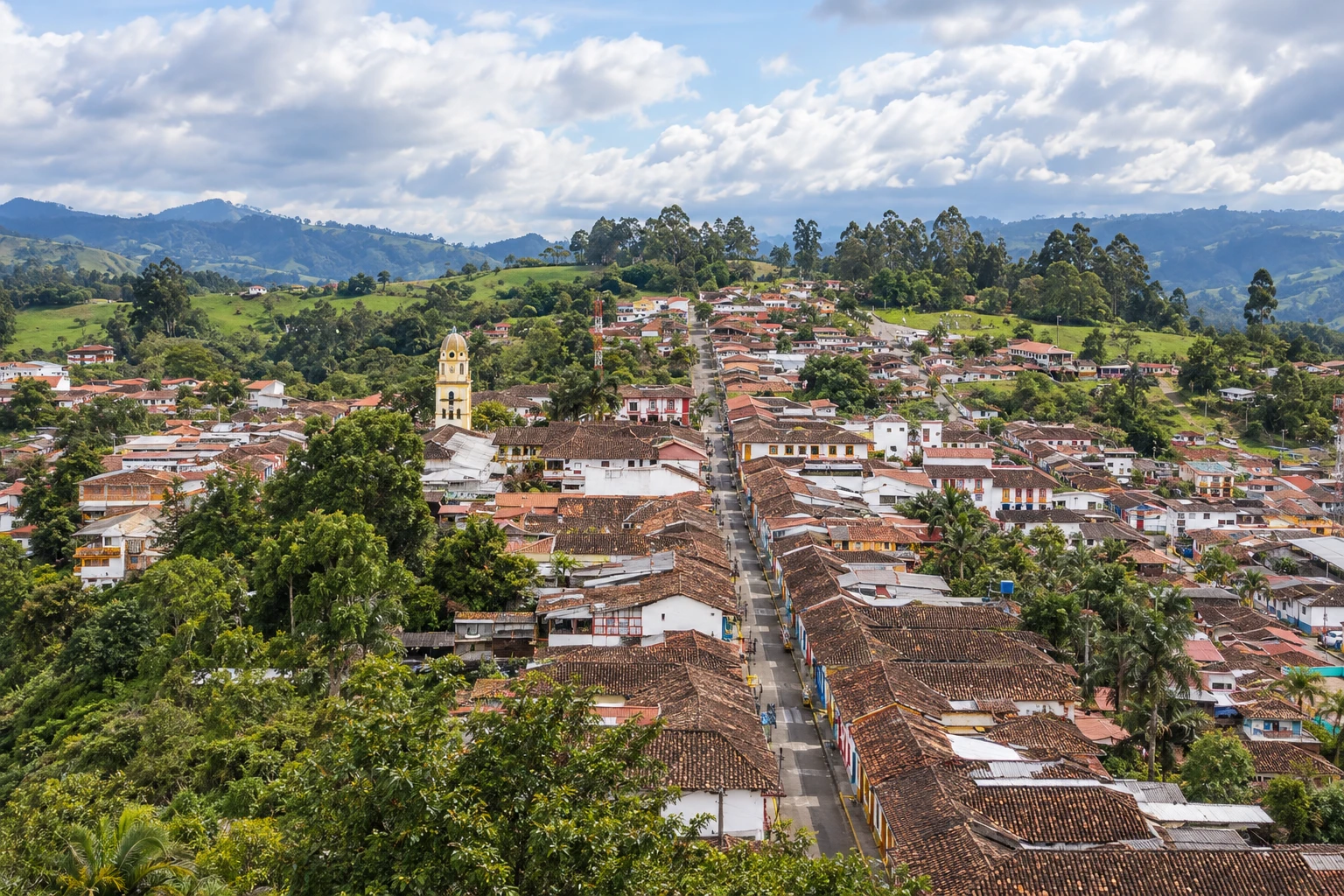
The coffee mountains, a UNESCO World Heritage site: farms on the slopes, the wax palms of Valle de Cocora, the villages of Salento and Filandia, the hot springs of Santa Rosa, Pereira and Manizales.

Andes

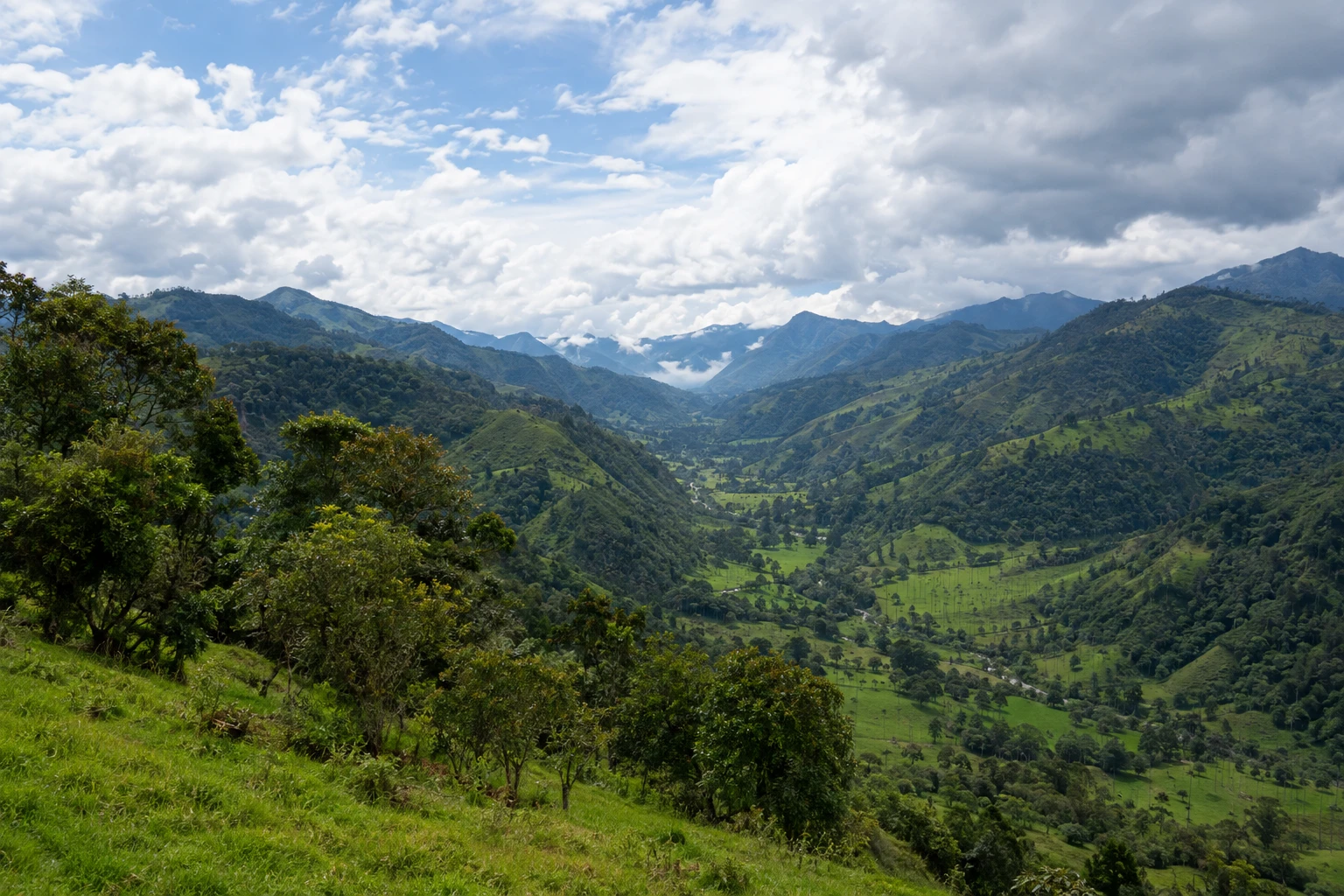
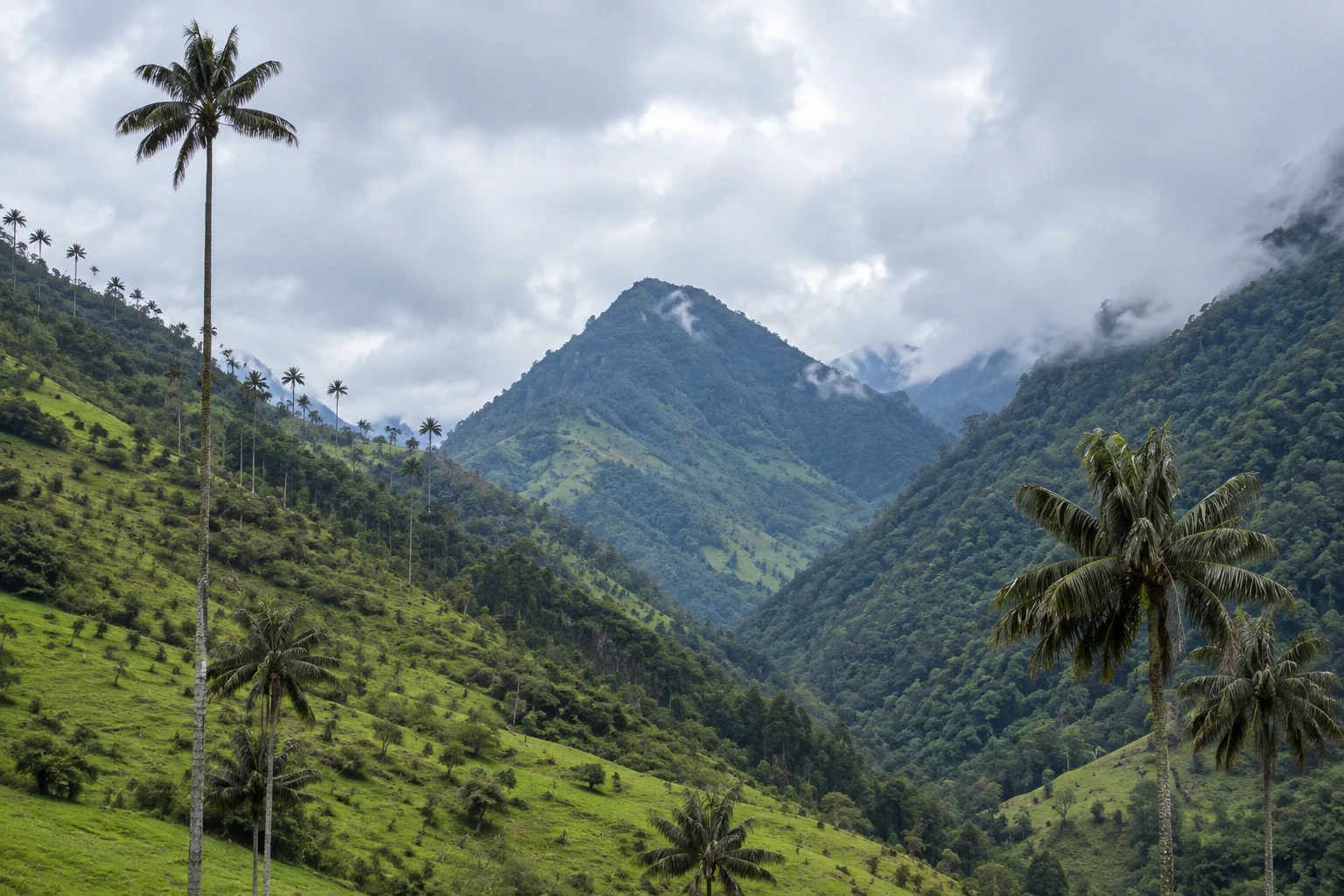
In the photo: Valle de Cocora

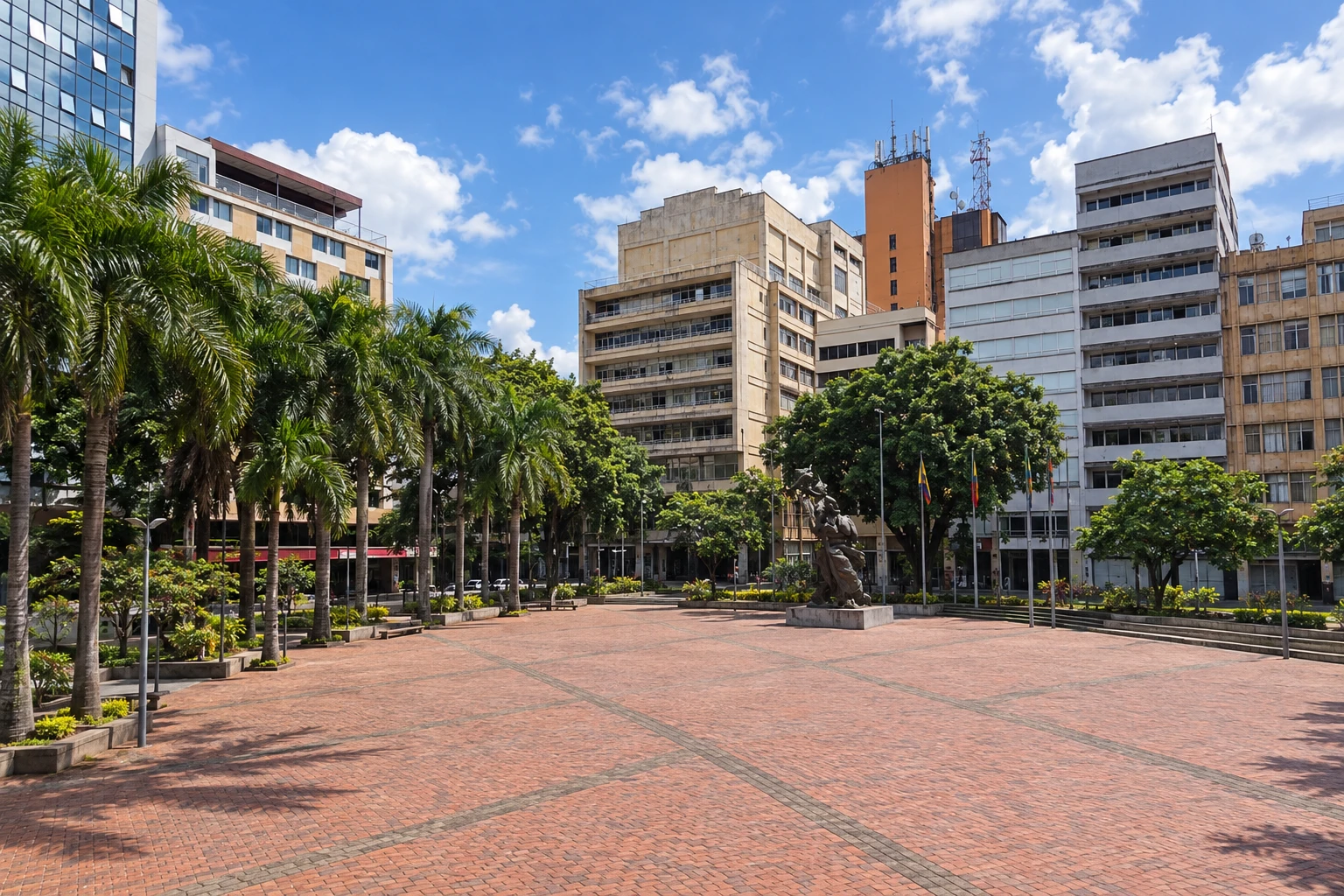
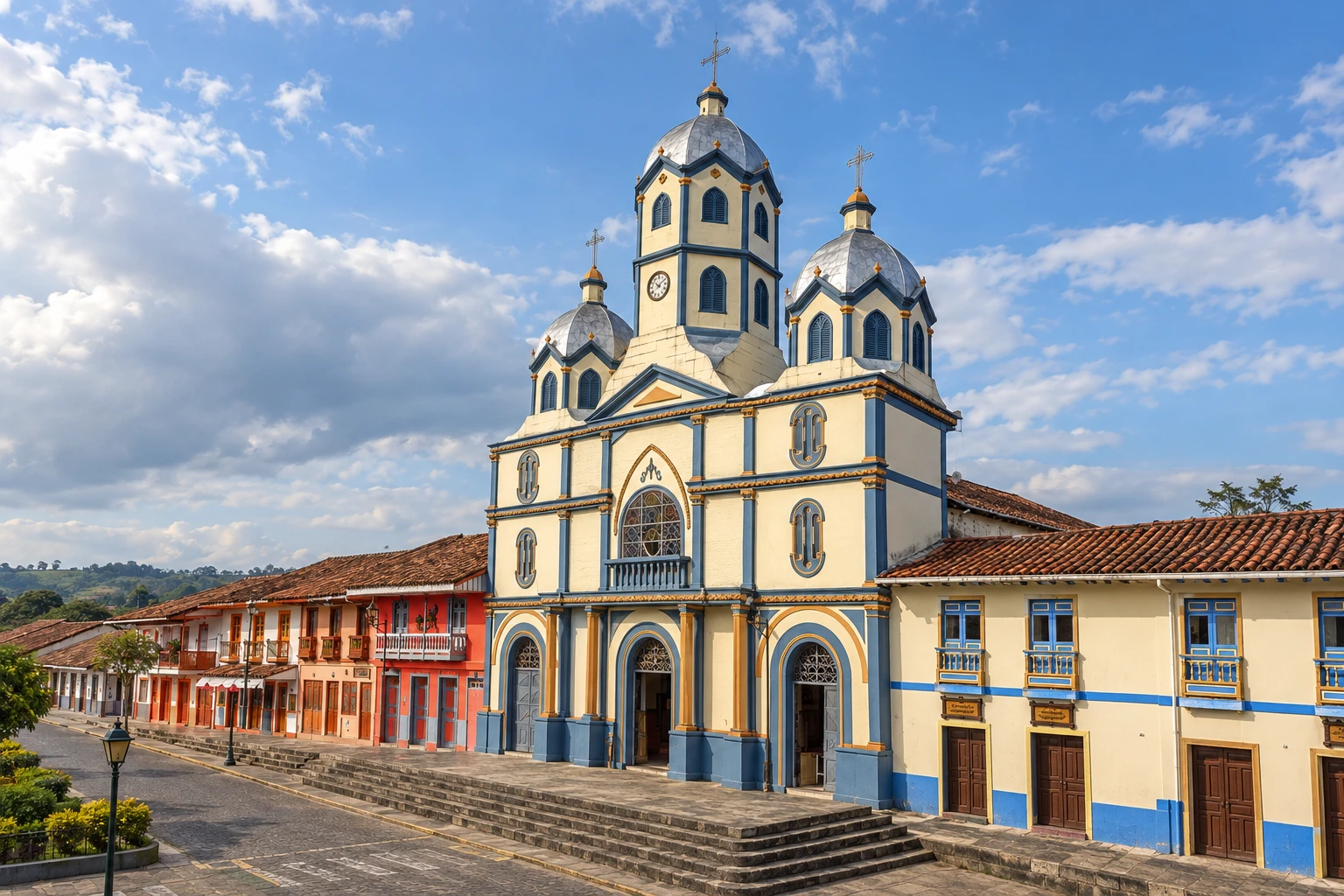
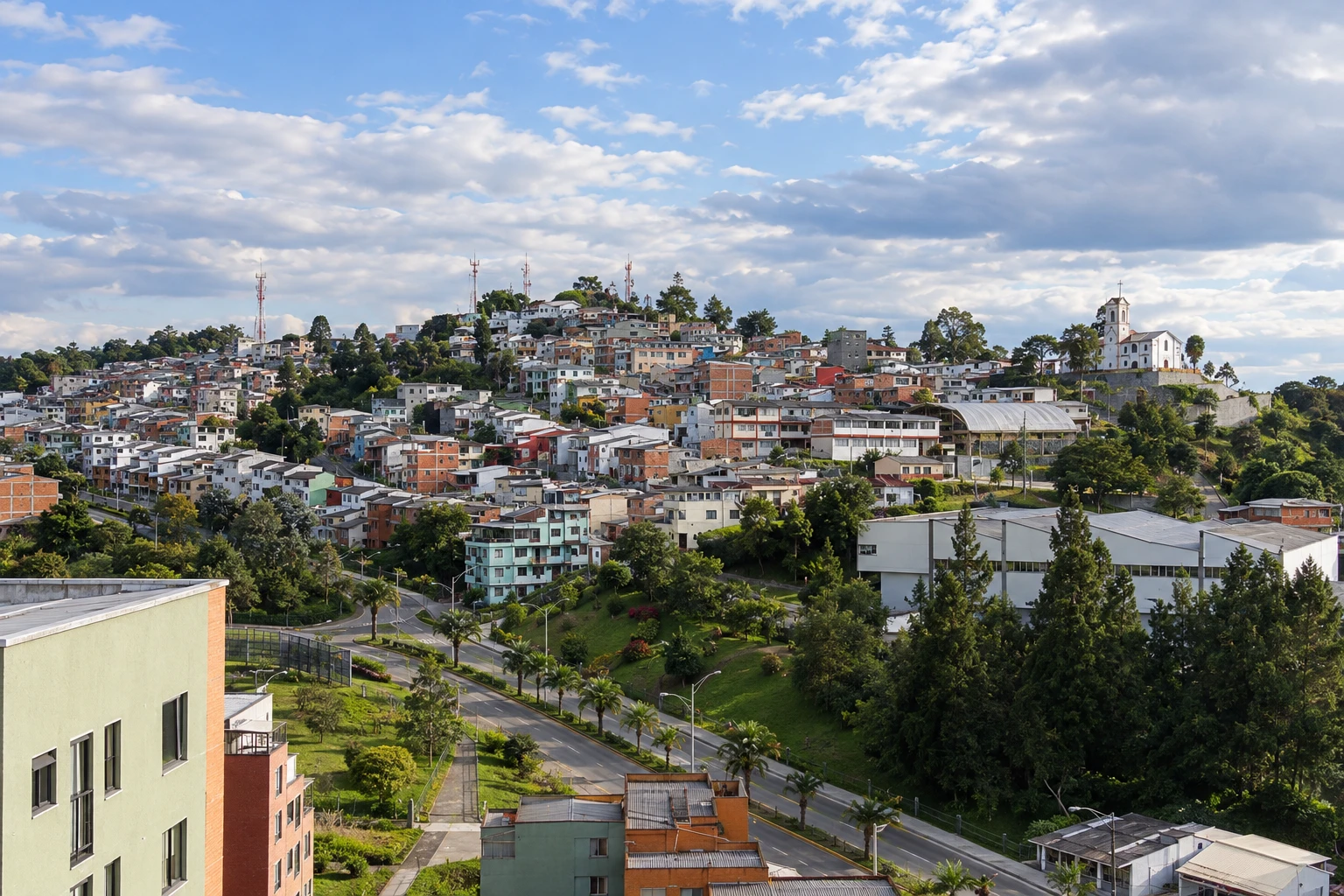
Illustrative images. The pictures in this guide are illustrations based on the real place, not photographs, and may differ from it.

Get it on Google Play

Get to know the place

A region to enjoy
at your own pace.

The Eixo Cafeeiro, the Eje Cafetero, is the mountainous region of the Central Range where the departments of Caldas, Risaralda and Quindío meet. It was colonized in the 19th century by families from Antioquia, who opened farms on the slopes and founded towns on the hilltops. Coffee became the basis of the local economy and culture, and in 2011 UNESCO declared the Colombian Coffee Cultural Landscape a World Heritage Site: family farms on steep slopes, towns with taipa and bahareque architecture, the use of guadua bamboo and traditions linked to the harvest.

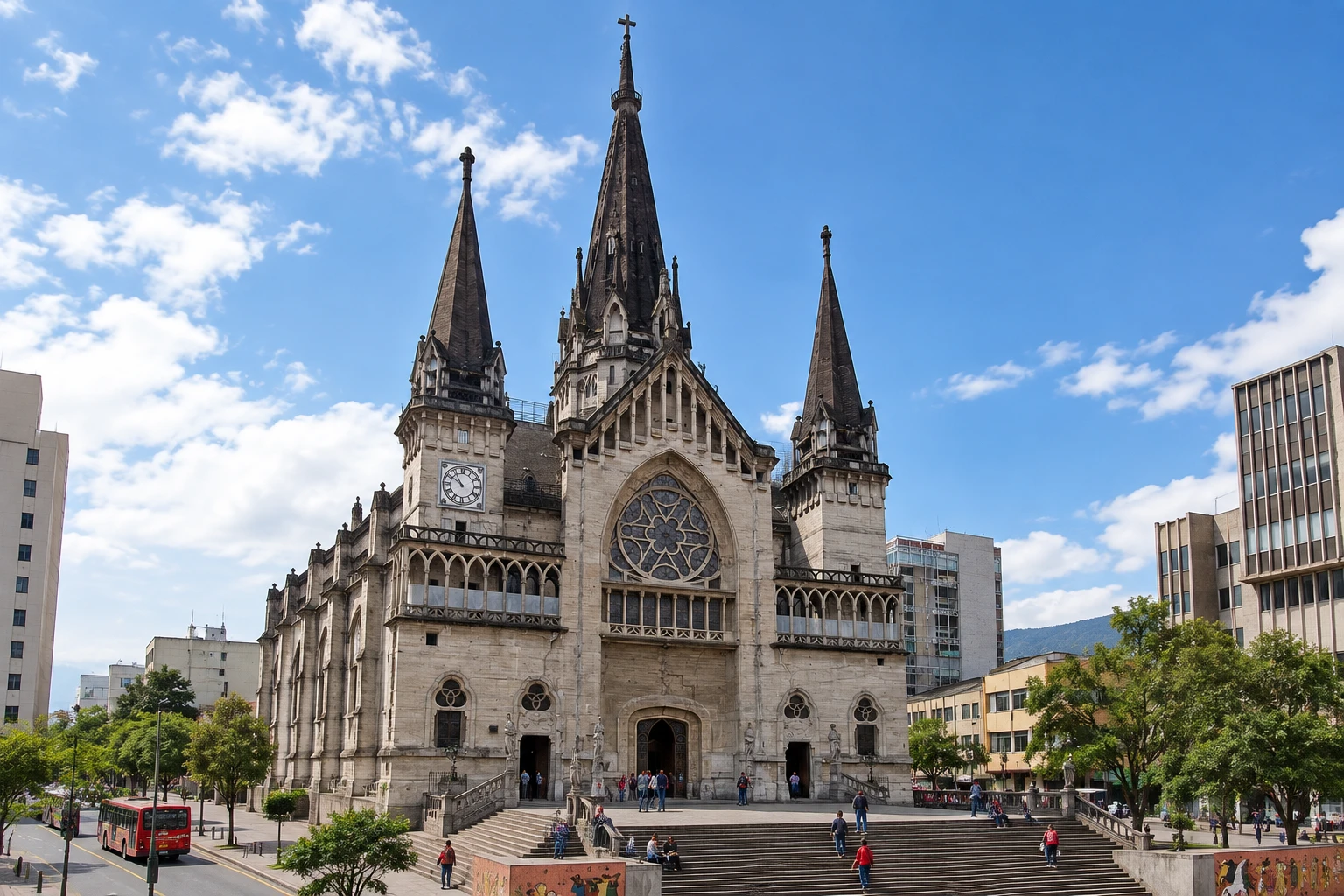
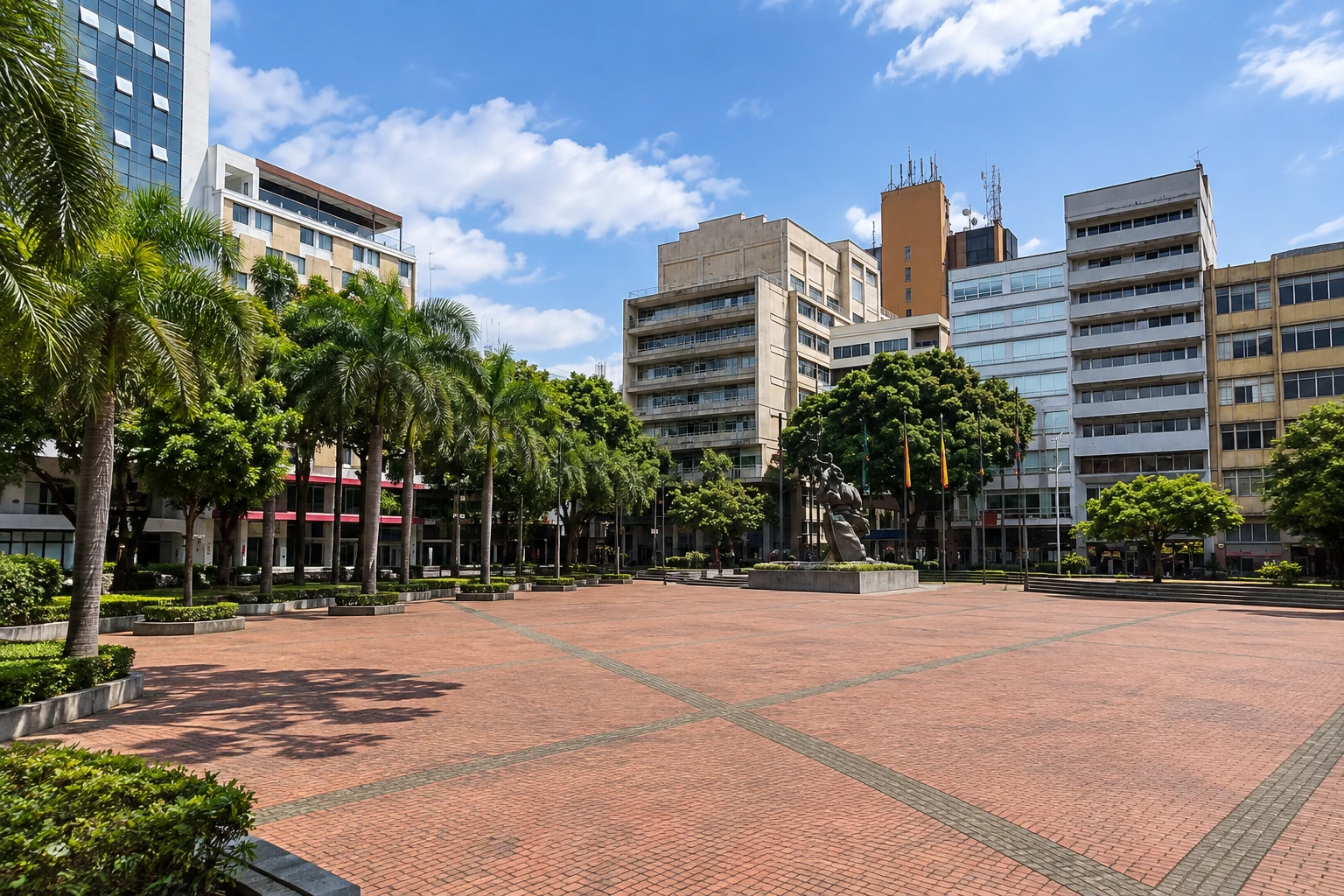
For visitors, the region is organized around three mid-size cities—Pereira, Manizales and Armenia—and smaller villages. Pereira, the capital of Risaralda, has the region’s busiest airport and lies roughly in the middle; from there you can reach the Termales de Santa Rosa de Cabal and the Parque del Café. Manizales, capital of Caldas, spreads along a mountain ridge, with a tall-towered cathedral, the Chipre viewpoints and the Recinto del Pensamiento.

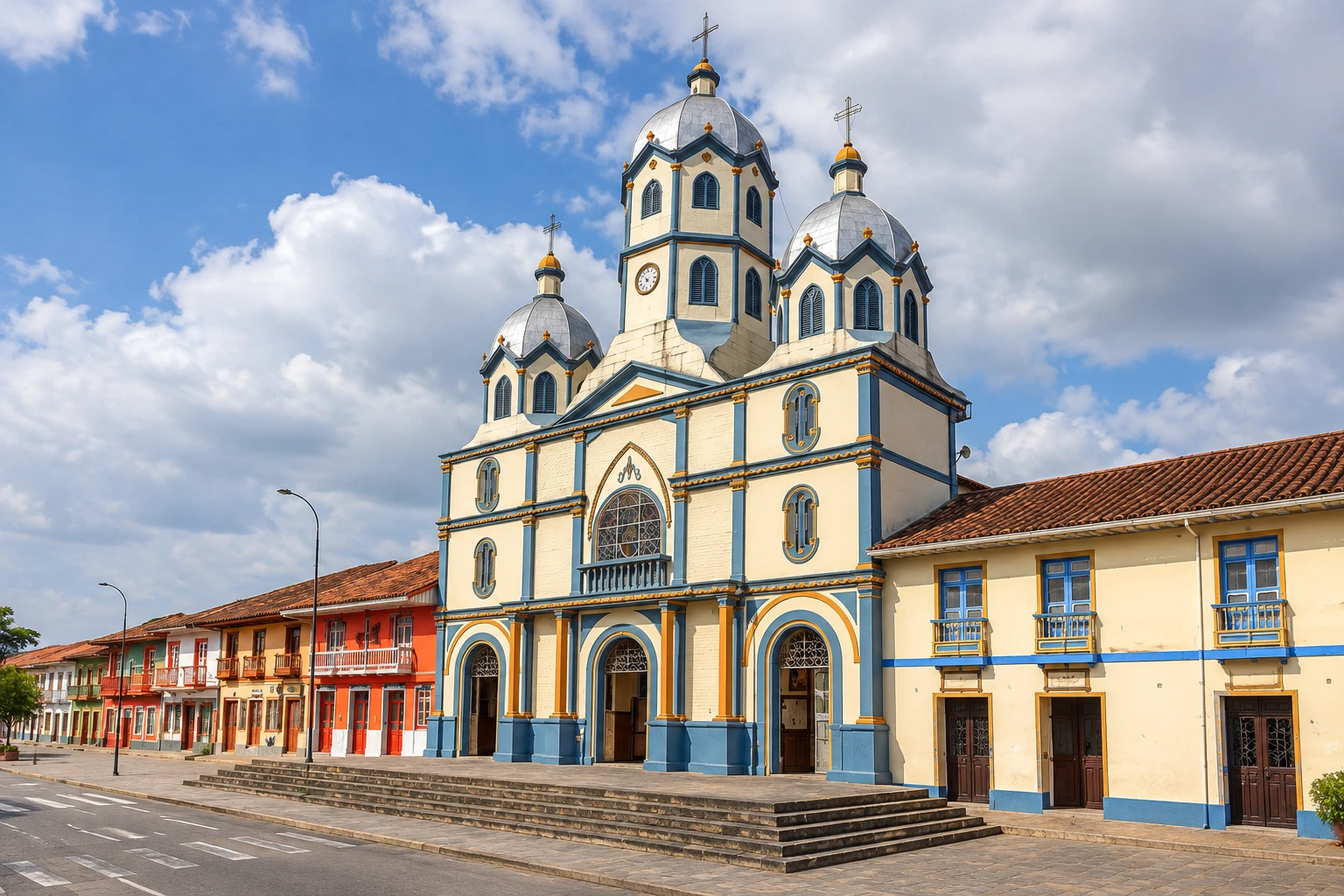
Quindío is home to the most-visited villages. Salento, with colorful houses and balconies, is the gateway to Valle de Cocora, where the wax palms, Colombia’s national tree, rise above green pastures. Filandia, smaller and quieter, has a plaza surrounded by old houses and a viewpoint over the coffee mountains. Around them, coffee farms welcome visitors to show planting, harvesting, drying and roasting, ending in the cup.

The climate is mild, with sun and rain often in the same day. Distances look short on the map, but roads climb and descend the mountains: allow one to two hours between cities.

This destination brings together 4 cities: Pereira, Filandia, Manizales, Salento.

Share: WhatsApp
Traveler, share your experiences through photos Up to 5 photos of each place you visited.

One destination, many paths

The cities on this trip

Start with one city or combine several in your itinerary.

Where Colombian Coffee Region is The star marks the capital, Pereira.
PereiraFilandiaManizalesSalento

Outlines: Natural Earth (public domain). Adapted by Cidade Turismo.

How to get there: Colombian Coffee Region

Aeropuerto Internacional Matecaña (PEI) · 5 km to Pereira

Connections with Brazil may be direct flights or require a connection, depending on season and airline. Check before booking. Aeropuerto Internacional Matecaña, in Pereira, is the region’s main airport, with domestic flights; Armenia and Manizales also have airports. From Medellín it’s about a five-hour drive to Pereira. Between the region’s cities there are frequent buses and vans.

Suggested arrival point: Pereira

The local experience

Things to do in Colombian Coffee Region

Manizales · Caldas · Church

Manizales Cathedral

The neogothic concrete cathedral in the Plaza de Bolívar, with a central tower that exceeds 100 meters and a route that climbs inside up to the lookout, offering views of the city and the mountains.

Explore Manizales Cathedral

Salento · Quindío · Trail

Cocora Valley

A valley of green pastures and native forest above Salento, where the wax palms of Quindío, Colombia’s national tree, reach tens of meters tall. Short trails to viewpoints and a long circuit through the forest.

Explore Cocora Valley

See 7 more places in Colombian Coffee Region

Before you go

Practical information

A little planning leaves more time to enjoy the journey.

When to go

The climate is mild year-round, warmer in Pereira and cooler in Manizales, Salento and Filandia. Rains are usually heavier from April to May and from October to November; from December to March and June to August the weather is generally drier, good for visiting Valle de Cocora. Main coffee harvests typically run from September to December, with a smaller harvest from April to June.

The seasons shown are the most usual ones; nature doesn't always follow the calendar.

How many days to stay

Four to five days allow you to see Salento and Valle de Cocora, Filandia, a coffee farm, the Termales de Santa Rosa and a day in Manizales. With three days, stay in Salento or Filandia and do Cocora, a farm visit and one of the hot springs. Parque del Café requires an extra full day.

Which city to stay in

Salento and Filandia have guesthouses and small hotels in old houses near the plaza, and serve as bases for Cocora and the farms. Many coffee farms also host guests in the countryside, with mountain views. Pereira has city hotels near the airport and downtown, convenient for arrivals and departures by plane. In Manizales, hotels are located downtown and along Avenida Santander, near the Cable.

Respect the place

Take your trash with you, follow the signs and support local businesses. In natural areas, follow the visiting guidelines.

Beyond the guide

Your questions

Frequently asked questions about Colombian Coffee Region

What is the best base for exploring the Eixo Cafeeiro?

Salento or Filandia for those who want the villages, Valle de Cocora and the farms; Pereira for those who prefer a larger city, close to the airport and the Termales de Santa Rosa.

How many days should I book?

Four to five days for Salento, Cocora, Filandia, a coffee farm, the hot springs and Manizales. With three days, focus on Salento and the surrounding area.

Do I need a car in the Eixo Cafeeiro?

It’s not mandatory. Buses and vans connect Pereira, Armenia, Salento and Filandia, and in Salento Willys jeeps take visitors to Valle de Cocora. A car gives more freedom to reach farms and to travel the mountain roads.

Can I visit a coffee farm?

Yes. Several farms near Salento, Filandia and Manizales offer guided visits, showing the plantation, harvesting, drying, roasting and tasting. Book in advance.

How do I get from Medellín to the Eixo Cafeeiro?

By road, about five hours to Pereira or Manizales by bus or car. By plane there are short flights to Pereira and Armenia.

When is the coffee harvest?

The main harvest usually runs from September to December, with a smaller harvest, the mitaca, from April to June. Farms welcome visitors year-round.

Explore other destinations Search by state and city