Banff and Lake Louise

Alberta · British Columbia

Banff and Lake Louise

The first national park of Canada, in the Rocky Mountains: Lake Louise and Moraine Lake, the town of Banff, the hot springs and, on the other side of the border, the lakes and waterfalls of Yoho.

Alberta and the Prairies

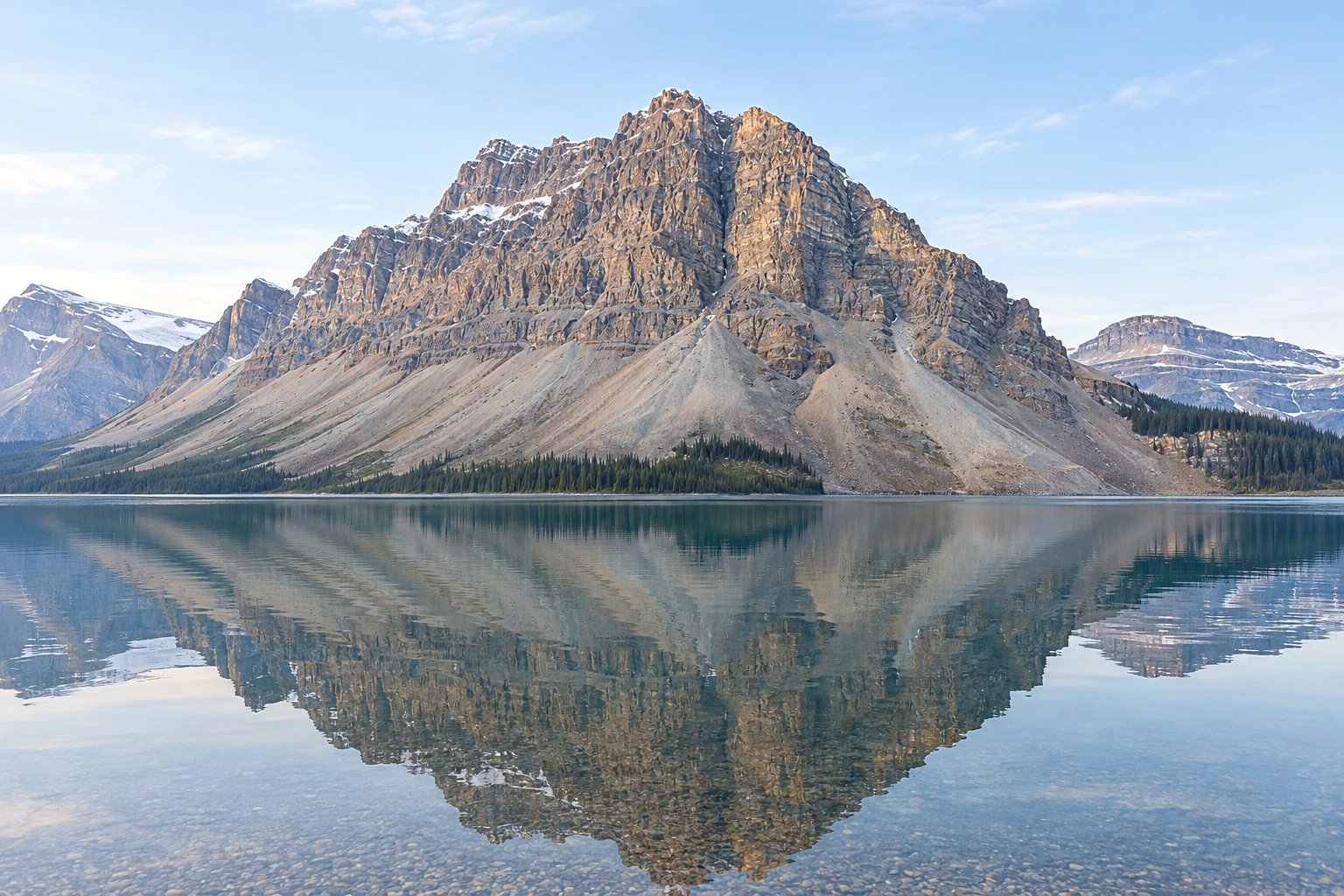
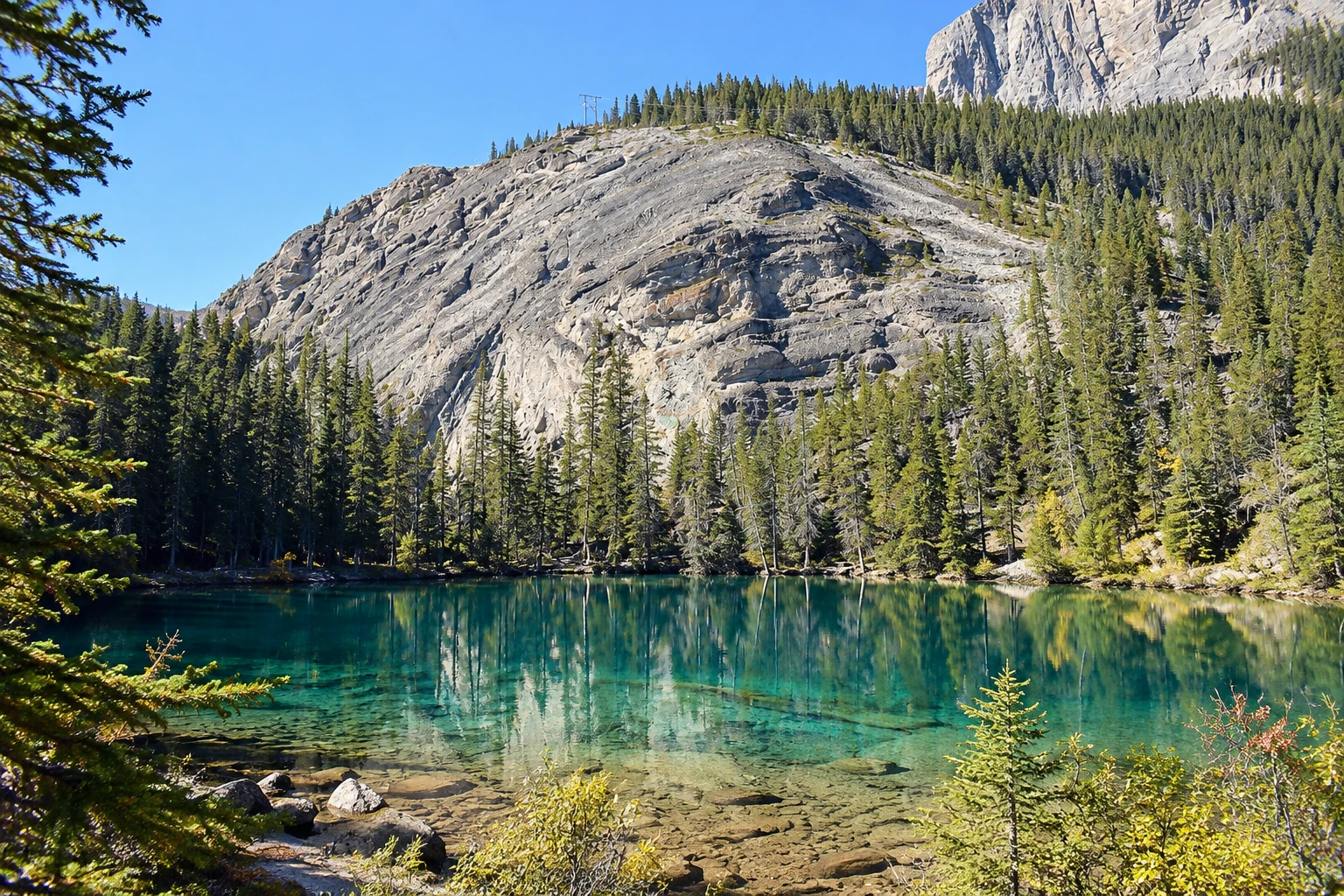
In the photo: Bow Lake, Banff National Park

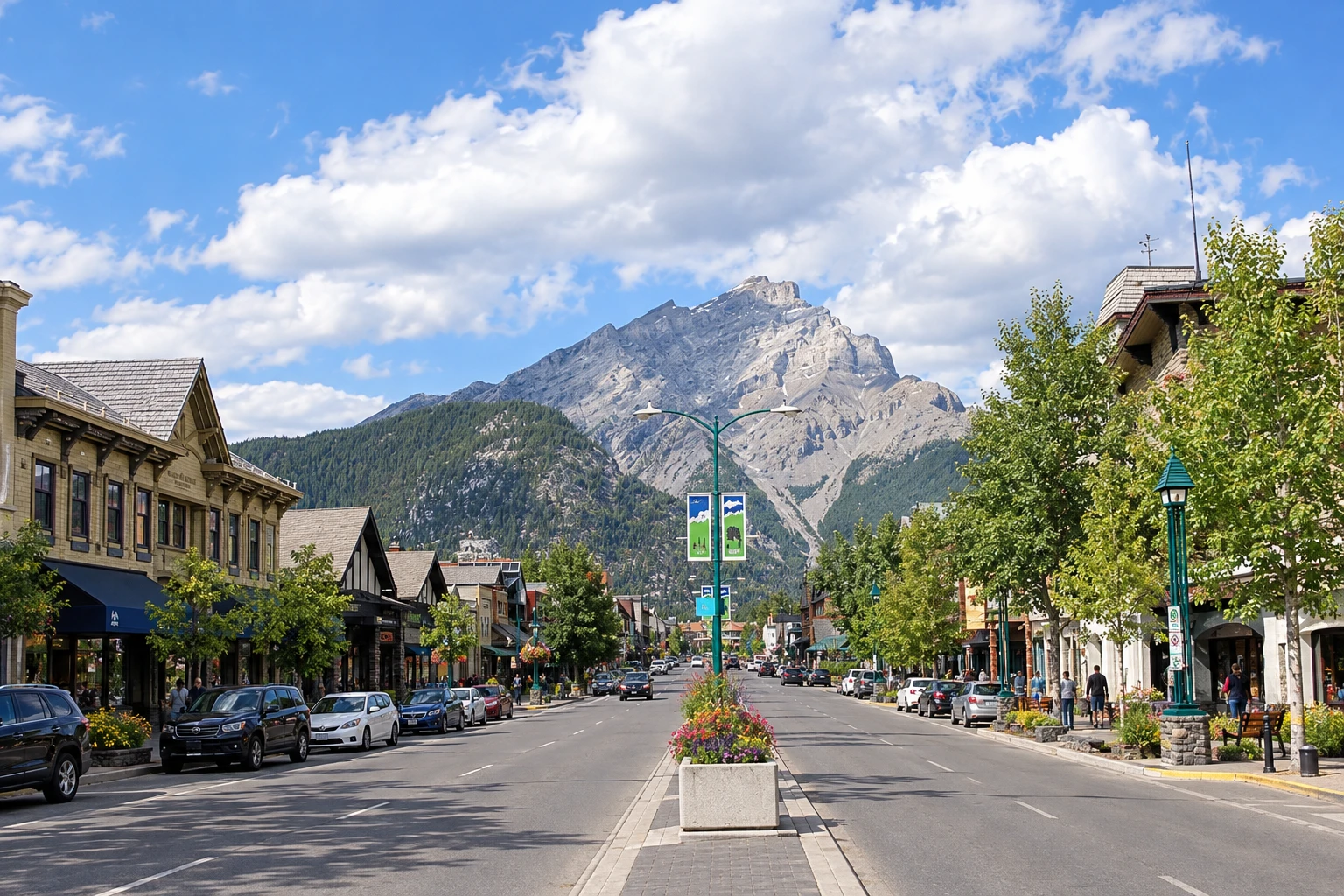
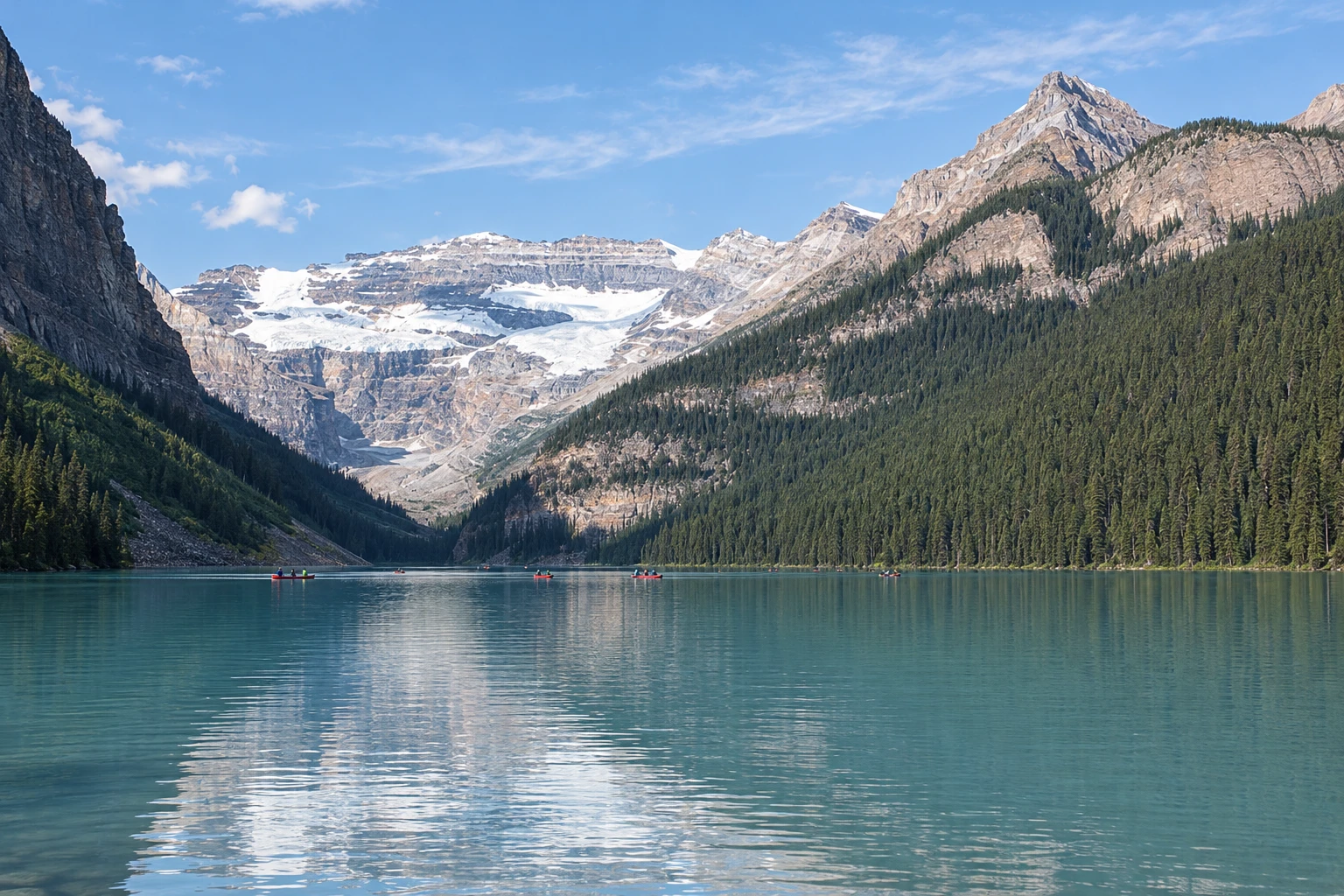
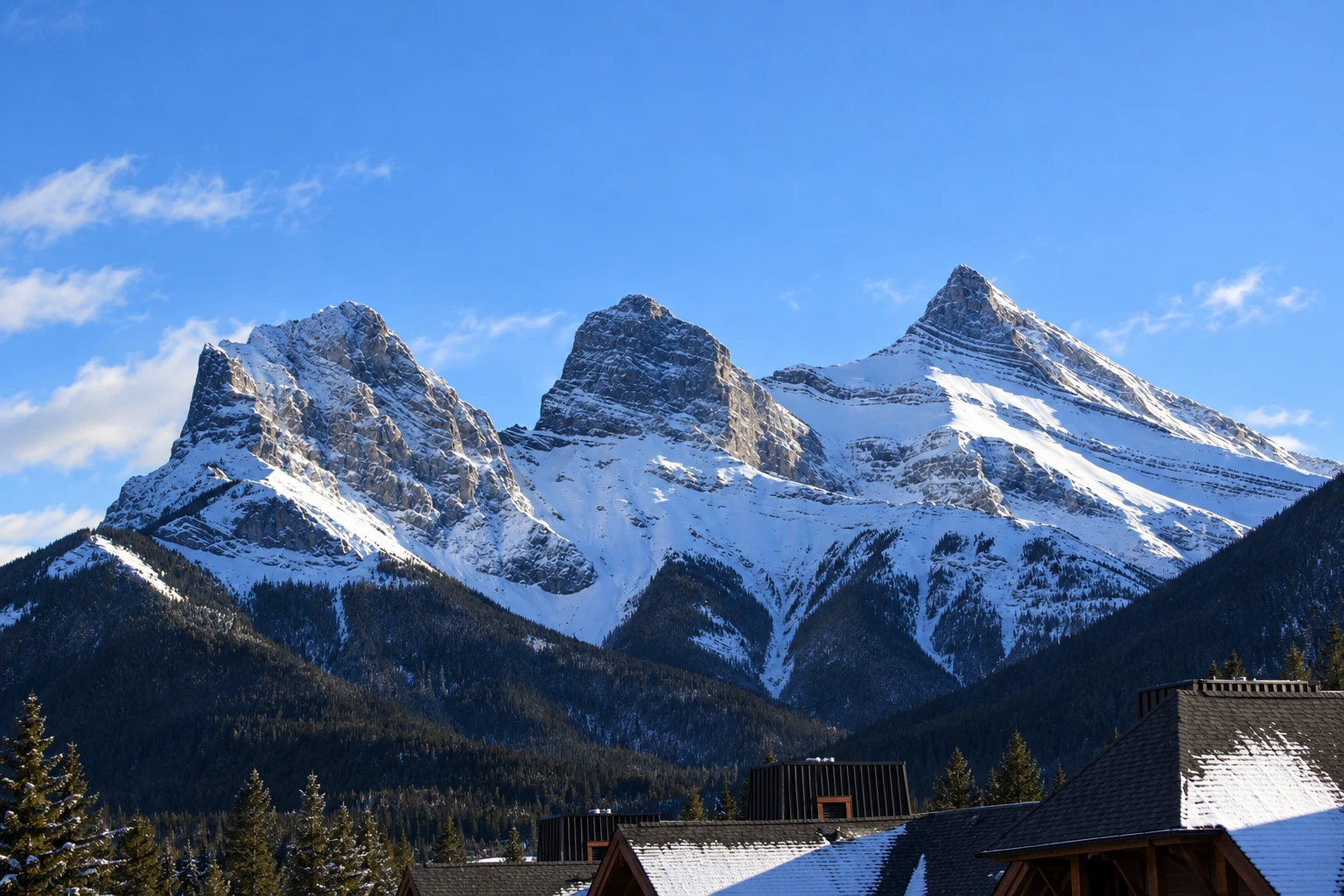
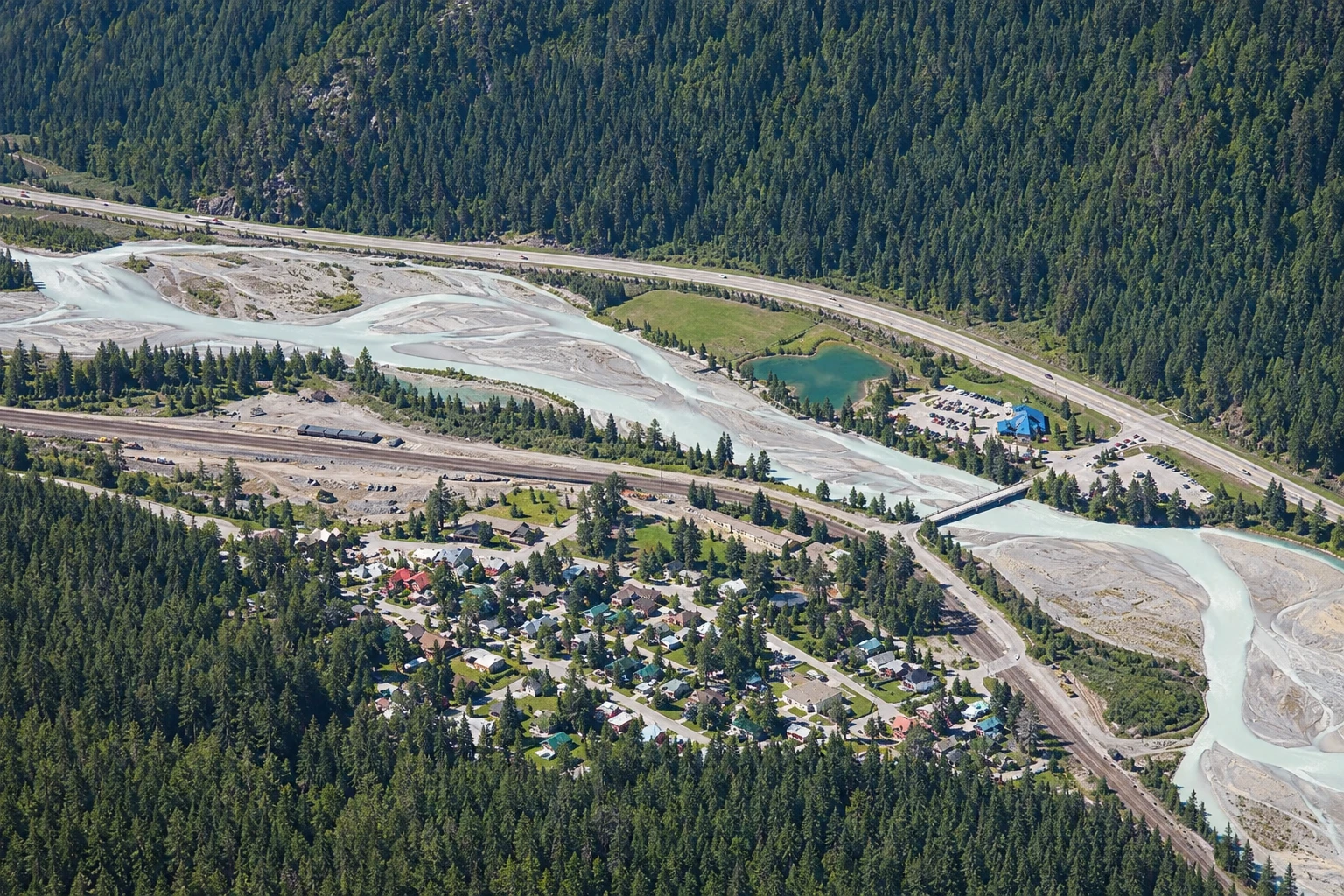
Illustrative images. The pictures in this guide are illustrations based on the real place, not photographs, and may differ from it.

Get it on Google Play

Get to know the place

A region to enjoy
at your own pace.

Banff National Park was created in 1885 around hot springs discovered by workers building the transcontinental railway and is Canada’s oldest park. It lies in the Rocky Mountains, in Alberta, and together with the neighboring parks forms the Canadian Rocky Mountain Parks, a UNESCO World Heritage Site.

The town of Banff, inside the park, has a main avenue with views of Mount Cascade, the Sulphur Mountain gondola, the hot springs and the historic site where the park was founded. Around it are Lake Minnewanka, Johnston Canyon and trails for all levels.

About 58 km away, the village of Lake Louise gives access to the two most famous Rocky Mountain lakes: Lake Louise, with green-turquoise water at the foot of the Victoria Glacier, and Moraine Lake, in the Valley of the Ten Peaks. From there the Icefields Parkway begins, the road that continues to Jasper among glaciers and lakes such as Peyto. The color of the lakes comes from rock flour ground by glaciers.

Canmore, just outside the park, is a mountain town with trails and accommodations. On the other side of the continental divide, already in British Columbia, Field is the village of Yoho National Park, with Emerald Lake and Takakkaw Falls. Bears, moose, deer and bighorn sheep can appear at the roadside.

This destination brings together 4 cities: Banff, Lake Louise, Canmore, Field.

Share: WhatsApp
Traveler, share your experiences through photos Up to 5 photos of each place you visited.

One destination, many paths

The cities on this trip

Start with one city or combine several in your itinerary.

Where Banff and Lake Louise is The star marks the nearest capital, Edmonton.
EdmontonBanffLake LouiseCanmoreField

Boundaries: Statistics Canada (Statistics Canada Open Licence) / geoBoundaries. Adapted by Cidade Turismo.

How to get there: Banff and Lake Louise

Calgary International Airport (YYC), in Calgary · 145 km to Banff

Calgary International Airport is about 145 km from Banff via the Trans-Canada Highway, roughly an hour and a half by car. Buses and transfers connect the airport to Canmore, Banff and Lake Louise. A national parks pass is required to enter.

Suggested arrival point: Banff

The local experience

Things to do in Banff and Lake Louise

Banff · Alberta · Aerial tramway

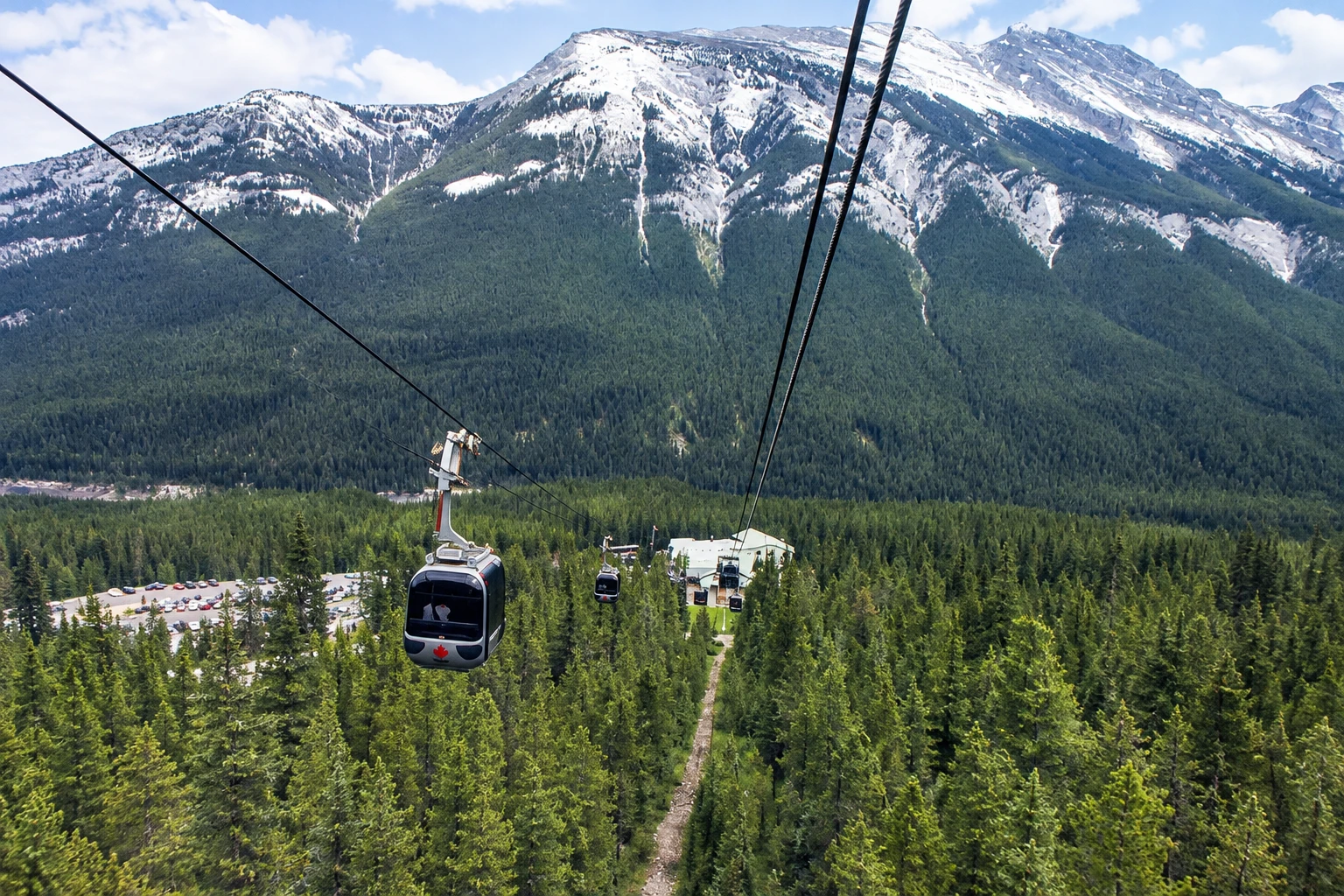
Banff Gondola

Gondola that climbs Sulphur Mountain, to about 2,280 meters, with viewpoints over the Bow Valley and a wooden boardwalk to Sanson Peak and its old weather station.

Explore Banff Gondola

Field · British Columbia · Lake

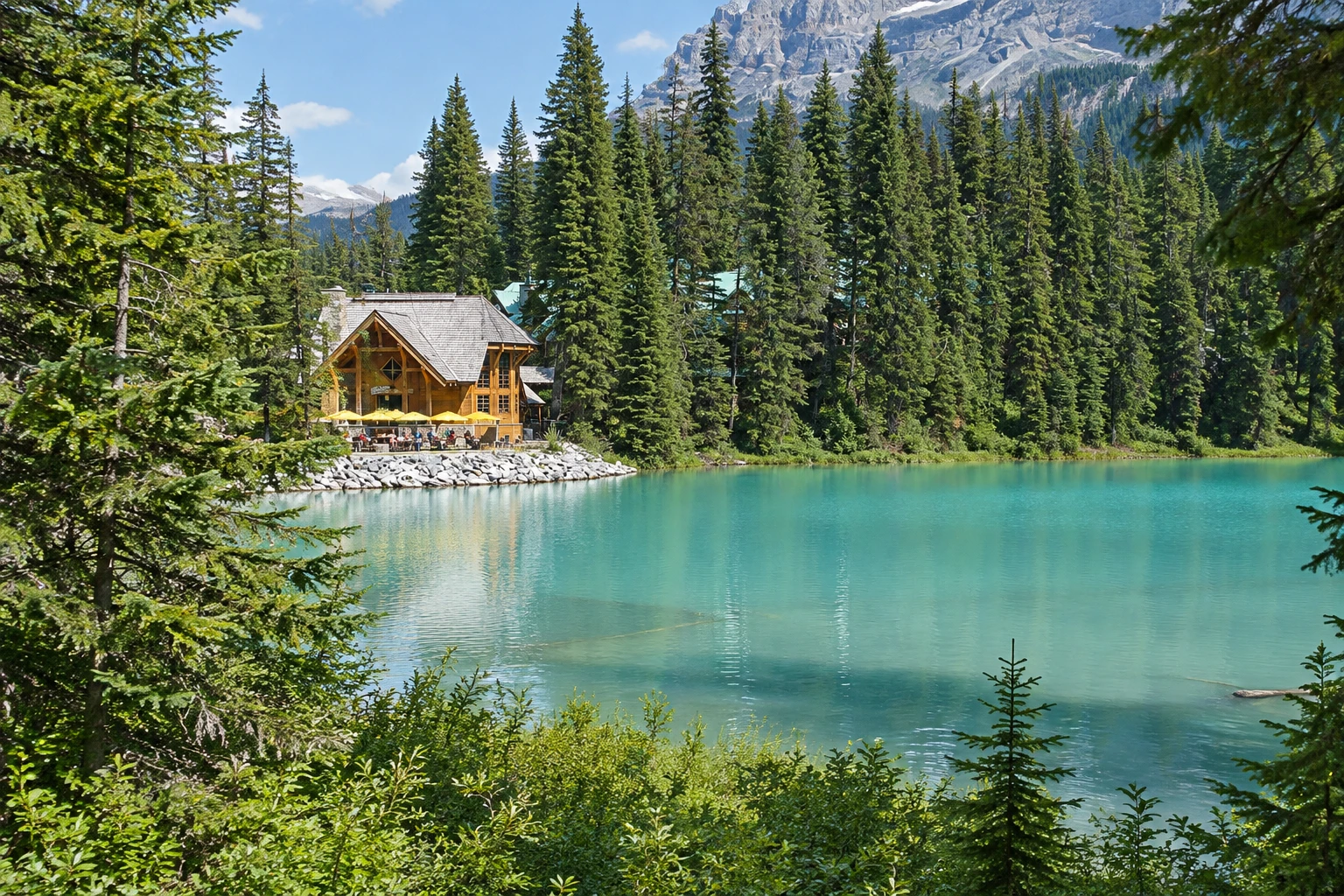
Emerald Lake

The largest lake in Yoho National Park, green water, surrounded by mountains and forests, with a roughly 5 km trail around it and canoe rentals in summer.

Explore Emerald Lake

Lake Louise · Alberta · Lake

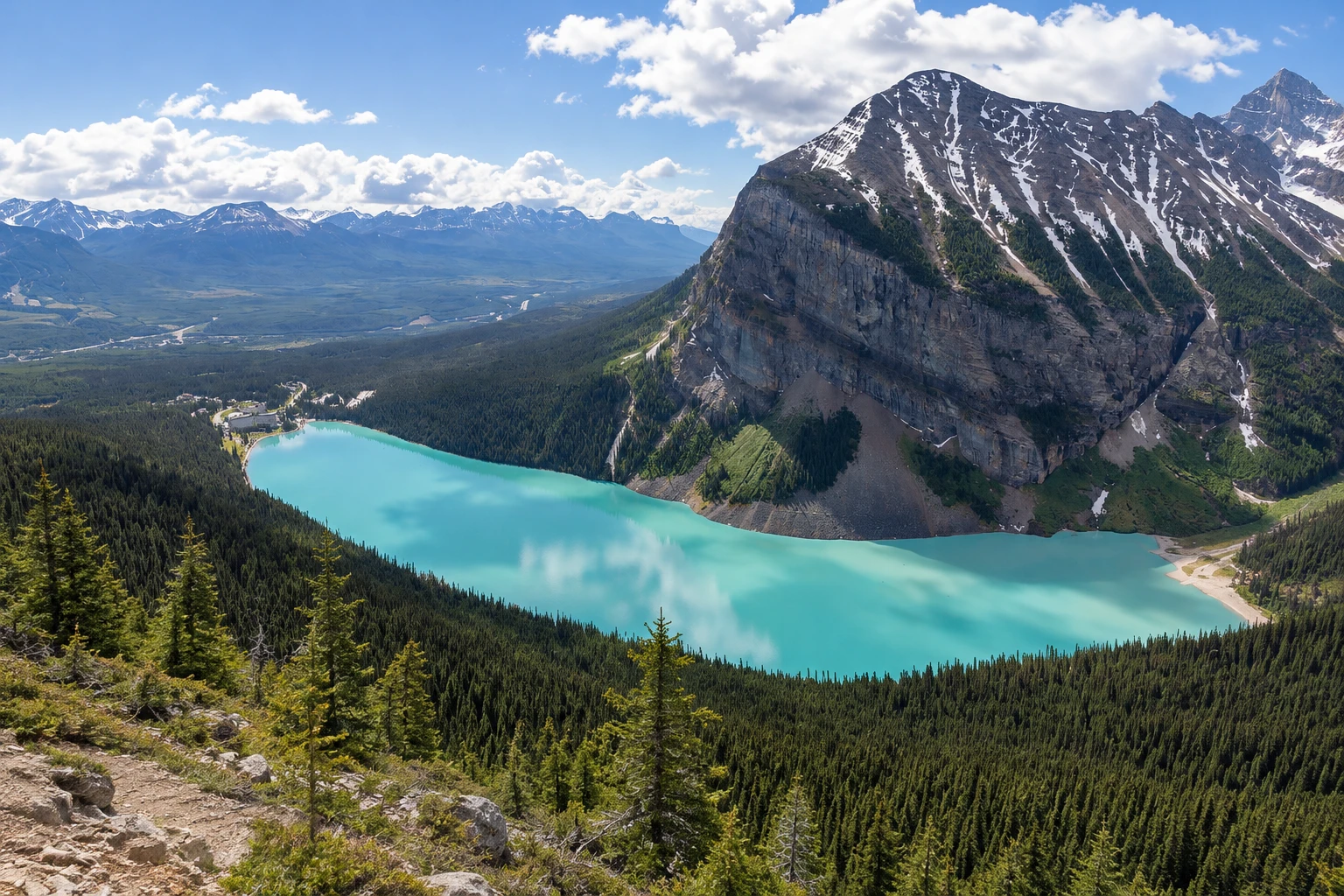
Lake Louise

A turquoise-green lake at the foot of the Victoria Glacier in Banff National Park, with a shoreline trail, canoe rentals in summer and trails to Lake Agnes and the Plain of the Six Glaciers.

Explore Lake Louise

Canmore · Alberta · Trail

Grassi Lakes

Short trail above Canmore that leads to two small green-blue lakes at the base of limestone cliffs used for climbing, with ancient rock paintings nearby.

Explore Grassi Lakes

See 11 more places in Banff and Lake Louise

Before you go

Practical information

A little planning leaves more time to enjoy the journey.

When to go

From late June to mid-September the lakes are ice-free and the high trails are open; this is the busiest season. The lakes usually thaw between late May and June. September brings golden larches at higher elevations. From December to April it’s ski season, with winter roads and frozen lakes.

The seasons shown are the most usual ones; nature doesn't always follow the calendar.

How many days to stay

Three to five days: one or two for Banff and surroundings, one for Lake Louise and Moraine, one for Yoho and one for the Icefields Parkway. Many people continue on to Jasper afterward.

Which city to stay in

The town of Banff concentrates most park accommodations, close to restaurants and buses. Lake Louise has few options, near the lakes, which sell out early in summer. Canmore, outside the park, has more options and is 20 minutes from Banff. Field has small lodgings for those who want to explore Yoho.

Respect the place

Take your trash with you, follow the signs and support local businesses. In natural areas, follow the visiting guidelines.

Beyond the guide

Your questions

Frequently asked questions about Banff and Lake Louise

How many days to stay in Banff and Lake Louise?

Three to five days for Banff, Lake Louise and Moraine, Yoho and a section of the Icefields Parkway.

Can you drive to Moraine Lake?

No. The road is closed to private vehicles; access is by Parks Canada buses or authorized operators, generally from June to mid-October. Check the season and book ahead.

Do you have to pay to enter Banff National Park?

Yes. You must purchase a daily or annual national parks pass, including to overnight in Banff or Lake Louise. Check the current fee schedule.

Do you need a car in Banff?

It helps for the Icefields Parkway and Yoho. In Banff and Lake Louise, Roam buses and Parks Canada buses cover the main points in season.

When are Banff’s lakes ice-free?

Generally from late May or June until October. Lake Louise usually thaws in early June.

What time zone is Banff in?

Alberta time, UTC−6 year-round, with no daylight saving clock changes.

Explore other destinations Search by state and city