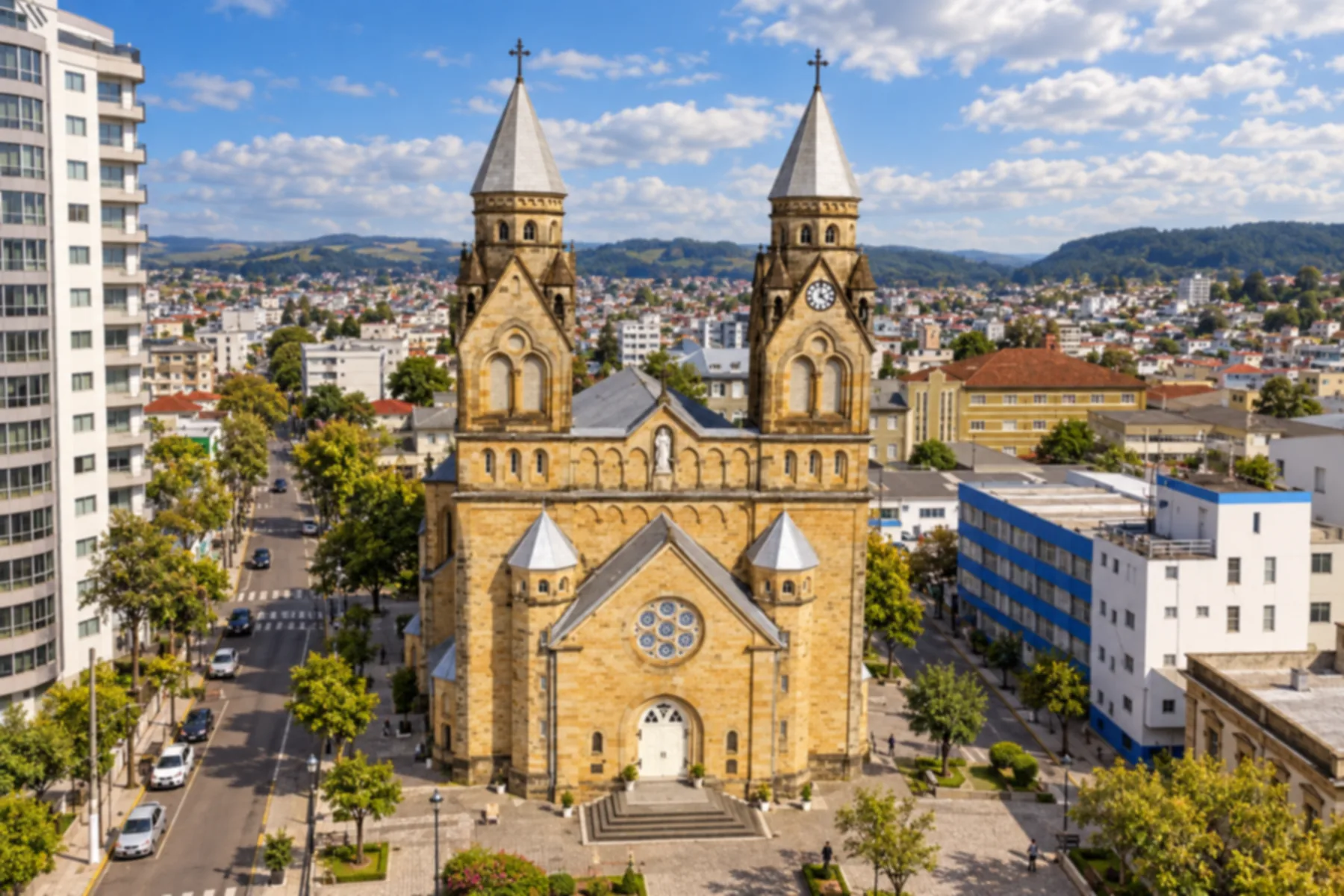
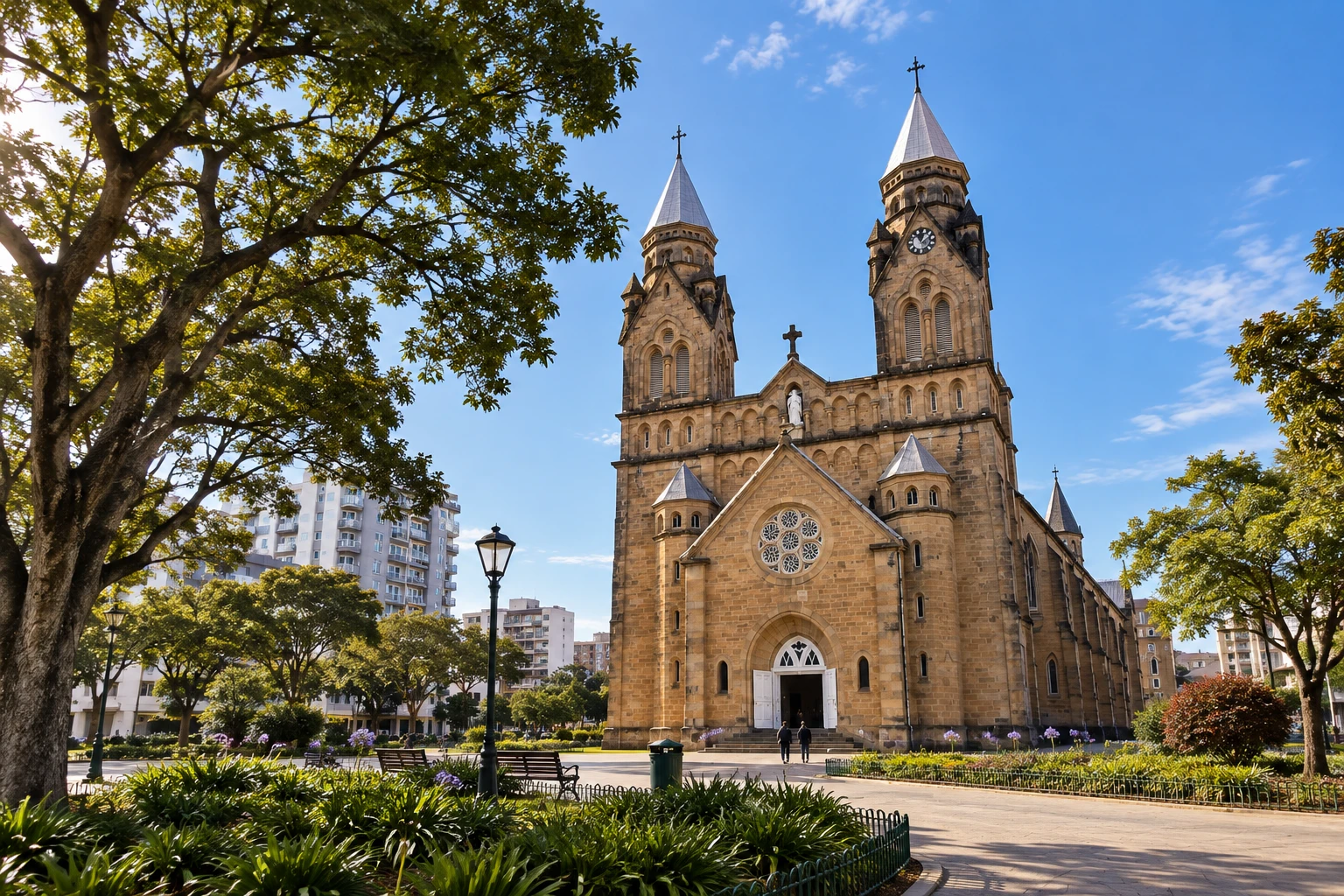
Opened in 1922, it was built of orange-toned stone in the neo-Gothic style, on Praça João Ribeiro. The stained-glass windows came from Germany, and the high altar displays statues of Senhor dos Passos and Nossa Senhora das Dores (Our Lady of Sorrows).
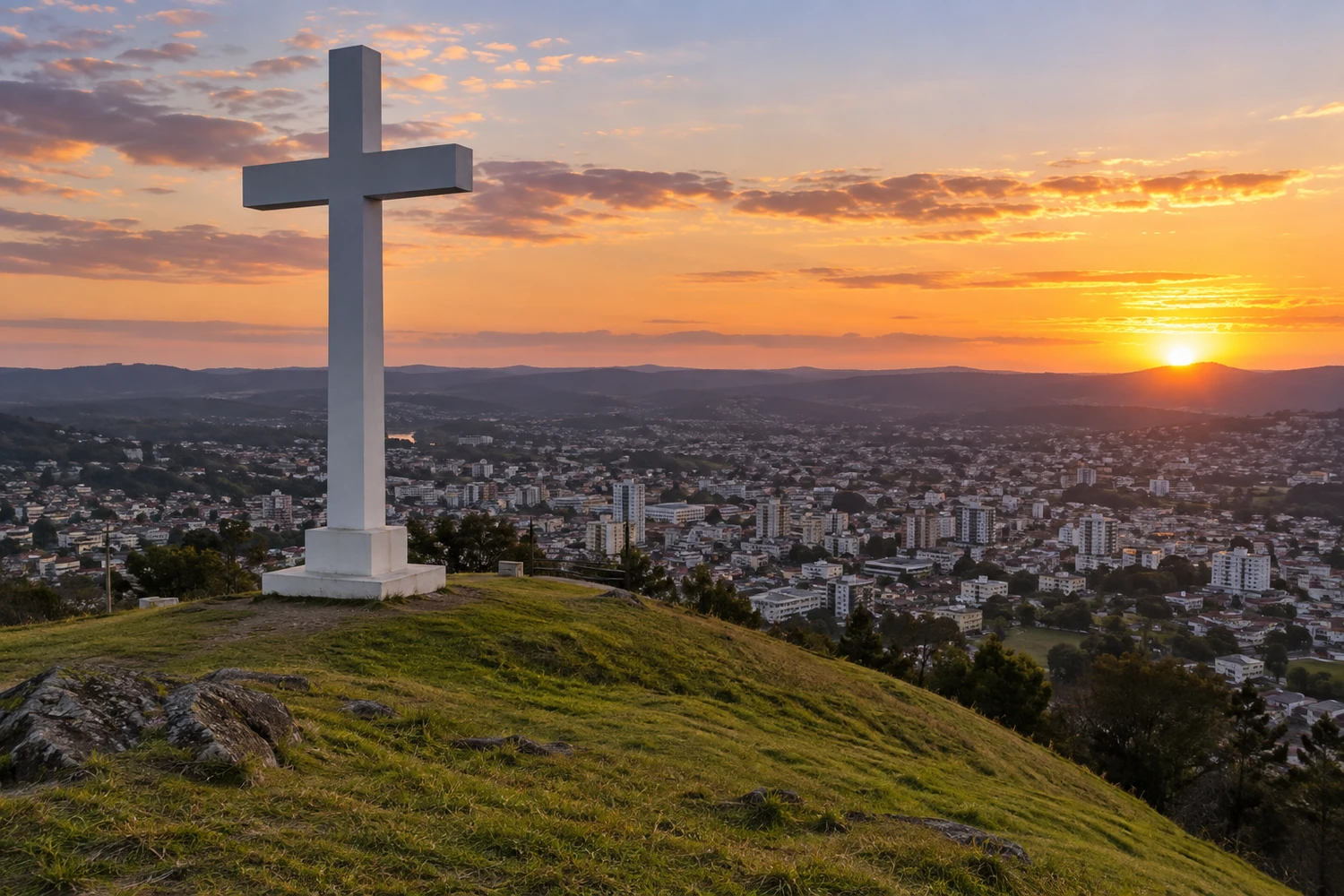
A viewpoint more than 1,000 meters above sea level, 3 km from downtown, reached by car or by a 513-step stairway. At the top stand a white cross almost 20 meters tall and a chapel, the setting for reenactments during Holy Week.
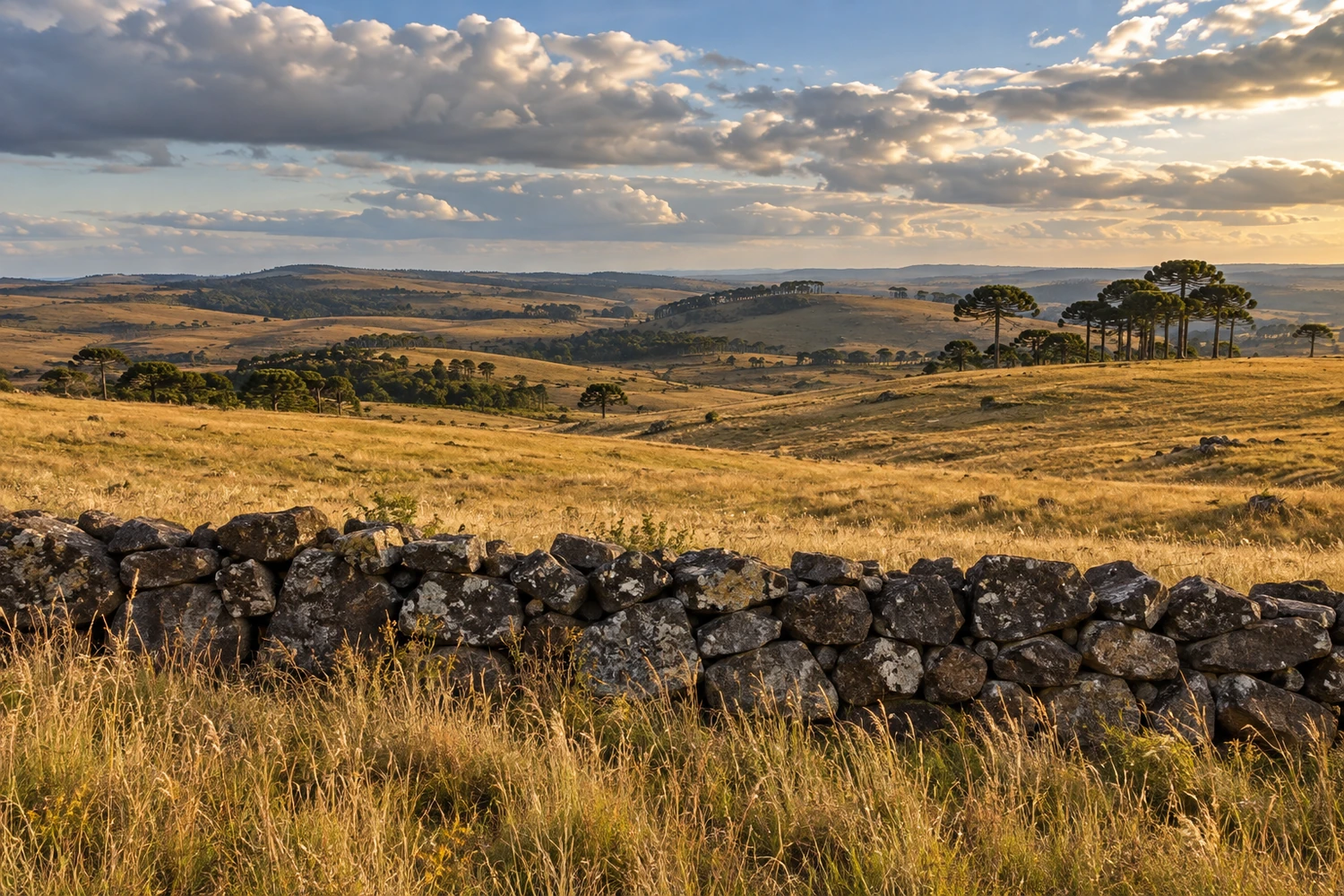
A rural area of more than 1,100 km² that was a corridor for cattle drives between Rio Grande do Sul and São Paulo. Its grasslands with araucaria pines hold stone walls built more than 200 years ago by enslaved people, Indigenous people and farmhands, as well as century-old farms.
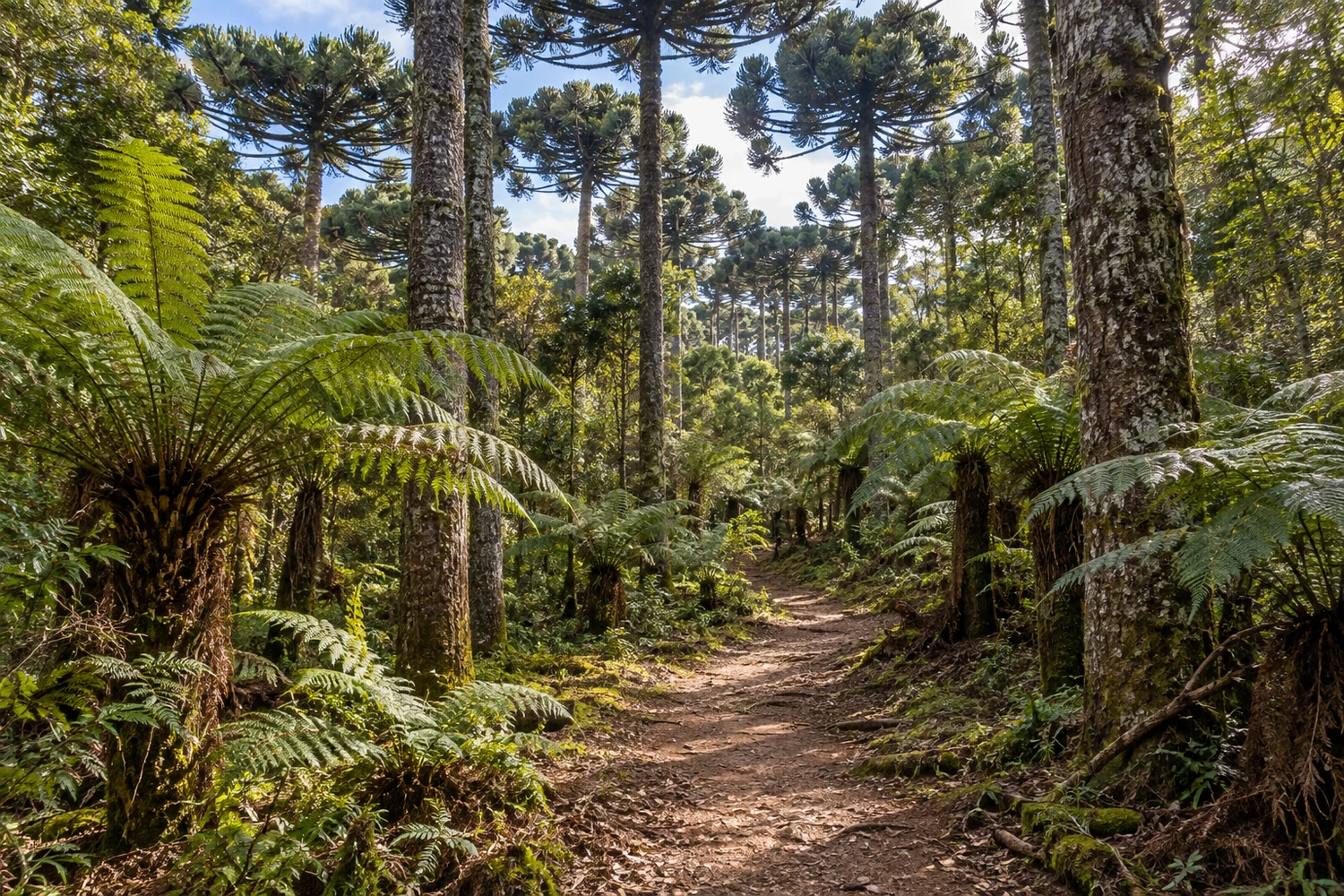
It protects 234 hectares of Atlantic Forest with araucaria pines, where 168 bird species have been recorded. Revitalized with restored trails, it was the first place in the town recognized as a Sala Verde (Green Room) by Brazil's Ministry of the Environment.
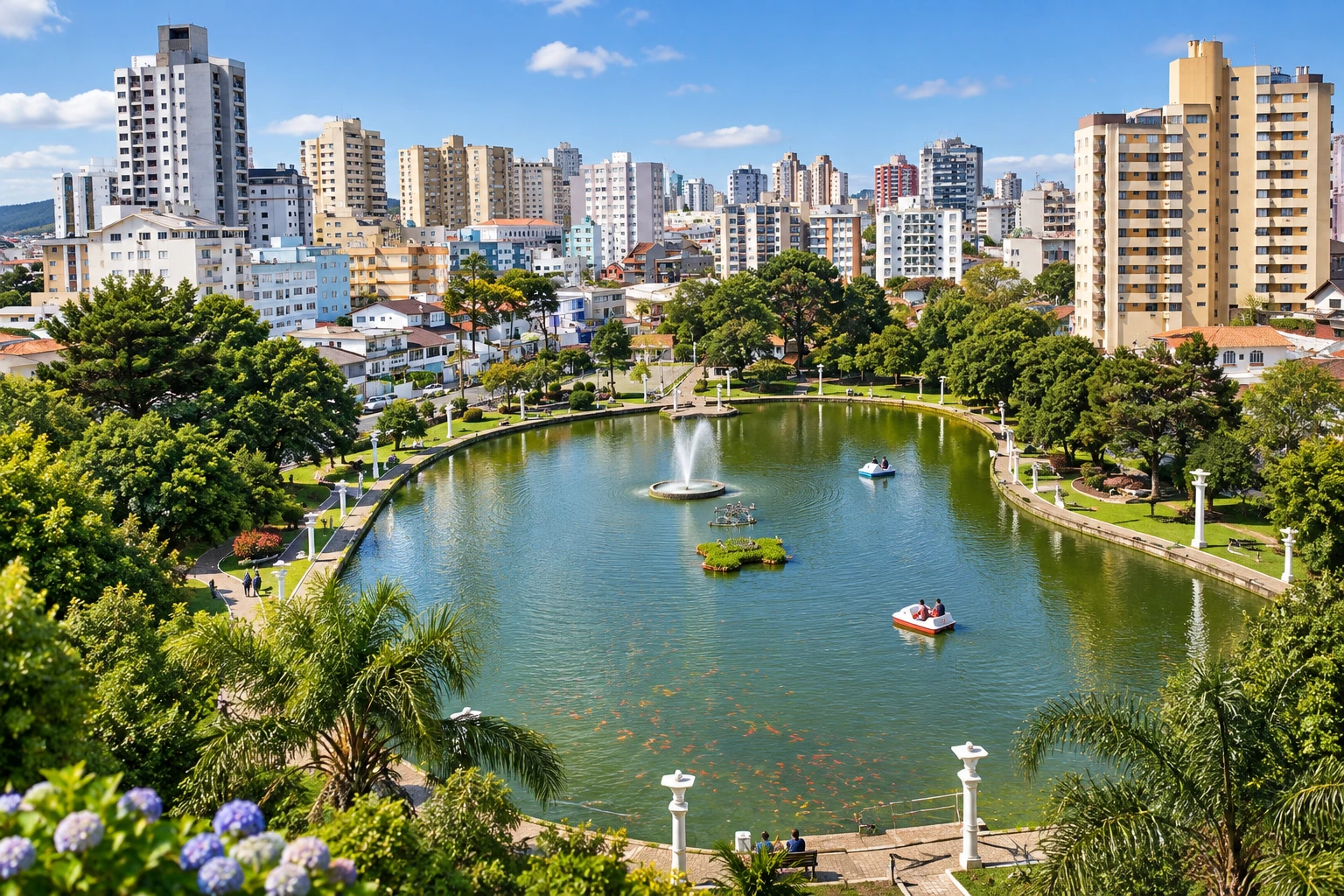
Built in 1771 by the town's founder, Correia Pinto, it is downtown, on Rua Zeca Neves. It has a pond with red carp, the bronze Monumento às Lavadeiras (Washerwomen's Monument), a walking track and a playground.
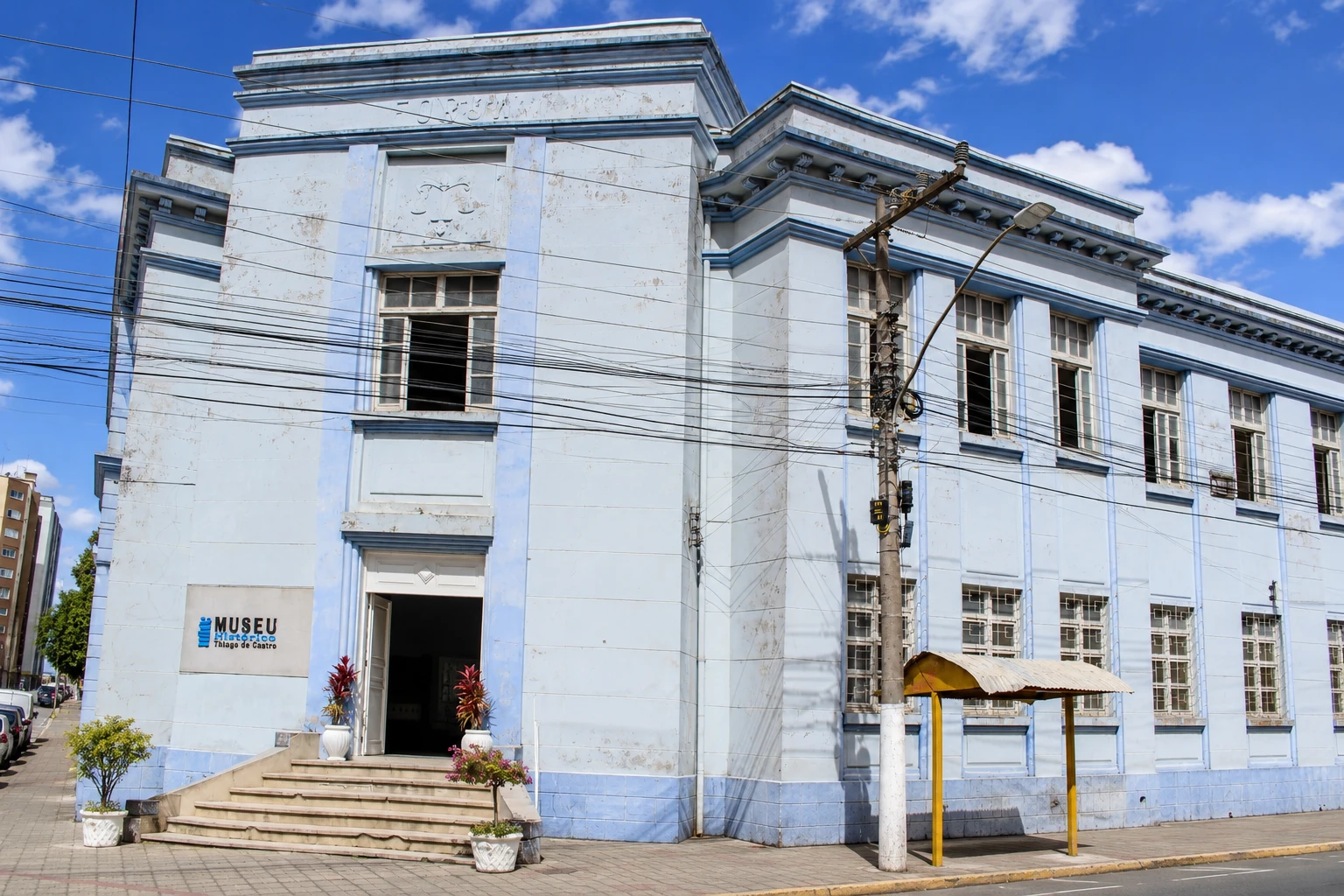
Municipal historical museum of Lages, downtown, near the Cathedral. The collection tells the story of the tropeiros, the formation of the highland plateau, and the city’s past with objects, old photographs, and an archive of documents from the 18th to the 20th centuries.
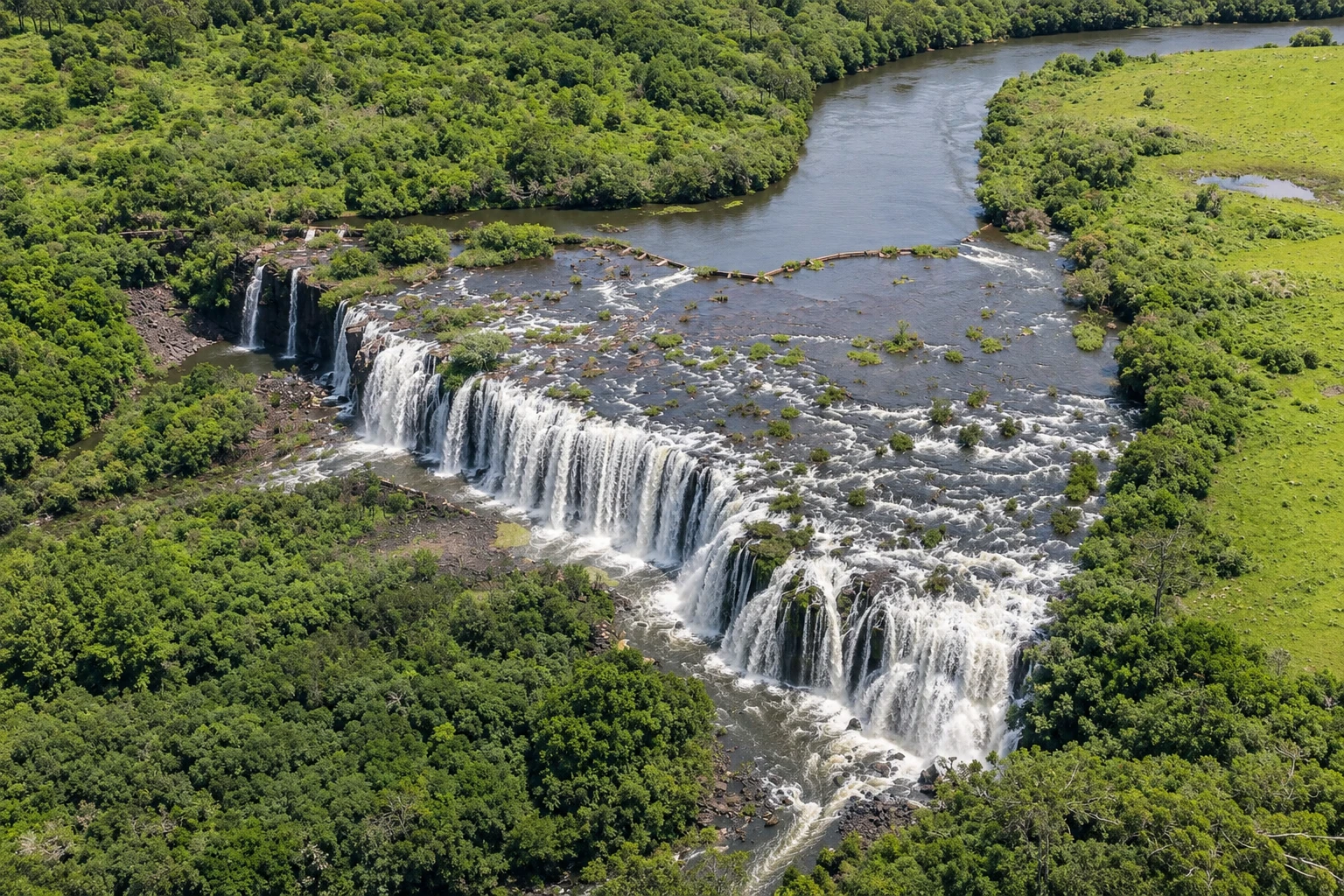
Dam and waterfall on the Caveiras River in the locality of Santa Terezinha do Salto, about 20 km from downtown Lages. The lake is Lages residents’ “freshwater beach,” with river swimming, boating and fishing, and a guided trail leads to the waterfall.


 Antarctica
 Argentina
 Bolivia
 Chile
 Colombia
 Ecuador
 Falkland Islands (Malvinas)
 French Guiana
 Guyana
 Paraguay
 Peru
 Suriname
 Uruguay
 Venezuela
 Albania
 Austria
 Belgium
 Croatia
 Denmark
 Finland
 France
 Germany
 Greece
 Hungary
 Iceland
 Ireland
 Italy
 Luxembourg
 Norway
 Poland
 Portugal
 Slovakia
 Slovenia
 Spain
 Sweden
 Switzerland
 the Czech Republic
 the Netherlands
 the United Kingdom
 Turkey
 Bermuda
 Canada
 Greenland
 Mexico
 Saint Pierre and Miquelon
 the United States
 the Dominican Republic
 Japan
 Egypt
 South Africa
 Australia
 Fiji
 New Zealand
 Papua New Guinea