13 places to visit Curitiba (PR), chosen by the Cidade Turismo guide.
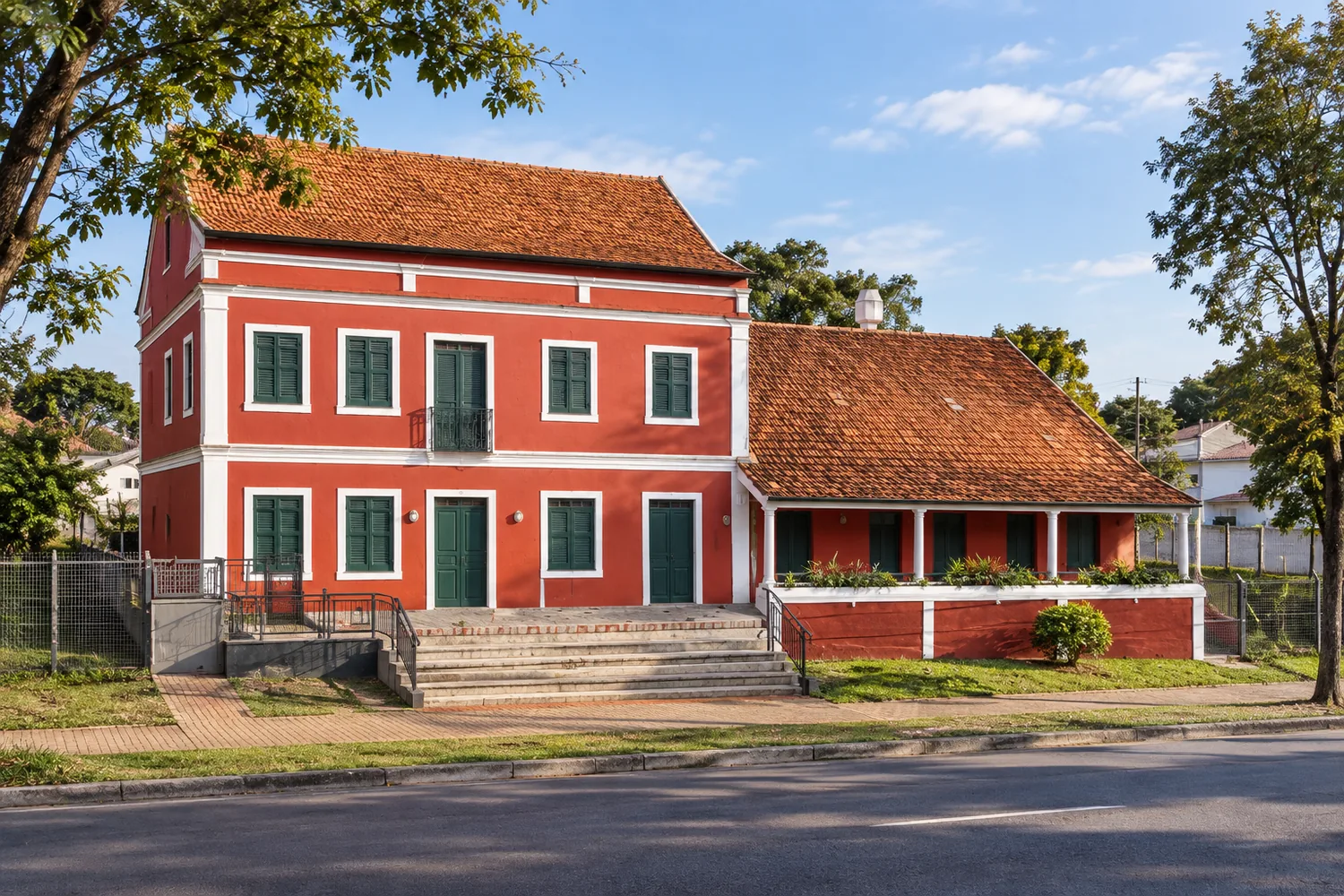
Illustrative images. The pictures in this guide are illustrations based on the real place, not photographs, and may differ from it.
To start
The 10 main places Curitiba
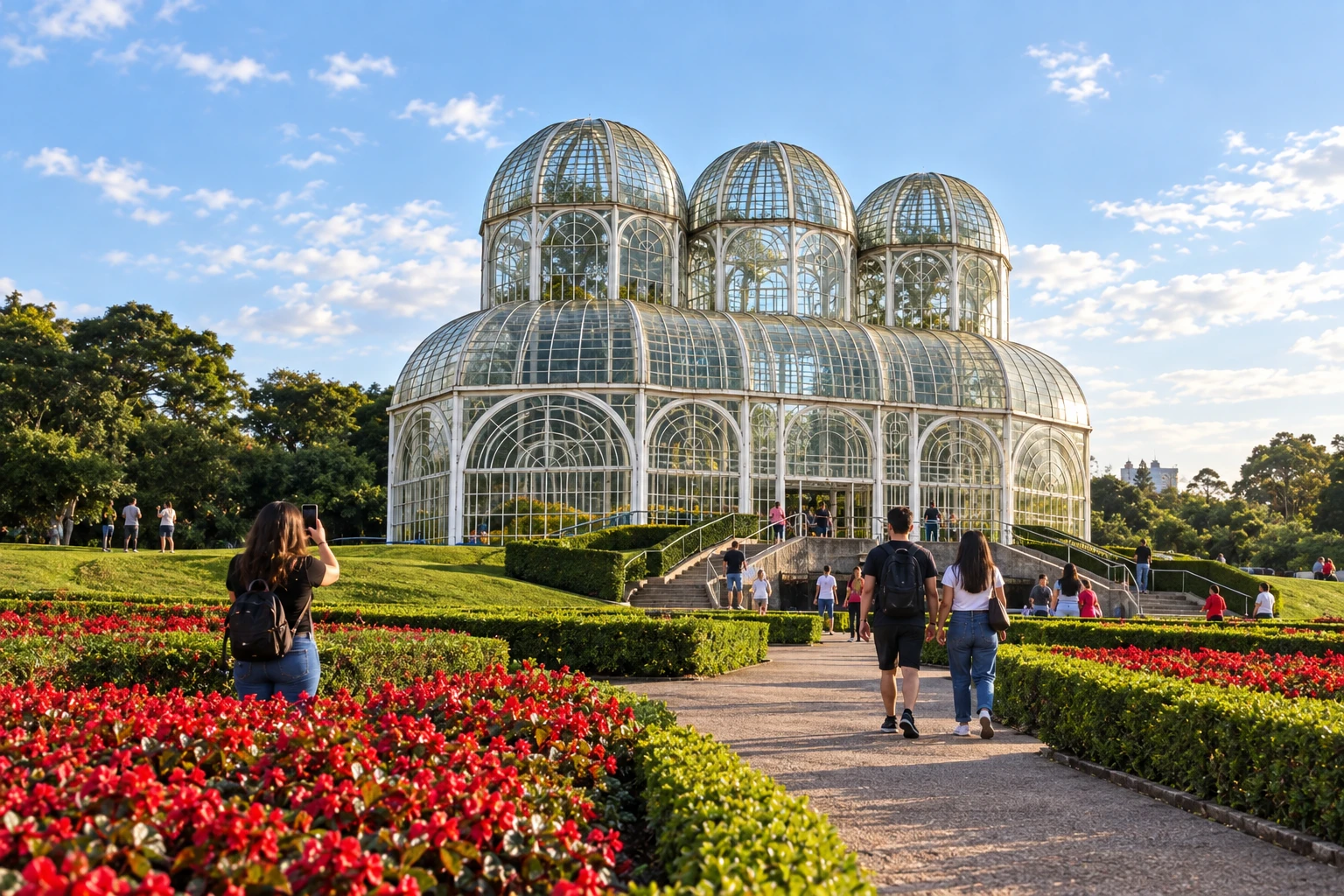
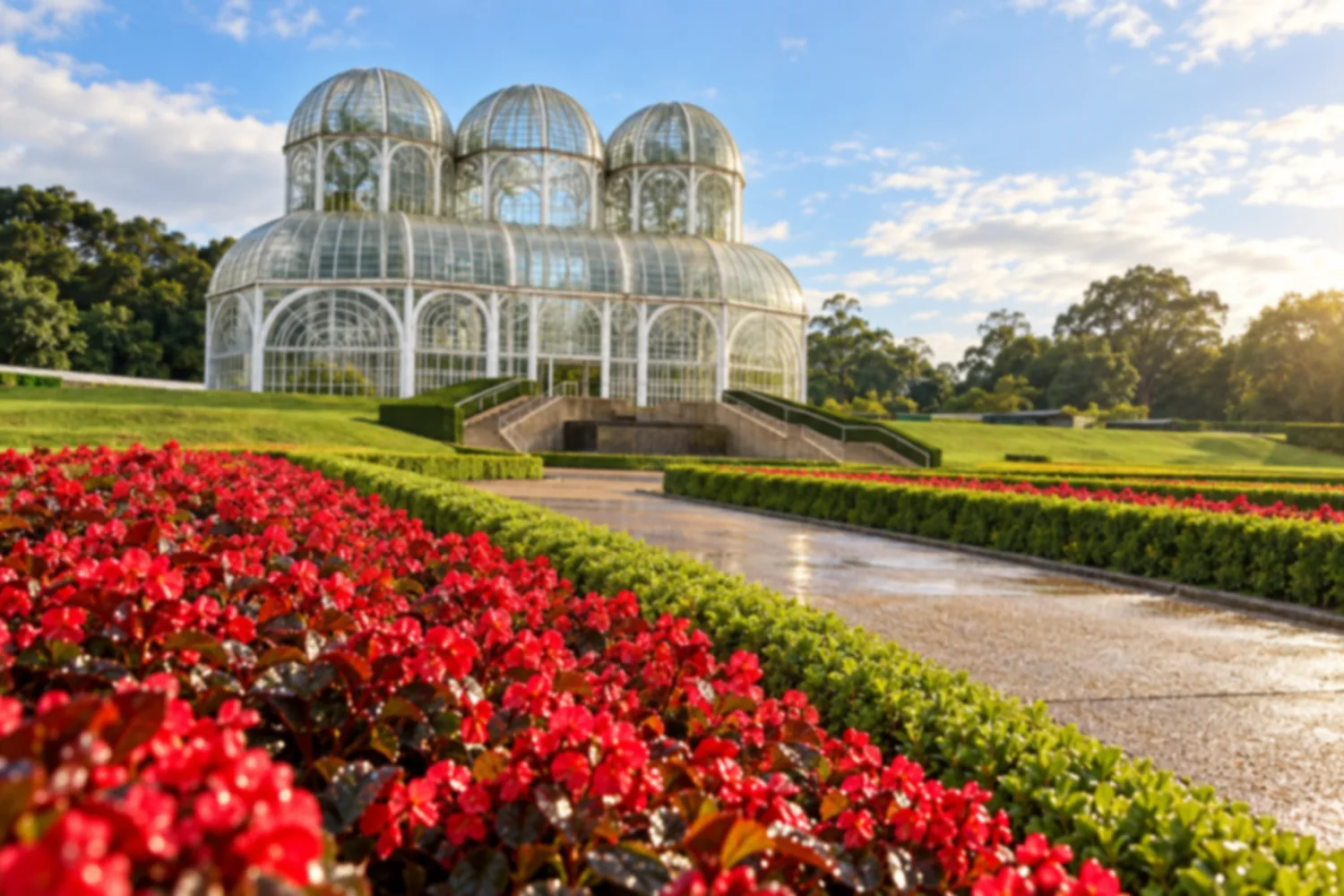
Jardim Botânico de CuritibaThe city's best-known landmark, with its metal-and-glass greenhouse in front of geometric French-style gardens.
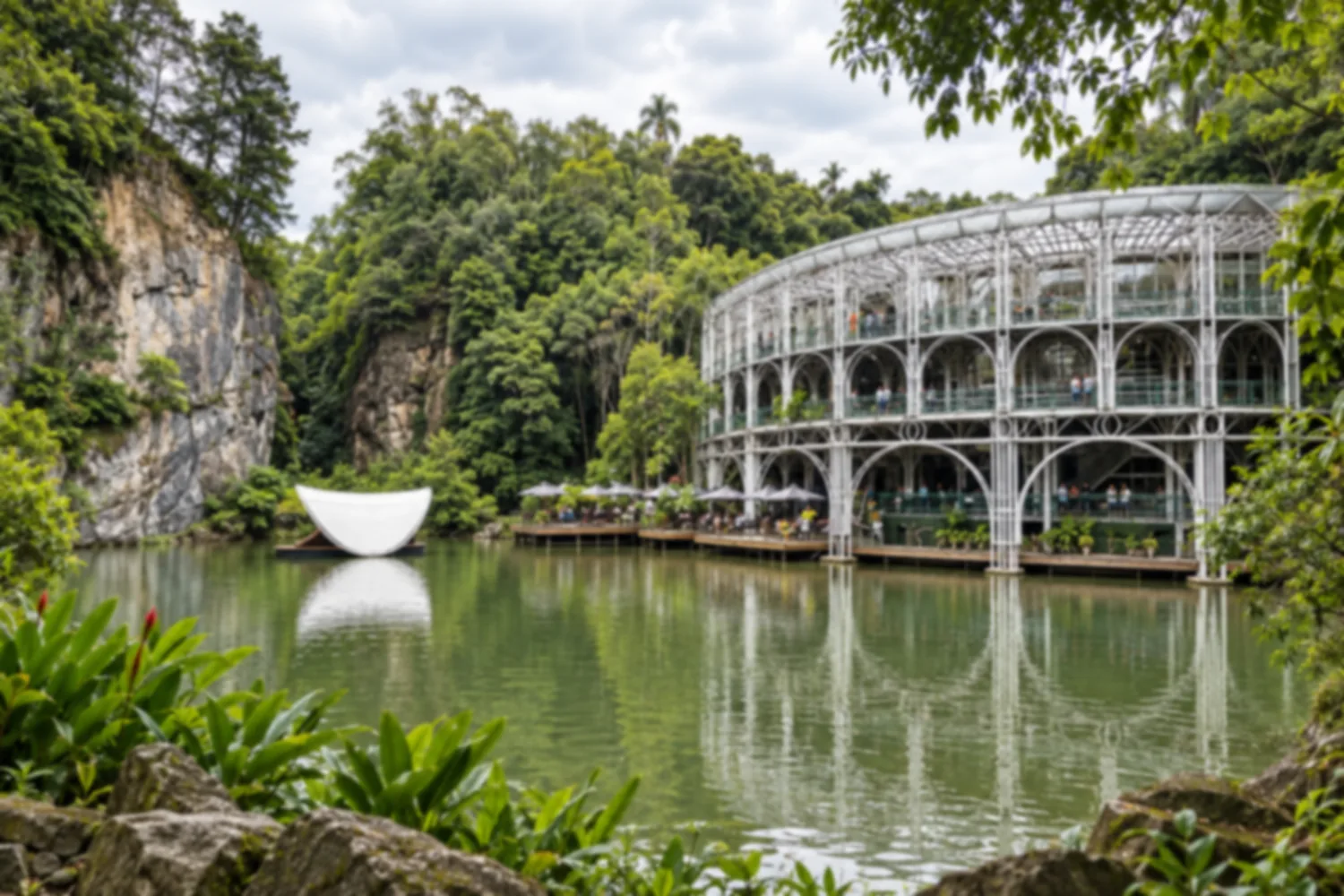
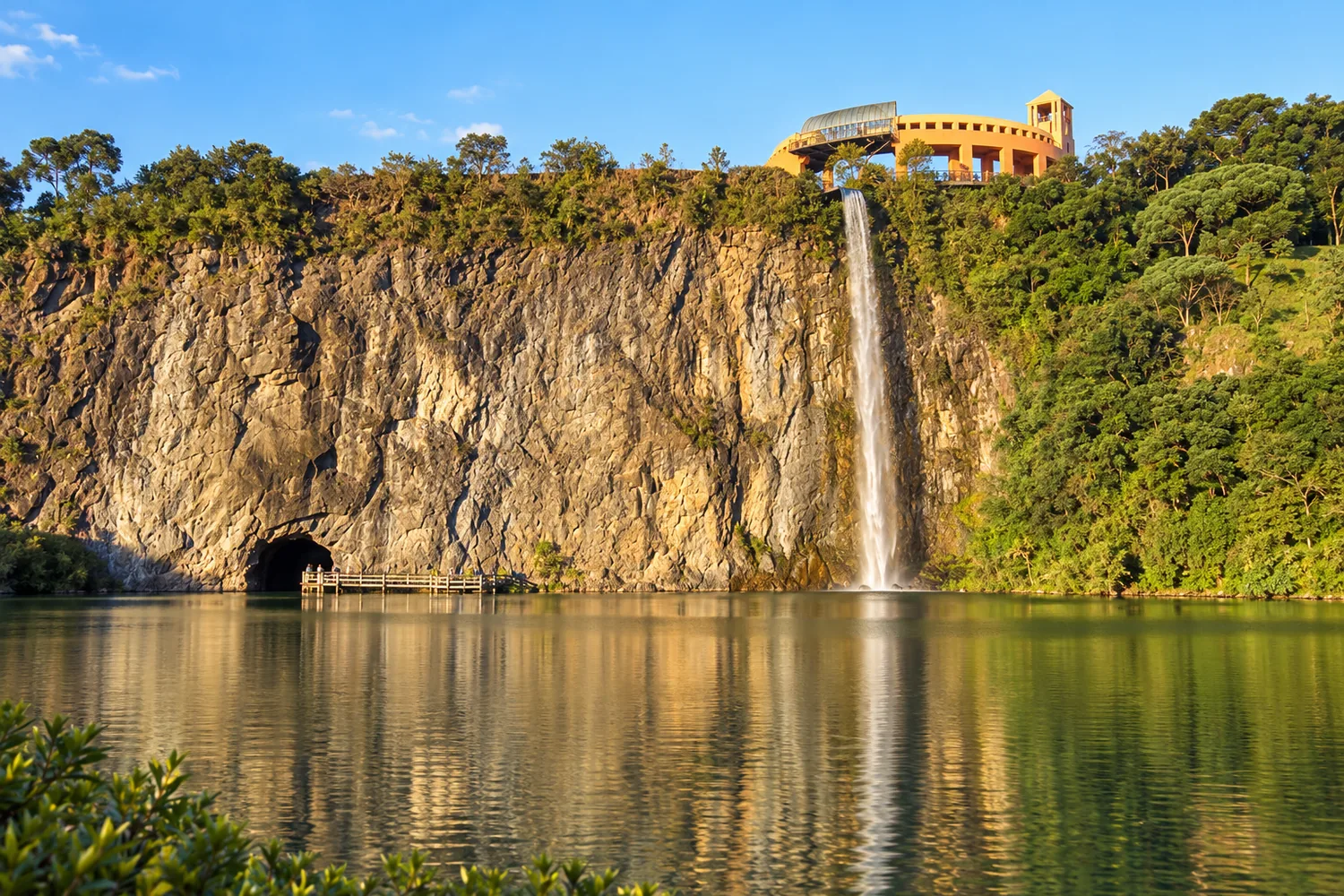
Ópera de ArameA theater with a tubular frame and a transparent roof built over a lake, inside a former quarry.
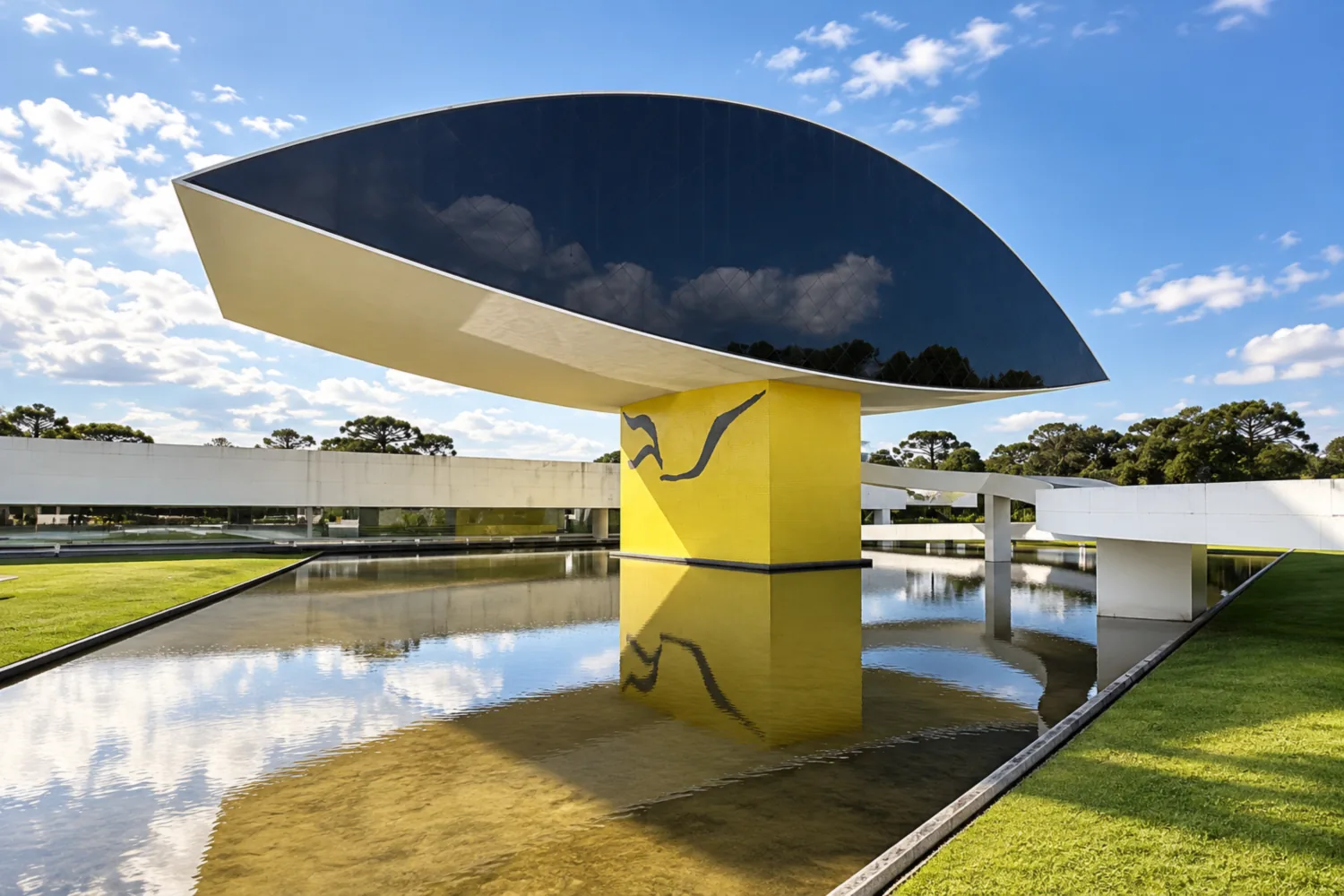
Museu Oscar NiemeyerKnown as the Museu do Olho for the shape of the annex designed by Niemeyer, it hosts art, architecture and design exhibitions.
Parque TanguáOpened in 1996, it occupies the site of two former quarries closed in the 1970s, between the Pilarzinho and Taboão neighborhoods.
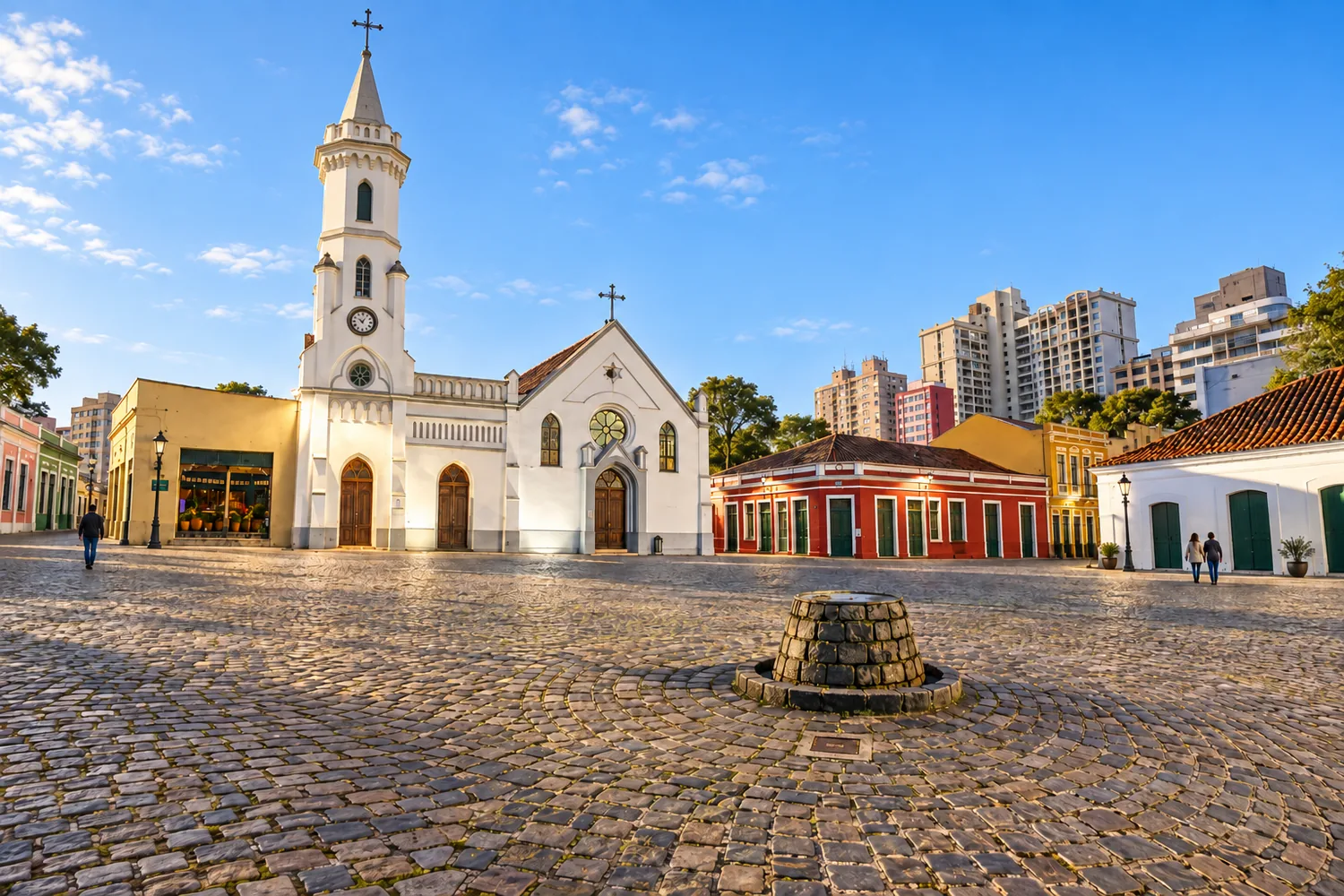
Largo da Ordem e Setor HistóricoAn area of fifteen blocks in the São Francisco and Centro neighborhoods, with 18th- and 19th-century mansions showing Portuguese and German influence and the Igreja da Ordem Ter...
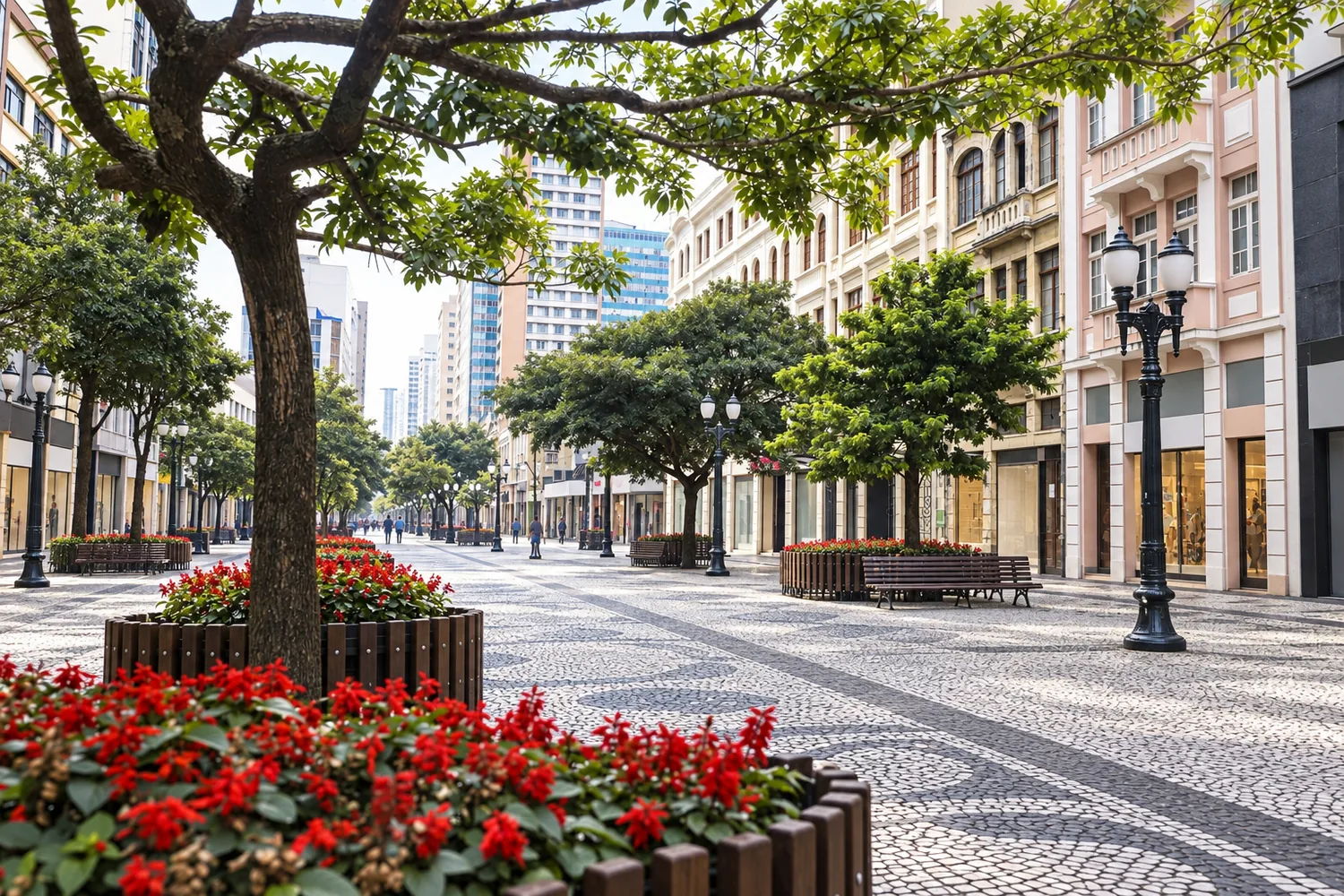
Rua XV de Novembro (Rua das Flores)In 1972, its central stretch became Brazil's first pedestrian-only street, with petit-pavé mosaic paving and flower beds.
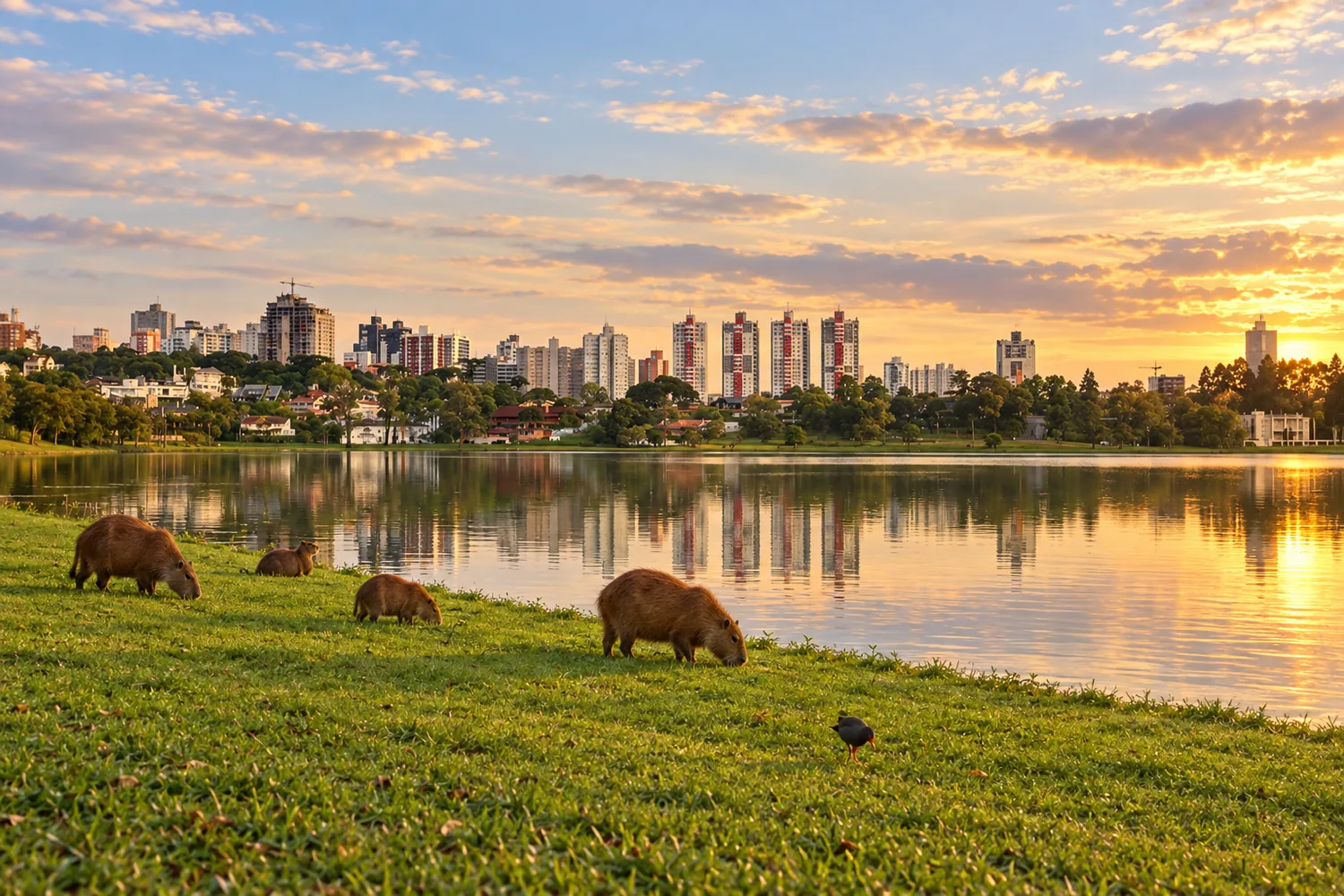
Parque BariguiCreated in 1972 as a linear park to control flooding and protect the forest along the Barigui River, it covers about 1.4 million square meters and has a 230,000-square-meter lake.
Santa FelicidadeA neighborhood founded by immigrants from northern Italy, mostly from Veneto and Trentino, with a concentration of Italian restaurants, wineries and craft shops.
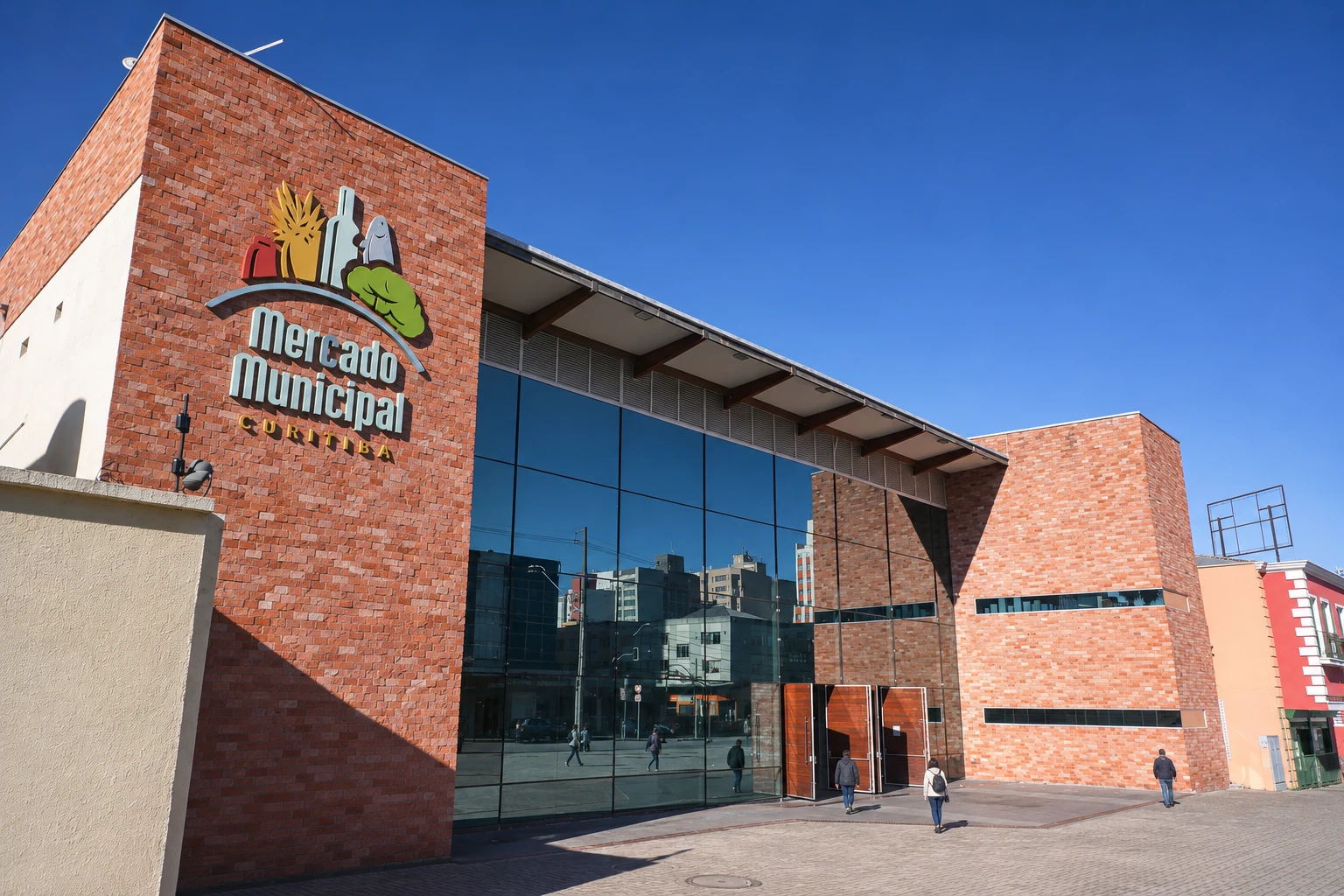
Municipal Market of CuritibaPublic market from 1958, in a modernist building facing the Bus and Train Station, with stalls selling fresh food, spices and regional products.
Museu ParanaenseA museum from 1876, the oldest in Paraná, with collections of archaeology, anthropology and history.
The city's best-known landmark, with its metal-and-glass greenhouse in front of geometric French-style gardens. It has a botanical museum and the Jardim das Sensações, designed to be explored blindfolded.
A theater with a tubular frame and a transparent roof built over a lake, inside a former quarry. The setting of forest and water around it makes the building an attraction in itself.
Known as the Museu do Olho for the shape of the annex designed by Niemeyer, it hosts art, architecture and design exhibitions. It is one of the largest exhibition spaces in Latin America.
Opened in 1996, it occupies the site of two former quarries closed in the 1970s, between the Pilarzinho and Taboão neighborhoods. It has a lake, an artificial tunnel and a viewpoint in the Jardim Poty Lazzarotto (garden), about 65 meters above the lower lake.
An area of fifteen blocks in the São Francisco and Centro neighborhoods, with 18th- and 19th-century mansions showing Portuguese and German influence and the Igreja da Ordem Terceira de São Francisco. On Sundays, since 1973, it hosts the traditional Largo da Ordem crafts fair.
In 1972, its central stretch became Brazil's first pedestrian-only street, with petit-pavé mosaic paving and flower beds. The nickname Rua das Flores recalls the street's 19th-century name, before it was renamed in honor of the Proclamation of the Republic.
Created in 1972 as a linear park to control flooding and protect the forest along the Barigui River, it covers about 1.4 million square meters and has a 230,000-square-meter lake. Walking paths and a bike path circle the lake, where capybaras are a common sight.
A neighborhood founded by immigrants from northern Italy, mostly from Veneto and Trentino, with a concentration of Italian restaurants, wineries and craft shops. It preserves late 19th-century buildings such as the Casa Culpi, from 1887, and the Casa dos Gerânios, from 1891.
Public market from 1958, in a modernist building facing the Bus and Train Station, with stalls selling fresh food, spices and regional products. It has the first organic section in a municipal market in Brazil.
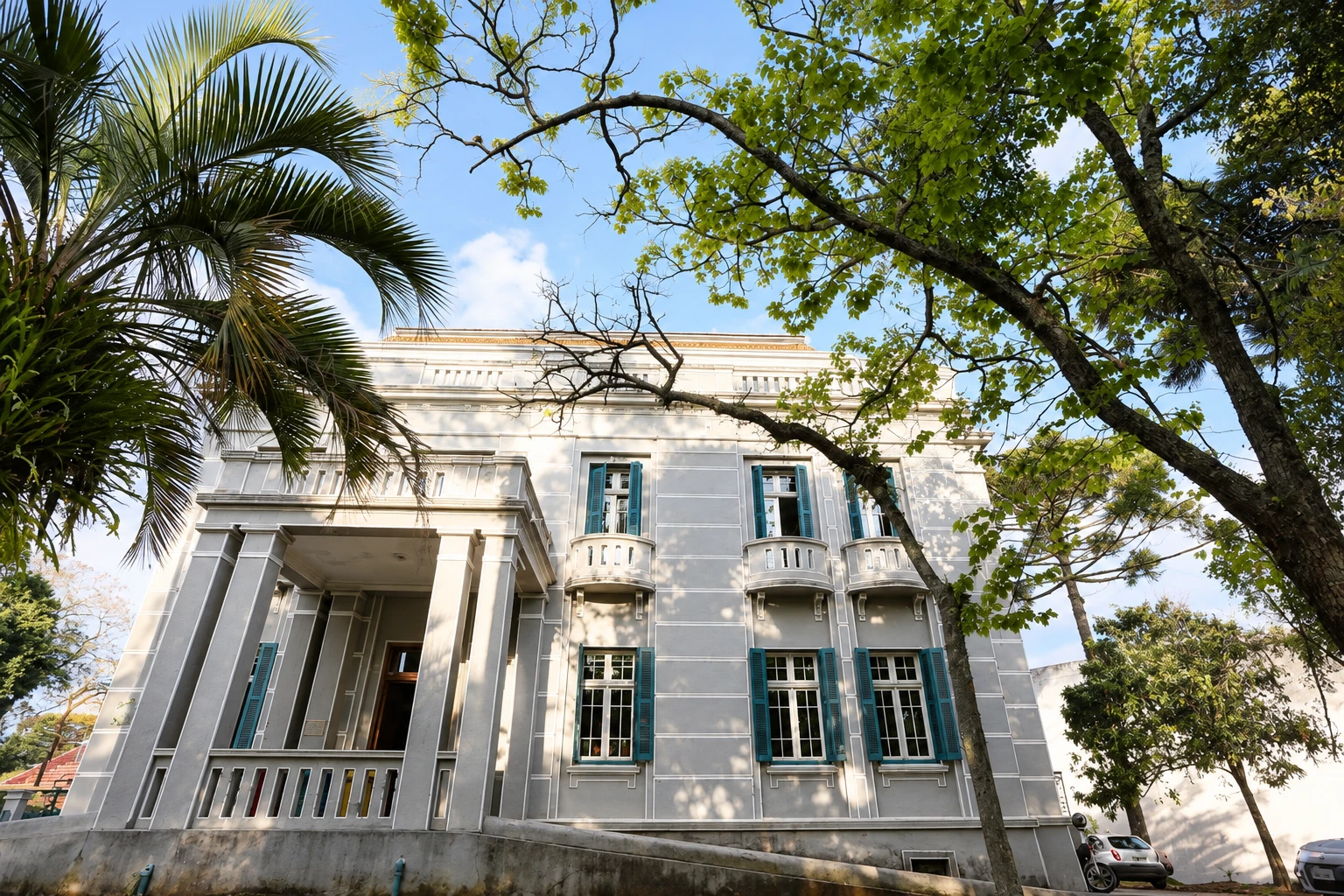
A museum from 1876, the oldest in Paraná, with collections of archaeology, anthropology and history. It occupies the Palácio São Francisco, a 1920s mansion that was once the seat of government, near Largo da Ordem.
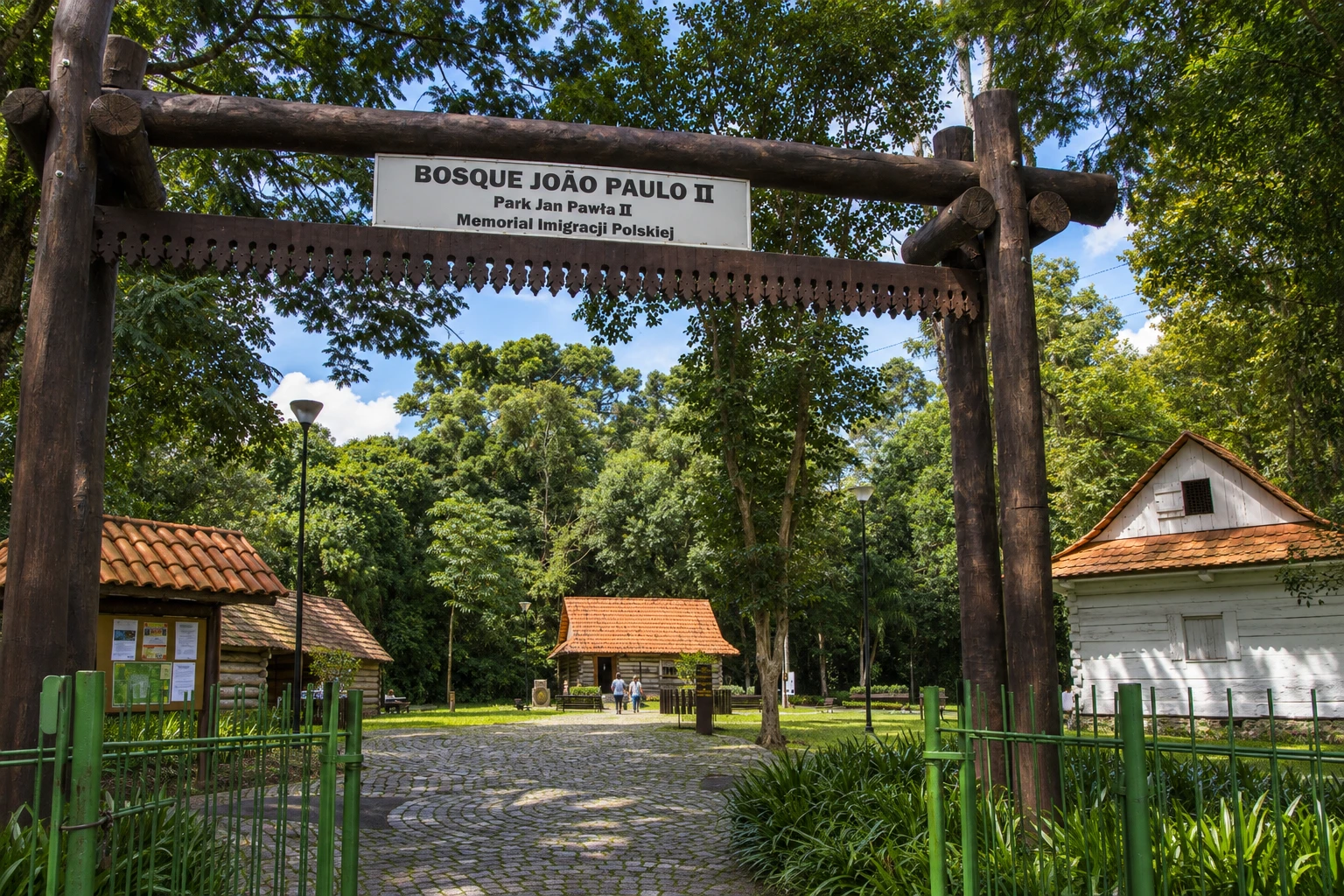
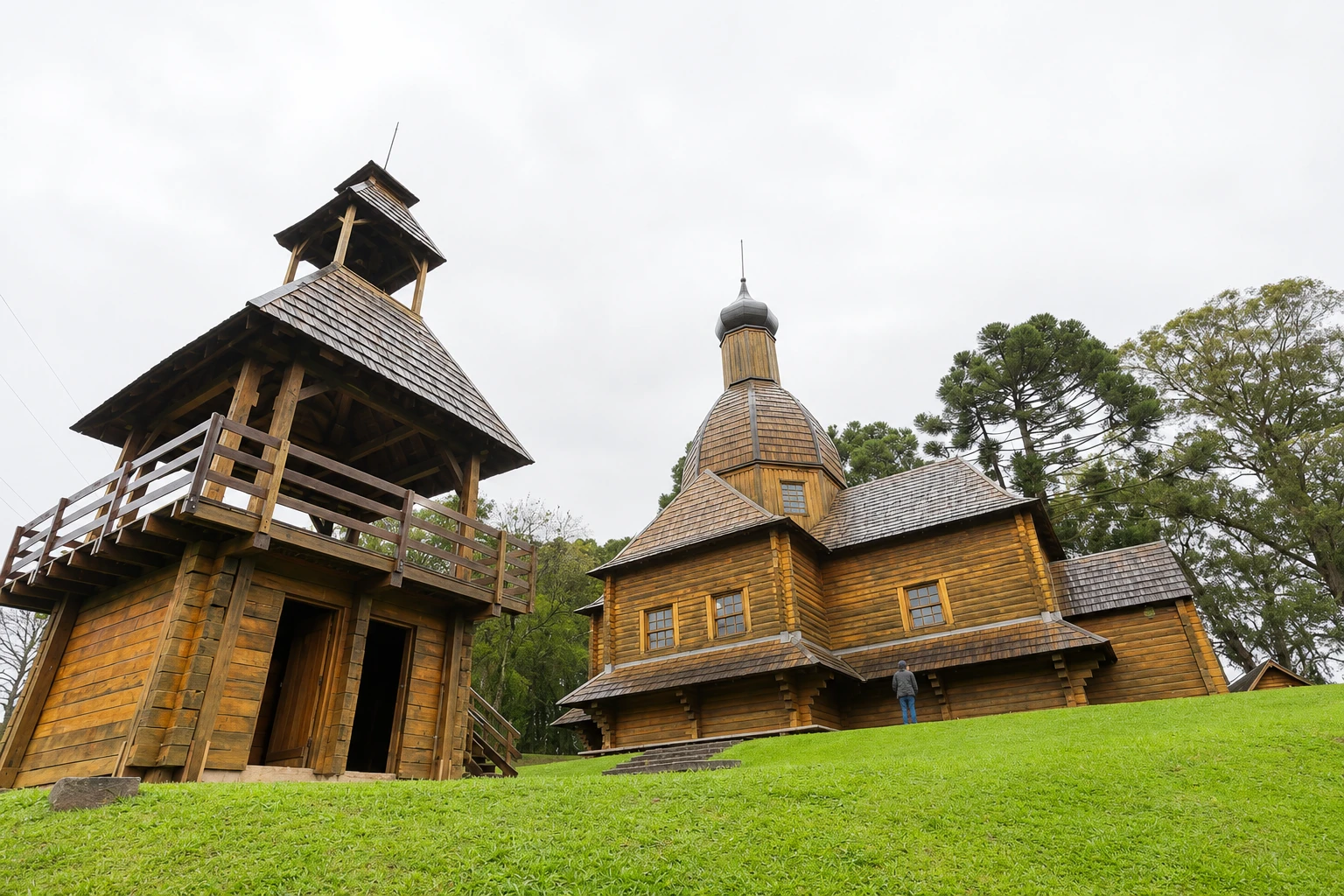
Woodland inaugurated in 1980 in honor of Pope John Paul II’s visit to Curitiba. It preserves a small village of log houses built by Polish immigrants, with a chapel, artifacts and old machinery, amid the green area.
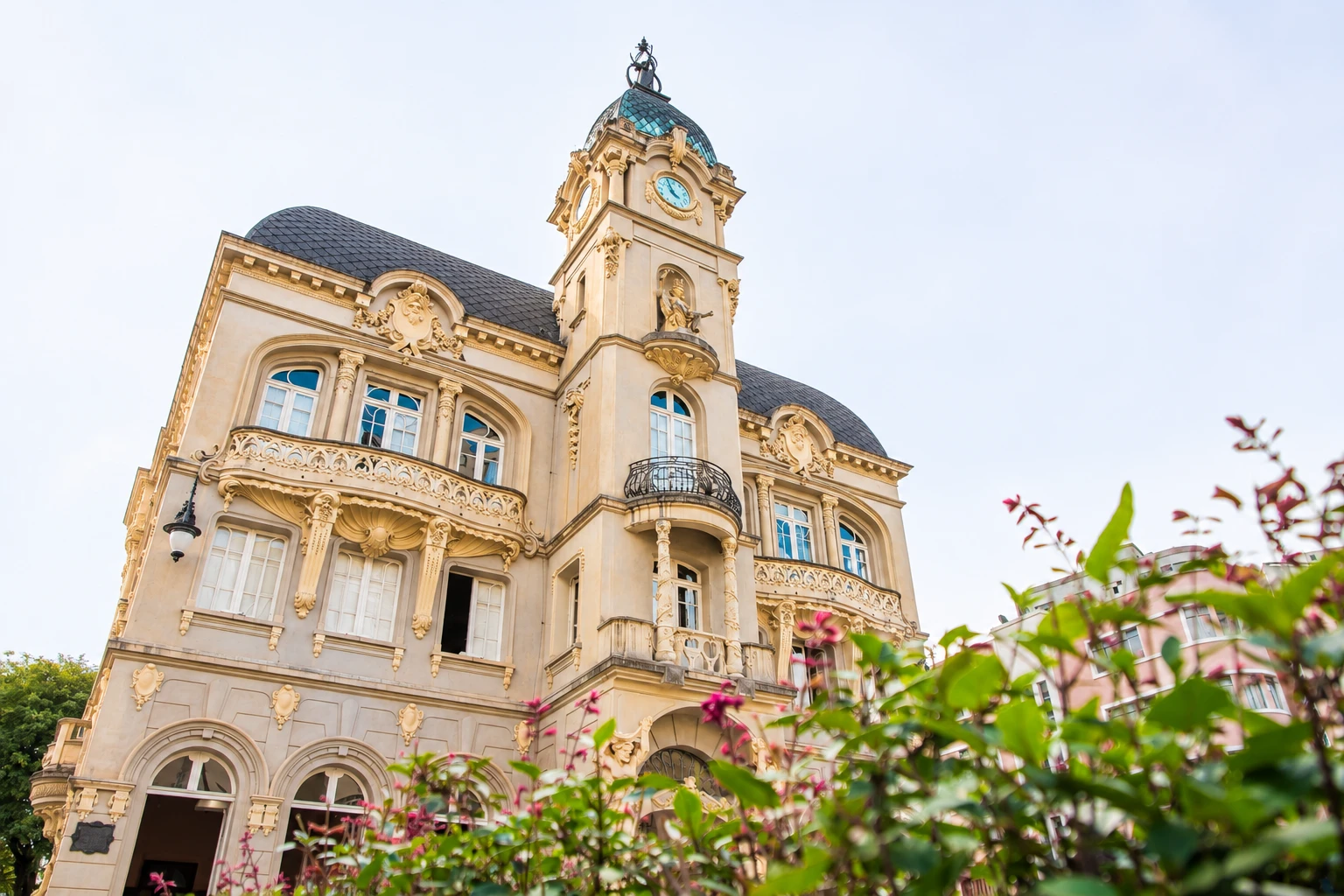
Former Curitiba city hall, inaugurated in 1916 at Praça Generoso Marques, in an eclectic style with art nouveau details. Restored, it is Sesc’s cultural center, with exhibitions, a library, courses and a café.
Wooden replica of a Ukrainian church from Mallet, in the inland of Paraná, inaugurated in 1995 in Parque Tingui to mark the centenary of Ukrainian immigration. It has an exhibition of pêssankas, the hand-painted Easter eggs.


 Antarctica
 Argentina
 Bolivia
 Chile
 Colombia
 Ecuador
 Falkland Islands (Malvinas)
 French Guiana
 Guyana
 Paraguay
 Peru
 Suriname
 Uruguay
 Venezuela
 Albania
 Austria
 Belgium
 Croatia
 Denmark
 Finland
 France
 Germany
 Greece
 Hungary
 Iceland
 Ireland
 Italy
 Luxembourg
 Norway
 Poland
 Portugal
 Slovakia
 Slovenia
 Spain
 Sweden
 Switzerland
 the Czech Republic
 the Netherlands
 the United Kingdom
 Turkey
 Bermuda
 Canada
 Greenland
 Mexico
 Saint Pierre and Miquelon
 the United States
 the Dominican Republic
 Japan
 Egypt
 South Africa
 Australia
 Fiji
 New Zealand
 Papua New Guinea