

 Antarctica
 Argentina
 Bolivia
 Chile
 Colombia
 Ecuador
 Falkland Islands (Malvinas)
 French Guiana
 Guyana
 Paraguay
 Peru
 Suriname
 Uruguay
 Venezuela
 Austria
 Belgium
 Croatia
 Denmark
 Finland
 France
 Germany
 Greece
 Hungary
 Iceland
 Ireland
 Italy
 Luxembourg
 Norway
 Poland
 Portugal
 Slovakia
 Slovenia
 Spain
 Sweden
 Switzerland
 the Czech Republic
 the Netherlands
 the United Kingdom
 Turkey
 Bermuda
 Canada
 Greenland
 Mexico
 Saint Pierre and Miquelon
 the United States
 the Dominican Republic
 Japan
 Egypt
 South Africa
 Australia
 Fiji
 New Zealand
 Papua New Guinea
Chapel · Balsa Nova, PR
Chapel of Our Lady of the Conception of Tamanduá
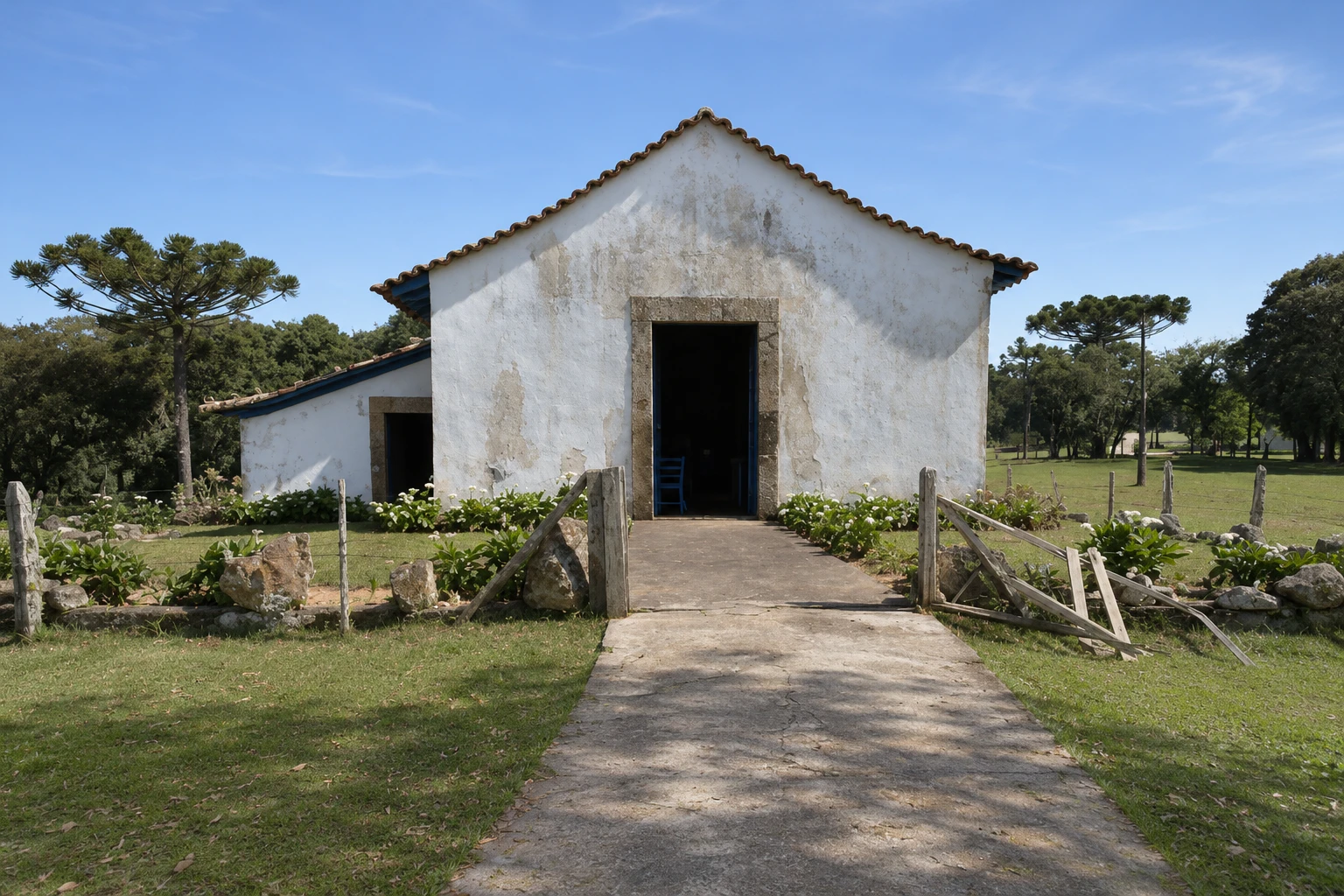
Early-18th-century chapel in the Tamanduá fields, a former stopping place for drovers in Balsa Nova. It is the oldest building in the municipality and was listed by Iphan together with its collection and the surrounding grove.
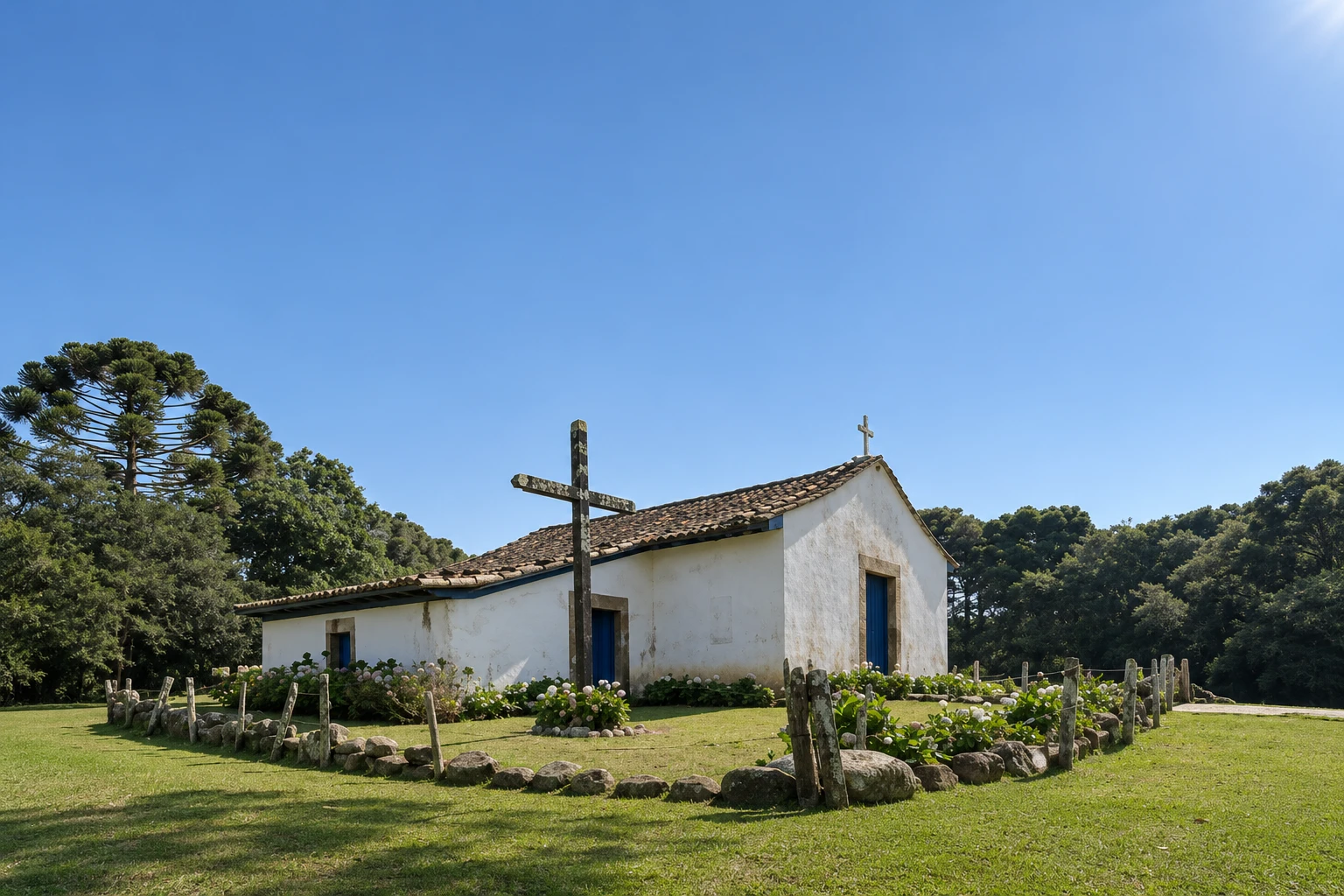
In the photo: Façade of the Tamanduá Chapel and path across the churchyard.
Illustrative images. The pictures in this guide are illustrations based on the real place, not photographs, and may differ from it.


A look at the place
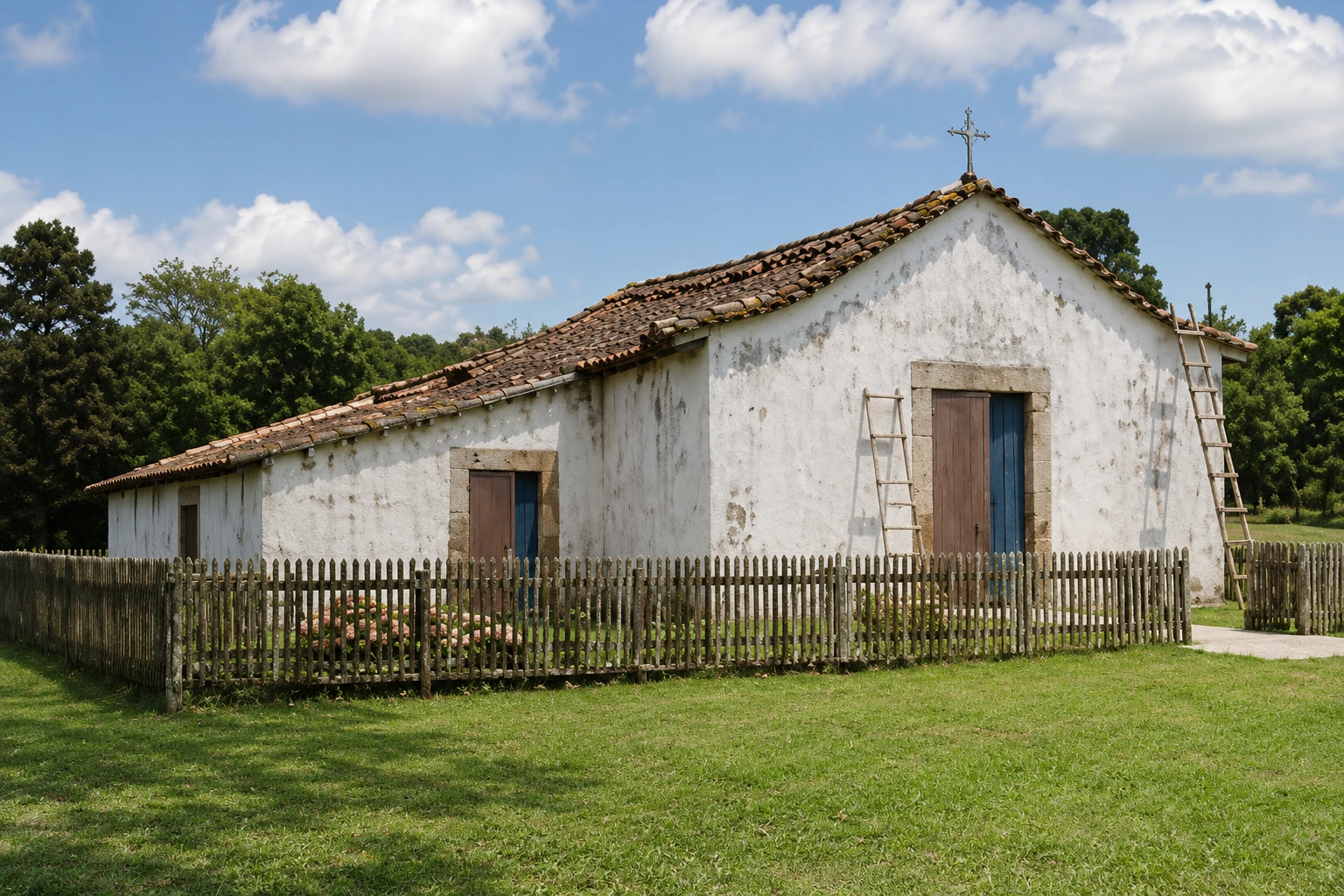
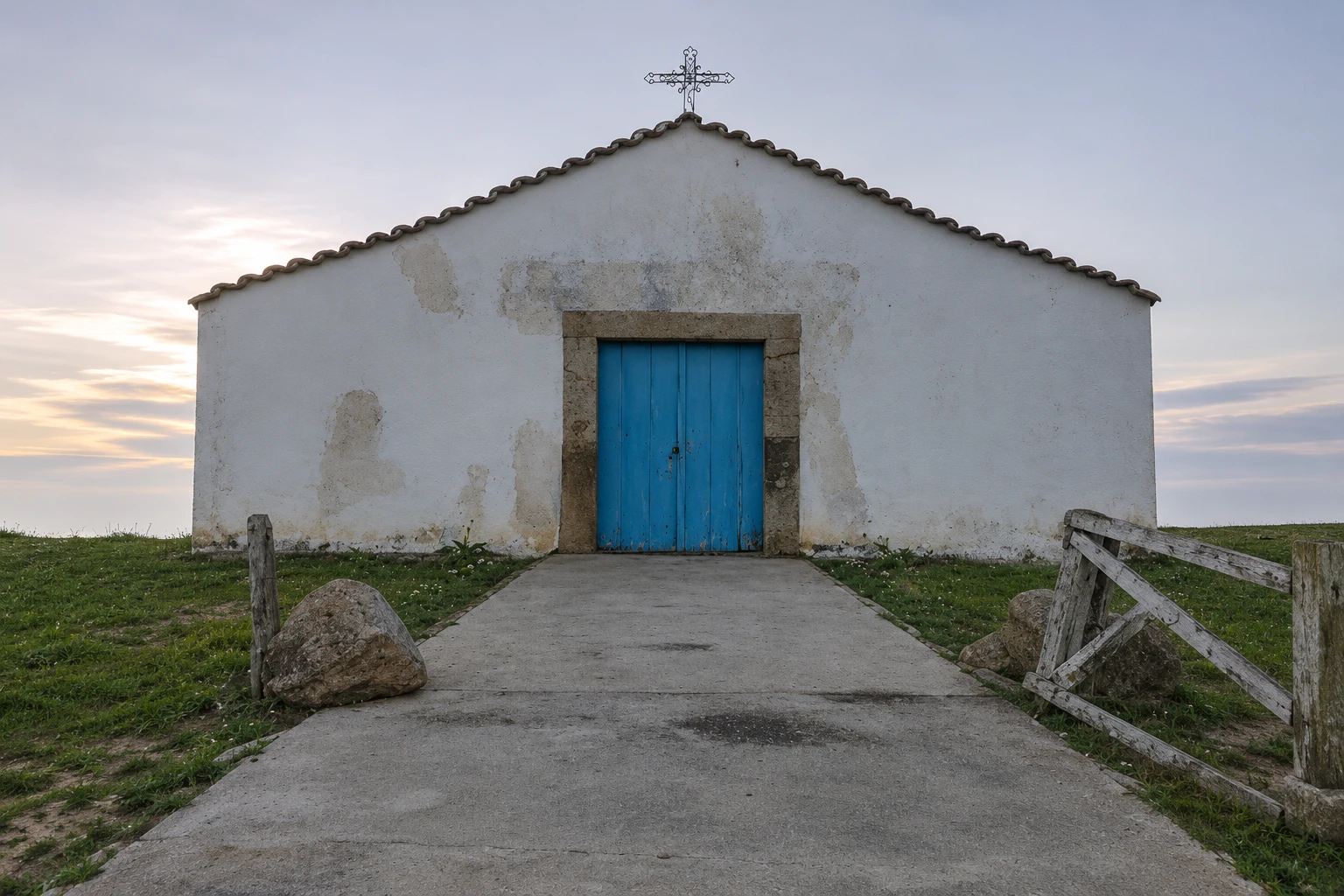
Chapel of Our Lady of the Conception of Tamanduá in pictures
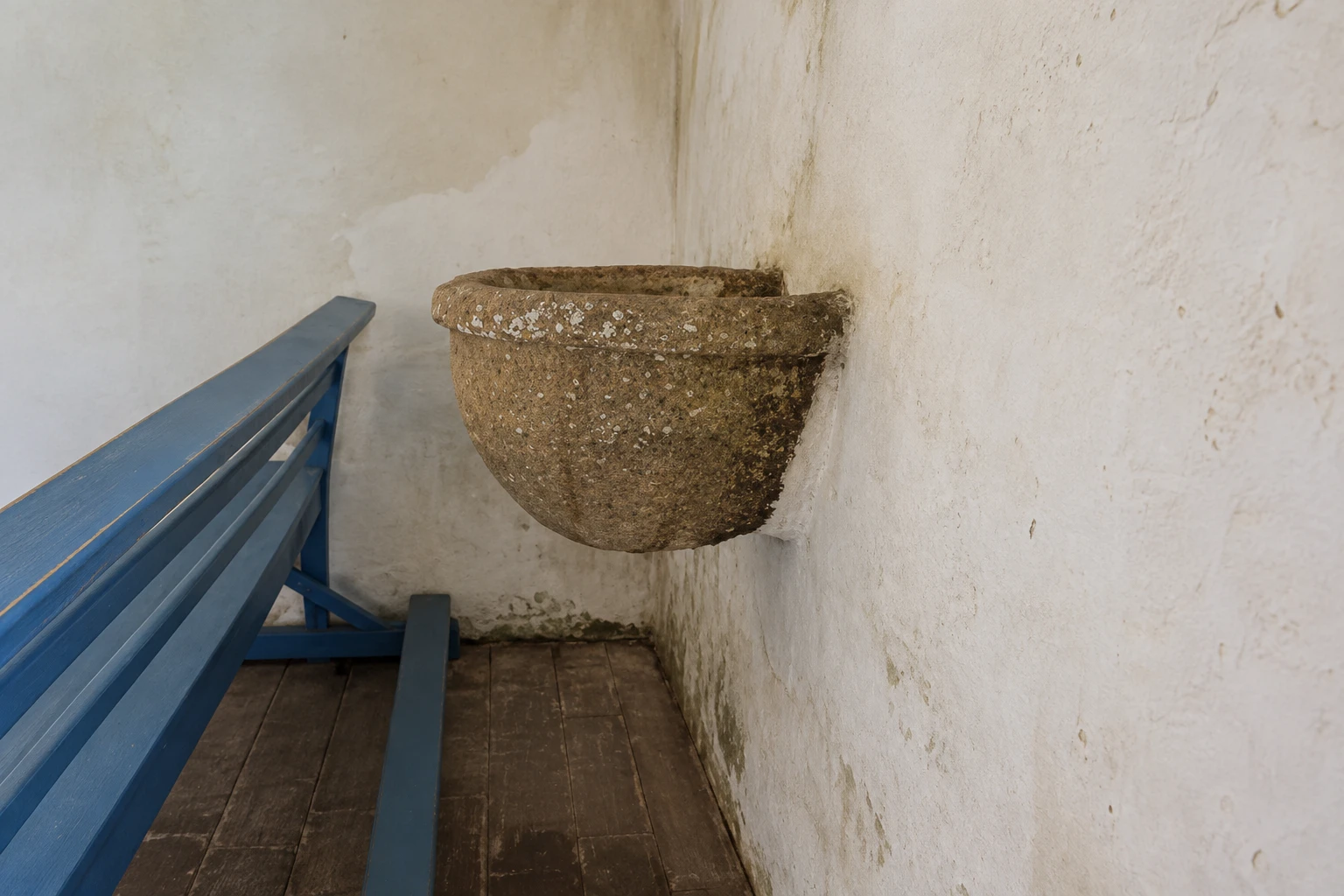
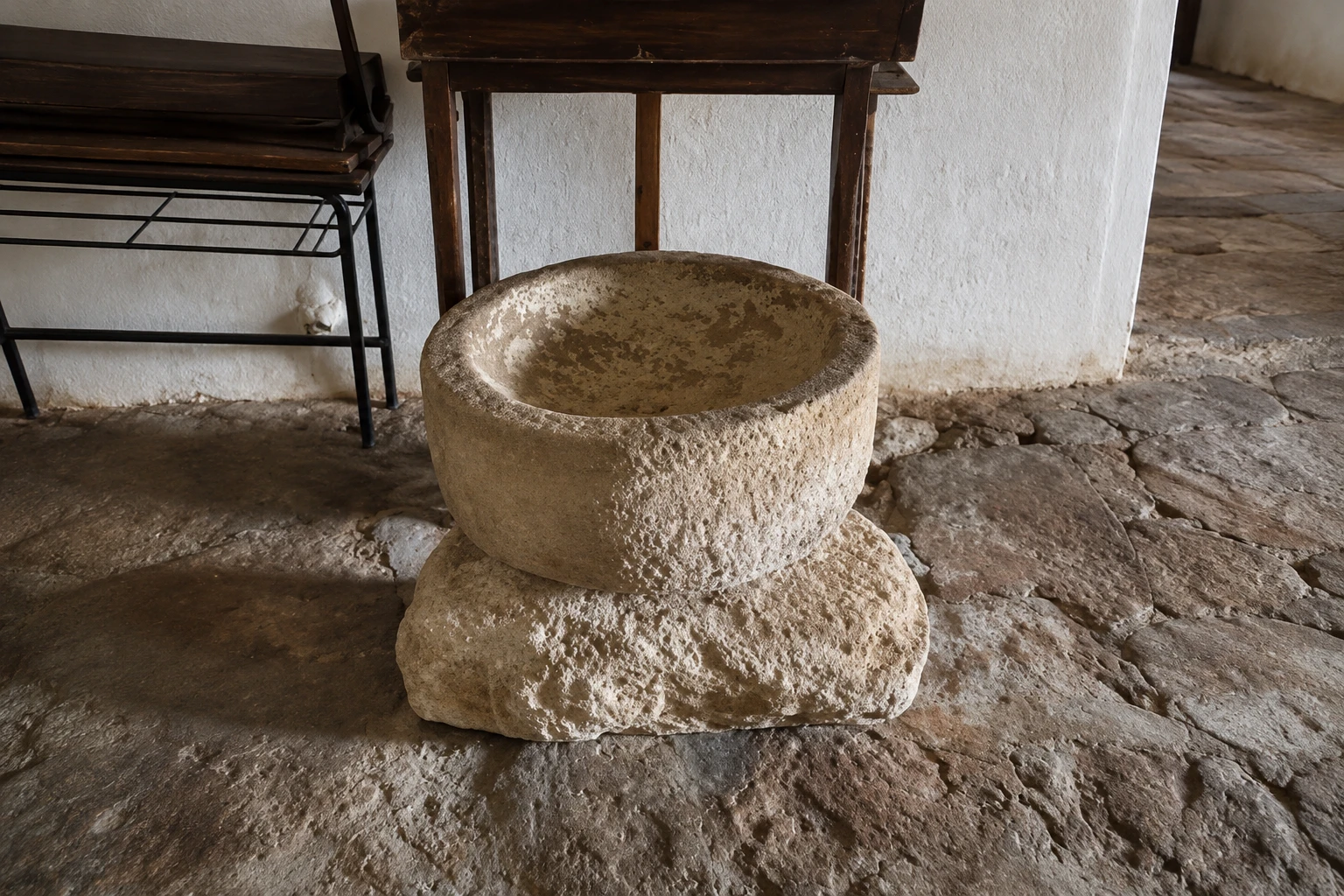
These pictures are illustrations based on the real place, not photographs. They may differ from the place.
Click the picture to enlarge it.
Discover
About Chapel of Our Lady of the Conception of Tamanduá
The Chapel of Our Lady of Conception of Tamanduá stands in the Tamanduá fields, in the rural area of Balsa Nova, between the district of São Luiz do Purunã and the Iguaçu River valley. It was built in the early 18th century and is the oldest building in the municipality, which grew up around it.
Tamanduá was a route and stopping place for the droves that came from the south driving cattle and mules toward São Paulo, at the foot of the São Luiz do Purunã ridge. Before the drovers, the fields were used by the Carijó indigenous people as a lookout over the valley. The chapel is the main testimony to that period when the settlement had the air of a village and served as a stop along the drovers’ route.
In 2024 Iphan approved the definitive listing of the ensemble as Brazil’s cultural heritage for representing the process of occupation of the country’s South. The protection includes the building, the movable and integrated collection, and the grove surrounding the chapel.
The building is simple and stands isolated in the middle of the fields, surrounded by the grove. Visits are contemplative: view the façade, the churchyard and, when the chapel is open, the interior and the images. Sources differ on the exact construction date, which appears as 1709 or between 1727 and 1730.
The Tamanduá fields are among the most visited places in Balsa Nova, with rivers and small waterfalls in the area. The visit pairs well with São Luiz do Purunã, with its countryside restaurants, and with the landscapes of the Devonian Escarpment.
Before you go
Practical information
Cidade Turismo reviews its information regularly, but something may have changed. Check with the place before planning your trip.
How much time to set aside
30 minutes to 1 hour at the chapel and grove.
Best time
In the morning or late afternoon, when the light over the fields is softer. In winter, from June to August, mornings are cold and can sometimes have frost; from October to March there is more rain and dirt roads can become muddy.
How to get there
By car, from São Luiz do Purunã via Estrada do Tamanduá, about 10 km on rural roads. From Curitiba it’s about 60 km via BR-277 to São Luiz do Purunã. From downtown Balsa Nova you can also reach it by rural roads.
Tip
Check in advance whether the chapel will be open, since it is isolated in the fields; often visits are limited to the exterior and the grove. Respect the religious space and do not remove anything from the grove, which is also protected.
Your questions
Frequently asked questions about Chapel of Our Lady of the Conception of Tamanduá
Where is the Tamanduá Chapel located?
In the Tamanduá fields, in the rural area of Balsa Nova, Paraná, near the district of São Luiz do Purunã and about 60 km from Curitiba.
Is the Tamanduá Chapel listed?
Yes. In 2024 Iphan approved the definitive listing of the ensemble—the chapel, its collection and the surrounding grove—as cultural heritage of Brazil.
How old is the Tamanduá Chapel?
It was built in the early 18th century and is the oldest building in Balsa Nova. Sources differ on the exact year.
What is the Tamanduá Chapel’s connection to the drovers?
Tamanduá was a route and stopping place for droves coming from the south bringing cattle to São Paulo. The settlement that formed around the chapel gave rise to Balsa Nova.