

 Antarctica
 Argentina
 Bolivia
 Chile
 Colombia
 Ecuador
 Falkland Islands (Malvinas)
 French Guiana
 Guyana
 Paraguay
 Peru
 Suriname
 Uruguay
 Venezuela
 Austria
 Belgium
 Croatia
 Denmark
 Finland
 France
 Germany
 Greece
 Hungary
 Iceland
 Ireland
 Italy
 Luxembourg
 Norway
 Poland
 Portugal
 Slovakia
 Slovenia
 Spain
 Sweden
 Switzerland
 the Czech Republic
 the Netherlands
 the United Kingdom
 Turkey
 Bermuda
 Canada
 Greenland
 Mexico
 Saint Pierre and Miquelon
 the United States
 the Dominican Republic
 Japan
 Egypt
 South Africa
 Australia
 Fiji
 New Zealand
 Papua New Guinea
Historic neighborhood · São Paulo, SP
Liberdade neighborhood
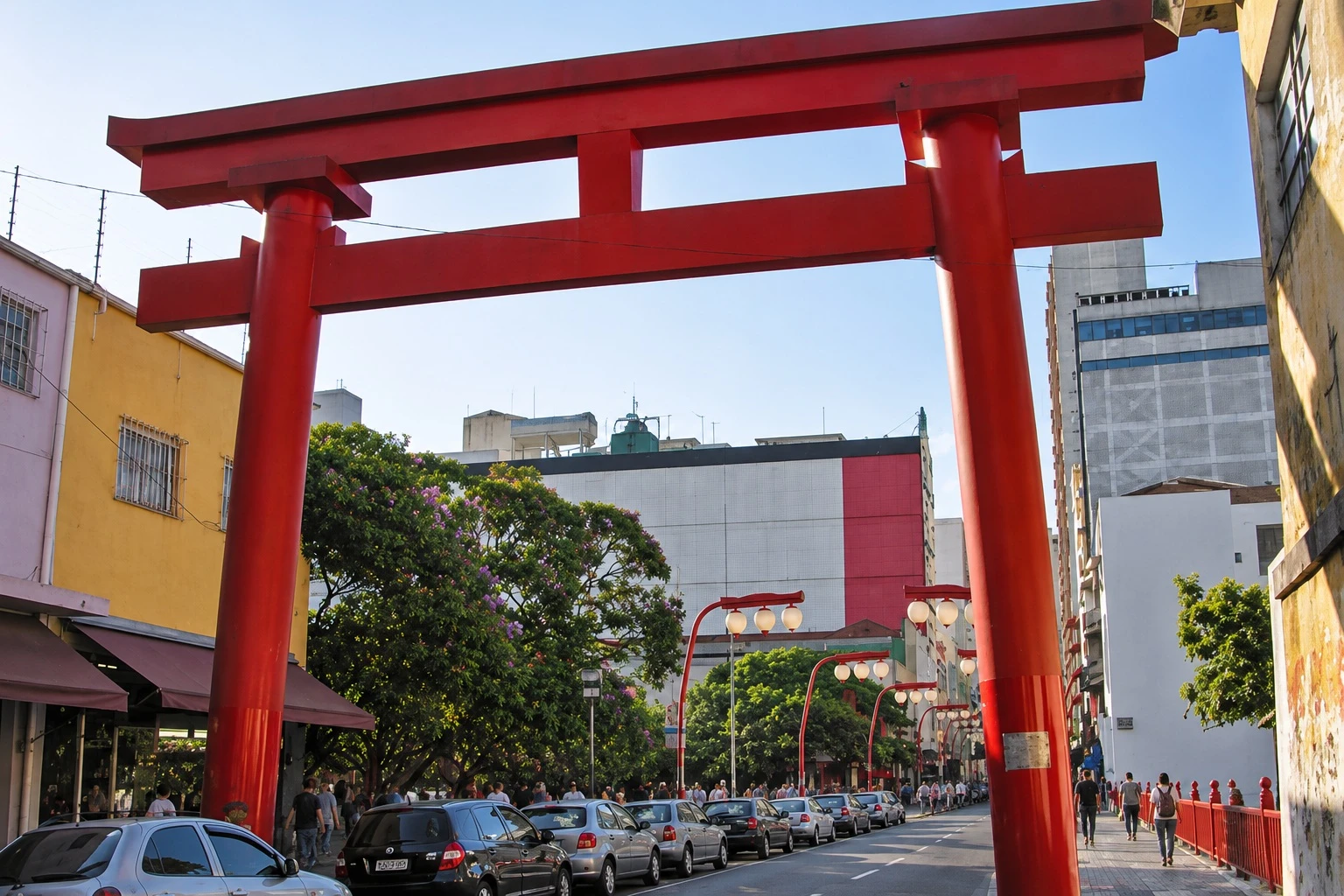
A downtown São Paulo neighborhood marked by Japanese immigration and, later, Chinese and Korean immigration, with red lanterns in the streets, the torii gate on Rua Galvão Bueno, Asian shops and restaurants, and a weekend food and crafts fair at Praça da Liberdade.
In the photo: Torii gate on Rua Galvão Bueno, in Liberdade.
Illustrative images. The pictures in this guide are illustrations based on the real place, not photographs, and may differ from it.


A look at the place
Liberdade neighborhood in pictures
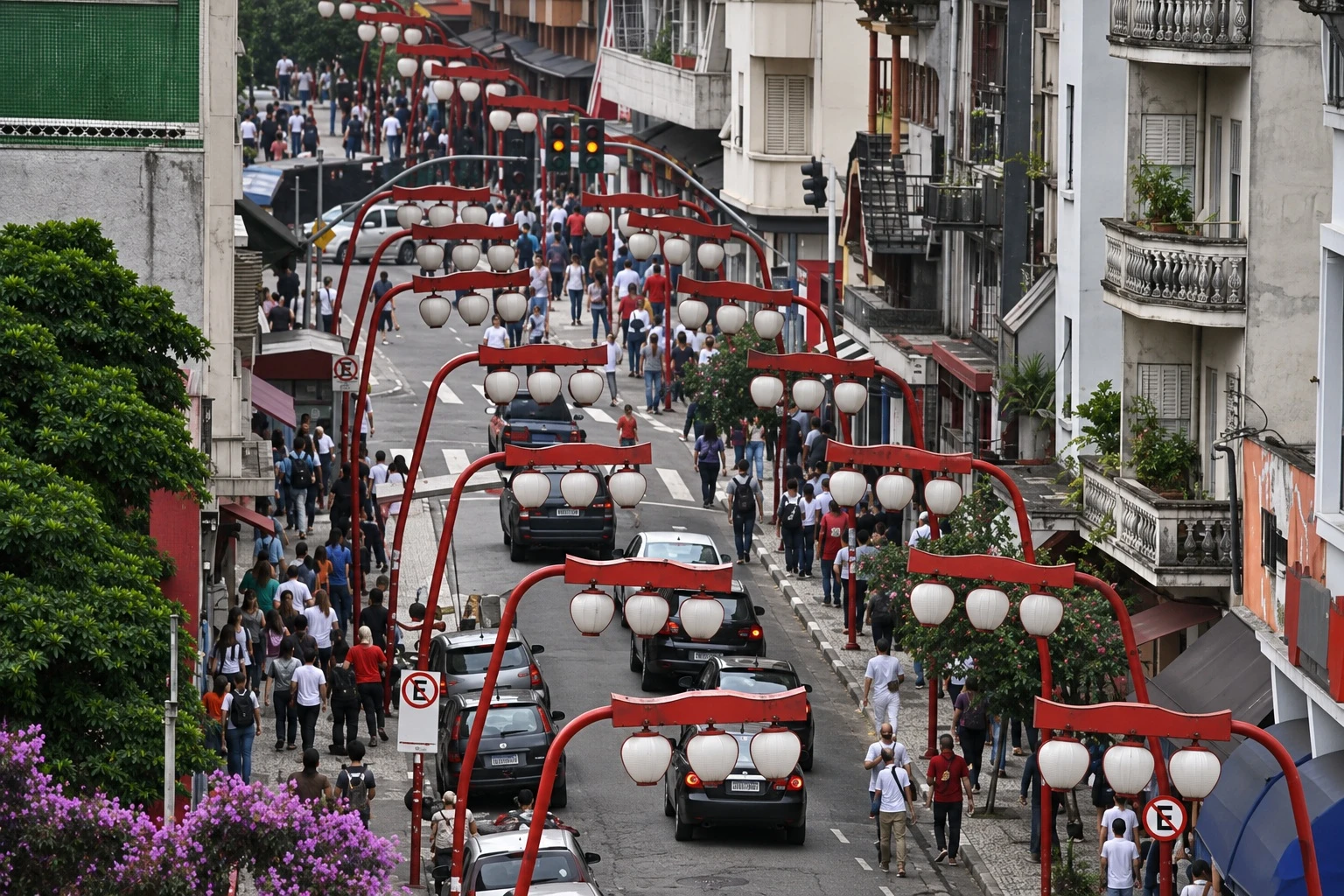
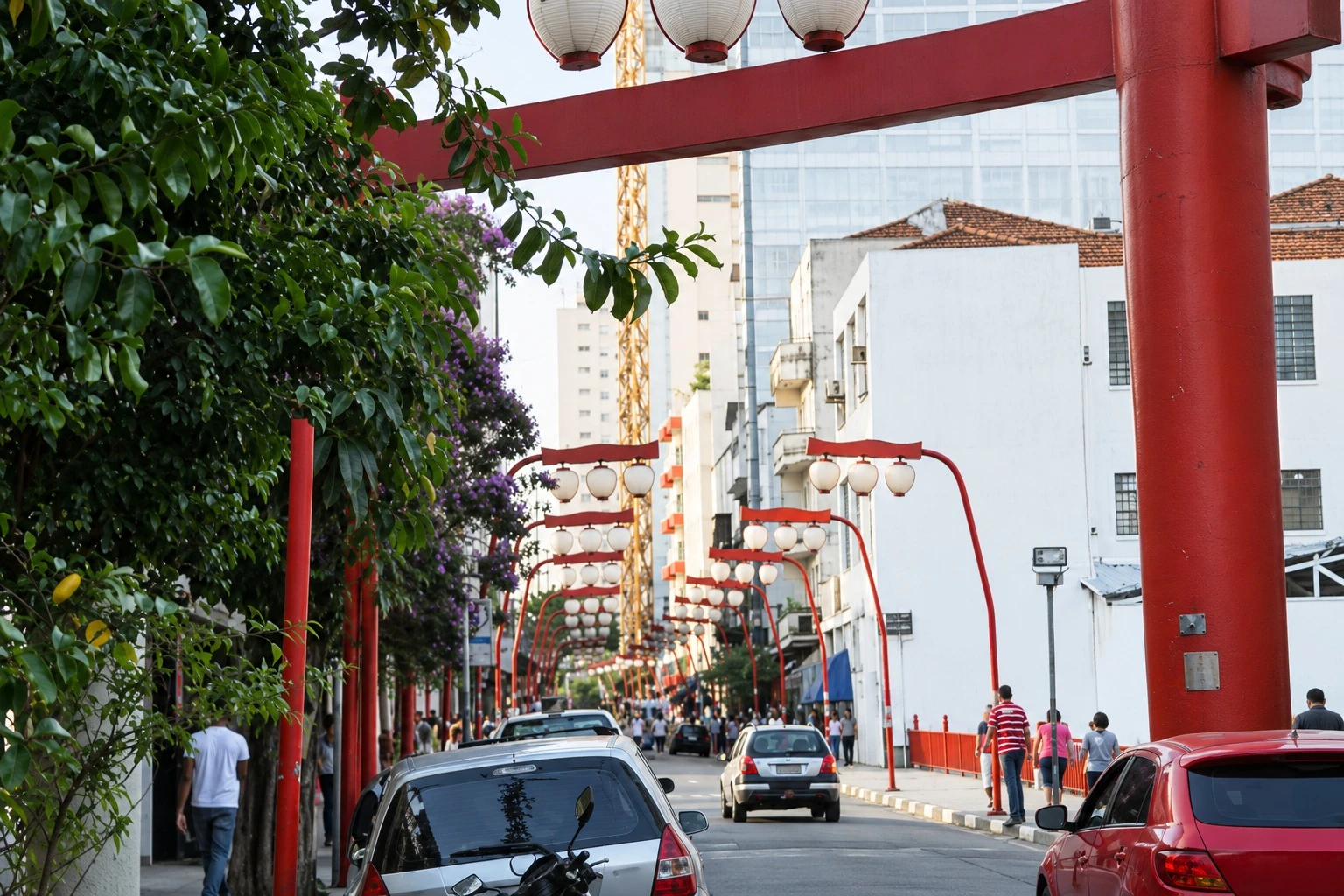
These pictures are illustrations based on the real place, not photographs. They may differ from the place.
Click the picture to enlarge it.
Discover
About Liberdade neighborhood
Liberdade is in downtown São Paulo, south of Praça da Sé, and is the neighborhood most associated with Japanese immigration in the city. The first Japanese arrived in Brazil in 1908, and from the 1910s many settled in the streets of Liberdade, opening boarding houses, shops and small businesses. Over time, Chinese and Korean immigrants also arrived, and the neighborhood became the main address for East Asian culture in São Paulo.
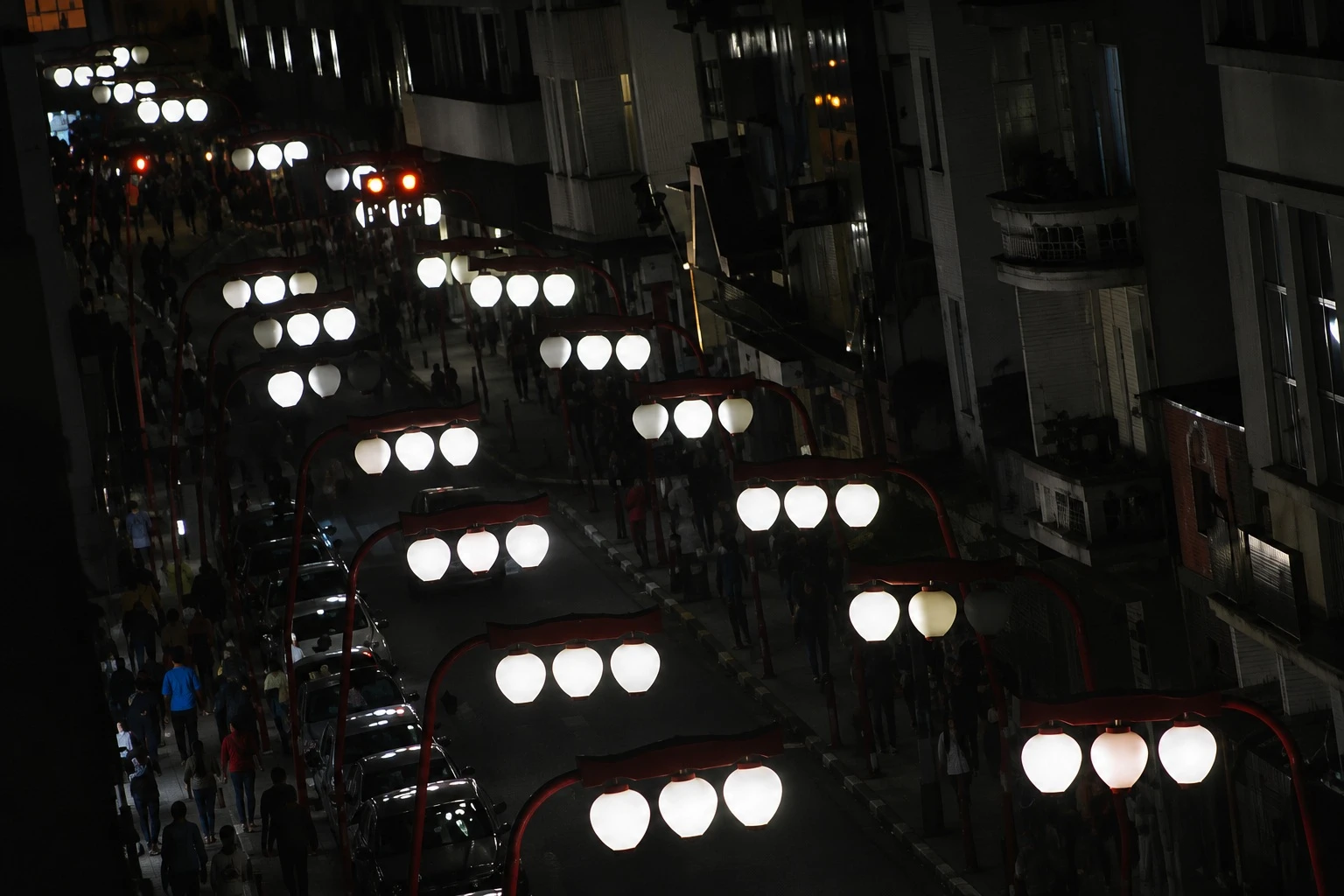
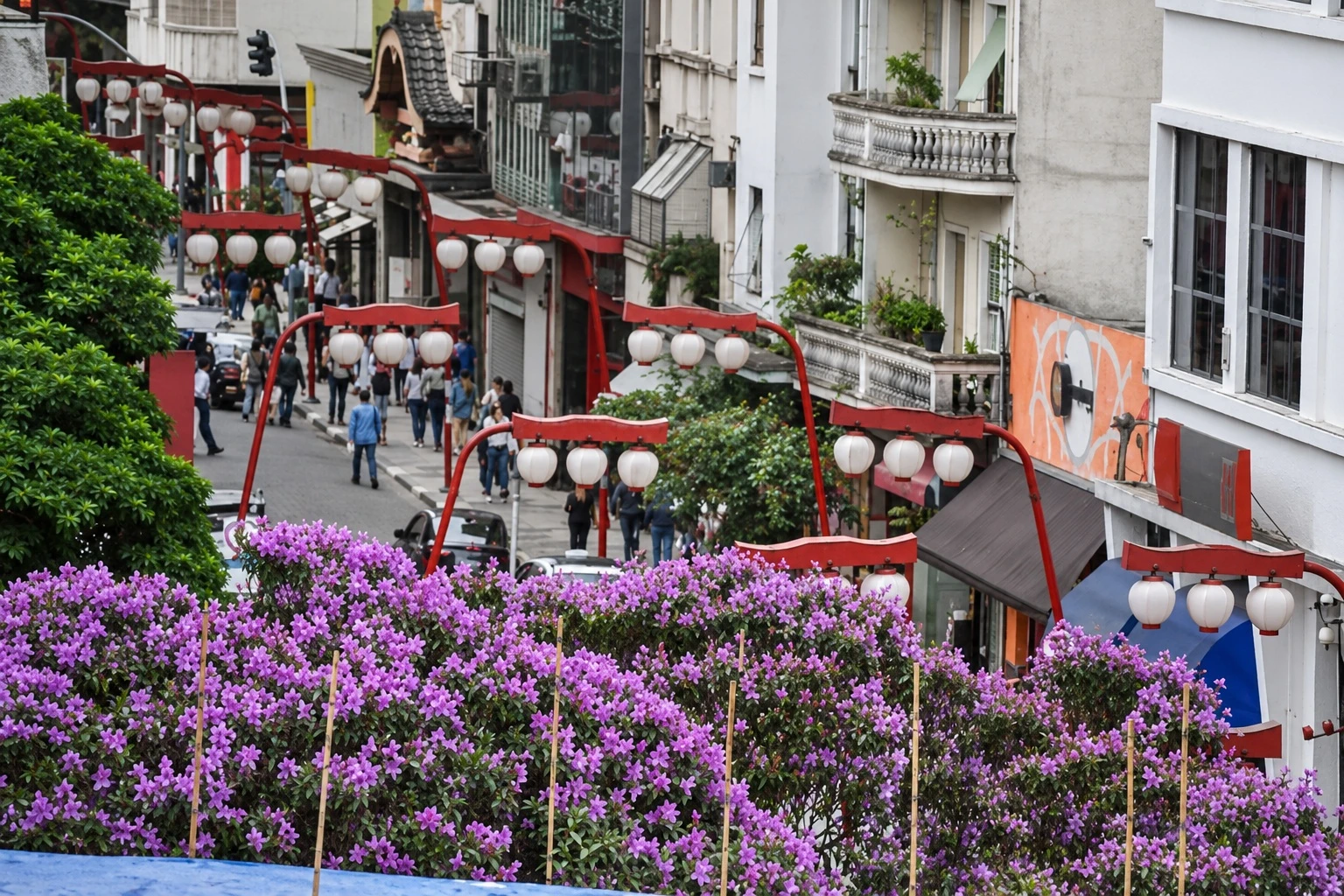
Red and white lanterns attached to the poles, called suzuranto, mark the look of the main streets. On Rua Galvão Bueno, a large red gate in the style of Japanese torii announces arrival at the heart of the neighborhood. Along the sidewalks you’ll find grocery stores, Asian product shops, stationery stores, bookstores and Japanese, Chinese and Korean restaurants.
On Saturdays and Sundays, Praça da Liberdade, where the metro station is located, hosts a fair with stalls selling Japanese and other Asian foods on Rua dos Estudantes and stalls with crafts spread across the square. That’s when the neighborhood is busiest and most lively.
The Historical Museum of Japanese Immigration in Brazil, on Rua São Joaquim, tells the story of the immigrants since the arrival of the ship Kasato Maru in 1908. On Rua Galvão Bueno is the Oriental Garden, with a small carp pond, and the neighborhood is also home to the Capela dos Aflitos, linked to the memory of the Black population who lived there before the immigrants arrived.
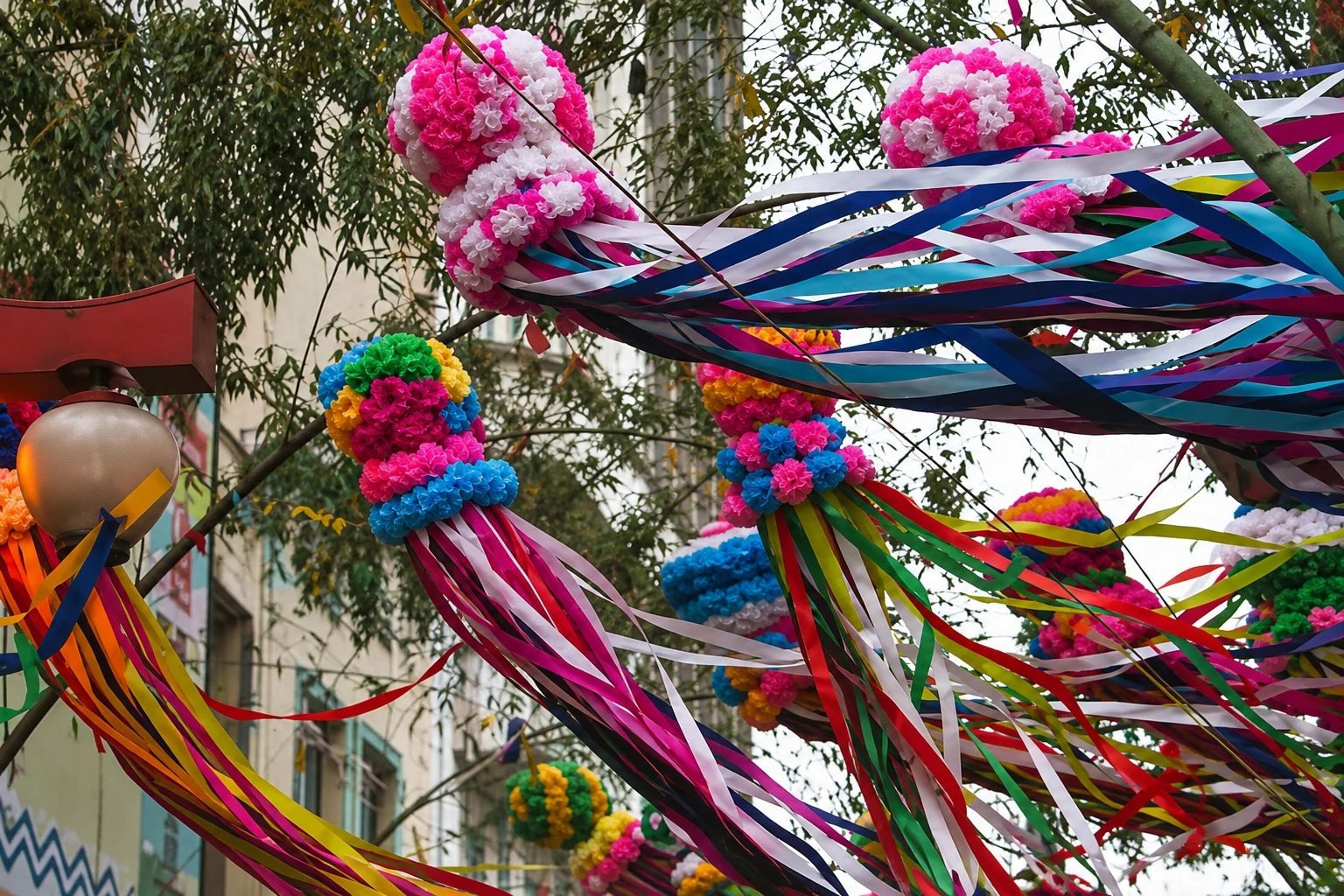
The fair, officially called Feira de Arte, Artesanato e Cultura da Liberdade, has taken place since 1975. The Tanabata Matsuri, the Festival of the Stars, usually occupies Rua Galvão Bueno on a weekend near July 7, with the streets closed to cars and decorated with strips of paper bearing wishes.
Before you go
Practical information
Cidade Turismo reviews its information regularly, but something may have changed. Check with the place before planning your trip.
How much time to set aside
Half a day to walk the streets, visit the museum and eat. On weekends with the fair, allow a whole afternoon.
Best time
Saturdays and Sundays, when the Praça da Liberdade fair operates. In July, the Tanabata Matsuri decorates the streets. On weekdays the neighborhood is quieter for visiting shops and the museum.
How to get there
By metro, at Japão-Liberdade station (Line 1-Blue), which exits directly onto Praça da Liberdade. From Praça da Sé it’s about a 10-minute walk along Rua Galvão Bueno or Avenida da Liberdade.
Tip
Arrive early on weekends: the fair and sidewalks get crowded in the afternoon. Combine the visit with the Historical Museum of Japanese Immigration, which has specific days and hours, and check ahead before going.
Your questions
Frequently asked questions about Liberdade neighborhood
When does the Liberdade fair run?
On Saturdays and Sundays, at Praça da Liberdade, in front of Japão-Liberdade metro station. There are stalls with Asian food and crafts.
How do I get to Liberdade?
By metro, at Japão-Liberdade station on Line 1-Blue. From Praça da Sé you can walk there in about 10 minutes.
What to do in Liberdade?
Walk along Rua Galvão Bueno, see the torii gate and the suzuranto lanterns, eat at the fair or at Asian restaurants, and visit the Historical Museum of Japanese Immigration in Brazil.
Why is Liberdade known as a Japanese neighborhood?
From the 1910s, Japanese immigrants settled in the neighborhood and opened businesses and boarding houses. Later Chinese and Korean immigrants arrived, and Liberdade became the center of East Asian culture in São Paulo.
When is the Tanabata Matsuri in Liberdade?
The festival usually takes place on a weekend near July 7, with Rua Galvão Bueno closed to cars and decorated with strips of paper bearing wishes.