

 Antarctica
 Argentina
 Bolivia
 Chile
 Colombia
 Ecuador
 Falkland Islands (Malvinas)
 French Guiana
 Guyana
 Paraguay
 Peru
 Suriname
 Uruguay
 Venezuela
 Austria
 Belgium
 Croatia
 Denmark
 Finland
 France
 Germany
 Greece
 Hungary
 Iceland
 Ireland
 Italy
 Luxembourg
 Norway
 Poland
 Portugal
 Slovakia
 Slovenia
 Spain
 Sweden
 Switzerland
 the Czech Republic
 the Netherlands
 the United Kingdom
 Turkey
 Bermuda
 Canada
 Greenland
 Mexico
 Saint Pierre and Miquelon
 the United States
 the Dominican Republic
 Japan
 Egypt
 South Africa
 Australia
 Fiji
 New Zealand
 Papua New Guinea
Museum · Pindamonhangaba, SP
Dom Pedro I and Dona Leopoldina Historical and Pedagogical Museum
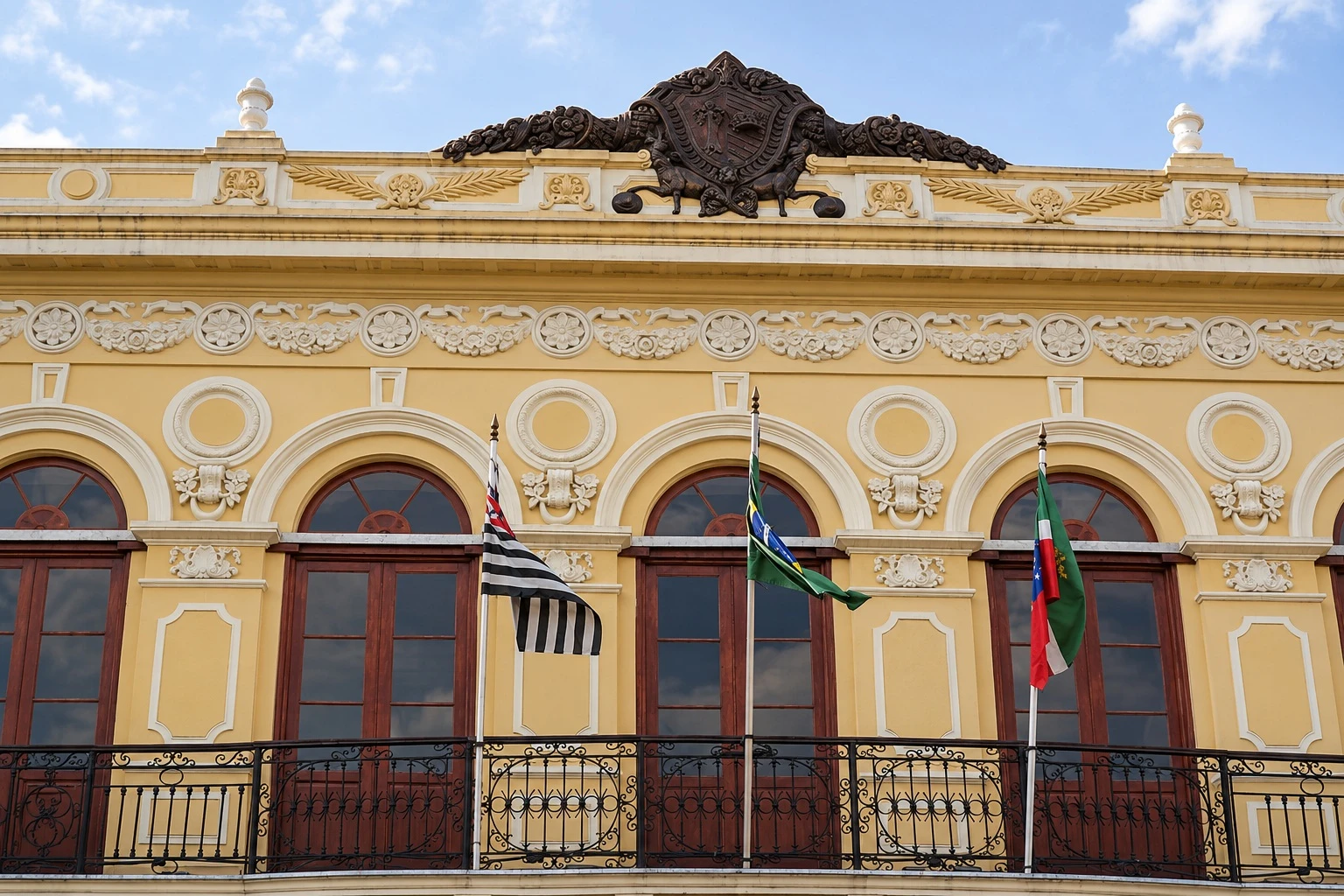
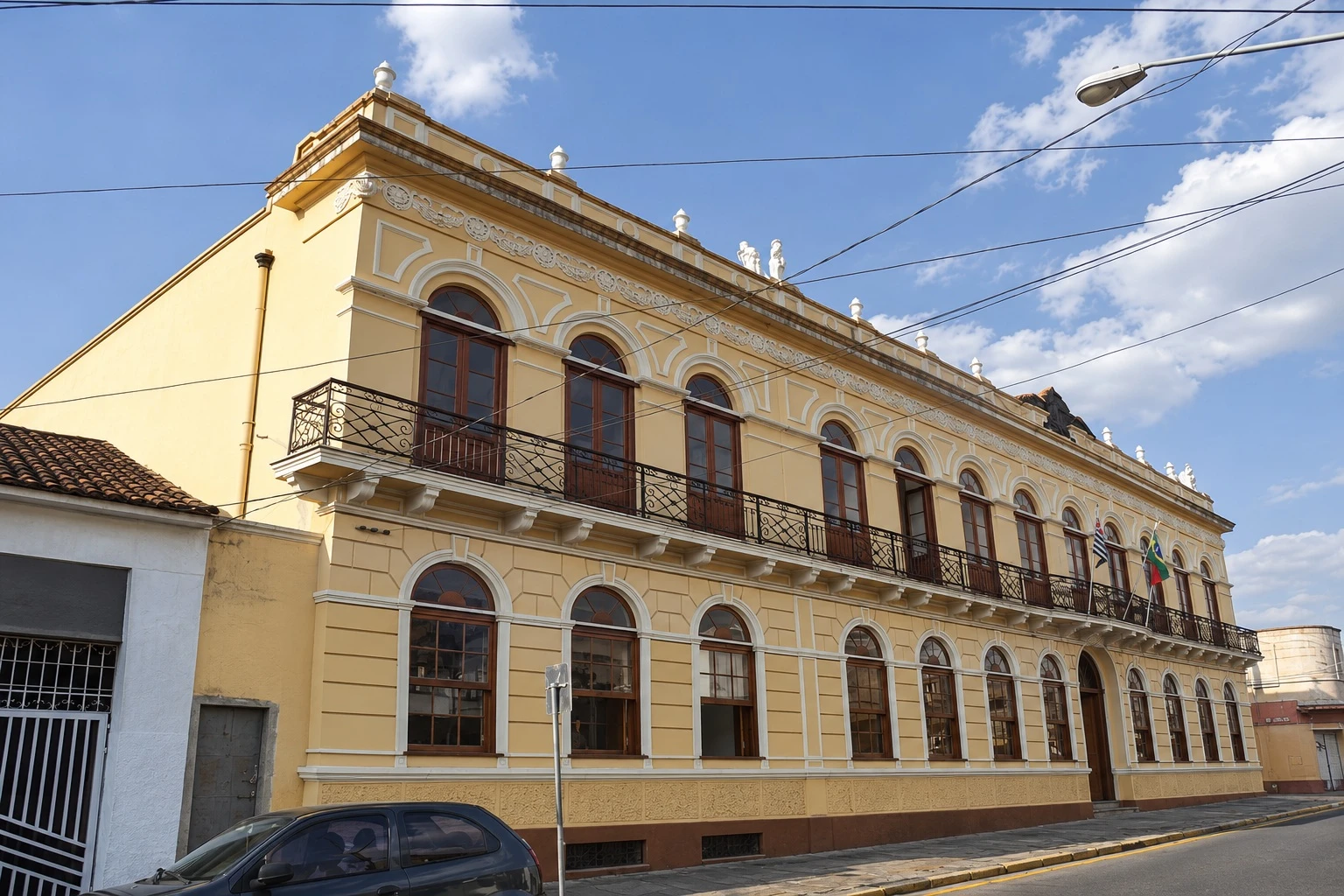
The municipal museum of Pindamonhangaba is housed in the Palacete Visconde da Palmeira, a 19th-century mansion listed by the state heritage agency, with a collection on the history of the town and the Paraíba Valley during the coffee era.
In the photo: Balcony and central façade of the Palacete Visconde da Palmeira.
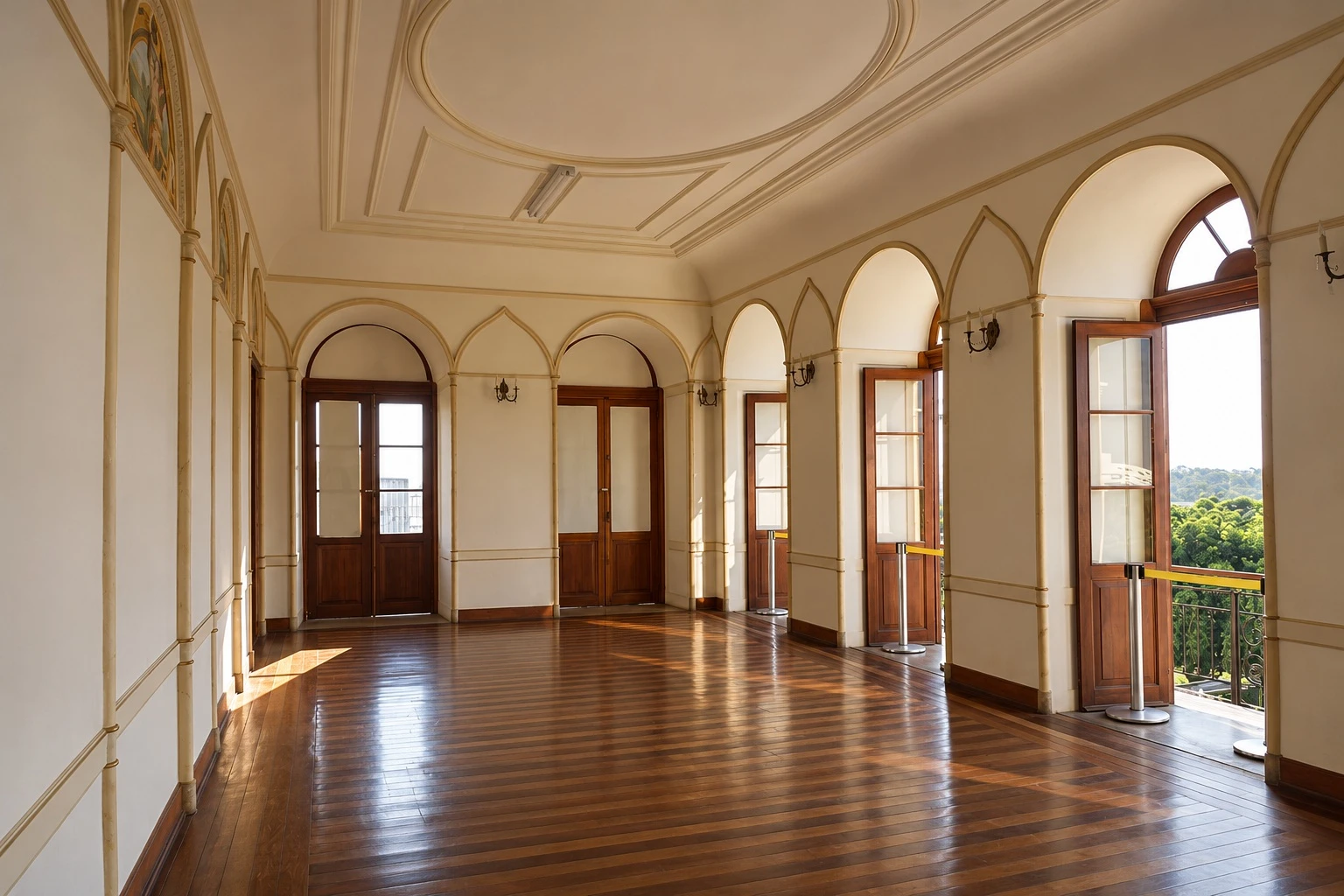
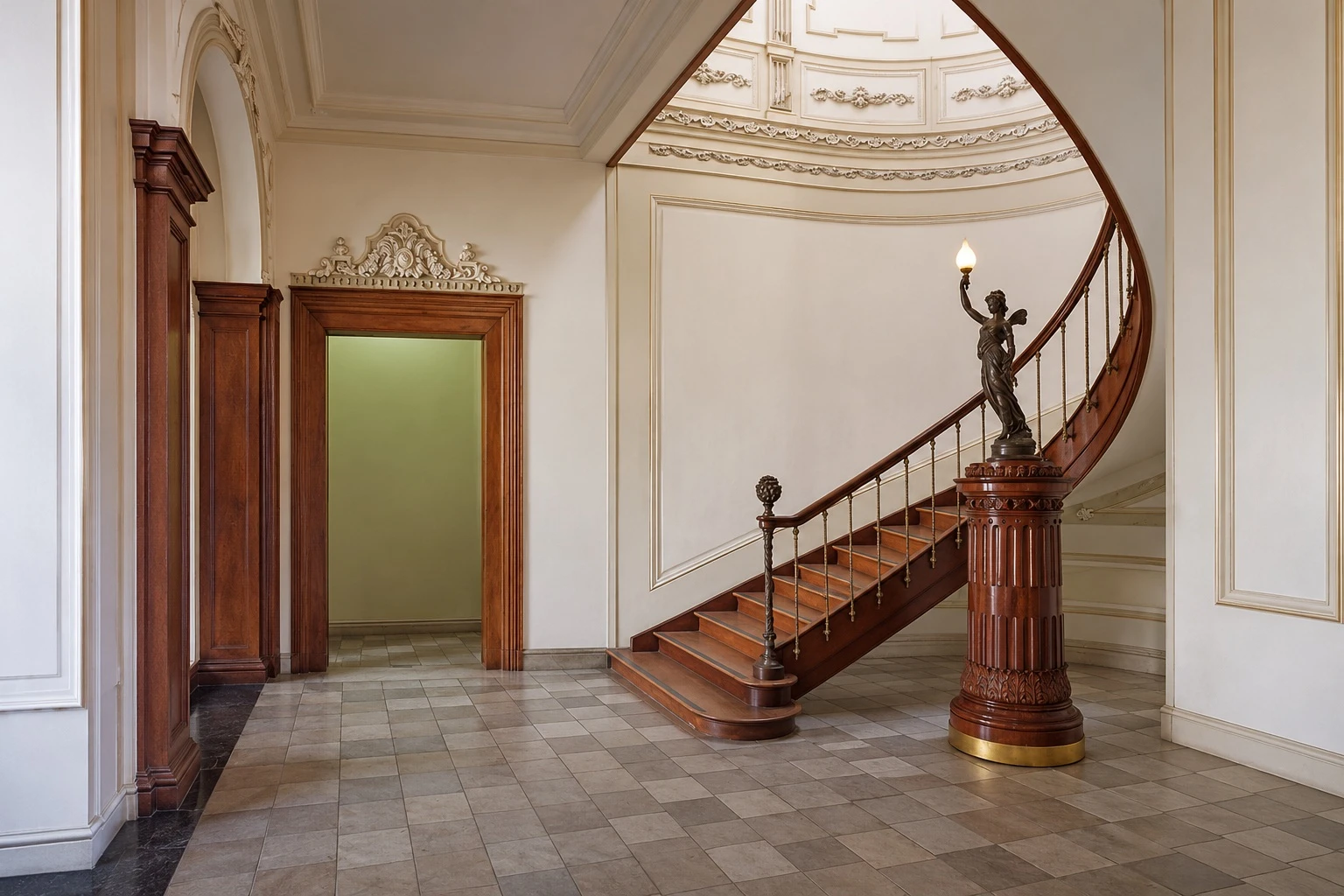
Illustrative images. The pictures in this guide are illustrations based on the real place, not photographs, and may differ from it.


A look at the place
Dom Pedro I and Dona Leopoldina Historical and Pedagogical Museum in pictures
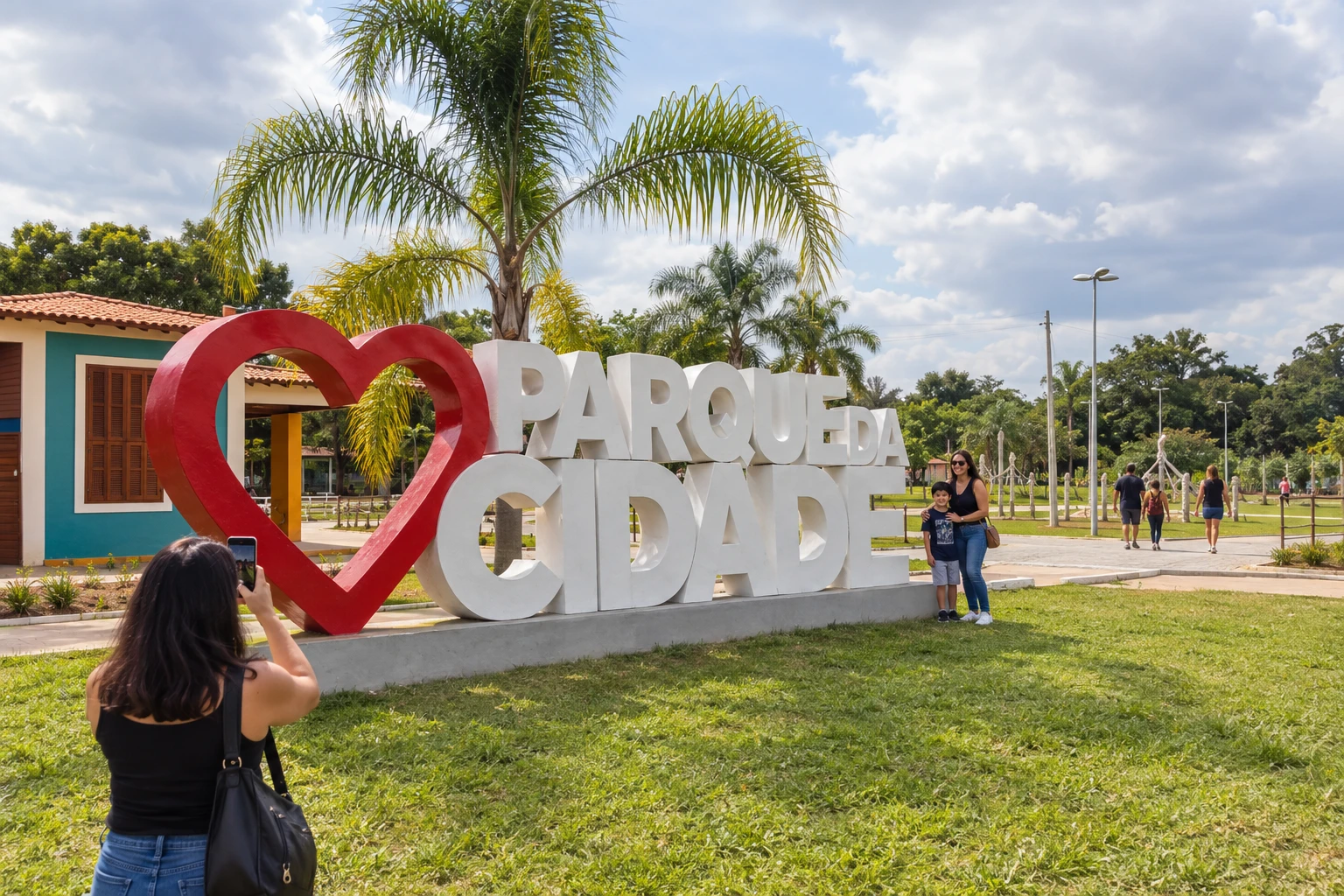
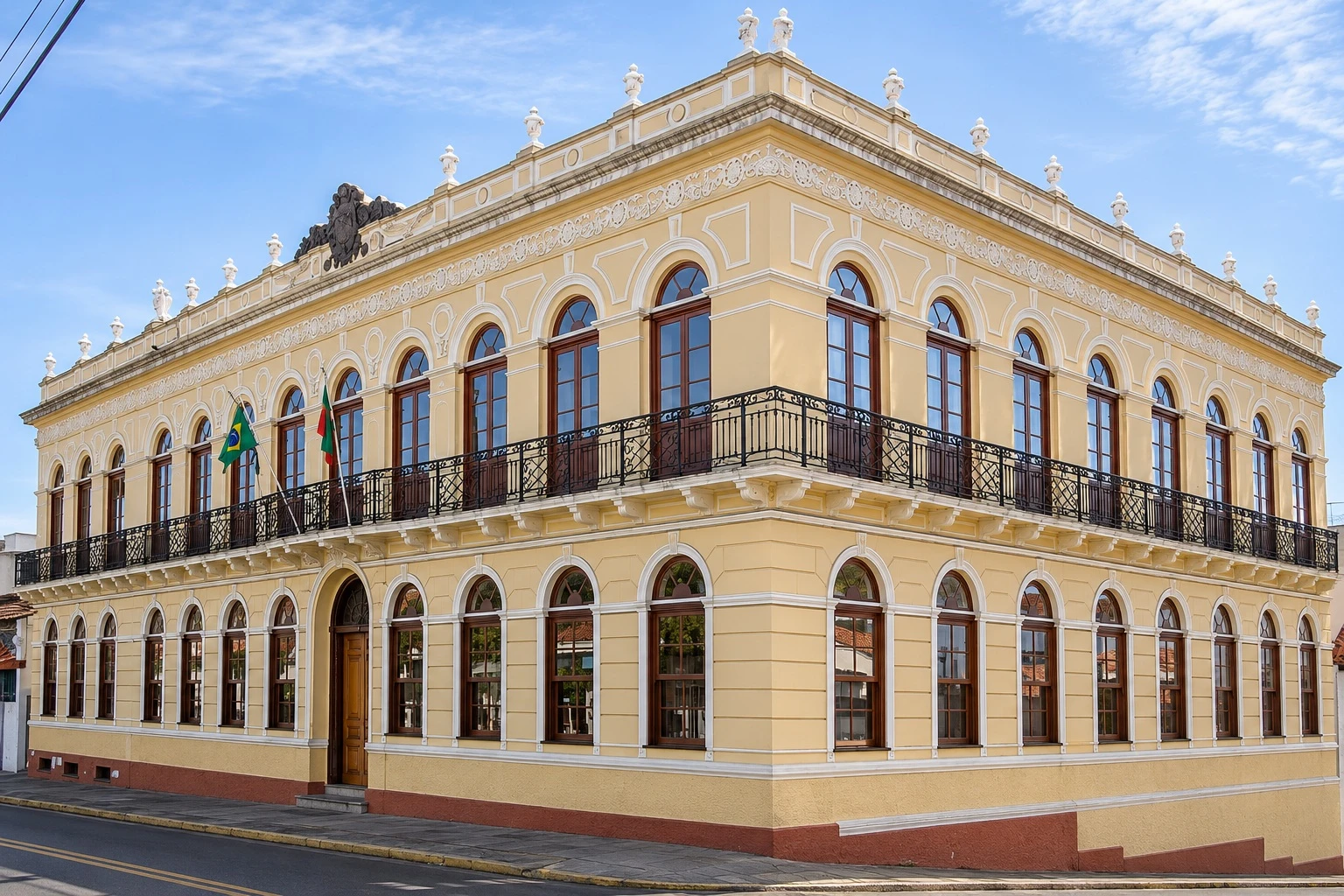
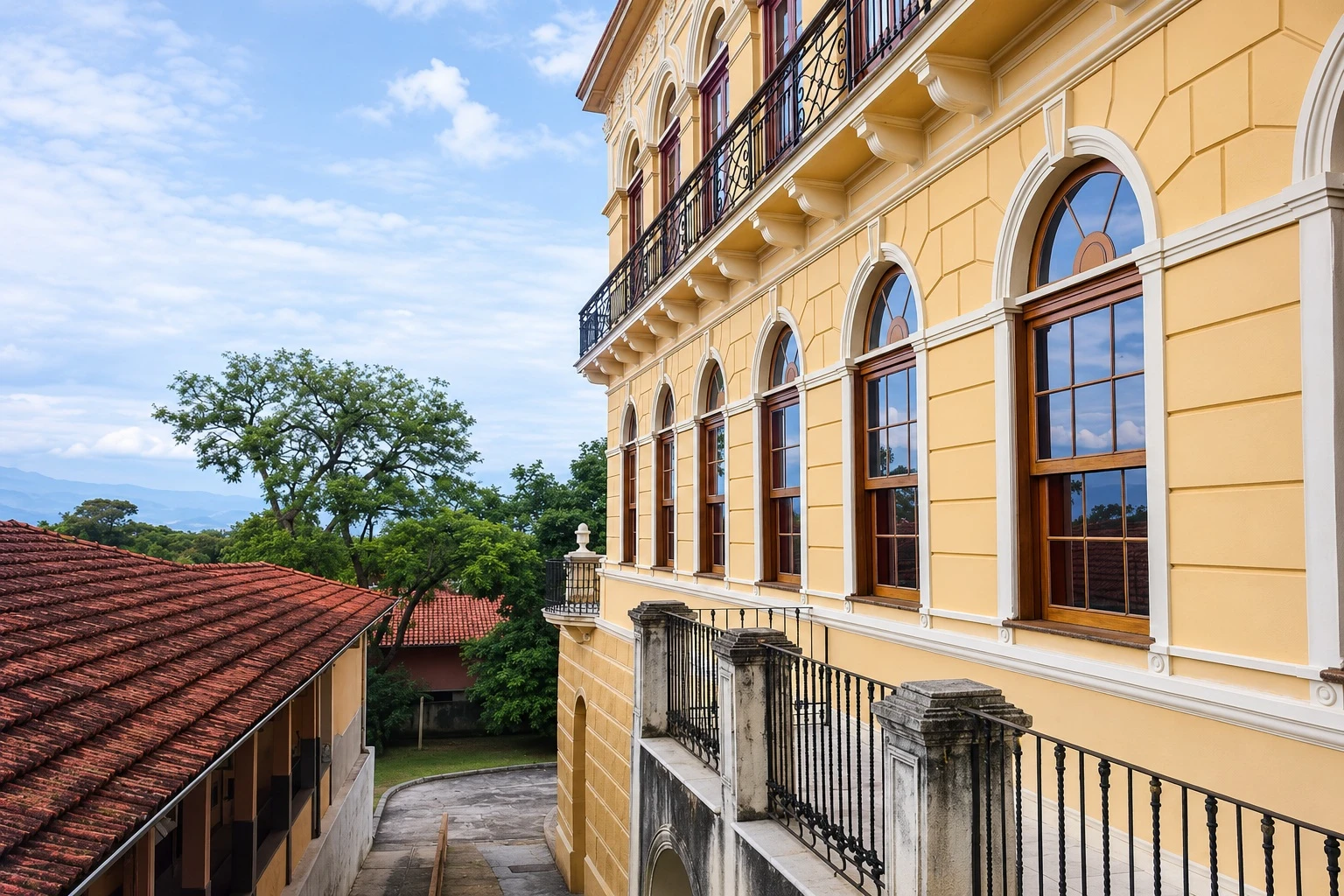
These pictures are illustrations based on the real place, not photographs. They may differ from the place.
Click the picture to enlarge it.
Discover
About Dom Pedro I and Dona Leopoldina Historical and Pedagogical Museum
The Dom Pedro I and Dona Leopoldina Historical and Educational Museum occupies the Palacete Visconde da Palmeira, one of the mansions that recall Pindamonhangaba’s wealth during the coffee era in the 19th century. Established in 1957, the museum is one of the oldest in the Paraíba Valley and gathers the city’s memory in a building that is already part of the visit.
The palacete is located on Rua Marechal Deodoro da Fonseca, near the town center. The two-story building preserves the design of urban houses of the coffee barons, with tall windows, large salons and high ceilings. The building is protected by Condephaat, São Paulo state’s heritage agency.
The museum’s name honors the imperial couple and is part of a series of historical and educational museums created by the São Paulo government at that time, each dedicated to a figure from the country’s history. The collection includes documents, books, photographs, furniture and objects related to the life of the town and the region, with a strong presence of bibliographic material.
The building was closed for a long period for restoration and reopened to the public after the works. The visit goes through the salons at a relaxed pace and usually interests those who want to understand the coffee cycle in the Paraíba Valley and the region’s imperial past. Temporary exhibitions and educational activities may occupy part of the space.
Nearby is the Palacete 10 de Julho, another historic mansion in the town, and Pindamonhangaba’s center has churches and squares that help complete a walking tour. The Parque da Cidade is a good stop for anyone wanting a bit of green after the museum.
Before you go
Practical information
Cidade Turismo reviews its information regularly, but something may have changed. Check with the place before planning your trip.
How much time to set aside
About 1 hour for the museum. With a walk through the historic center and the Palacete 10 de Julho, half a day.
Best time
All year, during daytime. In the rainy months, from December to March, it’s a good covered option for the rainy afternoons in the Paraíba Valley.
How to get there
The museum is at Rua Marechal Deodoro da Fonseca, 260, in the Jardim Boa Vista neighborhood, a few blocks from Pindamonhangaba’s center. From downtown you can walk or drive there in a few minutes.
Tip
Visiting days and hours may change: confirm with the Pindamonhangaba city hall before you go. Combine the visit with the Palacete 10 de Julho, just a few steps away.
Your questions
Frequently asked questions about Dom Pedro I and Dona Leopoldina Historical and Pedagogical Museum
Where is the Dom Pedro I and Dona Leopoldina Museum located?
In the Palacete Visconde da Palmeira, at Rua Marechal Deodoro da Fonseca, 260, a few blocks from Pindamonhangaba’s center.
What does the museum have?
Documents, books, photographs, furniture and objects related to the history of Pindamonhangaba and the Paraíba Valley, with emphasis on bibliographic material. The 19th-century mansion itself is part of the visit.
Why is the museum named after Dom Pedro I and Dona Leopoldina?
It is part of a series of historical and educational museums created by the São Paulo government from the 1950s onward, each dedicated to a figure from Brazil’s history. Pindamonhangaba’s museum honors the imperial couple.
How long does the visit take?
About one hour. With the Palacete 10 de Julho and a walk around the center, allow half a day.