

 Antarctica
 Argentina
 Bolivia
 Chile
 Colombia
 Ecuador
 Falkland Islands (Malvinas)
 French Guiana
 Guyana
 Paraguay
 Peru
 Suriname
 Uruguay
 Venezuela
 Albania
 Austria
 Belgium
 Croatia
 Denmark
 Finland
 France
 Germany
 Greece
 Hungary
 Iceland
 Ireland
 Italy
 Luxembourg
 Norway
 Poland
 Portugal
 Slovakia
 Slovenia
 Spain
 Sweden
 Switzerland
 the Czech Republic
 the Netherlands
 the United Kingdom
 Turkey
 Bermuda
 Canada
 Greenland
 Mexico
 Saint Pierre and Miquelon
 the United States
 the Dominican Republic
 Japan
 Egypt
 South Africa
 Australia
 Fiji
 New Zealand
 Papua New Guinea
national park · Rio de Janeiro, RJ
Tijuca National Park
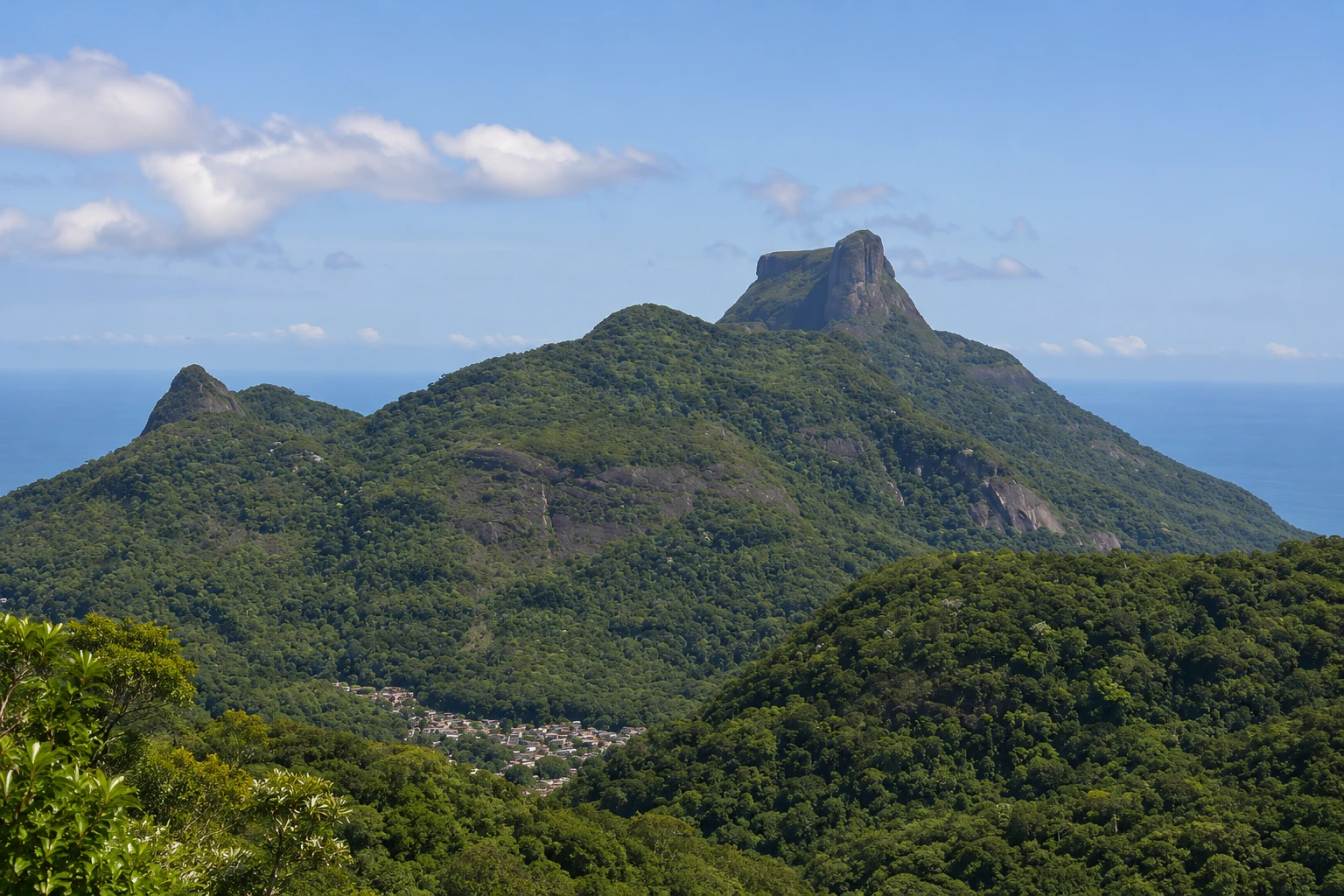
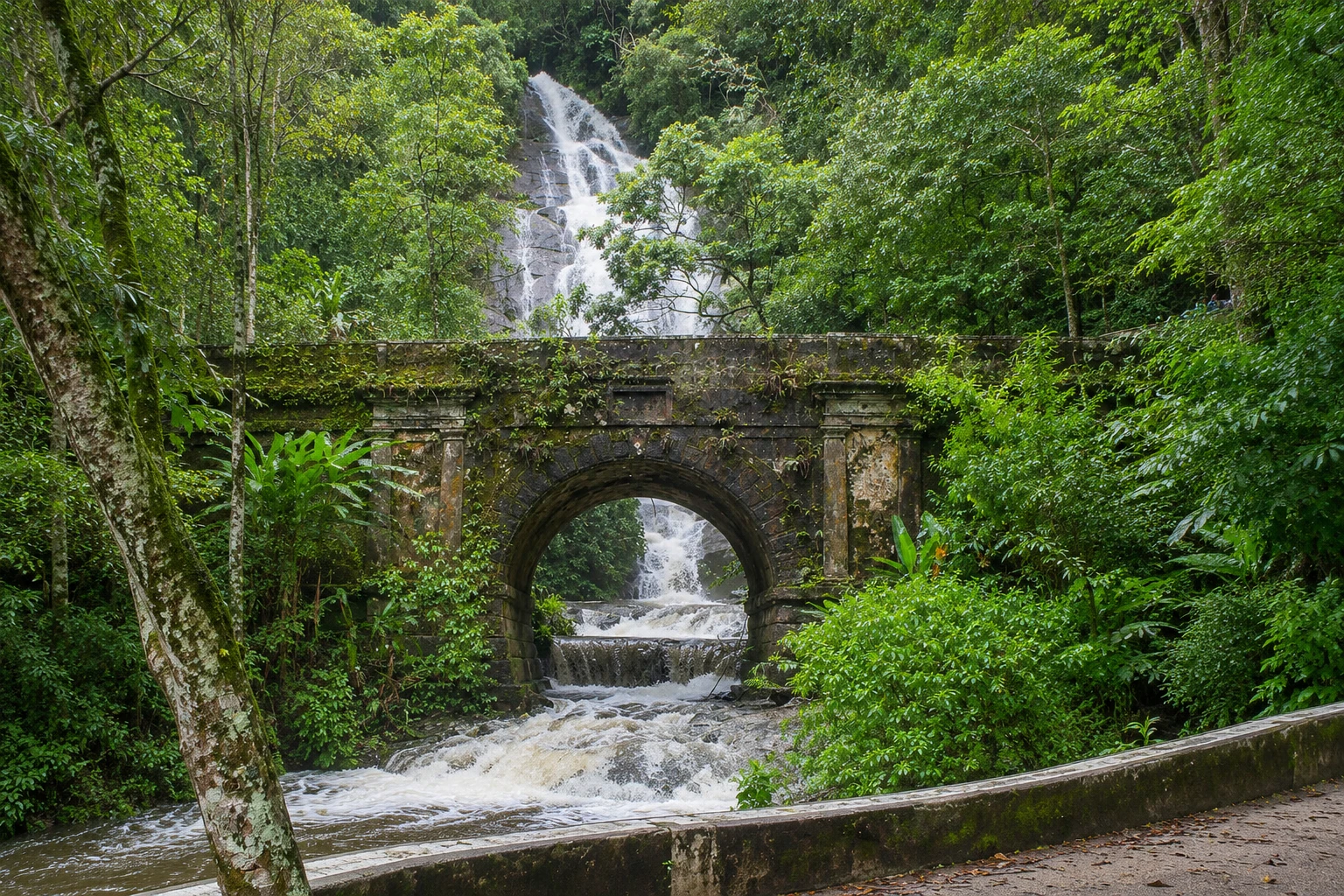
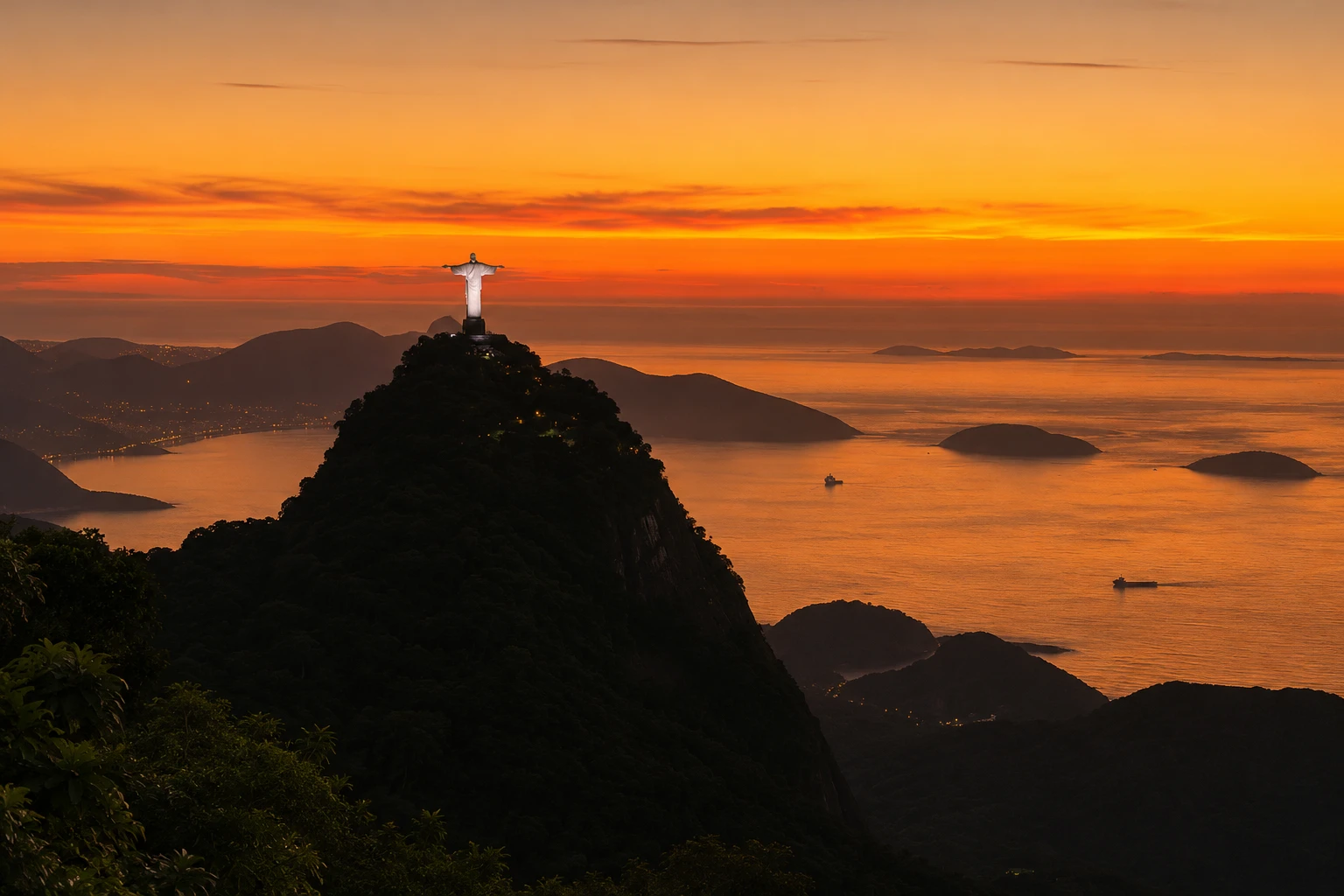
National forest park inside the city of Rio, replanted from 1861 on the slopes of the Tijuca Massif. It includes the Tijuca Forest, with the Cascatinha Taunay, the Vista Chinesa, Pico da Tijuca, Pedra Bonita and the Corcovado.
In the photo: Atlantic Forest and the Pedra da Gávea massif in Tijuca National Park.
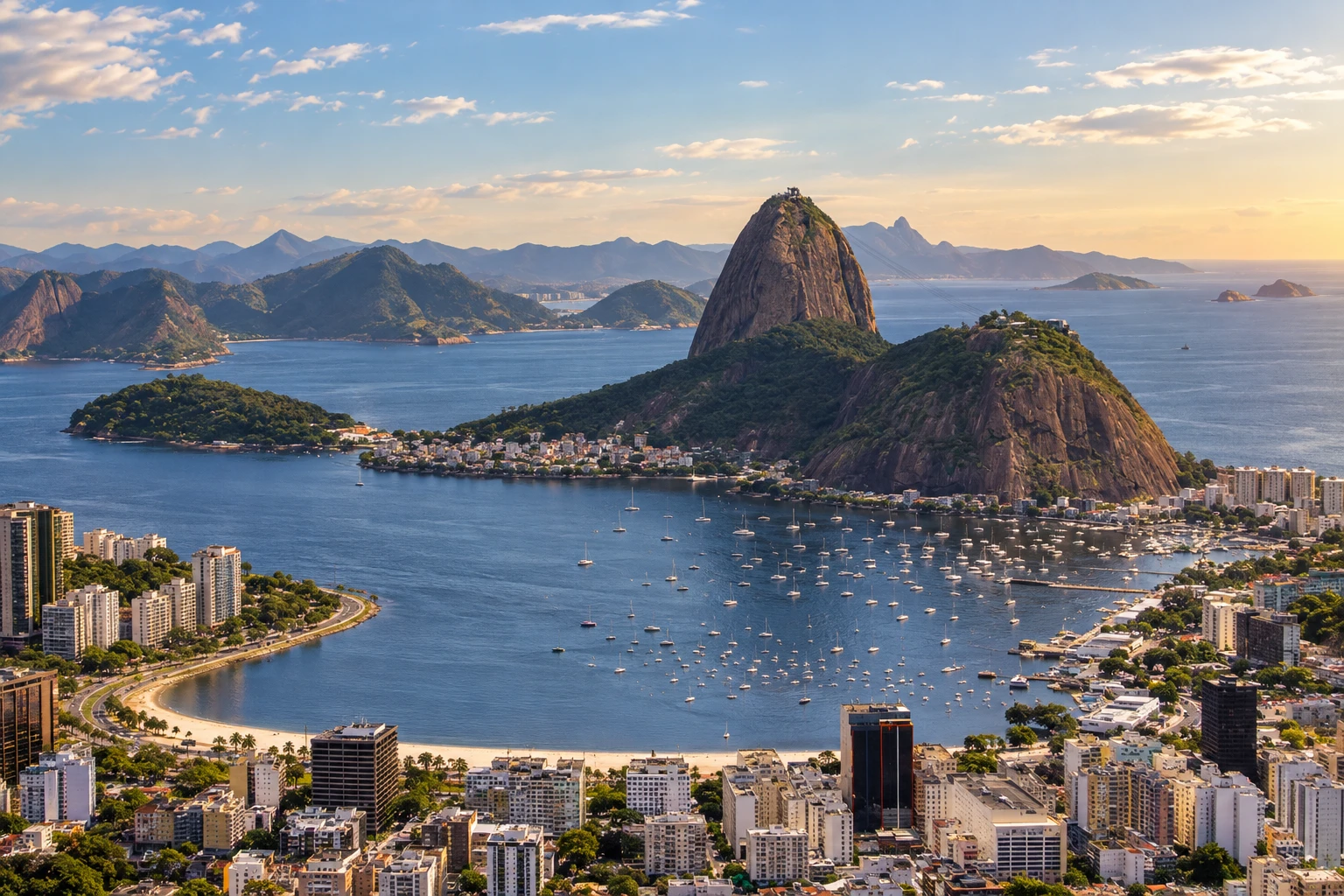
Illustrative images. The pictures in this guide are illustrations based on the real place, not photographs, and may differ from it.


A look at the place
Tijuca National Park in pictures
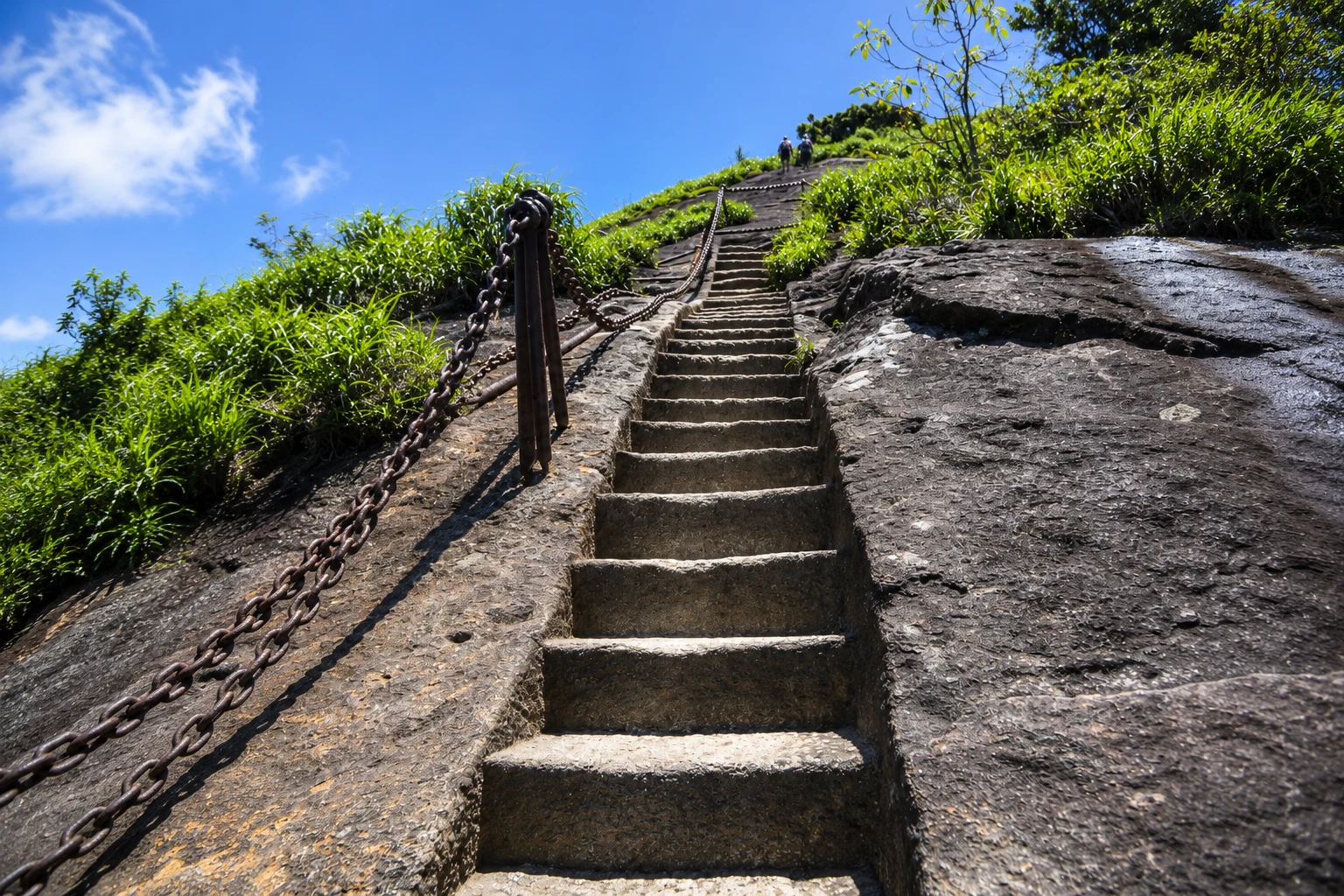
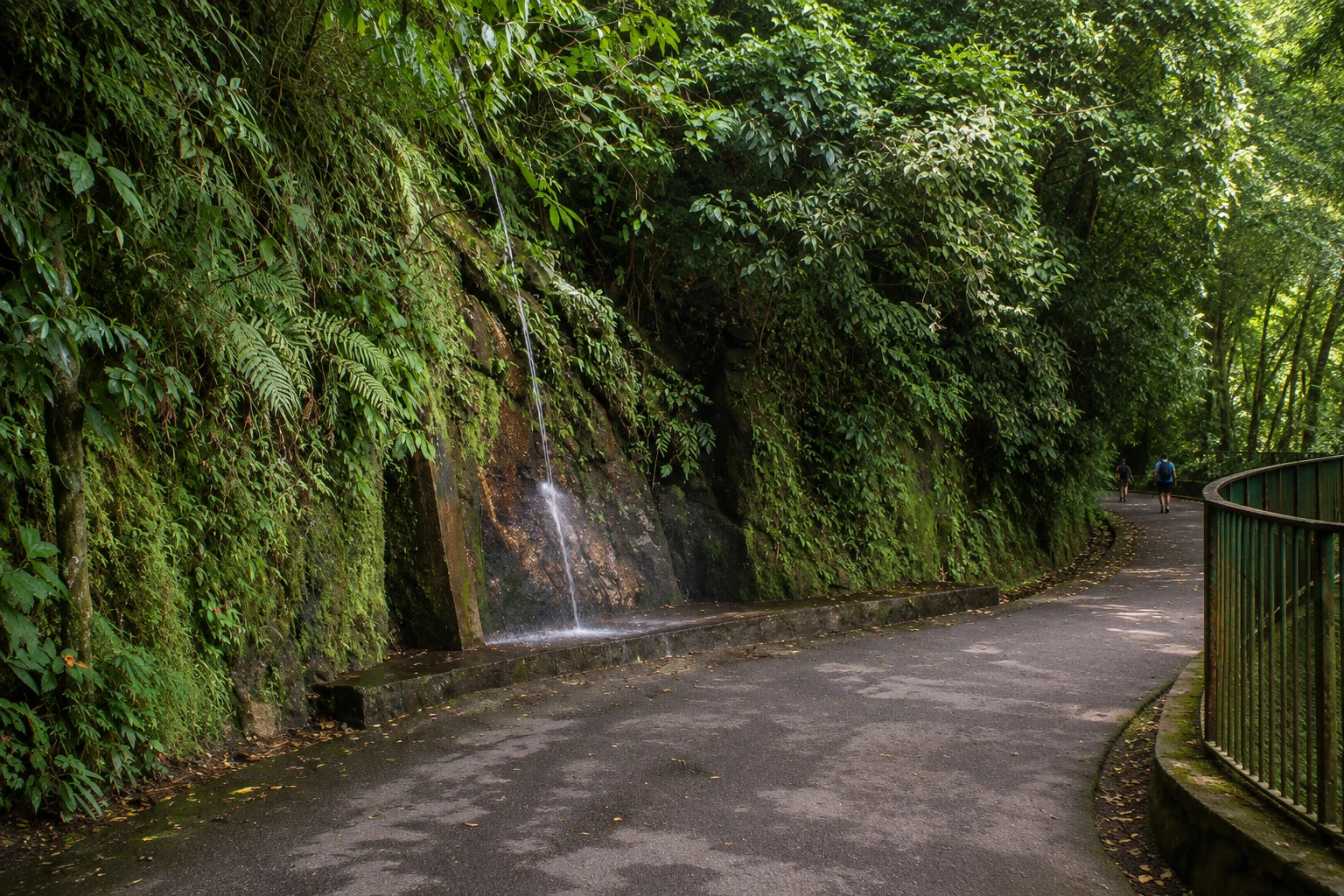
These pictures are illustrations based on the real place, not photographs. They may differ from the place.
Click the picture to enlarge it.
Discover
About Tijuca National Park
Tijuca National Park covers about 3,950 hectares of Atlantic Forest in the Tijuca Massif, in the middle of the city of Rio de Janeiro. Managed by the Chico Mendes Institute for Biodiversity Conservation (ICMBio), it is one of the largest urban green areas in Brazil and includes some of the city’s best-known sites, such as the Corcovado, Pedra da Gávea and Pedra Bonita.
Much of the forest is the result of replanting. In the 19th century, coffee farms had cleared the forest and the springs that supplied the city were drying up. Starting in 1861, by order of Dom Pedro II, Major Manuel Gomes Archer led the planting of thousands of native tree seedlings, using the labor of enslaved Africans, whose names are now remembered at the visitor center.
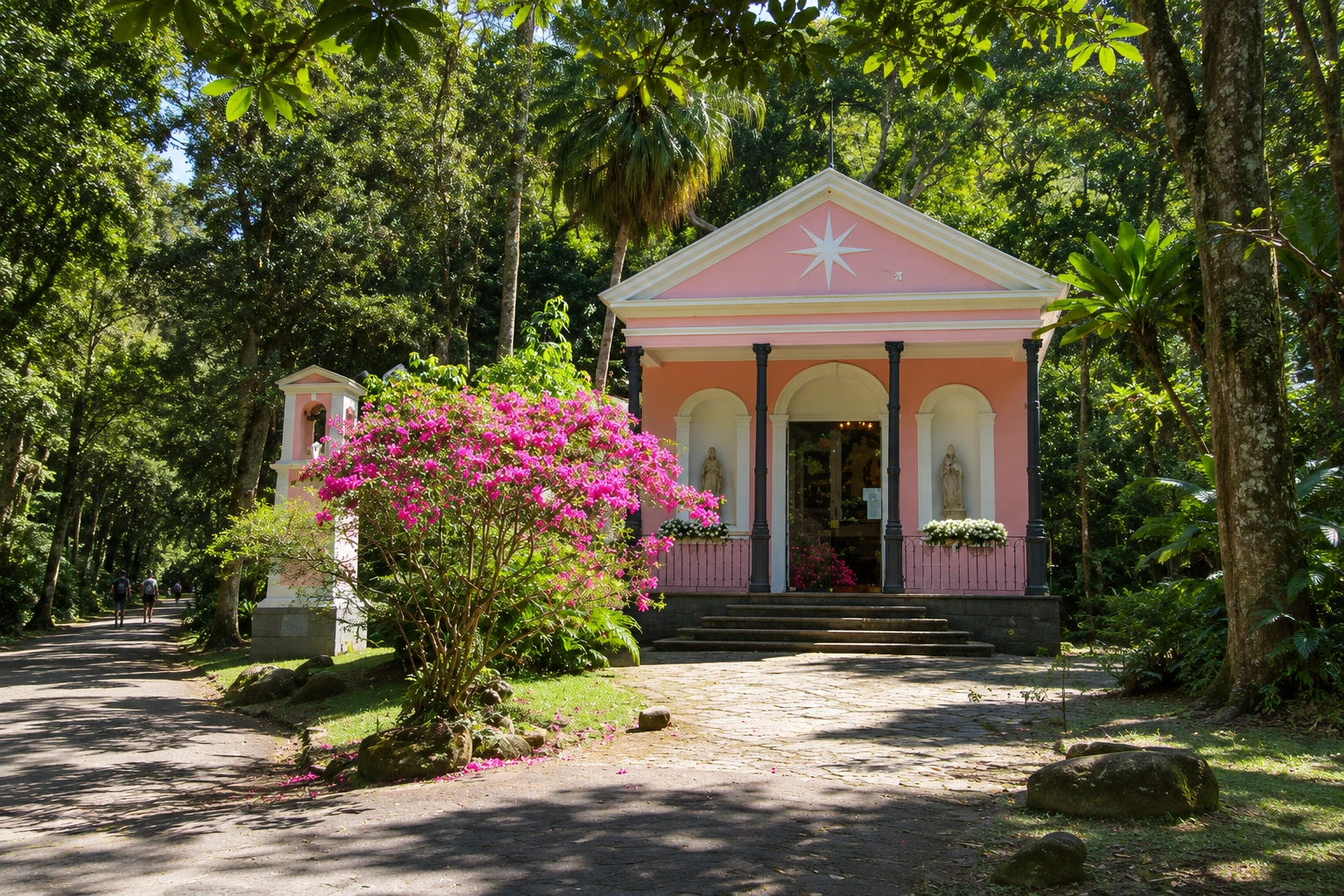
The most visited sector is the Tijuca Forest, which has an entrance at Praça Afonso Viseu, in Alto da Boa Vista. Its narrow roads lead to the Cascatinha Taunay, a roadside waterfall, the Capela Mayrink, the Açude da Solidão and the trailheads for routes such as Pico da Tijuca, the park’s highest point at 1,022 meters. On the other side of the massif are the Vista Chinesa and the Mesa do Imperador, viewpoints over the Lagoa and the Zona Sul.
The park is home to tufted capuchin monkeys, coatis, marmosets, agoutis and many birds. There are short and long trails, picnic areas and sections suitable for cycling.
Trails and sectors have their own opening hours, and some areas close during heavy rain. Check the park’s official channel for rules and schedules before you go.
Before you go
Practical information
Cidade Turismo reviews its information regularly, but something may have changed. Check with the place before planning your trip.
How much time to set aside
Half a day for the Tijuca Forest circuit, including the Cascatinha and a viewpoint. Reserve a full day if you include the Pico da Tijuca trail.
Best time
From April to September there is less rain and trails are drier, with a greater chance of clear skies at the viewpoints. Mornings are cooler in the forest and animals tend to appear more; from December to March summer rains often fall in the late afternoon.
How to get there
The main entrance to the Tijuca Forest is at Praça Afonso Viseu, in Alto da Boa Vista, in Rio’s North Zone, on the way to Barra da Tijuca. Buses stop at the square; the interior of the sector is explored by car, bike or on foot. Vista Chinesa is accessed via Estrada da Vista Chinesa, from the Horto.
Tip
Start at the Cascatinha Taunay and the visitor center, which has trail maps. Bring water and insect repellent, and do not feed the monkeys or the coatis.
Official website
Your questions
Frequently asked questions about Tijuca National Park
What to visit in Tijuca National Park?
In the Tijuca Forest: Cascatinha Taunay, Capela Mayrink, Açude da Solidão and the Pico da Tijuca trail. In other sectors: Vista Chinesa, Mesa do Imperador, Pedra Bonita, Pedra da Gávea and the Corcovado.
Was the Tijuca Forest planted?
Mostly, yes. Starting in 1861, by order of Dom Pedro II, Major Manuel Gomes Archer led the replanting with native seedlings, using the labor of enslaved Africans, to restore the city’s springs.
Which trail leads to the highest point of Tijuca National Park?
The Pico da Tijuca trail, reaching 1,022 meters, departs from the Tijuca Forest. It is a moderate-level trail, almost entirely inside the forest, with broad views from the summit.
Where is the Tijuca Forest entrance?
At Praça Afonso Viseu, in Alto da Boa Vista. From there, Estrada da Cascatinha leads to the Cascatinha Taunay, the visitor center and the trails.
What animals live in Tijuca National Park?
Tufted capuchin monkeys, coatis, marmosets, agoutis and many birds, such as hummingbirds and thrushes. They are commonly seen near the roads, but you should not feed them.