16 places to visit Petrópolis (RJ), chosen by the Cidade Turismo guide.
Illustrative images. The pictures in this guide are illustrations based on the real place, not photographs, and may differ from it.
To start
The 10 main places Petrópolis
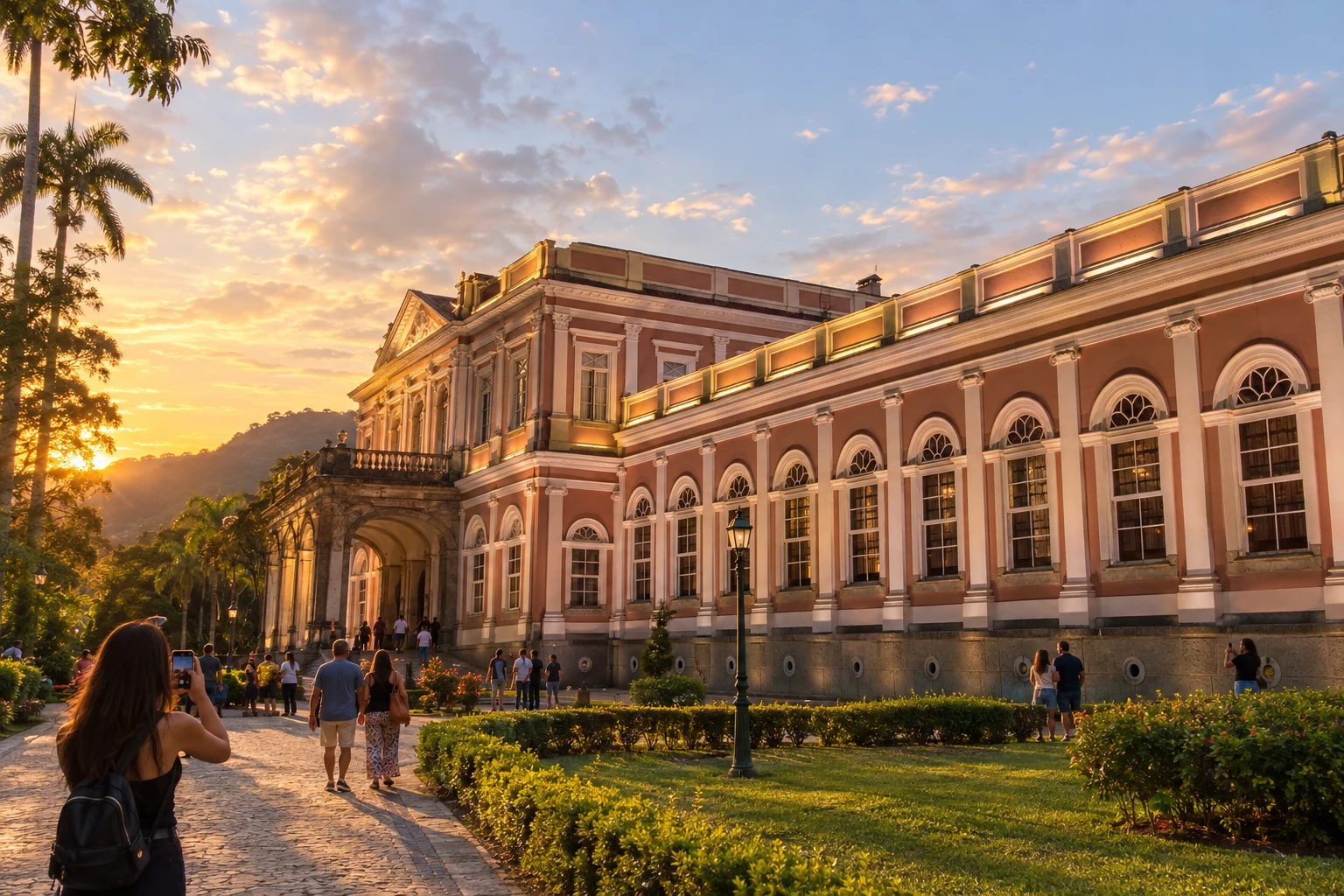
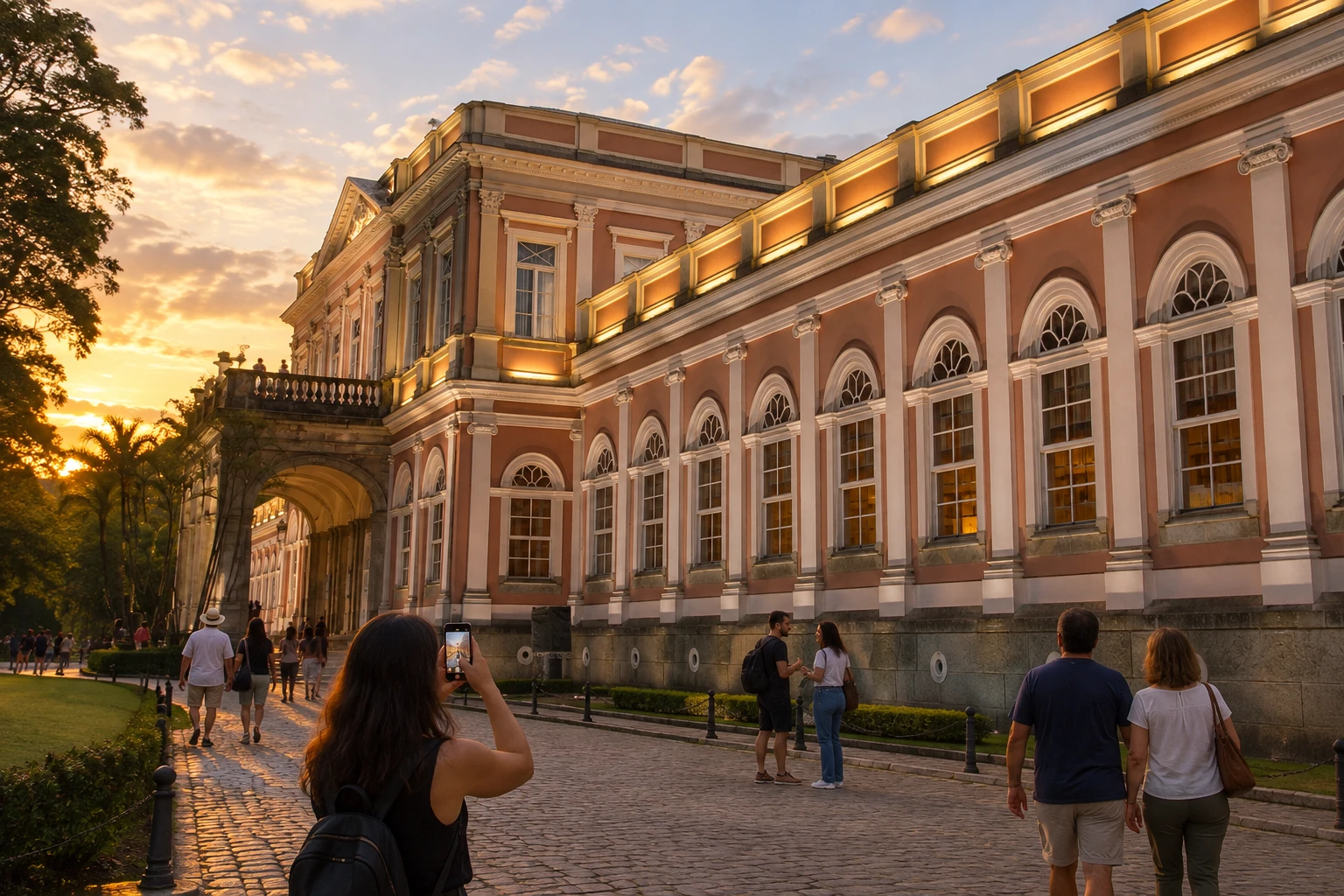
Museu ImperialHoused in Dom Pedro II's former summer palace, it holds hundreds of thousands of items from the imperial period, including the emperor's crown.
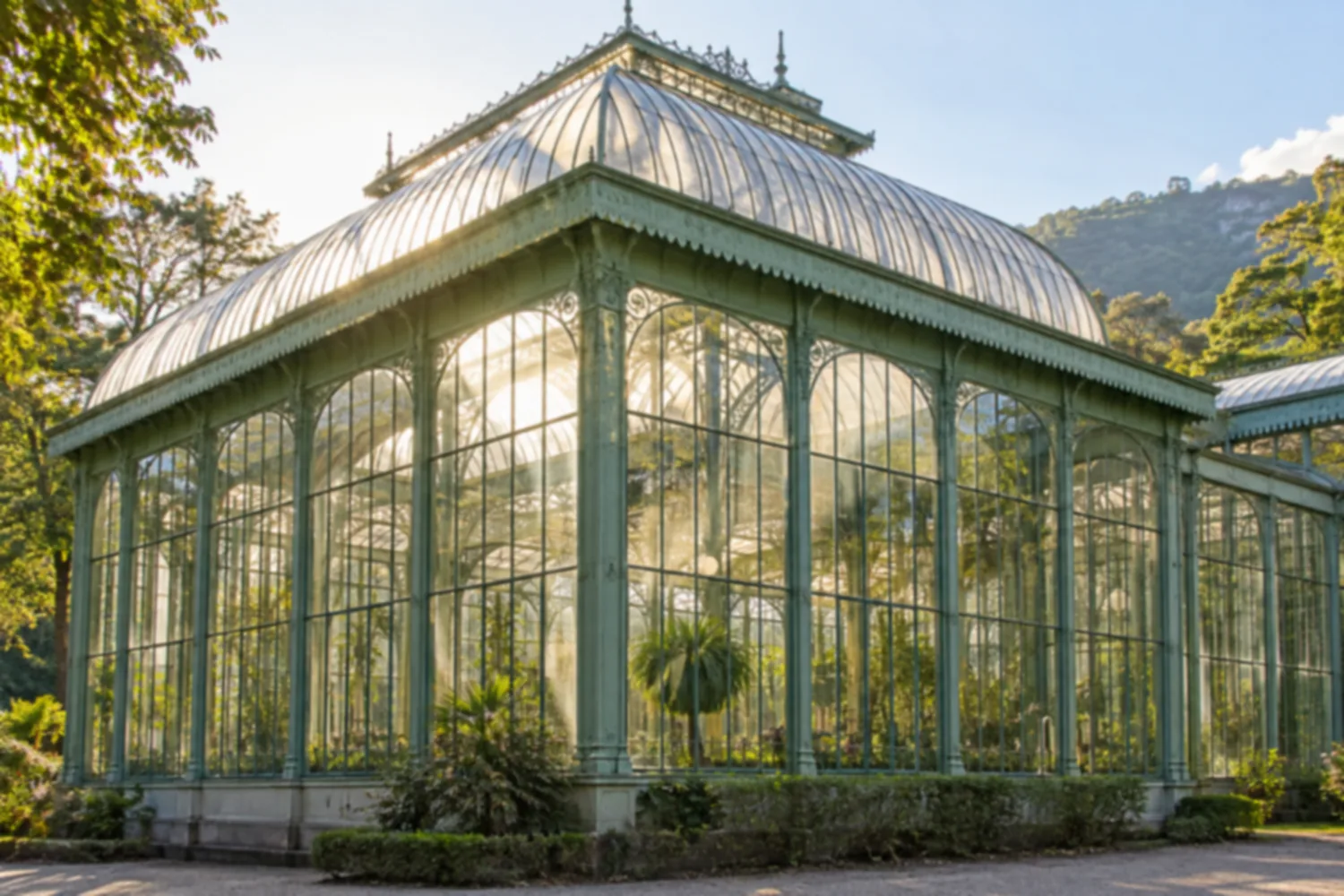
Palácio de CristalA cast-iron and glass pavilion assembled in 1884 for horticultural exhibitions, ordered from France and now used for cultural events.
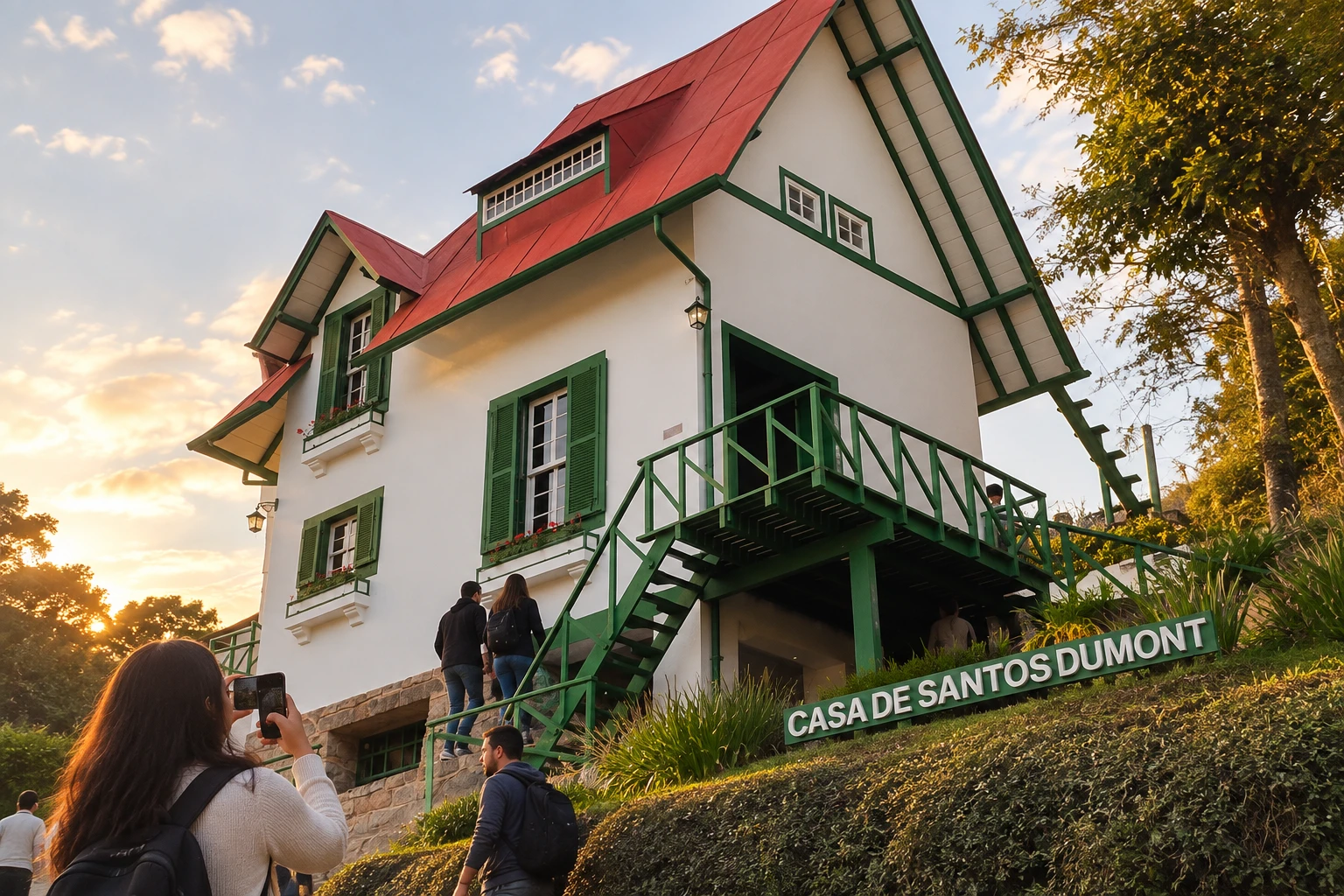
Casa de Santos DumontA small summer house designed by the inventor himself in 1918, which he nicknamed A Encantada, full of eccentric touches such as the staircase with alternating steps.
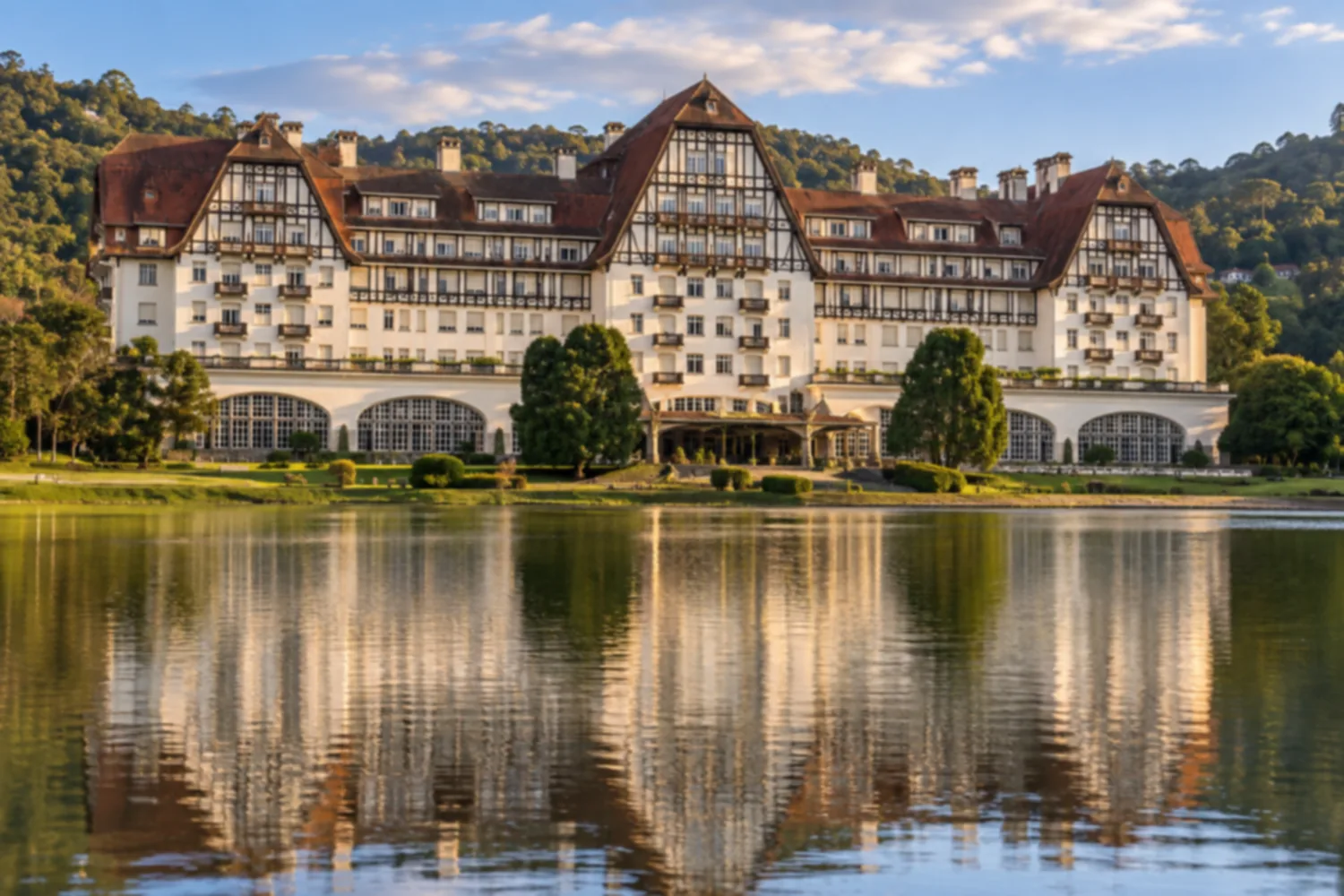
Palácio QuitandinhaBuilt in 1944 to be the largest casino in Latin America, it lost its purpose two years later, when gambling was banned in the country.
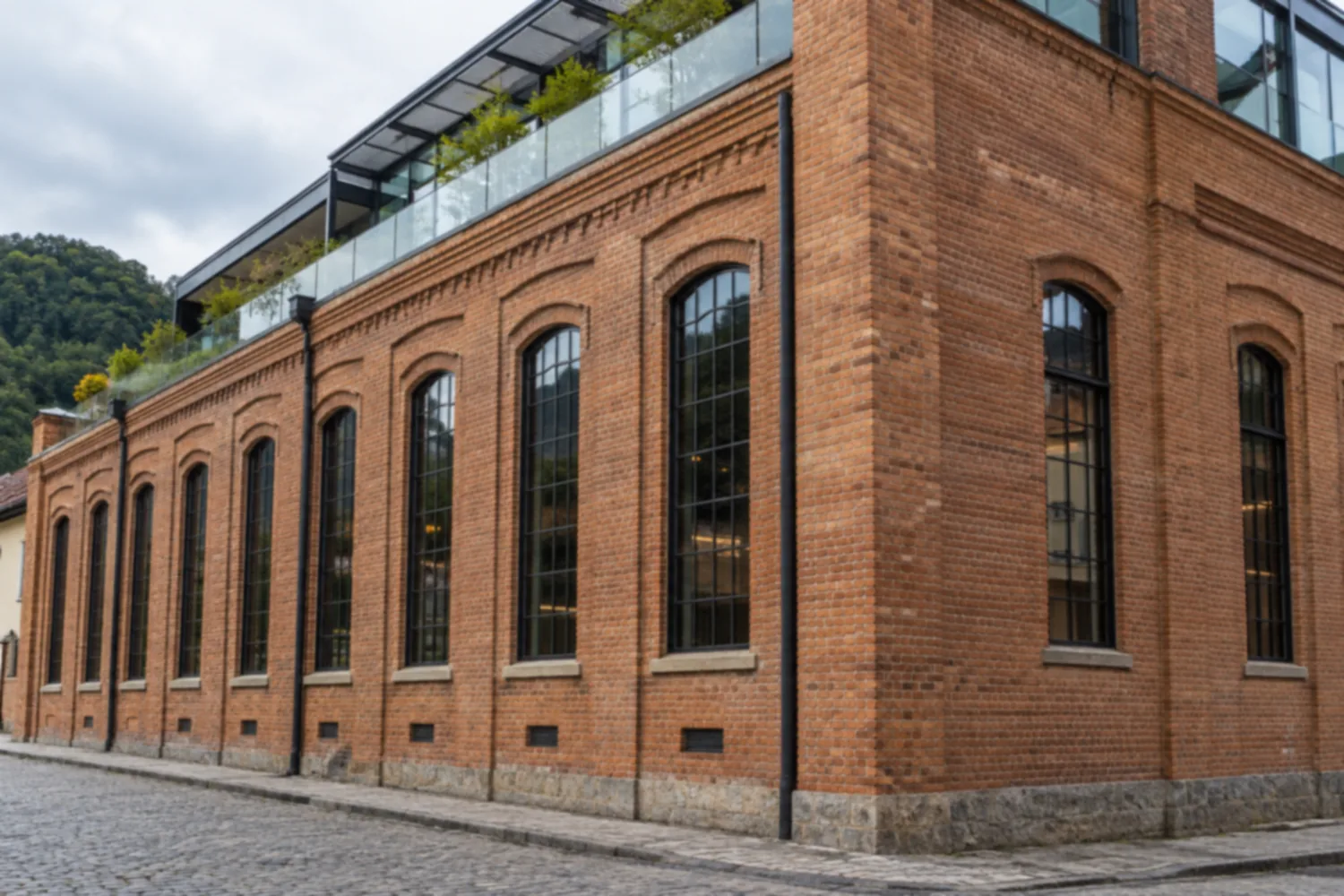
Cervejaria BohemiaThe oldest brewery in Brazil, from 1853, turned into a beer museum in the factory's historic building.
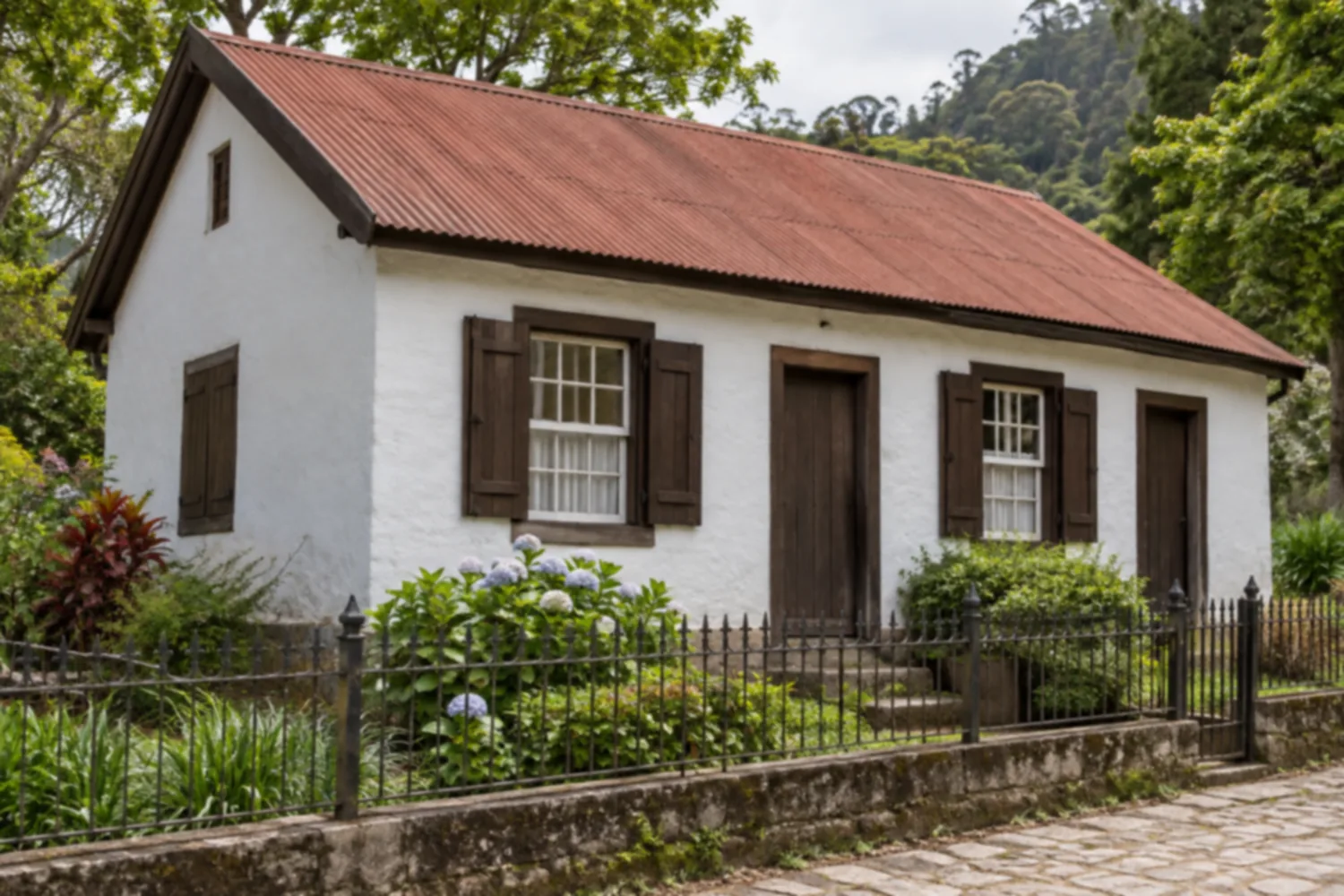
Casa do ColonoA half-timbered house built by the first German immigrants around 1847 and opened as a museum in 1976.
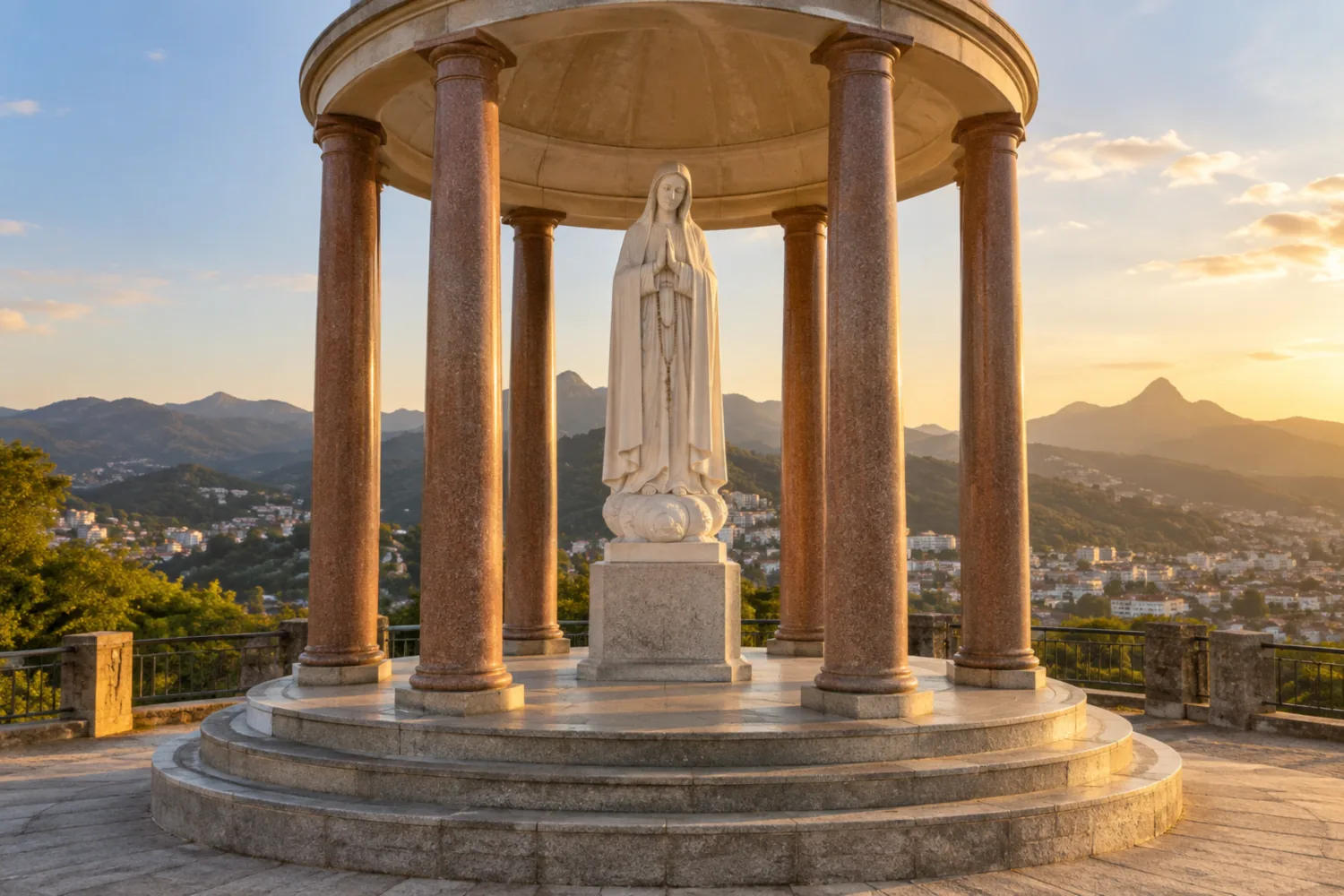
Trono de FátimaA fourteen-meter monument with a statue of Our Lady of Fátima, on a hilltop a few minutes from downtown.
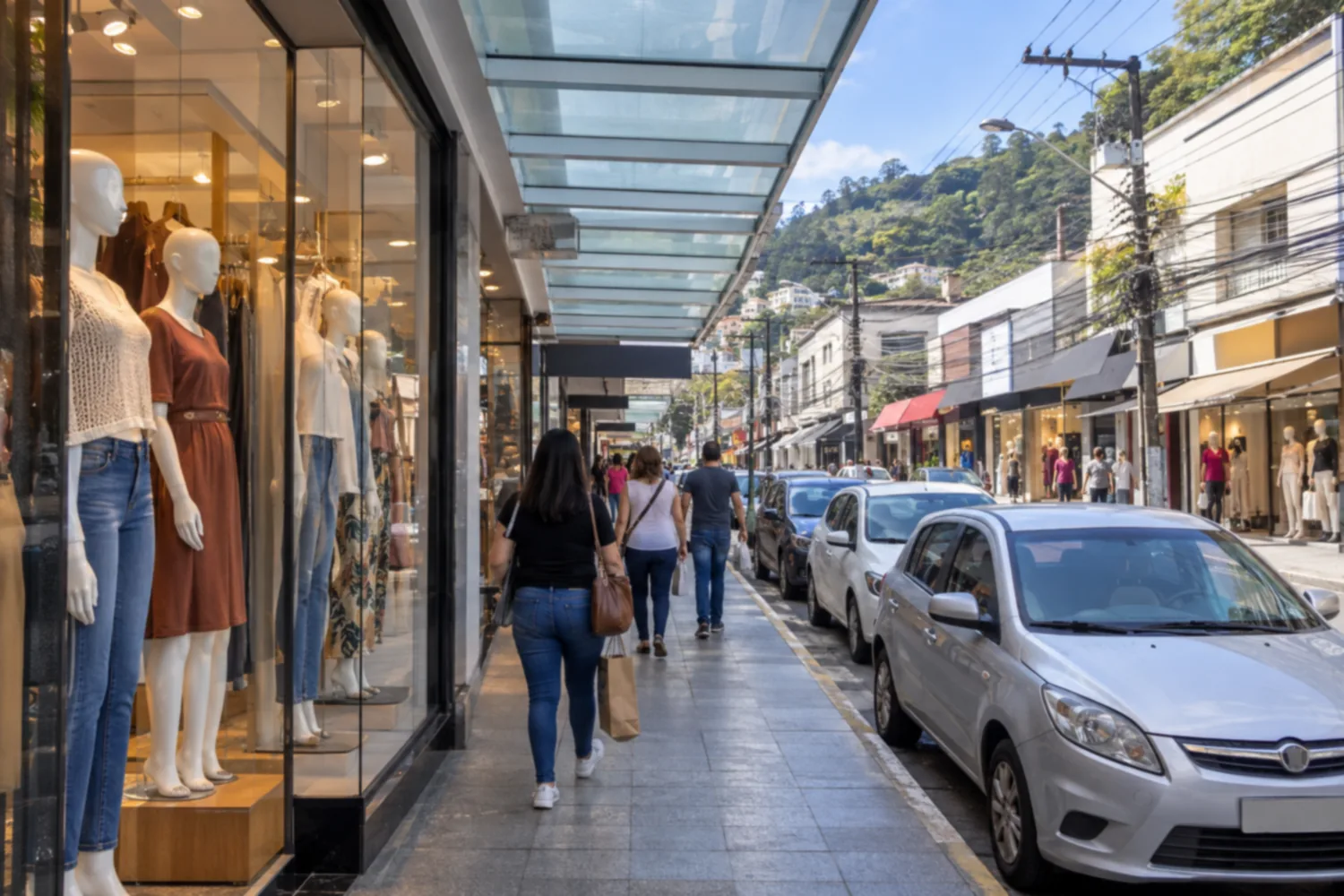
Rua TeresaA clothing shopping street since 1916, known for knitwear sold at factory prices.
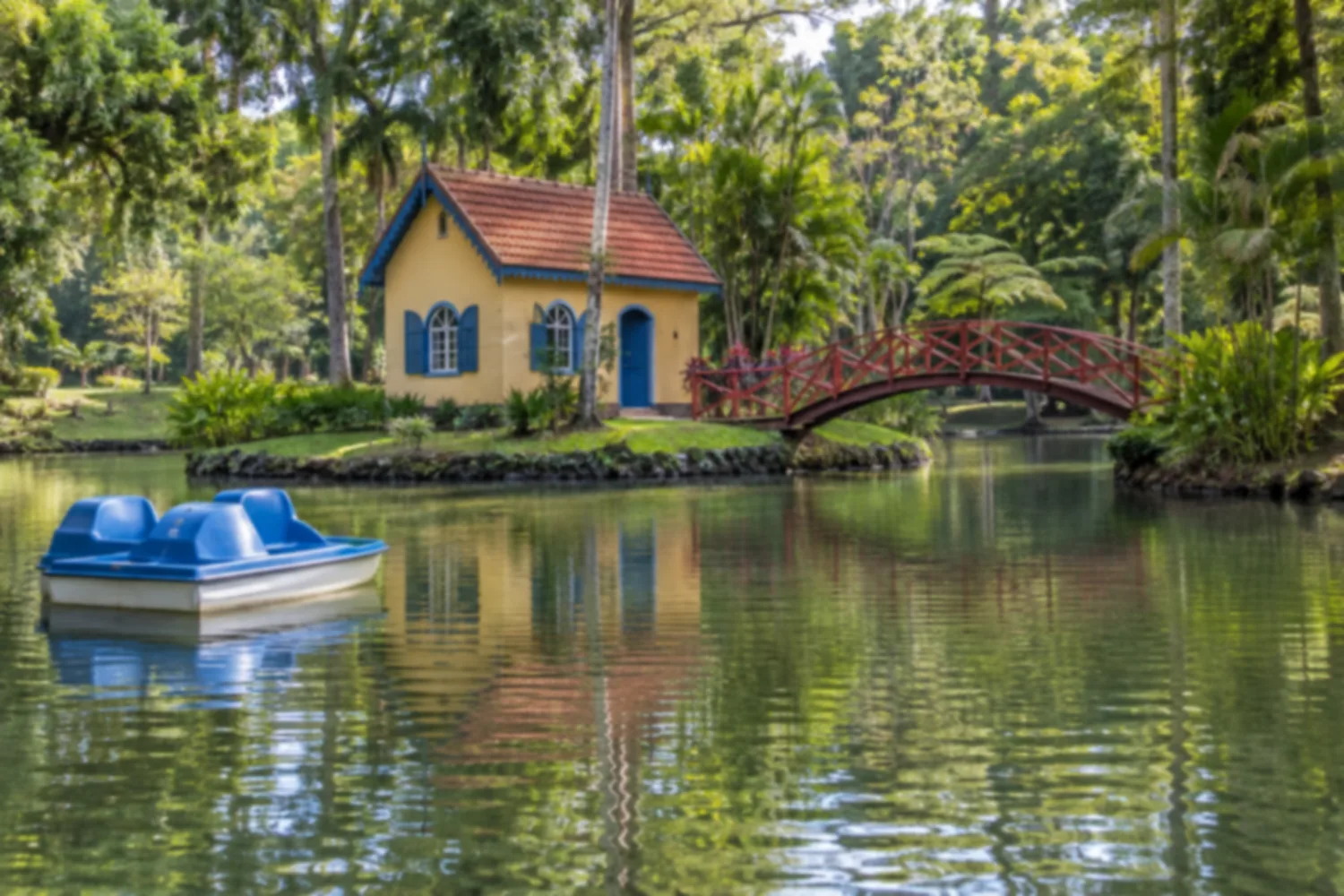
Parque CremerieMore than forty thousand square meters of Atlantic Forest with a lake, pedal boats, a playground and a picnic area.
Housed in Dom Pedro II's former summer palace, it holds hundreds of thousands of items from the imperial period, including the emperor's crown. Visitors walk through the halls in felt slippers to protect the original floors.
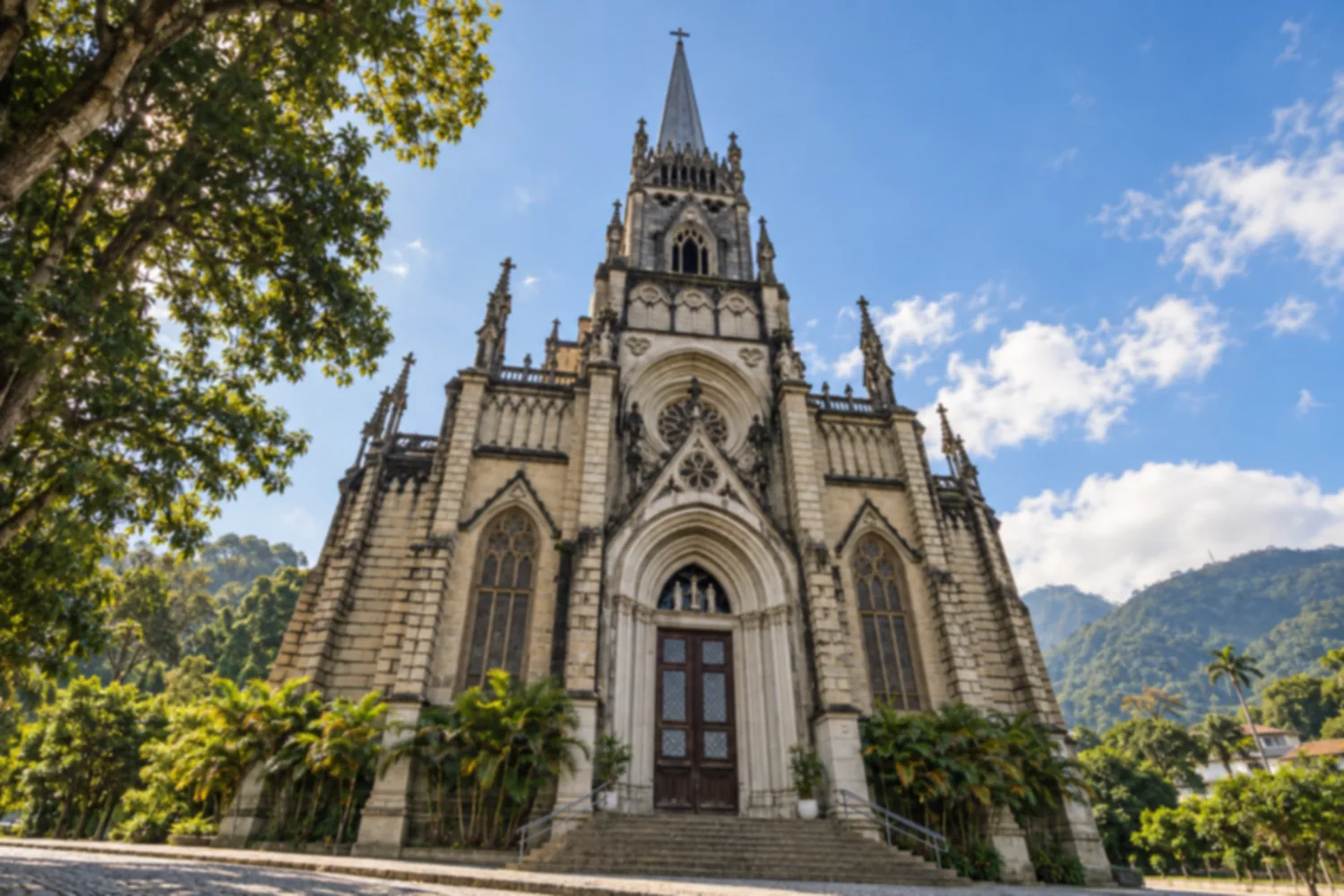
A neo-Gothic cathedral about 70 meters tall, built over almost a century. It houses the Imperial Mausoleum, with the tombs of Dom Pedro II and Empress Teresa Cristina.
A cast-iron and glass pavilion assembled in 1884 for horticultural exhibitions, ordered from France and now used for cultural events. It is one of the city's most recognizable images.
A small summer house designed by the inventor himself in 1918, which he nicknamed A Encantada, full of eccentric touches such as the staircase with alternating steps. It holds personal belongings and an observatory on the terrace.
Built in 1944 to be the largest casino in Latin America, it lost its purpose two years later, when gambling was banned in the country. Today it hosts exhibitions and events, and the lake in front is shaped like the map of Brazil.
The oldest brewery in Brazil, from 1853, turned into a beer museum in the factory's historic building. The tour covers the history and the brewing process and ends with a tasting.
A half-timbered house built by the first German immigrants around 1847 and opened as a museum in 1976. It tells the daily life of the settlers who built the city, before the imperial period it became known for.
A fourteen-meter monument with a statue of Our Lady of Fátima, on a hilltop a few minutes from downtown. It is worth it for the open view of the historic center and the surrounding mountains.
A clothing shopping street since 1916, known for knitwear sold at factory prices. There are hundreds of shops along a gentle slope, busy all year round.
More than forty thousand square meters of Atlantic Forest with a lake, pedal boats, a playground and a picnic area. It is the place for an afternoon with no plans, in the middle of the mountains.
A district about fifteen kilometers from downtown, home to many restaurants, shops and pousadas. It is usually the base for people looking for the more rural, quieter side of the mountains.
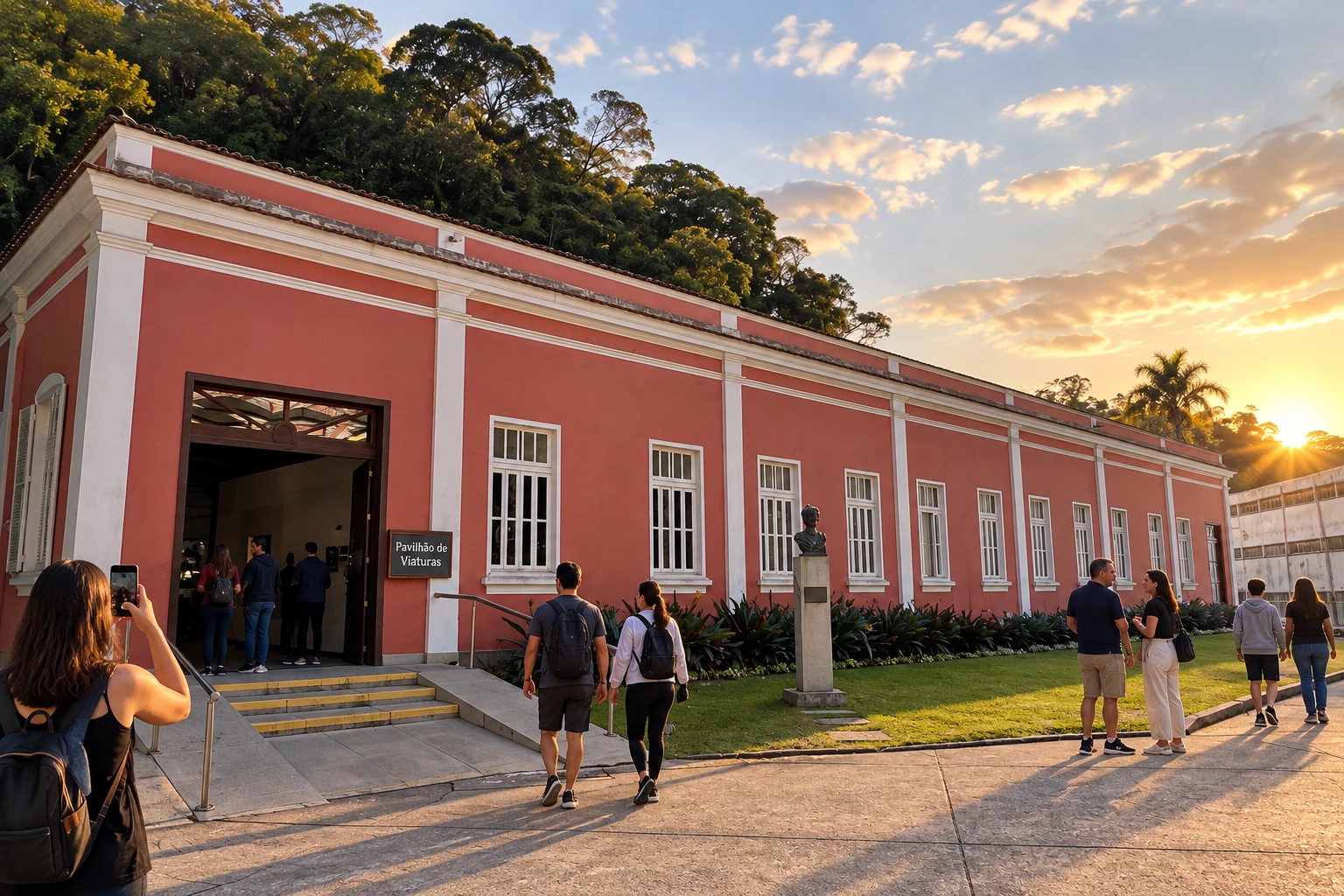
Exhibition annex of the Museu Imperial that brings together 19th-century carriages and vehicles. The highlight is the Berlinda de Aparato, the emperor's state carriage, in a space that reveals the technique, etiquette and transportation of the Brazilian court.
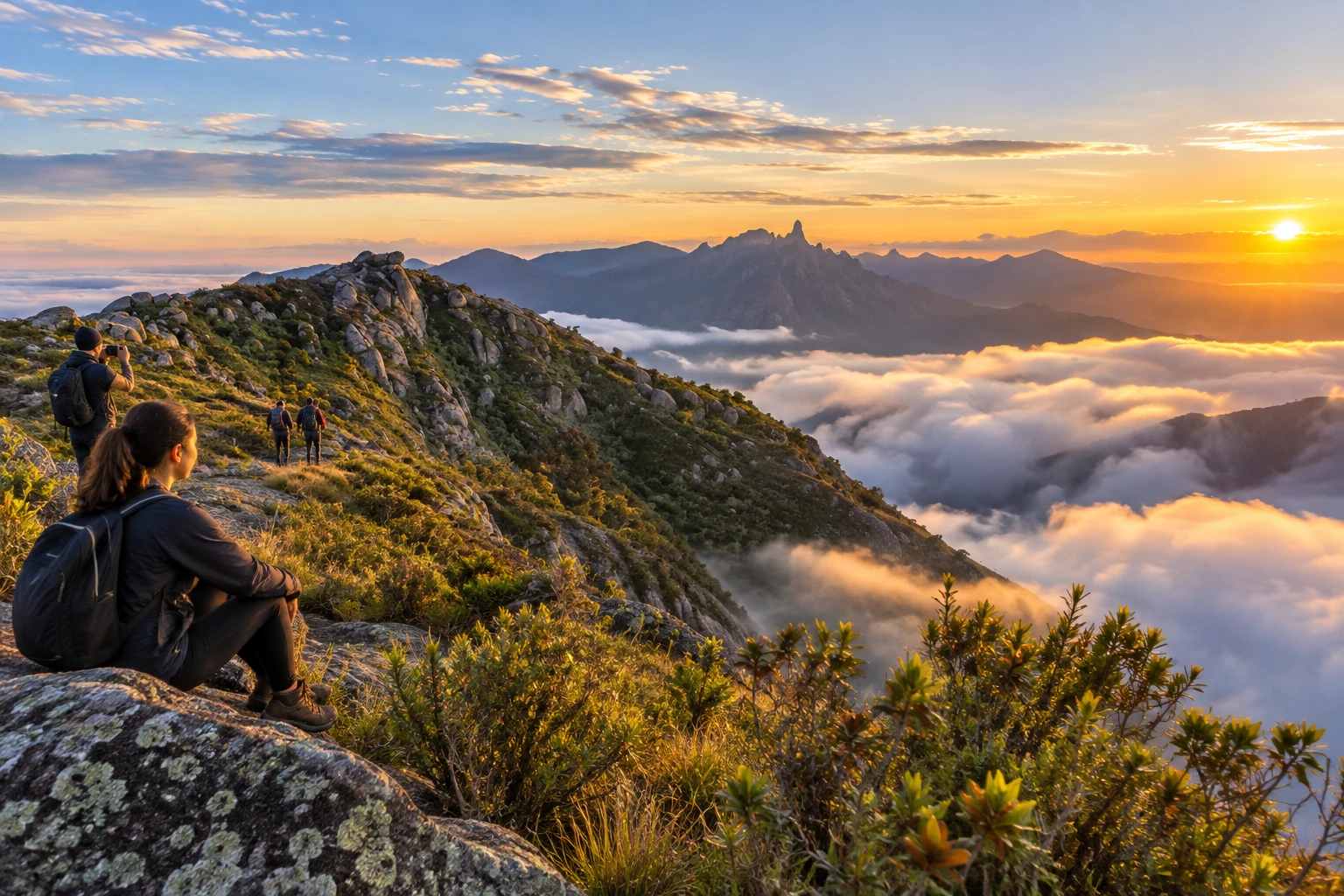
Classic mountain crossing that traverses the high Serra dos Órgãos inside PARNASO, linking the Sede Petrópolis to the Teresópolis sector. Landscapes of granite ridges, high-altitude fields and viewpoints such as Castelos do Açu and Pedra do Sino.
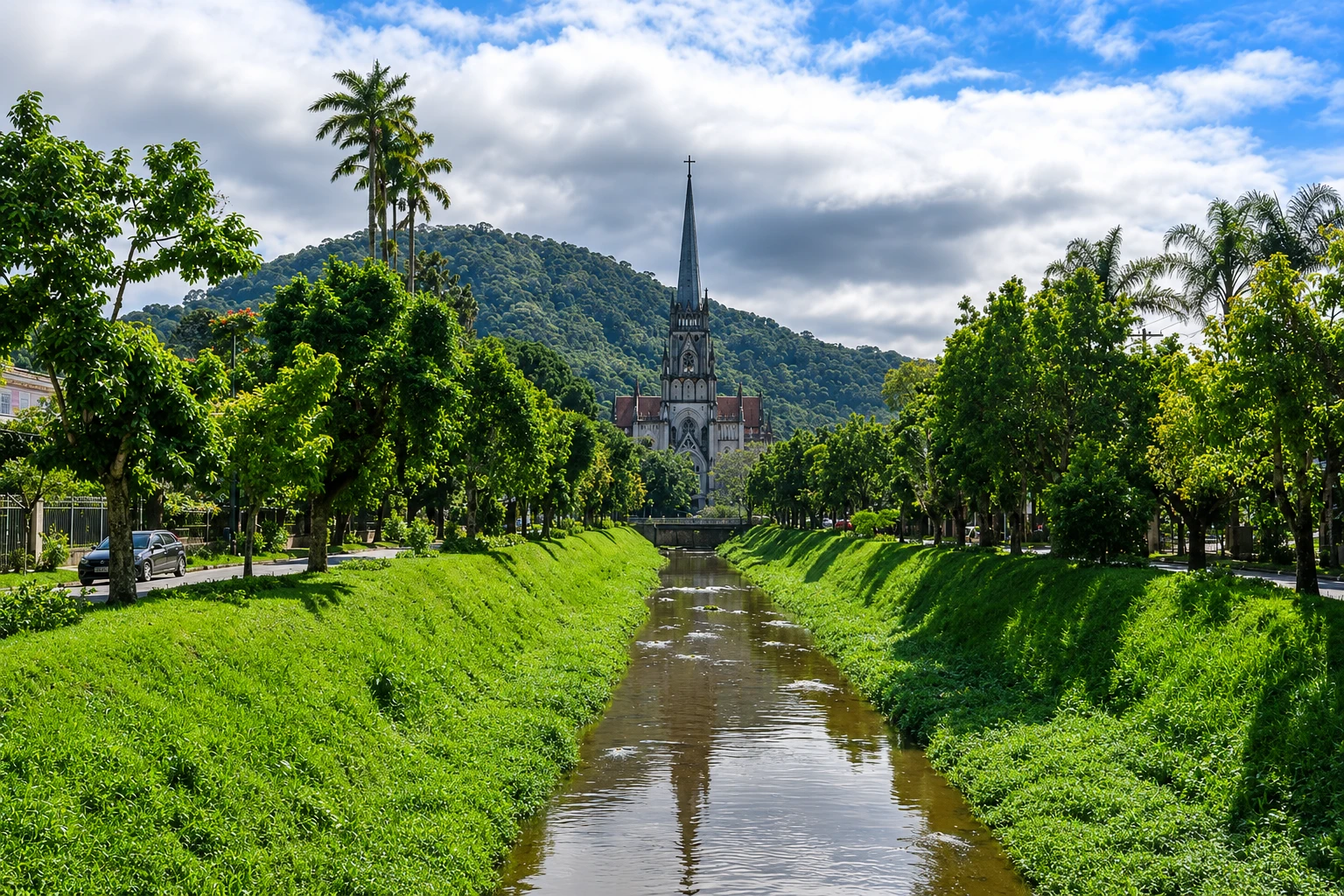
Avenue of about 300 meters along the Quitandinha River in the historic center, with 19th-century mansions, the Casa da Princesa Isabel and the Palácio Rio Negro. From the west end, the view of the canal with the Cathedral in the background is one of the city’s postcards.
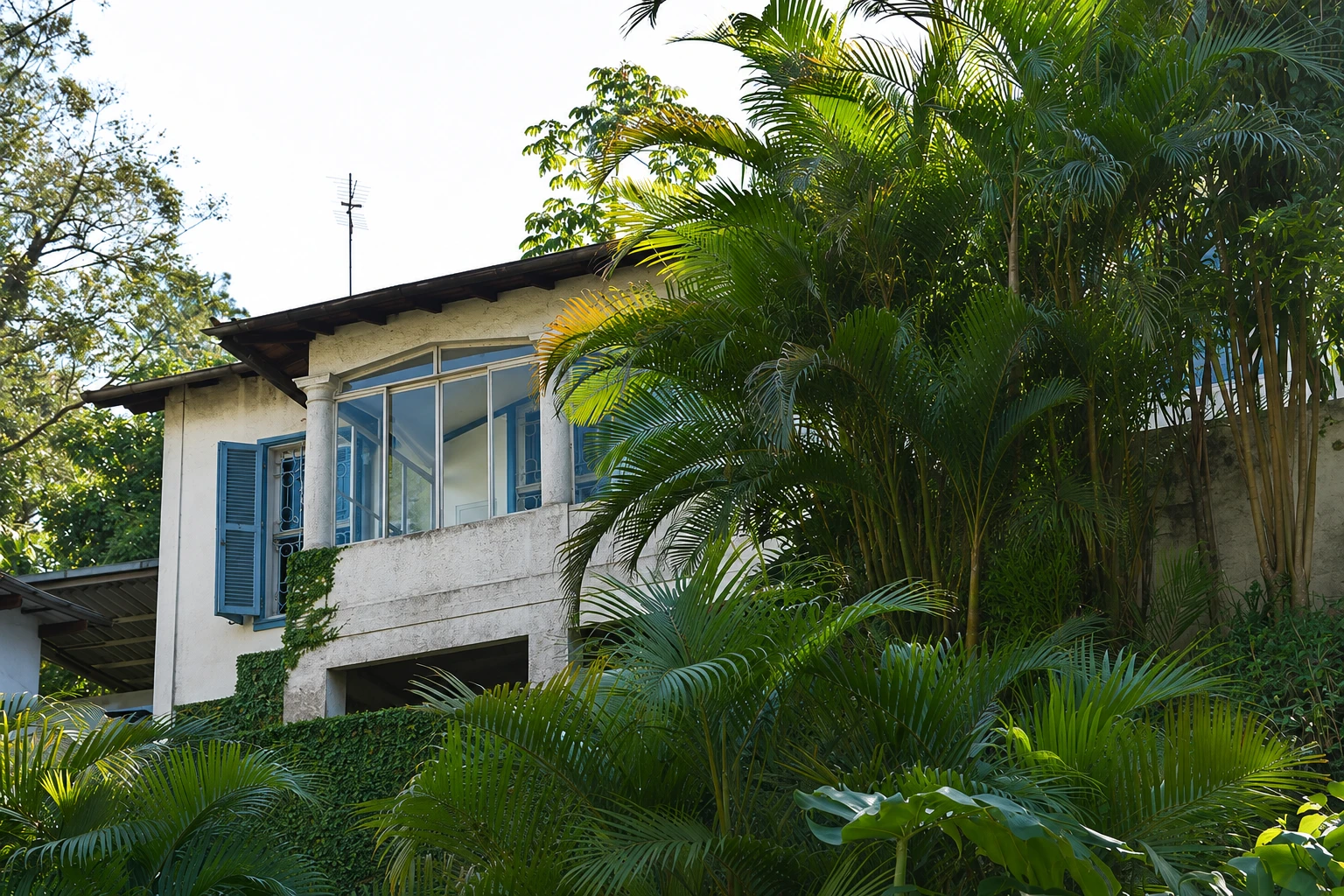
Small house in the Valparaíso neighborhood where the Austrian writer Stefan Zweig lived his final months, in 1941 and 1942. Today it is a museum and a memorial to the writers, artists and scientists who went into exile in Brazil to escape Nazism.
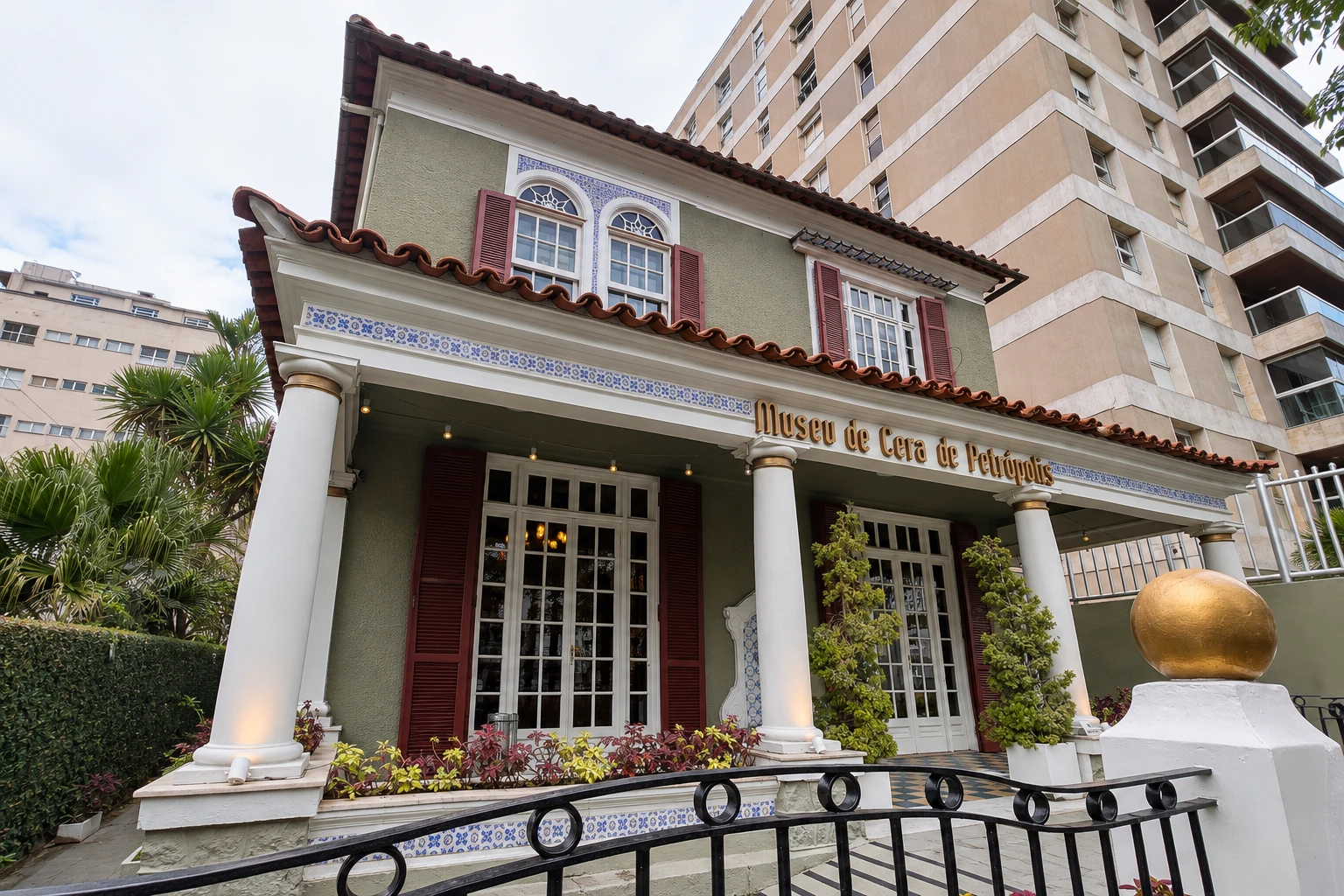
A wax museum with life-size figures in a historic mansion downtown, near Praça da Liberdade. It brings together characters from Brazil’s history, politics, sports, music and cinema, displayed in rooms across the house’s two floors.


 Antarctica
 Argentina
 Bolivia
 Chile
 Colombia
 Ecuador
 Falkland Islands (Malvinas)
 French Guiana
 Guyana
 Paraguay
 Peru
 Suriname
 Uruguay
 Venezuela
 Austria
 Belgium
 Croatia
 Denmark
 Finland
 France
 Germany
 Greece
 Hungary
 Iceland
 Ireland
 Italy
 Luxembourg
 Norway
 Poland
 Portugal
 Slovakia
 Slovenia
 Spain
 Sweden
 Switzerland
 the Czech Republic
 the Netherlands
 the United Kingdom
 Turkey
 Bermuda
 Canada
 Greenland
 Mexico
 Saint Pierre and Miquelon
 the United States
 the Dominican Republic
 Japan
 Egypt
 South Africa
 Australia
 Fiji
 New Zealand
 Papua New Guinea