

 Antarctica
 Argentina
 Bolivia
 Chile
 Colombia
 Ecuador
 Falkland Islands (Malvinas)
 French Guiana
 Guyana
 Paraguay
 Peru
 Suriname
 Uruguay
 Venezuela
 Austria
 Belgium
 Croatia
 Denmark
 Finland
 France
 Germany
 Greece
 Hungary
 Iceland
 Ireland
 Italy
 Luxembourg
 Norway
 Poland
 Portugal
 Slovakia
 Slovenia
 Spain
 Sweden
 Switzerland
 the Czech Republic
 the Netherlands
 the United Kingdom
 Turkey
 Bermuda
 Canada
 Greenland
 Mexico
 Saint Pierre and Miquelon
 the United States
 the Dominican Republic
 Japan
 Egypt
 South Africa
 Australia
 Fiji
 New Zealand
 Papua New Guinea
quilombola community · Paraty, RJ
Quilombo Campinho da Independência
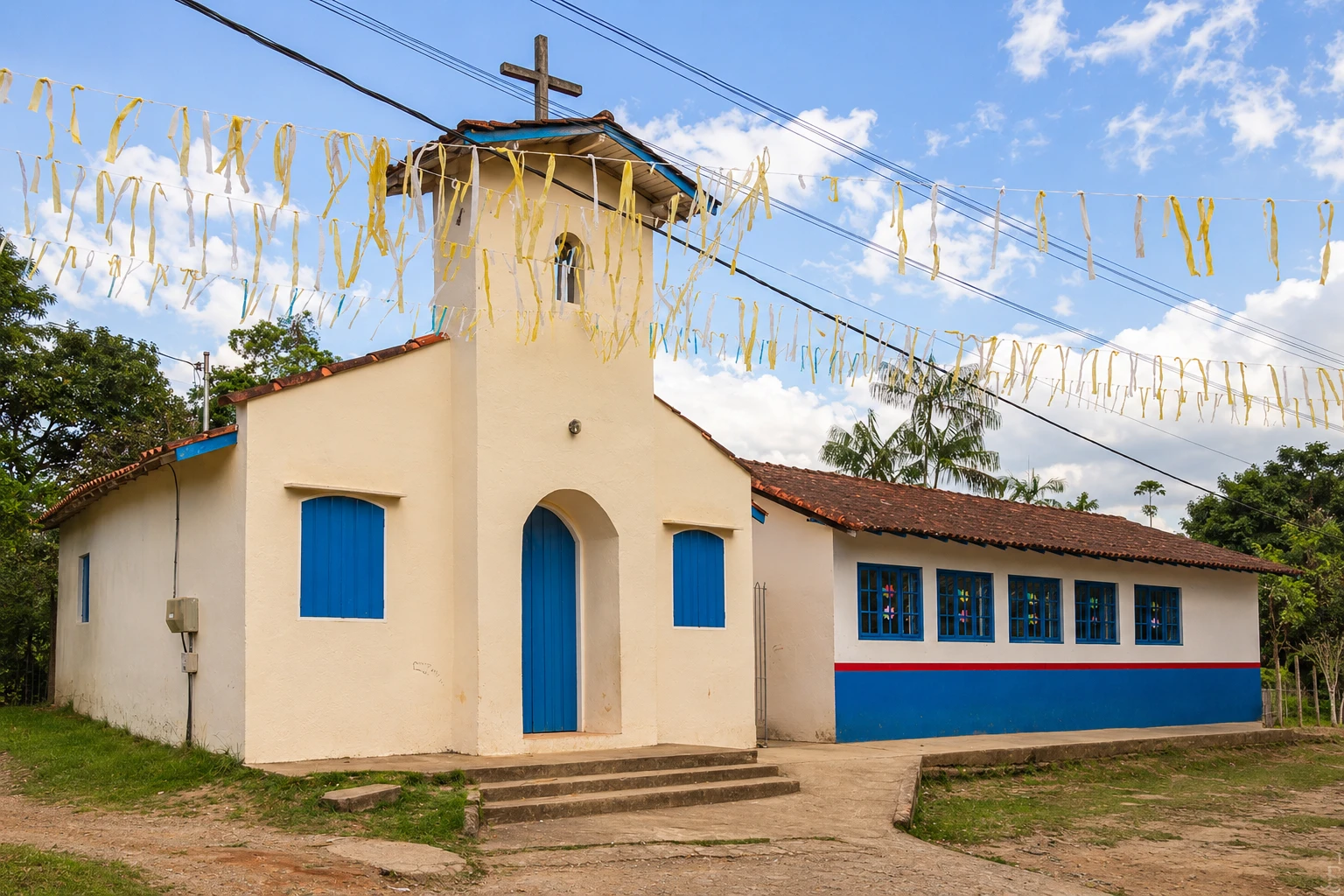
Quilombola community beside the Rio-Santos, south of Paraty; the first in the state of Rio de Janeiro to receive a collective land title. It welcomes visitors on guided itineraries run by the residents themselves, featuring history, crafts and local cuisine.
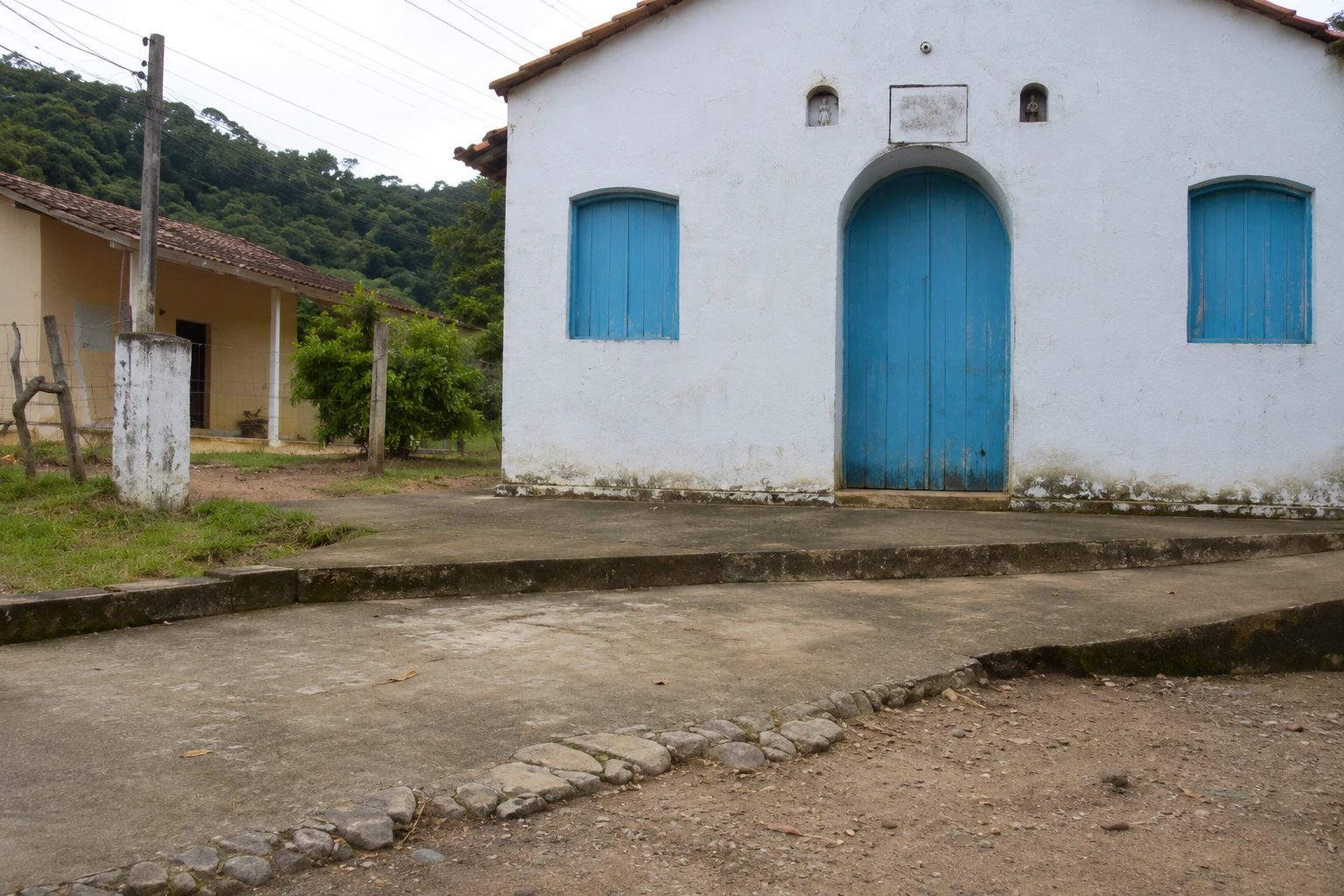
In the photo: Chapel and square of the Quilombo do Campinho da Independência.
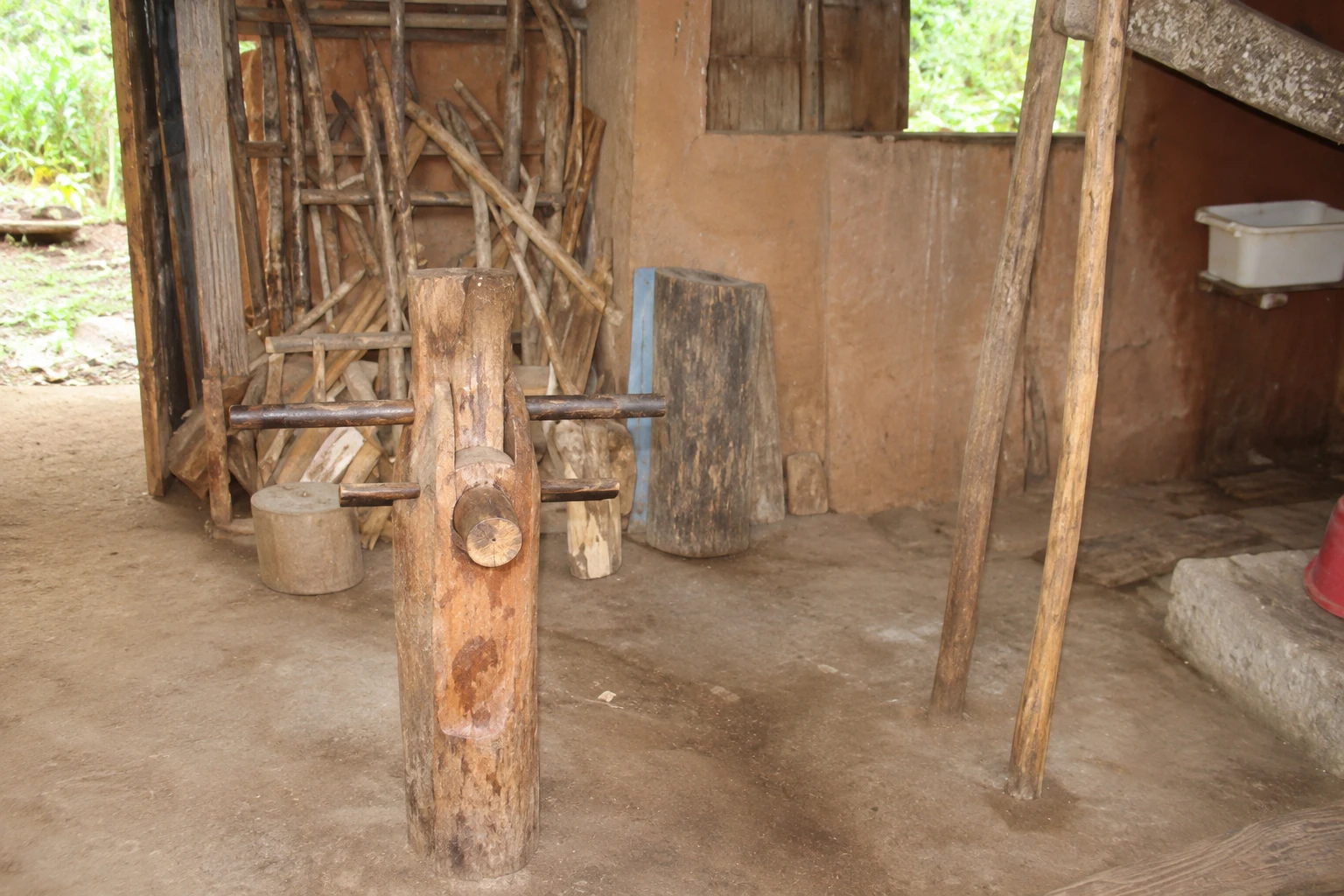
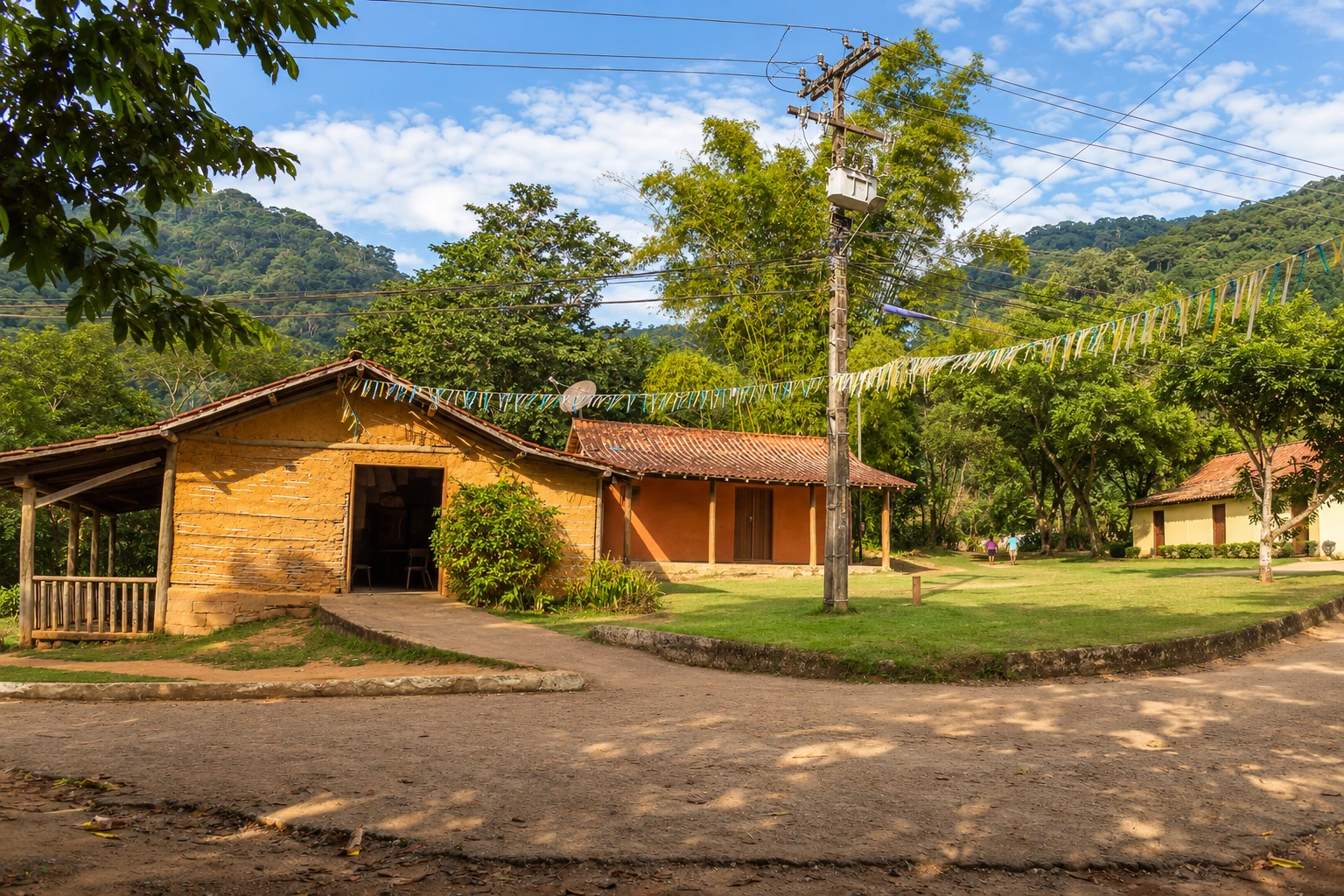
Illustrative images. The pictures in this guide are illustrations based on the real place, not photographs, and may differ from it.


A look at the place
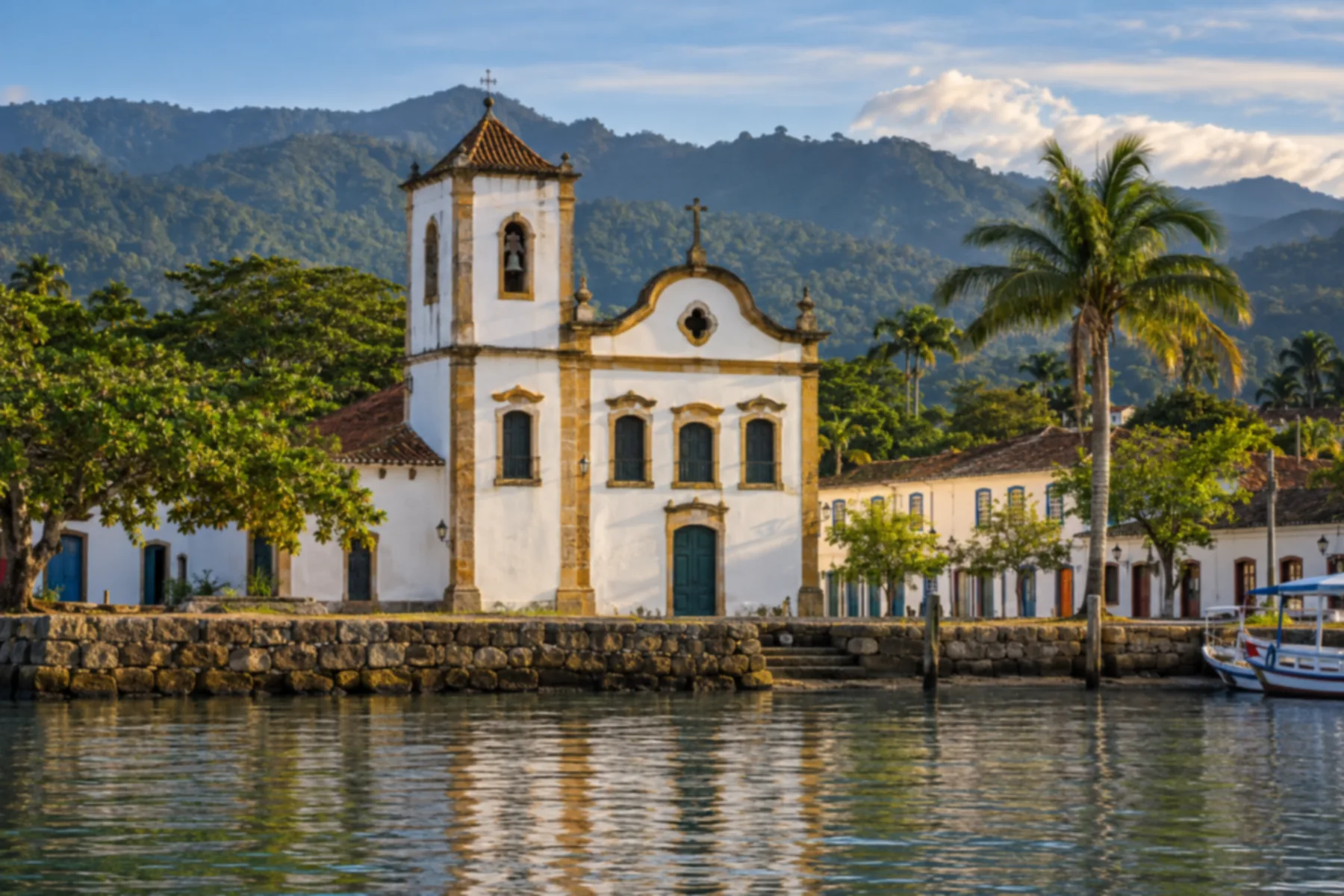
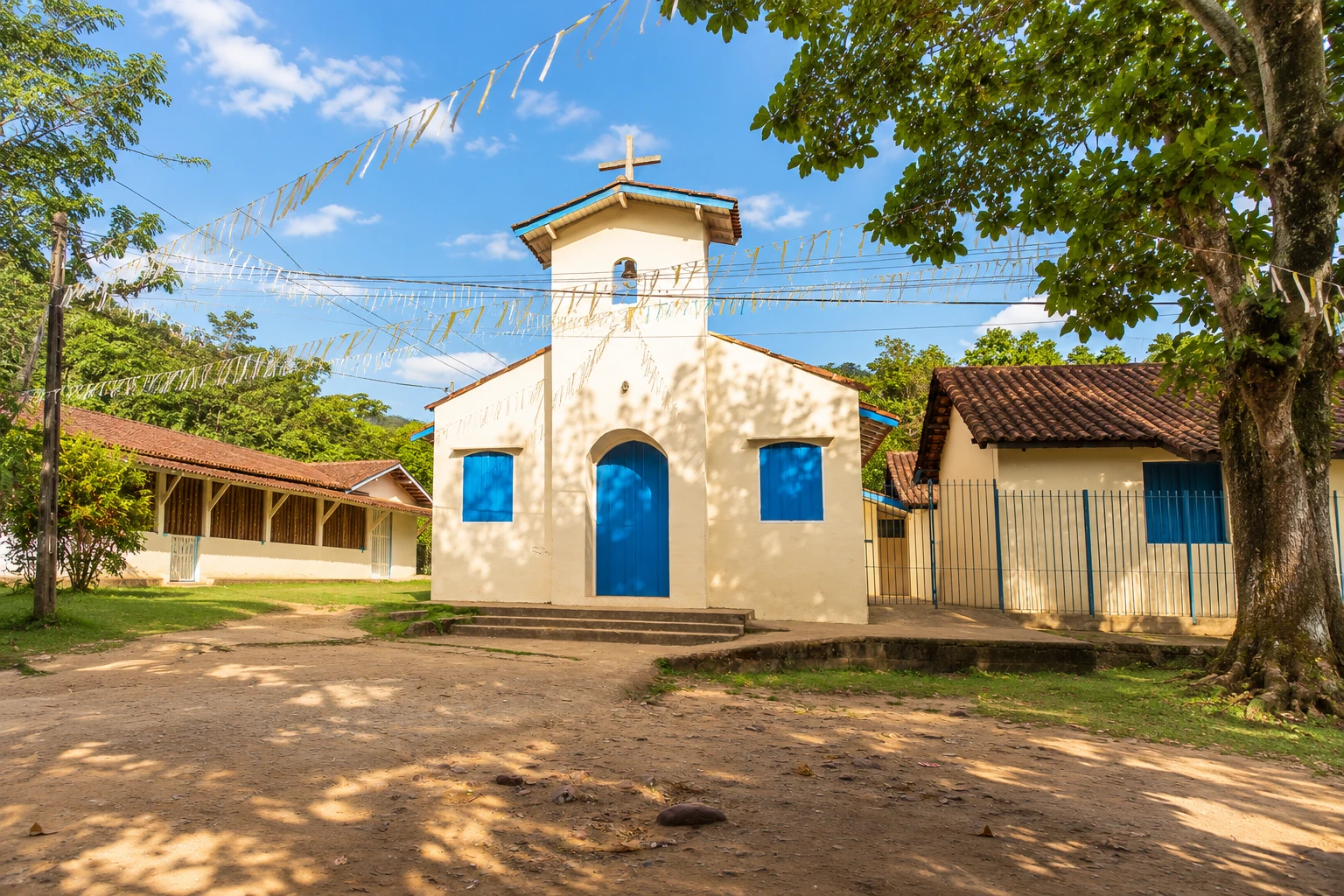
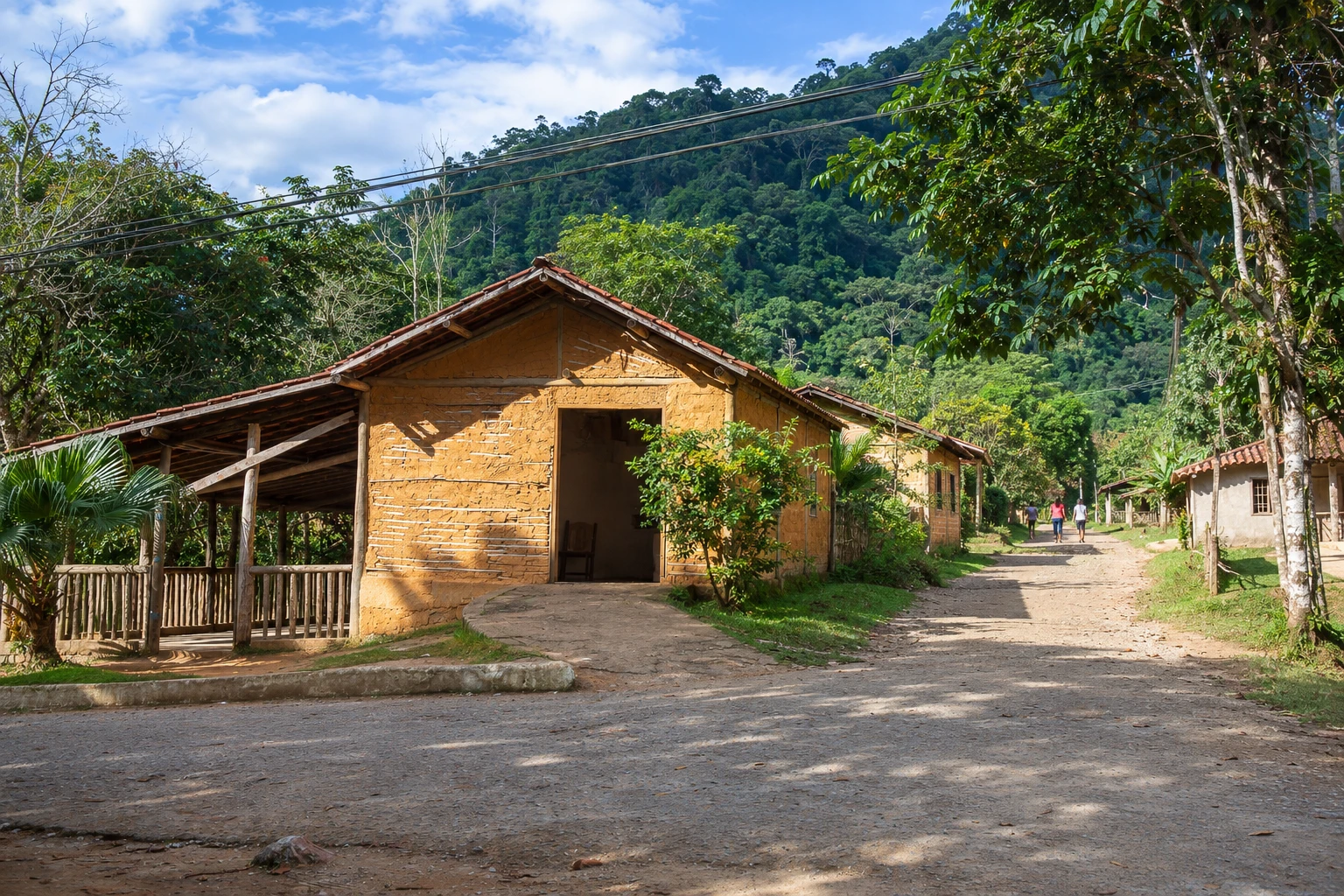
Quilombo Campinho da Independência in pictures
These pictures are illustrations based on the real place, not photographs. They may differ from the place.
Click the picture to enlarge it.
Discover
About Quilombo Campinho da Independência
The Quilombo do Campinho da Independência lies between the villages of Pedras Azuis and Patrimônio, beside the Rio-Santos (BR-101), south of Paraty’s center. The community sits in a valley cut by the Carapitanga River, with fields, backyards and stretches of Atlantic Forest at the foot of the mountain range.
Residents say they descend from three enslaved women — Antonica, Marcelina and Luiza — who remained on the lands of the former Fazenda Independência after abolition, when the landowners left the area. After decades of struggle for possession, Campinho became the first quilombo in the state of Rio de Janeiro to receive a collective land title, in 1999.
Tourism is organized by the community itself, which takes part in Paraty’s community-based tourism networks. Visits are usually guided by residents and cover the quilombo’s history, its territory, the crops and the crafts, an activity passed down through generations. Food prepared in the community is often included in the itinerary.
More than a sightseeing visit, it is a conversation about memory, territory and Black resistance on the coast of Rio de Janeiro, told by those who live there. Photographing people and houses is allowed only with permission.
Guided visits must be arranged in advance with the residents’ association or with agencies that work with the quilombo. Check the days, rules and what is included in the itinerary beforehand.
Before you go
Practical information
Cidade Turismo reviews its information regularly, but something may have changed. Check with the place before planning your trip.
How much time to set aside
2 to 4 hours for the guided itinerary, depending on what is arranged with the community. With lunch, reserve half a day.
Best time
All year round, with visits arranged in advance. From April to September it rains less and dirt paths stay drier; from December to March summer rains are more frequent.
How to get there
From Paraty’s center, follow the Rio-Santos (BR-101) toward Ubatuba until Campinho, between Pedras Azuis and Patrimônio, before the access road to Trindade. Municipal buses heading to the southern part of the municipality travel along the highway in front of the community.
Tip
Arrange the visit in advance and ask whether the itinerary includes a meal. Bring cash for crafts made by the community and respect the request not to photograph people without permission.
Your questions
Frequently asked questions about Quilombo Campinho da Independência
Where is the Quilombo do Campinho da Independência located?
Beside the Rio-Santos (BR-101), south of Paraty’s center, between the villages of Pedras Azuis and Patrimônio, before the access to Trindade.
How do I visit the Quilombo do Campinho?
On a guided itinerary led by residents, arranged in advance with the community association or with Paraty agencies that work with the quilombo.
What is the history of the Quilombo do Campinho da Independência?
Residents descend from three enslaved women who remained on the lands of the former Fazenda Independência after abolition. In 1999 Campinho was the first quilombo in the state of Rio de Janeiro to receive a collective land title.
What activities are included in a visit to the Quilombo do Campinho?
The itinerary typically includes the community’s history, the territory, the fields, the crafts made by residents and local food.
Can you take photos in the Quilombo do Campinho?
Landscapes, yes; people and houses only with permission. Ask the community guide at the start of the visit.