

 Antarctica
 Argentina
 Bolivia
 Chile
 Colombia
 Ecuador
 Falkland Islands (Malvinas)
 French Guiana
 Guyana
 Paraguay
 Peru
 Suriname
 Uruguay
 Venezuela
 Austria
 Belgium
 Croatia
 Denmark
 Finland
 France
 Germany
 Greece
 Hungary
 Iceland
 Ireland
 Italy
 Luxembourg
 Norway
 Poland
 Portugal
 Slovakia
 Slovenia
 Spain
 Sweden
 Switzerland
 the Czech Republic
 the Netherlands
 the United Kingdom
 Turkey
 Bermuda
 Canada
 Greenland
 Mexico
 Saint Pierre and Miquelon
 the United States
 the Dominican Republic
 Japan
 Egypt
 South Africa
 Australia
 Fiji
 New Zealand
 Papua New Guinea
fort · Paraty, RJ
Fort Defensor Perpetuo
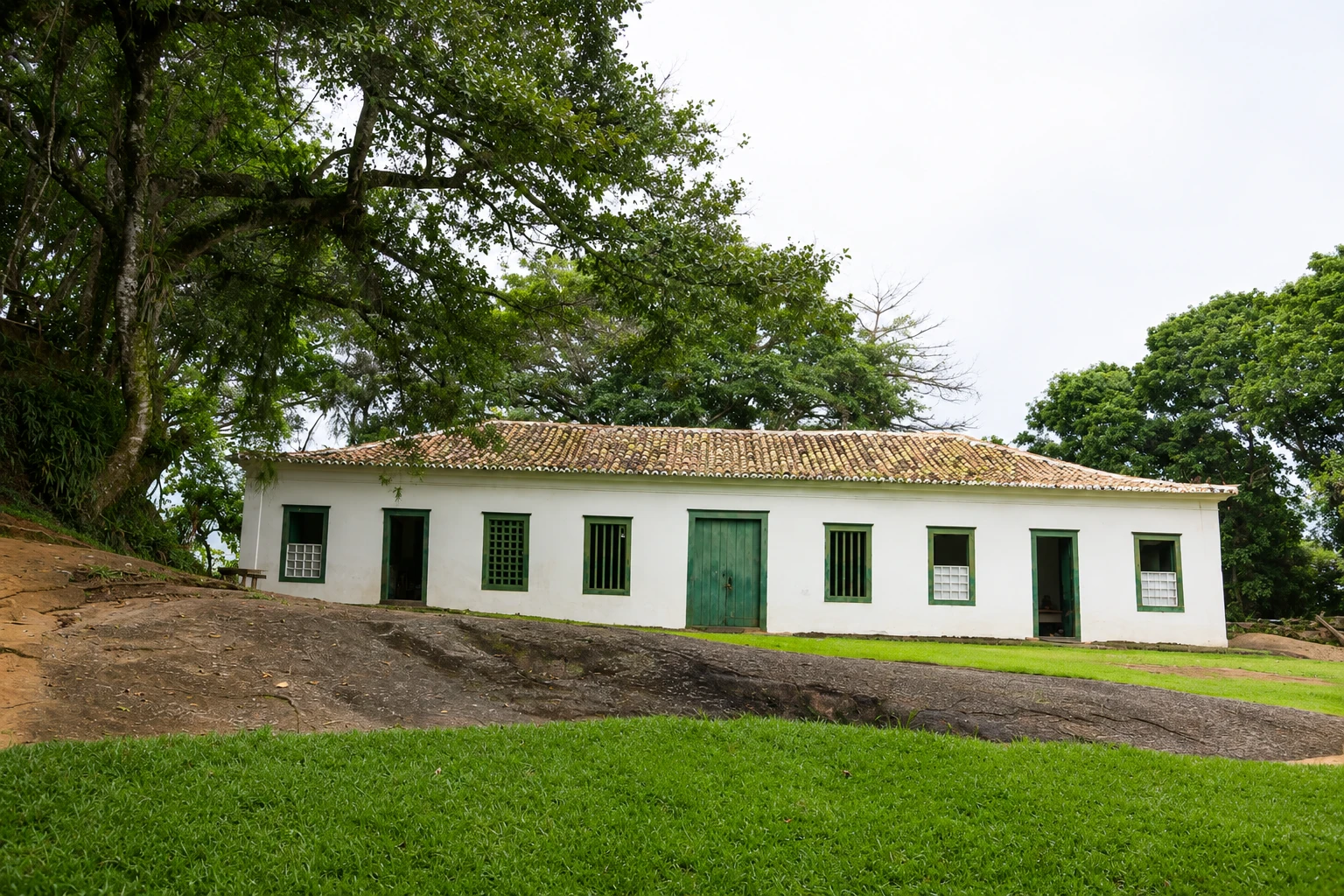
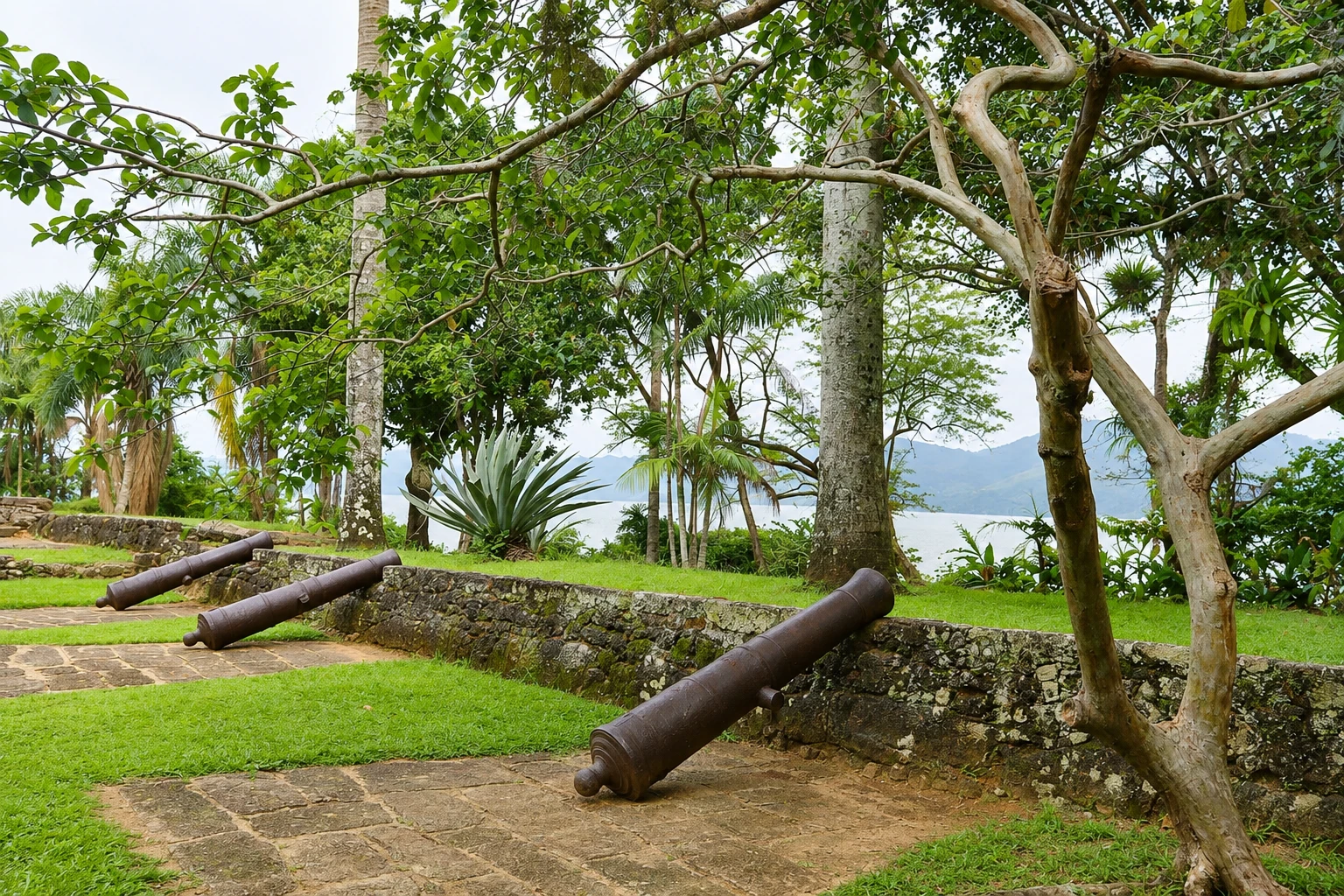
Fort on Morro da Vila Velha, in the Pontal neighborhood, with stone walls, cannons facing Paraty Bay and an Ibram museum about the region's caiçara history and culture. It's a short walk from the historic center.
In the photo: Facade of Forte Defensor Perpétuo, among trees on Morro do Forte, in Paraty.
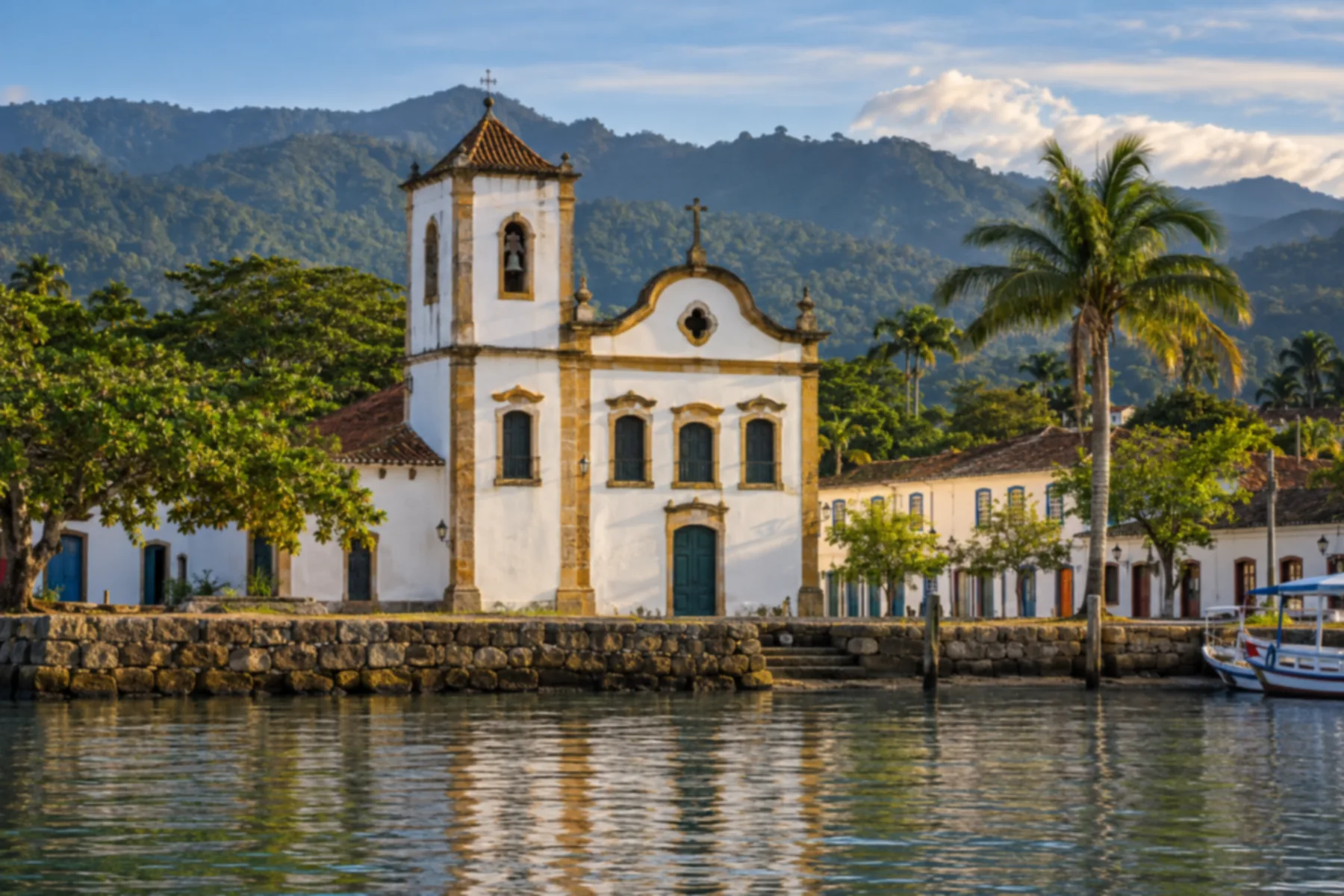
Illustrative images. The pictures in this guide are illustrations based on the real place, not photographs, and may differ from it.


A look at the place
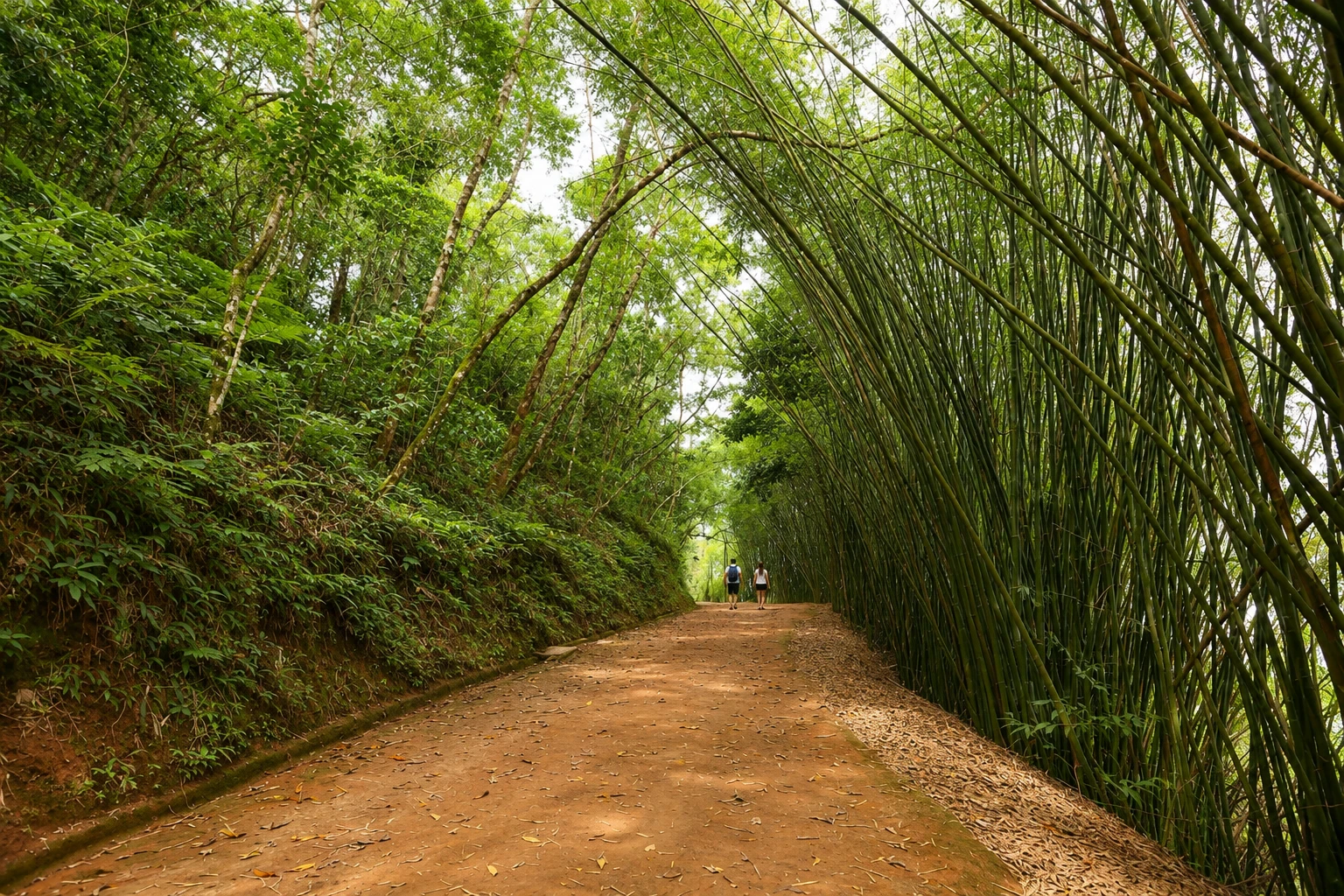
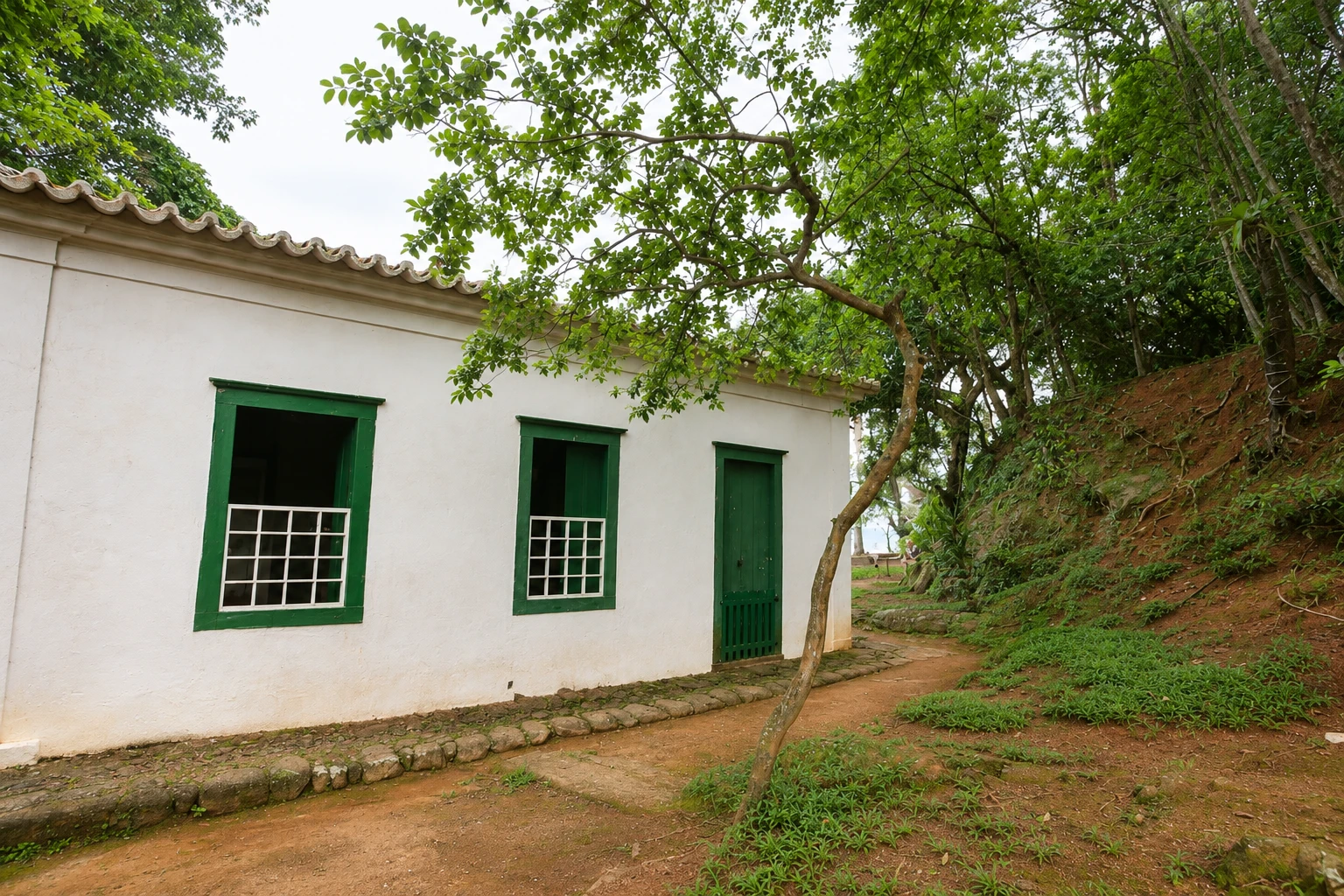
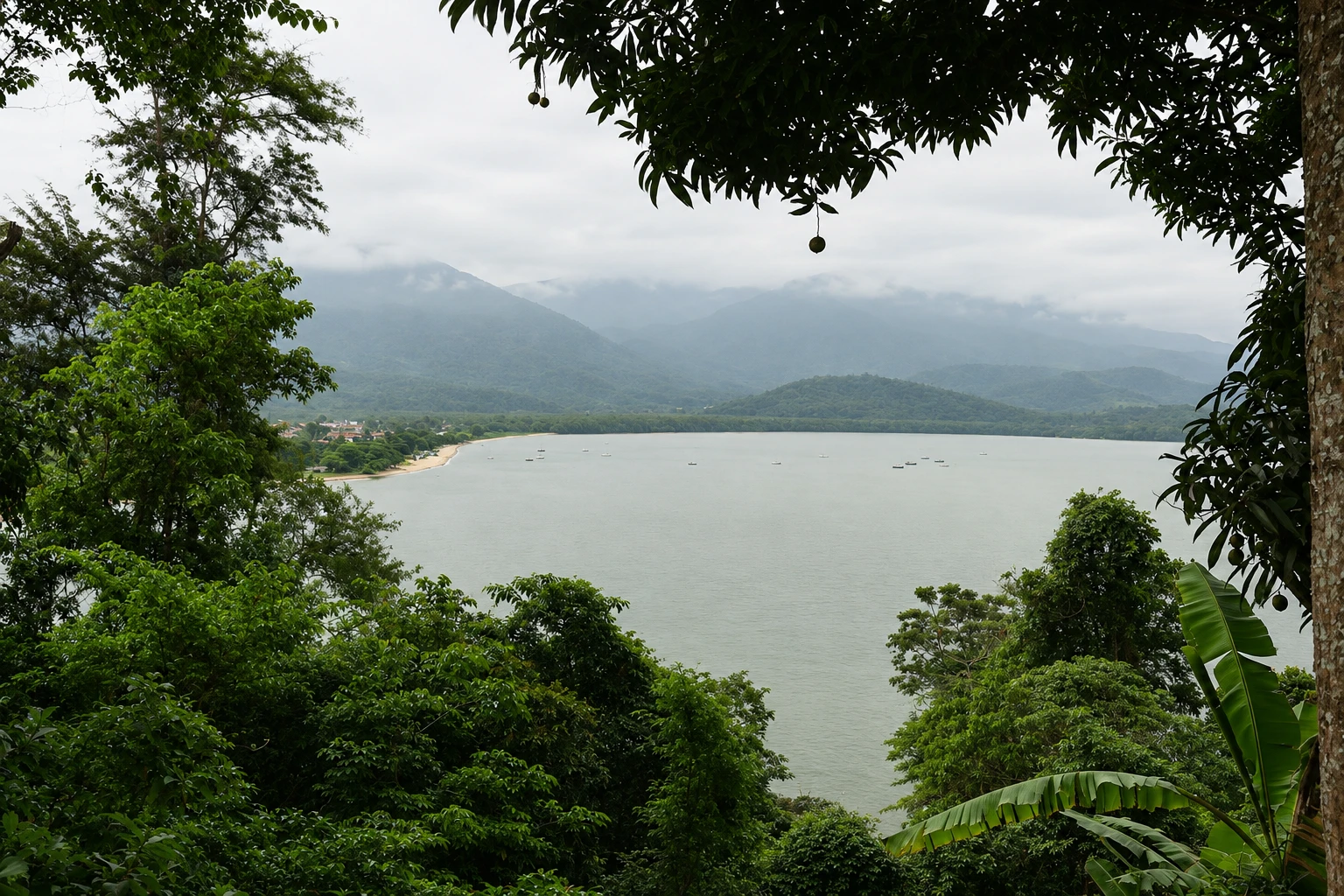
Fort Defensor Perpetuo in pictures
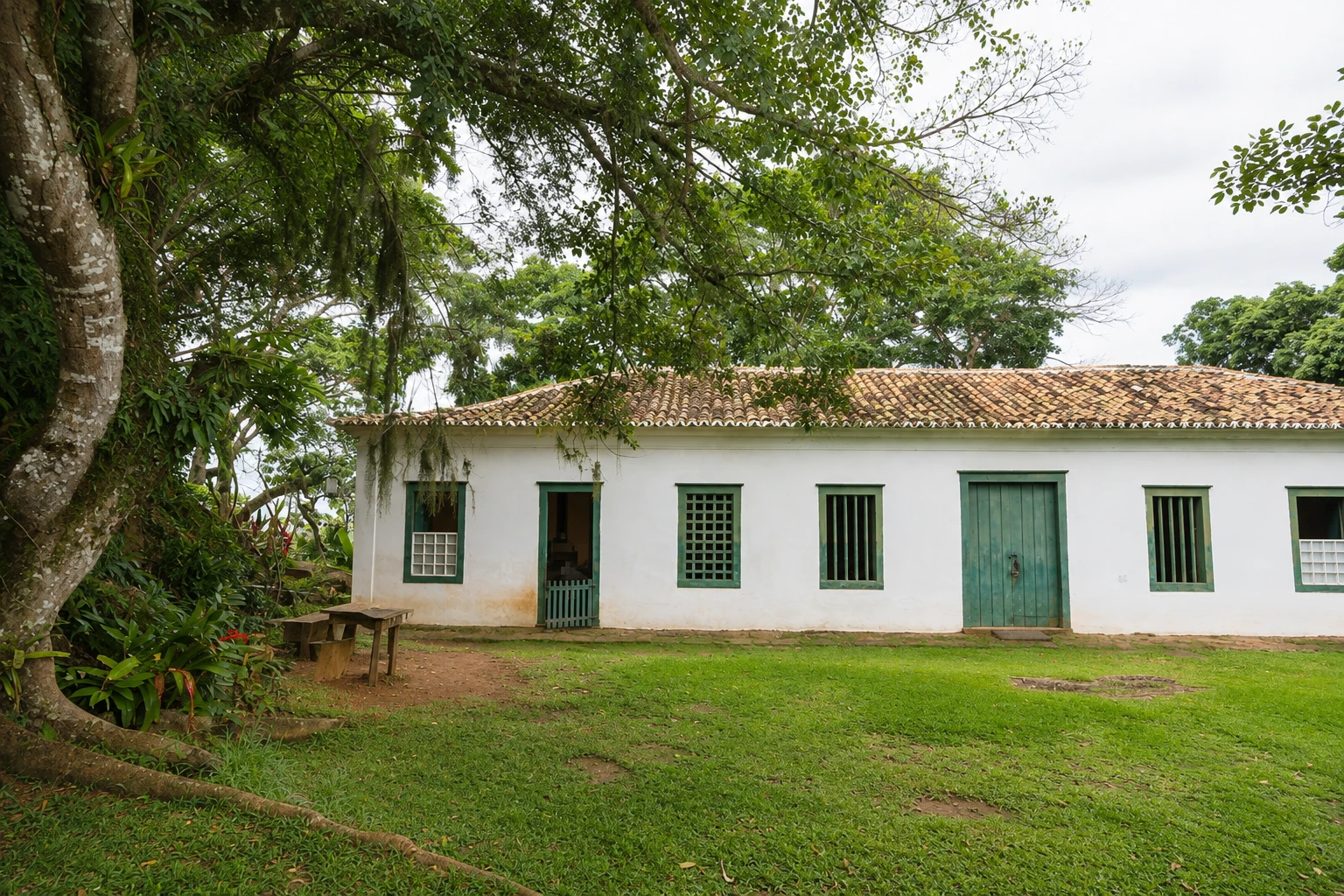
These pictures are illustrations based on the real place, not photographs. They may differ from the place.
Click the picture to enlarge it.
Discover
About Fort Defensor Perpetuo
The Forte Defensor Perpétuo sits atop Morro da Vila Velha, in the Pontal neighborhood, where Paraty’s first settlement was located. From the wall facing the bay you can see the mouth of the Perequê-Açu River, the beaches of Pontal and Jabaquara, and, in the distance, the islands and the mountain range.
There are documents indicating an earlier defense at the site as far back as the 18th century, to protect the loading of gold coming down the Estrada Real. The building seen today was constructed in 1822, amid the tensions of Independence, and was named in honor of Dom Pedro I, the “Defensor Perpétuo do Brasil.” The fort was disarmed in the mid-19th century, listed as federal heritage in 1957, and restored the following decade.
The visit begins in the garden, with cannons pointed toward the sea and the stone walls. In the manor house is the Museu Forte Defensor Perpétuo, managed by the Brazilian Institute of Museums (Ibram), with exhibitions about Paraty and the fort’s history, old weapons, pieces of caiçara culture, and objects from the slavery period.
The path there is part of the charm: from the historic center you cross the bridge over the Perequê-Açu, follow the Pontal waterfront and climb a paved hill through the forest. The climb is short but steep in some stretches.
The museum is not open every day. Check Ibram’s official channel for days and hours before you go.
Before you go
Practical information
Cidade Turismo reviews its information regularly, but something may have changed. Check with the place before planning your trip.
How much time to set aside
From 1 hour to 1 hour and a half, counting the walk from the historic center, the garden with the cannons and the museum.
Best time
All year round, on the days the museum is open. In the morning the light is good for views of the bay and the climb is cooler; on rainy days the hill becomes slippery.
How to get there
From Paraty’s historic center, cross the bridge over the Perequê-Açu River, follow the Pontal seafront to the end and climb the hill of Morro da Vila Velha — about a 20-minute walk in total. By car, access is via Avenida Orlando Carpinelli, in Pontal, with limited parking near the climb.
Tip
Walk along the Pontal waterfront and combine the visit with Praia do Jabaquara, just ahead. Bring water and wear sturdy shoes for the stone hill.
Official website
Your questions
Frequently asked questions about Fort Defensor Perpetuo
How do you get to Forte Defensor Perpétuo from Paraty’s center?
On foot: cross the bridge over the Perequê-Açu River, follow the Pontal waterfront and climb the hill of Morro da Vila Velha. It’s about a 20-minute walk.
What is there to see at Forte Defensor Perpétuo?
Stone walls, cannons facing the bay and the Museu Forte Defensor Perpétuo, with exhibitions on Paraty’s history and caiçara culture.
When was Forte Defensor Perpétuo built?
The current building dates from 1822 and honors Dom Pedro I. There is evidence of an earlier defense on the same hill from the 18th century, linked to the loading of gold from the Estrada Real.
Is the museum at Forte Defensor Perpétuo open every day?
No. The museum, run by the Brazilian Institute of Museums, has fixed opening days and is closed part of the week. Check the official channel for days and hours before you go.
Is the climb to Forte Defensor Perpétuo difficult?
It’s short, along a paved hill through the forest, with some steep stretches. With sturdy footwear, most visitors climb it without difficulty.