

 Antarctica
 Argentina
 Bolivia
 Chile
 Colombia
 Ecuador
 Falkland Islands (Malvinas)
 French Guiana
 Guyana
 Paraguay
 Peru
 Suriname
 Uruguay
 Venezuela
 Austria
 Belgium
 Croatia
 Denmark
 Finland
 France
 Germany
 Greece
 Hungary
 Iceland
 Ireland
 Italy
 Luxembourg
 Norway
 Poland
 Portugal
 Slovakia
 Slovenia
 Spain
 Sweden
 Switzerland
 the Czech Republic
 the Netherlands
 the United Kingdom
 Turkey
 Bermuda
 Canada
 Greenland
 Mexico
 Saint Pierre and Miquelon
 the United States
 the Dominican Republic
 Japan
 Egypt
 South Africa
 Australia
 Fiji
 New Zealand
 Papua New Guinea
national park · Itatiaia, RJ
Itatiaia National Park
Brazil’s first national park, created in 1937 in the Serra da Mantiqueira. The lower sector, a few kilometers from Itatiaia, has waterfalls, pools and forest trails; the higher sector has peaks and high-altitude fields.
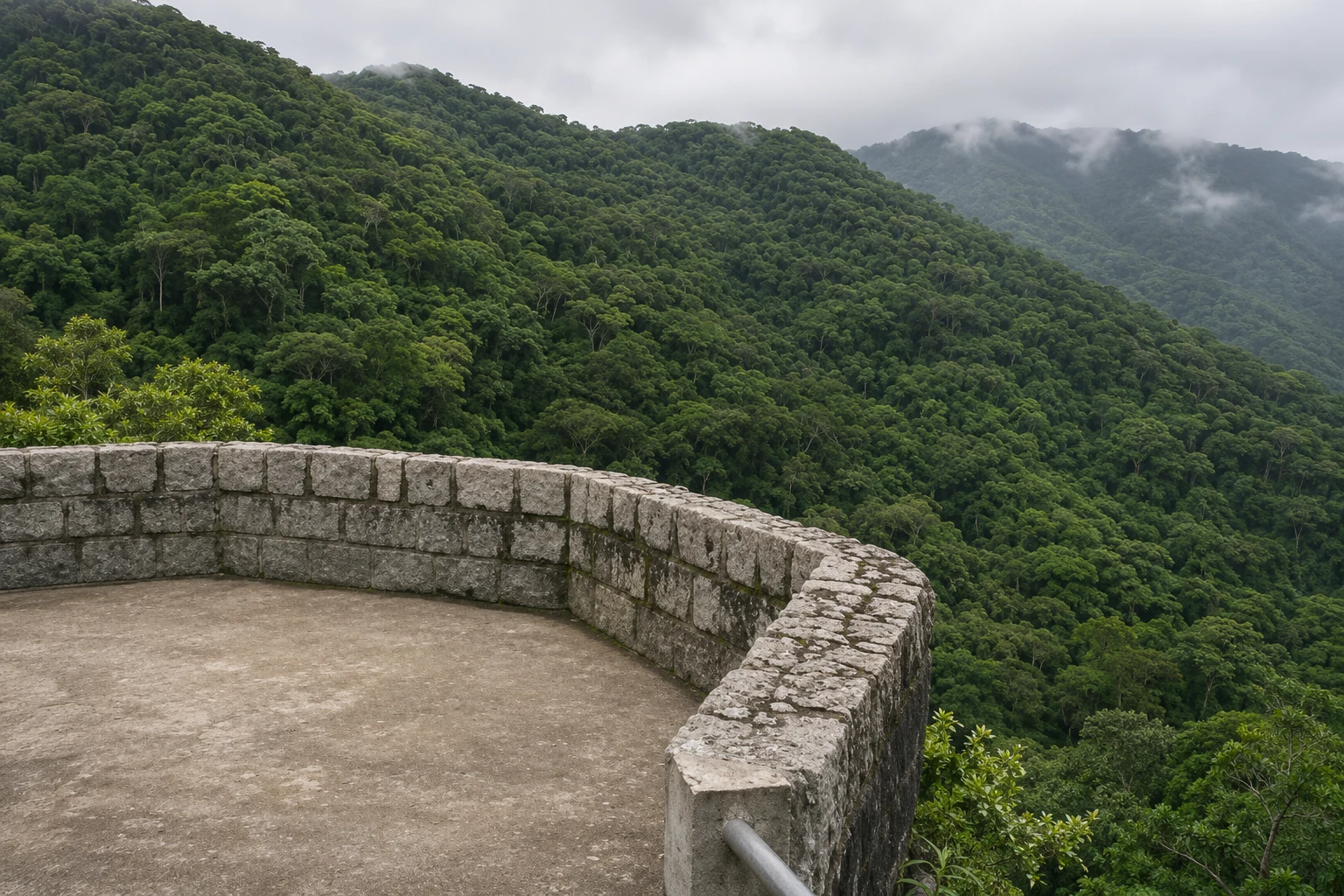
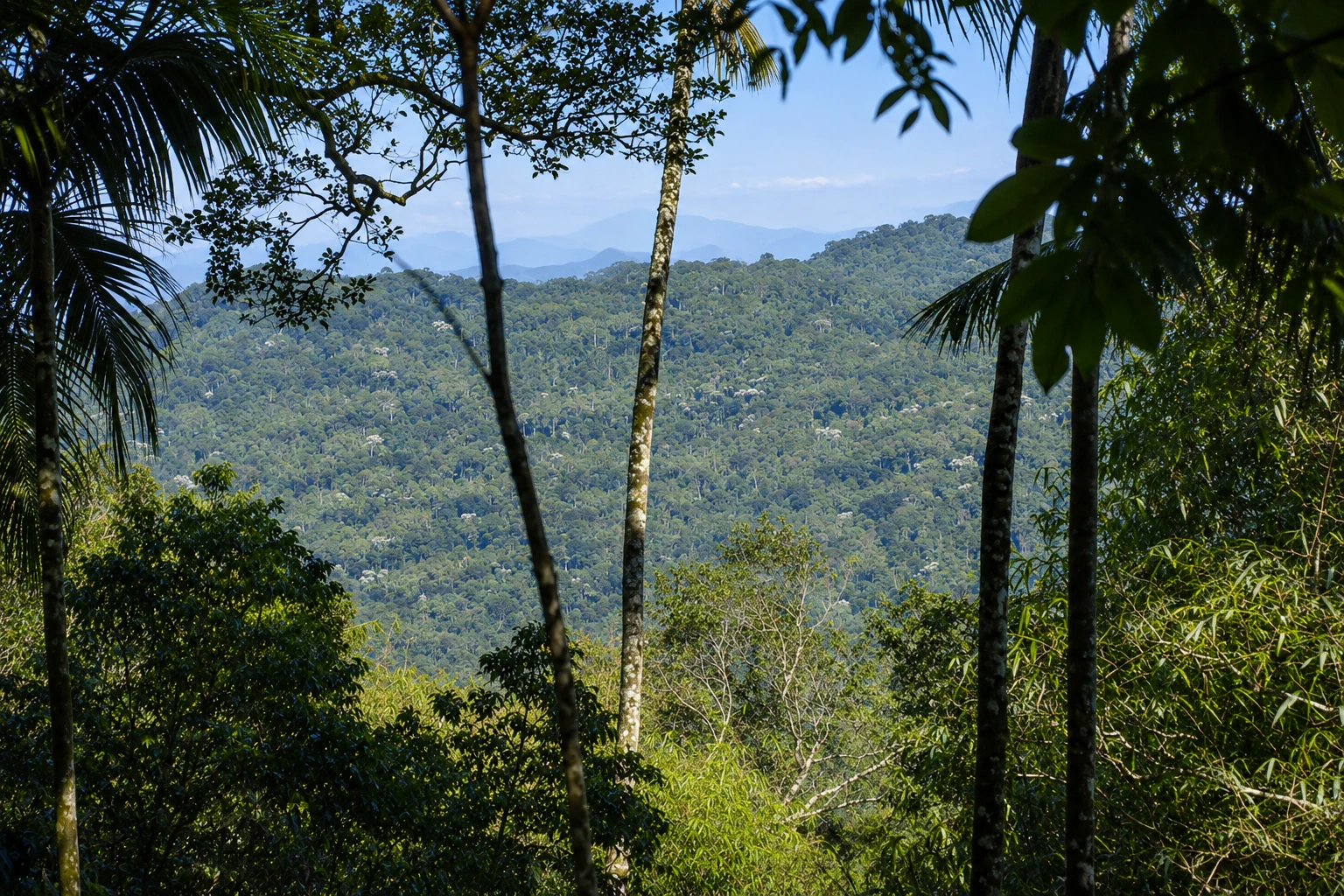
In the photo: Mirante do Último Adeus and slopes covered by Atlantic Forest in Itatiaia National Park.
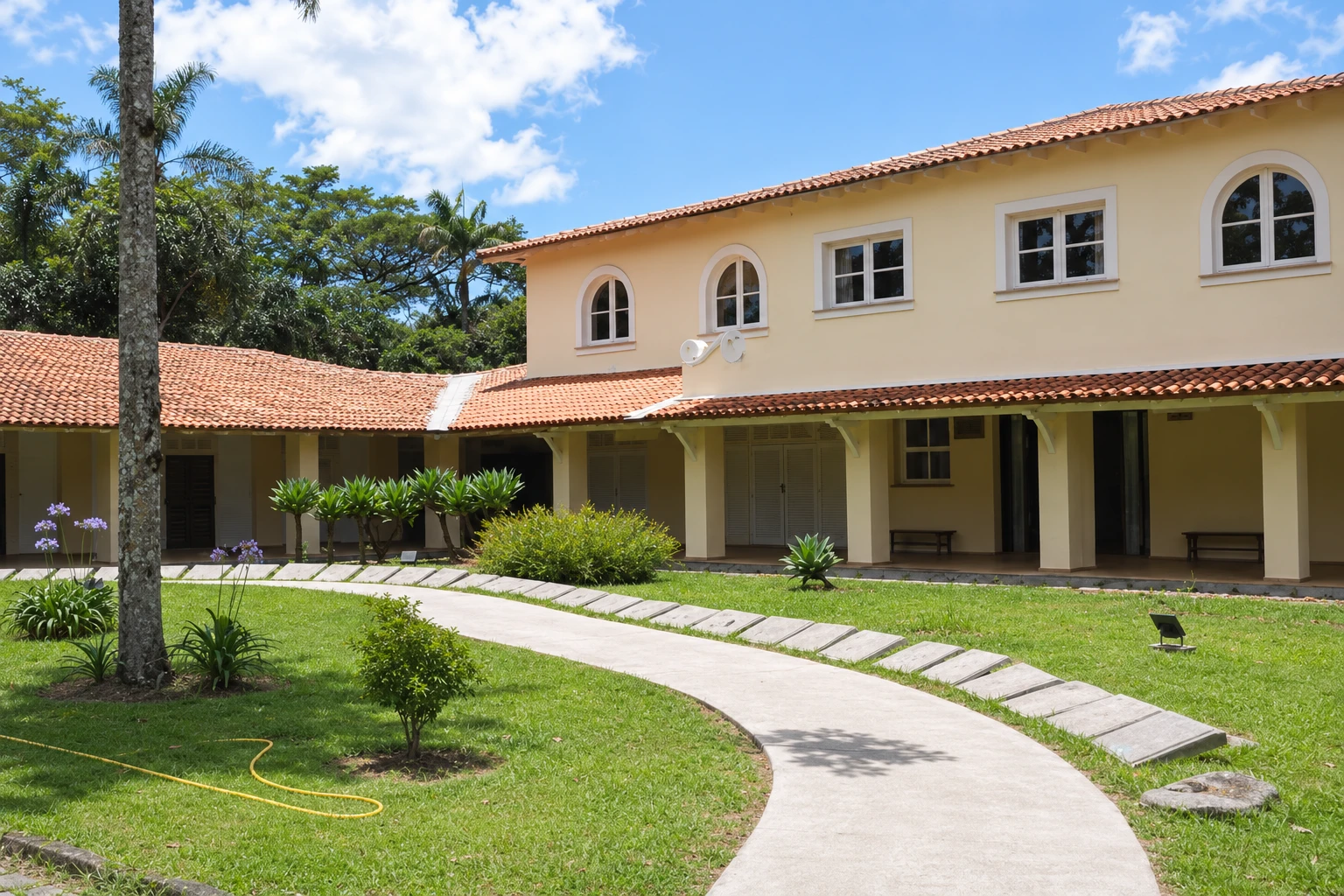
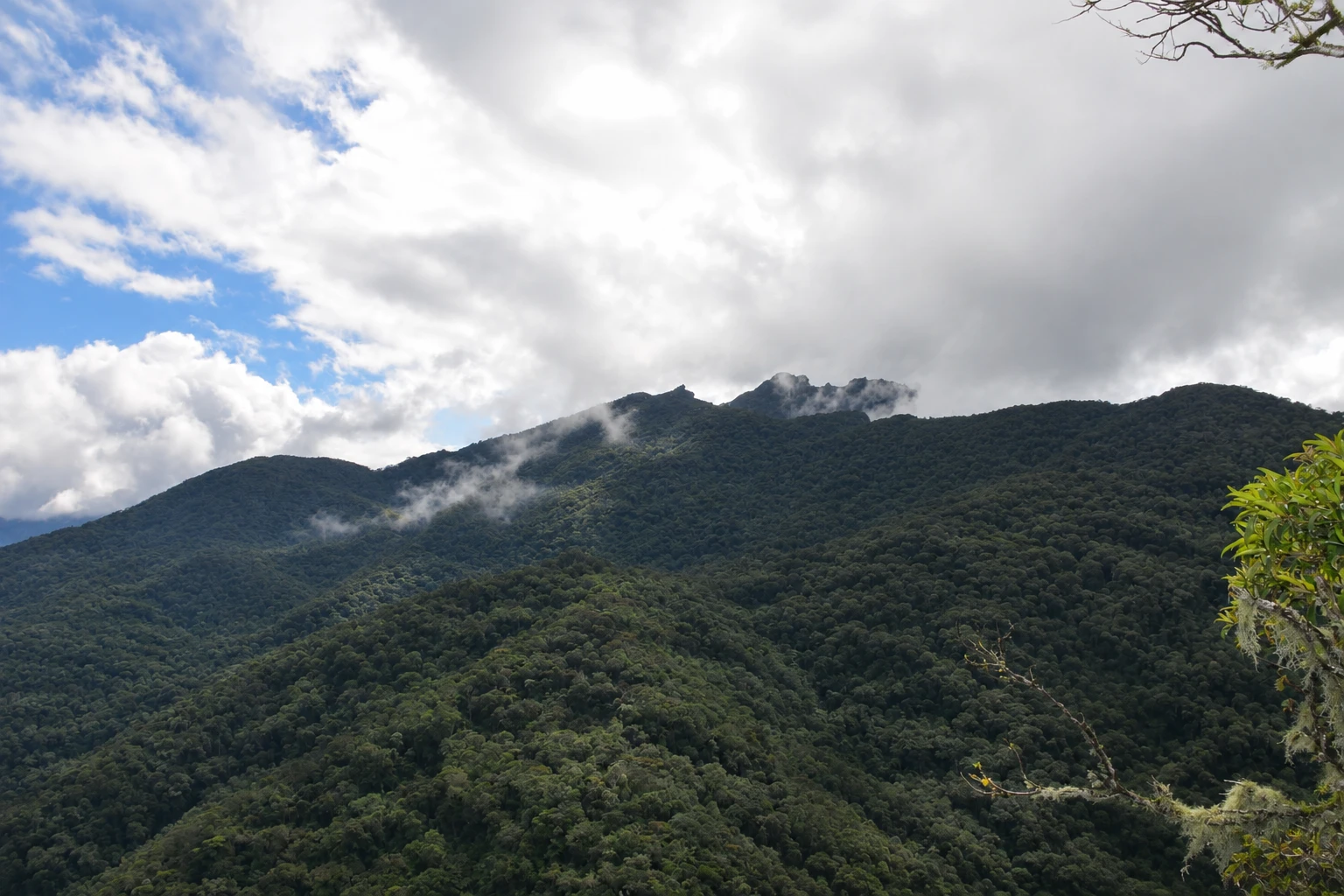
Illustrative images. The pictures in this guide are illustrations based on the real place, not photographs, and may differ from it.


A look at the place
Itatiaia National Park in pictures
These pictures are illustrations based on the real place, not photographs. They may differ from the place.
Click the picture to enlarge it.
Discover
About Itatiaia National Park
Itatiaia National Park was created on June 14, 1937, and is Brazil’s oldest national park. It occupies the Itatiaia massif in the Serra da Mantiqueira, between the municipalities of Itatiaia and Resende in Rio de Janeiro, and Bocaina de Minas and Itamonte in Minas Gerais. Elevation ranges from about 600 meters to 2,791 meters at Pico das Agulhas Negras, and the park contains headwaters of rivers that flow to the Paraíba do Sul and Rio Grande basins.
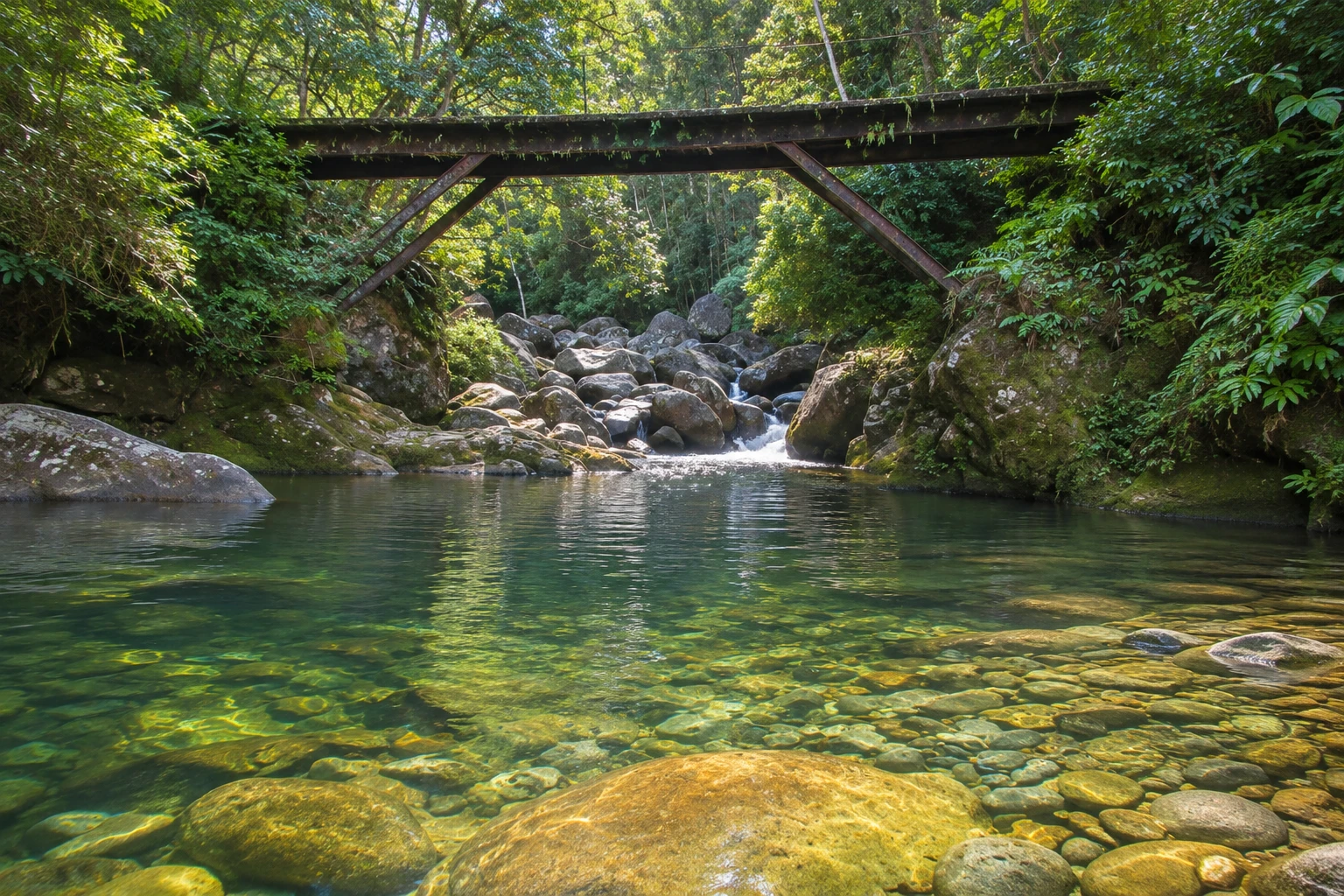
Visits are divided into two areas. The lower sector, with its entrance a few kilometers from downtown Itatiaia, concentrates most of the infrastructure: the Visitor Center, with a snack bar, shop and exhibitions about the park’s nature and history; Lago Azul, a natural pool on the Rio Campo Belo; the waterfalls of the Maromba Complex, such as Véu de Noiva and Itaporani; and the Mirante do Último Adeus lookout, with views of the Serra do Mar and the valley.
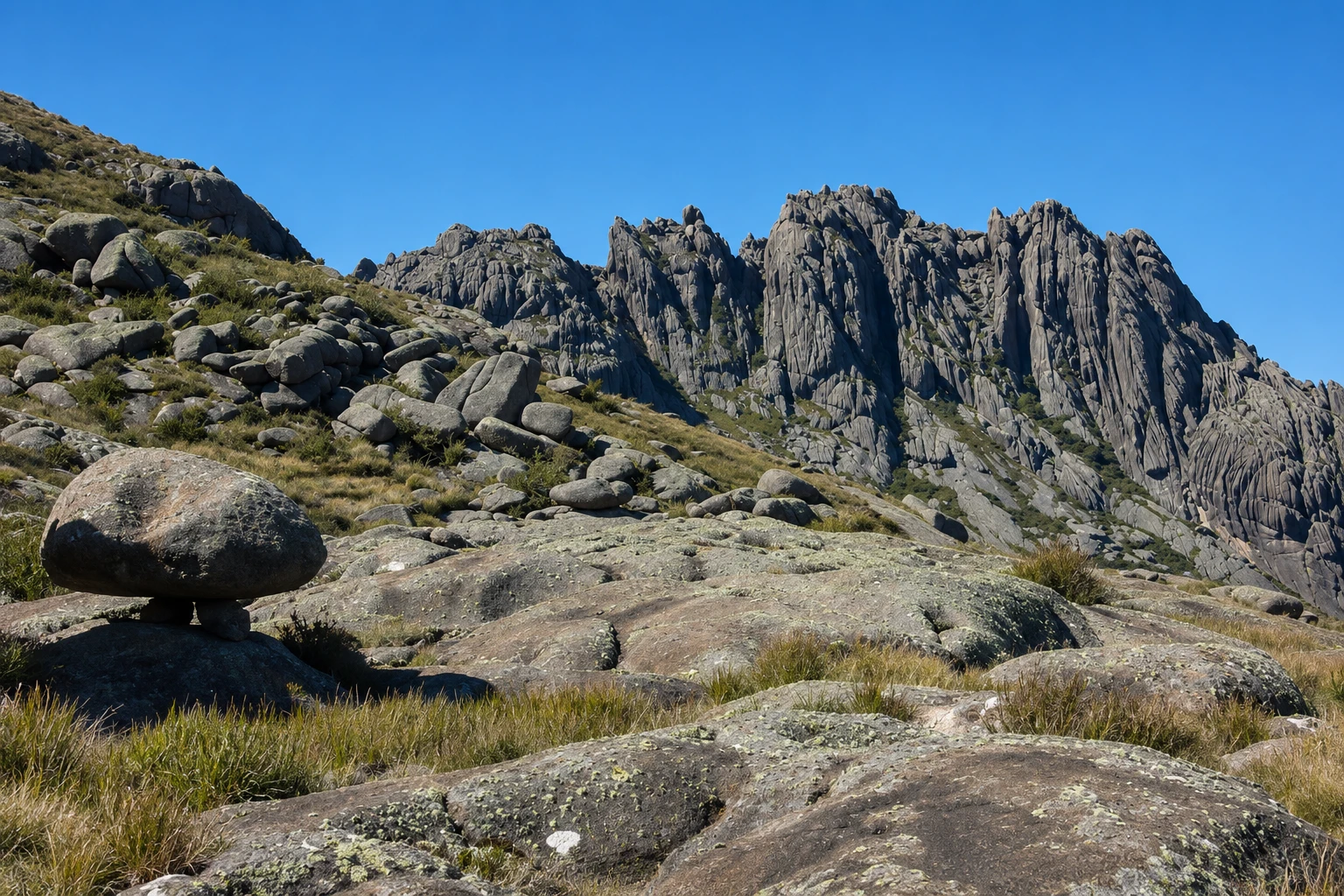
The higher sector, or Planalto, has a different access route via Engenheiro Passos and the Garganta do Registro, and leads to high-altitude fields, hanging valleys and the best-known rock formations, like the Prateleiras and the Agulhas Negras, popular for long hikes and climbing.
The park is one of the country’s most sought-after birdwatching sites, and butterflies appear throughout the areas, especially in the morning. Entry requires a separate fee, and some trails require a liability waiver or a guide. Rules and opening hours for each area change throughout the year: check before you go.
Before you go
Practical information
Cidade Turismo reviews its information regularly, but something may have changed. Check with the place before planning your trip.
How much time to set aside
A full day for the lower sector, covering the Visitor Center, Lago Azul and the Maromba waterfalls. The higher sector requires another day.
Best time
From May to September, the dry season, skies are usually clearer and the high-sector trails firmer, with cold nights. From December to March it’s warmer and rainier, and the lower-sector waterfalls generally carry more water.
How to get there
For the lower sector, leave the Presidente Dutra Highway (BR-116) at Itatiaia and follow about 5.5 km on BR-485 to the park gate. For the higher sector, use the Engenheiro Passos exit, follow BR-354 to the Garganta do Registro and then about 14 km of dirt road to Posto Marcão.
Tip
If you have only one day, stay in the lower sector and start at the Visitor Center to pick up a trail map. Bring warm clothing even in summer and check the park website for ticket purchase, since access rules vary.
Official website
Your questions
Frequently asked questions about Itatiaia National Park
Which is Brazil’s first national park?
Itatiaia National Park, created on June 14, 1937 in the Serra da Mantiqueira, between Rio de Janeiro and Minas Gerais.
What is the difference between the lower sector and the higher sector of Itatiaia National Park?
The lower sector, near the town of Itatiaia, has waterfalls, natural pools, short trails and the Visitor Center. The higher sector, accessed via Engenheiro Passos, has high-altitude fields and peaks such as the Agulhas Negras and the Prateleiras.
How do I get to the lower sector of Itatiaia National Park?
Via the Presidente Dutra Highway, exiting at Itatiaia and following about 5.5 km on BR-485 to the park gate.
Can you bathe in waterfalls in Itatiaia National Park?
Yes — in the lower sector you can bathe at Lago Azul and in the waterfalls of the Maromba Complex, such as Véu de Noiva and Itaporani. The water is cold.
What is the best time to visit Itatiaia National Park?
From May to September the weather is usually drier, good for trails and the higher sector. From December to March the waterfalls tend to have more water.