9 places to visit Tiradentes (MG), chosen by the Cidade Turismo guide.
Illustrative images. The pictures in this guide are illustrations based on the real place, not photographs, and may differ from it.
To start
The 9 main places Tiradentes
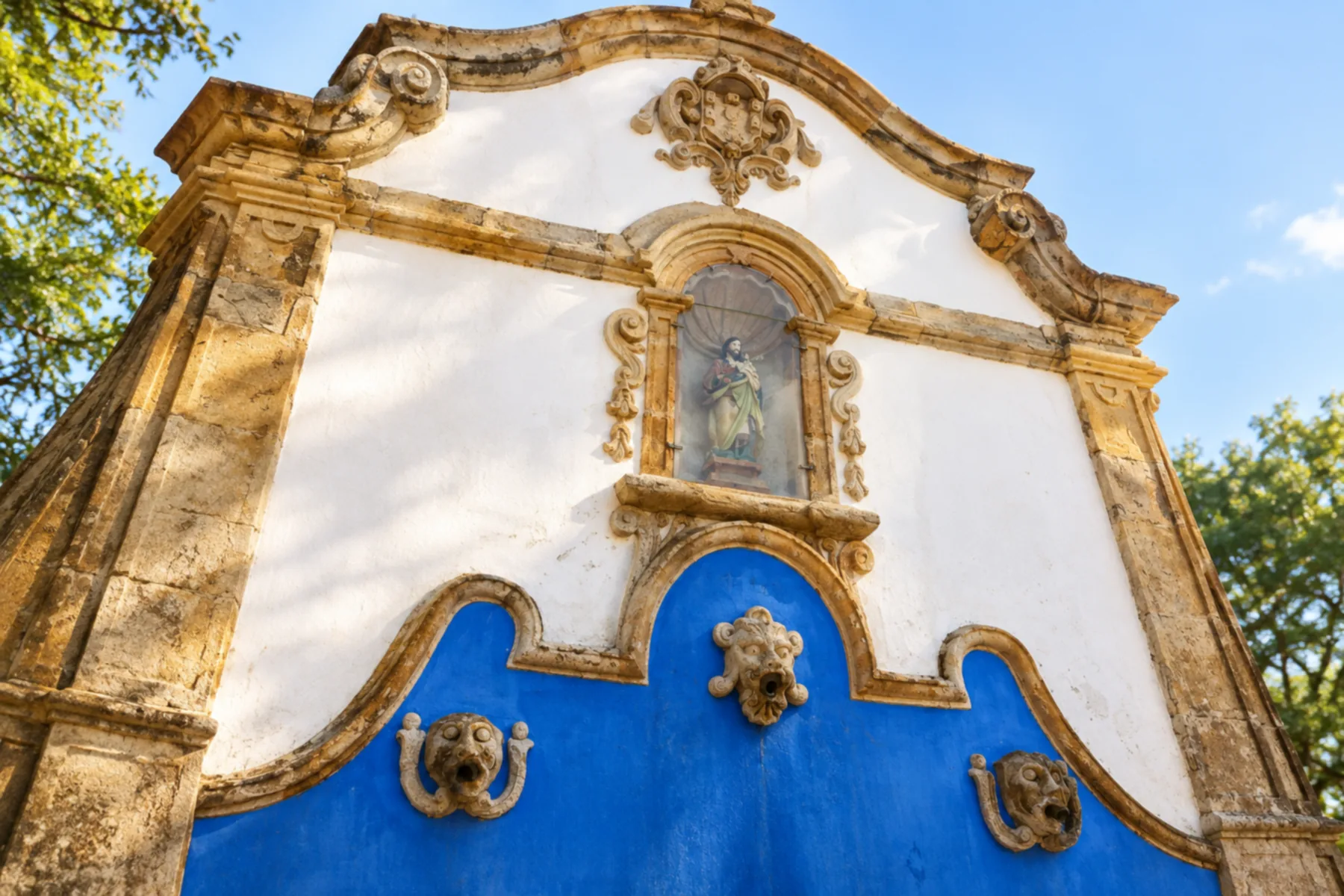
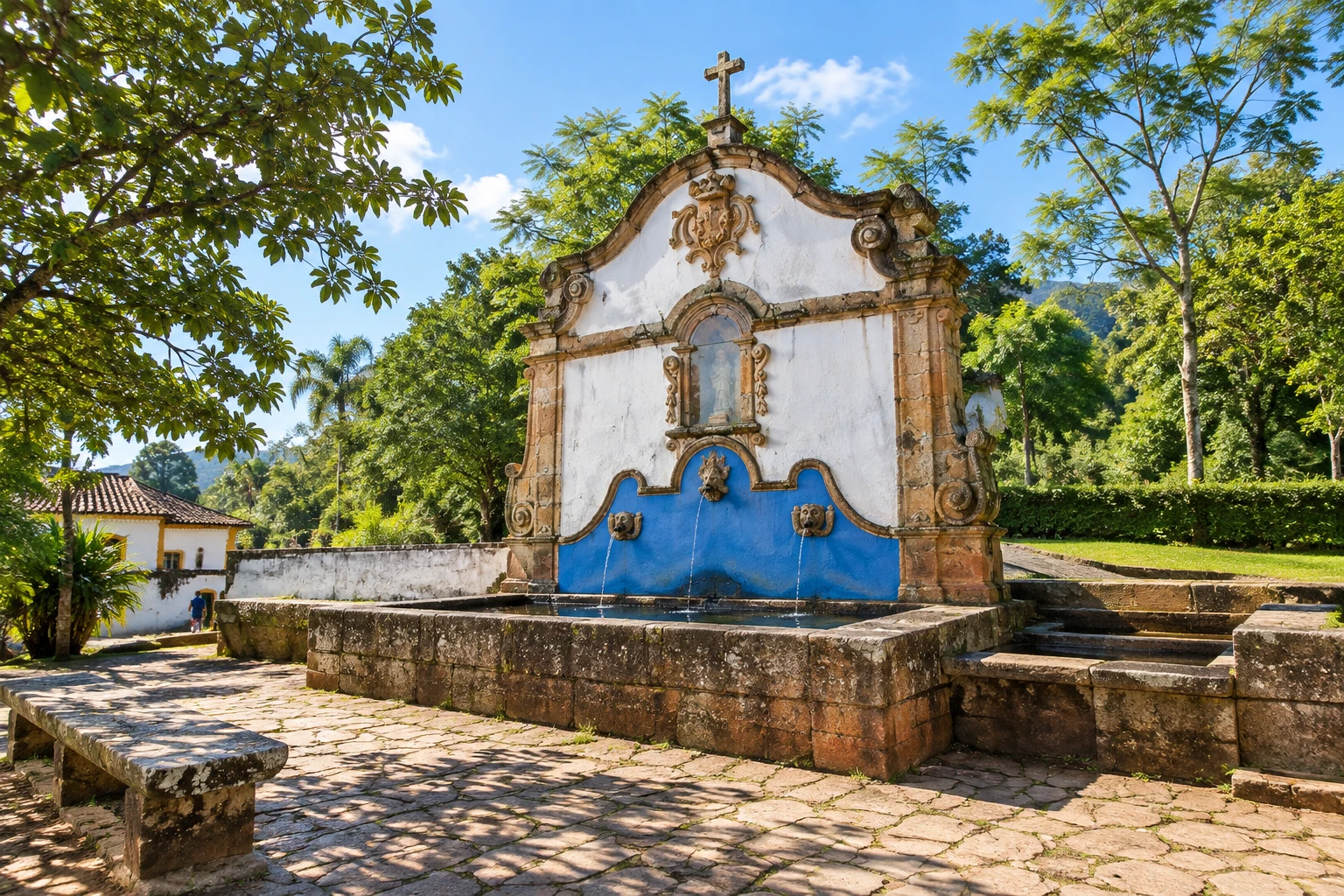
Chafariz de São JoséBuilt in 1749 at the initiative of the town council, it has three spouts with carved masks, a basin, a washing tank and a trough for animals.
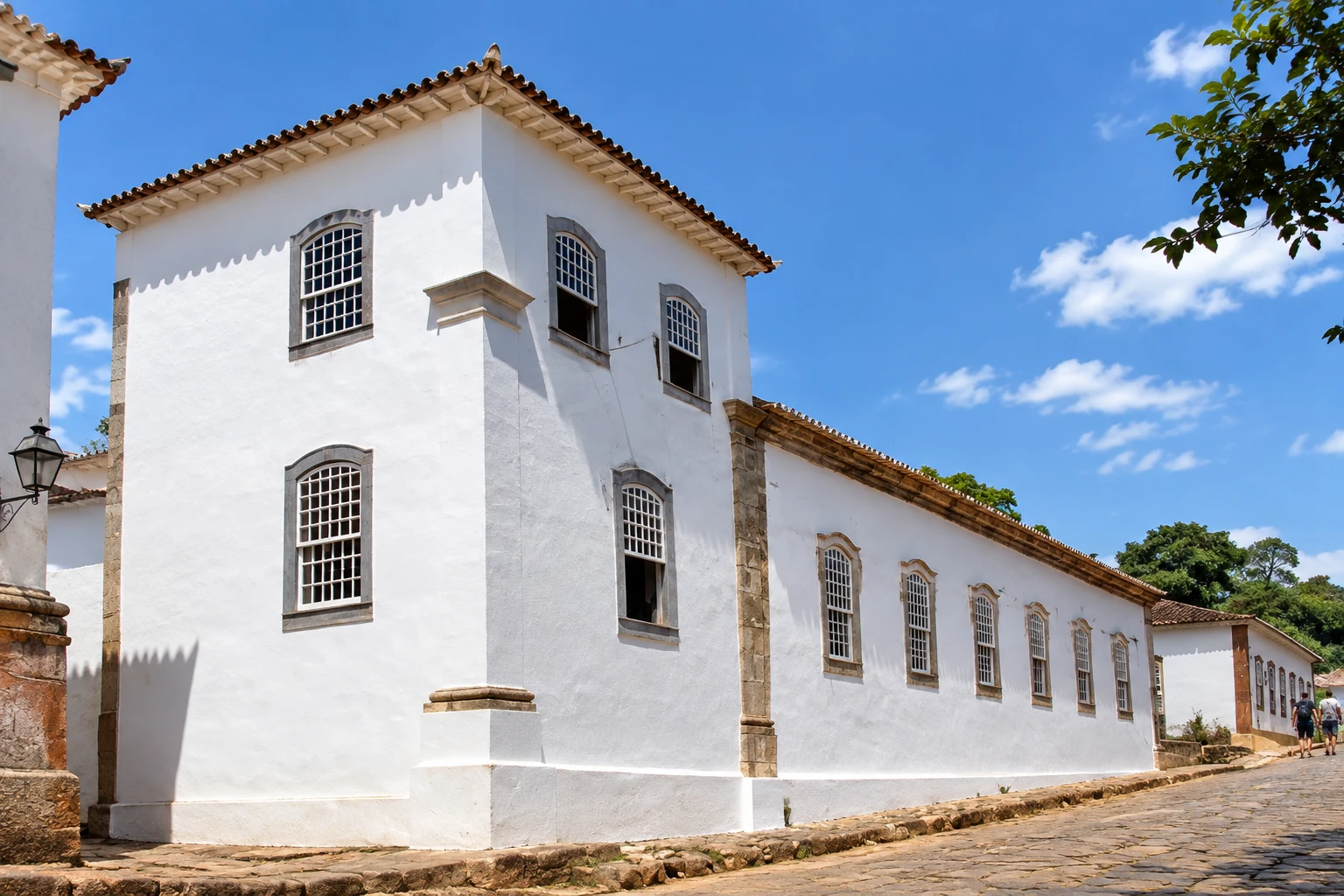
Museu Casa Padre ToledoHoused in the home that belonged to Father Carlos Correia de Toledo, a member of the Inconfidência (independence plot), it has operated since 1971 and is now part of UFMG's (Fed...
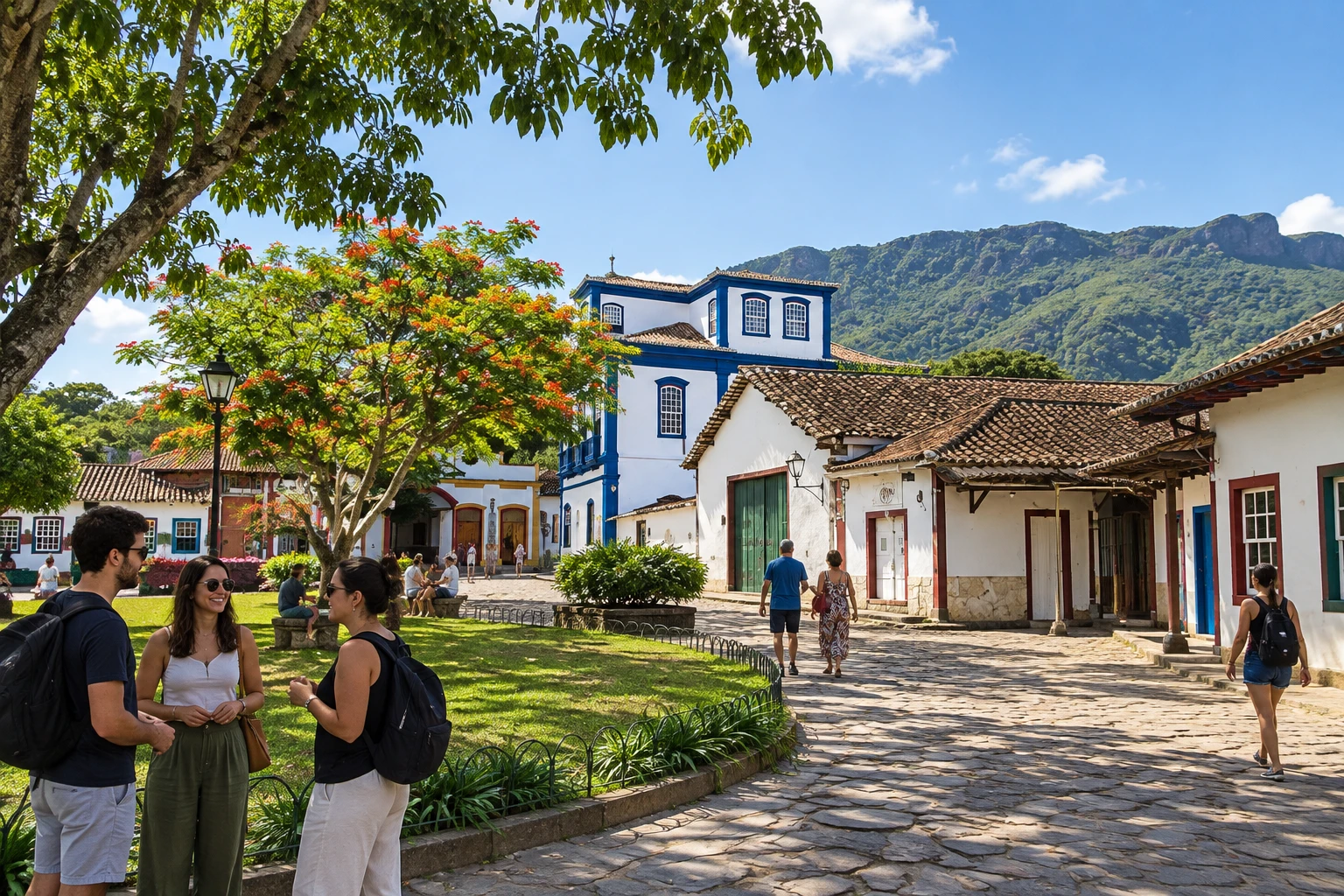
Largo das ForrasA grassy, tree-lined central square surrounded by colonial mansions, the hub of life in the historic town.
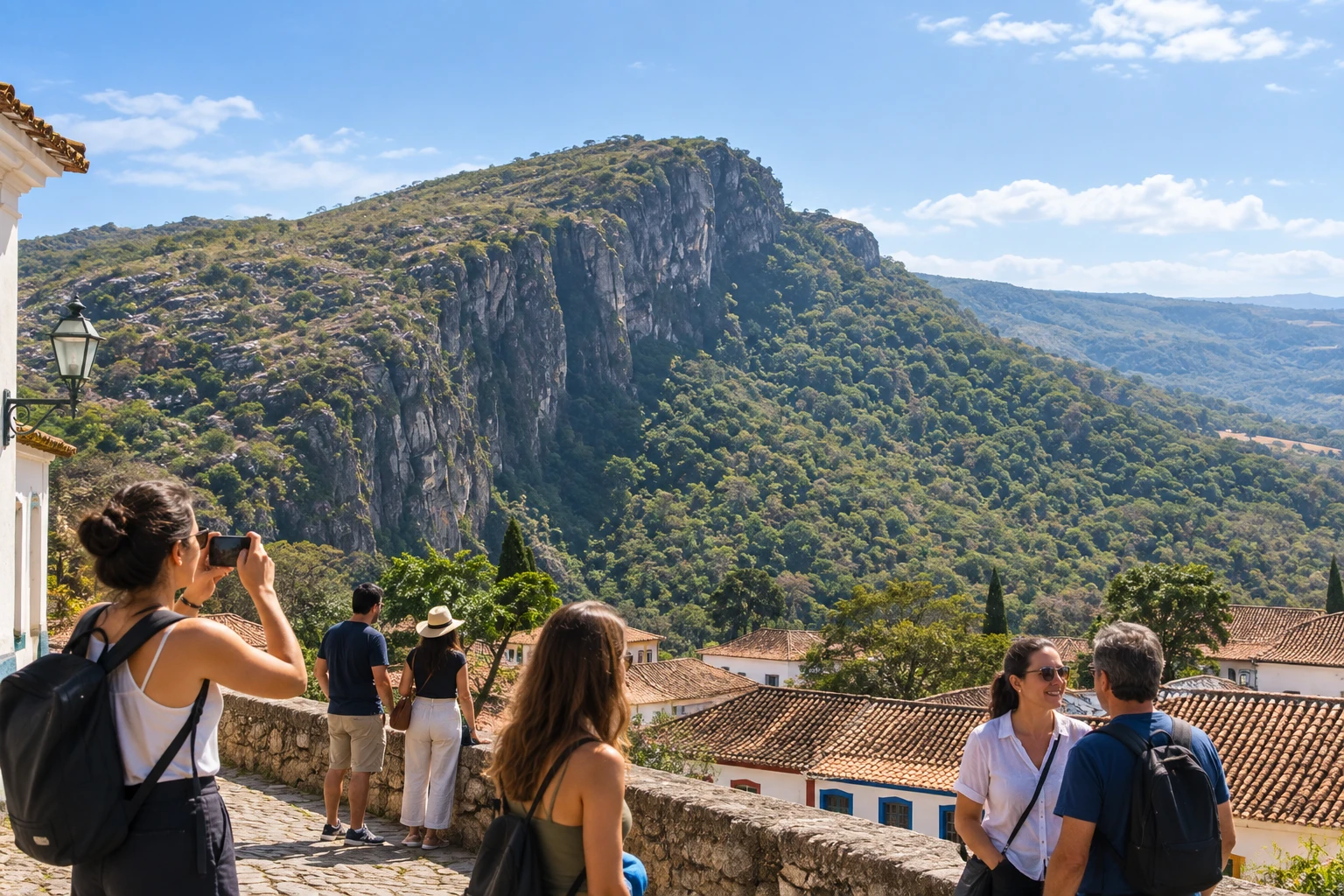
Serra de São JoséA quartzite ridge that frames the town and is protected as an environmental protection area and wildlife refuge.
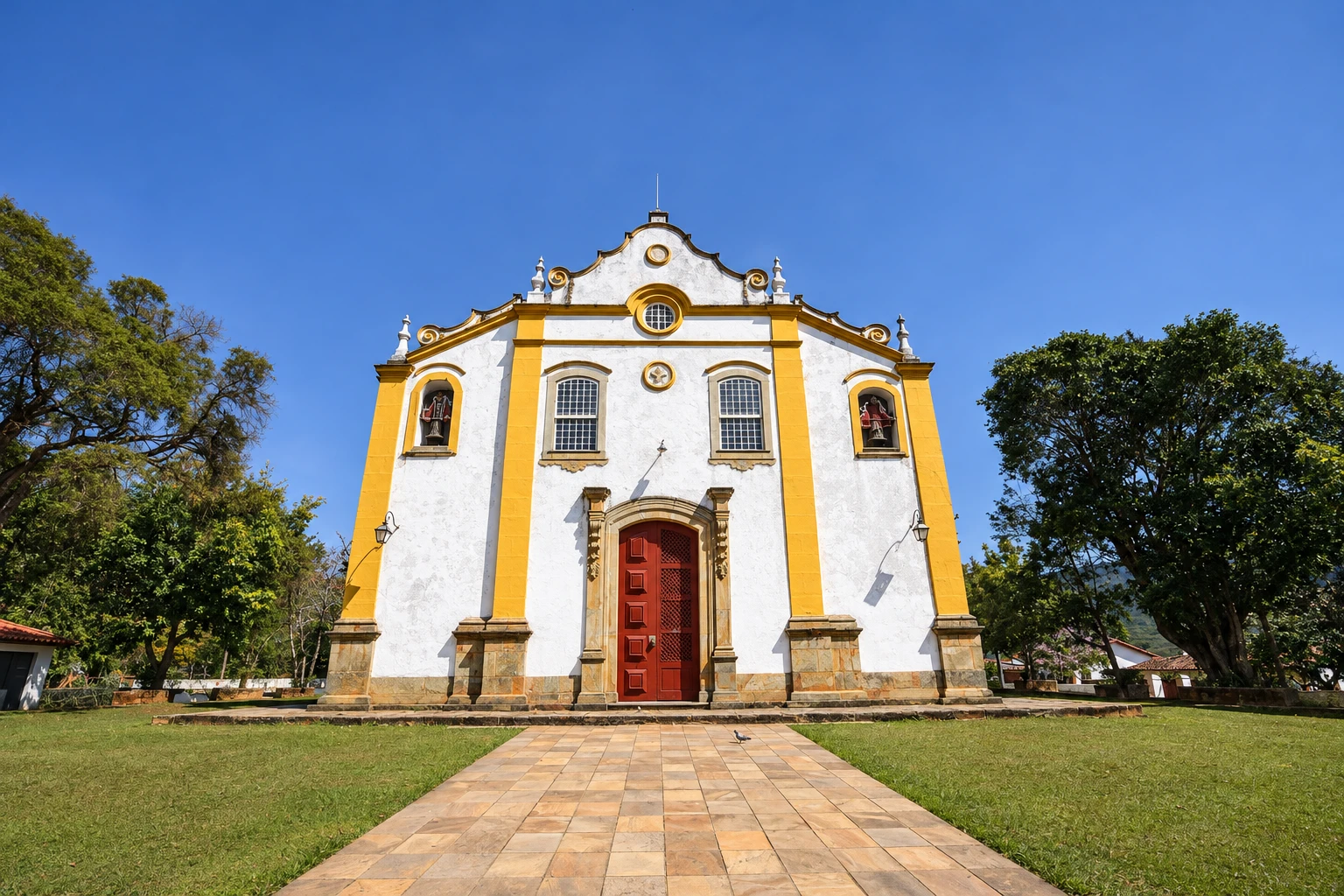
Sanctuary of the Holy TrinityA church with a Baroque-Rococo façade high in the Santíssima neighborhood, a few minutes’ walk from the Matriz de Santo Antônio.
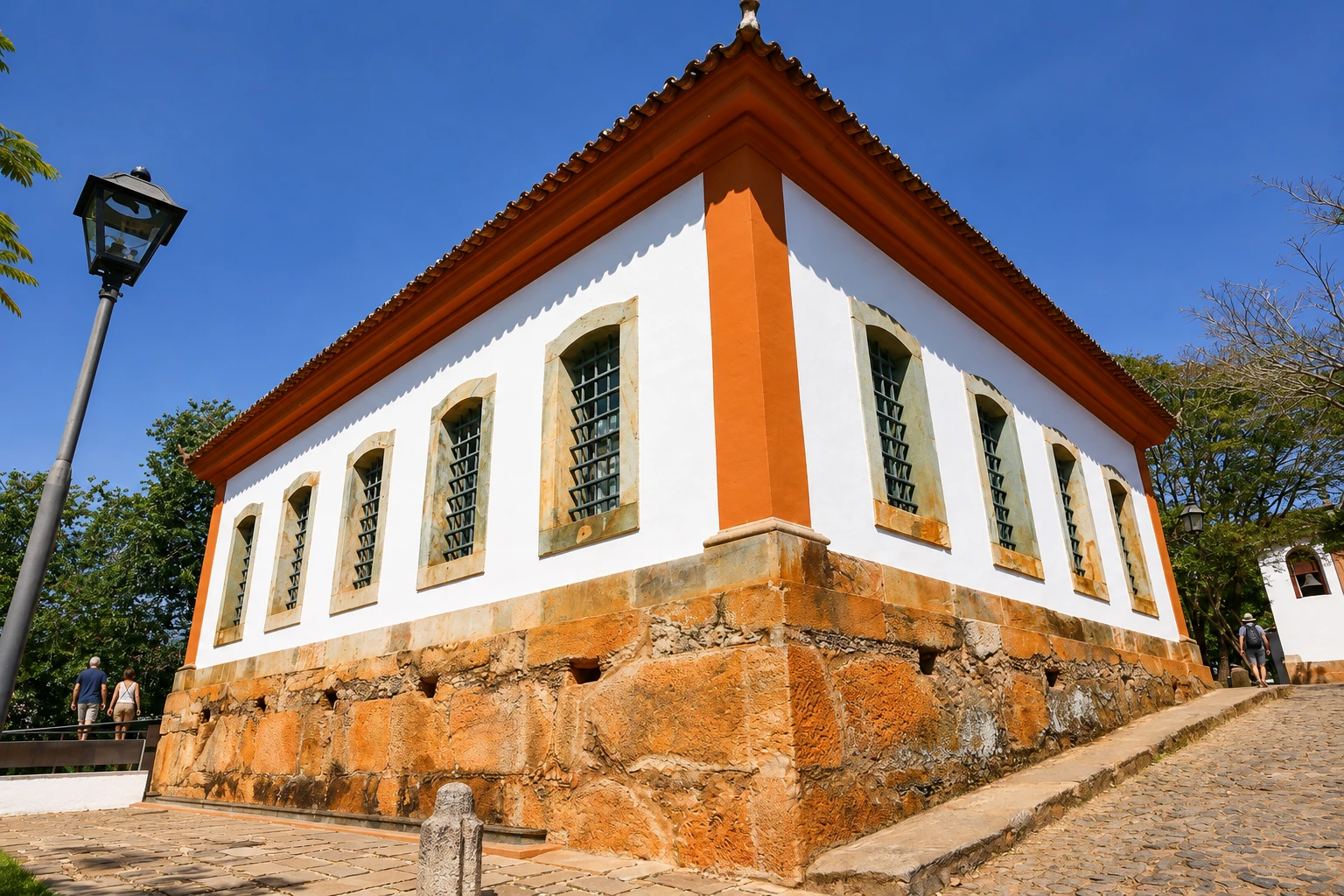
Museum of Sant'AnaMuseum dedicated solely to Saint Anne, with about 300 images of the saint made in Brazil between the 17th and 19th centuries.
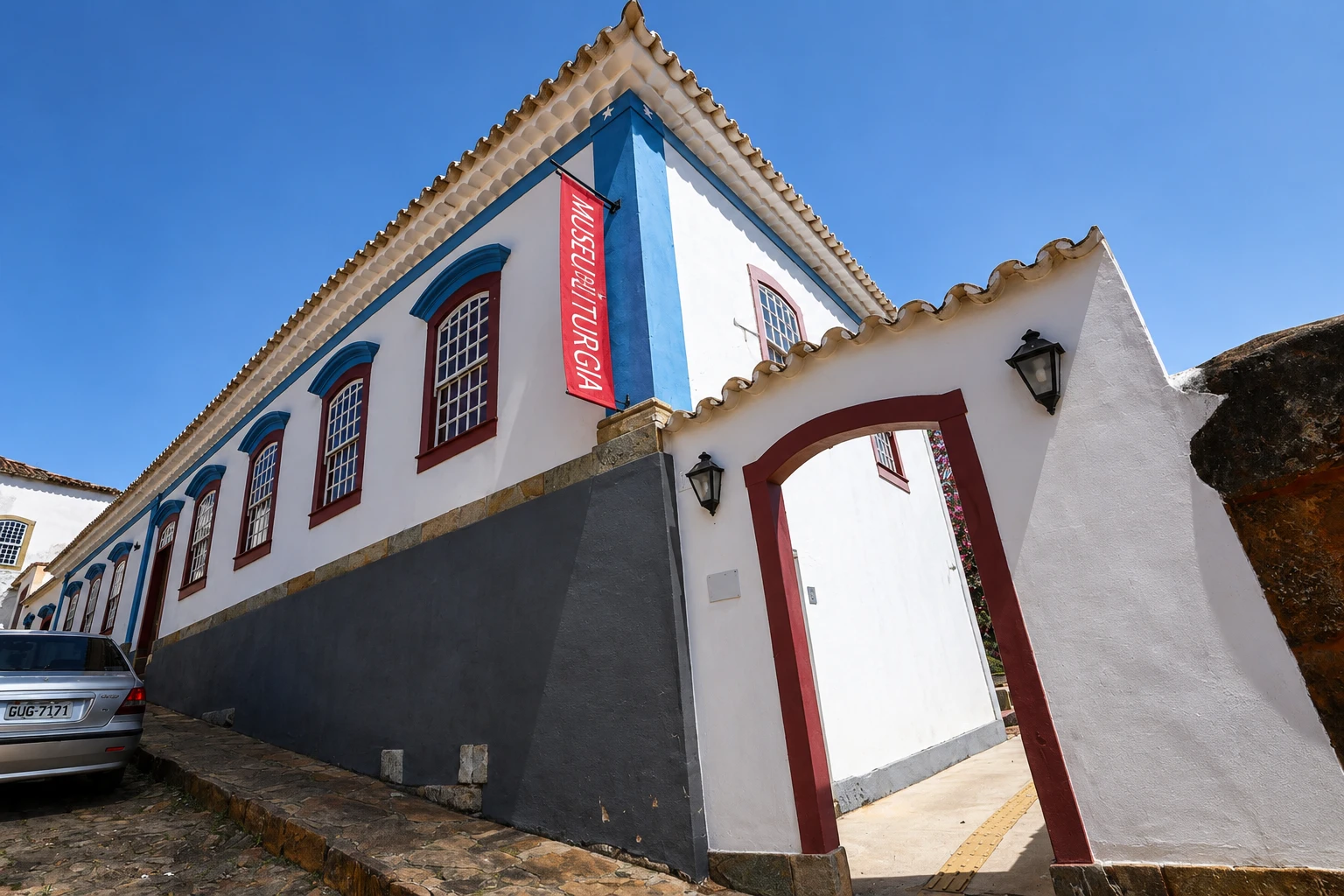
Museum of LiturgyMuseum of objects used in Catholic celebrations, with more than 400 pieces from Tiradentes’ churches, from the 18th to the 20th century, restored.
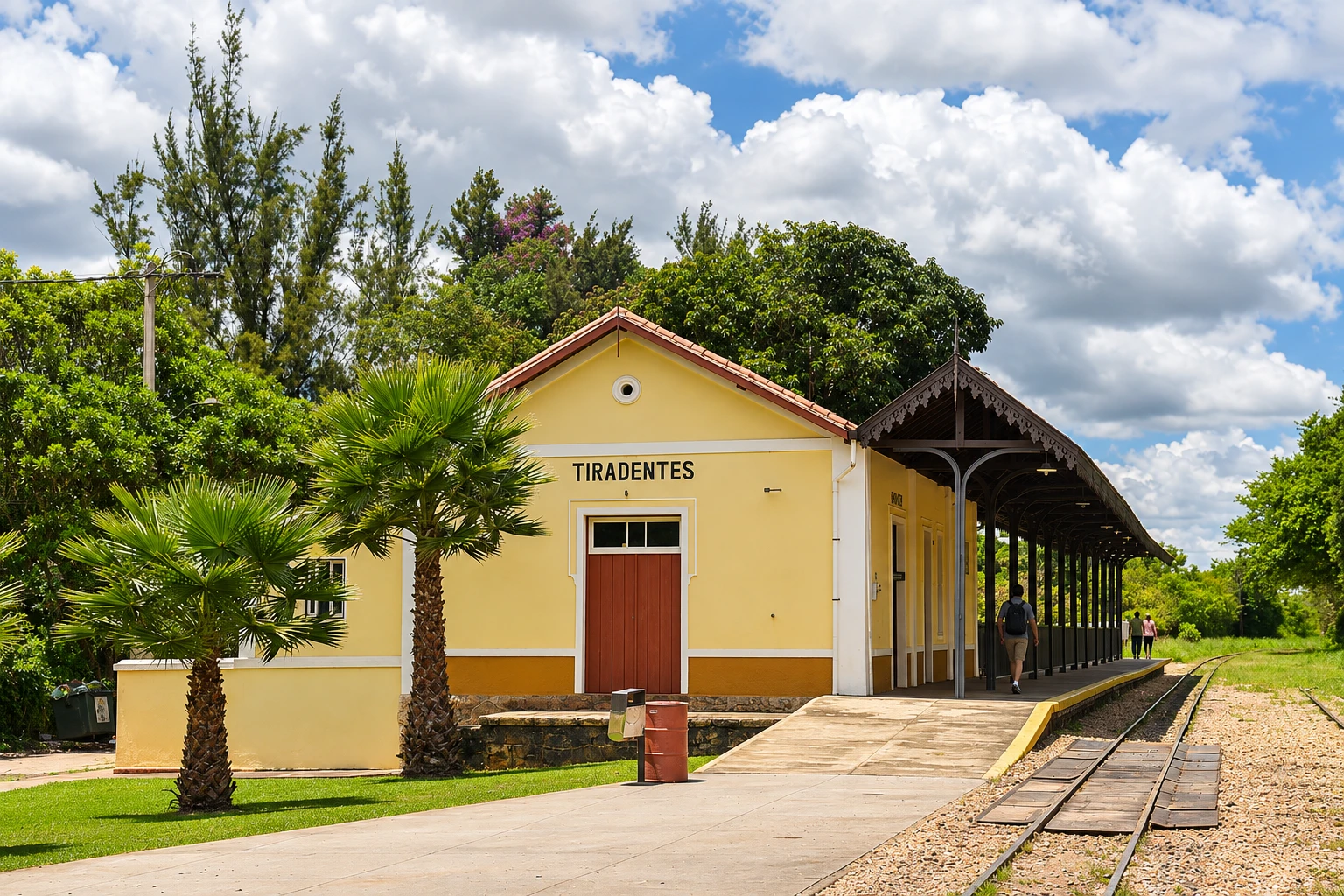
Tiradentes Railway StationStation of the former Estrada de Ferro Oeste de Minas, terminus of the steam train that has connected São João del-Rei to Tiradentes since 1881.
Built in 1749 at the initiative of the town council, it has three spouts with carved masks, a basin, a washing tank and a trough for animals. The Baroque facade bears the Portuguese coat of arms, and the complex has been protected by Iphan (Brazil's national heritage institute) since 1949.
Housed in the home that belonged to Father Carlos Correia de Toledo, a member of the Inconfidência (independence plot), it has operated since 1971 and is now part of UFMG's (Federal University of Minas Gerais) cultural campus in town. The painted ceilings and period furniture are among the highlights.
A grassy, tree-lined central square surrounded by colonial mansions, the hub of life in the historic town. It is the starting point for horse-drawn carriage rides and hosts fairs and cultural events throughout the year.
A quartzite ridge that frames the town and is protected as an environmental protection area and wildlife refuge. Its trails pass through forests, springs and viewpoints, including stretches of an old stone-paved road.
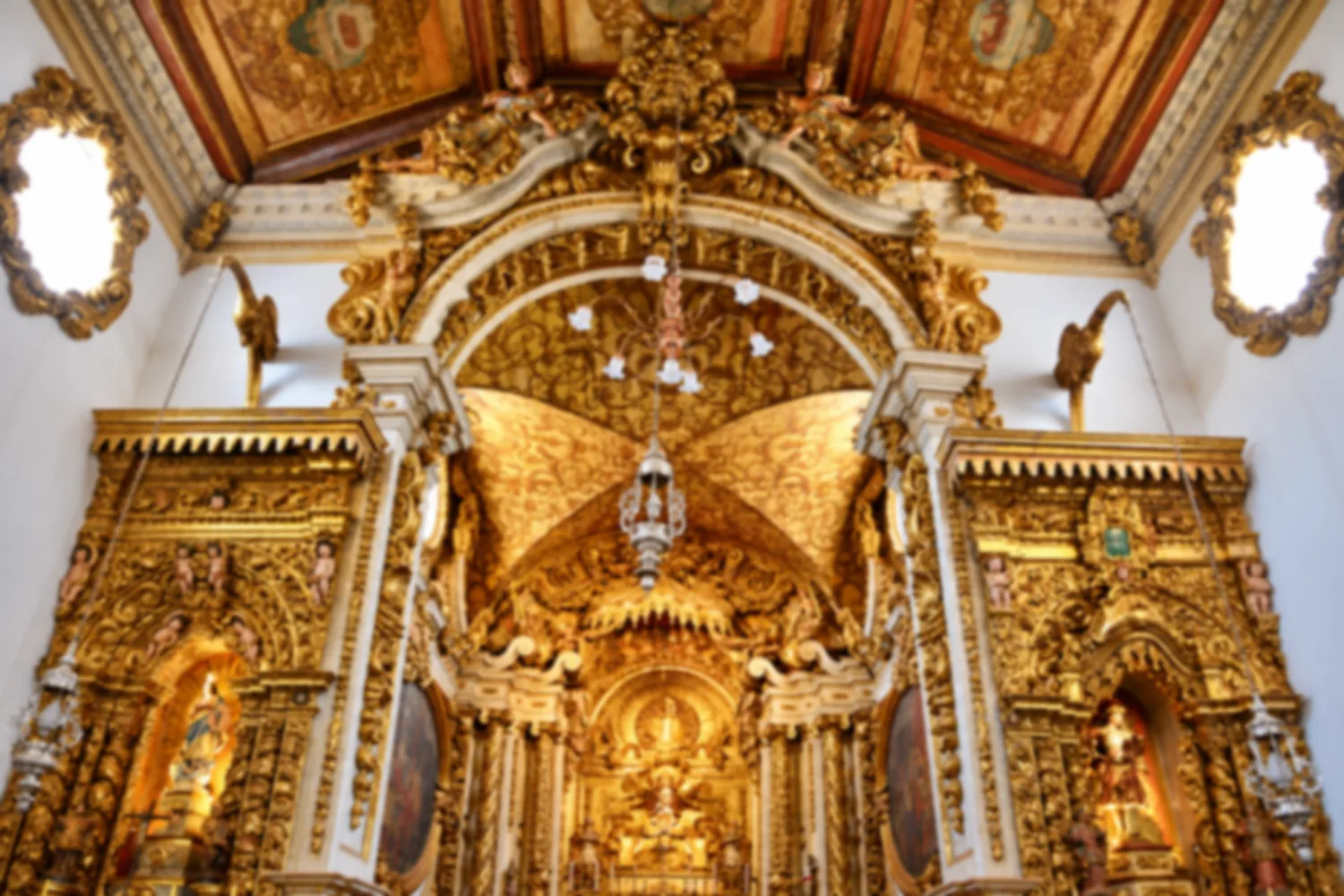
An 18th-century main church with an interior of entirely gilded woodcarving and one of the doorways attributed to Aleijadinho, as well as an old Portuguese organ. It stands at the top of the main street, with a staircase and a sundial in front.
A church with a Baroque-Rococo façade high in the Santíssima neighborhood, a few minutes’ walk from the Matriz de Santo Antônio. The interior is unadorned, with an image of the Eternal Father on the altar and a miracles room containing ex-votos.
Museum dedicated solely to Saint Anne, with about 300 images of the saint made in Brazil between the 17th and 19th centuries. It occupies the building of the old public jail in the historic center, with original bars and a preserved dungeon.
Museum of objects used in Catholic celebrations, with more than 400 pieces from Tiradentes’ churches, from the 18th to the 20th century, restored. It is housed in a manor next to the Matriz de Santo Antônio.
Station of the former Estrada de Ferro Oeste de Minas, terminus of the steam train that has connected São João del-Rei to Tiradentes since 1881. Beside it is the manual turntable where the locomotive is turned for the return trip.


 Antarctica
 Argentina
 Bolivia
 Chile
 Colombia
 Ecuador
 Falkland Islands (Malvinas)
 French Guiana
 Guyana
 Paraguay
 Peru
 Suriname
 Uruguay
 Venezuela
 Albania
 Austria
 Belgium
 Croatia
 Denmark
 Finland
 France
 Germany
 Greece
 Hungary
 Iceland
 Ireland
 Italy
 Luxembourg
 Norway
 Poland
 Portugal
 Slovakia
 Slovenia
 Spain
 Sweden
 Switzerland
 the Czech Republic
 the Netherlands
 the United Kingdom
 Turkey
 Bermuda
 Canada
 Greenland
 Mexico
 Saint Pierre and Miquelon
 the United States
 the Dominican Republic
 Japan
 Egypt
 South Africa
 Australia
 Fiji
 New Zealand
 Papua New Guinea