

 Antarctica
 Argentina
 Bolivia
 Chile
 Colombia
 Ecuador
 Falkland Islands (Malvinas)
 French Guiana
 Guyana
 Paraguay
 Peru
 Suriname
 Uruguay
 Venezuela
 Austria
 Belgium
 Croatia
 Denmark
 Finland
 France
 Germany
 Greece
 Hungary
 Iceland
 Ireland
 Italy
 Luxembourg
 Norway
 Poland
 Portugal
 Slovakia
 Slovenia
 Spain
 Sweden
 Switzerland
 the Czech Republic
 the Netherlands
 the United Kingdom
 Turkey
 Bermuda
 Canada
 Greenland
 Mexico
 Saint Pierre and Miquelon
 the United States
 the Dominican Republic
 Japan
 Egypt
 South Africa
 Australia
 Fiji
 New Zealand
 Papua New Guinea
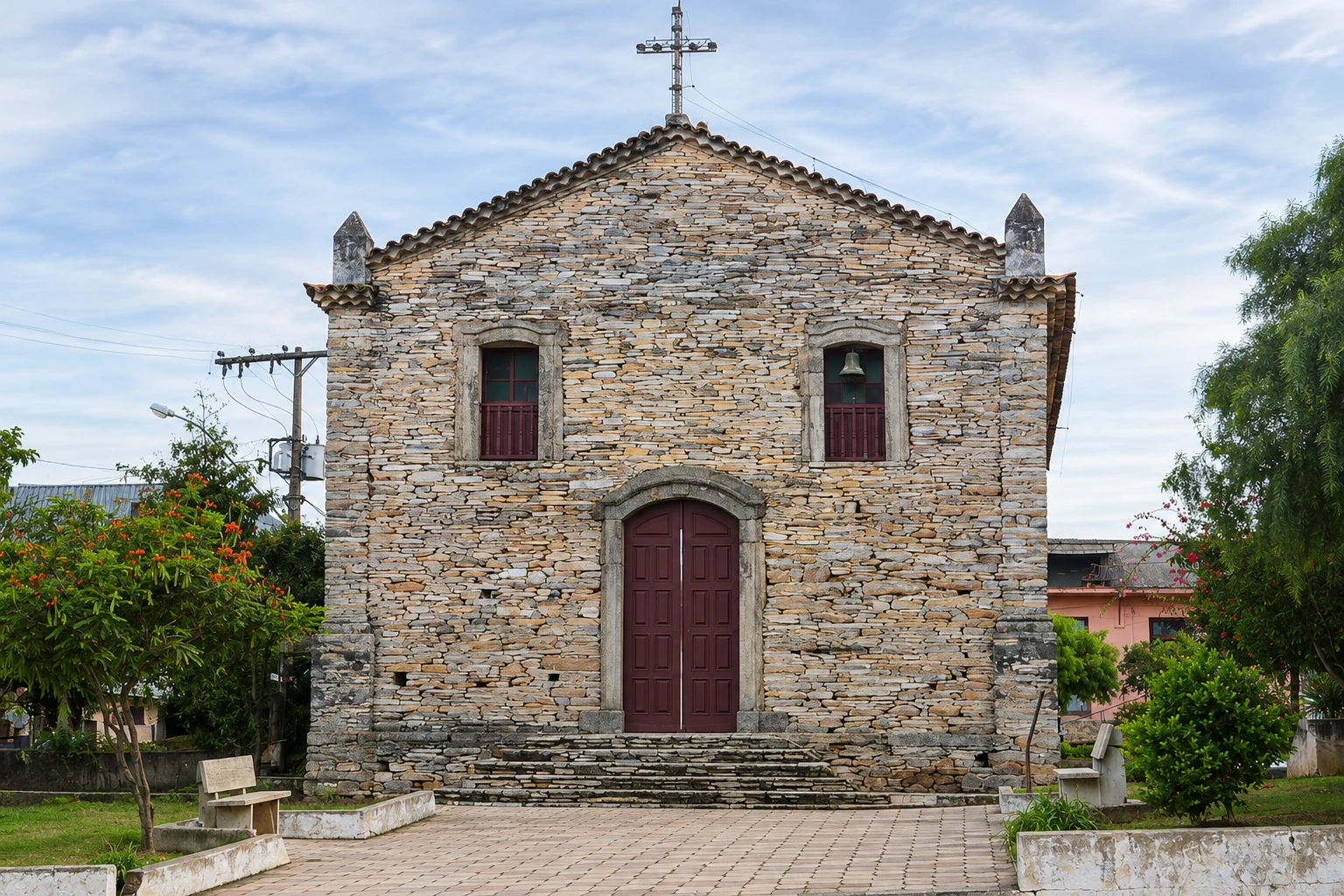
Church · São Thomé das Letras, MG
Church of Our Lady of the Rosary
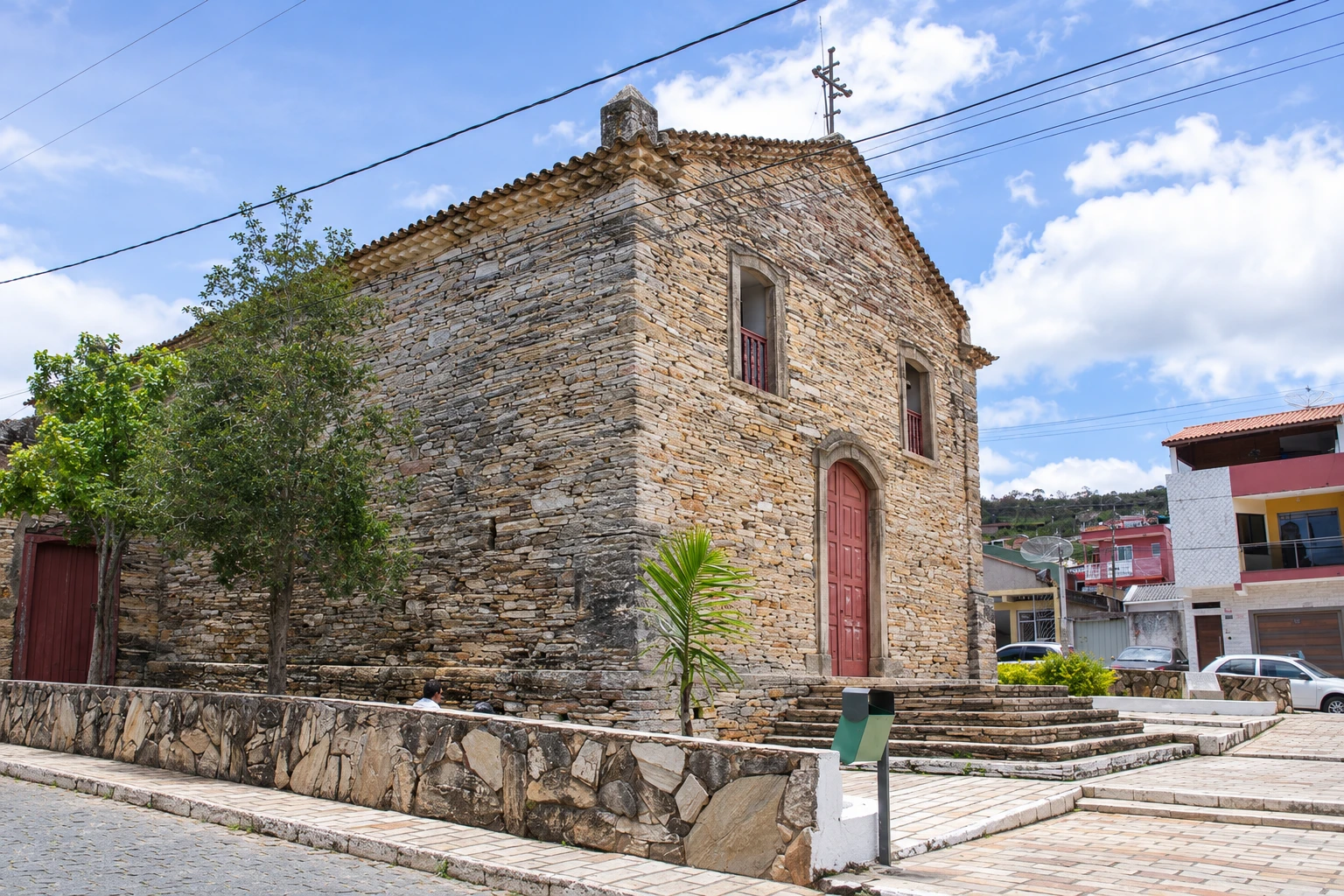
Stone chapel begun in the 18th century in the center of São Thomé das Letras, built with stacked quartzite flakes without mortar. It remained unfinished for about two centuries and was completed by the community. It is known as the Stone Church.
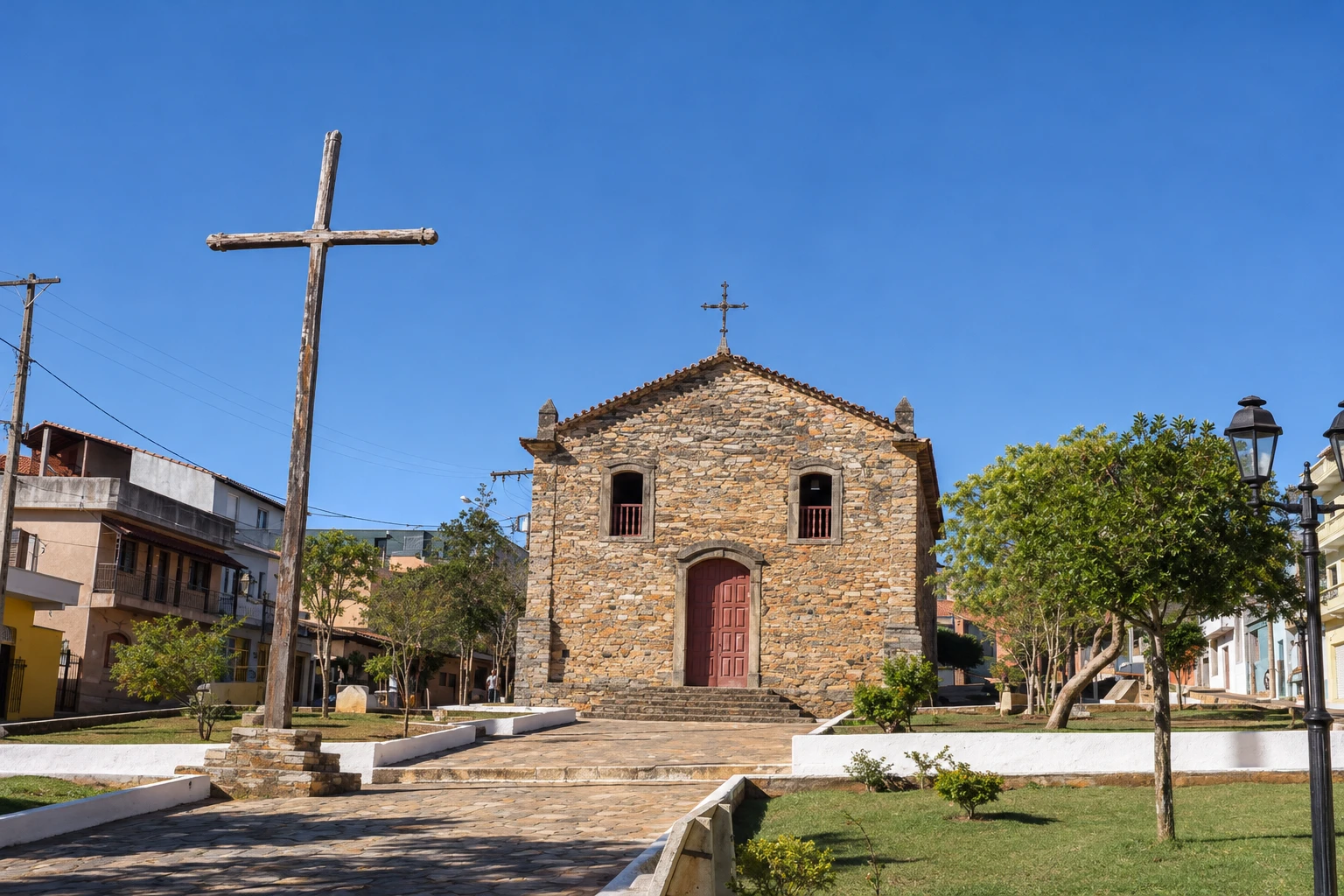
In the photo: Front façade of the Church of Our Lady of the Rosary in São Thomé das Letras, with exposed quartzite, a wooden door and two wooden windows, and a cross on the gable.
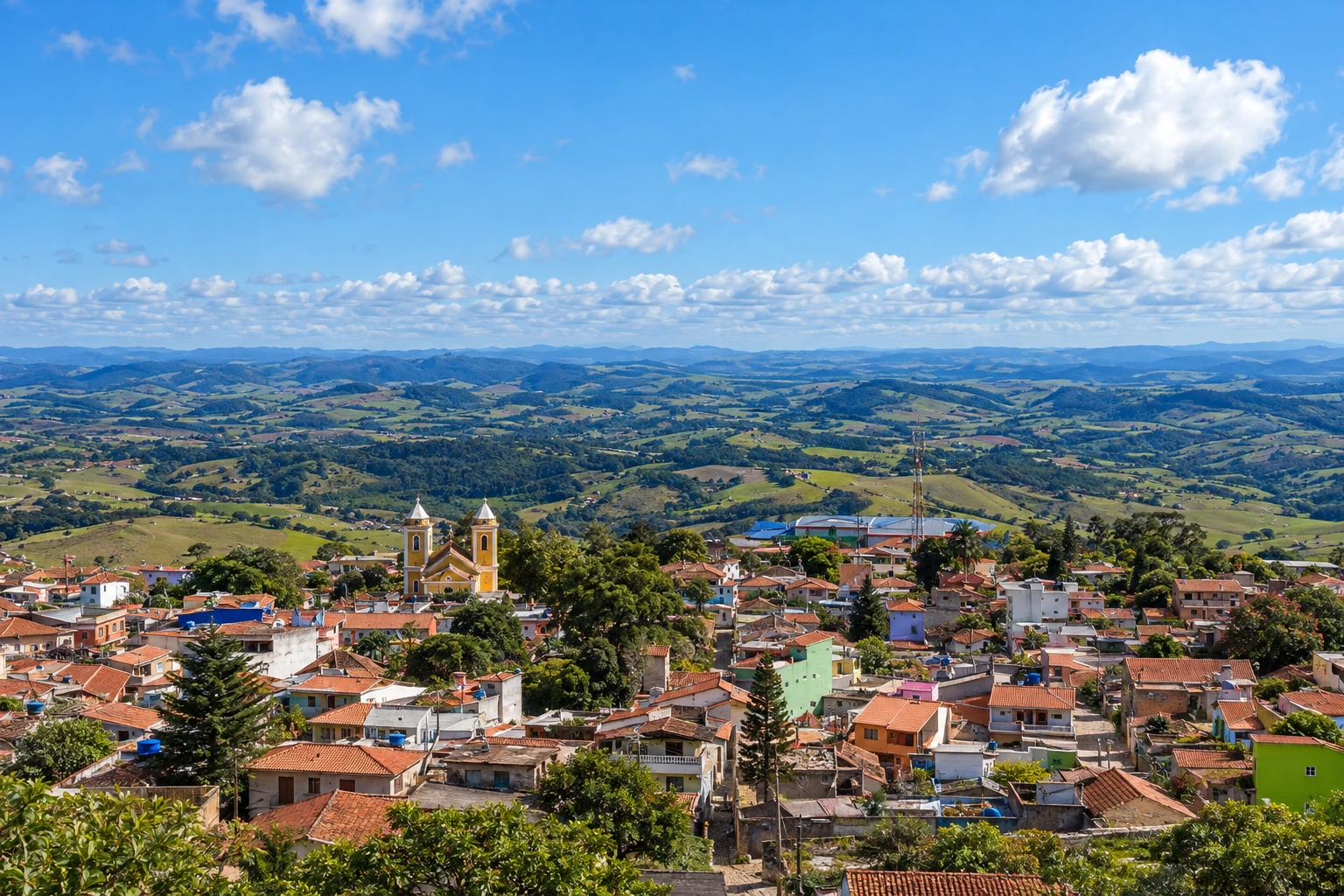
Illustrative images. The pictures in this guide are illustrations based on the real place, not photographs, and may differ from it.


A look at the place
Church of Our Lady of the Rosary in pictures
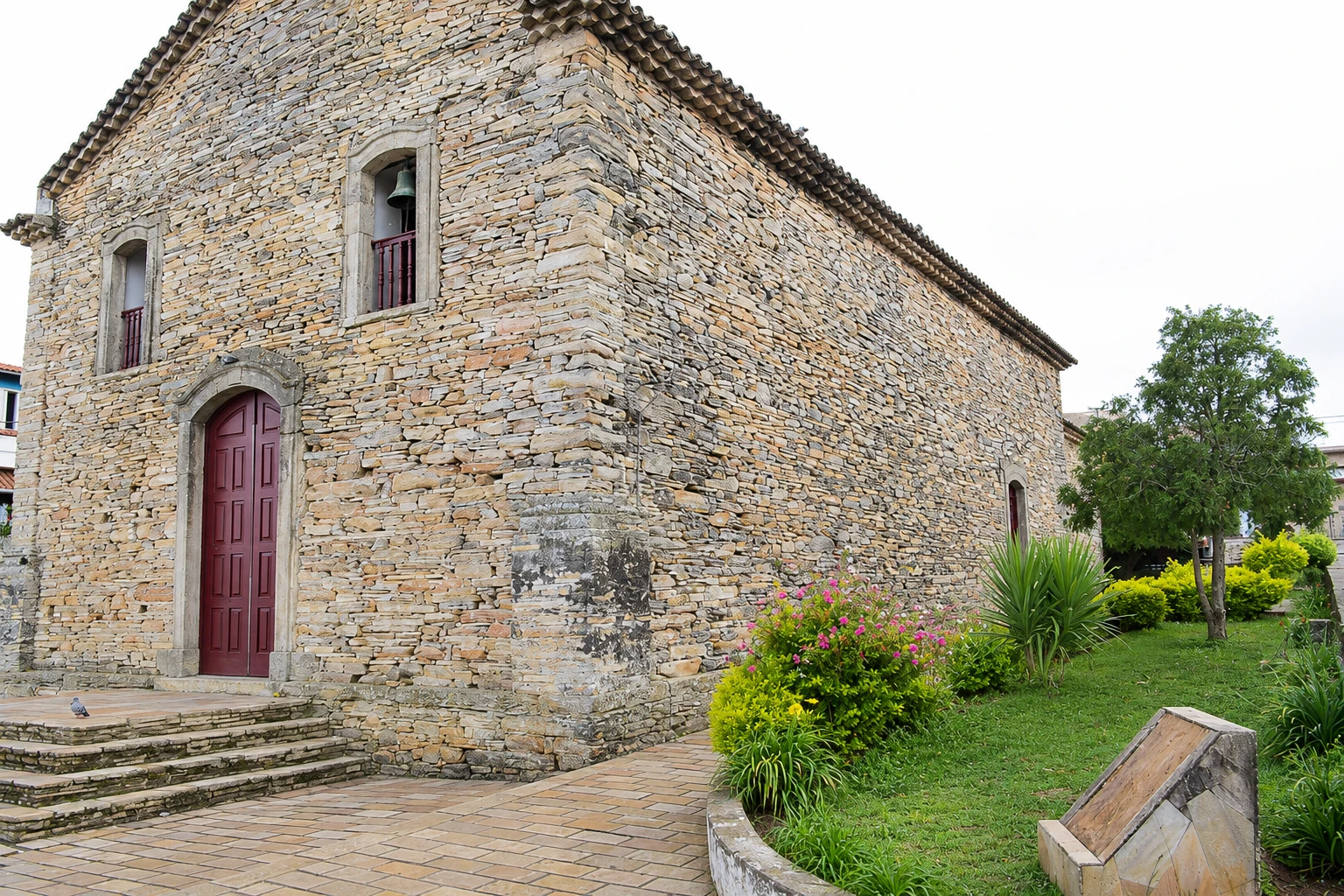
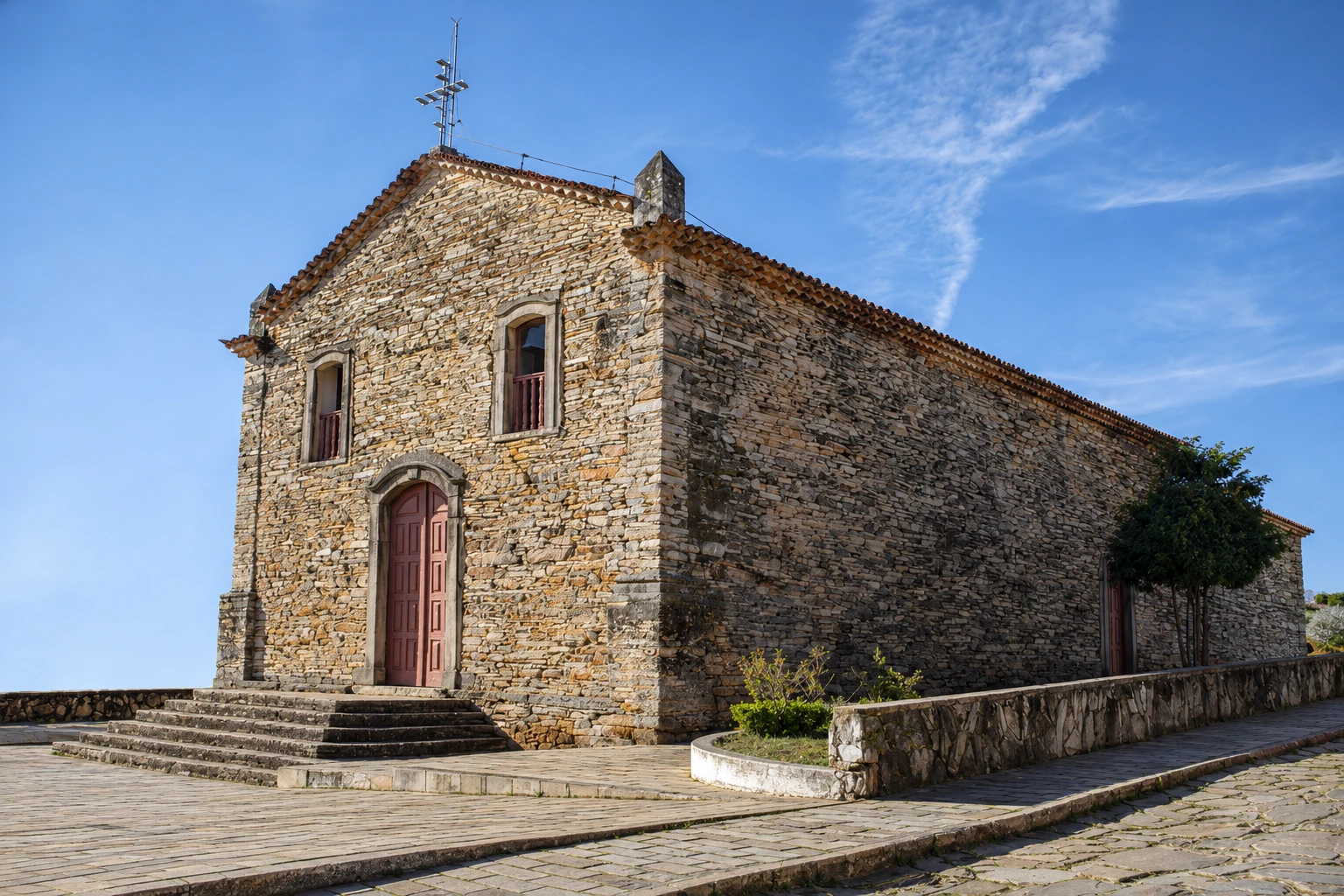
These pictures are illustrations based on the real place, not photographs. They may differ from the place.
Click the picture to enlarge it.
Discover
About Church of Our Lady of the Rosary
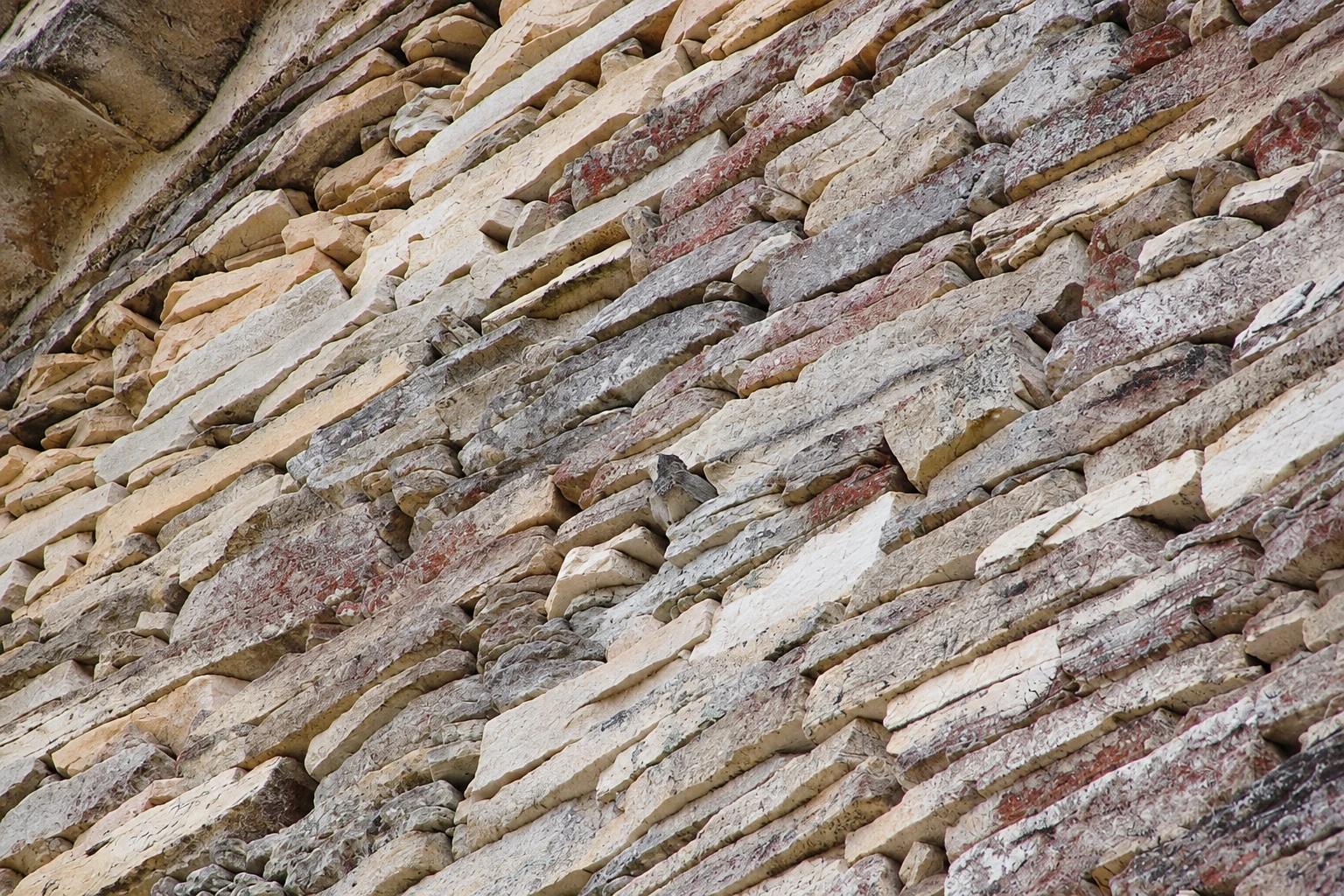
The Church of Our Lady of the Rosary, better known as the Stone Church, is the most visible example of São Thomé das Letras’ local building style. The walls are made of irregular flakes of quartzite, the light-colored stone of the mountain where the town was built, stacked on top of one another without mortar and left exposed, without plaster.
Construction began in the 18th century, likely carried out by enslaved workers devoted to Our Lady of the Rosary. The work remained unfinished for a long time, until the late 20th century, when the community gathered resources to complete it. The chapel was consecrated in 1995, and the renovation added a sacristy and a tabernacle to the original, very simple plan.
In addition to the walls, the floors, portals and window frames are stone; wood appears in the doors, windows and roof structure. The difference compared with the Mother Church of São Thomé, a few blocks away, helps explain the local architecture: at the Mother Church the stone walls were covered, while at the Rosary they remain exposed.
The chapel’s architectural and urban ensemble was listed by Iepha-MG in 1985, and in 1996 the listing was extended to include the historic center and the Mother Church. The surrounding streets, paved with large stone blocks, and the stone-walled houses complete the scene.
The church is part of a walking tour of the center, together with the Mother Church, the São Thomé Grotto and the town’s high point, in the Antônio Rosa Municipal Park.
Before you go
Practical information
Cidade Turismo reviews its information regularly, but something may have changed. Check with the place before planning your trip.
How much time to set aside
15 to 30 minutes to see the façade, the stone walls and, if it is open, the interior.
Best time
By day, with side light on the quartzite walls. From April to September there is little rain. The church is not always open inside; check locally.
How to get there
The church is on Rua Ernestina Maria de Jesus Peixoto, in the center of São Thomé das Letras, a few blocks from the Mother Church. The center tour is done on foot, along stone streets.
Tip
Look closely at the walls: the stone flakes rest against each other with no material between them. Compare with the Mother Church and the stone houses on the surrounding streets during the same walk.
Your questions
Frequently asked questions about Church of Our Lady of the Rosary
Why is the Rosary Church of São Thomé das Letras called the Stone Church?
Because the walls are made of stacked quartzite flakes without mortar and left exposed, without plaster, like many old houses in the town.
When was the Stone Church built?
Construction began in the 18th century, remained unfinished for a long time and was completed by the community at the end of the 20th century; the chapel was consecrated in 1995.
Is the Stone Church the same as the Mother Church of São Thomé?
No. They are different churches, a few blocks apart. At the Mother Church the stone walls were covered; at the Rosary the stone remains exposed.
Is the Rosary Church protected as heritage?
Yes. The chapel’s architectural and urban ensemble was listed by Iepha-MG, the state heritage agency of Minas Gerais, in 1985.