10 places to visit Ouro Preto (MG), chosen by the Cidade Turismo guide.
Illustrative images. The pictures in this guide are illustrations based on the real place, not photographs, and may differ from it.
To start
The 10 main places Ouro Preto
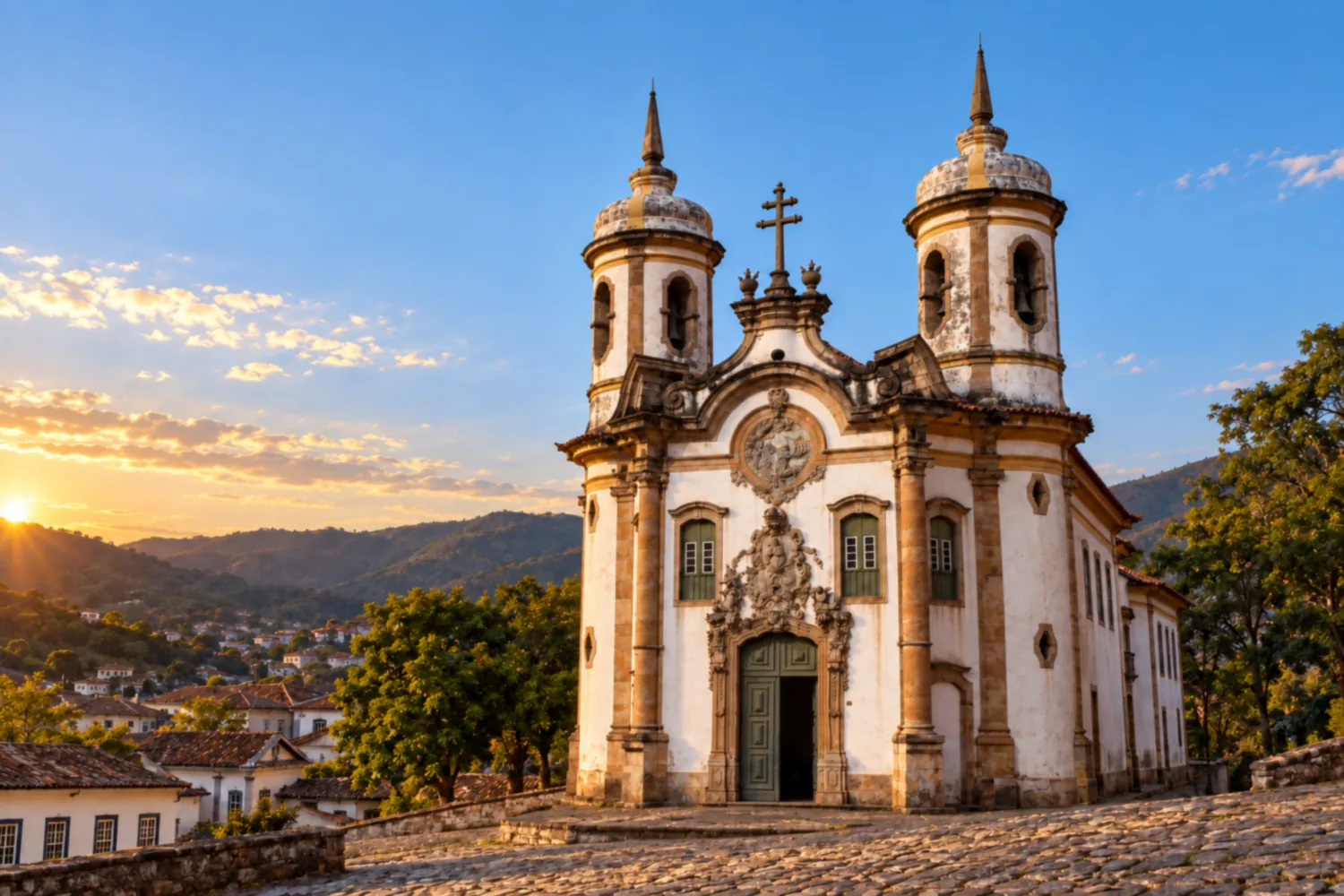
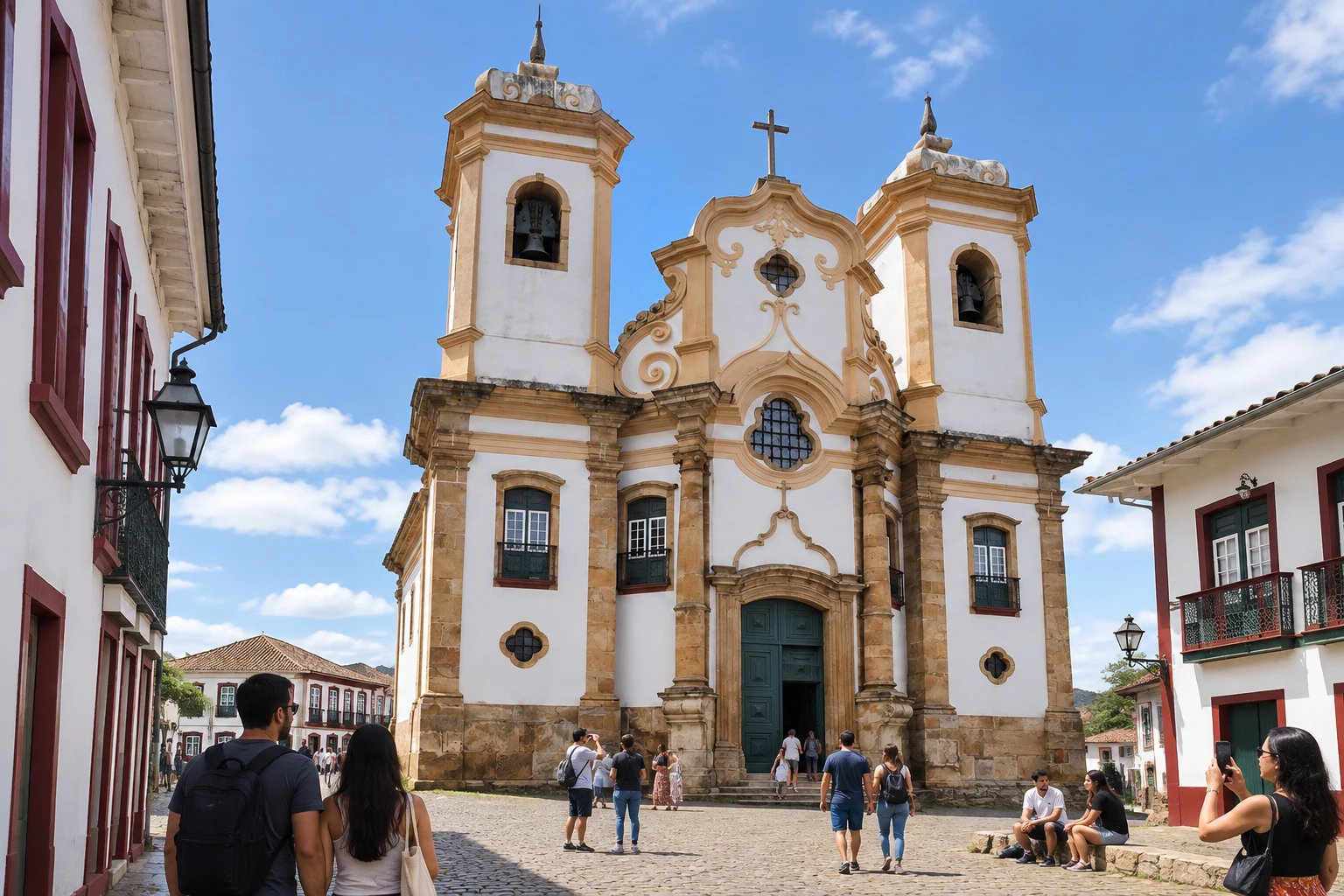
Igreja de São Francisco de AssisConsidered Aleijadinho's masterpiece, it brings together the artist's architectural design, soapstone doorway and woodcarving with the ceiling painting by Mestre Ataíde.
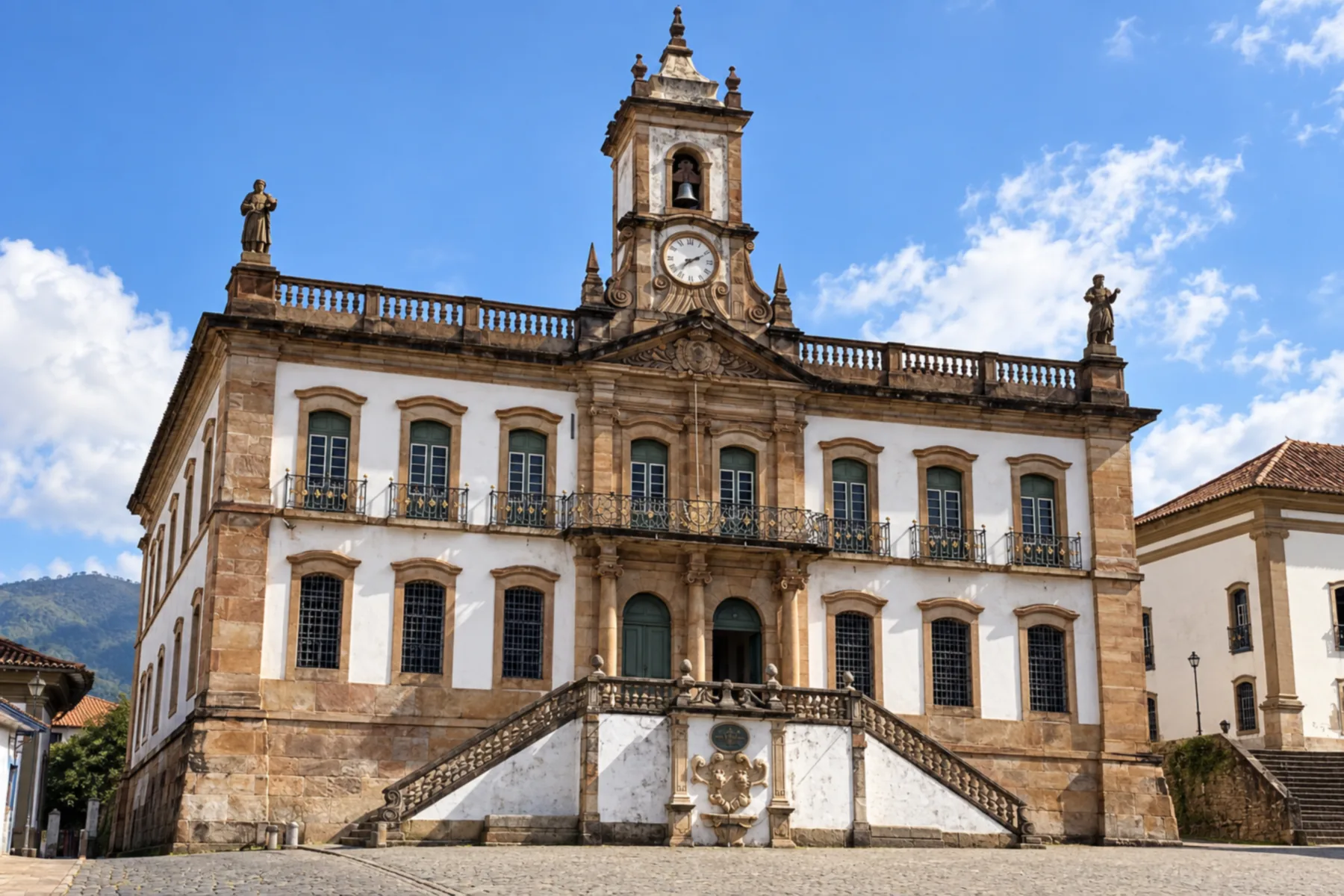
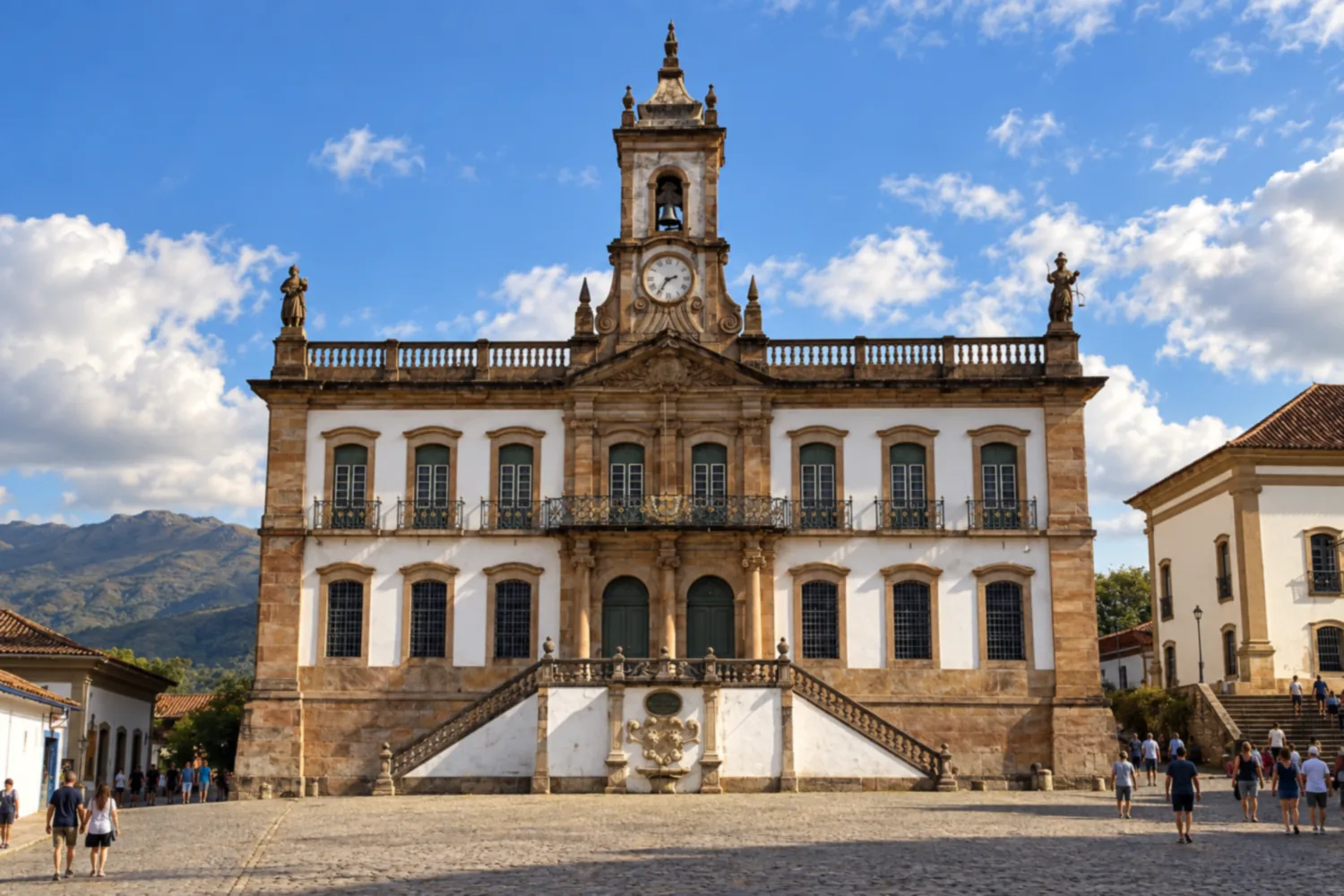
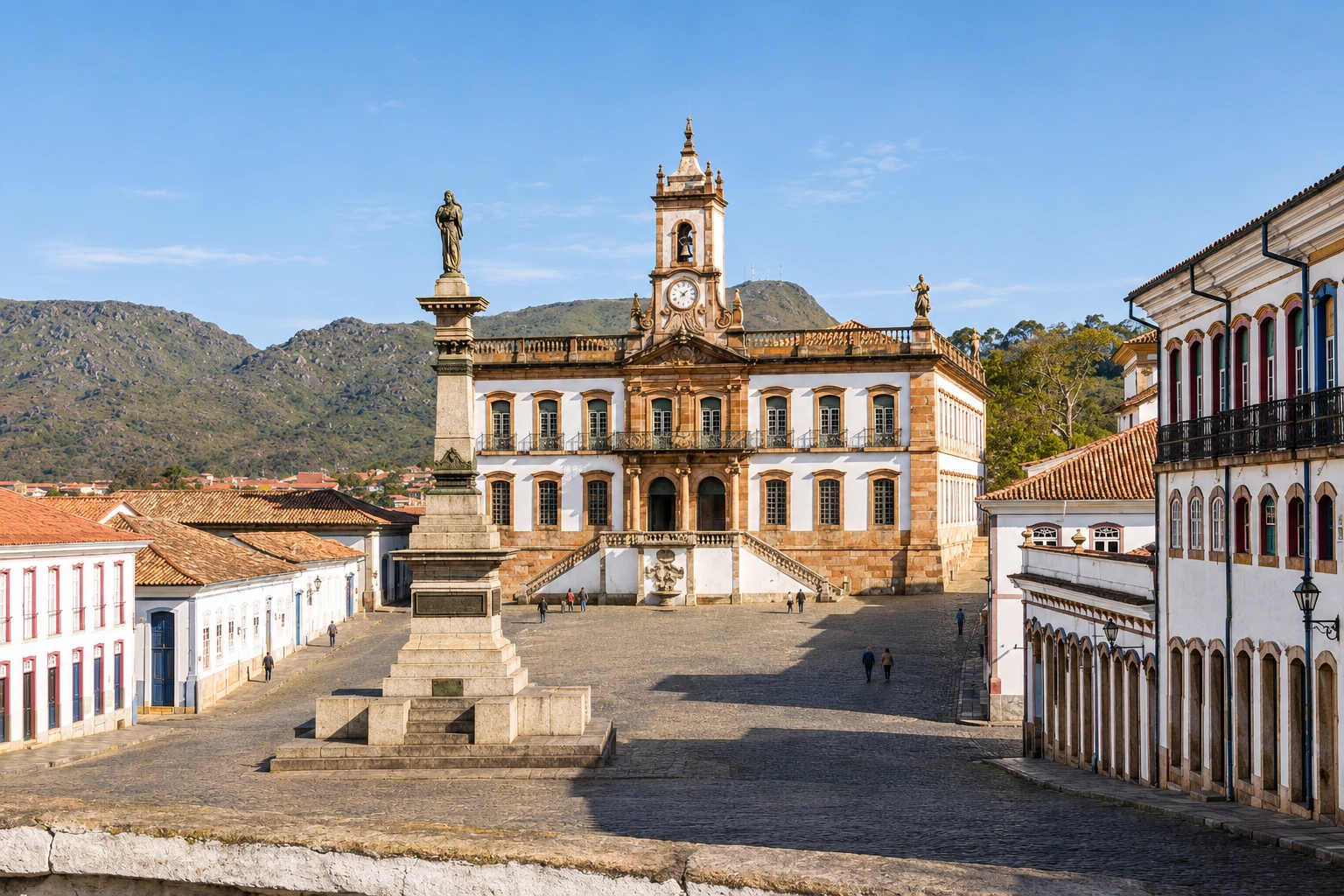
Museu da InconfidênciaHoused in the old Casa de Câmara e Cadeia (town hall and jail), on Praça Tiradentes, it holds the collection linked to the Inconfidência Mineira (a 1789 independence plot) and i...
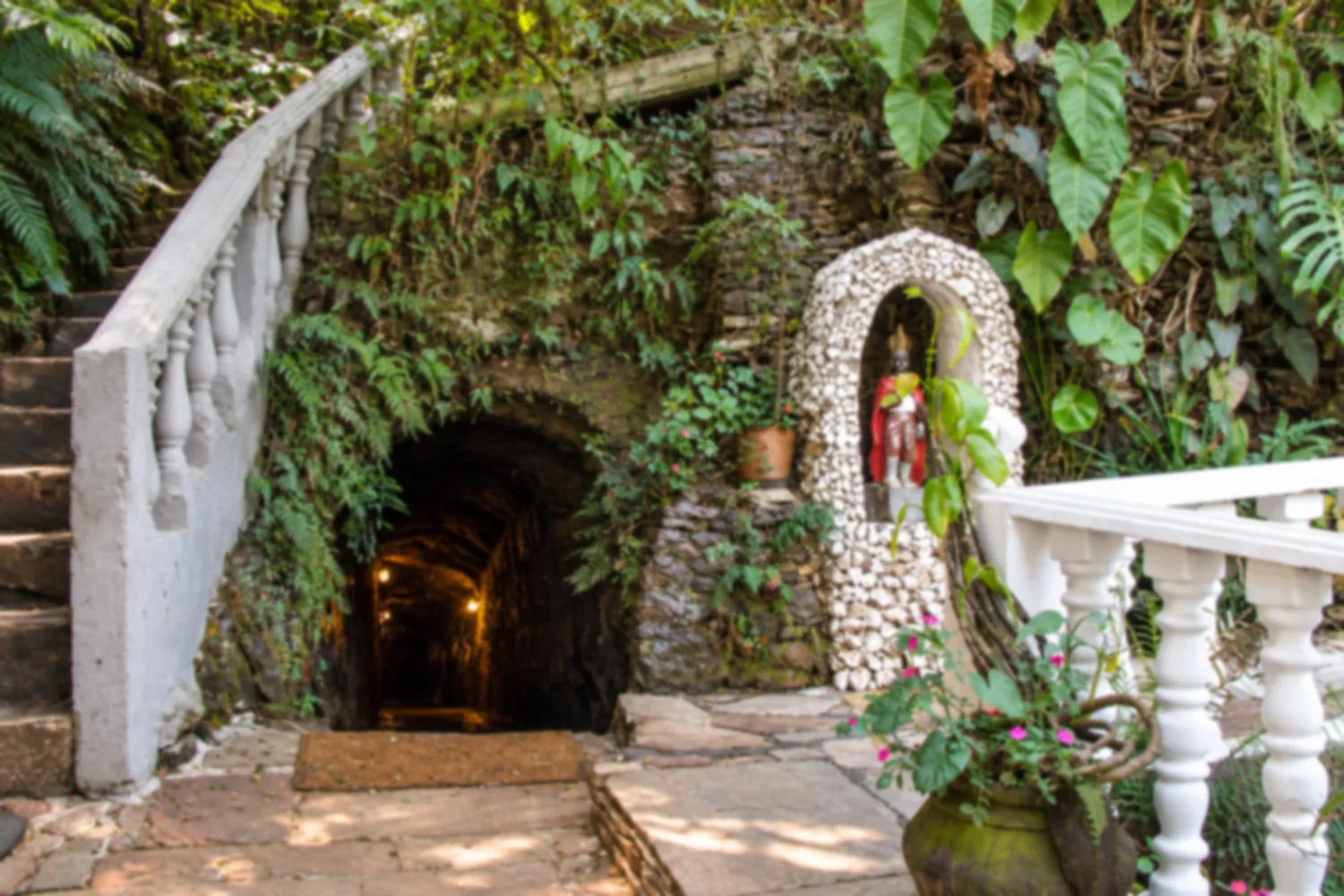
Mina do Chico ReiAn old gold mine open to visitors, with narrow galleries dug by hand by enslaved workers in the 18th century.
Basílica de Nossa Senhora do PilarThe current building was begun around 1728 and the interior is entirely covered in gilded woodcarving; in 1733, the transfer of the Blessed Sacrament to the church prompted the...
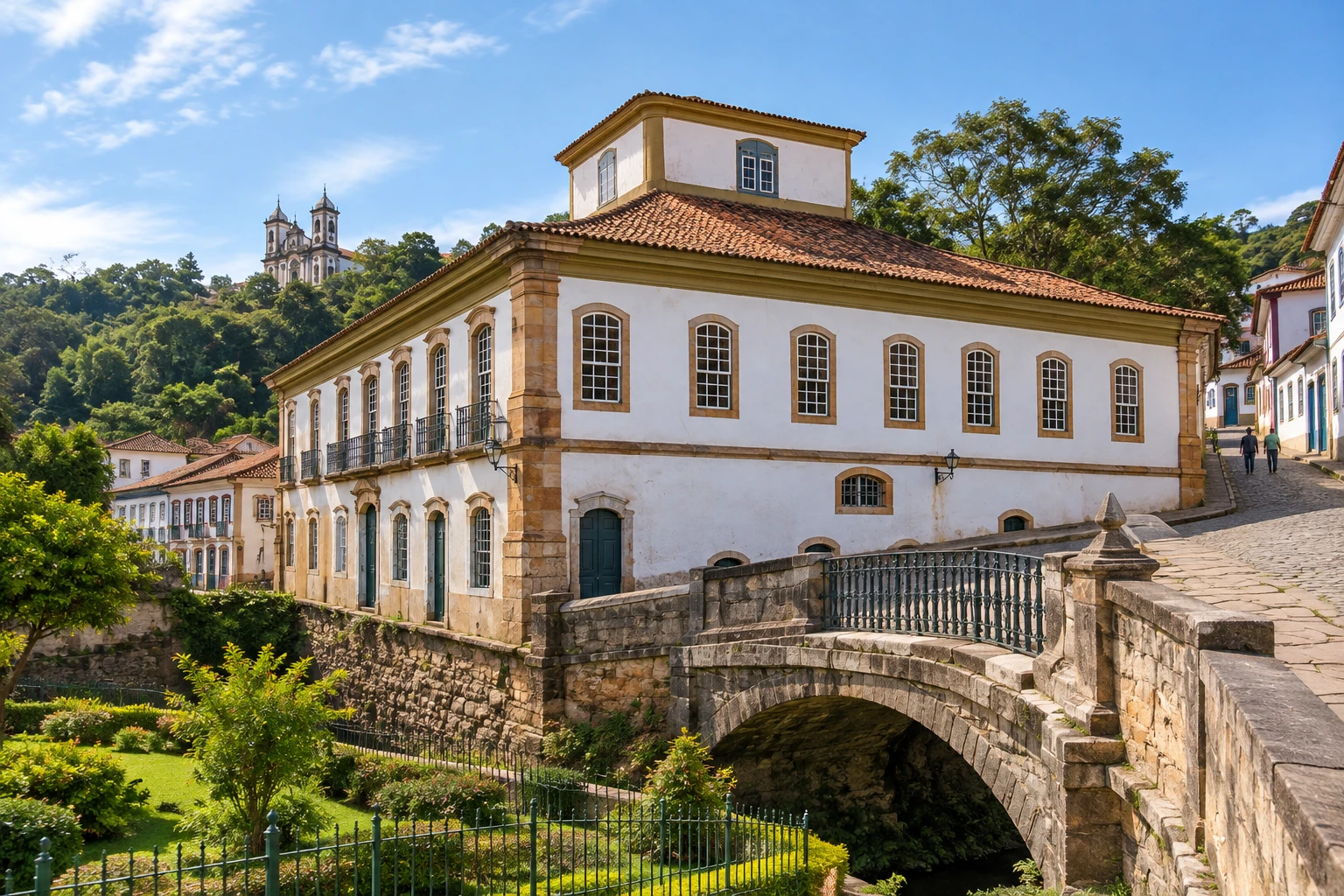
Casa dos ContosA townhouse built between 1782 and 1784 by the contractor João Rodrigues de Macedo, later the Crown's tax collection office and gold foundry.
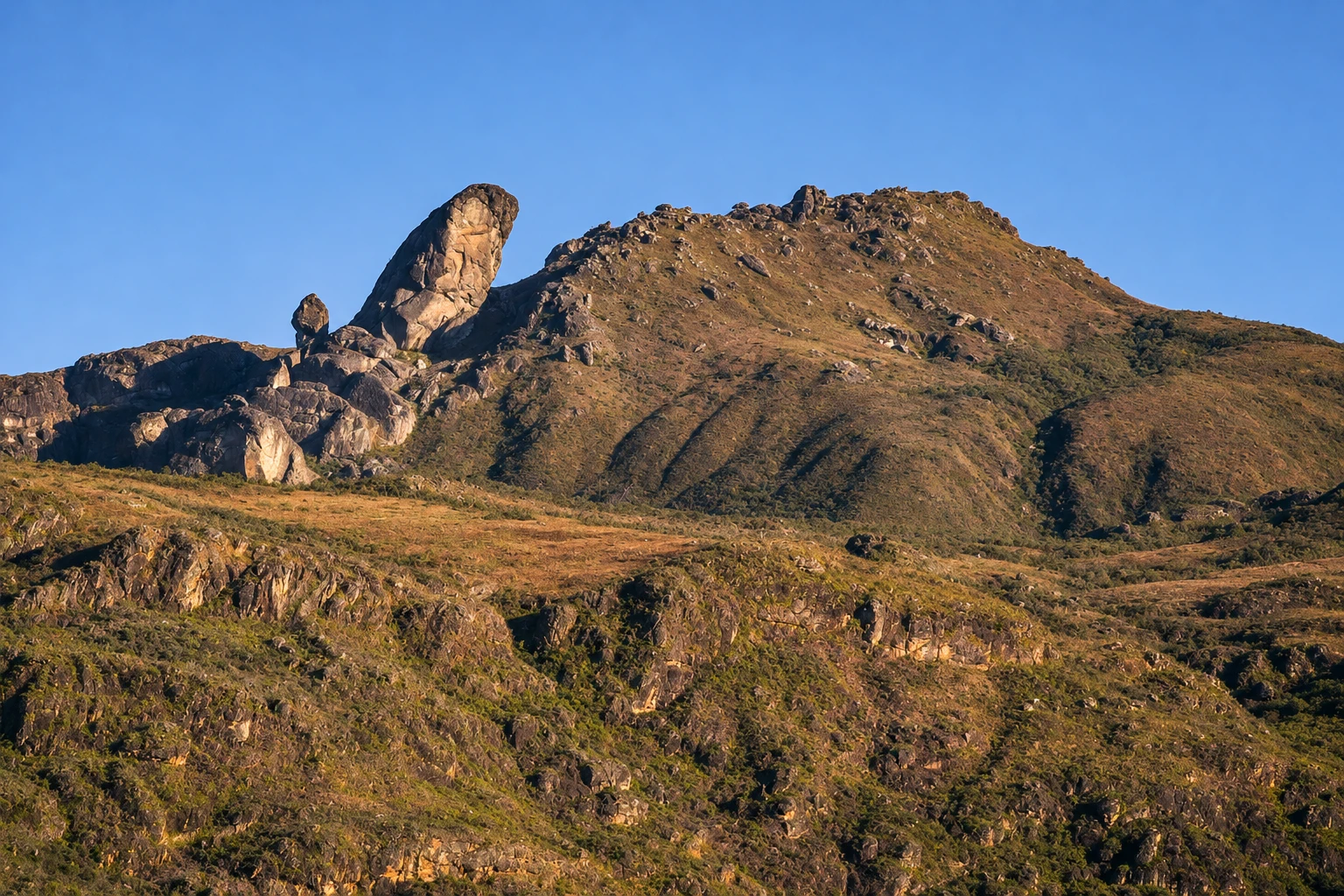
Itacolomi State ParkState park between Ouro Preto and Mariana, featuring Pico do Itacolomi at 1,772 meters, trails through grasslands and forest, and the old São José do Manso Farm, with the Casa B...
Oratory MuseumMuseum with a collection of domestic and travel devotional shrines and images, most from Minas Gerais, housed in an 18th-century townhouse on the forecourt of the Church of Carm...
Municipal Theatre (House of Opera)Theater inaugurated in 1770 in the former Vila Rica, considered one of the oldest still in operation in the Americas.
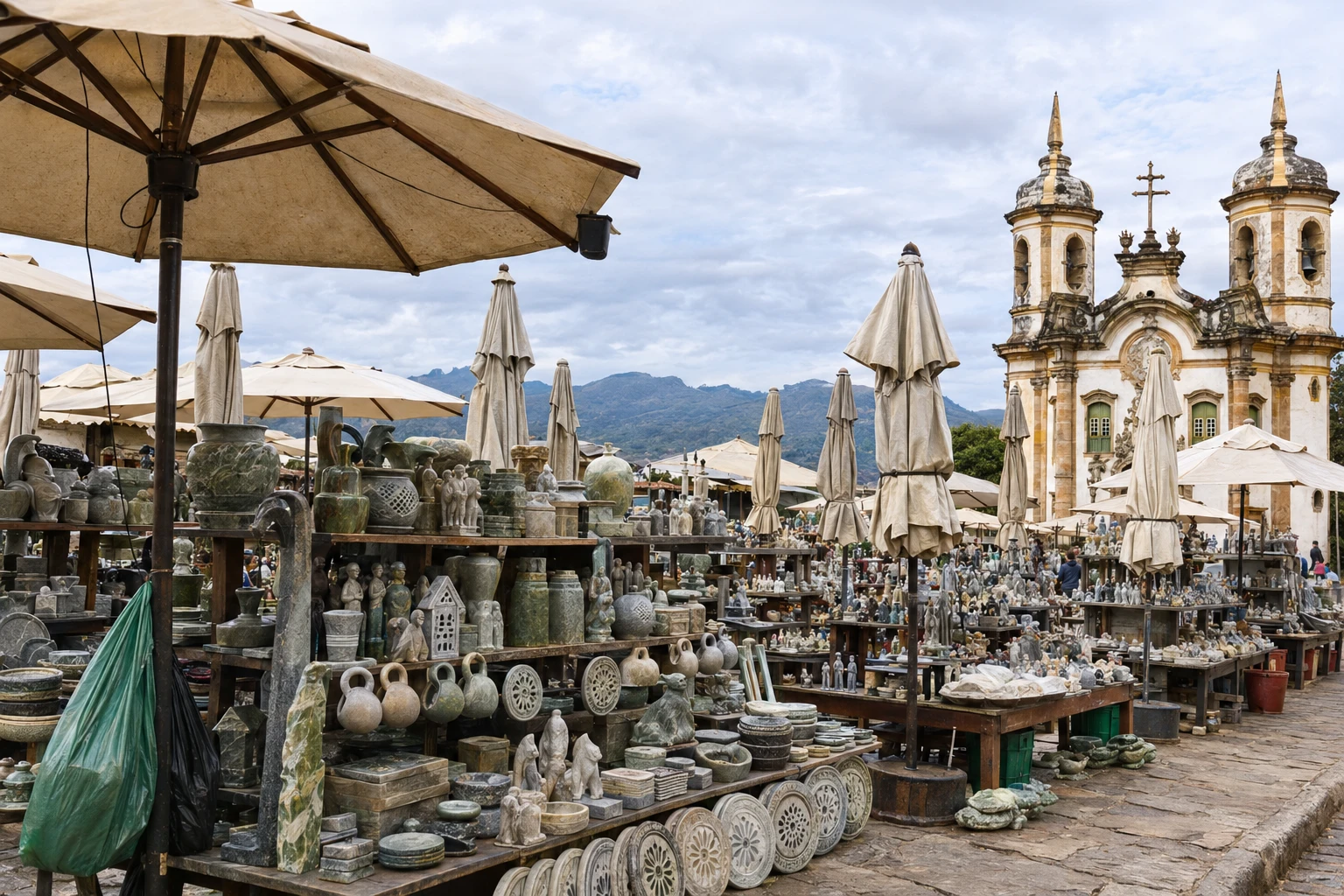
Largo de Coimbra soapstone fairPermanent soapstone craft fair at Largo de Coimbra, in front of the Church of São Francisco de Assis, in downtown Ouro Preto.
Considered Aleijadinho's masterpiece, it brings together the artist's architectural design, soapstone doorway and woodcarving with the ceiling painting by Mestre Ataíde. It is regarded as the high point of Brazilian Baroque.
Housed in the old Casa de Câmara e Cadeia (town hall and jail), on Praça Tiradentes, it holds the collection linked to the Inconfidência Mineira (a 1789 independence plot) and items from colonial daily life. It also keeps the remains of the conspirators in the Panteão dos Inconfidentes.
An old gold mine open to visitors, with narrow galleries dug by hand by enslaved workers in the 18th century. The visit tells the story of Chico Rei, the African who, according to tradition, bought his own freedom and that of his people.
The current building was begun around 1728 and the interior is entirely covered in gilded woodcarving; in 1733, the transfer of the Blessed Sacrament to the church prompted the Triunfo Eucarístico procession. A museum of sacred art operates in the basement.
A townhouse built between 1782 and 1784 by the contractor João Rodrigues de Macedo, later the Crown's tax collection office and gold foundry. Linked to the Inconfidência Mineira (a 1789 independence plot), it is where the poet Cláudio Manuel da Costa died, and today it is a museum.
Colonial ensemble of the former Vila Rica, the first Brazilian city inscribed on the UNESCO World Heritage List, in 1980. Hills, baroque churches, fountains and manor houses are arranged around Praça Tiradentes.
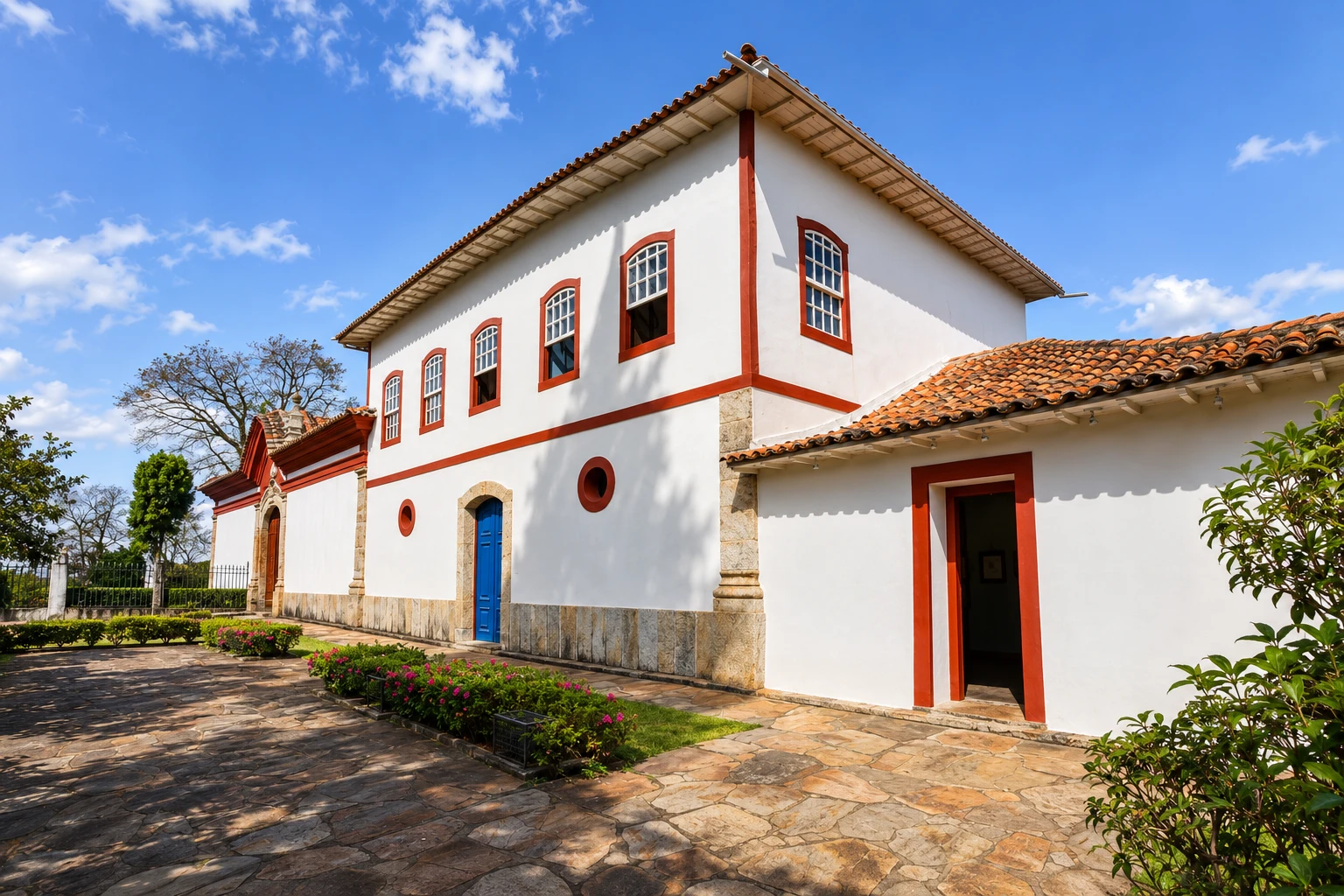
State park between Ouro Preto and Mariana, featuring Pico do Itacolomi at 1,772 meters, trails through grasslands and forest, and the old São José do Manso Farm, with the Casa Bandeirista and the Tea Museum.
Museum with a collection of domestic and travel devotional shrines and images, most from Minas Gerais, housed in an 18th-century townhouse on the forecourt of the Church of Carmo, in Ouro Preto.
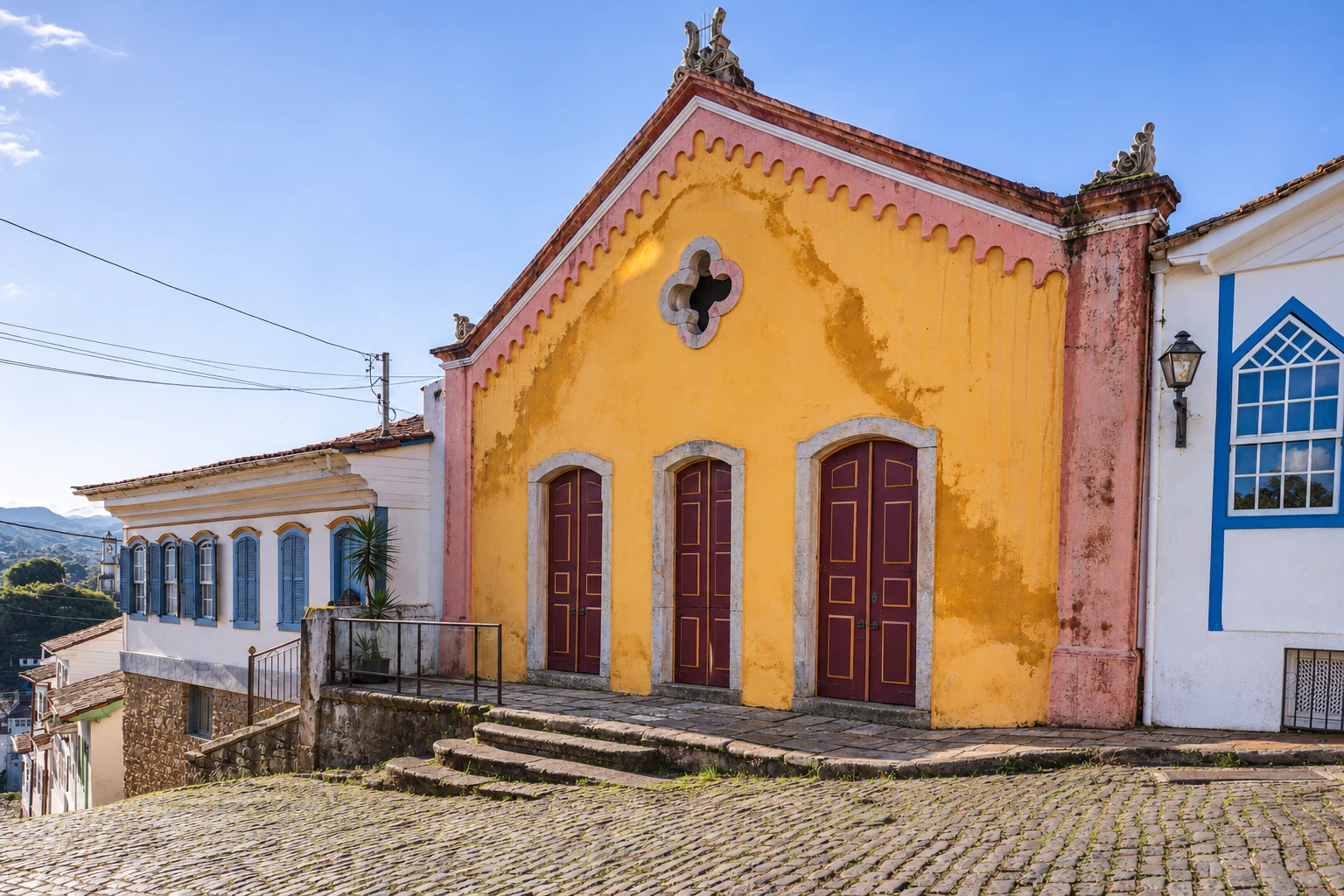
Theater inaugurated in 1770 in the former Vila Rica, considered one of the oldest still in operation in the Americas. The colonial building, protected by Iphan, still hosts performances and guided visits.
Permanent soapstone craft fair at Largo de Coimbra, in front of the Church of São Francisco de Assis, in downtown Ouro Preto. The stalls are run by the region’s own artisans.


 Antarctica
 Argentina
 Bolivia
 Chile
 Colombia
 Ecuador
 Falkland Islands (Malvinas)
 French Guiana
 Guyana
 Paraguay
 Peru
 Suriname
 Uruguay
 Venezuela
 Albania
 Austria
 Belgium
 Croatia
 Denmark
 Finland
 France
 Germany
 Greece
 Hungary
 Iceland
 Ireland
 Italy
 Luxembourg
 Norway
 Poland
 Portugal
 Slovakia
 Slovenia
 Spain
 Sweden
 Switzerland
 the Czech Republic
 the Netherlands
 the United Kingdom
 Turkey
 Bermuda
 Canada
 Greenland
 Mexico
 Saint Pierre and Miquelon
 the United States
 the Dominican Republic
 Japan
 Egypt
 South Africa
 Australia
 Fiji
 New Zealand
 Papua New Guinea