12 lugares para conhecer Belo Horizonte (MG), escolhidos pelo guia Cidade Turismo.
Illustrative images. The pictures in this guide are illustrations based on the real place, not photographs, and may differ from it.
Para começar
Os 10 principais lugares Belo Horizonte
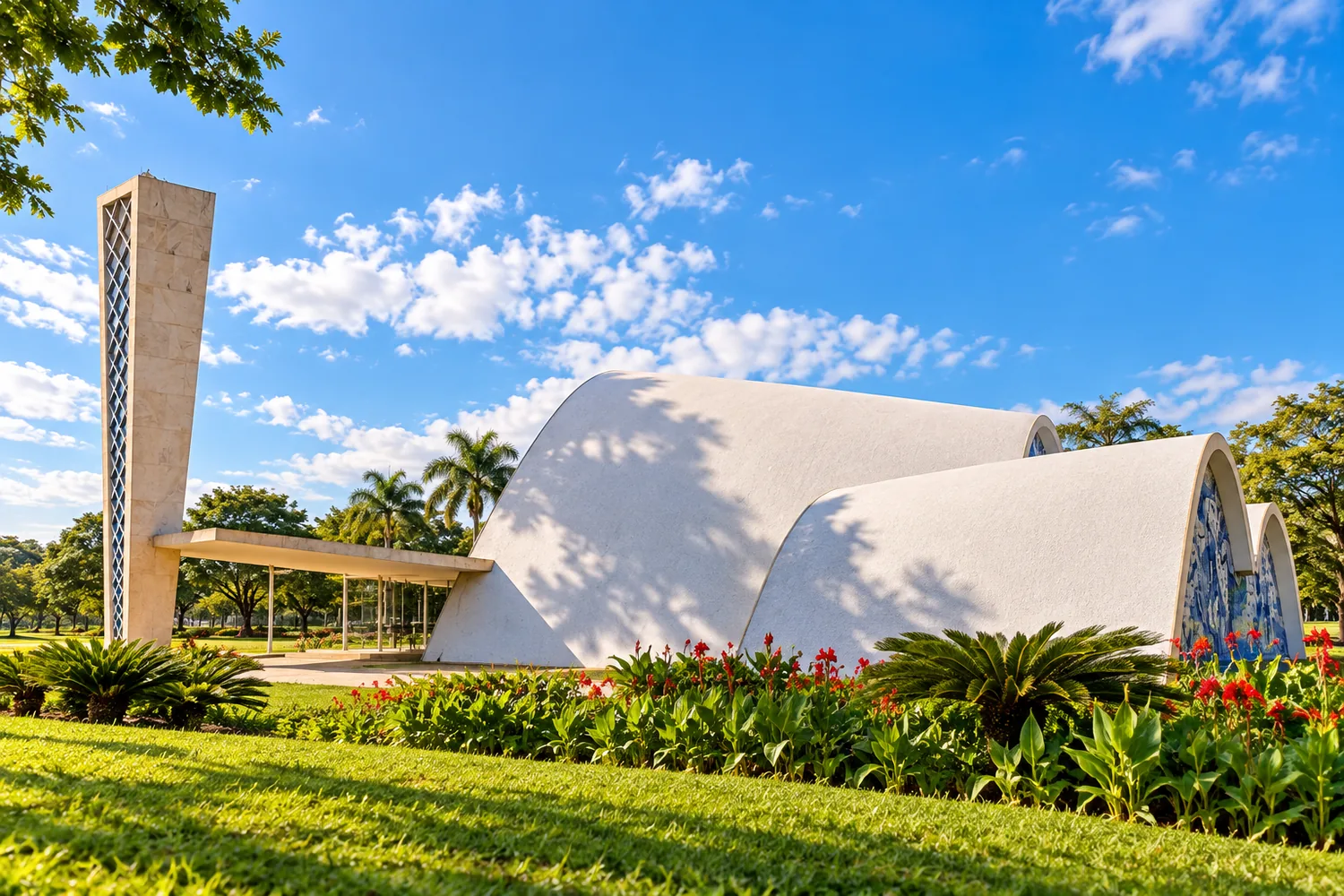
Igreja de São Francisco de Assis (Igrejinha da Pampulha)Designed by Oscar Niemeyer and opened in 1943, it has parabolic concrete vaults, a tile panel and Stations of the Cross by Candido Portinari, and gardens by Burle Marx.
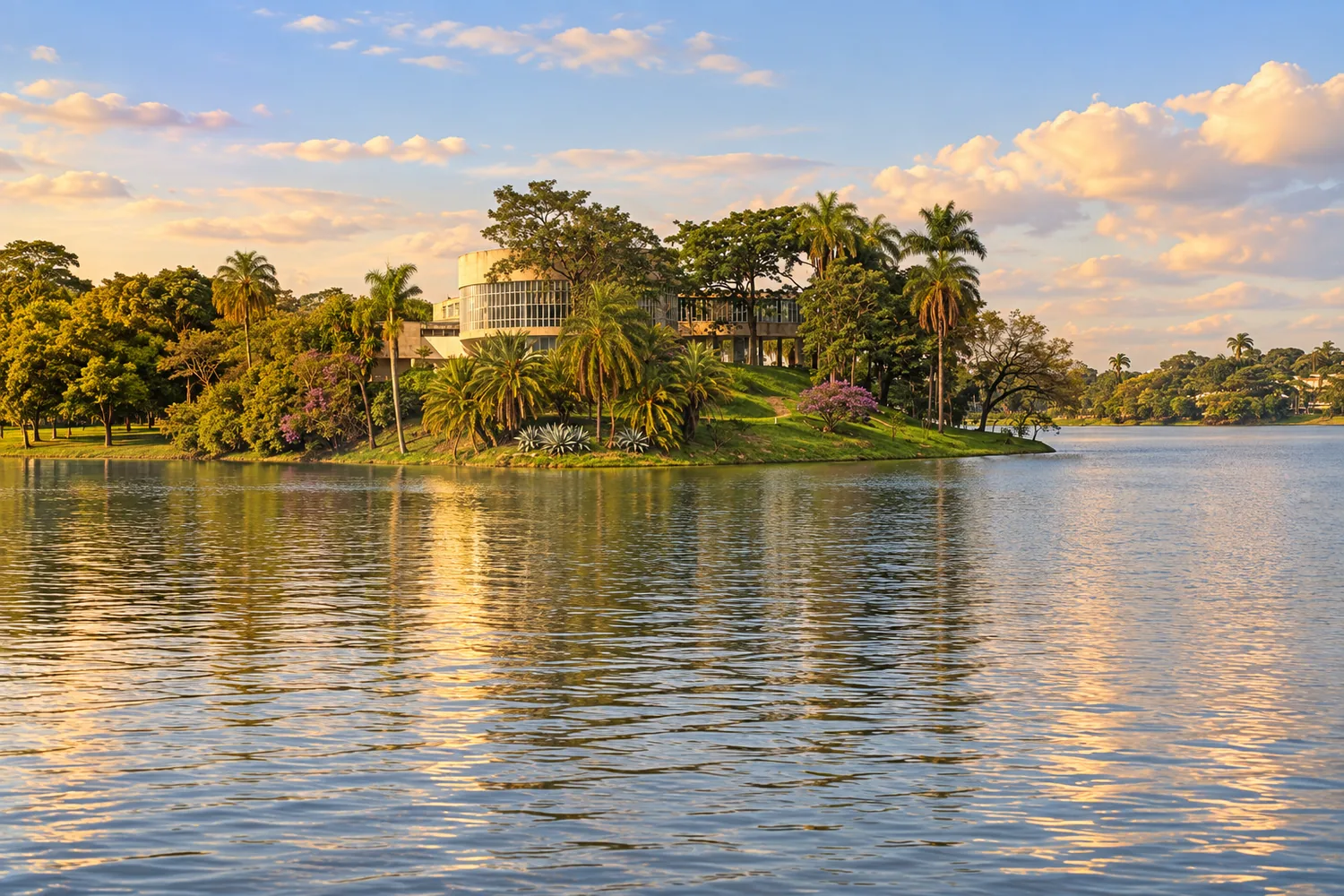
Lagoa da PampulhaAn artificial reservoir whose shore is home to the Pampulha Modern Ensemble, designed by Oscar Niemeyer in the 1940s and recognized as a World Heritage Site by Unesco in 2016.
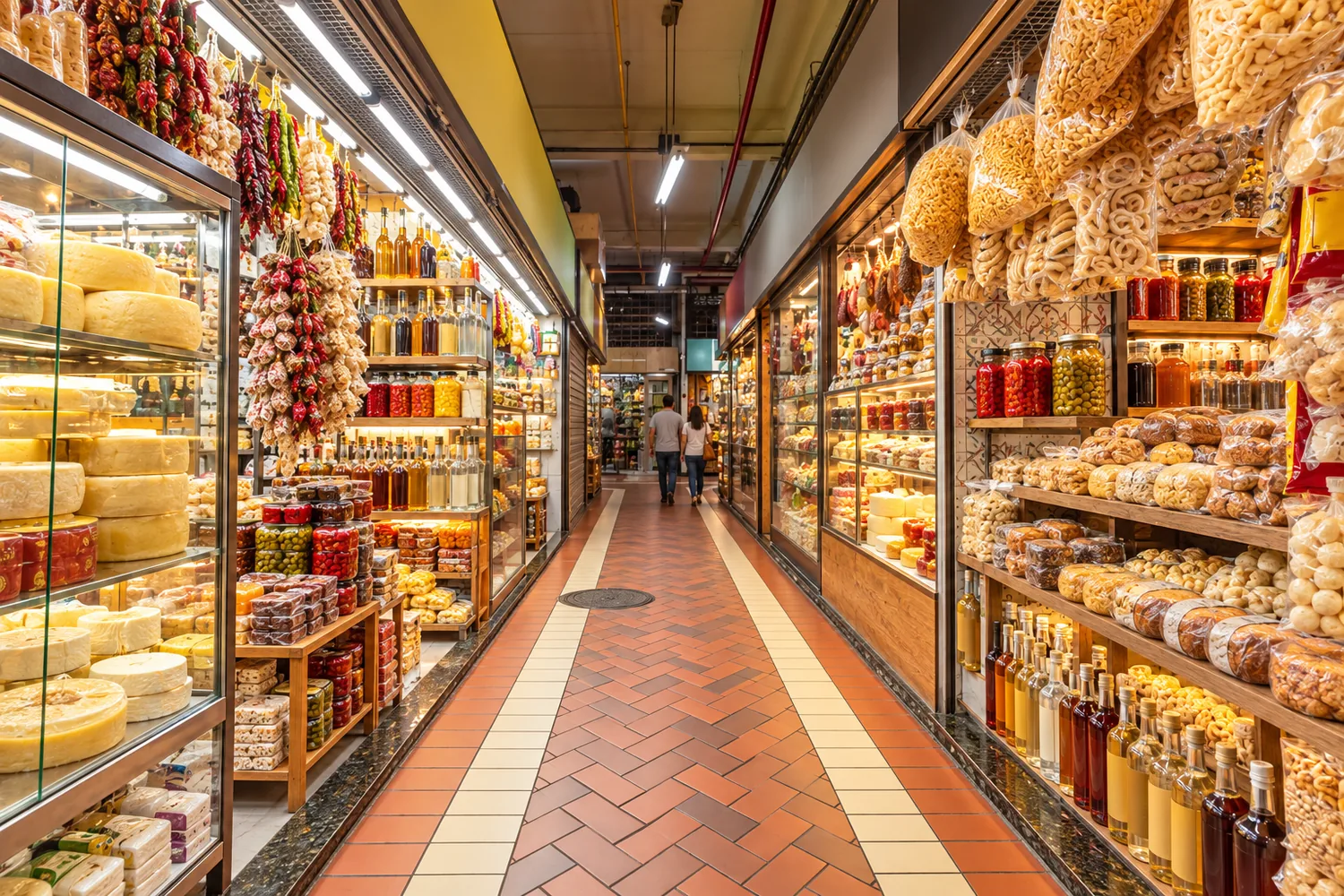
Santiago Central MarketFounded in 1929, it takes up an entire downtown block and was bought in 1964 by a group of merchants who turned it into a cooperative.
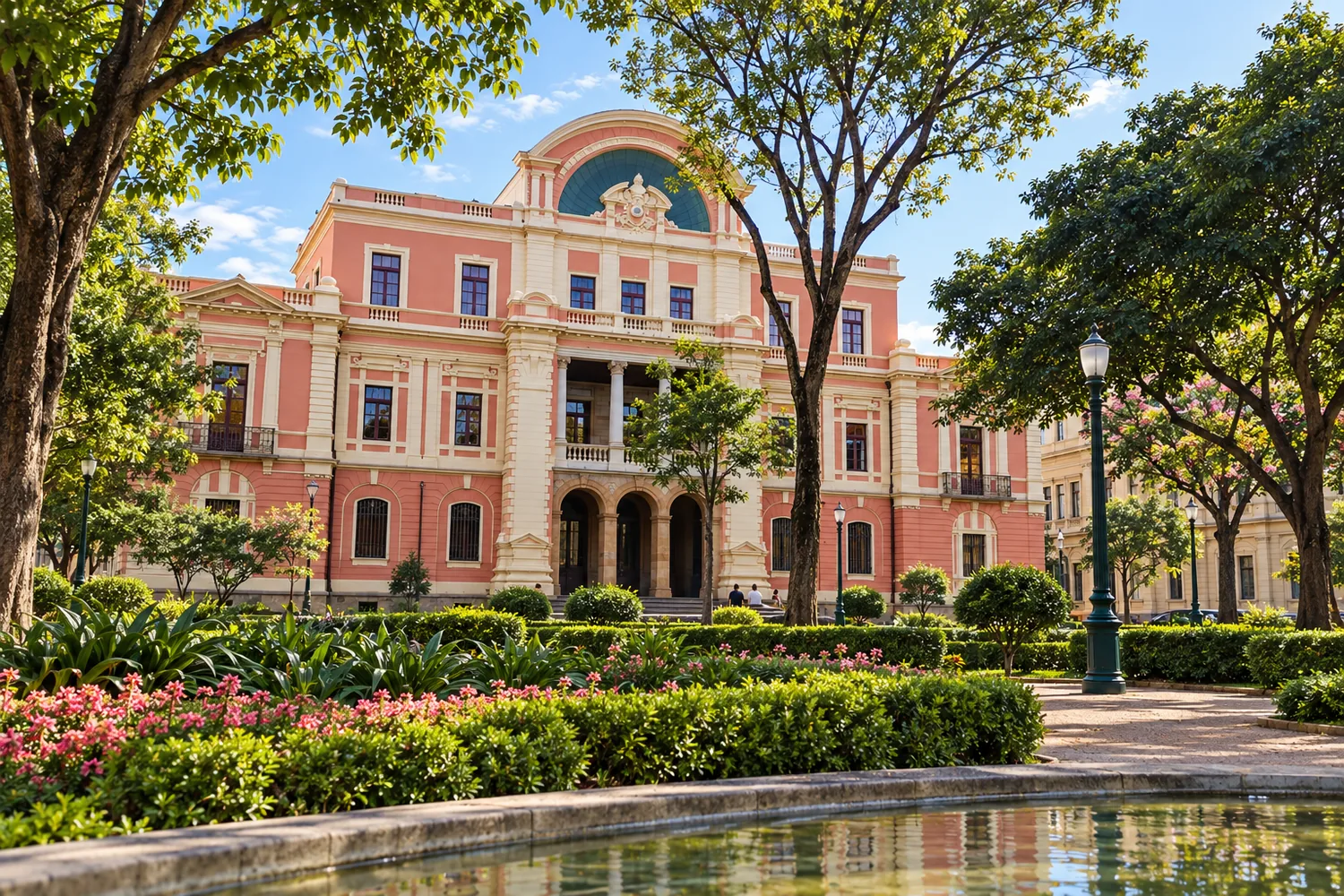
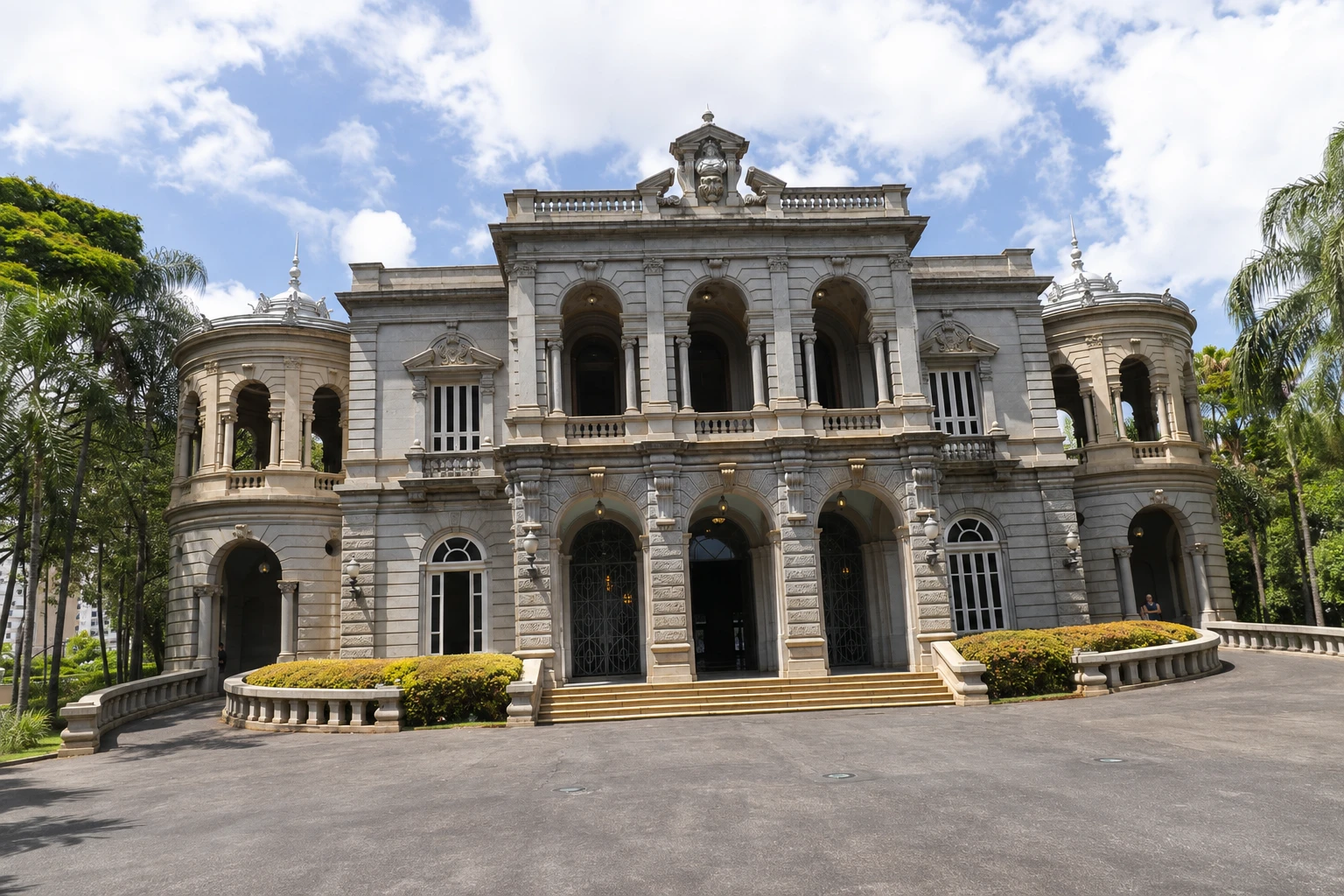
Praça da LiberdadeIncluded in the capital's original plan, it has avenues of royal palms, fountains and the Palácio da Liberdade, the former seat of the Minas Gerais government.
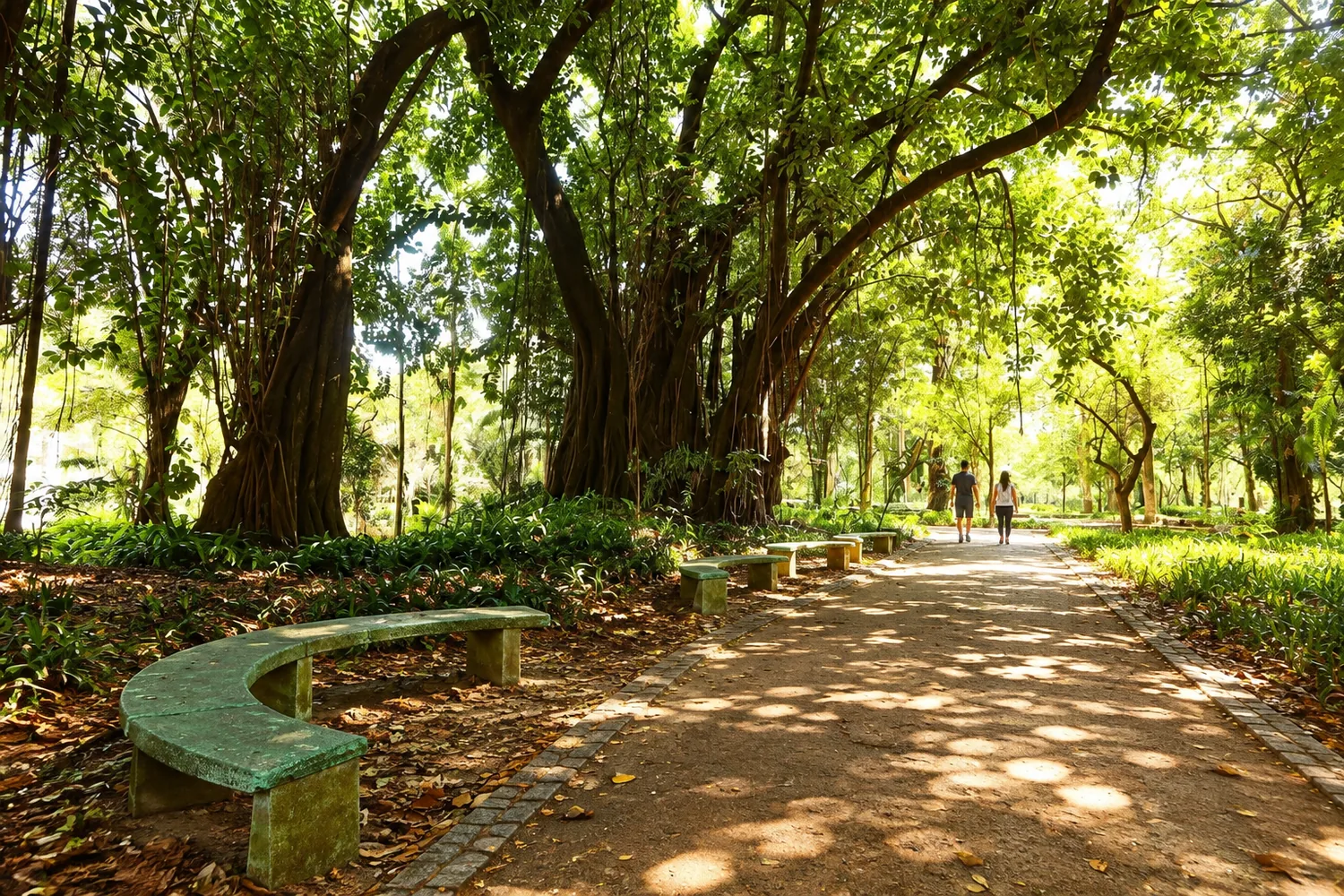
Parque Municipal Américo Renné GiannettiOpened in September 1897, even before the new capital was established, it was designed by French landscape architect Paul Villon in the English romantic style.
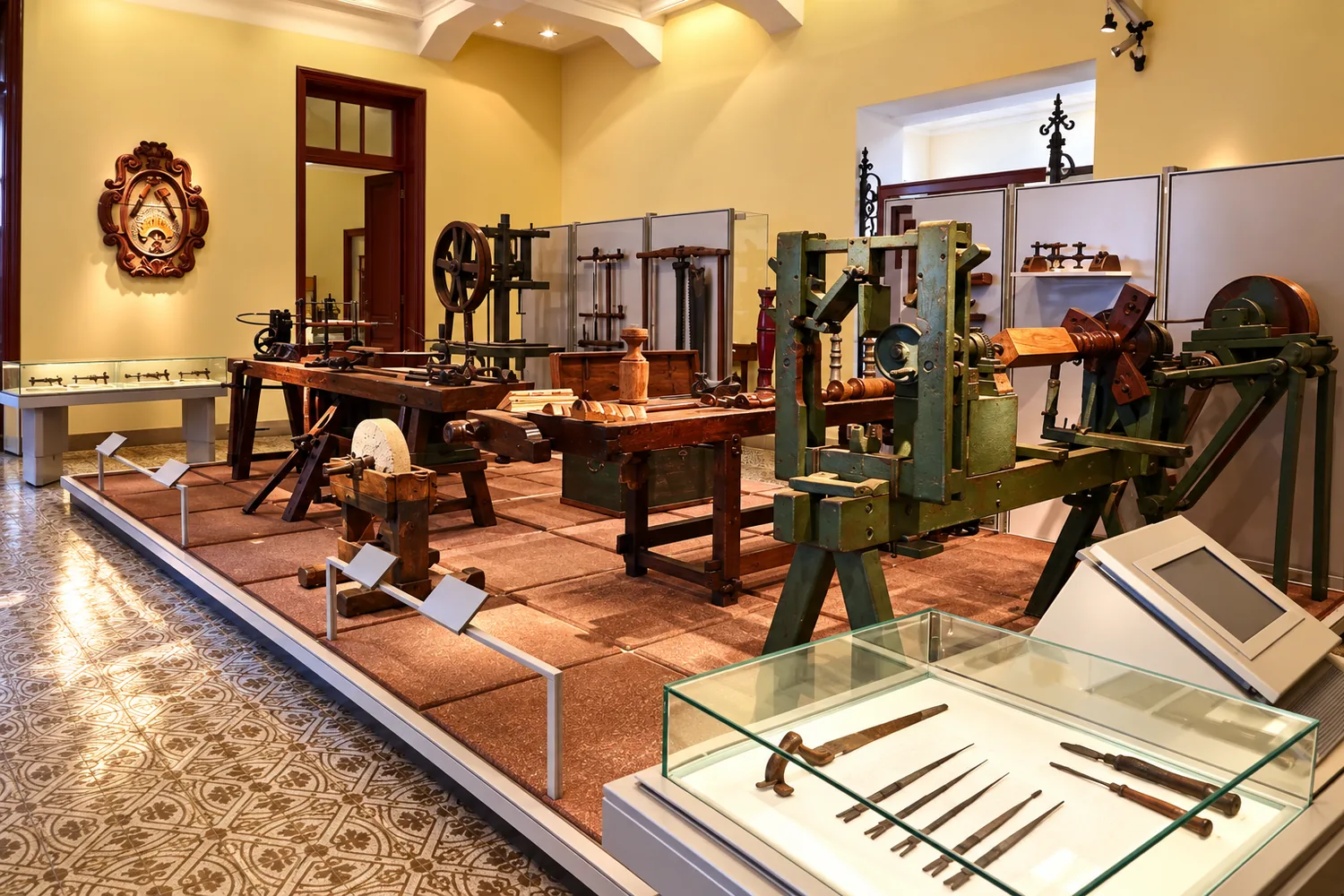
Museu de Artes e OfíciosOpened in 2005 in the former Estação Central complex, at Praça da Estação, it holds more than 2,000 pieces related to work and trades from the 18th to the 20th century.
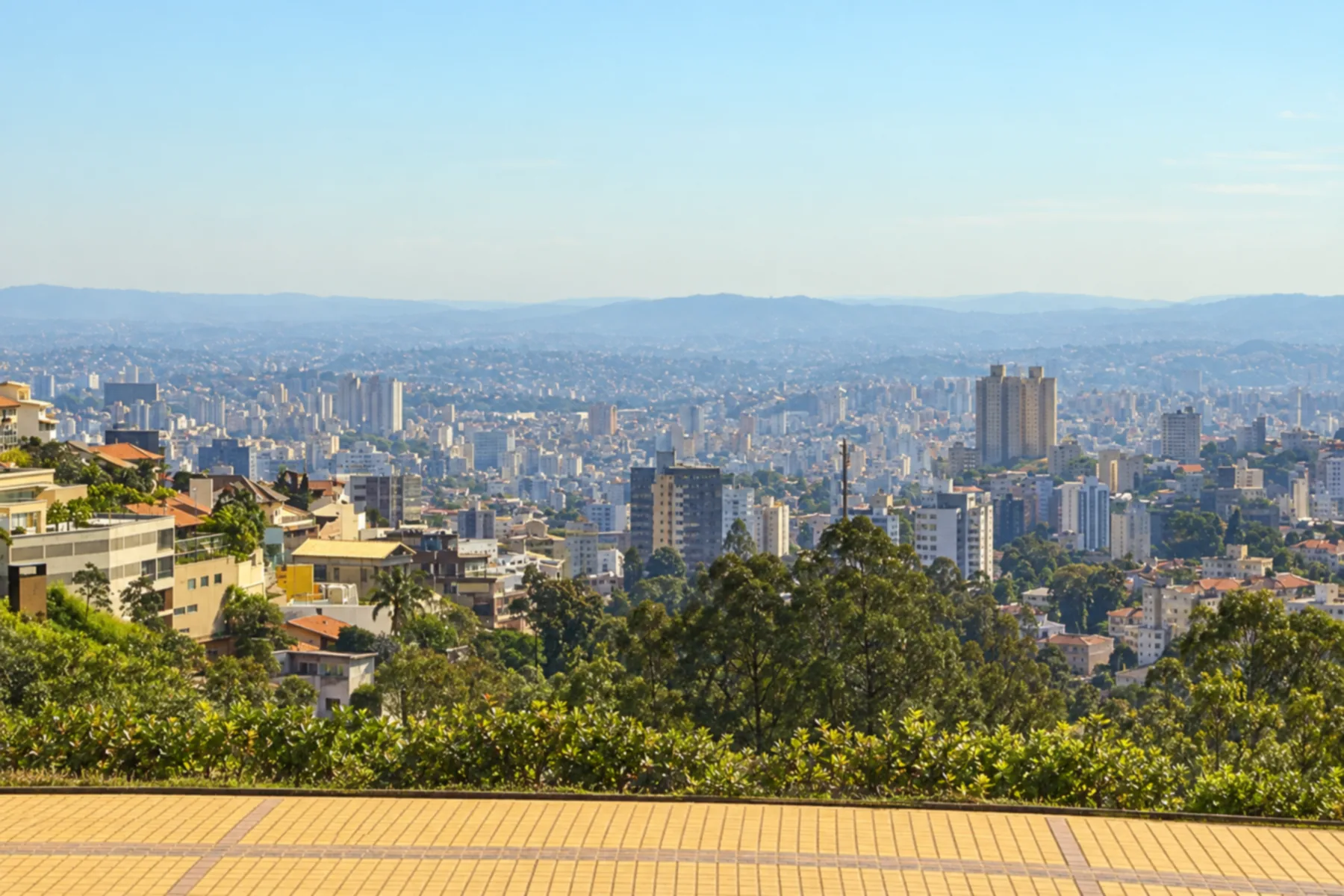
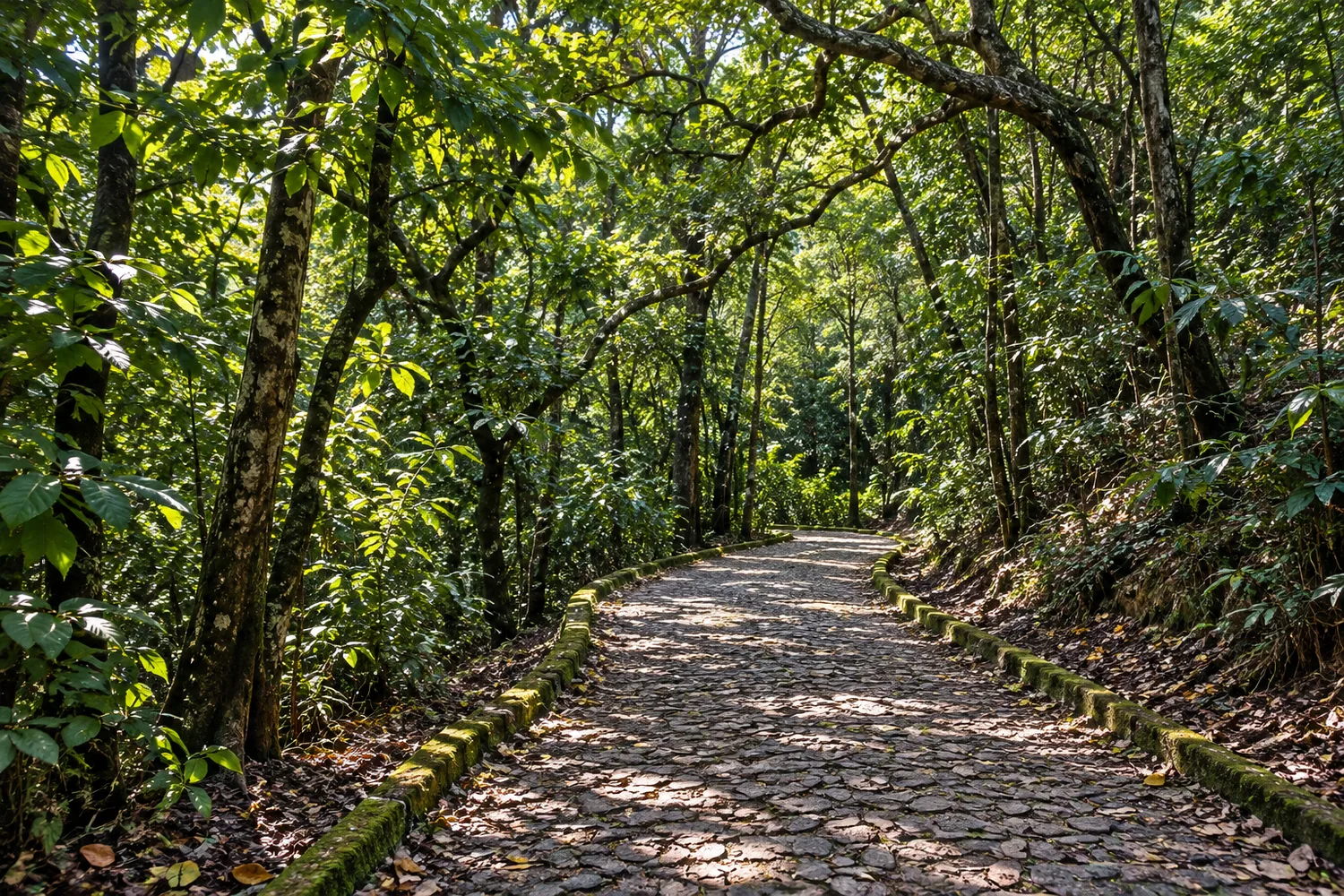
Parque das MangabeirasOpened in 1982 with a design by Burle Marx, it covers about 2.35 million square meters on the slopes of the Serra do Curral, more than a thousand meters above sea level.
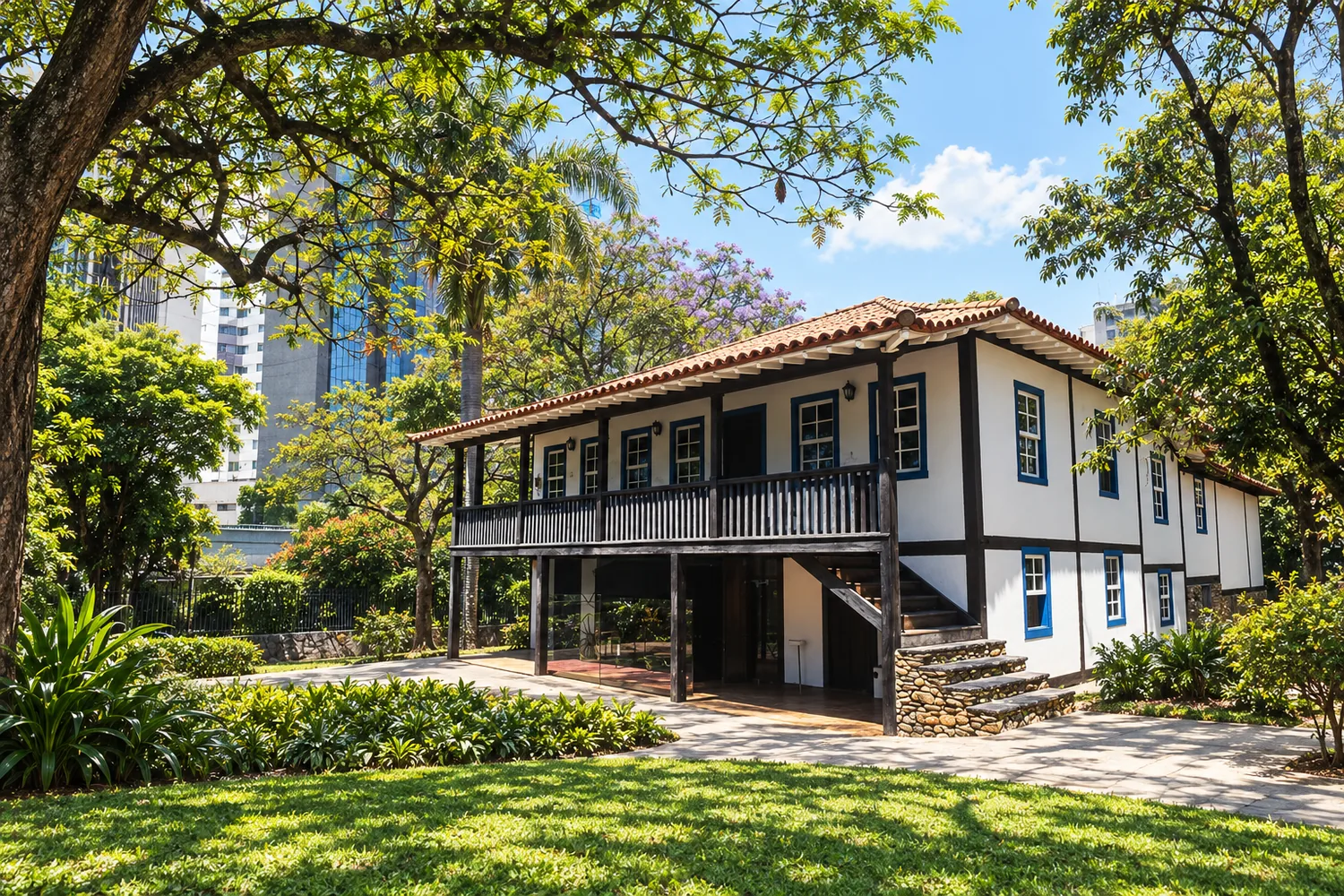
Museu Histórico Abílio BarretoIt is housed in an 1883 mansion, a survivor of the old Arraial do Curral del-Rei (village) that gave way to the capital, and opened to the public in 1943.
Palace of LibertyFormer seat of the government of Minas Gerais, atop Praça da Liberdade, completed in 1898, shortly after the founding of Belo Horizonte.
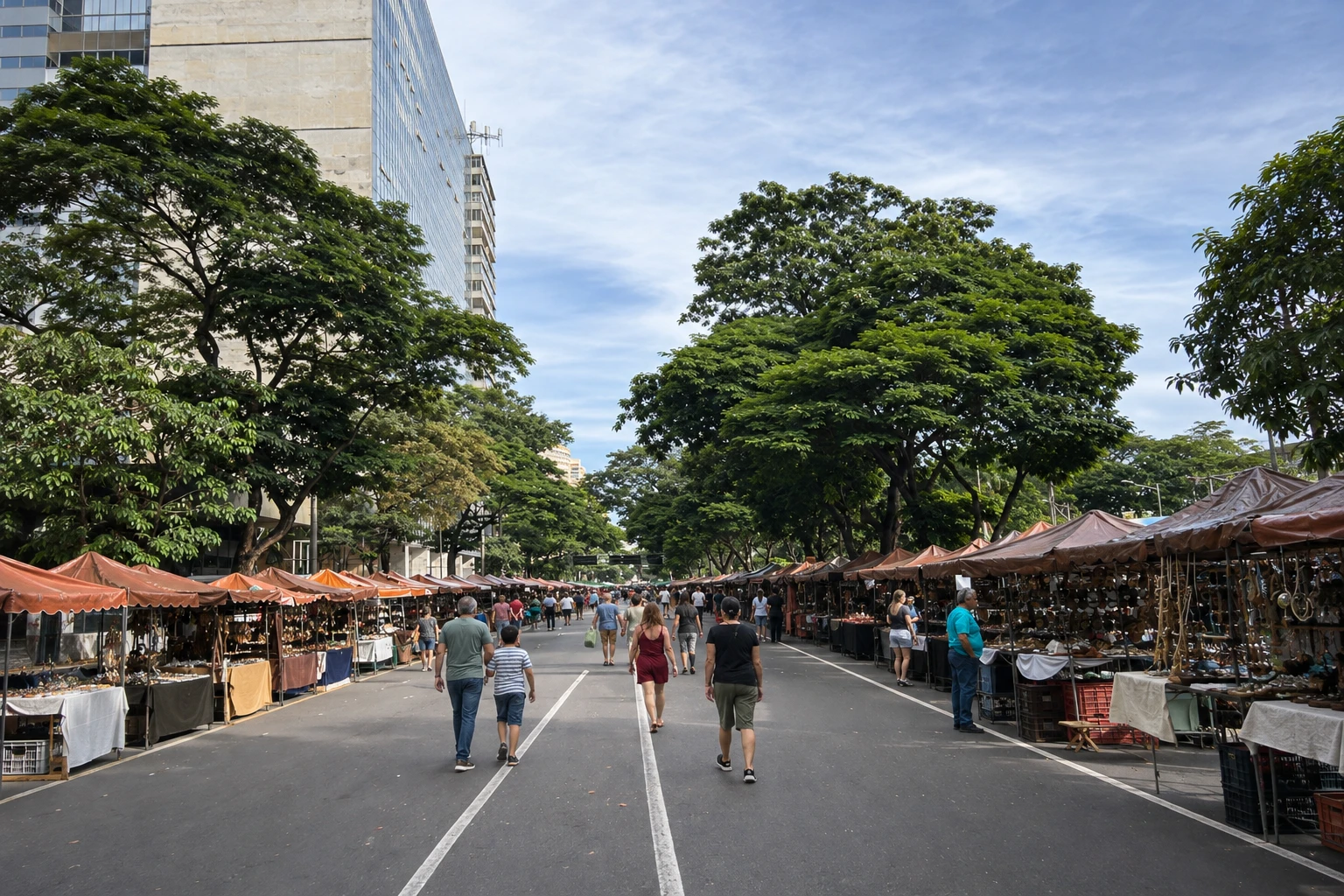
Avenida Afonso Pena Hippie FairSunday fair that fills Avenida Afonso Pena in downtown Belo Horizonte, with about 1,800 vendors selling handicrafts, clothing, home decor, furniture and food.
Designed by Oscar Niemeyer and opened in 1943, it has parabolic concrete vaults, a tile panel and Stations of the Cross by Candido Portinari, and gardens by Burle Marx. Considered too daring, it went 14 years without being consecrated for worship.
An artificial reservoir whose shore is home to the Pampulha Modern Ensemble, designed by Oscar Niemeyer in the 1940s and recognized as a World Heritage Site by Unesco in 2016. The path around the water is used for walking and cycling.
Founded in 1929, it takes up an entire downtown block and was bought in 1964 by a group of merchants who turned it into a cooperative. Its aisles are full of cheeses, sweets, cachaças, crafts and Minas Gerais food counters.
Included in the capital's original plan, it has avenues of royal palms, fountains and the Palácio da Liberdade, the former seat of the Minas Gerais government. The former government office buildings around it have become museums and cultural centers of the Circuito Liberdade.
Opened in September 1897, even before the new capital was established, it was designed by French landscape architect Paul Villon in the English romantic style. It has about 4,000 trees of some 300 species, lakes and tree-lined paths in the city center.
Opened in 2005 in the former Estação Central complex, at Praça da Estação, it holds more than 2,000 pieces related to work and trades from the 18th to the 20th century. Tools, utensils and machines tell the story of pre-industrial popular production.
Opened in 1982 with a design by Burle Marx, it covers about 2.35 million square meters on the slopes of the Serra do Curral, more than a thousand meters above sea level. It has dozens of springs, trails and a viewpoint overlooking the city.
It is housed in an 1883 mansion, a survivor of the old Arraial do Curral del-Rei (village) that gave way to the capital, and opened to the public in 1943. The collection includes photos, documents and objects from the city's history, and the garden displays the Mariquinha locomotive.
Former seat of the government of Minas Gerais, atop Praça da Liberdade, completed in 1898, shortly after the founding of Belo Horizonte. The eclectic palace and its gardens are open to visitors and form the core of the Circuito Liberdade.
Sunday fair that fills Avenida Afonso Pena in downtown Belo Horizonte, with about 1,800 vendors selling handicrafts, clothing, home decor, furniture and food. It began in 1969 at Praça da Liberdade and is known as Feira Hippie.
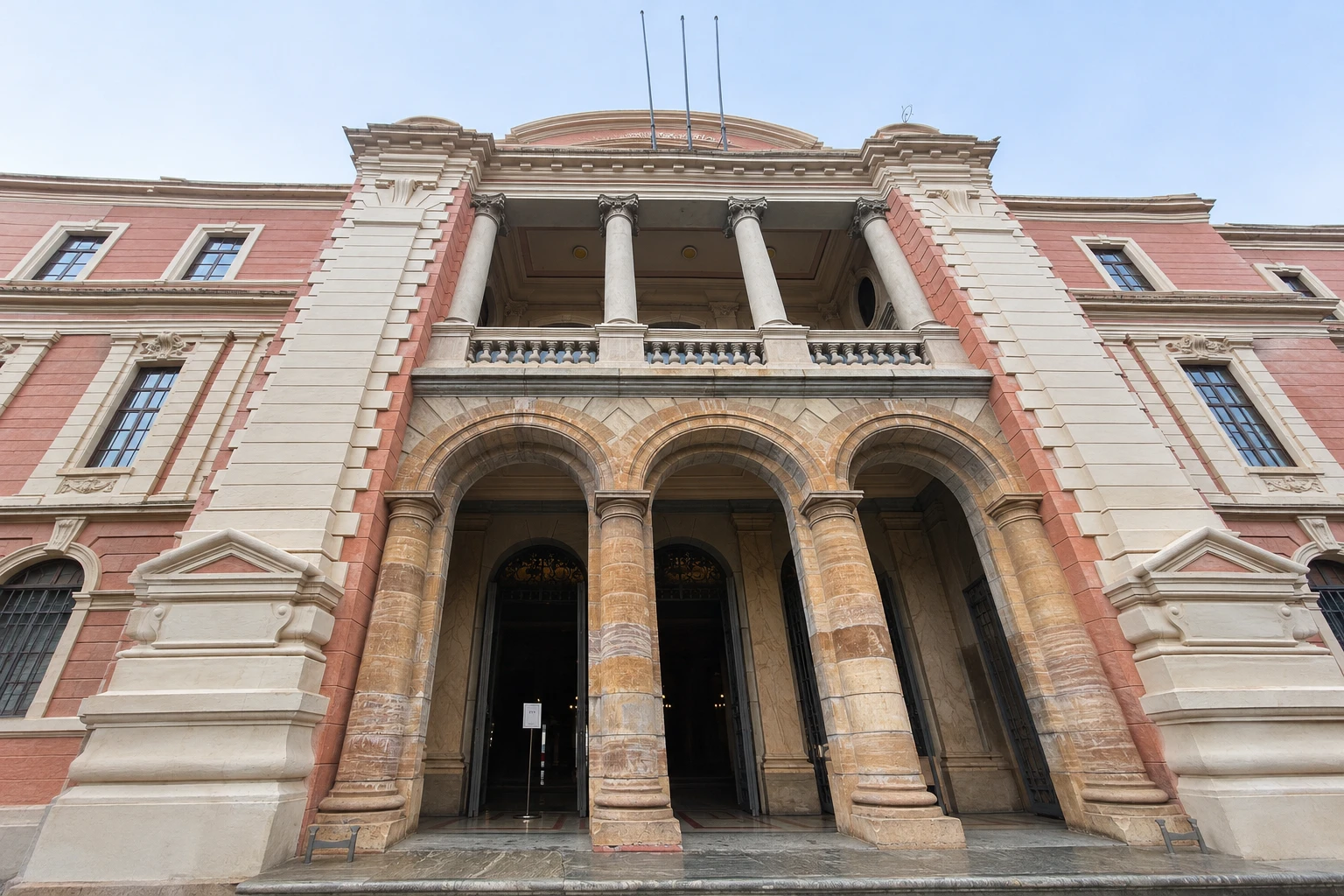
Interactive museum about mining and metallurgy in the Prédio Rosa, at Praça da Liberdade, a 1897 building adapted by Paulo Mendes da Rocha. It gathers minerals, the collection of geologist Djalma Guimarães and rooms about metals in everyday life.
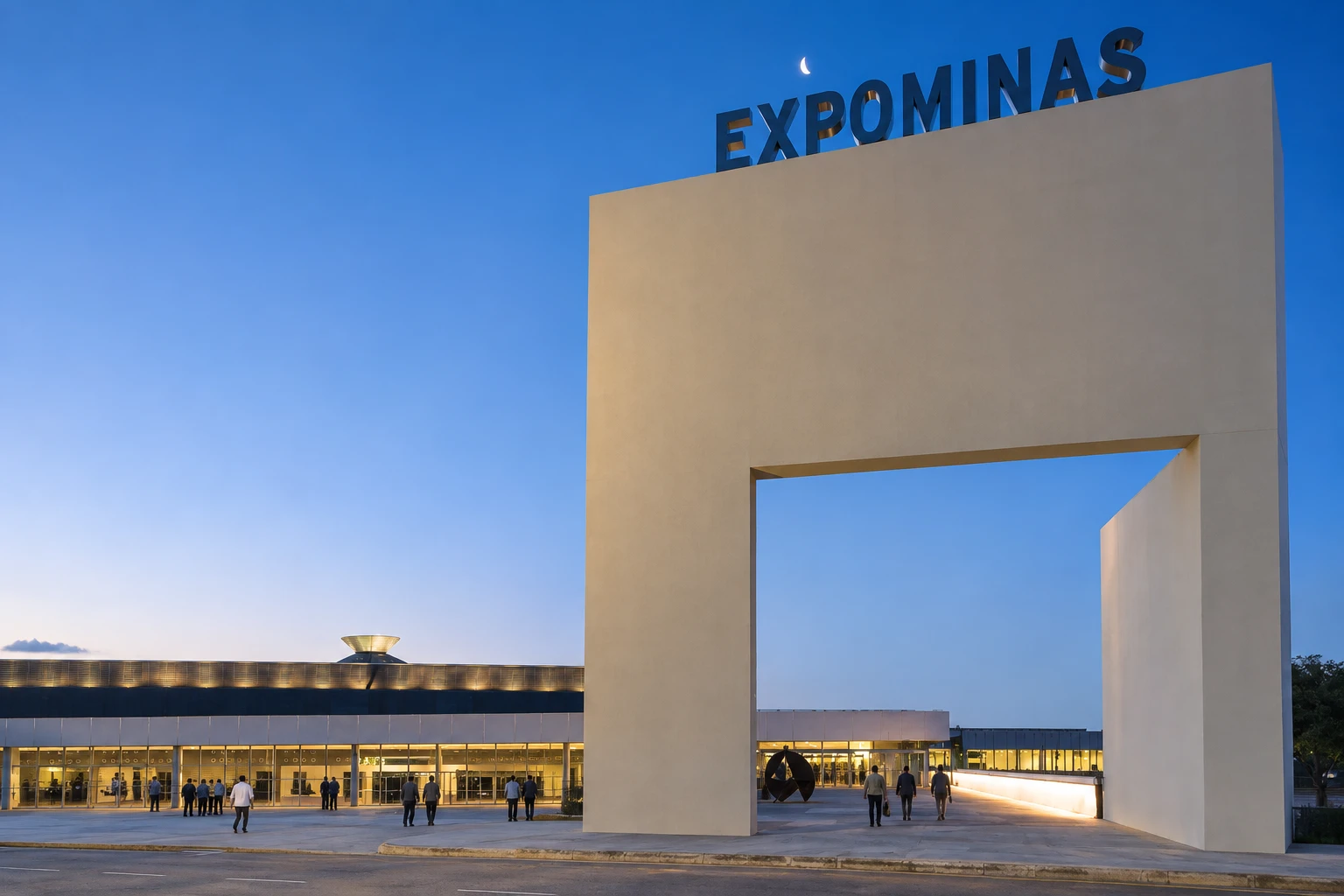
The largest fair and convention center in Minas Gerais, on Avenida Amazonas in the Gameleira neighborhood of Belo Horizonte. It has large-span contiguous pavilions, an arena and auditoriums, and hosts trade fairs, congresses, shows and public exhibitions.


 Antarctica
 Argentina
 Bolivia
 Chile
 Colombia
 Ecuador
 Falkland Islands (Malvinas)
 French Guiana
 Guyana
 Paraguay
 Peru
 Suriname
 Uruguay
 Venezuela
 Austria
 Belgium
 Croatia
 Denmark
 Finland
 France
 Germany
 Greece
 Hungary
 Iceland
 Ireland
 Italy
 Luxembourg
 Norway
 Poland
 Portugal
 Slovakia
 Slovenia
 Spain
 Sweden
 Switzerland
 the Czech Republic
 the Netherlands
 the United Kingdom
 Turkey
 Bermuda
 Canada
 Greenland
 Mexico
 Saint Pierre and Miquelon
 the United States
 the Dominican Republic
 Japan
 Egypt
 South Africa
 Australia
 Fiji
 New Zealand
 Papua New Guinea