

 Antarctica
 Argentina
 Bolivia
 Chile
 Colombia
 Ecuador
 Falkland Islands (Malvinas)
 French Guiana
 Guyana
 Paraguay
 Peru
 Suriname
 Uruguay
 Venezuela
 Austria
 Belgium
 Croatia
 Denmark
 Finland
 France
 Germany
 Greece
 Hungary
 Iceland
 Ireland
 Italy
 Luxembourg
 Norway
 Poland
 Portugal
 Slovakia
 Slovenia
 Spain
 Sweden
 Switzerland
 the Czech Republic
 the Netherlands
 the United Kingdom
 Turkey
 Bermuda
 Canada
 Greenland
 Mexico
 Saint Pierre and Miquelon
 the United States
 the Dominican Republic
 Japan
 Egypt
 South Africa
 Australia
 Fiji
 New Zealand
 Papua New Guinea
Museum · Belém, PA
Museum of Sacred Art (Church of Saint Alexander)
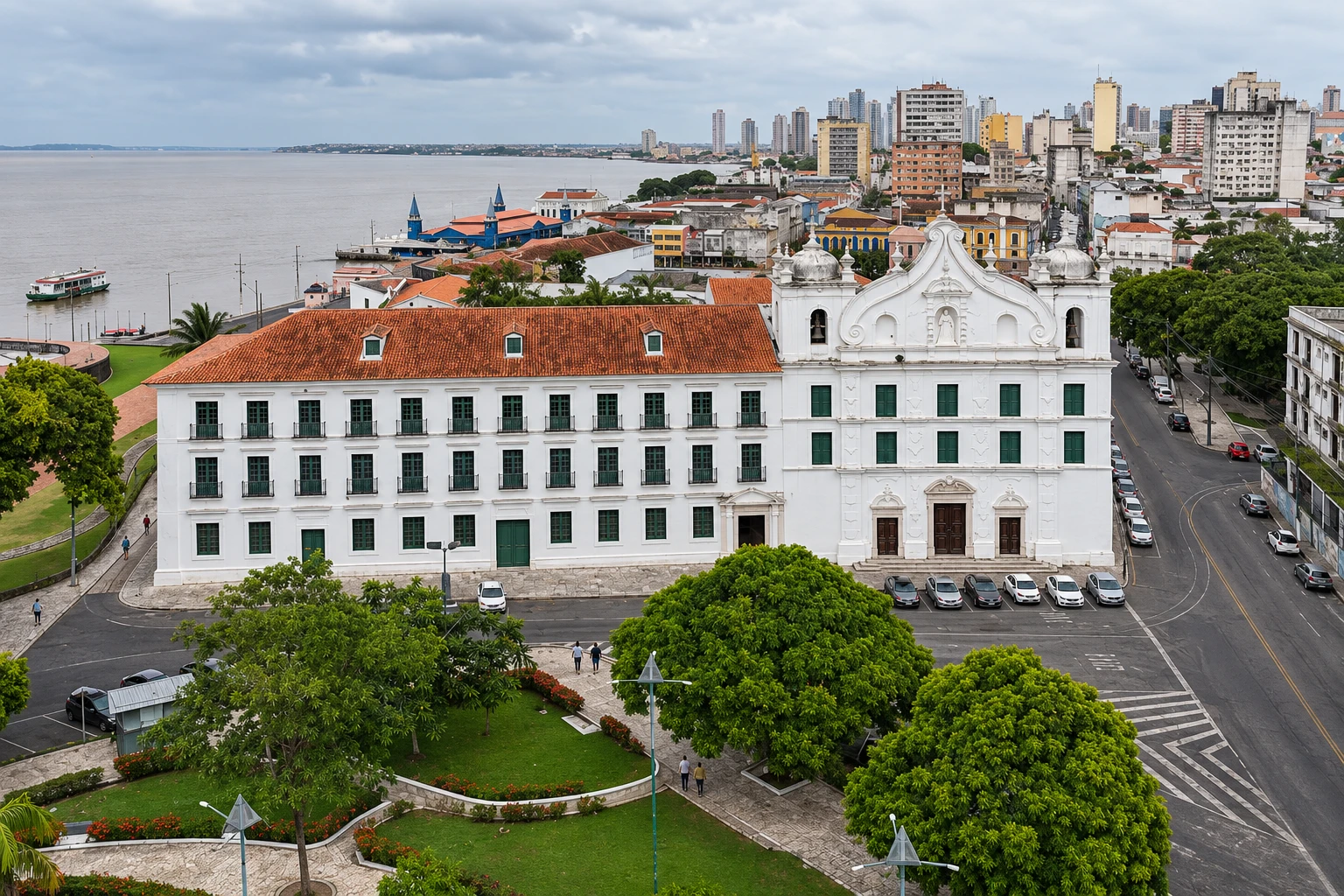
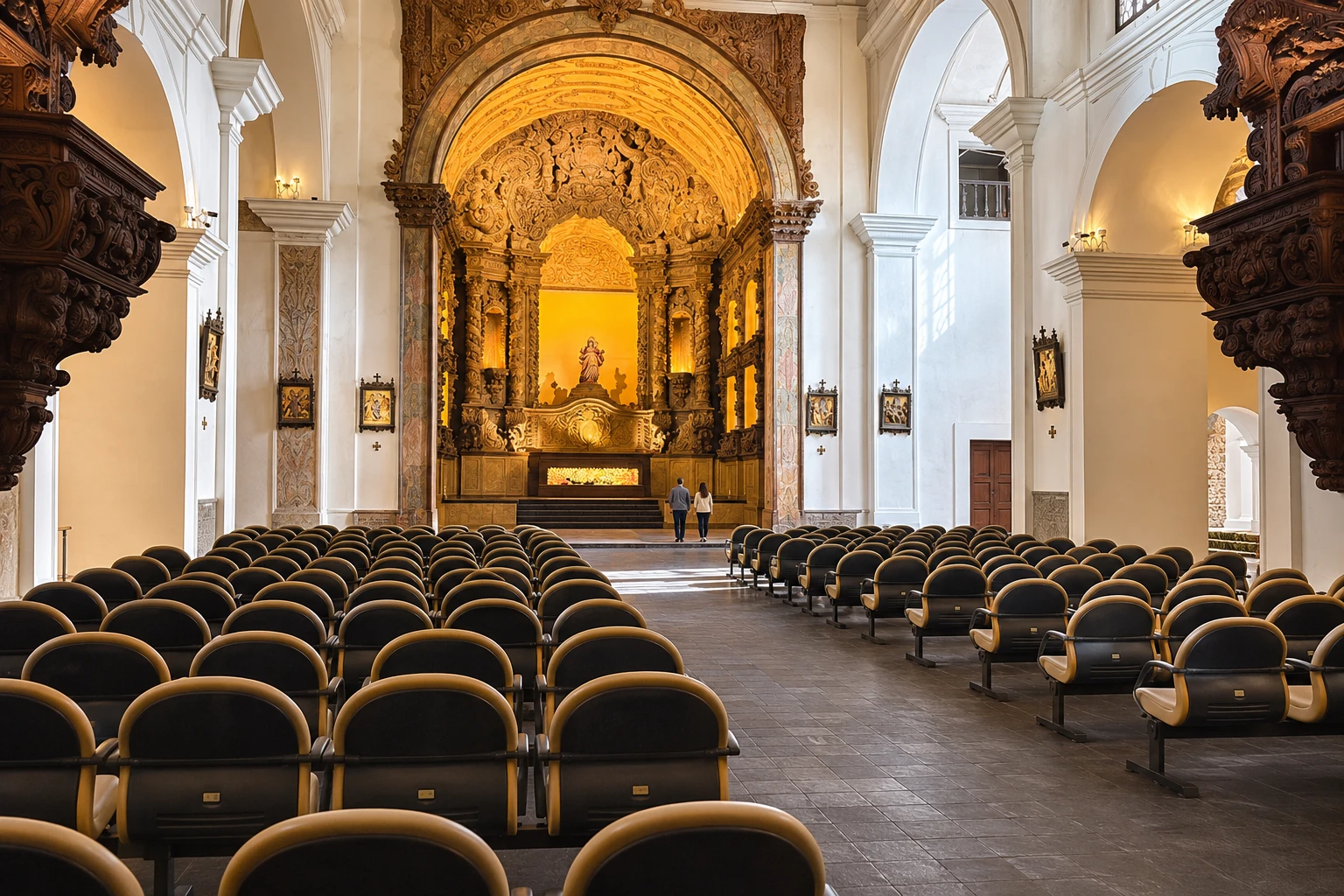
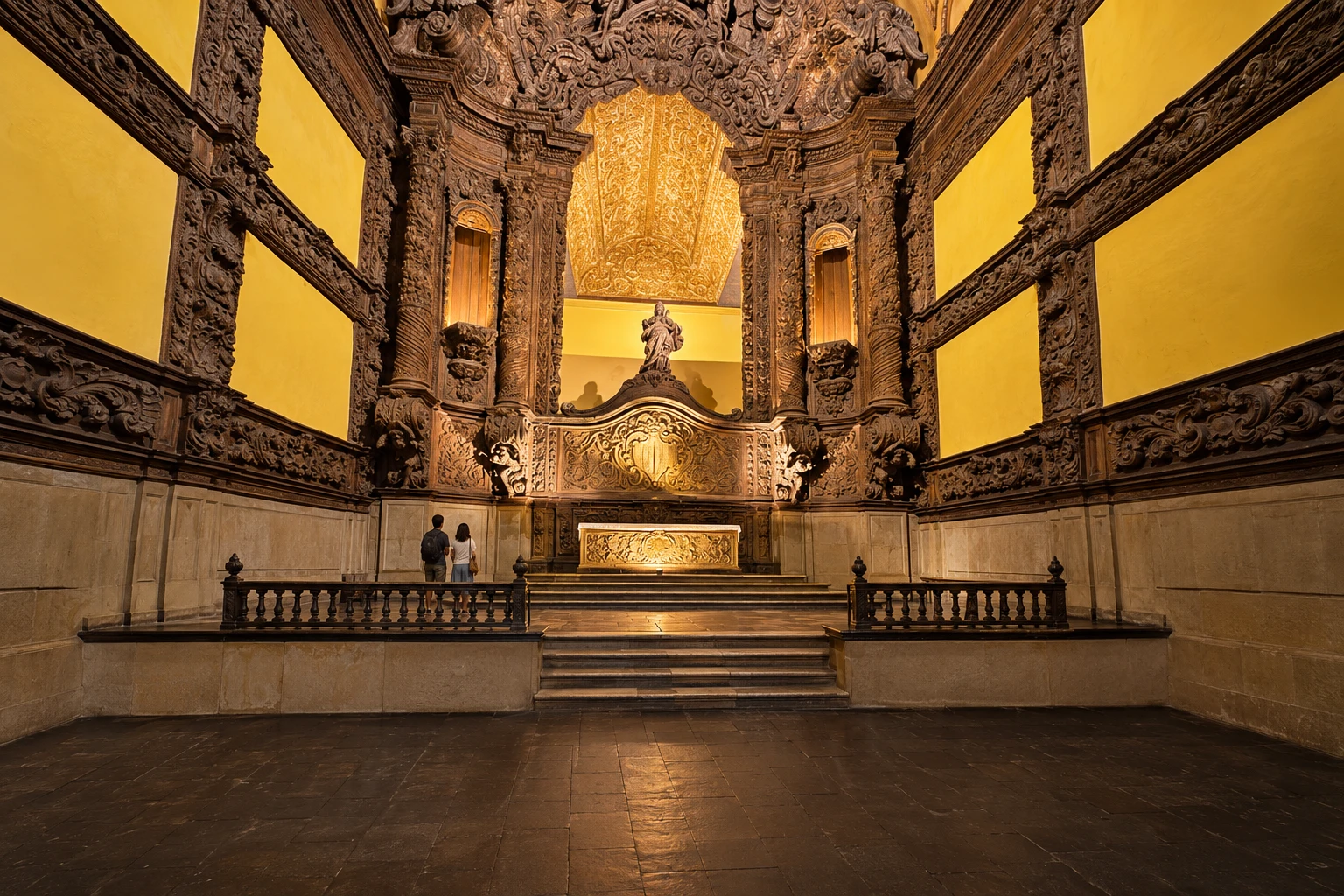
Museum of sacred art in the former church and college of the Jesuits, at Largo da Sé. The church, completed in 1719, has two carved pulpits attributed to the Tyrolean Jesuit João Xavier Traer and pieces made by indigenous sculptors.
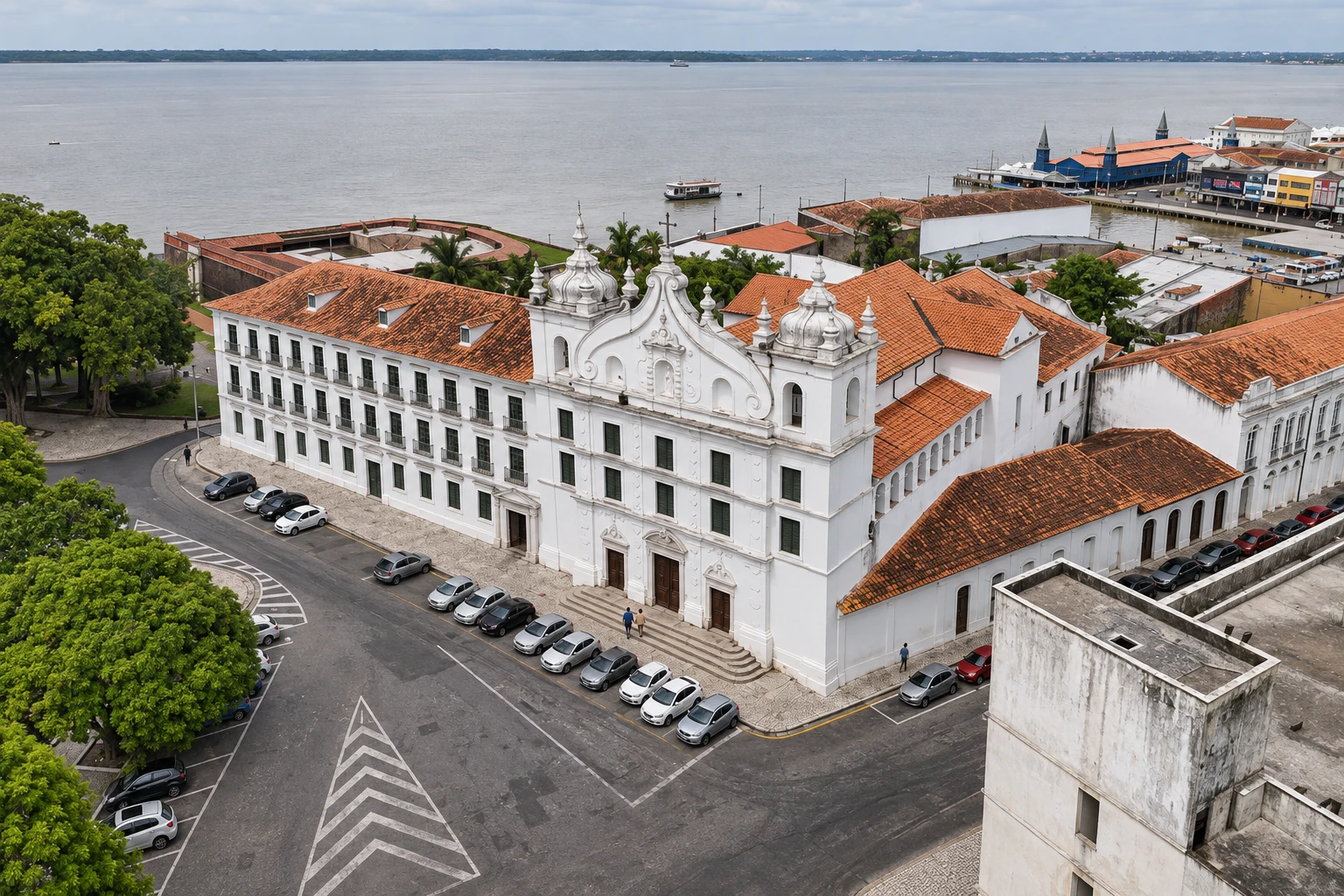
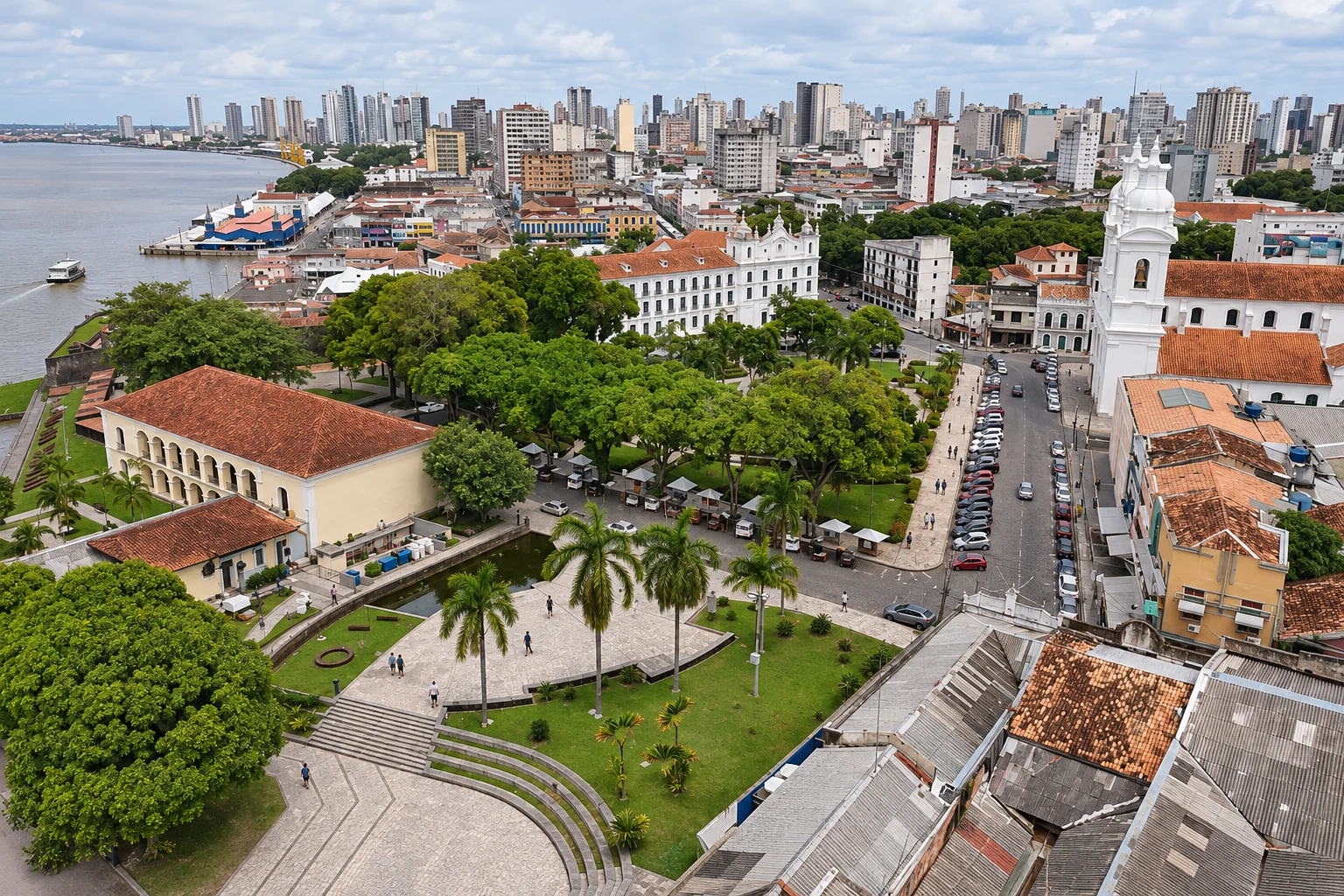
In the photo: Aerial view of the Church of Santo Alexandre and the former college, seat of the Museum of Sacred Art.
Illustrative images. The pictures in this guide are illustrations based on the real place, not photographs, and may differ from it.


A look at the place
Museum of Sacred Art (Church of Saint Alexander) in pictures
These pictures are illustrations based on the real place, not photographs. They may differ from the place.
Click the picture to enlarge it.
Discover
About Museum of Sacred Art (Church of Saint Alexander)
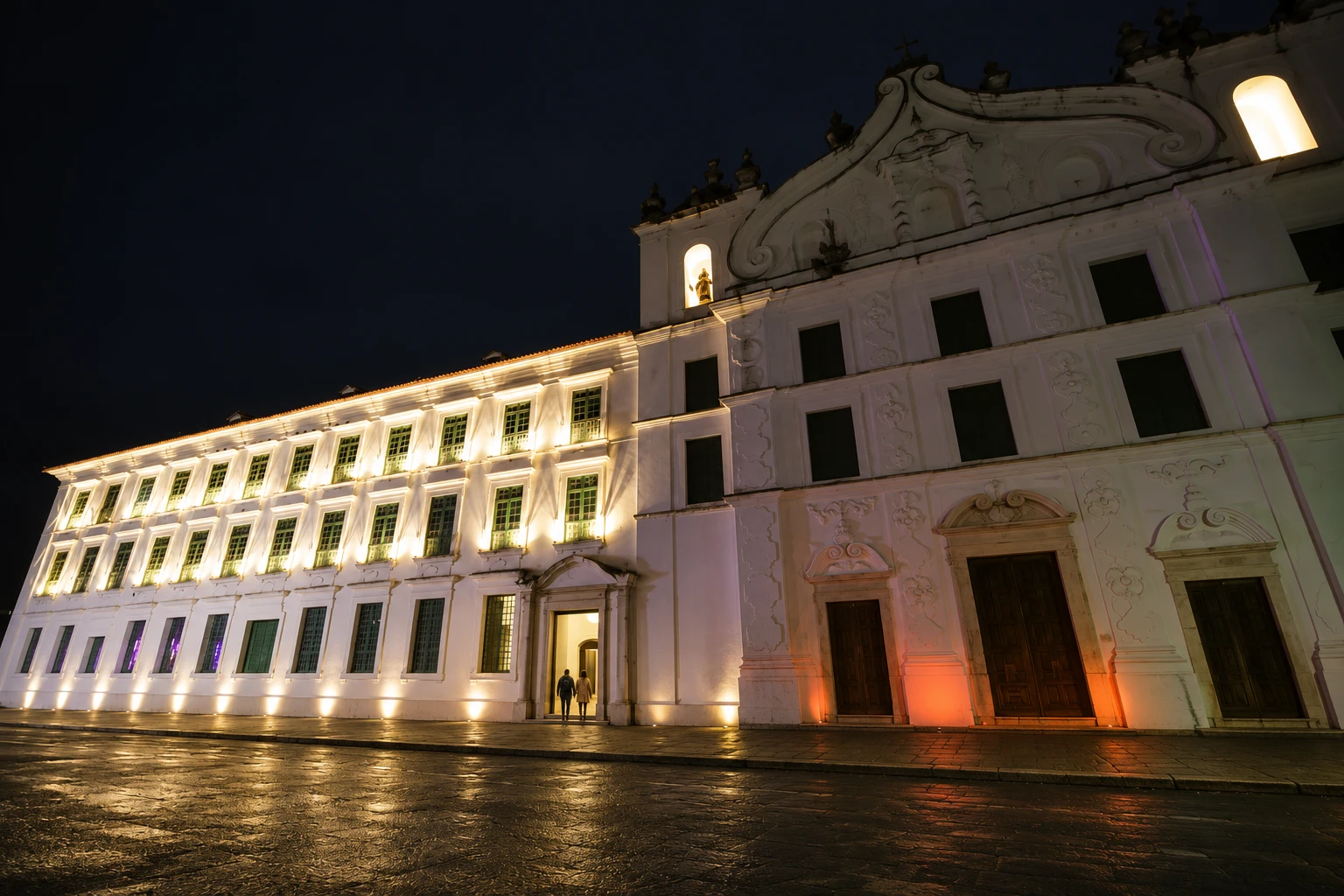
The Pará Museum of Sacred Art occupies the former Church of Santo Alexandre and the Jesuit college at Largo da Sé in the Old City of Belém. The complex is part of Feliz Lusitânia, the core where the city began, next to the Cathedral of Sé, the Forte do Presépio and the Casa das Onze Janelas.
The Jesuits settled in Belém in 1653 and built there the Colégio de Santo Alexandre and the adjacent church, dedicated to Saint Francis Xavier. The present church was completed in 1719 and today bears the name Santo Alexandre. After the expulsion of the Jesuits in 1759, the college was renovated and became the bishops’ palace.
In the early 18th century a sculpture workshop operated in the college under the direction of Father João Xavier Traer, who was born in Tyrol. The two carved wooden pulpits in the church, the highlight of a visit, are attributed to him. Traer taught the craft to indigenous people, and pieces made by them, such as the angel torchbearers, can be seen in the museum.
The visit goes through the church nave, with the pulpits, the altarpieces and the gilded woodwork, and through the rooms of the former college, where images, paintings and other objects of religious art gathered by the museum are displayed.
From the museum door, the Cathedral of Sé is on the other side of the square and the Forte do Presépio is a few steps away. Ver-o-Peso is a few minutes on foot, which allows you to visit several points of the Old City in the same morning.
Before you go
Practical information
Cidade Turismo reviews its information regularly, but something may have changed. Check with the place before planning your trip.
How much time to set aside
About 1 to 1.5 hours for the church and the exhibition rooms of the former college.
Best time
In the morning or early afternoon on a weekday; check opening days and hours in advance. In Belém it rains year-round, with heavier rains from January to May; the walk across the square is cooler early in the day.
How to get there
The museum is at Largo da Sé (Praça Frei Caetano Brandão), in the Old City, opposite the Cathedral. You can get there by taxi, rideshare or buses that go to the historic center, or on foot from Ver-o-Peso, a few minutes’ walk away.
Tip
Look carefully at the two pulpits and seek out the angel torchbearers made by indigenous sculptors. Then cross the square to see the Cathedral of Sé.
Your questions
Frequently asked questions about Museum of Sacred Art (Church of Saint Alexander)
What is the Church of Santo Alexandre?
It is the former Jesuit church in Belém, completed in 1719 and originally dedicated to Saint Francis Xavier. Together with the neighboring college, it houses the Pará Museum of Sacred Art.
What is there to see at the Museum of Sacred Art of Belém?
The two carved pulpits attributed to Father João Xavier Traer, the church’s altarpieces, the angel torchbearers made by indigenous sculptors, and the collections of religious images and paintings.
Where is the Pará Museum of Sacred Art located?
At Largo da Sé, in the Old City, opposite the Cathedral and next to the Forte do Presépio, within the Feliz Lusitânia complex.
Can you visit the Museum of Sacred Art and the Forte do Presépio on the same day?
Yes. They are in the same complex, a few steps from each other. Check each site’s days and opening hours in advance.