12 lugares para conhecer Manaus (AM), escolhidos pelo guia Cidade Turismo.
Illustrative images. The pictures in this guide are illustrations based on the real place, not photographs, and may differ from it.
Para começar
Os 10 principais lugares Manaus
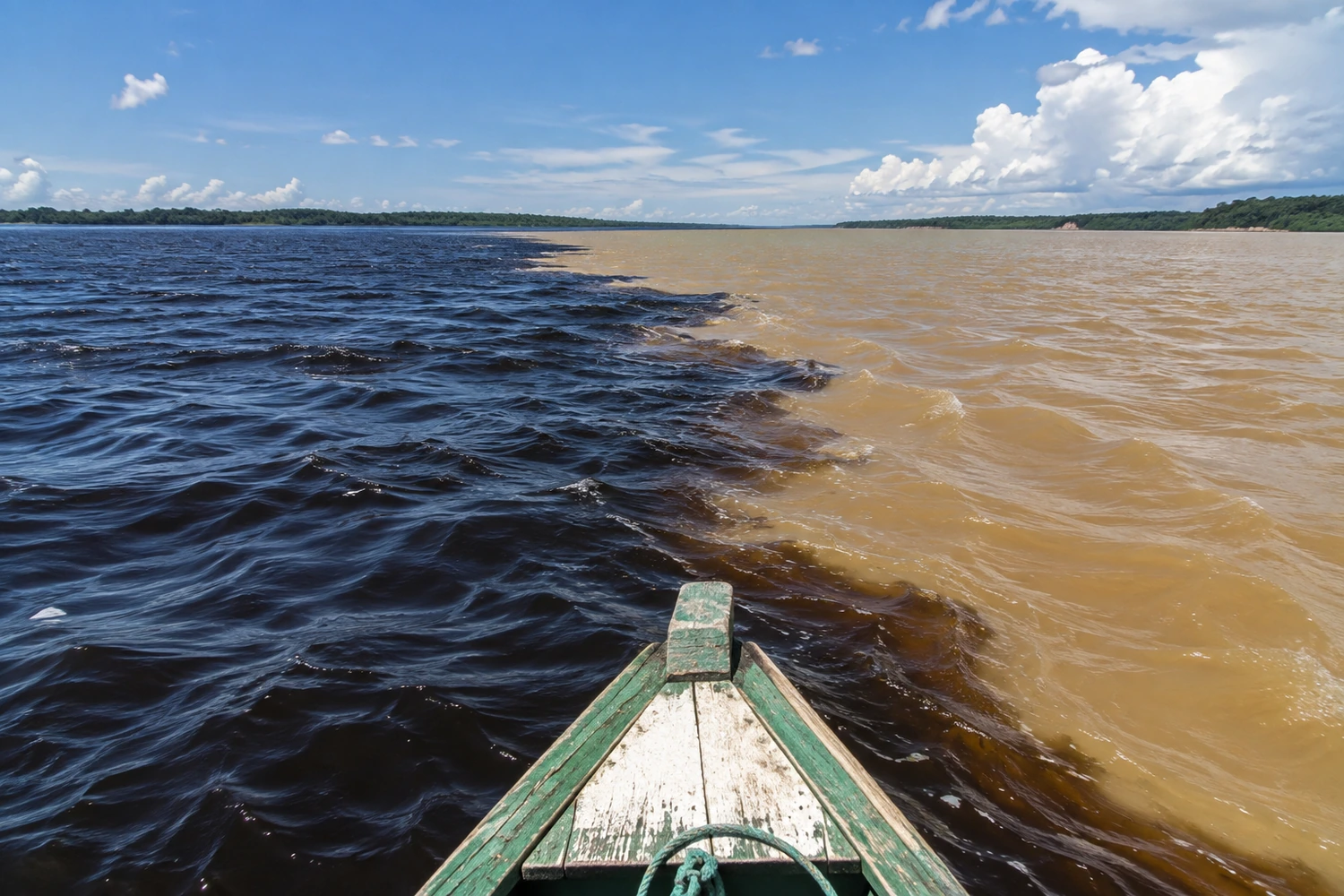
Encontro das ÁguasThe black waters of the Rio Negro and the muddy waters of the Solimões run side by side for kilometers without mixing, because of differences in temperature and density.
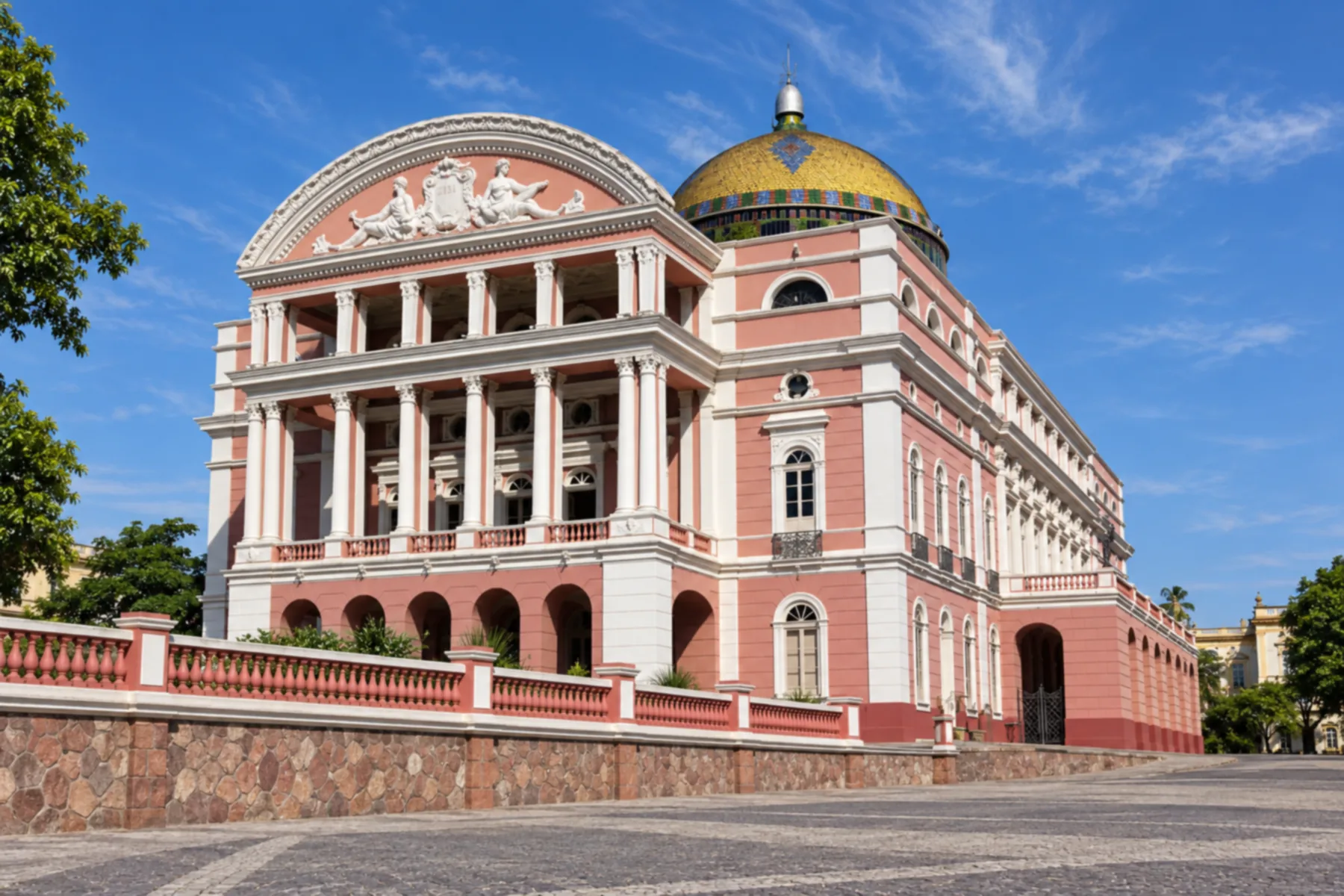
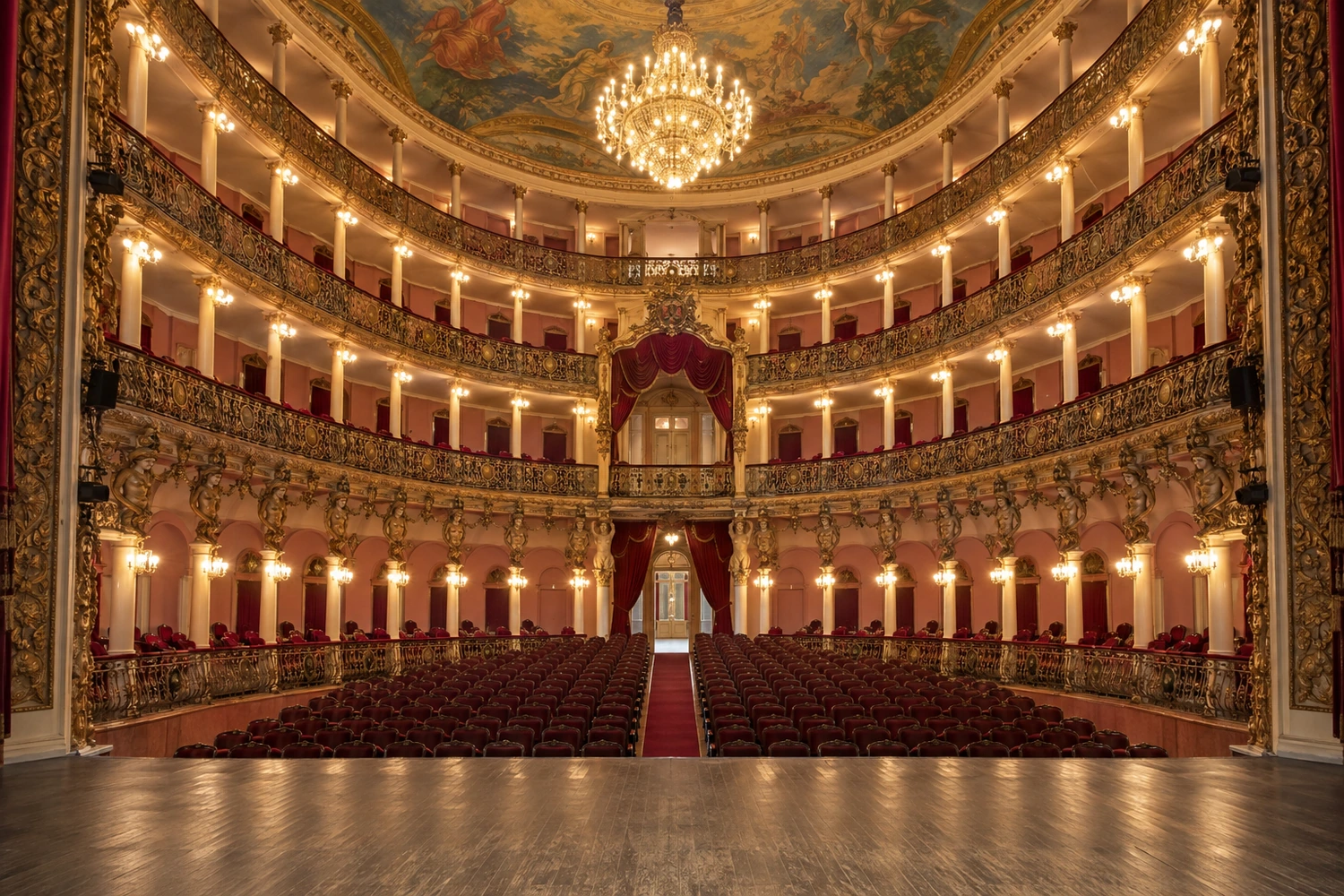
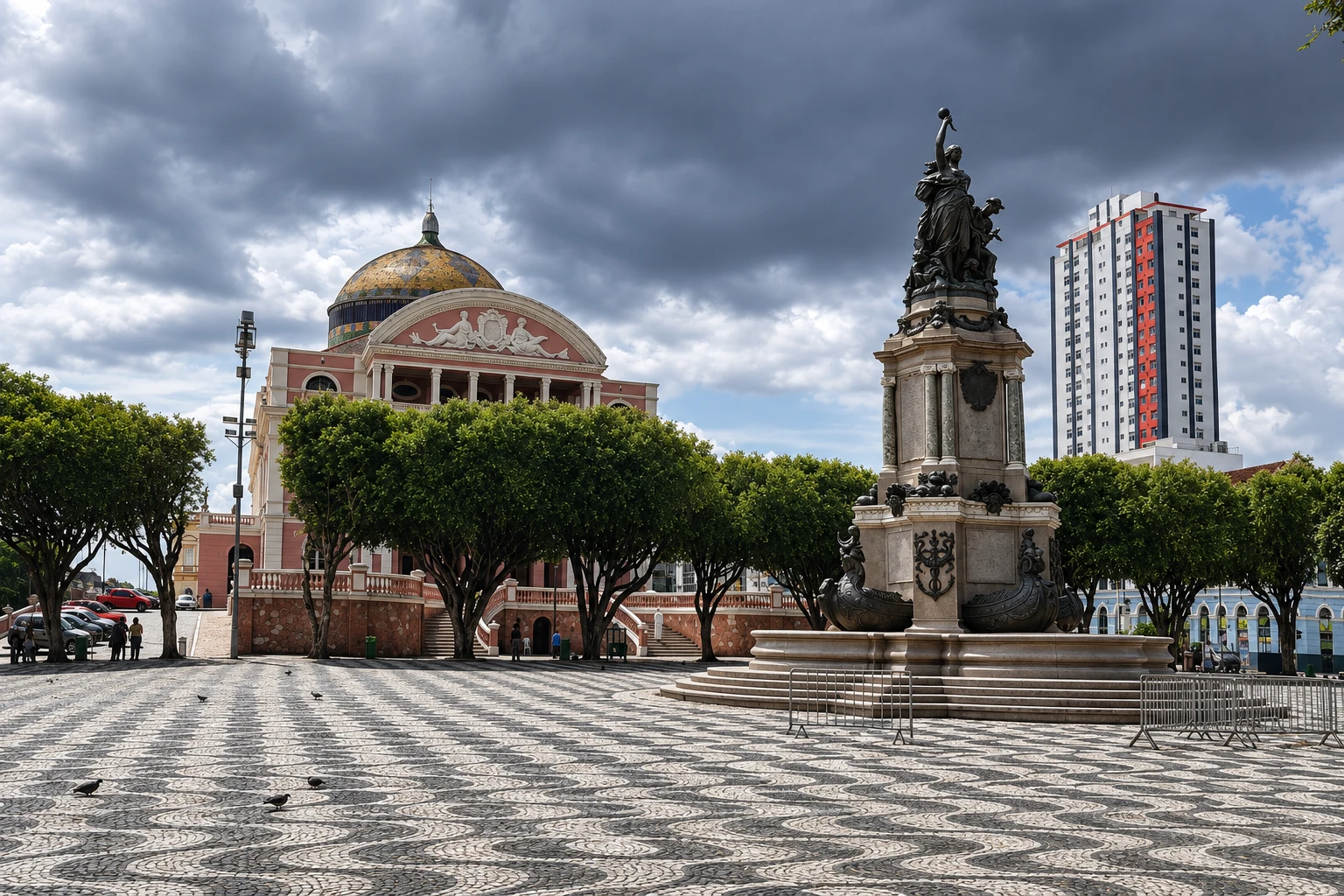
Teatro AmazonasAn 1896 opera house built at the height of the rubber boom, with a dome of colorful mosaics and a restored Italian-style hall.
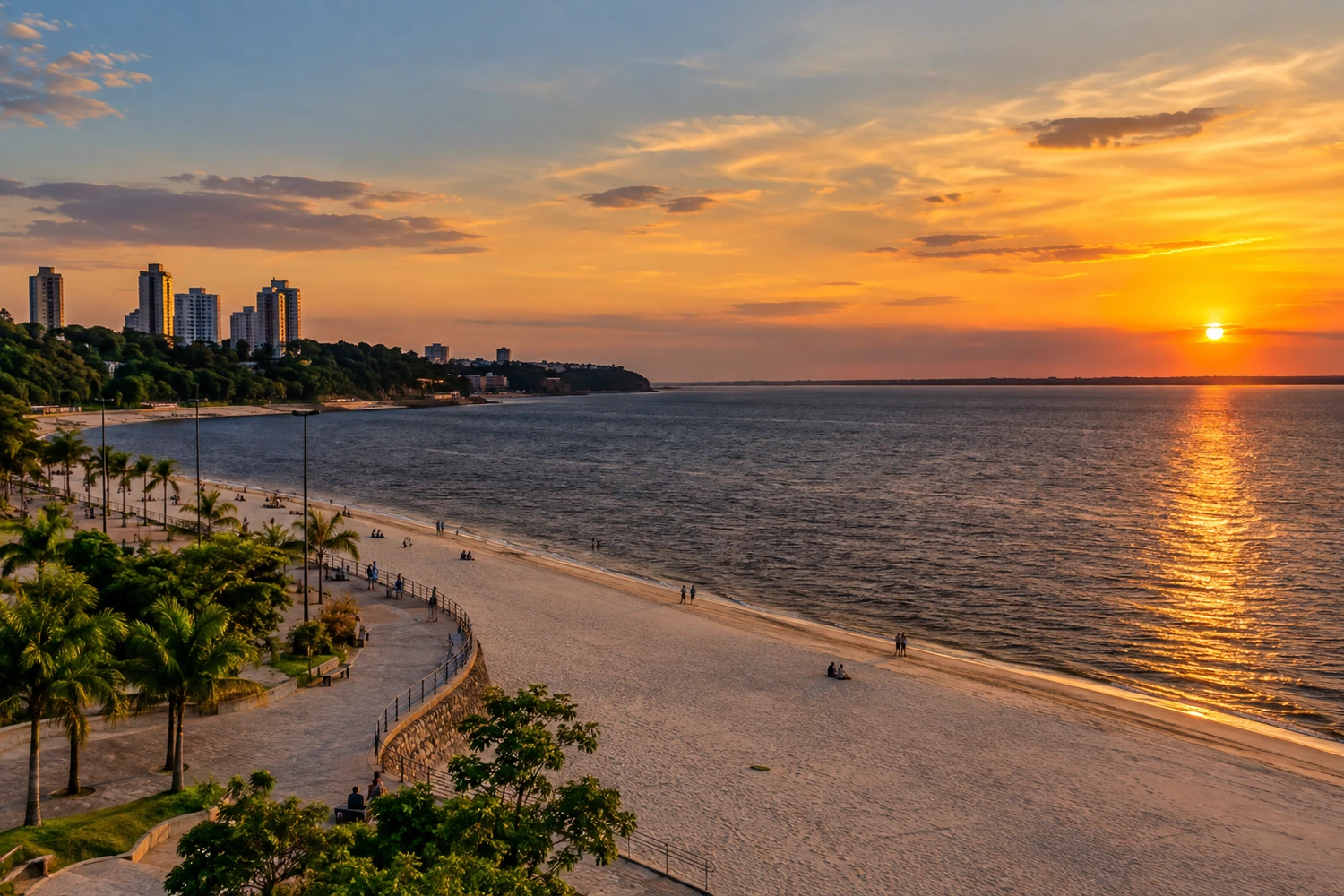
Praia da Ponta NegraAn urban waterfront on the Rio Negro, with a strip of sand that appears in the low-water season, a promenade and kiosks.
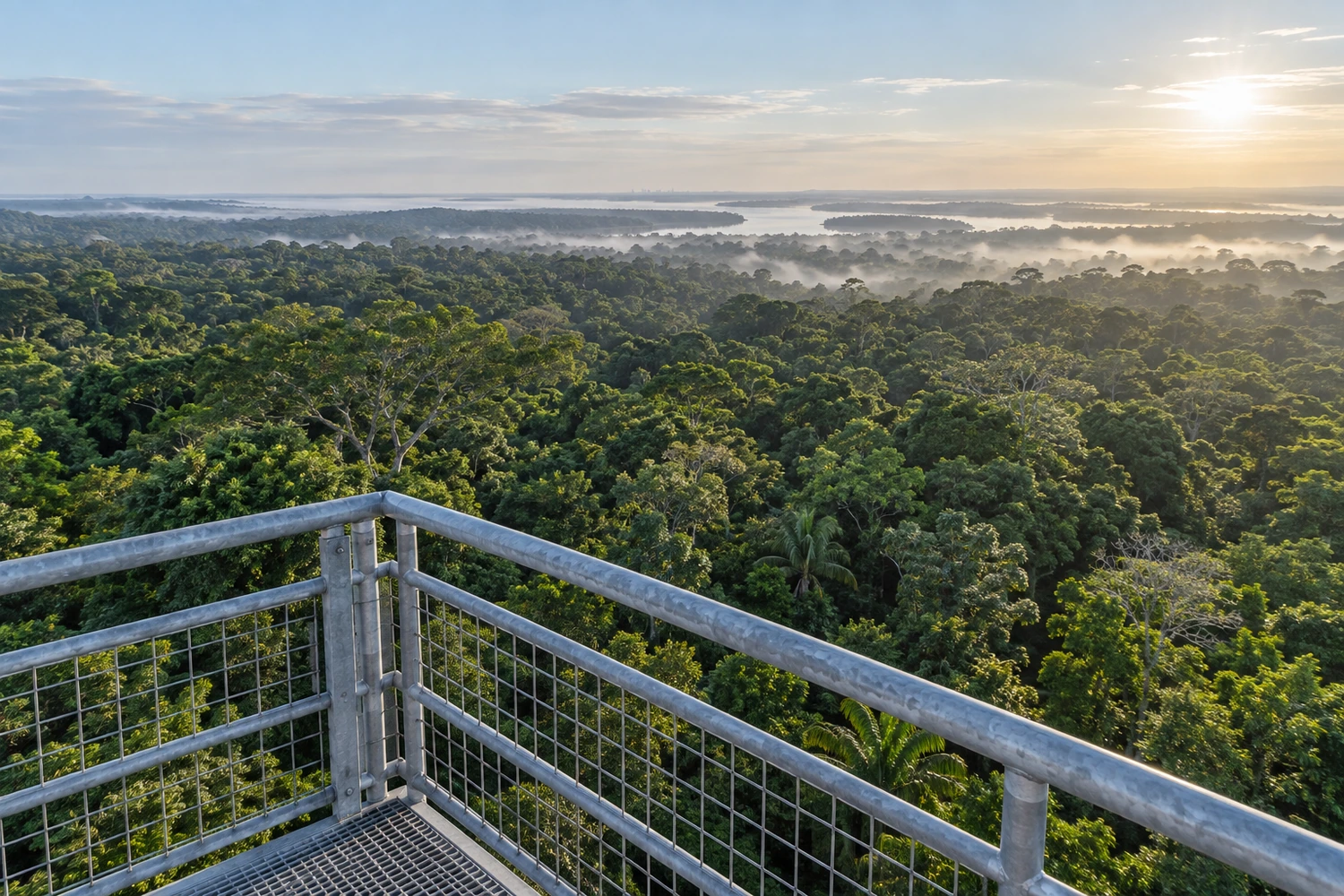
Museu da Amazônia (MUSA)An open-air museum inside the Reserva Adolpho Ducke, with forest trails, an orchid house and a pond of giant Amazon water lilies.
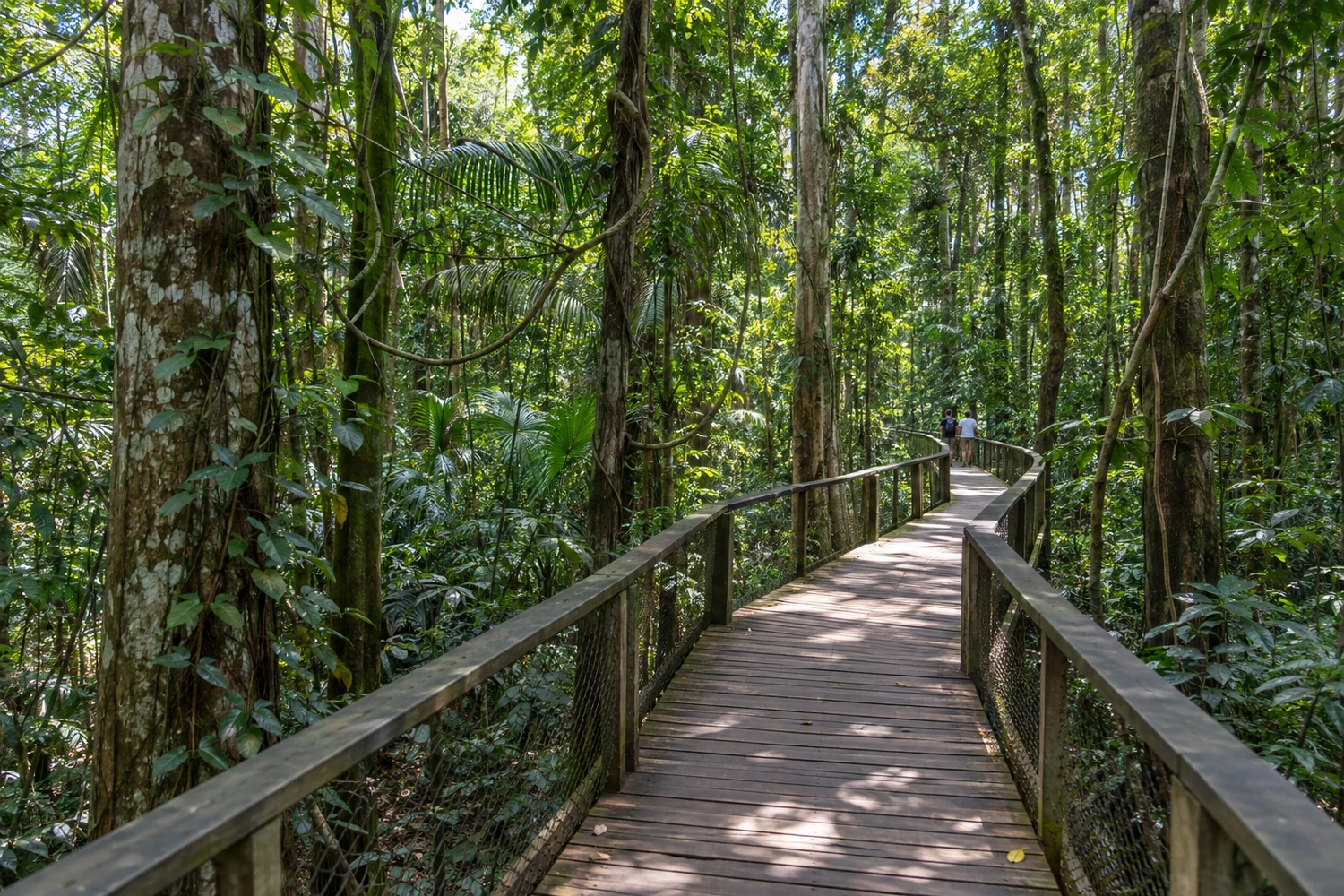
Bosque da Ciência (Inpa)About 13 hectares of forest maintained by the National Institute for Amazon Research (Inpa), open to the public since 1995.
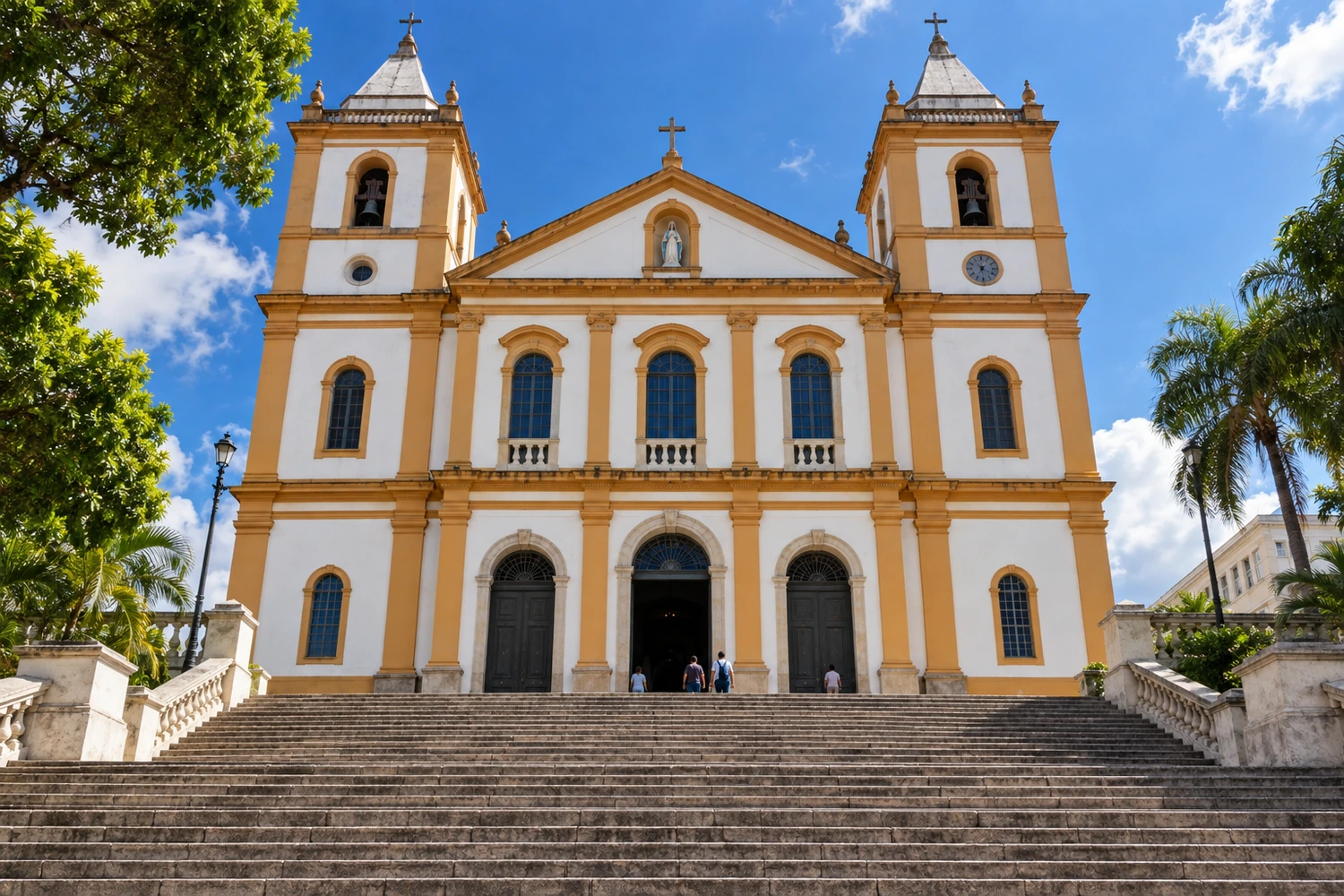
Catedral Metropolitana de ManausA neoclassical church built on Praça XV de Novembro after a fire destroyed the previous church in 1850, inaugurated in 1877.
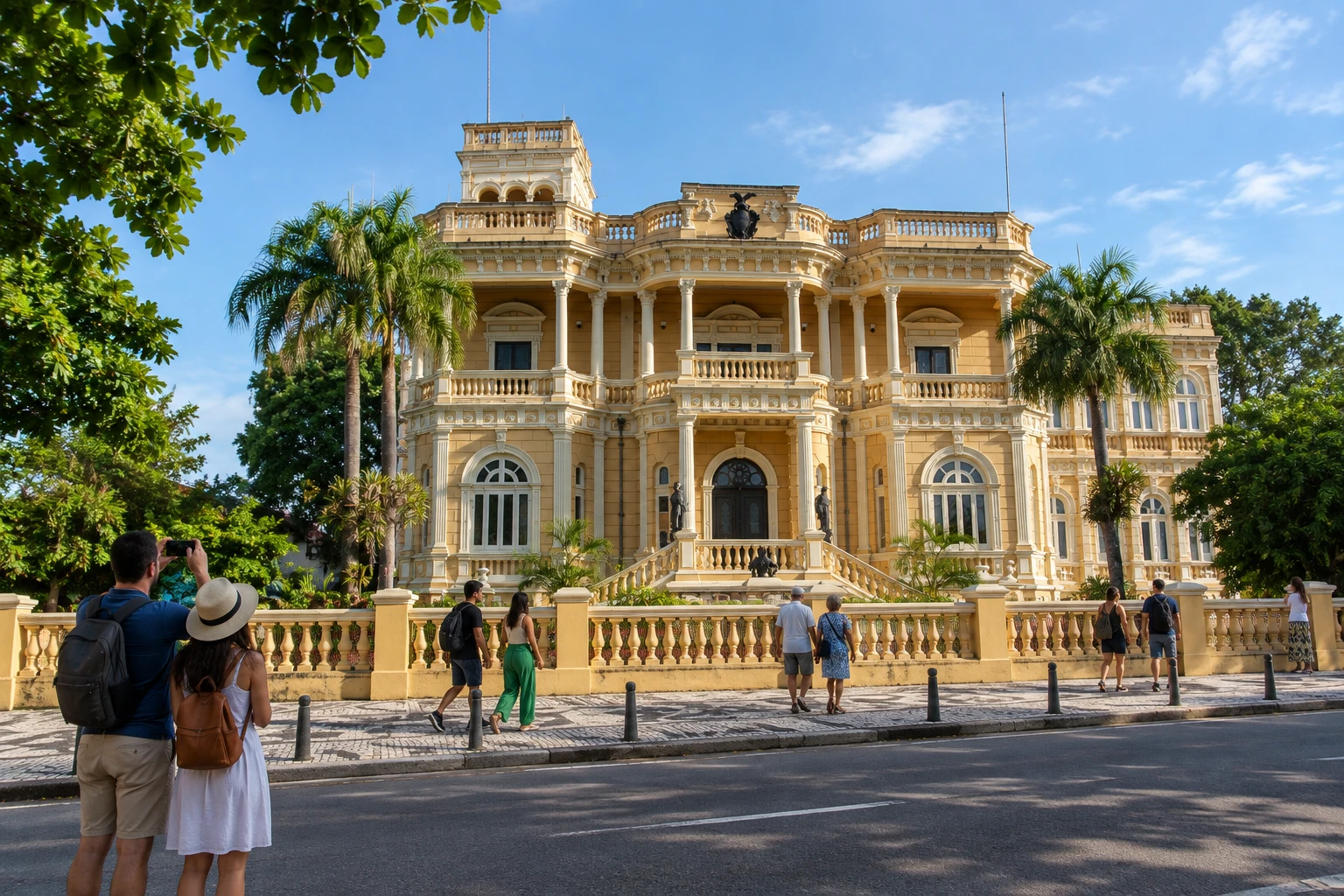
Centro Cultural Palácio Rio NegroBuilt in 1903 in eclectic style as the home of German rubber merchant Karl Waldemar Scholz, it later served as the seat of the state government.
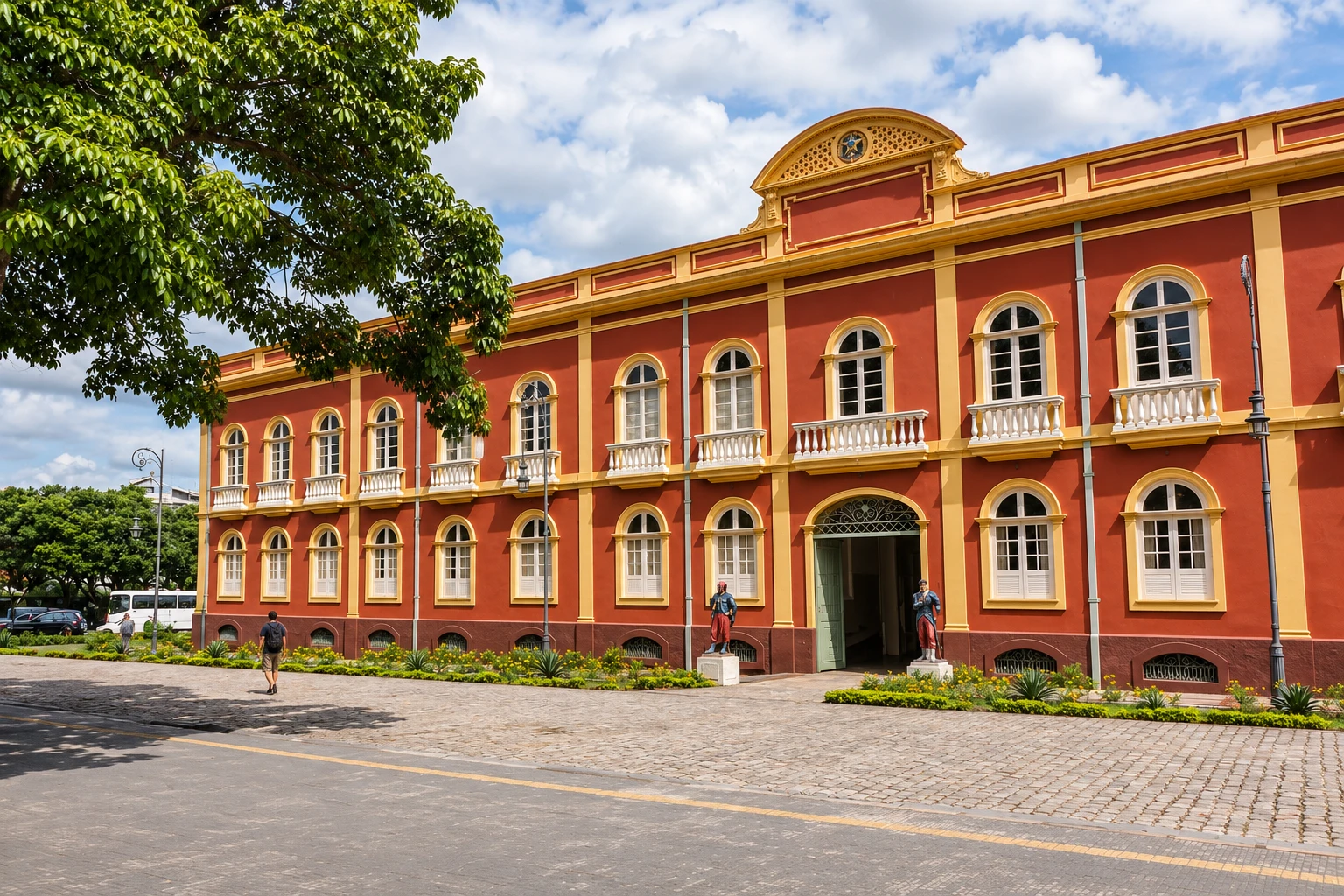
Palacete Provincial of Manaus19th-century building on Praça Heliodoro Balbi in Manaus’ Historic Center that was once the seat of the provincial government and, for more than a century, a barracks for the Mi...
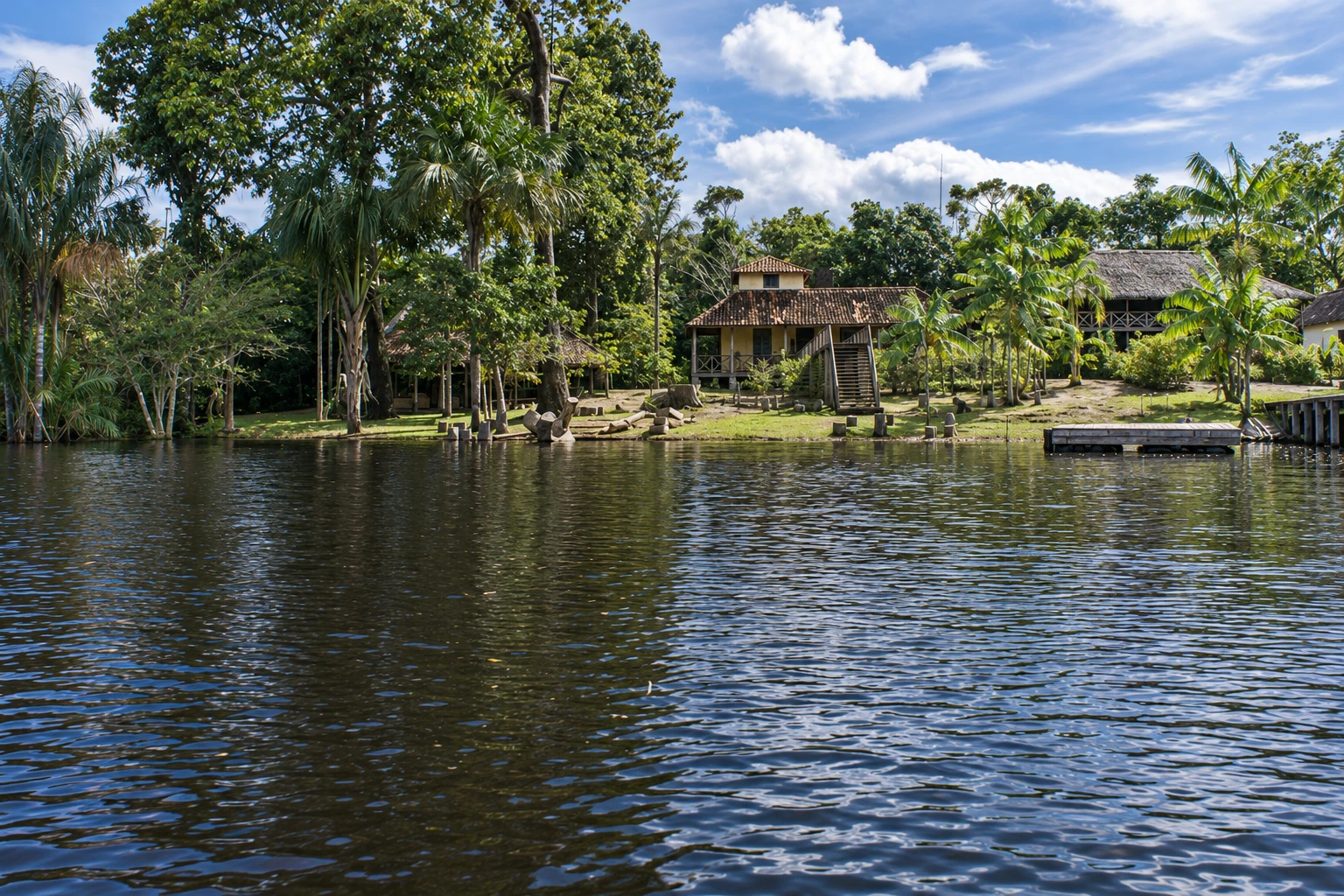
Museum of the Vila Paraíso SeringalRecreation of a late 19th-century rubber plantation on the banks of the Igarapé São João, in the rural area of Manaus, reachable only by boat from Marina do Davi.
The black waters of the Rio Negro and the muddy waters of the Solimões run side by side for kilometers without mixing, because of differences in temperature and density. The boat trip usually continues to the igapós (flooded forests) and giant water lilies.
An 1896 opera house built at the height of the rubber boom, with a dome of colorful mosaics and a restored Italian-style hall. The guided tour is worth it and, if you can, an orchestra concert.
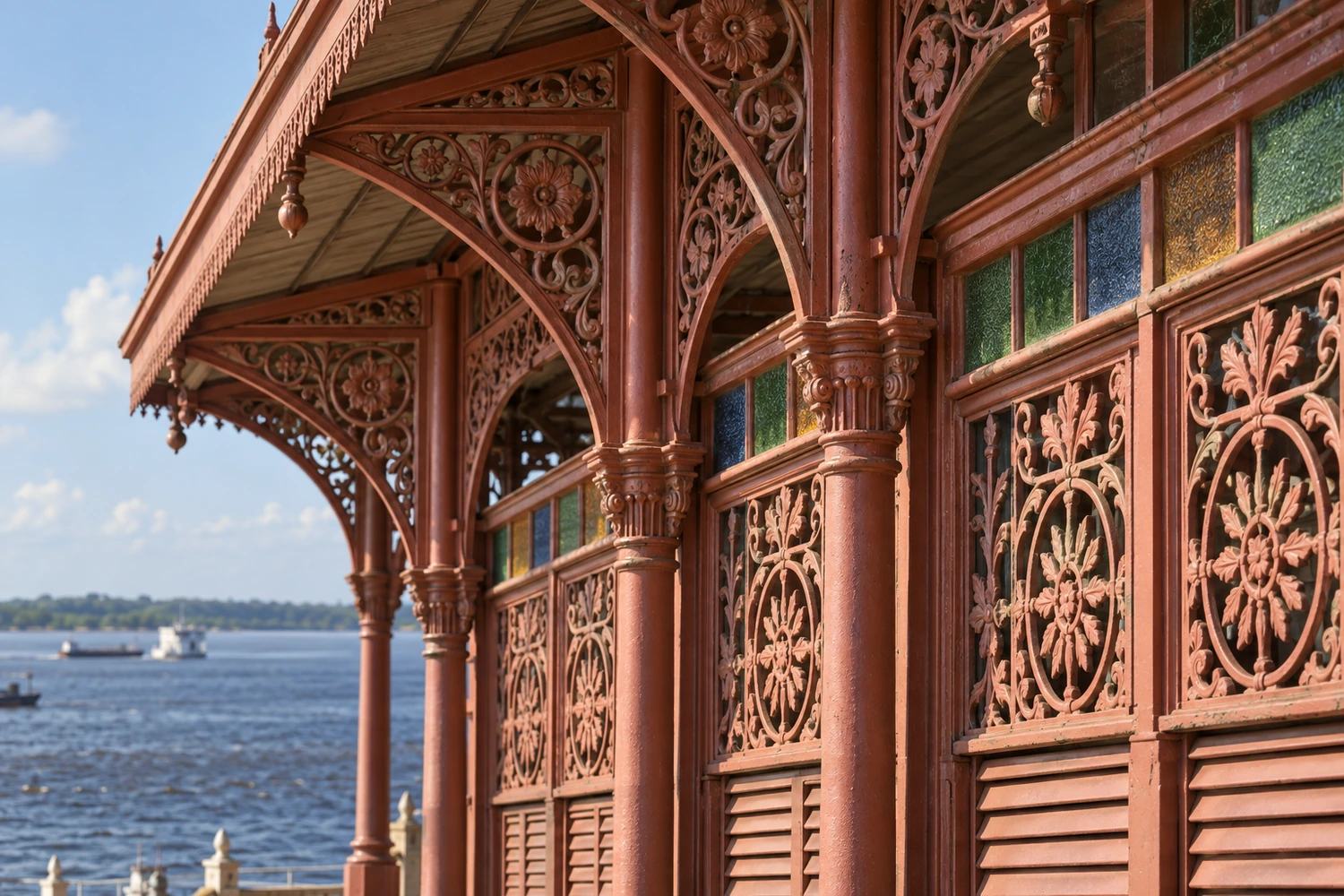
An 1883 iron structure inspired by European markets, on the banks of the Rio Negro. It is packed with Amazon fish, herbs, guaraná sticks and riverside crafts.
An urban waterfront on the Rio Negro, with a strip of sand that appears in the low-water season, a promenade and kiosks. It is where locals go to watch the sunset.
An open-air museum inside the Reserva Adolpho Ducke, with forest trails, an orchid house and a pond of giant Amazon water lilies. The 42-meter tower puts you above the treetops.
About 13 hectares of forest maintained by the National Institute for Amazon Research (Inpa), open to the public since 1995. It has trails, elevated walkways, manatee and giant otter enclosures, and the Casa da Ciência, with exhibits about the region.
A neoclassical church built on Praça XV de Novembro after a fire destroyed the previous church in 1850, inaugurated in 1877. Facing the port, it holds objects used by Pope John Paul II during his 1980 visit.
Built in 1903 in eclectic style as the home of German rubber merchant Karl Waldemar Scholz, it later served as the seat of the state government. Restored, it became a cultural center with exhibitions, recitals and a collection of 228 pieces.
19th-century building on Praça Heliodoro Balbi in Manaus’ Historic Center that was once the seat of the provincial government and, for more than a century, a barracks for the Military Police. Restored, it houses five museums, including the State Art Gallery.
Recreation of a late 19th-century rubber plantation on the banks of the Igarapé São João, in the rural area of Manaus, reachable only by boat from Marina do Davi. The guided visit shows the rubber estate owner’s house, the rubber tapper’s house, and the latex extraction process.
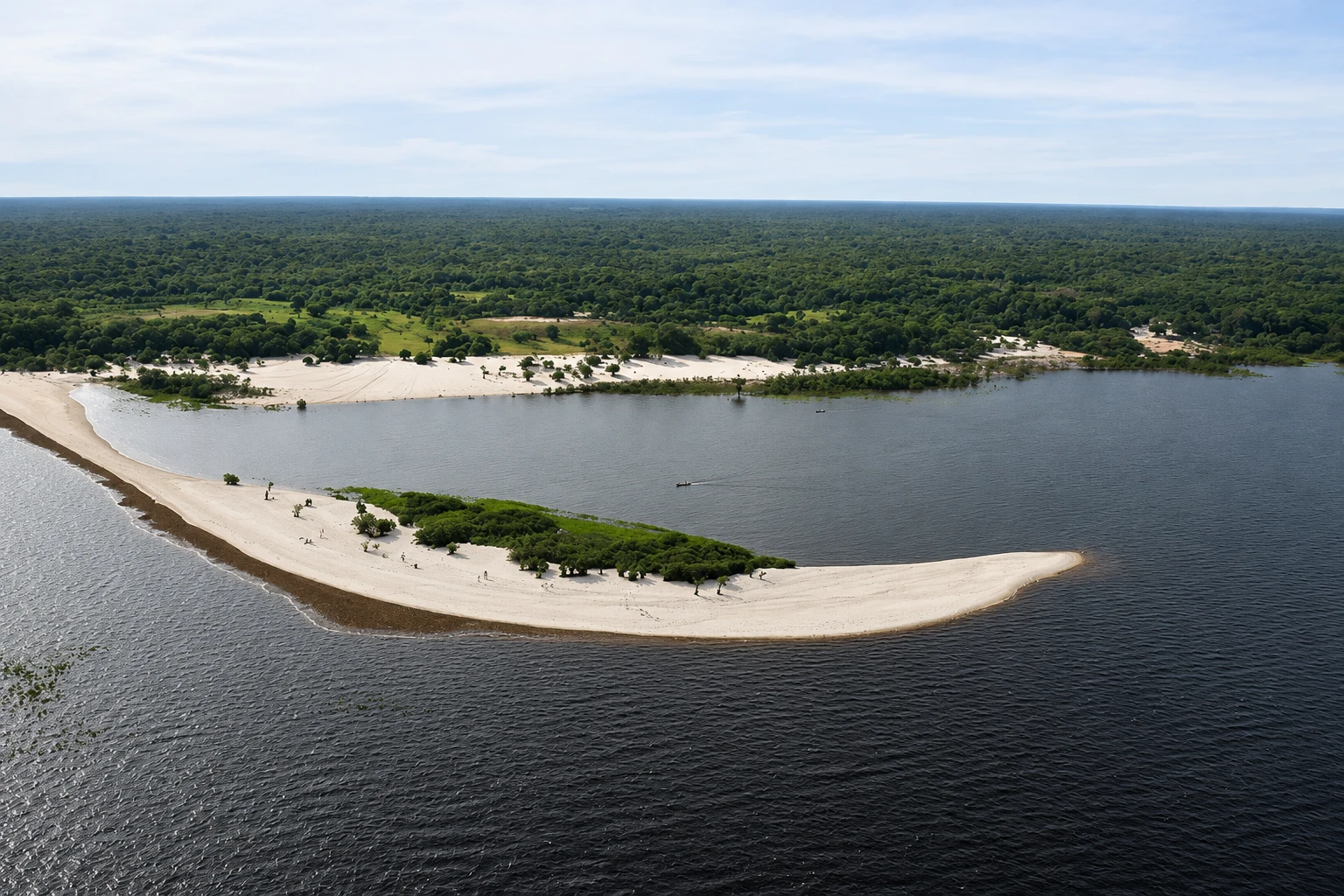
White-sand beach on the left bank of the Rio Negro, crescent-shaped, reachable only by boat from Marina do Davi in Ponta Negra. The sandbar widens at low water, and the dark river water contrasts with the surrounding forest.
Square in front of the Amazon Theatre, with a black-and-white Portuguese stone promenade in wave patterns, the Monument to the Opening of the Ports, and the Church of São Sebastião. Rubber-boom mansions, bars and cultural performances complete the square.


 Antarctica
 Argentina
 Bolivia
 Chile
 Colombia
 Ecuador
 Falkland Islands (Malvinas)
 French Guiana
 Guyana
 Paraguay
 Peru
 Suriname
 Uruguay
 Venezuela
 Austria
 Belgium
 Croatia
 Denmark
 Finland
 France
 Germany
 Greece
 Hungary
 Iceland
 Ireland
 Italy
 Luxembourg
 Norway
 Poland
 Portugal
 Slovakia
 Slovenia
 Spain
 Sweden
 Switzerland
 the Czech Republic
 the Netherlands
 the United Kingdom
 Turkey
 Bermuda
 Canada
 Greenland
 Mexico
 Saint Pierre and Miquelon
 the United States
 the Dominican Republic
 Japan
 Egypt
 South Africa
 Australia
 Fiji
 New Zealand
 Papua New Guinea