

 Antarctica
 Argentina
 Bolivia
 Chile
 Colombia
 Ecuador
 Falkland Islands (Malvinas)
 French Guiana
 Guyana
 Paraguay
 Peru
 Suriname
 Uruguay
 Venezuela
 Austria
 Belgium
 Croatia
 Denmark
 Finland
 France
 Germany
 Greece
 Hungary
 Iceland
 Ireland
 Italy
 Luxembourg
 Norway
 Poland
 Portugal
 Slovakia
 Slovenia
 Spain
 Sweden
 Switzerland
 the Czech Republic
 the Netherlands
 the United Kingdom
 Turkey
 Bermuda
 Canada
 Greenland
 Mexico
 Saint Pierre and Miquelon
 the United States
 the Dominican Republic
 Japan
 Egypt
 South Africa
 Australia
 Fiji
 New Zealand
 Papua New Guinea
museum · Macapá, AP
Joaquim Caetano da Silva Historical Museum
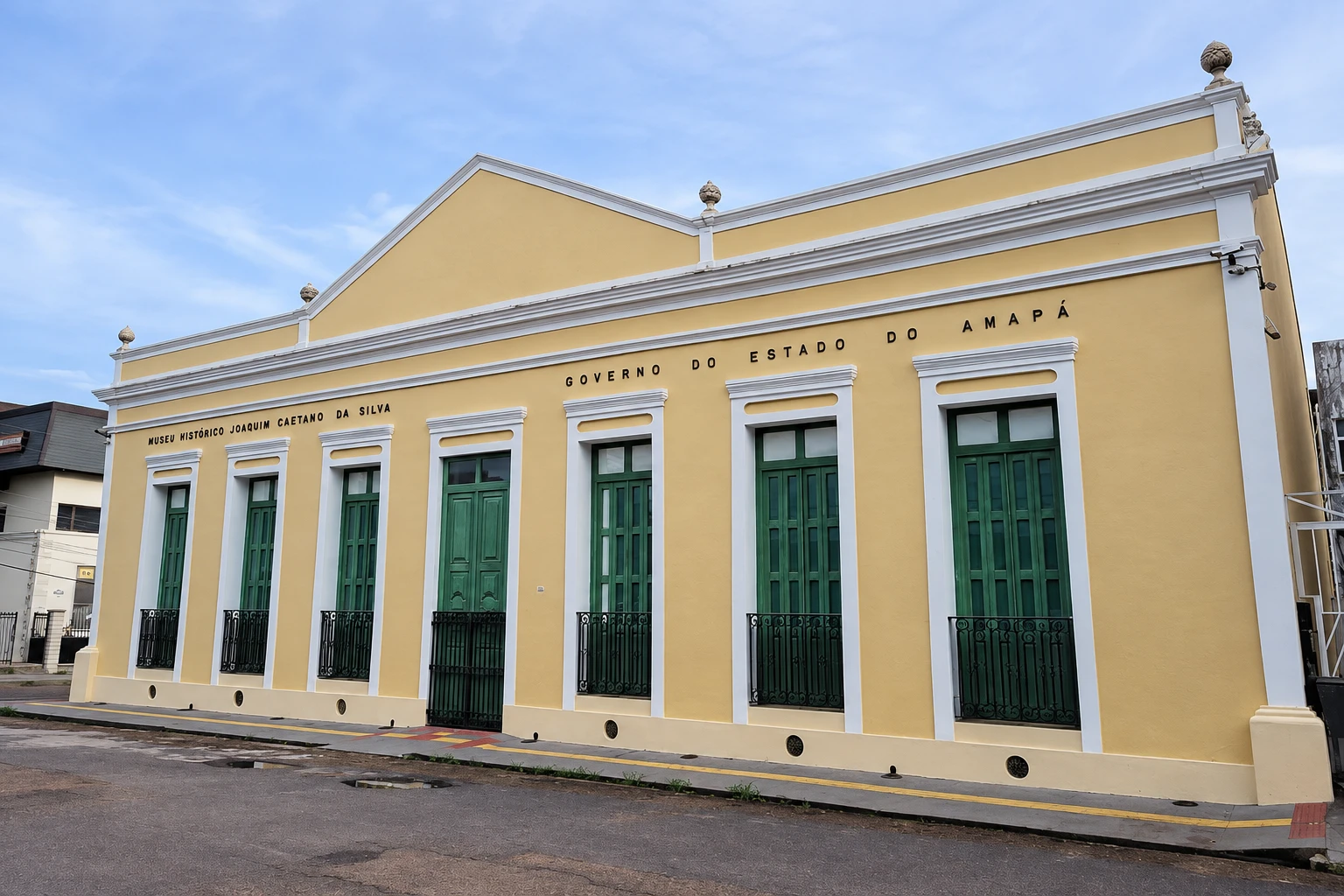
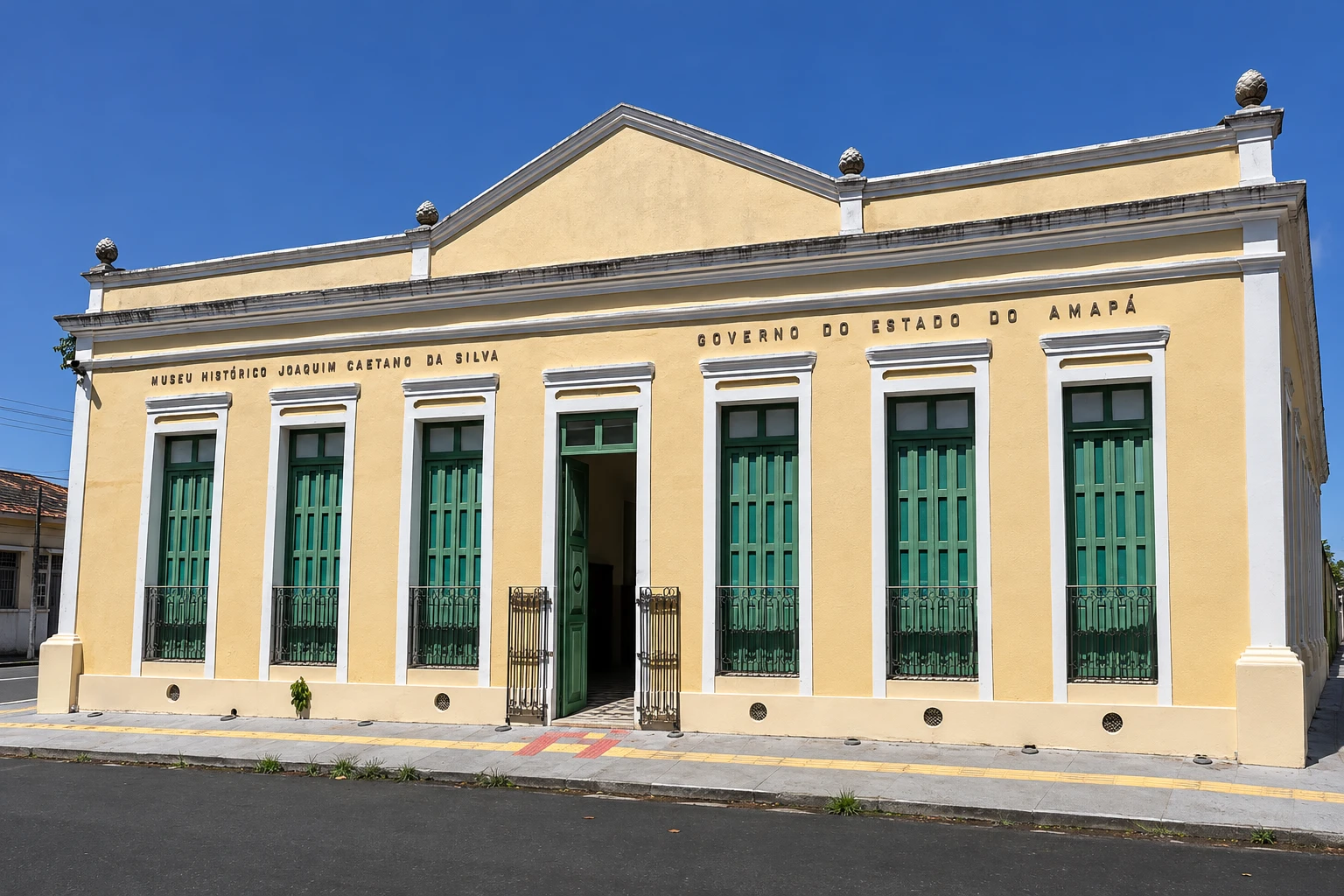
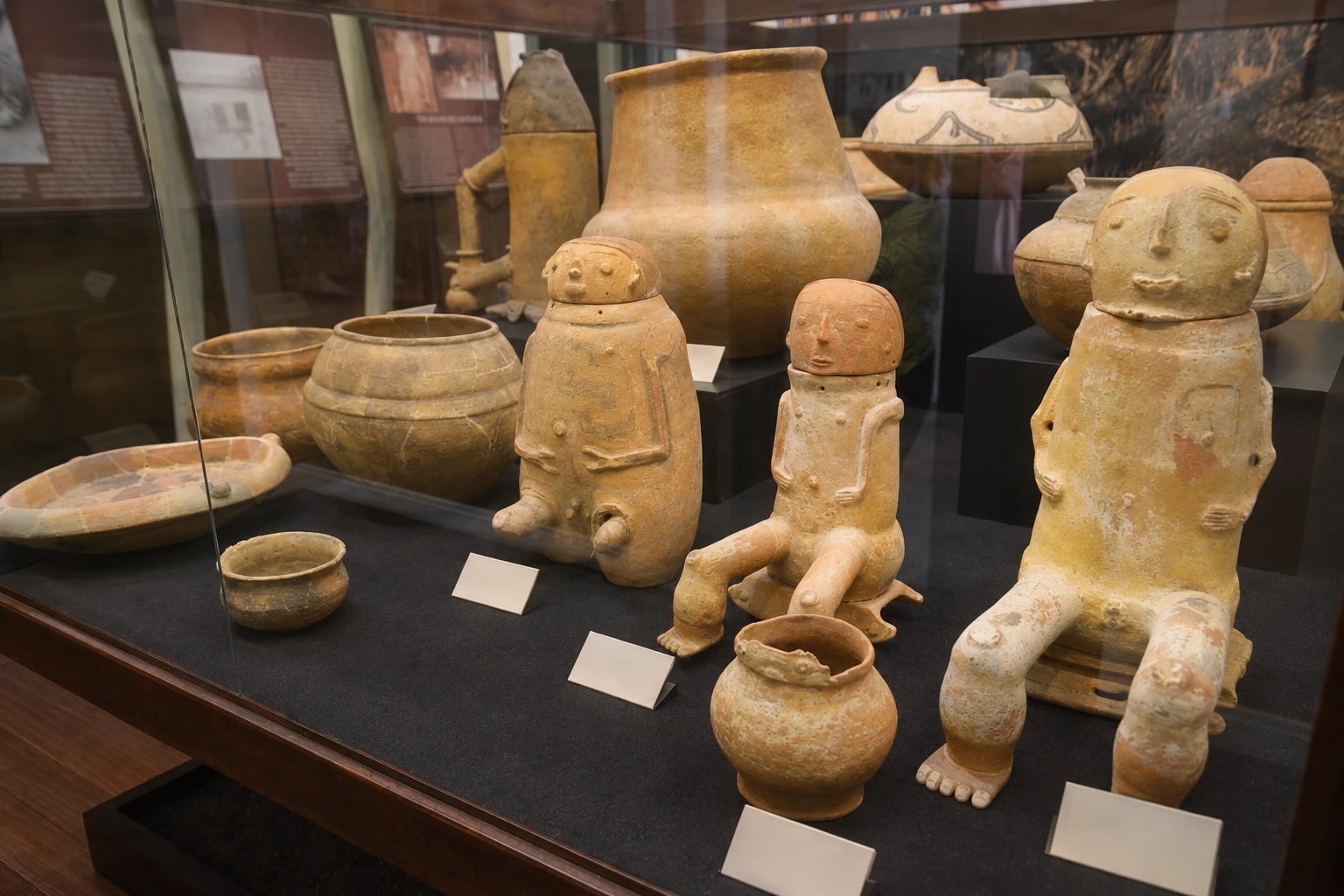
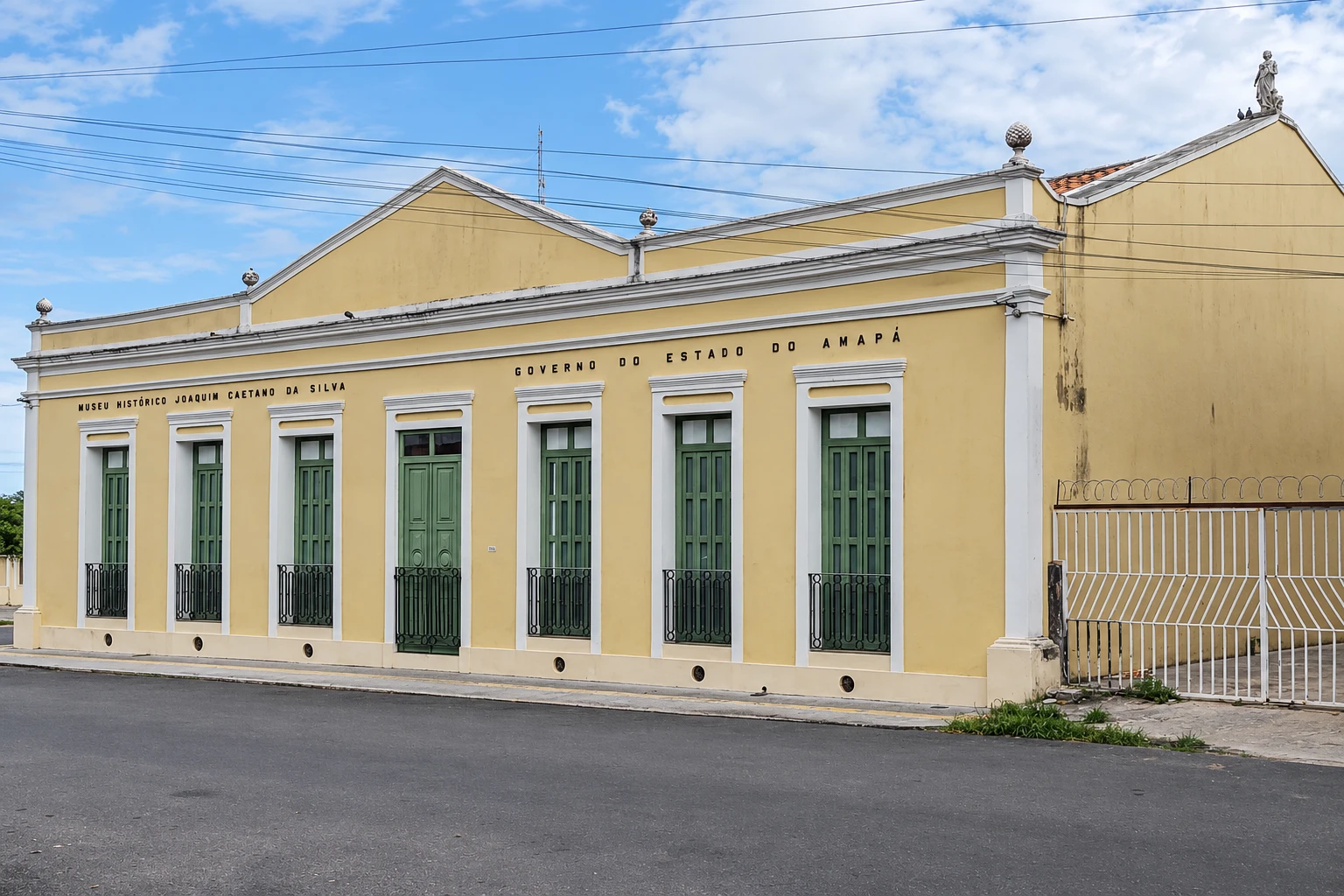
Museum of Amapá history in one of Macapá’s oldest buildings, which has served as the municipal council, city hall and the governor’s residence. It houses funerary urns and vessels from indigenous peoples of the region, documents, photographs and river canoes.
In the photo: Facade of the Joaquim Caetano da Silva Historical Museum, in downtown Macapá.
Illustrative images. The pictures in this guide are illustrations based on the real place, not photographs, and may differ from it.


A look at the place
Joaquim Caetano da Silva Historical Museum in pictures
These pictures are illustrations based on the real place, not photographs. They may differ from the place.
Click the picture to enlarge it.
Discover
About Joaquim Caetano da Silva Historical Museum
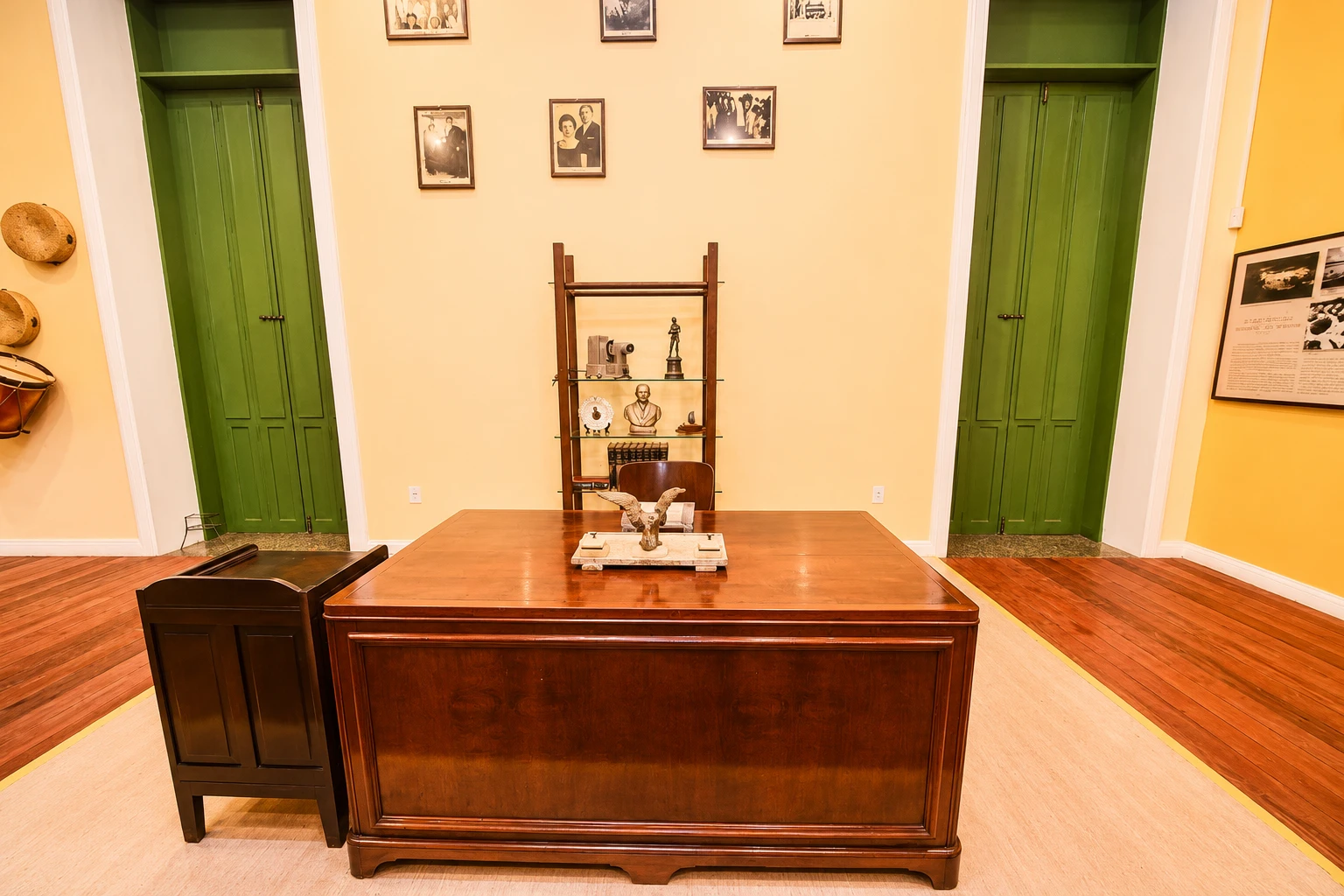
The Joaquim Caetano da Silva Historical Museum is in downtown Macapá, near the banks of the Amazon River and the Fortress of São José. The building is considered one of the oldest in the city: it housed the municipal council in Imperial times, served as city hall and police station, and in 1944 became the first official residence of the governor of the newly created Territory of Amapá, Janary Nunes.
In 1948 the building began to house the Territorial Museum, and almost twenty years later the museum was reorganized and received its current name, in honor of Joaquim Caetano da Silva, a diplomat and historian whose study of the border with French Guiana, published in Paris in 1861, was used in the defense of Brazilian territory.
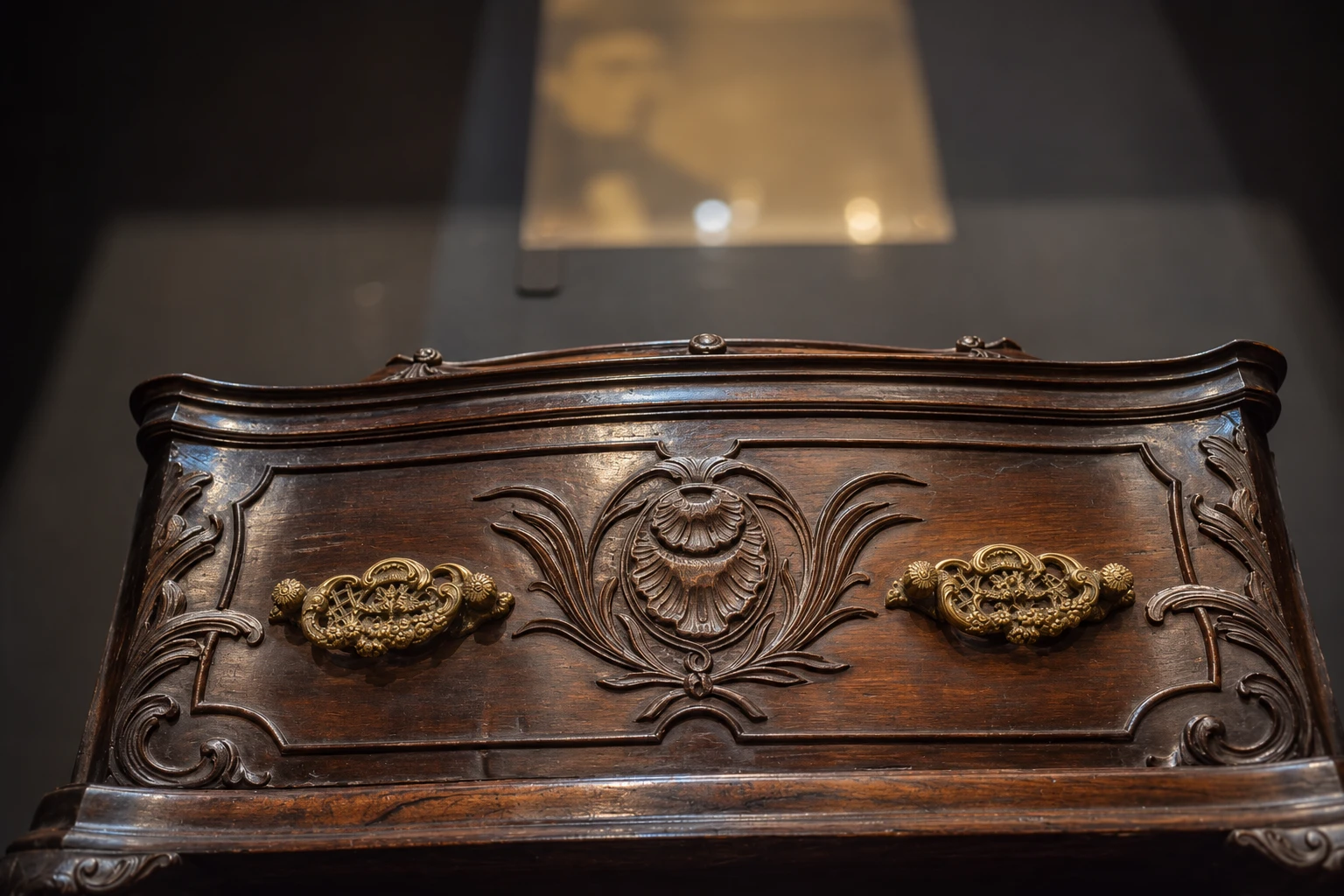
The collection, inherited from the former Territorial Museum, brings together archaeological pieces, handwritten documents, photographs and historical objects. Highlights include funerary urns and anthropomorphic vessels from peoples who lived in the interior of Amapá, coming from sites such as the Maracá River in Mazagão, Cupixi in Porto Grande, and the Laguinho neighborhood in Macapá. There are also fragments found in excavations around the Fortress.
Another part of the exhibition shows the life of riverside communities, with several models of canoes, the main means of transport on the state’s rivers. Among curiosities is the urn containing the mortal remains of Joaquim Caetano da Silva himself.
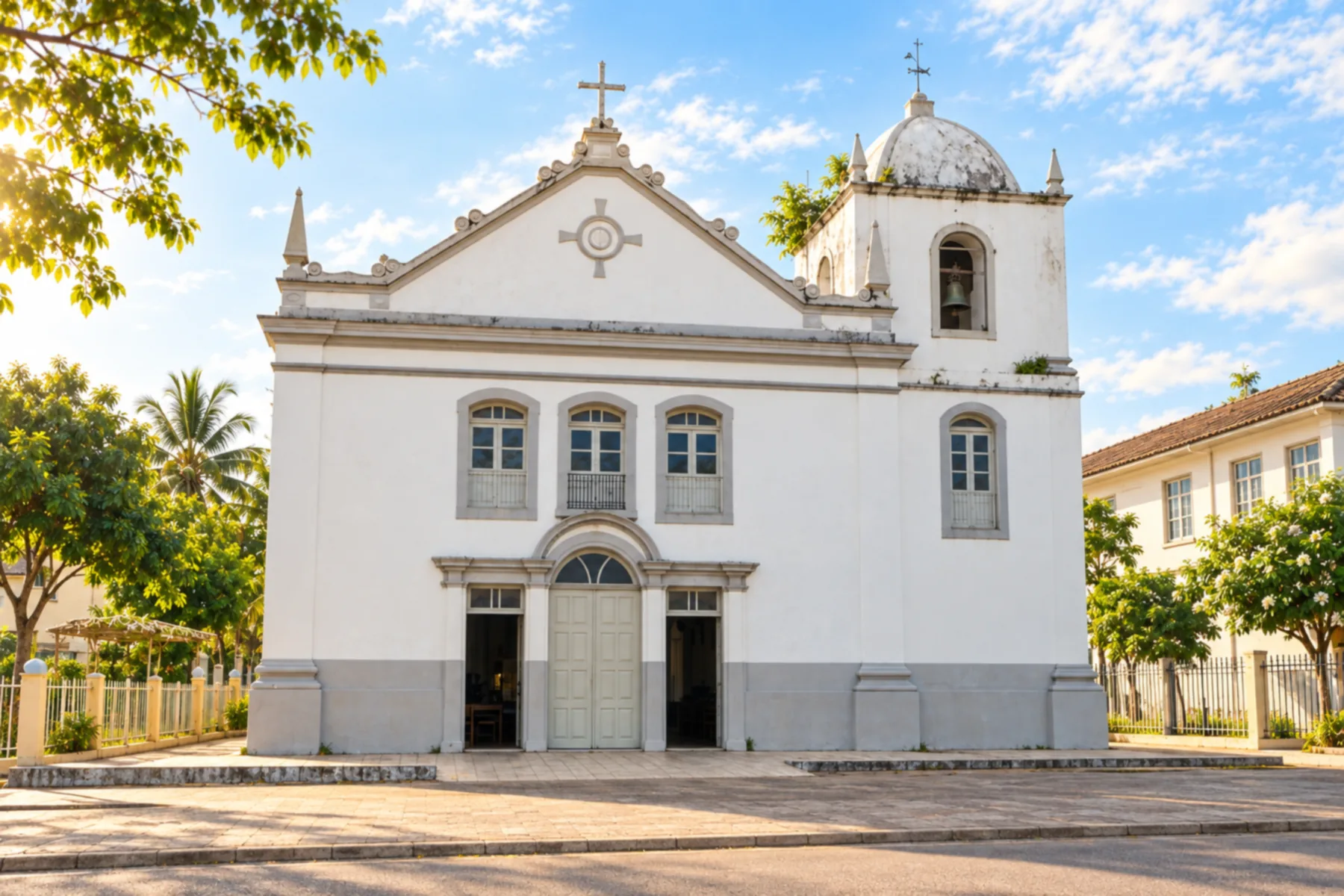
The museum is administered by the government of Amapá. The visit pairs well with the Fortress of São José, the São José Mother Church and the Eliezer Levy Pier, all a short walk away.
Before you go
Practical information
Cidade Turismo reviews its information regularly, but something may have changed. Check with the place before planning your trip.
How much time to set aside
About 1 hour for the galleries. Add 2 to 3 hours if you combine it on foot with the Fortress of São José and the riverfront.
Best time
On a weekday, in the morning or early afternoon; because opening days can change, confirm them in advance. It’s a good visit for the hottest hours of the day and for Macapá’s rainy season, which usually runs from January to June.
How to get there
The museum is in downtown Macapá, on Avenida Mário Cruz, a few blocks from the riverfront and the Fortress of São José. If you’re in the downtown or riverfront area you can walk; from other neighborhoods take a taxi, ride-hailing app or city bus.
Tip
Visit the museum before the Fortress of São José: the pieces and fragments found in excavations around the fort help to understand the history you’ll see there. Finish at the Eliezer Levy Pier in the late afternoon.
Your questions
Frequently asked questions about Joaquim Caetano da Silva Historical Museum
What is in the Joaquim Caetano da Silva Museum?
Archaeological pieces such as funerary urns and anthropomorphic vessels from indigenous peoples of Amapá, documents, photographs, historical objects and models of riverside canoes, plus the urn with the mortal remains of Joaquim Caetano da Silva.
Who was Joaquim Caetano da Silva?
A 19th-century diplomat and historian. His work on the border between Amapá and French Guiana, published in Paris in 1861, was used in the defense of Brazilian territory, and the museum is named after him.
Where is the Joaquim Caetano da Silva Museum located?
In downtown Macapá, on Avenida Mário Cruz, near the banks of the Amazon River and a short walk from the Fortress of São José.
How long does a visit to the Joaquim Caetano da Silva Museum take?
About 1 hour. Opening days can change: confirm them in advance.
What to visit near the Joaquim Caetano Museum?
The Fortress of São José de Macapá, the São José Mother Church and the Eliezer Levy Pier, all a short walk through the downtown and riverfront.