

 Antarctica
 Argentina
 Bolivia
 Chile
 Colombia
 Ecuador
 Falkland Islands (Malvinas)
 French Guiana
 Guyana
 Paraguay
 Peru
 Suriname
 Uruguay
 Venezuela
 Austria
 Belgium
 Croatia
 Denmark
 Finland
 France
 Germany
 Greece
 Hungary
 Iceland
 Ireland
 Italy
 Luxembourg
 Norway
 Poland
 Portugal
 Slovakia
 Slovenia
 Spain
 Sweden
 Switzerland
 the Czech Republic
 the Netherlands
 the United Kingdom
 Turkey
 Bermuda
 Canada
 Greenland
 Mexico
 Saint Pierre and Miquelon
 the United States
 the Dominican Republic
 Japan
 Egypt
 South Africa
 Australia
 Fiji
 New Zealand
 Papua New Guinea
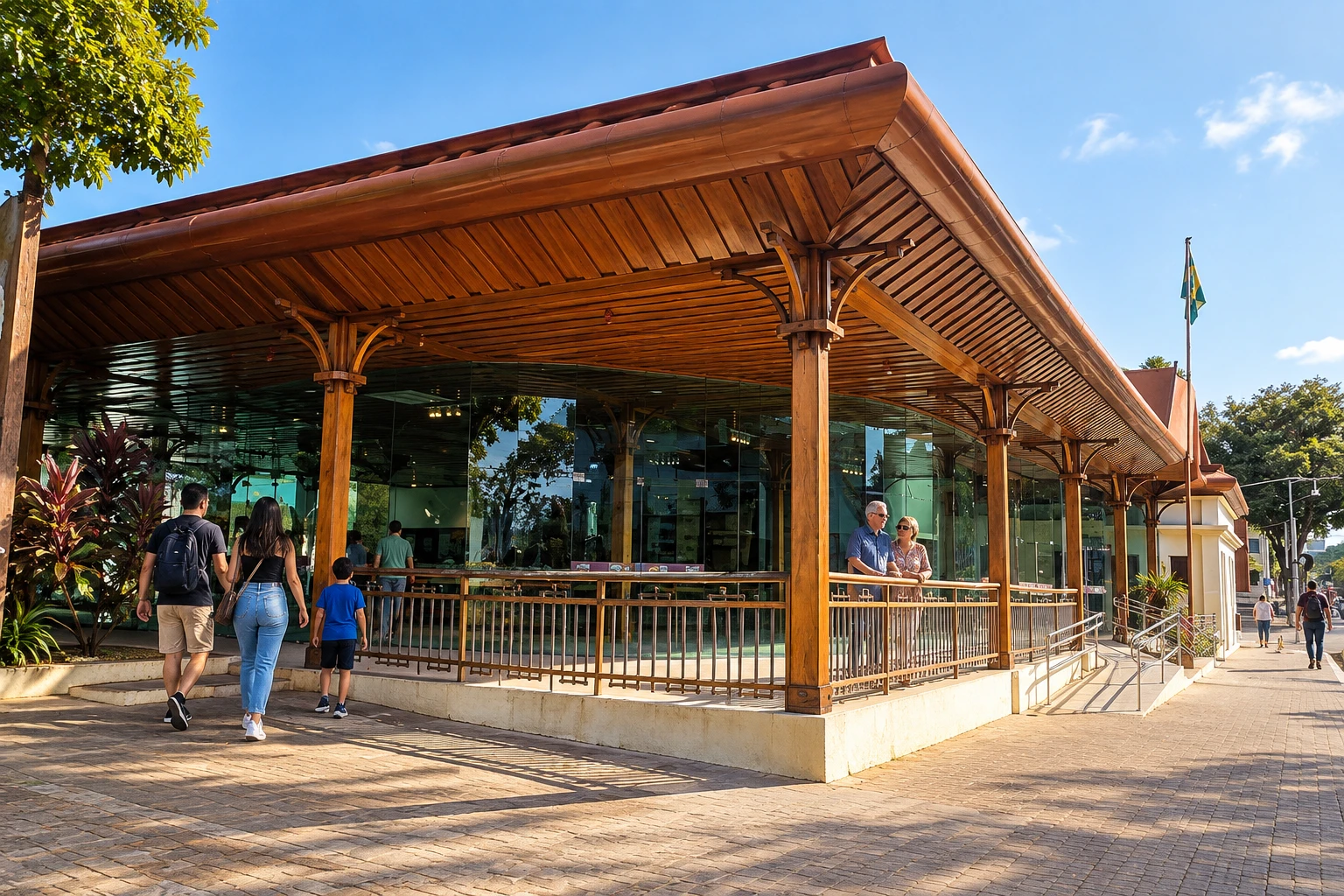
museum · Rio Branco, AC
Memorial dos Autonomistas
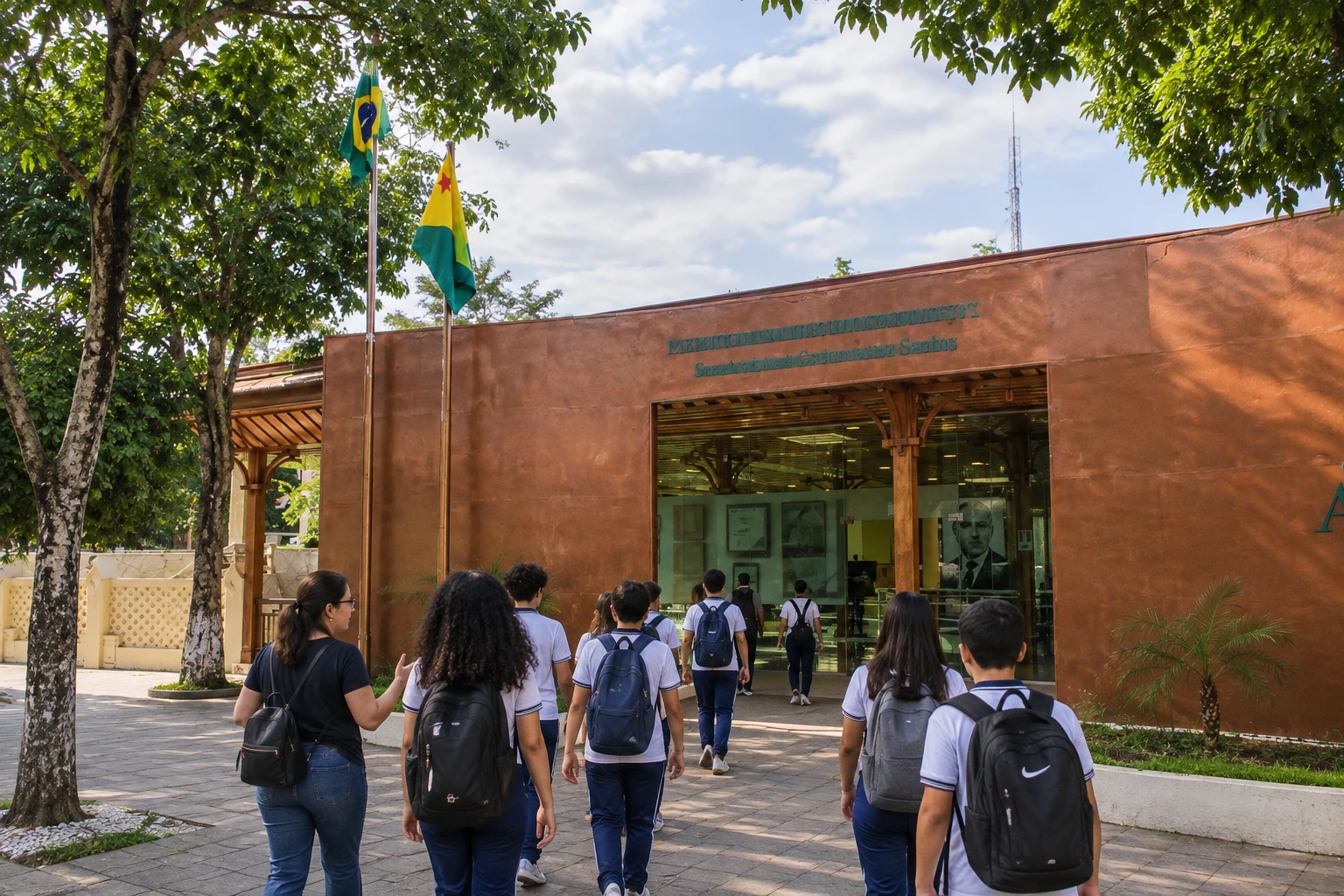
A cultural venue opened in 2002 next to the Palácio Rio Branco, devoted to the movement that turned Acre into a state. It has an exhibition hall, a gallery of governors, the Teatro Hélio Melo and the tomb of former governor José Guiomard Santos.
Illustrative images. The pictures in this guide are illustrations based on the real place, not photographs, and may differ from it.


A look at the place
Memorial dos Autonomistas in pictures
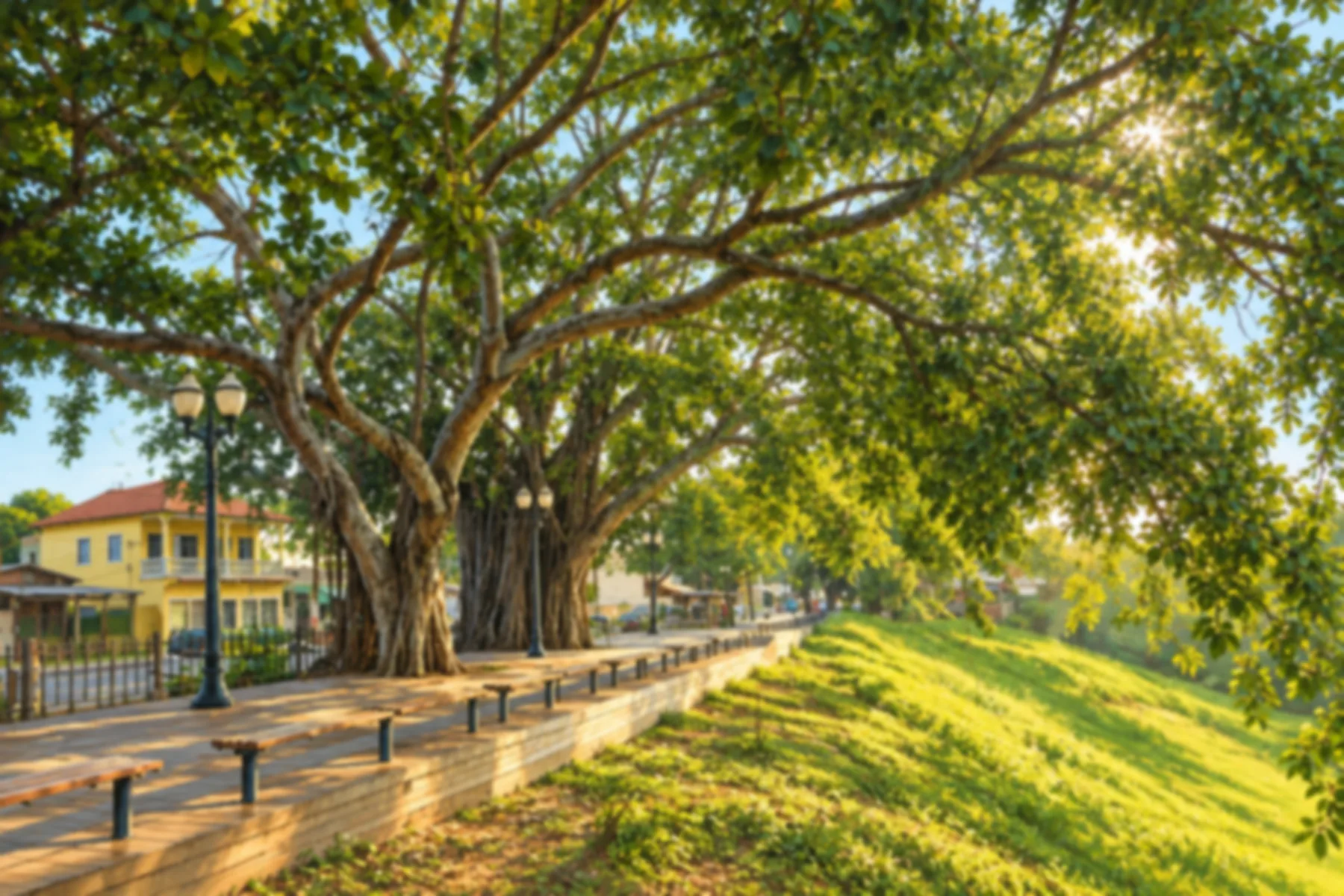
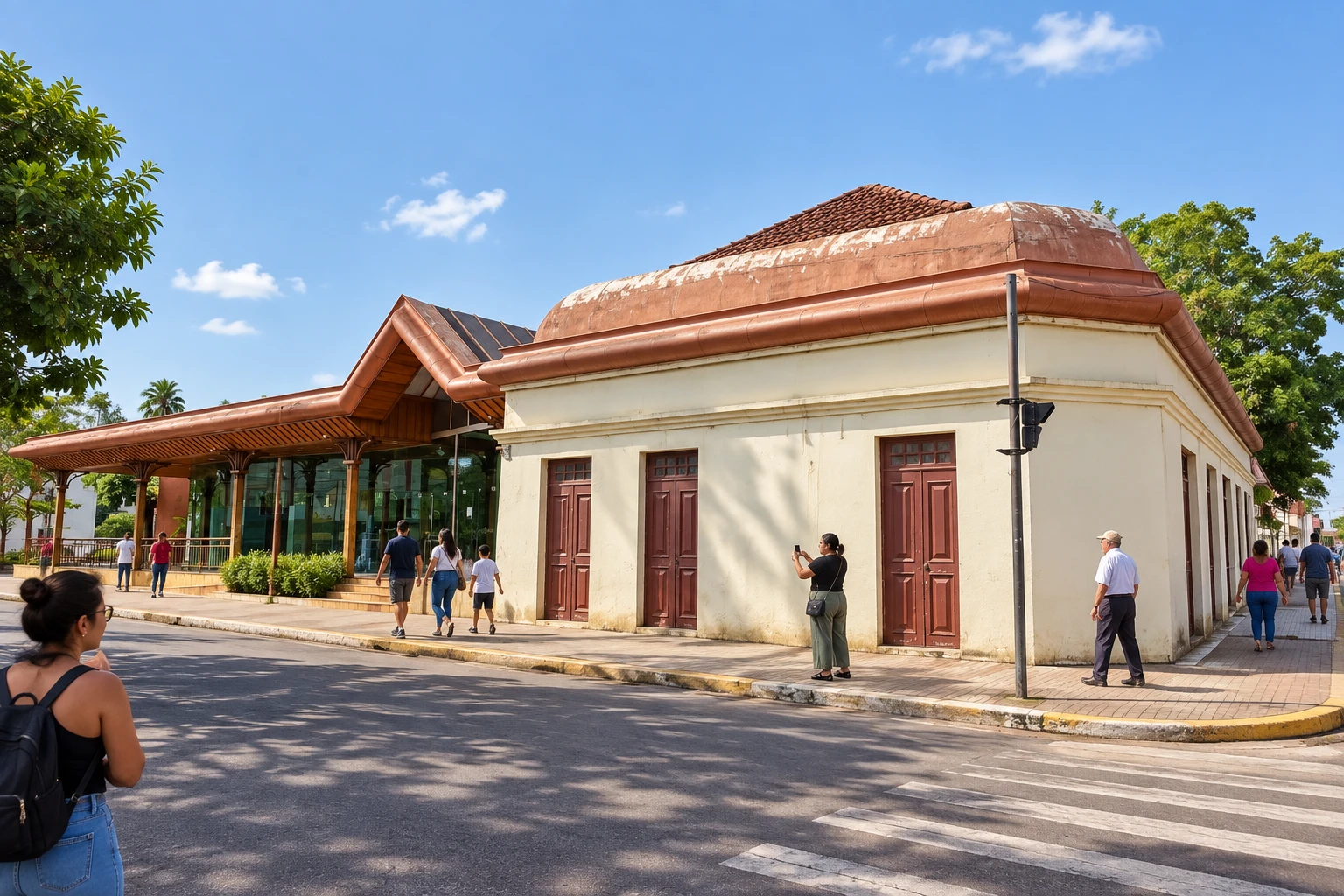
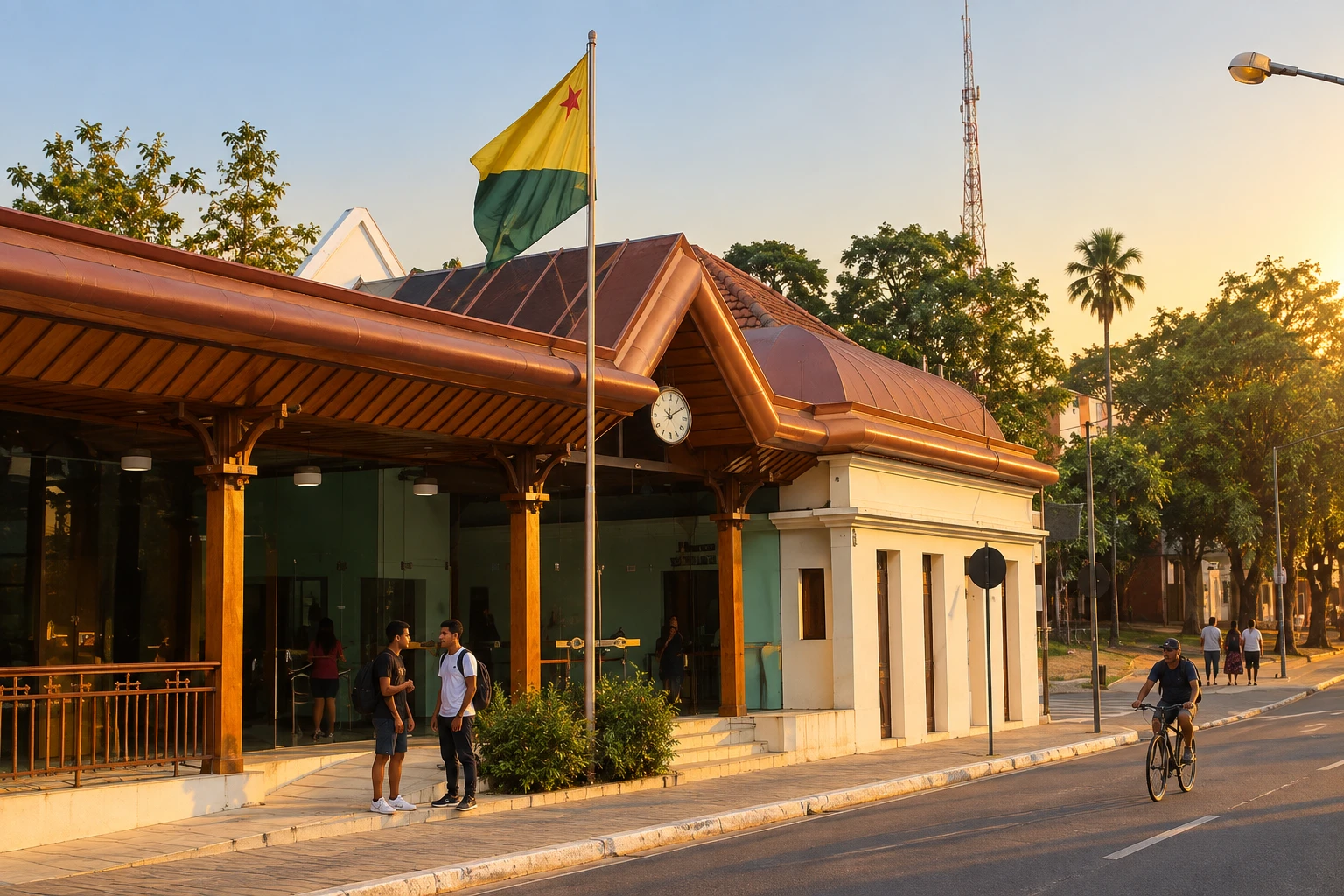
These pictures are illustrations based on the real place, not photographs. They may differ from the place.
Click the picture to enlarge it.
Discover
About Memorial dos Autonomistas
The Memorial dos Autonomistas is a cultural venue in downtown Rio Branco, next door to the Palácio Rio Branco. It opened in 2002 to preserve the history of the Autonomist Movement, which led Acre to change from a federal territory into a state, in 1962.
The memorial is named after Senator José Guiomard dos Santos, former governor of the territory and the movement's main leader. He and his wife, Lídia Hames, are buried here, and the couple's tomb is one of the stops on the visit.
Inside, there is a hall with the permanent exhibition on the autonomy process, with photos, documents and objects, and a gallery of Acre's governors. The building also houses the small Teatro Hélio Melo, which honors the former rubber tapper and Acre-born artist, and a café.
The visit is short and easy, good if you want to understand Acre's politics after seeing the museum in the palace next door. Keep an eye on the theater's program, which hosts shows and cultural events.
Before you go
Practical information
Cidade Turismo reviews its information regularly, but something may have changed. Check with the place before planning your trip.
How much time to set aside
30 minutes to an hour for the exhibition and the tomb; longer if there is a show at the theater.
Best time
It works well year-round, since the visit is indoors; in the dry season, May to September, combine it with a morning walk around the downtown squares, and in the rainy season, November to March, it is a good option for downpour days.
How to get there
It is on Avenida Getúlio Vargas, in downtown Rio Branco, next to the Palácio Rio Branco. From downtown you can walk; from other neighborhoods, take a taxi, ride-hailing app or city bus to downtown.
Tip
Admission is free, but visiting days and hours vary; check the Acre government's official channels beforehand and combine the visit with the Palácio Rio Branco.
Your questions
Frequently asked questions about Memorial dos Autonomistas
Is there an entrance fee at the Memorial dos Autonomistas?
No. The visit to the memorial is free.
What is in the Memorial dos Autonomistas?
An exhibition on the movement that turned Acre into a state, a gallery of governors, the tomb of José Guiomard dos Santos and his wife, the Teatro Hélio Melo and a café.
How long does the visit take?
30 minutes to an hour, not counting shows at the theater.
Where is the Memorial dos Autonomistas?
On Avenida Getúlio Vargas, in downtown Rio Branco, next to the Palácio Rio Branco. You can walk there from downtown.
Who is buried at the Memorial dos Autonomistas?
Senator José Guiomard dos Santos, leader of the Autonomist Movement, and his wife, Lídia Hames.