

 Antarctica
 Argentina
 Bolivia
 Chile
 Colombia
 Ecuador
 Falkland Islands (Malvinas)
 French Guiana
 Guyana
 Paraguay
 Peru
 Suriname
 Uruguay
 Venezuela
 Austria
 Belgium
 Croatia
 Denmark
 Finland
 France
 Germany
 Greece
 Hungary
 Iceland
 Ireland
 Italy
 Luxembourg
 Norway
 Poland
 Portugal
 Slovakia
 Slovenia
 Spain
 Sweden
 Switzerland
 the Czech Republic
 the Netherlands
 the United Kingdom
 Turkey
 Bermuda
 Canada
 Greenland
 Mexico
 Saint Pierre and Miquelon
 the United States
 the Dominican Republic
 Japan
 Egypt
 South Africa
 Australia
 Fiji
 New Zealand
 Papua New Guinea
Archaeological site · Canindé de São Francisco, SE
Valley of the Masters
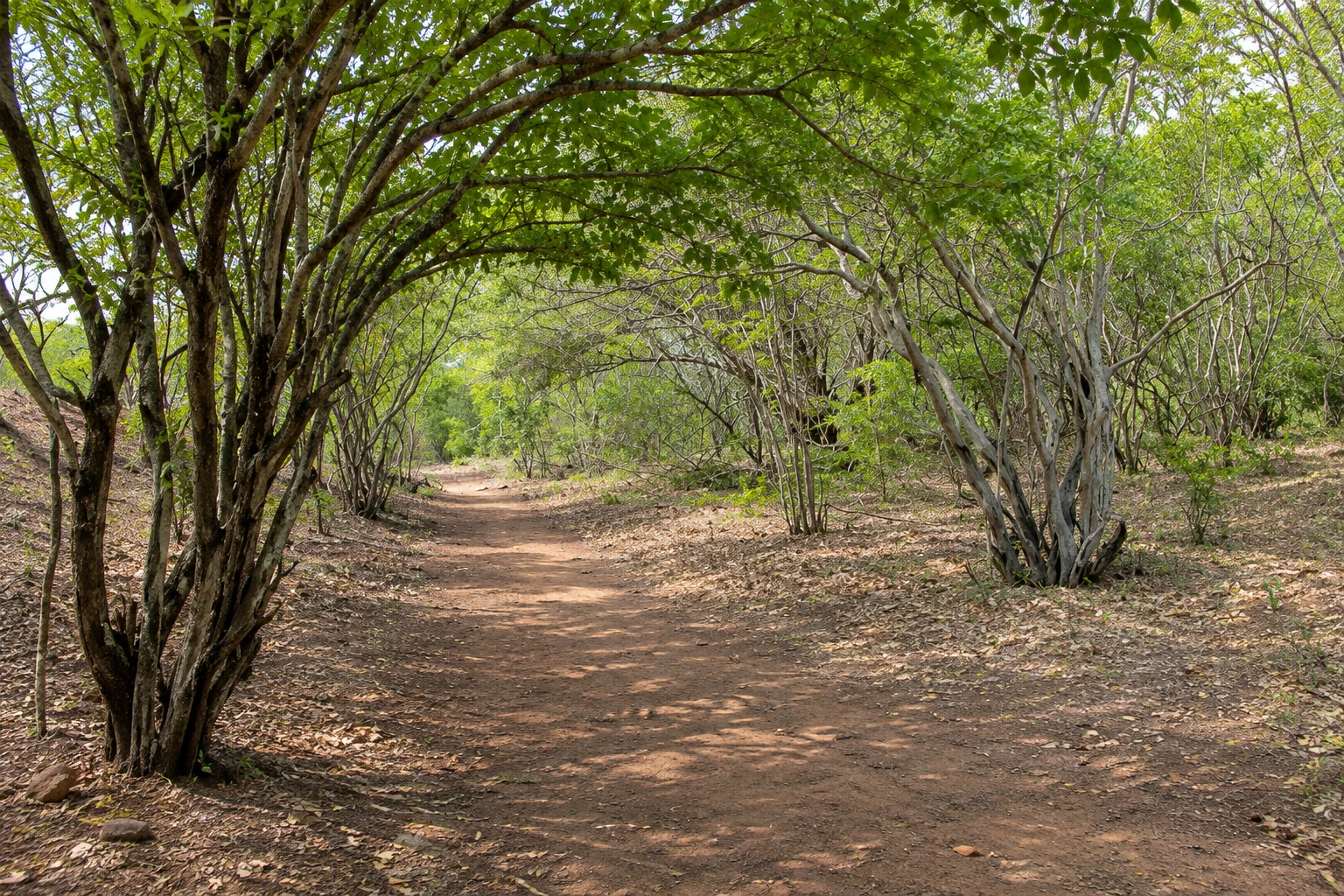
A roughly 2 km trail through caatinga to three shelters beneath rocky cliffs, with rock paintings and engravings thousands of years old, beside the Poço Verde stream, a tributary of the São Francisco. Visits are made with a guide, departing from Canindé de São Francisco.
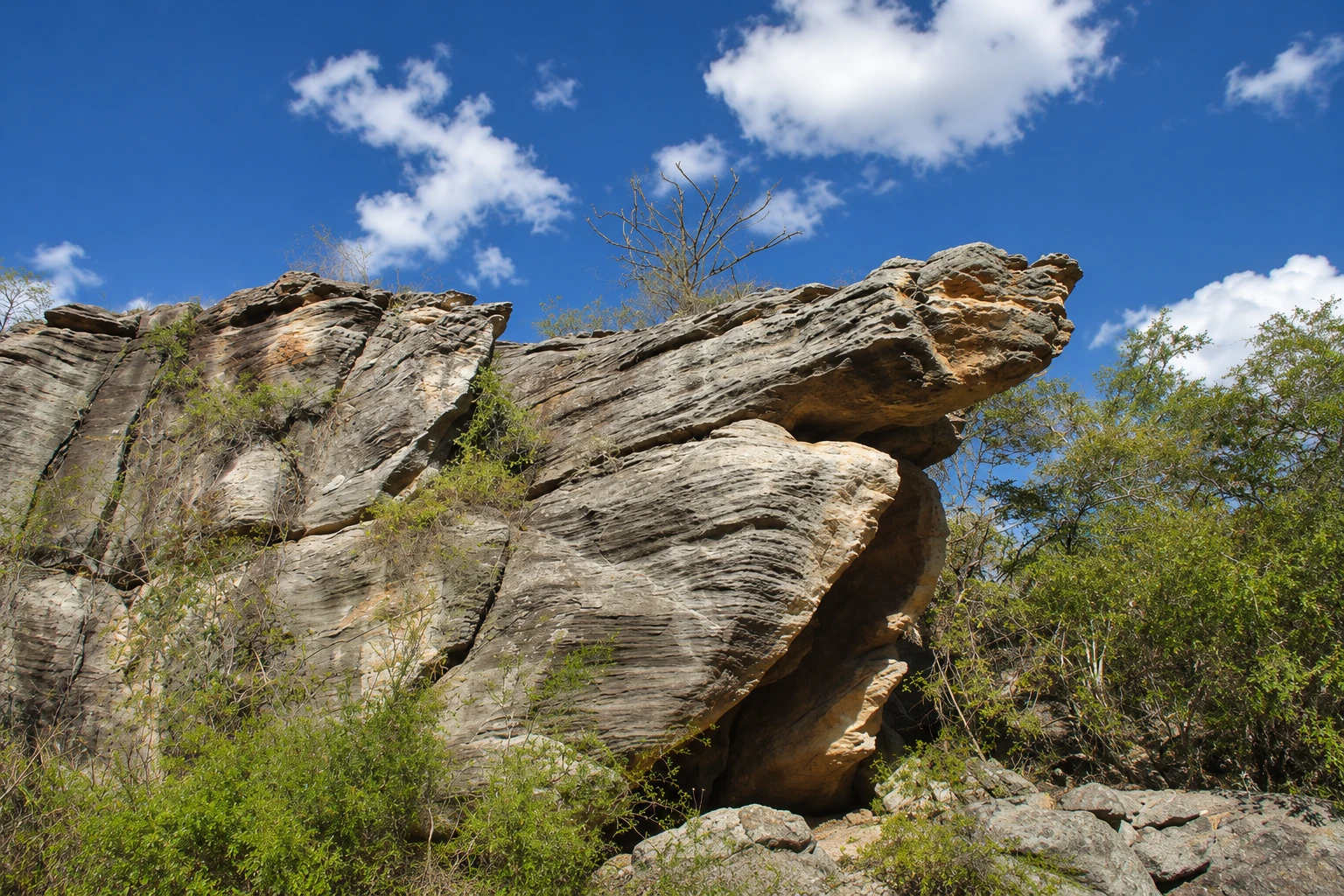
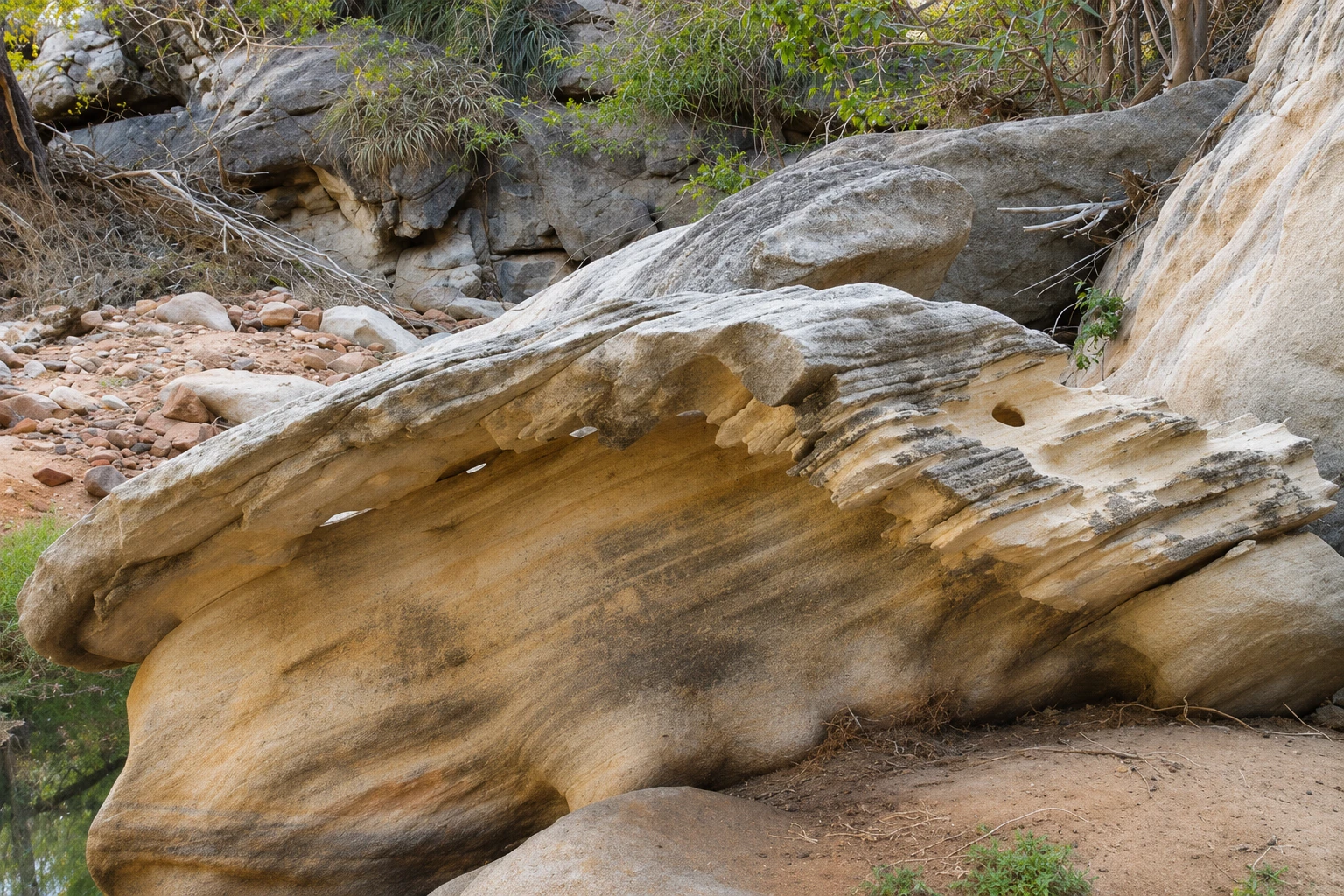
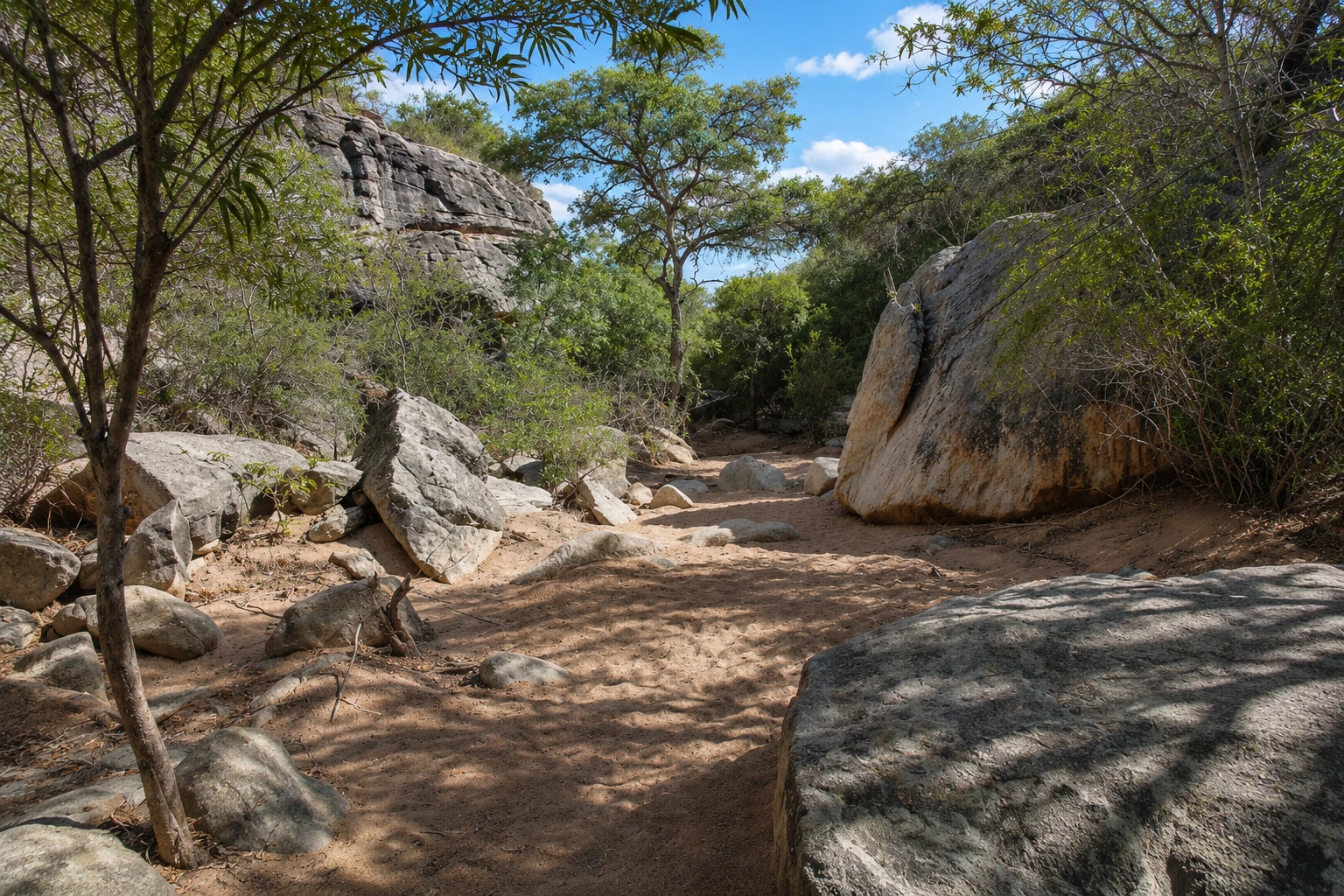
In the photo: Sandstone cliff and vegetation in Vale dos Mestres.
Illustrative images. The pictures in this guide are illustrations based on the real place, not photographs, and may differ from it.


A look at the place
Valley of the Masters in pictures
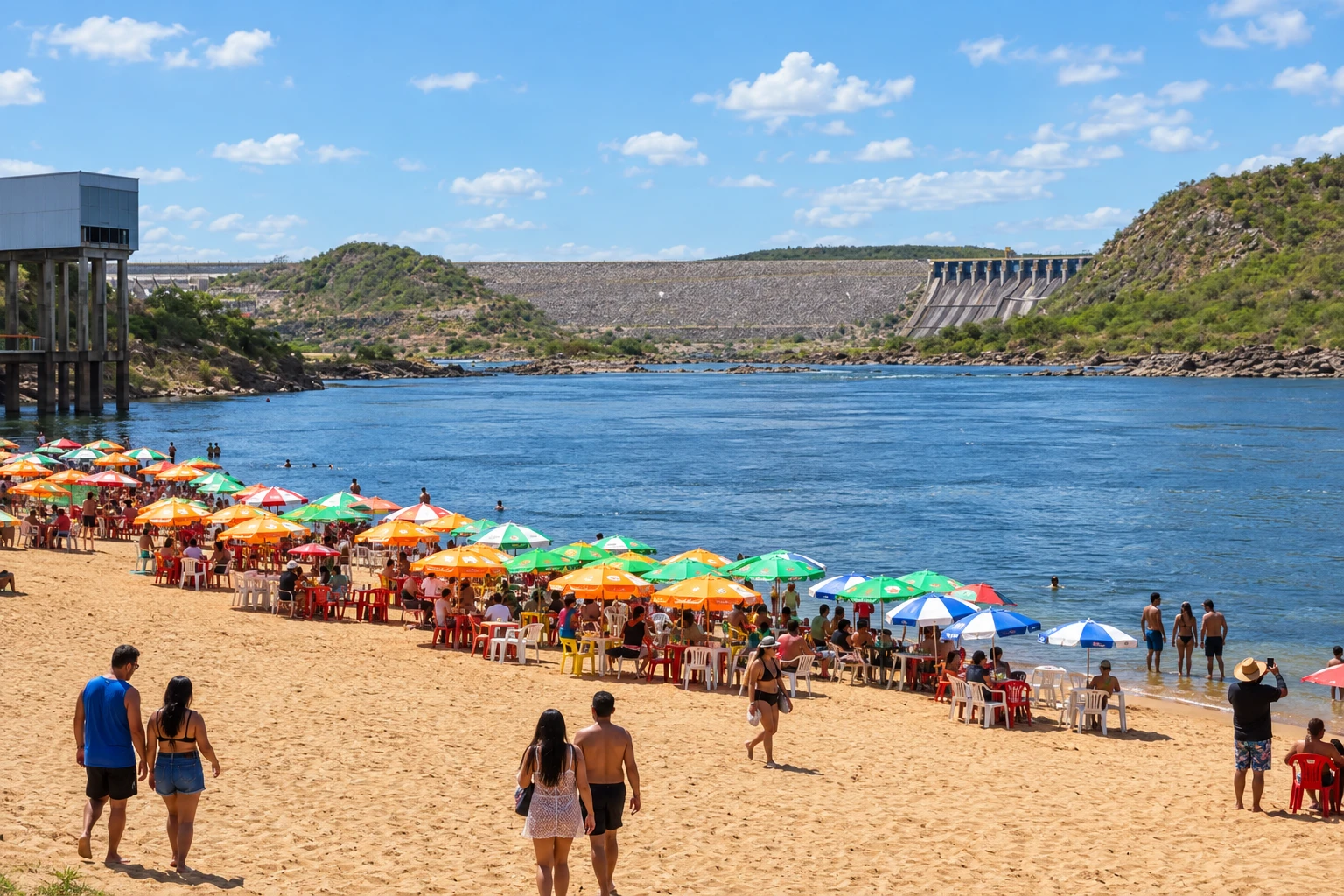
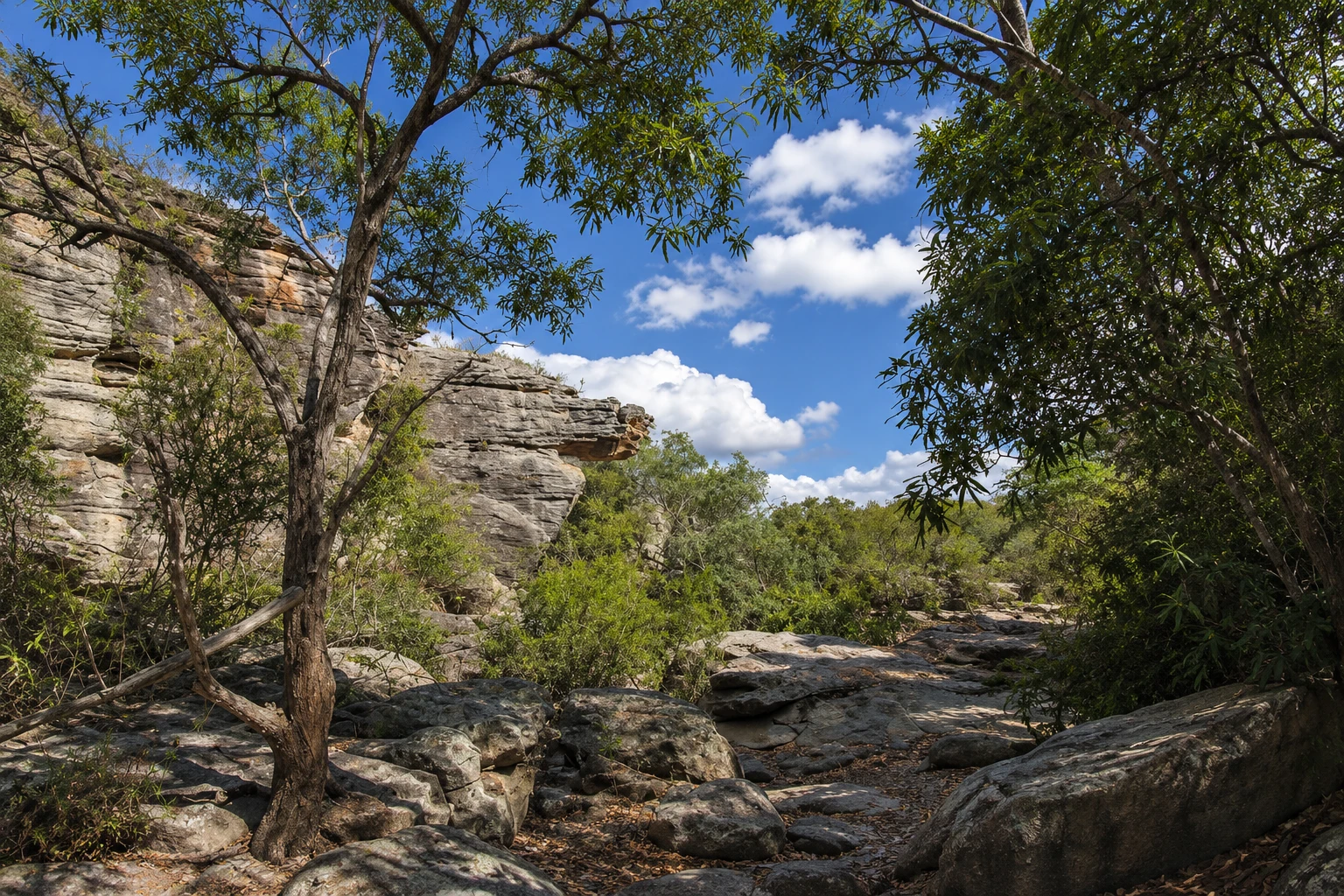
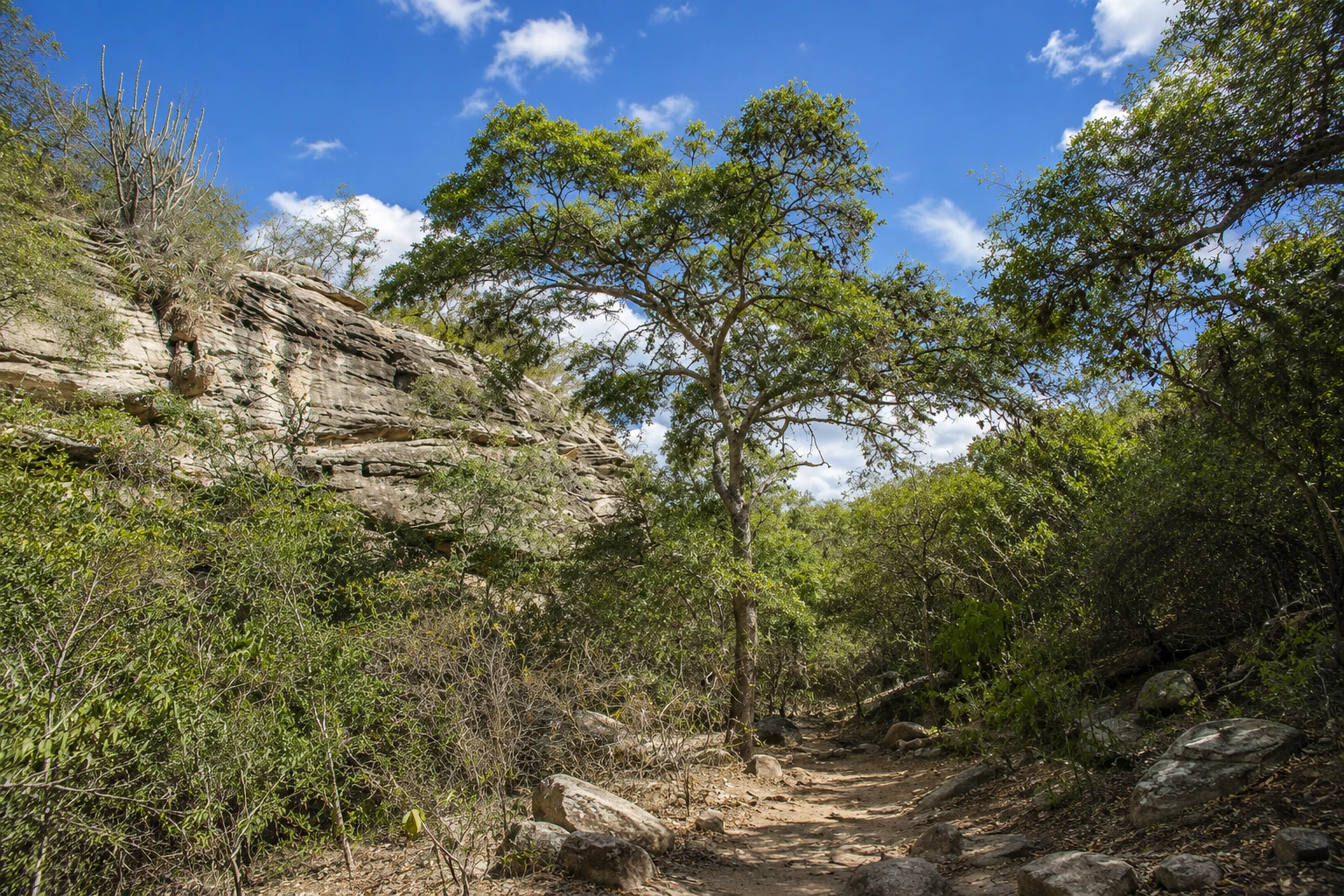
These pictures are illustrations based on the real place, not photographs. They may differ from the place.
Click the picture to enlarge it.
Discover
About Valley of the Masters
Vale dos Mestres is a group of archaeological sites in the hinterland of Canindé de São Francisco, in the Xingó lake region. It lies in an area of caatinga cut by the Poço Verde stream, which flows into the São Francisco River, between rock walls that form small natural shelters.
The visit is a trail of about 2 km. The path goes through the dry caatinga vegetation, with cacti and rocks, to three shelters at the base of the cliffs, on the stream’s bank. In each shelter there are records left by groups who lived in the region thousands of years ago: paintings with handprints and other marks, and engravings carved into the stone.
The Xingó region is one of the richest in the Northeast for archaeological remains. Research carried out before the formation of the hydroelectric reservoir found occupations by hunter-gatherers and by pottery-making farmers, and some of that material is in the Xingó Archaeology Museum in Canindé, which is worth visiting before or after the trail.
Access is by dirt road from highway SE-230 to a parking area, from which the trail starts. The last stretch has a steeper climb. Sources recommend doing the walk with a guide, who knows the route and explains the panels.
After the walk, many groups complete the day with a swim in the waters of Xingó lake.
Before you go
Practical information
Cidade Turismo reviews its information regularly, but something may have changed. Check with the place before planning your trip.
How much time to set aside
2 to 3 hours, including the round-trip trail and time at the shelters.
Best time
All year, always at early morning or late afternoon: the sertão sun is strong and the trail has little shade. From May to August temperatures are usually a bit milder.
How to get there
From downtown Canindé de São Francisco, follow highway SE-230 and turn onto the dirt road that leads to the trail parking, about 15 minutes from the highway. The site is roughly 20 km from the town in a straight line. Most visitors go with a local guide hired in Canindé.
Tip
Bring plenty of water, a hat, sunscreen and closed shoes: the caatinga has thorns and loose rocks. Do not touch the paintings or wet the rock to “enhance” the drawings, because this erases the records. Combine the trail with a visit to the Xingó Archaeology Museum.
Your questions
Frequently asked questions about Valley of the Masters
What is Vale dos Mestres?
It is a group of archaeological sites in Canindé de São Francisco, with three shelters beneath rock cliffs that contain rock paintings and engravings thousands of years old, reached by a roughly 2 km trail.
Do you need a guide to visit Vale dos Mestres?
Visiting is recommended with a local guide, who knows the route through the caatinga and explains the rock panels. Hire the guide in Canindé de São Francisco before you go.
Is the Vale dos Mestres trail difficult?
It is about 2 km, with rocks, little shade and a steeper climb at the end. It requires basic fitness, water and closed shoes, and should be done during the cooler hours of the day.
How old are the paintings at Vale dos Mestres?
Sources mention paintings over three thousand years old. The Xingó region has evidence of human occupation going back several thousand years, studied by archaeologists.
Where can I learn more about Xingó archaeology?
At the Xingó Archaeology Museum in Canindé de São Francisco, which houses pieces found in the region before the reservoir was formed.