11 lugares para conhecer Teresina (PI), escolhidos pelo guia Cidade Turismo.
Illustrative images. The pictures in this guide are illustrations based on the real place, not photographs, and may differ from it.
Para começar
Os 10 principais lugares Teresina
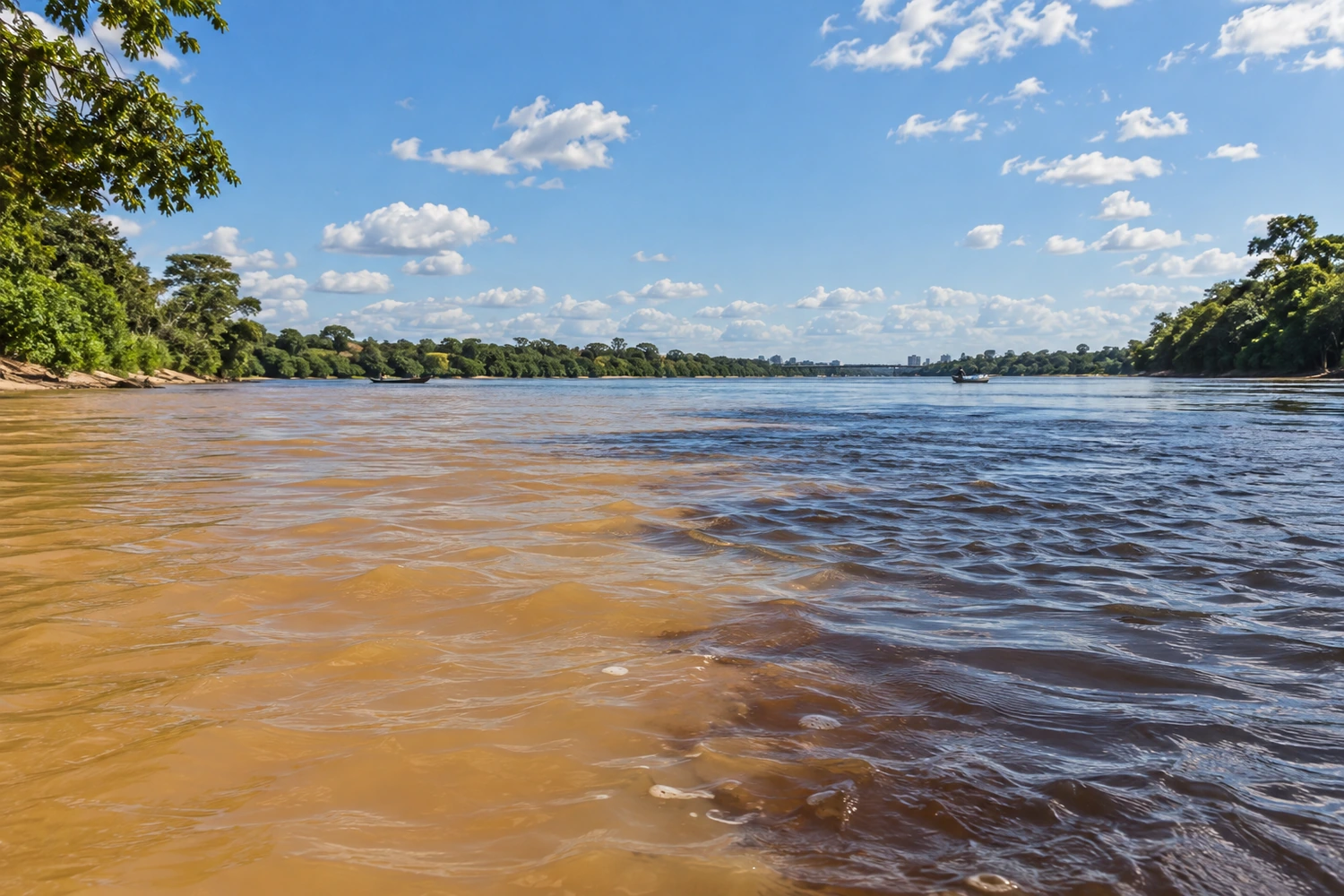
Parque Ambiental Encontro dos RiosProtected as an area of significant ecological interest, it is in the Poti Velho neighborhood, where the Parnaíba and Poti rivers meet.
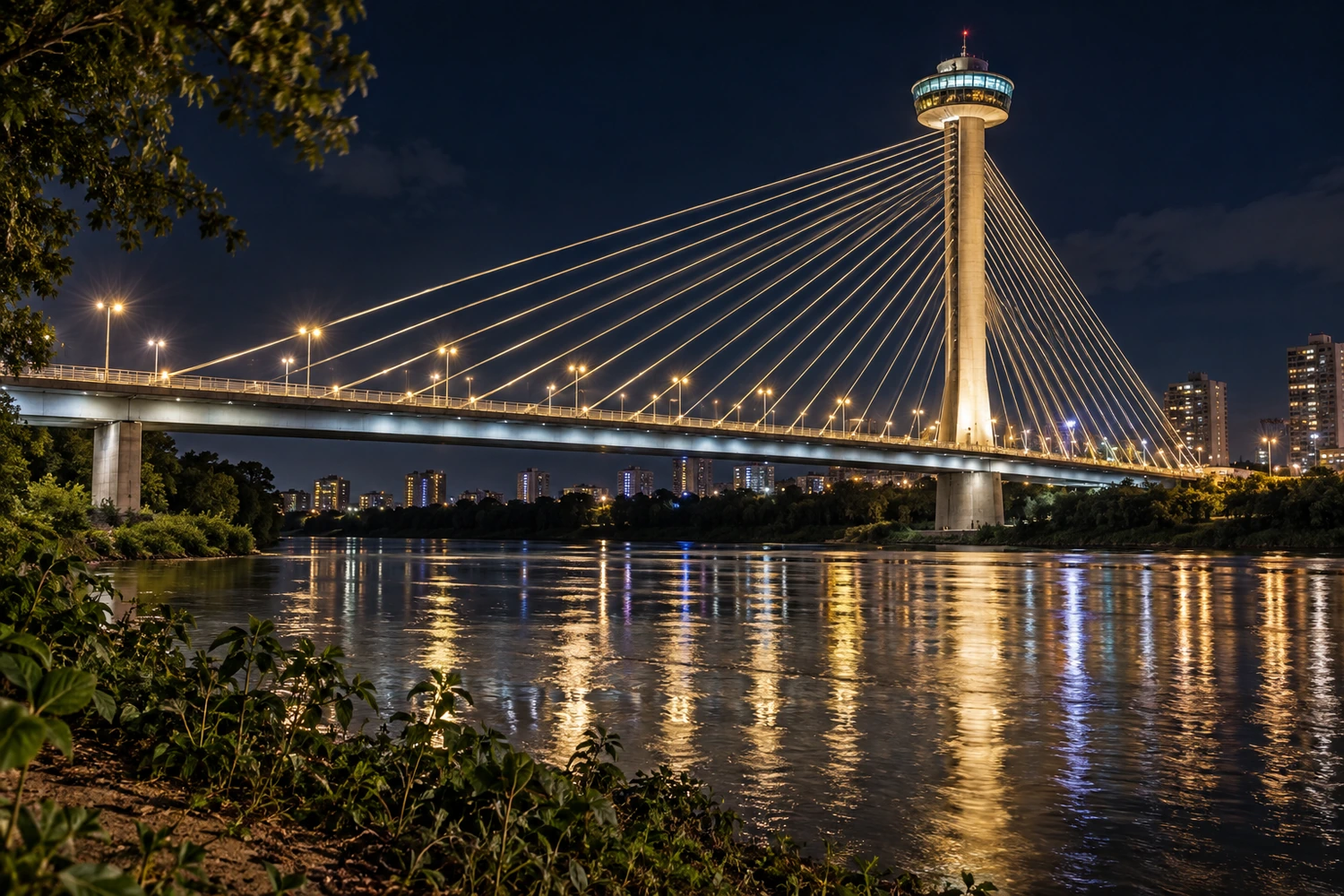
Ponte Estaiada João Isidoro FrançaOpened in 2010, for the city's 150th anniversary, it crosses the Rio Poti and links downtown to the east side.
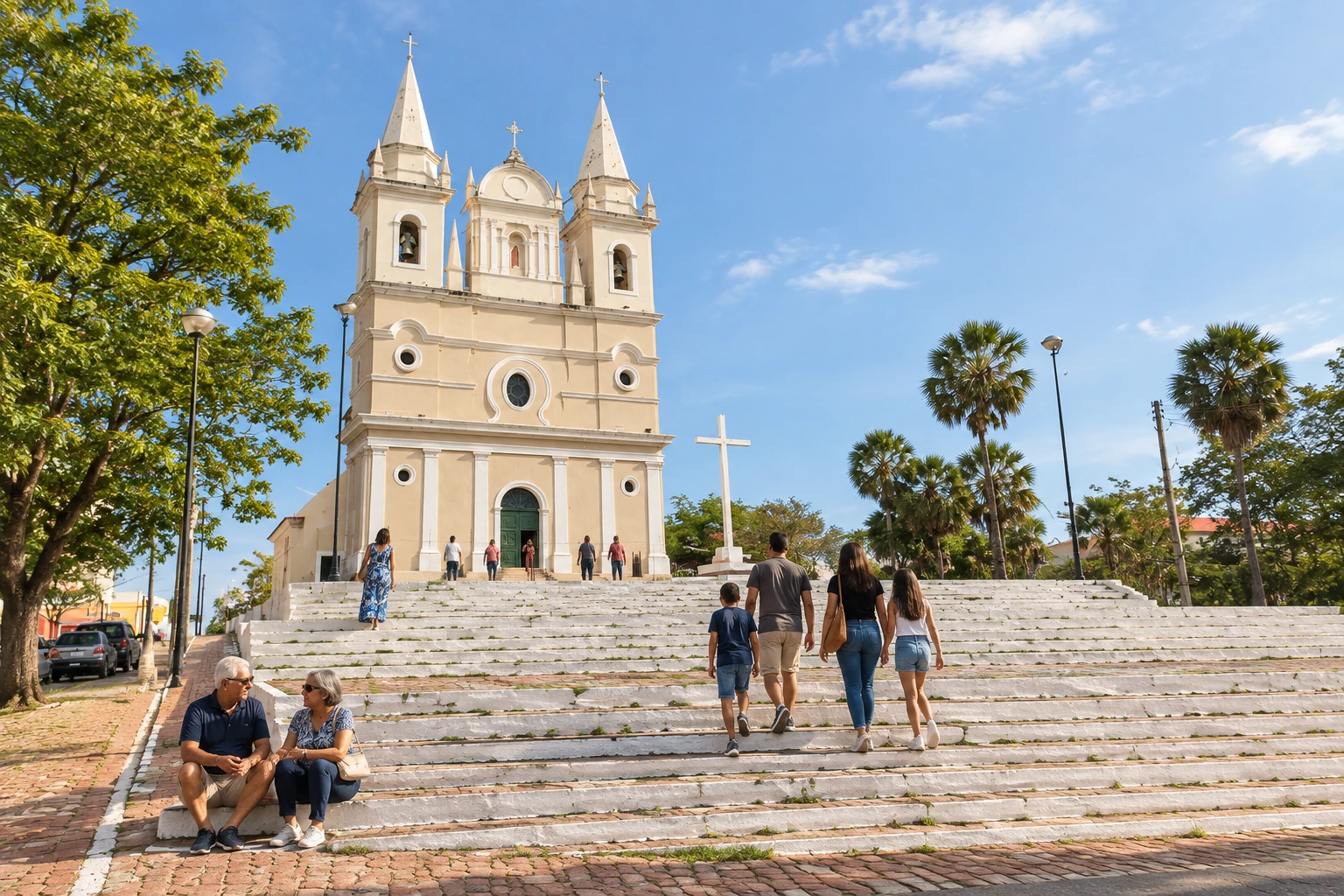
Igreja de São BeneditoBuilt between 1874 and 1886 under the direction of Friar Serafim de Catânia, it stands on Praça da Liberdade and has towers more than 40 meters tall.
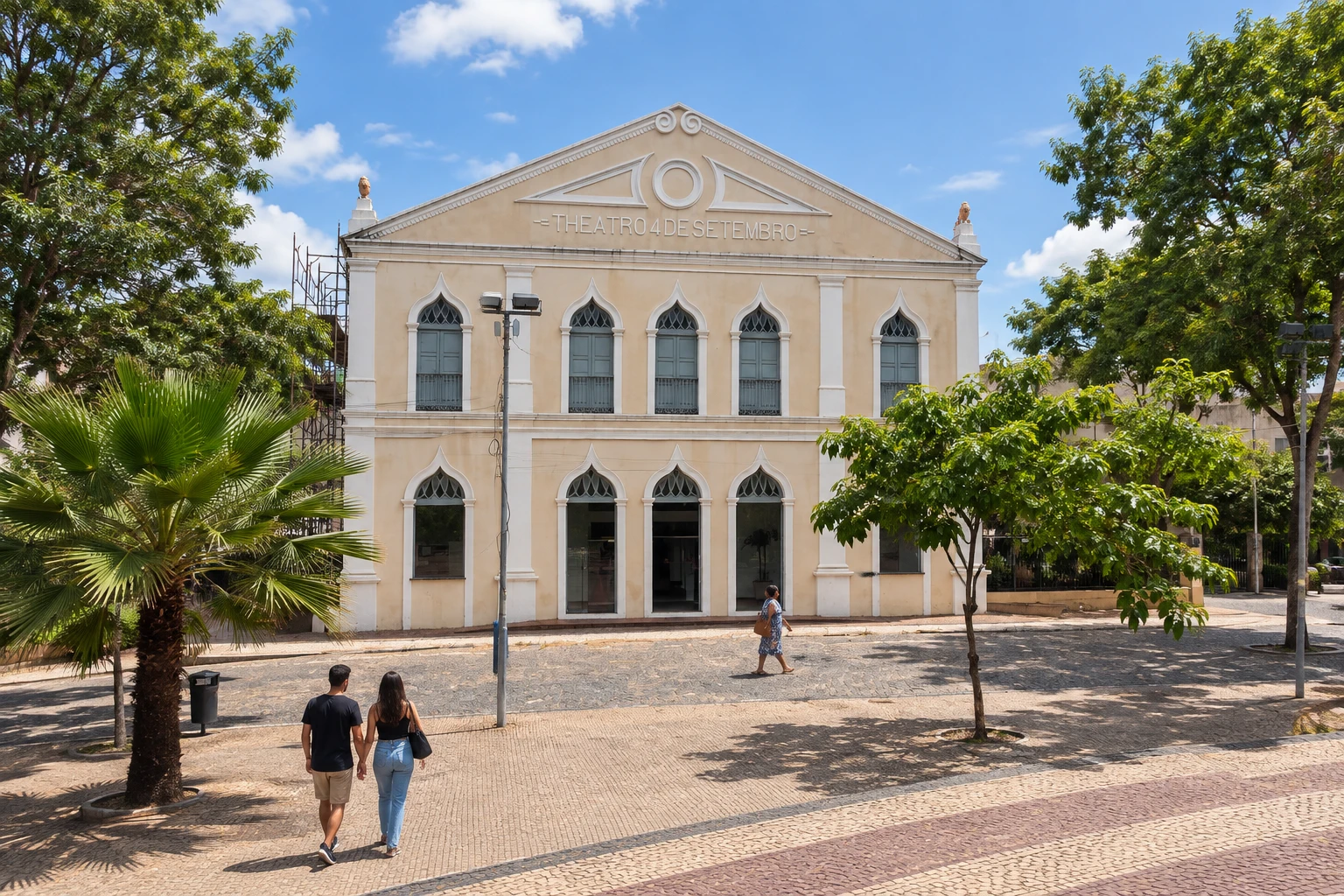
Theatro 4 de SetembroOpened in 1894 on Praça Pedro II, it has an eclectic facade with Neo-Gothic and Neoclassical elements.
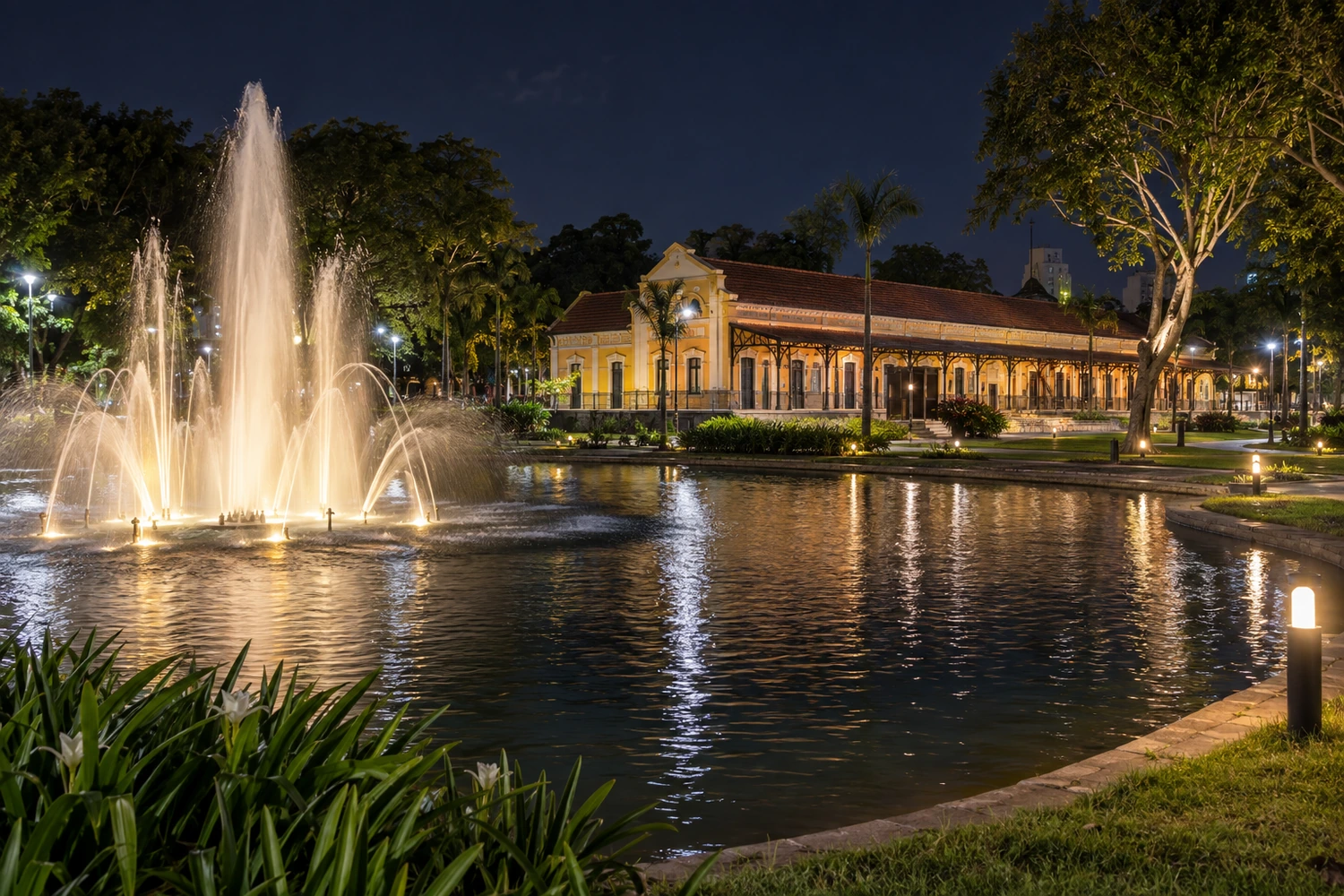
Parque Estação CidadaniaOpened in 2016 on the grounds of the old railway station, it covers 8.3 hectares downtown.
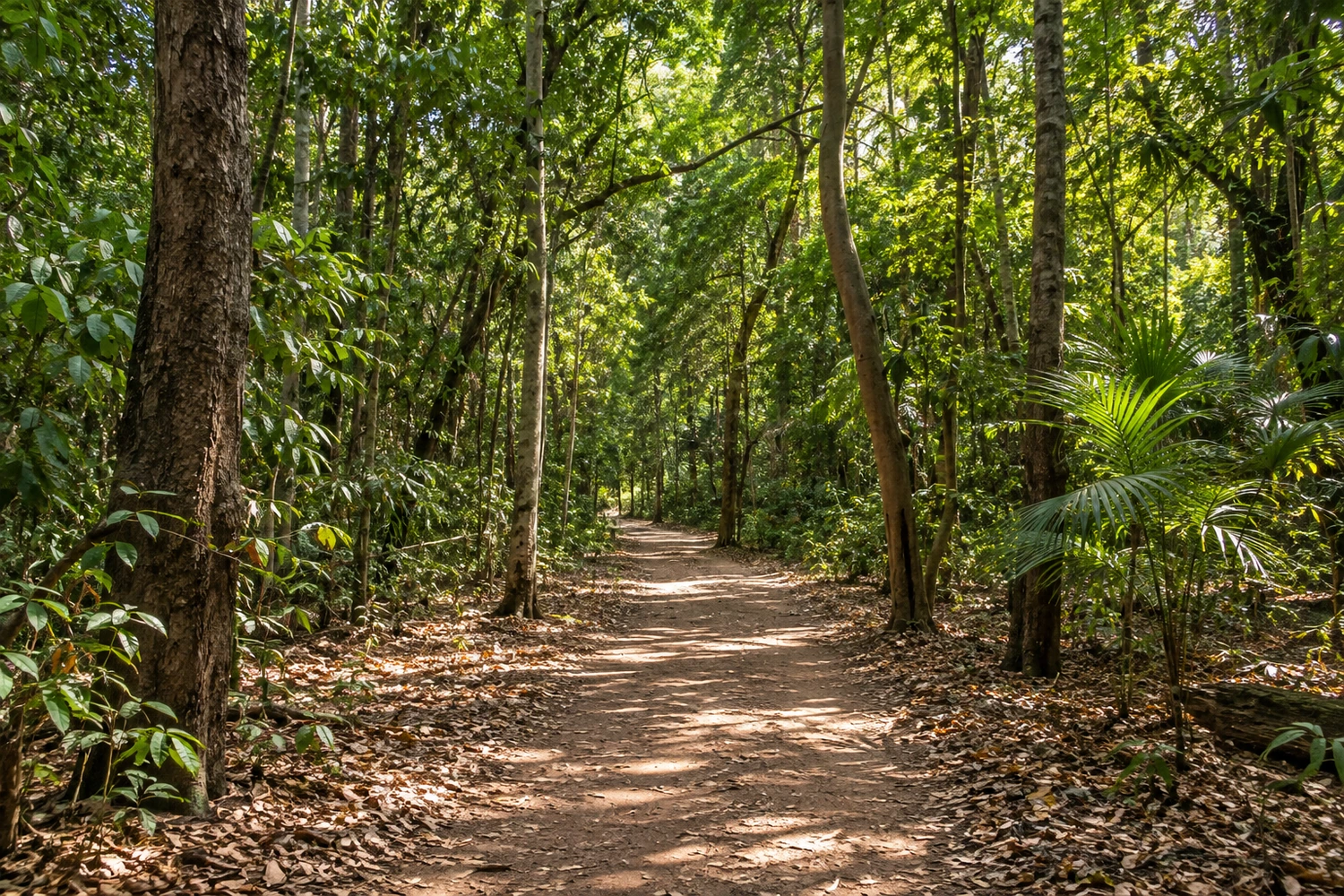
Bioparque Zoobotânico do PiauíIt covers 127 hectares of native forest between the Rio Poti and the PI-112 highway, with species from the transition between the Amazon, the cerrado (savanna) and the caatinga...
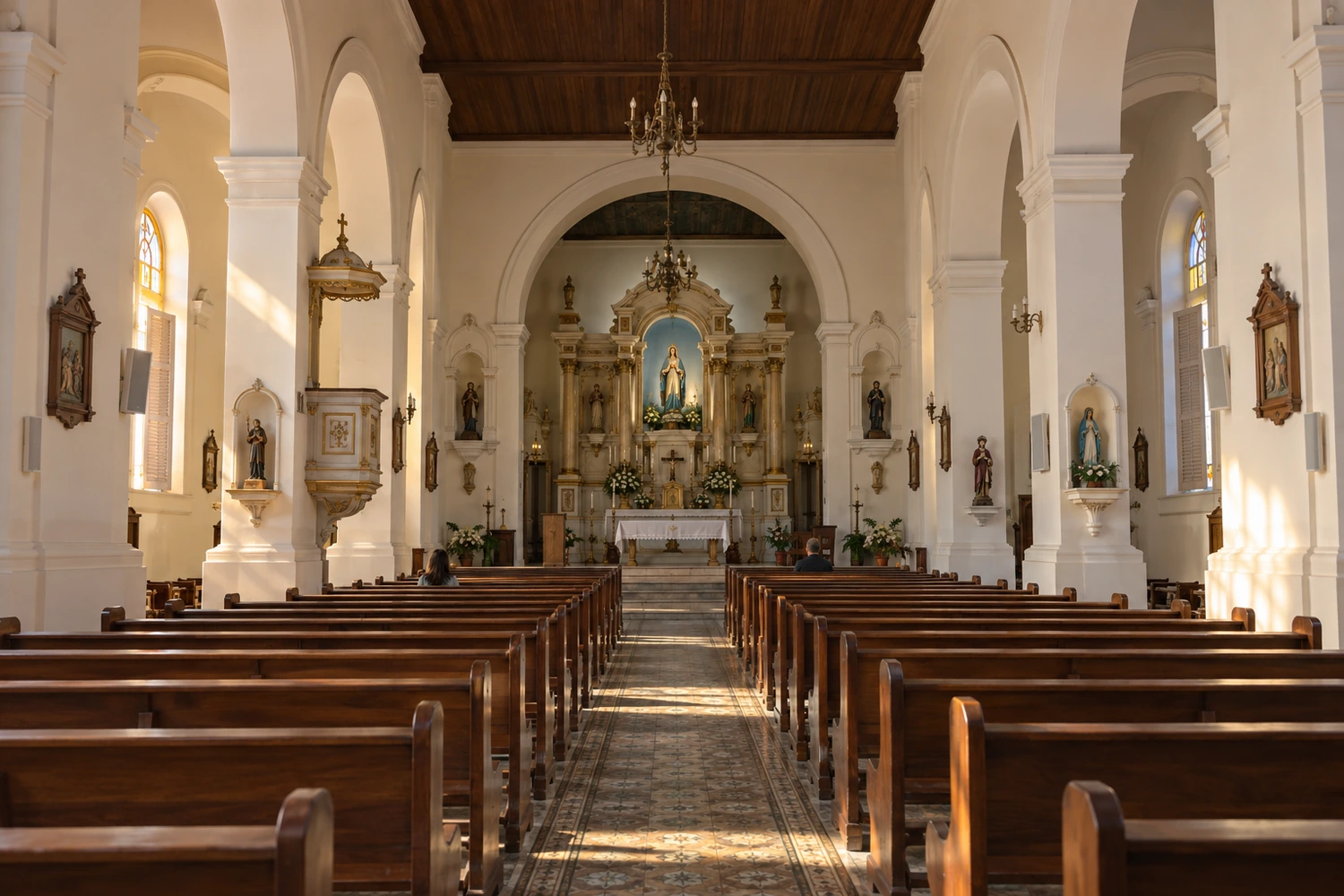
Igreja de Nossa Senhora do AmparoThe capital's first main parish church, it was built right after the city's founding, which began around it.
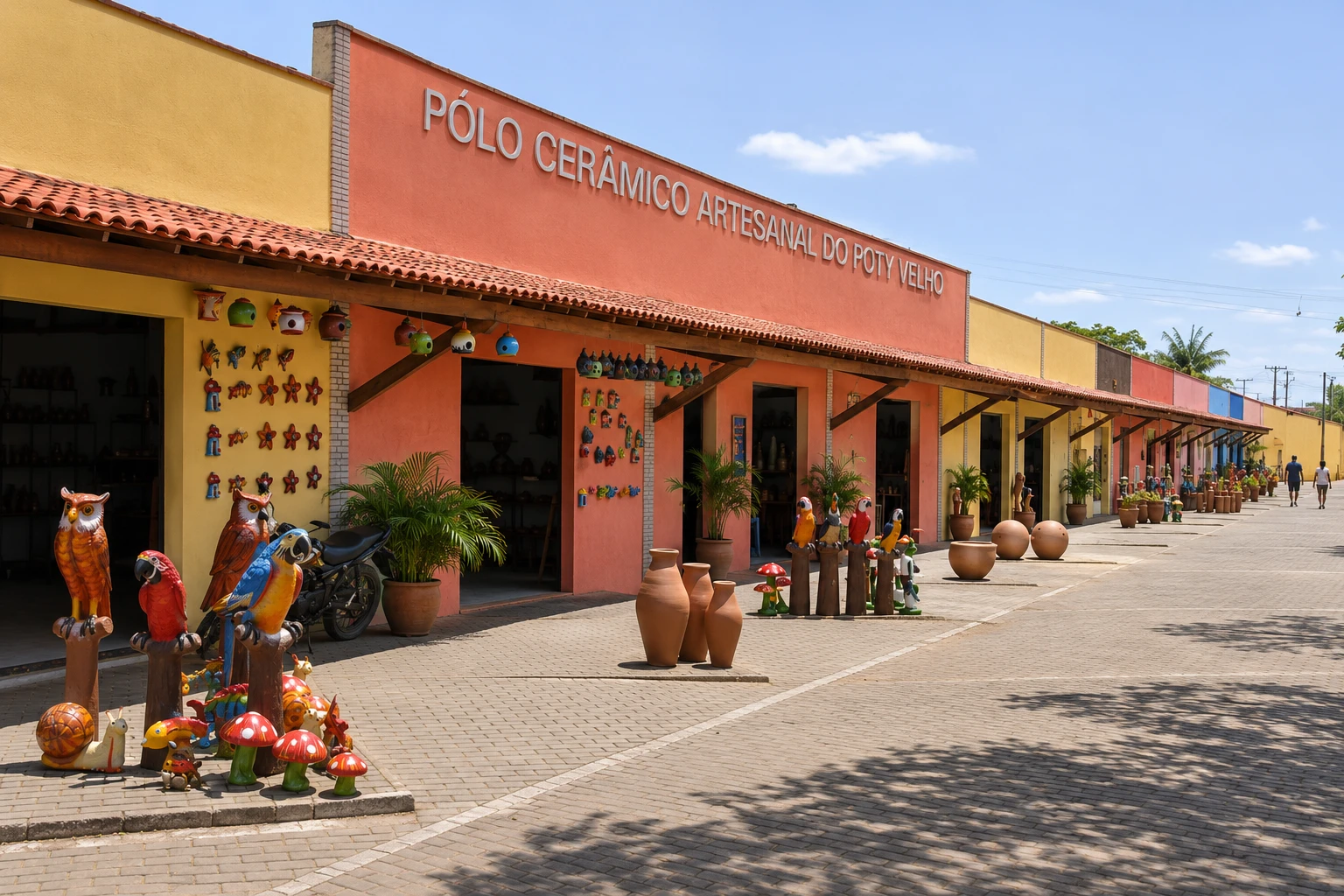
Poti Velho Ceramic HubA group of pottery workshops and shops in Poti Velho, the oldest neighborhood of Teresina, near the meeting point of the Poti and Parnaíba rivers.
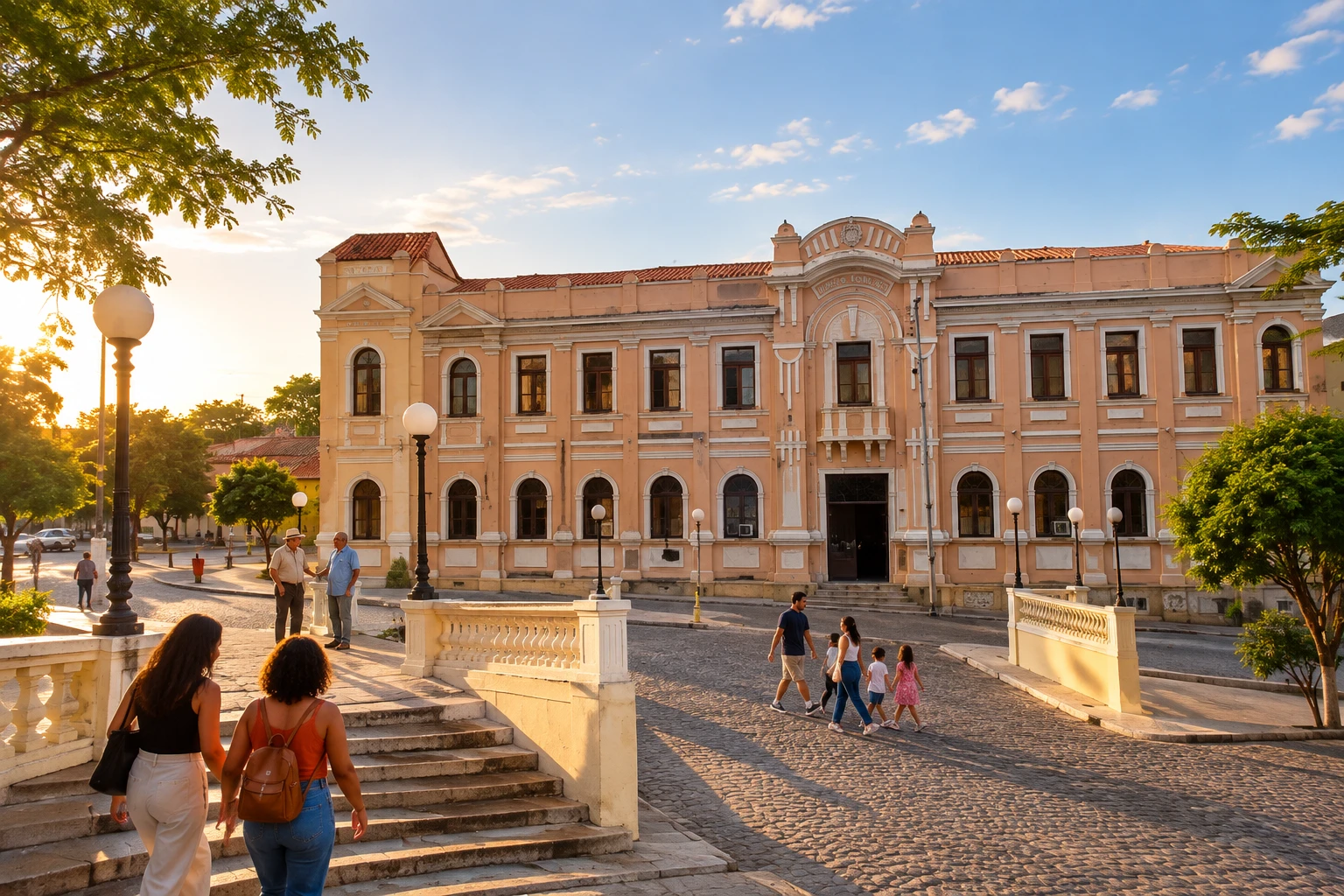
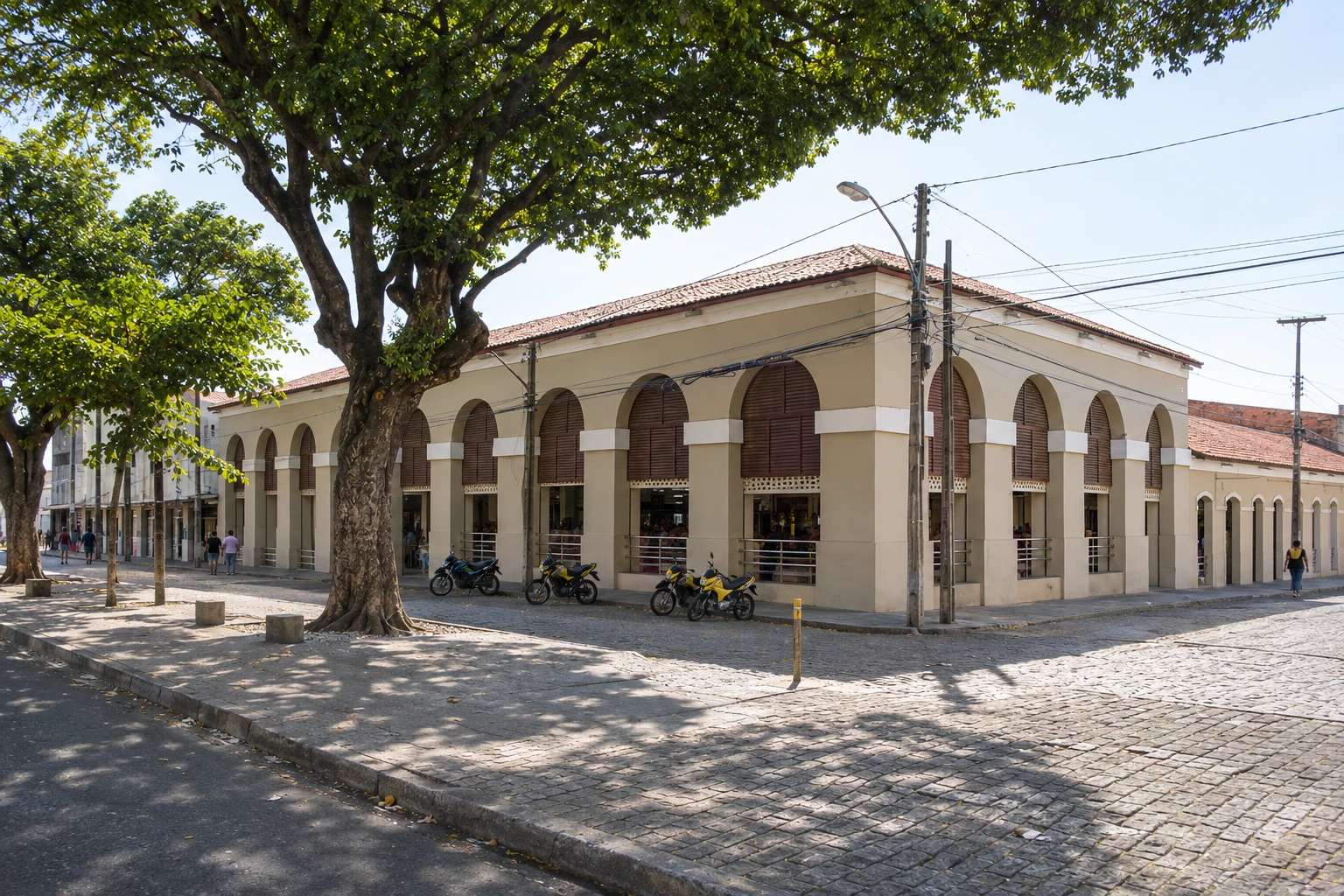
Mercado Central São José (Old Market)The oldest market in Teresina, opened in 1858 next to Praça da Bandeira in the city center where the capital began.
Protected as an area of significant ecological interest, it is in the Poti Velho neighborhood, where the Parnaíba and Poti rivers meet. It has the statue of the Cabeça de Cuia, a character from a Piauí folk legend, near the neighborhood's pottery hub.
Opened in 2010, for the city's 150th anniversary, it crosses the Rio Poti and links downtown to the east side. The central mast is almost 100 meters tall, and the name honors the capital's first master builder.
Built between 1874 and 1886 under the direction of Friar Serafim de Catânia, it stands on Praça da Liberdade and has towers more than 40 meters tall. The jacaranda and cedar doors carved by Sebastião Mendes are protected as heritage in their own right.
Opened in 1894 on Praça Pedro II, it has an eclectic facade with Neo-Gothic and Neoclassical elements. Expanded in 1973 and joined to the old Clube dos Diários in 1995, it is the largest performing arts venue in the state.
Set up in 1981 in an early-20th-century barracks, it honors the pioneer of religious woodcarving in Piauí. It has shops selling ceramics, basketry, weaving and sculpture, as well as murals on the state's history.
Opened in 2016 on the grounds of the old railway station, it covers 8.3 hectares downtown. It has a lake with an illuminated fountain, an amphitheater, a skate park, a bike path and the Museu de Arte Santeira, housed in the old engine house.
It covers 127 hectares of native forest between the Rio Poti and the PI-112 highway, with species from the transition between the Amazon, the cerrado (savanna) and the caatinga (dry scrubland). It is home to about 400 animals and is run as a public-private partnership.
The capital's first main parish church, it was built right after the city's founding, which began around it. It holds the Marco Zero, the point from which distances to the Piauí capital are measured.
A group of pottery workshops and shops in Poti Velho, the oldest neighborhood of Teresina, near the meeting point of the Poti and Parnaíba rivers. You can watch the clay work and buy pieces made there.
The oldest market in Teresina, opened in 1858 next to Praça da Bandeira in the city center where the capital began. It houses food stalls, regional products and handicrafts, with a memorial about the market’s history.
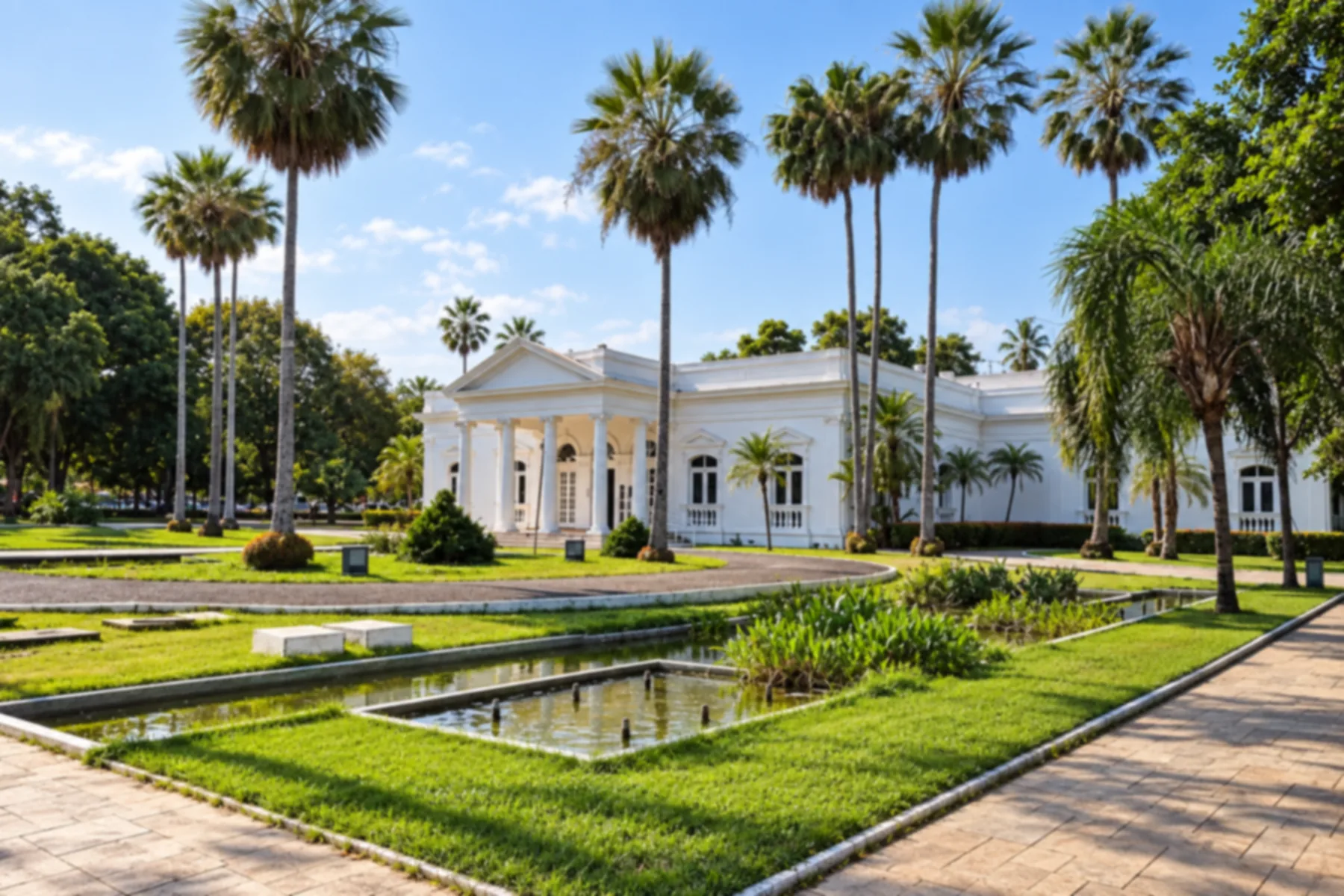
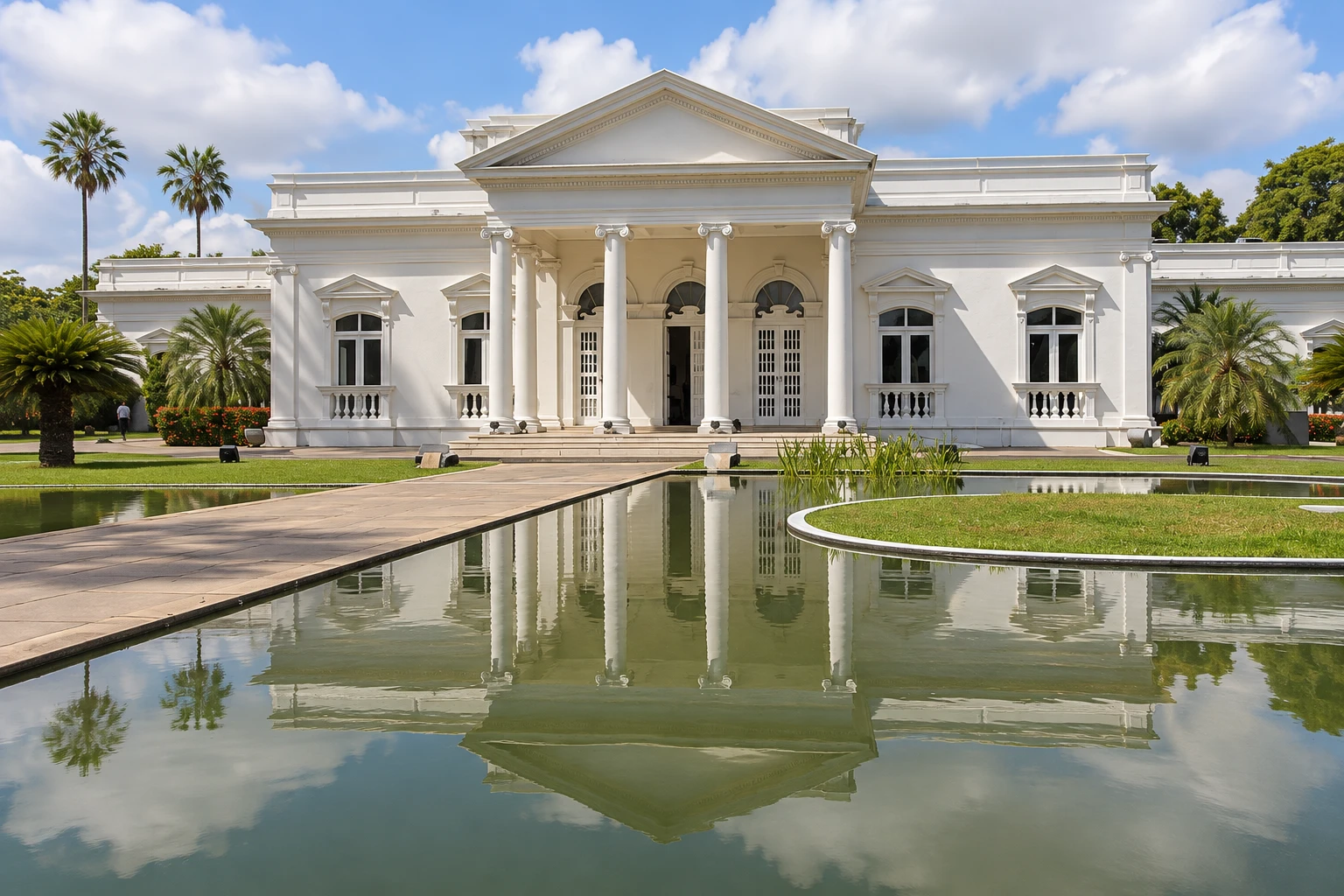
Seat of the Piauí state government since 1926, in an old neoclassical manor in downtown Teresina. The gardens with a reflecting pool and palm trees were designed by Roberto Burle Marx; guided tours are usually by appointment.


 Antarctica
 Argentina
 Bolivia
 Chile
 Colombia
 Ecuador
 Falkland Islands (Malvinas)
 French Guiana
 Guyana
 Paraguay
 Peru
 Suriname
 Uruguay
 Venezuela
 Austria
 Belgium
 Croatia
 Denmark
 Finland
 France
 Germany
 Greece
 Hungary
 Iceland
 Ireland
 Italy
 Luxembourg
 Norway
 Poland
 Portugal
 Slovakia
 Slovenia
 Spain
 Sweden
 Switzerland
 the Czech Republic
 the Netherlands
 the United Kingdom
 Turkey
 Bermuda
 Canada
 Greenland
 Mexico
 Saint Pierre and Miquelon
 the United States
 the Dominican Republic
 Japan
 Egypt
 South Africa
 Australia
 Fiji
 New Zealand
 Papua New Guinea