

 Antarctica
 Argentina
 Bolivia
 Chile
 Colombia
 Ecuador
 Falkland Islands (Malvinas)
 French Guiana
 Guyana
 Paraguay
 Peru
 Suriname
 Uruguay
 Venezuela
 Austria
 Belgium
 Croatia
 Denmark
 Finland
 France
 Germany
 Greece
 Hungary
 Iceland
 Ireland
 Italy
 Luxembourg
 Norway
 Poland
 Portugal
 Slovakia
 Slovenia
 Spain
 Sweden
 Switzerland
 the Czech Republic
 the Netherlands
 the United Kingdom
 Turkey
 Bermuda
 Canada
 Greenland
 Mexico
 Saint Pierre and Miquelon
 the United States
 the Dominican Republic
 Japan
 Egypt
 South Africa
 Australia
 Fiji
 New Zealand
 Papua New Guinea
market · Recife, PE
Casa da Cultura
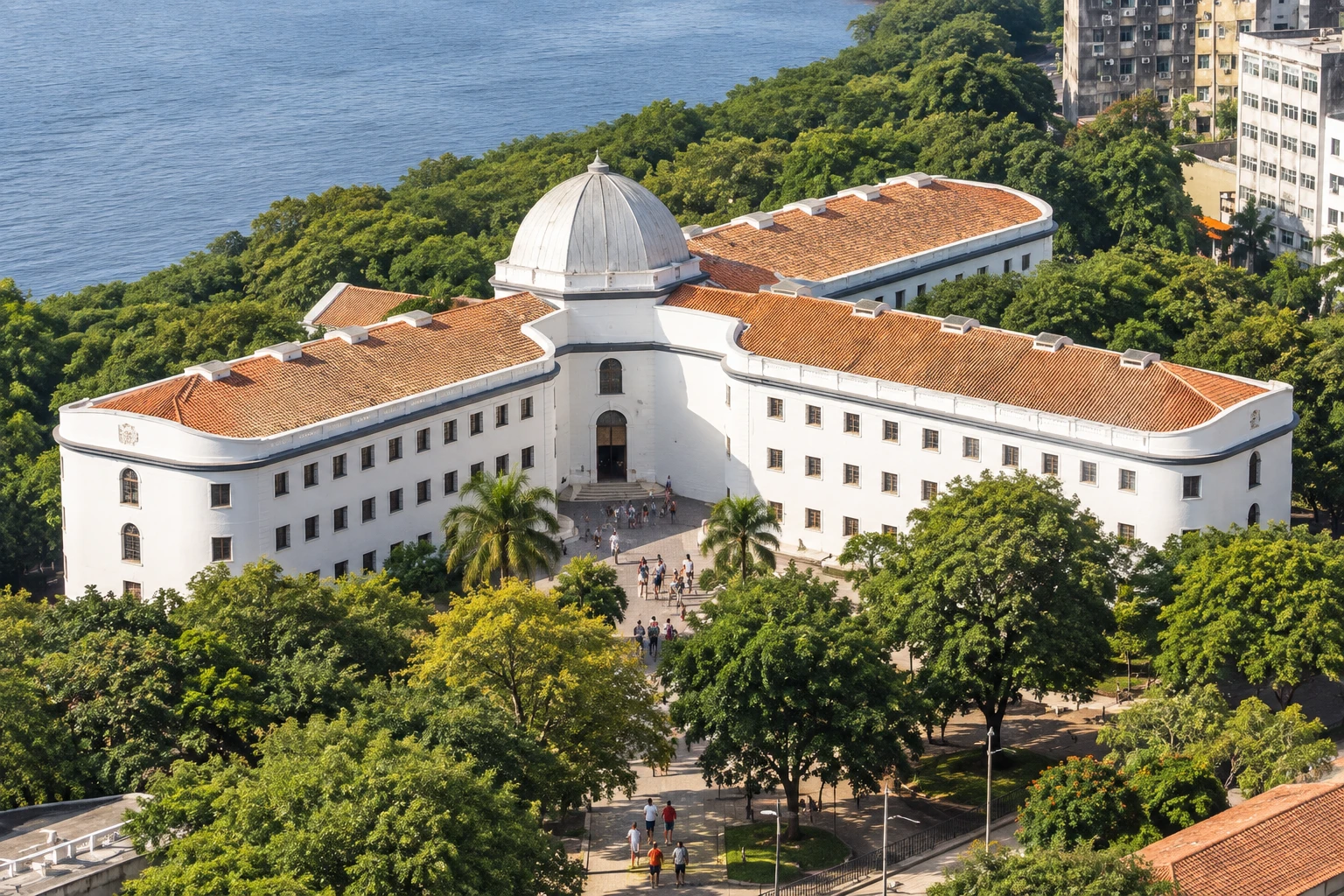
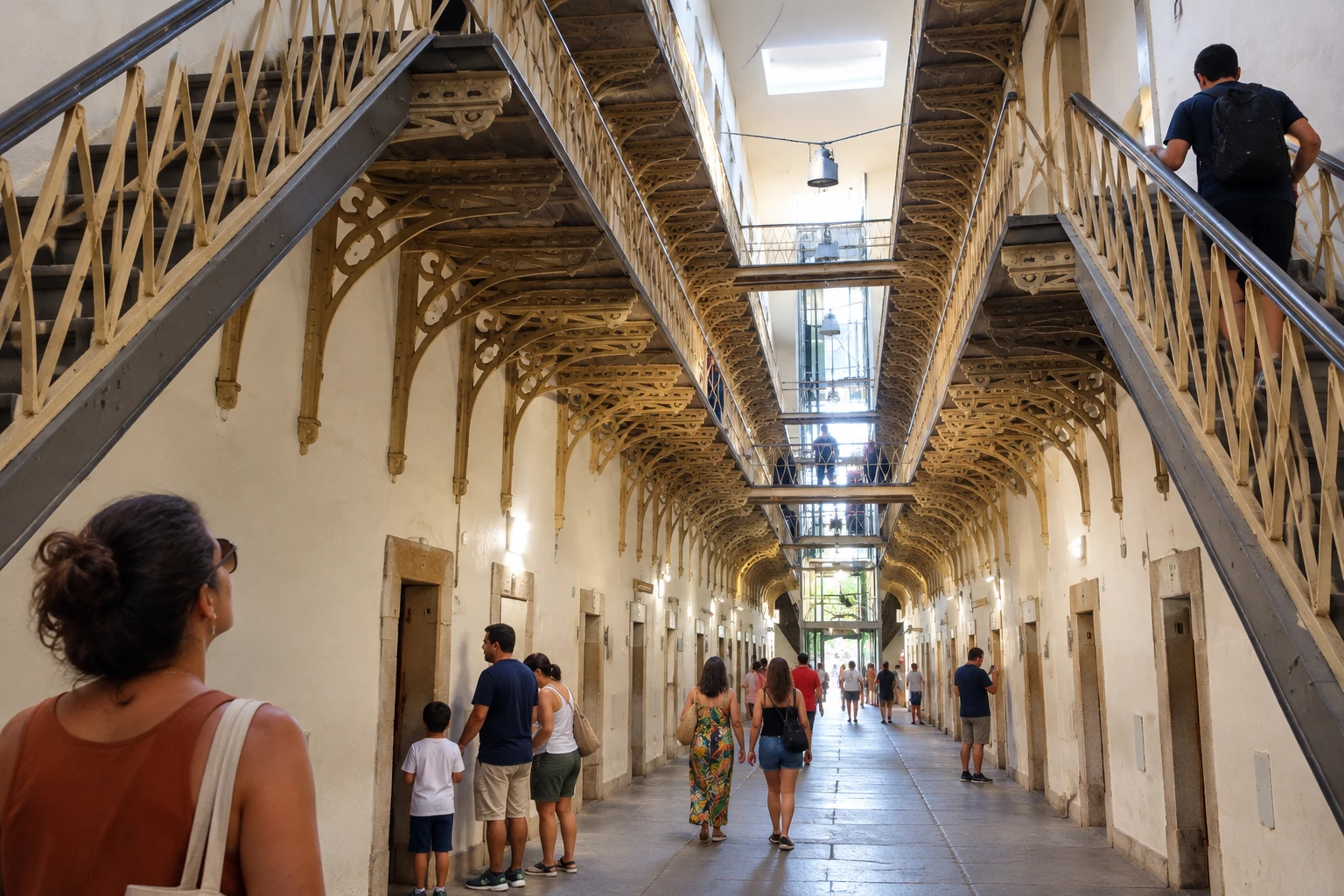
The radial-plan building, opened in 1855 as the Casa de Detenção, was closed as a prison in 1973. Reopened in 1976 with a restoration project by Lina Bo Bardi, its former cells are now occupied by craft shops.
Illustrative images. The pictures in this guide are illustrations based on the real place, not photographs, and may differ from it.


A look at the place
Casa da Cultura in pictures
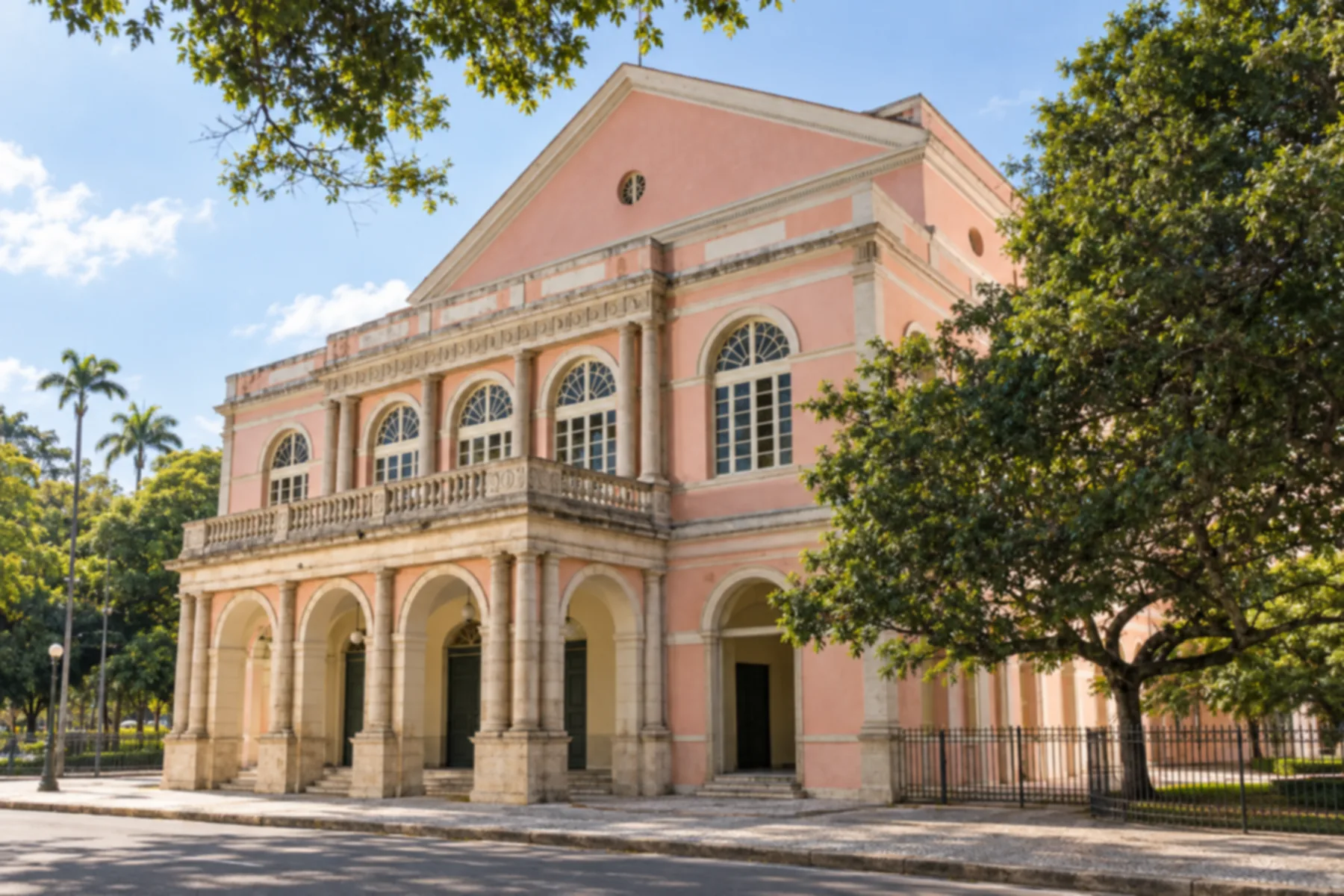
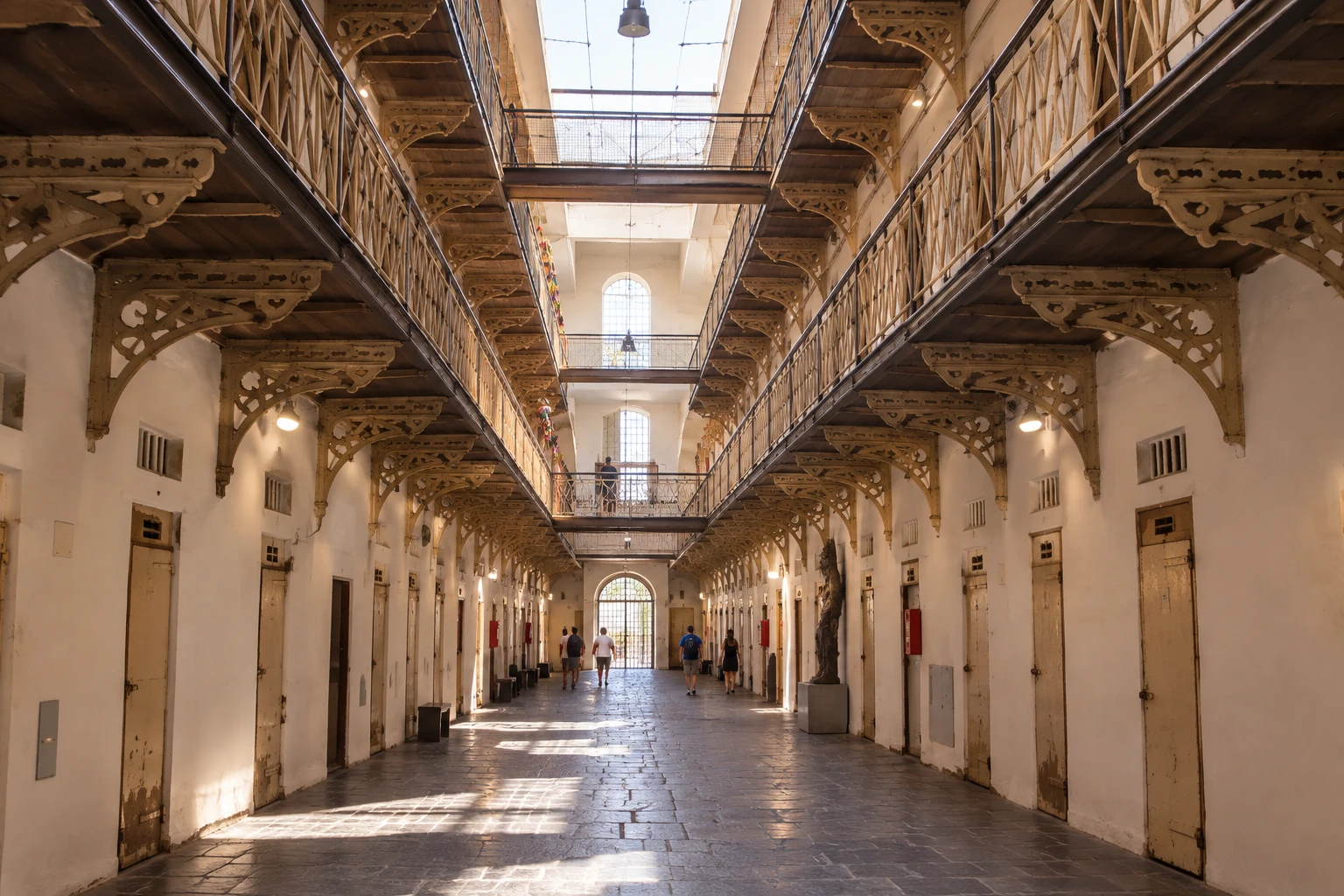
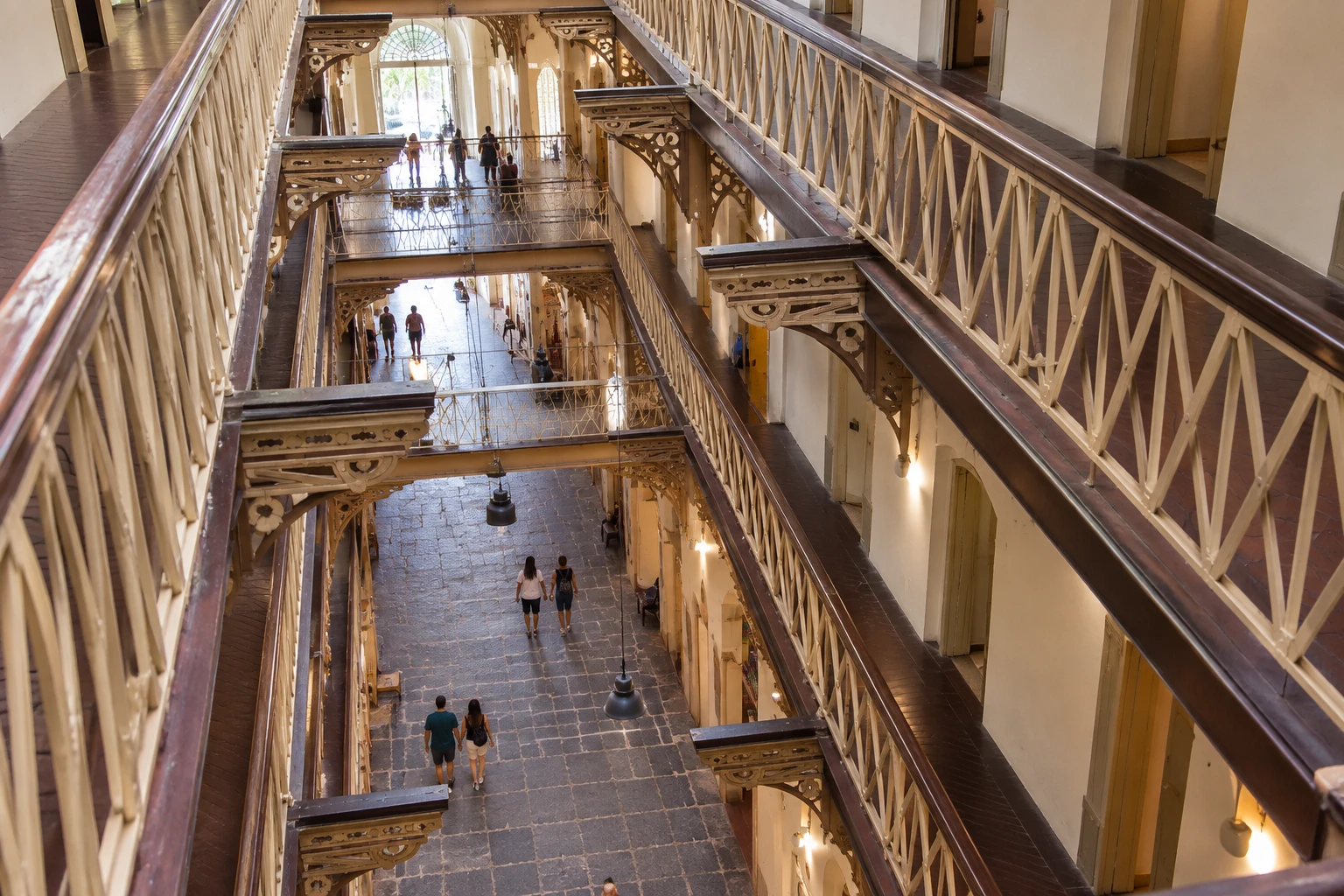
These pictures are illustrations based on the real place, not photographs. They may differ from the place.
Click the picture to enlarge it.
Discover
About Casa da Cultura
The Casa da Cultura de Pernambuco occupies the former Casa de Detenção do Recife, on the banks of the Rio Capibaribe, in the São José neighborhood, downtown. It is one of the most popular places in Recife to buy regional crafts, and the building itself is part of the experience.
The Casa de Detenção opened in 1855, designed by engineer José Mamede Alves Ferreira. The plan follows the panopticon model: three wings of cells, called raios (rays), radiate from a central point from which the guards could see every corridor. The building served as a prison for 118 years, until 1973, and reopened as a cultural space in 1976. It is listed as a state heritage site.
Today the former cells, spread over the ground floor and two more stories, house craft shops, snack bars and cultural organizations. Embroidered cloths, straw hats, decorated plates and clay figures are among what you will find. Iron bars on doors and windows and the original metal structures recall its past as a prison, and one of the cells has been kept as a historical reference. The space also has a theater and an outdoor amphitheater, with cultural events.
Entry is free. To see the corridors on the upper floors you have to climb stairs, including a narrow spiral staircase; visitors with reduced mobility should ask on site about access to the upper floors.
Before you go
Practical information
Cidade Turismo reviews its information regularly, but something may have changed. Check with the place before planning your trip.
How much time to set aside
One to two hours is enough to walk through the three wings, go up to the upper floors and shop for crafts without rushing.
Best time
Year-round, preferably on a weekday morning, when downtown Recife is cooler and the shops are already open.
How to get there
It is on Rua Floriano Peixoto, in the São José neighborhood, in downtown Recife, next to the Estação Central (Train Museum) and near the Ponte Velha, over the Capibaribe. Recife subway station is about 400 meters away. From Recife Antigo you can walk across the bridges, or take a taxi or ride-hailing car.
Tip
Go up to the top floor: from the upper corridors you can see the central point and understand how the guards watched the wings, the best way to grasp the old prison's architecture.
Your questions
Frequently asked questions about Casa da Cultura
Is there an entrance fee at the Casa da Cultura de Pernambuco?
No, entry is free. Check the opening hours before you go.
Was the Casa da Cultura really a prison?
Yes. The building was the Casa de Detenção do Recife from 1855 to 1973 and became a cultural space in 1976; the former cells are now craft shops.
What to buy at the Casa da Cultura?
Crafts from Pernambuco, such as embroidered cloths, straw hats, decorated plates and clay figures.
How long does the visit take?
One to two hours, depending on how much time you spend in the shops.
How do I get there by subway?
Recife subway station is about 400 meters away, next to the Estação Central and the Train Museum.