Pantanal

MS · MT

Pantanal

Centro-Oeste

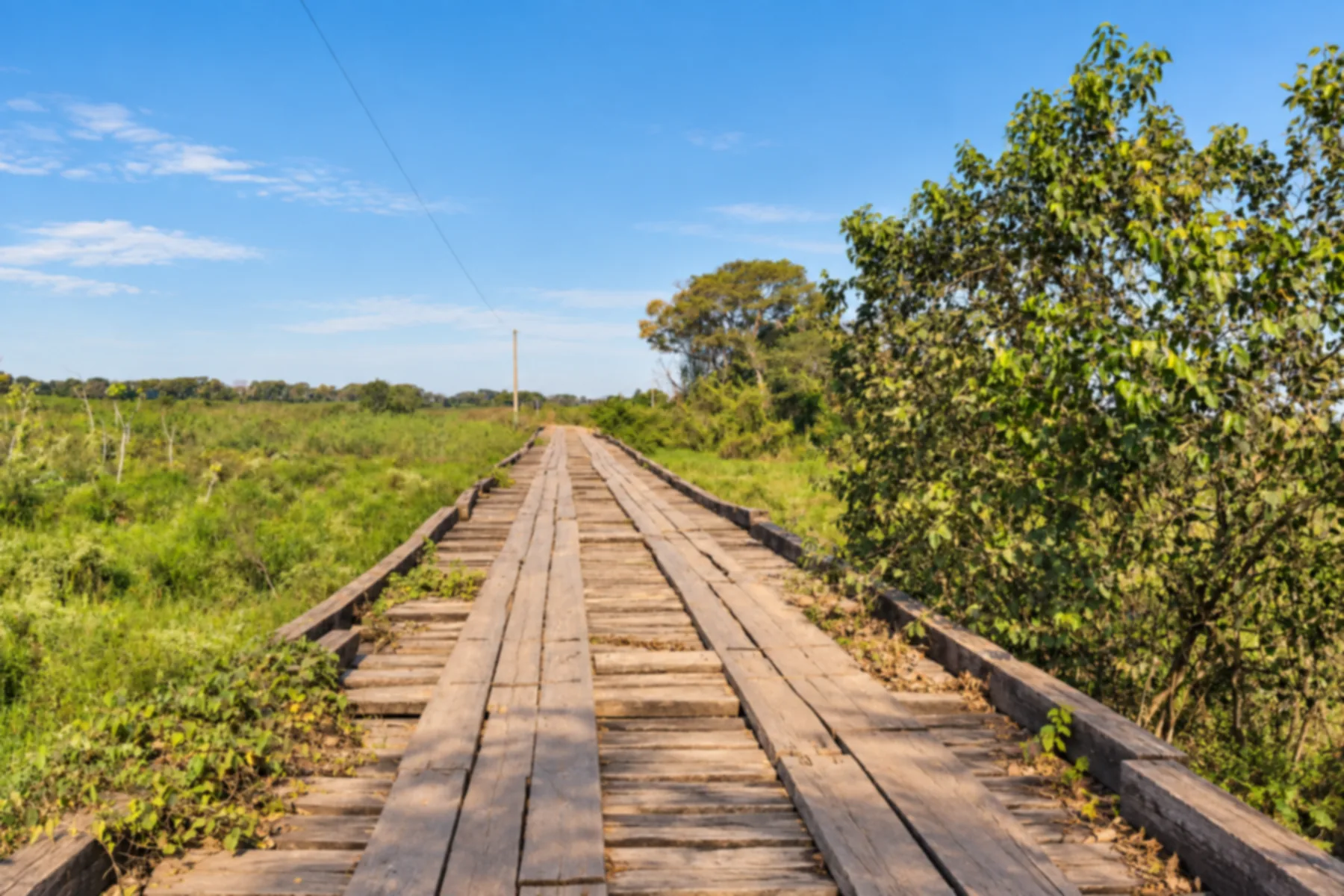
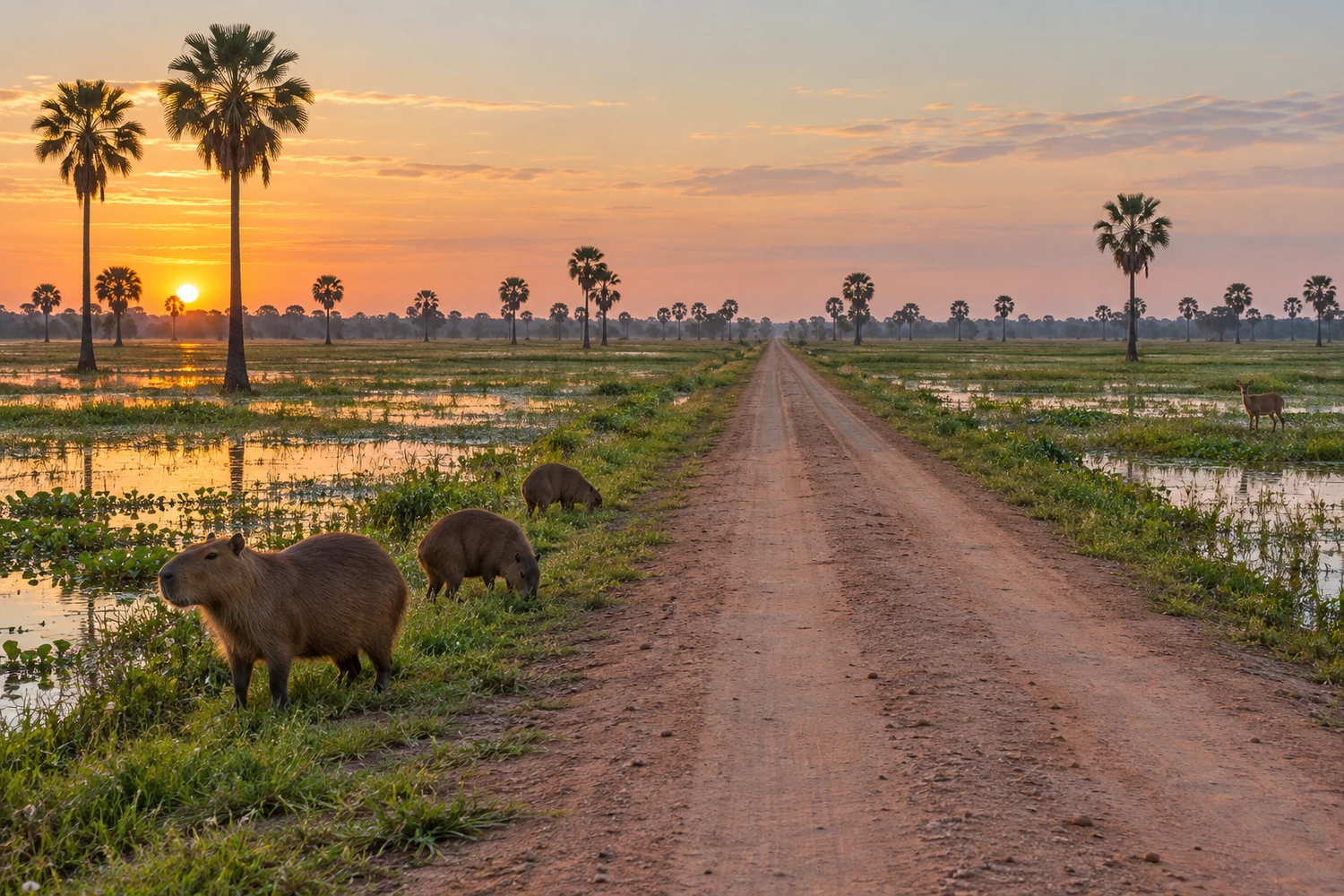
In the photo: Transpantaneira

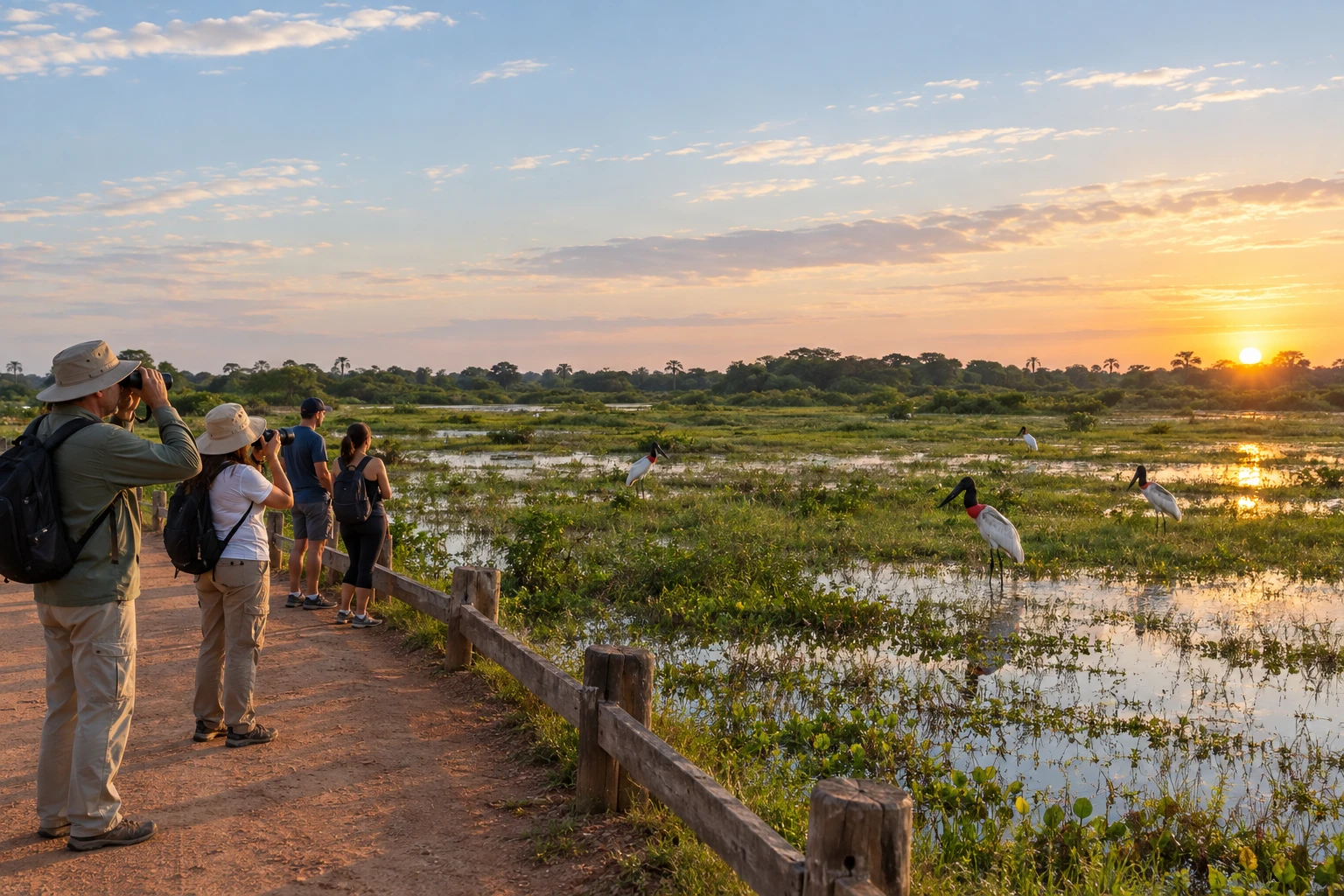
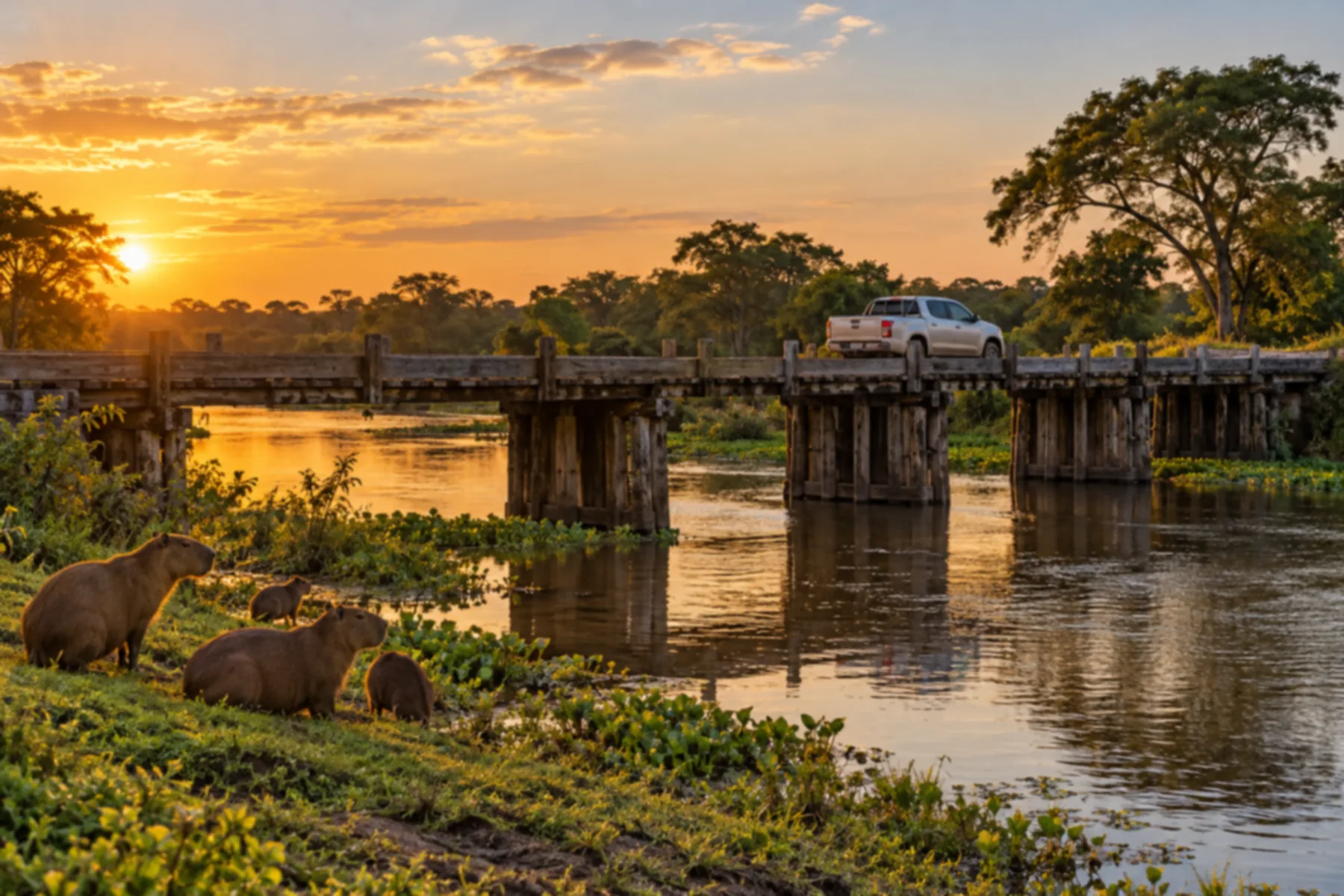
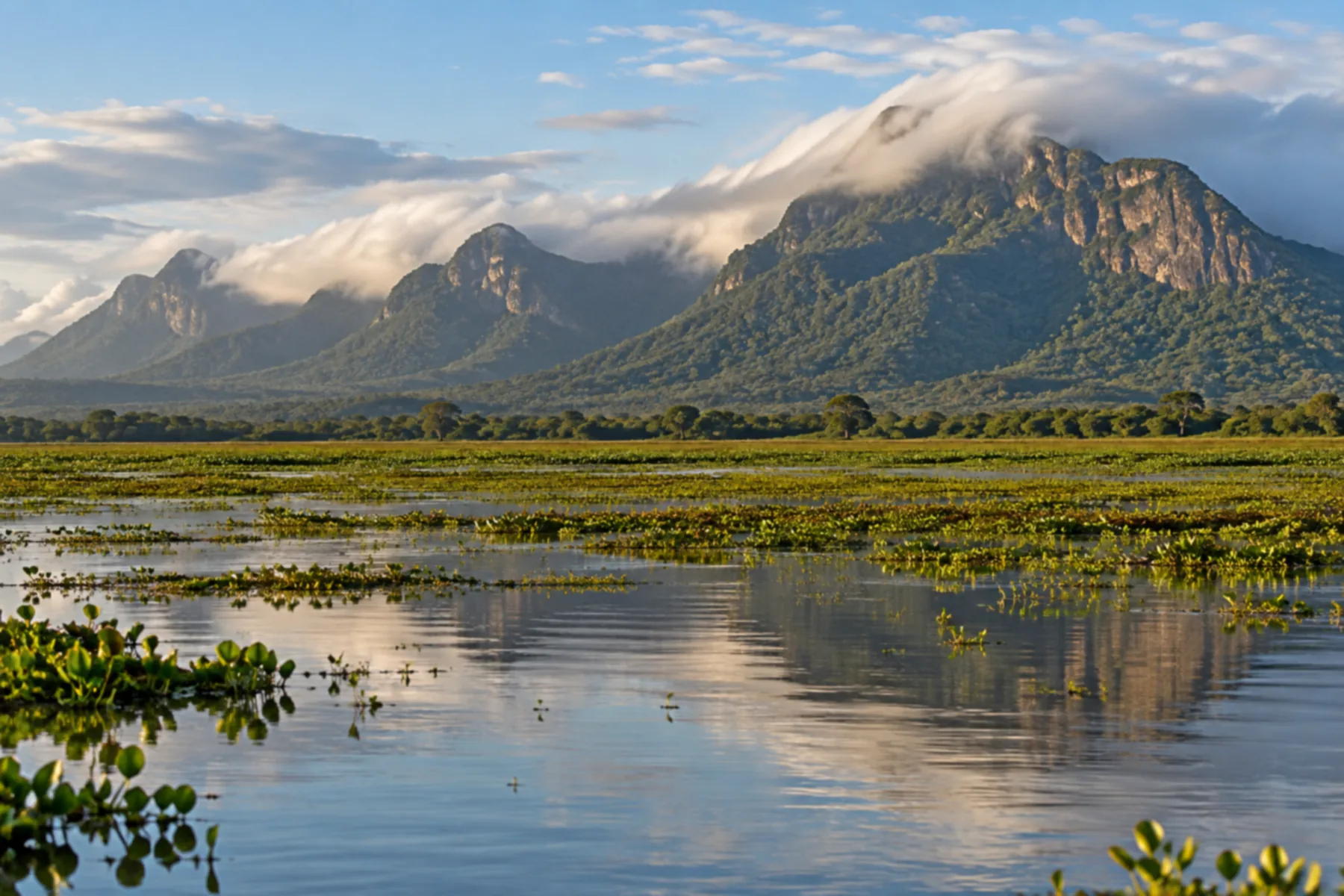
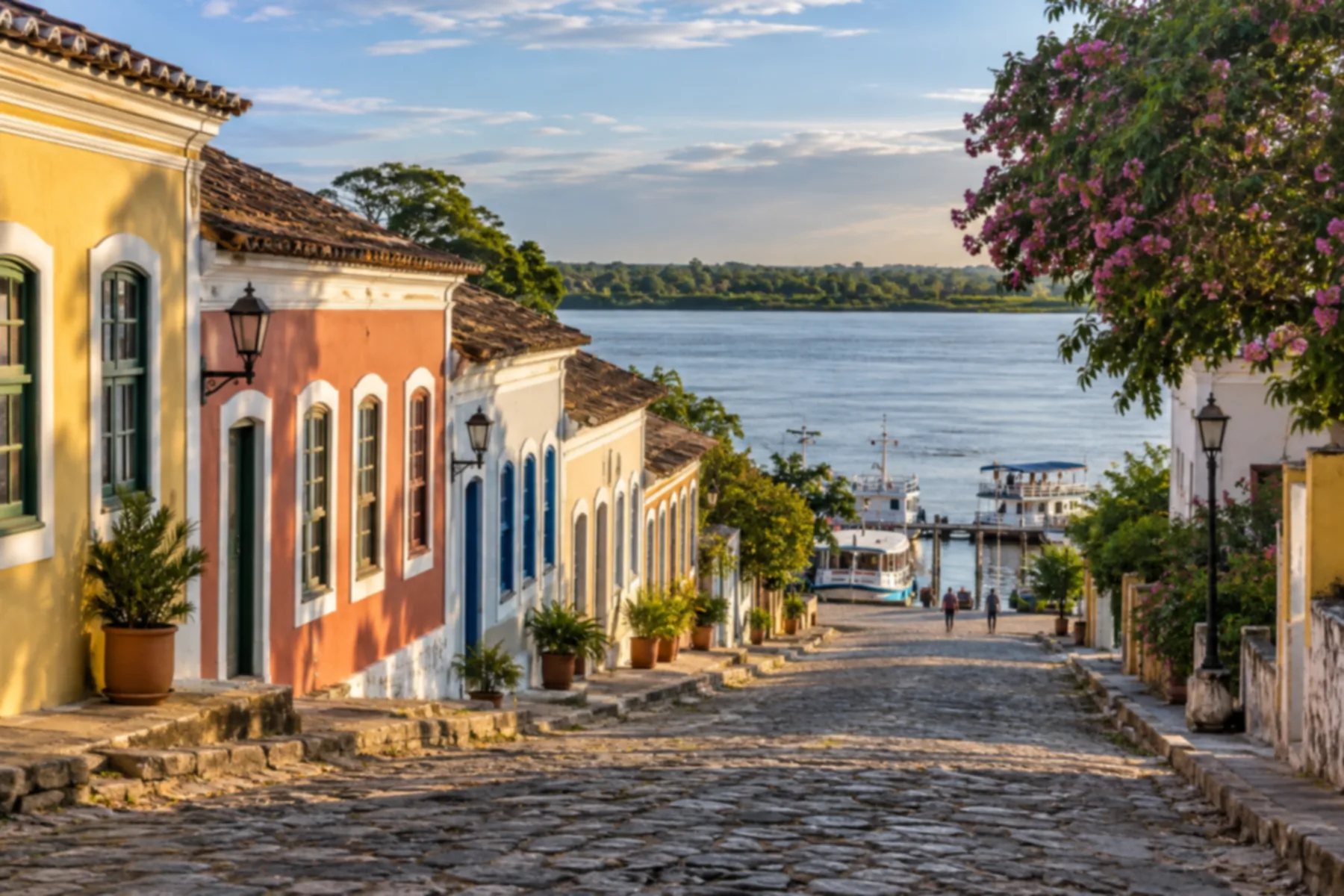
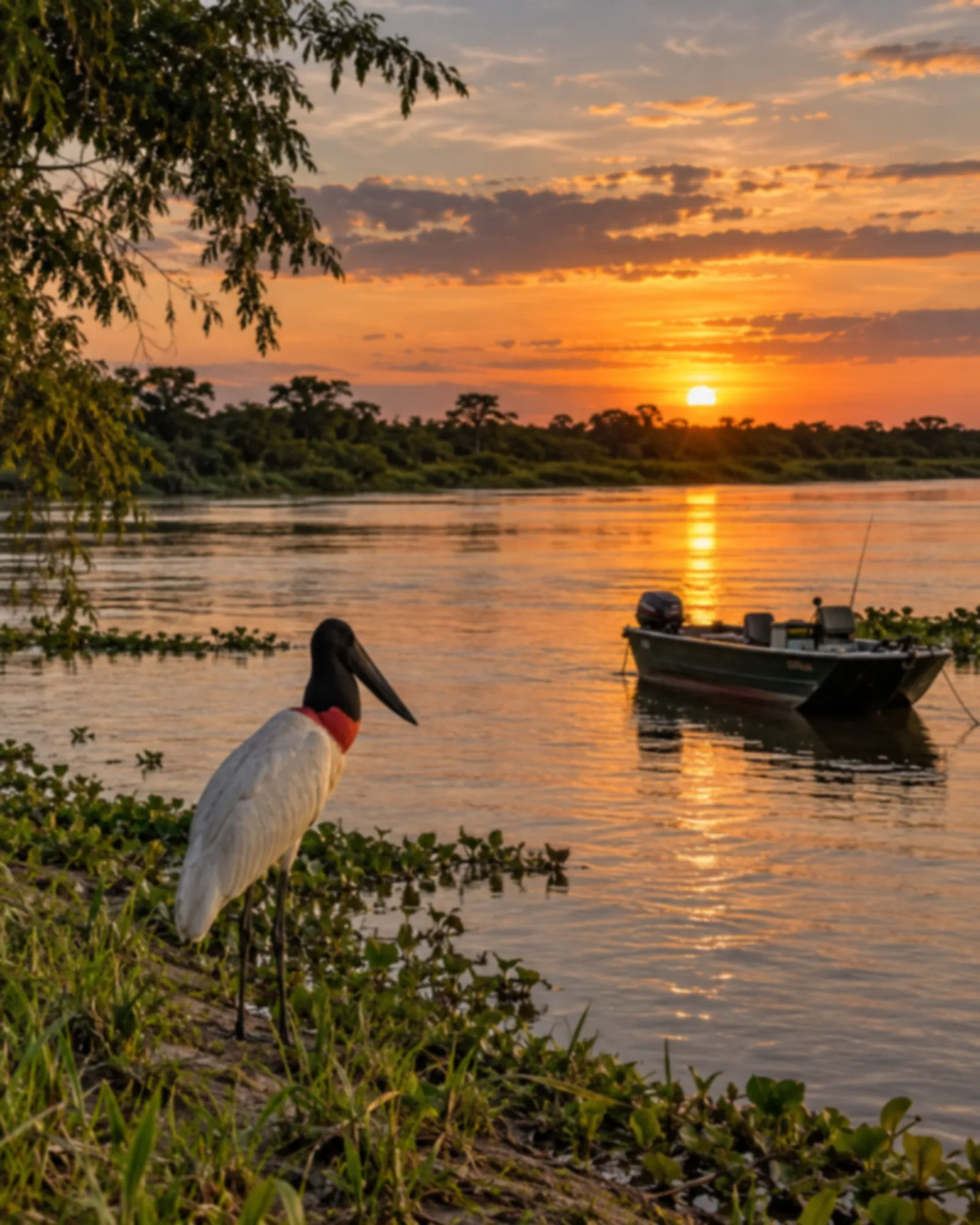
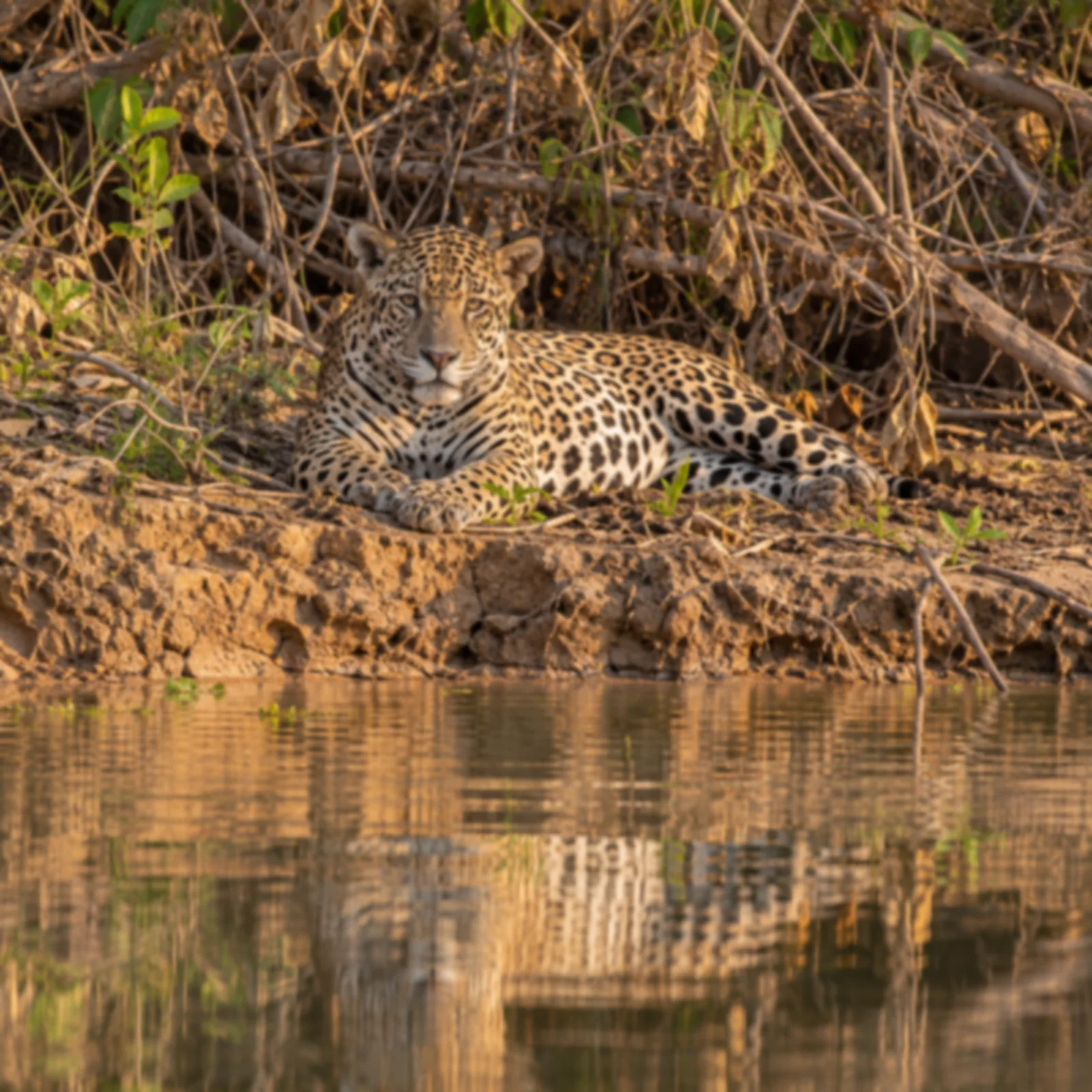
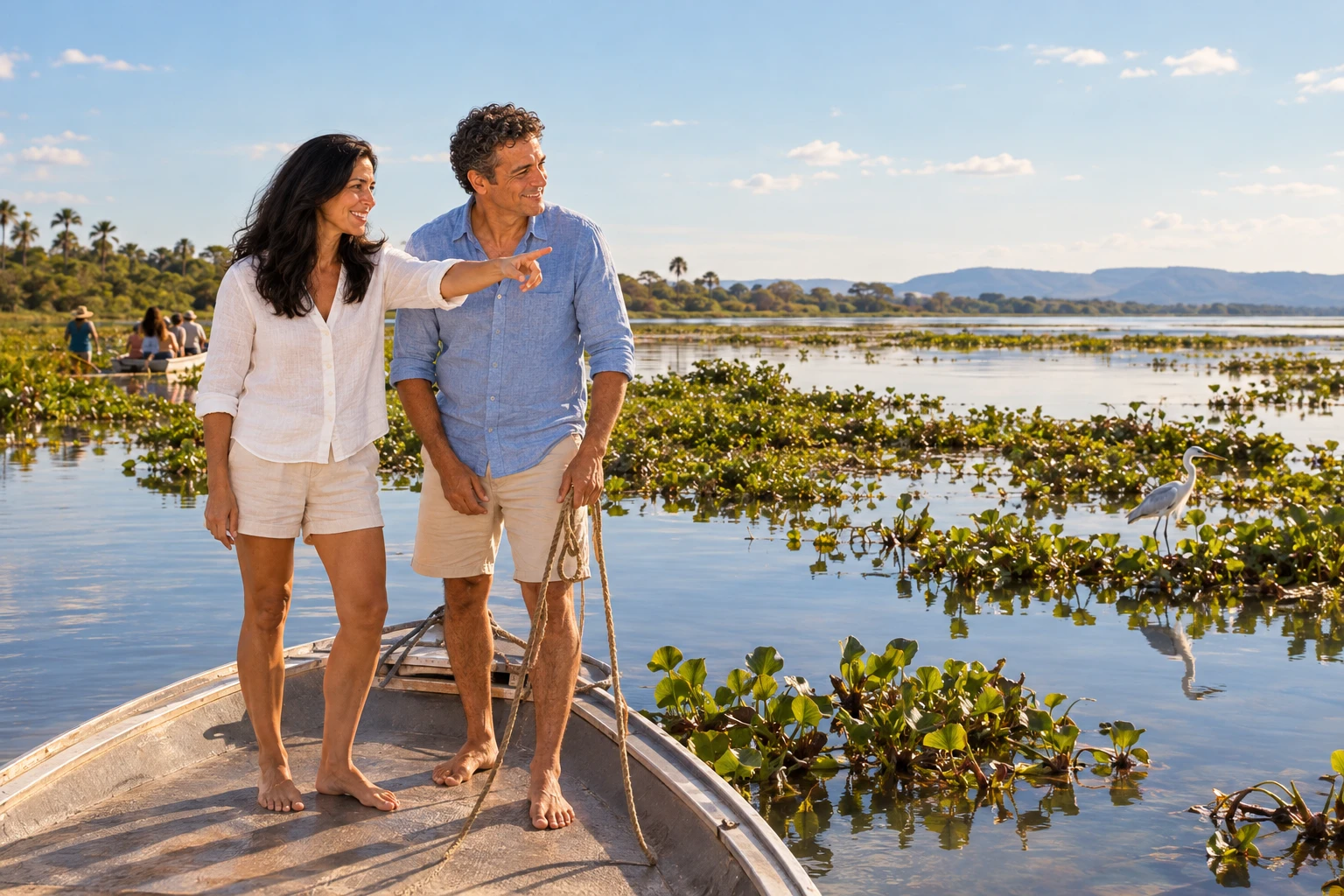
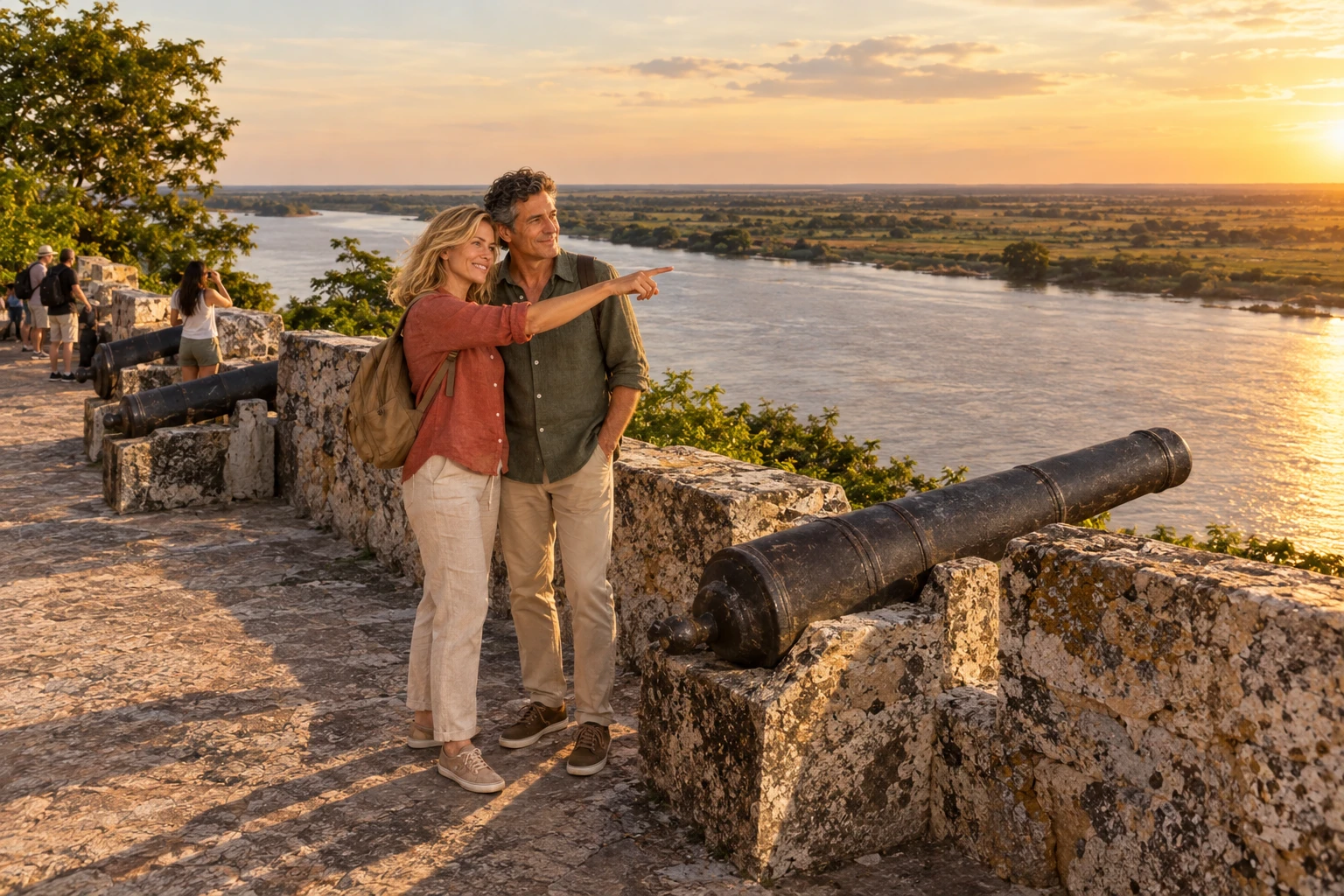
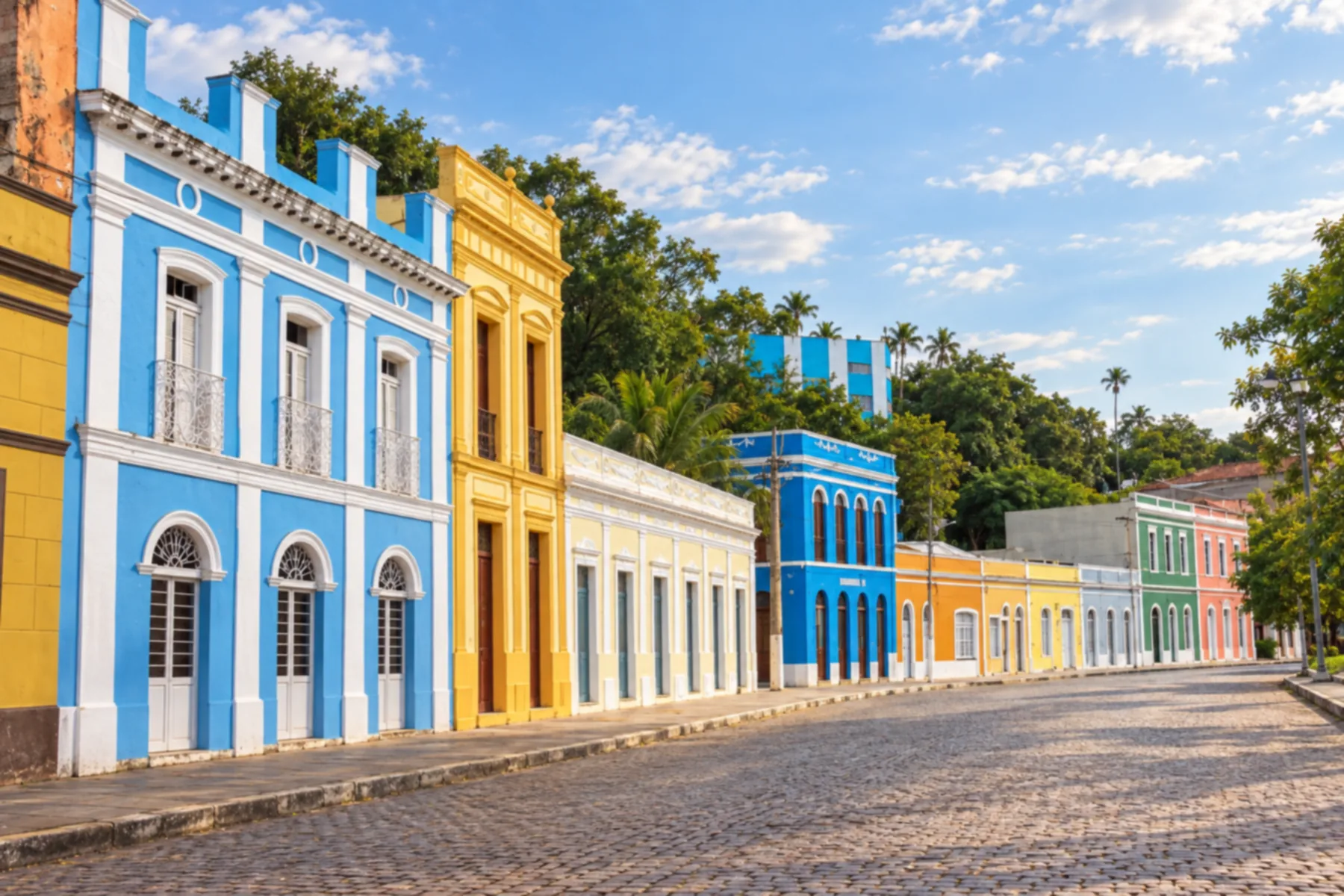
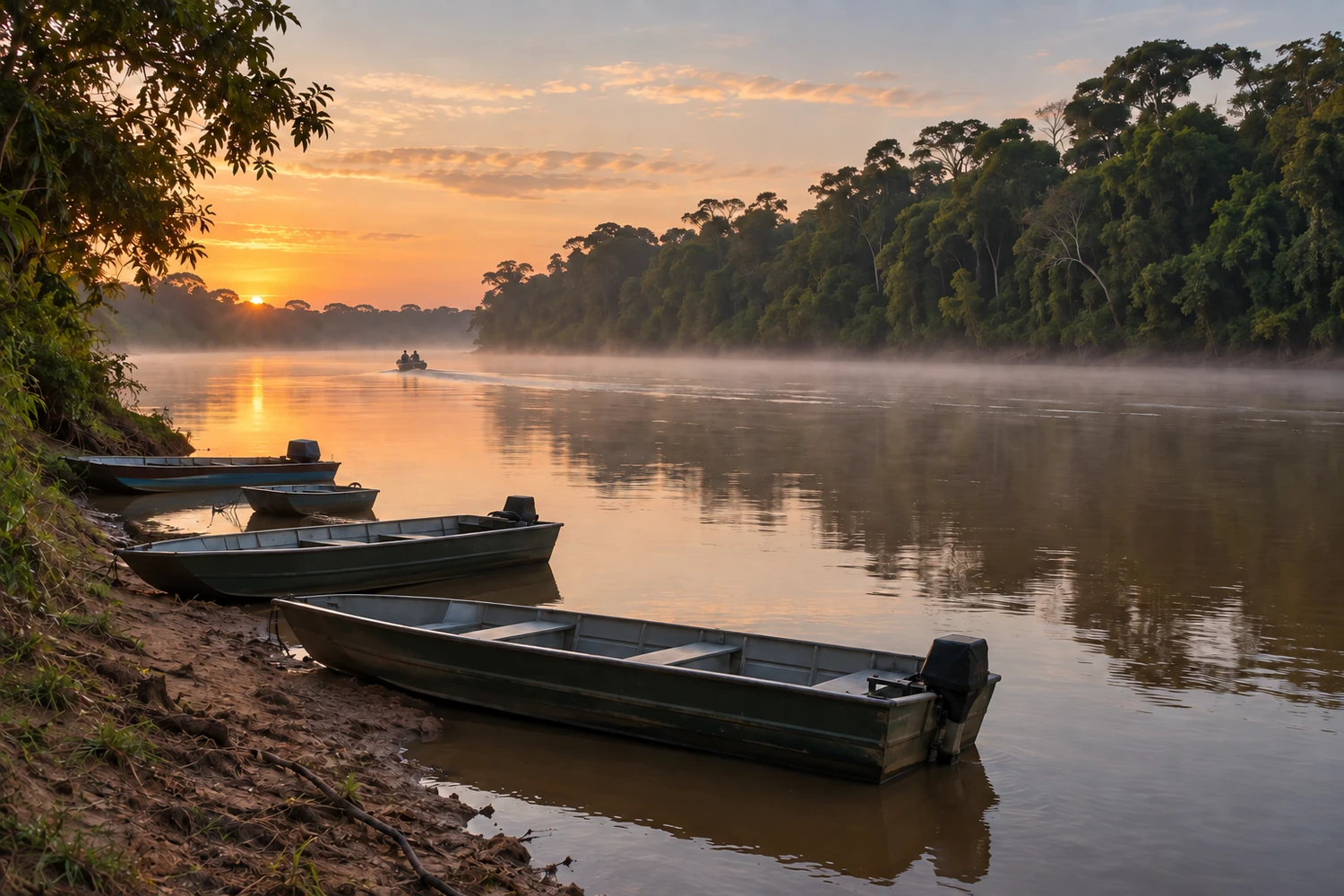
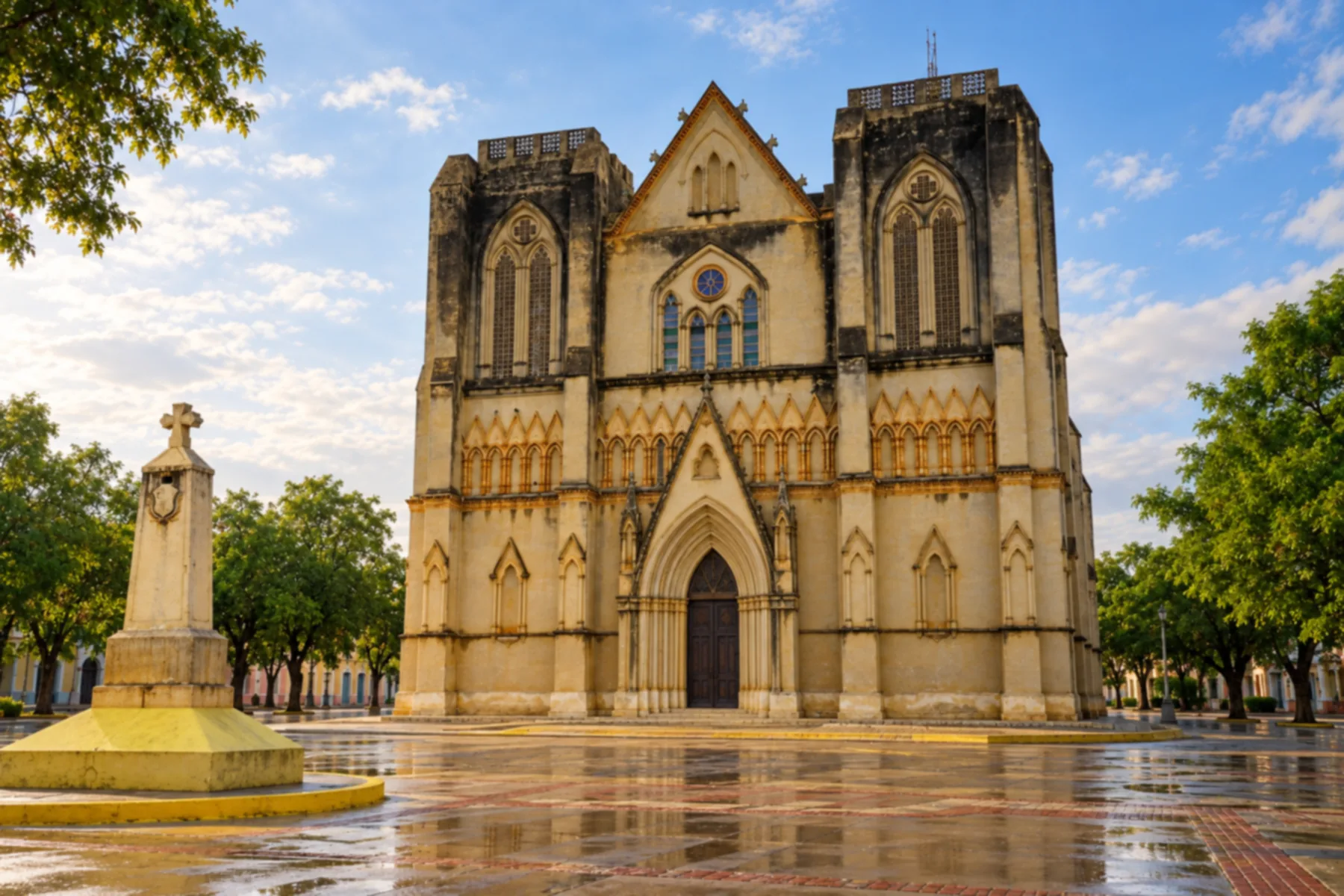
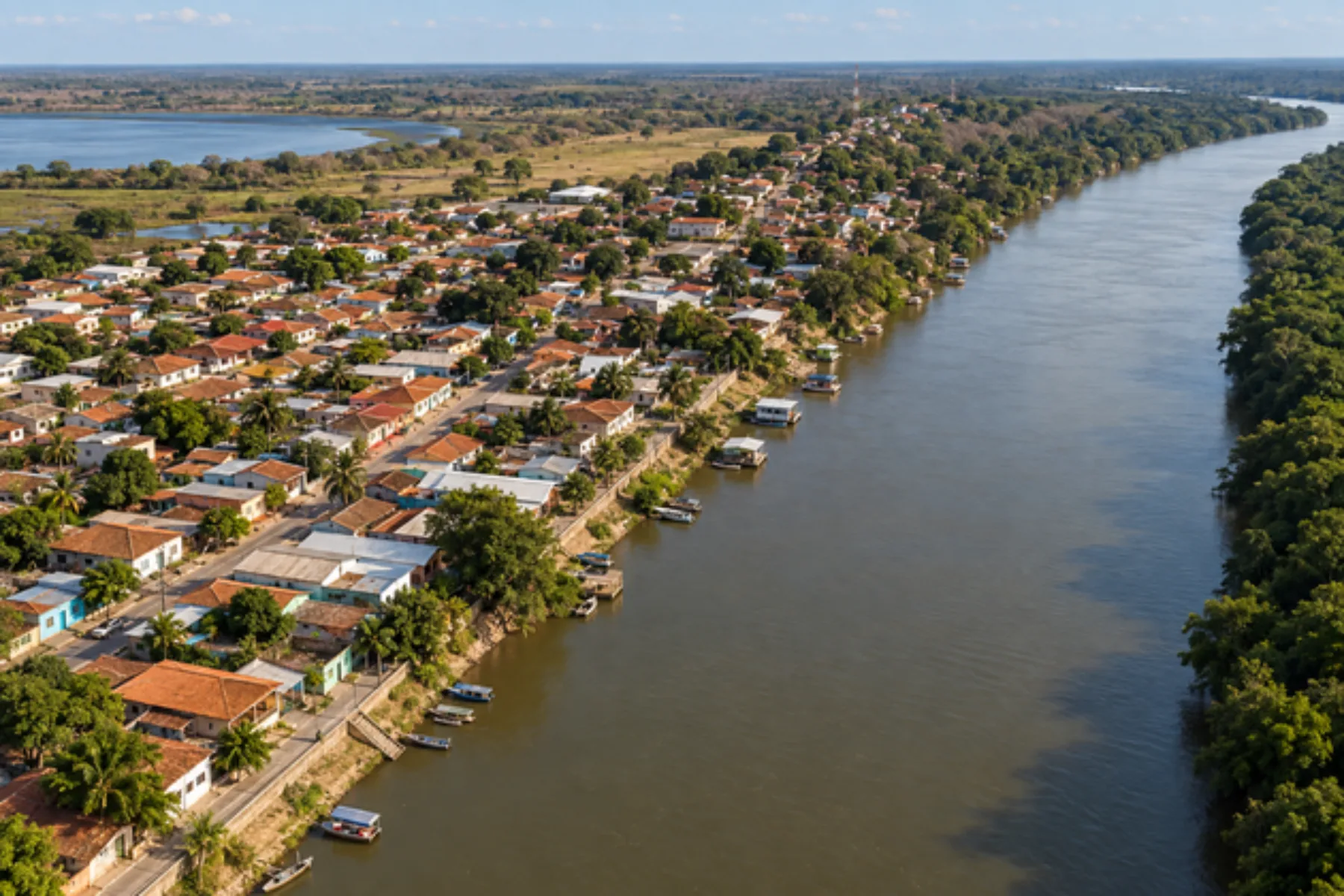
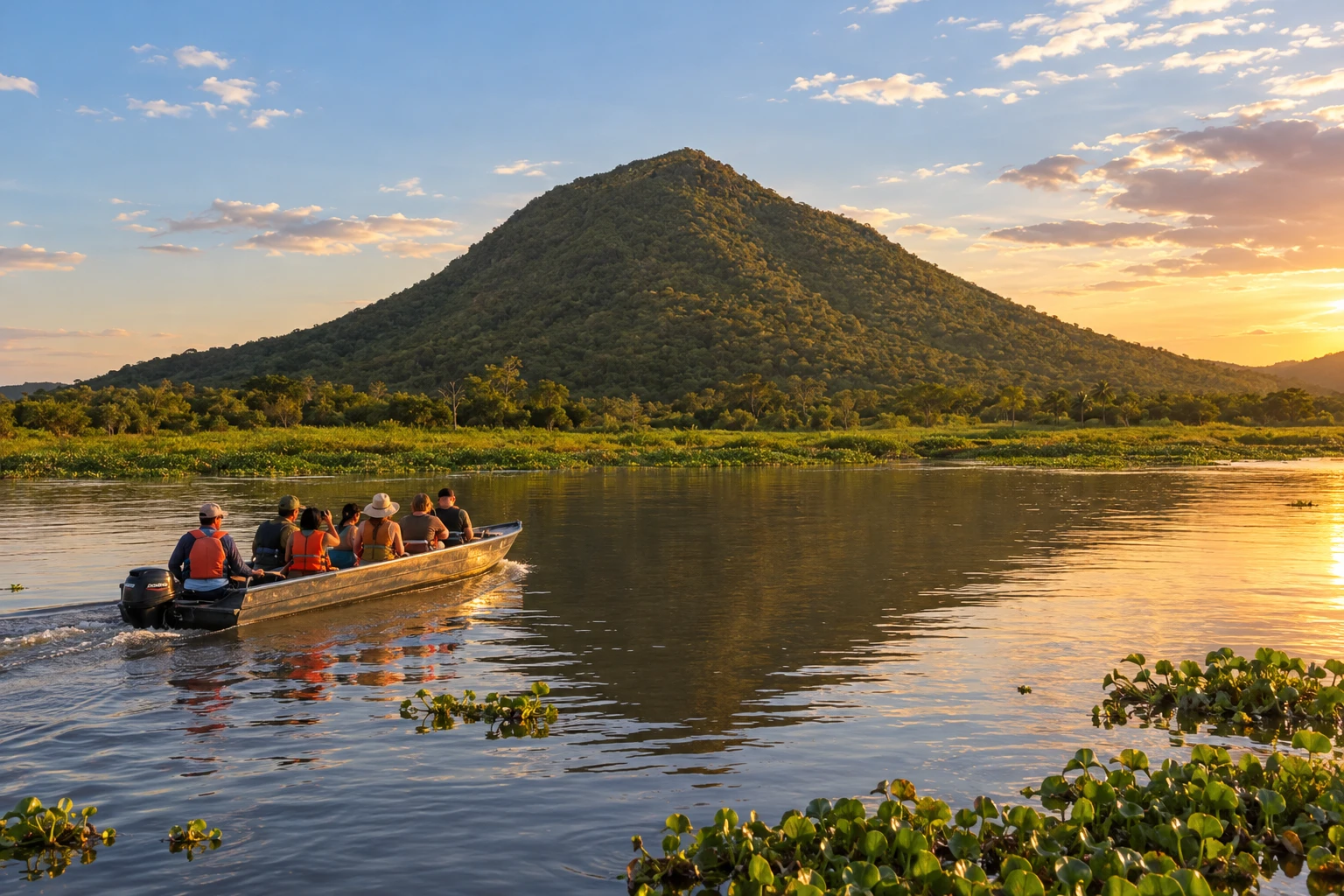
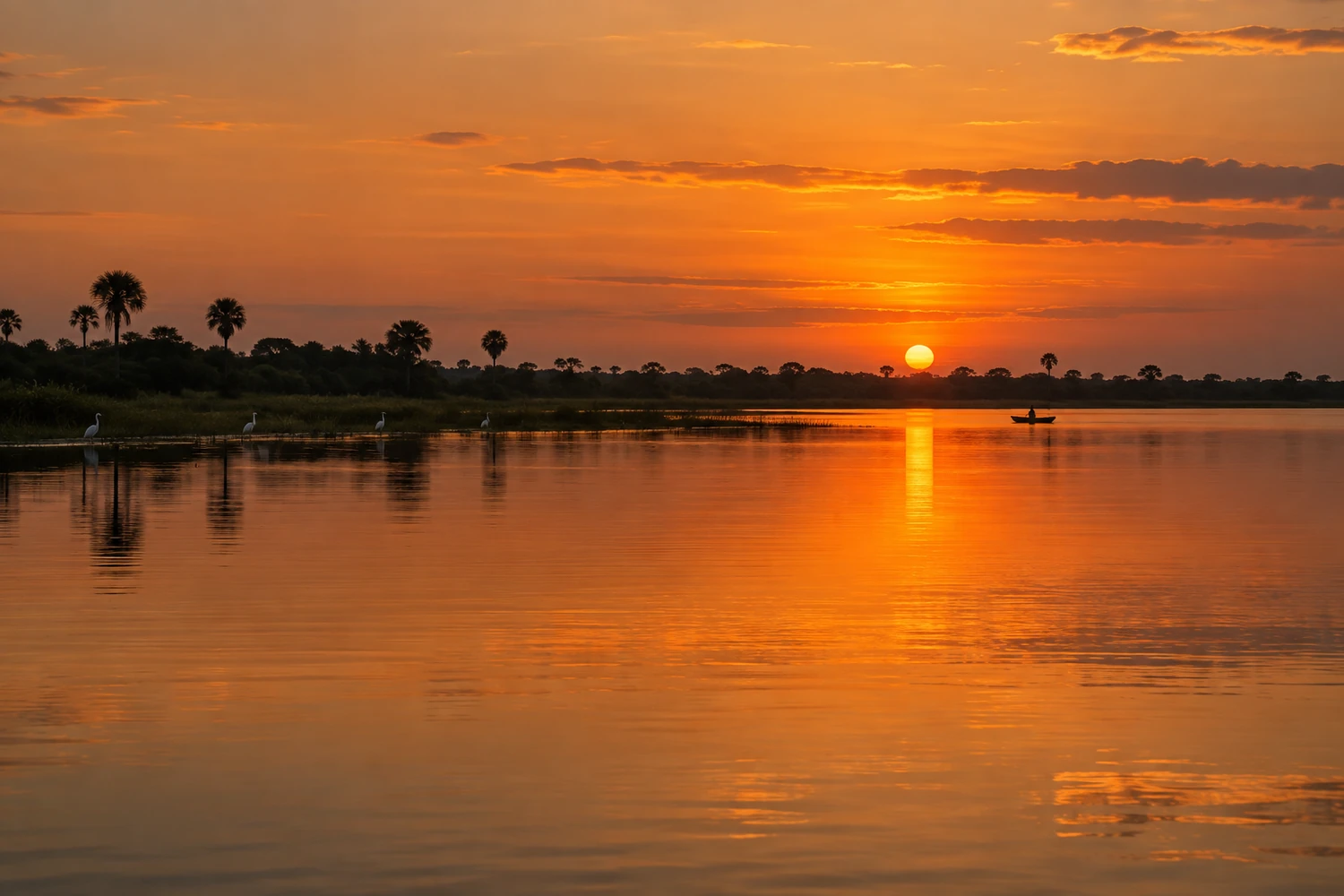
Illustrative images. The pictures in this guide are illustrations based on the real place, not photographs, and may differ from it.

Get to know the place

A region to enjoy
at your own pace.

A maior planície alagável do planeta é o lugar onde a vida selvagem simplesmente aparece na beira da estrada: jacarés, capivaras, tuiuiús e, com sorte, a onça-pintada. Os dias se dividem entre safáris de barco, cavalgadas com peões pantaneiros e noites de focagem sob céu estrelado. É a experiência mais próxima de um safári africano que o Brasil oferece.

This destination brings together 9 cities: Corumbá, Miranda, Aquidauana, Poconé, Cáceres, Barão de Melgaço, Porto Murtinho, Anastácio, Ladário.

Share: WhatsApp

A look at the place

Pantanal in pictures

These pictures are illustrations based on the real place, not photographs. They may differ from the place.

Click the picture to enlarge it.

Travelers' photos

Pantanal through the eyes of those who went

Pantanal
Illustrative image
Pantanal
Illustrative image
Traveler, share your experiences through photos Up to 5 photos of each place you visited.

One destination, many paths

The cities on this trip

Start with one city or combine several in your itinerary.

Where Pantanal is The star marks the nearest capital, Campo Grande. The diamond marks districts and villages.
Campo GrandeCorumbáMirandaAquidauanaPoconéCáceresBarão de MelgaçoPorto MurtinhoAnastácioLadárioPorto Jofre

Mapa: @svg-maps/brazil, CC BY 4.0

How to get there: Pantanal

Aeroporto Internacional de Corumbá (CMG) · 3 km to Corumbá

Aeroporto Internacional de Campo Grande (CGR), in Campo Grande

Voe para Campo Grande ou Corumbá (Pantanal Sul) e siga pela BR-262 até a Estrada Parque, ou para Cuiabá (Pantanal Norte) e pegue a Transpantaneira em Poconé.

Suggested arrival point: Corumbá

The local experience

Things to do in Pantanal

Barão de Melgaço · MT · baía

Baía de Chacororé

Uma das maiores baías do Pantanal, ligada ao rio Cuiabá por corixos e abastecida por córregos que descem do planalto. É berçário de peixes e sustenta dezenas de comunidades ribeirinhas.

Explore Baía de Chacororé

Corumbá · MS · estrada cênica / safári

Estrada Parque Pantanal

Cerca de 120 km de estrada de terra que corta o Pantanal Sul entre Corumbá e a BR-262, com pontes de madeira e fauna à vista o tempo todo. Pode ser percorrida por conta própria.

Explore Estrada Parque Pantanal

Cáceres · MT · monumento

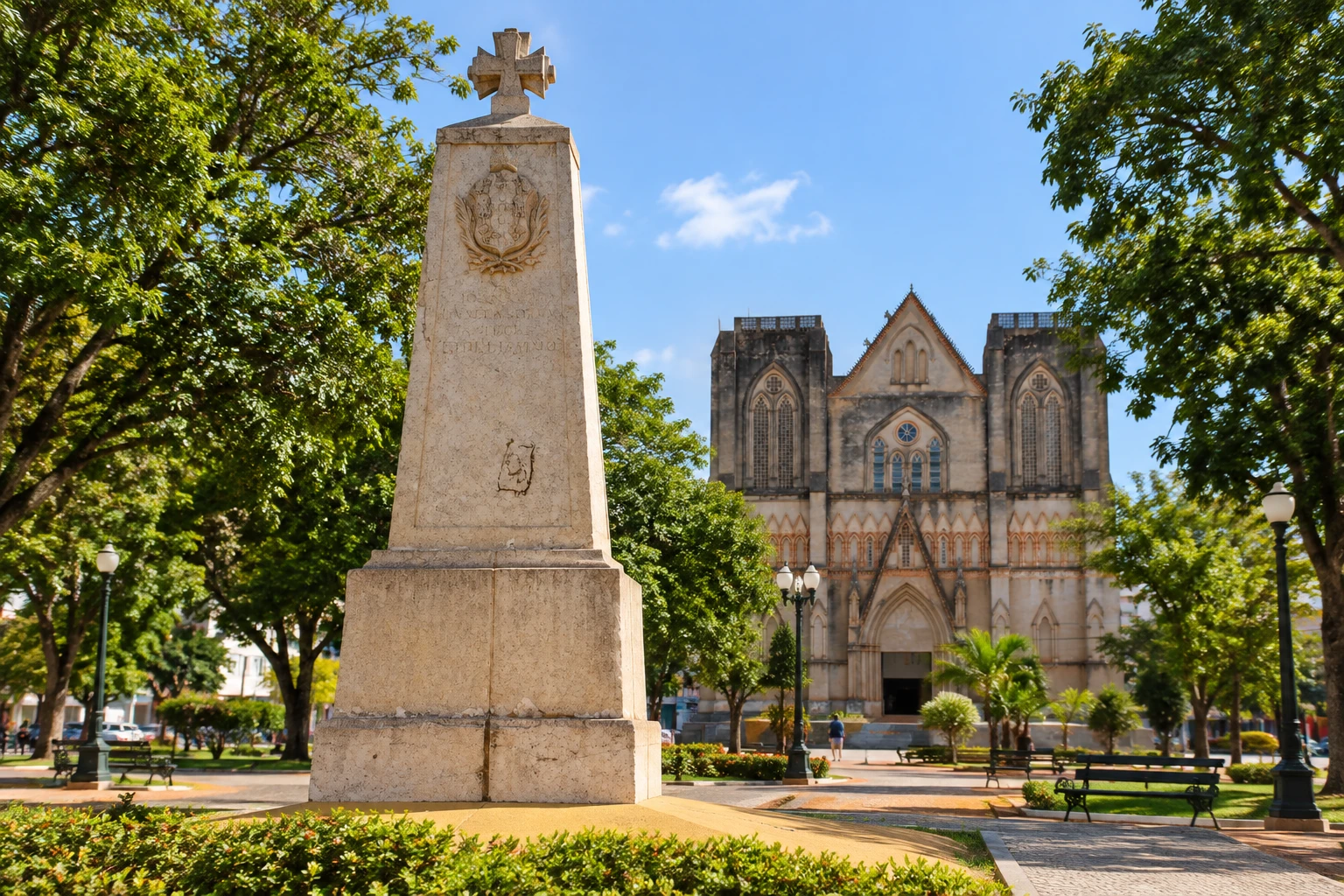
Marco do Jauru

Esculpido em pedra lioz em Lisboa para marcar a fronteira definida pelo Tratado de Madri, foi fincado na foz do rio Jauru em 1754. Em 1883 foi levado para a praça em frente à catedral, onde permanece.

Explore Marco do Jauru

Aquidauana · MS · mirante

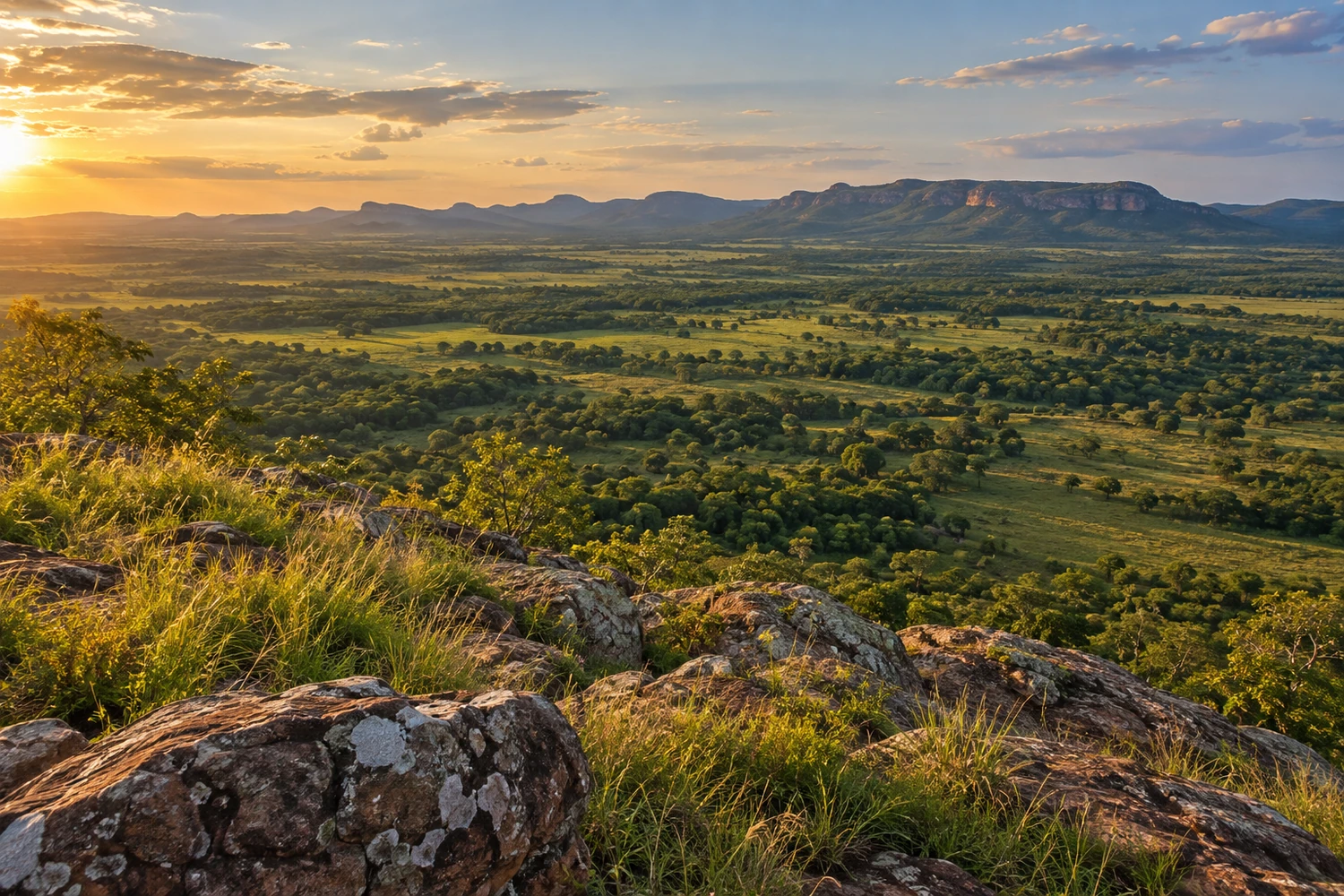
Morro do Paxixi

Fica a cerca de 23 km do centro, com acesso pelo distrito de Camisão e um trecho final de estrada de terra. Do alto se tem vista panorâmica do cerrado e do início da planície pantaneira.

Explore Morro do Paxixi

See 24 more places in Pantanal

To choose before you go

Tours in Pantanal

Where each tour starts, how long it takes, how it is done, what is included and the price range.

Transpantaneira: safari along MT-060 departing from Poconé

From Poconé (MT) private vehicle, 4x4 or safari truck from half a day to a full day, depending on the stretch morning and afternoon easy

The Transpantaneira is MT-060, an unpaved road that connects Poconé to Porto Jofre. It is about 147 km long and has more than 120 wooden bridges. The trip starts in Poconé, where the entrance arch marks the beginning of the dirt section. Many people do just the first few kilometers and return the same day. Others continue to Porto Jofre, from where boats depart to look for jaguars. Along the road there are lagoons and pools that attract caimans, jabiru storks, herons, spoonbills, capybaras and deer. With luck anteaters may appear. The outing can be done with your own car, in a 4x4 hired through a guesthouse or agency, or in an open safari truck offered by the roadside guesthouses. It's worth stopping at each bridge and looking at the water. Wildlife viewing is best in the early hours of the day: by mid-morning, as it heats up, animals tend to move into the shade.

Stops: Poconé, Transpantaneira (MT-060), Pórtico da Transpantaneira, Pousada Piuval, Porto Jofre.

Includes: It depends on how it's booked. On tours run by a guesthouse or agency the vehicle and the guide or driver are usually included. Meals, drinks, fuel (if using your own car) and transfer to Poconé are paid separately. Check what each provider includes.

Tip: Leave early to enjoy milder temperatures and a better chance of seeing wildlife. Drive slowly, especially on bridges and at turns, because of animals on the road. Book transfers or your lodge in advance, especially if you plan to reach Porto Jofre.

Best time: Dry season, May to September, with a firmer road and wildlife close to the water. In the flood season, parts of the region are flooded and boat tours increase.

Agencies that run it: Chapada Pantanal Turismo.

Boat safari to see jaguars in Porto Jofre

From Porto Jofre, end of the Transpantaneira (Poconé, MT) small boat with a pilot and guide 3 to 5 hours per period; full day 6 to 8 hours morning and afternoon, or full day easy

The tour departs from the port of Porto Jofre, at the end of the Transpantaneira, about 250 km from Cuiabá. Navigation is done in small boats along the Rio Cuiabá, Rio Três Irmãos, Rio Piquiri and Rio São Lourenço and through backwaters (corixos) of Parque Estadual Encontro das Águas, the area between Poconé and Barão de Melgaço. Guides search for jaguars that walk along the riverbanks, rest, hunt capybaras and caimans, or swim across the river. You may also see giant otters (ariranhas), capybaras, caimans, tuiuiús and other birds. Sightings depend on luck, so many visitors book more than one boat period. Observation trips can last four or five continuous hours, and the boats do not have toilets. There is the option of a same-day round trip departing from Cuiabá or from lodges along the Transpantaneira, with departures at dawn, and also packages of two or more days.

Stops: Porto Jofre, Parque Estadual Encontro das Águas, Rio Cuiabá, Rio Três Irmãos, Rio Piquiri, Rio São Lourenço.

Includes: In general: boat with a pilot and a guide. Lunch, drinks, travel insurance, land transfers and accommodation vary depending on the package. Park access fees may be included or charged separately. Check the operator's current rate table.

Tip: Use the restroom before boarding and bring sunscreen, a hat, water and a rain poncho. Book the boat and transfer before arriving, as access is long. If possible, take more than one boat trip to increase your chances.

Best time: Dry season, from May to September, when the rivers drop and jaguars appear more often along the riverbanks.

Estrada Parque Pantanal (MS-184) between Corumbá and Passo do Lontra

From Corumbá (MS) or Buraco das Piranhas (BR-262) private car, 4x4 or a safari with an agency full day full day easy

The Estrada Parque is a dirt road of about 120 km with more than 70 wooden bridges, crossing the Pantanal sul-mato-grossense. It starts on BR-262 at Buraco das Piranhas, passes Passo do Lontra on the banks of the Rio Miranda, and continues to Corumbá. In the final stretch there is a ferry crossing on the Rio Paraguai at Porto da Manga, paid separately. Those traveling from Corumbá toward Passo do Lontra see the range right at the city exit, straight ahead. Along the way you can spot caimans, tuiuiús (jabiru storks), capybaras, deer, macaws and toucans, and there are stops at several bridges. Fazendas and pousadas along the road offer safaris in open vehicles, horseback riding, boat trips and night spotlighting. It can be done independently or on a guided safari.

Stops: Estrada Parque Pantanal (MS-184), Buraco das Piranhas, Passo do Lontra, Rio Miranda, Porto da Manga, Rio Paraguai, Curva do Leque.

Includes: On your own, the road itself has no entrance fee; the Porto da Manga ferry is paid separately. On guided safaris the vehicle and guide are usually included. Meals and drinks are the traveler's responsibility.

Tip: The ferry suspends service at lunchtime and in the late afternoon; check its operation before you go and bring small change, as Pix payments do not always work on site. Drive slowly at the bridge detours and watch for animals on the road. Fill up and bring water before entering the road.

Best time: Dry season, from May to September, when the road is firmer. During the flood season, check conditions before entering.

Agencies that run it: Eco Adventures Travel.

Day use at Fazenda San Francisco: safari, chalana and pantanal lunch

From Fazenda San Francisco, BR-262, Miranda (MS) safari vehicle and chalana (flat‑bottom boat) full day full day easy

It is a day trip inside a working fazenda of the Pantanal do Miranda, on BR-262. The program has two main activities, and the fazenda sets the order upon arrival. The photographic safari is done in an open vehicle along tracks through native forest, irrigated rice fields and cattle pastures, with a chance to see deer, capybaras, caimans and birds such as the tuiuiú (jabiru). During the safari there is a short walk on the Trilha do Carandá, a raised boardwalk over the riparian forest of the Rio Miranda. The chalana ride, a flat‑bottom boat, travels along the Corixo São Domingos, a branch of the Rio Miranda, with birds on the banks and caimans nearby. In some seasons there is artisanal piranha fishing. The pantanal lunch is served at the fazenda, and the day ends with a snack of piranha soup. Those departing from Bonito should book through an agency; transport is not included.

Stops: Fazenda San Francisco, Corixo São Domingos, Rio Miranda, Trilha do Carandá.

Includes: Photographic safari, chalana ride, pantanal‑style lunch, late‑afternoon snack with piranha soup, pantanal guide and insurance. Transport from Bonito or Campo Grande, drinks and extra meals are paid separately. There is a reduced rate for children.

Tip: On the GPS, use the exact name of the fazenda, as there are others with similar names in the region. On very hot days animals stay more hidden; bring a hat, sunscreen and insect repellent. Book in advance.

Best time: Dry season, from May to September, with milder weather. In very hot periods wildlife viewing is less productive.

Agencies that run it: Eco Adventures Travel.

R$438 · per person, adult (fazenda rate valid until 31/12/2026) · official price

Boat trip on the Rio Paraguai in Corumbá

From Porto Geral de Corumbá (MS) tour boat or chalana a little over 1 hour to about 3 hours afternoon, with option of a full day easy

The tour departs from Porto Geral, in Corumbá's historic center, and sails along the Rio Paraguai along the riverfront, with the city on the rocky slopes and the Casario do Porto seen from the water. There are several options. The three-deck vessel Pérola do Pantanal runs longer cruises, with meals on board, a deck pool and live music. Smaller boats and chalanas hired along the waterfront make short departures that usually catch the sunset on the river. It is also possible to charter a motorboat for private itineraries. It is a relaxed outing, recommended for those arriving in Corumbá who want to see the Rio Paraguai without a long expedition. On longer motorboat routes, the river leads to Pantanal areas and to the Serra do Amolar.

Stops: Porto Geral de Corumbá, Rio Paraguai, Casario do Porto, Pérola do Pantanal.

Includes: Varies by vessel. On larger boats, meals and a guide are usually included, with drinks extra. On smaller boats, the price is usually just for the trip. Check each operator's current price list.

Tip: Check whether the vessel is licensed for passenger transport and that life jackets are available. Choose late afternoon to see the sunset over the river. Compare duration and capacity before booking, and bring sunscreen and a hat.

Best time: All year; in the dry season the river is lower, and late afternoon is the most popular time.

Agencies that run it: Zé Leôncio Viagens & Turismo.

Day use at Pousada Piuval, at the start of the Transpantaneira

From Pousada Piuval, at km 10 of the Transpantaneira (Poconé, MT) horse, jeep, boat, safari tractor and on foot full day full day easy

Pousada Piuval is the first pousada on the Transpantaneira, about 10 km from Poconé, located on a farm of more than 7,000 hectares. Visitors who don’t stay overnight can book the day use. It provides access to the leisure area, lunch, trail walks and the observation tower. Farm excursions are booked separately: horseback riding, photographic safari and dawn safari in a jeep or open truck, boat trips, tratrem (tractor pulling a trailer) and night spotlighting. The property's lagoons concentrate many caimans and birds. The day use does not include exploring the farm fields without reception authorization. It’s a good option for those with limited time who want to see the Pantanal norte without driving the whole road.

Stops: Pousada Piuval, Transpantaneira (km 10), Observation tower, Lagoons on the property.

Includes: The day use includes access to the leisure area and lunch, according to the pousada's policy. Safaris, horseback riding, boat trips, tratrem and spotlighting are paid separately and generally require a minimum number of participants. Check the pousada's current rate table.

Tip: Book the day use and excursions in advance, especially on holidays when demand is higher. Bring long pants and closed‑toe shoes for the horseback ride.

Best time: Dry season, from May to September. During the flood season more trips are done by boat.

See 13 more tours

Night spotlighting in the Pantanal

From Pousadas and fazendas along the Transpantaneira, the Estrada Parque and in Miranda jeep or open truck, or boat, with flashlight varies according to the pousada or fazenda night easy

Spotlighting is a guided nighttime activity carried out with flashlights and a spotlight from an open vehicle or by boat. The guide scans the banks, fields and property roads and the light reflects in the animals' eyes. Generally, caimans appear on the banks, capybaras, marsh deer and nocturnal birds. With luck, tamanduás and other nocturnal mammals may show up. Many pousadas and fazendas offer the activity. At Passo do Lontra there are boat departures along the Rio Miranda. At Pousada Piuval, on the Transpantaneira, and at Fazenda San Francisco, in Miranda, departures are by vehicle. Sesc Pantanal runs river spotlighting by boat on the Rio Cuiabá. The experience is also worthwhile for the starry sky, far from city lights.

Stops: Transpantaneira, Estrada Parque Pantanal, Passo do Lontra, Rio Miranda, Fazenda San Francisco, Rio Cuiabá.

Includes: Generally: vehicle or boat, guide and flashlight or spotlight. It is often charged separately, and some pousadas require a minimum number of people. Check the operator's current table.

Tip: Bring insect repellent, a long-sleeved shirt and a light jacket, as the temperature drops. Speak quietly and avoid using your own lights during the tour. Those not staying overnight should book in advance.

Best time: All year round. In the dry season, spotting is usually easier near the water; in the high-water season the boat trip is more rewarding.

Agencies that run it: Eco Adventures Travel, Consciência Ecológica Viagens e Turismo.

Vida de Comitiva: horseback ride with cowhands at Pantanal Experiência

From Fazenda Hi Fish, Distrito de Agachi (Miranda, MS) horseback ride full day, with a half-day option full day easy

The Vida de Comitiva day-use recreates the day of a pantanal comitiva, a group of cowhands who drive cattle. The farm is in Miranda, in the Distrito de Agachi, about 63 km from Aquidauana. The day starts with the presentation of the horses and training in the round pen. Then the group rides along the farm's trails, through fields, flooded areas, cerrado and bacuri forest, much of it shaded and alongside the Córrego Agachi. One section of the route is 9.5 km. During the ride visitors accompany the cattle work, hear the berrante and stop for tereré. Along the way you may see anteaters, coatis, armadillos, monkeys, macaws and other birds. Lunch is a comitiva meal, cooked on a wood-burning stove. Afterwards you can rest in a hammock and visit the Museu do Agachi.

Stops: Pantanal Experiência, Fazenda Hi Fish, Córrego Agachi, Museu do Agachi.

Includes: Full day-use with a guided horseback ride, a comitiva meal and a visit to the farm. Drinks and extras are paid separately. There is a half-day option. Check the farm's current price list.

Tip: Wear long pants and closed-toe shoes, bring a hat and sunscreen. Confirm the minimum age with the farm, which varies depending on the option. Those with their own car can drive directly to the farm; there are also agencies in Bonito and Aquidauana that sell the tour.

Best time: Dry season, from May to September. During intense heat, prefer morning times.

Boat trips on the Rio Cuiabá and Corixo do Moquém, at Sesc Pantanal

From Sesc Porto Cercado, Porto Cercado (Poconé, MT) boat trip on the Rio Cuiabá about 2 to 3 hours, depending on the itinerary morning, afternoon or night easy

Sesc Pantanal is located in Porto Cercado, a district of Poconé, about 145 km from Cuiabá, on the banks of the Rio Cuiabá. The unit organizes boat trips on the river. The Despertar no Pantanal sails in the early morning to accompany the dawn and the sounds of the forest. The Corixo do Moquém follows a tributary of the Rio Cuiabá, with sightings of caimans, birds, monkeys and iguanas, and is popular at dusk. In the river spotlighting (focagem fluvial), the trip is done at night with flashlights. The unit also organizes van safaris along the Estrada Parque Porto Cercado to the Transpantaneira, guided horseback rides, and a visit to the Casa do Pantaneiro in the RPPN Sesc Pantanal. Tours have Sesc guides and operate by advance reservation.

Stops: Sesc Porto Cercado, Rio Cuiabá, Corixo do Moquém, RPPN Sesc Pantanal.

Includes: Boat or vehicle and Sesc guide. The tours are paid separately from accommodation; check Sesc's current price list.

Tip: The tours are intended for guests; check with Sesc whether there is space for non-residents. Book in advance and bring insect repellent, a hat and closed-toe shoes.

Best time: Dry season, from May to September. During high water, the Rio Cuiabá and the corixo fill up more and the boat trip changes its route.

Boat trip through the bays of Barão de Melgaço

From Barão de Melgaço (MT) boat or barge via the Rio Cuiabá about 2 to 6 hours, depending on the itinerary morning or afternoon easy

Barão de Melgaço lies on the left bank of the Rio Cuiabá, about 140 km from Cuiabá. Trips depart from town and go down the river by motorboat or chalana to the bays in about 30 to 40 minutes. Shorter routes pass by Baía Siá Mariana, Baía de Chacororé and the Rio Mutum. Longer ones include the Rio Arrombado and a stop for lunch. Along the way you can see herons, roseate spoonbills, jabirus, kingfishers, capybaras, iguanas and many caimans. Between November and April, during the high-water season, the town is surrounded by water and access changes. The bays are also used for photographic safaris. Local pousadas arrange the trip and there are accredited guides in Barão de Melgaço and Cuiabá.

Stops: Barão de Melgaço, Rio Cuiabá, Baía de Chacororé, Baía Siá Mariana, Rio Mutum, Rio Arrombado.

Includes: Generally: boat with a pilot. Lunch, drinks and a guide may be charged separately. Check what each pousada or operator includes and the current price list.

Tip: Arrange the itinerary and duration in advance, and confirm whether the boat has life jackets. Prefer late afternoon to see the birds and the sunset's reflection on the water. During the high-water season, check how to reach the town.

Best time: Dry season, from May to September, for road access; the high-water season, from November to April, favors boat trips.

Historic circuit of Corumbá and Ladário

From Centro de Corumbá (MS) by car or minibus and on foot about half a day afternoon easy

The circuit runs through the historic center of Corumbá and reaches Ladário, a neighboring town. In Corumbá, the Casario do Porto, in front of the Porto Geral, gathers preserved mansions dating from the period when the city had one of the continent's main river ports. The Muhpan is housed in a warehouse from 1876 and tells the story of the Pantanal. The Cristo Rei do Pantanal, on Morro do Cruzeiro, offers views over the city and the plain. Forte Junqueira, built after the Paraguayan War, is located in an Army area with views of the Rio Paraguai. There is also the Casa do Artesão, Praça da Independência and Igreja Nossa Senhora da Candelária. In Ladário, the route passes the portal of the 6º Distrito Naval, known as the Arco do Triunfo do Pantanal, and the Mirante São Francisco. Local agencies run the circuit by car and on foot.

Stops: Casario do Porto, Porto Geral, Museu de História do Pantanal (Muhpan), Cristo Rei do Pantanal, Forte Junqueira, Casa do Artesão, Praça da Independência, Igreja Nossa Senhora da Candelária, Portal do 6º Distrito Naval (Ladário), Mirante São Francisco.

Includes: Through an agency: transport and guide. Tickets, meals and drinks are paid separately, if there is a charge. Check the current rates.

Tip: Forte Junqueira is inside a barracks; check beforehand whether visits are allowed and go with appropriate clothing. Bring water and sunscreen, as the heat is strong. Combine the circuit with the boat trip on the Rio Paraguai.

Best time: All year; in hot months, prefer late afternoon.

Paraguai-Mirim Expedition: a day by boat on the Rio Paraguai

From Porto Geral de Corumbá (MS) boat on the Rio Paraguai about 11 hours full day easy

The expedition departs from Porto Geral de Corumbá and travels up the Rio Paraguai for about 120 km, with stops to observe fauna and flora. The route enters the Rio Paraguai-Mirim, with clearer waters, and includes lunch at the home of a family from the local community, with a nature specialist guide. Disembarkation is also at Porto Geral. It is an option for those who want more time on the river than the short sunset trip and do not want to stay overnight. Navigation passes along banks with forest and birds, and the guide explains riverside life and how the river is used.

Stops: Porto Geral de Corumbá, Rio Paraguai, Rio Paraguai-Mirim, local riverside community.

Includes: Guide, lunch in the community, water, juice and a snack on board. For water, bring your own bottle to refill. Extra drinks and a bilingual accompaniment are charged separately. Check the current table.

Tip: Bring a reusable water bottle, hat, sunscreen and insect repellent. Book in advance, as the itinerary depends on an agency and a minimum number of participants.

Best time: Dry season, from May to September; in the hot months, the view of the water helps to cope with the heat.

Forte Coimbra, via the Rio Paraguai

From Corumbá or Porto Morrinho (MS) motorboat along the Rio Paraguai full day full day easy

Forte Coimbra is an 18th-century fortification on the right bank of the Rio Paraguai, in the district of Forte Coimbra, in Corumbá. The traditional access is by boat from Porto Morrinho, on a trip of about one and a half to two and a half hours, depending on the vessel and the river. There are also operators that make the route by land, about 130 km, in a full day with lunch in the village. The visit includes the fortification with cannons and the small museum, which houses historical items. Near the fort there is a cave known as Buraco do Inferno. There is also a trilha das barrigudas on the overland itinerary. After the visit, the boat returns along the same river.

Stops: Porto Morrinho, Rio Paraguai, Forte Coimbra, Museu do Forte, Gruta do Forte Coimbra, Vila de Coimbra.

Includes: It depends on the itinerary. In packages, transport and a guide are usually included; meals and drinks may be extra. On a chartered boat, the price is negotiated with the boatman. Check the current price list.

Tip: The fort is not always open to visitors; check first with the Army or the agency. Bring identification and wear appropriate clothing. Bring sunscreen, a hat and water.

Best time: Dry season, from May to September, with lower river levels and more stable weather.

Serra do Amolar and RPPN Acurizal, departing from Corumbá

From Porto Geral de Corumbá (MS) motorboat on the Rio Paraguai 3 to 4 days several days easy to moderate

The Serra do Amolar is a rock formation between Cáceres and Corumbá, on the border with Bolivia, next to the Parque Nacional do Pantanal Matogrossense. Access is only by river or by air. Departures from Corumbá leave from the Porto Geral by motorboat, go up the Rio Paraguai and pass through the clear waters of the Rio Paraguai-Mirim and the Escola Jatobazinho, arriving at the RPPN Acurizal at the foot of the range. The itinerary includes boat trips, hikes and wildlife watching in the reserve. The program is three or four days long, with overnight stays in the reserve. The region is also a starting point for expeditions to areas with rock paintings and for visits to riverside communities.

Stops: Porto Geral de Corumbá, Rio Paraguai, Rio Paraguai-Mirim, Escola Jatobazinho, Serra do Amolar, RPPN Acurizal.

Includes: In the package: land and river transfers, overnight stays with meals and excursions according to the itinerary. There is an environmental preservation fee charged separately. Check the operator's current rate table.

Tip: It's a multi-day itinerary with no road access; book well in advance. Bring lightweight long-sleeved clothing, insect repellent and closed-toe shoes.

Best time: Dry season, from May to September, with more predictable navigation.

Rafting on the Rio Aquidauana in Piraputanga

From Pesqueiro do Bill, km 21 on the Estrada Parque Piraputanga (Aquidauana, MS) inflatable boat about 2 hours morning or afternoon moderate

The trip takes place on the Rio Aquidauana, on the Estrada Parque Piraputanga, an environmental protection area at the foot of the Serra de Maracaju. The meeting point is Pesqueiro do Bill at km 21 of the road, and the team takes the group to the embarkation point at Restaurante Thomazi. The route is about 3.5 km, with class II and III rapids, and ends back at the Pesqueiro. Before departing there is a short safety briefing. The stretch features sandstone cliffs of the Serra de Maracaju and passes beside the railway line. There are moments of rapids and calmer sections to enjoy the scenery.

Stops: Estrada Parque Piraputanga, Restaurante Thomazi, Pesqueiro do Bill, Rio Aquidauana, Serra de Maracaju.

Includes: Local guide, adventure insurance, helmet and life jacket. Use of sneakers or closed-toe shoes is mandatory. Meals and transfer to the Estrada Parque are paid separately. There are age and weight limits set by the operator.

Tip: Bring quick-drying clothing, closed sneakers and a change of clothes. Confirm minimum age and maximum weight before booking. Combine the rafting with the Mirante do Paxixi trail in the same region.

Best time: All year round, depending on river levels; check with the operator after periods of heavy rain.

Trail to Mirante do Paxixi, on Estrada Parque Piraputanga

From Estrada Parque Piraputanga (Aquidauana, MS) on foot about 2 hours morning easy

The trail leads to Mirante do Paxixi, in the Estrada Parque Piraputanga area in Aquidauana. The route is easy and takes about two hours, passing through native vegetation with a chance to see birds. The final stretch requires more attention. From the lookout, the view covers the mountain range and, in the distance, the Pantanal plain. The region has other points that can be combined on the same day, such as Camisão, the Estrada Parque itself and rafting on the Aquidauana River. To visit only the lookout, allow a few hours; to combine several attractions, it's best to set aside a full day.

Stops: Estrada Parque Piraputanga, Morro do Paxixi, Mirante do Paxixi, Serra de Maracaju.

Includes: On an agency tour: guide and local transport. Tickets, when applicable, and meals are paid separately. Check the current price list.

Tip: Wear sneakers or boots, bring water, a hat and insect repellent. Do the hike early, before the heat intensifies. Arrange the meeting point and duration with the operator.

Best time: Dry season, May to September, with a firmer trail and more open views.

Boat trip on the Rio Paraguai in Cáceres

From Porto de Cáceres (MT) boat, motorboat or chalana from a few hours to a full day morning or late afternoon easy

Cáceres lies on the banks of the Rio Paraguai, about 220 km from Cuiabá, and is one of the gateways to the Pantanal de Mato Grosso. The boat trip departs from the city's port and goes down the river by motorboat or chalana. Navigation is slow, and you can observe water birds such as herons and jabirus, caimans on the banks and capybaras. Local boatmen and operators offer everything from short outings to see the sunset to full-day itineraries and sport-fishing packages. Those who prefer a longer route choose a boat-hotel, which travels down the river for days. The best time to see animals is early morning or late afternoon.

Stops: Cáceres, Rio Paraguai, Porto de Cáceres.

Includes: Varies according to the itinerary. For a chartered boat, the price is usually per boat, with fuel and pilot agreed separately. Meals and drinks are paid by the traveler. Check each operator's current price list.

Tip: Agree in advance on the price, the duration and whether fuel is included. Bring a hat, sunscreen, insect repellent and water. Make sure the vessel has life jackets.

Best time: Dry season, from May to September; the sport-fishing season follows its own rules.

Rio Paraguai and Morro Pão de Açúcar, in Porto Murtinho

From Porto Murtinho (MS) boat on the Rio Paraguai and a walking trail full day, depending on the itinerary full day moderate

Porto Murtinho sits on the banks of the Rio Paraguai and is the southern gateway to the Pantanal, in the region known as Pantanal do Nabileque. The tour combines river navigation with hiking. Morro Pão de Açúcar is about 550 meters high and is reached by boat along the Rio Paraguai and by trails through the Pantanal do Nabileque, with an interpretive climb to a lookout offering views of the region. The Fecho dos Morros, about 30 km upriver from the town, is an opening in the terrain through which the river flows, used for observing wildlife and flora. Morro Celina is also on the riverbank. Routes are put together by pousadas, pilots and local operators who run the boats.

Stops: Porto Murtinho, Rio Paraguai, Morro Pão de Açúcar, Fecho dos Morros, Morro Celina, Pantanal do Nabileque.

Includes: On operator itineraries: boat, pilot and usually a guide. Meals, drinks and fees vary according to the itinerary. Check the operator's current table.

Tip: Book the itinerary in advance, as the boat and trail logistics depend on a local agency. Wear hiking shoes, bring water, a hat and insect repellent. The region has a piracema season, with fishing regulations.

Best time: Dry season, from April to November, when beaches appear on the river and trails become firmer.

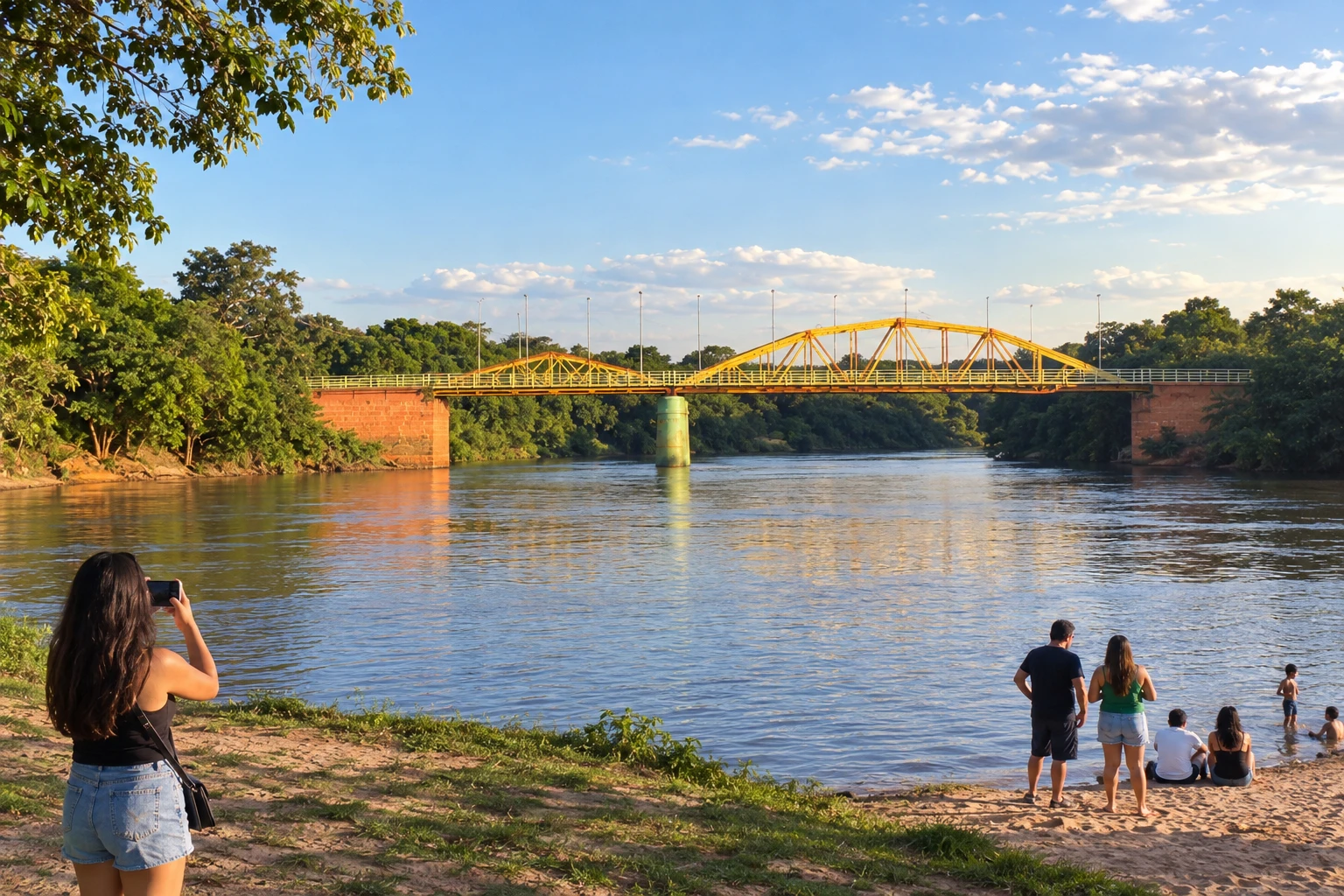
Walk along the Ponte da Amizade and the Prainha de Anastácio.

From Centro de Aquidauana (MS) on foot or by bicycle about 1 hour morning or late afternoon easy

Aquidauana and Anastácio are side by side, separated by the Rio Aquidauana and connected by bridges. The Ponte da Amizade, also called Ponte Velha, is made of iron and wood, has a single lane for light vehicles and sides reserved for pedestrians and cyclists. From its top there is a view of the river and the Prainha de Anastácio. The walk starts in the center of Aquidauana, crosses the bridge and continues to the Prainha, on the Anastácio side, on a route of about one hour on partly paved terrain. In Aquidauana it's worth visiting the Praça da Matriz and the historic center. It's a short walk, good to fit between arrival and the region's nature outings.

Stops: Ponte da Amizade, Rio Aquidauana, Prainha de Anastácio, Praça da Matriz.

Includes: Self-guided walk, no entrance fee at the bridge. Food and drinks at the prainha's kiosks are paid separately.

Tip: Cross on foot and give priority to vehicles waiting at the bridgehead. Bring sunscreen and water. Prefer cooler times of day.

Best time: All year; on hot days, go early in the morning or late in the afternoon.

Day by day

3, 5 and 7-day itinerary in Pantanal

Suggestions to plan the trip. Change the order of the days according to the weather and tour availability.

3 days · 3 days in Corumbá: history, Paraguay River and Estrada Parque

For First trip and short on time: for those who fly into Corumbá and want an initial contact with the Southern Pantanal without changing base. · Based in Corumbá (MS), with Corumbá International Airport a few kilometers from Ladário
  1. Day 1 · Corumbá and Ladário: historic town and Rio Paraguai

    Arrive in Corumbá by plane or by road via the BR-262, about 425 km from Campo Grande. Book your transfer before arriving. In the morning, do the Corumbá and Ladário historic circuit. The two towns are adjacent, about 7 km apart. In the afternoon, take the boat trip on the Rio Paraguai in Corumbá to see the riverbanks and birds.

  2. Day 2 · Estrada Parque Pantanal (MS-184)

    A day on dirt roads. The Estrada Parque links Corumbá to the BR-262 over about 120 km, with bridges, esteros and the Rio Paraguai crossing by ferry at Porto da Manga, paid separately. It can be done with an operator or in your own vehicle. If driving, fuel up before you leave, take water and start early because of stops for wildlife. Birds and caimans appear at the roadside.

  3. Day 3 · Paraguai-Mirim Expedition: day by boat on the Rio Paraguai

    Full day boat trip on the Rio Paraguai and its tributaries, departing from Corumbá. Book in advance. The boarding point and duration depend on the operator. Bring sunscreen, a hat, insect repellent and water. After the trip, head to the airport or the bus station, depending on your return transport.

5 days · 5 days in the Northern Pantanal: Transpantaneira and jaguar in Porto Jofre
For For those who want to see the jaguar and cross the Transpantaneira, with days on dirt roads and an overnight near Porto Jofre. · Based in Poconé (MT), with an overnight in an inn on the Transpantaneira or in Porto Jofre, ending in Cuiabá
  1. Day 1 · Cuiabá to Poconé and day use at Pousada Piuval

    Leave Cuiabá via the paved BR-070 to Poconé: it's about 100 km. Book your transfer or car before arriving. Pousada Piuval is at the start of the Transpantaneira, near km 10. Do a day use at Pousada Piuval, with your first bird and caiman sightings. Spend the night in Poconé.

  2. Day 2 · Transpantaneira to Porto Jofre

    Follow the Transpantaneira (MT-060), an unpaved road of about 145 km with more than 120 bridges to Porto Jofre. In the dry season the trip takes about 4 hours without stops. With rain or photo stops it takes longer. Do the Transpantaneira as a safari departing from Poconé, stopping at bridges and lagoons. Book overnight accommodation in Porto Jofre or nearby before you go.

  3. Day 3 · Boat safari to see the jaguar in Porto Jofre

    In Porto Jofre, depart by boat along the Rio Cuiabá and its tributaries in search of the jaguar (onça-pintada) and other riverside wildlife. Sightings are not guaranteed. Departures can be in the morning or the afternoon depending on the operator. Book in advance. At night, rest: the next day involves road travel.

  4. Day 4 · Return via the Transpantaneira and night spotlighting

    Return to Poconé via the Transpantaneira, now in the opposite direction, stopping at the bridges. Morning light helps with birdwatching. At night, do the Pantanal night spotlighting with a guide, departing from a pousada on the road. Nocturnal animals appear, such as the crab-eating fox (cachorro-do-mato) and birds like the potoo (urutau). Confirm the departure with the pousada.

  5. Day 5 · Barão de Melgaço: bays and Rio Cuiabá

    Last day outside the Transpantaneira. Take the boat tour through the bays of Barão de Melgaço, departing from Cuiabá or Poconé. The transfer to Barão de Melgaço should be reserved in advance, together with the boat. If you have time you can also take boat trips on the Rio Cuiabá and the Corixo do Moquém at Sesc Pantanal. Finish in Cuiabá.

7 days · 7 days in the Southern Pantanal: from Campo Grande to Corumbá via BR-262
For For those with a week who are okay with days on the road: river, trail, pantanal ranch and Estrada Parque, ending in Corumbá. · Based in Anastácio or Aquidauana on days 1 to 3; Corumbá on days 4 to 7
  1. Day 1 · Campo Grande to Anastácio: Ponte da Amizade and Prainha

    Leave Campo Grande via the fully paved BR-262 heading to Anastácio. Anastácio and Aquidauana are neighboring towns, separated by the Rio Aquidauana. In the late afternoon, take the walk across the Ponte da Amizade and to the Prainha de Anastácio on the riverbank. Book your car or transfer before arriving in Campo Grande.

  2. Day 2 · Piraputanga: rafting and Mirante do Paxixi

    In the morning, go rafting on the Rio Aquidauana in Piraputanga. Bring clothes that can get wet and closed footwear. In the afternoon, follow the trail to Mirante do Paxixi on the Estrada Parque Piraputanga, with views of the range. Ask the operator about the duration and meeting point of each activity. Return to Anastácio or Aquidauana to spend the night.

  3. Day 3 · Day use at Fazenda San Francisco

    Pantanal farm day: day use at Fazenda San Francisco, with a safari, chalana boat ride and a typical Pantanal lunch. Book in advance and confirm transfer and meeting point with the fazenda. For those who prefer horseback riding, the alternative is Vida de Comitiva: a ride with peões (local cowhands) at Pantanal Experiência. Confirm location and departure beforehand.

  4. Day 4 · BR-262 and Estrada Parque Pantanal to Corumbá

    Follow BR-262 to Miranda and then to the Buraco das Piranhas checkpoint, about 100 km. There the Estrada Parque (MS-184), an unpaved road, begins, about 120 km to Corumbá. The Passo do Lontra, on the Rio Miranda, is a few kilometres from the entrance. The Rio Paraguai is crossed by ferry at the Porto da Manga, paid separately. Fill up in Miranda and take water. Stay overnight in Corumbá.

  5. Day 5 · Corumbá and Ladário: historical circuit and Rio Paraguai

    In the morning, do the historical circuit of Corumbá and Ladário. The distance between the two cities is about 7 km. In the afternoon, the boat trip on the Rio Paraguai in Corumbá shows the city from the river and the birds on the banks. Book the boat in advance.

  6. Day 6 · Paraguai-Mirim Expedition: day boat trip

    Day boat trip on the Rio Paraguai and the Paraguai-Mirim, departing from Corumbá. Departure time and duration depend on the operator. Book in advance. Bring sunscreen, a hat, insect repellent and water. Pay attention to the weather forecast for the river.

  7. Day 7 · Serra do Amolar and RPPN Acurizal, or Forte Coimbra

    To finish, choose a long boat trip on the Rio Paraguai: Serra do Amolar and RPPN Acurizal, departing from Corumbá, or Forte Coimbra via the Rio Paraguai. Both depend on tour operators and advance booking. Confirm the trip duration before booking your return flight at Corumbá Airport.

Best time to go

When to go: Pantanal month by month

From May to September, in the dry season, when animals gather near the water and the roads are passable.

The seasons shown are the most usual ones; nature doesn't always follow the calendar.

January High rain

Heavy rain · Flooded plain

It's among the rainiest months: the average in Cuiabá is about 238 mm and Corumbá exceeds 150 mm. Highs are near 33 °C. Sections of dirt roads, like the Transpantaneira, can become flooded or slow; check conditions with your guesthouse before leaving. Boats reach areas that in the dry season are without water. Less activity at guesthouses. Bring a raincoat and insect repellent.

February High rain

Flooding · Boat in flooded areas

The flood continues, with rainfall in Corumbá above 130 mm on average and highs near 33 °C. Boat tours gain greater access to corixos and bays, and dirt roads require care and confirmation with your guesthouse. There are many birds in the flooded fields. Mammals become more dispersed, which makes them harder to see. Transfers and tours should be booked in advance.

March High rain

High water · Rain decreasing

Still-humid month: Corumbá records about 130 to 140 mm on average, with highs of 31 °C to 33 °C. The fields remain flooded and boat trips are the best way to visit many areas. Dirt roads may still have wet stretches. Water birds remain very visible. Low to moderate activity. Check the conditions of the Transpantaneira and the Estrada Parque.

April Some rain

End of the high water · Waters receding

It rains quite a bit: Corumbá records about 65 to 75 mm on average. Waters begin to fall and nights already become a bit milder, with highs near 31 °C. Roads start to dry, but may still have wet stretches at the start of the Transpantaneira. It's a good month for boat trips and birdwatching, with fewer people. Confirm conditions before going.

May Some rain

Start of the dry season · Cooler nights

According to the local cycle, it's the start of the drawdown. Rainfall drops to about 50 to 60 mm in Corumbá, and highs are around 29 °C, with lows around 19 °C. Roads become firmer and tourist activity increases. It's a good month for land safaris and boat trips. Bring a light jacket for the colder mornings.

June Low rain

Dry season · Firm roads

Dry month: Corumbá records less than 30 mm on average, and Cuiabá also receives little rain. Highs are around 28 °C and lows near 18 °C. Cold fronts can lower temperatures in the mornings and evenings, so bring warm clothing. Animals gather near the water, and dirt roads become firm. Wildlife viewing is easier. Lodges fill up: book in advance.

July Low rain

Dry season · School holidays

Among the driest months: the average for July in Cuiabá is about 10 mm, and Corumbá receives just over 20 mm. Hot days, with highs around 28 °C to 32 °C, and cooler nights that can be cold with southern fronts. Animals stay close to rivers and lagoons. School holidays increase demand: book lodges, boats and transfers well in advance.

August Low rain

Dry season · Ipês in bloom

Dry and with increasing heat: highs of 30 °C to 32 °C. Rain is rare, about 11 mm in Cuiabá and 26 mm in Corumbá on average. Ipês usually bloom around mid-month, coloring the plain. Air humidity is low and there may be smoke from fires, which reduces visibility. Bring water, sunscreen and moisturizer. Animals concentrate near the water.

September Low rain

Dry season · Increasing heat

End of the dry season, with strong heat: highs of 32 °C to 33 °C in Corumbá and Cuiabá. Rain returns gradually, with about 40 to 50 mm on average, in showers toward the end of the month. Dry air and smoke can reduce visibility. Animals still concentrate at the few water points, which makes wildlife easier to spot. Roads remain firm. Avoid outings during the hottest hours.

October Some rain

First rains · Heat

The rains return: Corumbá records around 85 to 110 mm on average, with highs of 33 °C to 34 °C. Showers are more frequent in the late afternoon. Sections of dirt roads, like the Transpantaneira, can become submerged between October and April, according to local guides. Check conditions with your guesthouse. Tourist numbers drop and the fields turn green again.

November High rain

Flooding · Heat and rain

Rain is frequent, between 120 and 150 mm on average in Corumbá, with highs of 32 °C to 34 °C. Water rises gradually and vegetation turns green again. There are more birds and young active. Dirt roads require caution and confirmation before departure; boat trips become more prominent. Few tourists and generally lower tour prices. Bring a raincoat.

December High rain

Frequent rain · Floodwaters approaching

Warm and humid month, with about 155 to 170 mm of rain in Corumbá and highs of 32 °C to 34 °C. The plain starts to flood, and roads like the Transpantaneira and the Estrada Parque may have slow or water-covered sections. Boats reach more areas. During the year-end week, activity increases at some guesthouses. Book ahead and confirm road conditions.

Plan the journey

How to get there: Pantanal

By plane: Campo Grande, Corumbá and Cuiabá

The Pantanal does not have a single gateway airport. The choice depends on which side you want to visit. Corumbá has an international airport about 1 km from downtown. Azul operates a direct flight between Corumbá and Campinas (Viracopos), and Azul is the only airline with a direct flight from there. Sources differ on frequency (three to four flights per week). Check the days with the airline before finalizing your travel.

For the Southern Pantanal, the other gateway is Campo Grande International Airport. In 2026 it received direct routes: Azul to Belo Horizonte (Confins) and Gol to Rio de Janeiro. The road distance from Campo Grande to Corumbá is about 420 km. Check whether there is a direct Campo Grande–Corumbá flight on your travel date. That connection has been suspended by Azul in the past.

For the Northern Pantanal, fly to Cuiabá. The most common route is from Marechal Rondon Airport by paved road to Poconé, which is about 100 km from Cuiabá. Compare prices on both sides before buying.

By bus: Campo Grande to Corumbá, Miranda and Buraco das Piranhas

In the Southern Pantanal, buses depart Campo Grande Bus Station along BR-262. Companies such as Andorinha, Expresso Pantanal and Viaje Mais Barato operate the trip to Corumbá. Average duration is about 6h30. There are several departures per day, from morning to night. Fares vary by company, time and seat class (standard, executive or sleeper). Check current fares with the company or on the ticketing site.

In Corumbá, Andorinha, Expresso Mato Grosso do Sul and Expresso Pantanal operate at the Intermunicipal Bus Station.

For those going directly to a lodge on the Estrada Parque, there is an intermediate stop. Buses from Campo Grande, Corumbá, Aquidauana, Anastácio and Bonito stop at the Buraco das Piranhas information post. Some lodges in the area offer transport from the post to their properties. Arrange that transport in advance. The stop is on the highway with no shops nearby.

To reach Aquidauana, Anastácio or Miranda, take buses from Campo Grande along the BR-262 corridor. Check routes at the bus station.

By bus and transfer: Cuiabá to Poconé and the Transpantaneira

In the Northern Pantanal, Cuiabá is the base. The Consórcio Metropolitano Transporte (CMT) operates the bus link between Poconé and Cuiabá. Buses depart the Cuiabá Bus Terminal throughout the day, from morning to early evening, and arrive at the Poconé Bus Terminal. Duration varies from about 2 to 3 hours depending on the service type. The fare is paid separately. Check the current timetable with the company.

The bus only reaches the town of Poconé. From there, the Transpantaneira continues for about 145 km of dirt road. There is no regular service along that dirt stretch. For lodges along the road and for Porto Jofre, you need a transfer or a car. Some agencies sell transfers Cuiabá–Poconé–Porto Jofre–Cuiabá. The Porto Jofre hotel, for example, offers transport for guests arriving by air or land. Request that transfer from your accommodation in advance.

Other towns in the Northern Pantanal lie about 220 km from Cuiabá (Cáceres) and 110 km (Barão de Melgaço). Check routes at the bus station.

By car: BR-262 and Estrada Parque Pantanal (Southern Pantanal)

Access to the Southern Pantanal is via BR-262, which connects Campo Grande to Corumbá. It is a single carriageway, paved, with gas stations, tire repair shops and restaurants. From Campo Grande to Miranda, via Anastácio, it is 207 km (about 2h40). From Miranda to the Buraco das Piranhas information post is another 100 km. Buraco das Piranhas is about 300 km from Campo Grande and 130 km from Corumbá. Aquidauana is about 130 km from Campo Grande and Corumbá is about 420 km.

Wild animals cross the road, and some stretches have no shoulder. Drive with attention.

The Estrada Parque Pantanal, made up of MS-228 and MS-184, has 120 km of dirt road and connects Corumbá to Buraco das Piranhas. The road crosses the Paraguay River at Porto da Manga and the Miranda River at Passo do Lontra. The Paraguay River crossing is by ferry, which operates only during the day. At the peak of the flood season the road can flood between Curva do Leque and Porto da Manga. Before entering, check conditions with Corumbá tourism. Refuel before heading onto the dirt road.

By car: Cuiabá, Poconé and Transpantaneira (Northern Pantanal)

From Cuiabá to Poconé the route is paved. It is 11 km on BR-070 and 89 km on MT-060. Poconé is about 100 km from Cuiabá.

From Poconé the Transpantaneira begins. MT-060 heads toward Porto Jofre, forming the tourist corridor of the road. The Ministry of Tourism reports about 145 km and 125 bridges between Poconé and Porto Jofre. Other sources cite a slightly different number of bridges. The state government of Mato Grosso chose not to pave the road to reduce the impact on wildlife.

From Cuiabá to Porto Jofre it is about 245 km, on average 4 hours in the dry season. During the flood season the time may be longer depending on road conditions. From Poconé to Porto Jofre the stretch takes 3 to 4 hours in a 4x4 vehicle. Go slowly because of wildlife and the bridges. Check road conditions with your accommodation before leaving. There is no ferry on this route.

How to get around the Pantanal and whether you need to rent a car

Distances are large and the internal roads are unpaved. How you get around depends on where you stay.

In the Corumbá region there are two options: book tours and transfers with a local receptive operator, or rent a car at the airport. For dirt roads such as the Estrada Parque, an off-road or 4x4 vehicle is preferable. A less capable car can get stuck along the way.

On the Transpantaneira, having your own car lets you stop at bridges and viewing points, but requires a slow pace. The final stretch to Porto Jofre is more isolated and has no cell coverage. Agree the route and times with your accommodation and carry enough fuel.

Inside rural properties and lodges, tours (boat, pickup truck, horseback or walking) are organized by the accommodation itself or by local agencies. In that case, you generally do not need a car during your stay. If you won’t rent one, inform the lodge in advance so they can arrange pickup at the airport, bus station or Buraco das Piranhas.

Package with transfer or on your own

There are two ways to arrange arrival in the Pantanal.

Package with transfer: lodges, fazenda-hotels and agencies sell accommodation, tours and transportation together. In Porto Jofre, for example, the route usually begins with a flight to Cuiabá followed by a land transfer. In the Southern Pantanal you can hire private transport, use shared regular transport to Buraco das Piranhas, rent a car or go by your own car. The advantage is not having to drive on dirt roads and arriving with logistics already arranged. Check what the package includes (round-trip transfer, meals, tours).

On your own: you buy the plane or bus ticket, choose accommodation and book tours locally. Those using the regular bus get off at the Buraco das Piranhas post, and some lodges offer transfers from there if requested in advance. In both cases, reserve transfers and accommodation before arrival, especially in the dry season from May to September. Transfer and package prices vary by operator. Ask for written quotes.

Poconé Sustainable Tourism Fee

Poconé has a Sustainable Tourism Fee, established by Municipal Law 1.869/2017. Its purpose is the preservation of the Pantanal ecosystem, encouraging tourism as a development factor. The amount corresponds to 8% of the municipality’s Fiscal Standard Unit. Funds are divided between municipal administration and the Municipal Tourism Fund.

Who pays: visitors in the municipality’s tourism area. Exemptions apply to Poconé residents, property owners in tourism areas, children, seniors, people with disabilities and employees and owners of tourist establishments and service providers in the sector. Exemptions must be proven with documents.

I could not find the current table published by the city, so I do not state the amount in reais. Confirm with the Poconé Municipal Tourism Department, or with your lodge or agency, whether the fee is in effect, the current amount and where to pay. Lodgings usually inform you if the fee is already included in the package.

Who takes you

Tour agencies in Pantanal

Only agencies with an active registration in Cadastur, the official registry of Brazil's Ministry of Tourism, are listed. The order is not a ranking: compare the tours and book directly with the agency.

Cidade Turismo reviews its information regularly, but something may have changed. Check with the place before planning your trip.

Packages from Chapada dos Guimarães (with transfer)

Chapada Pantanal Turismo

Chapada dos Guimarães
Active Cadastur

Agency based in Mato Grosso that creates packages combining the Pantanal, Chapada dos Guimarães and Nobres. The reception is at a hotel or pousada in Cuiabá, with a photographic safari along the Transpantaneira, passing through Poconé, and boat tours. The website lists Cadastur, without showing the number.

Tours: Transpantaneira: safari along MT-060 departing from Poconé.

Cadastur checked in October 2026

Eco Adventures Travel

Campo Grande
Active Cadastur

Agency that sells 1-day tours and multi-day packages in the Southern Pantanal with transfers departing from Campo Grande, by private car or regular transport to Buraco das Piranhas, where the Estrada Parque begins. Itineraries include safaris, chalana rides and nighttime spotlighting, with day use at Fazenda San Francisco in Miranda.

Tours: Estrada Parque Pantanal (MS-184) between Corumbá and Passo do Lontra, Day use at Fazenda San Francisco: safari, chalana and pantanal lunch, Night spotlighting in the Pantanal.

Cadastur checked in October 2026

Agencies in Corumbá and Miranda

Zé Leôncio Viagens & Turismo

Corumbá
Active Cadastur

Operator of river tours from Corumbá. Boats depart from Porto Geral and cruise along the Rio Paraguai, including in the late afternoon to watch the sunset. The prefeitura lists it among the companies registered with Cadastur.

Tours: Boat trip on the Rio Paraguai in Corumbá.

Cadastur checked in October 2026

Consciência Ecológica Viagens e Turismo

Miranda
Active Cadastur

Agency headquartered in Miranda. Sells horseback rides, comitiva pantaneira, photographic safaris, nighttime spotlighting, chalana rides and boat trips in the Pantanal, as well as tours in Bonito and the Serra da Bodoquena. It also recommends accommodation and arranges transfers.

Tours: Night spotlighting in the Pantanal.

Cadastur checked in October 2026

Do you run an agency or work as a tour guide Pantanal? Get listed on Cidade Turismo.

Your base to explore

Where to stay and where to eat

Before you go

Practical information

A little planning leaves more time to enjoy the journey.

When to go

From May to September, in the dry season, when animals gather near the water and the roads are passable.

The seasons shown are the most usual ones; nature doesn't always follow the calendar.

Respect the place

Take your trash with you, follow the signs and support local businesses. In natural areas, follow the visiting guidelines.

Beyond the guide

Your questions

Frequently asked questions about Pantanal

Quantos dias ficar no Pantanal?

<cite index="20-11">O roteiro costuma durar de 3 a 5 dias inteiros.</cite> Para quem quer ver onça-pintada, <cite index="11-20">uma operadora recomenda no mínimo 3 noites</cite> para aumentar as chances de avistamento. Um roteiro de exemplo no Pantanal Norte usa cinco dias: <cite index="19-4,19-8,19-9">chegada em Cuiabá e entrada na Transpantaneira no dia 1, passeio de lancha para ver onça no dia 4 e volta a Cuiabá no dia 5.</cite> Escolha uma região (Norte ou Sul) por viagem, em vez de tentar combinar as duas.

Qual é a melhor época para ver onça-pintada em Porto Jofre?

É a seca. <cite index="10-3">O hotel de Porto Jofre indica julho a outubro, quando as onças ficam mais perto das margens do rio.</cite> <cite index="11-14">Outras operadoras falam em junho a outubro.</cite> <cite index="13-5,13-6,13-7">Entre novembro e abril, na cheia, ainda é possível ver onça, mas a taxa de sucesso cai e o acesso por estrada pode ficar comprometido.</cite> Os safáris de lancha saem <cite index="11-4">ao amanhecer e ao entardecer, pelos rios Cuiabá e Piquiri.</cite> <cite index="11-23">Na alta temporada os safáris esgotam meses antes</cite>, então reserve com antecedência.

Pantanal Norte ou Pantanal Sul: qual escolher?

A oferta de passeios é parecida; muda o cenário e a logística. <cite index="20-5">O Norte gira em torno de Cáceres, Poconé e Barão de Melgaço (MT); o Sul, em torno de Miranda, Aquidauana e Corumbá (MS).</cite> <cite index="20-6">Para o Sul voa-se para Campo Grande; para o Norte, para Cuiabá.</cite> <cite index="20-14,20-15">No Norte, o turismo se organiza pela Transpantaneira, de Poconé a Porto Jofre. No Sul, pela Estrada Parque, com 120 km, em Corumbá, e por atrativos dentro de fazendas.</cite> Quem quer onça-pintada costuma ir ao Norte: <cite index="13-3">a região de Porto Jofre concentra a maior densidade da espécie.</cite>

Dá para visitar o Pantanal na época da cheia?

Dá, mas o roteiro muda. <cite index="17-1">De novembro a abril a paisagem fica verde e é boa para observar aves, mas muitas estradas alagam e os animais se dispersam por uma área maior.</cite> No Norte, <cite index="19-3">na cheia quase não dá para passear pelos campos e a Transpantaneira fica intransitável com carro de passeio.</cite> Antes de sair de carro, <cite index="13-9">confirme as condições da estrada com a pousada.</cite> Passeios de barco e hospedagens com acesso fluvial ou transfer próprio costumam ser a alternativa.

Dá para fazer a Transpantaneira de carro comum? Tem posto de combustível?

Na seca, sim. <cite index="19-12">Na época seca é possível percorrer a Transpantaneira com qualquer veículo.</cite> A estrada tem <cite index="5-2">145 km de terra e cerca de 120 pontes de madeira e concreto.</cite> <cite index="8-10,8-11">Poconé é o último ponto com mercado, farmácia e caixa eletrônico; depois dele não há posto de combustível nem comércio.</cite> Saia com o tanque cheio e o estepe revisado, e <cite index="2-12">ande em velocidade reduzida.</cite> <cite index="5-6">De Cuiabá a Porto Jofre são cerca de 245 km, em média 4 horas na seca; nas cheias, o tempo pode ser maior.</cite> Quem prefere não dirigir pode contratar transfer com a hospedagem ou com uma operadora.

Como ir de Campo Grande à Estrada Parque Pantanal, em Corumbá?

Pela BR-262. <cite index="30-2">Campo Grande e Corumbá ficam a cerca de 425 km, e Corumbá tem aeroporto internacional.</cite> A Estrada Parque começa no <cite index="29-2,29-3">Buraco das Piranhas, na BR-262, tem 120 km de terra (MS-228 e MS-184) e liga esse ponto a Corumbá.</cite> <cite index="34-8">O Passo do Lontra, no início da estrada, fica a cerca de quatro horas de Campo Grande.</cite> Sem carro, <cite index="35-1">é possível contratar transporte privativo, usar transporte regular compartilhado até o Buraco das Piranhas ou alugar um carro.</cite> Algumas hospedagens fazem transfer a partir desse ponto; solicite com antecedência. <cite index="29-9">Um trecho tem travessia do Rio Paraguai por balsa.</cite>

Preciso tomar vacina para ir ao Pantanal?

A vacina contra febre amarela é recomendada, não obrigatória. <cite index="43-4,43-5">O Ministério da Saúde recomenda a vacina para toda a população a partir dos 9 meses, aplicada pelo menos 10 dias antes da viagem.</cite> <cite index="43-3,43-6">Ela está disponível nos postos de saúde do SUS, e uma dose confere proteção por toda a vida.</cite> <cite index="43-7">Também se recomendam calças e camisas de manga longa e repelente.</cite> Leve o documento de identidade para vacinar-se e confira a situação do seu cartão de vacinas antes da viagem.

O que levar para o Pantanal e como é o clima?

Leve <cite index="41-2,41-3">protetor solar com fator alto, repelente e roupas leves que cubram o corpo.</cite> <cite index="23-10">Outubro e novembro são os meses mais quentes.</cite> <cite index="27-6">Entre maio e julho, na seca, os dias são secos e as noites mais frias</cite>, então inclua um agasalho. Chapéu, calçado fechado e uma capa de chuva leve também ajudam nos passeios de barco, cavalgadas e focagens. Leve dinheiro e medicamentos de uso pessoal: depois de Poconé, na Transpantaneira, não há comércio.

Preciso contratar guia ou posso ir por conta própria?

Depende do passeio. A Transpantaneira e a Estrada Parque são estradas que se percorrem de carro, e <cite index="7-4">é possível parar em pontos da Transpantaneira para cozinhar e pernoitar</cite>, segundo um guia de viagem. Já safáris de barco, focagens, cavalgadas e day uses costumam ser organizados por pousadas, fazendas ou operadoras. <cite index="20-7">A hospedagem geralmente organiza os passeios e oferece as refeições.</cite> Para ver onça-pintada, os barcos saem de Porto Jofre com guias; reserve antes, principalmente de junho a outubro. Confira com cada atrativo o que está incluído e o que é pago à parte.

Qual o melhor horário para ver animais na Transpantaneira?

Cedo pela manhã e no fim da tarde. Um guia de viagem relata que, <cite index="19-11">dirigindo pela estrada nesses períodos, já se veem centenas de animais, a maioria aves, jacarés e capivaras.</cite> <cite index="2-9">Há grande concentração de pousadas nos primeiros 65 km, e a parte final é bem deserta, o que aumenta as chances de ver onças e outros animais.</cite> Dirija devagar, pare apenas onde houver espaço e não saia do veículo para se aproximar dos bichos.

Brazilian routes

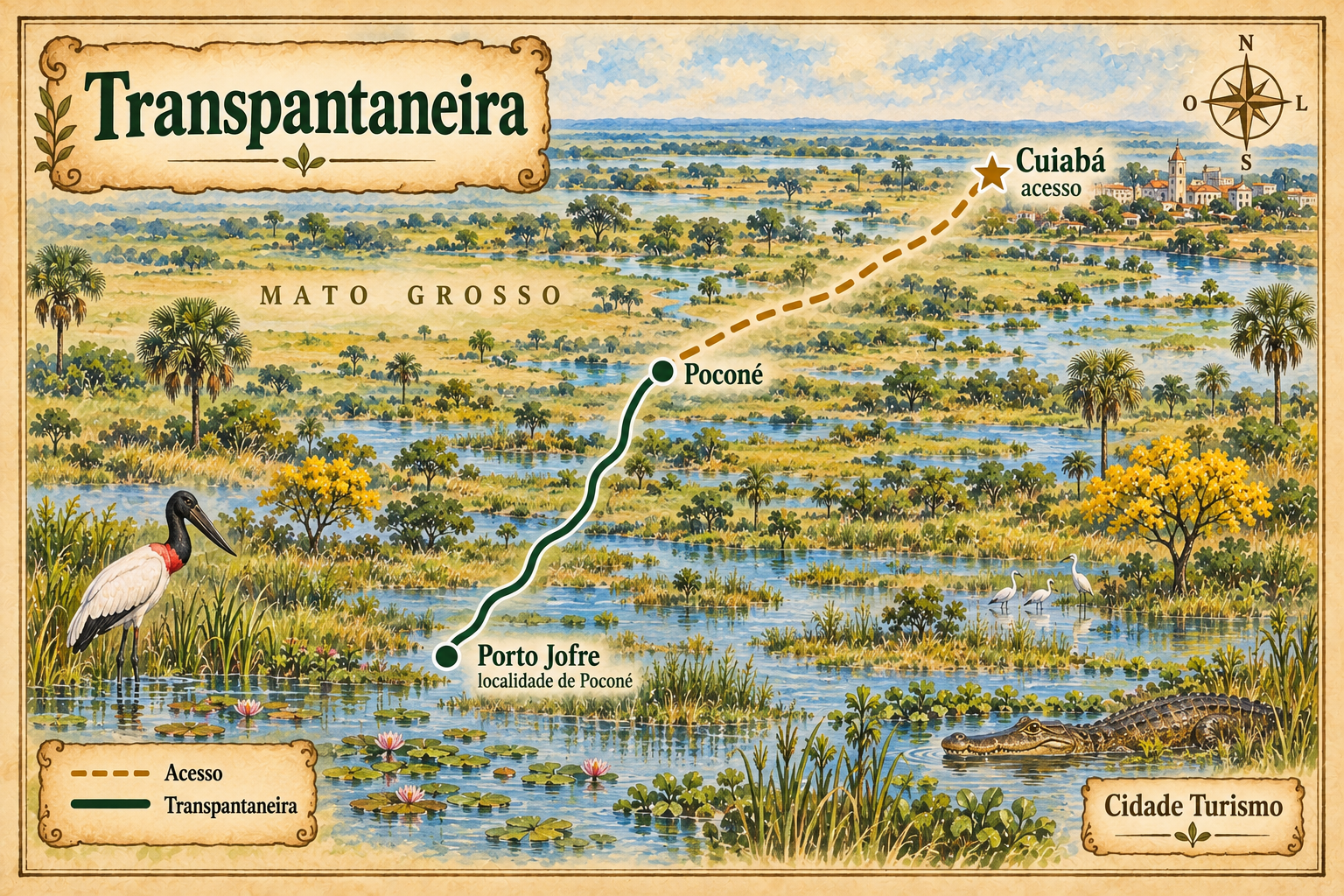
Pantanal is on the Transpantaneira

From Poconé to Porto Jofre through the Pantanal, with Cuiabá as the arrival point for the trip.

Illustrative map, not to scale. Tap a city to open its page.
Illustrated map of Transpantaneira
Explore the Transpantaneira

Brazilian routes

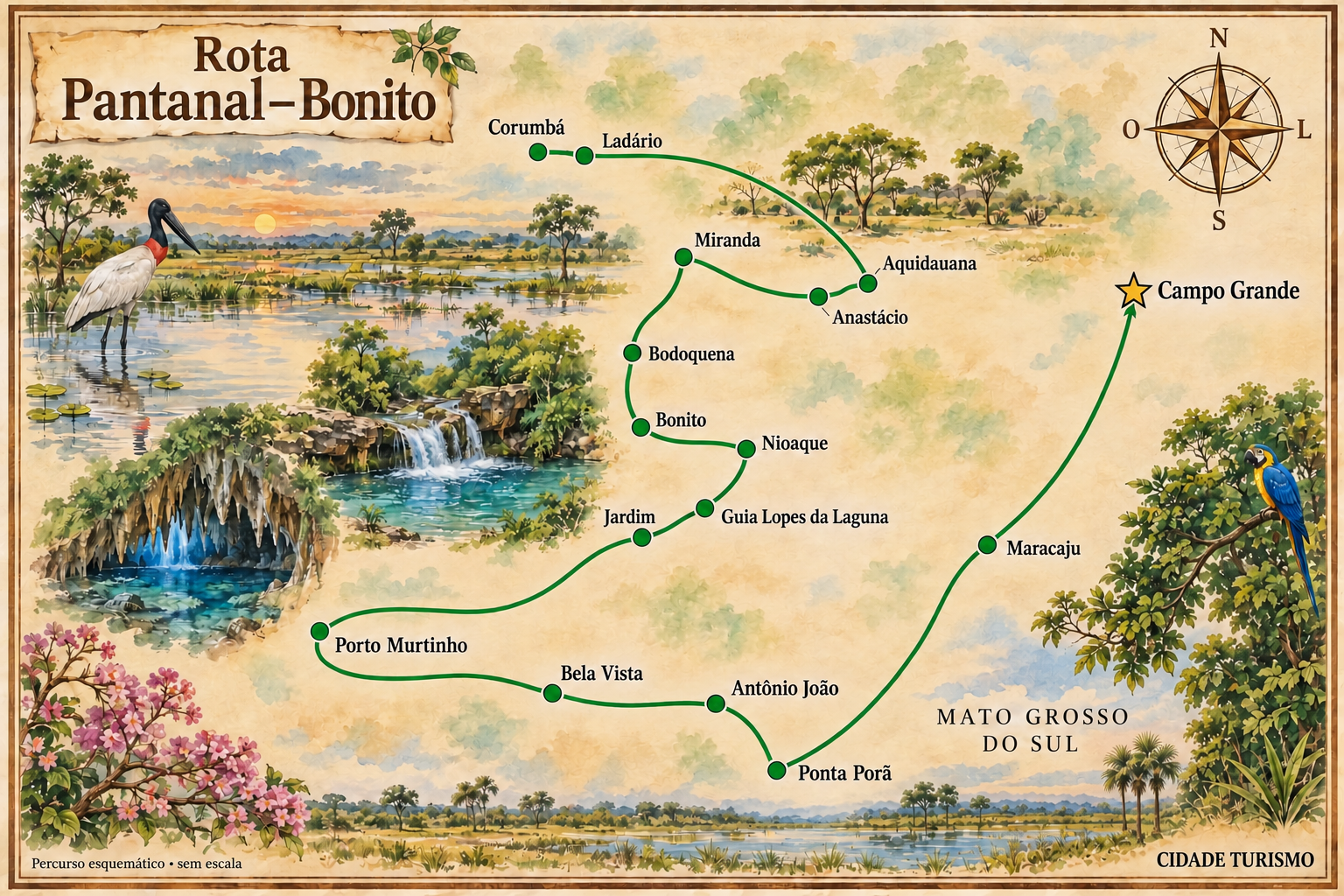
Pantanal is on the Pantanal–Bonito Route

A trip through the landscapes of the Pantanal, the Bonito region and the cities in the south of Mato Grosso do Sul.

Illustrative map, not to scale. Tap a city to open its page.
Illustrated map of Pantanal–Bonito Route
Explore the Pantanal–Bonito Route
Explore other destinations Search by state and city