Mateiros
Mateiros reúne dunas, veredas e nascentes no coração do Jalapão. A Serra do Espírito Santo e o artesanato de capim dourado das comunidades locais revelam a diversidade natural e cultural do município.
Antarctica
TO
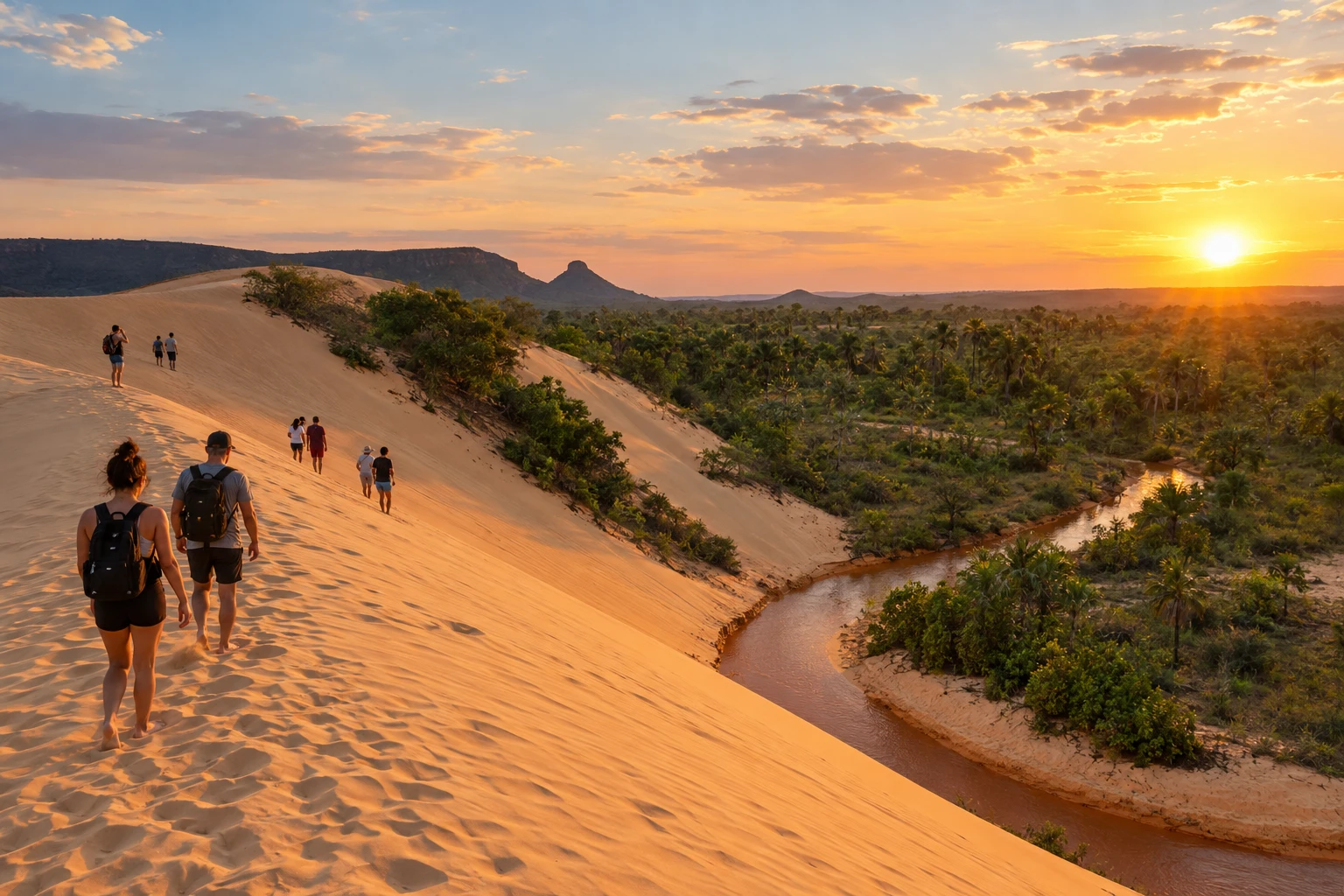
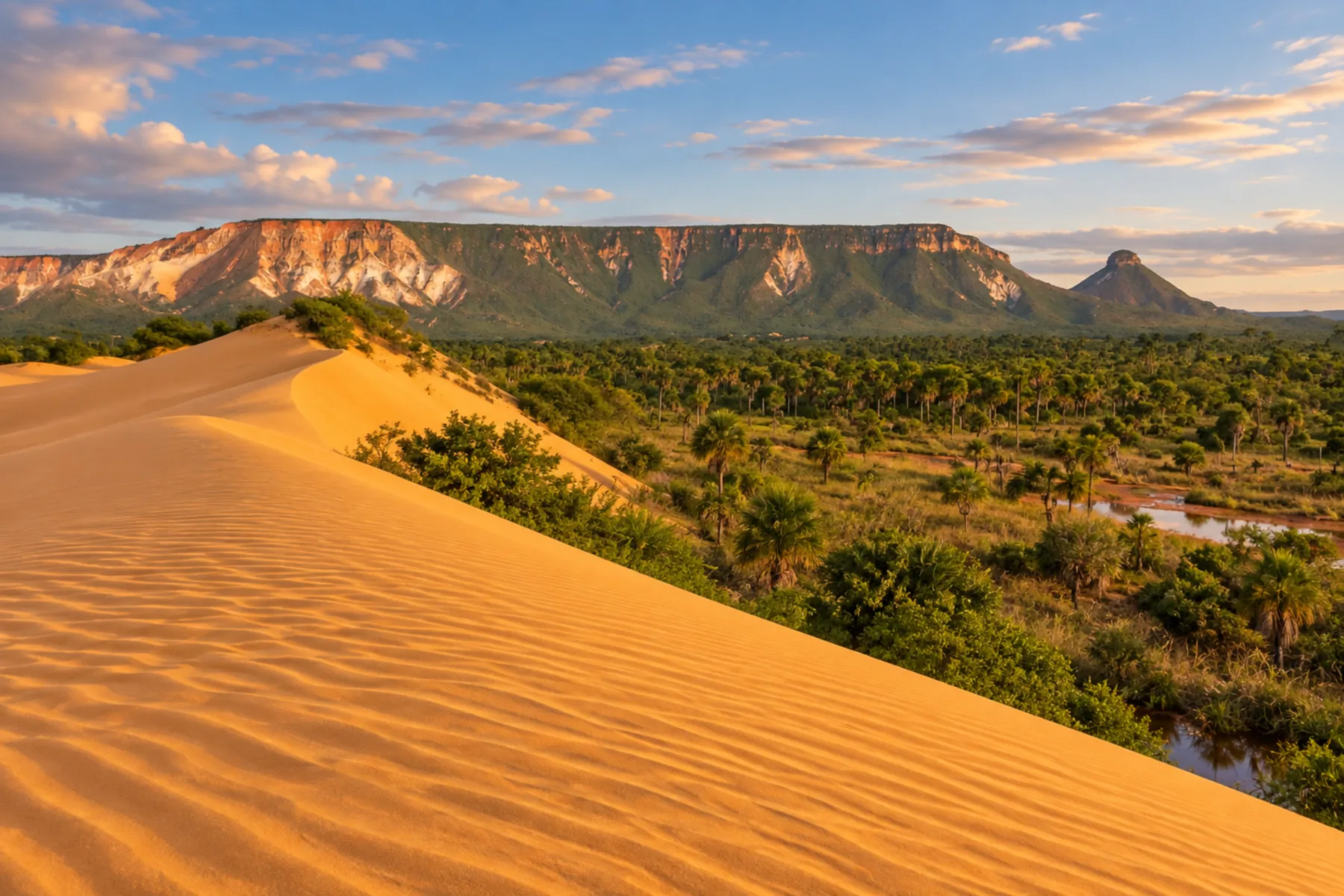
In the photo: Dunas do Jalapão
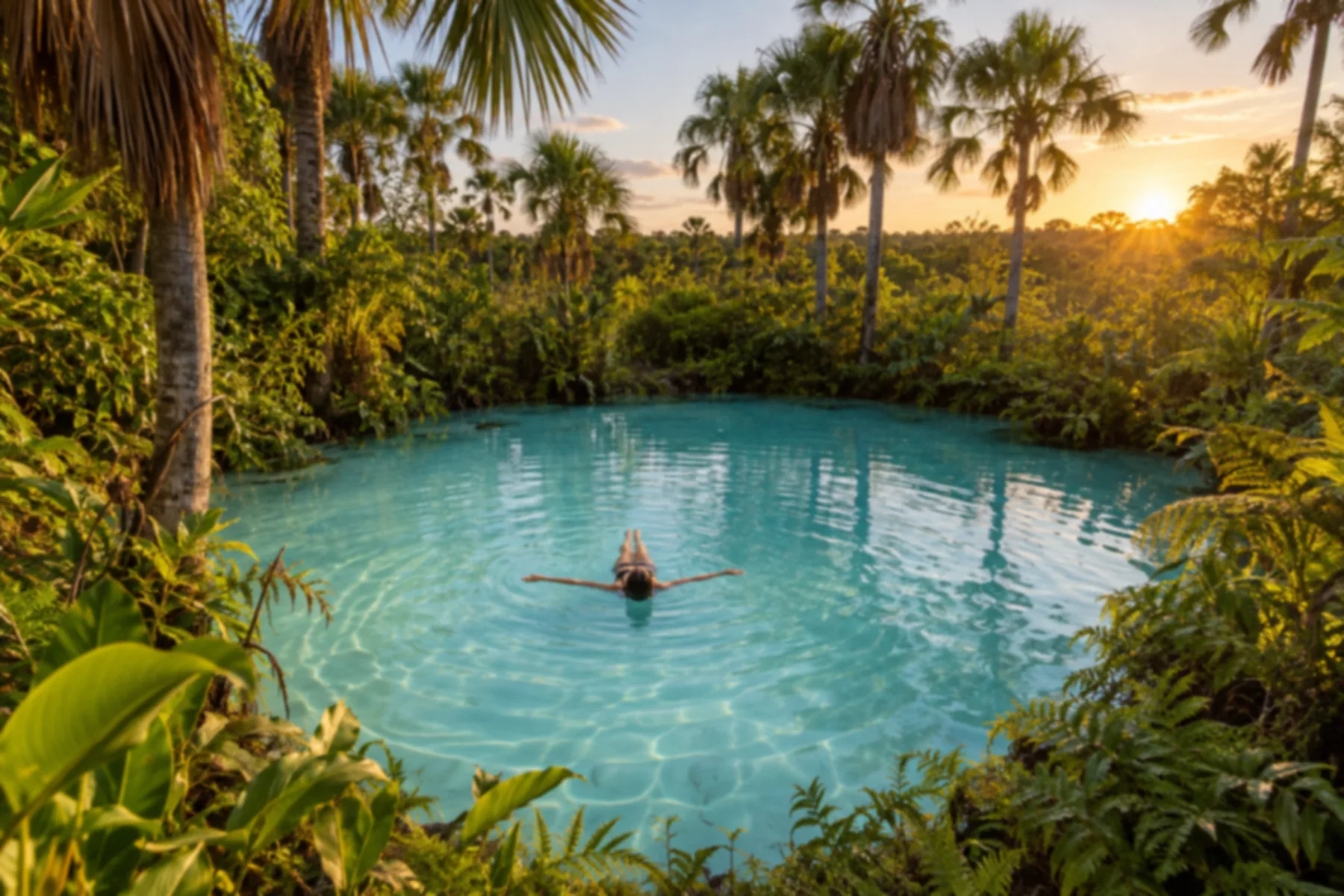
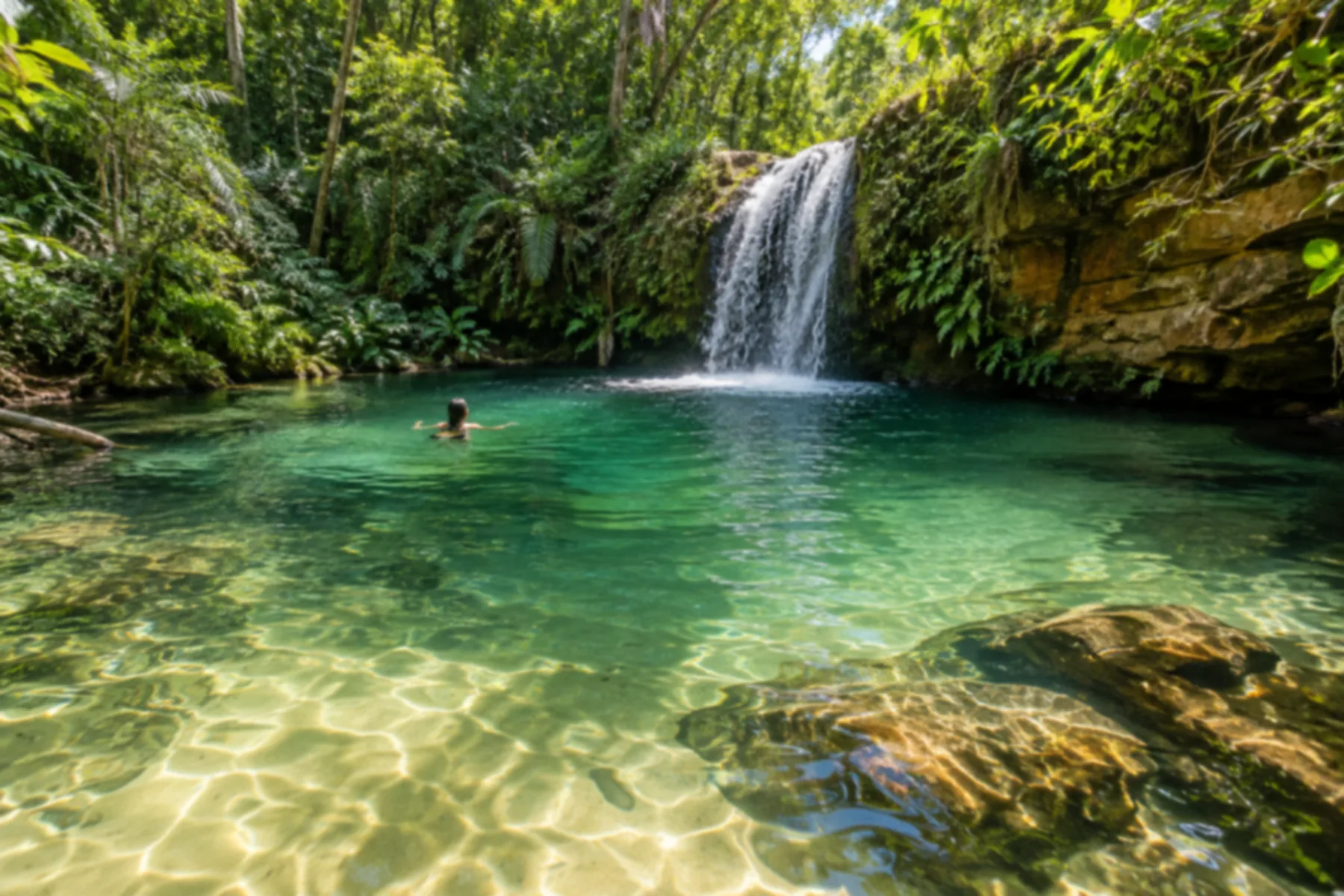
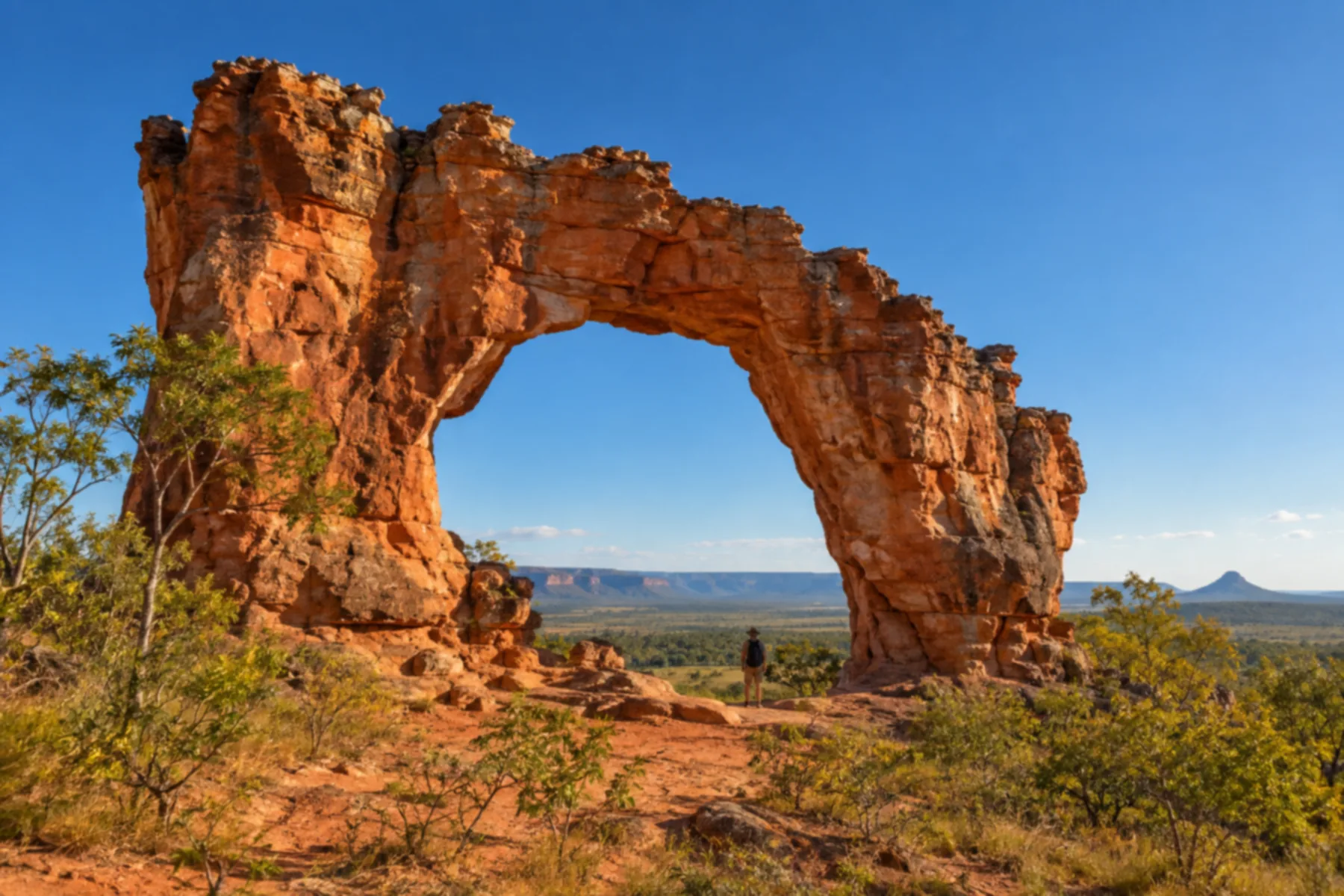
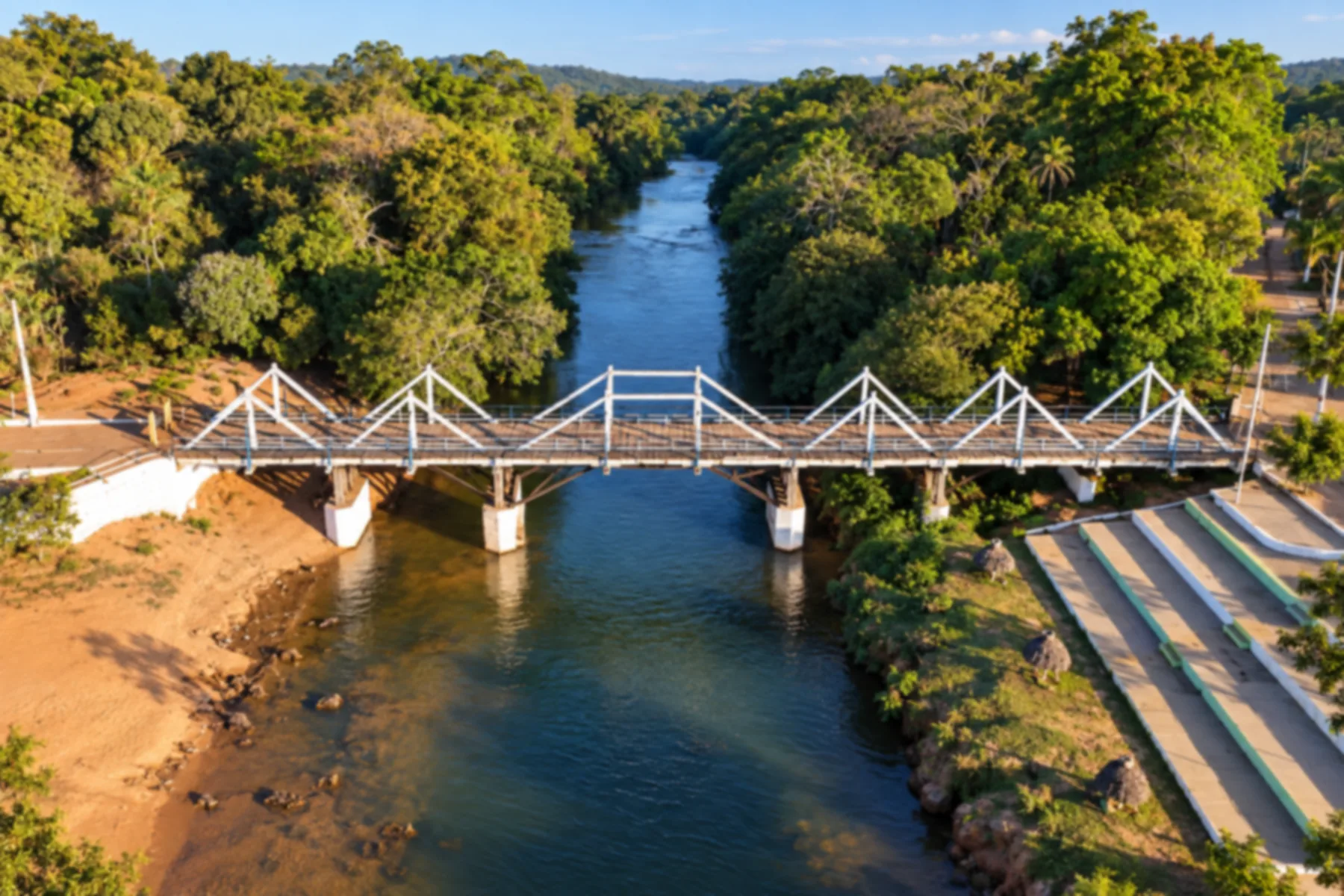
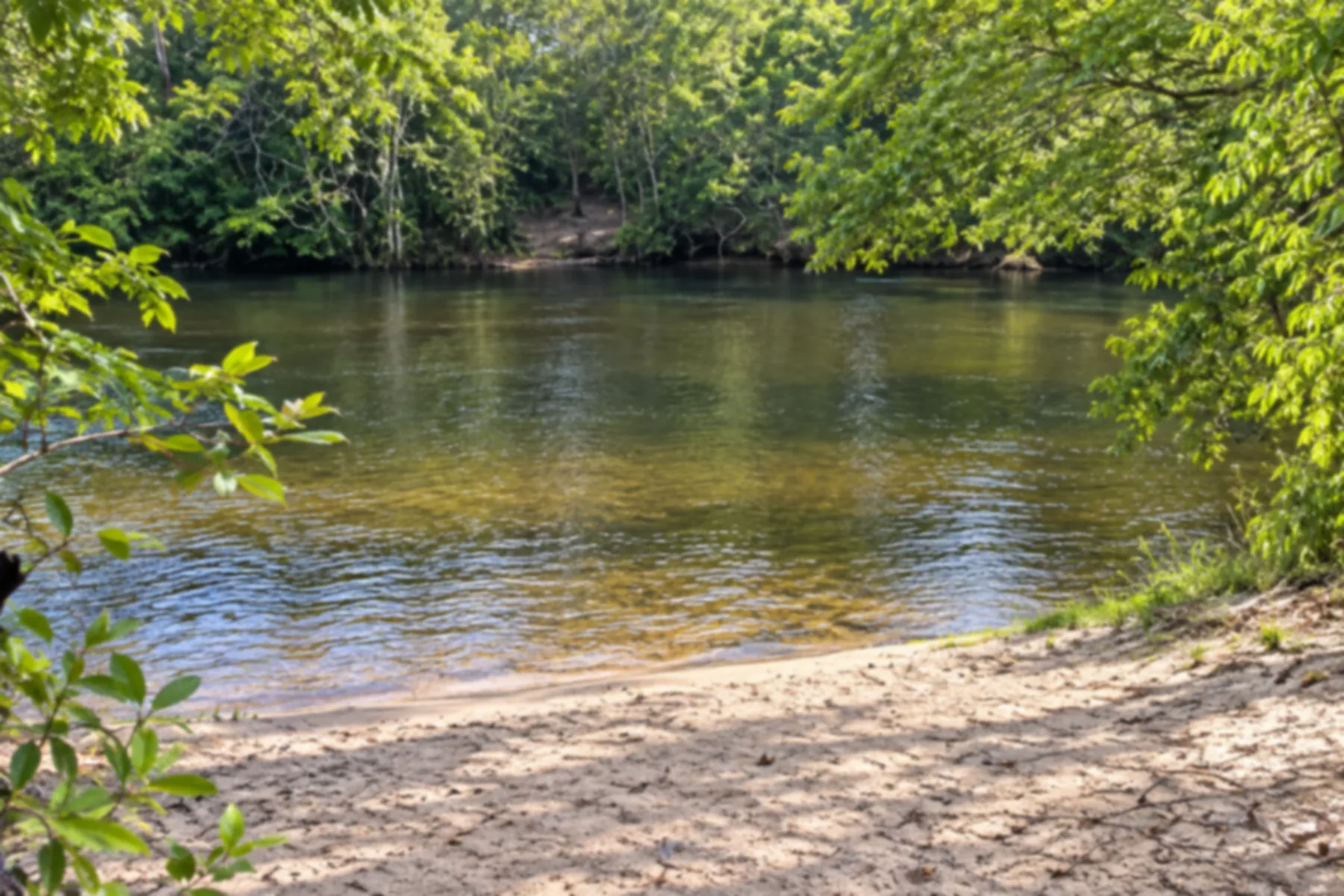
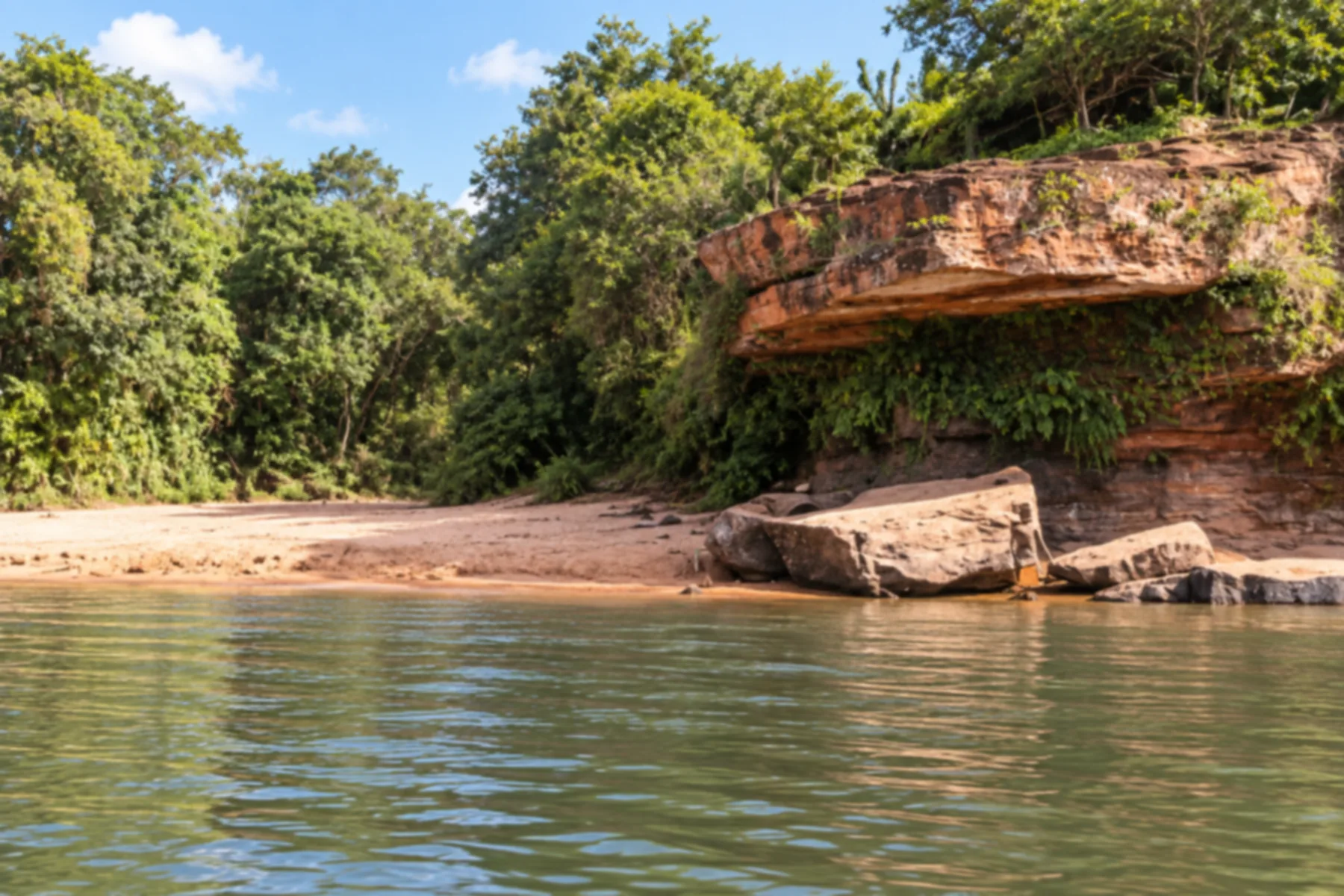
Illustrative images. The pictures in this guide are illustrations based on the real place, not photographs, and may differ from it.
Get to know the place
O Jalapão é o deserto brasileiro que ninguém espera encontrar: dunas alaranjadas no meio do cerrado, rios de água transparente e nascentes onde é impossível afundar. Aqui a viagem é feita em 4x4, com estradas de areia, noites de céu estrelado e banho em cachoeira no fim de cada tarde. É o destino de aventura mais cobiçado do Tocantins, e cada dia rende uma paisagem diferente da anterior.
This destination brings together 4 cities: Mateiros, Ponte Alta do Tocantins, São Félix do Tocantins, Novo Acordo.
A look at the place
These pictures are illustrations based on the real place, not photographs. They may differ from the place.
Click the picture to enlarge it.
Travelers' photos
One destination, many paths
Start with one city or combine several in your itinerary.
Mapa: @svg-maps/brazil, CC BY 4.0
Aeroporto de Palmas (PMW)
Voo até o Aeroporto de Palmas (PMW) e cerca de 6 a 8 horas de veículo 4x4 pela TO-030 e TO-255 até Mateiros.

Mateiros reúne dunas, veredas e nascentes no coração do Jalapão. A Serra do Espírito Santo e o artesanato de capim dourado das comunidades locais revelam a diversidade natural e cultural do município.

Ponte Alta do Tocantins é uma das portas de entrada do Jalapão, entre rios e paisagens de cerrado. A orla do rio que dá nome à cidade e as formações rochosas do entorno fazem parte de sua identidade.

São Félix do Tocantins reúne rios, praias de água doce e fervedouros na região do Jalapão. As margens do Rio Sono e as comunidades locais aproximam o visitante das paisagens e da cultura do cerrado.

Novo Acordo integra os caminhos do Jalapão e tem praias de água doce às margens do Rio Sono. A Praia do Borges e as formações rochosas cercadas pelo cerrado mostram a diversidade das paisagens locais.
The local experience
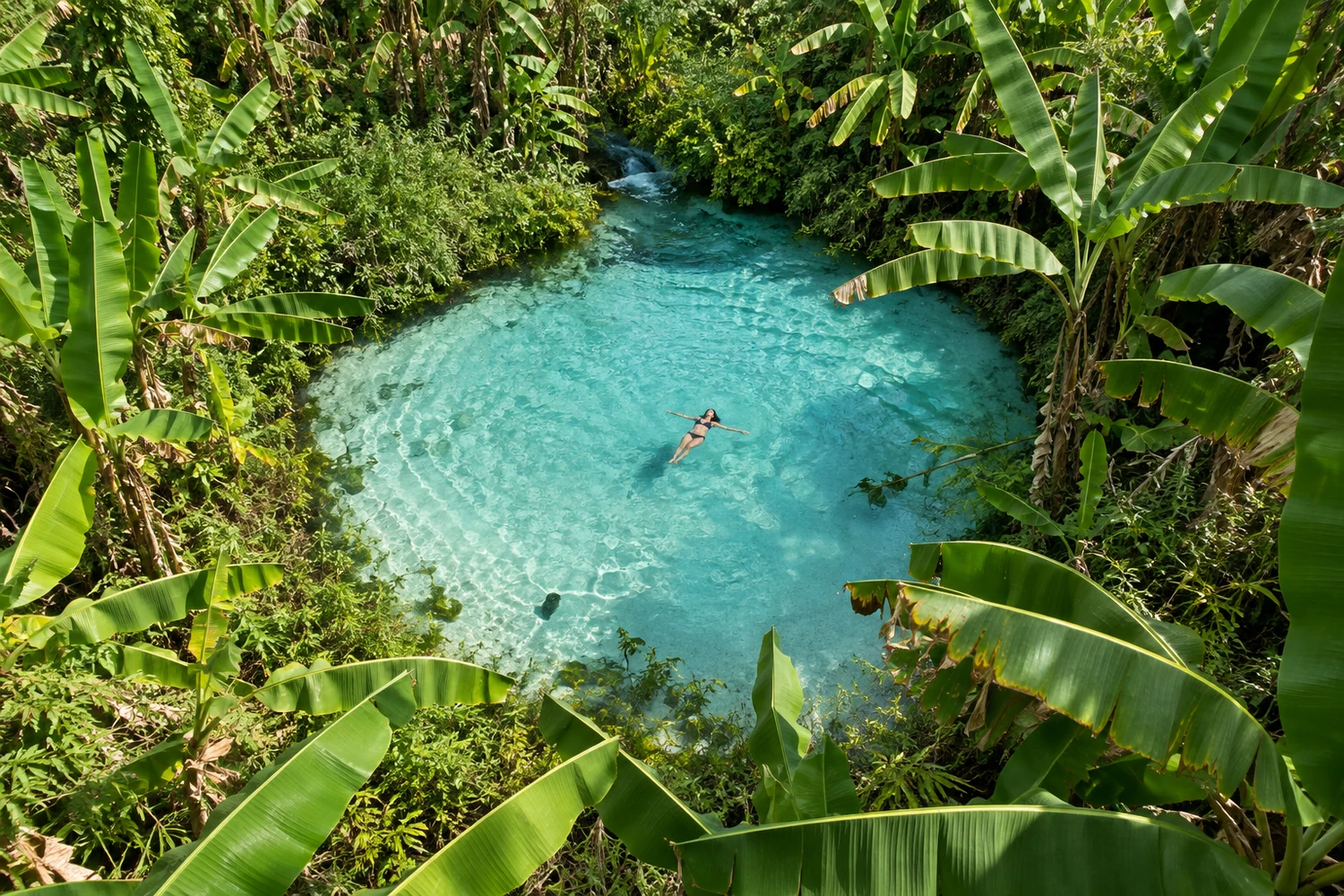
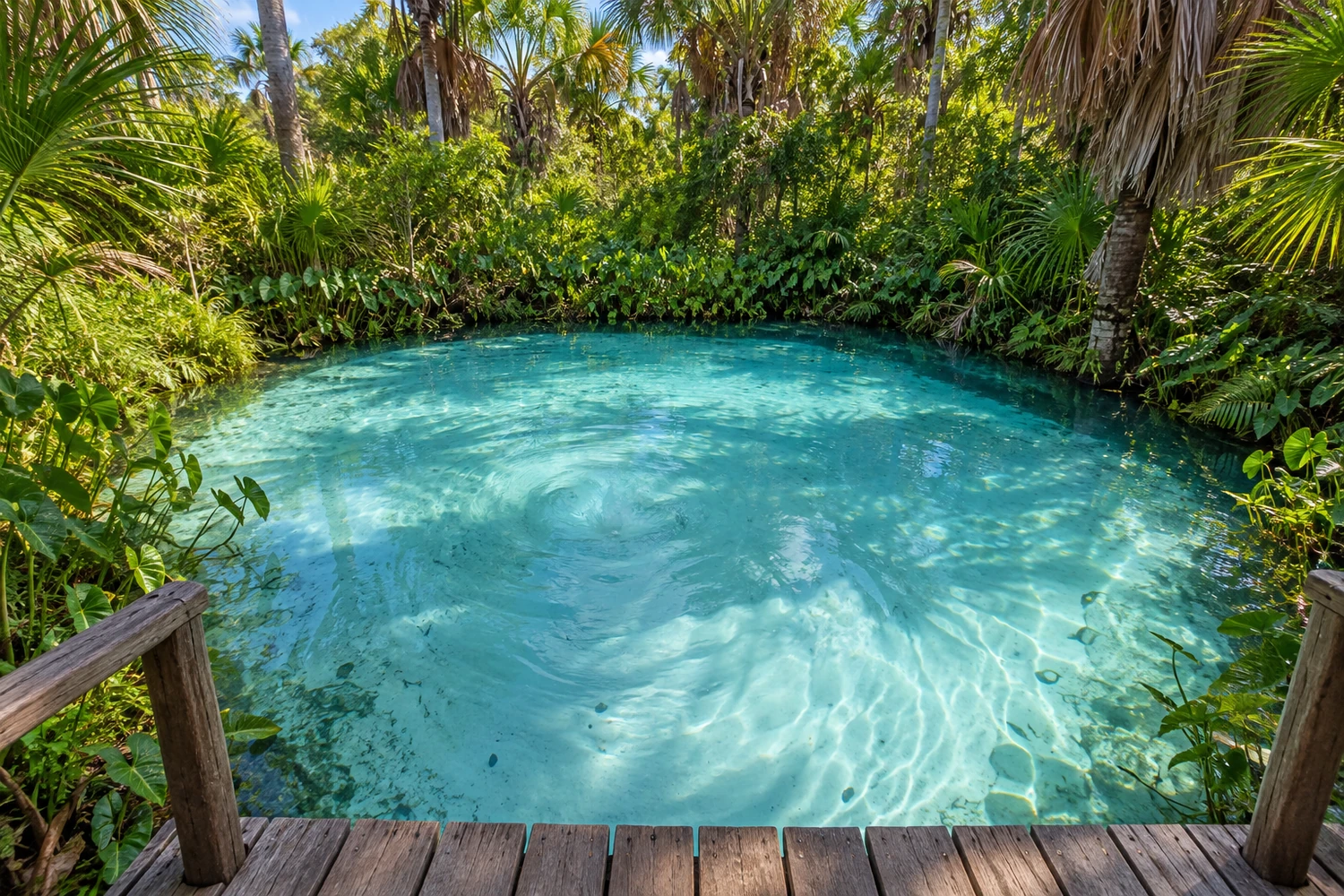
Nascente de águas azuis e transparentes em que a pressão da água que brota do fundo impede o banhista de afundar, a cerca de 2 km da sede. A piscina tem cerca de 15 metros de diâmetro, e um deque de observação oferece vista em 360 graus.
Nascente de areia com jato de água tão forte que empurra o corpo para cima e impede o banhista de afundar. É o cartão-postal mais divertido do Jalapão, cercado por buritis.
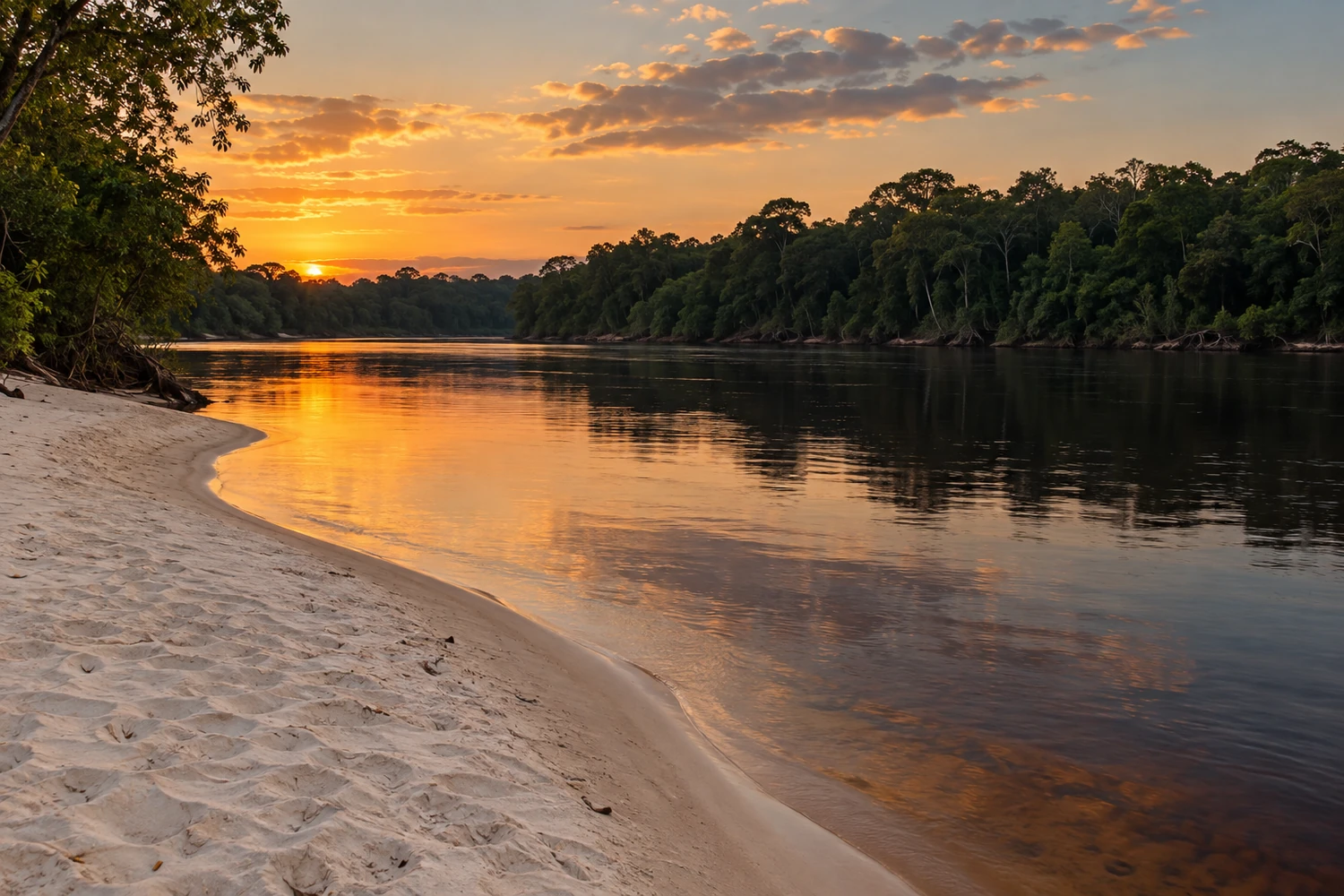
Praia de rio preparada pela prefeitura a cada temporada de verão, no período de seca, com estrutura de apoio, shows e competições esportivas. A abertura da temporada costuma reunir grande público de moradores e visitantes.
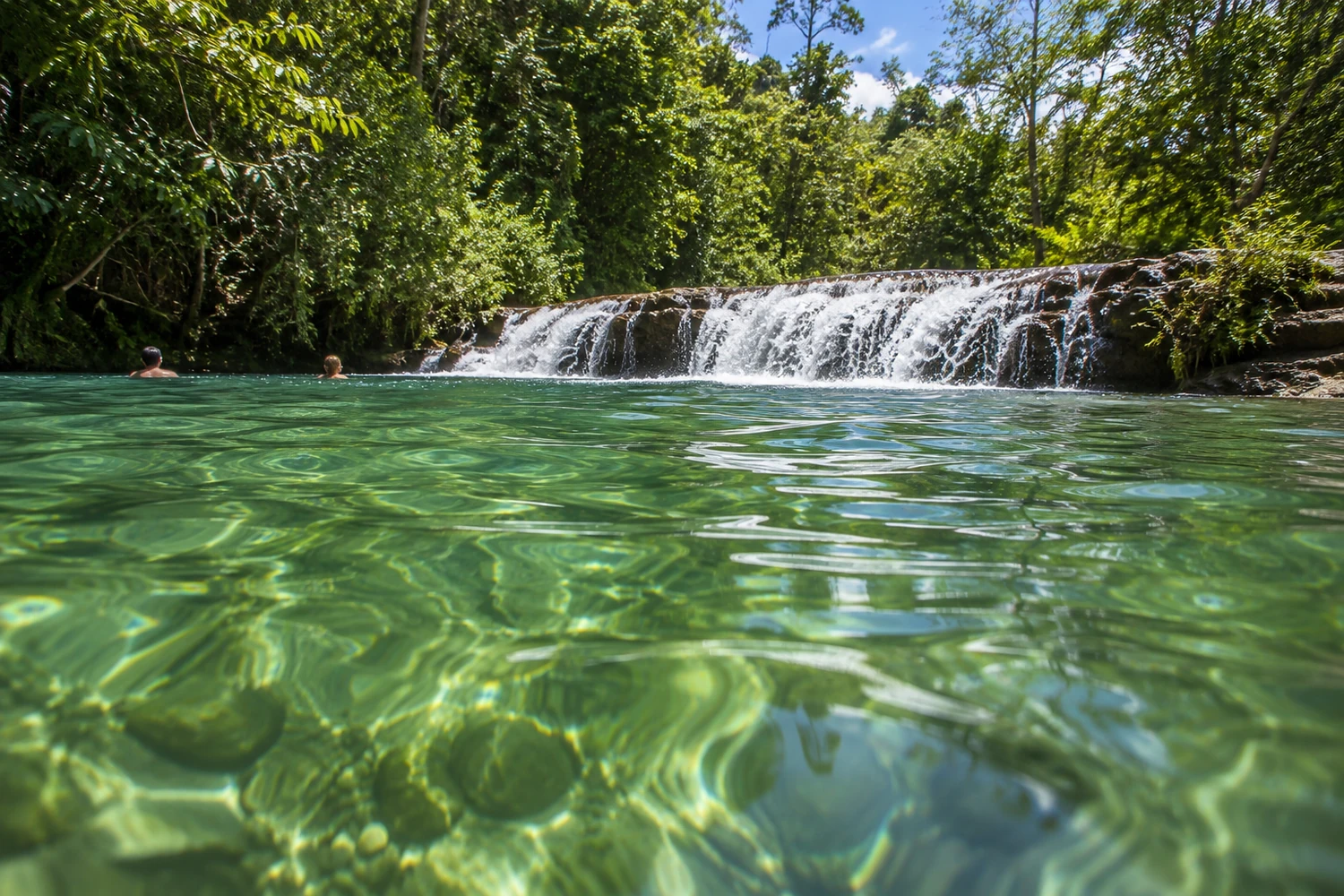
Queda baixa que desemboca em uma piscina natural de tom verde-esmeralda quase irreal. É um dos atrativos mais populares do Jalapão.
To choose before you go
Where each tour starts, how long it takes, how it is done, what is included and the price range.
The tour departs from Mateiros in a 4x4 along the TO-255 to the reception area of the Dunas do Jalapão, inside the Parque Estadual do Jalapão. Entry is done with a certified guide or driver, in small groups. From the reception, a short walk leads to the top of the dunes, with fine orange sand up to 40 meters high. From the top you can see the river that cuts through the area, the surrounding cerrado and the Serra do Espírito Santo, whose erosion produced the sand. Most agencies visit in the late afternoon, when the sand changes color. The visit is also possible in the morning. Time on the dunes is usually one to two hours. Overnight stays at the site are not allowed. Near the reception there is a bar, used for a stop after sunset.
Stops: Dunas do Jalapão, Parque Estadual do Jalapão, Serra do Espírito Santo, Recanto das Dunas.
Includes: In agency packages, 4x4 transport and the guide are usually included. If going on your own, a certified guide or driver is mandatory and paid separately. Check Naturatins for the park's current visitation table. Snacks and drinks at the bar are paid separately.
Tip: The visit has a daily visitor limit and requires booking through a guide or agency, so reserve before arriving. Bring closed shoes or sturdy sandals, sunscreen, water, and clothing for the sand. Check whether the Mateiros municipal tourism fee is being charged.
Best time: From May to September, in the dry season; the sunset is worth it year-round.
Agencies that run it: 100 Limites Expedições.
Fervedouros are springs where water rises from the bottom of the pool with enough pressure to support the body: those who enter float and do not sink. In the Mateiros region, agencies often combine several on the same day, departing the town in 4x4 vehicles. The Fervedouro do Ceiça has access without a trail, a round pool surrounded by banana trees and a capacity of ten people at a time; when there's a line, the allowed stay is about ten minutes. The Fervedouro dos Buritis is at the end of a trail of about 600 meters. The Macaúbas one has bluish-green water. There is also Buritizinho and Encontro das Águas. Almost all are on private properties, and each charges its own entrance fee, with rules on capacity and length of stay.
Stops: Fervedouro do Ceiça, Fervedouro dos Buritis, Fervedouro das Macaúbas, Fervedouro Buritizinho, Fervedouro Encontro das Águas, Povoado Mumbuca.
Includes: On an agency package, transport and the guide are usually included, and often the entrance fees too. Independently, each fervedouro charges an entrance per person, paid on site. Lunch at roadside restaurants is paid separately. Check the current rates for each property.
Tip: Bring cash, because Pix and card signals fail in several spots. Wear swimwear and leave valuables in the vehicle. Those with long hair should tie it back. Ask the guide about the day's capacity.
Best time: From May to September, in the dry season, with firmer roads and clearer water.
Agencies that run it: 100 Limites Expedições.
The two fervedouros are located in the São Félix do Tocantins region, on the route between Mateiros and São Félix, and are included in almost all circuits. Bela Vista has a pool about 15 meters in diameter, fed by several springs, blue water and good infrastructure: restaurant, camping and, for guests staying at the complex, night diving. It can be visited without a guide by paying the entrance at the gate. Alecrim has greenish water and a capacity of six people at a time. There is no restaurant or lodging on site. At both, a wooden boardwalk provides access to the pool. In some itineraries, the visit to Alecrim ends at the small beach of the Rio Soninho, with the option of boia-cross.
Stops: Fervedouro Bela Vista, Fervedouro do Alecrim, Rio Soninho.
Includes: Entry is paid per person at each fervedouro, at the entrance booth; in agency packages it is usually included. Lunch at the Bela Vista restaurant is paid separately. Check the current table.
Tip: Those visiting on their own should bring cash. Since Alecrim accepts few people at a time, go early or wait your turn patiently. Alecrim allows night visits on some itineraries; arrange this with the agency.
Best time: From May to September, in the dry season.
Agencies that run it: 100 Limites Expedições.
Cachoeira do Formiga is located near Mateiros, on private property inside the Parque Estadual do Jalapão. From the parking lot, a trail of less than ten minutes leads to the fall, with emerald-green water. The fall is small; the attraction is the natural pool where people swim. Beside it, the water flows into a second, calmer pool, good for children and for those who are not strong swimmers. At the top of the fall you can sit in the current of the Rio Formiga and use it as a hydromassage. The property has a camping area. The place tends to be crowded on holidays, and the trail has rocks and uneven sections.
Stops: Cachoeira do Formiga, Rio Formiga, Parque Estadual do Jalapão.
Includes: Entrance is paid per person and charged at the attraction; in agency packages it is usually included. Camping is paid separately. Check the current price table.
Tip: Bring cash, water and closed-toe shoes for the trail. Avoid public holidays if possible to find fewer people.
Best time: From May to September; in rain the bathing area can become muddy.
Agencies that run it: 100 Limites Expedições.
R$75 · per person · official priceThe visit requires a detour from the TO-255 and is usually done on the route between Ponte Alta do Tocantins and Mateiros. The car gets close to a wooden platform from which you can see the Cachoeira da Velha on the Rio Novo: about 100 meters wide and a 15-meter drop, in a horseshoe shape. Because of the force of the water, bathing at the base of the fall is not permitted. Nearby is the Prainha do Rio Novo, with white sand, calm water, shade and swimming allowed. Access is via a short trail. Visiting this park attraction is done with a licensed guide or driver and during daylight hours.
Stops: Cachoeira da Velha, Prainha do Rio Novo, Rio Novo.
Includes: On an agency package, transport and guide are usually included. If you go on your own, a certified guide is required and paid separately. Rafting on the Rio Novo is optional and paid separately. Check the current Naturatins table.
Tip: Bring swimwear, a towel and a snack for the small beach. The stretch of sandy road is long, so leave early. Follow the guide's instructions on the river.
Best time: From May to September, in the dry season.
Rafting starts on the bank of the Rio Novo, near the Cachoeira da Velha. Before boarding the raft, participants receive instructions on commands and safety, and are provided with a life jacket and helmet. It is not necessary to be experienced or to know how to swim. The descent goes through the rapids and reaches the base of the waterfall's veil, which cannot be seen from the platform. The trip ends at the Prainha do Rio Novo, where you can bathe in the river and rest. Time on the river varies depending on the section booked. The tour is scheduled directly with the local operator or through the circuit agency.
Stops: Cachoeira da Velha, Rio Novo, Prainha do Rio Novo.
Includes: The raft, paddles, life jacket, helmet and instructor are usually included. The trip is paid separately from the circuit package and requires advance reservation. Photos may be sold separately. Check the operator's current pricing.
Tip: Book in advance through the operator's contact or via the agency. Bring swimwear, sunscreen and footwear that can get wet.
Best time: From May to September, during the dry season.
The group leaves Mateiros still in the pre-dawn hours, by 4x4, to the base of the Serra do Espírito Santo on TO-255. The climb to the first viewpoint is short and steep, among sandstone blocks, with sections of rope, posts and benches for rest. From the viewpoint you can see the sun rise over the veredas of the Jalapão. Those who wish to continue do another 3 km on flat terrain across the top of the plateau to the second viewpoint, from where you can see the Dunas do Jalapão and the erosion process that forms the sand. The total route, round trip, is about 7 km. The descent requires attention to loose rocks. Visits are made with an accredited guide or driver.
Stops: Serra do Espírito Santo, Mirante da Serra do Espírito Santo, Mirante das Dunas, Dunas do Jalapão.
Includes: On an agency package, transport and guide are usually included, sometimes as a paid optional extra. If going independently, an accredited guide is required and paid separately. Check the current Naturatins table.
Tip: Bring a headlamp, a hiking pole, water and a jacket for the wind at the top. Wear closed footwear with good grip. People with knee or heart problems should assess the effort beforehand.
Best time: From May to September, with clearer skies for sunrise.
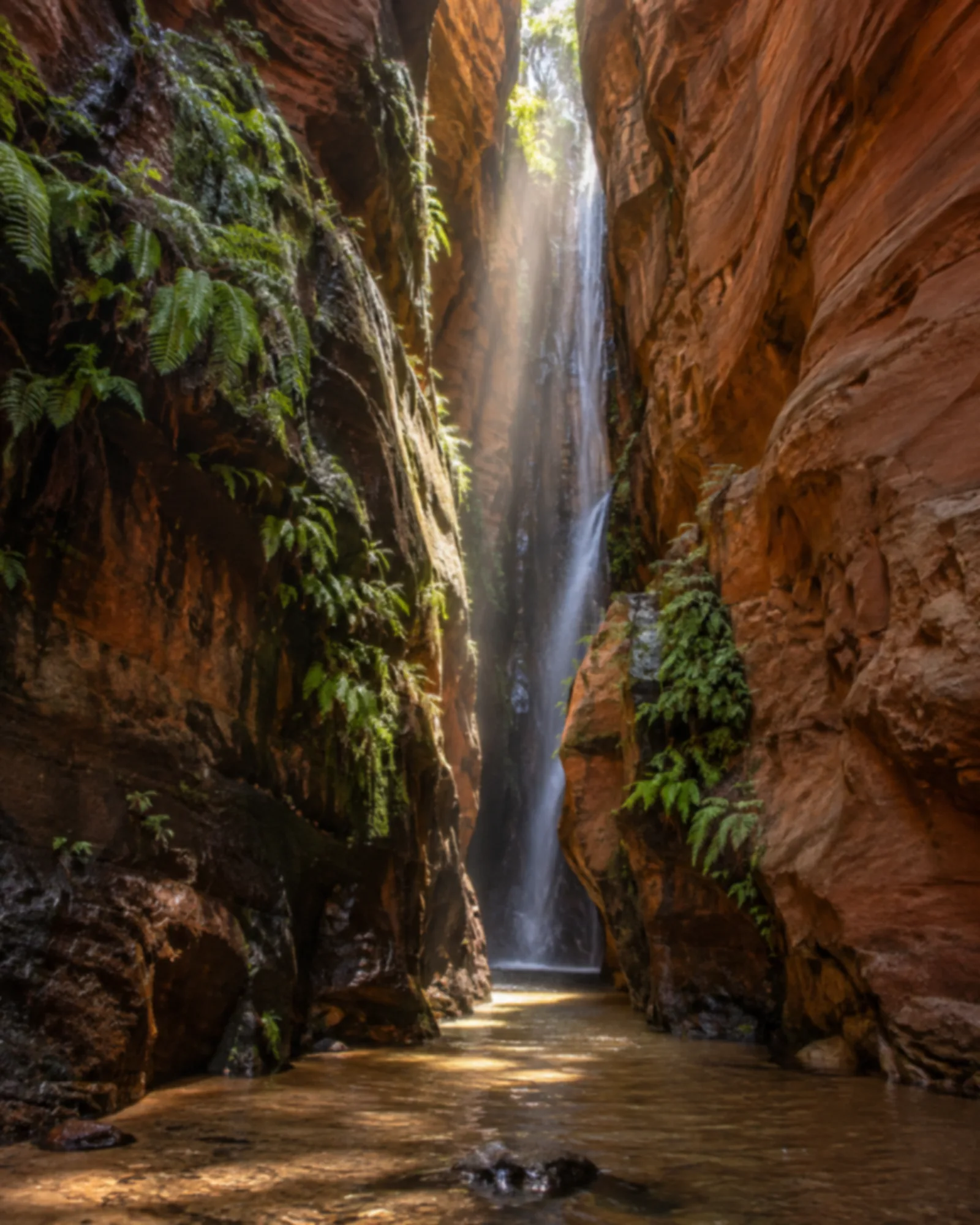
Cânion Sussuapara is about 15 km from Ponte Alta do Tocantins, on the TO-255 toward Mateiros. The route is on an unpaved dirt road. From the parking area, a flat trail of a few hundred meters leads to a checkpoint and to a wooden staircase that descends into the canyon. Inside, water flows through a narrow fissure between damp cliffs about 12 meters high, covered in ferns and mosses. The visit is controlled, with a limit of 30 people at a time and a stay of about 30 minutes. It is the first stop on many circuits that depart from Palmas.
Stops: Cânion Sussuapara, Fazenda Sussuapara.
Includes: Entrance paid per person at the control point; in agency packages it is usually included. Parking on site. Check the attraction's current price table.
Tip: Wet leaves on the descent are slippery, so wear footwear with good grip. Bring cash. In high season there may be a wait at the support area.
Best time: From May to September, when access roads are firm.
Pedra Furada is about 35 km from Ponte Alta do Tocantins, on private property, with access via TO-130 and a final dirt section. It is a sandstone formation sculpted by wind and water, with openings in the rock. The stone can be seen from the parking area, and the walk to its base takes only a few minutes over sandy, uneven ground. At the entrance each visitor is given a helmet, which is mandatory throughout the visit because of falling rock fragments. Many groups include Pedra Furada on the first day of the circuit, together with Lagoa do Japonês, and stay to watch the sunset.
Stops: Pedra Furada, TO-130.
Includes: Helmet loaned at the entrance. The visit is on private property and the entrance fee is paid separately; in agency packages it is usually included. Check the current rates.
Tip: Wear closed-toe shoes and follow the property's staff instructions about where to climb. Combine with Lagoa do Japonês on the same day, leaving early from Ponte Alta.
Best time: From May to September; the sunset is good year‑round.
Lagoa do Japonês is located in the rural area of Pindorama do Tocantins, on Fazenda Sucuriú, and is not part of the traditional Jalapão circuit. The visit is a day trip that departs from Ponte Alta in the morning and returns late in the afternoon. The TO-130 is paved up to Pindorama; after that there are about 35 km of dirt roads, with 21 km on TO-130 itself and 14 km on the road to the lagoon. The water is greenish and shifts to blue tones near the flooded cave, which is reached by swimming. The fazenda offers accompaniment for exploring the cave and life jackets for those who need them. Lunch is served on site.
Stops: Lagoa do Japonês, Fazenda Sucuriú, Pindorama do Tocantins, Gruta da Lagoa do Japonês.
Includes: Entrance is paid per person and lunch is served on site, both paid separately from transport. Agencies usually include water, non-alcoholic drinks and a snack. Life jackets can be rented. Check the current rates.
Tip: Leave early from Ponte Alta and combine it with Pedra Furada, which is on the way. Bring swimwear and a towel. Those who are not strong swimmers should use a life jacket in the cave.
Best time: From May to September, in the dry season.
The Serra da Catedral is on TO-030, between São Félix do Tocantins and Novo Acordo, inside a RPPN. It is a sandstone formation more than 180 meters at its highest point, and one of its sides resembles the façade of a church. Access is by 4x4 to the base of the hill. The trail is about 2.8 km round trip, with loose rocks and a staircase of tires set in cement; at the end there is a section of stairs to reach the top. From the top, the view covers the cerrado of the Jalapão. Visits are made at sunrise or sunset. Those who only want to see the Serra da Catedral can do so from the road.
Stops: Serra da Catedral, Morro da Catedral, Jalapão Ecolodge (RPPN).
Includes: In agency packages, transport and guide are usually included. The trail is on RPPN property and may require its own transport/service and fee, paid separately. Check the current table.
Tip: Confirm the visit in advance. Bring a flashlight if you’ll go up at sunrise or descend after sunset, closed-toe shoes and water.
Best time: From May to September, in the dry season.
Rafting on the Rio Soninho covers about 10 km on rapids of classes II and III, and ends at the Cachoeira das Araras in the rural area of São Félix do Tocantins. The waterfall is about 22 km from the town center, toward Palmas along the TO-030: 18 km paved and 4 km unpaved. The property has a trail with stairs down to the fall, a natural pool, a restaurant and restrooms. Local operators from São Félix run the descent; the tour is paid separately and rafting is usually booked the day before. Those who don't do rafting can visit the waterfall and have lunch on site.
Stops: Rio Soninho, Cachoeira das Araras.
Includes: Raft, life jacket, helmet and guide are usually included. Rafting is optional in agency packages and paid separately. Entrance to the waterfall and lunch are also paid separately. Check the current table.
Tip: Reserve rafting one day in advance, through the agency or directly with the operator. Bring swimwear, sunscreen and footwear that can get wet.
Best time: From May to September, in the dry season.
Boia-cross is a descent of Rio Soninho while sitting on an inner tube, accompanied by a guide, in a stretch of calm current. In one section, on the grounds of an ecolodge, the route is about 3 km long, in reddish water surrounded by forest. In some itineraries the activity ends at Praia do Alecrim after visiting the fervedouros. There are no drops on the route, and the trip is calmer than rafting. It is sold as an optional activity within packages and also by operators in São Félix.
Stops: Rio Soninho, Praia do Alecrim.
Includes: Tube, life jacket and guide are usually included. The activity is paid separately from the package. Check the current rate table with the agency or operator.
Tip: Confirm availability with the agency before the trip, as the activity depends on the itinerary. Bring swimwear and shoes that can get wet.
Best time: From May to September, in the dry season.
Povoado Mumbuca is a quilombola community in the rural area of Mateiros, about 35 km from the town center, where the capim dourado craft began. The route is done in a 4x4. In the community, the visit includes the community shop, which sells necklaces, bracelets, bags and decorative pieces made with capim dourado and buriti straw. The community works with community-based tourism, and there are experiences such as craft workshops, trails and viola de vereda performances, which should be arranged in advance. Many circuits include a stop near the region's fervedouros.
Stops: Povoado Mumbuca, Casa da Cultura, Capim dourado handicraft shop.
Includes: The visit to the shop is free; items, meals and workshops are paid separately. On an agency package, transport and the guide are usually included. Check current prices with the community or the agency.
Tip: Notify in advance if you want a workshop or a meal. Bring cash for purchases. The Festa da Colheita do Capim Dourado usually takes place in September.
Best time: From May to September; the harvest festival usually takes place in September.
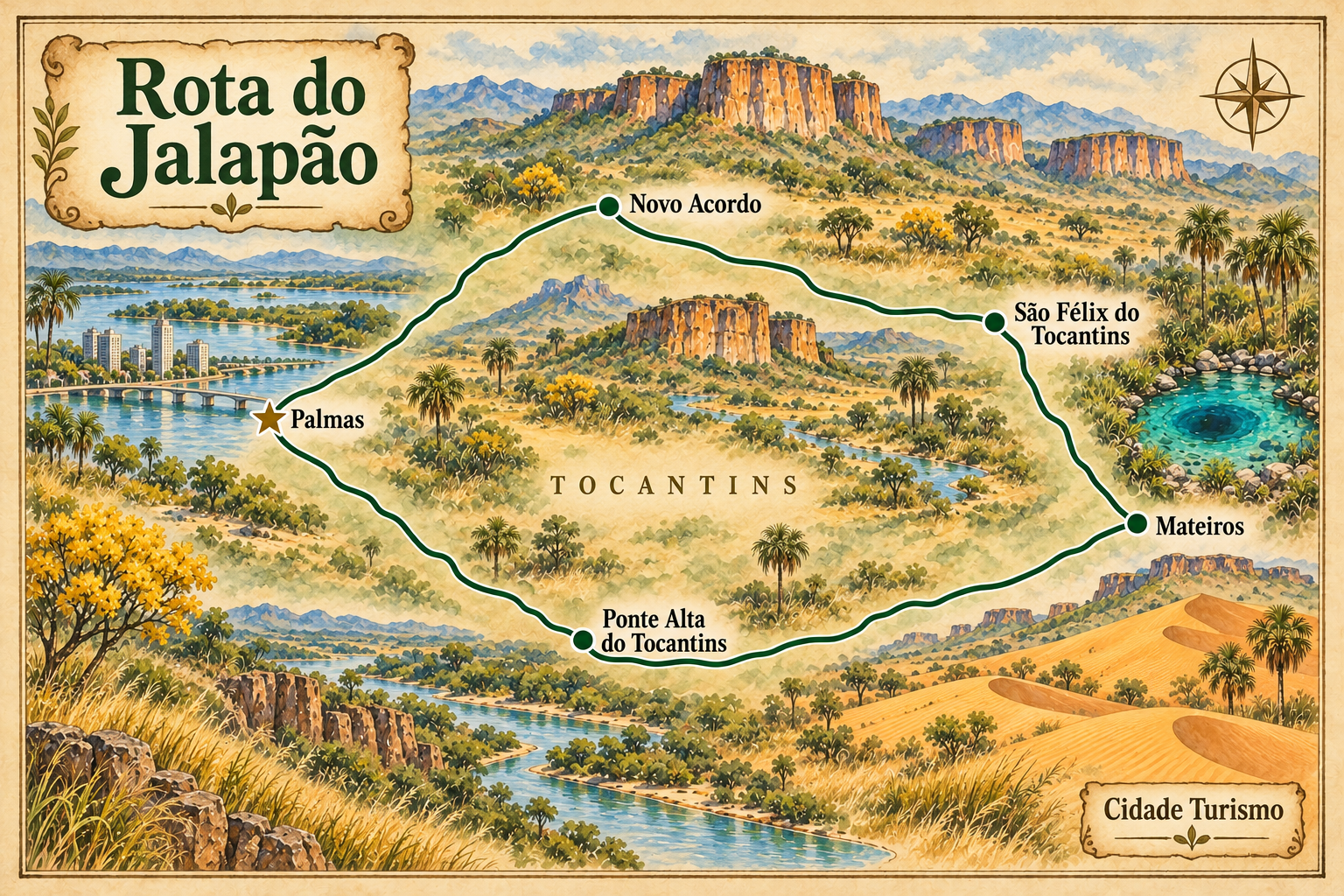
The most common way to experience Jalapão is on an agency circuit that departs from Palmas in a 4x4 with a guide. The route is circular, with overnight stays in Ponte Alta do Tocantins, Mateiros and São Félix do Tocantins, and lasts three to seven days. Generally, the first day includes Cânion Sussuapara or Pedra Furada; the second, Cachoeira da Velha, Prainha do Rio Novo and the dunes; the following days, Cachoeira do Formiga, fervedouros and Mumbuca; and the last, Cachoeira das Araras or Serra da Catedral. Attractions vary according to the agency and road conditions. Rafting, boia-cross and sunrise hikes are optional.
Stops: Ponte Alta do Tocantins, Mateiros, São Félix do Tocantins, Novo Acordo, Cânion Sussuapara, Dunas do Jalapão, Fervedouros, Cachoeira do Formiga.
Includes: 4x4 transport, guide, meals and entrance fees to attractions are usually included. Optional activities, such as rafting, and the Mateiros municipal tourism fee, if charged, may be excluded. Check what each package includes.
Tip: Hire a registered agency and book in advance, especially for the dry season. The rule is usually a backpack of up to 20 kg, without a hard-shell wheeled suitcase. Confirm whether the Mateiros municipal tourism fee is included.
Best time: From May to September, in the dry season.
Agencies that run it: 100 Limites Expedições, Jalapão Oficial, Deserto do Jalapão, Diego Tour, Tour Jalapão Expedição.

Day by day
Suggestions to plan the trip. Change the order of the days according to the weather and tour availability.
Leave Palmas early. The stretch to Ponte Alta do Tocantins is paved, about 2 hours. After lunch, continue by 4x4 to Lagoa do Japonês and Pedra Furada, about 35 km from Ponte Alta. Pedra Furada is on private property and entrance is paid separately. Stay for sunset and return to Ponte Alta for the night. Book transfers from Palmas before traveling.
A day on sandy roads, from Ponte Alta to Mateiros. Start at Cânion Sussuapara, about 13 km from Ponte Alta. Continue to Cachoeira da Velha and Prainha do Rio Novo, which offer river bathing and a stop for lunch. Finish at the Dunas do Jalapão late in the afternoon. The visit to the dunes and Cachoeira da Velha is done with a guide. Stay overnight in Mateiros.
In the morning, visit the fervedouros in the Mateiros region (Ceiça, Buritis and Macaúbas) with a certified guide. Next, swim at Cachoeira do Formiga, about 33 km from Mateiros. In the afternoon, begin the return trip: from Mateiros to Palmas it takes 7 to 8 hours by 4x4, part on dirt road and part on paved road. Arrange the departure time with the agency to arrive in Palmas before your flight, or leave the flight for the next day.
From Palmas to Ponte Alta do Tocantins it's about 150 km of paved road, nearly 2 hours. After lunch, go to Lagoa do Japonês and Pedra Furada, about 35 km from the town on a dirt road. Pedra Furada is private property and entrance is paid separately. Watch the sunset and return to Ponte Alta for the night. Book transfers from Palmas before traveling.
Leave early from Ponte Alta for Cânion Sussuapara. Then head to Cachoeira da Velha, where the Rio Novo forms a wide drop, and to Prainha do Rio Novo, good for swimming and lunch. In the afternoon continue to the Dunas do Jalapão for sunset. The visit to the dunes and Cachoeira da Velha requires a guide. Stay overnight in Mateiros.
At dawn, hike the Serra do Espírito Santo trail to watch the sunrise. Return for breakfast and head to Cachoeira do Formiga, about 33 km from Mateiros. In the afternoon, visit the fervedouros Ceiça, Buritis and Macaúbas in the Mateiros region with a certified guide. Then take the TO-110, which links Mateiros to São Félix do Tocantins, and sleep in São Félix.
A water day in the São Félix do Tocantins region. Visit the fervedouros Bela Vista and Alecrim in the morning and early afternoon, when lines are usually shorter. Each fervedouro admits few people at a time, so bring patience and a dry swimsuit to change into. Alecrim is close to the Rio Soninho, with a small beach for bathing. Stay overnight in São Félix do Tocantins.
In the morning, visit Serra da Catedral, a rock formation that resembles a cathedral, and hike to the top if the group wishes. Then begin the return to Palmas via Novo Acordo, one of the region's access points. Ask the agency for the departure time to arrive in Palmas before your flight, or schedule the flight for the next day.
From Palmas to Ponte Alta it's about 150 km of paved road. After lunch, visit Lagoa do Japonês and head to Pedra Furada, about 35 km from Ponte Alta, on private property. The entrance fee is paid separately. Stay for sunset and return to sleep in Ponte Alta. Book the transfer from Palmas before traveling.
Leave early for Cânion Sussuapara and head to Cachoeira da Velha in the Parque Estadual do Jalapão. Bathing in the fall is not possible due to the force of the water, but Prainha do Rio Novo is suitable for swimming and lunch. Those who want to raft on the Rio Novo at Cachoeira da Velha should arrange it in advance with the operator. In the afternoon go to Mateiros and sleep there.
At dawn, climb the Serra do Espírito Santo trail for the sunrise. After breakfast, visit the Comunidade Quilombola Mumbuca, where you can see work with capim dourado. Reserve the afternoon to rest. At the end of the day, go to the Dunas do Jalapão, about 35 km from Mateiros, with a guide, to see the sunset. Stay the second night in Mateiros.
Start with Cachoeira do Formiga, about 33 km from Mateiros, which has a clear water pool. Then visit the fervedouros Ceiça, Buritis and Macaúbas in the Mateiros region. All are visited with a certified guide and have separate entrance fees. In the afternoon, follow the TO-110 to São Félix do Tocantins and sleep there.
Day of fervedouros in the São Félix do Tocantins region. Visit Bela Vista and Alecrim, each with a limited number of people in the water at a time. Arrive early to face shorter lines. Between visits, enjoy the small beach of Rio Soninho. Return to sleep in São Félix do Tocantins.
In the morning, choose between rafting on Rio Soninho to Cachoeira das Araras and boia-cross on the same river. Ask the operator about the duration and what is included. In the afternoon, visit Serra da Catedral and hike to the top if the group wants. Return for the final night in São Félix do Tocantins.
Return day. Leave São Félix do Tocantins in the morning, passing through Novo Acordo, one of the region's entrances, to Palmas. The stretch includes dirt road and then paved road. Arrange with the agency the arrival time in Palmas and schedule your flight for late afternoon or evening, allowing extra time for possible road delays.
Best time to go
From May to September, in the dry season, when the sand roads are passable and the river water is at its clearest.
The seasons shown are the most usual ones; nature doesn't always follow the calendar.
Peak rainy season · Waterfalls full
January is the rainiest month: in Mateiros it reaches about 225 mm. The downpours are quick, usually at the end of the day. The cerrado turns green and the waterfalls gain volume, but the water becomes more turbid. Sand and dirt stretches require more travel time, and Cânion Sussuapara may become inaccessible. Visitor flow is usually lower than in the dry season, except during holidays and year-end.
Strong rains · Green cerrado
February is still in the peak rainy period, which runs from December to March. Showers tend to be short and the heat continues. Waterfalls and rivers are full and muddier, and fervedouros may have less clear water. Expect slower travel on sand and dirt roads. It's a low-tourist period, except during holidays like Carnival.
Rain still frequent · Wet trails
March remains rainy, with temperatures around 21 to 29°C. The cerrado stays vividly green and water outings, like fervedouros and waterfalls, continue to operate. Bring footwear that can handle wet trails and plan to start the day early, when rain is less likely. Visitor traffic is low, and the water may still be turbid after showers.
End of the rains · Waters clearing
April marks the end of the rainy season. Showers become more spaced out and the vegetation is still green. Waterfalls maintain good volume and the water begins to clear. Sand roads dry out gradually. It's a month of moderate activity, with tour and package prices generally below high season rates.
Start of the dry season · Cool nights
May begins the dry season, with little or no rain. The air still has some humidity and the vegetation retains part of its green. Days are hot and nights become cooler, with lows around 13 to 20 degrees from May to August. Fervedouros and rivers become clear. Visitor levels are moderate, before the July peak, which helps avoid queues.
Clear skies · Remaining green
June is in the middle of the dry season, with clear skies and practically no rain. The vegetation still has some residual green, the air is not as dry and nights are cool. Rivers, waterfalls and fervedouros are crystal clear. The sandy tracks are in good condition. Tourist flow is higher than at the start of the year, but still lower than in July.
High season · Ipês in bloom
July is the driest month: in Mateiros rainfall is nearly zero. In Palmas, the average high is around 34 degrees and the low about 18. It is ipê flowering season and school holidays, with the highest demand of the year. The best-known fervedouros may have waiting lines. Book agency, transfers and tours well in advance.
Very dry air · Golden dunes
August continues without rain, with blue skies and increasingly dry air. Days are warm and nights cool. Rivers and fervedouros remain clear, and the sunset at the Dunas do Jalapão and Pedra Furada has good visibility. Visitor levels are still high at the beginning of the month and decrease after the holidays. Drink plenty of water and use sunscreen.
High heat · Harvest of capim dourado
September marks the transition from the dry season to the rains. It is the driest month in terms of air humidity and brings strong daytime heat. There may be a brief week of rain, known as the "chuva do caju". This is when the harvest of capim dourado begins, a theme of visits to the Comunidade Quilombola Mumbuca. The waterfalls' flow is low, but the water remains clear. In mid-month fires may start in the cerrado.
First showers · Fewer people
October is a transitional month: the heat remains strong and the first showers begin, usually in the afternoon or evening. Often the fervedouros and rivers are still clear, and crowds are smaller than in July. Some trails can become slippery after rain. Check the forecast and allow buffer time in your itinerary, because wet sand can delay travel.
Rains return · Waterfalls filling
November marks the steady return of the rains, with about 180 mm in the month and temperatures between 22 and 31°C. The air becomes more humid and muggy. Waterfalls regain volume and the cerrado turns green again. Showers are more frequent than in October. There are few tourists, and tours continue to operate with schedules that depend on the weather. Leave early and avoid driving in the rain.
Heavy rains · Year-end
December is in the rainiest period, which runs through February. Days are hot and humid with short showers, and the water in rivers and fervedouros can become murky. Waterfalls are full. Sand and dirt stretches take more time, and tours may change schedule on rainy days. Year-end attracts many travelers, so book your agency and transfers in advance.
Plan the journey
There is no airport in the Jalapão region. The closest is Palmas (PMW), in Tocantins. GOL, Azul and LATAM operate from Palmas, with direct flights to São Paulo (Guarulhos), Brasília, Belo Horizonte (Confins), Campinas (Viracopos), Goiânia and Araguaína. From other cities you need at least one connection to reach Palmas. The flight network changes with the season, so check flights with the airline before booking your trip.
After landing, the stretch to Jalapão is by road. From Palmas, Novo Acordo is about 112 km away and Ponte Alta do Tocantins about 187 km. Mateiros, the main gateway town, is about 300 km from the capital. Ponte Alta do Tocantins, São Félix do Tocantins and Mateiros lie further on unpaved roads. Book transfers or a 4x4 before arriving in Palmas so you can leave the airport with transportation already arranged. If your flight arrives in the afternoon or evening, consider staying overnight in Palmas and continuing the next day.
Those who travel by bus usually take a line to a gateway town and, from there, hire private transport or an agency. Buses to Ponte Alta do Tocantins leave from Palmas bus station and take about 3 to 4 hours.
For the stretch to Mateiros and São Félix do Tocantins, Transmateiros operates buses, minibuses and vans departing from Palmas bus terminal on fixed days of the week, via Ponte Alta do Tocantins or via São Félix do Tocantins. There are departures in the opposite direction from Mateiros. Days and departures change, so confirm with the company before buying a ticket and check current fares.
Another option is private or shared transfer hired through agencies in Palmas. After arrival, movements between attractions are not served by a regular public transport network. Therefore, even those who go by bus need a guide or vehicle to visit the attractions.
From Palmas, the main access route is the TO-030 to Santa Tereza do Tocantins and then the TO-130 to Ponte Alta. That stretch is paved. Another route leaves Palmas on the TO-050 to Porto Nacional and continues on the TO-255 to Ponte Alta do Tocantins. For Novo Acordo, leave via the TO-020 heading north.
After Ponte Alta, the road becomes dirt and sand. Those going to Mateiros continue on the TO-255. From Ponte Alta to Mateiros is about 160 km of dirt road, roughly 4 hours. From Palmas to Mateiros the time is about 5h30, but duration varies with road conditions and stops.
By road, Brasília to Palmas is about 818 km. There is also a reported direct route from Brasília to Mateiros, about 870 km without passing through Palmas, which requires more preparation and planning. For most travelers, the most practical option is to arrive in Palmas and rent a vehicle there.
Prepare for the trip: fuel stations are in Ponte Alta, Mateiros and São Félix do Tocantins, and stretches between them are long. Cell signal is scarce, so download offline maps. Carry a good spare tire and extra fuel.
There is no regular public transport network that follows the tourist circuit. In practice, there are three ways to get around: with an agency, with a rented car, or with your own car.
Travel is done in four-wheel-drive vehicles because the roads are unpaved, with dirt and sandy stretches. Rental companies such as Localiza, Unidas and Alamo offer 4x4s, with greater availability in Palmas. Rental is charged per day, plus fuel, and rates change with the season. Check the current price with the rental company and book in advance for high season.
If you drive on your own, bring a shovel, tow rope, a properly inflated spare tire, jack, extra fuel canister and offline maps. Roads have little signage and low traffic, and cellphone signal disappears in several stretches. Those without experience driving on soft sand may prefer hiring a guide with a vehicle. It is recommended to hire a guide with transportation from Palmas. A group of 4 or 5 people usually shares the cost of a rented car better.
Most tourists travel to Jalapão with an agency rather than on their own.
Package with transfer: operators depart from Palmas and run the circuit through Ponte Alta, Mateiros and São Félix do Tocantins. Packages usually include lodging, transport in a 4x4 with air conditioning, entrance fees to attractions and a guide. Meals vary: some packages offer full board and others only breakfast and lunch. There are itineraries from 3 to 6 days. For at least one of them, the regular departure is only confirmed with a minimum of 3 travelers. Some operators sell packages with flights departing São Paulo and transfers between Palmas, tours and hotels. Optional excursions are usually paid separately, directly to the local guide. Ask whether Mateiros municipal fee is included.
On your own: you buy the flight to Palmas and arrange a rented 4x4, or bus and van to the gateway towns, with guides hired locally. This offers more freedom of itinerary but requires more route planning, fuel and reservations. In any case, finalize transport and bookings before arriving, and check current prices with each operator.
Mateiros has instituted the Sustainable Tourism Fee, charged to visitors to the municipality and the attractions of the Jalapão State Park. Decree No. 043/2026 sets a single amount per visitor, which covers a stay of up to eight consecutive days. Those who stay longer renew the fee at the same amount and for an equal period.
Who pays: tourists who visit Mateiros. Exemptions apply to residents of the municipality, children up to 10 years old, seniors over 65, people with disabilities and public servants on duty, upon proof.
How to pay: by Pix or at physical points authorized by the city hall. After payment, the visitor receives a receipt with a QR Code, which may be requested at attractions. The receipt must be presented to enforcement together with an official photo ID.
Attention: the charge was challenged in court, and a preliminary injunction suspended the fee. The city hall stated it continued charging until notified. We could not find the rate on the city’s website. Therefore, confirm whether the fee is in force and the current amount with Mateiros City Hall or with your agency before traveling.
Who takes you
Only agencies with an active registration in Cadastur, the official registry of Brazil's Ministry of Tourism, are listed. The order is not a ranking: compare the tours and book directly with the agency.
Cidade Turismo reviews its information regularly, but something may have changed. Check with the place before planning your trip.
Travel agency based in Palmas. Sells Jalapão itineraries in 4x4 vehicles, with visits to fervedouros, Cachoeira do Formiga and Dunas do Jalapão. Also offers itineraries to Chapada dos Veadeiros.
Tours: Dunas do Jalapão at sunset, Fervedouros in the Mateiros region: Ceiça, Buritis and Macaúbas, Fervedouros Bela Vista e Alecrim, Cachoeira do Formiga, Jalapão circuit by 4x4 with an agency (3 to 7 days).
Cadastur checked in October 2026
Travel agency based in the district of Taquaruçu, in Palmas. Offers 3- to 6-day itineraries through the Jalapão, with rappelling and zip-lining as optional activities on the 5- and 6-day tours. The website states registration with Cadastur.
Tours: Jalapão circuit by 4x4 with an agency (3 to 7 days).
Cadastur checked in October 2026
Agency that sells expeditions through the Jalapão, the Serras Gerais and the Chapada das Mesas, including the Jalapão Premium package of 7 days and 6 nights. The website reports registration with Cadastur and the Ministério do Turismo.
Tours: Jalapão circuit by 4x4 with an agency (3 to 7 days).
Cadastur checked in October 2026
Agency based in Ponte Alta do Tocantins. Sells travel packages through the Jalapão including transport, guide and accommodation. The website provides a guide to the region's main attractions and they offer service via WhatsApp.
Tours: Jalapão circuit by 4x4 with an agency (3 to 7 days).
Cadastur checked in October 2026
Inbound tourism agency from Ponte Alta do Tocantins, opened in 2010 by locals from the region. Sells 3-, 4- and 5-day Jalapão itineraries with lodging, transport and a guide, and also serves groups and tour operators.
Tours: Jalapão circuit by 4x4 with an agency (3 to 7 days).
Cadastur checked in October 2026
Your base to explore
Before you go
A little planning leaves more time to enjoy the journey.
From May to September, in the dry season, when the sand roads are passable and the river water is at its clearest.
The seasons shown are the most usual ones; nature doesn't always follow the calendar.
Take your trash with you, follow the signs and support local businesses. In natural areas, follow the visiting guidelines.
Beyond the guide
Your questions
Sim. A entrada nas Dunas e na Serra do Espírito Santo só é permitida com guia de turismo ou condutor ambiental local credenciado. O acesso exige agendamento prévio e a apresentação do voucher. Quem viaja por conta própria deve contratar um condutor local. A lista de condutores credenciados fica no Centro de Atendimento ao Turista do Parque Estadual do Jalapão, em Mateiros. Quem contrata agência de turismo costuma ter o agendamento resolvido pela própria operadora. Há limite diário de visitantes nos dois atrativos e janelas de entrada separadas para manhã e tarde. Nas épocas de maior movimento, reserve com antecedência.
Dá, mas exige preparo. A maior parte das estradas é de terra e areia fofa, e a recomendação é usar veículo 4x4. Na época das chuvas, alguns trechos podem ficar intransitáveis. Nos atrativos do parque estadual, como as Dunas e a Serra do Espírito Santo, o condutor local é obrigatório mesmo para quem vai de carro próprio. Há muitas bifurcações e pouco sinal de celular, então baixe mapas offline antes de sair, de preferência em mais de um aplicativo, e considere um GPS próprio. Quem prefere não dirigir na areia pode contratar um circuito com agência, com veículo e motorista.
Postos de combustível são poucos, e as distâncias entre as cidades são longas. As cidades com abastecimento citadas pelos viajantes são Ponte Alta do Tocantins, Mateiros e São Félix do Tocantins. Abasteça sempre que passar por uma delas. Em areia, o consumo de um 4x4 é maior que em estrada comum, e muitos viajantes levam galão extra. O sinal de celular é quase inexistente fora das sedes urbanas. Muitos passeios e comunidades podem não aceitar cartão, e não dá para contar com saque no caminho. Leve parte do dinheiro em espécie e acerte o que puder antes da viagem.
O tempo médio dos roteiros vai de 3 a 7 dias. Com 3 dias dá para ver o essencial, em ritmo corrido. Um roteiro de 5 dias completos é o mais citado por agências e blogs de viagem. Ele passa pelos principais atrativos de Ponte Alta do Tocantins, Mateiros e São Félix do Tocantins. Quem quer incluir mais fervedouros, trilhas e rafting, ou estender a viagem às Serras Gerais, costuma reservar de 6 a 8 dias. Lembre que o deslocamento desde Palmas ocupa boa parte de um dia, e as distâncias entre os atrativos são longas. Considere também o tempo de chegada e volta ao aeroporto.
A estação seca, de maio a setembro, reúne estradas mais firmes, céu aberto e rios e fervedouros de água mais cristalina. É a época indicada para Dunas, Pedra Furada e Serra do Espírito Santo, que dependem de céu limpo ao amanhecer e ao pôr do sol. Julho costuma ser o mês de maior movimento. A estação chuvosa vai de outubro a abril, com pico entre dezembro e fevereiro. Nessa fase as cachoeiras têm mais volume. Fervedouros e rios podem ficar mais turvos, e algumas estradas ficam difíceis. Quem viaja na chuva costuma incluir Bela Vista, Alecrim e Pedra Furada no roteiro. Outubro e novembro, quando a chuva ainda é mais fraca, são citados como a melhor opção dentro da estação chuvosa.
Dá. Cachoeiras, fervedouros, dunas e piscinas naturais costumam agradar as crianças. As agências que operam na região costumam indicar crianças a partir de cerca de 5 anos, porque os deslocamentos são longos e cansativos. Se a criança sabe nadar, aproveita mais os atrativos de água. Trilhas extensas, rafting e rapel não são recomendados para os pequenos. Leve lanches, bastante água, roupas extras e protetor solar. Muitas operadoras cobram valores diferentes por faixa de idade nos pacotes, então confira a política de crianças da agência antes de fechar.
Leve um documento oficial de identificação com foto, inclusive para as crianças, porque as agências exigem comprovação de idade. Menores de 18 anos só fazem os passeios acompanhados de um responsável. Se viajarem sem o pai e a mãe, as operadoras pedem autorização com firma reconhecida de quem não está presente. As regras variam conforme a agência, então confirme com ela antes de embarcar. Visitantes de outros países sul-americanos devem conferir com a agência e com o consulado qual documento de viagem é aceito em seu caso. Mantenha cópias dos documentos e do voucher dos passeios fora do celular, já que o sinal é fraco na região.
O tempo de permanência em cada fervedouro é limitado para que mais gente possa entrar. Costuma ser de 15 a 20 minutos por grupo, e vale seguir as orientações do condutor local. Os fervedouros são nascentes: a água brota da areia por baixo com pressão, em um fenômeno chamado ressurgência, e empurra o corpo para cima. Por isso a pessoa flutua e não afunda, mesmo que tente. Na maioria deles não se dá pé. O Fervedouro Bela Vista tem acesso por passarela de madeira. Entre sem protetor solar nem repelente na pele, e leve roupa de banho que possa se molhar.
As regras valem para as Dunas e para o estacionamento. É proibido fazer fogueira, acampar, consumir bebida alcoólica, fumar e comer. Também não é permitido usar aparelhos de som, entrar com animais domésticos (a exceção é cão-guia), coletar fauna, flora ou rochas e subir ou descer as dunas pelo paredão. Drones só com autorização do órgão ambiental do estado, e veículos off-road só se estiverem registrados. A entrada é feita em períodos da manhã e da tarde, com limite de permanência. O condutor local orienta o grupo, e cada guia ou condutor pode levar no máximo dez pessoas por vez nos atrativos públicos do parque, conforme normas anteriores.
Um roteiro circular com saída e chegada em Palmas passa por Ponte Alta do Tocantins, Mateiros, São Félix do Tocantins e Novo Acordo. Esse percurso costuma durar cerca de cinco dias. Ponte Alta do Tocantins é a porta de entrada do Jalapão e fica no início da rota. Mateiros concentra os atrativos do Parque Estadual do Jalapão, como as Dunas e a Serra do Espírito Santo, além dos fervedouros e da comunidade quilombola Mumbuca. São Félix do Tocantins dá acesso a outros fervedouros e ao Rio Novo. Quanto mais cidades o roteiro inclui, menos tempo se perde com deslocamento e mais atrativos entram na viagem.
Brazilian routes
A circuit starting from Palmas through dunes, fervedouros, rivers and Jalapão communities.