Santarém
Santarém se formou junto ao encontro dos rios Tapajós e Amazonas e reúne praias e patrimônio histórico. A orla, as igrejas do centro e as comunidades ribeirinhas revelam diferentes paisagens do município.
Antarctica
PA
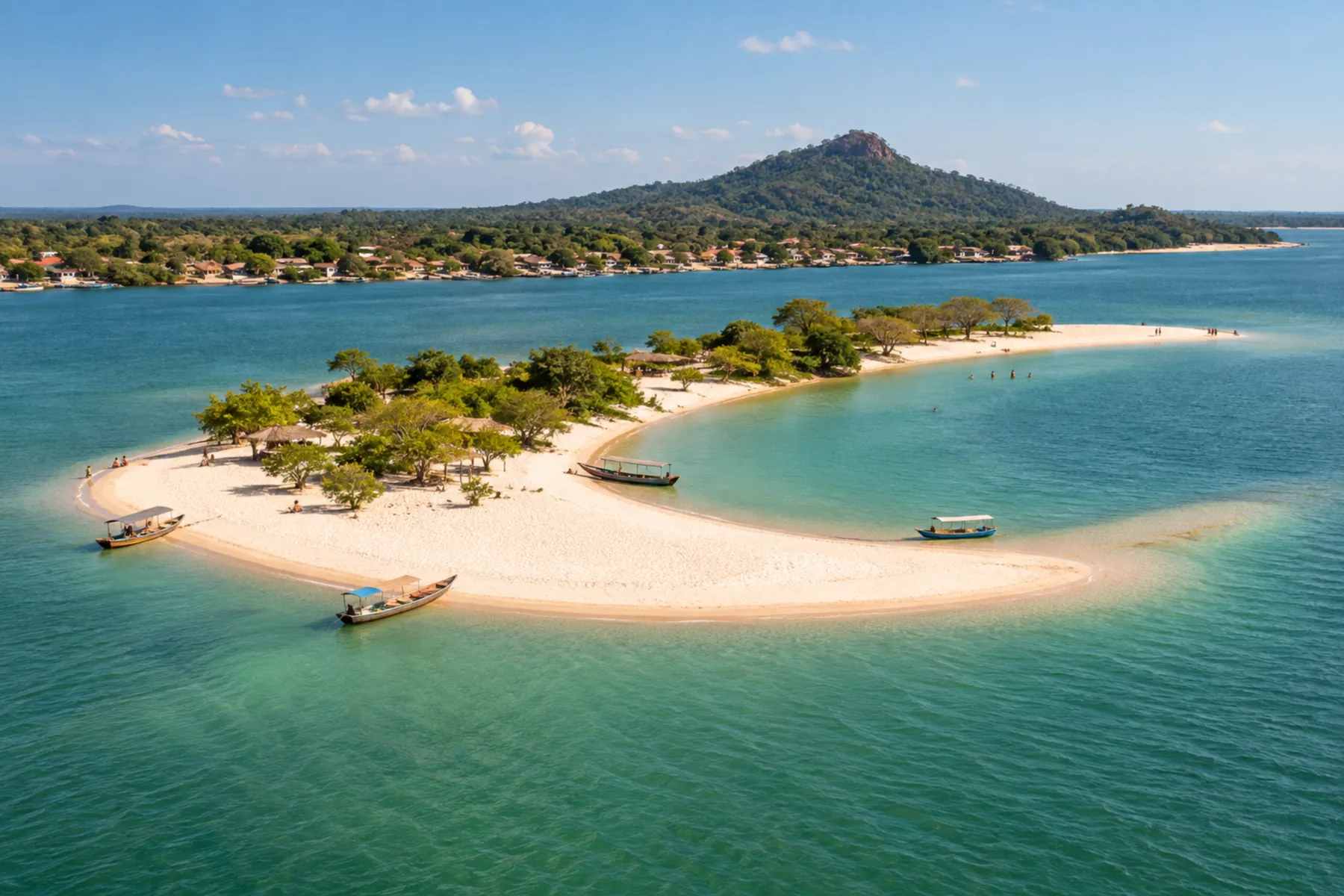
In the photo: Ilha do Amor
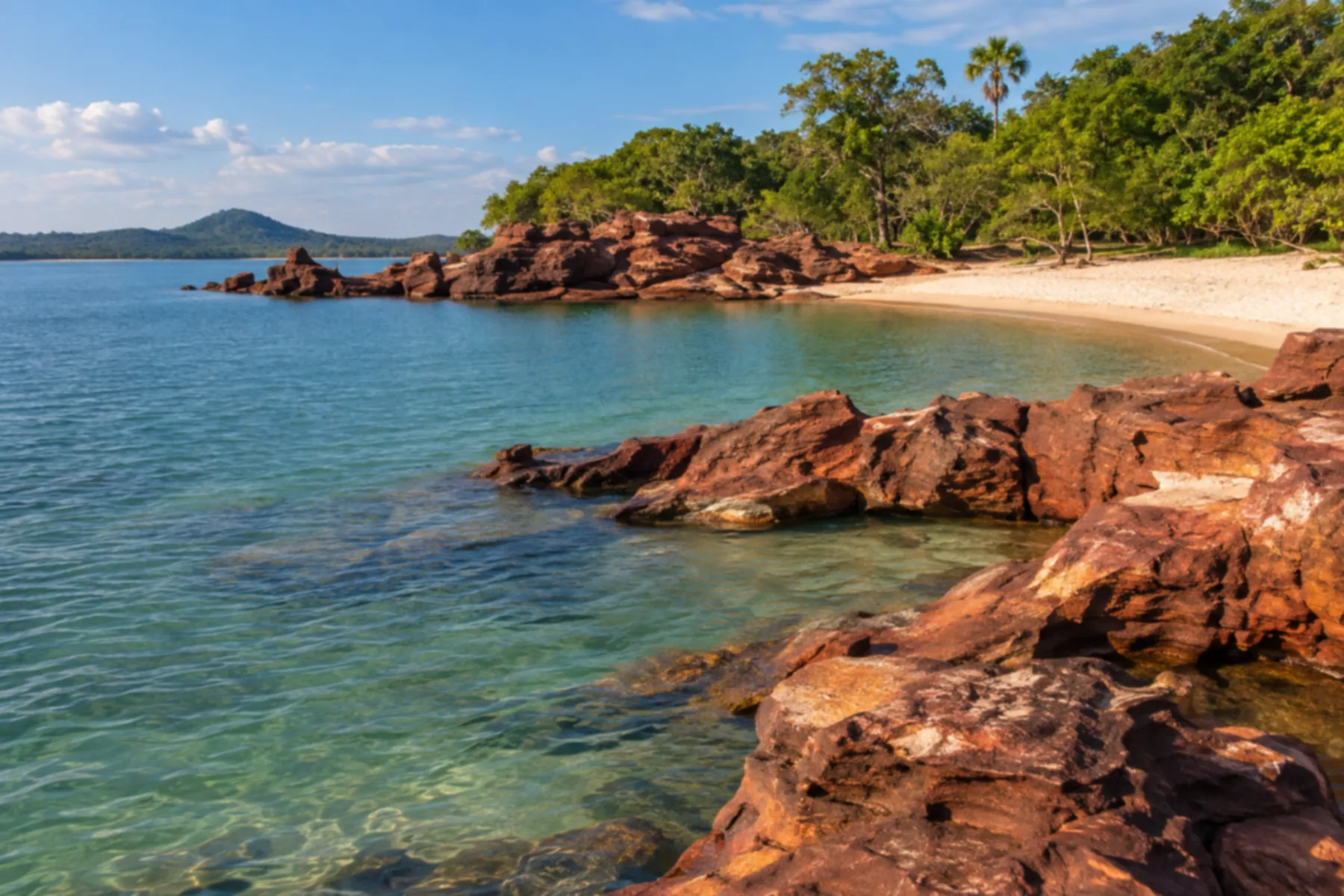
Illustrative images. The pictures in this guide are illustrations based on the real place, not photographs, and may differ from it.
Get to know the place
Chamado de Caribe amazônico, Alter do Chão tem areia branquíssima e água verde-azulada que aparece quando o rio Tapajós baixa. Em volta da vila há lagos de floresta alagada, trilhas em serra e comunidades ribeirinhas que recebem o visitante para comer peixe na beira do rio. É praia de água doce com floresta em volta, e o pôr do sol daqui é um dos mais bonitos do Brasil.
This destination brings together 3 cities: Santarém, Belterra, Aveiro.
A look at the place
These pictures are illustrations based on the real place, not photographs. They may differ from the place.
Click the picture to enlarge it.
Travelers' photos
One destination, many paths
Start with one city or combine several in your itinerary.
Mapa: @svg-maps/brazil, CC BY 4.0
Aeroporto Internacional de Santarém (STM) · 15 km to Santarém
Voo até o Aeroporto de Santarém (STM) e cerca de 35 km pela rodovia Everaldo Martins (PA-457) até a vila de Alter do Chão.
Suggested arrival point: Santarém

Santarém se formou junto ao encontro dos rios Tapajós e Amazonas e reúne praias e patrimônio histórico. A orla, as igrejas do centro e as comunidades ribeirinhas revelam diferentes paisagens do município.

Belterra guarda marcas do projeto de cultivo de seringueiras criado por Henry Ford na Amazônia. O patrimônio urbano e as paisagens ligadas ao Tapajós aproximam o visitante da história e da floresta.

Aveiro se estende às margens do Rio Tapajós, entre praias fluviais e comunidades amazônicas. A sede ribeirinha e o patrimônio de Fordlândia revelam paisagens e histórias ligadas ao rio e à borracha.
The local experience
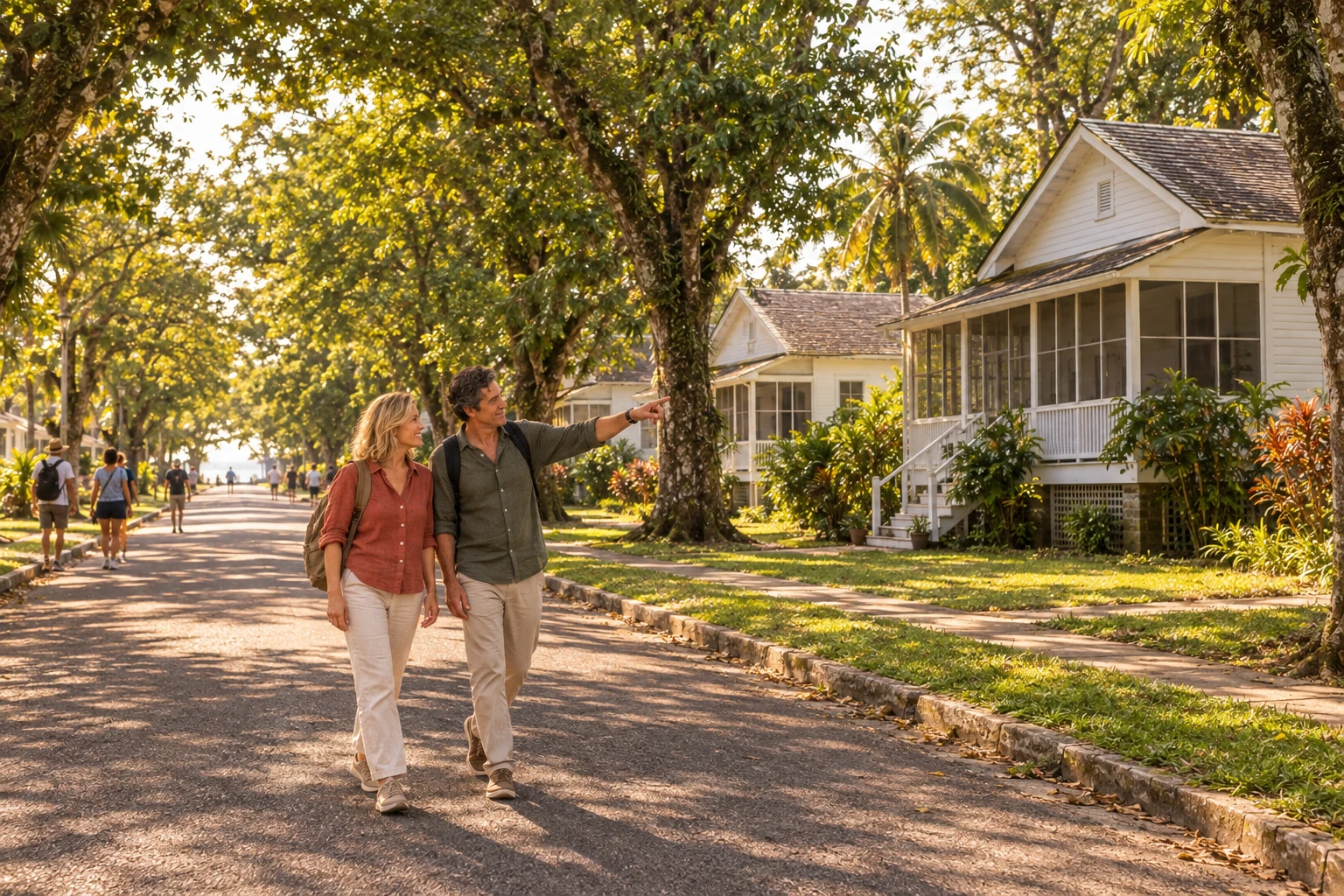
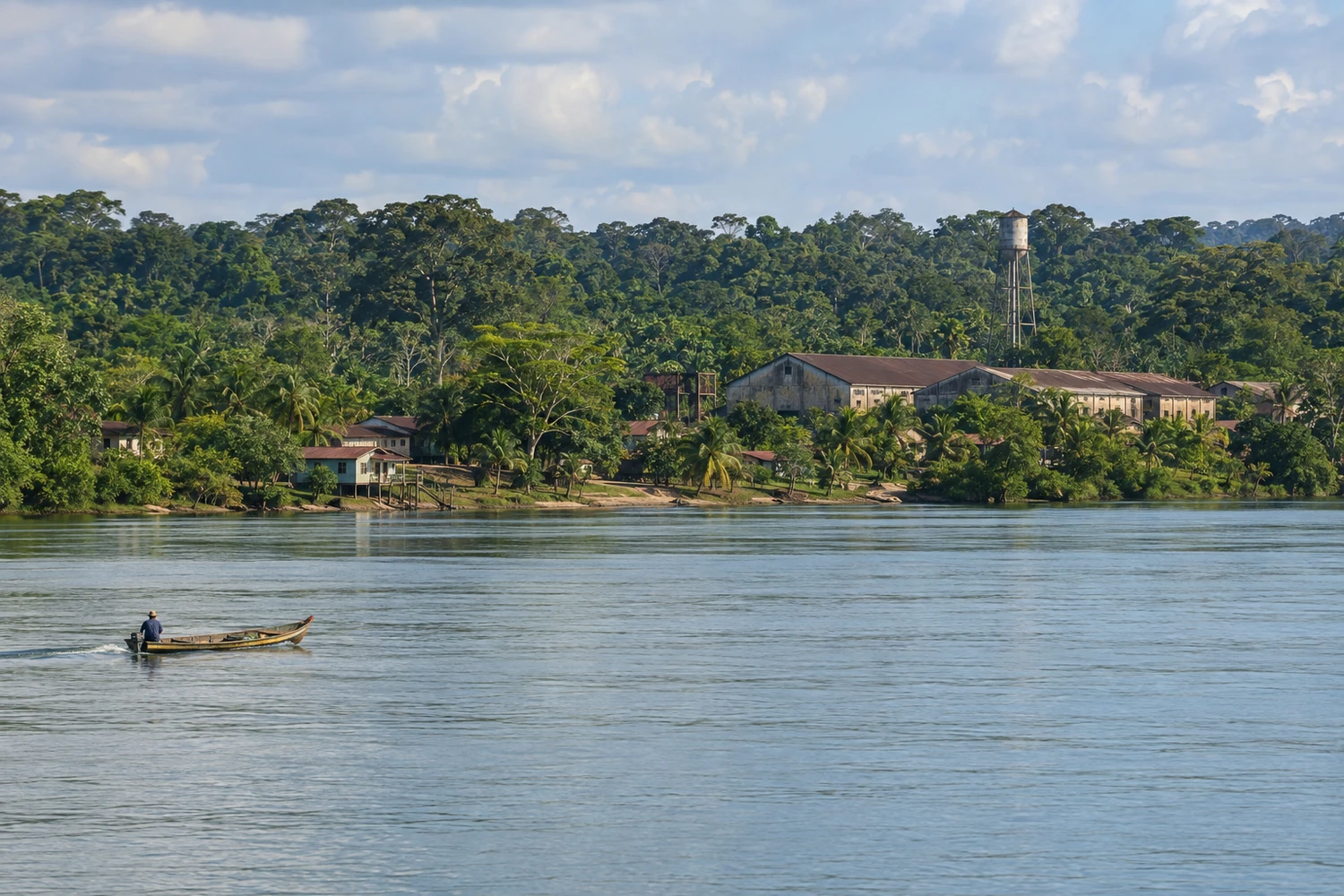
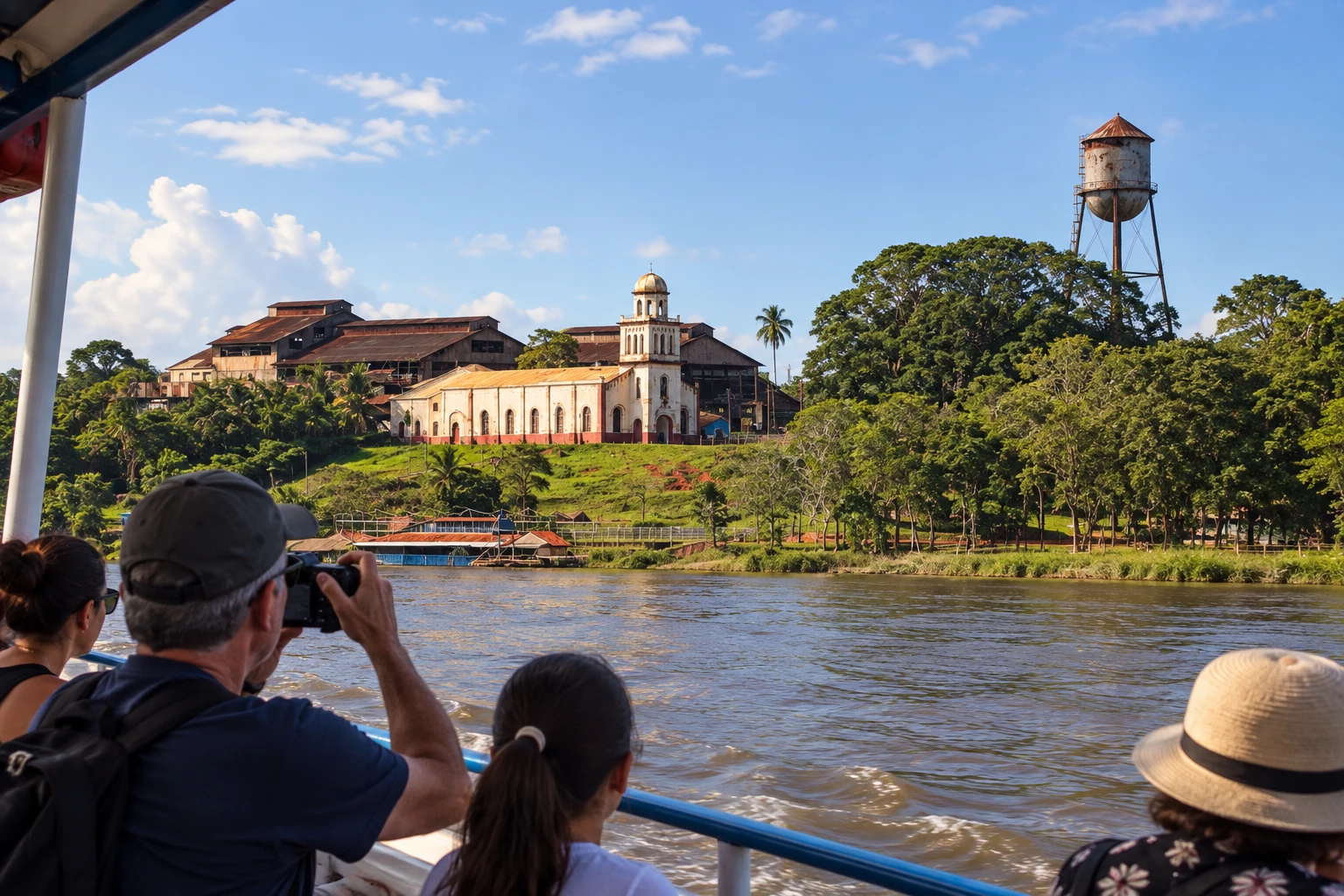
Criada no fim da década de 1920 pela companhia de Henry Ford para produzir borracha, a vila foi abandonada pela empresa em 1945, após o fracasso dos seringais. Ainda habitada, conserva casas de estilo norte-americano e estruturas industriais à beira do rio Tapajós.
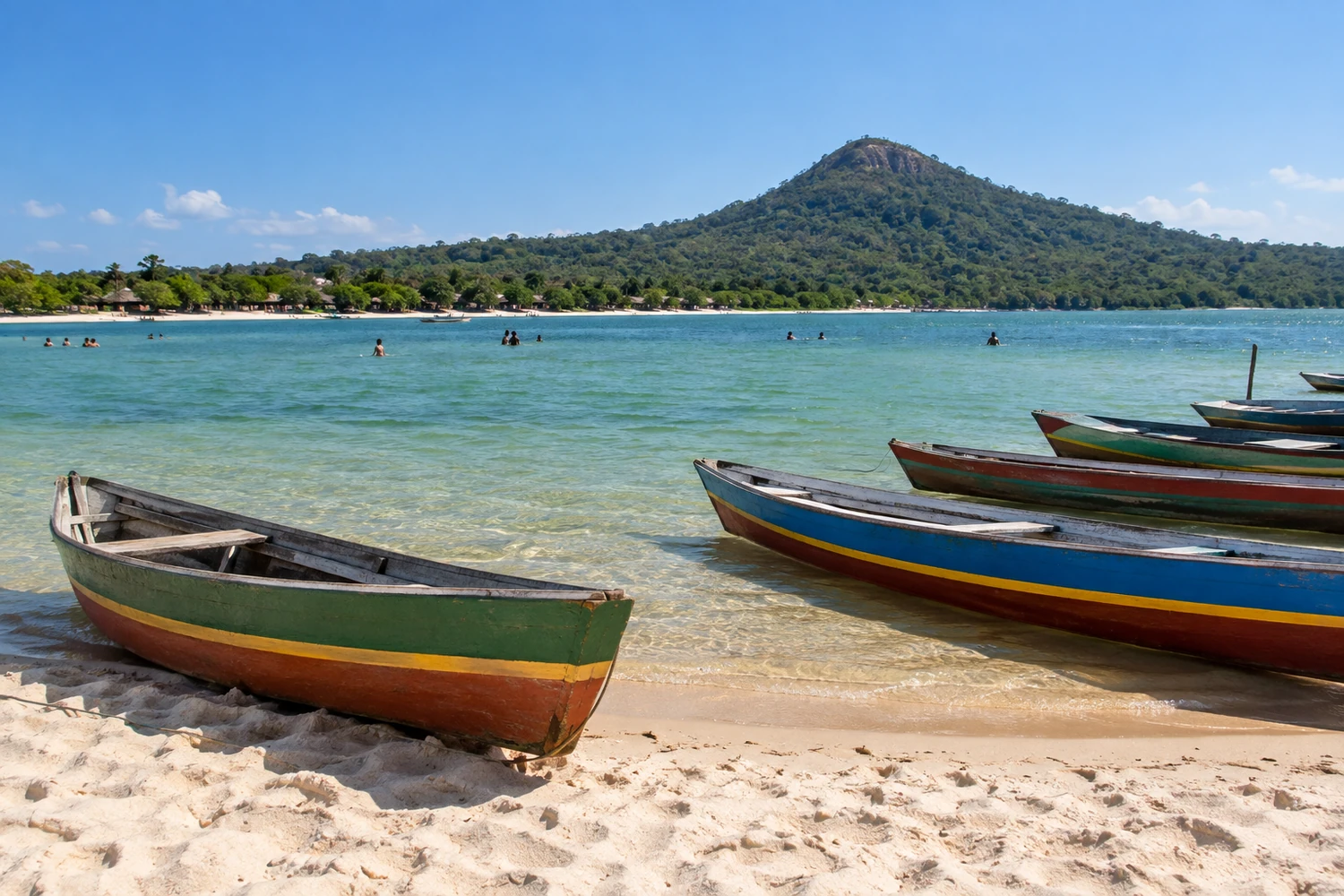
Banco de areia em frente à vila, alcançado por canoa em poucos minutos, com água morna e rasa dos dois lados. Muda de tamanho conforme o nível do Tapajós.
Com cerca de 50 metros de altura, a caixa d'água foi fabricada em Michigan e levada de navio até a vila, tornando-se o símbolo do antigo projeto de Henry Ford. Ao redor, a serraria e o galpão de oficinas de três andares ainda estão de pé.
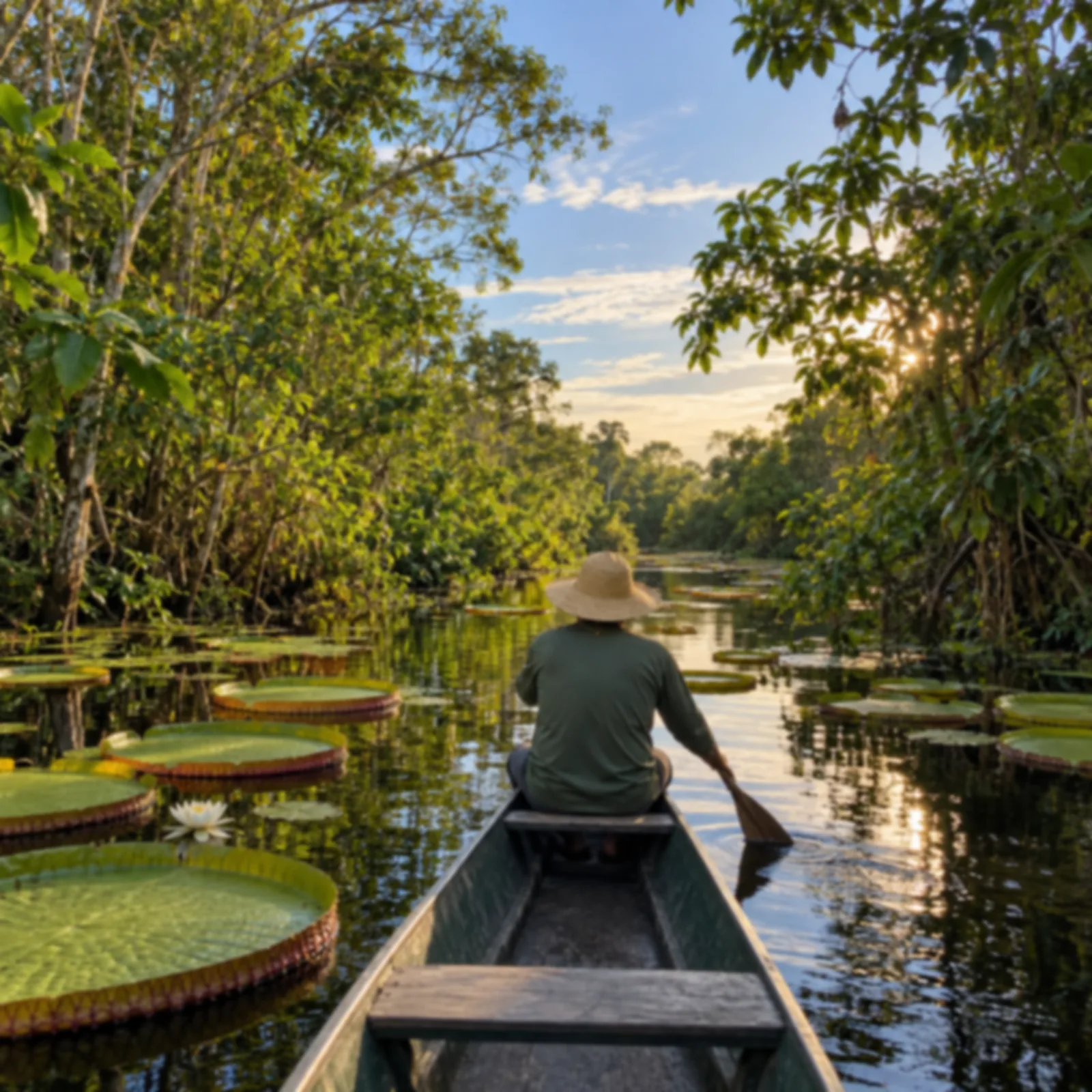
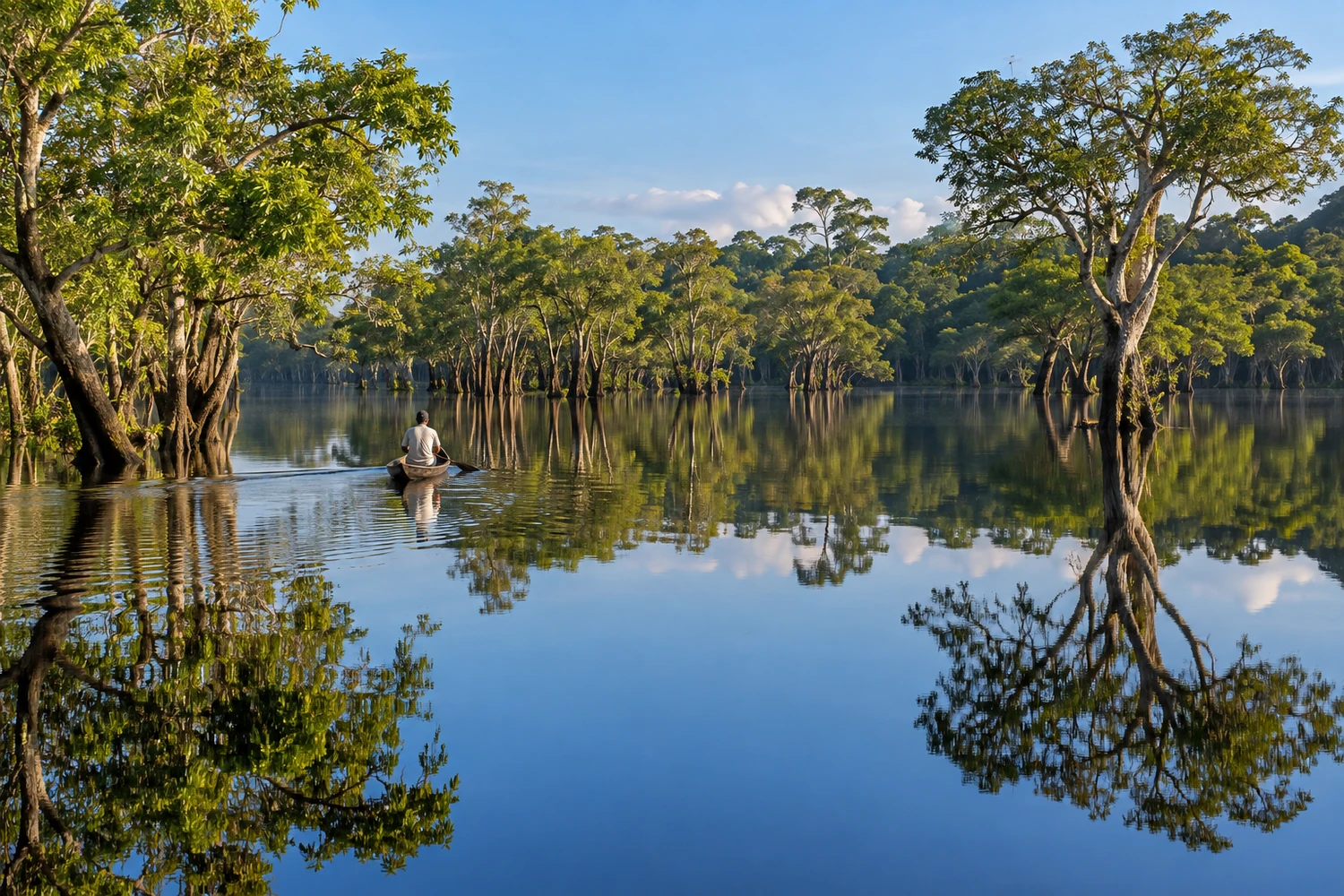
Lago raso ao lado da vila, navegado de canoa entre áreas de floresta alagada. O trajeto passa pela chamada Floresta Encantada, com árvores dentro da água.
To choose before you go
Where each tour starts, how long it takes, how it is done, what is included and the price range.
Ilha do Amor sits opposite the village waterfront. The catraia crossing takes less than five minutes. The island is a sandbar between the Tapajós River and Lago Verde, which appears in the low water season. In the center there are kiosks with thatched roofs, tables and chairs with their feet in the water. Each side has a different vibe. The Lago Verde side has more kiosks and restaurants. The Tapajós side is more open and quieter, and it’s where you watch the sunset. People spending the day usually stay on the lake side and switch sides in the late afternoon. In very strong dry season you can walk there across the sand. The trail to Serra da Piraoca also starts from there. Kiosk service ends in the late afternoon.
Stops: Ilha do Amor, Lago Verde, Tapajós River, Alter do Chão Waterfront.
Includes: There is no beach entrance fee. The crossing is paid separately, per person or per boat, depending on the boatman. Kiosks charge for what you consume. Renting a sunshade and chair is optional and paid separately.
Tip: Bring cash for the crossing and confirm the price before boarding. Internet signal is weak. Weekends fill up, so prefer a weekday. For lunch, reserve a table early in high season.
Best time: August to December, during low water, when the sandbar is wide. In high water the island is covered by the river.
Agencies that run it: Vivalá, Pisa Trekking.
The tour is done in a small canoe, piloted by a local canoeist, among the treetops of the igapó, the flooded forest along the banks of Lago Verde. The motorboat does not enter the igapó, so the crossing is by canoe only. From the village to the embarkation point it is under ten minutes by taxi or motorcycle taxi, or about twenty minutes by rented bicycle. There are two versions: the short one, around 30 minutes, without a beach stop, and the 1-hour one, which includes a stop and river swim at a beach at the end of the route. Those who leave by speedboat on full-day tours also usually change boats at Lago Verde for this stretch. Charging is per canoe, not per person, and the fee is split among occupants (about four or five). Boatmen accept cash or Pix, but the signal is weak.
Stops: Enchanted Forest, Lago Verde, Caranazal Restaurant, Enchanted Forest Beach.
Includes: The guide (canoeist) is usually included in the canoe fee. Charging is per canoe, paid on site in cash or Pix. Transport from the village to the embarkation point, lunch and drinks are paid separately.
Tip: Arrive early to join a group and split the canoe cost. Bring cash. Arrange the version with a beach stop if you want to bathe. Ask the canoeist whether the river level allows entering the igapó that day.
Best time: When the river is high (approx. January to July) the igapó becomes navigable among the treetops. At the start of the falling water period there may be a trip depending on the level.
Agencies that run it: Vivalá.
The trail starts at the end of Ilha do Amor. After crossing by small ferry, you walk on the sand along the left side when facing the Tapajós, passing behind the kiosks until a sign marks the entrance. The first kilometers are flat, through lower forest, and the final section is short and steep, in a zig-zag, with loose rocks and smooth parts. It’s about 2 km each way and 110 m of elevation gain, taking 40 to 45 minutes to climb. At the top there is an iron cross and, a little further on, a second viewpoint that is usually less busy. From the ridge you can see the Tapajós River, Lago Verde, Ponta do Cururu and the village. The trail is marked and does not require a guide, but there are boatmen and local guides who offer transport.
Stops: Serra da Piraoca, Mirante da Serra da Piraoca, Ilha do Amor.
Includes: There is no entrance fee. The guide is optional and paid separately. The catraia crossing to the island is paid separately.
Tip: Wear closed shoes, bring water and sunscreen, since there is little shade. If you go to watch the sunset, bring a flashlight for the descent, as the trail gets dark quickly. Tell someone your itinerary.
Best time: All year. August to December is the dry season, with less rain. Prefer early morning or late afternoon.
Agencies that run it: Vivalá, Pisa Trekking.
This is the best-selling full-day trip on the Tapajós River. The boat departs from the CAT and goes past Lago Verde and Ilha do Amor, with Morro da Piraoca in view. It continues to Lago das Piranhas and stops at Ponta do Cururu for a river swim. Then it goes to Lago do Jacaré and Ponta de Pedras, where there is a stop for lunch. After that it crosses the Tapajós to the Canal do Jari, which links the Tapajós to the Amazon. The channel has stilt houses, water lilies, iguanas, parrots and, with luck, caimans and river dolphins. Tours often include the Trilha das Preguiças on local residents’ land and a water lily garden with tastings of dishes made from the plant. In the dry season the channel is shallow and you need to switch to a smaller boat. Routes vary according to river level and the operator.
Stops: Canal do Jari, Lago Verde, Ilha do Amor, Morro da Piraoca, Lago das Piranhas, Ponta do Cururu, Lago do Jacaré, Ponta de Pedras, Trilha das Preguiças, Water lily garden, Praia de Carapanari.
Includes: Generally: speedboat or boat, guide, water and fruit. Paid separately: entrance fees to private sites (Trilha das Preguiças and water lily gardens), boat change during the dry season, lunch, drinks, and transport to the Tourist Center (CAT). Fees and lunches are usually paid in cash.
Tip: Bring cash, insect repellent, a cap, and sunscreen. Ask the operator which stops are included in the day’s itinerary. Book in advance during high season.
Best time: All year. In the high water season (February to August) the channel is navigable farther. In the dry season (September to January) it becomes shallow and beaches appear.
Agencies that run it: Vivalá, Pisa Trekking.
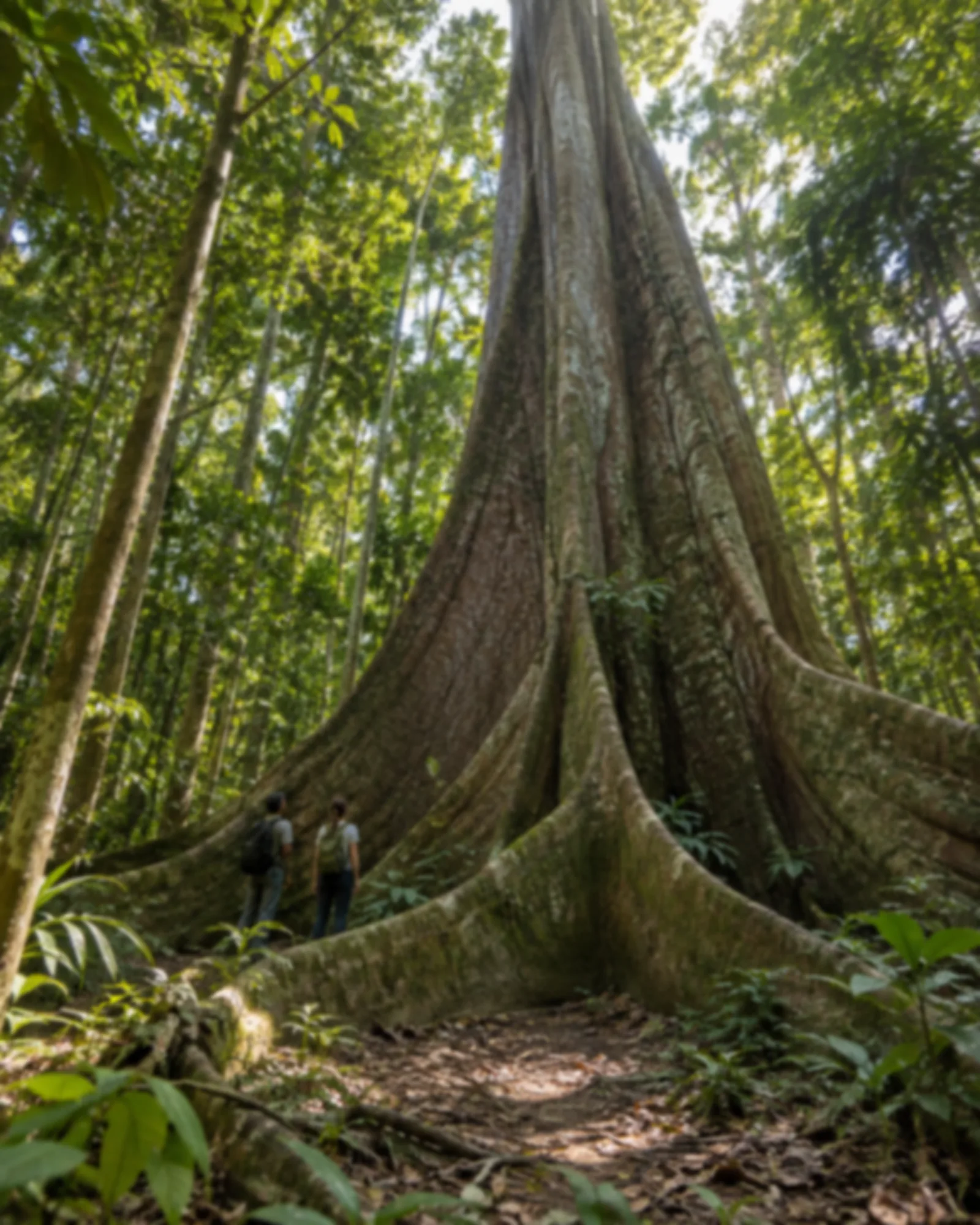
From Alter do Chão, the motorboat takes about one hour along the Tapajós to the Jamaraquá community, inside the Tapajós National Forest. On arrival, visitors sign the ICMBio access control, choose the return lunch and hire a community guide, which is mandatory. The main trail is Piquiá Trail, also called Samaúma Trail. It is about 9.1 km round trip and takes around 4 hours. It crosses secondary forest and reaches primary forest, with large trees and a samaúma hundreds of years old. The guide points out medicinal plants, ants and birds. The ascent on the way out and the descent on the return require good stamina. At the end there is a swim in the cold, clear igarapé. There is also a shorter trail and canoe rides in the igapó or igarapé. Lunch is in the community.
Stops: Tapajós National Forest, Jamaraquá Community, Piquiá Trail, Samaúma, Jamaraquá Igarapé.
Includes: Entrance to the Flona has no fee, only registration with ICMBio. The community guide, the speedboat and lunch are paid separately. Many agencies sell everything as a package. Check the current price list of local providers.
Tip: Bring closed shoes, insect repellent, water, swimwear and a change of clothes. Large groups should request authorization from ICMBio in advance. From Santarém it is also possible to go by car or regular bus to the community.
Best time: All year. From September to December, with low rivers, access and beach stops during the trip are easier.
Agencies that run it: Pisa Trekking.
The boat departs from Alter do Chão, crosses the Tapajós and enters the Arapiuns. It’s about 20 km to the mouth, between one and a half and two hours, depending on the river. Stops vary, but usually include sandbanks such as Ponta do Icuxi and Praia do Toronó, where there are botos. The central point is the Coroca Community, inside the Tapajós-Arapiuns Extractive Reserve. There is a stingless bee meliponary, crafts and a community lunch. On Lago Coroca the guide throws feed into the water, and Amazon turtles surface near the non-motorized ferry. Some itineraries also pass the Urucureá Community and finish with the sunset at Ponta do Cururu on the return trip.
Stops: Arapiuns River, Ponta do Icuxi, Praia do Toronó, Coroca Community, Lago Coroca, Praia de Caracaraí, Ponta Grande, Ponta do Cururu.
Includes: Usually: boat, guide and water. Paid separately: community fee, lunch in the community and purchases at the shop. Check the current chart of who charges.
Tip: Bring cash to pay the community fee and lunch. It's a long day on the boat: wear a cap, sunscreen and lightweight clothing. Ask in advance which beaches are on the itinerary.
Best time: August to December, in the low-water season, when the Arapiuns beaches form.
Alter do Chão boatmen arrange beach routes along the Tapajós, and the itinerary depends on the river level. South of the village are Muretá Lake, with its beach, and Pindobal Beach, linked to the region’s rubber history. To the north is the community of Ponta de Pedras, about 27 km from the village center, with a beach and restaurants. Ponta do Cururu is usually the last stop of the day. The Tapajós beaches have warm, clear water and little infrastructure beyond community points. Ponta de Pedras and Pindobal are also accessible by road. Boat trips to these spots can be done in a group or by private speedboat, and the price depends on the distance and group size.
Stops: Ponta do Muretá, Pindobal Beach, Ponta de Pedras, Ponta do Cururu, Jurucuri Lake.
Includes: The speedboat fare is usually split among the passengers. Lunch, drinks, community fees and the guide, when hired, are paid separately. Check the current list of who charges.
Tip: Finalize the itinerary and the price before boarding. If you are alone, join a group on the waterfront or at the pousada. Bring sunscreen, a cap and swimwear.
Best time: August to December, during the low water season, when the white-sand beaches form.
This is a short speedboat ride to Ponta do Cururu, a beach with sandbanks that extend tens of meters into the Tapajós. It’s where many tour boats anchor at the end of the day. Visitors bathe in the river and watch the sunset with their feet in the water. The beach has no tourist infrastructure, so bring whatever you need. It is also a spot where pink river dolphins (botos) often appear. Ponta do Cururu also appears as the final stop on full-day itineraries, such as the Jari Channel and the Arapiuns River. Some operators sell the trip separately, lasting one to four hours.
Stops: Ponta do Cururu, Tapajós River.
Includes: Generally: speedboat and guide, when booked through an operator. Drinks and snacks are paid separately. Check the current list of who charges.
Tip: Bring water, snacks, insect repellent and a towel, because the beach has no support infrastructure. The return trip takes place in the dark, so arrange your return before you leave.
Best time: August to December, during the low water season, when the sandbanks are formed.
Agencies that run it: Pisa Trekking.
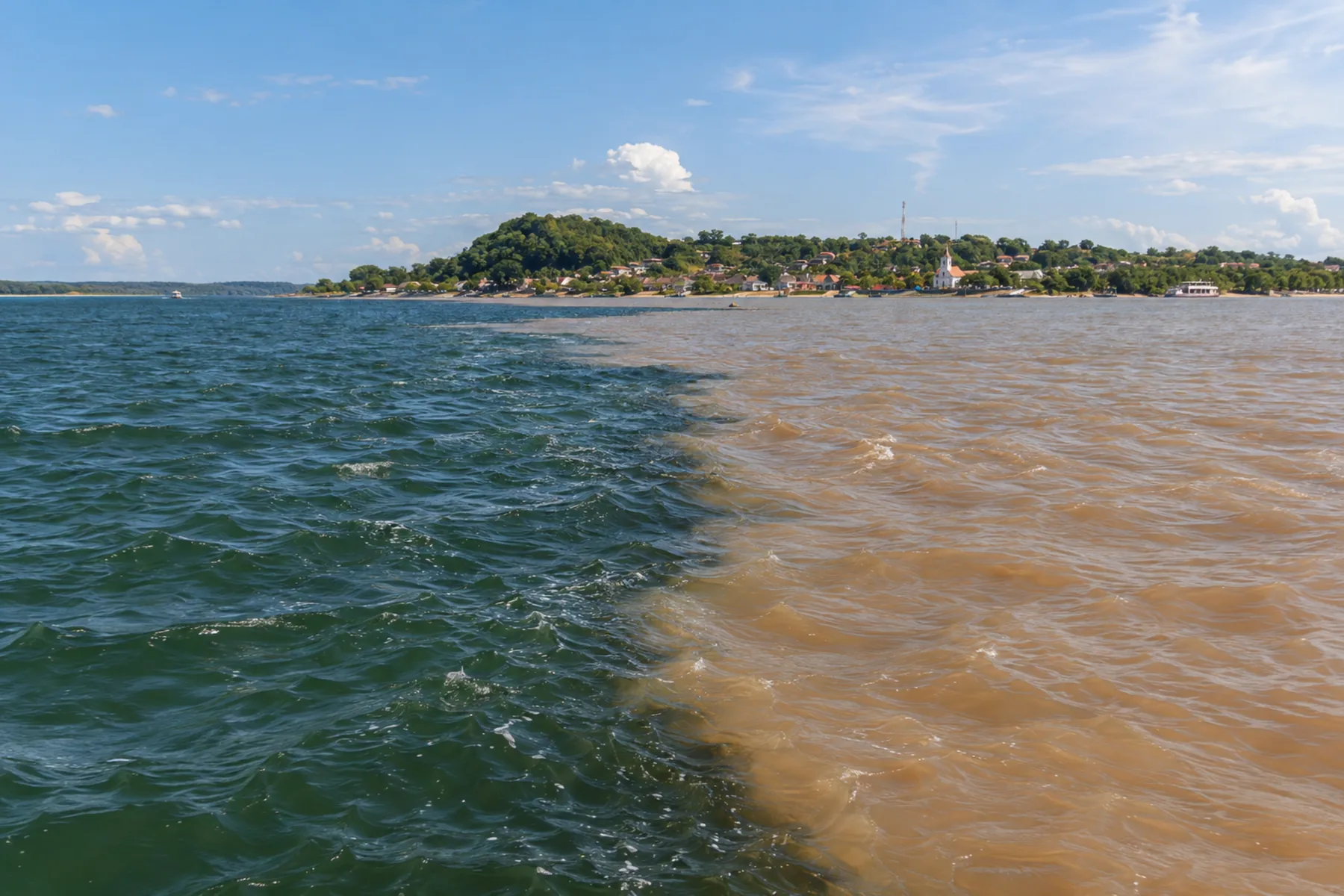
In front of the city of Santarém, the green waters of the Tapajós flow side by side with the muddy waters of the Amazon for several kilometers without mixing. The phenomenon can be seen from the waterfront, but up close only by boat. The shortest tour leaves from Santarém’s port or pier, passes the waterfront and the Fish Market, where river dolphins often appear, and reaches the meeting point. One- to three-hour trips can continue up the Tapajós River to a community, such as Igarapé Açu, or to an island for swimming. operators in Alter do Chão sell the meeting as full-day tours, with views of Mercadão 2000 and the cathedral, a visit to the João Fona Cultural Center and a stop at Maicá Lake. You can swim in both rivers and feel the difference in temperature.
Stops: Meeting of the Waters, Tapajós River, Amazon River, Fish Market, Cathedral of Our Lady of the Conception, Maicá Lake, Igarapé Açu.
Includes: Generally: boat, guide, and water. Lunch, drinks, and community fees are paid separately, and what’s included varies by operator. Check the current fee table for who charges.
Tip: Prefer late afternoon, when the temperature is milder. If you depart from Alter, check the itinerary with the operator: some include a city tour and Maicá Lake. Combine the trip with the Santarém waterfront.
Best time: All year. The giant water lilies in Igarapé Açu show best from January to August.
Maguari is one of the communities that support visits to the Tapajós National Forest, together with Jamaraquá and São Domingos. The Vovó Samaúma trail, of moderate to difficult level, leads to a millenary samaúma, the tree that gives the trail its name. The guide is from the community. In the community, visitors can see cassava flour production in a farinha house, learn about the use of medicinal plants, see stingless bee keeping and follow seed collection. Ponta do Maguari is a sandy beach with few people, where tours usually stop. Speedboats from Alter do Chão generally go to Jamaraquá, so the Maguari destination should be agreed with the boatman before departure. Those who prefer the land route can go by regular bus or car via Santarém and Belterra.
Stops: Maguari community, Vovó Samaúma trail, Ponta do Maguari, Maguari farinha house, Tapajós National Forest.
Includes: Community guide, lunch, transport, and fees are paid separately. Many agencies sell it as a package. Check the current fee table for who charges.
Tip: Arrange Maguari with the boatman before departing, as the standard route goes to Jamaraquá. Register your entry at the ICMBio stations. Bring insect repellent, water, and closed-toe shoes.
Best time: All year. During low water (September to December) Ponta do Maguari has more sand.
Agencies that run it: Vivalá.
This is a full‑day itinerary with residents of riverside communities on the Arapiuns River, operated by Pérola Ecotour. The motorboat takes about one and a half hours to reach Costa do Macaco, crossing the Tapajós. There, the Trilha do Breu Branco is about 950 meters, from easy to moderate. The itinerary includes canoeing on Lago Azul and ancestral healing experiences: the “puxada de mãe,” about 40 minutes per person, the secret tea and a medicinal herb bath. Lunch is at Comunidade Arimum, with a swim in an igarapé and a tucumã‑palm straw craft workshop. The return passes by Ponta do Cururu for sunset, about one hour of navigation to get there.
Stops: Costa do Macaco, Trilha do Breu Branco, Lago Azul, Comunidade Arimum, Ponta do Cururu.
Includes: Generally: local guide, trail, canoeing, healing experiences and a craft workshop. Lunch in the community is paid separately. Check the operator’s current price list.
Tip: Book directly with the operator. Bring lightweight clothing, insect repellent, sunscreen, a towel and cash for lunch. This is a relaxed‑paced itinerary, away from the faster beach tours.
Best time: All year; confirm river conditions with the operator.
Belterra was founded in 1934 as Henry Ford’s second attempt to cultivate rubber trees in the Amazon, after Fordlândia. The town is about 45 km from Santarém via BR-163, or by the tourist route: PA-457 to Alter do Chão and then a local road through Pindobal. The visit is on foot through the historic center. There are wooden houses painted green and white, still inhabited, red fire hydrants, the period’s metal water tower, the Church of Saint Anthony, Praça Brasil and the Bosque das Seringueiras. The Centro de Memória, in a house that belonged to a doctor in the 1930s, holds photos and objects from the Ford period. The Platô da Vila Americana serves as a lookout with views of the forest and the Tapajós, and is a good choice at late afternoon. Santarém agencies offer the tour with a guide, and you can fit a beach, such as Pindobal, into the same day.
Stops: Belterra, Vila Americana, Centro de Memória de Belterra, Platô da Vila Americana, Igreja de Santo Antônio, Praça Brasil, Bosque das Seringueiras, Praia de Pindobal.
Includes: The tour with guide, transport and lunch is paid separately. Check the current list of providers and the opening hours of the Centro de Memória before you go.
Tip: Respect the residents, as the houses of the Vila Americana are private homes. Go to the Platô in the late afternoon. If you travel by bus, check the time of the last return trip.
Best time: All year. In the low-water season, from August to December, you can add Belterra’s beaches to the visit.
The route usually starts at Mercadão 2000, which has supplied the Lower Amazon since 1985. You’ll find regional fruits, medicinal herbs, flours, handicrafts and fish. Next is the Santarém waterfront along Avenida Tapajós, 1,640 meters long. There is the Fish Market, where pink and common river dolphins approach the shore attracted by fish scraps. From the waterfront you can already see the Meeting of the Waters. The João Fona Cultural Center is housed in a building constructed between 1853 and 1868 that has served as city hall, council and courthouse. It preserves Tapajonian ceramics and indigenous crafts and is only open on weekdays, so a Saturday or Sunday will exclude this stop. The tour also passes the cathedral and the main square.
Stops: Mercadão 2000, Fish Market, Santarém Waterfront, João Fona Cultural Center, Cathedral of Our Lady of the Conception, Mirante do Tapajós Square.
Includes: The guide and transport, when the tour is run by an agency, are paid separately. Check each attraction’s opening hours and current price list.
Tip: Do it on a weekday to include the museum. Regional products tend to be cheaper at the Mercadão than in Alter do Chão. Combine it with the Meeting of the Waters tour.
Best time: All year; late afternoon is a good time for the waterfront.
It is a guided bicycle tour that begins with a canoe crossing. On the other side, the route continues along a trail that is only passable on foot or by bicycle. Along the way, the group sees birds and trees typical of the Amazon, smells the white breu resin, and finds local fruit trees. The river swim can be in the Tapajós or in the Tapari and Lago Preto lakes. Muriki Cicloturismo is the local operator that appears in offers with this itinerary, and there are also multi-day routes, such as those by Bike Ativa, which depart from Santarém for the beaches of Alter do Chão and the Flona.
Stops: Alter do Chão, Lago Preto, Lago do Tapari, Rio Tapajós.
Includes: Generally: guide and bicycle, depending on the operator. Snacks, lunch and drinks are usually paid separately. Check the current fee schedule for who charges what.
Tip: Wear light clothing, a cap, sunscreen and bring swimwear. Book in advance during the dry season, when demand rises.
Best time: August to December, during the dry season, with less rain and the beaches formed.
This is an evening program by Pérola Ecotour. The boat departs from the CAT and crosses to Praia do Lago Verde, where the Pirarimbó takes place. The group participates in a cultural session and a circle led by Mestre Hermes Caldeira. Dinner is piracaia, the region’s grilled fish, served at the riverbank. The night continues with a carimbó circle, stories and the dance that is a Pará tradition. The operator’s itinerary advertises private boats and the traditional riverside dinner under the starry sky.
Stops: Praia do Lago Verde, Pirarimbó.
Includes: According to the operator, the itinerary includes boat, typical dinner and drinks in the package. Confirm what is included and the current fee schedule when booking.
Tip: Book in advance, as the itinerary only runs part of the year. Bring insect repellent and a light sweater for the boat return. Confirm the boarding point at the CAT.
Best time: July to January, the season during which the itinerary is offered.
Agencies that run it: Vivalá.
Day by day
Suggestions to plan the trip. Change the order of the days according to the weather and tour availability.
Arrive in Alter do Chão via the PA-457, about 35 km from Santarém airport. In the morning, walk along the waterfront and cross by boat from the pier to Ilha do Amor. The crossing is short and paid separately. Stay on the beach until early afternoon. At the end of the afternoon, climb the Serra da Piraoca Trail and descend before dark. During high water the Ilha do Amor is submerged: replace it with a canoe trip.
Full-day boat trip. Departure is in the morning with return in the late afternoon. The crossing of the Tapajós to the channel takes about 40 minutes by motorized canoe. The itinerary usually includes a forest trail, a visit to a water-lily garden and swimming at beaches along the way. It ends with sunset at Ponta do Cururu. Bring water and snacks, as there is no infrastructure there. Check with the operator what is included.
In low water (August to December), take the boat trip along the Tapajós Beaches: Muretá, Pindobal and Ponta de Pedras. In high water, swap it for the Floresta Encantada and Lago Verde, a canoe trip among the flooded trees. The excursion occupies the morning and part of the afternoon. Afterwards, return to Santarém with the transfer reserved in advance and allow time for your flight check-in.
Start with a bike ride around Alter do Chão in the morning, when it’s still cooler. Then go to the pier and cross by boat to Ilha do Amor; the short crossing is paid separately. Spend the afternoon on the beach, where there are food stalls. When the river is high the island is submerged: do only the bike ride and a stroll along the waterfront.
Full day by boat. It’s about a 40-minute motorized canoe ride to the channel, which is on the north side of the Tapajós. The trip includes a trail, a water-lily garden and stops at beaches. It ends with the sunset at Ponta do Cururu; there is no infrastructure on site. Bring water, snacks and sunscreen. Check with the operator what is included.
The Jamaraquá Community is in the Tapajós National Forest, in Belterra. Access is by boat from Alter do Chão or by road, and the trip takes one to two hours depending on the mode of transport. In the community, hire the local guide for the Piquiá Trail, which passes large trees and an igarapé. Wear closed sneakers and bring water. The excursion takes most of the day.
At low water, a boat trip along the Tapajós Beaches: Muretá, Pindobal and Ponta de Pedras. At high water, go to the Enchanted Forest and Lago Verde by canoe. It fits into the morning and early afternoon. In the late afternoon, climb the Serra da Piraoca Trail to see the river from above and descend before dark.
Return to Santarém via the PA-457. Do the city tour including Mercadão 2000, the waterfront and the João Fona Cultural Center in the morning. In the afternoon, if time allows, the Meeting of the Waters, where the Tapajós meets the Amazon, departs by boat from town. Book your transfer to the airport in advance and allow extra time for the flight.
In the morning, take a bike ride around Alter do Chão. After lunch, cross by boat to Ilha do Amor; the short crossing is paid separately. At the end of the afternoon, climb the Serra da Piraoca Trail and descend before dark. When the river is high the island is submerged: replace it with free time on the waterfront.
Full-day boat trip. It’s about a 40-minute motorized canoe ride to the channel. The itinerary usually includes a trail, water-lilies and swimming at beaches, and ends with sunset at Ponta do Cururu. In low water you can only navigate the first part of the channel, where vegetation is open. Bring water and snacks, because there is no infrastructure at Ponta do Cururu.
In low water, follow by boat through Muretá, Pindobal and Ponta de Pedras. In high water, do the Floresta Encantada and Lago Verde by canoe. It’s a morning to early-afternoon excursion, and the rest of the day is free. At night, check the days and location of the Pirarimbó, a program of piracaia and carimbó.
Go to Jamaraquá, in the Tapajós National Forest, by boat from Alter do Chão (one to two hours) or by road. Hire a community guide for the Piquiá Trail, of moderate difficulty. Bring water, insect repellent and closed-toe sneakers. The excursion takes up most of the day.
Full-day boat trip on the Arapiuns River, visiting the Coroca Community and the turtles the community protects. Confirm departure time, lunch and what is included with the operator. Those seeking a longer experience can check the Healing Tourism on the Arapiuns River and the program duration.
Road day through Santarém, Belterra and the National Forest, using your own car or hired transport. From Santarém to Belterra is about 45 km. In the morning, visit Vila Americana, the Memory Center and the Plateau. Then head to the National Forest at Maguari, with the Grandma Samaúma trail and the Maguari Point. Leave early. Unpaved sections require caution on rainy days.
Return to Santarém via the PA-457, with the airport transfer booked in advance. Do the city tour including Mercadão 2000, the waterfront and the João Fona Cultural Center. If your flight is later, include the boat trip to the Meeting of the Waters, where the Tapajós meets the Amazon. Check the operator for the duration and allow extra time for the flight.
Best time to go
From August to December, when the Tapajós is low and the white-sand beaches have formed.
The seasons shown are the most usual ones; nature doesn't always follow the calendar.
Rivers rising · Frequent rain
Month of frequent rain, with a high around 29 °C and a low of about 25 °C in Santarém. The Tapajós rises and the beaches become covered or reduced, and in some years sand bars still appear at the start of the month. The Enchanted Forest and canoe trips gain prominence. Activity is lower than during low water.
Flood · Flooded forest
Frequent rain and humid heat, with a high of about 29 °C. The beaches and Ilha do Amor are submerged. It's the season for canoe trips through the flooded forest, at the Floresta Encantada and Lago Verde. Boat tours continue to operate, but rains can change schedules. Bring a raincoat. Visitor numbers are low.
Flood · Almost daily rain
Usually one of the rainiest months of the year, with rain almost every day, generally in heavy showers. With no beaches, the focus is on trips among the flooded trees and visits to riverside communities. Trails in the Flona can get muddy, and dirt roads require caution. The high is about 28 °C. Visitor numbers are low.
Flood · High rivers
Rain still very present, with a high of about 28 °C. Rivers keep rising and the beaches remain underwater. The Floresta Encantada, the Arapiuns, and visits to Belterra make sense at this time. Bring closed shoes and a raincoat, and leave room in your schedule for heavy rains. Low activity in the village.
River near peak · Rain still heavy
Rains begin to lose strength, but are still frequent. Rivers are near their highest level, and beaches remain underwater. Good for canoe trips in the flooded forest and for visiting riverside communities. The high is around 28 °C. Low visitor numbers; boat tours usually have more openings.
Rain decreasing · River high
Rains decrease compared with previous months, with more sunny intervals. The Tapajós remains high, with submerged beaches and flooded forest to visit by canoe. The high is near 29 °C. It’s a good month for the Floresta Encantada and for Flona trails, with less rain than at the start of the year. Visitor numbers still low.
Less rain · River still high
Rain is much lower than in the first half of the year, but the river is still high. Because of that, it's a good month for the Floresta Encantada. White sand beaches have not formed yet. The high is about 29 °C. Clear days favor the Serra da Piraoca trail and boat trips. Visitor numbers begin to rise.
Start of the ebb · Beaches appearing
Dry month, with a high around 30 °C. The Tapajós drops and the first sandy beaches start to reappear, and the Canal do Jari begins to dry. Boat tours along the beaches become more common. It’s a transition month, without beaches at their peak. Visitor numbers gradually increase. Bring sunscreen and a hat.
Driest month · Sairé
Usually the driest month, with a high of about 31 °C. The beaches are formed and the water becomes clear. In the third week of September, the village holds Sairé, a religious and cultural festival with competitions between the pink and tucuxi river dolphins. Visitor numbers rise considerably. Book tours and transfers in advance.
Beaches at their peak · Hottest month
Month of strong heat, with a high of about 32 °C, and little rain. October and November are the months with the widest beaches, such as Ilha do Amor, Muretá and Ponta do Cururu. On the Jari Channel you can only reach the first part of the route, with open vegetation. The sunset at Ponta do Cururu usually draws many people. High activity.
Beaches formed · Short rain
Beaches remain formed, with a high of about 31 °C. Rains return gradually, in short showers, usually late afternoon. It’s a good month for beaches, the Jari Channel and the National Forest, with attention to the sky on boat trips. Activity is high, but usually less than in September. Bring a lightweight rain jacket.
Rain increases · Low water ends
Rain increases again and the high stays around 30 °C. You can still see beaches in the first days of the final low water, but the river starts to rise with the turn of the year. Boat trips depend more on the weather, and trails become wet. The end of the year brings crowds during part of the month. Check with the operator about the day’s beaches.
Plan the journey
Alter do Chão has no airport. The gateway is Santarém Airport, Maestro Wilson Fonseca (STM), which also serves Belterra. There are direct flights from Belém, Manaus, and Brasília. From other capitals, arrivals usually connect through one of those three cities. Check routes and frequencies with airlines, as they change throughout the year.
The airport is about 14 km from downtown Santarém. From there to the village of Alter do Chão is between 34 and 38 km, depending on the measurement point, via Everaldo Martins Highway (PA-457), all paved. The trip takes 40 minutes to 1 hour.
Compare connection times and arrival hour before buying, because the trip to the village still needs to be arranged. Those landing at night or in the early morning should have transfers arranged before departure.
To reach Belterra, the distance from Santarém is about 45 km via BR-163. For Aveiro, see the sections on boat access and on getting around the destination.
From the airport to the village there are three main options: taxi, private transfer, and regular bus.
Taxi: cooperatives serve at the airport exit. The trip takes 40 minutes to 1 hour. Agree the fare before getting in the car.
Private transfer: inns and tour operators recommend drivers, and many offer vehicles for groups of up to 7 people. Book in advance, especially if the flight arrives at night. The driver waits at arrivals holding the passenger’s name.
Ride-hailing apps: service to the village varies. Don’t rely only on them and confirm transfer arrangements before traveling.
Regular bus: Santarém’s urban line to Alter do Chão runs at an average interval of 30 to 35 minutes, according to a recent report. Buses do not depart directly from the airport. The most common route is to take an urban bus to Shopping Rio Tapajós in downtown, then change to the bus bound for Alter do Chão. The final stop is the village bus terminal. The trip takes about 40 minutes to 1 hour, not counting waiting and transfers.
On busy days, such as during Sairé, the city hall adds extra buses on the route. The fare is paid on boarding. Check Santarém city hall’s current fare table, as rates are adjusted.
Santarém is a port on the Amazon River, and regional passenger boats link the city with Manaus and Belém. The voyage is long and is done in hammock nets or cabins, depending on the vessel.
With the current, guidebooks mention about 36 hours from Manaus to Santarém and about 45 hours from Santarém to Belém. The reverse direction takes longer. Regional boats take two to three days, depending on river conditions. Among the vessels mentioned by travelers is the Amazon Star.
The boat terminates in Santarém. From there, the stretch to Alter do Chão is by land, along the PA-457, by bus, taxi, or transfer, as in the previous section. Schedules and accommodation types change; check directly with the company before buying.
The Tapajós River also connects Santarém to communities in the Lower Tapajós. Fordlândia, the district of Aveiro, is on the Tapajós bank, about 300 km south of Santarém, and the most common access is by boat, around 5 hours.
From Santarém to Alter do Chão, follow the Everaldo Martins highway (PA-457), paved, for about 38 km. The village entrance is around km 30 of the highway, according to local guides. Travel time is 40 minutes to 1 hour.
To reach Belterra, follow the BR-163 for about 45 km from downtown Santarém. The same highway provides access to the entrances of the Tapajós National Forest, whose northern limit begins at km 50.
BR-163 links Santarém to Cuiabá (MT), an axis of about 1,750 km. The Trans-Amazonian Highway (BR-230) joins it from Rurópolis, and then the two roads split. Some stretches in the region were once unpaved, and conditions change with rain. Check the road condition and plan stops before leaving, and avoid driving at night on long stretches.
From Belém, the land trip is long and runs along federal highways across the interior of Pará. Few visitors make the route; most prefer plane or boat. Those driving from other regions should have their vehicle checked and make the trip in stages.
It is common to encounter cargo trucks and pickup traffic. The Santarém–Alter do Chão stretch has no ferry. Ferries appear in the region on Tapajós crossings, such as Miritituba–Itaituba on BR-230.
In the village of Alter do Chão, most visitor activities are close by and within walking distance: the square, the riverfront, and Praia do Cajueiro are a short walk from each other. Many tours are by boat or launch, and departures are arranged with the operator or the pousada.
Between the village and Santarém, the cheapest option is the bus line. Taxis and transfers are faster alternatives and offer more schedule flexibility.
If you stay only in Alter do Chão, renting a car is not necessary. A car is useful for land itineraries, such as Belterra and the entrances to the Tapajós National Forest via BR-163, where there are communities that receive visitors. There are rental agencies at Santarém airport. Book in advance and check availability, especially in high season. If you don’t want to drive, you can hire tours to Belterra and the Flona with operators that provide transfers.
For beaches on the Arapiuns River and for communities, launch drivers from Alter do Chão run the trips. For Fordlândia, in Aveiro, access is by boat on the Tapajós; arrange with a local operator, with the departure organized in advance.
There are two ways to arrange arrival.
Package with transfer: agencies and operators sell multi-day itineraries with reception at Santarém airport, transfer to the village, accommodation and tours. In some packages, the flight is not included. There are daily departures on various dates in the season. This format solves the airport–village leg and is common for those arriving at night or traveling in groups. Check what is included, such as tours, meals and entrance fees, which are often charged separately.
On your own: buy a flight to Santarém, book accommodation and choose how to get from the airport to the village (bus, taxi or private transfer). Boat and launch tours can be booked locally at village agencies or before traveling. This option gives more freedom in itinerary and dates, but requires more planning, especially for flight and bus times and river tides.
In both cases, reserve the airport transfer before arriving, especially for night flights. Compare services included among operators registered with Cadastur.

Who takes you
Only agencies with an active registration in Cadastur, the official registry of Brazil's Ministry of Tourism, are listed. The order is not a ranking: compare the tours and book directly with the agency.
Cidade Turismo reviews its information regularly, but something may have changed. Check with the place before planning your trip.
Group travel operator offering itineraries in Alter do Chão and the Amazon, focused on community-based tourism. The package starts in Santarém, with reception and transfer to Alter do Chão. Includes Ilha do Amor, Serra da Piroca, Floresta Encantada and Lago Verde, Canal do Jari with Victoria water lilies, piracaia and the Vovó Samaúma trail in Maguari.
Tours: Ilha do Amor (Island of Love), Enchanted Forest and Green Lake by canoe, Serra da Piraoca Trail, Canal do Jari, water lilies, and Ponta do Cururu, Tapajós National Forest in Maguari: Vovó Samaúma trail and Ponta do Maguari, Piracaia and carimbó: Pirarimbó.
Cadastur checked in October 2026
Group travel operator with scheduled departures in 2026. The package combines Belém, Marajó Island and Alter do Chão, departing from Belém. In Alter do Chão there are tours to Praia do Amor, Serra da Piroca and Ponta do Cururu, and a full-day option to Lago Verde, Ponta do Jari or the Tapajós National Forest in Jamaraquá.
Tours: Ilha do Amor (Island of Love), Serra da Piraoca Trail, Canal do Jari, water lilies, and Ponta do Cururu, Tapajós National Forest: Piquiá Trail in Jamaraquá, Sunset at Ponta do Cururu.
Cadastur checked in October 2026
Your base to explore
Before you go
A little planning leaves more time to enjoy the journey.
From August to December, when the Tapajós is low and the white-sand beaches have formed.
The seasons shown are the most usual ones; nature doesn't always follow the calendar.
Take your trash with you, follow the signs and support local businesses. In natural areas, follow the visiting guidelines.
Beyond the guide
Your questions
Não há ingresso de entrada na Flona do Tapajós, mas todo visitante registra a entrada em uma base de controle, como a da comunidade de Jamaraquá. Na trilha do Piquiá, em Jamaraquá, o acesso é com guia local credenciado pela comunidade. O guia é pago à parte e costuma ser dividido entre o grupo. Confira a tabela atual com a comunidade. A visita é de turismo de base comunitária, então valem as regras de cada comunidade. Grupos de até 10 pessoas não precisam pedir autorização ao ICMBio. Grupos maiores precisam enviar os dados com antecedência para o órgão.
A trilha do Piquiá, em Jamaraquá, tem cerca de 9,1 km, ida e volta, e leva em média 4 horas de caminhada, sem contar as paradas. O nível é moderado, com alguns trechos de subida e calor típico da floresta. No caminho há uma samaúma centenária e o Igarapé do Paulo, de água fria, onde dá para se refrescar. De Alter do Chão até a comunidade são cerca de 1 hora de lancha. Por isso, reserve um turno inteiro ou o dia todo. Leve água, repelente, protetor solar e calçado fechado.
A maioria dos guias recomenda de 4 a 5 dias inteiros. Os principais passeios (Flona do Tapajós, Rio Arapiuns, Canal do Jari e roteiro de praias) tomam o dia todo. Com 3 dias inteiros dá para fazer o essencial, mas com pouca folga. Quem quer incluir um dia em Santarém, ou ficar mais tempo na praia, pode somar mais dias. Se você chega no fim da tarde ou à noite, esse dia não conta como dia inteiro de passeio.
Depende do que você quer ver. A vazante do Tapajós, de agosto a dezembro, deixa as praias de areia branca à mostra, e outubro e novembro costumam ter os bancos de areia mais extensos. Na cheia, de janeiro a julho, as praias ficam cobertas e a Ilha do Amor some. Em compensação, é a época da Floresta Encantada, passeio de canoa entre árvores alagadas no Lago Verde. O nível do rio varia de ano para ano, então confirme com a agência ou o barqueiro antes de fechar as datas.
O Aeroporto Maestro Wilson Fonseca (STM) fica a cerca de 34 km da vila, por estrada asfaltada (PA-457). As opções são táxi, aplicativo, transfer ou ônibus. O ônibus de linha para Alter do Chão não passa no aeroporto. É preciso pegar um ônibus urbano até o Shopping Rio Tapajós e, de lá, a linha para Alter, que leva cerca de 1 hora. Esse ônibus circula durante o dia e costuma encher aos domingos de praia. Se você chega à noite, deixe o traslado combinado com a hospedagem antes da viagem. Confira a tabela atual de táxis e ônibus.
Nem sempre. A travessia até a Ilha do Amor é feita por barqueiros de uma associação local, que saem da orla da vila com preço único. A trilha da Serra da Piraoca é sinalizada, e o guia é opcional. Os passeios mais longos, como Rio Arapiuns, Canal do Jari, praias do Tapajós e Flona, são de lancha e podem ser contratados com barqueiros, agências da vila ou operadoras online. Compare roteiro, o que está incluso e se o almoço é pago à parte antes de fechar.
Sim, com alguns cuidados. Ponta de Pedras é procurada por famílias porque as águas são calmas e a profundidade aumenta aos poucos. A Ilha do Amor também tem água rasa perto da areia. A trilha da Serra da Piraoca é curta e crianças podem fazer, de preferência com guia. Os passeios são de lancha, e algumas operadoras informam que os barcos têm coletes salva-vidas. Os barcos de alumínio batem nas ondas do rio, o que pode causar enjoo. Leve boné, protetor solar e roupa com proteção UV. Em trilhas na floresta, avalie o fôlego da criança.
Não há um padrão de acessibilidade para todos os passeios, e a informação varia por operadora. Os roteiros dependem de embarcar em lanchas, caminhar na areia e, em alguns casos, descer em margens de rio sem píer. Trilhas como a de Jamaraquá têm subidas e nível moderado. Já passeios de barco com paradas curtas, como o Canal do Jari, tendem a exigir menos esforço. Algumas operadoras dizem adaptar os roteiros. Antes de reservar, descreva sua necessidade à agência ou ao barqueiro e pergunte como é o embarque e o desembarque de cada parada.
A vila é pequena e a maior parte dos atrativos do centro, como orla, restaurantes e porto, fica a pé. Para ir a Santarém há ônibus de linha, com saídas ao longo do dia. As praias mais distantes, como Ponta do Muretá e Ponta do Cururu, só são acessíveis de lancha. Pindobal, a cerca de 8,5 km, já fica em Belterra. O passeio de bicicleta é outra forma de conhecer os arredores. Se você chega a Santarém sem carro, planeje o transporte da vila a cada passeio com a hospedagem ou a agência.
A vila lota em setembro, durante a festa do Sairé, e nos fins de semana de vazante. Pindobal costuma ficar cheia na hora do almoço e aos fins de semana, por ser ponto de parada de vários passeios. O ônibus de Santarém também enche aos domingos. Novembro costuma ter menos gente e ainda mantém as praias, mas o fim da vazante varia de ano para ano. Em qualquer mês, passeios em dias de semana e saídas cedo ajudam a fugir da multidão. Confirme as datas do Sairé antes de planejar.
Na vila, a maior parte dos restaurantes e agências aceita cartão e Pix. Em comunidades e praias mais afastadas, como as do Rio Arapiuns e da Flona do Tapajós, o sinal de internet pode falhar e a maquininha pode não funcionar. Guias comunitários, almoços nas comunidades e artesanato costumam ser pagos à parte. Leve dinheiro em espécie em notas pequenas para esses casos. Pergunte à agência ou ao barqueiro o que está incluso no passeio e o que será pago no local.