

 Antarctica
 Argentina
 Bolivia
 Chile
 Colombia
 Ecuador
 Falkland Islands (Malvinas)
 French Guiana
 Guyana
 Paraguay
 Peru
 Suriname
 Uruguay
 Venezuela
 Albania
 Austria
 Belgium
 Croatia
 Denmark
 Finland
 France
 Germany
 Greece
 Hungary
 Iceland
 Ireland
 Italy
 Luxembourg
 Norway
 Poland
 Portugal
 Slovakia
 Slovenia
 Spain
 Sweden
 Switzerland
 the Czech Republic
 the Netherlands
 the United Kingdom
 Turkey
 Bermuda
 Canada
 Greenland
 Mexico
 Saint Pierre and Miquelon
 the United States
 the Dominican Republic
 Japan
 Egypt
 South Africa
 Australia
 Fiji
 New Zealand
 Papua New Guinea
Museum · Campo Grande, MS
José Antônio Pereira Museum
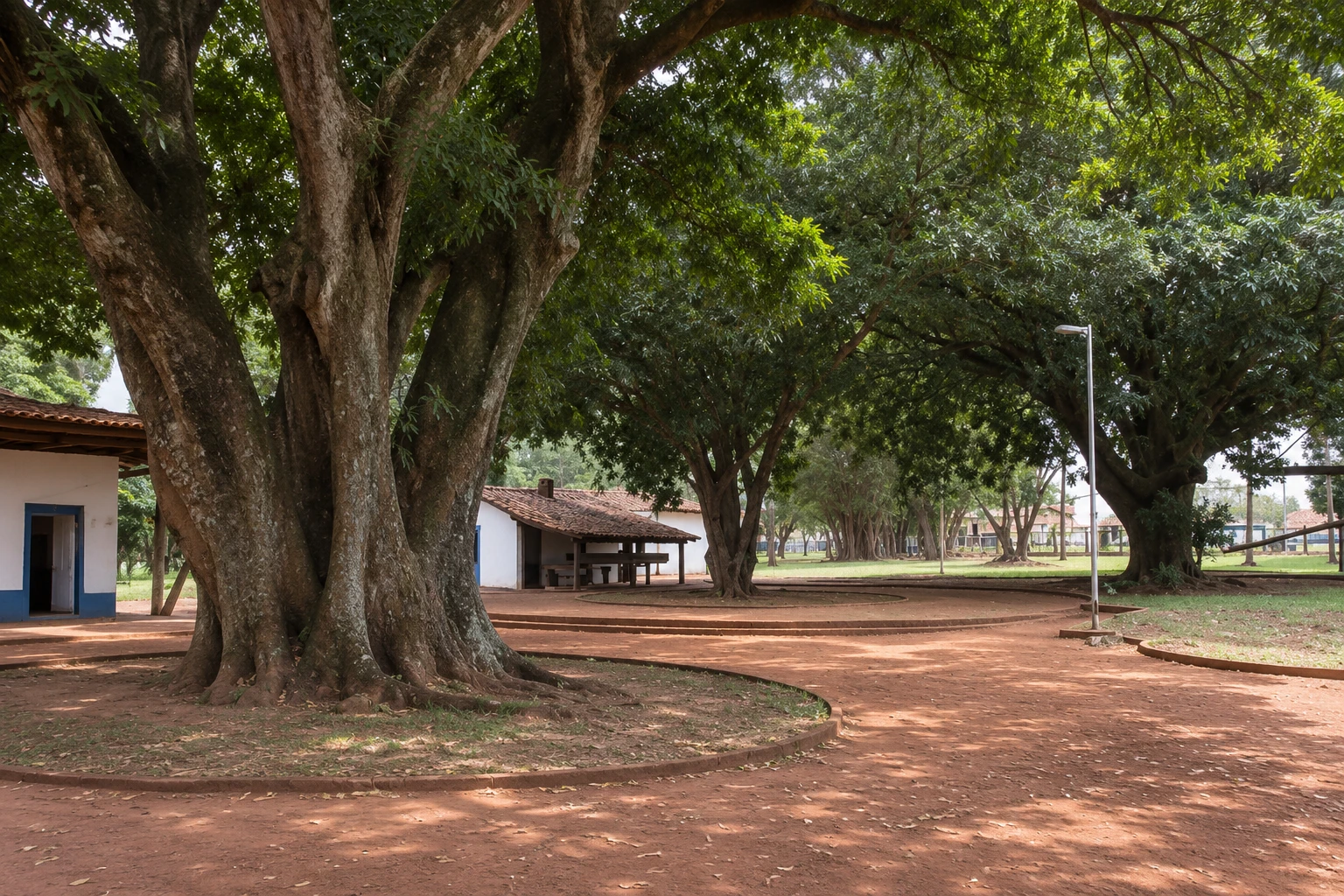
Old Fazenda Bálsamo, linked to the family of Campo Grande’s founder, with the earthen‑walled house, the sugar mill and the monjolo preserved within a large green area with century‑old trees. It tells of the arrival of José Antônio Pereira and his entourage.
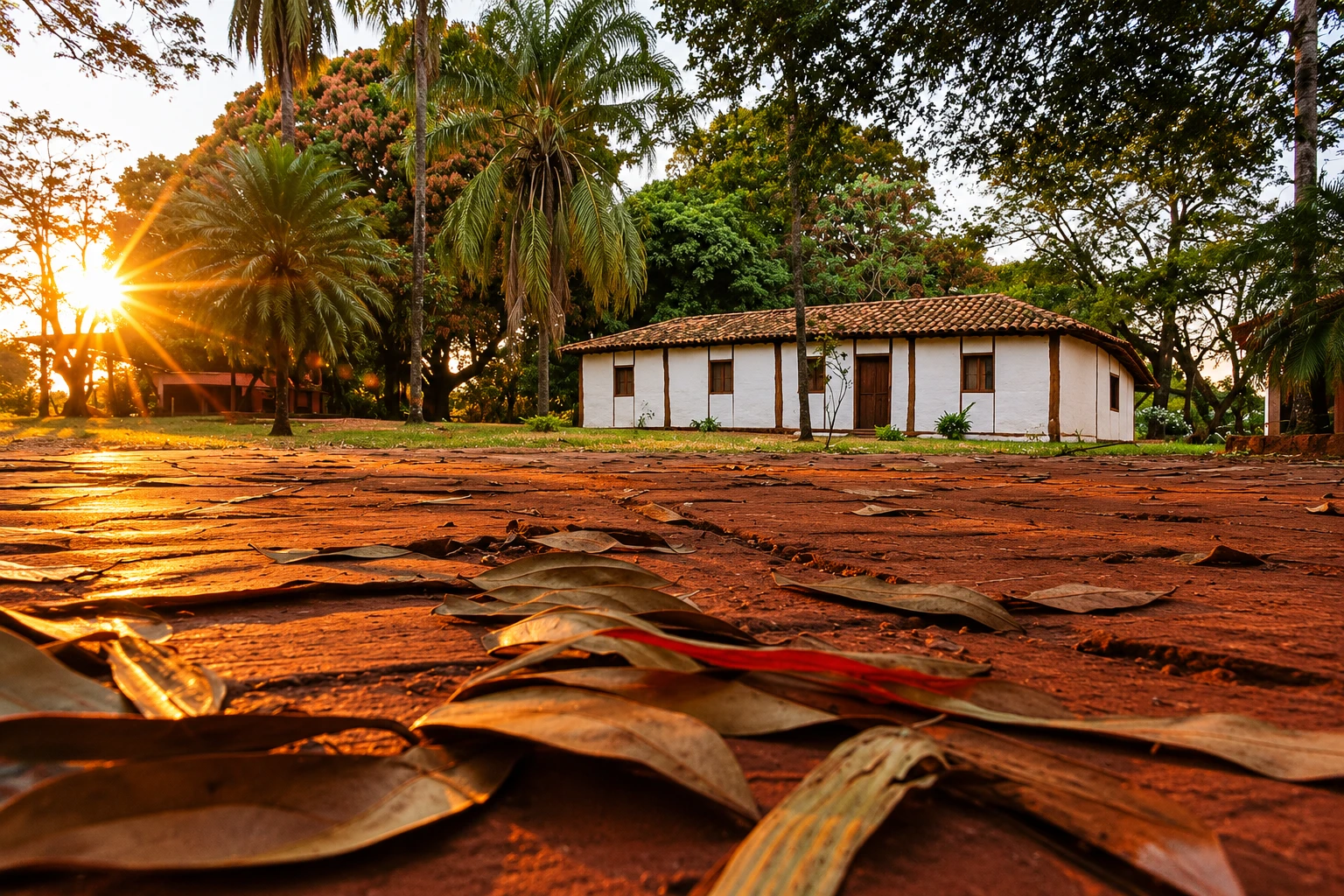
In the photo: Tree‑shaded yard and buildings of the old Fazenda Bálsamo, headquarters of the José Antônio Pereira Museum.
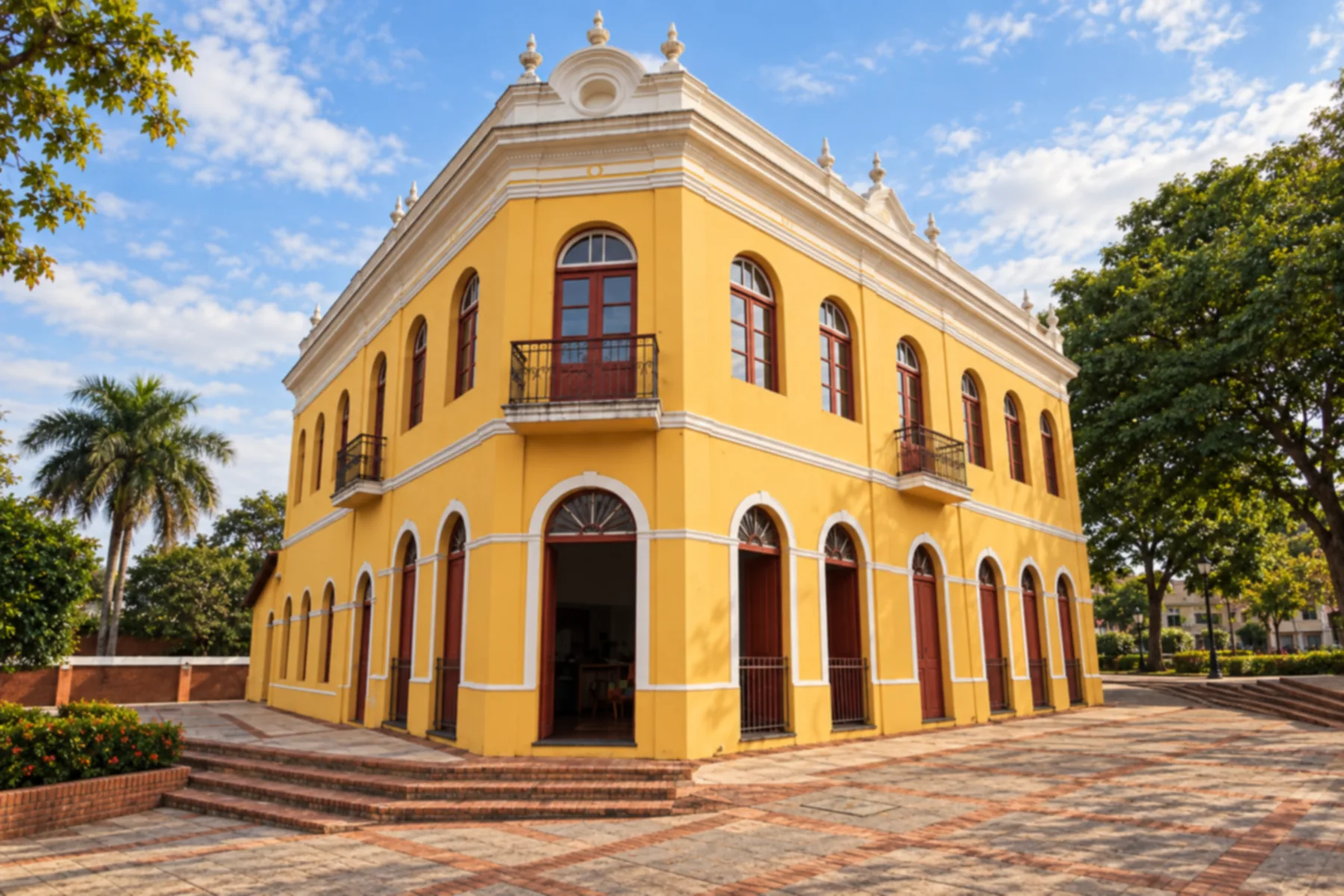
Illustrative images. The pictures in this guide are illustrations based on the real place, not photographs, and may differ from it.


A look at the place
José Antônio Pereira Museum in pictures
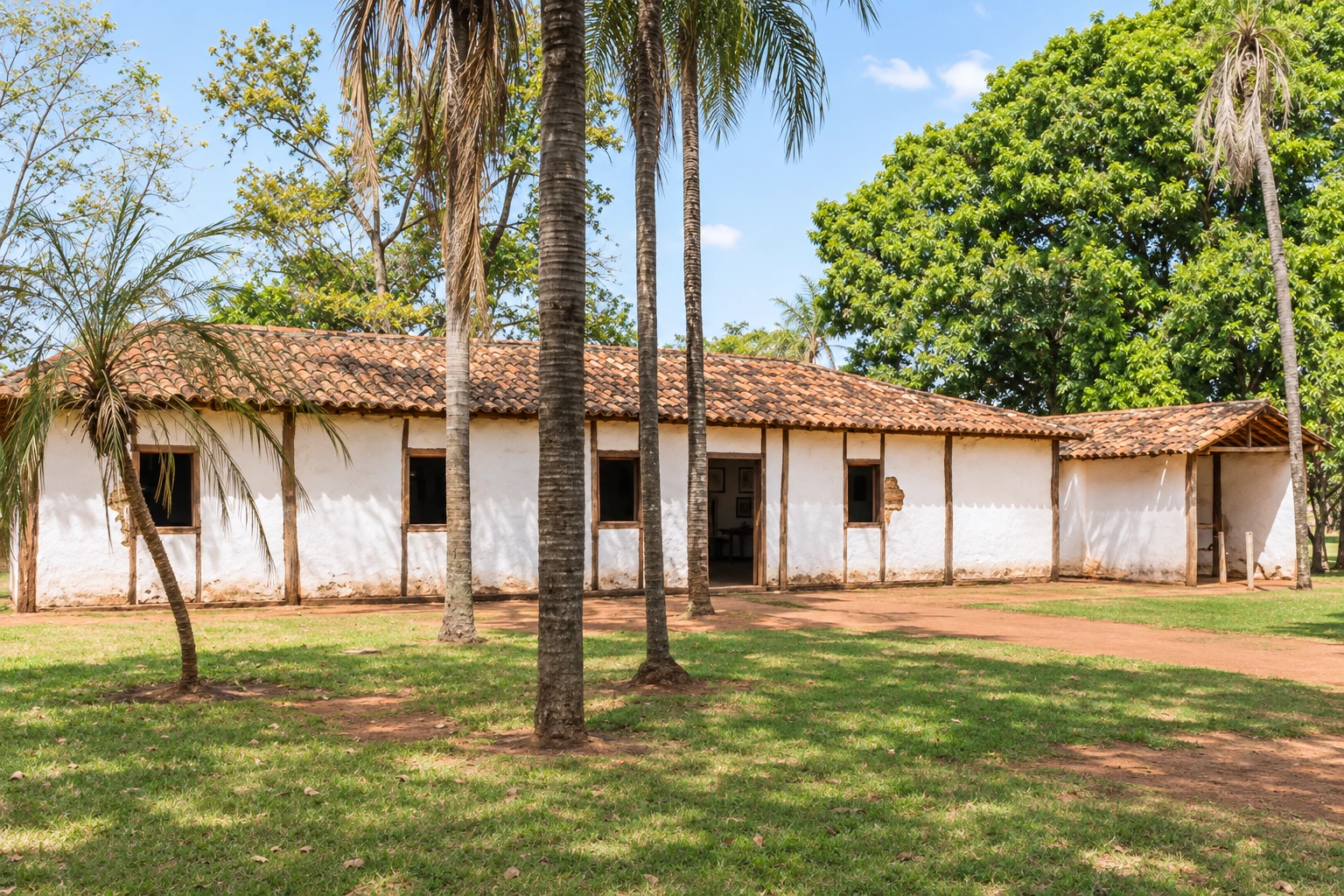
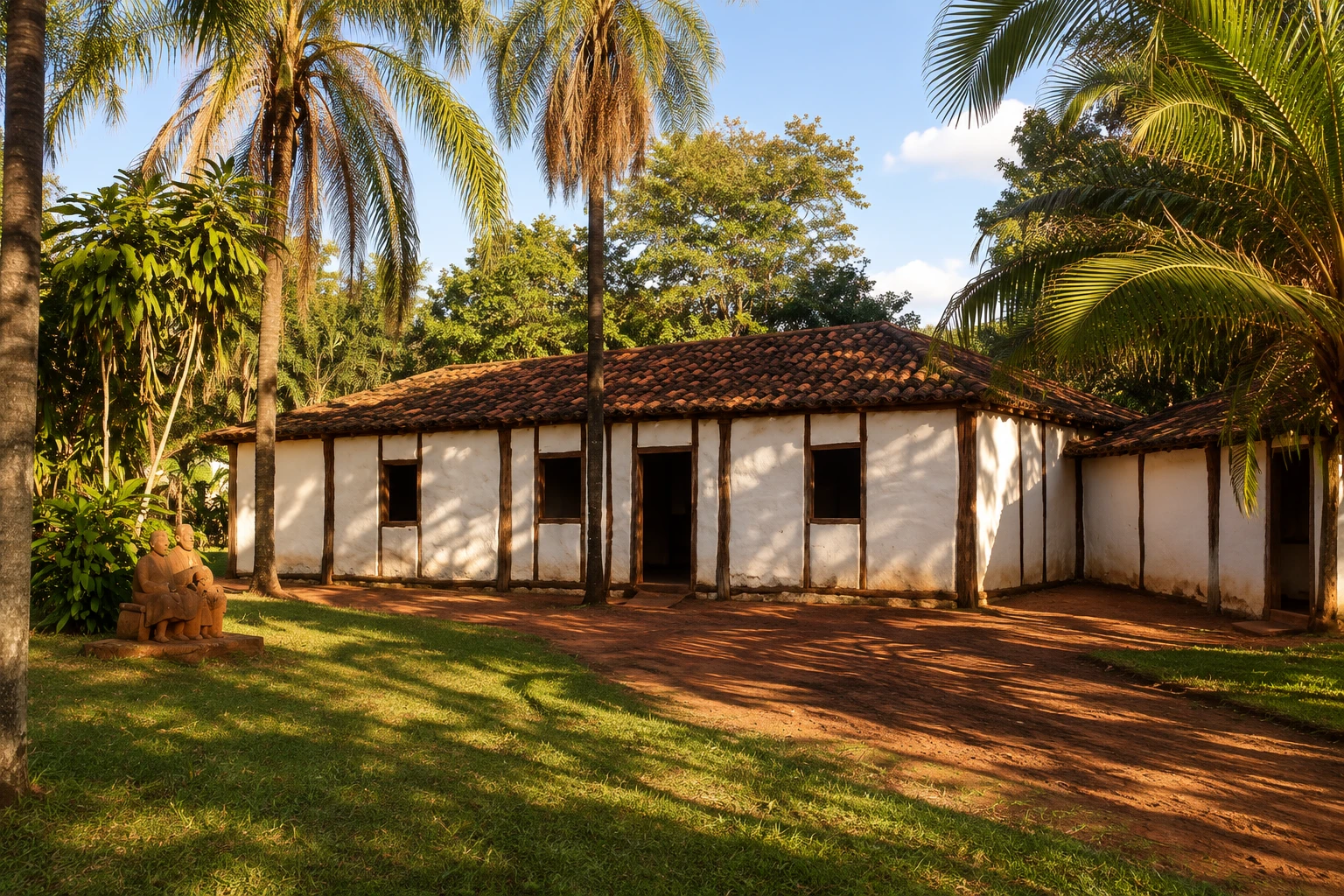
These pictures are illustrations based on the real place, not photographs. They may differ from the place.
Click the picture to enlarge it.
Discover
About José Antônio Pereira Museum
The José Antônio Pereira Museum occupies the old Fazenda Bálsamo on Avenida Guaicurus, south of downtown Campo Grande. The lands were transferred by the city’s founder, the miner José Antônio Pereira, to his son Antônio Luiz Pereira, who lived there with his wife, Ana Luiza, and daughter, Carlinda. The family donated the property to the City Hall in 1966, and the complex was restored for public visitation in 1999.
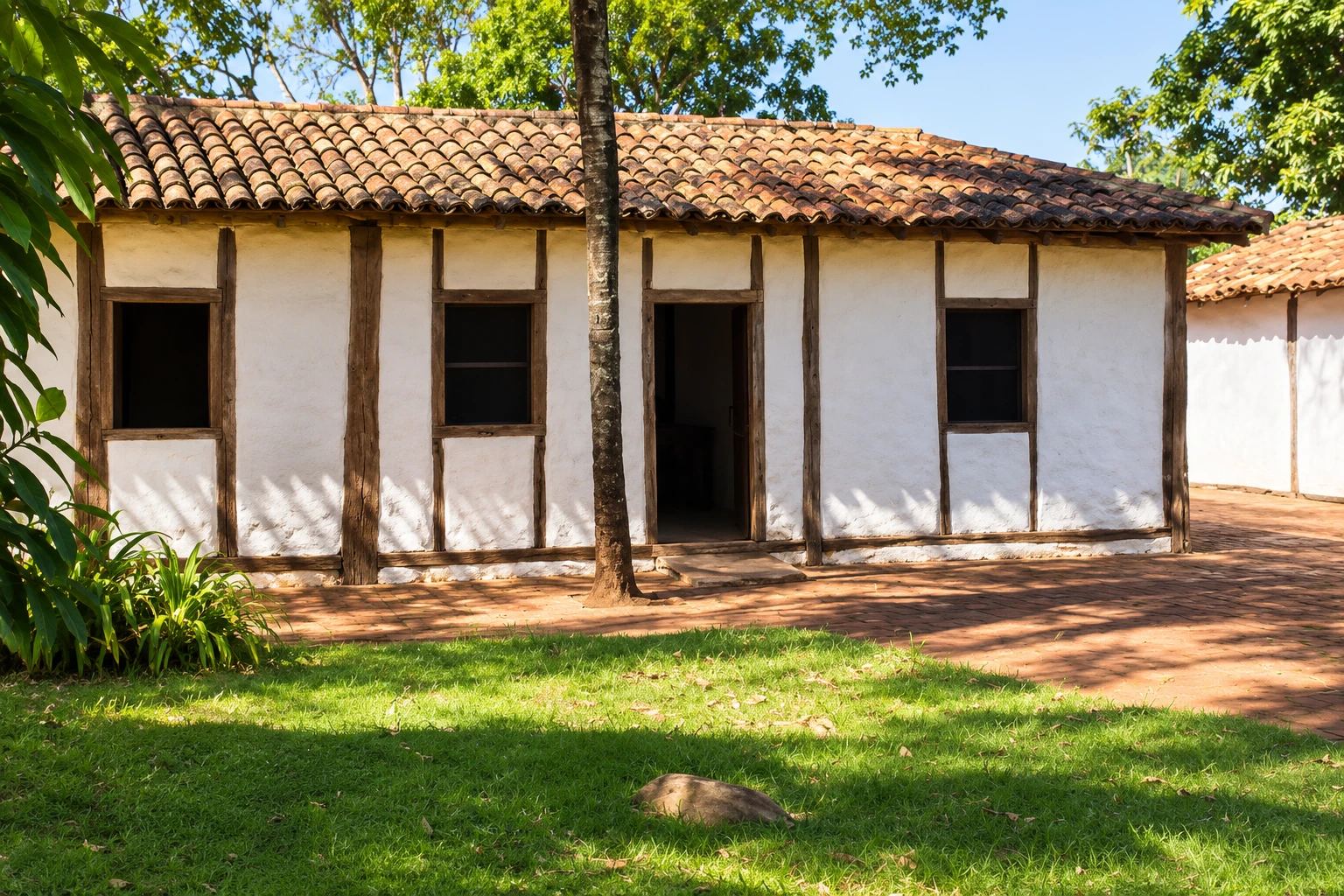
The centerpiece is the small pau a pique house, with clay walls over a wooden framework, identified in studies as the only preserved example of this technique in Campo Grande. Inside, furniture, utensils and objects from the former residents help imagine daily life on a late 19th‑century farm in the region.
The exhibition tells the story of the arrival of José Antônio Pereira and the entourage that came from Minas Gerais and settled by the streams where the settlement began, in the 1870s. At the entrance, a sculpture by the Mato Grosso do Sul artist Índio represents Antônio Luiz, his wife and daughter.
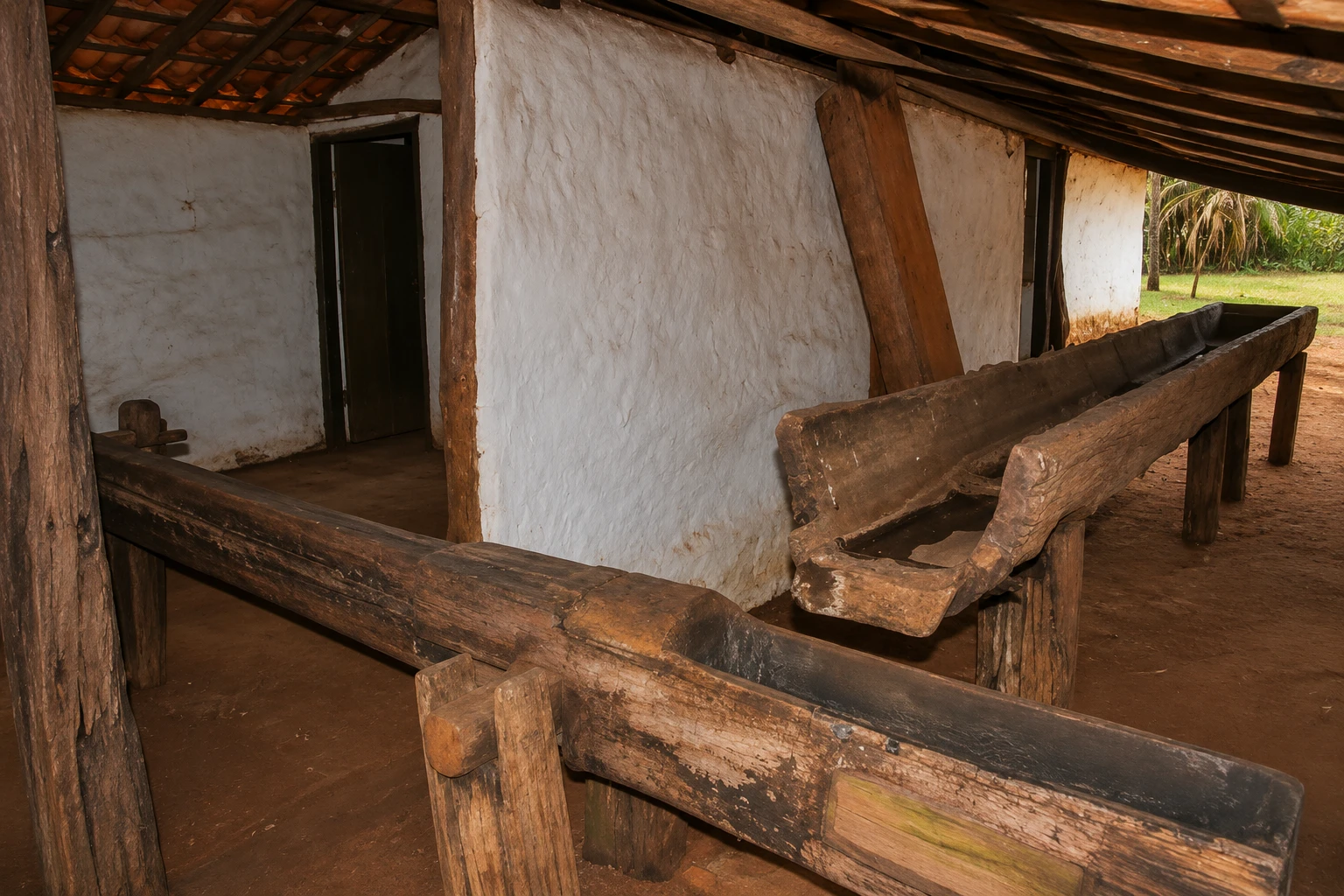
In the yard are the cane sugar mill and the monjolo used to pound grains, which usually attract children’s attention. Century‑old trees shade a large lawn, and many city families use the space for walks and picnics.
The visit is relaxed and fits in one to two hours. To better understand the city’s history, pair the museum with sites in the center, such as the Morada dos Baís and the old railway station, which show the next phases of Campo Grande’s growth.
Before you go
Practical information
Cidade Turismo reviews its information regularly, but something may have changed. Check with the place before planning your trip.
How much time to set aside
1 to 2 hours, including the walk through the yard.
Best time
Any time of year. From May to September there is little rain and afternoons are pleasant to stay in the yard; from October to March it is hotter with more rain, and the trees’ shade helps. Confirm opening days and hours, which change according to the City Hall’s schedule.
How to get there
The museum is on Avenida Guaicurus, about 9 km south of downtown Campo Grande. The simplest access is by car, taxi or ride‑hailing app.
Tip
Bring water and something for a snack if you want to enjoy the yard, and insect repellent in the rainy months. School groups often visit on weekdays; on weekends the atmosphere is usually family outings.
Your questions
Frequently asked questions about José Antônio Pereira Museum
What is the José Antônio Pereira Museum in Campo Grande?
It is the old Fazenda Bálsamo, linked to the family of the city’s founder. It preserves the pau a pique house, the sugar mill and the monjolo, and tells of the arrival of José Antônio Pereira in the 1870s.
Where is the José Antônio Pereira Museum located?
On Avenida Guaicurus, about 9 km south of downtown Campo Grande. The simplest access is by car, taxi or ride‑hailing app.
Is the museum a good outing with children?
Yes. The large yard with century‑old trees, the sugar mill and the monjolo usually please children, and many families have picnics on the lawn.
How long does the visit take?
Generally, 1 to 2 hours, combining the house, the exhibition and the walk through the yard.